Polarized Motorcycle Sunglasses Suppliers and Manufacturers
Compare 28 verified suppliers of Polarized Motorcycle Sunglasses based on location, lead times, and certifications. Review product specs like UV400 protection and frame materials before requesting samples or quotes; review the available evidence before requesting comparable quotations from suitable candidates.
Updated
Suppliers List
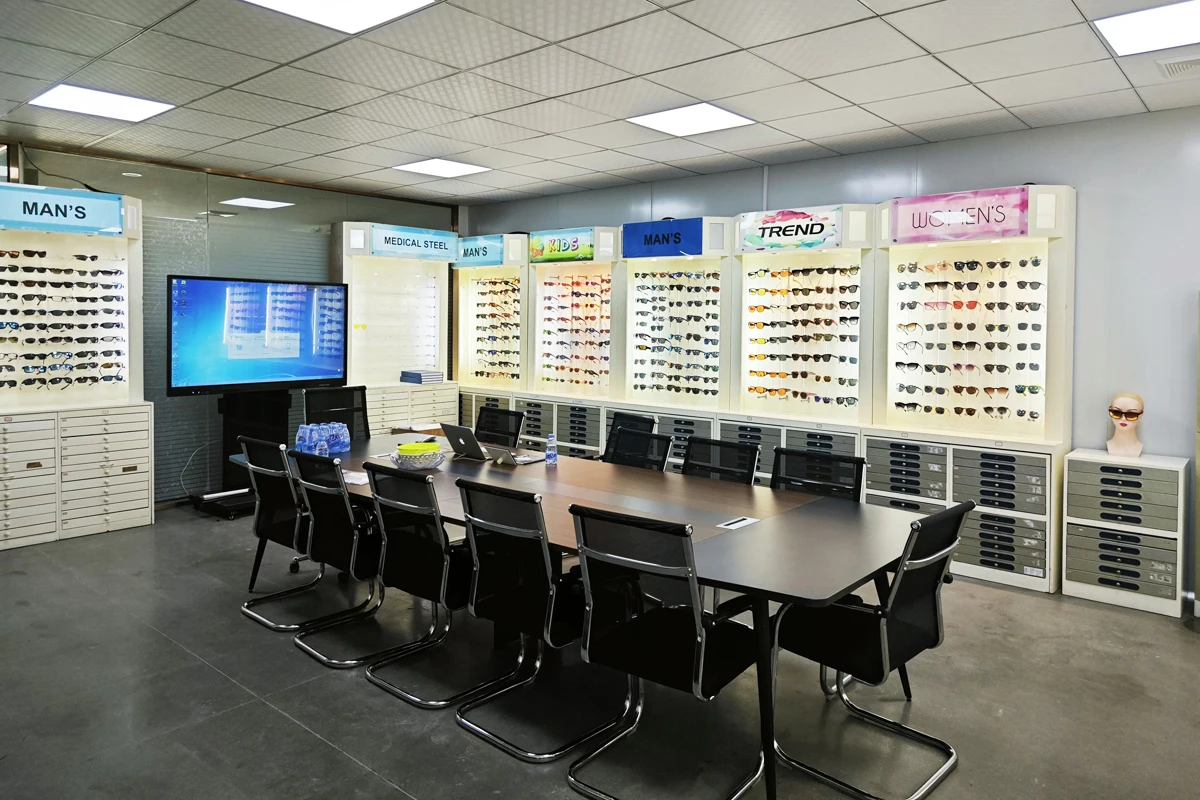
Xiamen Jiayu Optical Co., Limited
- Trading Company
- Fujian, China
- Lead time35 days
- Avg. response≤ 9h
Main productsSunglasses,Sunglass Lenses,Safety Glasses,sports sunglasses,Optical Frames
Main marketsWestern Europe(26.00%), North America(23.00%), Southern Europe(11.00%), South America(6.00%), Southeast Asia(5.00%), Eastern Europe(5.00%), Domestic Market(5.00%), Oceania(5.00%), Northern Europe(4.00%), Eastern Asia(3.00%), South Asia(3.00%), Mid East(2.00%), Central America(2.00%)
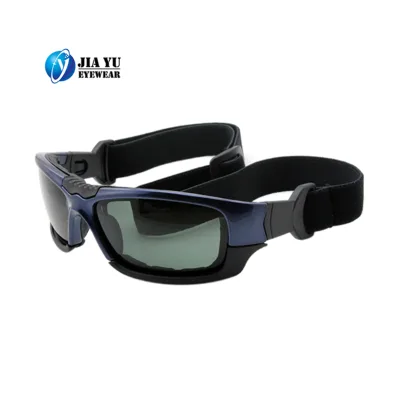
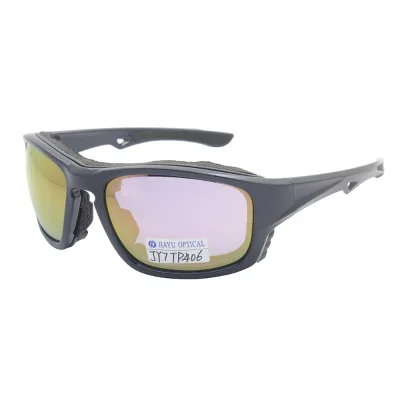
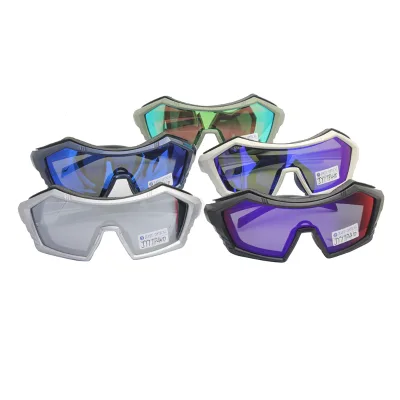
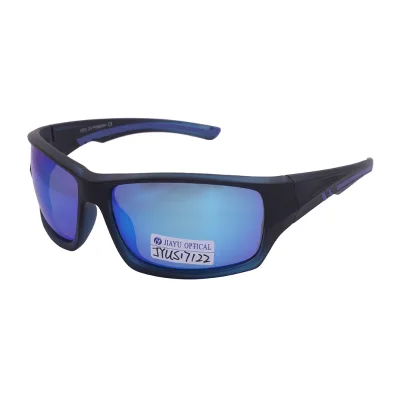
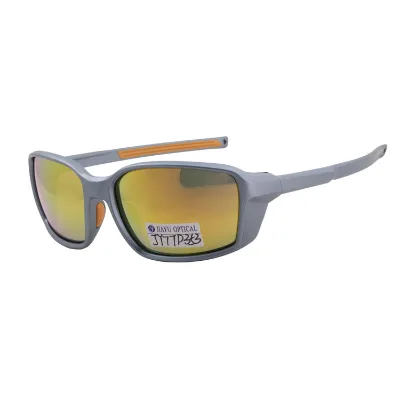
Lightweight TAC Polarized Sports Sunglasses,TR90 Running Cycling UV400 for Men Women
$3.60 - $4.50
MOQ: 600

Wenzhou Dilicn Optical Co., Ltd
- Verified by TUVRHEINLAND
- Trading Company
- China Zhejiang
- Lead time15 days
- Avg. response≤ 7h
Main productssports sunglasses, reading glasses, optical frames
Main marketsSouth America,Europe,North America

- Verified by BV
- Trading Company
- China Zhejiang
- Lead time30 days
- Avg. response≤ 8h
Main productsSunglass, Optical Frame, Sports Sunglasses, Kid's Optical Frames, Reading Glasses, Polarized Sunglasses, Eyeglasses Frame, Sun Glasses, Eyewear Frame, Sunglasses Case
Main marketsEurope,North America

Polarized Sports Sunglasses Cycling Glasses Polarized Sport Sunglasses Fashion Sunglasses
$2.13 - $2.47
MOQ: 2 Pieces


Men Motorcycle Riding Glasses Anti Fog Eye Protective Safety Cycling Sport Sunglasses
$5.75 - $5.95
MOQ: 12 Pieces

Cycling Glasses Polarized Sporty Bicycle Sun Glasses Best Seller Sport Sunglasses
$3.94 - $4.41
MOQ: 3 Pieces
- Trading Company
- Zhejiang, China
- Lead time20 days
- Avg. response≤ 2h
Main productsSunglasses,Reading Glasses,Safety Goggles,Optical Frame,Cycling Glasses
Main marketsNorth America(50.00%), Southeast Asia(10.00%), South America(7.00%), Eastern Europe(5.00%), Oceania(5.00%), Africa(5.00%), Northern Europe(5.00%), Mid East(2.00%), South Asia(2.00%), Southern Europe(2.00%), Central America(2.00%), Western Europe(2.00%), Eastern Asia(2.00%), Domestic Market(1.00%)

Yibin Haixun Machinery Technology Co., Ltd.
- Verified by SGS
- Trading Company
- China Sichuan
- Lead time30 days
- Avg. response≤ 3h
Main productsSwimming Goggles, Goggles, Ski Goggles, Cycling Goggles, Protective Goggles, Wrist Guard; Knee Pad, Basketball Glasses, Gymnastics Gloves, Sports Shoes, Sportswear
Main marketsAfrica,Europe

Polarized Motorcycle Cycling Glasses with UV400 Protection and Interchangeable Lenses
$2.99 - $19.99
MOQ: 500 Pieces


Polarized Sports Sunglasses for Men and Women, Driving, Cycling, Fishing and Running
$2.99 - $12.99
MOQ: 200 Pieces


Polarized Cycling Sunglasses for Men and Women with Interchangeable Lenses
$4.99 - $19.99
MOQ: 300 Pieces


Jiangsu Huibaicheng Group Co., Ltd.
- Verified by SGS
- Trading Company
- China Jiangsu
- Lead time23 days
- Avg. response≤ 6h
Main productsSafety Helmet, Safety Vest, Reflective Clothing, Hard Hat, Safety Gloves
Main marketsSouth America,Eastern Europe,Mid East,North America,Southeast Asia,Eastern Asia,Oceania,Western Europe,Africa


Outdoor Cycling Sunglasses Sport Polarized Anti-Glare Unisex Riding Glasses
$4.79 - $4.99
MOQ: 200 pieces

Sports Cycling Sunglasses Eyewear Goggles Polarized Cycling Safety Glasses
$4.79 - $4.99
MOQ: 200 pieces
ZONE DARSHAN ENTERPRISE CO., LTD.
- Trading Company
- Taiwan, China
- Lead time0 days
- Avg. response≤ 5h
Main productsAuto parts,rail way parts,bicycle parts,led wheel cycling display,medical mechanical parts
Main marketsSouthern Europe(10.00%), Northern Europe(10.00%), Central America(10.00%), Western Europe(10.00%), Eastern Asia(10.00%), Mid East(10.00%), Africa(10.00%), Southeast Asia(10.00%), Eastern Europe(10.00%), North America(10.00%)
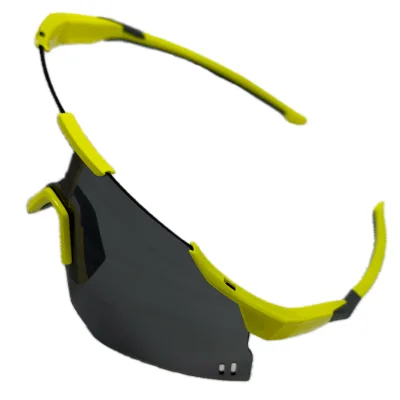
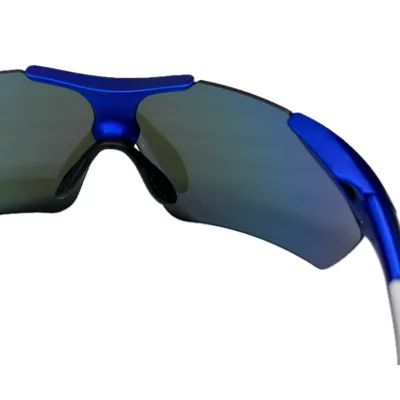
Sport Sunglasses Durable Ultra-light
$7.8458 - $8.3689

Pilot Optics International Corp.Ltd.Wenzhou
- Trading Company,Manufacturer/Factory
- China Zhejiang
- Lead time45 days
- Avg. response≤ 25h
Main productsReading Glasses, Optical Frames, Sunglasses, Glasses Pouch, Glasses Case, Glasses Cord, Glasses Display
Main marketsSouth America,Eastern Europe,Mid East,North America,Southeast Asia,Oceania,Western Europe

Custom Cycling UV400 Sports Sunglasses Polarized Sports Eyewear Sunglasses
$0.50 - $2.00
MOQ: 1200 Pieces

Pilot Optics UV 400 Protection Sun Glasses Polarized Cycling Sports Bike Sunglasses
$0.50 - $2.00
MOQ: 1200 Pieces
Taizhou Hannibal E-Commerce Co., Ltd.
- Verified by Intertek
- Trading Company
- Lead time30 days
- Avg. response≤ 2h
Main productsSunglasses
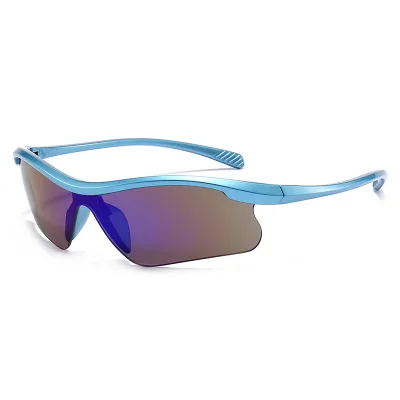
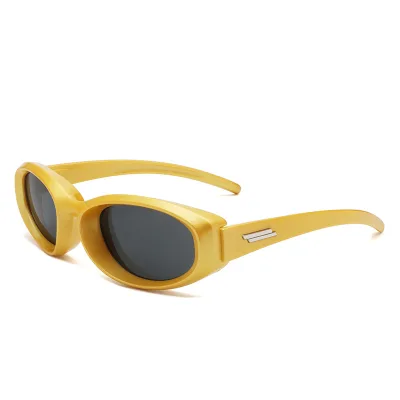
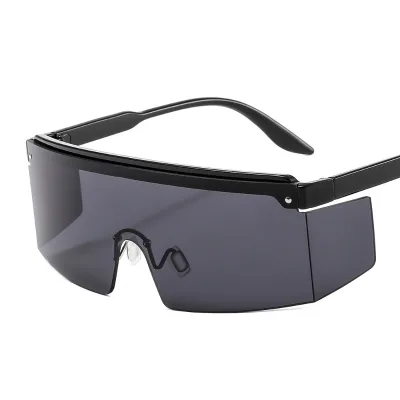
Windproof Integrated UV400 Lens Sunglasses Oversized Fashionable Sunglasses
$2.4808 - $2.9021
MOQ: 2 pieces
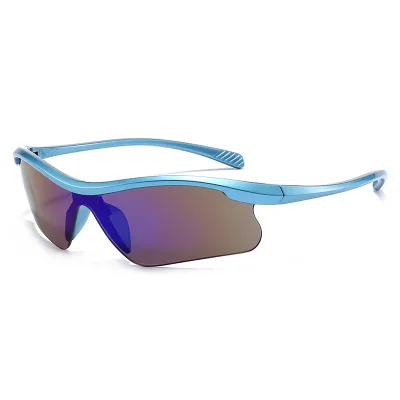

Wenzhou Readsun Optical Co., Ltd.
- Verified by SGS
- Trading Company,Manufacturer/Factory
- China Zhejiang
- Lead time60 days
- Avg. response≤ 7h
Main productsSunglasses, Reading Glasses, Optical Frame, Plastic Sunglasses, Kid's Sunglasses, Metal Sunglasses, Sport Sunglasses, Titanium Optical Frame, LED Reading Glasses, Promotion Sunglasses
Main marketsSouth America,Eastern Europe,Mid East,North America,Southeast Asia,Eastern Asia,Oceania,Western Europe,Africa


$7.10 - $7.50
MOQ: 300 Pieces


$7.10 - $7.50
MOQ: 300 Pieces

- Trading Company
- China Zhejiang
- Lead time0 days
- Avg. response≤ 4h
Main productsOptical Glasses, Reading Glasses, Sunglasses, Blue Light Blocking Glasses, Eyeglasses Frames, Kid's Sunglasses, Titanium Optical Frame, Women Reading Glasses, Mens Spectacles Frames, Fashion Sunglasses

Anti-UV Driving Mirror Polarized Sunglasses Cycling Sports Men Polarized Sunglasses
$1.25
MOQ: 1200 Pieces

$7.60 - $7.90
MOQ: 100 Pieces

OEM Polarized Sports Sunglasses Fashion Sunglasses for Sports Outdoor Running Cycling with Case
$7.60 - $7.90
MOQ: 100 Pieces


- Verified by SGS
- Trading Company
- China Zhejiang
- Lead time15 days
- Avg. response≤ 13h
Main productsTents, BBQ Grill, Folding Table and Chair, Cooler Bag, Outdoor Lamp, Beach Mat, Picnic Blanket, Sleeping Bag, Water Bottle, Hammock
Main marketsEurope,Australia

New Polarized Outdoor Sunglasses UV Resistant Glasses Sports Cycling Sunglasses
$13.36 - $14.93
MOQ: 100 Pieces

New Polarized Outdoor Sunglasses UV Resistant Glasses Sports Cycling Sunglasses
$4.86 - $5.43
MOQ: 200 Pieces

New Polarized Outdoor Sunglasses UV Resistant Glasses Sports Cycling Sunglasses
$1.09 - $1.22
MOQ: 1000 Pieces

New Polarized Outdoor Sunglasses UV Resistant Glasses Sports Cycling Sunglasses
$1.03 - $1.15
MOQ: 1000 Pieces

New Polarized Outdoor Sunglasses UV Resistant Glasses Sports Cycling Sunglasses
$0.84 - $0.94
MOQ: 1100 Pieces

Shenzhen Lianxinyuan E-Commerce Co., Ltd.
- Manufacturer, Trading Company, Distributor/Wholesaler, Other
- Guangdong, China
- Lead time3 days
- Avg. response≤ 1h
Main productsTraffic tools,charger,Electronic products,integrated circuit,Solar products
Main marketsNorth America(30.00%), Northern Europe(15.00%), South America(15.00%), South Asia(10.00%), Southern Europe(10.00%), Eastern Europe(10.00%), Western Europe(10.00%)
Guangzhou Excellence Optical Technology Co., Ltd.
- Verified by TüVRheinland
- Trading Company
- Lead time30 days
- Avg. response≤ 2h
Main productsOEM & ODM Eyewear, Acetate & Metal Optical Frames, Sunglasses, Clip On Glasses, Blue Light Glasses
Main marketsNorth America(15%), Mid East(15%), South America(10%)
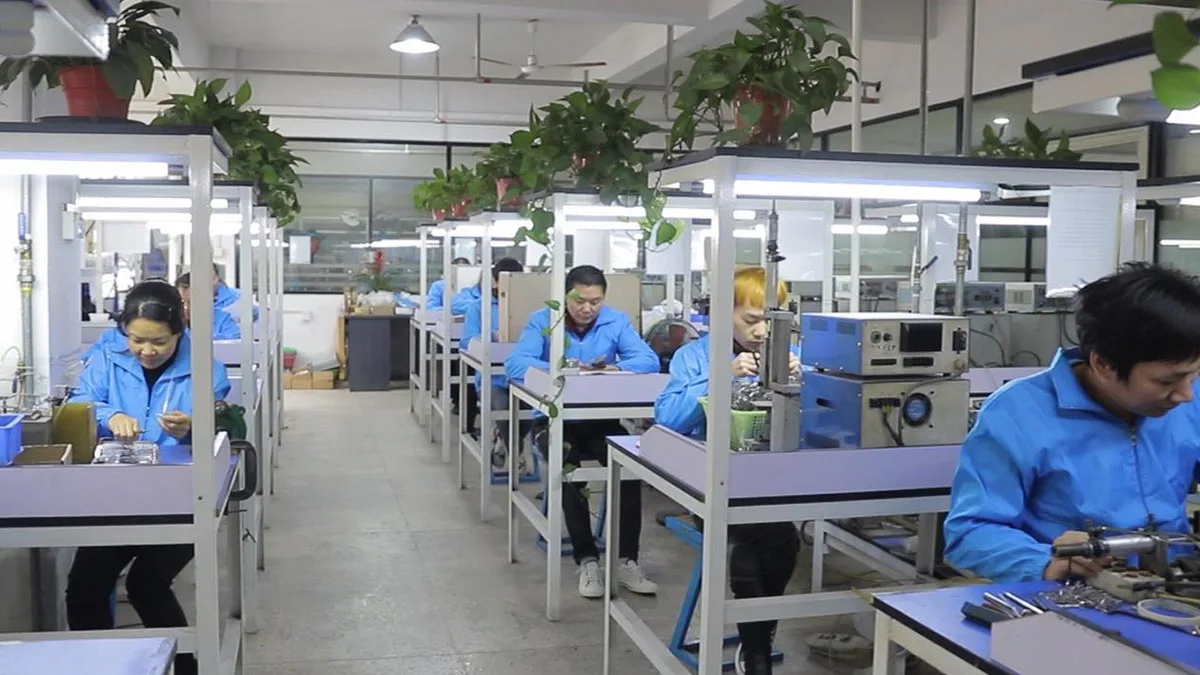
Wenzhou Dachuan Optical Co., Ltd.
- Trading Company
- Zhejiang, China
- Lead time30 days
- Avg. response≤ 10h
Main productsReading glasses,Sunglasses,Optical frames,Sports Cycling Sunglasses,Kids Eyewear
Main marketsWestern Europe(25.00%), Southern Europe(10.00%), Northern Europe(10.00%), North America(10.00%), Eastern Asia(8.00%), Mid East(8.00%), Eastern Europe(5.00%), Central America(5.00%), South America(5.00%), Oceania(5.00%), Africa(5.00%), Southeast Asia(4.00%)

- Verified by TUVRHEINLAND
- Combined
- China Guangdong
- Lead time23 days
- Avg. response≤ 10h
Main productsSunglasses, Ski Goggles, Sports Sunglasses, Tactical Goggles, Cycling Helmet
Main marketsNorth America

Mirrored and Polarized Bike Riding Sun Glasses Anti Glare Sport Cycling Sunglasses
$2.90 - $3.51
MOQ: 300 pairs

Factory Direct Sale Retro Motocross Glasses Sport Sunglasses Anti UV Motorcycle Goggles
$4.31 - $5.23
MOQ: 100 pieces
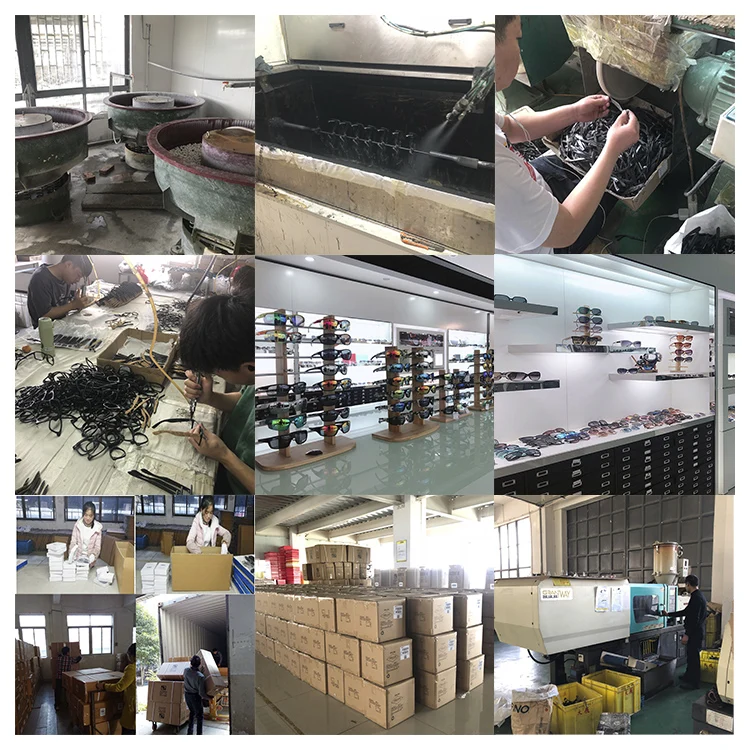
Taizhou Daxin Trading Co., Ltd.
- Manufacturer, Trading Company
- Taizhou, China
- Lead time45 days
- Avg. response≤ 7h
Main productsWomen Sunglasses, Kids Sunglasses, Sports Sunglasses, Man Sunglasses
Main marketsNorth America(60.00%), Africa(20.00%), Eastern Asia(10.00%), Southeast Asia(10.00%)
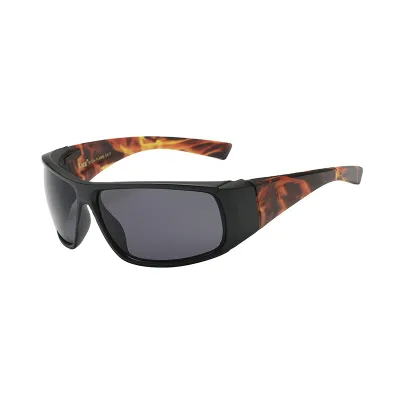
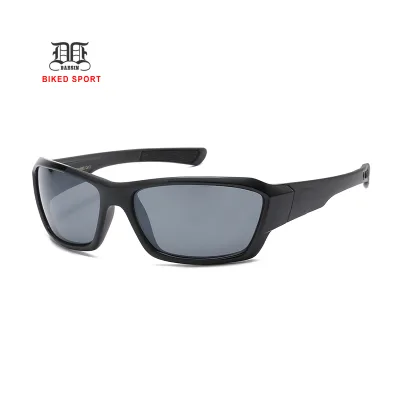
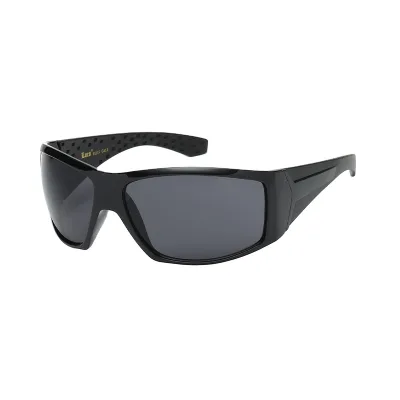
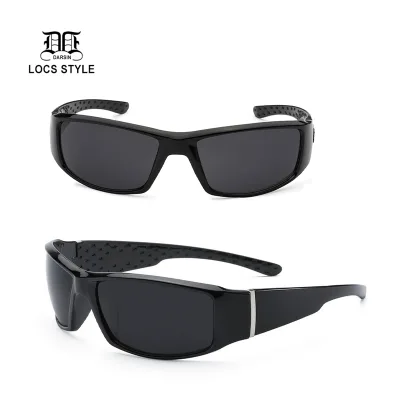
Shades Style Wholesale Custom Logo Retro Oversized Wrap Black Motorcycle Polarized Sunglasses Men
$1.08 - $2.38
MOQ: 300 pieces
- Trading Company
- Zhejiang, China
- Lead time5 days
- Avg. response≤ 4h
Main productsBike parts,Cycling equipment,Yoga accessories,Sports wear,Indoor fitness
Main marketsNorth America(30.00%), Eastern Europe(20.00%), South America(20.00%), Northern Europe(10.00%), Southeast Asia(10.00%), South Asia(5.00%), Western Europe(5.00%)

Xiamen Langxue Spectacles Co., Ltd.
- Combined
- China Fujian
- Lead time30 days
- Avg. response≤ 12h
Main productsSunglasses, Eyeglasses, Reading Glasses, Metal Sunglasses, Optical Frames, Safety Glasses, Eyewears, Optical Glass, Spectacles, Sports Sunglasses
Main marketsSouth America,Domestic,Europe,North America


Oversized Shield Cycling Sunglasses with Removable Prescription Insert Frame
$5.96 - $6.86
MOQ: 600 Pieces

Performance Shield Sport Sunglasses with Prescription Insert Iridescent Mirror Lens
$5.96 - $6.86
MOQ: 600 Pieces

Wide Shield Lens Cycling Sunglasses with Inner Prescription Insert Frame
$5.96 - $6.86
MOQ: 600 Pieces
Yiwu Furtey International Trade Co., Ltd.
- Trading Company
- Zhejiang, China
- Lead time30 days
- Avg. response≤ 6h
Main productsGlasses
Main marketsNorth America(20.00%), South America(15.00%), Southeast Asia(10.00%), Oceania(10.00%), Western Europe(10.00%), Eastern Asia(7.00%), Southern Europe(7.00%), Africa(5.00%), Central America(5.00%), Eastern Europe(5.00%), Domestic Market(3.00%), Mid East(2.00%), South Asia(1.00%)
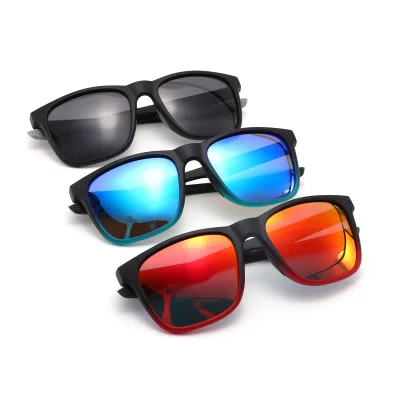
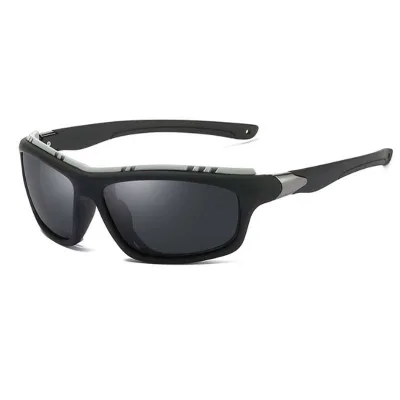
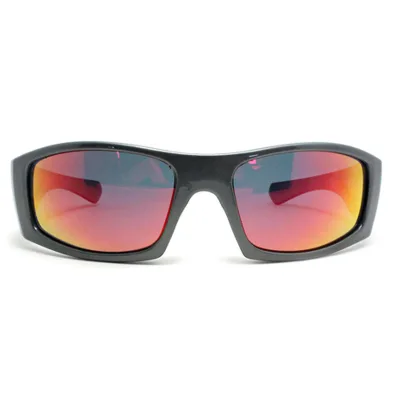
2022 New Trend Outdoor Sports Polarized Floating Sunglasses Custom logo
$5.6827 - $6.1999
MOQ: 100 pieces
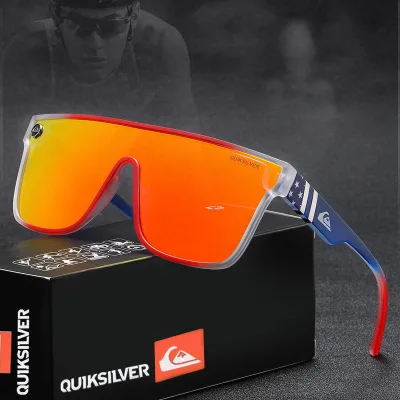
Hot-selling Cycling Driving Sunglasses, High-quality Real Film Outdoor Quality Sports Men Sunglasses
$2.0581 - $2.5723
MOQ: 2 pieces
Guangzhou Dilupu Optics Technology Co., Ltd.
- Manufacturer, Trading Company
- Guangdong, China
- Lead time15 days
- Avg. response≤ 5h
Main productsSports Glasses & Goggles, Cycling Glasses & Goggles, Ski Glasses & Goggles
Main marketsNorth America(25.00%), Northern Europe(20.00%), South America(10.00%), Southern Europe(10.00%), Southeast Asia(6.00%), Oceania(5.00%), Western Europe(5.00%), Central America(5.00%), Eastern Europe(5.00%), Mid East(3.00%), South Asia(2.00%), Eastern Asia(2.00%), Africa(2.00%)

Changzhou Sitan Imp. and Exp. Co., Ltd.
- Verified by BV
- Trading Company
- China Jiangsu
- Lead time15 days
- Avg. response≤ 10h
Main productsFitness Equipment, Barbell Series, Resistance Bands, Agility & Speed, Yoga Ball, Massage Series, Power Rack, Weight Ball, Charging Notebook, Custom Logo Goods
Main marketsSoutheast Asia/ Mideast,Domestic,Europe,North America

Outdoor Oversized Running Bicycle Glasses Wholesale Polarized Sports Sunglasses
$2.80 - $3.50
MOQ: 50 Pieces

Hot Sale Polarized Sports Sunglasses Fashion Men Sun Glasses New Cycling Sunglasses
$2.60 - $3.20
MOQ: 50 Pieces

- Trading Company
- Zhejiang, China
- Lead time0 days
- Avg. response≤ 7h
Main productsNecklaces,Rings,Earrings,Bracelets,Watches
Main marketsNorth America(30.00%), Eastern Europe(25.00%), Central America(10.00%), South America(7.00%), Western Europe(6.00%), Southern Europe(5.00%), Northern Europe(5.00%), Oceania(3.00%), Eastern Asia(3.00%), Mid East(2.00%), Africa(2.00%), South Asia(1.00%), Southeast Asia(1.00%)

Guangzhou Mertto Sports Products Co., Ltd.
- Verified by TUVRHEINLAND
- Manufacturer/Factory
- China Guangdong
- Lead time23 days
- Avg. response≤ 1h
Main productsSport Sunglasses, Cycling Sunglasses, Ski Goggles, Motocross Goggles, Fishing Sunglasses, Fashion Sunglasses, Tactical Goggles, Shooting Sunglasses, Cycling Helmet, Ski Helmet
Main marketsSouth America,Eastern Europe,Mid East,North America,Southeast Asia,Western Europe,Africa


Wholesale Trendy Design Unisex Custom Logo Shades Polarized Windproof Cycling Sports Sunglasses
$2.58 - $3.13
MOQ: 2 Pieces
Guangzhou Huadu District Xinhua Jianghua Optical Shop
- Manufacturer, Trading Company
- Guangdong, China
- Lead time30 days
- Avg. response≤ 3h
Main productsSport Sunglasses,Ski Goggles,Cycling Glasses,Tactical Goggles,Motorcycle Goggles
Main marketsNorth America(40.00%), Western Europe(30.00%), Eastern Europe(10.00%), South America(5.00%), South Asia(5.00%), Eastern Asia(3.00%), Oceania(3.00%), Northern Europe(2.00%), Southern Europe(2.00%)
Guangzhou Basto Glasses Co., Ltd.
- Manufacturer, Trading Company
- Guangdong, China
- Lead time30 days
- Avg. response≤ 2h
Main productsSAFETY GLASSES/ SUNGLASSES/ OPTICAL GLASSES/ SPORT G LASSES/ SKI GOGGLES,SUNGLASSES,OPTICAL GLASSES,BASKETBALL GLASSES,SPORT SUNGLASSES
Main marketsDomestic Market(50.00%), Southeast Asia(30.00%), Southern Europe(17.00%), Mid East(3.00%)
- Verified by TüVRheinland
- Manufacturer, Trading Company
- Lead time40 days
- Avg. response≤ 6h
Main productsReading Glasses, Sunglasses, Optical Frame Kid Glasses, Glasses Accessories, Kid Glasses
Main marketsNorth America(37%), South America(20%), Western Europe(20%)
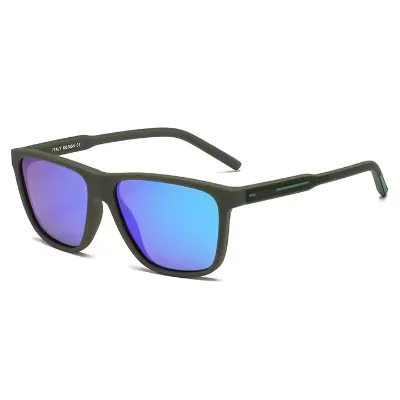
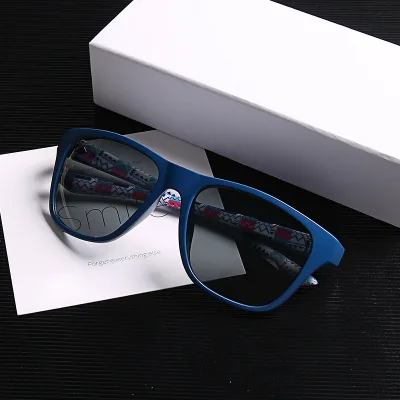
$0.5127 - $2.0491
MOQ: 300 Minimum
Wuhan Kaixinhong Tech Co., Ltd.
- Trading Company
- Hubei, China
- Lead time0 days
- Avg. response≤ 2h
Main productsSunglasses, Sunglasses Case, Smart Sunglasses, Glasses Accessories
Main marketsNorth America(80.00%), Western Europe(15.00%), South America(5.00%)


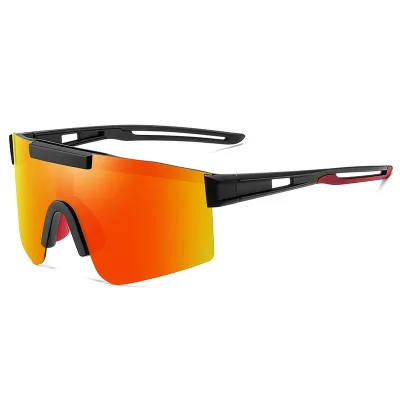
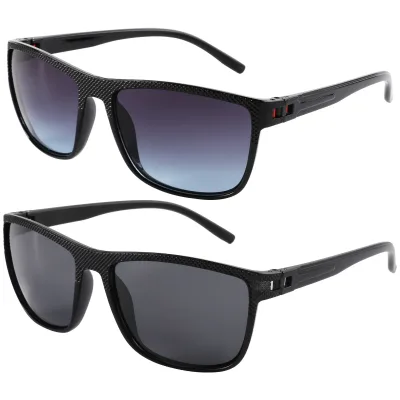
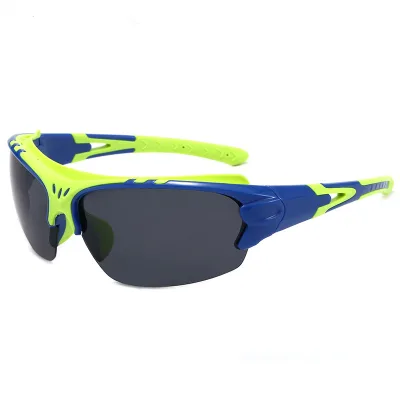
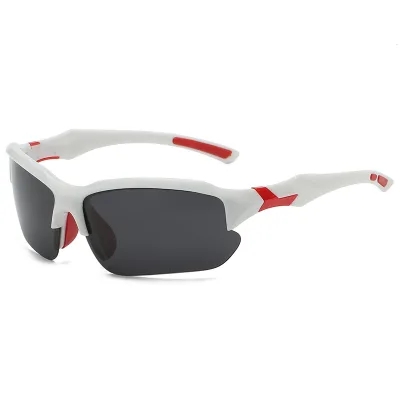

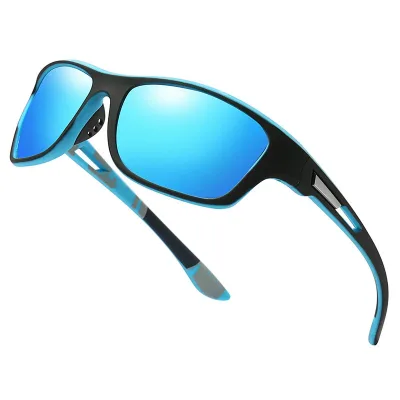
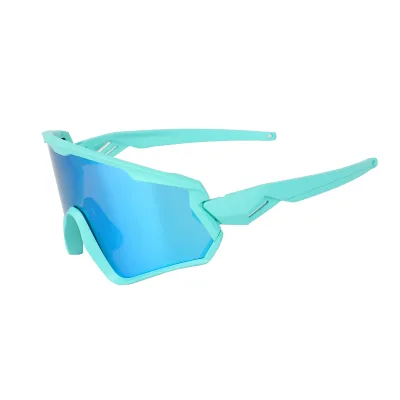
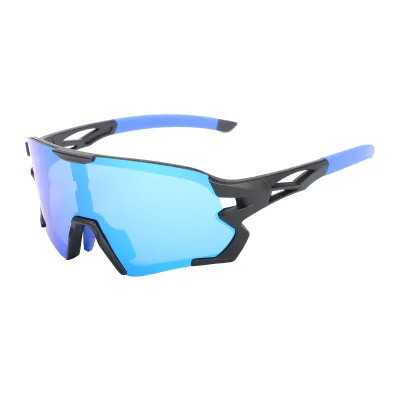
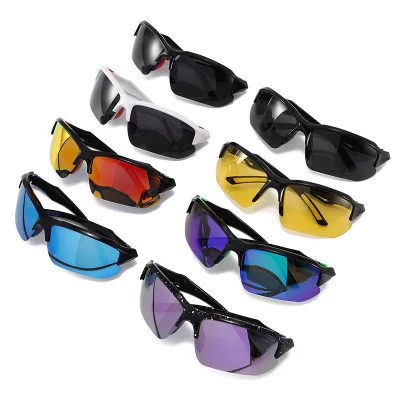
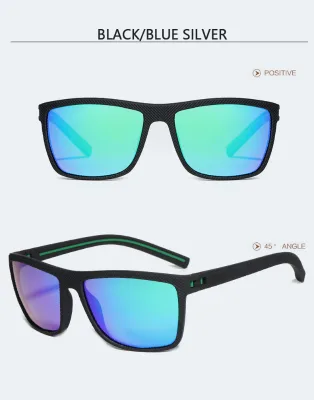
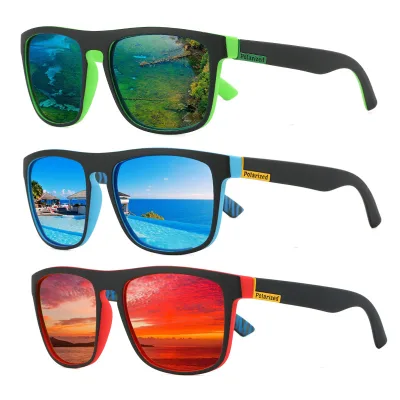
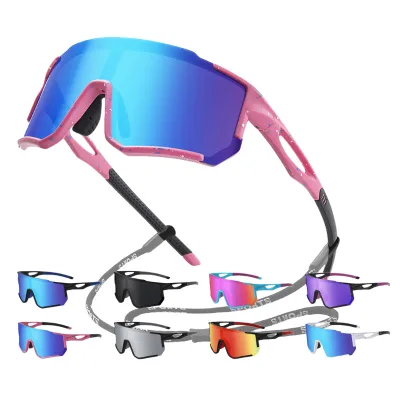
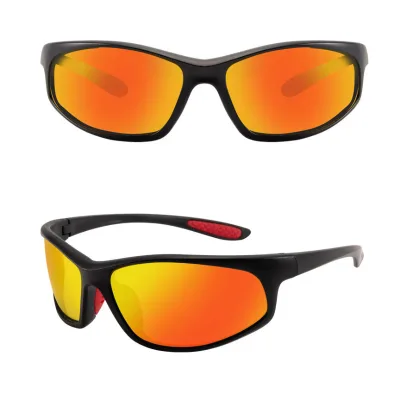
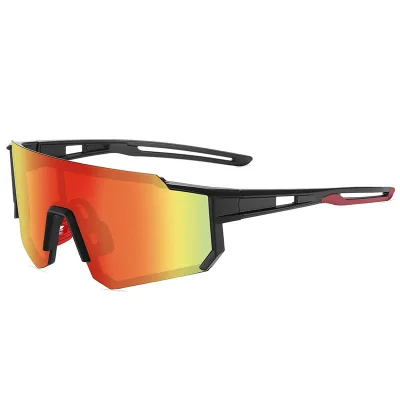
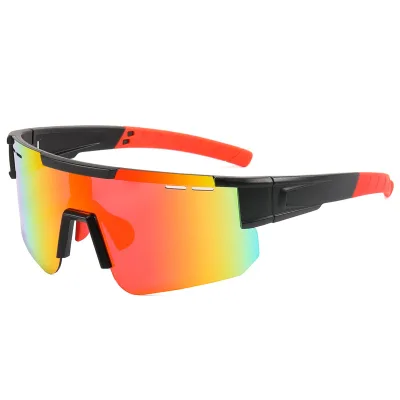
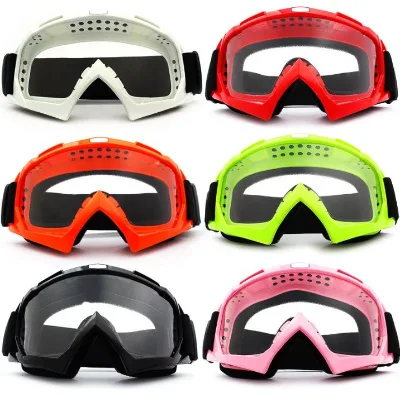
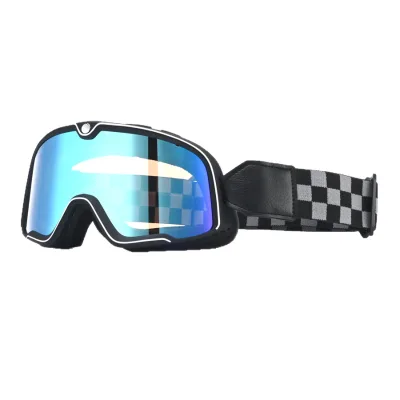
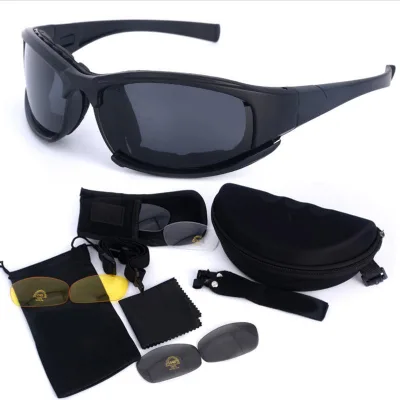
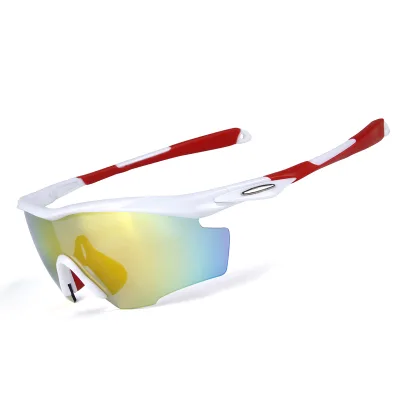
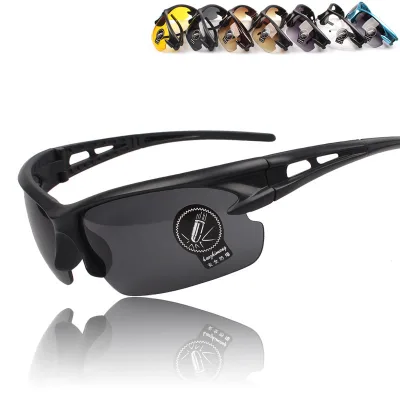
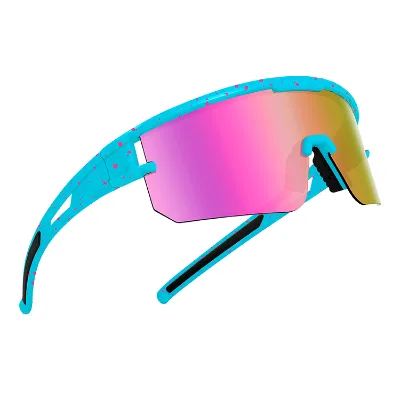
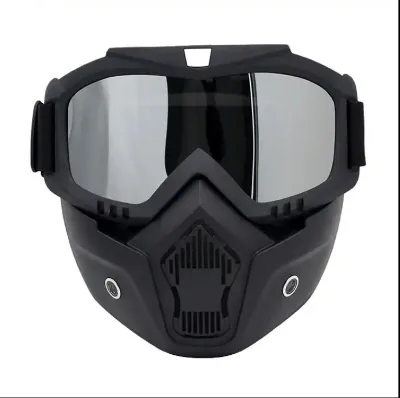
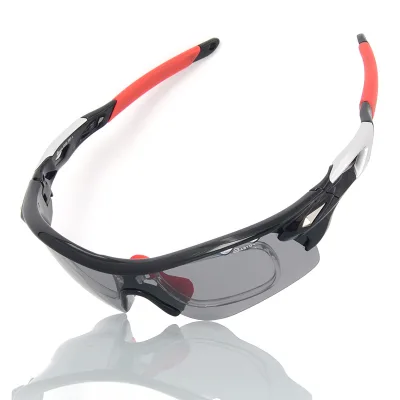
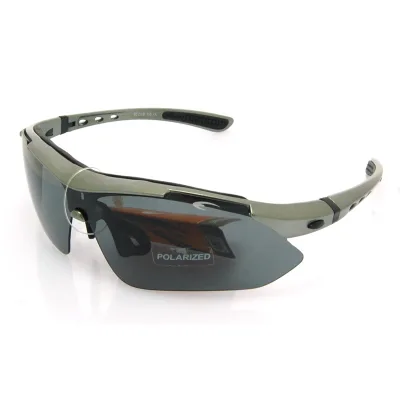
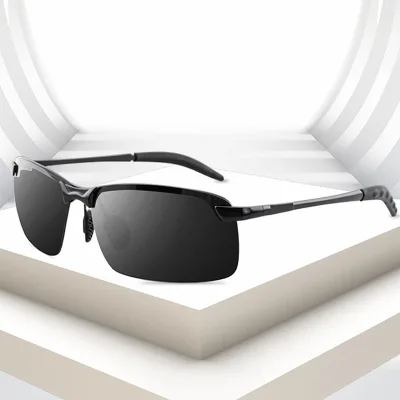
Comprehensive Sourcing Guide
Polarized Motorcycle Sunglasses Supplier Concentration and Factory Types
The current supplier landscape for Polarized Motorcycle Sunglasses reveals a distinct geographic concentration in Fujian, China, which serves as a primary manufacturing hub for this specific eyewear category. This regional clustering suggests a mature supply chain ecosystem where raw materials, such as polycarbonate and TR90 frame components, are readily accessible to manufacturers. Buyers evaluating suppliers should note that the majority of entities operating in this cluster are classified as trading companies rather than direct factories. This distinction is critical for procurement strategy, as trading companies often aggregate products from multiple smaller workshops, potentially offering a wider variety of styles but requiring more rigorous quality control measures. The presence of these trading entities indicates that while the physical production may occur in specialized local facilities, the commercial interface is managed by intermediaries who handle logistics, customization, and client communication. Understanding this structure helps buyers anticipate the nature of their interactions, focusing on the trading company’s ability to coordinate production rather than their own manufacturing capabilities.
In addition to the Fujian cluster, there is evidence of suppliers located in Zhejiang, China, who also specialize in sports eyewear, including polarized cycling and motorcycle glasses. These suppliers often highlight different operational metrics, such as faster response times and shorter lead times, which may appeal to buyers seeking quicker turnaround for smaller or urgent orders. The main products listed for these entities frequently include sports sunglasses, optical frames, and reading glasses, indicating a broader eyewear manufacturing capability that extends beyond just motorcycle-specific gear. This diversity in supplier types and locations provides buyers with options to balance cost, speed, and customization needs. However, the variation in company types means that buyers must carefully assess whether a supplier’s primary focus aligns with their specific requirements for motorcycle eyewear, ensuring that the supplier has dedicated expertise in this niche rather than treating it as a secondary product line.
How to Verify Polarized Motorcycle Sunglasses Suppliers
Verifying the legitimacy and capability of Polarized Motorcycle Sunglasses suppliers requires a multi-layered approach that goes beyond simple profile reviews. Buyers should prioritize suppliers who display third-party verification badges, such as TÜV Rheinland, which indicates that an independent audit has been conducted to assess business legitimacy and operational standards. This verification is a strong initial signal of reliability, though it should be complemented by checking for specific product certifications. For instance, some suppliers list CE, BV, and ISO9001 certifications for their motorcycle goggles, which are crucial for ensuring that the products meet international safety and quality standards. Buyers must request copies of these certificates and verify their validity with the issuing bodies, as the presence of a certification label alone does not guarantee compliance. Additionally, checking the supplier’s response time can provide insight into their operational efficiency; a faster response time often correlates with better customer service and more agile production management, which is vital for resolving issues quickly during the sourcing process.
Beyond certifications and response metrics, buyers should scrutinize the detailed product attributes provided in supplier listings to assess technical competence. Key indicators include the materials used for frames and lenses, such as TR90, PC, or TAC, and specific features like UV400 protection and polarized lenses. Suppliers who provide comprehensive specifications, including frame colors, lens materials, and customization options like logo printing or laser engraving, demonstrate a higher level of transparency and capability. Buyers should also look for evidence of sample availability, as requesting samples is the most effective way to verify product quality before committing to a large order. Furthermore, checking the supplier’s main products list can help determine if they are specialists in eyewear or general traders; suppliers whose main products are consistently related to sports sunglasses and optical frames are likely to have more specialized knowledge and better quality control processes. This detailed verification process helps mitigate the risk of partnering with unreliable suppliers who may not meet the stringent requirements of the motorcycle eyewear market.
What to Compare Across Polarized Motorcycle Sunglasses Suppliers
When evaluating multiple suppliers for Polarized Motorcycle Sunglasses, buyers must systematically compare key operational and commercial dimensions to identify the best fit for their business needs. One of the most critical factors is the minimum order quantity (MOQ), which can vary significantly across suppliers. For example, some suppliers require an MOQ of 600 pieces per model or 300 pieces per color, while others may have different thresholds. Buyers should assess whether these MOQs align with their inventory capacity and sales projections, as high MOQs can tie up capital and increase storage costs. Additionally, lead times are a crucial comparison point, with some suppliers offering lead times as short as 15 days, while others may require up to 35 days. This difference can impact a buyer’s ability to respond to market demand and manage stock levels effectively. Buyers should also compare response times, as faster responses often indicate a more responsive and customer-centric supplier, which can be invaluable during the negotiation and order placement phases.
Price is another essential dimension for comparison, but it should be evaluated in conjunction with other factors such as material quality and customization options. Price ranges for Polarized Motorcycle Sunglasses can vary, with some suppliers offering prices between $3.50 and $5.20, while others may charge between $4.00 and $6.50. Buyers should not solely focus on the lowest price but rather on the value proposition, considering factors like frame material (e.g., TR90 vs. PC), lens material (e.g., TAC vs. Polycarbonate), and additional features like adjustable nose pads or foam pads. Customization capabilities, such as the ability to provide custom logos, packaging, or frame colors, should also be compared, as these services can add significant value to a buyer’s brand. Furthermore, buyers should consider the supplier’s location and its impact on logistics costs and delivery times. Suppliers in different regions may offer different advantages in terms of shipping efficiency and cost, so a holistic comparison that includes all these factors will help buyers make a more informed decision.
Common Polarized Motorcycle Sunglasses Sourcing Risks
Sourcing Polarized Motorcycle Sunglasses from international suppliers involves several inherent risks that buyers must proactively manage to ensure a successful procurement process. One significant risk is the variability in product quality, particularly regarding the optical performance of the lenses. While suppliers may claim UV400 protection and polarization, the actual performance can vary based on the materials and manufacturing processes used. Buyers should be cautious of suppliers who do not provide detailed specifications or certifications for their lenses, as this could indicate a lack of quality control. Another risk is the potential for delays in production and delivery, which can disrupt a buyer’s supply chain and lead to missed sales opportunities. Suppliers with longer lead times or those located in regions with logistical challenges may pose a higher risk of delays, so buyers should carefully assess the supplier’s track record and operational capacity. Additionally, the risk of intellectual property infringement is a concern, especially when working with suppliers who offer OEM services. Buyers must ensure that their designs and branding are protected and that the supplier adheres to strict confidentiality agreements.
Communication and cultural barriers can also pose significant risks in the sourcing process, potentially leading to misunderstandings regarding product specifications, packaging requirements, or delivery terms. Buyers should prioritize suppliers who demonstrate clear and responsive communication, as this can help mitigate the risk of errors and disputes. Another risk is the potential for hidden costs, such as additional fees for customization, sample shipping, or expedited production. Buyers should request detailed quotes that include all potential costs to avoid unexpected expenses. Furthermore, the risk of supplier reliability is a constant concern, particularly when dealing with trading companies that may not have direct control over the manufacturing process. Buyers should verify the supplier’s business legitimacy and operational stability through third-party verification services and by checking their response times and customer feedback. By identifying and addressing these risks early in the sourcing process, buyers can establish a more secure and reliable supply chain for their Polarized Motorcycle Sunglasses.
Polarized Motorcycle Sunglasses Regional Sourcing and Logistics
The geographic location of suppliers plays a crucial role in determining the logistics and shipping costs associated with sourcing Polarized Motorcycle Sunglasses. Suppliers located in Fujian, China, often utilize the port of Xiamen for exports, which is a major hub for international shipping. This proximity to a major port can facilitate efficient logistics and potentially lower shipping costs, especially for buyers targeting markets in Asia, Europe, or the Americas. Buyers should consider the shipping routes and transit times from Xiamen to their destination, as these factors can impact the overall lead time and cost of goods. Additionally, suppliers in Zhejiang, China, may have access to different ports and logistics networks, which could offer alternative shipping options with varying costs and speeds. Buyers should evaluate the logistics capabilities of each supplier, including their experience with international shipping, customs clearance, and documentation requirements, to ensure a smooth and efficient delivery process.
Logistics planning also involves considering the packaging and handling of the products to minimize damage during transit. Suppliers often provide detailed packaging specifications, such as polybag, inner box, and outer carton configurations, which can impact the number of units that can be shipped per container. Buyers should assess the packaging quality and durability to ensure that the sunglasses arrive in pristine condition. Furthermore, buyers should consider the impact of regional trade policies and tariffs on their sourcing decisions. Different countries may have varying import duties and regulations for eyewear products, which can affect the final cost and compliance requirements. Buyers should consult with their freight forwarders or customs brokers to understand the specific logistics and regulatory requirements for their target markets. By carefully planning the logistics and considering the regional advantages of different supplier locations, buyers can optimize their supply chain and reduce the overall cost of sourcing Polarized Motorcycle Sunglasses.
Polarized Motorcycle Sunglasses Commercial Terms and Order Planning
Effective order planning for Polarized Motorcycle Sunglasses requires a thorough understanding of the commercial terms offered by suppliers, including payment terms, warranty policies, and after-sales support. Buyers should negotiate clear payment terms that align with their cash flow needs, such as partial payments upfront and the balance upon shipment or delivery. It is also important to clarify the warranty and return policies for defective products, as this can mitigate the risk of financial loss due to quality issues. Suppliers who offer robust after-sales support, such as technical assistance or replacement parts, can provide additional value and peace of mind. Additionally, buyers should consider the scalability of the supplier’s production capacity to ensure that they can meet increasing demand over time. Suppliers with flexible production lines and the ability to handle large orders efficiently are better positioned to support long-term business growth.
Customization and branding are key commercial considerations for buyers looking to differentiate their Polarized Motorcycle Sunglasses in the market. Buyers should assess the supplier’s customization capabilities, including the ability to provide custom logos, packaging, and frame designs. It is important to clarify the costs and lead times associated with customization, as these can impact the overall project timeline and budget. Buyers should also consider the intellectual property implications of customization, ensuring that their designs are protected and that the supplier adheres to strict confidentiality agreements. Furthermore, buyers should plan for the long-term relationship with the supplier, considering factors such as price stability, product innovation, and market trends. By establishing a strategic partnership with a reliable supplier, buyers can ensure a steady supply of high-quality Polarized Motorcycle Sunglasses and maintain a competitive edge in the market.
FAQs
What is the typical lead time for Polarized Motorcycle Sunglasses?
Manufacturers in Fujian, China, generally require 35 days for production, while suppliers in Zhejiang, China, offer a faster 15-day turnaround. Buyers should confirm specific schedules with the supplier, as lead times vary by order volume and customization requirements.
What is the minimum order quantity for these sunglasses?
The standard minimum order quantity is 600 pieces per model, with a requirement of 300 pieces per color. This applies to most suppliers offering polarized sports eyewear. Buyers should verify if the supplier accepts mixed orders or requires strict color adherence.
What frame materials are used for motorcycle goggles?
Common frame materials include TR90 and PC, often combined for durability and flexibility. Some models use PC or TR90 specifically for sports applications. Buyers should check product specifications to ensure the material meets their comfort and safety standards for riding.
Are samples available for Polarized Motorcycle Sunglasses?
Yes, samples are available for most suppliers offering these products. Buyers can request samples to verify lens quality, frame fit, and polarization effectiveness before placing bulk orders. Confirm sample costs and shipping details directly with the supplier to ensure accurate evaluation.
What certifications do these sunglasses typically hold?
Many suppliers provide products certified with CE, BV, and ISO9001 standards. These certifications indicate compliance with international quality and safety regulations. Buyers should request valid certificates to ensure the products meet specific market requirements and safety standards for protective eyewear.
What is the price range for these sunglasses?
Prices typically range from $3.50 to $6.50 per unit, depending on features like polarization, frame material, and customization options. Lower prices often apply to basic models, while premium features like custom logos or specialized lenses may increase the cost.