eco-friendly custom neon sign Suppliers and Manufacturers
Compare 29 verified suppliers offering eco-friendly custom neon sign options with ODM and OEM capabilities. Review certifications like CE and RoHS, response times, and lead times before contacting factories in China Anhui and Zhejiang for your project; review the available evidence before requesting comparable quotations from suitable candidates.
Updated
Suppliers List

Lu'an Woma Import and Export Co., Ltd.
- Verified by SGS
- Trading Company
- China Anhui
- Lead time15 days
- Avg. response≤ 6h
Main productsLED Channel Letters, Acrylic Signs, Metal Sign Letters, Wayfinding Signs, Outdoor Signage
Main marketsEast Asia(Japan/ South Korea)

- Verified by BV
- Combined
- China Anhui
- Lead time15 days
- Avg. response≤ 3h
Main productsLED Sign, Neon Sign, Customize LED Sign, Channel Letters, LED Letters, Light Box, Acrylic Letters, Bulb Letters, Ada Braille Sign, Metal Signs
Main marketsSoutheast Asia/ Mideast,East Asia(Japan/ South Korea),Europe,North America


Electronic Signs Acrylic Neon Light Sign Custom Logo Custom LED Neon Sign
$13.99 - $19.99
MOQ: 1 Pieces


Chengdu GodShape Sign Co., Ltd.
- Verified by TUVRHEINLAND
- Combined
- China Sichuan
- Lead time15 days
- Avg. response≤ 12h
Main productsLED Light Box, Plaque and Plate Signboard, Luminous Letters and Numbers Sign, 3D Letters and Numbers Sign, Trash Can and Letters Box
Main marketsDomestic,Europe,North America
Henan Highspan Technology Co., Ltd.
- Verified by SGS Group
- Trading Company
- Lead time10 days
- Avg. response≤ 2h
Main productsLed Channel Letters, Custom Neon Signs, Light Box, Door Numbers, Metal Signs
Main marketsNorth America(55%), Western Europe(20%), Oceania(15%)
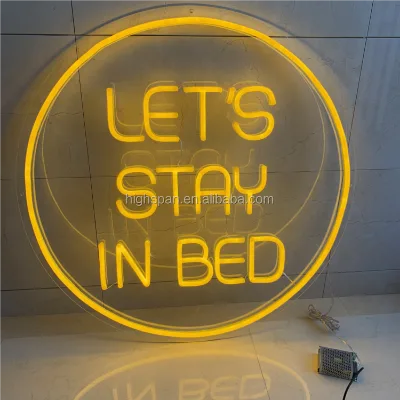
Business Logo Neon Name Sign Advertising Board Custom Acrylic Neon Sign
$0.8289 - $1.5545
MOQ: 10 Minimum
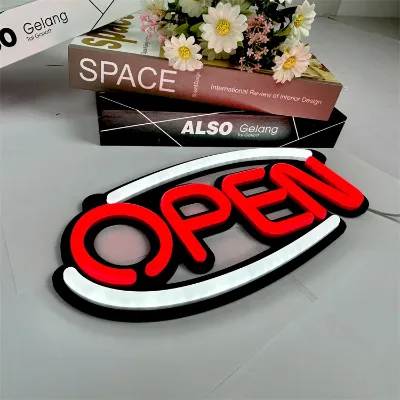

Kunshan Yijiao Decorative Engineering Co., Ltd.
- Combined
- China Jiangsu
- Lead time15 days
- Avg. response≤ 3h
Main productsLED Sign Letter, Light Box, Channel Letter, Metal Sign, Luminous Sign Letter, Waterproof Sign, LED Lighting Letters, Shopfront Signage, Acrylic Letters, 3D Illuminated Sign
Main marketsDomestic,Europe,Australia,North America

Shenzhen Luk Technology Co., Ltd.
- Verified by SGS
- Manufacturer/Factory
- China Guangdong
- Lead time23 days
- Avg. response≤ 1h
Main productsLED Lighting, LED Strips, LED Modules, Neon Strip, Outdoor Lighting
Main marketsSouth America,Eastern Europe,Mid East,North America,Southeast Asia,Eastern Asia,Oceania,Western Europe,Africa
- Manufacturer, Trading Company
- Guangdong, China
- Lead time0 days
- Avg. response≤ 4h
Main productsLED Neon Sign,LED Illuminated Sign,led light box,led channel letters,led mirror signs
Main marketsNorth America(60.00%), Western Europe(20.00%), Oceania(10.00%), Mid East(5.00%), Eastern Asia(5.00%)
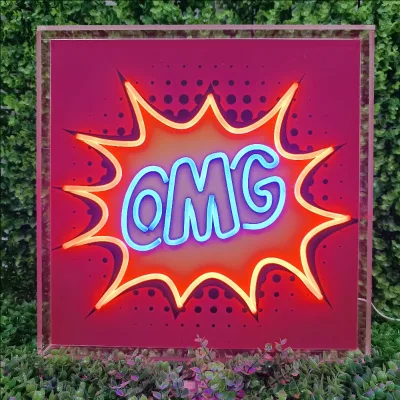
$12.4057 - $18.6086
MOQ: 1 sets
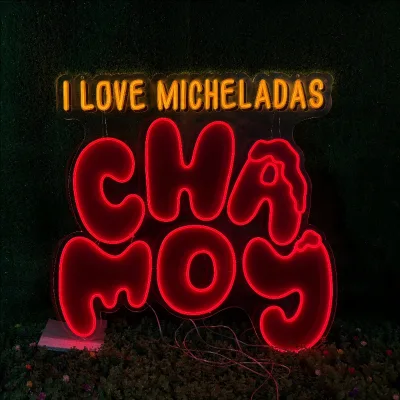
Free Design Custom Neon Signs logo for Party
$10.00 - $15.00

Indoor Home Neon Sign Perfect for Home, Wedding, and Business Branding.
$10.8558 - $15.5072
MOQ: 1 sets
Shenzhen Fredlighting Technology Limited
- Verified by TüVRheinland
- Manufacturer, Trading Company
- Lead time7 days
- Avg. response≤ 3h
Main productsLED Neon Sign, LED Strip Light, LED Down Light Panel Light, Outdoor Solar Lamp
Main marketsNorth America(26%), South America(16%), Northern Europe(16%)
Shenzhen Bond Optoelectronic Co., Ltd.
- Verified by TüVRheinland
- Manufacturer, Trading Company
- Lead time7 days
- Avg. response≤ 4h
Main productsLED Module, LED Signs, LED Pixel Light, Custom Neon Sign, LED Illuminated Sign
Main marketsNorth America(30%), Southeast Asia(25%), Mid East(20%)
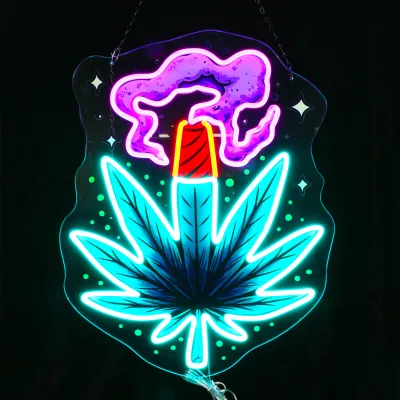
$20.6157 - $30.9753
MOQ: 1 pieces
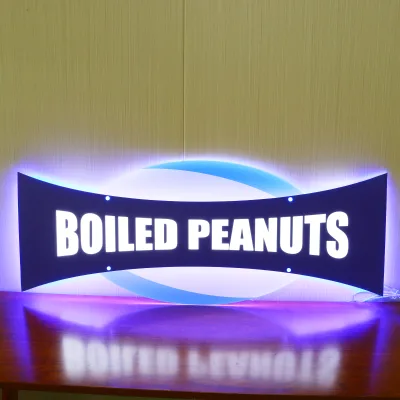
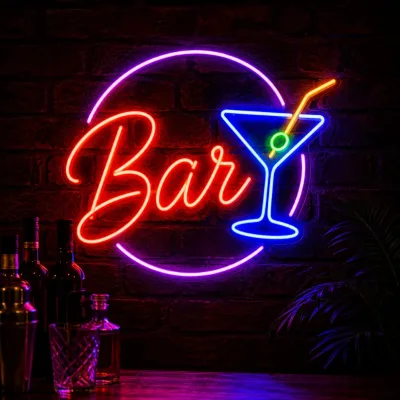
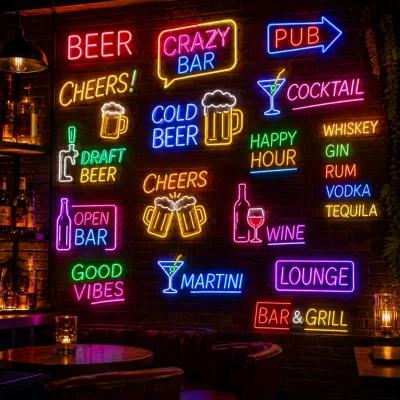
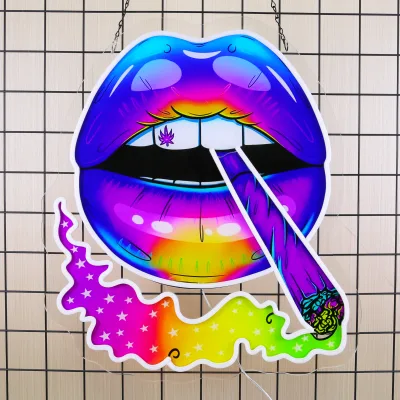
Wholesale Words Signage Welcome Logo Shop Wall Decoration LED Letter Sign Custom Neon Sign
$20.7057 - $62.1141
MOQ: 1 pieces
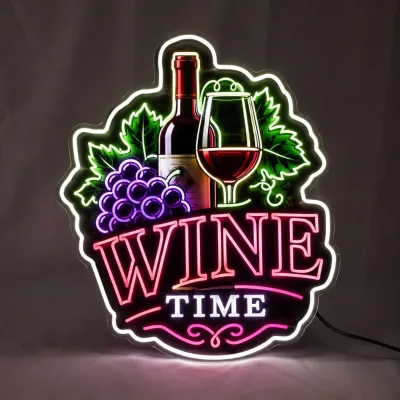

Anhui Lanyou Lighting Technology Co., Ltd.
- Verified by BV
- Trading Company
- China Anhui
- Lead time15 days
- Avg. response≤ 7h
Main productsLED Sign, LED Bulb, LED Light, Project Design
Main marketsSouth America,Southeast Asia/ Mideast,East Asia(Japan/ South Korea),Europe,Australia


Acrylic Letters Logo LED Neon Light up Sign Custom Neon Signs UV Printed Neon Sign
$15.50 - $28.50
MOQ: 1 Pieces

$12.00 - $15.00
MOQ: 10 Pieces


- Manufacturer, Trading Company
- Lead time旺季: "1 - 1":35,"> 1":"To be negotiated", 淡季: "1 - 1":35,"> 1":"To be negotiated"
- Avg. response≤ 8h
Main productsLED Letters Sign, Pylon Sign, LED Light Box, LED Neon Sign, Door Number
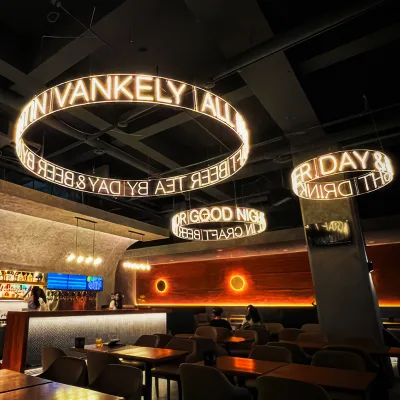
$35.985 - $46.2666
MOQ: 1 pieces
- Manufacturer, Trading Company
- Lead time旺季: "1 - 1":5,"> 1":"To be negotiated", 淡季: "1 - 1":5,"> 1":"To be negotiated"
- Avg. response≤ 3h
Main productsLED Illuminated Sign, Pylon Sign, Neon Sign, LED Light Box, House Number
Shanghai Liyu Optoelectronic Co., Ltd.
- Manufacturer, Trading Company
- Shanghai, China
- Lead time4 days
- Avg. response≤ 4h
Main productsLED Neon Sign,LED Neon Rope Lights,Power Supply
Main marketsNorth America(45.00%), Oceania(20.00%), Western Europe(20.00%), Domestic Market(5.00%), Southeast Asia(5.00%), Eastern Asia(5.00%)

Shenyang Lingdong Creative Advertising Co., Ltd
- Verified by SGS
- Manufacturer/Factory
- China Liaoning
- Lead time23 days
- Avg. response≤ 1h
Main productsChannel Letters, Illuminated Letters, 3D Letters, LED Letters, Marquee Letters, LED Sign, Illuminated Sign, 3D Sign, Neon Sign, Light Box
Main marketsSouth America,Eastern Europe,Mid East,North America,Southeast Asia,Eastern Asia,Oceania,Western Europe,Africa
Chungkong Ad-Mart Co., Ltd. (China)
- Manufacturer, Trading Company
- Guangdong, China
- Lead time7 days
- Avg. response≤ 2h
Main productsCasting Acrylic Sheet,Lcd Displayer,Roll Up Banner,Self Adhesive Vinyl,Light Box
Main marketsSouth Asia(100.00%), Eastern Asia(100.00%), Northern Europe(100.00%), Southern Europe(100.00%), Domestic Market(100.00%), Eastern Europe(100.00%), South America(100.00%), Africa(60.00%), Southeast Asia(20.00%), Mid East(10.00%), Central America(5.00%), Oceania(2.00%), North America(2.00%), Western Europe(1.00%)
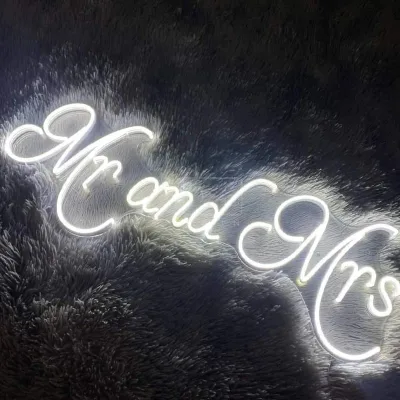
Neon Sign 3D Logo Custom LED Neon Light Acrylic Letters 3D Lighting Neon Letters for Business Sign
$25.00 - $35.00
MOQ: 1 pieces
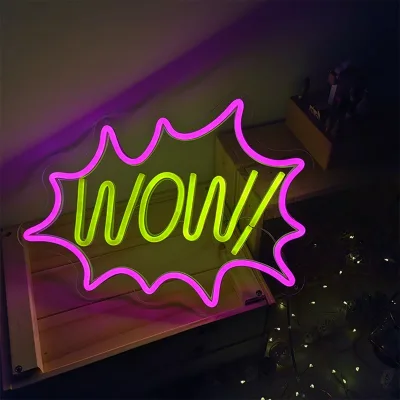
Good Price Custom Pink Color Neon Letter Sign LED Neon Sign Lets Party LED Neon Sign
$25.6689 - $35.9355
MOQ: 1 pieces
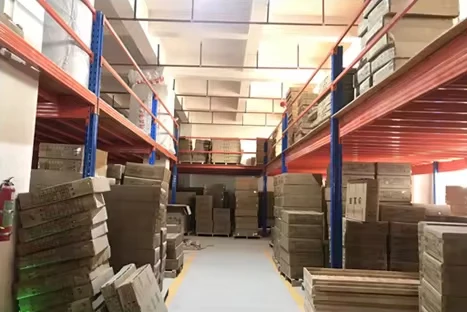
Fuzhou Manjoy International Import And Export Co., Ltd.
- Trading Company
- Fujian, China
- Lead time15 days
- Avg. response≤ 2h
Main productsNeon lights,metal letters,backlit letters,LED neon lights,hexagonal LED lights
Main marketsNorth America(80.00%), Western Europe(10.00%), South America(10.00%)
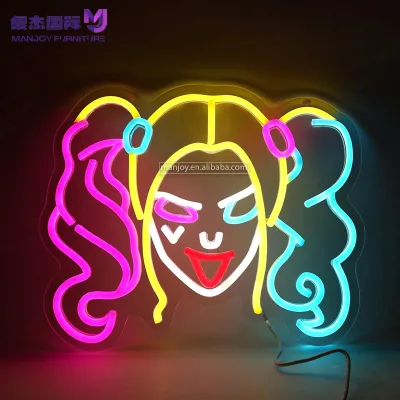
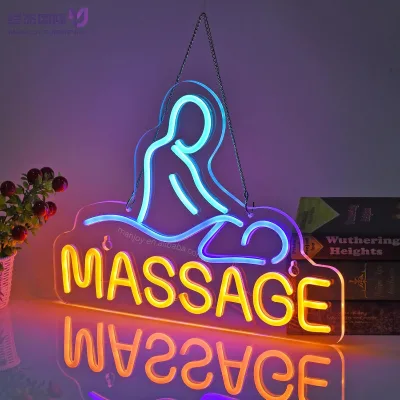
Wholesale Custom Neon Signs Personalised Neon Sign Acrylic Neon Lamp Electronic Led Neon Sign
$15.4547 - $20.6053
MOQ: 1 pieces
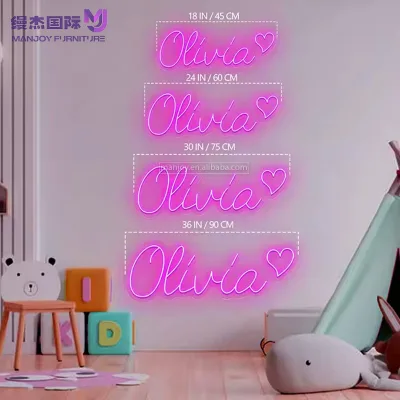
$15.00 - $20.00
MOQ: 1 pieces
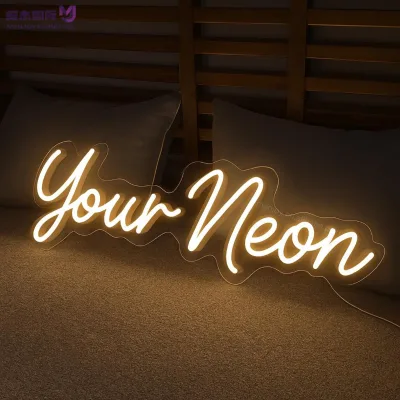
$15.5296 - $20.7057
MOQ: 1 pieces
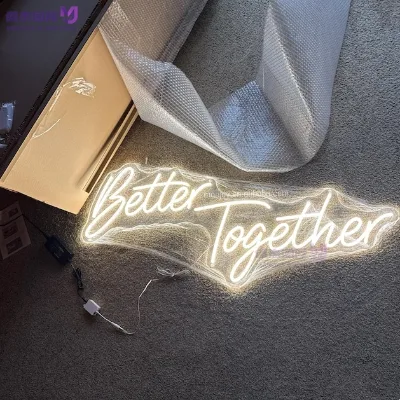
Hot Design Better Together Neon Sign for Wedding Shop Ornament Custom Logo Neon Led Sign
$15.5296 - $18.6341
MOQ: 1 pieces
$15.4007 - $20.5348
MOQ: 1 pieces
$15.4442 - $20.5918
MOQ: 1 pieces
Hefei Shengwang Advertising Sign Co., Ltd.
- Verified by TüVRheinland
- Manufacturer, Trading Company
- Lead time15 days
- Avg. response≤ 2h
Main productsIlluminated Letters, Channel Letters, Marquee Letters, Backlit Letters, Acrylic Circular Signage
Main marketsNorth America(25%), Oceania(20%), Western Europe(15%)
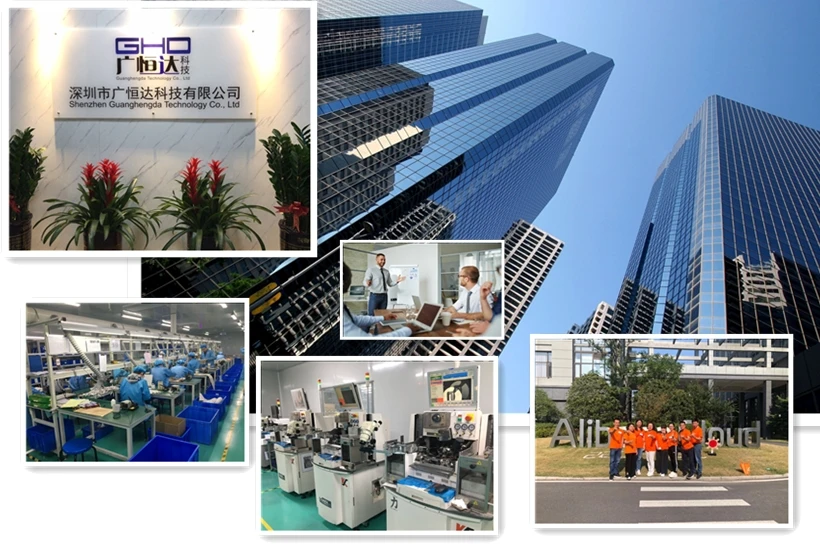
Shenzhen Guanghengda Technology Co., Ltd.
- Manufacturer, Trading Company, Buying Office
- Guangdong, China
- Lead time20 days
- Avg. response≤ 5h
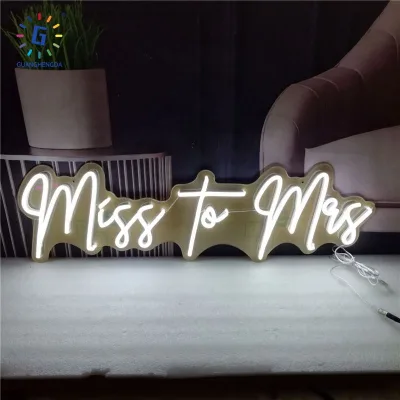
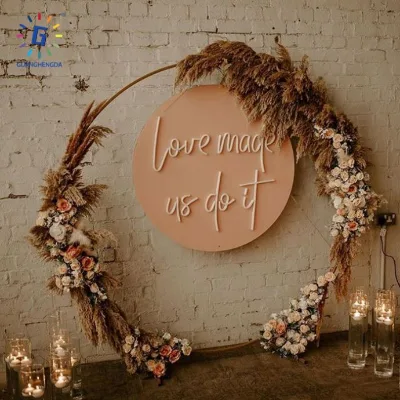
Main productsNeon Signs,LED signage,UV neon artwork,LED illuminated signs,Marquee letters
Main marketsMid East(30.00%), North America(25.00%), Northern Europe(10.00%), Eastern Europe(10.00%), South Asia(5.00%), Oceania(5.00%), Central America(5.00%), Western Europe(5.00%), South America(5.00%)
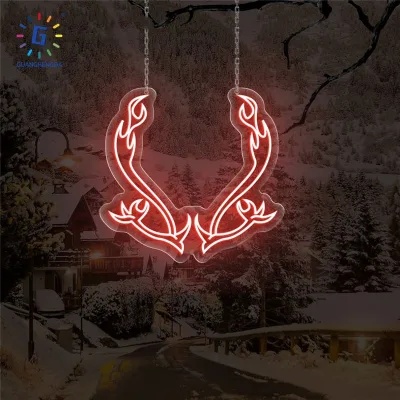
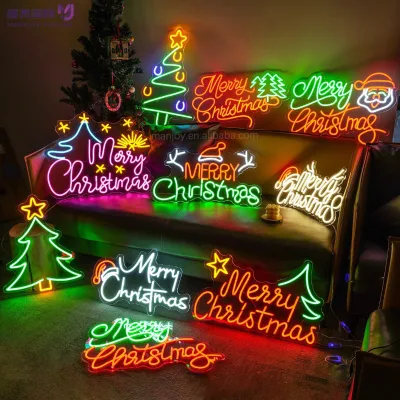
Wholesale Christmas Electronic Neon Sign
$17.98 - $23.18
Hangzhou Allsigns Sign Manufacturing Co., Ltd.
- Verified by Intertek
- Manufacturer, Trading Company
- Lead time15 days
- Avg. response≤ 4h
Main productsMarquee Letter & Number Light, Neon Light, Illuminated Led Sign, Non Illuminated Sign
Main marketsNorth America(50%), Oceania(20%), Western Europe(20%)

Guangzhou Glory Advertising Signs Co., Ltd.
- Manufacturer/Factory
- China Guangdong
- Lead time15 days
- Avg. response≤ 4h
Main productsCast Acrylic Sheet, Crystal Light Box, Vacuum Light Box, Acrylic Sheet, PVC Foam Board, Slim Light Box, Outdoor Scrolling Light Box, Acrylic Craft, Mould Sucking Signage, Resin Signage
Main marketsSouth America,Eastern Europe,Mid East,North America,Southeast Asia,Eastern Asia,Oceania,Western Europe,Africa
Jiangxi Zhiyin Advertising Co., Ltd.
- Verified by Intertek
- Manufacturer, Trading Company
- Lead time0 days
- Avg. response≤ 2h
Main productsNeon Light, Electronic Signs
Main marketsDomestic Market(80%), North America(10%), Western Europe(10%)
Sichuan Mars Impression Advertising Co., Ltd.
- Verified by SGS Group
- Trading Company
- Lead time5 days
- Avg. response≤ 2h
Main productsLED Illuminated Signs, Light Box , Hotel Sign, Neon Sign, Door Sign
Main marketsDomestic Market(47%), North America(21%), Eastern Asia(20%)
Shenzhen Ipixel Led Light Co., Ltd.
- Verified by SGS Group
- Manufacturer, Trading Company
- Lead time10 days
- Avg. response≤ 11h
Main productsRefrigerated Display Lighting, Shelf Lighting, Accessories & System
Main marketsNorth America(40%), Oceania(20%), Western Europe(8%)
Kunshan Yijiao Decorative Engineering Co., Ltd.
- Verified by SGS Group
- Manufacturer, Trading Company
- Lead time30 days
- Avg. response≤ 4h
Main productsMetal Letter, LED Sign, Light Box, Signage System, Display Fixture
Main marketsWestern Europe(36%), Domestic Market(22%), North America(15%)

Ningbo Guangyun Sign Technology Co., Ltd.
- Verified by SGS
- Combined
- China Zhejiang
- Lead time15 days
- Avg. response≤ 7h
Main marketsNorth America

Hefei Shengwang Advertising Logo Co., Ltd.
- Verified by CTI
- Combined
- China Anhui
- Lead time15 days
- Avg. response≤ 2h
Main marketsDomestic
Qianxin Meichen Optoelectronic Technology (huzhou) Co., Ltd.
- Manufacturer, Trading Company
- Zhejiang Province, China
- Lead time15 days
- Avg. response≤ 2h
Main productsNeon Sign,Lantern String
Main marketsDomestic Market(40.00%), Mid East(20.00%), North America(20.00%), Western Europe(10.00%), Eastern Europe(10.00%)
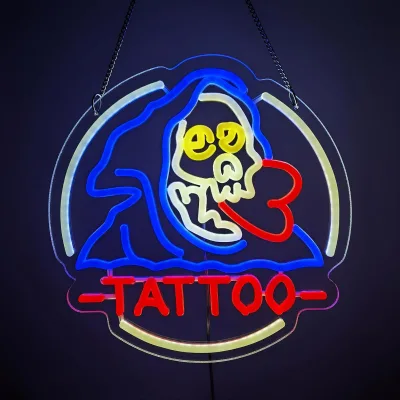
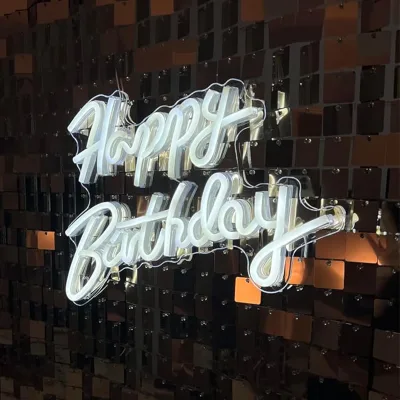
$10.3251 - $30.9723
MOQ: 1 Minimum

$10.2262 - $30.6755
MOQ: 1 Minimum
Shenzhen Pled Lighting Co., Ltd.
- Verified by Intertek
- Manufacturer, Trading Company
- Lead time7 days
- Avg. response≤ 2h
Main productsLED Sign, Acrylic Sign
Main marketsNorth America(70%), Western Europe(30%)
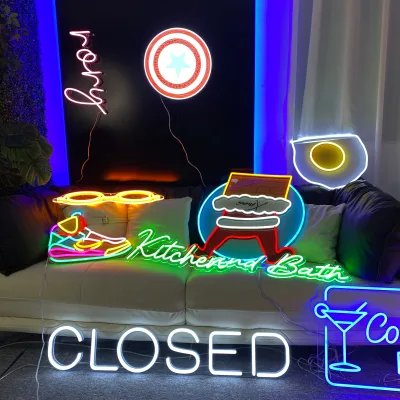
$1.1977 - $1.9247
MOQ: 60 Minimum
$16.00 - $20.00
MOQ: 1 Minimum
Chengdu Lemai Advertising Co., Ltd.
- Trading Company
- Sichuan, China
- Lead time7 days
- Avg. response≤ 2h
Main productsFront Illuminated Sign, Back Illuminated Logo, Customized Neon Sign, Advertising Lightbox, 360 Photo Booth
Main marketsNorth America(30.00%), Domestic Market(25.00%), Oceania(10.00%), Southeast Asia(10.00%), South America(5.00%), Western Europe(5.00%), Africa(5.00%), Eastern Europe(5.00%), Eastern Asia(3.00%), Mid East(2.00%)
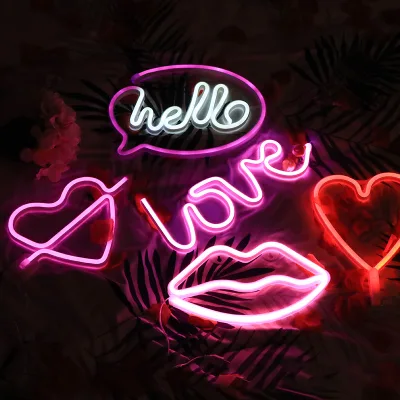
Customized Neon Sign Pizza Shop Milk Tea Shop Coffee Shop Shopping Mall Neon Sign
$18.5966 - $20.6622
MOQ: 1 sets












Comprehensive Sourcing Guide
Eco-Friendly Custom Neon Sign Supplier Concentration and Factory Types
The current supplier landscape for eco-friendly custom neon signs reveals a distinct geographic and structural composition that buyers must navigate carefully. Data indicates that supplier locations are primarily concentrated in China, with specific mentions of Anhui and Zhejiang provinces, as well as Guangdong. This regional clustering suggests that manufacturing hubs for these illuminated products are established in these areas, offering buyers access to specialized industrial ecosystems. However, it is crucial to note that the company types listed are predominantly Trading Companies rather than direct manufacturers. This distinction is vital for sourcing strategies, as trading companies often act as intermediaries that aggregate products from various factories, potentially adding layers to the supply chain. Buyers should recognize that while the physical origin of goods may be in these Chinese provinces, the entity they are engaging with might not be the original producer. This structure can impact communication efficiency, quality control directness, and pricing transparency. Understanding this dynamic helps in setting realistic expectations regarding factory audits and direct technical consultations.
Furthermore, the product evidence highlights a variety of neon sign types, including LED channel letters, acrylic signs, and custom logo glowing neon lights. These products are categorized under commercial equipment and advertising equipment, indicating a B2B focus rather than purely consumer-grade decor. The materials specified often include acrylic faces and returns, with LED strips or modules as the light source. This technical specification aligns with the "eco-friendly" aspect of the keyword, as LED technology is generally more energy-efficient than traditional glass neon. The presence of ODM and OEM capabilities in the supplier data suggests that many of these trading companies facilitate custom design and manufacturing processes. Buyers looking for eco-friendly solutions should verify if the LED components themselves meet specific environmental standards, as the trading company model may obscure the upstream manufacturing details. The concentration in specific provinces like Zhejiang and Guangdong also implies a mature supply chain for electronic components and acrylic processing, which can be leveraged for faster prototyping and production cycles.
How to Verify Eco-Friendly Custom Neon Sign Suppliers
Verifying the legitimacy and capability of suppliers requires a multi-layered approach that goes beyond surface-level listings. The provided data shows that some suppliers hold SGS verification, which serves as a baseline indicator of operational reliability. However, buyers should not assume that all suppliers possess this credential, as verification status can vary significantly across the 29 available results. It is essential to request and review third-party audit reports directly from the supplier to confirm their business scope, production capacity, and quality management systems. Since many entities are identified as trading companies, buyers must inquire about their relationship with the actual factories. Asking for proof of factory ownership or exclusive agency agreements can help distinguish between a genuine manufacturer and a middleman. This verification step is critical for ensuring that the "eco-friendly" claims are backed by verifiable manufacturing practices rather than just marketing terminology.
Additionally, product certifications provide a concrete method for assessing compliance and safety standards. The data lists a wide array of certifications including FDA, GS, SAA, VDE, FCC, CCC, LVD, EMC, RoHS, and CE. Buyers should specifically look for RoHS and REACH compliance, as these are directly related to environmental friendliness and the restriction of hazardous substances in electrical and electronic equipment. The presence of these certifications on product listings is a strong positive signal, but buyers must verify that the certificates are current and issued by recognized bodies. It is also important to check if the certifications cover the specific components, such as the LED drivers and acrylic materials, rather than just the final assembled sign. Requesting copies of these certificates and cross-referencing them with the issuing authority can prevent future compliance issues. This due diligence ensures that the eco-friendly attributes are substantiated by international standards, protecting the buyer from potential regulatory risks in their target market.
What to Compare Across Eco-Friendly Custom Neon Sign Suppliers
When evaluating multiple suppliers, buyers should focus on key operational metrics that directly impact project success and cost efficiency. Lead time is a critical factor, with data indicating a standard lead time of 15 days for some suppliers. This timeframe should be compared against project deadlines to ensure timely delivery, especially for custom orders that may require additional production steps. Alongside lead time, the minimum order quantity (MOQ) is a significant differentiator. The data shows MOQs ranging from 1 to 2 units, which is unusually low for industrial signage and suggests flexibility for small businesses or prototyping phases. Buyers should compare these MOQs to determine which suppliers can accommodate their initial order size without excessive minimums. Response time is another vital metric, with some suppliers showing a response time of 5.30 hours. Faster response times often correlate with better customer service and quicker resolution of technical queries, which is essential for custom neon sign projects that require detailed specifications.
Price and customization options are also central to the comparison process. The price range for these products varies significantly, from as low as $4.90 to over $55.00 per unit, depending on the complexity and size of the sign. Buyers should analyze these prices in the context of the materials used, such as acrylic and LED components, to assess value for money. The availability of customization is universally noted as "Available," but the extent of this customization should be clarified. Some suppliers offer customized colors, sizes, and shapes, while others may have limitations on design complexity. Additionally, the power source options, including transformers, adaptors, and plugs, should be compared to ensure compatibility with the buyer's local electrical standards. Warranty terms, such as the 2-year warranty mentioned in some listings, provide an additional layer of security and should be factored into the overall cost-benefit analysis. By systematically comparing these dimensions, buyers can identify suppliers that best align with their specific operational and financial requirements.
Common Eco-Friendly Custom Neon Sign Sourcing Risks
One of the primary risks in sourcing eco-friendly custom neon signs is the potential discrepancy between marketing claims and actual product specifications. The term "eco-friendly" is often used loosely, and buyers must verify that the LED components and materials truly meet environmental standards. Without proper verification, there is a risk of receiving products that contain hazardous substances or are not energy-efficient as claimed. This risk is compounded by the fact that many suppliers are trading companies, which may not have direct control over the manufacturing process or the sourcing of raw materials. Buyers should be cautious of suppliers who cannot provide detailed information about the origin of their LED chips or the composition of their acrylic sheets. Ensuring that the "eco-friendly" label is backed by concrete evidence, such as material safety data sheets and environmental certifications, is essential to mitigate this risk.
Another significant risk involves the quality and durability of the signs, particularly regarding their waterproofing and longevity. The data indicates varying IP ratings, such as IP54 and IP65, which determine the level of protection against dust and water. Buyers must ensure that the selected IP rating matches the intended installation environment, whether indoor or outdoor. Mismatched specifications can lead to premature failure of the signs, resulting in additional costs and reputational damage. Additionally, the installation methods, which include screw rods, adhesive tape, and silicon, must be appropriate for the specific mounting surface. Poor installation can cause signs to fall or malfunction, posing safety hazards. Buyers should also be aware of the working temperature and lifetime specifications, such as the 50,000-hour lifetime mentioned in some listings, to ensure the product meets their long-term usage expectations. Verifying these technical details with the supplier before placing an order is crucial to avoid post-purchase issues.
Eco-Friendly Custom Neon Sign Regional Sourcing and Logistics
The geographic concentration of suppliers in China, specifically in provinces like Anhui, Zhejiang, and Guangdong, has significant implications for logistics and shipping. Buyers should consider the proximity of these manufacturing hubs to major ports, which can influence shipping costs and transit times. The data mentions various shipping options, including DHL, FedEx, UPS, and air or sea shipping. For smaller orders, express courier services like DHL and FedEx are often used, while larger bulk shipments may be more cost-effective via sea freight. Buyers should calculate the total landed cost, including shipping, insurance, and customs duties, to accurately assess the final price of the products. The single gross weight of some products is listed as 30.000 Kg, which is a key factor in determining shipping volume and weight charges. Understanding these logistical details helps in planning the supply chain and avoiding unexpected costs.
Packaging is another critical aspect of regional sourcing that affects product safety and logistics efficiency. The data specifies wooden box packaging for some products, which provides robust protection during transit. However, wooden packaging may be subject to international phytosanitary regulations, requiring proper treatment and certification to prevent the spread of pests. Buyers should verify that the packaging meets the import requirements of their destination country to avoid customs delays or rejections. Additionally, the choice of shipping method should align with the urgency of the order and the fragility of the neon signs. While air shipping is faster, it is more expensive, whereas sea shipping is slower but more economical for large volumes. Buyers should also consider the lead time for production when planning logistics, as a 15-day lead time must be factored into the overall delivery schedule. Coordinating closely with the supplier on packaging and shipping details ensures that the products arrive in good condition and on time.
Eco-Friendly Custom Neon Sign Commercial Terms and Order Planning
Commercial terms and order planning are essential for a smooth procurement process, particularly when dealing with custom neon signs. The data indicates that customization is available, which often involves a design approval process before production begins. Buyers should establish clear communication channels with the supplier to ensure that design specifications, including colors, sizes, and shapes, are accurately understood and implemented. The availability of OEM and ODM services suggests that suppliers can accommodate unique design requirements, but this requires detailed technical drawings and prototypes. Buyers should plan for a review cycle to approve these designs, which can impact the overall lead time. Additionally, the power source options, such as transformers and adaptors, should be specified clearly to ensure compatibility with the buyer's local electrical infrastructure. This attention to detail prevents mismatches and ensures that the signs are ready for immediate installation upon arrival.
Payment terms and warranty policies are also critical components of order planning. While specific payment terms are not detailed in the data, buyers should negotiate favorable terms that protect their interests, such as partial payments or escrow services. The presence of a 2-year warranty on some products provides a safety net against manufacturing defects, but buyers should clarify the scope of this warranty, including what is covered and the process for claims. Understanding the return and refund policies is equally important, especially for custom orders that may not be eligible for returns. Buyers should also consider the total cost of ownership, including maintenance and potential replacement parts, when planning their budget. By carefully reviewing and negotiating these commercial terms, buyers can minimize risks and ensure a successful partnership with their chosen suppliers. This proactive approach to order planning helps in building a reliable and efficient supply chain for eco-friendly custom neon signs.
FAQs
What certifications do custom neon signs have?
Suppliers offer signs with FDA, GS, SAA, VDE, FCC, CCC, LVD, EMC, RoHS, and CE certifications. These standards ensure electrical safety and material compliance for commercial and residential use. Buyers should verify specific certificates match their local import regulations before placing orders to avoid clearance issues.
What is the minimum order quantity?
Minimum order quantities vary by product type. Some custom LED letter signs require only one unit, while vintage metal signs may require two units. This flexibility supports small businesses testing designs. Always check the specific product page for the exact MOQ to ensure your order meets supplier thresholds.
How long does production take?
Standard lead times are approximately 15 days for manufacturing. This duration covers material preparation, LED assembly, and quality testing. Expedited options may exist for urgent projects. Confirm the exact timeline with the supplier, as complex custom shapes or high-volume orders might extend the production schedule slightly.
What is the price range?
Prices range from $4.90 to $55.00 depending on size and complexity. Simple birthday signs start near $5, while vintage metal designs cost around $50. Customization, material choice, and quantity directly impact the final quote. Request detailed pricing for your specific dimensions to get an accurate estimate.
Are the signs waterproof?
Many signs feature IP65 or IP54 ratings, making them suitable for outdoor installation. Waterproof ratings protect internal LEDs from rain and dust. Ensure the selected IP rating matches your environment. Indoor signs may have lower ratings. Verify the specific IP rating on the product details before outdoor deployment.
What power sources are used?
Signs typically use transformers, adaptors, or direct DC plugs. Operating voltages include 220V, 12V, or 36V. Some models support remote or APP control. Check the voltage compatibility with your local power grid. Proper power sourcing ensures safe operation and prevents damage to the LED components during use.