Educational Model Build Block Suppliers and Manufacturers
Source 29 Educational Model Build Block suppliers from China, including Fujian, Guangdong, and Zhejiang. Compare response times, lead times, MOQs, and certifications like CE. Verify OEM capabilities and pricing to select the right partner for your needs; review the available evidence before requesting comparable quotations from suitable candidates.
Updated
Suppliers List

Jinjiang Zhengzheng Technology Co., Ltd.
- Trading Company
- China Fujian
- Lead time0 days
- Avg. response≤ 2h

Shantou Chenghai Xaqi Toys Industrial Co., Limited
- Verified by BV
- Combined
- China Guangdong
- Lead time23 days
- Avg. response≤ 5h
Main productsRemote Control Car, Educational Toy, Sport Toy, Pretend Play Toys, Remote Contro Toy, Baby Toy, Summer Toy, B/O Toy
Main marketsSoutheast Asia/ Mideast,Domestic,Europe

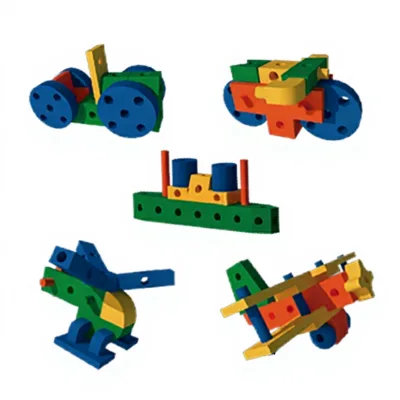
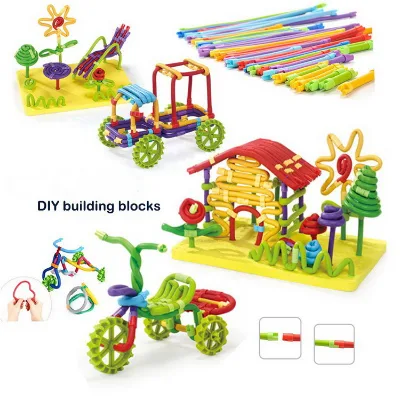
Educational Creative Building Blocks DIY Construction Building Block Toy for Kids
$8.12 - $9.12
MOQ: 30 Pieces

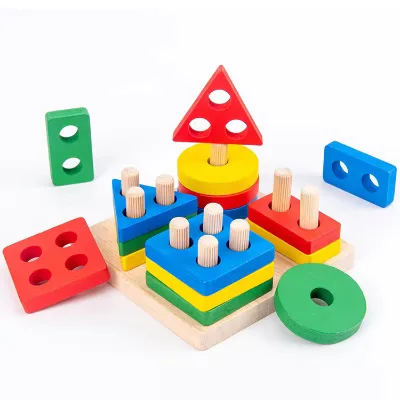
Educational Learning Toys Creative Toy Wooden Toy Building Blocks Toys for Kid
$4.23 - $5.23
MOQ: 200 Pieces


Ningbo DSW International Co., Ltd.
- Verified by CTI
- Trading Company
- China Zhejiang
- Lead time30 days
- Avg. response≤ 13h
Main productsOxygen Cylinder, Oxygen Regulator, Gas Cylinder, Oxygen Gas Cylinder, Oxygen Tank, Storage Tank, Cryogenic Tank, Oxygen Plant, Gas Regulator, Eo Gases
Main marketsSouth America,Southeast Asia/ Mideast


Educational Toys Kids Cute Building Block Toys Colorful Creative Building Blocks
$5.00
MOQ: 500 Pieces


Wenzhou Haoxiang Amusement Toys Co., Ltd.
- Verified by SGS
- Combined
- China Zhejiang
- Lead time15 days
- Avg. response≤ 19h
Main productsWooden Playground, Wooden Outdoor Playground, Plastic Outdoor Playground, Plastic Playground, Kindergarten Furniture, Wooden Furniture, Wooden Adventure Playground, Kindergarten Role Play Toys, Wooden Toys, Swing and Slide
Main marketsSouth America,Southeast Asia/ Mideast,East Asia(Japan/ South Korea),Domestic,Europe
- Trading Company
- Taiwan, China
- Lead time45 days
- Avg. response≤ 10h
Main productsEducational Toys,Traning Sport,Water Sport,Teaching aids
Main marketsEastern Asia(10.00%), Mid East(10.00%), Southern Europe(10.00%), Africa(10.00%), Northern Europe(10.00%), Western Europe(10.00%), South America(10.00%), North America(10.00%), Oceania(5.00%), Southeast Asia(5.00%), Central America(5.00%), Eastern Europe(5.00%)

Shantou Kaixin Trading Co., Ltd
- Verified by BV
- Manufacturer
- China Guangdong
- Lead time23 days
- Avg. response≤ 6h
Main productsToy, Educational Toy, Remote Control Toy, Pretend Play Toy Set, Summer Toy, Vehicle Toy, Doll, Promotion Toy, Baby Toy, Game Toy
Guangdong Yuetian Technology Industrial Co., Ltd.
- Manufacturer, Trading Company
- Guangdong, China
- Lead time12 days
- Avg. response≤ 3h
Main productsCustom Blocks,Educational Technical Building Block Toys,DIY Toy Series,Intelligence Building Block Series,Bricks Parts
Main marketsWestern Europe(16.05%), Domestic Market(13.46%), North America(12.20%), Northern Europe(10.02%), Eastern Europe(9.14%), Oceania(8.08%), South Asia(6.19%), Mid East(5.29%), Eastern Asia(5.23%), Southern Europe(4.67%), Central America(2.78%), Southeast Asia(2.69%), Africa(2.27%), South America(1.93%)

DONGGUAN HUI TAI TONG TECHNOLOGY CO., LIMITED
- Manufacturer/Factory
- China Guangdong
- Lead time23 days
- Avg. response≤ 2h
Main productsPlastic Toy, Children Toy, Educational Toy, Action Figure, PVC Figure, Promotional Gift, Sport Figure
Main marketsNorth America,Eastern Asia,Western Europe
Ji'an Zhicai Packing Products Co., Ltd.
- Manufacturer
- Jiangxi, China
- Lead time15 days
- Avg. response≤ 4h
Main productsBuilding Block Set,DIY Block,Play Mat,Foam Toy,Yoga Item
Main marketsDomestic Market(40.00%), North America(10.00%), South Asia(10.00%), Southern Europe(10.00%), Western Europe(10.00%), Southeast Asia(10.00%), Eastern Europe(10.00%)
Shantou Golden Bright Toys Co., Ltd.
- Manufacturer, Trading Company
- Guangdong, China
- Lead time30 days
- Avg. response≤ 11h
Main productsBuilding Block Parts
Main marketsNorth America(48.00%), Western Europe(25.00%), Northern Europe(6.00%), Eastern Asia(4.00%), Oceania(3.00%), Southern Europe(3.00%), South America(2.00%), Central America(2.00%), Africa(2.00%), Mid East(2.00%), Southeast Asia(2.00%), South Asia(1.00%)
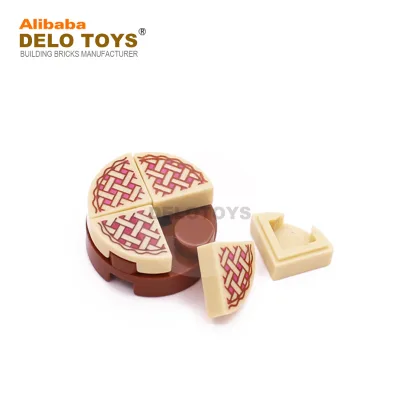
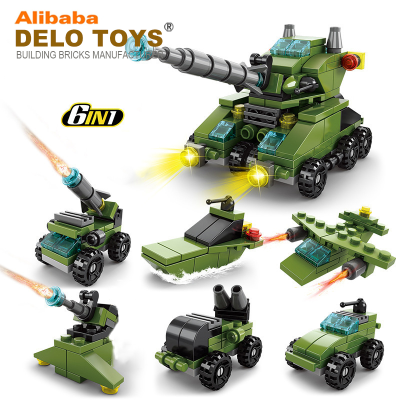
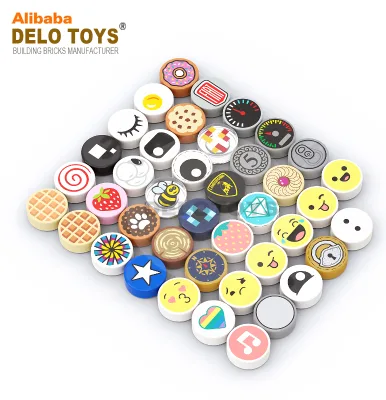
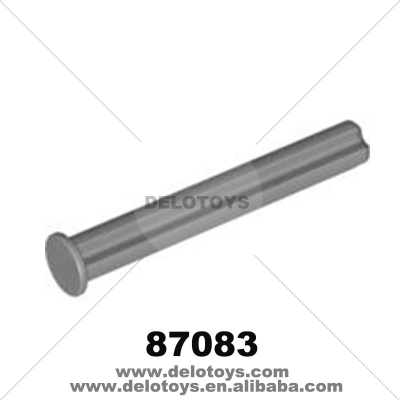
DIY parts building blocks Plastic bricks, Axle 4L with Stop (NO.87083)
$25.00 - $30.00
MOQ: 1 kilograms
Guangzhou Chengyi Toys Co., Limited
- Verified by SGS Group
- Trading Company
- Lead time30 days
- Avg. response≤ 1h
Main productsBuilding Blocks, Action Figures, Cartoon Models, Enlighten Toys Puzzles
Main marketsNorth America(50%), South America(30%), Western Europe(17%)
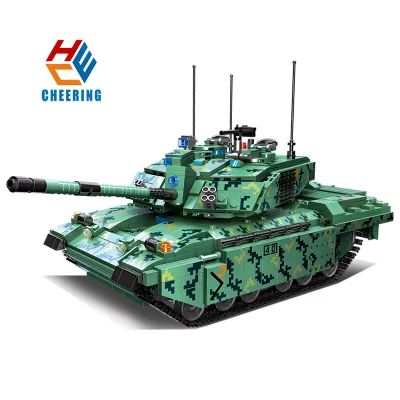
61037 Creative Build Blocks Kids ABS Model Assembly Educational Wholesale Plastic Toy Block Tank
$17.49 - $18.94
MOQ: 12 pieces
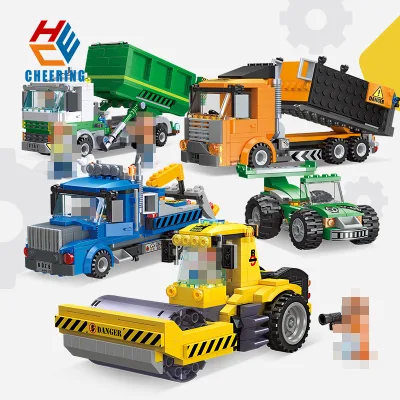

Zhejiang Beima Education & Technology Co., Ltd.
- Trading Company
- China Zhejiang
- Lead time30 days
- Avg. response≤ 25h
Main productsToy, Building Toy, Education Toy, Building Block, DIY Toy, Puzzle Game, Children Toy, Preschool Toy, Plastic Toy, Plastic Building Toy
Main marketsEast Asia(Japan/ South Korea),Domestic,Europe,North America
Shantou Chenghai Longxiang Toy Industry Co., Ltd.
- Manufacturer, Trading Company
- Guangdong, China
- Lead time20 days
- Avg. response≤ 8h
Main productsEducational Toys, RC Toys, Bubble Toys, Diecast Toys, Pretend Play Toys
Main marketsNorth America(30.00%), Eastern Europe(20.00%), Oceania(15.00%), Western Europe(15.00%), Southern Europe(10.00%), Northern Europe(10.00%)
Shantou Chenghai District Gaoqi Toy Manufacturing Co., Ltd.
- Manufacturer, Trading Company
- Guangdong, China
- Lead time0 days
- Avg. response≤ 6h
Main productsbuilding block,gift,handiwork,customization,Remote control building block
Main marketsMid East(20.00%), Eastern Europe(15.00%), Southeast Asia(15.00%), Oceania(15.00%), Eastern Asia(15.00%), Southern Europe(10.00%), South Asia(10.00%)
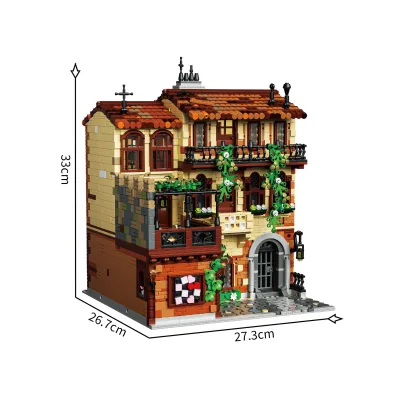
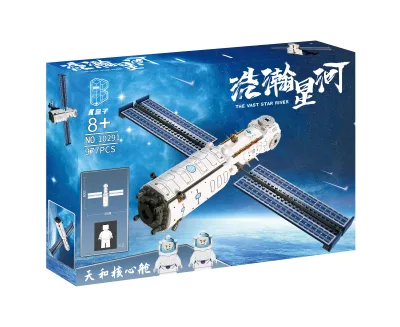
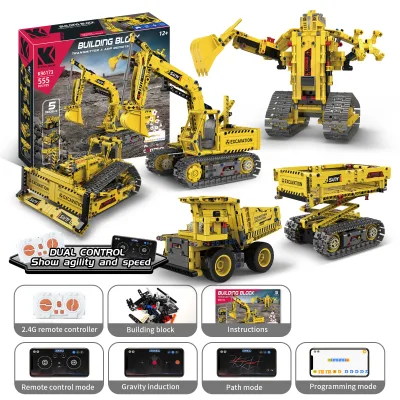
K Box 10291 and the Core Module Model Pieces Are Assembled with Building Blocks
$9.8194 - $12.7705
MOQ: 1 boxes

- Verified by TUVRHEINLAND
- Trading Company
- China Zhejiang
- Lead time15 days
- Avg. response≤ 15h
Main productsStationery Set, Calendar, Promotion Pen, Bottle, Car Products, Fidget Toy, DIY Toy, Education Toy, Art Set, Pencil Case
Main marketsSouth America,Europe,North America
Nancheng Haituo Import&export Co., Ltd.
- Trading Company
- Jiangxi, China
- Lead time0 days
- Avg. response≤ 1h
Main productsBuilding Blocks,Toys,Puzzle,Educational Toys,Construction Blocks
Main marketsDomestic Market(30.00%), Mid East(30.00%), Africa(20.00%), Southeast Asia(20.00%)
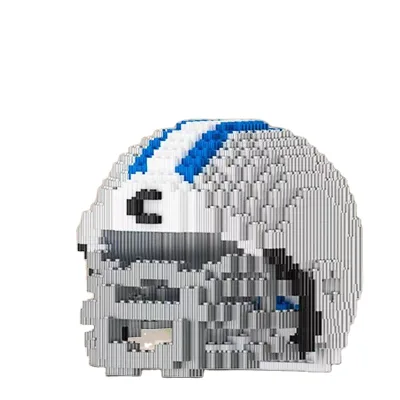
Wholesale Customization Educational Building Blocks Sets Modern Toy Model for Kids' Creative Play
$3.9083 - $4.1135
MOQ: 1 boxes
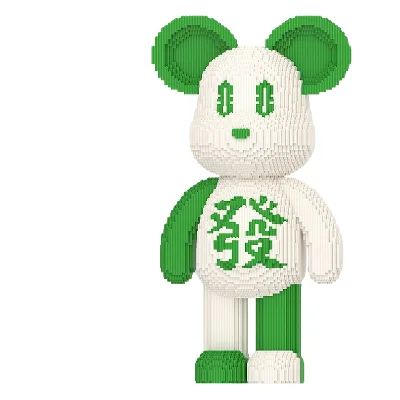
$15.4234 - $20.563
MOQ: 200 boxes
Shantou Chenghai Liangjun Toy Firm
- Trading Company
- Guangdong, China
- Lead time15 days
- Avg. response≤ 8h
Main productsBuilding blocks,toys,Alloy car,rc car,jewelry
Main marketsNorth America(40.00%), Eastern Europe(30.00%), South America(30.00%)
Guangdong Fairness Enterprise Co., Ltd.
- Verified by SGS Group
- Manufacturer, Trading Company
- Lead time30 days
- Avg. response≤ 1h
Main productsXPE Mat, XPE Folding Mat, PU Mat, EVA Puzzle Mat, EVA Playmat
Main marketsNorth America(31%), South America(15%), Domestic Market(14%)
Shantou Beilisi Toys Co., Ltd.
- Verified by Intertek
- Manufacturer, Trading Company
- Lead time15 days
- Avg. response≤ 1h
Main productsWater Gun, Candy Toys, Building Block, Toy Car, Bubble Toy
Main marketsDomestic Market(20%), North America(15%), Mid East(15%)
Shantou Chenghai Peiye Toys Firm
- Trading Company
- Guangdong, China
- Lead time30 days
- Avg. response≤ 5h
Main productsTOY,NOVELTY,STEAM,SPORT,GAME
Main marketsNorth America(50.00%), Southern Europe(8.00%), Eastern Europe(8.00%), Western Europe(8.00%), Southeast Asia(6.00%), Mid East(5.00%), Northern Europe(5.00%), South America(5.00%), Eastern Asia(5.00%)
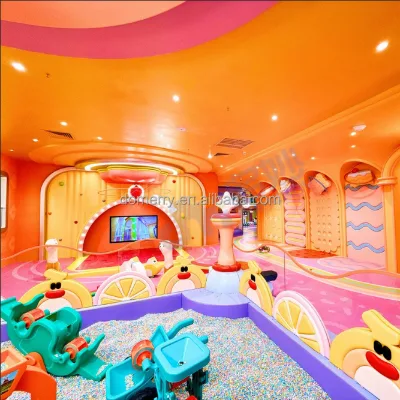
Guangdong Domerry Amusement Equipment Co., Ltd.
- Verified by TüVRheinland
- Manufacturer, Trading Company
- Lead time15 days
- Avg. response≤ 4h
Main productsChildren's Playground, Slide, Trampoline, Children's Toys, Soft Play
Main marketsDomestic Market(45%), Southeast Asia(15%), Mid East(13%)

Shantou Huamao Technology Co., Ltd.
- Trading Company
- Guangdong, China
- Lead time0 days
- Avg. response≤ 3h
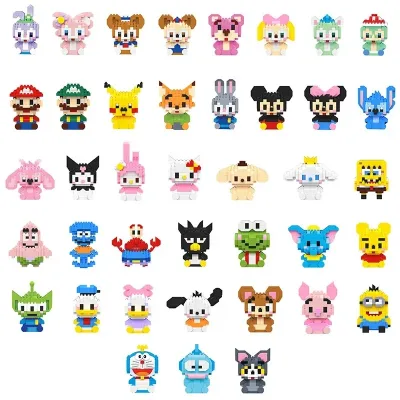
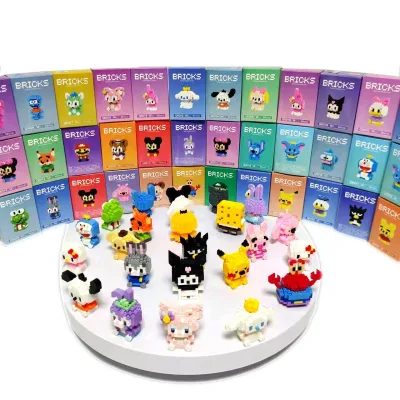
Main productsBuilding Block Toys,Anime Figurine Toys
Main marketsNorth America(50.00%), Western Europe(20.00%), Southeast Asia(10.00%), Mid East(10.00%)
Shantou Beijia Technology Co., Ltd.
- Trading Company
- Guangdong, China
- Lead time30 days
- Avg. response≤ 7h
Main productsEducational Toy,rc car,block toy,toy accessories,car model
Main marketsCentral America(15.00%), South Asia(15.00%), Africa(15.00%), Southeast Asia(15.00%), South America(15.00%), North America(15.00%), Eastern Asia(10.00%)
Shenzhen Lianxinyuan E-Commerce Co., Ltd.
- Manufacturer, Trading Company, Distributor/Wholesaler, Other
- Guangdong, China
- Lead time3 days
- Avg. response≤ 1h
Main productsTraffic tools,charger,Electronic products,integrated circuit,Solar products
Main marketsNorth America(30.00%), Northern Europe(15.00%), South America(15.00%), South Asia(10.00%), Southern Europe(10.00%), Eastern Europe(10.00%), Western Europe(10.00%)
Beizhen Liyuan Polymer Clay Co., Ltd.
- Verified by Intertek
- Manufacturer, Trading Company
- Lead time20 days
- Avg. response≤ 1h
Main productsPolymer Clay, Super Light Clay , Air Hardening Modeling Clay, Slime
Main marketsNorth America(60%), Western Europe(30%), Domestic Market(10%)
Qilimu (Hangzhou) Trading Co., Ltd.
- Trading Company
- Zhejiang, China
- Lead time7 days
- Avg. response≤ 8h
Main productsBuilding Blocks
Main marketsEastern Europe(20.00%), South America(20.00%), North America(20.00%), Oceania(10.00%), Africa(10.00%), Southeast Asia(10.00%), Northern Europe(5.00%), Western Europe(5.00%), Eastern Asia(5.00%), Mid East(5.00%)
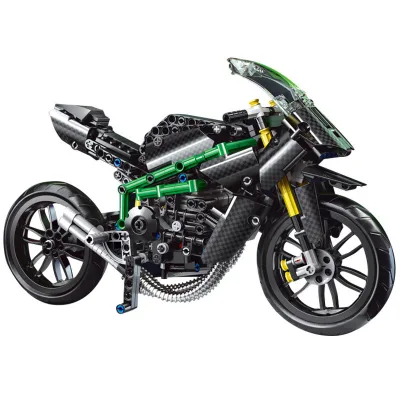
23002 H21R Motorcycle Model Static Version Children Puzzle Assembly DIY Building Blocks Toy
$11.50 - $14.50
MOQ: 1 sets
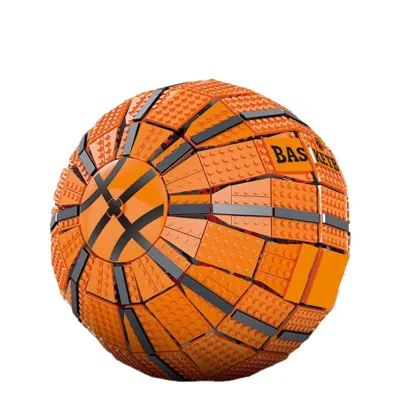
031008 Creative 2221+pcs/set Basketball 1:1 Model 360 Rotating Building Blocks
$35.00 - $43.00
MOQ: 1 sets

- Manufacturer, Trading Company
- Zhejiang, China
- Lead time40 days
- Avg. response≤ 15h
Main productsWooden puzzles,wooden toys,wooden games,metal puzzles,STEM toys
Main marketsNorth America(42.00%), Domestic Market(35.00%), Western Europe(21.00%), South America(2.00%)
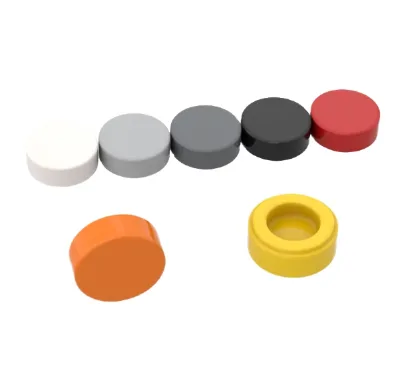
Durable Interlocking Circular Plastic Building Blocks for Childrens Early Learning Games
$0.713 - $0.8269
MOQ: 2 pieces
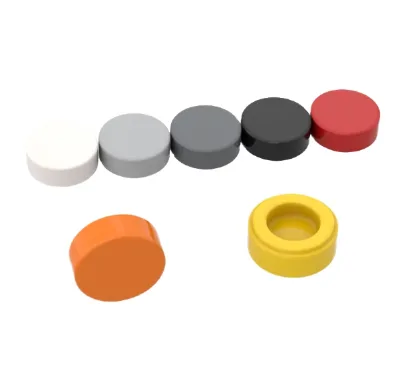
Interlocking Design Flat Circular Plastic Blocks for Sturdy Construction Play
$0.7145 - $0.8284
MOQ: 2 pieces

Shantou Big Wheel Trade Co., Ltd.
- Trading Company
- Guangdong, China
- Lead time10 days
- Avg. response≤ 7h
Main productsDiecast Model Toys,Building Block Toys,Bubble Toys,Radio Control Toys,Educational toys&games
Main marketsNorth America(30.00%), Eastern Europe(20.00%), Western Europe(20.00%), Southeast Asia(10.00%), South Asia(5.00%), South America(5.00%), Mid East(5.00%), Africa(5.00%)
- Trading Company
- Lead time旺季: "1 - 100":15,"> 100":"To be negotiated", 淡季: "1 - 100":15,"> 100":"To be negotiated"
- Avg. response≤ 4h
Main productsHouseware, Pet Products, Toys
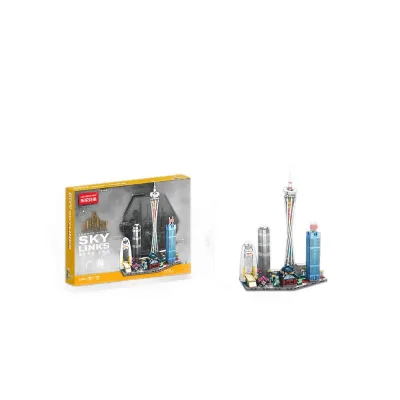
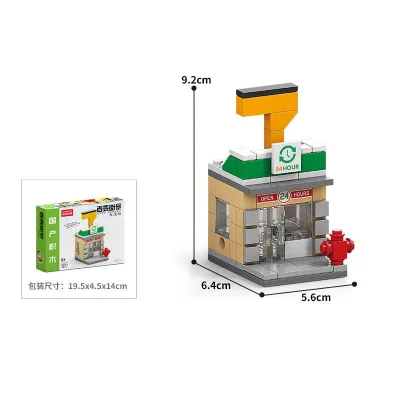
$0.5647 - $0.6681
MOQ: 12 pieces



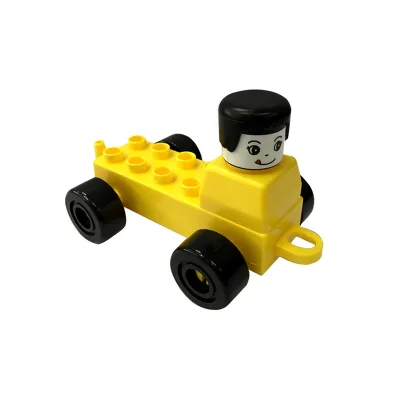
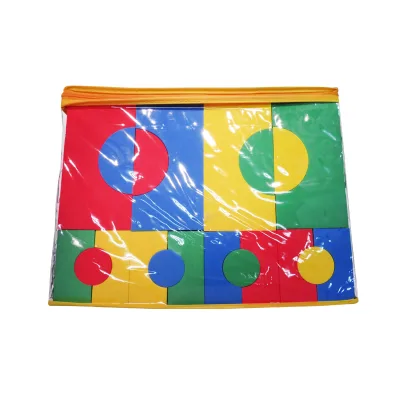




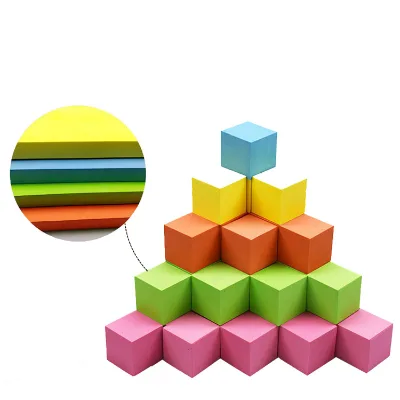


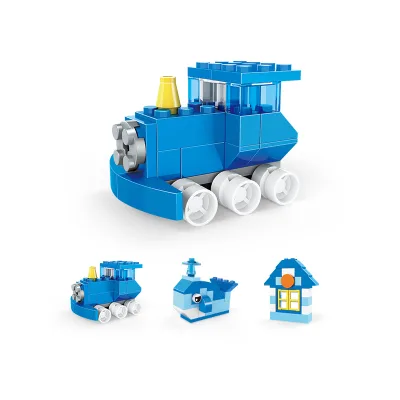


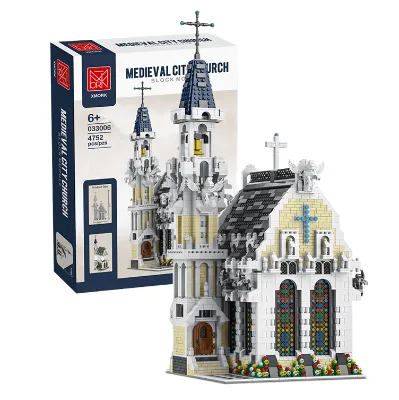
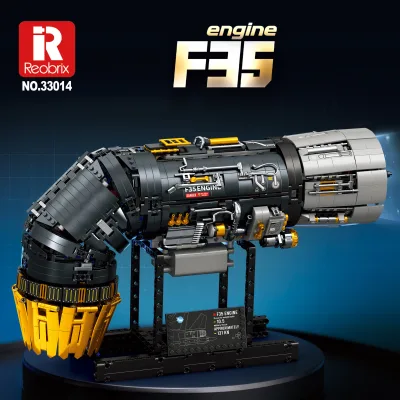
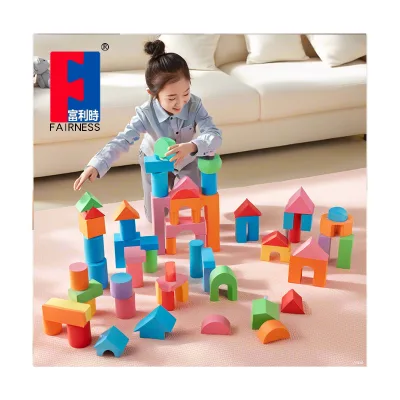
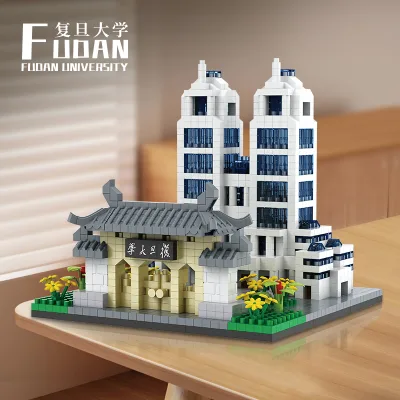
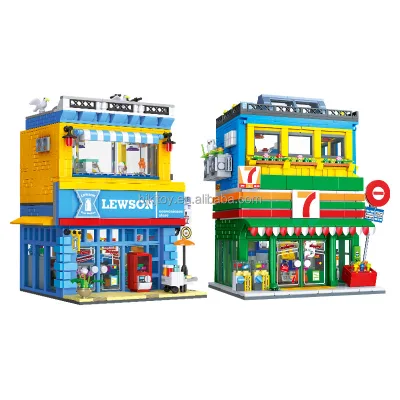
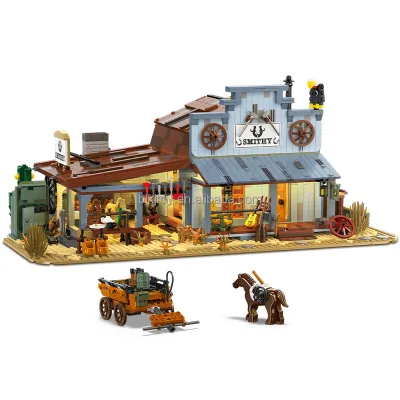
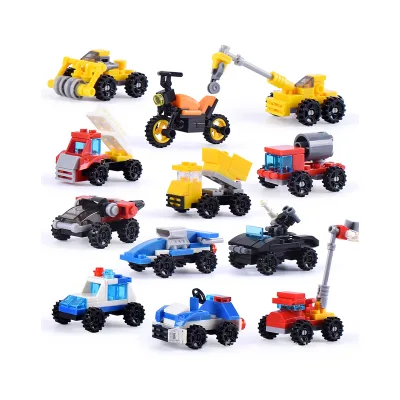
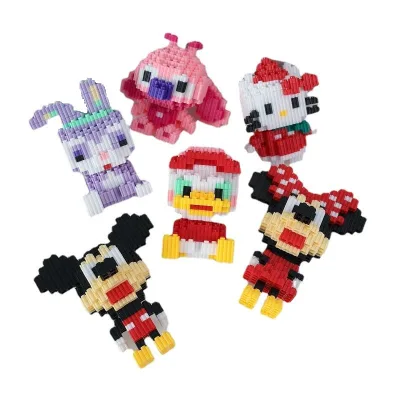
Comprehensive Sourcing Guide
Educational Model Build Block Supplier Concentration and Factory Types
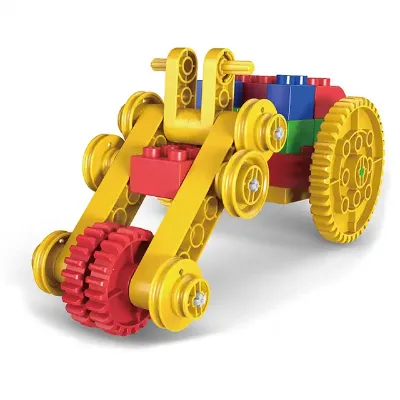
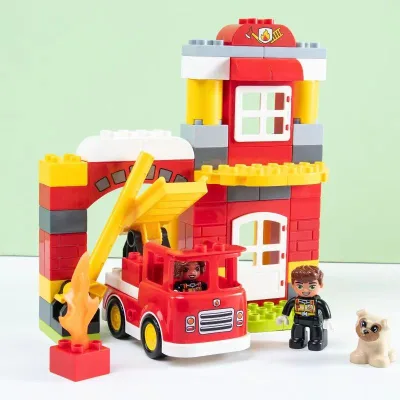
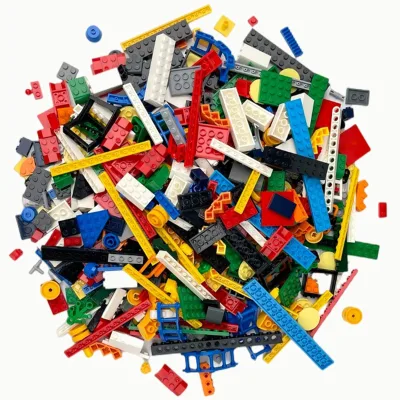
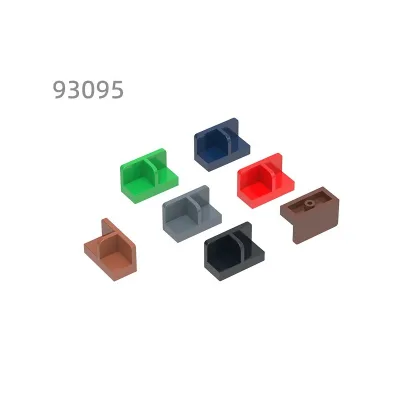
The current supplier landscape for educational model build blocks reveals a distinct geographic and structural diversity that buyers must navigate carefully. Evidence indicates that manufacturing and trading entities are concentrated in specific Chinese provinces, with notable presence in Fujian, Guangdong, and Zhejiang. These regions serve as critical hubs for toy production, offering varying advantages depending on the supplier type. In Fujian, results highlight Trading Companies that facilitate access to products like model building birthday education assembling build bricks blocks. These entities often act as intermediaries, connecting buyers with factories while managing logistics and communication. The presence of such trading companies suggests a market where sourcing efficiency is prioritized, allowing international buyers to access a wide array of products without needing to establish direct relationships with multiple manufacturing plants. This structure can simplify the initial stages of procurement, particularly for smaller orders or those requiring diverse product mixes.
In contrast, suppliers in Guangdong, such as those in Shantou, present a different operational profile. These entities are often classified as Combined companies, indicating a hybrid model that may include both manufacturing and trading capabilities. This dual nature can offer significant benefits, such as greater control over production quality and lead times, while still maintaining the flexibility of a trading company. The main products listed for these suppliers include remote control cars, educational toys, and sport toys, suggesting a broad capability in toy manufacturing that extends beyond simple building blocks. This versatility can be advantageous for buyers seeking a single source for multiple product categories. Furthermore, the presence of verified suppliers with specific certifications, such as BV verification, adds a layer of trust and reliability to the sourcing process. Buyers should consider these structural differences when evaluating potential partners, as the supplier type directly impacts communication, quality control, and overall supply chain resilience. Understanding whether a supplier is a pure trading company, a manufacturer, or a combined entity is crucial for aligning expectations and ensuring a smooth procurement experience.
How to Verify Educational Model Build Block Suppliers
Verifying the legitimacy and capability of Educational Model Build Block suppliers requires a multi-faceted approach that goes beyond surface-level claims. One of the most critical steps is to check for independent verification badges, such as BV or CTI, which indicate that a third-party agency has assessed the supplier’s business operations. For instance, some suppliers in the current results display BV verification, providing a baseline level of confidence in their business existence and operational integrity. However, verification alone is not sufficient; buyers must also scrutinize product-specific certifications. The presence of CE certification on technical educational pirate ship model building blocks is a key indicator of compliance with European safety standards, which is essential for markets with strict regulatory requirements. Buyers should request copies of these certificates and verify their validity with the issuing body to ensure they are current and applicable to the specific products being ordered. This due diligence helps mitigate the risk of receiving non-compliant goods that could face customs issues or safety recalls.
Beyond certifications, buyers should assess the supplier’s responsiveness and transparency as indicators of reliability. Response time metrics, such as the 1.59-hour average for some suppliers versus the 12.43-hour average for others, can signal the efficiency of their customer service and operational readiness. A faster response time often correlates with better communication throughout the order lifecycle, reducing the likelihood of misunderstandings or delays. Additionally, buyers should inquire about the supplier’s establishment year and company history, although this data may not always be explicitly displayed. If such information is unavailable, buyers should ask for business licenses or other legal documents to confirm the company’s longevity and stability. It is also prudent to review the supplier’s main product listings to ensure they align with the buyer’s specific needs. For example, a supplier focusing on oxygen cylinders may not be the best fit for educational toys, despite being verified. By combining verification checks, certification reviews, and operational assessments, buyers can build a comprehensive profile of each potential supplier, ensuring they partner with entities that are both legitimate and capable of meeting their specific requirements.
What to Compare Across Educational Model Build Block Suppliers
When evaluating multiple suppliers for educational model build blocks, buyers must systematically compare key operational and commercial metrics to identify the most suitable partner. One of the primary dimensions for comparison is the Minimum Order Quantity (MOQ), which varies significantly across different suppliers and product lines. For example, some plastic educational building block toys have an MOQ of 30 units, while others, such as wooden toy building blocks, require a minimum of 200 units. This disparity can have a substantial impact on inventory management and cash flow, particularly for small businesses or those testing new markets. Buyers should align their order volumes with the supplier’s MOQ requirements to avoid excessive inventory costs or missed opportunities due to unmet minimums. Additionally, price ranges offer another critical comparison point. Prices for similar products can vary widely, with some plastic blocks ranging from $1.00 to $50.00, while others are priced between $0.50 and $60.00. Buyers should analyze these price ranges in the context of product quality, material specifications, and customization options to determine the true value proposition of each supplier.
Lead time and response speed are equally important factors that influence the overall sourcing experience. Lead times, such as the 23-day average for some combined suppliers, indicate the duration from order placement to shipment. Longer lead times may be acceptable for planned, large-scale orders but can be problematic for urgent replenishments. Response time, measured in hours, reflects the supplier’s ability to communicate effectively and resolve issues promptly. A supplier with a 1.59-hour response time is likely more agile than one with a 12.43-hour response time, which can be crucial for addressing last-minute changes or queries. Buyers should also compare the customization capabilities offered by each supplier. Some products allow for OEM packing and customized standards, while others may have more rigid specifications. Understanding the extent of customization available, including material choices, packaging options, and product design modifications, is essential for buyers seeking unique or branded products. By systematically comparing MOQ, pricing, lead times, response speeds, and customization options, buyers can make informed decisions that balance cost, efficiency, and product specificity.
Common Educational Model Build Block Sourcing Risks
Sourcing educational model build blocks from international suppliers introduces several risks that buyers must proactively manage to ensure a successful procurement process. One significant risk is the variability in product quality and safety standards, particularly when dealing with plastic toys intended for children. While some suppliers display CE certification, not all products may adhere to the same rigorous testing protocols. Buyers must be vigilant in verifying that the specific items they order meet the safety regulations of their target market, as non-compliance can lead to legal liabilities and reputational damage. Another risk is the potential for miscommunication regarding product specifications and customization requirements. Suppliers may offer OEM packing and customized standards, but without clear and detailed documentation, there is a risk of receiving products that do not match the buyer’s expectations. This is particularly relevant for complex products like technical educational pirate ship models, where precise assembly and material specifications are critical. Buyers should invest time in creating detailed product specifications and confirming them with the supplier before placing orders to minimize the risk of discrepancies.
Logistical and supply chain disruptions also pose a considerable risk, especially when sourcing from distant manufacturing hubs. Lead times can fluctuate due to various factors, including raw material shortages, production bottlenecks, or shipping delays. For instance, a supplier with a 23-day lead time may experience extensions during peak seasons or unforeseen circumstances. Buyers should plan for these potential delays by maintaining buffer stock and establishing clear communication channels with their suppliers. Additionally, the reliance on trading companies can introduce an additional layer of complexity, as they may not have direct control over production schedules or quality control processes. Buyers should assess the trading company’s relationship with its manufacturing partners to ensure they have sufficient oversight and influence over the production process. Furthermore, financial risks, such as currency fluctuations or payment terms, should be carefully considered. Buyers should negotiate favorable payment terms and consider using secure payment methods to protect their interests. By identifying and addressing these common risks, buyers can develop robust strategies to mitigate potential issues and ensure a smoother sourcing experience.
Educational Model Build Block Regional Sourcing and Logistics
The geographic concentration of Educational Model Build Block suppliers in China presents both opportunities and challenges for international buyers. Regions like Fujian, Guangdong, and Zhejiang are known for their robust manufacturing ecosystems, offering access to a wide range of products and suppliers. However, the logistics of sourcing from these regions require careful planning to ensure timely delivery and cost efficiency. Buyers should consider the proximity of the supplier to major ports and transportation hubs, as this can significantly impact shipping costs and lead times. For example, suppliers in Guangdong, particularly in Shantou, may benefit from proximity to Shenzhen and Guangzhou ports, facilitating faster and more cost-effective shipping to global markets. Understanding the logistical infrastructure of each region can help buyers optimize their supply chain and reduce transit times. Additionally, buyers should be aware of the varying shipping options available, such as sea freight, air freight, and express courier services, and choose the most appropriate method based on their urgency and budget constraints.
Customs and regulatory compliance are also critical aspects of regional sourcing that buyers must navigate. Different countries have varying import regulations and duties, which can affect the total cost of goods. Buyers should research the import requirements of their target markets and ensure that their suppliers can provide the necessary documentation, such as certificates of origin and safety certifications. For instance, products destined for the European market must comply with CE standards, while those for the United States may require ASTM or CPSIA compliance. Buyers should work closely with their suppliers to ensure that all regulatory requirements are met and that the products are properly labeled and packaged for international shipping. Furthermore, buyers should consider the environmental impact of their sourcing decisions, as there is a growing emphasis on sustainable manufacturing and logistics practices. Choosing suppliers who adhere to eco-friendly production methods and use sustainable packaging materials can enhance the brand’s reputation and align with consumer preferences. By carefully managing regional logistics and regulatory compliance, buyers can streamline their sourcing process and ensure a seamless flow of goods from factory to market.
Educational Model Build Block Commercial Terms and Order Planning
Effective commercial terms and strategic order planning are essential for managing the financial and operational aspects of sourcing educational model build blocks. Buyers should negotiate clear payment terms that align with their cash flow needs and risk tolerance. Common payment methods include Telegraphic Transfer (TT), Letter of Credit (LC), and secure escrow services, each offering different levels of protection and flexibility. For smaller orders, escrow services can provide an additional layer of security by holding funds until the buyer confirms receipt and satisfaction with the products. For larger orders, negotiating partial payments upfront and the balance upon shipment can help manage cash flow while mitigating risk. Buyers should also clarify the Incoterms, such as FOB, CIF, or DDP, to determine who is responsible for shipping costs, insurance, and customs clearance. Understanding these terms is crucial for accurately calculating the total landed cost of the products and avoiding unexpected expenses.
Order planning involves forecasting demand, managing inventory levels, and coordinating with suppliers to ensure timely delivery. Buyers should develop a comprehensive procurement plan that considers seasonal trends, market demand, and production lead times. For example, if a supplier has a 23-day lead time, buyers should place orders well in advance of peak selling seasons to avoid stockouts. Additionally, buyers should establish a system for tracking order status and communicating with suppliers to address any issues promptly. Regular communication can help build a strong partnership and ensure that both parties are aligned on expectations and timelines. Buyers should also consider the scalability of their orders, negotiating volume discounts or long-term contracts with reliable suppliers to secure better pricing and priority
FAQs
What is the price range for educational building blocks?
Educational building blocks typically range from $0.50 to $60.00 per unit depending on complexity and material. Plastic sets often start at $0.50, while specialized electronic or technical models can reach $60.00. Buyers should check specific product listings for exact pricing tiers and volume discounts.
What are the minimum order quantities for these toys?
Minimum order quantities vary significantly by supplier and product type. Some plastic block sets require as few as 30 units, while others may demand 100 or 200 pieces. Wooden toys and electronic kits often have higher MOQs. Always verify the specific MOQ on the product page before ordering.
Where are these educational block suppliers located?
Suppliers for educational building blocks are primarily located in China, specifically in Fujian, Guangdong, and Zhejiang provinces. Guangdong suppliers often specialize in plastic and electronic toys, while Zhejiang suppliers may focus on industrial components. Buyers should filter by location to align with logistics preferences and shipping costs.
What certifications do these building blocks have?
Many plastic educational building blocks carry CE certification, ensuring compliance with European safety standards. Some suppliers offer customized standards or OEM packaging. Buyers should verify specific certification documents for each product, as not all items may display explicit safety marks in the initial listing details.
How fast do suppliers respond to inquiries?
Supplier response times vary, with some responding within 1.59 hours and others taking up to 12.43 hours. Faster response times are often associated with trading companies in Fujian. Buyers seeking quick communication should prioritize suppliers with lower response time metrics when evaluating potential partners.
What materials are used in these educational blocks?
Educational building blocks are commonly made from plastic, including ABS plastic for durability and safety. Some sets use wood for traditional tactile experiences, while electronic versions incorporate plastic casings with internal circuitry. Buyers should select materials based on age appropriateness and specific educational goals for the end users.