Electric Impact Masonry Hex Chisel Suppliers and Manufacturers
Compare 23 verified Electric Impact Masonry Hex Chisel suppliers by location, lead time, and certifications. Review product specs like material and hardness, then request quotes to verify pricing and MOQ; review the available evidence before requesting comparable quotations from suitable candidates.
Updated
Suppliers List
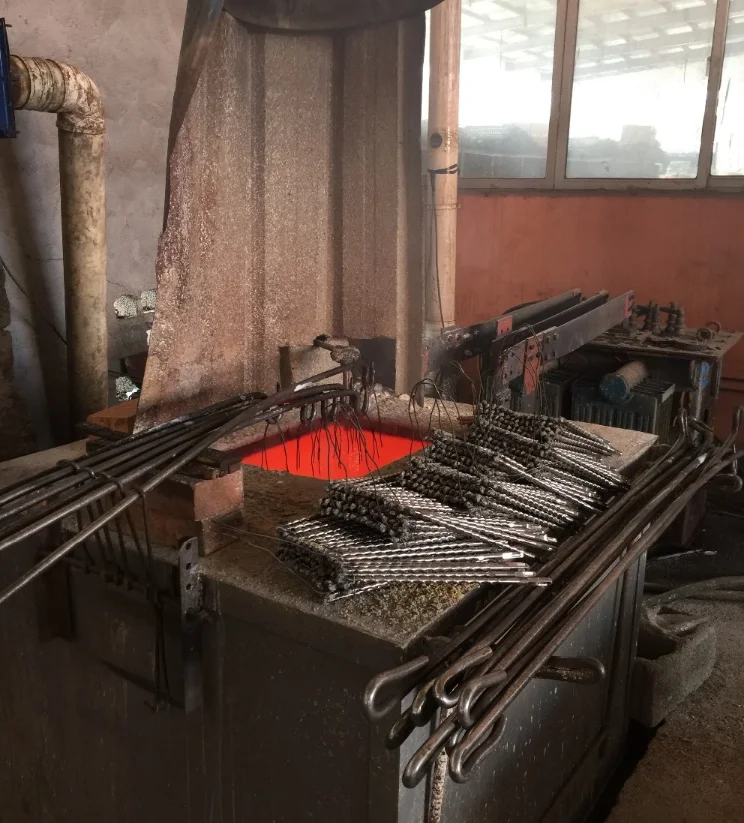
- Trading Company
- Jiangxi Province, China
- Lead time20 days
- Avg. response≤ 2h
Main productsSDS Plus hammer drill bits,glass drill bits,diamond core bits,chisels,hole saw
Main marketsEastern Asia(25.00%), Africa(15.00%), South Asia(10.00%), Northern Europe(10.00%), Southeast Asia(10.00%), North America(10.00%), South America(5.00%), Central America(5.00%), Mid East(5.00%), Domestic Market(1.00%), Oceania(1.00%), Southern Europe(1.00%), Western Europe(1.00%), Eastern Europe(1.00%)
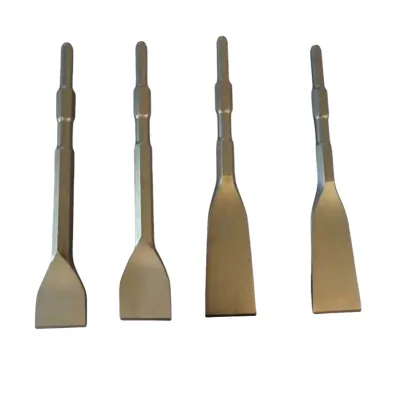
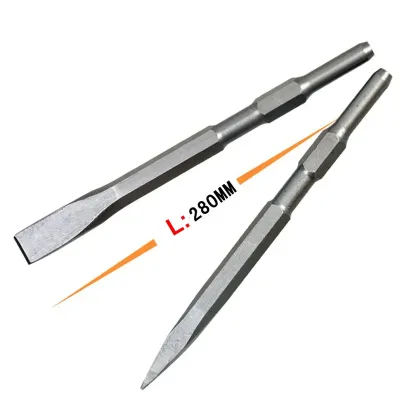
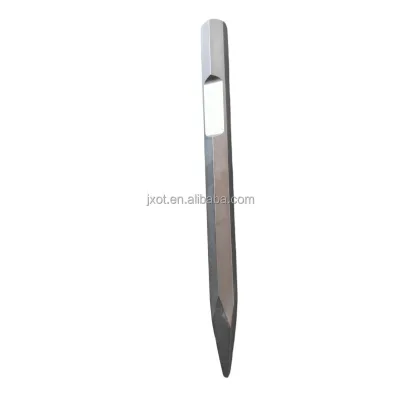
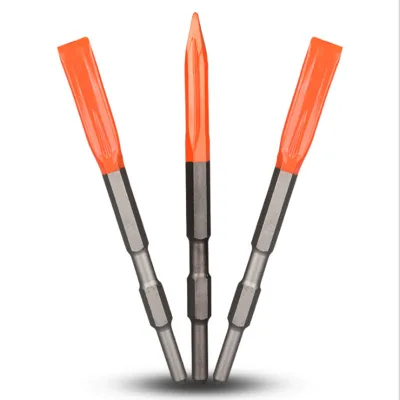
Masonry Cold Stone Carving Chisel for Cutting and Splitting Concrete Brick Walls
$0.6296 - $1.3431
MOQ: 100 pieces
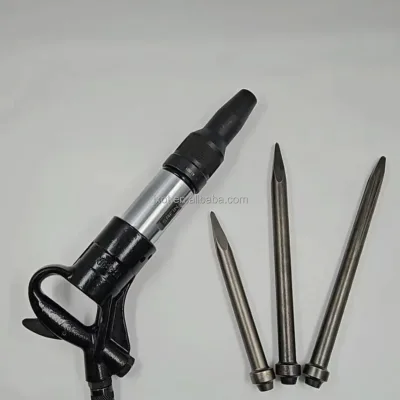
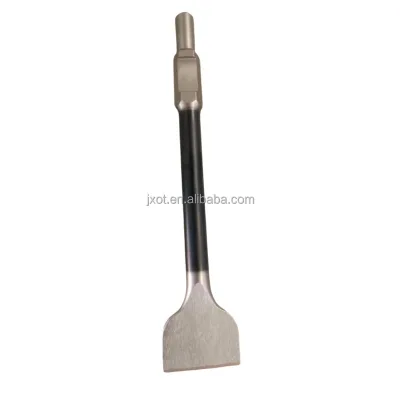
Zhejiang Dongya Facility Co., Ltd.
- Verified by TüVRheinland
- Manufacturer, Trading Company
- Lead time30 days
- Avg. response≤ 4h
Main productsAir Nail Gun, Drill Bits, Chisel, Hole Saw
Main marketsNorth America(25%), Domestic Market(20%), Southeast Asia(16%)
Wenzhou Meters Int'l Trade Co., Ltd.
- Trading Company
- Lead time旺季: "1 - 5000":25,"> 5000":"To be negotiated", 淡季: "1 - 5000":25,"> 5000":"To be negotiated"
- Avg. response≤ 6h
Main productsHand Tools, Cable Tie
- Verified by TüVRheinland
- Manufacturer, Trading Company
- Lead time25 days
- Avg. response≤ 3h
Main productsDrill Bits, Screwdriver, Chisel, Hole Saws
Main marketsWestern Europe(22%), Southeast Asia(20%), North America(15%)
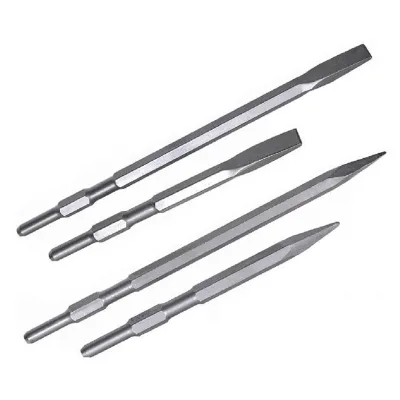
$0.35 - $0.45
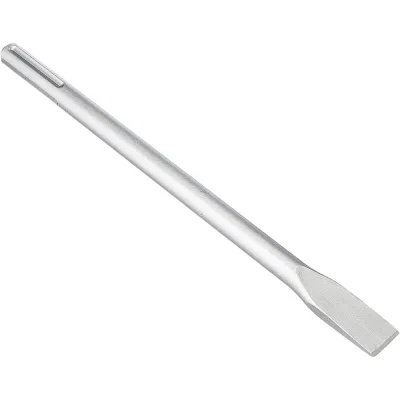
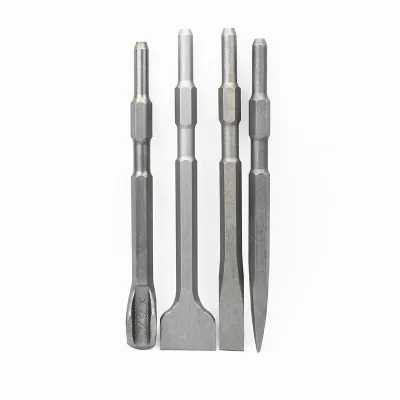
Manufacture Diameter Adjustable Sds Electric Impact Chisel for Hydraulic Breaker
$0.32 - $0.66
MOQ: 500

Yueqing Hengda Tools Co., Ltd.
- Verified by TUVRHEINLAND
- Combined
- China Zhejiang
- Lead time15 days
- Avg. response≤ 13h
Main productsDrill Bits, Hole Saw, Chisel
Main marketsDomestic

Dongguan VG Fasteners Co., Ltd.
- Verified by SGS
- Trading Company
- China Guangdong
- Lead time15 days
- Avg. response≤ 4h
Main productsDrop in Anchor, DIN912 Hex Socket Head Cap Screw, Sleeve Anchor, Anchor Bolt, Fasteners, Wedge Anchor, Chemical Anchor, Nut, Thread Rod, Screw
Main marketsSoutheast Asia/ Mideast,Domestic


$0.20 - $25.00
MOQ: 1000 Pieces


- Verified by SGS
- Combined
- China Jiangxi
- Lead time23 days
- Avg. response≤ 4h
Main productsDrill, SDS Plus Drill Bits, Chisel, SDS Max Drill Bits, Electric Hammer Drill Bits, Screwdriver Bits, Hole Saw, Ceramic Drill Bits, HSS Twist Drill Bits
Main marketsSouth America,Africa,Southeast Asia/ Mideast,East Asia(Japan/ South Korea),Domestic,Europe,Australia,North America


$1.48 - $1.88
MOQ: 1000 Pieces


Electric Hammer Flat Chisel SDS Plus Max Hex Shank Pointed Chisel for Concrete Masonry
$1.15 - $1.66
MOQ: 1000 Pieces

17mm Hex Shank Sharp Chisel Point Flat Chisel for Electric Hammer Drill Hex
$1.48 - $1.88
MOQ: 1000 Pieces

Zhenjiang Fewell Tools Co., Ltd.
- Verified by CTI
- Trading Company
- China Jiangsu
- Lead time23 days
- Avg. response≤ 4h
Main productsSaw Blade, Drill Bit, Grinding Cup Wheel, Core Drill Bit, Tct Saw Blade, Polishing Pad, Adapter, Chisel
Main marketsEast Asia(Japan/ South Korea),Europe

Shenzhen Alisi Electronic Technology Co., Ltd.
- Trading Company, Distributor/Wholesaler
- Guangdong, China
- Lead time3 days
- Avg. response≤ 2h
Main productselectron component,temperature controller,Auto parts,sensor,Wireless Controller
Main marketsSouth America(20.00%), Eastern Europe(20.00%), North America(15.00%), Western Europe(5.00%), Domestic Market(5.00%), South Asia(5.00%), Southern Europe(5.00%), Northern Europe(5.00%), Central America(5.00%), Eastern Asia(3.00%), Mid East(3.00%), Oceania(3.00%), Africa(3.00%), Southeast Asia(3.00%)
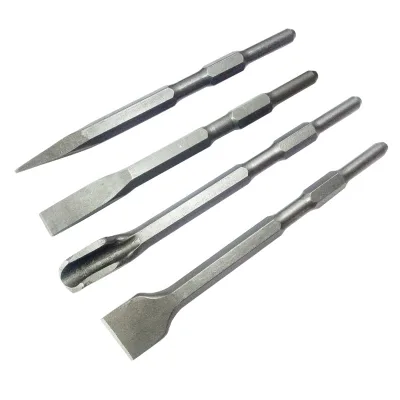
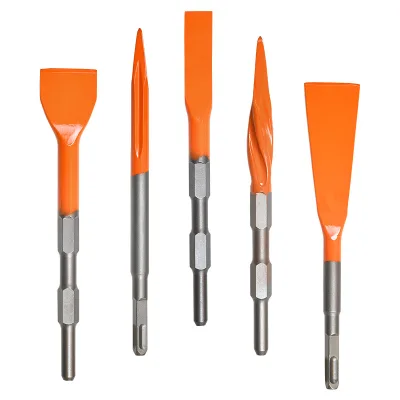
Electric Hammer Self-grinding Chisel Stone Wall Chisel with Pointed Point
$1.1302 - $5.1341
MOQ: 20 Minimum

ZHENJIANG NINE LOTUS TOOLS CO., LTD.
- Verified by SGS
- Trading Company
- China Jiangsu
- Lead time45 days
- Avg. response≤ 18h
Main productsPaint Brush, Pad Lock, Safety Production, Furniture Protect
Main marketsSouth America,Eastern Europe,Mid East,North America,Southeast Asia,Eastern Asia,Oceania,Western Europe,Africa

Hex Chisel Customized Bull Point Electric Hammer Drill Chisel for Stone Concrete
$0.50 - $1.50
MOQ: 3000 Pieces

Yueqing Jiesheng Tools Co., Ltd.
- Manufacturer
- Zhejiang, China
- Lead time30 days
- Avg. response≤ 2h
Main productsSDS PLUS DRILL BIT for Masonry Brick Concrete Stone Block Drilling,SDS MAX DRILL BIT Professional Manufacturer for Hammer Drill Bit,CHISELS PH65A PH65 65A Hex Shank Chisel Heavy Duty Tool,Hole Saw for Wood Metal Stainless Steel Aluminium Glass Ceramic Marble,ROUTER BITS Carbide Tipped Flush Trim Bit Straight Bit for Woodworking
Main marketsDomestic Market(80.00%), Western Europe(5.00%), North America(4.00%), Eastern Europe(1.00%), South Asia(1.00%), Southern Europe(1.00%), Northern Europe(1.00%), Central America(1.00%), South America(1.00%), Eastern Asia(1.00%), Mid East(1.00%), Oceania(1.00%), Africa(1.00%), Southeast Asia(1.00%)

JIANGSU HAOKE MATERIAL TECH CO.,LTD
- Verified by SGS
- Trading Company,Manufacturer/Factory
- China Jiangsu
- Lead time23 days
- Avg. response≤ 2h
Main productsDrill Bit, Saw Blade, Milling Cutter, HSS Taps&Dies, SDS Hammer Drill Bits Masonry Drill Bits, Hole Saws, Screwdriver Bit & Socket, Grinding Wheels, Diamond Saw Blades, Tct Saw Blades
Main marketsSouth America,Eastern Europe,Mid East,North America,Southeast Asia,Eastern Asia,Oceania,Western Europe,Africa

17*280mm Hex Shank Electric Hammer Point Flat Chisel for Tile Masonry Concrete Brick Stone
$0.63 - $1.08
MOQ: 100 Pieces

SDS 65A Hex Shank Point Groove Flat Electric Hammer Chisel for Concrete Brick Wall Drilling
$0.35 - $2.22
MOQ: 300 Pieces

Factory Supply 14*250mm SDS Plus Electric Hammer Flat Chisel for Concrete Masonry
$0.50 - $2.00
MOQ: 500 Pieces

$0.40 - $0.65
MOQ: 500 Pieces
- Trading Company
- Jiangxi, China
- Lead time35 days
- Avg. response≤ 2h
Main productsDrill Bits and Chisels Series,Screw bolts and Nuts Series,Hole Saw Cutter Series,Custom machining Vises,Sleeves Adapter Series
Main marketsSouth America(22.00%), Mid East(21.00%), Southeast Asia(12.00%), Africa(9.00%), Domestic Market(7.00%), Eastern Asia(5.00%), South Asia(3.00%), Central America(3.00%), Western Europe(3.00%), Southern Europe(3.00%), North America(3.00%), Eastern Europe(2.00%), Northern Europe(2.00%), Oceania(2.00%)
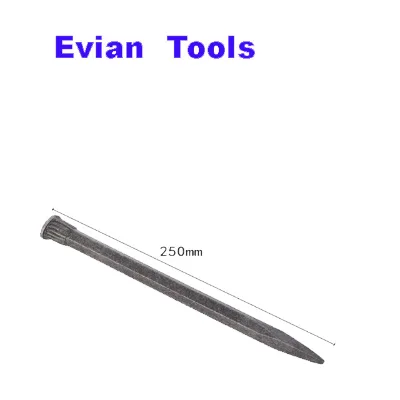
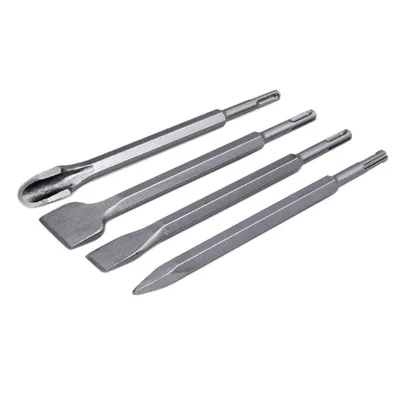
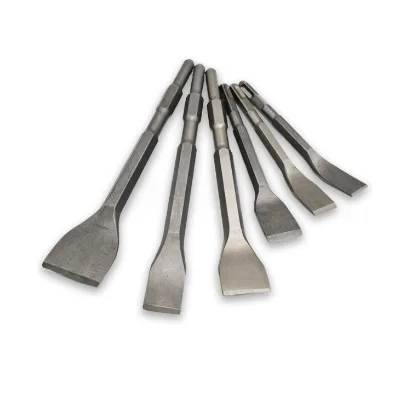
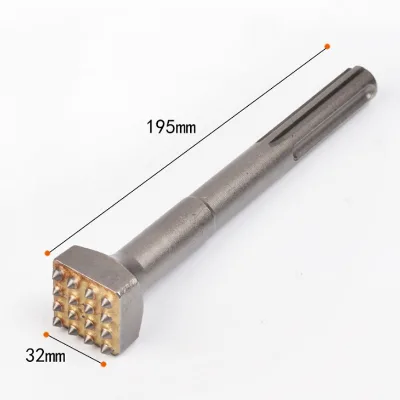
$0.1664 - $0.1979
MOQ: 1000 pieces
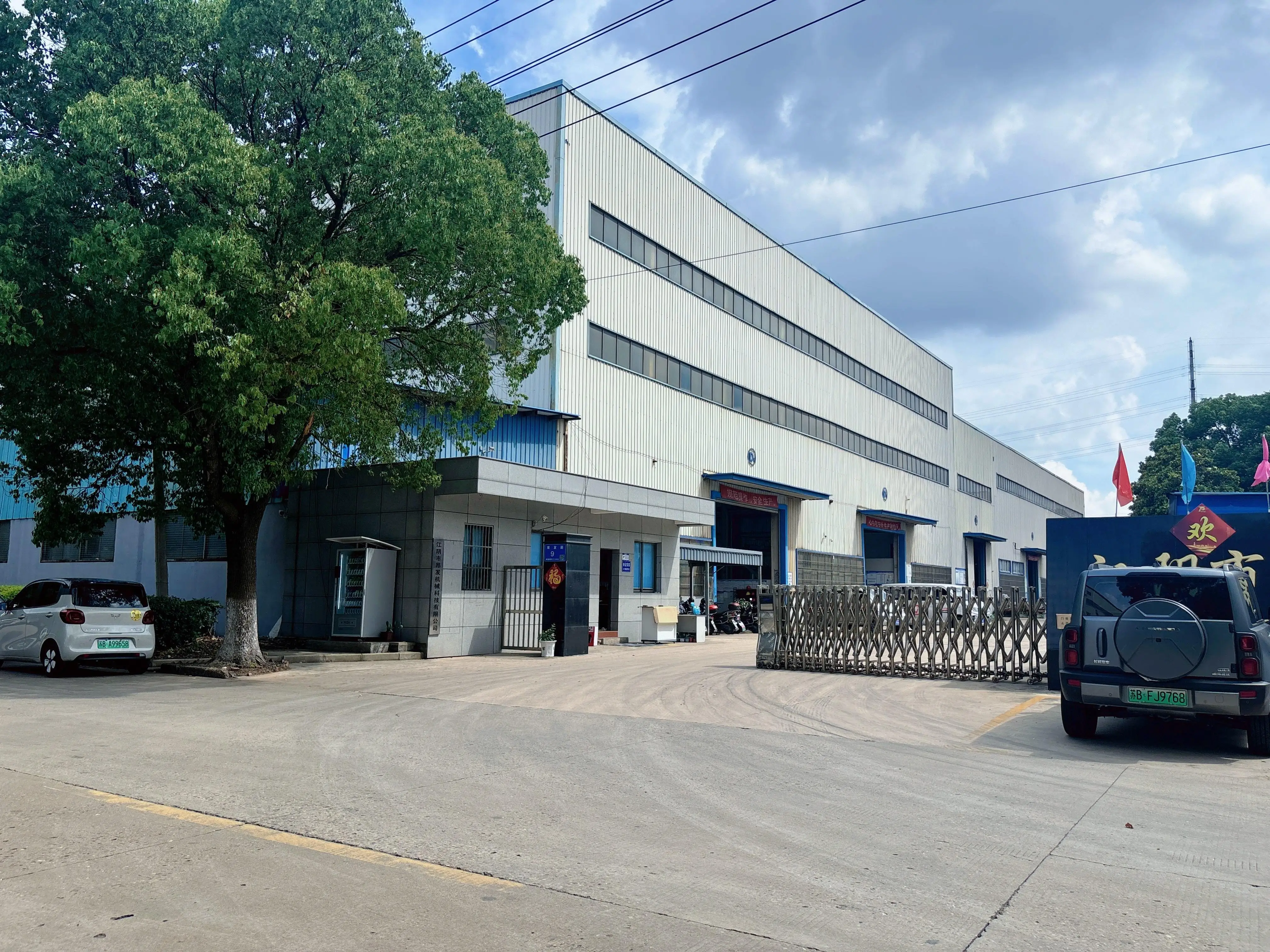
Jiangyin Qianyee Grandeur Machinery Co., LTD.
- Manufacturer, Trading Company
- Jiangsu, China
- Lead time30 days
- Avg. response≤ 4h
Main productsbreaker chisel,Breaker Hammer,Screening Bucket,excavator attachments,Breaker Hammer Spare Parts
Main marketsDomestic Market(50.00%), Mid East(35.00%), North America(5.00%), Northern Europe(5.00%), Southeast Asia(5.00%)
Hangzhou Xinsheng Precision Machinery Co., Ltd.
- Verified by SGS Group
- Manufacturer, Trading Company
- Lead time15 days
- Avg. response≤ 2h
Main productsTCT Circular Saw Blade, HSS Saw Blade, Diamond Tool, Diamond Saw Blade, Drill Bit
Main marketsDomestic Market(20%), North America(14%), Eastern Europe(10%)

- Verified by SGS
- Trading Company,Manufacturer/Factory
- China Jiangsu
- Lead time45 days
- Avg. response≤ 8h
Main productsTrowel, Pliers, Tool Set, Socket Set, Adjustable Wrench, Knife, Hand Saw, Safety Googles, Hammer, Shear
Main marketsSouth America,Eastern Europe,North America,Western Europe,Africa

- Verified by CTI
- Combined
- China Jiangsu
- Lead time45 days
- Avg. response≤ 5h
Main productsPower Tool Accessories, Drill Bit, Hammer Chisel, Hammer Drill SDS, Tile Drill, Universal Drill, Masonry Drill, Tool Set, Hole Saw, Core Drill
Main marketsEast Asia(Japan/ South Korea),Domestic,Europe,North America

Premium Quality 65A Point Hammer Chisel 30mm Hex Shank for Concrete Masonry Brick Demolition
$4.65 - $10.98
MOQ: 200 Pieces

Premium Quality 65A Flat Hammer Chisel 30mm Hex Shank for Concrete Masonry Brick Demolition
$4.65 - $10.98
MOQ: 200 Pieces

Premium Quality 65A Spade Hammer Chisel 30mm Hex Shank for Concrete Masonry Brick Demolition
$5.22 - $11.88
MOQ: 200 Pieces

$6.368 - $8.869
MOQ: 200 Pieces

$5.22 - $7.28
MOQ: 200 Pieces
Shandong Jinfu Tools Co., Ltd.
- Manufacturer, Trading Company
- Shandong, China
- Lead time40 days
- Avg. response≤ 8h
Main productsHand tools,Firefighting tools,Machine Knives
Main marketsSouth Asia(7.69%), Southern Europe(7.69%), Northern Europe(7.69%), Central America(7.69%), Western Europe(7.69%), Eastern Asia(7.69%), Mid East(7.69%), Oceania(7.69%), Africa(7.69%), Southeast Asia(7.69%), Eastern Europe(7.69%), South America(7.69%), North America(7.69%)

NINGBO YINZHOU GET MACHINERY LTD.
- Verified by CTI
- Trading Company,Manufacturer/Factory
- China Zhejiang
- Lead time15 days
- Avg. response≤ 7h
Main productsHydraulic Breaker Chisel, Hydraulic Breaker, Hydraulic Breaker Spare Parts, Hydraulic Breaker Pistons, Hydraulic Breaker Bushes, Hydraulic Breaker Pins, Hydraulic Breaker Front Heads and Back Heads, Hydraulic Breaker Seal Kits, Hydraulic Breaker Diaphragms, Hydraulic Breaker Bolts
Main marketsSouth America,Eastern Europe,Mid East,North America,Southeast Asia,Eastern Asia,Oceania,Western Europe,Africa

- Verified by CTI
- Trading Company
- China Jiangsu
- Lead time23 days
- Avg. response≤ 3h
Main productsPower Tools, Electric Tools, Cordless Tools, Bench Tools, Garden Tools, Angle Grinder, Circular Saw, Cordless Drill, Grass Trimmer, Sander
Main marketsSouth America,Africa,Southeast Asia/ Mideast,Europe,North America

$1.09 - $1.29
MOQ: 36 Pieces

Fixtec Hand Tools Heavy Duty Flat Masonry Chisel Cold Chisel 10" 12" Wood Cold Chisel
$2.94 - $3.26
MOQ: 20 Pieces
- Manufacturer
- Jiangsu, China
- Lead time0 days
- Avg. response≤ 5h
Main productsdrill,hammer drill,masonry drill,chisels,hole saws

Yiwu Laserline Hardware Tools Co., Ltd.
- Trading Company
- Zhejiang, China
- Lead time15 days
- Avg. response≤ 10h
Main productsdrill bits,saw baldes,hole saws,chisels,makita
Main marketsMid East(30.00%), South America(20.00%), Africa(15.00%), Domestic Market(10.00%), Eastern Europe(5.00%), South Asia(5.00%), Southern Europe(5.00%), Western Europe(5.00%), North America(5.00%)
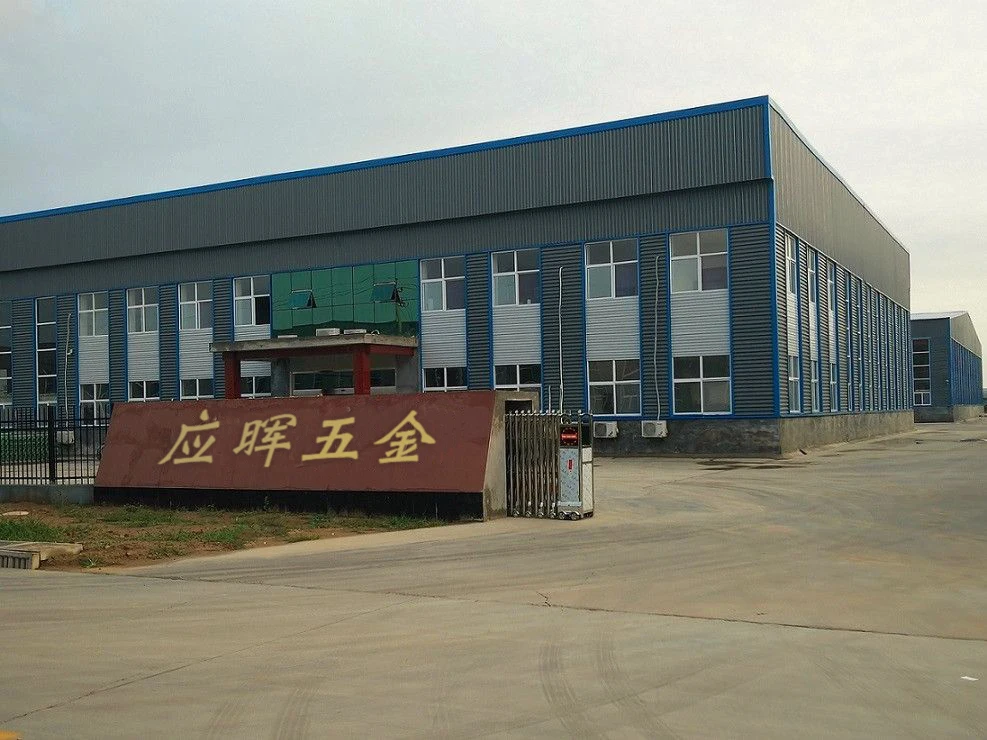
Linyi City Yinghui Hardware Tools Co., Ltd.
- Trading Company
- Shandong, China
- Lead time31 days
- Avg. response≤ 4h
Main productsHardware tools,Agricultural use Tools,Cleaning Tools
Main marketsSouth Asia(30.00%), Central America(30.00%), Mid East(30.00%), Southeast Asia(30.00%), North America(30.00%)
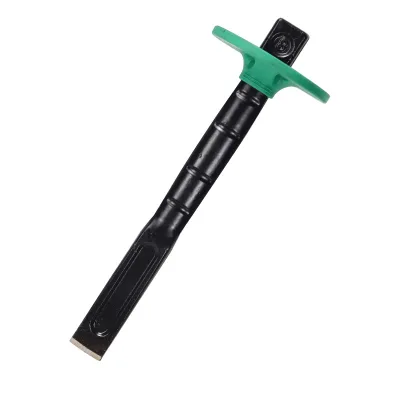
$1.0403 - $1.8842
MOQ: 200 Minimum
$1.4315 - $1.8408
MOQ: 100 Minimum
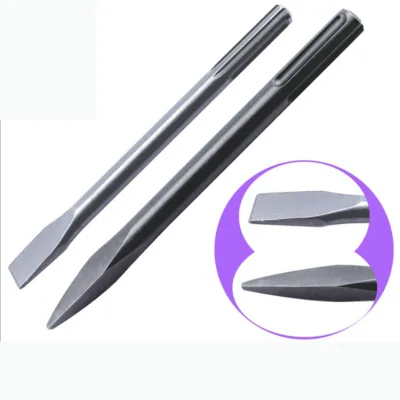


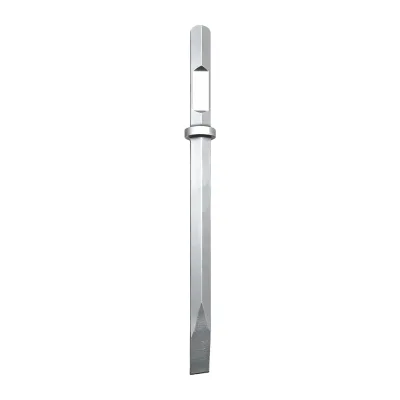
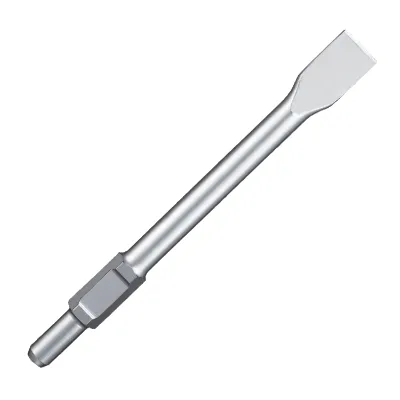
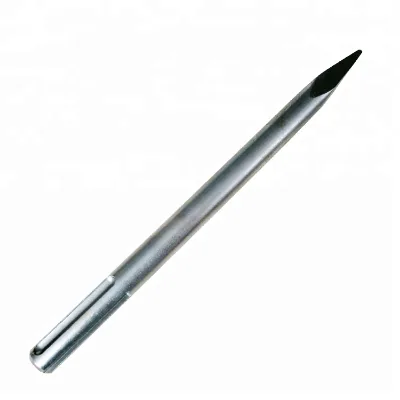





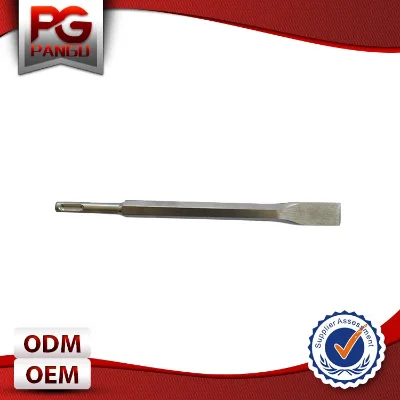
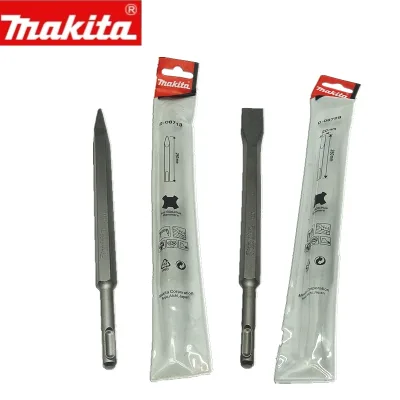
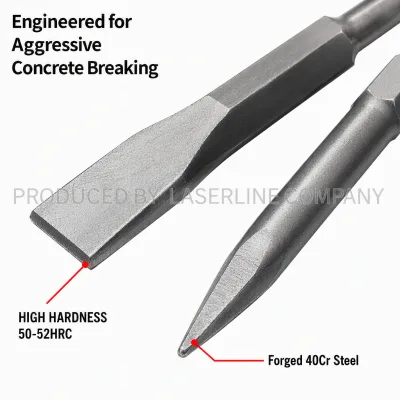
Comprehensive Sourcing Guide
Electric Impact Masonry Hex Chisel Supplier Concentration and Factory Types
The sourcing landscape for electric impact masonry hex chisels reveals a distinct concentration of manufacturing activity within Jiangxi Province, China, where a significant portion of the available supplier base is physically located. This regional clustering suggests a mature industrial ecosystem specialized in metalworking and tool manufacturing, offering buyers access to established supply chains for raw materials like 40Cr steel and specialized heat treatment facilities. When evaluating suppliers in this region, it is crucial to distinguish between pure trading companies and those with direct manufacturing capabilities, as the latter often provide greater transparency regarding production processes and quality control measures. Many suppliers in this cluster identify as trading companies, which can still offer competitive pricing and consolidated logistics, but buyers must verify whether these entities maintain direct oversight of the fabrication lines or simply act as intermediaries for third-party factories. The presence of both manufacturer and trading company types in the results indicates a flexible market structure where buyers can choose based on their specific needs for direct factory engagement versus simplified procurement processes.
Beyond the Jiangxi cluster, other manufacturing hubs such as Zhejiang Province also contribute to the supply of electric impact chisels, indicating that while Jiangxi is a primary source, it is not the exclusive origin for these tools. Suppliers from Zhejiang may offer different product specifications, such as high carbon steel handles or specific model numbers like DY0508, which can influence the durability and performance of the chisels in demanding masonry applications. Buyers should not assume that all suppliers are located in the same region, as geographic diversity can impact lead times, shipping costs, and communication efficiency. It is advisable to review the place of origin listed for each product or supplier profile to understand the logistical implications of sourcing from different provinces. Some suppliers may list multiple locations or have factories in one province while maintaining sales offices in another, which can complicate verification efforts. Understanding the geographic distribution of suppliers helps buyers assess the reliability of the supply chain and identify potential risks associated with regional disruptions or transportation bottlenecks.
How to Verify Electric Impact Masonry Hex Chisel Suppliers
Verifying the legitimacy and capability of Electric Impact Masonry Hex Chisel suppliers requires a multi-layered approach that goes beyond simple profile reviews. Buyers should prioritize suppliers who have undergone third-party verification processes, such as those conducted by TüV Rheinland, which provides an additional layer of confidence regarding the supplier’s business operations and product quality standards. The presence of such verification badges indicates that an independent auditor has inspected the supplier’s facilities or documentation, reducing the risk of engaging with fraudulent entities. Additionally, buyers should look for suppliers who display specific system certifications, including ISO 9001, ISO 14001, and ISO 45001, as these standards reflect a commitment to quality management, environmental responsibility, and occupational health and safety. While some suppliers may list older standards like ISO9001:2000, newer certifications such as ISO9001:2015 suggest more recent adherence to updated management practices. It is important to note that certification claims should be cross-referenced with official databases or requested certificates to ensure they are current and valid for the specific entity being evaluated.
Beyond certifications, buyers should assess the supplier’s response time and communication efficiency as indicators of their operational maturity and customer service quality. Suppliers with faster response times, such as those responding within two to four hours, are often more organized and responsive to buyer inquiries, which can be critical during the negotiation and order placement phases. Buyers should also examine the detailed product attributes provided, such as material composition (e.g., 40Cr steel), hardness ratings (HRC 50-55), and tip types, to ensure the supplier has a deep understanding of their products. Inconsistent or vague product descriptions may indicate a lack of technical expertise or a reliance on generic listings. Furthermore, buyers should verify the supplier’s ability to provide customized support, including OEM and ODM services, if they require specific branding or design modifications. The availability of detailed specifications, such as single package sizes and gross weights, also demonstrates a level of professionalism and attention to detail that is essential for successful international trade.
What to Compare Across Electric Impact Masonry Hex Chisel Suppliers
When comparing suppliers, buyers must evaluate a range of commercial and operational metrics to determine the best fit for their procurement needs. One of the most critical factors is the minimum order quantity (MOQ), which can vary significantly across different suppliers. For instance, some suppliers may require a minimum order of 100 pieces, while others might have different thresholds based on product complexity or customization requirements. Buyers should align their order volumes with the supplier’s MOQ to avoid unnecessary inventory costs or production delays. Additionally, lead times are a key differentiator, with some suppliers offering production times of 20 days and others requiring up to 30 days. These variations can impact project timelines and inventory management strategies, so buyers must factor in lead times when planning their procurement schedules. It is also important to consider the supplier’s response speed, as quicker responses can facilitate faster decision-making and issue resolution during the sourcing process.
Price is another essential dimension for comparison, but it should not be viewed in isolation. Buyers should analyze the price range for specific products, noting that costs can vary based on material quality, customization options, and order volume. For example, prices for electric impact chisels may range from under $1 to over $8, depending on the specific model and features. Buyers should request detailed quotations that break down costs for materials, labor, and shipping to understand the true value proposition of each supplier. Additionally, buyers should compare the main products offered by each supplier to ensure they have the capacity to meet their specific needs. Some suppliers may specialize in chisels and hole saws, while others may offer a broader range of tools like air nail guns and drill bits. Evaluating the breadth and depth of a supplier’s product portfolio can help buyers assess their versatility and potential for long-term partnership. Finally, buyers should consider the supplier’s customization capabilities, such as the ability to handle graphic processing or on-demand customization, which can add value for brands seeking unique product offerings.
Common Electric Impact Masonry Hex Chisel Sourcing Risks
Sourcing electric impact masonry hex chisels from international suppliers involves several inherent risks that buyers must proactively manage to ensure a smooth procurement process. One significant risk is the potential for quality inconsistencies, particularly when dealing with suppliers who do not provide detailed material specifications or hardness ratings. For example, chisels made from low-quality steel may fail prematurely under high-impact masonry work, leading to costly replacements and project delays. Buyers should mitigate this risk by requesting samples and conducting rigorous quality checks, including hardness tests and durability assessments, before placing large orders. Additionally, buyers should be cautious of suppliers who provide vague or incomplete product descriptions, as this may indicate a lack of transparency or technical expertise. It is essential to verify that the materials used, such as 40Cr steel or high carbon steel, meet the required standards for strength and wear resistance.
Another common risk is the discrepancy between quoted prices and final costs, which can arise from hidden fees, currency fluctuations, or changes in shipping rates. Buyers should ensure that all costs, including manufacturing, packaging, and logistics, are clearly outlined in the quotation to avoid unexpected expenses. Furthermore, buyers should be aware of the risks associated with intellectual property infringement, especially when working with suppliers who offer OEM services. It is crucial to have clear contracts and non-disclosure agreements in place to protect proprietary designs and branding. Buyers should also monitor the supplier’s compliance with international standards and regulations, such as CE certification, to ensure that the products are safe and legal for sale in their target markets. Finally, buyers should be prepared for potential communication barriers and cultural differences that can lead to misunderstandings or errors in order specifications. Establishing clear communication channels and regular check-ins can help minimize these risks and ensure that both parties are aligned throughout the sourcing process.
Electric Impact Masonry Hex Chisel Regional Sourcing and Logistics
The geographic location of suppliers plays a pivotal role in determining the logistics and shipping costs associated with sourcing electric impact masonry hex chisels. Suppliers located in Jiangxi Province, China, offer the advantage of being situated in a major manufacturing hub, which can facilitate efficient production and consolidation of goods. However, buyers must consider the distance to major ports and transportation networks, as this can impact transit times and overall delivery schedules. For instance, suppliers in Jiangxi may need to transport goods to nearby ports like Shanghai or Ningbo before shipping internationally, adding an extra layer of logistics complexity. Buyers should work closely with their suppliers to understand the specific shipping routes and methods available, ensuring that the chosen logistics provider can handle the weight and dimensions of the chisel packages effectively. The single package size and gross weight provided by suppliers, such as 56x45x25 cm and 0.230 kg, are critical for calculating shipping costs and optimizing container space.
In addition to domestic logistics, buyers must also navigate international shipping regulations and customs procedures, which can vary significantly depending on the destination country. It is essential to ensure that all necessary documentation, including commercial invoices, packing lists, and certificates of origin, are accurately prepared to avoid delays at customs. Buyers should also consider the environmental and safety standards of the shipping materials, such as plastic tubes and hangers, to ensure they comply with international regulations. Furthermore, buyers should evaluate the supplier’s ability to handle different shipping terms, such as FOB, CIF, or DDP, to determine who is responsible for various aspects of the logistics process. Understanding these terms can help buyers manage risks and costs more effectively. Finally, buyers should consider the impact of seasonal fluctuations and global supply chain disruptions on shipping availability and costs, planning their orders accordingly to mitigate potential delays.
Electric Impact Masonry Hex Chisel Commercial Terms and Order Planning
Effective order planning for electric impact masonry hex chisels requires a thorough understanding of the commercial terms offered by suppliers, including payment methods, warranty policies, and after-sales support. Buyers should negotiate clear payment terms that align with their cash flow needs, such as using secure payment platforms like Escrow to protect their funds until the goods are received and verified. It is also important to clarify the warranty period and coverage for the chisels, as this can vary between suppliers and impact the long-term cost of ownership. Buyers should request detailed information on the supplier’s return and replacement policies in case of defective products, ensuring that they have a clear recourse if quality issues arise. Additionally, buyers should consider the supplier’s capacity for handling large orders and their ability to scale production in response to increased demand, which can be crucial for maintaining a steady supply of tools for ongoing projects.
Beyond immediate order terms, buyers should plan for long-term supplier relationships by evaluating the supplier’s commitment to continuous improvement and customer satisfaction. Suppliers who offer customized support, such as OEM and ODM services, can provide greater flexibility and value for buyers seeking unique product offerings. Buyers should also assess the supplier’s responsiveness to feedback and their willingness to collaborate on product development and innovation. By building strong relationships with reliable suppliers, buyers can secure better pricing, priority production slots, and enhanced support services. It is also advisable to diversify the supplier base to mitigate risks associated with single-source dependency, ensuring that there are alternative options available if primary suppliers face disruptions. Finally, buyers should regularly review and update their sourcing strategies to adapt to changing market conditions, technological advancements, and evolving customer needs, ensuring that their procurement processes remain efficient and competitive.
FAQs
What is the typical lead time for electric impact chisels?
Manufacturers in Jiangxi Province generally require 20 days to produce orders, while suppliers in Zhejiang may need up to 30 days. These timelines depend on order volume and customization needs. Buyers should confirm specific delivery schedules with the supplier before placing the order to ensure production aligns with project deadlines.
What is the minimum order quantity for hex chisels?
The standard minimum order quantity is 100 pieces for most electric impact chisels. This threshold applies to both OEM and ODM customization requests. Buyers seeking smaller quantities should verify if the supplier offers lower MOQs for standard stock items, as some manufacturers may have different requirements for bulk purchases.
What material are these chisels made from?
Most electric impact chisels are manufactured from 40Cr steel to ensure durability and hardness. The material typically achieves a hardness of HRC 50-55, making it suitable for masonry and concrete work. Some variants may feature carbide tips for enhanced performance in specific drilling or carving applications.
What certifications do these suppliers hold?
Verified suppliers often hold ISO 9001, ISO 14001, and ISO 45001 certifications, along with CE marks. These credentials indicate compliance with international quality and safety standards. Buyers should request valid certificates to ensure the products meet specific regulatory requirements for their target markets.
What is the price range for hex chisels?
Prices typically range from $0.63 to $1.90 per piece for standard models. Premium or specialized chisels may cost between $2.66 and $8.00. The final price depends on material specifications, tip type, and order volume. Buyers should compare quotes from multiple suppliers to find the best value.
How quickly do suppliers respond to inquiries?
Suppliers generally respond within 2 to 4 hours to buyer inquiries. Fast response times indicate active customer service teams ready to assist with technical questions or order processing. Buyers should expect prompt communication when contacting verified manufacturers for quotes or product specifications.