Fiddle Lock Violin Case Latch Suppliers and Manufacturers
Compare 11 verified suppliers offering Fiddle Lock Violin Case Latch products with details on location, lead times, and MOQs. Review specifications like ISO9001:2015 certification and response times to select the right partner for your needs; review the available evidence before requesting comparable quotations from suitable candidates.
Updated
Suppliers List
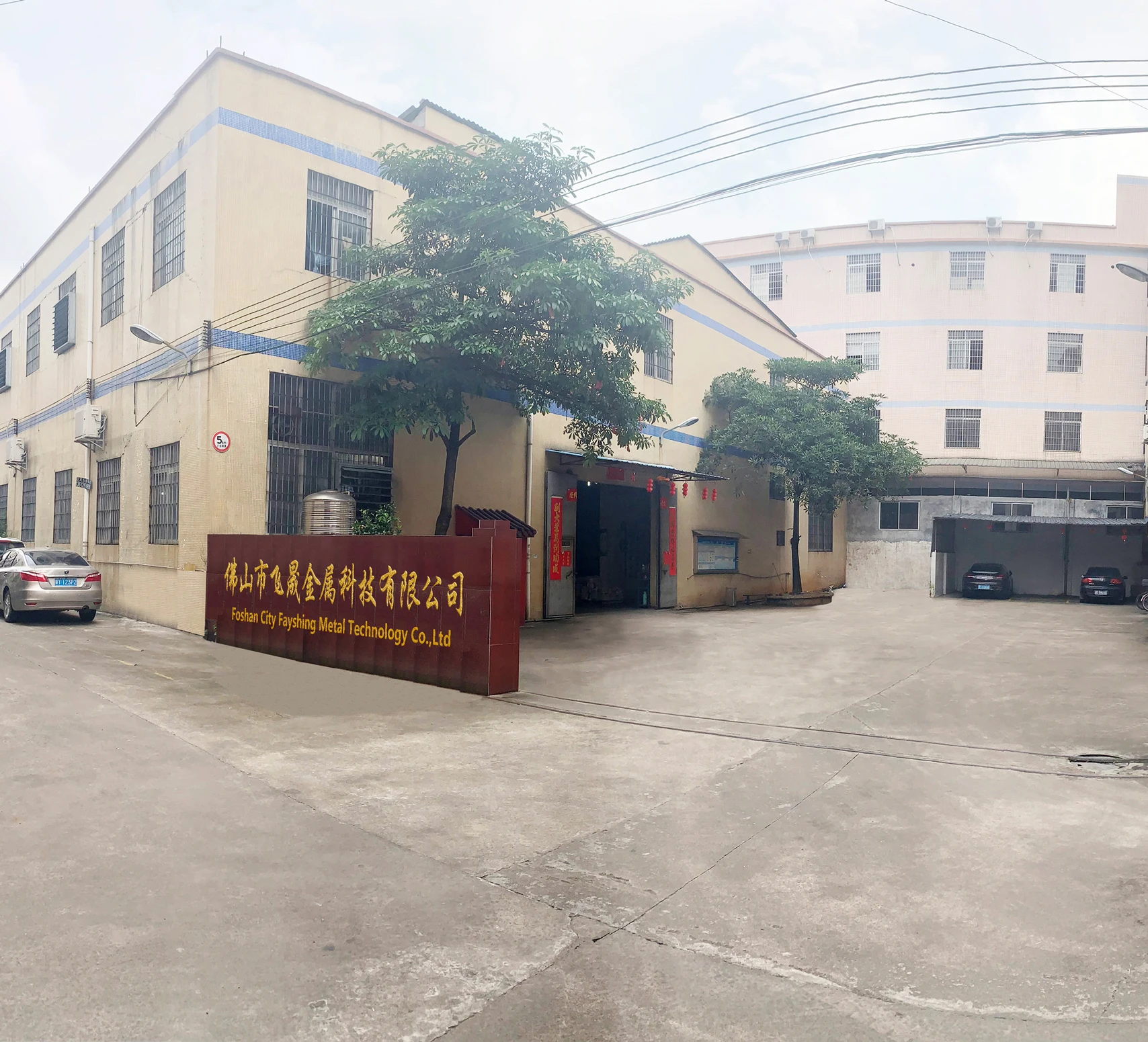
Foshan City Fayshing Metal Technology Co., Ltd.
- Manufacturer, Trading Company
- Guangdong, China
- Lead time10 days
- Avg. response≤ 6h
Main productsLock Latch, Corners, Handles, Hinges, Flight Case Accessories
Main marketsDomestic Market(36.00%), North America(10.00%), Oceania(8.00%), Western Europe(8.00%), Eastern Europe(8.00%), Southern Europe(7.00%), Northern Europe(7.00%), Central America(5.00%), Mid East(5.00%), Southeast Asia(4.00%), Eastern Asia(2.00%)
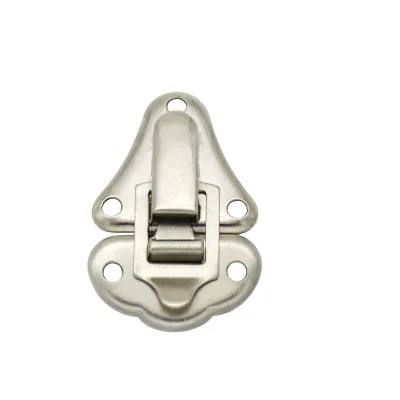
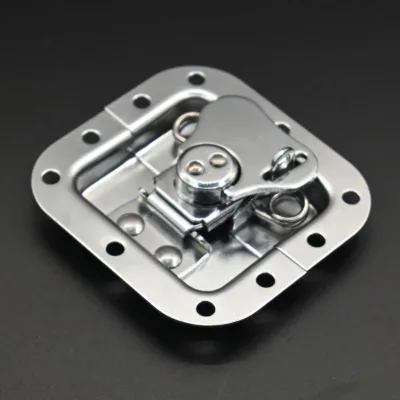
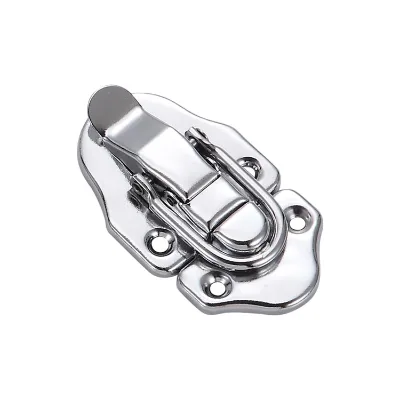
Professional Luxury Classic Durable Metal Cello Box Lock Violin Case Latch FS-1043
$0.26 - $0.30
MOQ: 500
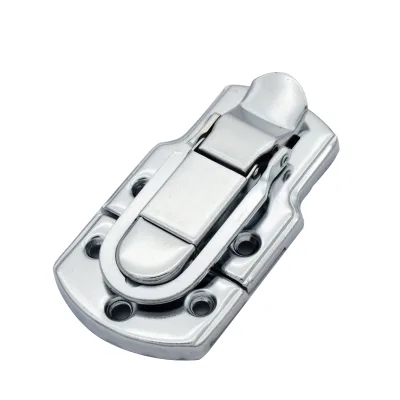
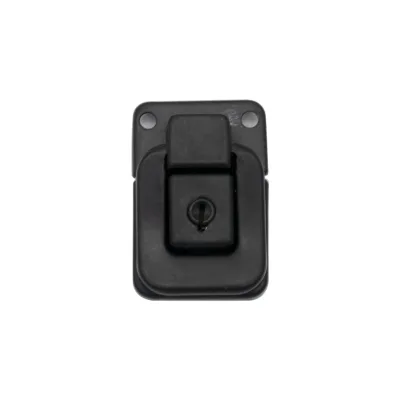
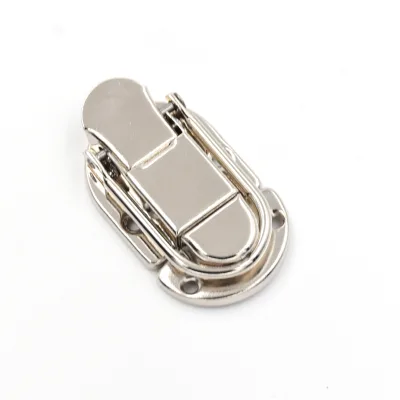
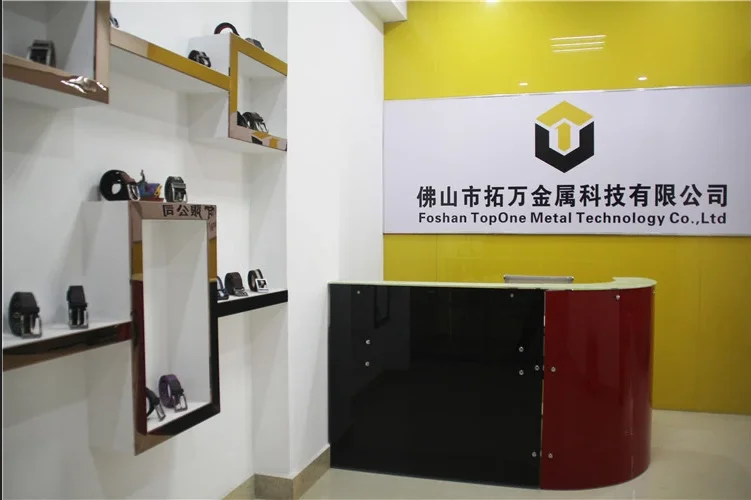
Foshan Topone Metal Technology Co., Ltd.
- Manufacturer
- Guangdong, China
- Lead time30 days
- Avg. response≤ 6h
Main productsTactical buckle,Cobra buckle,quick release buckle,Tactical belt,Flight Case Accessories
Main marketsDomestic Market(50.00%), Western Europe(20.00%), North America(20.00%), Eastern Europe(10.00%)
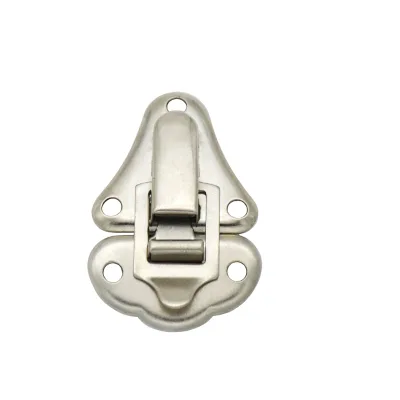
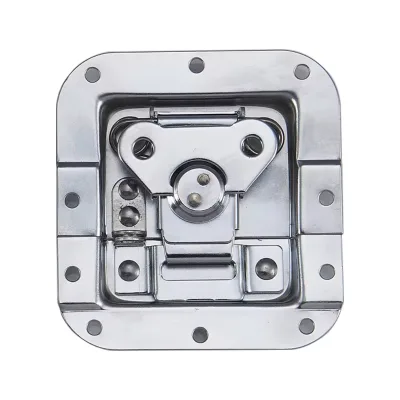
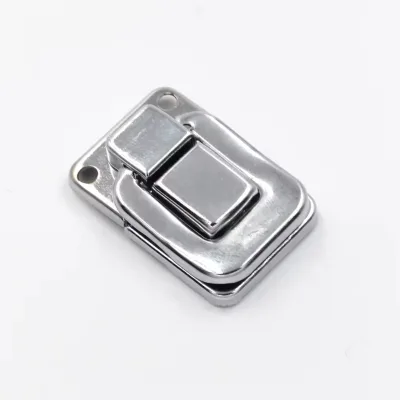
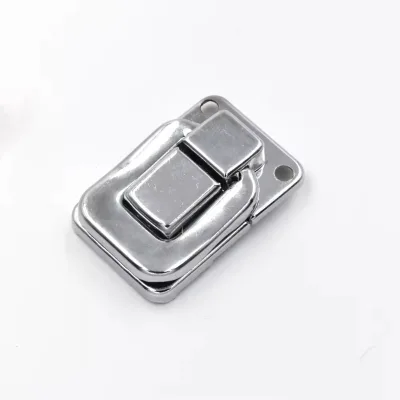
Classic Style Zinc Alloy Pull Ring Buckle Toggle Lock for Guitar and Mechanical Case Use
$0.1449
MOQ: 300 Minimum
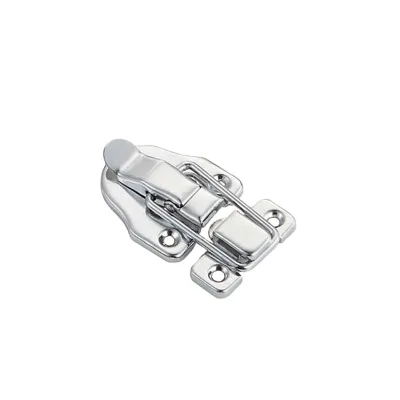

Zhaoqing Gaoyao Jiedeli Hardware Co., Ltd
- Verified by TUVRHEINLAND
- Combined
- China Guangdong
- Lead time15 days
- Avg. response≤ 5h
Main productsToggle Latch, Latch Lock, Toggle Clamp, Hasp, Staple, Handle, Corner Protector, Butterfly Lock, Flightcase Accessories
Main marketsSouth America,Africa,Southeast Asia/ Mideast,East Asia(Japan/ South Korea),Domestic,Europe,Australia,North America

Suitcase Case Box Latch Toolbox Buckle Lock Flight Case Latches Hasp Latch Lock
$0.35 - $0.40
MOQ: 100 Pieces

Jewellery Box Guitar Case Flight Case Lockable Toggle Latch Toolbox Latch
$0.25 - $0.32
MOQ: 100 Pieces


Fastener Toggle Lock Latch Catch Practical Locks Guitar Case Accessories
$0.21 - $0.25
MOQ: 100 Pieces

Butterfly Latch Lock Musical Suitcase Bag Box Lock Latch Tumbled Toggle Clamp Latch J500b
$0.19 - $0.22
MOQ: 100 Pieces

Tanja Industrial(Shandong)Co., Ltd
- Verified by BV
- Combined
- China Shandong
- Lead time15 days
- Avg. response≤ 3h
Main productsLatch, Hinge, Handle, Lock, Toggle Latch
Main marketsSouth America,Africa,Southeast Asia/ Mideast,East Asia(Japan/ South Korea),Europe,Australia,North America

Lock Latch for Toolbox Wooden Box Case Stainless Steel Buckle Latch Heavy Duty Adjustable Latch
$0.50 - $1.00
MOQ: 1 Pieces


- Trading Company
- China Guangdong
- Lead time0 days
- Avg. response≤ 4h
Main productsLock, Hinge, Clasp, Hook, Handle, Latch, Tag, Label, Button, Rivet

$0.10 - $0.20
MOQ: 100 Pieces


$0.10 - $0.20
MOQ: 100 Pieces

Foshan Kaweisen Smart Home Technology Co., Ltd.
- Manufacturer, Trading Company
- Guangdong, China
- Lead time25 days
- Avg. response≤ 1h
Main productsLighted Mirror,LED Light,Hardware
Main marketsDomestic Market(60.00%), North America(10.00%), Western Europe(4.00%), South America(3.00%), Eastern Europe(3.00%), Northern Europe(3.00%), Mid East(3.00%), Africa(3.00%), Southeast Asia(3.00%), Southern Europe(2.00%), Central America(2.00%), Oceania(2.00%), South Asia(1.00%), Eastern Asia(1.00%)
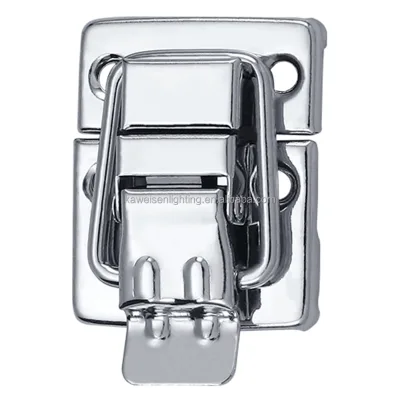
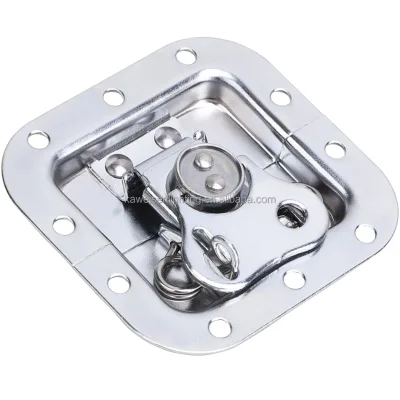
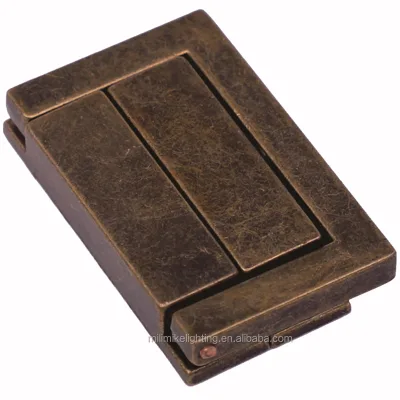
$0.5127 - $0.5441
MOQ: 100 pieces

Laizhou Huiding Hardware Co., Ltd.
- Verified by BV
- Combined
- China Shandong
- Lead time30 days
- Avg. response≤ 5h
Main productsToggle Latch, Toggle Clamp, Industrial Handle, Coners Fittings, Lock Fittingss, Metal Stamping, Spring Latch, Industrial Hinges, Machinery Parts, Truck Latch
Main marketsSoutheast Asia/ Mideast,Domestic,Europe,North America


Factory USA Europe Standard Quick Release Tool Box Hook Latch Guitar Case Toggle Latch
$1.00 - $5.00
MOQ: 100 Pieces
Zhaoqing Gaoyao Jiedeli Hardware Co., Ltd.
- Verified by TüVRheinland
- Manufacturer, Trading Company
- Lead time3 days
- Avg. response≤ 2h
Main productsToggle Latches, Flightcase Hardware Accessories, Toggle Clamps, Furniture Handle, Hasp Staples
Main marketsDomestic Market(20%), North America(18%), Southeast Asia(13%)
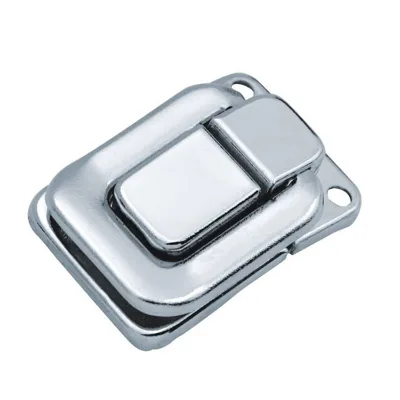
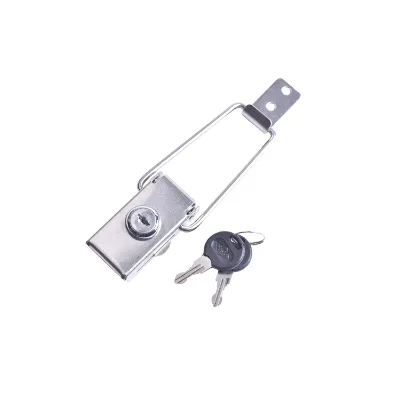
$2.1945 - $2.2995
MOQ: 160 pieces
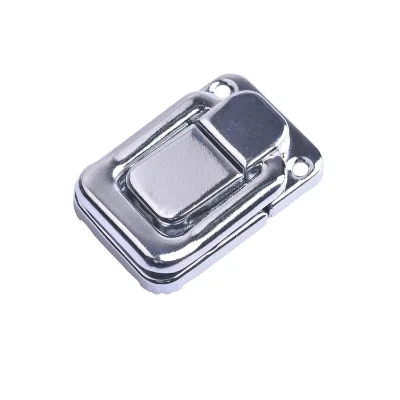
$0.22 - $0.29
MOQ: 500 pieces
Foshan Gexin Metal Products Co., Ltd.
- Manufacturer, Trading Company
- Guangdong, China
- Lead time15 days
- Avg. response≤ 8h
Main productsCustom Metal Hinge,Custom Metal Lock,Custom Aluminum Case,Custom CNC Hardware,Custom Tool Case
Main marketsDomestic Market(46.00%), North America(25.00%), South America(8.00%), Southern Europe(6.00%), South Asia(6.00%), Northern Europe(5.00%), Western Europe(4.00%)
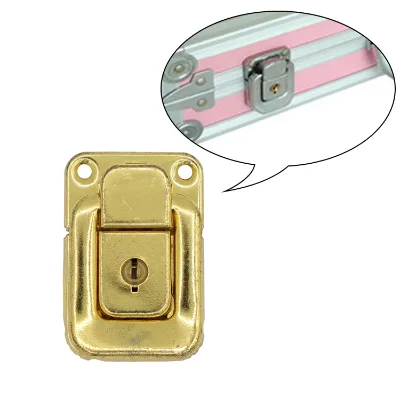
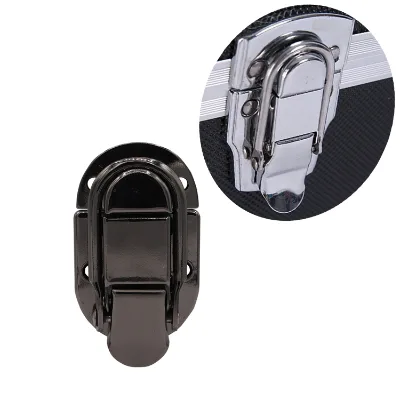
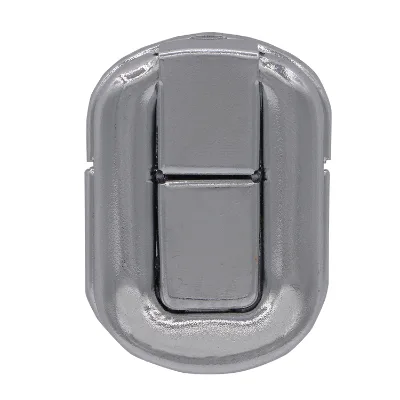
Musical Instrument Case Metal Accessories Heavy Duty Nickle Plated Drawbolt Closure Latch
$0.4362
MOQ: 1000 Minimum
Foshan Fayshing Metal Co., Ltd.
- Manufacturer
- Guangdong, China
- Lead time10 days
- Avg. response≤ 5h
Main productsoffset leg corner braces,six hole clamp /six hole brace,wooden crate latches,large butterfly surface latch,drawbolt buckle latches
Main marketsDomestic Market(26.00%), Northern Europe(8.00%), Western Europe(8.00%), Eastern Asia(8.00%), South America(8.00%), Southeast Asia(6.00%), Eastern Europe(6.00%), South Asia(6.00%), North America(6.00%), Africa(5.00%), Mid East(5.00%), Central America(3.00%), Southern Europe(3.00%), Oceania(2.00%)
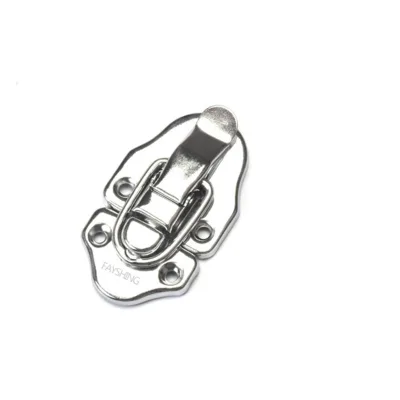
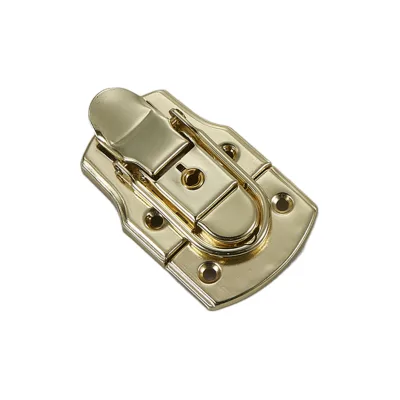
FAYSHING Drawbolt Closure Latch for Guitar Case or Luggage with Lock,Brass FS1003
$0.39 - $0.59
MOQ: 100 pieces
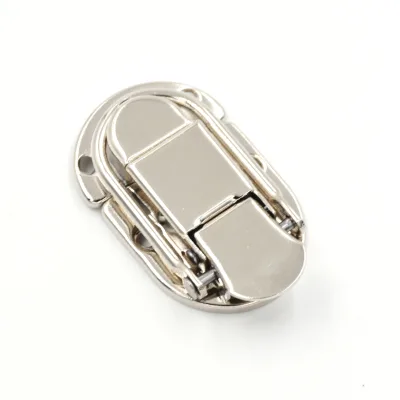
FS1149 Luggage Toggle Hasp Lock - Guitar Case Button Lock for Flight Case/Wooden Box
$0.42 - $0.56
MOQ: 100
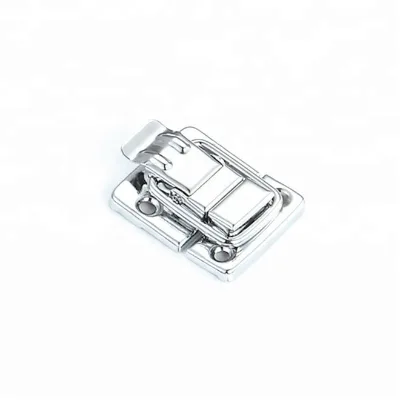
FS-1068 Square Shape Small Draw Bolt Closure Latch for Guitar Case or Luggage
$0.1364 - $0.3673
MOQ: 100 pieces
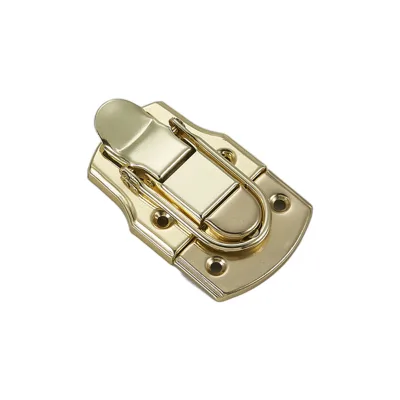

Foshan Tonghuashun Stainless Steel Products Co., Ltd.
- Verified by SGS
- Manufacturer/Factory
- China Guangdong
- Lead time0 days
- Avg. response≤ 7h
Main productsMechanical Door Lock, Door Catch, Draw Latch, Handle, Hinge, Torque Hinge, Whale Tail Lock, Friction Hinge, Industrial Hinge, Industrial Handle
Main marketsSouth America,Eastern Europe,Mid East,North America,Southeast Asia,Eastern Asia,Oceania,Western Europe,Africa


Comprehensive Sourcing Guide
Fiddle Lock Violin Case Latch Supplier Concentration and Factory Types
The current supplier landscape for Fiddle Lock Violin Case Latch components reveals a distinct concentration of manufacturing and trading entities within specific industrial regions. Evidence indicates that a significant portion of these suppliers are located in Guangdong, China, a region widely recognized for its robust hardware manufacturing ecosystem. This geographic clustering suggests that buyers seeking these specialized accessories will likely encounter vendors operating from this province, which offers established supply chains for metal processing and precision molding. The presence of suppliers in this area implies access to mature infrastructure for cold plate material processing, which is frequently cited in product specifications for these latches. Buyers should be aware that while the location is a strong indicator of supply chain maturity, it does not guarantee uniform quality across all vendors in the region. The concentration allows for efficient logistics and potentially faster communication, but it also means that competition is high, requiring careful vetting to distinguish between genuine manufacturers and trading companies that may add layers of cost without adding value.
Regarding company types, the results show a mix of manufacturers and trading companies offering these specific latch solutions. This duality presents both opportunities and challenges for procurement teams. Manufacturers typically offer direct control over production processes, which can be crucial for customizing latch dimensions or finishes, such as the nickel, chrome, or black options observed in product attributes. Trading companies, on the other hand, may provide a broader catalog of accessories, including corners, handles, and hinges, allowing for consolidated sourcing from a single point of contact. However, the distinction is critical because it affects pricing structures and communication efficiency. Buyers must determine whether they need the customization flexibility of a factory or the convenience of a trading partner. The evidence suggests that many suppliers identify as both or operate in a hybrid capacity, which can blur the lines of accountability. Understanding this dynamic is essential for negotiating terms, as manufacturers may have higher minimum order quantities but lower unit prices, while trading companies might offer more flexible MOQs for smaller batches.
How to Verify Fiddle Lock Violin Case Latch Suppliers
Verifying the legitimacy and capability of suppliers requires a multi-layered approach that goes beyond surface-level product listings. One critical step is to examine the certifications displayed on product pages, such as ISO9001:2015, which indicates a standardized quality management system. While the presence of such certifications is a positive signal, buyers should request valid certificates directly from the supplier to ensure they are current and not merely decorative claims. Additionally, the response time of suppliers is a measurable indicator of their operational efficiency. Evidence shows response times around six hours, which suggests a reasonable level of engagement, but buyers should test this by sending specific technical inquiries about latch tolerances or material grades. A quick, detailed response often correlates with a supplier’s ability to handle complex orders and resolve issues promptly. This metric serves as a proxy for their customer service quality and internal communication structures, which are vital for long-term partnerships.
Another vital verification method involves assessing the supplier’s product evidence and attribute consistency. Buyers should look for detailed product specifications, such as model numbers (e.g., FS-1044, FS1105), material compositions like cold plate or metal, and precise dimensions. Inconsistencies between product titles, descriptions, and attribute tables can signal a lack of rigorous quality control or a reliance on generic templates. Furthermore, checking for sample availability is crucial. Many suppliers indicate that they provide samples, which allows buyers to physically inspect the latch’s durability, finish quality, and mechanism smoothness. The sample time, often cited as one to two days, can also indicate how quickly a supplier can move from inquiry to evaluation. Buyers should not rely solely on digital images, as these can be misleading. Instead, they should request physical samples to test the latch against their specific case requirements, ensuring that the locking mechanism meets the necessary security and durability standards for musical instruments.
What to Compare Across Fiddle Lock Violin Case Latch Suppliers
When evaluating multiple suppliers, buyers must compare key commercial and operational metrics to identify the best fit for their needs. One primary dimension is the Minimum Order Quantity (MOQ), which varies significantly across different product models. For instance, some latches have an MOQ of 100 pieces, while others require 500 or even 200 pieces. This variation allows buyers to align their orders with their inventory needs, whether they are producing small batches of high-end cases or large volumes of standard models. Comparing MOQs helps in assessing the supplier’s flexibility and willingness to accommodate different order sizes. Additionally, buyers should look at the price ranges associated with these MOQs. Prices for similar latches can range from approximately $0.19 to $0.98 per unit, depending on the complexity, finish, and volume. Understanding this price spectrum helps in budgeting and identifying potential cost-saving opportunities without compromising on quality.
Lead time and response speed are also critical factors in the comparison process. Lead times, often cited around ten days, indicate how quickly a supplier can fulfill an order after confirmation. This metric is essential for production planning, especially for buyers with tight delivery schedules. Comparing lead times across suppliers helps in selecting partners who can meet specific deadlines. Furthermore, the response time, which may be around six hours, reflects the supplier’s responsiveness to inquiries and potential issues. A faster response time can lead to smoother negotiations and quicker problem resolution. Buyers should also compare the main products offered by each supplier. Some may specialize in latches, while others offer a broader range of accessories like hinges and handles. This breadth of product offering can influence the decision to consolidate orders with a single supplier for logistical efficiency. By systematically comparing these dimensions, buyers can make informed decisions that balance cost, quality, and service.
Common Fiddle Lock Violin Case Latch Sourcing Risks
Sourcing fiddle lock violin case latches involves several potential risks that buyers must proactively manage to ensure a smooth procurement process. One significant risk is the variability in product quality, particularly regarding the finish and material durability. Products may be described as having finishes like nickel, chrome, or black, but the actual quality can vary between suppliers. Without rigorous quality control, buyers may receive latches that are prone to corrosion or mechanical failure, which can damage the reputation of their final case products. This risk is exacerbated by the fact that some suppliers may be trading companies rather than manufacturers, potentially obscuring the true source of the product and its quality standards. Buyers must therefore implement strict quality assurance protocols, including pre-shipment inspections and sample testing, to mitigate this risk.
Another common risk is the misalignment of expectations regarding customization and lead times. Suppliers may claim flexibility in customization, such as offering different sections or logo printing, but the actual implementation may be limited by their production capabilities. Additionally, lead times can fluctuate based on order volume and raw material availability. If a supplier underestimates the complexity of an order or faces supply chain disruptions, delays can occur, impacting the buyer’s production schedule. Furthermore, there is a risk of intellectual property infringement if buyers request custom designs that resemble existing patented products. Buyers must ensure that their designs are original and that suppliers respect intellectual property rights. To mitigate these risks, buyers should establish clear communication channels, define detailed specifications in contracts, and maintain open dialogue with suppliers throughout the production process. Regular follow-ups and milestone checks can help identify and address potential issues before they escalate.
Fiddle Lock Violin Case Latch Regional Sourcing and Logistics
Regional sourcing plays a pivotal role in the logistics and cost structure of Fiddle Lock Violin Case Latch procurement. Given that many suppliers are located in Guangdong, China, buyers must consider the implications of sourcing from this region. Guangdong is a major manufacturing hub with well-developed infrastructure, which facilitates efficient production and export processes. However, buyers should also be aware of the logistical challenges associated with international shipping from this region. Factors such as port congestion, customs clearance delays, and freight cost fluctuations can impact the overall delivery timeline and cost. Understanding these logistical dynamics is essential for accurate planning and budgeting. Buyers should work with experienced freight forwarders who can navigate these challenges and optimize shipping routes.
Additionally, the proximity of suppliers to major shipping ports can influence lead times and costs. Suppliers in Guangdong often have access to ports like Shenzhen and Guangzhou, which offer frequent shipping services to global destinations. Buyers should leverage this advantage by consolidating shipments where possible to reduce per-unit shipping costs. Furthermore, buyers should consider the environmental and social implications of their sourcing decisions. Sourcing from regions with established manufacturing ecosystems can support local economies, but it is crucial to ensure that suppliers adhere to ethical labor practices and environmental standards. Buyers may need to conduct audits or request certifications to verify compliance. By carefully managing regional sourcing and logistics, buyers can optimize their supply chain, reduce costs, and ensure timely delivery of high-quality latch components.
Fiddle Lock Violin Case Latch Commercial Terms and Order Planning
Effective order planning for fiddle lock violin case latches requires a thorough understanding of commercial terms and payment structures. Buyers should negotiate clear terms regarding payment methods, such as using escrow services to protect their funds until the goods are received and verified. This is particularly important when dealing with new suppliers or large orders. Additionally, buyers should clarify the terms for sample orders, including costs and shipping fees, as these can vary between suppliers. Understanding the sample time, which is often one to two days, helps in planning the evaluation phase of the procurement process. Buyers should also discuss warranty and return policies for defective products, ensuring that they have recourse in case of quality issues.
Furthermore, buyers must plan their orders based on the MOQ and price tiers offered by suppliers. Aligning order quantities with MOQs can help in securing better pricing and avoiding excess inventory. Buyers should also consider the lead time when planning production schedules, ensuring that they have sufficient buffer for potential delays. Communication is key to successful order planning; buyers should maintain regular contact with suppliers to track production progress and address any issues promptly. By establishing clear commercial terms and robust order planning processes, buyers can minimize risks, optimize costs, and ensure a steady supply of high-quality latch components for their violin cases. This proactive approach fosters stronger supplier relationships and supports long-term business success.
FAQs
What is the minimum order quantity for violin case latches?
The minimum order quantity varies by product model. Some small box latches require a minimum of 100 pieces, while other specialized latches may require 200 or 500 pieces. Buyers should check the specific product listing for the exact MOQ applicable to their chosen model and specifications.
Where are these violin case latches manufactured?
These metal latches and locks are manufactured in Guangdong, China. The products originate from this region, which is a known hub for hardware and luggage accessories. Buyers sourcing these items should expect the place of origin to be listed as Guangdong on the product details.
What certifications do these flight case latches have?
Some of the available flight case latches and locks carry ISO9001:2015 certification. This indicates that the manufacturing process meets specific quality management standards. Buyers requiring certified hardware for professional cases should verify the certification status on the individual product pages before placing orders.
How long does it take to produce these latches?
The standard lead time for these metal latches is approximately 10 days. This timeframe applies to general production orders. Buyers should confirm the exact delivery schedule with the supplier, as lead times can vary based on order volume and specific customization requirements.
What is the price range for these violin case locks?
The price range for these metal latches typically falls between $0.19 and $0.98 per piece. The exact cost depends on the model, material, and quantity ordered. For example, basic small box latches are priced lower, while specialized twist locks may cost more.
Do suppliers provide samples for these case latches?
Yes, suppliers generally provide samples for these metal latches and locks. Sample times are typically short, often around one to two days. Buyers can request samples to verify quality and fit before committing to larger bulk orders for their flight cases or musical instrument boxes.