Fire Fighting Sprayer Truck Suppliers and Manufacturers
Compare 24 verified Fire Fighting Sprayer Truck suppliers in China Hubei by lead time, response time, and certifications like ISOCCC. Review product specs such as water tank capacity and horsepower before contacting factories for quotes; review the available evidence before requesting comparable quotations from suitable candidates.
Updated
Suppliers List

Hubei Shenghui Special Automobile Co., Ltd.
- Verified by BV
- Trading Company
- China Hubei
- Lead time30 days
- Avg. response≤ 11h
Main productsCompactor Garbage Truck, Fire Fighting Truck, Sewage Truck, Concrete Mixer Truck, Refrigerator Truck, Fuel Tanker Truck, Truck with Crane, Wrecker Truck, Fuel Tank Truck, Water Tank Truck
Main marketsDomestic
Hubei Jiangnan Special Automobile Co., Ltd.
- Manufacturer, Trading Company
- Lead time旺季: "1 - 10":10,"11 - 20":25,"> 20":"To be negotiated", 淡季: "1 - 10":10,"11 - 20":25,"> 20":"To be negotiated"
- Avg. response≤ 24h
Main productsFire Truck,Crane Truck,Road Sweeper,Semi-Trailer,Aerial Platform Truck
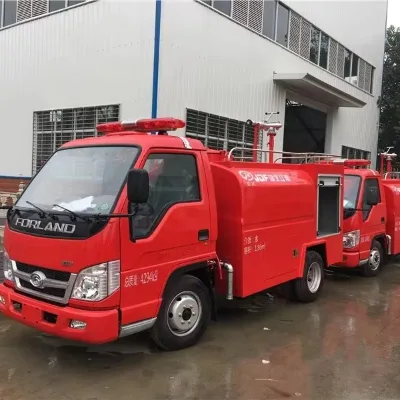
Green irrigation and spraying pesticides 2000 liter fire fighting truck
$8213.6806 - $10267.1007
MOQ: 1 sets
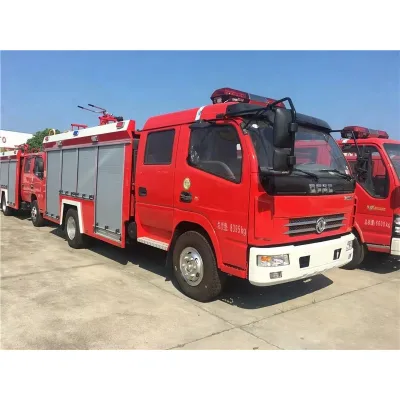
Good quality manufacturer of 5000 liter water firefighting truck
$22572.1219 - $23598.1274
MOQ: 1 sets
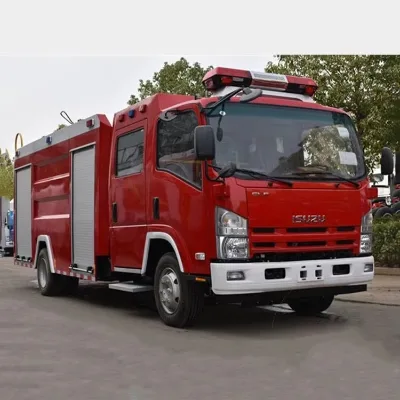
Chengli multi-function emergency rescue fire truck fire-fighting sprinkler
$19507.4913 - $20534.2014
MOQ: 1 units
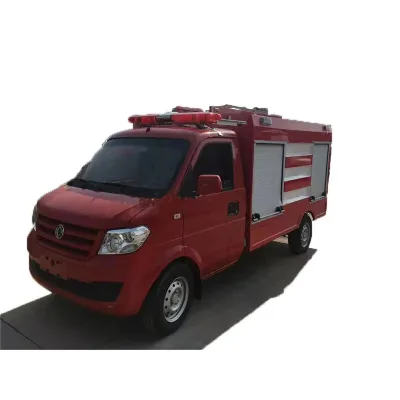
Hot selling low price high quality fire sprinkler truck
$10000.00 - $12000.00
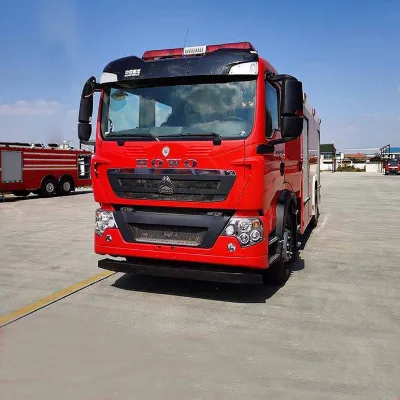
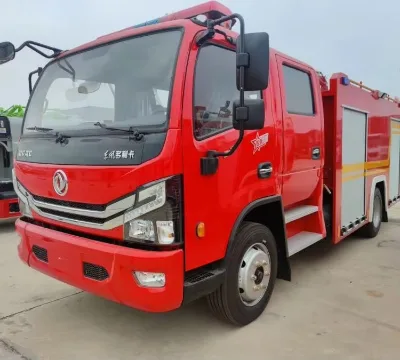

Chengli Special Automobile Co., Ltd.
- Combined
- China Hubei
- Lead time30 days
- Avg. response≤ 8h
Main productsFuel Tank, LPG Tank, Water Tank, Dump Truck, Refrigerator Truck, Concrete Mixer Truck, Side Tipper, Tractor Head, Semi Trailer, Light Truck
Main marketsSouth America,Africa,Southeast Asia/ Mideast,East Asia(Japan/ South Korea),Domestic,Europe,Australia,North America

Hubei Sunny Special Automobile Co., Ltd
- Verified by TUVRHEINLAND
- Manufacturer/Factory,Group Corporation
- China Hubei
- Lead time23 days
- Avg. response≤ 3h
Main productsFire Truck, LED Truck, Refrigerator Truck, Sewage Truck, Aerial Platform Truck, Water Tanker Truck, Stainless Steel Tanker Truck, Road Sweeper Truck, Garbage Truck
Main marketsSouth America,Eastern Europe,Mid East,North America,Southeast Asia,Eastern Asia,Oceania,Western Europe,Africa


Dongfeng Water Tank Foam Fire Sprinkler Rescue Fighting Engine Truck
$25000.00 - $45000.00
MOQ: 1 Pieces

Dongfeng 10 Wheel 6X4 Fire Water Spraying Fighter Engine Rescue Firefighting Truck
$25000.00 - $45000.00
MOQ: 1 Pieces


Dibao Runli International Trade (Hubei) Co., Ltd
- Verified by TUVRHEINLAND
- Trading Company
- China Hubei
- Lead time30 days
- Avg. response≤ 4h
Main productsAerial Platform Truck, Mini Dump Truck, Refrigerated Truck, Fire Truck·, Truck Mounted Crane, Fuel Truck, Wrecker Truck, Water Truck, Garbage Truck, Medical Vehicle
Main marketsOthers(foreignTradeCapacity.exportBusinessCapacityMarketOther)


$23680.00 - $29800.00
MOQ: 1 Pieces

$21500.00 - $23000.00
MOQ: 1 Pieces


Hot Sale 4X2 Water Tank Fire Truck with Fire Control Fighting Equipment
$20000.00 - $32000.00
MOQ: 1 Pieces

Hubei Lihang Special Vehicle Co., Ltd.
- Trading Company
- Lead time旺季: "1 - 6":60,"> 6":"To be negotiated", 淡季: "1 - 6":60,"> 6":"To be negotiated"
- Avg. response≤ 1h
Main productsTruck,Road Sweeper,Garbage Truck,Water Truck,Tanker Truck
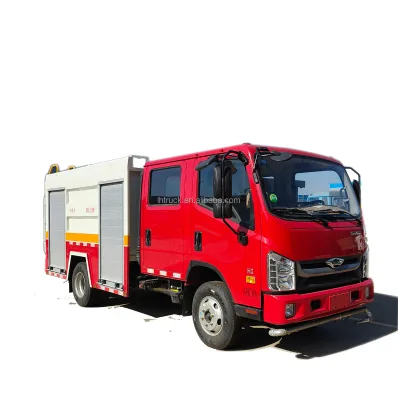
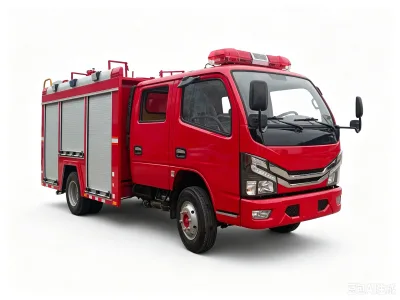
$19800.00

Hubei Dali Special Automobile Manufacturing Co., Ltd.
- Manufacturer
- Hubei, China
- Lead time0 days
- Avg. response≤ 15h
Main productsFuel truck,water truck,fire truck,LPG trailer,LPG filling plant
Main marketsEastern Asia(14.29%), Mid East(14.29%), Africa(14.29%), Southeast Asia(14.29%), South America(14.29%), North America(14.29%), Western Europe(14.20%)
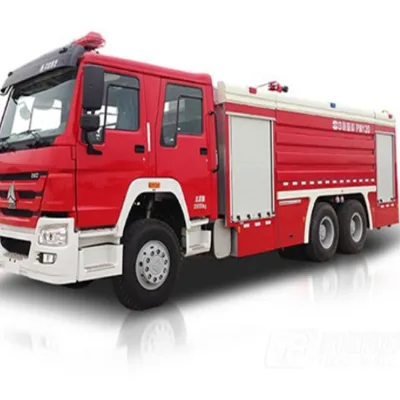
$25667.7518 - $30801.3021
MOQ: 1 Minimum
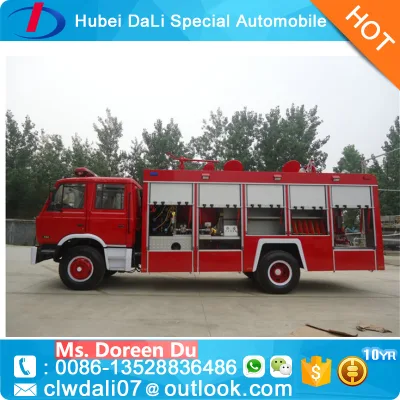
2000 Liters Mini Fire Truck for Sale Fire Fighting Truck Price
$15276.985 - $20506.0202
MOQ: 1 Minimum
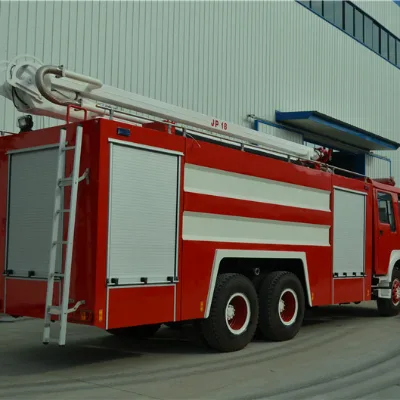
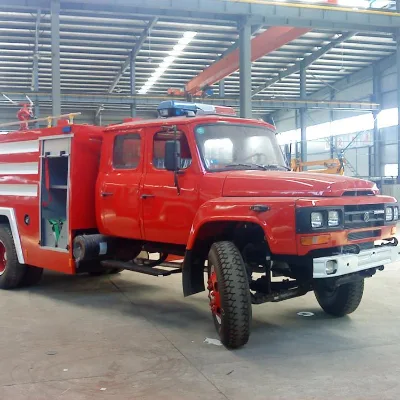

Qingdao Jory Vehicle Co., Ltd.
- Verified by BV
- Combined
- China Shandong
- Lead time15 days
- Avg. response≤ 2h
Main productsSpecial Vehicle, Rescue Vehicle, Repair Vehicle, Medical Vehicle, Command Vehicle, Pickup Truck, Drone Vehicle, Uav Series Models, Drainage Vehicle, Emergency Rescue Vehicle
Main marketsSoutheast Asia/ Mideast


Rapid Response Fire and Rescue Vehicle Fire Fighting Vehicle Fire Trucks for Rescue
$123000.00
MOQ: 1 Pieces
Wuhan Clw Group Truck Trade Co., Ltd.
- Trading Company
- Hubei, China
- Lead time0 days
- Avg. response≤ 20h
Main productsRoad Sweeper,Garbage truck,Refrigerator truck,LPG tank truck,Truck Cargo Crane
Main marketsDomestic Market(30.00%), Eastern Asia(20.00%), South Asia(20.00%), Mid East(9.00%), Africa(9.00%), Central America(2.00%), Southeast Asia(2.00%), South America(2.00%), North America(1.00%), Oceania(1.00%)
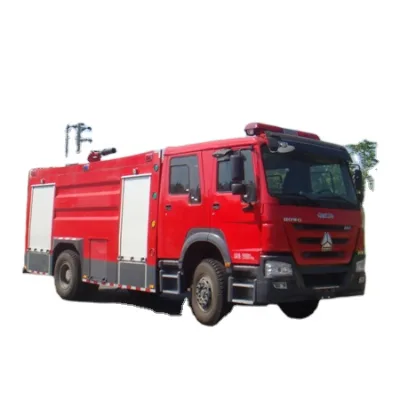
National VI Fire Truck 25 Ton Community Fire Truck New Promotion Fire Fighting Truck
$27740.1942 - $28767.6088
MOQ: 1 units
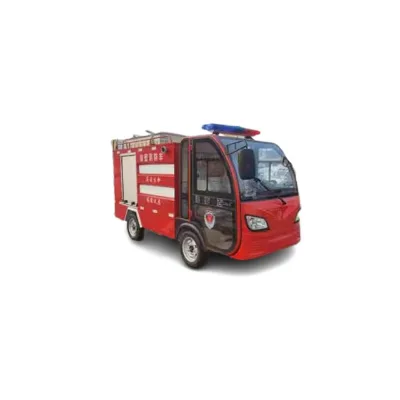
Henan Tarzan Heavy Industry Group Co., Ltd.
- Verified by SGS Group
- Manufacturer, Trading Company
- Lead time35 days
- Avg. response≤ 4h
Main productsExcavator, Loader, Bulldozer, Road Roller, Truck Crane
Main marketsAfrica(50%), South America(15%), Mid East(10%)
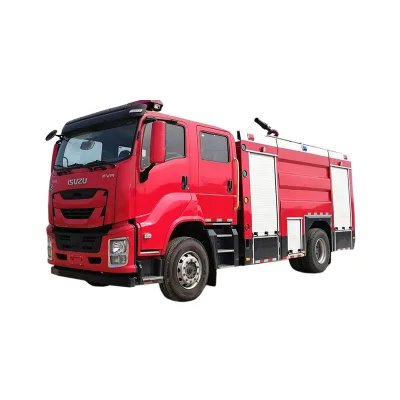
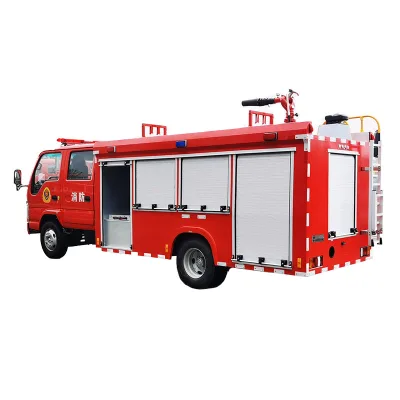
Fire Fighting Truck Firefighter Truck Car With Fire Pump
$9700.00 - $11640.00
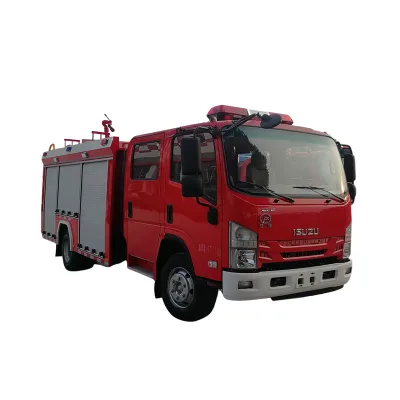
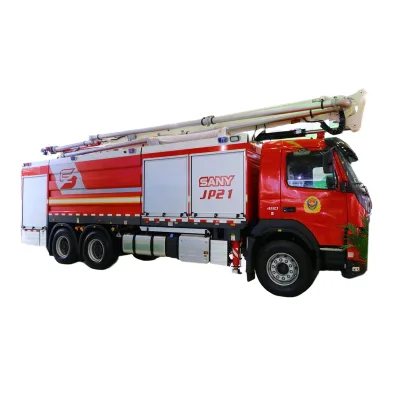
Truck Fire Fighting Vehicle Fire Fight Rescue Truck Car Double Axle Var Fire Truck
$9700.00 - $11640.00
MOQ: 1 units
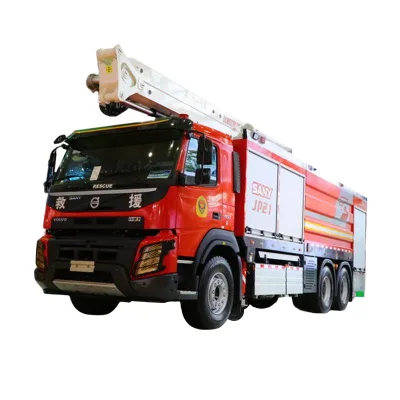
$9700.00 - $11640.00
MOQ: 1 units

Hubei Chuhui Special Purpose Vehicle Co., Ltd.
- Trading Company
- Hubei, China
- Lead time60 days
- Avg. response≤ 2h
Main productsWater sprinkler truck,Towing wrecker truck,Road sweeper truck,Garbage truck,Advertising truck
Main marketsDomestic Market(70.00%), Africa(10.00%), Southeast Asia(5.00%), South Asia(5.00%), Central America(5.00%), Mid East(5.00%)
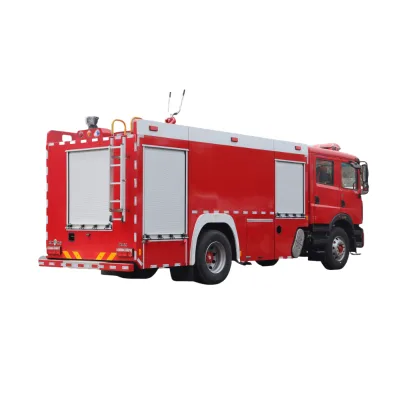
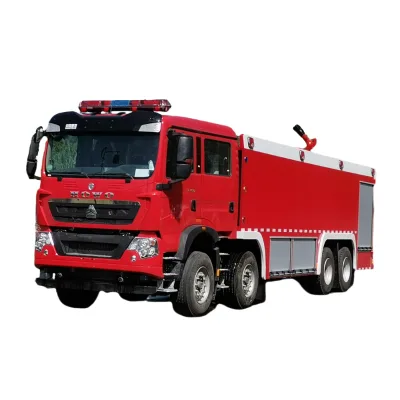
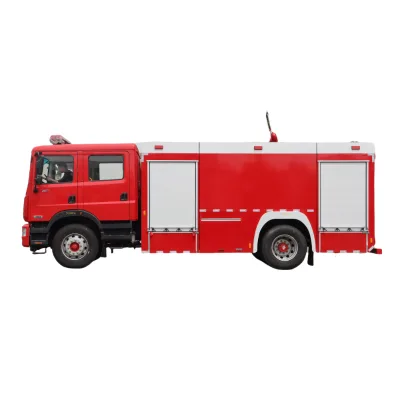
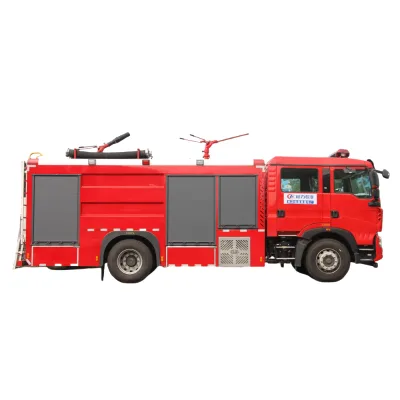
Customizable Fire Fighting 6 Cubic Meters Dry Powder and Foam Fire Truck for Sale
$31000.00 - $33000.00
Hubei Changheng Special Automotive Sales Co., Ltd.
- Trading Company
- Hubei, China
- Lead time30 days
- Avg. response≤ 3h
Main productscompressed garbage truck,hook arm garbage truck,swing garbage truck,crane truck,asphalt distribution truck
Main marketsMid East(30.00%), Africa(30.00%), South Asia(10.00%), Eastern Asia(10.00%), Southeast Asia(10.00%), South America(10.00%)
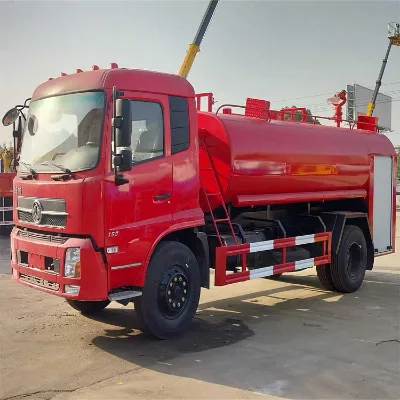
8000 Liters Brand New Fire Truck Foam Water Fire Truck Fire Fighting Truck
$18480.7813 - $20534.2014
MOQ: 1 units
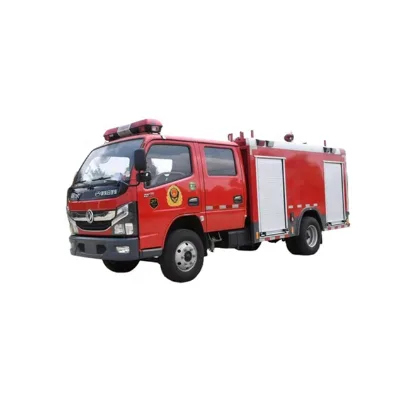
Multi-function Water tank Foam Fire Truck Fire Fighting Truck Price Double Cabin
$13328.9131 - $15379.5152
MOQ: 1 units
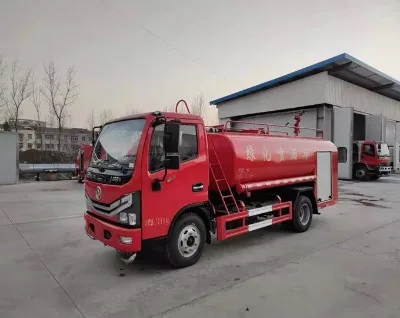
5000l Remote Control Water Fire Truck Fire Truck With Spray fire Truck for Sale
$9342.7873 - $10380.8748
MOQ: 1 units
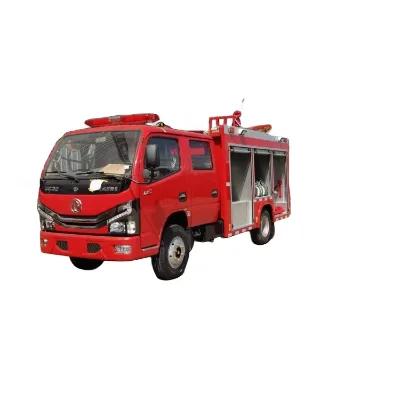
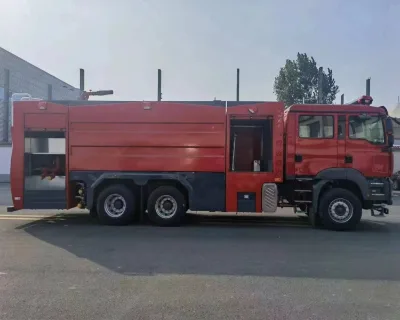
$49282.0834 - $51335.5035
MOQ: 1 units
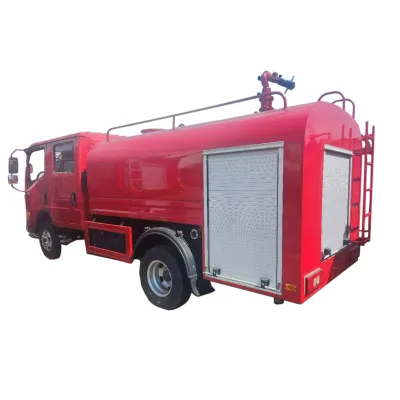
$28542.5399 - $28747.882
MOQ: 1 units

Hubei Hongyu Special Automobile Co., Ltd
- Verified by CTI
- Combined
- China Hubei
- Lead time23 days
- Avg. response≤ 3h
Main productsFuel Tank Truck, Water Truck, Refrigerated Truck, Cargo Truck, Garbage Truck, Dump Truck, Electric Truck, Truck Mounted Crane, Wrecker Truck, Aerial Platform Truck
Main marketsAfrica,Southeast Asia/ Mideast,North America

4X2 5000liters Rescue Fire Water Spraying Truck 5tons Water Sprinkler Truck
$15000.00 - $26500.00
MOQ: 1 Pieces

Fire Fighting Water Tank Truck 3000L Fire Engine Sprinkler with Fire Pump
$15000.00 - $26500.00
MOQ: 1 Pieces
Hubei Kaili Special Automobile Co., Ltd.
- Verified by SGS Group
- Manufacturer, Trading Company
- Lead time15 days
Main productsWater Truck, Garbage Truck, Road Sweeper Truck, Sewage Cleaning Truck, Dump Truck
Main marketsDomestic Market(70%), Africa(10%), Southeast Asia(10%)

PLACAR DIVERSA (DALIAN) INTERNATIONAL TRADE CO., LTD.
- Verified by SGS
- Trading Company
- China Liaoning
- Lead time23 days
- Avg. response≤ 2h
Main productsVehicle
Main marketsAfrica,Southeast Asia/ Mideast,East Asia(Japan/ South Korea),Europe,North America

Shandong Lifan Heavy Industry Machinery Co., Ltd
- Verified by CTI
- Combined
- China Shandong
- Lead time23 days
- Avg. response≤ 3h
Main marketsAfrica,Others(foreignTradeCapacity.exportBusinessCapacityMarketOther),Domestic

Customized Fire Fighting Truck for Effective Water Rescue Solutions Fire Truck
$30000.00 - $80000.00
MOQ: 1 Pieces


Ultimate Fire Truck for Fast Emergency Response and Rescue Operations
$22000.00 - $50000.00
MOQ: 1 Pieces

Hubei Ocean Automobile Industry Co., Ltd.
- Verified by TüVRheinland
- Manufacturer, Trading Company
- Lead time30 days
- Avg. response≤ 3h
Main productsRefrigerated Truck, Sanitation Truck, Ambulance, Tank Truck, Dump Truck
Main marketsAfrica(60%), North America(10%), South America(10%)
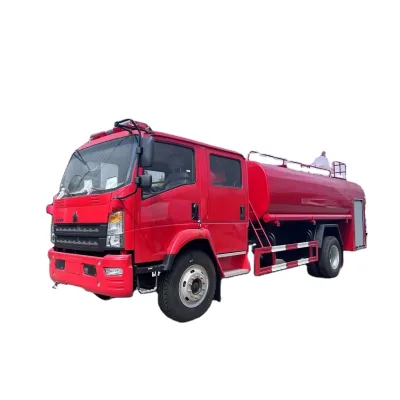
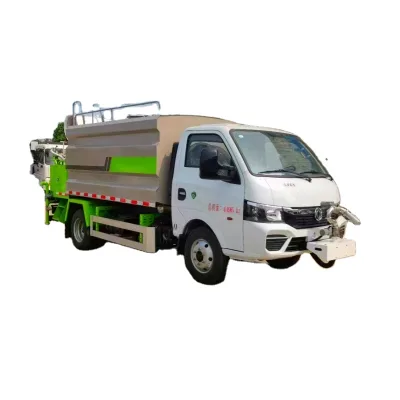
$19000.00 - $21000.00
MOQ: 1 units
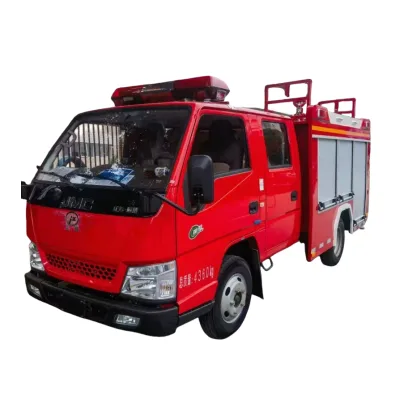
Jinan Cmhan Truck Sales Co., Ltd.
- Trading Company
- Shandong, China
- Lead time25 days
- Avg. response≤ 2h
Main productsdump truck,tractor truck,semi trailer,bulldozer,wheelloader
Main marketsAfrica(70.00%), Oceania(10.00%), South America(10.00%), Southeast Asia(10.00%)
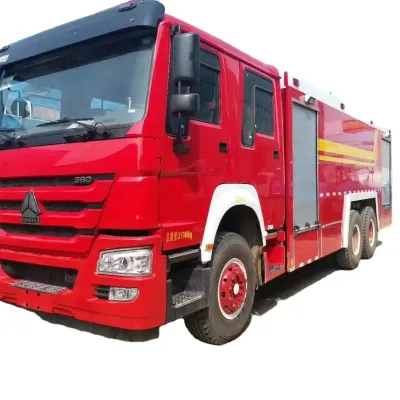
$47204.3345 - $57696.2852
MOQ: 1 units
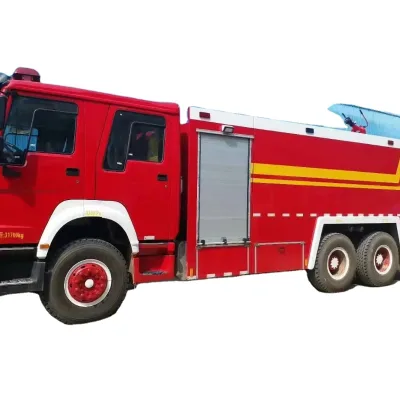
Brand New Fire Truck China Fire Truck Fire Fighting Truckwith Good Price for Sale
$46204.0068 - $56471.1075
MOQ: 1 units
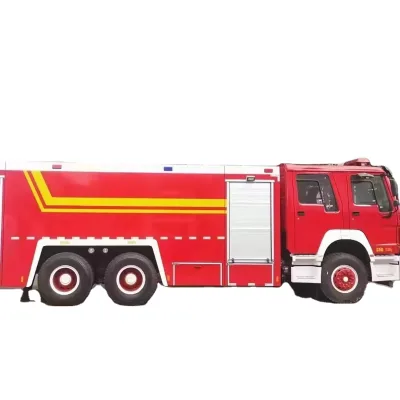
Fire Truck 2000L Diesel Water and Foam Diesel Fire Fighting Rescue Truck for Forest Rescue
$46202.98 - $56470.0807
MOQ: 1 units
- Verified by SGS Group
- Manufacturer, Trading Company
- Lead time7 days
- Avg. response≤ 2h
Main productsTanker Truck, Sewage Suction Truck, Chemical Tanker Truck, Water Sprinkler Truck, Garbage Truck
Main marketsSoutheast Asia(20%), Africa(20%), Mid East(20%)
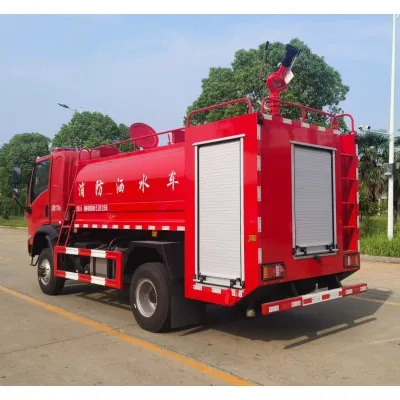
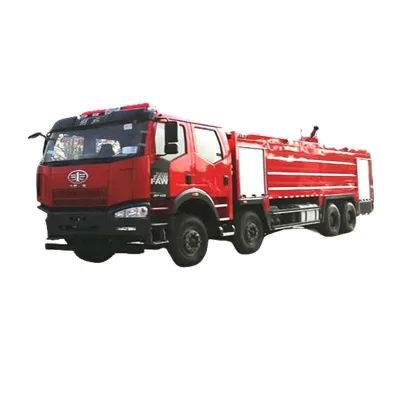
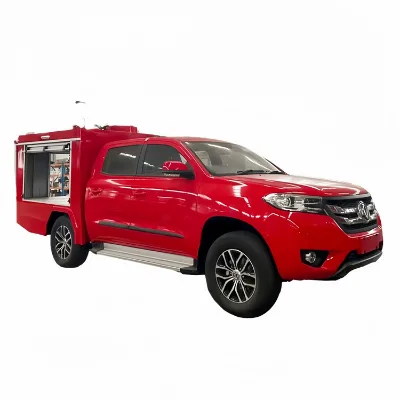
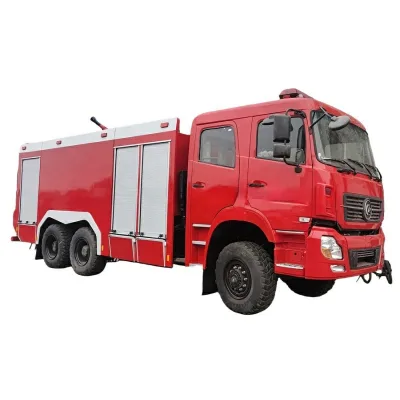
Chengli 12000 Liters Fire Fighting Truck Price 6x4 12CBM Dry Powder Fire Truck for Sale
$12586.7747 - $15733.7303
MOQ: 1 sets
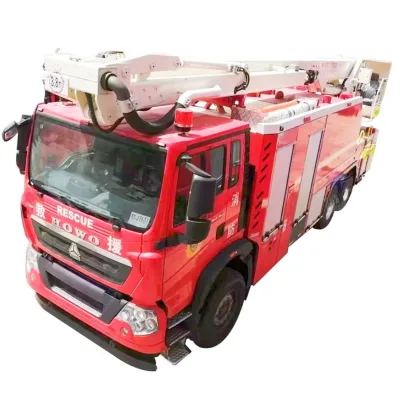
Howo Fire Sprinkler Truck Ladder Fire Truck Aerial Platform Fire Engine
$7900.00 - $12000.00

Hubei Chengli International Trade Co., Ltd.
- Verified by BV
- Combined
- China Hubei
- Lead time23 days
- Avg. response≤ 5h
Main marketsSoutheast Asia/ Mideast


High Performance Firefighting Vehicle Foam Water Tank Dry Powder Fire Truck
$69800.00 - $71800.00
MOQ: 1 set


Hubei Longshangxing Environmental Technology Co., Ltd
- Verified by CTI
- Trading Company
- China Hubei
- Lead time60 days
- Avg. response≤ 1h
Main marketsDomestic

Kexin (Wuhan) Automotive Industry Import & Export Co., Ltd.
- Verified by SGS
- Trading Company
- China Hubei
- Lead time60 days
- Avg. response≤ 2h
Main productsHazmat Truck, Sanitation Truck, Refrigerated Truck, Tanker Truck, Road Rescue Vehicle, Dump Truck, Milk Truck
Main marketsDomestic


4× 6 Rescue Foam Tank Fire Truck – High-Performance Firefighting Truck for Sale
$19999.00 - $29999.00
MOQ: 1 Pieces

Hubei Ruitu Technology Co., Ltd
- Verified by SGS
- Combined
- China Hubei
- Lead time30 days
- Avg. response≤ 2h
Main productsTruck, Special Vehicles, Medical Vehicle, Ambulance, Dump Trucks, Garbage Truck, Road Sweeper Truck, Truck Cranes, Fire Truck, Water Tank Truck
Main marketsDomestic

Fire-Fighting Machinery Emergency Rescue Fire Truck Emergency Rescue Fire Vehicle
$14000.00 - $60000.00
MOQ: 1 Pieces

Fire-Fighting Machinery Emergency Rescue Fire Truck Emergency Rescue Gas Supply Fire Engine
$42000.00 - $180000.00
MOQ: 1 Pieces
Hubei Xindongri Special Vehicle Co., Ltd.
- Manufacturer, Trading Company
- Lead time旺季: "1 - 10":45,"> 10":"To be negotiated", 淡季: "1 - 10":45,"> 10":"To be negotiated"
- Avg. response≤ 1h
Main productsFire Truck, Aerial Work Vehicle, Sanitation Vehicle




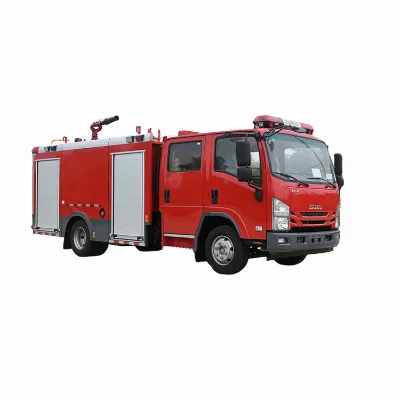
Comprehensive Sourcing Guide
Fire Fighting Sprayer Truck Supplier Concentration and Factory Types
The industrial landscape for specialized emergency vehicles is often clustered in specific manufacturing hubs where supply chain efficiencies for heavy chassis and custom bodywork converge. Current data indicates that a significant portion of these suppliers are located in China, with Hubei province emerging as a notable concentration point for production facilities. This regional focus suggests that buyers sourcing fire fighting sprayer trucks should prioritize suppliers with a documented presence in this area, as it likely correlates with established logistics networks and access to raw materials like carbon steel for tank construction. Understanding this geographic concentration helps in assessing the reliability of shipping routes and the potential for factory audits, as physical proximity to industrial zones can streamline the verification process for international procurement teams.
Beyond location, the corporate structure of these suppliers varies, influencing how buyers should approach negotiations and quality control. The available results show a mix of company types, including both pure trading companies and entities that identify as manufacturers or hybrid operations. Trading companies may offer a broader catalog of related vehicles, such as concrete mixers or sewage trucks, which can be advantageous for buyers seeking diversified fleet procurement. However, for specialized fire fighting sprayer trucks, verifying whether the supplier has direct manufacturing capabilities or relies entirely on third-party assembly is crucial. This distinction impacts lead times, customization flexibility, and the ability to resolve technical issues post-delivery, making the identification of the actual production source a primary step in the supplier evaluation phase.
How to Verify Fire Fighting Sprayer Truck Suppliers
Verification of supplier credentials is a critical step in mitigating risk when importing specialized heavy machinery. One key indicator of supplier legitimacy is the presence of third-party verification badges, such as BV (Bureau Veritas) certification, which signals that an independent agency has audited the company’s business scope and operational capabilities. Buyers should actively look for this verification status in supplier profiles, as it provides a baseline level of trust regarding the entity’s legal standing and business continuity. While verification badges are a strong positive signal, they should not be viewed as a substitute for direct communication or detailed technical due diligence, but rather as a preliminary filter to narrow down the pool of potential partners to those with verified operational histories.
In addition to corporate verification, technical specifications and certifications listed in product data serve as tangible evidence of manufacturing competence. For instance, some suppliers list certifications such as ISOCCC or CCC, which may relate to quality management systems or local compliance standards, respectively. Buyers must carefully cross-reference these claims with the specific requirements of their destination market, as regulatory acceptance varies significantly by region. Furthermore, examining the detailed product attributes, such as emission standards (e.g., Euro 5) or specific chassis brands, can reveal the supplier’s alignment with international norms. If a supplier cannot provide clear documentation for these certifications or if the listed standards do not match the buyer’s local regulations, it is advisable to request official certificates directly from the supplier before proceeding with any order commitments.
What to Compare Across Fire Fighting Sprayer Truck Suppliers
When evaluating multiple suppliers, comparing key operational metrics is essential for selecting the most suitable partner for your specific procurement needs. One of the most critical factors is the lead time, which can vary significantly based on order volume and seasonal demand. Some suppliers indicate a standard lead time of around 30 days, while others provide more complex schedules that differentiate between peak and off-peak seasons, with production times ranging from 10 to 25 days depending on the quantity ordered. For larger orders exceeding twenty units, lead times may become negotiable, highlighting the importance of early communication and clear quantity commitments. Understanding these timelines allows buyers to plan their inventory and deployment schedules more effectively, avoiding delays that could impact emergency response readiness.
Another vital dimension for comparison is the minimum order quantity (MOQ) and the associated pricing structure. Many suppliers offer an MOQ of just one unit, which is advantageous for buyers looking to test the market or procure small fleets for specific municipal needs. However, pricing can fluctuate based on specifications such as water tank capacity, horsepower, and chassis configuration. For example, smaller trucks with capacities under 3,000 liters may have different price points compared to larger, high-capacity models with over 10,000 liters. Buyers should also consider the supplier’s response time, as quicker replies often indicate better customer service and more agile communication channels. By systematically comparing these operational and commercial attributes, buyers can identify suppliers that not only meet technical requirements but also align with their logistical and budgetary constraints.
Common Fire Fighting Sprayer Truck Sourcing Risks
One of the primary risks in sourcing fire fighting sprayer trucks is the potential mismatch between advertised specifications and actual product performance. Suppliers may list generic attributes such as "customization available" or broad horsepower ranges, but the actual implementation of these features can vary widely between batches or even individual units. For instance, while a supplier might claim a water tank capacity of 5,000 liters, the material thickness or internal baffling might not meet the rigorous demands of high-pressure firefighting operations. Buyers must be cautious of vague product descriptions and should insist on detailed technical drawings and material specifications, such as the use of carbon steel for tanks, to ensure durability and compliance with safety standards. Without precise technical validation, there is a risk of receiving vehicles that are underperforming or unsuitable for their intended emergency applications.
Another significant risk involves the warranty and after-sales support structure, which is often loosely defined in initial product listings. While some suppliers offer specific warranties, such as a 15-year warranty for the tank and a 1-year warranty for the whole truck, these terms may not cover all components or may have restrictive conditions that are not immediately apparent. Additionally, the availability of spare parts and technical support in the buyer’s home country can be a major challenge, especially if the supplier is located in a different continent. Buyers should verify the supplier’s ability to provide comprehensive support documentation, including maintenance manuals and troubleshooting guides, in their local language. Failure to secure robust after-sales support can lead to prolonged vehicle downtime and increased operational costs, undermining the value of the initial procurement investment.
Fire Fighting Sprayer Truck Regional Sourcing and Logistics
Sourcing fire fighting sprayer trucks from specific regions, such as Hubei, China, introduces distinct logistical considerations that buyers must plan for carefully. The concentration of manufacturers in this area often means that shipping routes are well-established, but buyers still need to account for the complexities of transporting large, heavy vehicles internationally. The dimensions of these trucks, which can exceed 10 meters in length for high-capacity models, require specialized shipping arrangements, such as flat-rack containers or bulk vessel space, to ensure safe transit. Buyers should work closely with their freight forwarders to determine the most cost-effective and secure shipping method, considering factors such as port congestion, transit times, and insurance coverage for high-value cargo.
Furthermore, the origin of the vehicle impacts the regulatory compliance process in the destination country. Vehicles manufactured in China must meet specific export standards, but they also need to comply with the import regulations of the buyer’s country, which may include emissions testing, safety inspections, and homologation requirements. Buyers should verify that the supplier can provide all necessary documentation, such as certificates of origin and conformity, to facilitate smooth customs clearance. Additionally, the choice of chassis brand and engine type can affect the availability of local parts and service networks, so buyers should consider the long-term logistical implications of their sourcing decision. By proactively addressing these regional and logistical challenges, buyers can minimize delays and ensure that their fire fighting sprayer trucks are delivered and operational as quickly as possible.
Fire Fighting Sprayer Truck Commercial Terms and Order Planning
Effective order planning for fire fighting sprayer trucks requires a thorough understanding of the commercial terms offered by suppliers, particularly regarding pricing and payment structures. Prices for these specialized vehicles can range significantly, with smaller models starting around $8,000 and larger, high-capacity units reaching upwards of $20,000 or more. Buyers should request detailed quotations that break down costs for the chassis, tank, pump system, and any additional customizations, such as specific fire monitors or emergency lighting. This transparency allows for accurate budgeting and comparison across different suppliers, ensuring that the final price reflects the true value and quality of the equipment. It is also important to clarify whether the quoted price includes shipping, insurance, and any applicable taxes, as these factors can significantly impact the total cost of ownership.
In addition to pricing, buyers should negotiate clear terms for delivery and payment to protect their interests. While some suppliers may offer flexible payment terms, it is advisable to use secure payment methods, such as escrow services, to ensure that funds are only released upon satisfactory delivery and inspection of the goods. Buyers should also establish clear milestones for production updates and shipping notifications to maintain visibility throughout the order process. By carefully planning the commercial aspects of the procurement, including detailed cost analysis and secure payment terms, buyers can mitigate financial risks and ensure a smooth transaction from order placement to final delivery. This structured approach to commercial planning is essential for building a reliable supply chain for critical emergency response equipment.
FAQs
What is the price range for fire fighting sprayer trucks?
Prices for fire fighting sprayer trucks typically range from approximately $8,200 to $45,000 depending on specifications. Smaller units with under 3000L capacity start near $8,200, while larger 18000L models cost around $19,500. High-end configurations can reach $45,000. Buyers should verify exact pricing based on volume and customization needs.
What is the minimum order quantity for these trucks?
The minimum order quantity is generally one unit, allowing buyers to purchase single vehicles for immediate deployment. This low MOQ supports testing specific models or fulfilling small municipal contracts. Buyers can order individual trucks without needing to meet bulk thresholds, making it accessible for smaller emergency service departments or private contractors.
Where are these fire trucks manufactured?
These fire fighting sprayer trucks are manufactured in China, specifically in the Hubei province. The origin is consistently listed as Suizhou, China, a known hub for special vehicle production. Buyers should confirm the exact factory location during negotiations to ensure quality control and logistics planning align with their regional requirements.
What certifications do these trucks hold?
Trucks often carry ISOCCC and CCC certifications, indicating compliance with specific manufacturing and safety standards. Some models also display ISO certification marks. Buyers must verify which specific certificates apply to their target market, as regulatory requirements vary by country. Always request valid certification documents before finalizing any purchase agreement.
What is the typical lead time for delivery?
Lead times vary based on order volume and season. For small orders under ten units, production takes about ten days. Medium orders may require twenty-five days, while larger batches are negotiated individually. Buyers should account for these timelines when planning fleet deployments and ensure production schedules align with their operational deadlines.
What water tank capacities are available?
Available water tank capacities range from small 1860L units to large 18000L models. Common sizes include 3001-5000L and 5000L configurations. Buyers can select tanks based on their specific firefighting needs, from light municipal duties to heavy industrial rescue operations. Verify the exact capacity and tank material, such as carbon steel, during selection.