Flexible Monocrystalline Solar Panel Suppliers and Manufacturers
Explore 28 verified sources for flexible monocrystalline solar panels with options for OEM and ODM customization. Buyers can compare locations in China, response times, and certifications like CE and ISO before requesting quotes; review the available evidence before requesting comparable quotations from suitable candidates.
Updated
Suppliers List

Dezhou Nayu Import and Export Trading Co., Ltd.
- Trading Company,Manufacturer/Factory
- China Shandong
- Lead time0 days
- Avg. response≤ 25h
Main productsSolar Panels, Solar System

Zhongyi Solar Technology Co., Ltd.
- Verified by BV
- Combined
- China Zhejiang
- Lead time30 days
- Avg. response≤ 3h
Main productsSolar Water Heater, Solar Water Pump, Solar Panel, PV Module, Solar Power System, Solar Generator, Solar Camping Light, Solar Lantern, Solar Vacuum Tube
Main marketsAfrica,Southeast Asia/ Mideast,Europe,North America

Shenzhen Juguangneng Science and Technology Co., Ltd.
- Verified by BV
- Combined
- China Guangdong
- Lead time23 days
- Avg. response≤ 3h
Main productsSolar Panel, Solar Module, Monocrystalline Solar Panel, Polycrystalline Solar Panel, Solar System, PV Solar Panel, PV Solar Module, PV Panel, Solar Street Light, Solar Charger
Main marketsAfrica,Southeast Asia/ Mideast,East Asia(Japan/ South Korea),Domestic,Europe,Australia,North America

Qingdao Panshen Metal Co., Ltd.
- Verified by SGS
- Trading Company
- China Shandong
- Lead time15 days
- Avg. response≤ 2h
Main productsRemote Control Lawn Mower Forestry Mulcher
Main marketsEurope

Monocrystalline Solar Panels 300W Solar Panel 330W Monocrystalline Solar Panels
$0.095 - $0.15
MOQ: 350000 watt

Nanjing Jntimuya New Energy Technology Co., Ltd.
- Manufacturer, Trading Company
- Jiangsu, China
- Lead time15 days
- Avg. response≤ 6h
Main productsEV Charger,DC EV Charger,Solar Panels,Solar Panels controler,Inverters
Main marketsNorth America(30.00%), Southeast Asia(20.00%), Eastern Europe(15.00%), Southern Europe(10.00%), Northern Europe(10.00%), Western Europe(10.00%), South Asia(5.00%)
- Verified by TüVRheinland
- Trading Company
- Lead time30 days
- Avg. response≤ 8h
Main productsPortable Power Station, Home Energy Storage, Solar Panel, Jump Starter, Solar Generation
Main marketsEastern Europe(24%), Southeast Asia(20%), Africa(20%)

Guangdong Yaosheng Solar Technology Co., Ltd.
- Verified by BV
- Combined
- China Guangdong
- Lead time15 days
- Avg. response≤ 2h
Main productsSolar Panel, Solar Energy Storage System, Solar Inverter, Solar Cells, Solar Power System, Flexible Solar Panel, Foldable Solar Panel, Photovoltaic Module, LiFePO4 Lithium Lon Battery, Solar Project
Main marketsSoutheast Asia/ Mideast,East Asia(Japan/ South Korea),Europe,North America

Strict Quality Control Eco-Friendly Steady Sturdy Monocrystalline Solar Panel
$54.50 - $70.85
MOQ: 2 Pieces

Strict Quality Control Sustainable High-Efficiency Sturdy Flexible Solar Panel
$54.50 - $70.85
MOQ: 2 Pieces


Shenzhen Hopesun Solar Technology Co., Ltd
- Manufacturer/Factory
- China Guangdong
- Lead time23 days
- Avg. response≤ 5h
Main productsGlass Monocrystalline Solar Panel, Small Solar Panel, Flexible Solar Panel, off Grid Solar Power System, on Grid Solar Power System, Strip Strip Shape Semi Flexible Solar Panel, Solar Charger, Balcony Solar Panel
Main marketsSouth America,Eastern Europe,Mid East,North America,Southeast Asia,Eastern Asia,Oceania,Western Europe,Africa


Panel Solar Flexible Sunpower Solar Panel Solar Cell Monocrystalline Silicon
$7.82 - $16.20
MOQ: 10 PCS


Solar Panels Flexible 50W for Home Mono Half Cell Solar Monocrystalline Panels PV Panels
$24.50 - $29.80
MOQ: 10 PCS


NINGBO RENPOWER NEW MATERIALS TECHNOLOGY CO., LTD.
- Trading Company,Manufacturer/Factory
- China Zhejiang
- Lead time0 days
- Avg. response≤ 10h
Main productsSolar Panel, Solar Blanket Kit, Flexible Solar Panel, Solar Cells, Folding Solar Panel, Solar Power Station
Main marketsSouth America,Eastern Europe,Mid East,North America,Southeast Asia,Eastern Asia,Oceania,Western Europe,Africa


Monocrystalline Solar Panel Portable Solar Panel Waterproof for Travelling
$81.67 - $83.58
MOQ: 100 Sets


High Efficiency 20W Solar Panel Polycrystalline for Home Energy Solar Flexible
$16.50 - $20.00
MOQ: 100 Pieces

Solar Panel Flexible Soalr Panel 150W Waterproof Lightweight Monocrystalline Solar Cells
$53.26 - $58.14
MOQ: 1000 Pieces

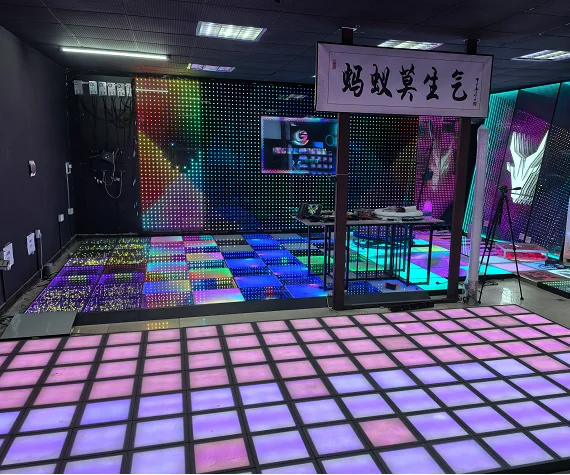
Guangzhou Linhua Technology Co., Ltd.
- Manufacturer
- Guangdong, China
- Lead time10 days
- Avg. response≤ 3h
Main productsled abyss dance floor,led dance floor screen,glass and crystal chandelier,led screen,active game lights
Main marketsWestern Europe(30.00%), North America(25.00%), South America(20.00%), Southeast Asia(10.00%), South Asia(7.00%), Mid East(5.00%), Africa(3.00%)
Nantong Gamko New Energy Co., Ltd.
- Trading Company
- Jiangsu, China
- Lead time10 days
- Avg. response≤ 3h
Main productssolar panel,inverter,controller,cable,MC4
Main marketsSouth America(18.00%), Western Europe(13.00%), Africa(12.00%), Eastern Asia(10.00%), Eastern Europe(8.00%), Mid East(7.00%), Oceania(6.00%), Central America(5.00%), North America(5.00%), Southeast Asia(5.00%), South Asia(3.00%), Southern Europe(3.00%), Domestic Market(3.00%), Northern Europe(2.00%)
Anhui Solarasia Energy Technology Co., Ltd.
- Manufacturer, Trading Company
- Lead time旺季: "1 - 16000":15,"> 16000":"To be negotiated", 淡季: "1 - 16000":15,"> 16000":"To be negotiated"
- Avg. response≤ 2h
Main productsSolar Modules, Photovoltaic Inverters, Photovoltaic Systems, Lithium Battery, GEL Battery
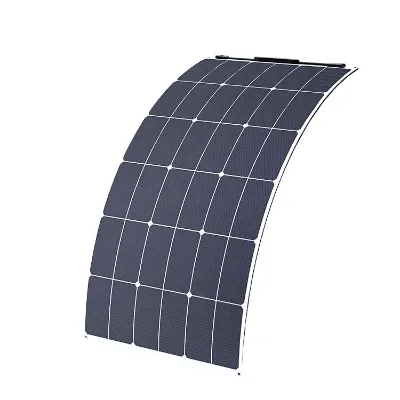
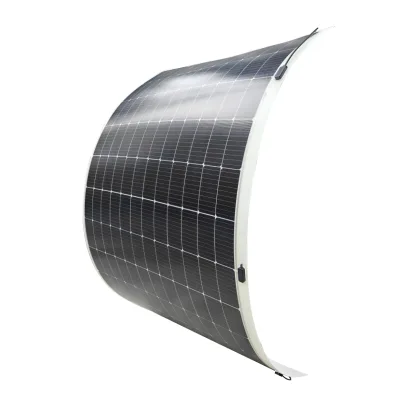
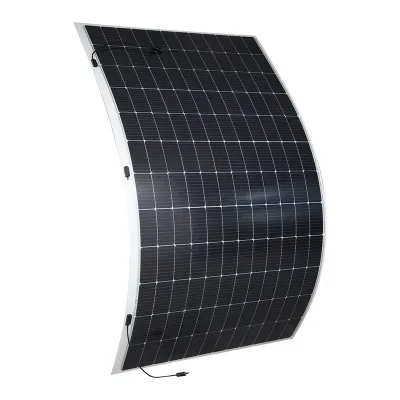
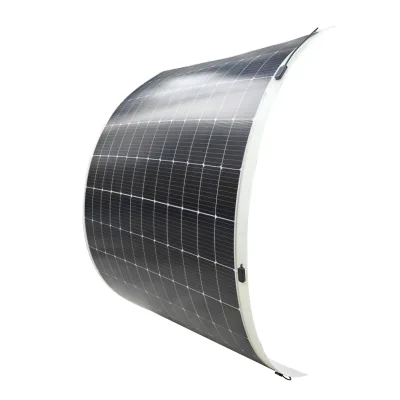
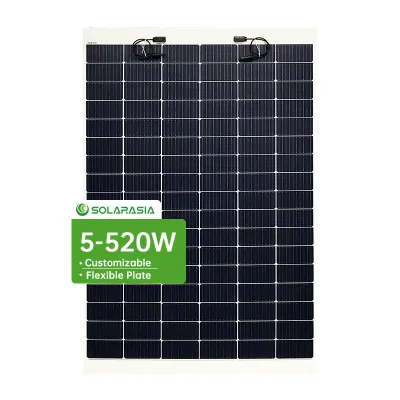
Hot Sale Panel Solar Flexible 520w 430w Light Weight IP67 Flexible Panels for Round Roof
$84.00 - $109.00
MOQ: 5 Minimum
Ningbo Yinzhou Made Solar Tech. Co., Ltd.
- Manufacturer, Trading Company
- Zhejiang, China
- Lead time30 days
- Avg. response≤ 11h
Main productssolar panel,solar cell,silicon wafer,solar energy equipment,electronic products
Main marketsNorth America(25.00%), Western Europe(10.00%), Eastern Europe(10.00%), Eastern Asia(10.00%), Domestic Market(10.00%), South America(10.00%), Central America(7.00%), Mid East(5.00%), Africa(5.00%), Southeast Asia(5.00%), South Asia(3.00%)
Ningbo Honsun Electronic Technology Co., Ltd.
- Verified by SGS Group
- Manufacturer, Trading Company
- Lead time0 days
- Avg. response≤ 3h
Main productsMonocrystalline Solar Panel, Ultra Light weight Solar Panel, Flexible CIGS Solar Panel, Amorphous Solar Panel Kit, Semi-flexible Solar Panel
Main marketsNorth America(70%), Eastern Europe(10%), Oceania(10%)

Trusus Technology (Beijing) Co., Limited
- Verified by TUVRHEINLAND
- Trading Company
- China Shandong
- Lead time30 days
- Avg. response≤ 7h
Main productsGypsum Board, PVC Gypsum Ceiling Tiles, Ceiling T Grid, Fiber Cement Board, Mineral Fiber Board, Steel Channel
Main marketsAfrica

- Verified by TUVRHEINLAND
- Combined
- China Jiangsu
- Lead time30 days
- Avg. response≤ 2h
Main productsSolar Panel, Solar Module, PV Panel, Photovoltaic Module, Solar System, Solar Energy System, Solar Power System, Battery, Inverter, Solar Cell
Main marketsSouth America,Africa,Southeast Asia/ Mideast,Europe,North America
Shenzhen Melin Sunergy Co., Ltd.
- Verified by Intertek
- Trading Company
- Lead time15 days
- Avg. response≤ 2h
Main productsFolding Solar Panel , Semi-Flexible Solar Panel , Solar Panel, Solar Charge Controller
Main marketsNorth America(50%), Oceania(30%), Southeast Asia(10%)
- Verified by TüVRheinland
- Trading Company
- Lead time10 days
- Avg. response≤ 2h
Main productsSolar Panel, Solar Inverter, Solar System, Energy Storage Battery, Solar Application
Main marketsSouth America(16%), Western Europe(16%), Southeast Asia(14%)
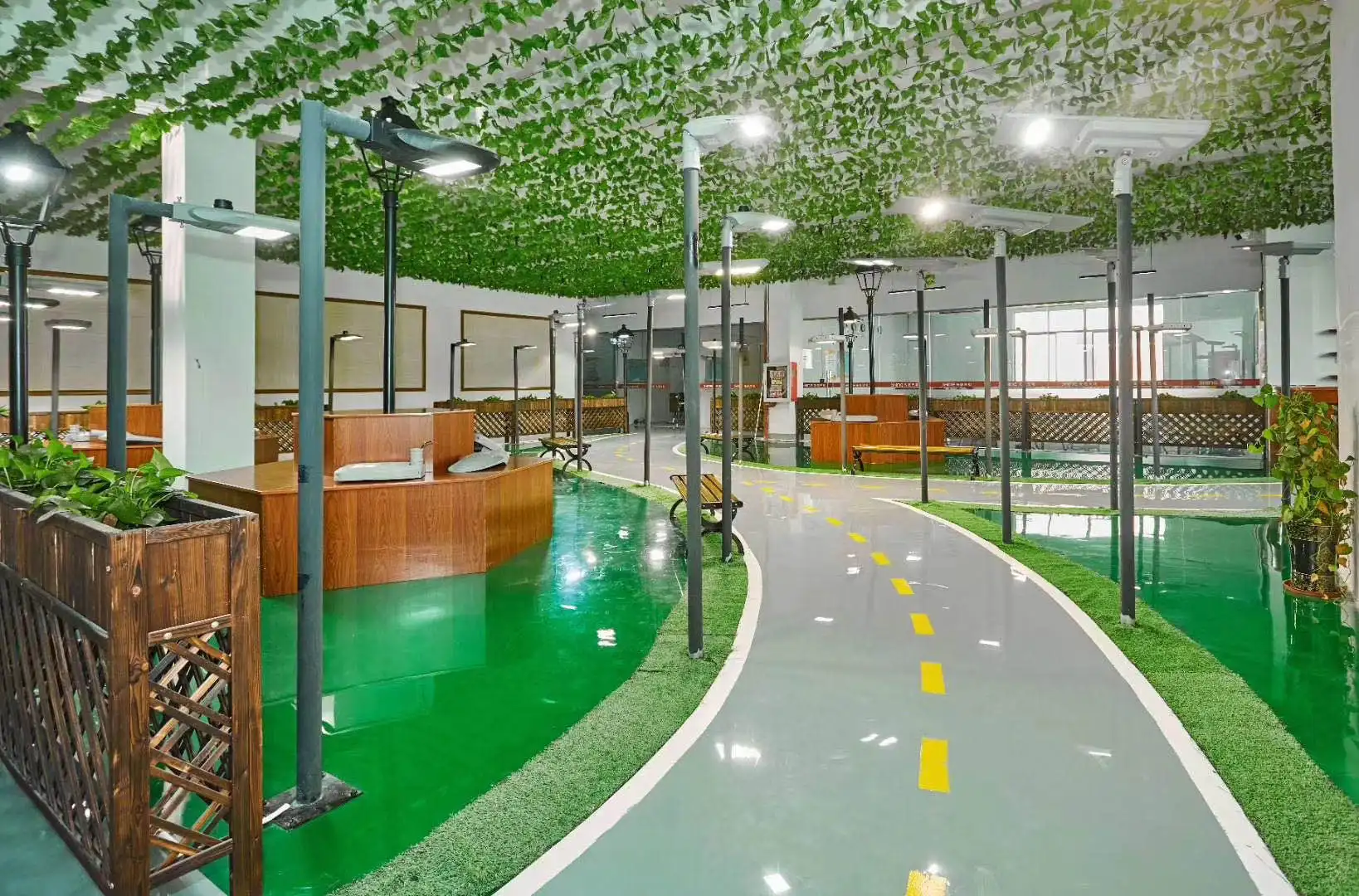
Fuzhou Comleds Lighting And Energy Technology Co., Limited
- Manufacturer, Trading Company
- fujian, China
- Lead time15 days
- Avg. response≤ 12h
Main productsled stadium light,smart led bulb,led street light,led flood light,led high bay
Main marketsSoutheast Asia(30.00%), South America(30.00%), Eastern Europe(20.00%), Mid East(10.00%), Africa(10.00%)
Shenzhen Haoyuxin Electronics Co., Ltd.
- Manufacturer, Trading Company
- Guangdong, China
- Lead time7 days
- Avg. response≤ 3h
Main productsPortable Power Station, LiFePO4 Battery, Solar Panels, Car Jump Starter
Main marketsNorth America(30.00%), Western Europe(30.00%), Southeast Asia(20.00%), Africa(10.00%), Eastern Europe(10.00%)
Shenzhen Longsheng Energy Technology Co., Ltd.
- Trading Company
- Guangdong, China
- Lead time60 days
- Avg. response≤ 4h
Main productsMicro Inventer,Solar Panel,Lithium Battery,Balcony Energy Storage System,Portable Power Station
Main marketsNorth America(30.00%), Western Europe(25.00%), Northern Europe(10.00%), Eastern Europe(10.00%), Southern Europe(10.00%), Africa(5.00%), Southeast Asia(3.00%), Mid East(3.00%), South Asia(2.00%), Oceania(1.00%), Eastern Asia(1.00%)

Nanchang Huibing Electronics Co., Ltd.
- Verified by SGS
- Trading Company
- China Jiangxi
- Lead time15 days
- Avg. response≤ 4h
Main productsEgg Incubator, Chicken Egg Incubator, Drinkers & Feeders, Pellet Machine, Crusher Mixer Machine, Plucker Machine, Infrared Lights, Debeaker, Chicken Cages, Eggs Plastic Crate
Main marketsAfrica
Flagsun (suzhou) New Energy Co., Ltd.
- Verified by Intertek
- Trading Company
- Lead time30 days
- Avg. response≤ 3h
Main productsSolar Panel, Lithium Battery, Solar Power System, Solar Inverter, Solar Controller
Main marketsNorth America(15%), Western Europe(15%), Africa(10%)
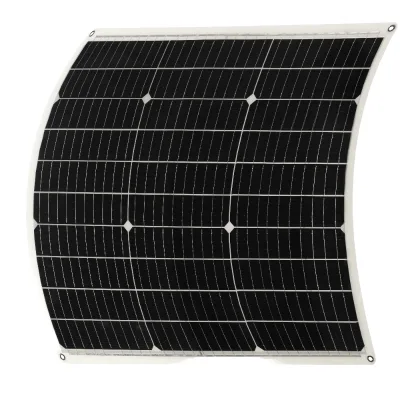
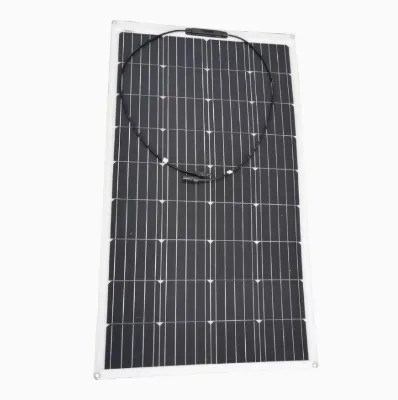
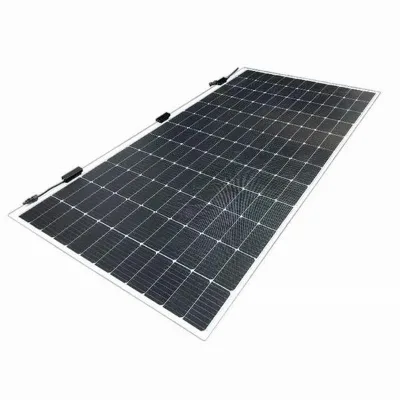
$0.4152 - $0.6221
MOQ: 100 watts
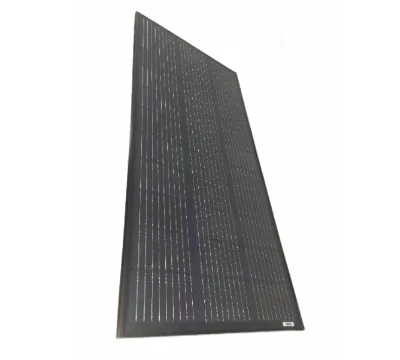
High-Efficiency Easy Installation 120W Flexible Solar Panel with Frames for Multiple Uses.
$162.00 - $170.00
MOQ: 2 sets
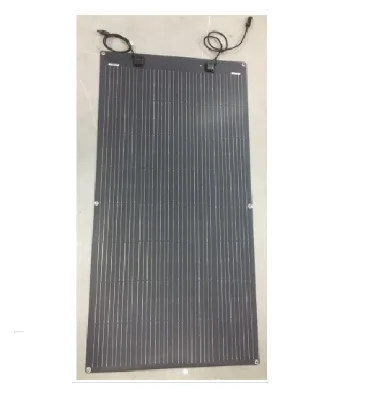
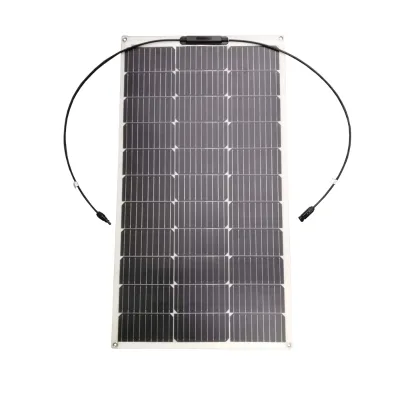
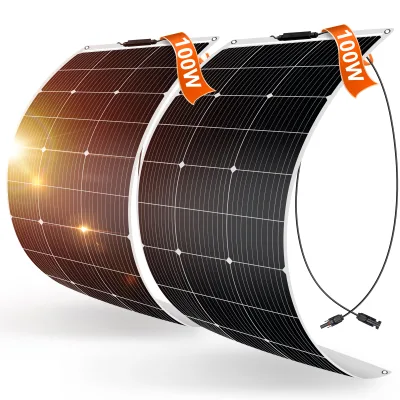
High-Efficiency 100W Flexible Solar Panel with Transparent Backsheet for Multiple Uses.
$125.00 - $130.00
MOQ: 2 sets

Yangzhou Yihang Photoelectric Technology Co., Ltd.
- Verified by TUVRHEINLAND
- Trading Company
- China Jiangsu
- Lead time30 days
- Avg. response≤ 10h
Main productsLighting, Lamp, Germicidal Lamp, LED, LED Bulb, Commercial Light, Specialty Lighting, Solar Cell, Solar Panel, Solar Light
Main marketsSouth America,Africa,Others(foreignTradeCapacity.exportBusinessCapacityMarketOther),Southeast Asia/ Mideast,Domestic,Europe,Australia
Shenzhen Ahony Power Co., Ltd.
- Verified by SGS Group
- Manufacturer, Trading Company
- Lead time20 days
- Avg. response≤ 4h
Main productsSolar Panel, Flexible Solar Panel, Solar System, Foldable Solar Kit, Solar Module Raw Material and Components
Main marketsWestern Europe(35%), Domestic Market(16%), North America(15%)
Hangzhou Xincheng trading co., ltd.
- Trading Company
- Zhejiang, China
- Lead time0 days
- Avg. response≤ 3h
Main productsMobile Power Bank/Mobile Power Pack,Outdoor power supply
Main marketsSouthern Europe(40.00%), Domestic Market(30.00%), Northern Europe(20.00%), North America(10.00%)
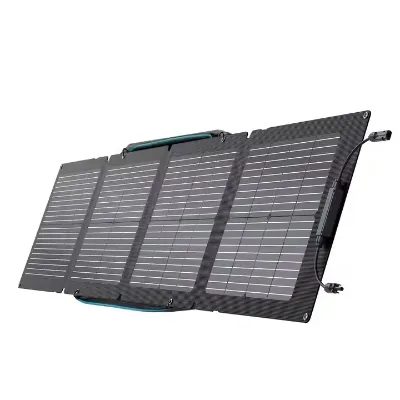
$190.00 - $220.00
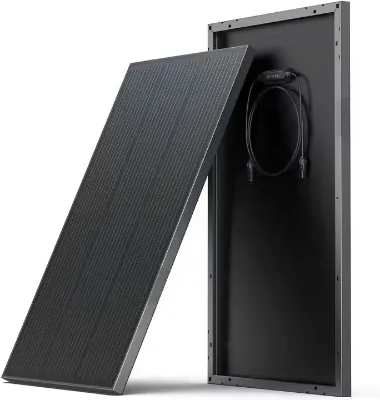
For 100W Flexible Solar Panel 23% Cell Efficiency 2 Set
$95.00 - $120.00
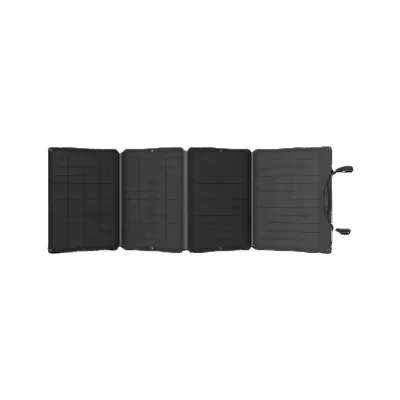
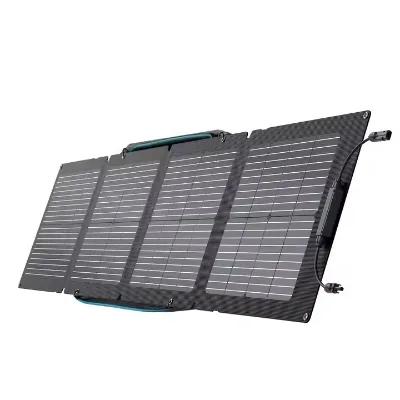
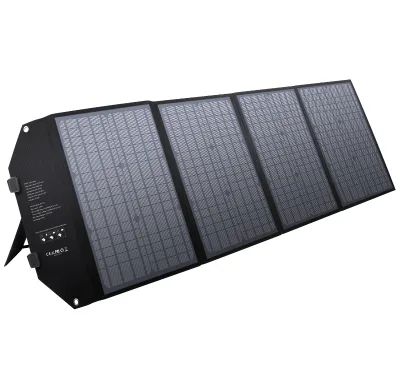
For 110W Solar Panel Household Foldable with 23% Cell Efficiency
$140.00 - $170.00
Shenzhen Jiaxinjie Technology Co., Ltd.
- Trading Company, Agent, Distributor/Wholesaler
- Guang Dong, China
- Lead time3 days
- Avg. response≤ 5h
Main productsElectronic products,Electronic module,IC Chip,Capacitance & Resistance,Medical equipment
Main marketsDomestic Market(10.00%), South Asia(10.00%), Southern Europe(10.00%), Eastern Europe(10.00%), South America(10.00%), North America(10.00%), Oceania(5.00%), Africa(5.00%), Southeast Asia(5.00%), Northern Europe(5.00%), Central America(5.00%), Western Europe(5.00%), Eastern Asia(5.00%), Mid East(5.00%)

Zhejiang C&J Electrical Holding Co., Ltd.
- Verified by SGS
- Trading Company,Manufacturer/Factory
- China Zhejiang
- Lead time0 days
- Avg. response≤ 4h
Main productsCircuit Breaker, MCB, RCCB RCD, RCBO, MCCB, Solar Inverter, Pure Sine Wave Inverter, Portable Power Station








Comprehensive Sourcing Guide
Flexible Monocrystalline Solar Panel Supplier Concentration and Factory Types
The sourcing landscape for flexible monocrystalline solar panels reveals a distinct concentration of manufacturing activity within specific Chinese provinces, with Shandong and Zhejiang emerging as primary industrial hubs. Suppliers located in Shandong often operate as either trading companies or manufacturer factories, indicating a mixed ecosystem where direct production capabilities may be bundled with extensive distribution networks. This dual nature allows buyers to access a broader range of product variations, including polycrystalline options alongside the requested monocrystalline flexible panels, though specific inventory availability for flexible monocrystalline units requires direct confirmation. The presence of ISO 9001 system certifications among these Shandong-based entities suggests a baseline of quality management adherence, which is critical for maintaining consistency in the delicate lamination processes required for flexible modules. Buyers should recognize that while the location provides a logistical advantage for shipping, the company type dictates whether they are engaging with the actual production line or a middleman, impacting both price negotiation leverage and technical support depth.
In contrast, suppliers based in Zhejiang often present as combined entities that may integrate original design manufacturing (ODM) and original equipment manufacturing (OEM) services with their own brand offerings. This structural flexibility is particularly relevant for buyers seeking customized specifications for flexible monocrystalline panels, as these suppliers are equipped to handle bespoke design requirements alongside standard production runs. The Zhejiang cluster appears to cater to a diverse array of solar applications, including water heaters, pumps, and portable lighting, which implies a versatile manufacturing infrastructure capable of adapting to the unique form factors of flexible solar technology. While some suppliers in this region may not display explicit system certifications in their public profiles, their verification status through third-party inspections like BV provides an alternative layer of trust regarding their operational legitimacy. Understanding these regional and structural differences helps buyers align their sourcing strategy with the specific capabilities they need, whether that be high-volume standard production from Shandong or customized, brand-integrated solutions from Zhejiang.
How to Verify Flexible Monocrystalline Solar Panel Suppliers
Verifying the legitimacy and capability of Flexible Monocrystalline Solar Panel suppliers requires a multi-layered approach that goes beyond surface-level profile reviews. Buyers should prioritize suppliers who display third-party verification badges, such as BV certification, which indicates that an independent agency has audited the company’s business license and operational premises. This verification is a crucial first step in mitigating the risk of engaging with fraudulent entities, especially in a market where the barrier to entry for trading companies is low. However, verification alone does not guarantee product quality, so buyers must cross-reference these credentials with specific product certifications. For flexible monocrystalline panels, look for explicit mentions of CE, ISO, or RoHS certifications on the product listing, as these indicate compliance with international safety and environmental standards. If a supplier claims certifications but does not display them, request copies of the certificates and verify their validity through the issuing body’s online database to ensure they are current and applicable to the specific product model.
Beyond documentation, assessing the supplier’s responsiveness and technical depth is essential for establishing a reliable partnership. A rapid response time, such as those observed in some Zhejiang-based suppliers, can indicate a well-staffed sales team that is attentive to buyer inquiries, which is vital for resolving technical questions about the flexible monocrystalline panel’s specifications. Buyers should test this responsiveness by asking detailed questions about the panel’s construction, such as the type of encapsulant used, the flexibility rating, and the expected degradation rate over time. Suppliers who provide comprehensive, technically accurate answers are more likely to have direct access to engineering teams, whereas vague or delayed responses may suggest a lack of in-house expertise. Additionally, checking for OEM and ODM capabilities can reveal whether the supplier has the internal resources to support custom designs, which is often a key requirement for flexible solar applications. By combining third-party verification, certificate validation, and technical due diligence, buyers can build a robust profile of supplier reliability before committing to any orders.
What to Compare Across Flexible Monocrystalline Solar Panel Suppliers
When evaluating multiple suppliers for flexible monocrystalline solar panels, comparing key operational metrics is essential to identify the most suitable partner for your specific business needs. One of the most critical factors is the minimum order quantity (MOQ), which can vary significantly across the supplier base. Some suppliers may require high MOQs, such as 10,000 units, which are suitable for large-scale distributors but prohibitive for smaller buyers or those testing the market. Conversely, other suppliers may offer much lower MOQs, such as 2 or 50 units, providing greater flexibility for initial orders or niche applications. Buyers should align their MOQ expectations with their sales volume projections to avoid excessive inventory costs or stockouts. Additionally, comparing the lead times is crucial for supply chain planning; while some suppliers may list zero lead time, indicating immediate stock availability, others may require 30 days for production, which impacts delivery schedules and customer satisfaction.
Price and warranty terms also serve as vital comparison points across different suppliers. The price range for solar panels can be wide, with some listings showing prices as low as $0.07 per watt while others are significantly higher, reflecting differences in material quality, brand reputation, and service levels. Buyers should not solely focus on the lowest price but should evaluate the cost against the warranty period offered. For instance, some suppliers provide a 10-year warranty, while others may offer less than five years, which directly correlates with the perceived longevity and reliability of the product. Furthermore, comparing the main products offered by each supplier can reveal their specialization; a supplier focusing exclusively on solar panels may offer deeper technical expertise than a generalist trading company. By systematically comparing MOQ, lead time, price, warranty, and product focus, buyers can create a weighted scoring matrix to objectively rank suppliers and select the one that best balances cost, risk, and service quality for their Flexible Monocrystalline Solar Panel procurement.
Common Flexible Monocrystalline Solar Panel Sourcing Risks
Sourcing flexible monocrystalline solar panels carries specific risks related to product quality and performance consistency that buyers must actively manage. One significant risk is the variability in material quality, particularly regarding the encapsulant and backsheet materials used in flexible panels. Unlike rigid panels, flexible modules rely heavily on the integrity of their lamination to withstand bending and environmental stressors. If a supplier uses substandard EVA or POE encapsulants, the panel may delaminate or suffer from moisture ingress, leading to rapid power degradation. Buyers should mitigate this risk by requesting detailed material specifications and, if possible, third-party test reports that confirm the durability of the flexible construction. Additionally, the risk of misrepresentation regarding the cell type is prevalent; some suppliers may list panels as monocrystalline when they are actually polycrystalline or hybrid types. Verifying the cell structure through high-resolution images or video calls during the factory audit can help ensure that the product matches the advertised specifications.
Another common risk is the discrepancy between the quoted lead time and actual delivery, which can disrupt supply chain operations. Suppliers may quote short lead times to secure orders but fail to account for production bottlenecks or raw material shortages. This risk is exacerbated when dealing with trading companies that do not have direct control over the manufacturing schedule. To manage this, buyers should include clear penalty clauses in their contracts for delayed deliveries and maintain regular communication with the supplier throughout the production process. Furthermore, the risk of inadequate after-sales support is a concern, especially for flexible panels that may require specialized installation guidance. Buyers should assess the supplier’s willingness to provide technical documentation and support before placing large orders. By identifying these risks early and implementing mitigation strategies such as detailed specifications, contract protections, and ongoing communication, buyers can reduce the likelihood of costly errors and ensure a smoother sourcing experience for their flexible monocrystalline solar panels.
Flexible Monocrystalline Solar Panel Regional Sourcing and Logistics
The regional concentration of Flexible Monocrystalline Solar Panel suppliers in China, particularly in Shandong and Zhejiang, offers distinct logistical advantages that buyers should leverage to optimize their supply chain. Shandong, being a major industrial province, often provides robust infrastructure for heavy manufacturing and export, which can facilitate the handling of large volume orders. Suppliers in this region may have established relationships with freight forwarders and shipping lines, potentially offering more competitive freight rates for bulk shipments. However, buyers should also consider the proximity of the supplier to major ports, as this can impact transit times and handling costs. Zhejiang, on the other hand, is known for its dynamic trade environment and may offer more flexible logistics solutions for smaller, mixed-container shipments. The presence of combined suppliers in Zhejiang suggests a adaptability to diverse shipping requirements, which can be beneficial for buyers with varying order sizes.
Logistics planning must also account for the specific packaging requirements of flexible solar panels to prevent damage during transit. Unlike rigid panels, flexible modules are more susceptible to bending and creasing if not packed correctly. Buyers should verify that suppliers use appropriate packaging, such as carton boxes with wooden pallets or specialized protective wrapping, to ensure the panels arrive in pristine condition. Additionally, considering the weight and volume of the shipments is crucial for calculating landed costs. Flexible panels may have different density characteristics compared to rigid ones, affecting the number of units that can be loaded into a container. Buyers should work closely with their suppliers to optimize packaging configurations and select the most cost-effective shipping methods, whether by sea or air, depending on the urgency of the order. By understanding the logistical nuances of each region and working with suppliers who prioritize safe packaging, buyers can minimize transit risks and ensure timely delivery of their flexible monocrystalline solar panels.
Flexible Monocrystalline Solar Panel Commercial Terms and Order Planning
Effective order planning for flexible monocrystalline solar panels requires a thorough understanding of the commercial terms offered by suppliers, including payment structures and customization options. Many suppliers offer OEM and ODM services, allowing buyers to customize the panels with their own branding or specific technical requirements. This flexibility is a significant advantage for buyers looking to differentiate their products in the market. However, customization often comes with higher MOQs and longer lead times, so buyers must balance their desire for customization with their production timelines. It is also important to clarify the terms of transfer, such as whether the supplier offers FOB, CIF, or DDP terms, as this affects the buyer’s responsibility for shipping and insurance. Understanding these terms helps in accurately calculating the total cost of ownership and avoiding unexpected expenses.
Payment terms are another critical aspect of commercial planning. Buyers should negotiate favorable payment conditions, such as a deposit followed by payment upon shipment or against a copy of the bill of lading, to mitigate financial risk. Some suppliers may offer escrow services, which provide an additional layer of security by holding funds until the buyer confirms receipt and quality of the goods. This is particularly useful for new supplier relationships where trust has not yet been established. Additionally, buyers should plan for potential price fluctuations, as solar panel prices can be volatile due to changes in silicon prices and market demand. Establishing a long-term agreement with a supplier can help lock in prices and ensure supply stability. By carefully structuring commercial terms, leveraging customization options, and planning for financial security, buyers can create a robust procurement strategy that supports the successful sourcing of flexible monocrystalline solar panels while minimizing risk and maximizing value.
FAQs
What certifications do flexible solar panels have?
Flexible solar panels listed here carry CE and ISO certifications. Some products also include RoHS compliance. Buyers should verify specific certification documents for each supplier before placing orders to ensure they meet local regulatory requirements.
What is the minimum order quantity for these panels?
Minimum order quantities vary significantly by product type. Some flexible monocrystalline panels require 100 units, while others need 10,000 units. Buyers must check the specific product listing to confirm the exact MOQ before negotiating with suppliers.
How long does it take to receive the solar panels?
Lead times for solar panels range from zero days to thirty days depending on the supplier. Some manufacturers offer immediate availability, while others require a month for production. Buyers should confirm the current lead time with the specific vendor.
Where are the flexible solar panel manufacturers located?
Manufacturers of flexible solar panels are primarily located in Shandong and Zhejiang provinces in China. These regions host both trading companies and factories. Buyers can filter search results by these specific locations to find nearby suppliers.
What is the price range for monocrystalline solar panels?
Prices for monocrystalline solar panels range from 0.07 to 0.60 per unit depending on wattage and specifications. Higher efficiency models may cost up to 68.00 per unit. Buyers should compare specific product listings to determine the exact price.
Do suppliers offer customization for flexible solar panels?
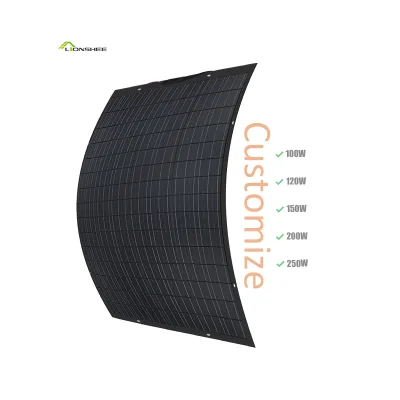
Yes, most suppliers offer customization options for flexible solar panels. Buyers can request custom sizes, wattages, or branding. OEM and ODM services are available, allowing buyers to tailor products to their specific project requirements.
What warranty is provided for these solar panels?
Warranty periods for solar panels vary between less than five years and ten years. Some high-quality polycrystalline panels offer a decade of coverage. Buyers should verify the specific warranty terms for each product before finalizing a purchase.