Source Flexible Monocrystalline Solar Panel for RVs, Boats, and Campers
Compare 30 Flexible Monocrystalline Solar Panel options from verified Chinese suppliers. Buyers can evaluate efficiency, cell types, warranty terms, and power output for portable power needs across various applications including RVs, boats, and camping gear; compare the available evidence and request quotations based on your requirements.
Updated
Key considerations
Products List


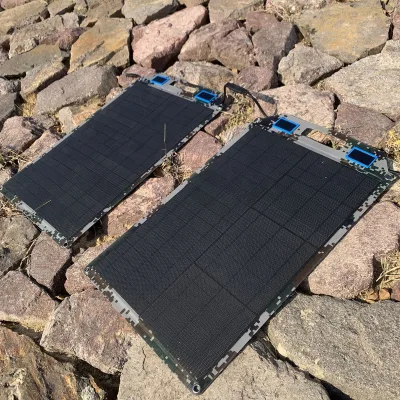


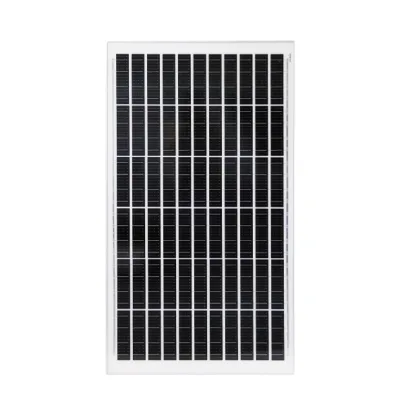

Monocrystalline Solar Panels 300W Solar Panel 330W Monocrystalline Solar Panels
$0.095 - $0.15
MOQ: 350000 watt


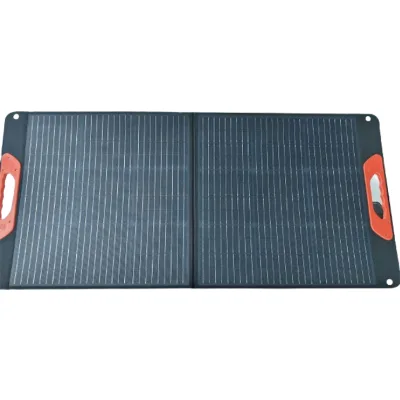
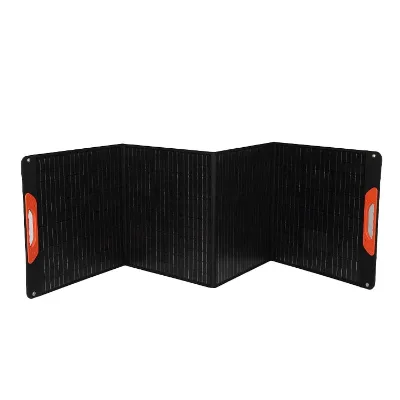
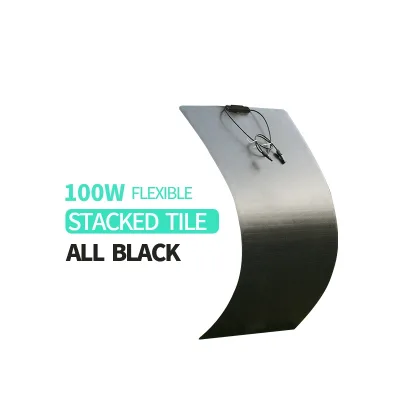


Comprehensive Sourcing Guide
Flexible Monocrystalline Solar Panel Sourcing Guide
Procuring flexible monocrystalline solar panels requires a nuanced understanding of material science and supply chain dynamics, particularly when sourcing from major manufacturing hubs in China. Buyers must distinguish between rigid crystalline silicon modules and semi-flexible alternatives, as the latter offer distinct advantages for mobile and irregular surface applications. The market presents a wide array of options, ranging from small-scale portable units to larger industrial systems, each with specific technical constraints. Understanding these distinctions is critical for aligning product selection with end-use requirements, ensuring that the chosen panels can withstand mechanical stress while maintaining electrical efficiency.
This guide focuses on evidence-based procurement strategies for flexible monocrystalline technology, drawing from observed market listings and supplier data. It addresses key decision points including technical verification, compliance documentation, and commercial terms. By adhering to these guidelines, procurement professionals can mitigate risks associated with quality inconsistencies and supply chain disruptions. The following sections provide a structured approach to evaluating suppliers, verifying specifications, and establishing long-term partnerships that support sustainable energy projects.
Product Scope and Observed Listing Signals
The current market landscape for flexible monocrystalline solar panels reveals a diverse range of product configurations, primarily originating from regions such as Zhejiang and Shandong in China. Listings indicate that manufacturers offer both semi-flexible monocrystalline panels for DC devices and larger poly/mono panel systems for industrial applications. Buyers should note that while some products are explicitly labeled as flexible, others may be rigid polycrystalline or monocrystalline silicon modules with varying cell counts, such as 36 or 72 cells. It is essential to carefully review product descriptions to confirm flexibility, as the term "flexible" is not universally applied to all monocrystalline offerings in the catalog.
Observed product attributes highlight significant variation in power output and physical dimensions. For instance, some listings feature low-wattage panels ranging from 10W to 120W, suitable for portable or off-grid DC applications, while others describe larger systems with peak powers up to 160W or more. The presence of specific model numbers, such as BJMS-28, and module types like Zy-F160W, suggests a standardized yet customizable product line. Buyers must verify whether the listed dimensions, such as 570x348mm, correspond to the flexible form factor they require, as rigid panels often share similar footprint measurements but differ significantly in weight and bendability.
Technical Specifications to Verify
When evaluating technical specifications, buyers must prioritize the verification of cell material and efficiency ratings. Although the core keyword specifies monocrystalline technology, some listings mention polycrystalline silicon, indicating a mixed inventory. It is crucial to confirm that the panels utilize monocrystalline silicon cells, which generally offer higher efficiency rates, typically observed in the 20-21% range for certain models. Additionally, the junction box rating, such as IP68, is a critical specification for ensuring durability against environmental factors like dust and water ingress, particularly for outdoor or marine applications. Buyers should request detailed datasheets to validate these parameters before placing orders.
Other vital technical details include the connector type, warranty period, and physical weight. The MC4 connector is a standard industry component, but its quality and compatibility with existing wiring systems must be confirmed. Warranty terms vary significantly, with some products offering 10 years and others extending to 25 years, reflecting differences in manufacturing quality and expected lifespan. Furthermore, the weight of the panel, such as 900g for specific models, impacts installation logistics and structural load requirements. Buyers should also inquire about the cell size, such as 156.75mmx156.75mm, as this influences the overall module efficiency and cost structure.
Compliance and Safety Documentation
Compliance with international standards is non-negotiable for solar panel procurement, especially when importing goods from China. Buyers must ensure that suppliers provide valid certification documents, such as CE and ISO marks, which indicate adherence to European safety and quality management standards. These certifications are critical for market access in many regions and serve as a baseline for product reliability. However, buyers should verify the authenticity of these certificates by checking the issuing bodies and ensuring that the specific product models are covered under the certification scope. Relying solely on supplier claims without documented proof can lead to significant compliance risks.
Beyond basic certifications, buyers should investigate additional safety and performance documentation, such as IEC standards for photovoltaic modules. These standards cover electrical safety, mechanical load testing, and environmental durability, providing a comprehensive assessment of product quality. For flexible panels, specific tests for bendability and fatigue resistance are particularly important to ensure long-term performance under dynamic conditions. Buyers should request test reports from accredited laboratories to validate these claims. Additionally, verifying the origin of the product, whether from Shandong, Zhejiang, or Yangzhou Jiangsu, can provide insights into the manufacturing capabilities and quality control practices of the supplier.
Cost Drivers and Commercial Terms
Understanding the cost drivers for flexible monocrystalline solar panels is essential for effective budgeting and negotiation. The observed price range of $0.07 to $900 USD reflects significant variation based on wattage, technology, and order volume. Buyers should recognize that lower prices may correspond to lower wattage or less robust construction, while higher prices may reflect premium efficiency or extended warranties. Minimum Order Quantities (MOQs) also vary widely, from 1 unit to 350,000 units, impacting the unit cost and inventory management strategy. Negotiating favorable terms requires a clear understanding of these variables and their impact on the total cost of ownership.
Commercial terms such as payment methods, shipping arrangements, and lead times are critical components of the procurement process. Buyers should clarify whether the supplier offers OEM services and customization options, as these can add value but may also increase costs and lead times. The packaging method, such as carton boxes with wooden pallets, affects shipping costs and product protection during transit. Additionally, buyers should inquire about pre-sales services, such as project design support, which can enhance the value proposition. Clear communication regarding these terms helps avoid unexpected expenses and ensures a smooth transaction process.
Supplier Qualification and Quality Control
Supplier qualification is a pivotal step in mitigating procurement risks, particularly when dealing with international manufacturers. Buyers should conduct thorough due diligence on potential suppliers, verifying their business licenses, manufacturing capabilities, and quality control processes. The presence of customization options and OEM acceptance suggests that suppliers are flexible and capable of meeting specific buyer requirements. However, buyers must assess the supplier's track record and reputation in the market to ensure reliability. Engaging with suppliers who offer comprehensive pre-sales services, such as project design, can also indicate a higher level of professionalism and customer support.
Quality control measures should be explicitly defined in the procurement agreement to ensure product consistency. Buyers should request samples for testing before placing bulk orders, verifying key specifications such as efficiency, weight, and connector quality. Implementing third-party inspection services can provide an additional layer of assurance, particularly for large orders. Buyers should also establish clear communication channels with suppliers to address any quality issues promptly. Regular audits and performance reviews can help maintain high standards and foster long-term partnerships. By prioritizing supplier qualification and quality control, buyers can ensure the delivery of reliable and high-performance solar panels.
Long-Term Procurement Checks
Establishing long-term procurement checks is essential for maintaining supply chain stability and product quality over time. Buyers should implement regular performance reviews of suppliers, assessing their ability to meet delivery schedules, quality standards, and cost targets. Monitoring market trends and technological advancements can help buyers stay ahead of industry developments and make informed procurement decisions. Additionally, buyers should maintain open lines of communication with suppliers to address any emerging issues or changes in product specifications. This proactive approach helps build trust and ensures a collaborative relationship that benefits both parties.
Furthermore, buyers should consider the lifecycle management of the solar panels, including warranty claims and end-of-life disposal. Understanding the warranty terms, such as 10 or 25 years, is crucial for planning maintenance and replacement strategies. Buyers should also evaluate the environmental impact of the products, considering factors such as recyclability and energy efficiency. By integrating these long-term checks into their procurement strategy, buyers can optimize their solar energy investments and contribute to sustainable development goals. This holistic approach ensures that procurement decisions align with both immediate needs and future objectives.
FAQs
What is the efficiency of flexible monocrystalline solar panels?
The efficiency of flexible monocrystalline solar panels typically ranges from 20% to 21%. This performance level ensures reliable power generation even in low-light conditions. Buyers should verify specific model datasheets to confirm exact efficiency ratings for their intended application requirements.
Can flexible monocrystalline solar panels be customized for specific projects?
Yes, customization is available for flexible monocrystalline solar panels to meet unique project needs. Manufacturers often accept OEM requests and can adjust specifications such as wattage or dimensions. Buyers should communicate their specific requirements early in the sourcing process to ensure compatibility.
What certifications do flexible monocrystalline solar panels usually have?
Flexible monocrystalline solar panels commonly hold CE and ISO certifications. These standards indicate compliance with international quality and safety regulations. Buyers should request valid certification documents from suppliers to verify that the products meet the necessary regulatory requirements for their target markets.
What is the typical warranty period for flexible monocrystalline solar panels?
The typical warranty period for flexible monocrystalline solar panels is 10 years. Some manufacturers may offer extended warranties up to 25 years depending on the product grade. Buyers should review the warranty terms carefully to understand coverage for performance degradation and manufacturing defects.
How are flexible monocrystalline solar panels packaged for shipping?
Flexible monocrystalline solar panels are typically packaged in carton boxes with wooden pallets for secure transport. This packaging method protects the panels from damage during transit. Buyers should confirm packaging details with suppliers to ensure the goods arrive safely and meet logistics requirements.
What is the minimum order quantity for flexible monocrystalline solar panels?
The minimum order quantity for flexible monocrystalline solar panels ranges from 1 to 350,000 units depending on the supplier. This wide range allows flexibility for both small sample orders and large bulk purchases. Buyers should inquire about MOQ policies to align with their procurement volume.