Foldable Inflatable Bath Tub with Cover Suppliers and Manufacturers
Compare 27 verified suppliers offering Foldable Inflatable Bath Tub with Cover options from Guangdong, China. Review lead times, certifications like ISO9001, and MOQs to select the right partner for your bulk order needs today; review the available evidence before requesting comparable quotations from suitable candidates.
Updated
Suppliers List

Lixin Outdoor Product Co., Ltd.
- Verified by TUVRHEINLAND
- Combined
- China Guangdong
- Lead time23 days
- Avg. response≤ 7h
Main productsPool Floats, Inflatable Swimming Pools, Inflatable Swimming Ring, Kid Toys, Inflatable Pool, Inflatable Sprinkler Toys, Air Bed Air Mattress, Inflatable Furnitures Inflatable Sofa, Inflatable Boat, Snow Tube
Main marketsSoutheast Asia/ Mideast,East Asia(Japan/ South Korea),Europe,Australia,North America

Foldable Inflatable Bathtub for Adult with Cover Portable Inflatable Bathtub Adult Bath
$20.43 - $22.29
MOQ: 500 Pieces

Portable Folding Inflatable Bathtub for Adult Inflatable Bathtub with Lid Ice Bath
$9.78 - $10.81
MOQ: 2 Pieces

Portable Adults Tub with Cover Portable Inflatable Ice Bath Adults Inflatable Tub
$20.43 - $22.29
MOQ: 500 Pieces

Portable Bathtub with Cover Cold Plunge Tub Outdoor Freestanding Recovery Inflatable Bathtub
$12.90 - $15.00
MOQ: 300 Pieces

Large Freestanding Bath Tub Inflatable Foldable Hot Bath Tub Ice Bathtub
$12.90 - $15.00
MOQ: 300 Pieces

Portable Inflatable Adult SPA Bathtub Folding Plastic Bath Tub for Ice Bath
$9.78 - $1056.00
MOQ: 2 Pieces
Yushan Yijia Inflatable Products Co., Ltd.
- Manufacturer, Trading Company
- Lead time旺季: "1 - 1":7,"2 - 50":15,"51 - 100":25,"> 100":"To be negotiated", 淡季: "1 - 1":7,"2 - 50":15,"51 - 100":25,"> 100":"To be negotiated"
- Avg. response≤ 3h
Main productsInflatable Electric Boat,inflatable house boat with motor for water play, Ice bath tube & Accessories,SPA tub, Recovery tub for family, Inflatable water floating, Platform for pool
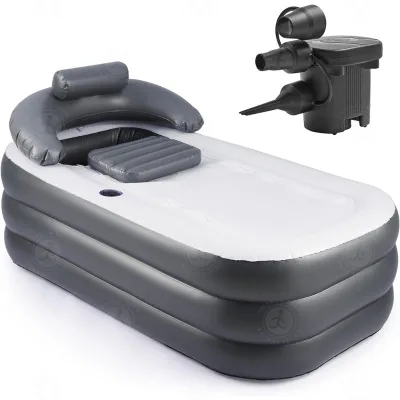
$16.417 - $20.5213
MOQ: 1 pieces
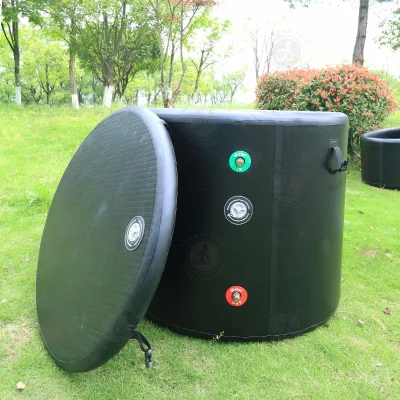
$61.7183 - $82.6399
MOQ: 1 pieces
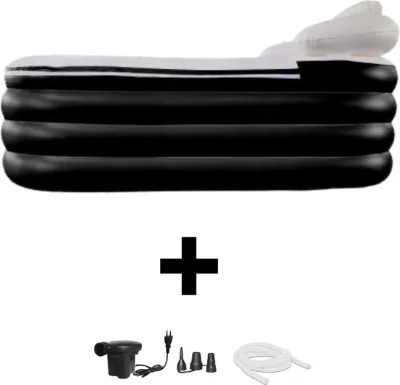
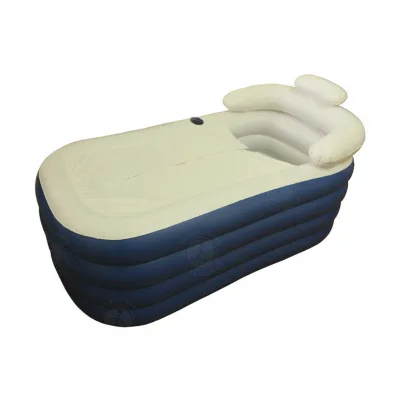
$16.5759 - $20.7192
MOQ: 1 pieces
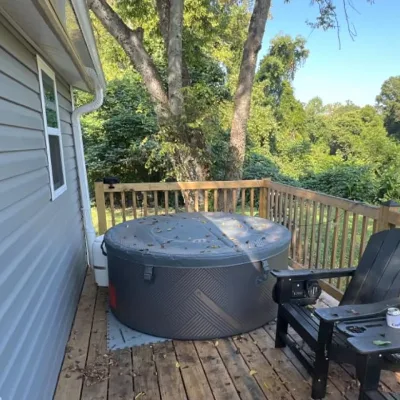
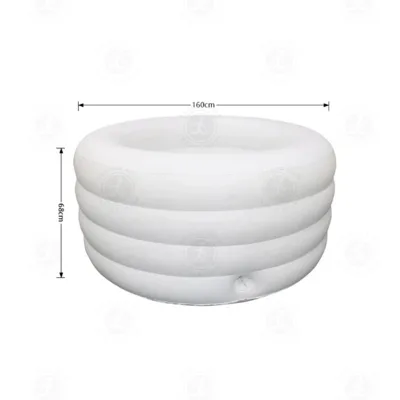
$16.7378 - $20.9215
MOQ: 1 pieces
Jiangmen Guangshan Plastics Product Co., Ltd.
- Verified by SGS Group
- Manufacturer, Trading Company
- Lead time30 days
- Avg. response≤ 4h
Main productsInflatable Furniture, Inflatable Pool Float, Inflatable Toy, Inflatable Pool, Inflatable Sport Items
Main marketsNorth America(20%), South America(20%), Western Europe(20%)
Dongguan Bestfun Toys Co., Ltd.
- Manufacturer
- Guangdong, China
- Lead time30 days
- Avg. response≤ 10h
Main productsPVC TPU Flocked PVC products,customized inflatable advertising products,customized inflatable promotional products,inflatable beach items,inflatable water toys
Main marketsNorth America(50.00%), Northern Europe(10.00%), Western Europe(5.00%), South Asia(5.00%), Southern Europe(5.00%), South America(5.00%), Central America(5.00%), Southeast Asia(5.00%), Eastern Europe(5.00%), Domestic Market(1.00%), Eastern Asia(1.00%), Mid East(1.00%), Oceania(1.00%), Africa(1.00%)
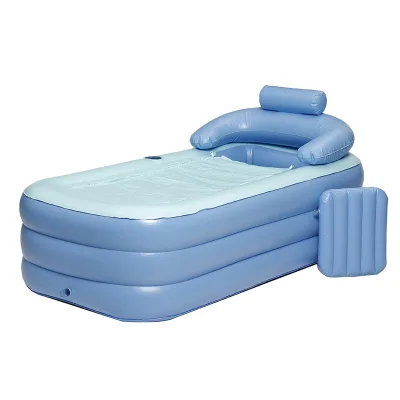
Durable PVC Folding Portable Inflatable Bathtub Warm Spa with Backrest for Adults Travel Bath Tub
$5.28 - $17.68
MOQ: 1000 Minimum
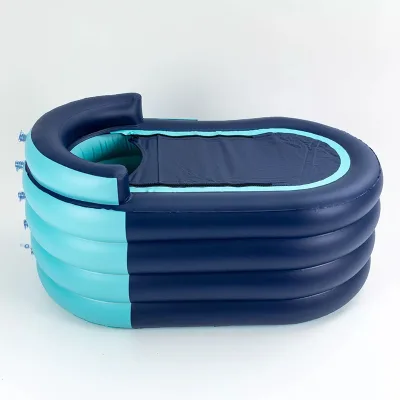
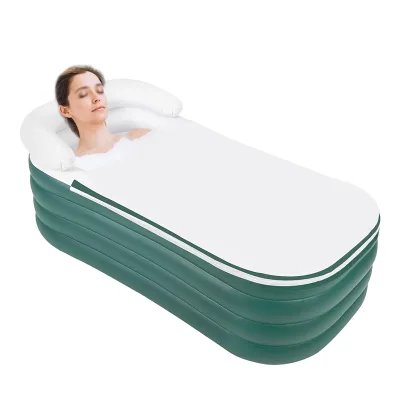
Thickened PVC 4 Layer Portable Bathtub Inflatable Bath Tub Adult Tub Cushion Zipper Cover Warm
$20.6697 - $26.7242
MOQ: 1000 pieces
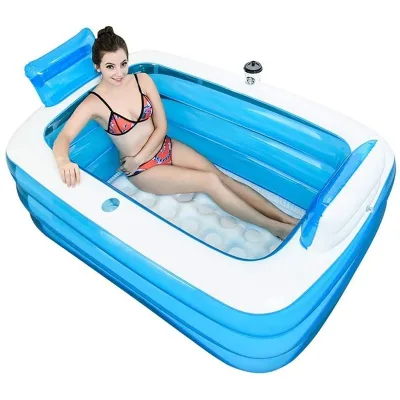
$10.2936 - $14.4683
MOQ: 1000 pieces
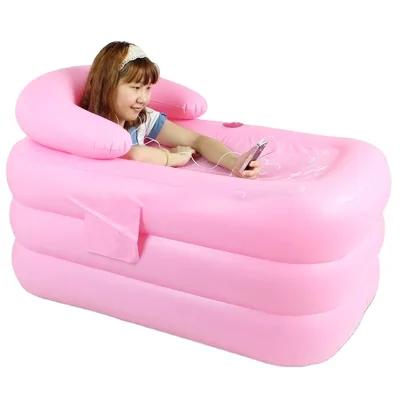
$10.2307 - $23.8011
MOQ: 1000 Minimum
Qingdao Joineasy International Trade Co., Ltd.
- Verified by SGS Group
- Trading Company
- Lead time20 days
- Avg. response≤ 2h
Main productsInflatable Tub, Inflatable Platform, SUP Board, Inflatable Tents, Inflatable Containers
Main marketsNorth America(40%), Western Europe(25%), Oceania(5%)
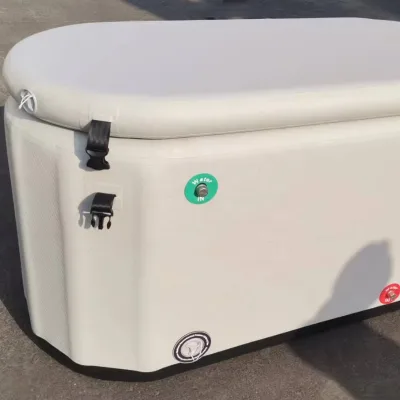
Inflatable Bathtub Plastic Portable Foldable Bathtub Soaking Bathtub Home SPA Bath
$175.00 - $195.00
MOQ: 1 pieces
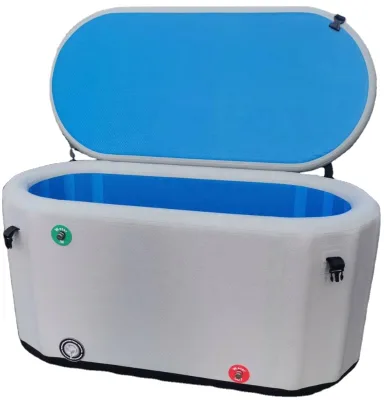
$165.00 - $185.00
MOQ: 1 pieces
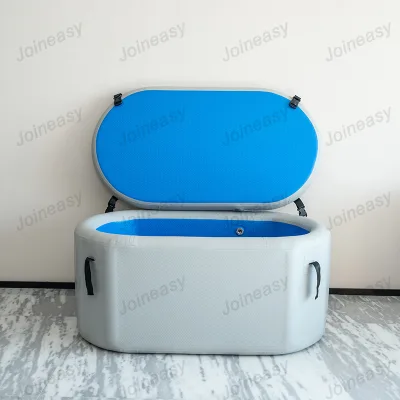
$165.00 - $185.00
MOQ: 1 pieces
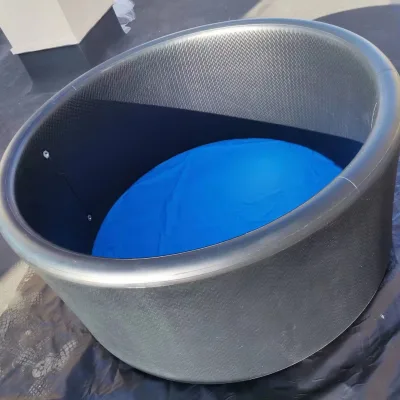
$118.5604 - $288.6669
MOQ: 1 Minimum
Pujiang Flying Outdoor Products Co., Ltd.
- Trading Company
- Zhejiang, China
- Lead time15 days
- Avg. response≤ 11h
Main productsBackpack/Sleeping Pad & Bag/Folding Chair And Table/Camping Tent/Air Sofa/Above Ground Pool/Inflatable Spa/Swimming Pool
Main marketsSoutheast Asia(30.00%), South America(20.00%), Eastern Asia(20.00%), Eastern Europe(20.00%), North America(10.00%)
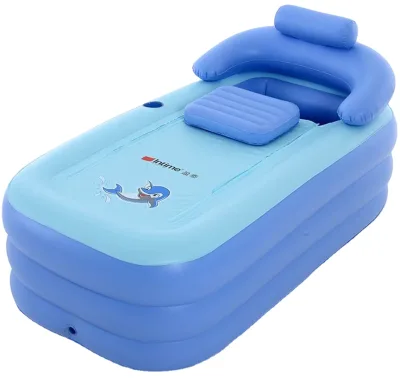
Portable Folding Inflatable Bathtub Massage Warm Travel Inflatable Bathtub
$16.90 - $17.50
MOQ: 300 pieces
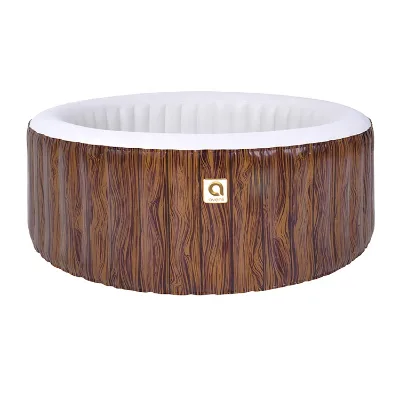
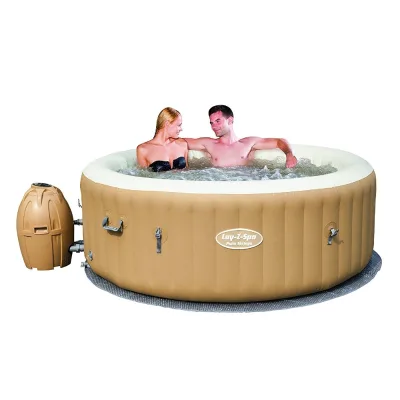
2019 Popular Wholesale High Quality Popular Round Bathtub Portable Bathtub for Adults
$342.70 - $399.80
MOQ: 10 Minimum

Qingdao Joineasy International Trade Co., Ltd.
- Verified by TUVRHEINLAND
- Trading Company,Manufacturer/Factory
- China Shandong
- Lead time0 days
- Avg. response≤ 5h
Main productsInflate & Deflate Valves &, Oars & Accessories, Mooring Ropes, PVC Fabrics, Rubbing Strips, Outdoor Folding Series, Pumps & Accessories, Feeding Bucket, Boat The Accessories, Ice Bath Tub


Hot Sale Inflatable Ice Bath Tub Cold Plunge Tub Portable Inflatable Pool Recovery Tub with Lid
$215.00 - $260.00
MOQ: 1 Pieces


- Manufacturer
- Zhejiang, China
- Lead time20 days
- Avg. response≤ 2h
Main productsInflatable Swim Ring, Inflatable Beach Ball, Inflatable Pool, Inflatable Sofa, Inflatable Mattress
Main marketsNorth America(60.00%), Western Europe(10.00%), Southern Europe(10.00%), Northern Europe(10.00%), Southeast Asia(10.00%), Western Europe(10.00%), Southern Europe(10.00%), Northern Europe(10.00%), Southeast Asia(10.00%)
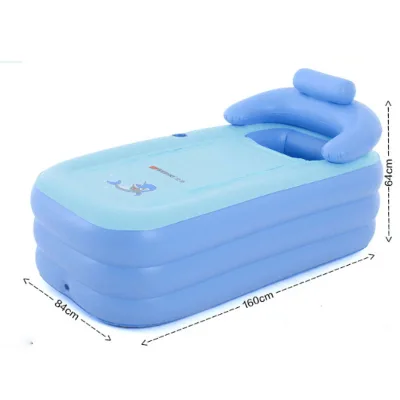
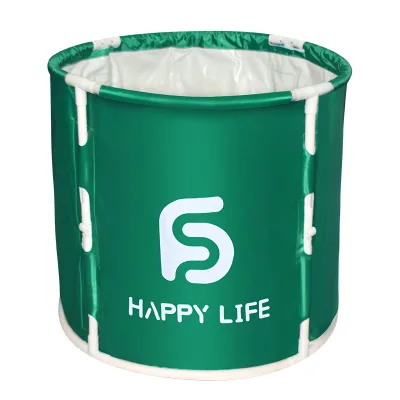
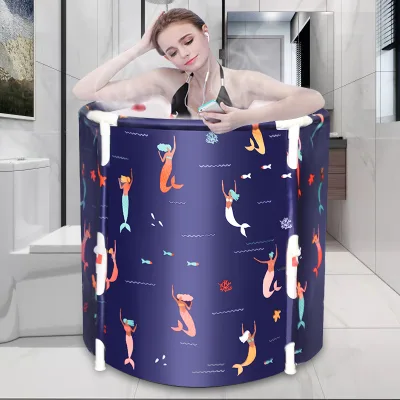
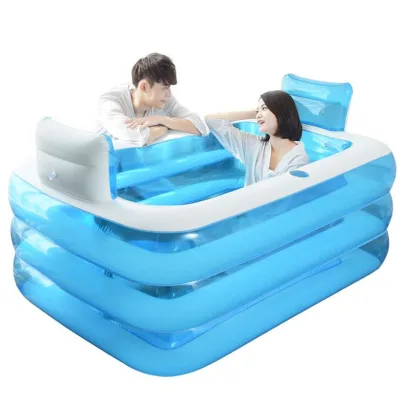
Wholesale Hot Sale Walk-in Plastic Adults Folding Bathtub
$13.50 - $14.50

Dongguan Fuduosheng Plastic Products Co., Ltd.
- Manufacturer, Trading Company
- Guangdong, China
- Lead time30 days
- Avg. response≤ 3h
Main productsInflatable pool floats,Inflatable Dog Collar,Air Bed,Towable tubes,Inflatable sport toys
Main marketsNorth America(60.00%), Western Europe(15.00%), Eastern Europe(5.00%), Eastern Asia(5.00%), Domestic Market(3.00%), Mid East(3.00%), South America(2.00%), Southern Europe(2.00%), Southeast Asia(2.00%), Oceania(2.00%), Northern Europe(1.00%)
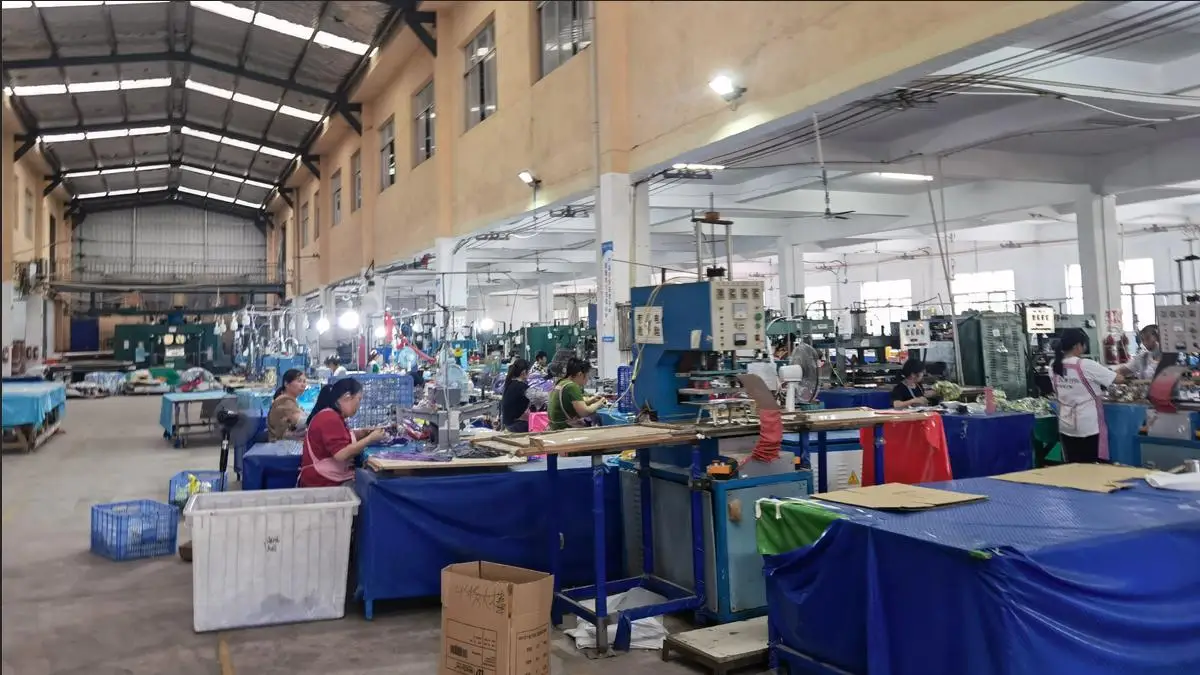
Jiangxi Gongmei Plastic Toys Co., Ltd.
- Manufacturer, Trading Company
- Jiangxi, China
- Lead time35 days
- Avg. response≤ 13h
Main productsInflatable Children Toys, Inflatable Promotion Gifts, Inflatable Water Float Mat, Inflatable Festival Series Product, Inflatable Sports Products
Main marketsNorth America(26.00%), Eastern Europe(15.00%), Eastern Asia(15.00%), Domestic Market(10.00%), Northern Europe(8.00%), Southern Europe(5.00%), Central America(5.00%), Western Europe(5.00%), South Asia(4.00%), Southeast Asia(4.00%), South America(3.00%)
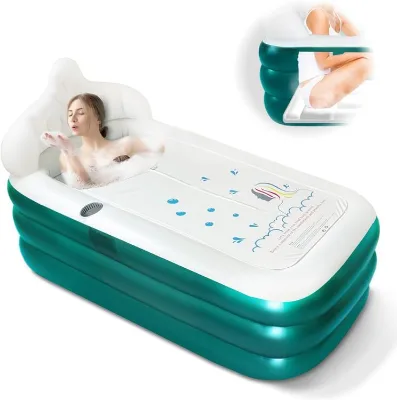
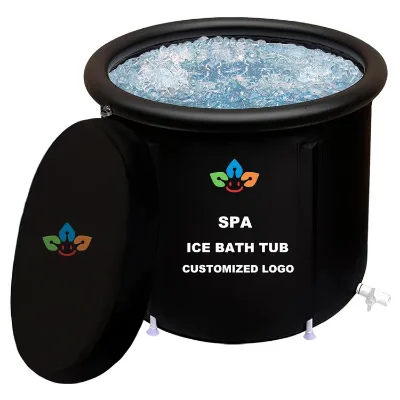
2023 Hot Sale Ice Bath Tub for Adult,High Quality Ice Tub Bath,Cold Ice Bath Tub Inflatable
$18.00 - $28.00
MOQ: 1000
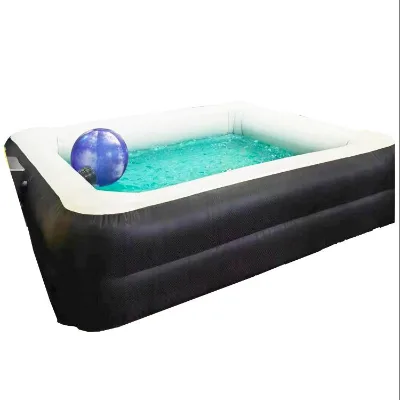
Inflatable Hot Tub Lazy Portable Spa,Spa Steps for Inflatable Hot Tub,Inflatable Swimming Spa Pool
$454.00 - $456.00
MOQ: 1000

- Verified by SGS
- Trading Company
- China Zhejiang
- Lead time15 days
- Avg. response≤ 17h
Main productsMop, Kitchen Knife, Chopping Board, Blanket, Mosquito Net, Cushion, Slipper, Broom, Luggage, Educational Toy
Main marketsEurope,Australia

Folding Portable Bathingtub Athlete Ice Bucket Shower Room Tub Inflatable Odorless Bathtub
$10.95 - $12.15
MOQ: 100 Pieces

High Quality Standalone Portable Bathing Tub Foldable Inflatable Versatile Durable Bathtub
$19.66 - $23.86
MOQ: 100 Pieces
LYNKFUN LEISURE PRODUCTS CO., LTD.
- Verified by TüVRheinland
- Trading Company
- Lead time30 days
- Avg. response≤ 3h
Main productsInflatable Toys, Pool, Bathtub, Pool Float, Air Bed
Main marketsNorth America(60%), Western Europe(20%), Southeast Asia(10%)
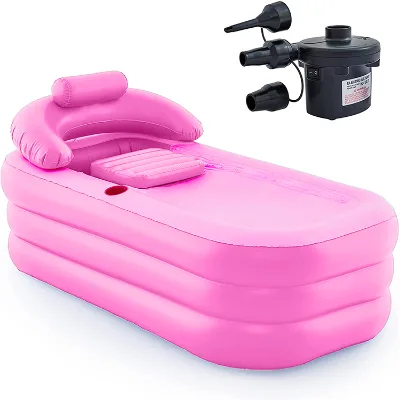
160cm Pink Inflatable Portable Bathtub for Adults Blow up Hot Tub with Electric Air Pump
$16.45 - $18.5067
MOQ: 2000 pieces
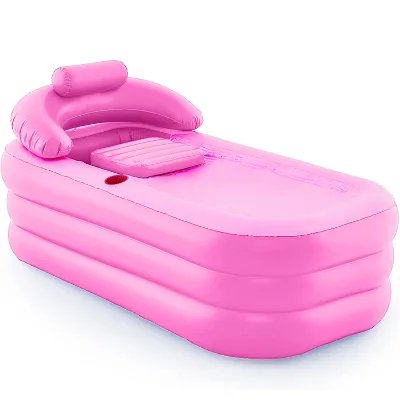
Inflatable Folding Portable Bath Tub Plastic Free Standing Bath Tub for Adults
$13.00 - $14.00
MOQ: 2000
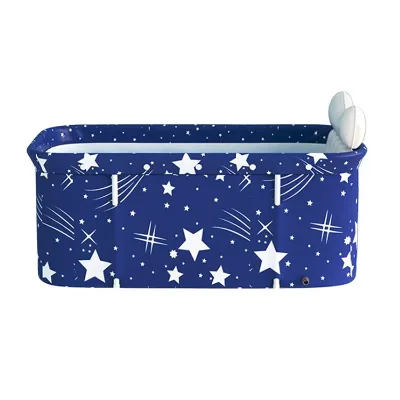
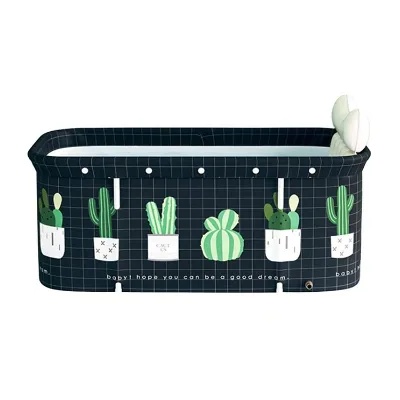
Adult Foldable Bathtub Portable Removable Lightweight and Sturdy Non-slip Cylindrical Bathtub
$16.40 - $17.99
MOQ: 2000
Ningbo Marazual Houseware Co., Ltd.
- Verified by Intertek
- Manufacturer, Trading Company
- Lead time0 days
- Avg. response≤ 3h
Main productsSolar Pool Ionizer , Pool Surface Skimmer
Main marketsNorth America(32%), South America(30%), Western Europe(15%)

Hangzhou Aquila Outdoor Products Co., Ltd.
- Combined
- China Zhejiang
- Lead time23 days
- Avg. response≤ 18h
Main productsPaddle Board, Kayak, Air Track, Floating Dock, Surfing Accessories
Main marketsEurope,Australia,North America

Hot Sale Foldable Bathtub for Adults Inflatable Portable Water Chiller Ice Bath
$14.90 - $22.60
MOQ: 50 Pieces

Hot Selling Portable Inflatable Barrel Cold Plunge Inflatable Ice Bath Tub with Chiller
$219.00 - $249.00
MOQ: 10 Pieces

OEM Design Ice Baths with Water Filling Inflatable Portable Bathtub for Sale
$219.00 - $249.00
MOQ: 10 Pieces

Hot Sale Portable Bathtub Inflatable Ice Hot Bath Tub Plastic Folding Bath Tub for Adults
$14.90 - $22.60
MOQ: 50 Pieces

Indoor Inflatable Mini Plastic Adult Bathtub Inflatable Folding Portable Bathtub for Adults
$19.00 - $20.90
MOQ: 1000 Pieces

- Manufacturer
- Guangdong, China
- Lead time0 days
- Avg. response≤ 4h
Main productsAqua Park,Floating Leisure Platform,Sea Pool,Floating Platform,Inflatable Boat
Main marketsWestern Europe(20.00%), North America(15.00%), Mid East(10.00%), Southeast Asia(10.00%), Eastern Europe(10.00%), Oceania(7.00%), Eastern Asia(5.00%), Northern Europe(5.00%), South America(3.00%), Domestic Market(2.00%), South Asia(2.00%), Southern Europe(1.00%), Africa(1.00%)
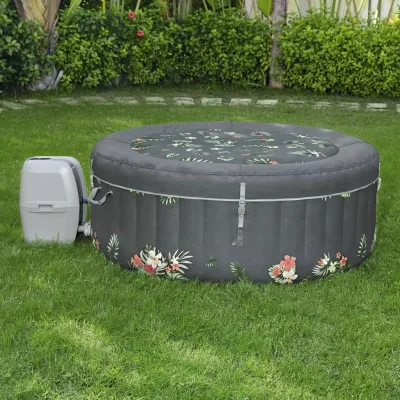
Plunge Ice Bath Inflatable Water Bath Tub with Cooling System Ice Bath and Chiller
$180.00 - $220.00
MOQ: 1 pieces

Shunhe District Dinghong Plastic Product Sales Department
- Trading Company
- Henan, China
- Lead time30 days
- Avg. response≤ 8h
Main productsinflatable toy,inflatable sofa,inflatable boat,inflatable advertisment item,inflatable pool
Main marketsNorth America(25.00%), Northern Europe(12.00%), Southern Europe(10.00%), Western Europe(10.00%), Eastern Europe(8.00%), South Asia(5.00%), Southeast Asia(5.00%), South America(5.00%)

MAX (HK) INDUSTRIAL CO., LIMITED
- Verified by SGS
- Trading Company,Manufacturer/Factory,Group Corporation
- China Guangdong
- Lead time23 days
- Avg. response≤ 2h
Main productsInflatable Promotion Items, Inflatable Pool Float, Inflatable Swimming Tools, Inflatable Hot Air Balloon, Mascot Costume, Inflatable Sofa or Furniture, Inflatable Moon House Bouncer, Inflatable Castle and Sports Game, Inflatable Commerical Ad Display, Inflatable Outdoor Camping Prodcuts
Main marketsSouth America,Eastern Europe,Mid East,North America,Southeast Asia,Eastern Asia,Oceania,Western Europe,Africa
Ningbo Ags Imp. & Exp. Co., Ltd.
- Verified by TüVRheinland
- Manufacturer, Trading Company
- Zhejiang, China
- Lead time50 days
- Avg. response≤ 3h
Main productsInflatable Pool Float, Pool Loungers, Inflatable Swimming Pool, Inflatable furniture, Airbeds
Main marketsEastern Europe(26%), North America(21%), Western Europe(17%)

Shenzhen Enqiao Technology Co., Limted
- Manufacturer
- Guangdong, China
- Lead time30 days
- Avg. response≤ 7h
Main productsPool float,beach mattress,air bed,travel neck pillow,inflatable sofa
Main marketsNorth America(45.00%), Western Europe(18.00%), South Asia(10.00%), Domestic Market(10.00%), Eastern Europe(6.50%), Northern Europe(5.00%), Eastern Asia(3.00%), South America(2.50%)
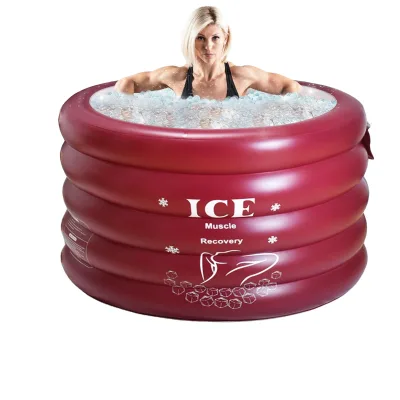
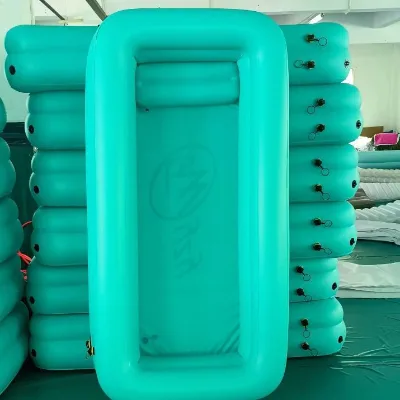
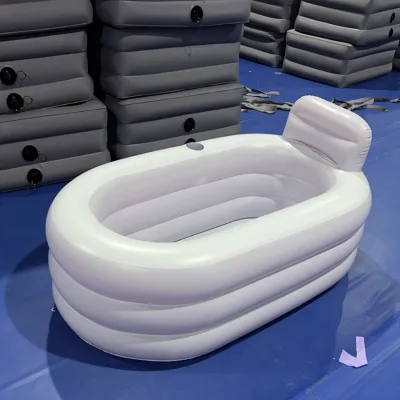
Portable Inflatable Bathtub - Inflatable Hot and Cold Bathtub for Indoor and Outdoor Use
$10.00 - $11.00
MOQ: 1000 pieces
$10.00 - $11.00
MOQ: 1000 pieces

Guangzhou Fuluo Trading Co. Ltd
- Verified by SGS
- Trading Company
- China Guangdong
- Lead time30 days
- Avg. response≤ 2h
Main productsSauna, SPA
Main marketsAfrica,Southeast Asia/ Mideast,Europe,North America


Portable Ice Tub Inflatable Bathtub for Body Recovery Cold Therapy After Sports
$21.00 - $25.00
MOQ: 100 pc
Huizhou Alpha Sauna & Swimming Pool Equipment Co., Ltd.
- Verified by Intertek
- Manufacturer, Trading Company
- Lead time20 days
- Avg. response≤ 2h
Main productsSauna Room, Cold Plunge Chiller, Sauna Accessories, Infrared Sauna, Cold Plunge Tub
Main marketsNorth America(25%), Northern Europe(10%), Southern Europe(10%)
Shenzhen Ruilailong Tech Industrial Co., Ltd.
- Verified by Intertek
- Trading Company
- Guangdong, China
- Lead time0 days
- Avg. response≤ 3h
Main productsIce Bath Chiller, Bath Tub, Sauna
Main marketsNorth America(40%), Oceania(20%), Mid East(5%)

Zhejiang Fenglang Mechanical and Electrical Equipment Co., Ltd.
- Verified by SGS
- Combined
- China Zhejiang
- Lead time15 days
- Avg. response≤ 25h
Main productsStand up Paddle Board, Aquabike, Inflatable Bathtub
Main marketsDomestic,Europe,North America

Hot Sale PVC Swimming Pool Portable Bathtub SPA Inflatable Bed Bath Soak Tub
$214.00 - $226.00
MOQ: 1 Pieces

Swim SPA Inflatable Swimming SPA Pool Outdoor SPA Hot Tub Massage Tub Bath
$214.00 - $226.00
MOQ: 1 Pieces

Large Size Foldable SPA Bath Tub Installation Free and Easy Storage Home SPA Portable Swimming Pool
$214.00 - $226.00
MOQ: 1 Pieces

Outdoor Retreat SPA Bathtub for Garden Enthusiasts with Heating System
$214.00 - $226.00
MOQ: 1 Pieces

Inflatable Portable Round Hot SPA Tub for 4-6 Person Relaxation Swimming Pool
$214.00 - $226.00
MOQ: 1 Pieces


Shenzhen Welltek Technology Co., Ltd.
- Verified by SGS
- Trading Company
- China Guangdong
- Lead time15 days
- Avg. response≤ 5h
Main productsCompression Recovery Boots, Cold Therapy Machine, Air Compression Leg Massager, Massage Gun, Foot Massager, Eye Massager, Neck Massager, Head Massager, Hand Massager, Waist Massager
Main marketsAfrica,Domestic,Europe,North America

Hot Sale Indoor Outdoor Portable Inflatable Sauna and Ice Cold Plunge Tub with Chiller
$139.00 - $219.00
MOQ: 1 Pieces

High Quality Indoor Outdoor Portable Inflatable Sauna and Ice Cold Plunge Tub with Chiller
$139.00 - $219.00
MOQ: 2 Pieces

Guangdong Quanguan Health Technology Co., Ltd.
- Verified by SGS
- Combined
- China Guangdong
- Lead time15 days
- Avg. response≤ 5h
Main marketsNorth America
Yushan Yijia Inflatable Products Co., Ltd.
- Manufacturer, Trading Company
- Jiangxi, China
- Lead time30 days
- Avg. response≤ 4h
Main productsInflatable Air Track,Inflatable Ice Bath,Inflatable Tent,Inflatable DWF Water Play,Inflatable Toys
Main marketsNorth America(25.00%), South America(15.00%), Northern Europe(10.00%), Western Europe(10.00%), Mid East(10.00%), Southern Europe(10.00%), Eastern Europe(10.00%), Domestic Market(5.00%), Africa(5.00%)

Foshan Yuanding Energy Technology Co., Ltd.
- Verified by TUVRHEINLAND
- Trading Company,Manufacturer/Factory
- China Guangdong
- Lead time30 days
- Avg. response≤ 1h
Main productsIce Bath, Mini Heat Pump, Chiller, Ice Bath Chiller, Portable Ice Bath, Swimming Pool Heat Pump, Pool Heat Pump, Plate Heat Exchanger, Heat Exchangers, Sheet Metal Casing
Main marketsSouth America,Eastern Europe,Mid East,North America,Southeast Asia,Eastern Asia,Oceania,Western Europe,Africa








Comprehensive Sourcing Guide
Foldable Inflatable Bath Tub with Cover Supplier Concentration and Factory Types
The current supplier landscape for foldable inflatable bath tubs with covers reveals a distinct concentration of manufacturing and trading entities within specific geographic regions. Data indicates that a significant portion of these suppliers are located in China, with Guangdong province emerging as a notable hub for this category. This regional clustering suggests a mature supply chain ecosystem where raw materials, such as PVC, and specialized manufacturing capabilities are readily available. Buyers evaluating this market should recognize that Guangdong-based suppliers often benefit from established logistics networks and proximity to major ports, which can facilitate smoother export processes. However, it is crucial to note that not all suppliers are based in this region; some results indicate origins in other Chinese provinces like Jiangxi. Therefore, while Guangdong appears to be a primary cluster, buyers must verify the specific factory location for each supplier to understand the true logistical implications. The presence of suppliers in multiple provinces highlights the distributed nature of the industry, meaning that sourcing decisions should not be limited to a single geographic area but should instead consider the specific capabilities and location of each potential partner.
In terms of business structure, the suppliers offering foldable inflatable bath tubs with covers represent a mix of company types, including combined entities, manufacturers, and trading companies. This diversity in supplier types offers buyers varying levels of direct access to production lines and market expertise. Combined companies often provide a hybrid approach, leveraging both manufacturing capabilities and trading efficiencies to offer a broader range of services. Manufacturers, on the other hand, typically provide direct control over production quality and customization options, which is critical for products like inflatable bathtubs that require specific material thicknesses and structural integrity. Trading companies may offer more flexibility in terms of product variety and order sizes, acting as intermediaries that can consolidate shipments from multiple factories. Understanding the specific company type of a supplier is essential for determining the level of direct engagement and the potential for customization. Buyers should assess whether they require the direct oversight of a manufacturer or the convenience and breadth of a trading company, keeping in mind that the supplier type can significantly impact communication efficiency, pricing structures, and the ability to implement custom designs or branding on the final product.
How to Verify Foldable Inflatable Bath Tub with Cover Suppliers
Verifying the credibility and operational capacity of suppliers requires a multi-layered approach that goes beyond simple profile reviews. One critical step is to examine the verification status provided by third-party inspection agencies. For instance, some suppliers in this category have undergone verification by TÜV Rheinland, a globally recognized testing and certification body. This type of verification adds a layer of trust regarding the supplier’s business legitimacy and operational standards. Buyers should prioritize suppliers who display such independent verification badges, as it indicates that an external party has assessed their business practices. Additionally, checking for system certifications is vital. The presence of an ISO9001:2015 certificate suggests that the supplier adheres to international quality management standards, which is particularly important for products involving consumer safety and durability, such as inflatable bathtubs. Buyers should request copies of these certificates and verify their validity through the issuing bodies to ensure they are current and not expired. This due diligence helps mitigate the risk of partnering with suppliers who may lack the necessary quality control systems to produce consistent, high-quality goods.
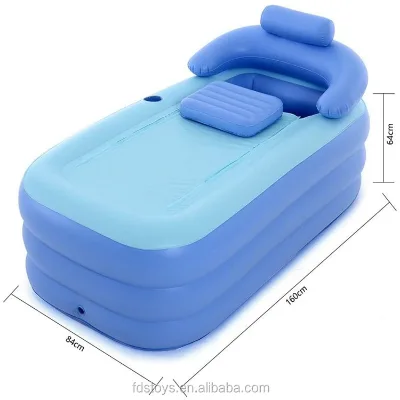
Beyond certifications, buyers should assess the supplier’s product evidence and technical specifications to ensure alignment with their requirements. Detailed product attributes, such as material composition, installation type, and customization options, provide insight into the supplier’s technical competence. For example, specifications indicating the use of PVC material and specific dimensions like 1608555 cm or 70 x 70 cm help buyers evaluate if the supplier can meet their size and material needs. Furthermore, checking for additional certifications listed on product pages, such as BSCI, GSV, or ICTI, can reveal the supplier’s commitment to social compliance and ethical manufacturing practices. Buyers should also look for evidence of OEM/ODM capabilities, as this indicates the supplier’s flexibility in handling custom orders. It is advisable to request samples or detailed product catalogs to physically assess the quality of the materials and construction. By combining verification badges, certification checks, and detailed product analysis, buyers can build a comprehensive picture of a supplier’s reliability and capability, ensuring they partner with entities that can consistently deliver on their promises.
What to Compare Across Foldable Inflatable Bath Tub with Cover Suppliers
When evaluating multiple suppliers, buyers must systematically compare key operational metrics to identify the most suitable partner for their specific needs. One of the most critical factors is the minimum order quantity (MOQ), which varies significantly across the supplier base. Some suppliers may have an MOQ as low as two units, making them suitable for small-scale testing or niche markets, while others may require orders of 300 or 500 units, catering to larger commercial buyers. Understanding these MOQ differences is essential for aligning supplier capabilities with the buyer’s inventory strategy and financial constraints. Additionally, lead times are a crucial comparison point. Suppliers may offer different lead times based on order volume and seasonality. For example, some suppliers provide tiered lead times, such as seven days for small orders and up to twenty-five days for larger quantities, with peak seasons potentially extending these timelines. Buyers should compare these lead time structures to ensure they can meet their own delivery deadlines and manage inventory levels effectively.
Another important dimension for comparison is the supplier’s response time and communication efficiency. A quick response time, such as an average of three to six hours, indicates a supplier’s readiness to engage and address inquiries promptly. This is particularly important for complex orders involving customization or technical specifications. Buyers should also compare the range of main products offered by each supplier. Some suppliers may specialize exclusively in inflatable bathtubs, while others offer a broader range of products, including pool floats, air beds, and inflatable boats. A supplier with a diverse product portfolio may offer better cross-selling opportunities and more stable production lines. Furthermore, comparing pricing structures is essential. Prices for similar products can vary, with some suppliers offering ranges from approximately nine to twenty-two dollars per unit, depending on specifications and order volume. Buyers should analyze these price points in conjunction with MOQs and lead times to determine the total cost of ownership. By systematically comparing these operational metrics, buyers can make informed decisions that balance cost, speed, and reliability, ensuring they select a supplier that best fits their strategic objectives.
Common Foldable Inflatable Bath Tub with Cover Sourcing Risks
Sourcing foldable inflatable bath tubs with covers involves several inherent risks that buyers must proactively manage to ensure a successful procurement process. One significant risk is the variability in product quality and material durability. Since these products are inflatable and often used for bathing or ice baths, the integrity of the PVC material is paramount. Buyers may encounter suppliers who use lower-grade materials that are prone to leaks or tearing, especially under pressure or temperature changes. Without proper verification, it can be difficult to assess the true quality of the materials from product listings alone. This risk is compounded by the fact that some suppliers may not provide detailed material specifications or third-party test results. To mitigate this, buyers should prioritize suppliers who offer comprehensive product attributes and certifications, and they should always request physical samples to test the material’s thickness, seam strength, and overall durability before committing to large orders.
Another common risk is the inconsistency in after-sales support and warranty policies. The data indicates that some suppliers offer no after-sales service or warranty, which can be problematic if products arrive damaged or fail prematurely. Buyers need to be aware that the absence of a warranty does not necessarily reflect poor quality, but it does shift the risk entirely to the buyer. Additionally, customization errors can pose a significant risk, especially for orders involving custom logos or specific design modifications. Miscommunication during the customization process can lead to products that do not meet the buyer’s specifications, resulting in delays and additional costs. Buyers should ensure that all customization details are clearly documented in the contract and that the supplier has a robust quality control process in place. Furthermore, logistical risks, such as damage during shipping, are a concern for bulky items like inflatable bathtubs. Buyers should verify the supplier’s packaging standards, such as the use of color boxes or carton boxes, to ensure products are protected during transit. By identifying and addressing these risks early in the sourcing process, buyers can minimize potential disruptions and ensure a smoother procurement experience.
Foldable Inflatable Bath Tub with Cover Regional Sourcing and Logistics
The geographic location of suppliers plays a pivotal role in determining the logistics and shipping dynamics for foldable inflatable bath tubs with covers. As noted, a significant concentration of suppliers is located in China, particularly in Guangdong province. This region is well-established for its manufacturing infrastructure and access to international shipping routes, which can offer advantages in terms of shipping frequency and cost efficiency. Buyers sourcing from Guangdong-based suppliers may benefit from shorter transit times to major global markets, particularly those in Asia and the Americas. However, it is important to recognize that not all suppliers are located in this primary cluster. Some suppliers may be based in other regions, such as Jiangxi, which could impact shipping logistics and costs. Buyers should verify the specific origin of each supplier to accurately estimate shipping times and freight charges. Understanding the regional distribution of suppliers allows buyers to diversify their sourcing base and potentially negotiate better logistics terms by leveraging the competitive landscape.
Logistics planning must also account for the physical characteristics of the products, such as their size and weight when packed. The product specifications indicate various dimensions, such as 1608555 cm or 70 x 70 cm, which can affect the volume and weight of the shipment. Buyers should work closely with their suppliers to determine the exact packed dimensions and weight to calculate accurate freight costs. Additionally, the choice of packaging, whether it is a color box or a carton box, can influence the efficiency of container loading. Suppliers who use standardized packaging may allow for more efficient stacking and space utilization, reducing overall shipping costs. Buyers should also consider the impact of seasonal demand on logistics. Peak seasons may lead to container shortages and increased freight rates, so it is advisable to plan shipments well in advance. By carefully evaluating the regional location of suppliers and the logistical implications of their products, buyers can optimize their supply chain, reduce costs, and ensure timely delivery of their orders.
Foldable Inflatable Bath Tub with Cover Commercial Terms and Order Planning
Effective order planning for foldable inflatable bath tubs with covers requires a thorough understanding of the commercial terms offered by suppliers. Pricing is a fundamental aspect of this planning, with costs varying based on product specifications, customization, and order volume. Buyers should compare the price ranges provided by different suppliers, noting that prices can range from approximately nine to over one thousand dollars per unit, depending on the product’s features and complexity. It is crucial to clarify whether the quoted prices include shipping, taxes, and other fees to avoid unexpected costs. Additionally, buyers should negotiate payment terms that align with their cash flow needs. Common terms may include a deposit followed by the balance before shipment, or the use of secure payment platforms like escrow to protect both parties. Understanding these financial terms helps buyers manage their budget and mitigate financial risks associated with large orders.
Order planning must also consider the supplier’s production capacity and lead times. Suppliers may have different capacities for handling large orders, with some offering tiered lead times based on quantity. For instance, lead times may be seven days for small orders and extend to twenty-five days or more for larger quantities, with peak seasons potentially causing further delays. Buyers should align their order schedules with the supplier’s production calendar to ensure timely delivery. Furthermore, customization options, such as adding a customized logo or specific packaging, can impact both the lead time and
FAQs
What is the price range for foldable inflatable bath tubs with cover?
Prices for these tubs typically range from approximately $9.78 to $22.29 per unit for standard models. Some specialized or larger recovery tubs may cost up to $1056.00. Buyers should verify exact pricing based on specific customization needs, material thickness, and order volume to ensure accurate budgeting for their procurement requirements.
What is the minimum order quantity for these inflatable bathtubs?
Minimum order quantities vary significantly by supplier and product type. Some suppliers require a minimum of 500 units for standard inflatable bathtubs, while others may accept orders as low as 2 units for specific ice bath tubs. Buyers must check the specific MOQ for each product listing to determine feasibility for their initial purchase volume.
What certifications are available for these inflatable bathtubs?
Manufacturers often provide ISO9001:2015 system certification for quality management. Product-specific certifications may include BSCI, GSV, ICTI, and CE marks. These documents verify compliance with international standards for safety and manufacturing processes. Buyers should request valid certificates directly from suppliers to ensure the products meet their specific market regulatory requirements.
How long does production take for these inflatable bathtubs?
Standard lead times are approximately 23 days for general orders. For specific suppliers, production may take 7 days for small quantities up to 50 units, increasing to 25 days for larger batches. Peak seasons may require negotiation for lead times exceeding 100 units. Buyers should confirm current production schedules with suppliers before placing orders.
What materials are used to make these foldable bathtubs?
Most foldable inflatable bathtubs are constructed from durable PVC material to ensure water retention and structural integrity. Some models may use plastic components for specific parts. The material choice supports portability and durability for both indoor and outdoor use. Buyers should verify material specifications and thickness with suppliers to ensure suitability for their intended application.
Can these inflatable bathtubs be customized with a logo?
Yes, customization is generally available for these products. Suppliers typically offer customized logo printing on the inflatable tubs. Buyers can also request custom packaging, such as color boxes or carton boxes, to match their branding requirements. OEM and ODM services are often supported, allowing for tailored product designs and specifications.
Where are these inflatable bathtubs manufactured?
These products are primarily manufactured in China, with specific production hubs in Guangdong and Jiangxi provinces. Guangdong is a major center for inflatable furniture and pool accessories. Buyers should verify the exact place of origin for each supplier to understand logistics, shipping costs, and potential import regulations relevant to their destination market.