Right Angle Automotive Electrical Connectors Suppliers and Manufacturers
Explore 19 verified suppliers offering Right Angle Automotive Electrical Connectors with varying lead times, MOQs, and certifications. Compare response times, factory history, and product specifications to select the best fit for your needs; review the available evidence before requesting comparable quotations from suitable candidates.
Updated
Suppliers List

- Verified by BV
- Trading Company,Manufacturer/Factory
- China Zhejiang
- Lead time38 days
- Avg. response≤ 25h
Main productsAuto Connector, Terminal, Wire Harness, Car Modification Parts, Mold Development, Rubber Seals
Main marketsSouth America,Eastern Europe,Mid East,North America,Southeast Asia,Eastern Asia,Oceania,Western Europe,Africa

Efficient Auto Electrical Connectors for Durable Automotive Wiring Needs
$0.062 - $0.073
MOQ: 3000 Pieces

High-Quality Auto Electrical Connectors for Reliable Electrical Connections
$0.062 - $0.073
MOQ: 500 Pieces

Durable Auto Electrical Connectors for Superior Automotive Wiring Harness
$0.062 - $0.073
MOQ: 2500 Pieces

Durable Auto Electrical Connectors for Efficient Connection Solutions Available
$0.062 - $0.073
MOQ: 3000 Pieces

Superior Terminals: Durable Auto Electrical Connectors for Quality Connections
$0.062 - $0.073
MOQ: 3000 Pieces


Ruian Ruihong Trading Co., Ltd.
- Verified by CTI
- Combined
- China Zhejiang
- Lead time30 days
- Avg. response≤ 6h
Main productsAuto Connector
Main marketsSouth America
Shenzhen Hengzhan Shidai Technology Co., Ltd.
- Verified by TüVRheinland
- Trading Company
- Lead time7 days
- Avg. response≤ 3h
Main productsConnectors, Custom Cables, Terminals, Cable Plug, Wire Harness
Main marketsNorth America(25%), Western Europe(15%), South America(5%)

Shanghai Star Electronic Technology Co., Ltd.
- Verified by SGS
- Combined
- China Shanghai
- Lead time15 days
- Avg. response≤ 5h
Main productsWire Harness, Terminal Block, Connector, Auto Connector, Female Header, Male Header, ISO Harness, Car Connector, Automotive Connector, Cable Assembly
Main marketsSouth America,Southeast Asia/ Mideast,East Asia(Japan/ South Korea),Europe,North America


Nissan Connector Electrical Connectors Automotive Wire Connector Power Connector
$0.10 - $1.00
MOQ: 200 Pieces

High Quality Different Types Automotive Wire Sealed Electrical Connectors for Car
$0.10 - $1.00
MOQ: 200 Pieces

8 Pin Connector Connector for Electrical Automotive Automotive Industrial
$0.15 - $0.50
MOQ: 100 Pieces


Zhejiang Lianhe Electronics Co., Ltd.
- Verified by SGS
- Combined
- China Zhejiang
- Lead time15 days
- Avg. response≤ 1h
Main productsConnector, Terminal, Wiring Harness, Wire Harness, Wire Connector, Wiring Connector, Connectors Plug, Cable Connector, Waterproof Connector, Electrical Connector
Main marketsSouth America,Africa,Southeast Asia/ Mideast,East Asia(Japan/ South Korea),Domestic,Europe,Australia,North America
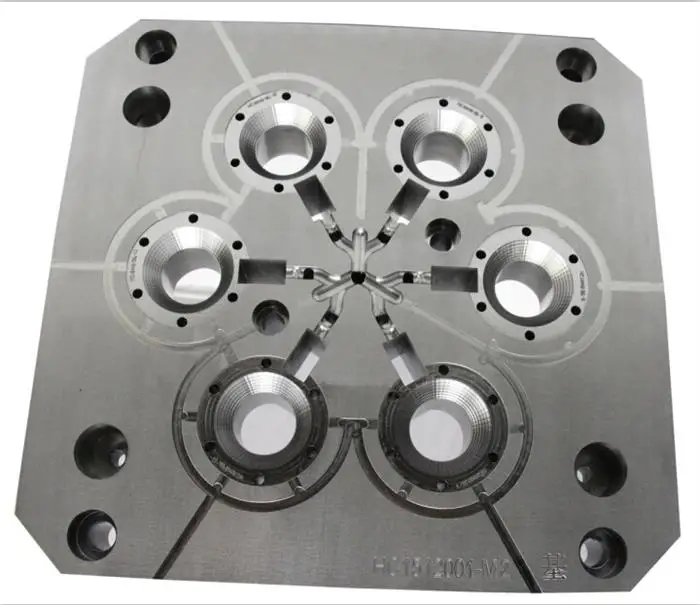
Kunshan Feiya Precision Moulding Co., Ltd.
- Manufacturer, Trading Company
- Jiangsu, China
- Lead time10 days
- Avg. response≤ 4h
Main productsInjection Plastic Product,Stamping Mould,Stamping Products,Injection Plastic Mould,CNC Machining Parts
Main marketsDomestic Market(75.00%), Western Europe(10.00%), North America(5.00%), Eastern Europe(5.00%), Southeast Asia(5.00%)
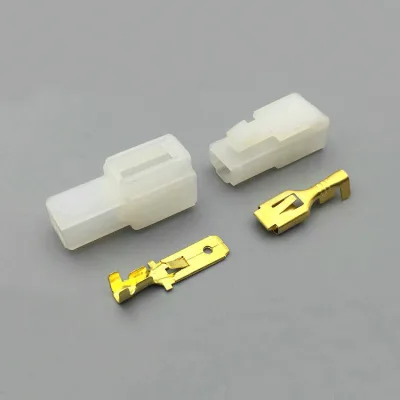
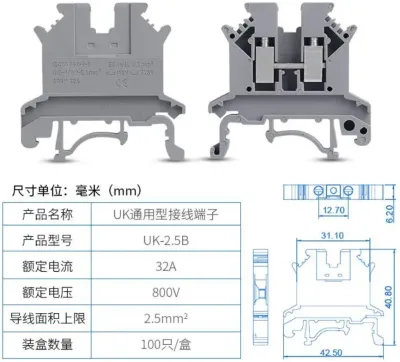
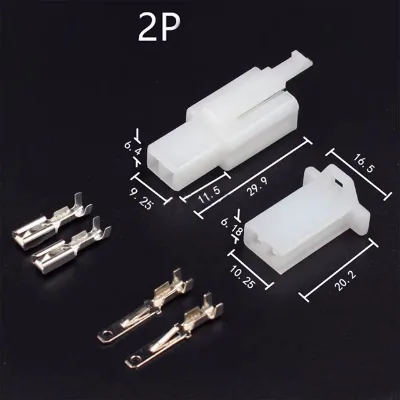
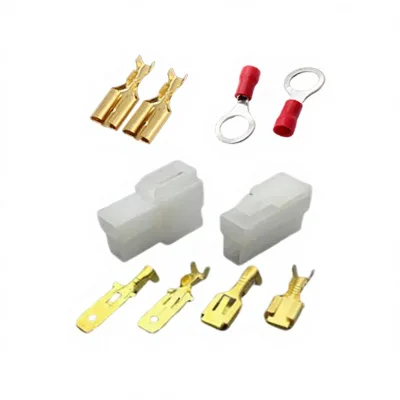
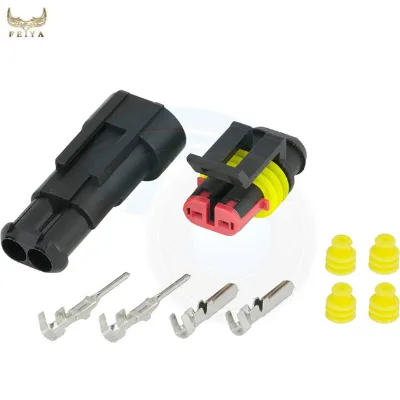
OEM High Quality Waterproof Automotive Connector,2pin Electronic Connector Cable Set
$0.1029 - $1.0298
MOQ: 10 Minimum

ZHEJIANG DELI CONNECTORS CO., LTD.
- Verified by CTI
- Manufacturer/Factory
- China Zhejiang
- Lead time23 days
- Avg. response≤ 16h
Main productsConnector, Terminal, Connector Housing, Wire Connector, Cable Connector, Electronic Connector, Molex Connector, Jst Connector, Yeonho Connector, Hirose Connector
Main marketsSouth America,Eastern Europe,Mid East,North America,Southeast Asia,Eastern Asia,Oceania,Western Europe,Africa


2.5mm Cable Connector/Power Wire Connector for Automotive and Industrial Use
$0.0001 - $0.023
MOQ: 1000 Pieces

High-End 2.5mm Cable Connector/Power Wire Connector for Automotive and Industrial Use
$0.0001 - $0.023
MOQ: 1000 Pieces

New and Original Waterproof Electrical Connector 132015-0074 Connector Automotive
$0.0001 - $0.02
MOQ: 1000 Pieces

Wenzhou Yineng Electric Co., Ltd.
- Verified by TUVRHEINLAND
- Combined
- China Zhejiang
- Lead time30 days
- Avg. response≤ 11h
Main productsWiring Harness Assembly, ECU Connector, Multimedia System Connector, Light Harness, Pin Connector, Complex Insert Molding Parts, Wire End Connectors and Terminals, High Power Connectors System, Auto Connector, Energy Storage Connector
Main marketsDomestic
Yantai Dongrun Import And Export Co., Ltd.
- Trading Company
- Shandong, China
- Lead time0 days
- Avg. response≤ 3h
Main productswire & cable,data line,adapter,Drone accessories,connector
Main marketsSoutheast Asia(15.00%), North America(15.00%), Mid East(10.00%), Western Europe(10.00%), Eastern Asia(10.00%), South America(10.00%), Eastern Europe(10.00%), Northern Europe(5.00%), Central America(5.00%), Oceania(5.00%), Africa(5.00%)
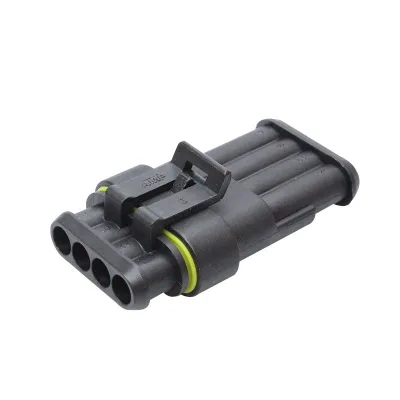
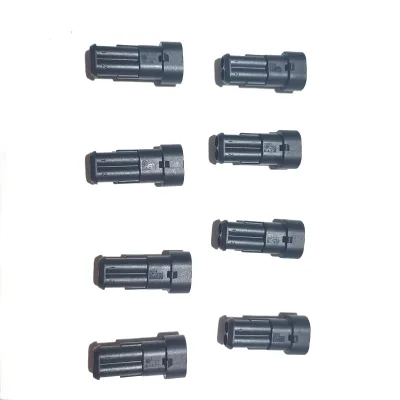
Ultra-Sealed 2-Way 1.5 Series Automotive Wire Connector Electric Waterproof Connectors
$0.2054
MOQ: 100 Minimum
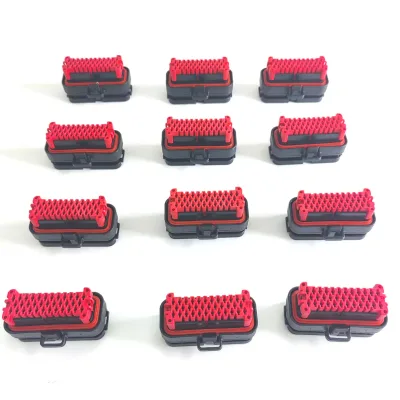
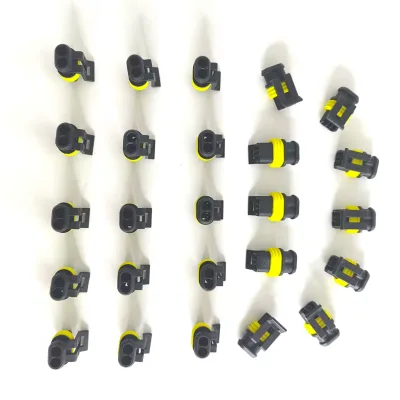
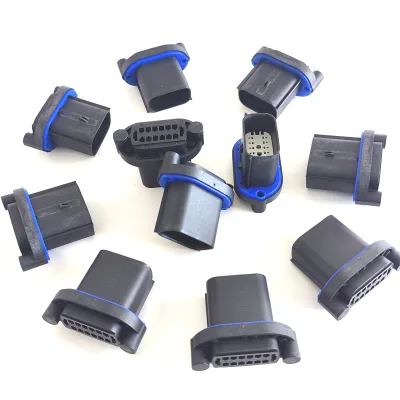
Auto Waterproof Male/Female High Quality Connesctors for Secure Wire Connection
$1.1542 - $2.3175
MOQ: 300 Minimum
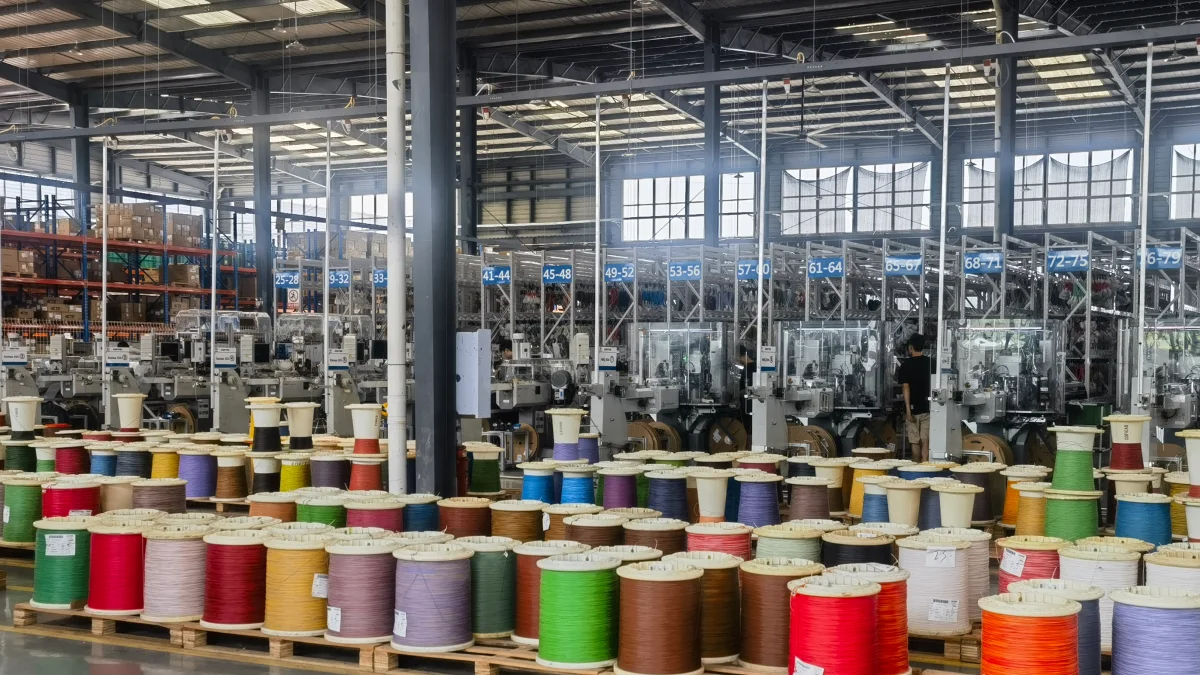
Zhengzhou Bey Electronic Technology Co., Ltd.
- Trading Company
- Henan, China
- Lead time3 days
- Avg. response≤ 4h
Main productsConnector,Termainal,Seal,Wire harness,other auto parts
Main marketsNorth America(20.00%), Northern Europe(16.00%), Eastern Europe(15.00%), Southern Europe(12.00%), Western Europe(9.00%), Central America(6.00%), Africa(5.00%), Southeast Asia(5.00%), South America(5.00%), Mid East(3.00%), Oceania(3.00%), South Asia(0.50%), Eastern Asia(0.50%)
Wenzhou LeYi Auto Parts Co., Ltd.
- Verified by TüVRheinland
- Manufacturer, Trading Company
- Lead time0 days
- Avg. response≤ 1h
Main productsAuto Connector, Wire Harness, Needle Seat, Terminal, Electronic Connector
Main marketsDomestic Market(50%), Eastern Asia(20%), North America(10%)
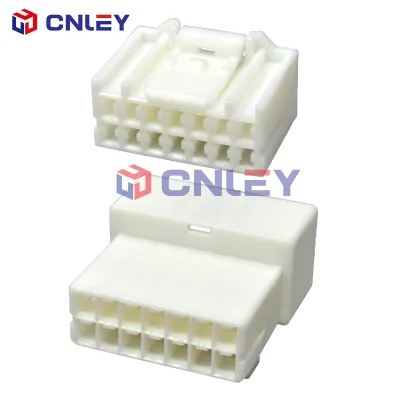
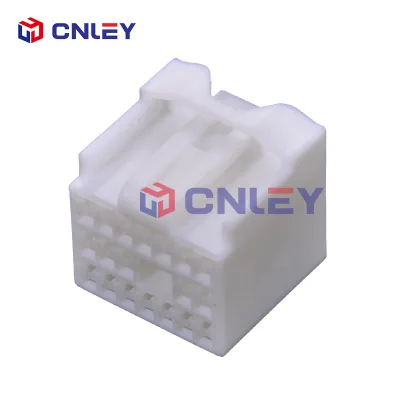
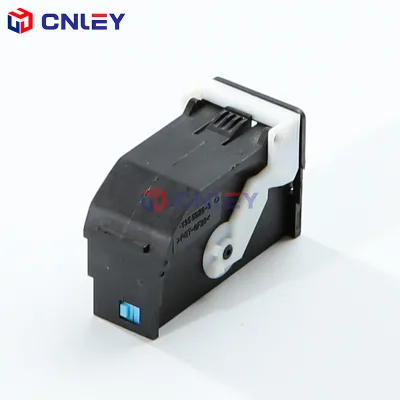
19-Pin Automotive Car Rear View Mirror Connectors Female and Male Auto Plug Cable Sockets
$0.20 - $0.60
MOQ: 10 combos
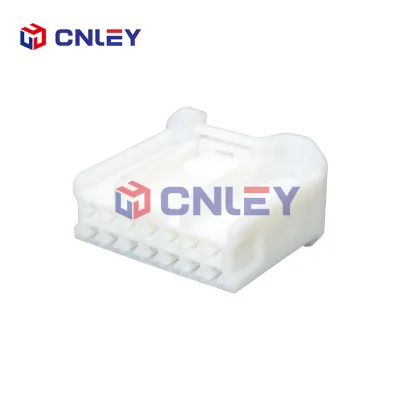
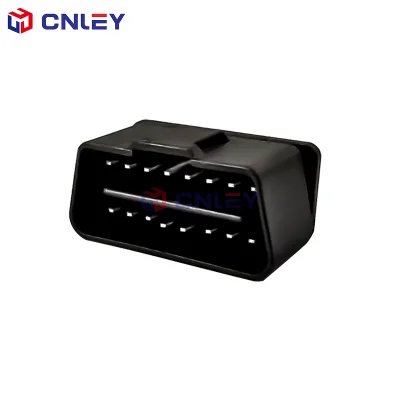
OEM/ODM Custom Automotive 16Pin OBD Connector Right Angle 16 Pin Diagnostic Cable Adapter
$0.35 - $0.78
MOQ: 10 pieces

- Verified by TUVRHEINLAND
- Trading Company,Manufacturer/Factory
- China Jiangsu
- Lead time15 days
- Avg. response≤ 25h
Main productsIndustrial Wire Harness, Automotive Wire Harness, Wire Harness, Metal Parts, CNC Machining Parts, Sheet Metal Fabrication, Metal Bracket, Stamping Part, Heat Sink, Turned Part
Hubei Brave Electronic Technology Co., LTD.
- Verified by SGS Group
- Manufacturer, Trading Company
- Lead time19 days
- Avg. response≤ 2h
Main productsAutomotive Wiring Harness, Connector, Terminal
Main marketsNorth America(45%), Eastern Europe(15%), Mid East(15%)
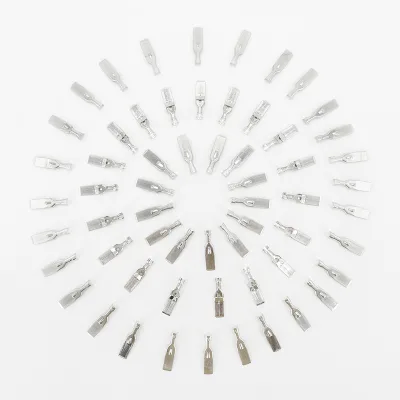
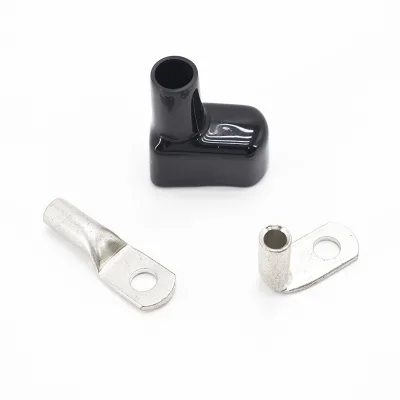
Automotive Wire Terminals Automotive Connector Plugs Disassembly Male and Female
$0.75 - $1.50
MOQ: 200
Shanghai Changyu Electronics Technology Co., Ltd.
- Trading Company
- Shanghai, China
- Lead time5 days
- Avg. response≤ 7h
Main productsConnectors,Semiconductors,Power,wave filter,sensor
Main marketsNorth America(25.00%), Africa(10.00%), Southeast Asia(10.00%), Domestic Market(5.00%), South Asia(5.00%), Southern Europe(5.00%), Northern Europe(5.00%), Central America(5.00%), Western Europe(5.00%), Eastern Asia(5.00%), Mid East(5.00%), Oceania(5.00%), Eastern Europe(5.00%), South America(5.00%)

Shanghai Hengxintong Trading Co., Ltd.
- Verified by TUVRHEINLAND
- Trading Company
- China Shanghai
- Lead time15 days
- Avg. response≤ 1h
Main productsRF Connectors, Electrical Connec
Main marketsDomestic

Efficient Electrical Wire Connector and Terminal Connector for Electrical Systems
$10.00 - $40.00
MOQ: 30 Pieces

Electrical Wire Connector and Terminal Connector for High-Performance Electrical Systems
$10.00 - $40.00
MOQ: 30 Pieces

High-Quality Electrical Wire Connector and Terminal Connector for Reliable Connections
$10.00 - $40.00
MOQ: 30 Pieces

Electrical Wire Connector and Terminal Connector with High Reliability Ratings
$10.00 - $40.00
MOQ: 30 Pieces

Electrical Wire Connector and Terminal Connector with Proven Durability
$10.00 - $40.00
MOQ: 30 Pieces

Electrical Wire Connector and Terminal Connector with Long-Lasting Performance
$10.00 - $40.00
MOQ: 30 Pieces
Karve Electronics Enterprise Co., Limited
- Verified by TüVRheinland
- Trading Company
- Lead time15 days
- Avg. response≤ 1h
Main productsCable Assembly, Wire Harness, Power Adapter, Connector, Consumer Electronic Accessories
Main marketsOceania(30%), Southeast Asia(20%), North America(10%)
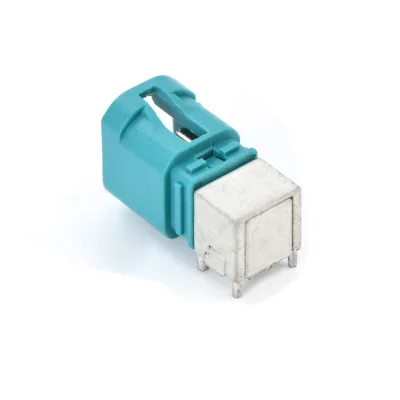
Version Automotive Connector Vertical/Horizontal Board-End Joints with Four-in-One Male Female Heads
$1.50 - $5.00
MOQ: 100 Minimum
$24.29 - $25.72
MOQ: 100 Minimum
Wenzhou Xishu Electric Appliance Co., Ltd.
- Manufacturer
- Zhejiang, China
- Lead time15 days
- Avg. response≤ 3h
Main productsLeakage protection switch,socket,switch,plug,connector
Main marketsEastern Europe(30.00%), North America(20.00%), South America(20.00%), Eastern Asia(10.00%), Mid East(5.00%), Western Europe(5.00%), Southeast Asia(3.00%), Northern Europe(3.00%), South Asia(2.00%), Central America(1.00%), Southern Europe(1.00%)
Wenzhou Xuanxi Electric Co., Ltd.
- Manufacturer, Trading Company
- Zhejiang, China
- Lead time15 days
- Avg. response≤ 3h
Main productsauto parts,motor parts,truck parts,connector and wire hardness,other related accessories
Main marketsEastern Europe(50.00%), Western Europe(20.00%), Northern Europe(10.00%), North America(10.00%), Oceania(10.00%)

Zhejiang Ama&Hien Technology Co., Ltd.
- Verified by TUVRHEINLAND
- Combined
- China Zhejiang
- Lead time23 days
- Avg. response≤ 7h
Main productsPCB Connectors, Wiring Harness, Terminal Block, Wire Connectors
Main marketsSoutheast Asia/ Mideast,Domestic


High-Quality Automotive Wiring Harness Connector for Terminals and Wire
$0.10 - $0.50
MOQ: 1000 Pieces


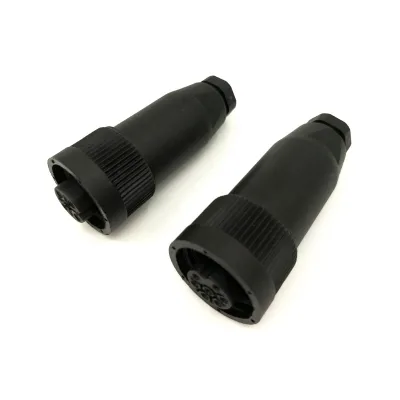


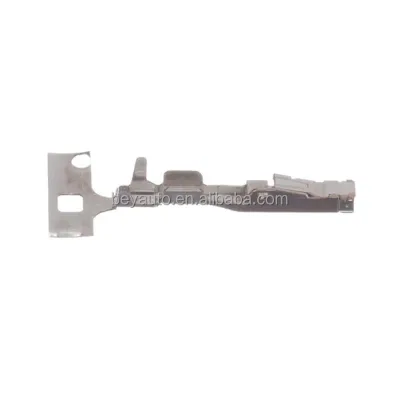
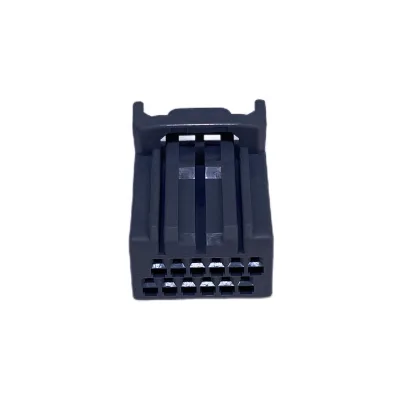
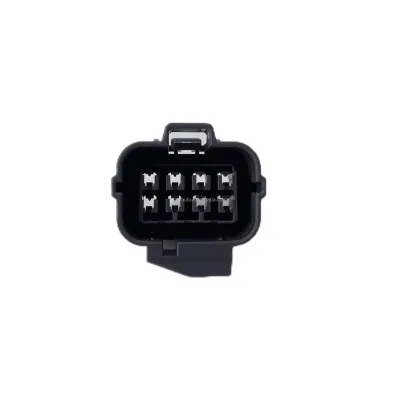


Comprehensive Sourcing Guide
Right Angle Automotive Electrical Connectors Supplier Concentration and Factory Types
The current supplier landscape for Right Angle Automotive Electrical Connectors reveals a distinct concentration in China, specifically within the Zhejiang province. This regional clustering is significant for buyers seeking established manufacturing hubs, as Zhejiang is known for its robust electrical component infrastructure. The available data indicates that suppliers in this region operate as either trading companies or manufacturer/factory entities, offering a hybrid approach to sourcing. This duality allows buyers to access both direct factory pricing and the logistical flexibility often provided by trading arms. The presence of these specific company types suggests that the market is mature enough to support both direct production and consolidated supply chain services. Buyers should recognize that while the location is confirmed, the specific factory capabilities may vary between pure manufacturing and trading operations, requiring careful distinction during the initial vetting phase.
Beyond location, the operational models of these suppliers extend to various capacity types, including Own Brand, OEM, and ODM services. This variety indicates that manufacturers are equipped to handle custom design requests alongside standard product offerings. Some suppliers in the results are noted for their ODM capabilities, suggesting a focus on original design manufacturing where the supplier contributes to the product architecture. This is particularly relevant for right angle connectors, which often require specific housing geometries and terminal configurations to fit tight automotive spaces. The ability to offer OEM services further supports buyers who need branded components for their own assembly lines. Understanding these capacity distinctions helps buyers align their sourcing strategy with their need for customization versus standard off-the-shelf solutions, ensuring that the supplier’s operational model matches the project’s technical and branding requirements.
How to Verify Right Angle Automotive Electrical Connectors Suppliers
Verification is a critical step in assessing the reliability of Right Angle Automotive Electrical Connectors suppliers, as the data shows varying levels of third-party validation. Some suppliers in the current results hold BV (Bureau Veritas) verification, which provides a layer of confidence regarding their business legitimacy and operational standards. Others may hold CTI verification, indicating a different but equally important audit of their capabilities. Buyers must actively check for these verification badges on supplier profiles, as the absence of such verification does not necessarily imply risk but requires additional due diligence. The presence of BV or CTI marks serves as a tangible indicator that the supplier has undergone external scrutiny, which is essential for mitigating risks associated with unvetted manufacturers. Buyers should prioritize suppliers with these verifications when evaluating potential partners for long-term automotive supply agreements.
In addition to third-party verification, buyers should examine the system certifications held by the suppliers, such as ISO 9001 and ISO 5001. These certifications indicate a commitment to quality management and energy efficiency, respectively, which are crucial for maintaining consistent product quality in automotive applications. The data shows that some suppliers possess these certifications, while others may not display them prominently. Buyers should request copies of these certificates to verify their validity and scope, ensuring that the supplier’s quality management system aligns with automotive industry standards. Furthermore, checking the supplier’s establishment year, such as those operating since 2009, can provide insight into their stability and experience in the market. A longer operational history often correlates with refined manufacturing processes and a proven track record of fulfilling orders, which is vital for ensuring supply chain continuity.
What to Compare Across Right Angle Automotive Electrical Connectors Suppliers
When comparing suppliers, lead time is a primary metric that directly impacts production scheduling and inventory management. The available data indicates lead times ranging from 30 to 38 days for standard orders, with some specific product listings showing delivery times of 7-15 days for samples or smaller batches. Buyers must distinguish between full production lead times and sample delivery times to accurately plan their procurement cycles. A lead time of 30-38 days suggests a standard manufacturing window, while shorter times may indicate stock availability or expedited services. Comparing these timelines across multiple suppliers helps buyers identify those who can meet urgent production demands without compromising quality. It is also important to verify if these lead times include shipping duration or are strictly production-based, as this distinction affects overall delivery estimates.
Minimum Order Quantity (MOQ) and response time are equally critical factors in supplier comparison. The data reveals MOQs varying significantly, from as low as 200 pieces for certain connectors to 3000 pieces for others. This variance allows buyers to select suppliers that align with their order volume, whether they are testing new designs or placing large-scale production orders. Additionally, response times, such as the 5.09-hour average noted for some suppliers, indicate the efficiency of their communication channels. Faster response times can facilitate quicker resolution of technical queries and order adjustments, which is beneficial for complex automotive projects. Buyers should also compare main product focuses, such as auto connectors, terminals, and wire harnesses, to ensure the supplier’s expertise matches their specific component needs. This holistic comparison ensures a balanced selection based on operational efficiency and commercial flexibility.
Common Right Angle Automotive Electrical Connectors Sourcing Risks
One significant risk in sourcing Right Angle Automotive Electrical Connectors is the potential mismatch between product specifications and actual manufacturing capabilities. The data shows a wide range of product attributes, including different interface types, shapes, and materials like Nylon PA66. Buyers must ensure that the supplier’s stated capabilities, such as cold pressing processes or environmental protection characteristics, align with the rigorous demands of automotive applications. There is a risk that suppliers may offer generic specifications that do not meet specific automotive standards for durability or electrical performance. To mitigate this, buyers should request detailed technical datasheets and material certifications for each component, verifying that the housing materials and contact metals meet the required ratings for voltage and current. This due diligence prevents costly rework or field failures due to substandard components.
Another risk involves the variability in supplier verification and certification status. While some suppliers display BV or CTI verification and ISO certifications, others may lack these credentials entirely. Relying on suppliers without proper verification increases the risk of encountering quality inconsistencies or operational instability. The absence of displayed certifications does not guarantee poor quality, but it removes a key layer of assurance that buyers typically rely on. Additionally, the diversity in company types, from trading companies to manufacturers, can lead to communication gaps or markup issues if not managed correctly. Buyers must clearly define whether they are dealing with the actual factory or an intermediary, as this affects pricing transparency and direct technical support. Failing to clarify these aspects can result in delays, miscommunication, and increased costs, undermining the efficiency of the sourcing process.
Right Angle Automotive Electrical Connectors Regional Sourcing and Logistics
Sourcing from the identified region of China, specifically Zhejiang, offers logistical advantages due to the area’s established export infrastructure. The concentration of suppliers in this province facilitates efficient consolidation of orders, allowing buyers to source multiple component types, such as connectors and terminals, from a single geographic hub. This proximity can reduce shipping costs and simplify logistics management, particularly for buyers sourcing a variety of automotive electrical parts. The data confirms that products originate from Zhejiang, China, which is a major manufacturing base for electrical equipment. Buyers should leverage this regional clustering to negotiate better freight terms and streamline customs clearance processes. Understanding the local logistics landscape helps in planning inventory replenishment cycles and minimizing transit times for critical automotive components.
However, buyers must also consider the implications of international shipping and customs regulations when sourcing from this region. While the regional concentration offers efficiency, it also requires careful attention to import duties and compliance with destination country standards. The data indicates that products are packed in boxes, which is standard for protecting delicate electrical connectors during transit. Buyers should verify packaging specifications to ensure that components arrive without damage, particularly for right angle connectors which may have fragile housing structures. Additionally, the lead times observed, such as 30-38 days, must be factored into the total logistics timeline, including sea or air freight duration. By understanding the full logistics chain from Zhejiang to the final destination, buyers can optimize their supply chain for cost and speed, ensuring timely delivery for automotive production schedules.
Right Angle Automotive Electrical Connectors Commercial Terms and Order Planning
Commercial terms, including pricing and payment methods, are essential for effective order planning and budget management. The data shows price ranges for specific connectors, such as $0.062 to $0.073 for certain terminals and $1.89 to $2.17 for other automotive connectors. These variations reflect differences in material costs, complexity, and order volume. Buyers should use these price points as benchmarks for negotiation, keeping in mind that MOQs significantly influence unit costs. For instance, lower MOQs like 200 pieces may come at a higher unit price compared to bulk orders of 3000 pieces. Understanding these price dynamics helps buyers structure their orders to maximize cost efficiency while meeting production needs. It is also crucial to confirm whether these prices include packaging and basic testing, as additional services may incur extra charges.
Payment terms and sample policies further influence the commercial relationship with suppliers. The data indicates that some suppliers offer free samples, which is a valuable opportunity for buyers to evaluate product quality before committing to large orders. Additionally, payment methods such as T/T (Telegraphic Transfer) are commonly used, requiring buyers to establish clear payment schedules to manage cash flow. Buyers should negotiate favorable payment terms, such as partial upfront payments and balance upon shipment, to mitigate financial risk. Furthermore, the availability of customization services, as noted in the product attributes, allows for tailored solutions but may involve additional tooling costs or longer lead times. By carefully planning these commercial aspects, buyers can build a sustainable sourcing strategy that balances cost, quality, and operational flexibility for their automotive electrical connector needs.
FAQs
What is the typical lead time for Right Angle Automotive Electrical Connectors?
Manufacturers in Zhejiang, China, generally require 30 to 38 days for production and delivery. This timeframe accounts for order processing and manufacturing schedules. Buyers should confirm specific delivery windows with suppliers, as expedited options may vary based on current factory capacity and order volume requirements.
What are the minimum order quantities for these connectors?
Minimum order quantities typically range from 200 to 3000 pieces depending on the specific connector model. Standard automotive connectors often require 500 units, while specialized terminals may need 3000 units. Buyers should verify the exact MOQ for their required specifications, as bulk orders may offer better pricing tiers.
Do suppliers offer customization for these automotive connectors?
Yes, most manufacturers provide customization services including OEM and ODM options. Buyers can request specific interface types, shapes, and environmental protection characteristics. Customization is available for various applications, allowing tailored solutions for unique automotive wiring needs. Suppliers typically support specific design requirements to meet distinct engineering standards.
What certifications do these connector manufacturers hold?
Many verified manufacturers hold ISO 9001 and ISO 5001 system certifications. These credentials ensure quality management and energy efficiency standards are met. Buyers should verify specific certification documents with suppliers, as not all manufacturers maintain identical compliance records. Third-party verifications like BV or CTI may also be available for additional assurance.
What is the price range for right angle automotive connectors?
Prices generally range from $0.06 to $2.17 per unit depending on specifications. Basic terminals may cost around $0.06, while complex waterproof connectors can reach $2.17. Costs vary based on materials, ratings, and customization needs. Buyers should request detailed quotes for specific models to understand exact pricing structures and volume discounts.
How quickly do suppliers respond to inquiries?
Response times vary significantly among suppliers, ranging from approximately 5 to 25 hours. Faster response rates indicate active sales teams and efficient communication channels. Buyers should prioritize suppliers with quicker response times for better project coordination. Prompt replies often correlate with reliable customer service and timely order processing capabilities.