High CRI Acoustic Light Suppliers and Manufacturers in China
Compare 13 verified suppliers offering High CRI Acoustic Light with ISO 9001, CE, and RoHS certifications. Review response times, lead times, and pricing to source custom acoustic LED solutions from Guangdong factories today; review the available evidence before requesting comparable quotations from suitable candidates.
Updated
Suppliers List

Shenzhen Enrich Lighting Co., Ltd.
- Trading Company,Manufacturer/Factory,Group Corporation,Other
- China Guangdong
- Lead time23 days
- Avg. response≤ 9h
Main productsLED Linear Light, LED Ceiling Light, Modern LED Pendant Lamp, LED Circular Chandeliers Light, LED Curved Profile Lighting, LED Curved Profile Light, LED Ring Suspended Light, LED Circular Suspended Light, LED Aluminium Profile Light, LED Ring Chandeliers Light
Main marketsSouth America,Eastern Europe,Mid East,North America,Southeast Asia,Eastern Asia,Oceania,Western Europe,Africa


Acoustic Function Oval Shape Pendant Light with Different Diameters High Quality
$210.00 - $240.00
MOQ: 1 Pieces

Acoustic Round Shape LED Light with Different Colors Change High Quality
$210.00 - $240.00
MOQ: 1 Pieces

Inner Lighting Square Pendant LED Acoustic Lighting with Healthcare Acoustic Panel
$30.00 - $90.00
MOQ: 1 Pieces

Professional Acoustic Ring Lighting for High School Classrooms and Study Areas
$43.20 - $165.74
MOQ: 1 Pieces
Shenzhen Enrich Lighting Co., Ltd
- Verified by SGS Group
- Manufacturer, Trading Company
- Lead time10 days
- Avg. response≤ 4h
Main productsLED Linear Light, LED Ring Suspended Light, LED Curved Profile Light, LED Ceiling Light, Acoustic Light
Main marketsNorth America(26%), Western Europe(26%), Southern Europe(6%)
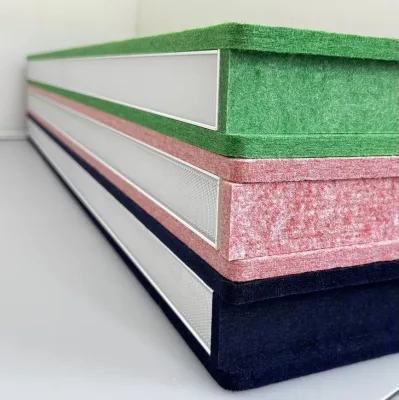
5-Year Warranty High CRI Ra>90 Sound Absorption Acoustic Light 80W 4000K for Museum Lighting
$59.80 - $69.80
MOQ: 2 pieces
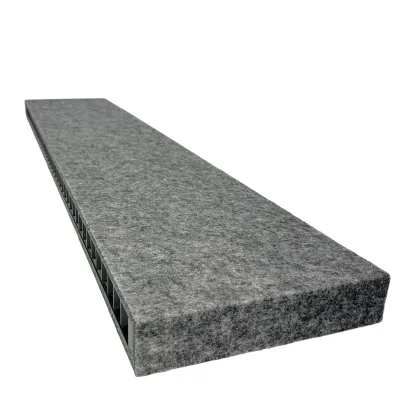
Premium Quality 20W-80W Soundabsorbing Acoustic Linear Light with CRI>80 for Co-working Spaces
$45.00 - $65.00
MOQ: 2 pieces
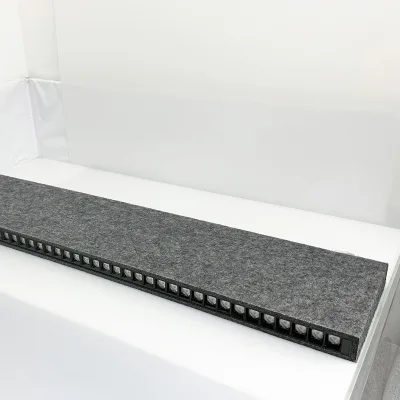
Dimmable Aluminum Acoustic Linear Light with CRI>80 for Office Ceiling Suspended Installation
$45.00 - $65.00
MOQ: 2 pieces
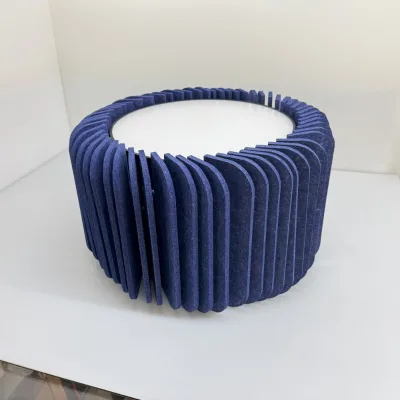
$268.00 - $289.00
MOQ: 2 pieces
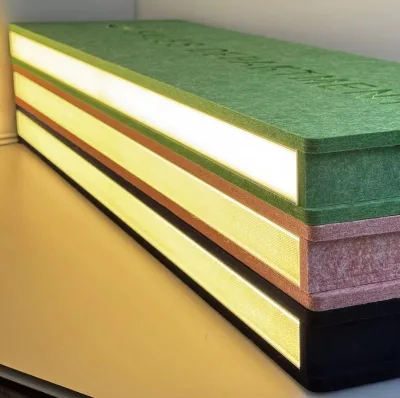
Slim Frame Design 80W 2000-8000 Lumens Output Acoustic Linear Light for Coastal Areas
$59.80 - $69.80
MOQ: 2 pieces
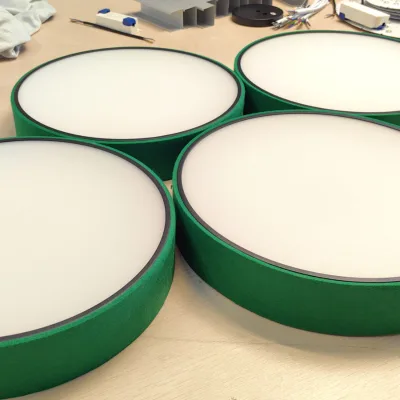
Noise Reduction Ceiling Light Acoustic Felt Sound-absorbing Hanging Lamp for Indoor Lighting
$50.00 - $149.00
MOQ: 2 Minimum

- Manufacturer, Trading Company
- Guangdong, China
- Lead time7 days
- Avg. response≤ 6h
Main productsLED Linear Light (Including Curved Linear)/LED Light Panel Shape/Aluminum Track System Linear/Curved Linear/UVC Sterilize Light/Education Light UGR Series
Main marketsWestern Europe(19.00%), Domestic Market(10.00%), Oceania(10.00%), Northern Europe(10.00%), Southeast Asia(9.00%), Mid East(9.00%), Africa(8.00%), Southern Europe(8.00%), North America(5.00%), Eastern Europe(4.00%), Eastern Asia(2.00%), South Asia(2.00%), Central America(2.00%), South America(2.00%)
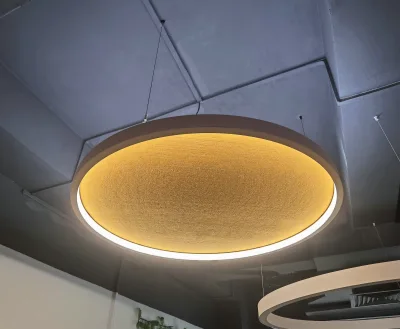
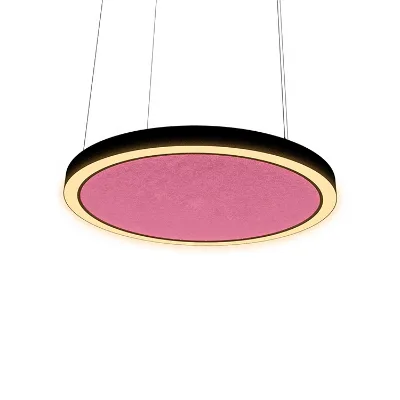
$250.00 - $270.00
MOQ: 1 pieces

Jiangmen Pengjiang Kedong Electric Technology Co., Ltd.
- Verified by BV
- Combined
- China Guangdong
- Lead time23 days
- Avg. response≤ 11h
Main productsCommercial Lighting, Pendant Lamp, Felt Basket, Pet Felt, Storage Basket, Storage Box, Pet Beds, Pet House, Lampshade, Lighting
Main marketsSouth America,Europe,North America

New Arrival Large Size High Quality Recycled Pet Felt Acoustic Light for Modern Office Studio
$445.00 - $500.00
MOQ: 2 Pieces

Modern Design Sound-Absorbing Ceiling Lights Eco-Friendly Pet Felt Acoustic Pendant Light
$190.00 - $200.00
MOQ: 2 Pieces


- Verified by TüVRheinland
- Manufacturer, Trading Company
- Lead time35 days
- Avg. response≤ 5h
Main productsLED Spot Light, Cabinet Light, LED Track Light, LED Down Light, LED Modular
Main marketsNorthern Europe(30%), Western Europe(25%), Oceania(20%)
Shanghai Kingkus New Material Co., Ltd.
- Verified by TüVRheinland
- Manufacturer, Trading Company
- Lead time7 days
- Avg. response≤ 5h
Main productsPolyester Fiber Acoustic Panel, PET Acoustic Panel, Felt Acoustic Panel, Acoustic Panel, Wooden Slat Acouatic Panel
Main marketsNorth America(15%), Southeast Asia(15%), Mid East(15%)

Shanghai Kingkus New Material Co., Ltd.
- Verified by TUVRHEINLAND
- Combined
- China Jiangsu
- Lead time15 days
- Avg. response≤ 3h
Main productsAcoustic Panel, Polyester Fiber Acoustic Panel, Wooden Acoustic Panel, Wood Wool Acoustic Panel, Fabric Acoustic Panel, Pet Screen, Diffuser Panel, Acoustic Screen, Wall Panel, Acoustic Wall Panel
Main marketsOthers(foreignTradeCapacity.exportBusinessCapacityMarketOther),Southeast Asia/ Mideast,Europe,Australia,North America
- Verified by Intertek
- Trading Company
- Lead time0 days
- Avg. response≤ 4h
Main productsHotel Customized Chandelier, LED Linear Light, LED Pendent Light, LED Ceiling Light, Magnetic Track Light System
Main marketsNorth America(23%), Southeast Asia(18%), Oceania(17%)
$72.5171 - $122.242
MOQ: 20 Minimum
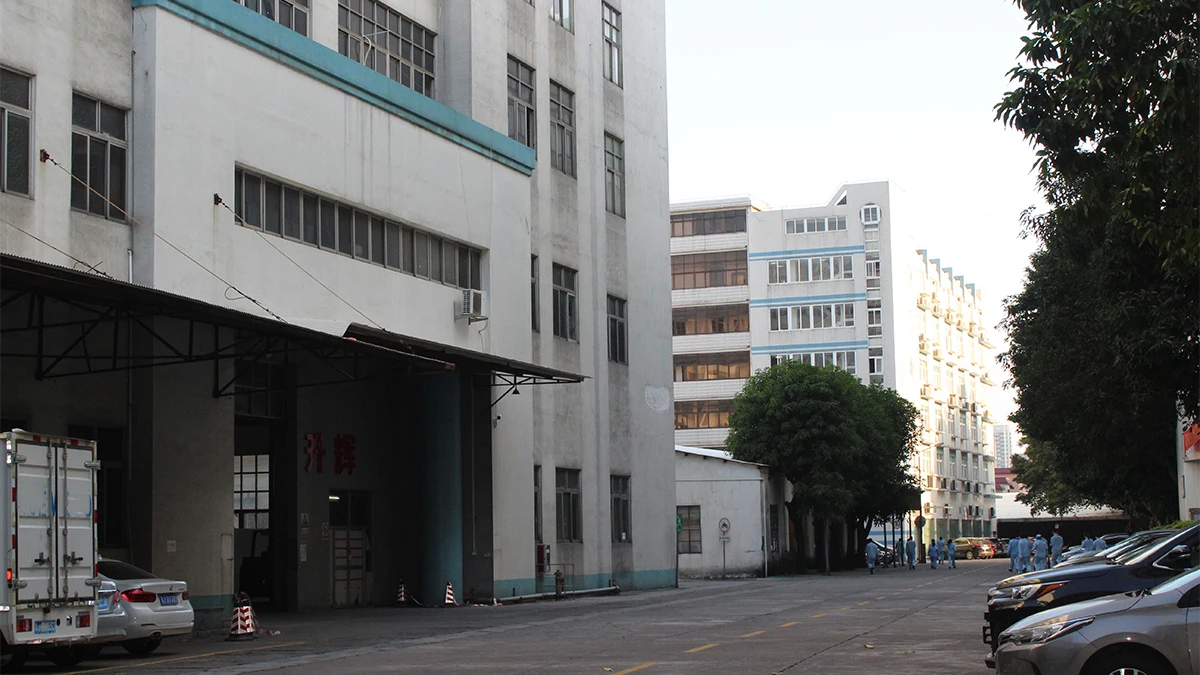
Jiangmen Shenghui Non-Woven Fabrics Technology Factory
- Manufacturer, Trading Company
- Guangdong, China
- Lead time30 days
- Avg. response≤ 6h
Main productschair,felt light,felt chair,felt basket,felt lamp
Main marketsDomestic Market(100.00%), South Asia(100.00%), Eastern Europe(100.00%), Southern Europe(100.00%), Northern Europe(100.00%), Central America(100.00%), Eastern Asia(100.00%), Mid East(100.00%), Oceania(100.00%), Africa(100.00%), Southeast Asia(100.00%), Western Europe(70.00%), North America(20.00%), South America(10.00%)
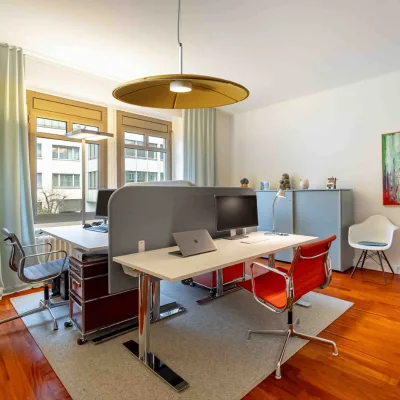
$96.00 - $98.00
MOQ: 2 pieces
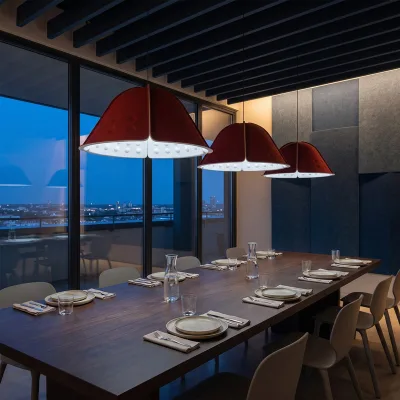
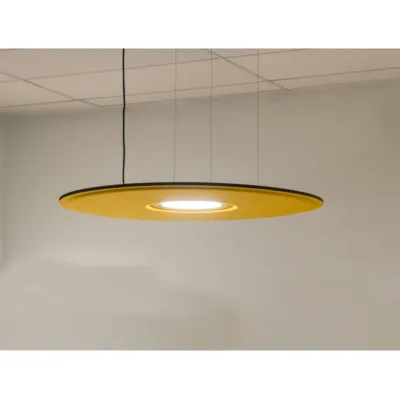
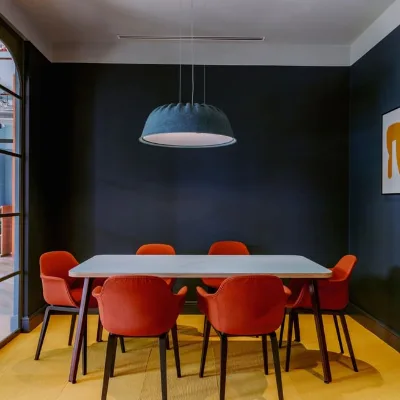
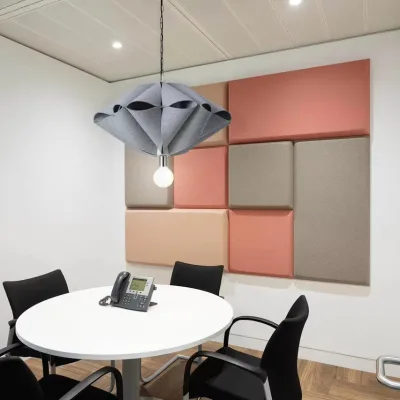
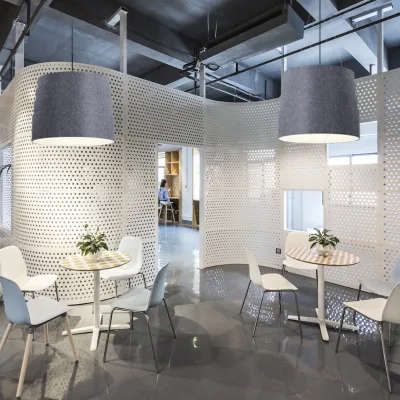
Office Acoustic Lighting Noise Reduction Lighting for Workspace Lighting Projects
$75.00 - $80.00
MOQ: 3 pieces

Shanghai Usong New Material Technology Co., Ltd.
- Verified by SGS
- Trading Company
- China Shanghai
- Lead time23 days
- Avg. response≤ 6h
Main productsAcoustic Ceiling, Acoustic Panel, Screen Partition, Lampshade
Main marketsSoutheast Asia/ Mideast

Acoustic Fiber Contemporary Pendant Light for Sound Absorption Management
$78.57 - $128.57
MOQ: 2 pieces

Shanghai Kunnuo Building Materials Co., Ltd.
- Verified by SGS Group
- Manufacturer, Trading Company
- Lead time15 days
- Avg. response≤ 2h
Main productsPolyester Fiber Acoustic Panel, Wooden Slat Wall Panels, Acoustic Panel Foam, Damping Sound Insulation Felt, Decorative Materials of Different Substrates
Main marketsNorth America(30%), Domestic Market(30%), Western Europe(20%)
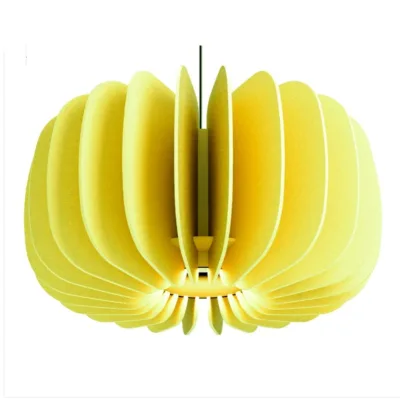
Kunuo Beautiful LED Acoustic Panels Drum Design Polyester Hanging Decoration with Lighting Luminaire
$70.00 - $80.00
MOQ: 5 pieces
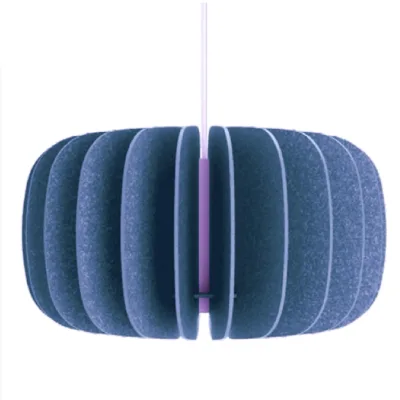
Kunuo Office Style Acoustic Panels Hanging and Ceiling Lantern Acoustic Lamp
$70.00 - $80.00
MOQ: 5 pieces
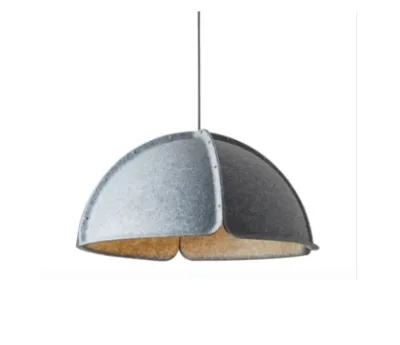
Hotel Use Contemporary Design Pet-Friendly Felt Lamp with 100% Polyester Fiber LED Pendant Lighting
$46.2337 - $57.5361
MOQ: 5 pieces
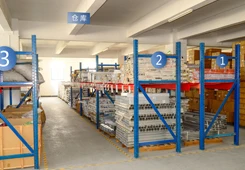
Zhongshan Haofeng Lighting Decoration Factory
- Manufacturer, Trading Company
- Guangdong, China
- Lead time15 days
- Avg. response≤ 5h
Main productsLinear Light,surface downlights,spotlights,Track spotlights,Office panel lights
Main marketsDomestic Market(50.00%), Southeast Asia(10.00%), North America(10.00%), Western Europe(8.00%), Southern Europe(3.00%), Africa(3.00%), Eastern Asia(3.00%), South Asia(2.00%), Mid East(2.00%), Eastern Europe(2.00%), Northern Europe(2.00%), Central America(2.00%), South America(2.00%), Oceania(1.00%)

Zhongshan Yafei Lighting Technology Co., Ltd.
- Verified by TUVRHEINLAND
- Combined
- China Guangdong
- Lead time30 days
- Avg. response≤ 5h
Main productsChandelier, Crystal Lamps, Wall Lamp, Pendant Lamp, Ceiling Light with MP3, Crystal Chandelier, Table Lamp, Ceiling Light, Crystal Ceiling Light, Nordic Lamp
Main marketsAfrica
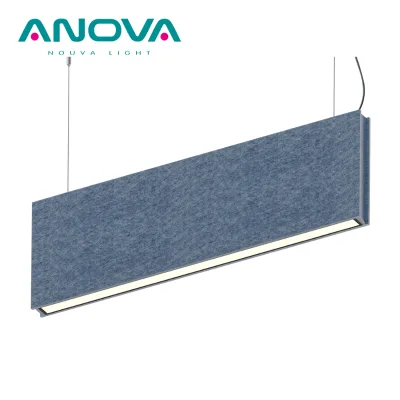
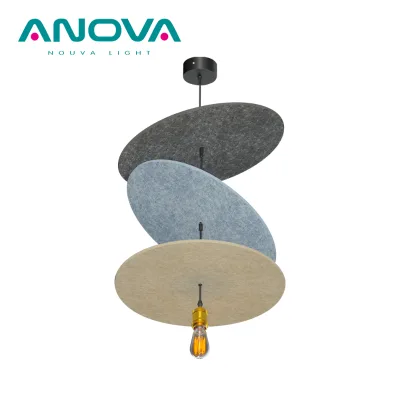
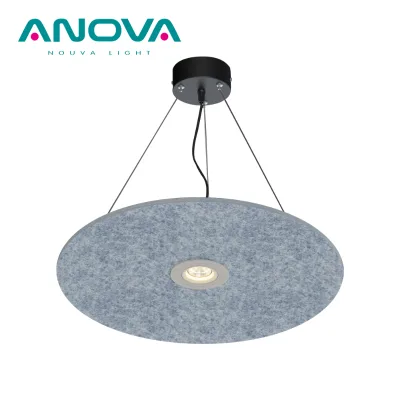




Comprehensive Sourcing Guide
High CRI Acoustic Light Supplier Concentration and Factory Types
The current supplier landscape for high CRI acoustic lighting is anchored in China, with Guangdong serving as a primary manufacturing hub. This concentration reflects the region’s established supply chain for LED components and acoustic materials, allowing for efficient production of complex fixtures that combine sound absorption with high-quality illumination. Buyers evaluating this market will encounter a diverse mix of company types, including trading companies, manufacturer/factories, group corporations, and other entities. This variety offers flexibility in sourcing strategies, as trading companies may provide broader product catalogs while manufacturers offer direct control over production processes. The presence of group corporations suggests larger-scale operations capable of handling significant volume orders, which can be advantageous for large commercial projects requiring consistent quality and supply chain stability.
Manufacturers in this sector often emphasize their capability for OEM, ODM, and own-brand services, indicating a high degree of customization potential. Many suppliers highlight their ability to process samples and graphics, catering to buyers who need specific design adaptations for their architectural projects. The main products listed by these suppliers include LED linear lights, ceiling lights, pendant lamps, and various acoustic solutions, demonstrating a specialization in integrated lighting and sound management systems. This specialization is crucial for high CRI acoustic lights, as the acoustic panels must be carefully integrated with the LED components to maintain both aesthetic appeal and functional performance. Buyers should consider the supplier’s type when assessing their ability to meet specific project requirements, as trading companies might offer faster access to diverse designs, while manufacturers may provide better cost control and technical support for custom specifications.
How to Verify High CRI Acoustic Light Suppliers
Verifying the credibility of High CRI Acoustic Light suppliers requires a multi-layered approach that goes beyond basic company profiles. One critical step is to check for third-party verification badges, such as those from SGS Group, which indicate that the supplier has undergone rigorous audits of their business operations and product quality. Additionally, buyers should scrutinize the system certifications listed, such as ISO 9001 for quality management, and product-specific certifications like CE and RoHS, which are essential for ensuring compliance with international safety and environmental standards. The presence of a Declaration of Conformity and EMC certification further validates the electrical safety and electromagnetic compatibility of the lighting fixtures, which is particularly important for acoustic lights that integrate complex electronic components. These certifications serve as objective evidence of the supplier’s commitment to quality and regulatory compliance, reducing the risk of receiving non-compliant products.
Beyond certifications, buyers should assess the supplier’s responsiveness and transparency in communication. Response times, such as the observed average of 4 to 8.38 hours, can indicate the efficiency of the supplier’s customer service team, which is crucial for resolving technical queries and managing order details. Buyers should also verify the supplier’s ability to provide detailed product specifications, including material compositions, LED types, and acoustic performance metrics. For instance, confirming that the lamp body is made from aluminum alloy or specific aluminum grades like 6035-T5 ensures durability and heat dissipation efficiency. Additionally, buyers should request samples to physically inspect the build quality, color rendering accuracy, and acoustic properties. This hands-on verification is essential for high CRI lights, where subtle differences in color temperature and CRI can significantly impact the final lighting design and user experience.
What to Compare Across High CRI Acoustic Light Suppliers
When comparing suppliers, buyers should focus on key operational metrics such as lead times, minimum order quantities (MOQ), and pricing structures. Lead times can vary significantly, with some suppliers offering as little as 10 days while others may require up to 23 days. This difference can impact project timelines, especially for large-scale commercial installations with strict deadlines. Buyers should also consider the MOQ, which ranges from 1 to 2 units for some products, allowing for flexibility in testing and small-batch orders. However, for larger projects, buyers may need to negotiate volume discounts or consolidate orders to meet MOQ requirements. Pricing is another critical factor, with costs varying based on product complexity, customization options, and order volume. For example, basic acoustic pendant lights may start at lower price points, while custom-designed high CRI fixtures with advanced dimming capabilities can command higher prices.
In addition to operational metrics, buyers should compare the technical specifications and customization options offered by different suppliers. Key attributes to evaluate include the CRI rating, with many suppliers offering options greater than 80 or 90, which is essential for accurate color representation in museums, galleries, and high-end retail spaces. Buyers should also assess the available color temperatures, ranging from warm white to cool white and daylight options, to ensure the lighting matches the desired ambiance. Other important factors include the beam angle, irradiated area, and dimming capabilities, such as 0-10V, Triac, or DALI dimming. Suppliers that offer a wide range of customization options, including shell colors, sizes, and acoustic materials, provide greater flexibility for unique project requirements. By systematically comparing these attributes, buyers can identify suppliers that best align with their technical and commercial needs.
Common High CRI Acoustic Light Sourcing Risks
One significant risk in sourcing high CRI acoustic lights is the potential discrepancy between advertised specifications and actual product performance. Buyers must be cautious of suppliers who may exaggerate CRI values or acoustic absorption rates, as these metrics are critical for the intended application. Without proper verification, buyers may receive products that fail to meet the required lighting quality or sound management standards, leading to project delays and additional costs. Another risk is the variability in build quality, particularly regarding the integration of acoustic materials with LED components. Poorly constructed fixtures may suffer from issues such as flickering, uneven light distribution, or inadequate sound absorption, which can compromise the overall functionality and aesthetic of the lighting design. Buyers should mitigate these risks by requesting detailed technical data sheets and conducting thorough quality inspections upon receipt.
Supply chain disruptions and communication barriers also pose notable risks, especially when sourcing from international suppliers. Delays in production or shipping can impact project timelines, while language barriers may lead to misunderstandings regarding technical specifications or order details. Buyers should establish clear communication channels and confirm all order details in writing to minimize the risk of errors. Additionally, buyers should be aware of the potential for hidden costs, such as shipping fees, customs duties, and installation expenses, which can significantly increase the total cost of ownership. To address these risks, buyers should work with suppliers who have a proven track record of reliable delivery and transparent pricing. Engaging with suppliers that offer comprehensive after-sales support and warranty services can also provide an additional layer of protection against potential issues.
High CRI Acoustic Light Regional Sourcing and Logistics
Sourcing high CRI acoustic lights from China, particularly from the Guangdong region, offers several logistical advantages due to the area’s well-developed infrastructure and proximity to major shipping ports. This location facilitates efficient export processes, reducing transit times and costs for international buyers. However, buyers must also consider the complexities of international shipping, including customs clearance, import duties, and local distribution requirements. Understanding the specific logistics requirements of the destination country is essential to avoid unexpected delays or additional expenses. Buyers should work with suppliers who have experience in exporting to their region and can provide guidance on documentation and compliance requirements. Additionally, buyers should evaluate the supplier’s packaging standards to ensure that the fragile acoustic panels and LED components are protected during transit.
Logistics planning should also account for the weight and dimensions of the acoustic lights, which can impact shipping costs and handling requirements. For instance, larger fixtures with extended lengths may require special packaging and handling to prevent damage. Buyers should coordinate with their freight forwarders to optimize shipping routes and consolidate shipments where possible to reduce costs. Furthermore, buyers should consider the lead times associated with different shipping methods, such as sea freight versus air freight, and select the option that best balances cost and speed. For urgent projects, air freight may be necessary despite higher costs, while less time-sensitive orders can benefit from the cost savings of sea freight. By carefully planning the logistics, buyers can ensure that their high CRI acoustic lights arrive on time and in perfect condition.
High CRI Acoustic Light Commercial Terms and Order Planning
Effective order planning for high CRI acoustic lights requires a clear understanding of commercial terms, including payment methods, warranty policies, and return procedures. Buyers should negotiate favorable payment terms, such as partial upfront payments with the balance due upon shipment, to mitigate financial risk. It is also crucial to verify the supplier’s warranty coverage, which often ranges from 3 to 5 years for LED components and acoustic materials. A comprehensive warranty should cover defects in materials and workmanship, providing peace of mind for long-term investments. Buyers should also clarify the process for handling defective products, including return shipping costs and replacement procedures. Understanding these commercial terms helps buyers manage their budget and reduce the risk of unexpected expenses.
In addition to commercial terms, buyers should plan for the installation and maintenance of the high CRI acoustic lights. Suppliers that provide detailed installation guides and technical support can simplify the setup process and ensure proper functioning. Buyers should also consider the long-term maintenance requirements, such as the availability of replacement parts and the ease of cleaning the acoustic panels. Some suppliers offer additional services, such as on-site installation support or training for maintenance staff, which can be valuable for large commercial projects. By carefully planning the commercial and operational aspects of the order, buyers can ensure a smooth procurement process and successful implementation of their high CRI acoustic lighting solutions. This proactive approach helps maximize the value of the investment and ensures that the lighting system meets the desired performance standards.
FAQs
What certifications do high CRI acoustic lights have?
High CRI acoustic lights typically carry CE and RoHS certifications. Some products also meet EMC standards and include a Declaration of Conformity. These certifications ensure safety and compliance for indoor lighting applications in various global markets.
What is the typical lead time for these lights?
The lead time for high CRI acoustic lights varies between 10 and 23 days depending on the supplier. Some manufacturers offer faster turnaround times of 10 days, while others may require up to 23 days for production and shipping.
What is the minimum order quantity for acoustic lighting?
Minimum order quantities for high CRI acoustic lights range from 1 to 2 units. Some suppliers allow single unit purchases, while others require a minimum of 2 pieces. This flexibility supports both small projects and bulk procurement needs.
Where are these acoustic lights manufactured?
These high CRI acoustic lights are manufactured in China, specifically in Guangdong and Shenzhen. The production facilities are located in the Mainland region, ensuring access to established supply chains and manufacturing capabilities for LED lighting products.
What is the response time for supplier inquiries?
Supplier response times for high CRI acoustic lights range from 4 to 8.38 hours. Some suppliers respond within 4 hours, while others may take up to 8.38 hours. This ensures timely communication for sourcing decisions and project planning.
What is the price range for acoustic pendant lights?
The price range for high CRI acoustic pendant lights spans from 30 to 240 USD per unit. Specific models vary, with some starting at 30 USD and others reaching up to 240 USD based on size, customization, and features like CRI ratings.
What customization options are available for these lights?
Customization is available for high CRI acoustic lights, including size, color temperature, and shell color. Suppliers offer OEM and ODM services with options for different diameters and finishes. This allows buyers to tailor products to specific design requirements.