Hobbing Gear Rack Suppliers and Manufacturers in China
Compare 11 verified suppliers offering hobbing gear racks with ISO9001:2015 and EN 10204 certifications. Review response times, lead times, and MOQs to source steel or nylon options from Zhejiang factories. Contact suppliers directly to request samples; review the available evidence before requesting comparable quotations from suitable candidates.
Updated
Suppliers List

Hangzhou Ocean Industry Co., Ltd.
- Verified by BV
- Combined
- China Zhejiang
- Lead time15 days
- Avg. response≤ 4h
Main productsGear, Gear Rack, Pulley, Chain, Sprocket, Coupling, Gearbox, Pinion, Speed Reducer, Speed Reducer Gear Box
Main marketsSouth America,Southeast Asia/ Mideast,Europe,Australia
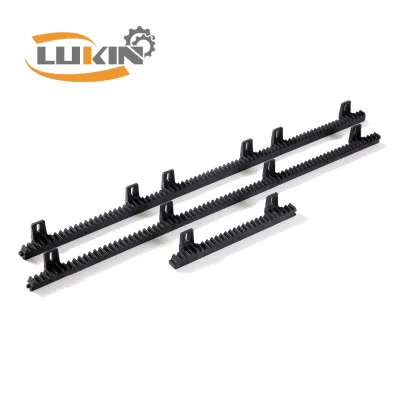
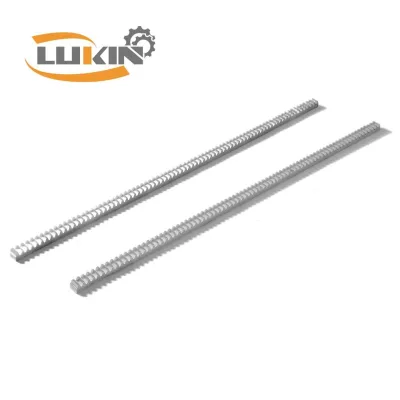
Zhejiang Luxin Door Operation Equipment Co., Ltd.
- Verified by TüVRheinland
- Manufacturer, Trading Company
- Lead time0 days
- Avg. response≤ 4h
Main productsCantilever Gate Wheel, Gear Rack, Sliding Gate Wheel, Sliding Track
Main marketsEastern Europe(25%), Southern Europe(23%), Western Europe(15%)
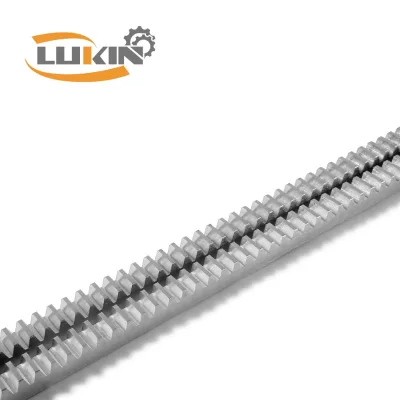
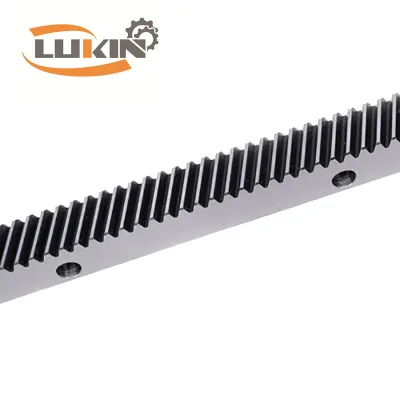
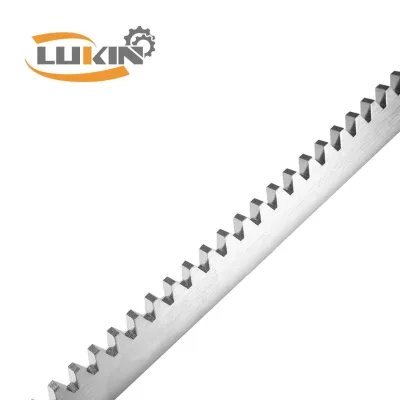
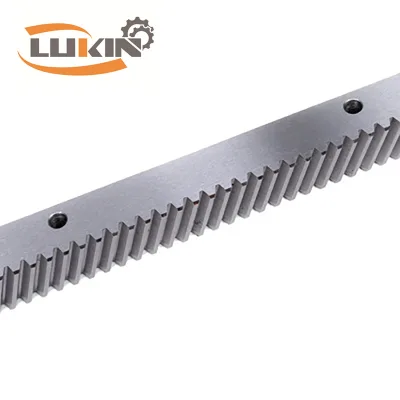
Sliding Door Rack M4 M6 Steel Rack
$1.00 - $5.00

Goldaxis Transmission Co., Ltd.
- Trading Company
- Zhejiang, China
- Lead time15 days
- Avg. response≤ 1h
Main productsGear,Rack,Sprocket,Transmission chain,Pulley
Main marketsNorth America(20.00%), Southeast Asia(15.00%), Eastern Europe(15.00%), Western Europe(15.00%), South America(10.00%), Southern Europe(10.00%), Central America(6.00%), Northern Europe(5.00%), Eastern Asia(4.00%)
$6.8774 - $23.999
MOQ: 1 Minimum
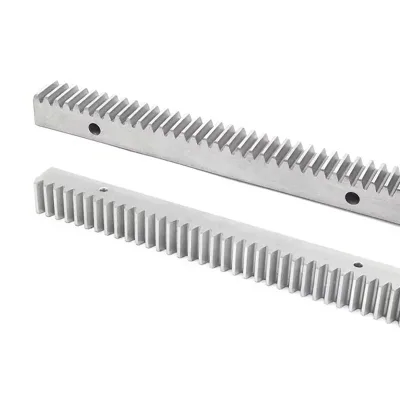
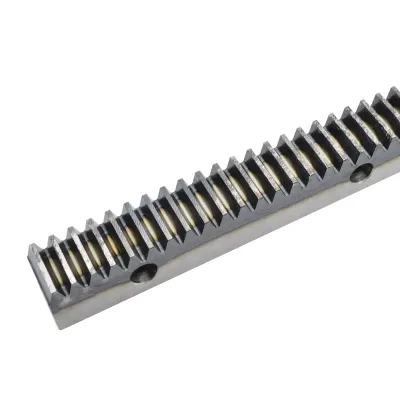
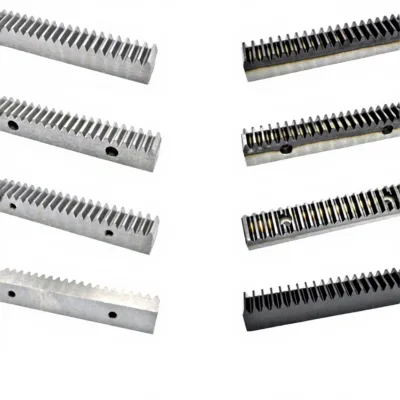
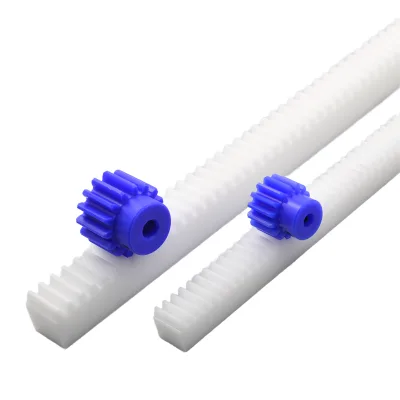
Good Price Rack Cutting Tools Straight Tooth Gears Rack
$7.50 - $12.50
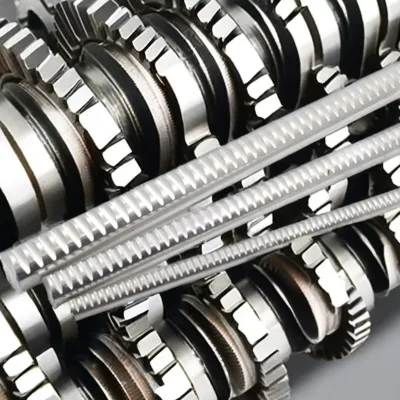
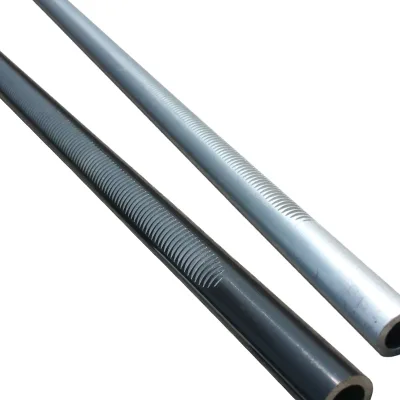
Customize OEM Helical Teeth Metal Spur Gear Rack Manufacture Aluminum Round Gear Rack
$6.00 - $30.00
MOQ: 1 pieces
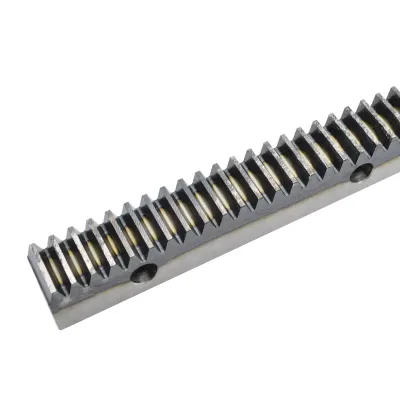
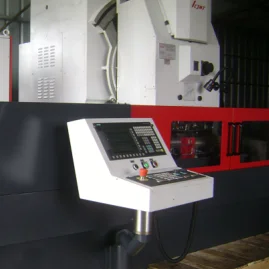
Wenling Junhong Gear Rack Factory
- Manufacturer, Trading Company
- Zhejiang, China
- Lead time30 days
- Avg. response≤ 5h
Main productsgear rack,pinion rack,gear,rack pinion,plastic injection
Main marketsNorthern Europe(25.00%), Western Europe(20.00%), Eastern Europe(20.00%), North America(15.00%), Domestic Market(15.00%), Mid East(5.00%)

Beijing November Technology Development Co., Ltd.
- Trading Company
- Beijing, China
- Lead time10 days
- Avg. response≤ 3h
Main productsgear,sprocket,Synchronous Belt Wheel,Rack and pinion,Chains
Main marketsDomestic Market(25.00%), North America(20.00%), South Asia(12.00%), Africa(10.00%), Southeast Asia(10.00%), Mid East(7.00%), Eastern Asia(6.00%), South America(5.00%), Eastern Europe(5.00%)
Dongguan Furui Precision Hardware Product Co., Ltd.
- Verified by SGS Group
- Manufacturer, Trading Company
- Lead time0 days
- Avg. response≤ 2h
Main productsCNC Turning, CNC Milling, CNC Machining, Sheet Metal Fabrication, Stamping
Main marketsNorth America(30%), Eastern Europe(20%), Oceania(20%)
Luoyang Yujie Industry & Trade Co., Ltd.
- Verified by SGS Group
- Manufacturer, Trading Company
- Lead time20 days
- Avg. response≤ 3h
Main productsHeavy Duty CNC Machine, Bearing, Large Heavy Machinery Parts
Main marketsDomestic Market(29%), South America(10%), Southeast Asia(8%)
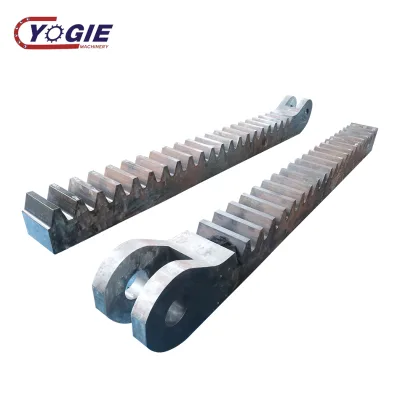
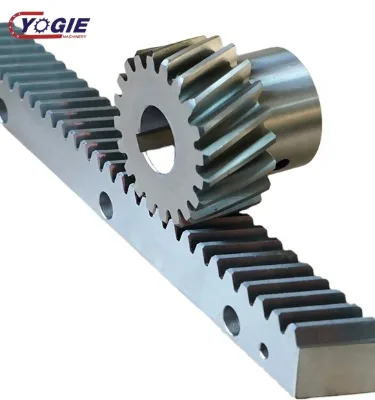
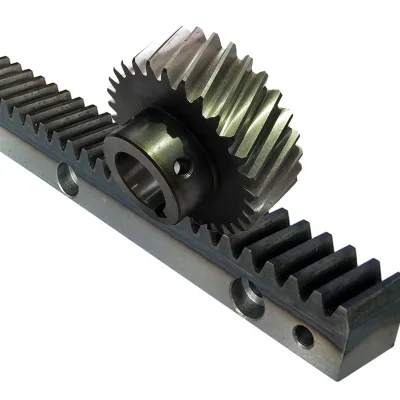
Manufacturer Forging Custom High Quality Transmitting Steel Helical Gear Rack
$800.00 - $1000.00
MOQ: 1 pieces
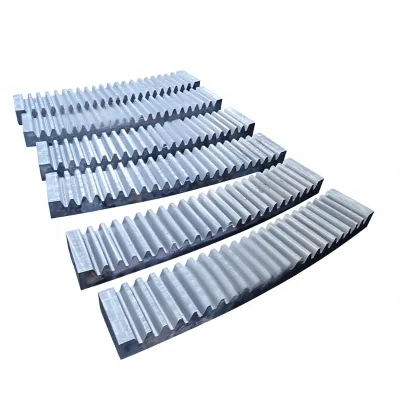
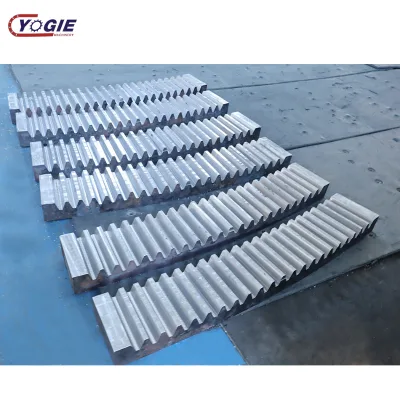
Transmission Power Steering Rack Steel Rack Gear Industrial Helical Round Gear Precision Rack Gear
$92.2784 - $101.5063
MOQ: 1 pieces
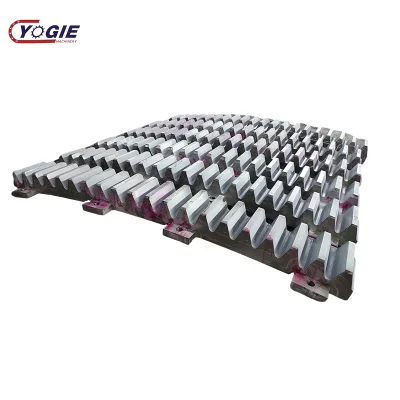
Factory Direct High Performance Gear Rack for Construction Equipment Drives
$92.2784 - $101.5063
MOQ: 1 pieces
HANGZHOU OCEAN INDUSTRY CO., LTD.
- Manufacturer, Trading Company
- Lead time旺季: "1 - 100":30,"> 100":"To be negotiated", 淡季: "1 - 100":30,"> 100":"To be negotiated"
- Avg. response≤ 2h
Main productsGear & Gear Rack, Chain & Sprocket, Conveyor Line Parts, Agricultural Spare Parts, Pulley & Wheel
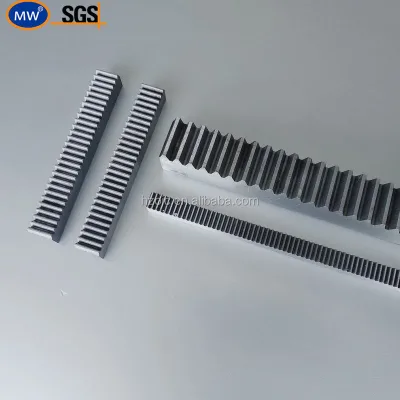
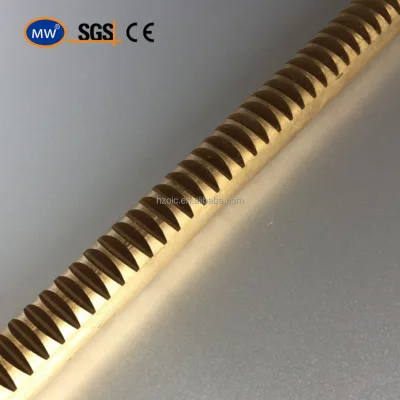
$8.00 - $10.00
MOQ: 100 meters
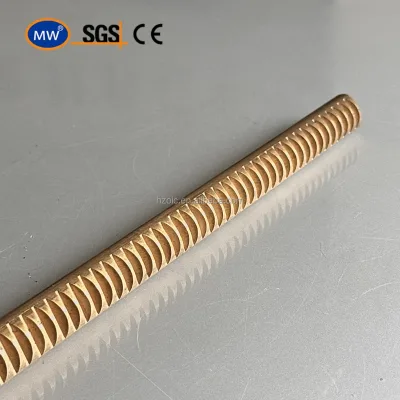
$8.00 - $10.00
MOQ: 100 meters
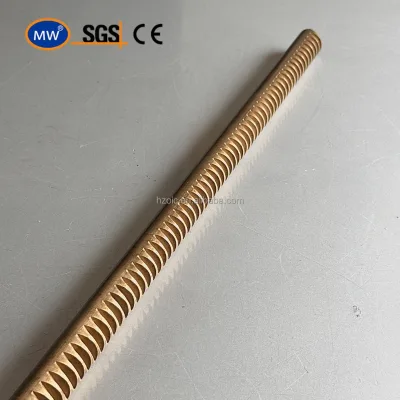
$8.4214 - $10.5275
MOQ: 100 meters
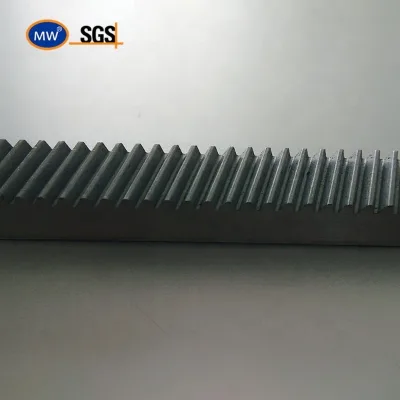
High Quality M2.5 Gear Rack 25X25X1000 Steel Material Hobbing Processing
$17.28 - $22.53
MOQ: 500 pieces
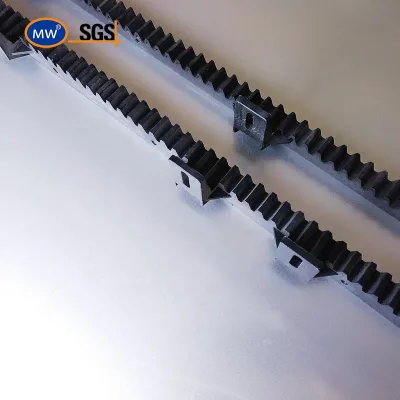
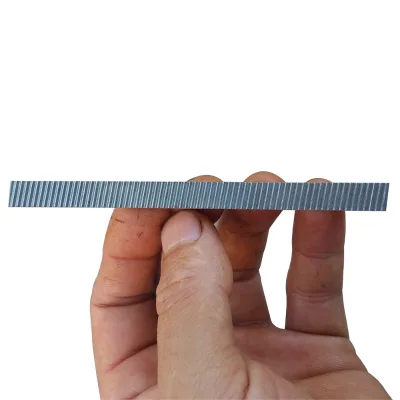
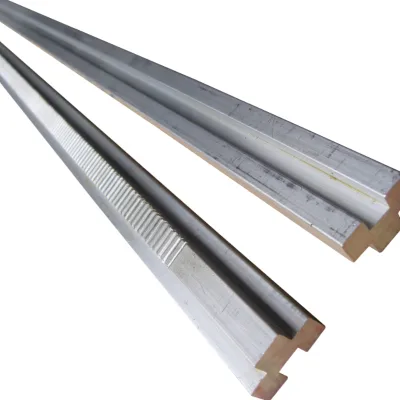
Steel Tooth Rack for Sliding Gate Opener Nylon Material Gate Rail with Hobbing Processing
$4.20 - $5.00
MOQ: 500 meters

Jiangyin Landi Machinery Co., Ltd.
- Trading Company
- China Jiangsu
- Lead time45 days
- Avg. response≤ 25h
Main productsMetallurgy Equipment Steel Fabrication &Assembly, Customized Machinery Fabrication & Assembly, Customized Steel Fabrication, Machining Parts, Hydraulic Power Unit, Electrical Control System, Mechanical Parts, Forging, Casting, Hydraulic Cylinder
Main marketsSouth America,Africa,Southeast Asia/ Mideast,East Asia(Japan/ South Korea),Europe,Australia,North America

Renqiu Hengtai Machinery Transmission Parts Co., Ltd.
- Manufacturer
- Hebei, China
- Lead time30 days
- Avg. response≤ 8h
Main productsSprocket,coupling,Gear,Shaft,Chain
Main marketsSoutheast Asia(15.00%), Mid East(15.00%), South America(15.00%), South Asia(15.00%), Western Europe(10.00%), Eastern Europe(10.00%), Domestic Market(10.00%), Africa(5.00%), North America(5.00%)
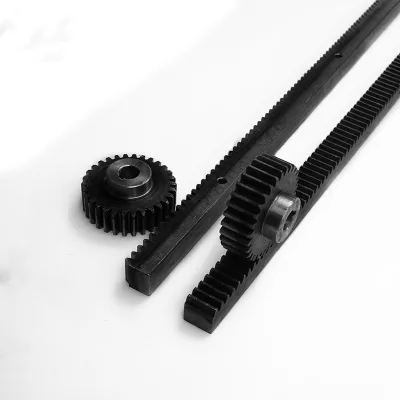
$7.90 - $35.00
Henan Jingjiang Industrial Automation Co., Ltd.
- Trading Company
- Henan, China
- Lead time15 days
- Avg. response≤ 1h
Main productsMechanical equipment and mechanical parts,Pneumatic power unit,Transmission transportation component,Polyurethane rubber lined roller,Construction machinery air conditioning system
Main marketsNorth America(20.00%), Mid East(18.00%), Africa(11.00%), South America(10.00%), Southeast Asia(10.00%), Central America(5.00%), South Asia(5.00%), Eastern Asia(5.00%), Eastern Europe(5.00%), Northern Europe(5.00%), Western Europe(2.00%), Oceania(2.00%), Domestic Market(1.00%), Southern Europe(1.00%)
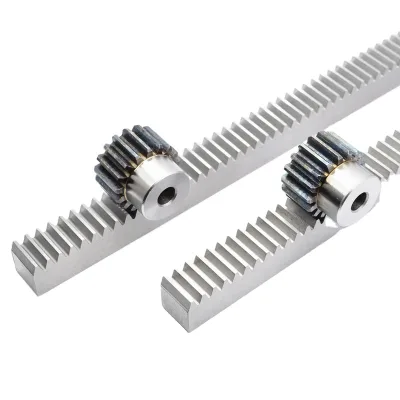
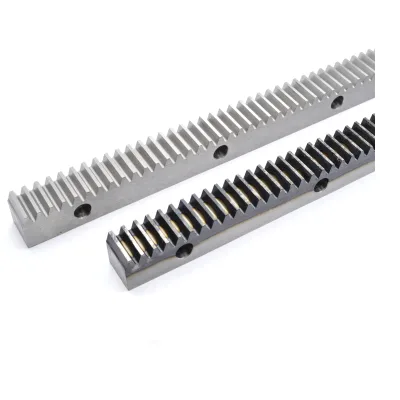
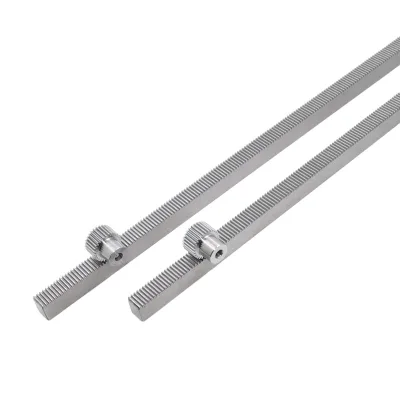
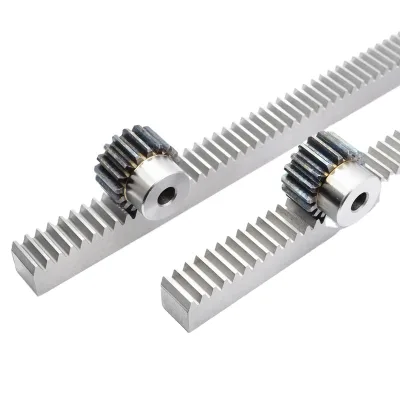
0.5/1/1.5/2/2.5/3 Mold 4 Mold 5 Mold Mechanical Drive Rack 45# Steel Straight Rack Gear
$5.1805
MOQ: 10 Minimum


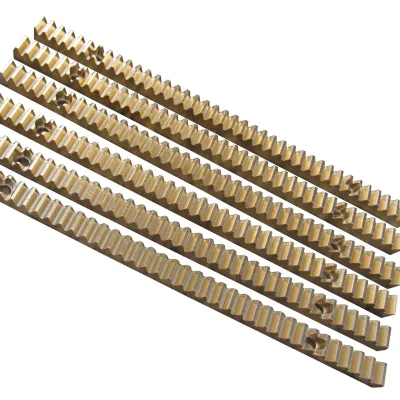
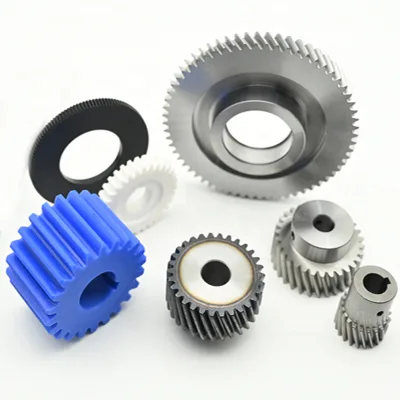
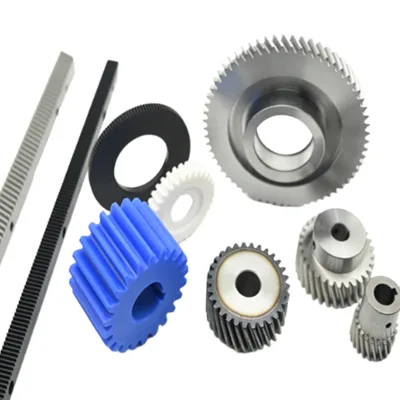
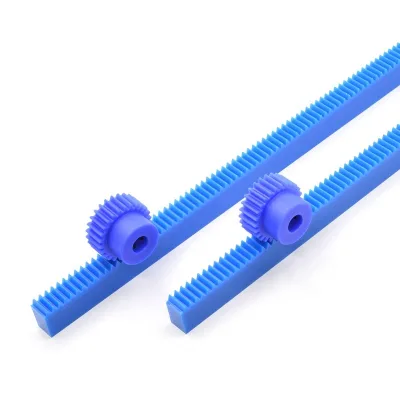
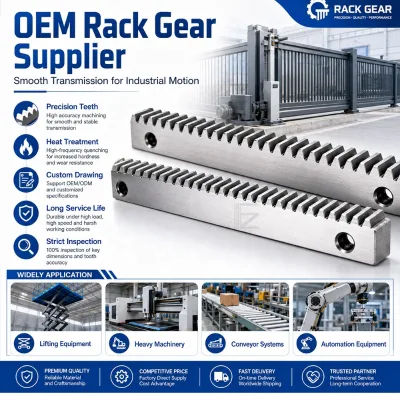


Comprehensive Sourcing Guide
Hobbing Gear Rack Supplier Concentration and Factory Types
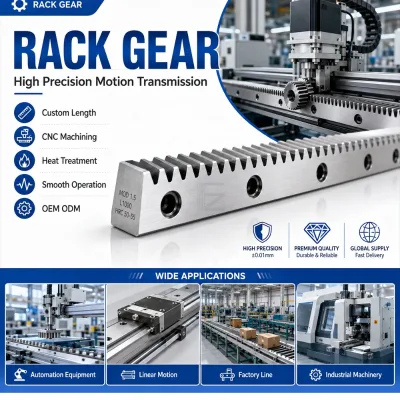
The current supplier landscape for hobbing gear racks reveals a distinct concentration in China, specifically within the Zhejiang province. This regional clustering is significant for buyers seeking established manufacturing hubs where specialized machinery and skilled labor are readily available. The presence of suppliers in this location suggests a mature ecosystem for producing precision metal components, including the heavy-duty steel racks required for CNC machines and sliding door applications. Buyers should recognize that this geographic concentration often correlates with efficient supply chains for raw materials like A3 steel and C45 steel, which are frequently cited in product specifications. Understanding this location data allows procurement teams to better estimate shipping routes and potential logistical bottlenecks. It also provides a baseline for comparing regional pricing structures against other global manufacturing centers.
Within this concentrated region, the supplier base comprises a mix of combined entities, manufacturers, and trading companies. This diversity in company types offers different advantages depending on the buyer’s specific needs. Manufacturers typically provide direct access to production lines, enabling greater control over customization and quality assurance processes. Trading companies, on the other hand, may offer a broader portfolio of related accessories, such as pulleys, chains, and sprockets, simplifying the sourcing process for complete mechanical systems. The fact that many suppliers list both manufacturing and trading capabilities indicates a flexible market structure. Buyers must carefully distinguish between these roles to ensure they are engaging with the appropriate entity for their order size and technical requirements. This distinction is crucial for negotiating terms related to intellectual property and proprietary designs.
How to Verify Hobbing Gear Rack Suppliers
Verification is a critical step in mitigating risk when sourcing industrial components like hobbing gear racks. Buyers should prioritize suppliers who have undergone third-party verification processes, as these provide an external validation of business legitimacy and operational capacity. In the current market, certifications from recognized bodies such as BV and TüVRheinland serve as strong indicators of a supplier’s reliability. These verifications often involve on-site audits that confirm the existence of physical facilities, production equipment, and quality control systems. Additionally, system certifications like ISO9001:2015 demonstrate a commitment to standardized quality management practices. Buyers should request copies of these certificates and verify their validity through the issuing organizations. This due diligence helps ensure that the supplier meets international standards for manufacturing consistency and product safety.
Beyond basic verification, buyers should assess the supplier’s response time and communication efficiency. A response time of approximately 3.53 hours suggests a responsive team capable of addressing technical queries and order updates promptly. This metric is particularly important for complex orders involving custom specifications or urgent production schedules. Buyers should also look for evidence of robust after-sales service capabilities, as indicated in product attributes. Suppliers that explicitly mention support for installation, troubleshooting, or spare parts provide an additional layer of security. Furthermore, examining the supplier’s main product focus can reveal their depth of expertise. Companies specializing in gears, gear racks, and speed reducers are likely to have more refined processes than generalist traders. This specialized focus often translates to higher precision in critical dimensions like module and pressure angle.
What to Compare Across Hobbing Gear Rack Suppliers
When evaluating multiple suppliers, buyers must compare key operational metrics to determine the best fit for their project. Lead time is a primary differentiator, with some suppliers offering a standard lead time of 15 days, while others may have varying capacities. Understanding these timelines is essential for production planning and inventory management. Buyers should also scrutinize the minimum order quantity (MOQ) requirements, which can range significantly from 100 units to 500 units or more. Lower MOQs may be suitable for prototyping or small-scale repairs, whereas higher volumes often unlock better pricing tiers. Additionally, the price range for these components varies, with some products listed between $4.00 and $30.00 per unit depending on material, size, and customization. Comparing these financial factors alongside operational capabilities provides a holistic view of value.
Technical specifications and customization options are equally important comparison points. Buyers should verify if the supplier offers OEM and ODM services, which are critical for integrating custom gear racks into unique machinery. Product attributes such as material type (e.g., Steel, S45C, C45 steel), surface treatment (e.g., galvanization), and precision grade (e.g., DIN 8e27) must align with the application’s demands. For instance, applications requiring high durability may necessitate specific hardness levels or heat treatments. The module size, such as M4 or M6, is another critical parameter that must match the mating pinion gear. Buyers should also consider the supplier’s supply ability, with some capable of producing up to 10,000 pieces per month. This capacity information helps assess whether the supplier can scale to meet growing demand without compromising quality or delivery schedules.
Common Hobbing Gear Rack Sourcing Risks
One significant risk in sourcing hobbing gear racks is the potential mismatch between advertised specifications and actual product quality. Buyers must be vigilant about verifying material grades and manufacturing processes. For example, while some products are described as heavy-duty A3 steel, others may use S45C or C45 steel, each with different mechanical properties. Without proper verification, buyers might receive components that do not meet the required strength or wear resistance standards. This risk is exacerbated when dealing with suppliers who lack clear documentation of their material sourcing and heat treatment procedures. Buyers should request material test reports or certificates of analysis to ensure compliance with their engineering specifications. This step is crucial for preventing premature failure in high-load applications like CNC machines or sliding gates.
Another risk involves the reliability of lead times and production capacity claims. While some suppliers advertise a lead time of 15 days, others may list zero days, which could indicate a stock item or a misleading claim. Buyers should clarify whether the zero-day lead time applies to standard sizes or if it requires expedited shipping fees. Additionally, the risk of communication gaps can lead to errors in custom orders, especially when dealing with complex geometries like helical or spiral angular gears. Suppliers with slower response times may struggle to address design changes or quality issues promptly. Buyers should also be aware of the risks associated with packaging and shipping, as improper handling can damage precision-ground teeth. Ensuring that suppliers use standard sea-worthy packaging and have experience in exporting fragile mechanical components is essential to mitigate transit damage risks.
Hobbing Gear Rack Regional Sourcing and Logistics
Sourcing from the identified region of Zhejiang, China, offers logistical advantages due to its proximity to major ports like Shanghai and Ningbo. These ports facilitate efficient export operations, reducing transit times to global destinations. Buyers should consider the impact of port congestion and seasonal shipping peaks on their delivery schedules. The availability of multiple dispatch ports provides flexibility in choosing the most cost-effective or fastest route for their specific destination. Additionally, the concentration of suppliers in this area often leads to competitive freight rates due to high volume shipping. Buyers can leverage this by consolidating orders from multiple suppliers within the same region to optimize container space and reduce per-unit shipping costs. This strategy is particularly effective for large orders requiring significant volume.
However, buyers must also account for the complexities of international logistics, including customs clearance and import duties. Different countries have varying regulations regarding steel products and mechanical components. Buyers should ensure that their suppliers provide accurate documentation, including commercial invoices, packing lists, and certificates of origin. The presence of certifications like RoHS and EN 10204 can simplify compliance with environmental and safety standards in certain markets. Buyers should also consider the total landed cost, which includes freight, insurance, and tariffs. While the base price of the gear rack may be low, logistical expenses can significantly impact the final cost. Working with suppliers who have experience in international shipping can help navigate these complexities and ensure smooth delivery.
Hobbing Gear Rack Commercial Terms and Order Planning
Commercial terms play a vital role in the final cost and risk allocation of a Hobbing Gear Rack order. Buyers should carefully review payment terms, such as the availability of escrow services, which provide security for both parties. Escrow ensures that funds are released only after the buyer confirms receipt and quality of the goods. This mechanism is particularly useful for new supplier relationships or large orders. Additionally, buyers should negotiate clear terms regarding warranty and after-sales support. Suppliers that offer comprehensive after-sale services, including technical assistance and spare parts, provide greater long-term value. Understanding the return policy and dispute resolution process is also essential for managing potential issues. These terms should be explicitly stated in the purchase agreement to avoid misunderstandings.
Order planning requires a strategic approach to balance cost, quality, and delivery speed. Buyers should consider the trade-offs between standard and custom products. Standard items, such as common module sizes, may offer lower prices and faster lead times, while custom designs require more time and higher costs. Buyers should also evaluate the supplier’s flexibility in handling order modifications. Suppliers with strong ODM and OEM capabilities can accommodate design changes more effectively. Additionally, buyers should plan for inventory buffers to account for potential delays or quality issues. Regular communication with the supplier regarding production status and shipping updates is crucial for maintaining supply chain visibility. By integrating these commercial and logistical considerations into their sourcing strategy, buyers can optimize their procurement of hobbing gear racks.
FAQs
What is the price range for hobbing gear racks?
Prices for hobbing gear racks typically range from $1.00 to $30.00 per unit depending on specifications. Basic steel racks start around $1.00, while heavy-duty CNC versions cost up to $30.00. Buyers should verify exact pricing based on module size and quantity requirements.
What is the minimum order quantity for these products?
Minimum order quantities vary by product type, ranging from 1 to 500 units. Some high-precision custom racks require a minimum of 100 pieces, while standard sliding door racks may need 500 units. Buyers should check specific product listings for exact MOQ constraints before placing orders.
Where are these gear racks manufactured?
These gear racks are manufactured in Zhejiang, China. Suppliers in this region specialize in steel and nylon rack production with ISO certifications. Buyers can verify origin details on product pages to ensure compliance with their sourcing requirements and quality standards for industrial machinery applications.
What certifications do these suppliers hold?
Suppliers hold ISO9001:2015, EN 10204, and RoHS certifications. Products also carry ISO standard markings for quality assurance. Buyers should verify specific certification documents on product pages to ensure materials meet international safety and quality standards for heavy-duty industrial machinery and sliding gate applications.
What is the typical lead time for orders?
Lead times vary, with some suppliers listing 15 days and others showing zero days for sample processing. Buyers should confirm exact delivery schedules with suppliers before ordering. Custom OEM orders may require additional time for manufacturing and quality control processes to meet specific technical requirements.
What materials are used for gear racks?
Gear racks are primarily made from steel, including A3 steel, S45C, and C45 steel. Some products use nylon for quiet operation. Materials are selected for durability and precision. Buyers should check product attributes to confirm material grades suitable for their specific mechanical load and environmental conditions.