Source 4 stroke air-cooled gasoline engine for Generators, Pumps, and Lawn Mowers
Compare 30 listings of 4 stroke air-cooled gasoline engine options from verified suppliers. Review specifications like power output, weight, and starting methods to find the right engine for your project; compare the available evidence and request quotations based on your requirements.
Updated
Key considerations
Products List


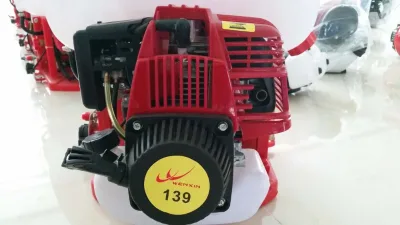
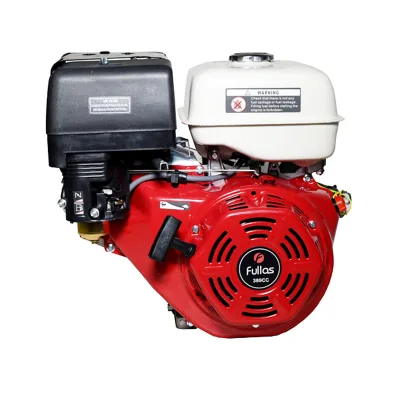
139F 4-stroke Gasoline Engine 1cylinder Air Cooling Gasoline Engine
$38.7941 - $43.45
MOQ: 200 Minimum
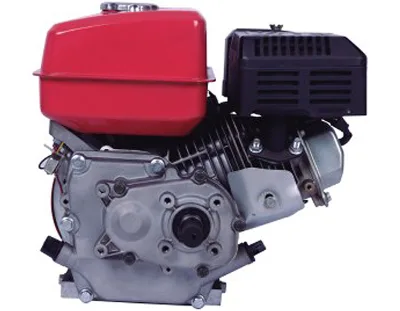
$41.4953 - $67.4295
MOQ: 50 Minimum
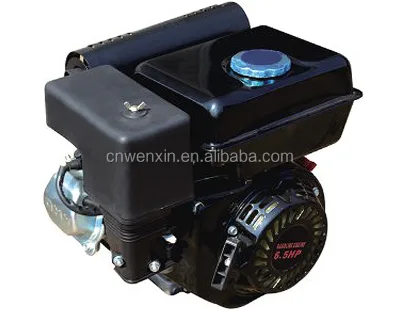
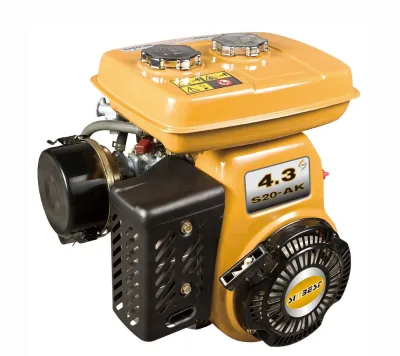


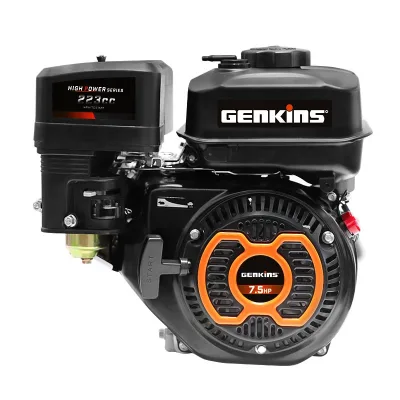
Good Quality Generic Air-Cooled 4-Cycle Gasoline Engine 15HP Gasoline Engine
$38.00 - $60.00
MOQ: 1 Pieces




Comprehensive Sourcing Guide
4 Stroke Air-Cooled Gasoline Engine Sourcing Guide
Product Scope and Observed Listing Signals
The current market for single-cylinder, four-stroke air-cooled gasoline engines presents a diverse array of options tailored for various mechanical integrations. Buyers will observe listings featuring models such as the SL420, 139F, and WX-168FA, which generally adhere to a consistent architectural design centered on simplicity and reliability. These engines are typically marketed with specific power outputs, ranging from 4 HP to 8 HP, and are often associated with brands like Wenxin, WENIXN, and EXCALIBUR. The observed price range spans from 25 to 199 USD, reflecting variations in component quality, starting mechanisms, and included accessories. This broad spectrum allows procurement teams to align purchases with specific budget constraints while ensuring the fundamental operational characteristics meet their machinery requirements.
Supply chain dynamics indicate a robust manufacturing capacity, with suppliers reporting abilities ranging from 500 pieces per day to 30,000 sets per month. This high throughput suggests that lead times can be managed effectively for both small prototype orders and large-scale production runs. Minimum order quantities (MOQ) vary significantly, starting from just one unit up to 200, providing flexibility for buyers who need to test market viability before committing to bulk purchases. Packaging is standardized, often utilizing brown cartons with pallets or specific carton configurations containing four or six units, which facilitates efficient logistics and storage. Understanding these listing signals helps buyers anticipate availability and plan their inventory replenishment cycles accordingly.
Technical Specifications to Verify
When evaluating technical data, the distinction between kick-start and electric-start variants is a primary decision point for many applications. Listings show models like the WX-168F-1B featuring electric start capabilities, while others rely on manual kick-start mechanisms, which may influence the final cost and complexity of the end product. Buyers must also verify critical dimensional constraints, as observed dimensions vary from 380x370x425mm to 390x330x350mm, ensuring the engine fits within the designated chassis or frame of the target machinery. Additionally, oil system capacities, such as the 0.6L observed in certain models, are vital for maintenance planning and lubrication system design, preventing premature wear due to inadequate oil volume.
Displacement and bore-stroke ratios provide deeper insight into the engine’s performance profile, though some listings report ambiguous values like "Other" or specific measurements such as 68x54cm, which requires careful validation against industry norms. The core components often highlighted include the motor, and machinery test reports are frequently provided to substantiate performance claims. Buyers should scrutinize these reports to understand the engine’s behavior under load and verify that the rated power and speed align with their operational needs. Confirming the exact stroke type, whether explicitly stated as four-stroke or implied through design, ensures compatibility with the intended fuel delivery and exhaust systems, avoiding costly integration errors during assembly.
Compliance and Safety Documentation
Regulatory compliance is a critical factor, particularly when exporting to markets with strict environmental and safety standards. Some listings explicitly mention adherence to Euro 3 emission standards, which is a significant advantage for buyers targeting European or other regions with similar regulatory frameworks. However, not all products may carry this certification, so buyers must verify the emission compliance status for each specific model before finalizing orders. The presence of CE certification in some listings indicates conformity with European health, safety, and environmental protection standards, but this must be confirmed on a per-supplier basis to ensure the documentation is valid and up-to-date for the specific batch of engines being purchased.
Safety documentation should also include detailed machinery test reports, which are noted as provided in several listings. These reports offer empirical data on the engine’s performance and reliability, serving as a crucial reference for risk assessment and liability management. Buyers should request these documents to verify that the engines have undergone rigorous testing for durability and operational safety. Additionally, understanding the warranty terms, such as the one-year warranty observed in some listings, is essential for long-term cost management. Clear warranty policies protect buyers against manufacturing defects, ensuring that any early-life failures are addressed without additional financial burden, thereby safeguarding the overall project timeline and budget.
Cost Drivers and Commercial Terms
Several factors influence the final landed cost of these engines, including the starting mechanism, packaging density, and origin location. Models with electric start systems typically command a higher price point due to the added complexity of the electrical components. Packaging efficiency also plays a role, as configurations allowing four or six units per carton can reduce shipping costs per unit compared to less dense packing methods. The origin locations, primarily Zhejiang and Jiangsu in China, offer competitive manufacturing advantages, but buyers must account for logistics costs associated with dispatch ports like FOB Ningbo. Understanding these variables helps in creating accurate total cost of ownership models, ensuring that the base price reflects the true value of the product.
Commercial terms such as supply ability and MOQ directly impact negotiation leverage and cash flow management. Suppliers with high supply abilities, such as 30,000 sets per month, may offer more favorable pricing for large orders due to economies of scale. Conversely, smaller MOQs allow for greater flexibility but may come with higher per-unit costs. Buyers should negotiate based on their projected volume requirements, leveraging the supplier’s capacity to secure better terms. Additionally, the availability of overseas service centers, as mentioned in some listings, can reduce long-term maintenance costs, making a slightly higher initial purchase price more attractive. Evaluating these commercial terms holistically ensures that the procurement strategy aligns with both immediate budget constraints and long-term operational efficiency.
Supplier Qualification and Quality Control
Verifying supplier qualifications is essential to mitigate risks associated with inconsistent product quality and unreliable after-sales support. Buyers should prioritize suppliers who provide machinery test reports and have established overseas service centers, as these indicators suggest a commitment to quality assurance and customer support. The brand names associated with these engines, such as Wenxin and EXCALIBUR, should be cross-referenced with industry reputation and historical performance data to ensure reliability. Additionally, checking for relevant certifications, such as CE, provides an additional layer of confidence in the supplier’s adherence to international standards. This due diligence helps in selecting partners who can consistently deliver products that meet specified technical and regulatory requirements.
Quality control processes should be clearly defined and communicated with the supplier before placing orders. Buyers should request detailed inspection protocols, including pre-shipment inspections and random sampling procedures, to ensure that the engines received match the approved samples. The weight of the engines, ranging from 3.5KG to 16KG, can also serve as a quick verification metric for consistency, as significant deviations may indicate manufacturing defects or component substitutions. Establishing a clear quality agreement with the supplier, including penalties for non-conformance, reinforces accountability and ensures that the procurement process remains robust. Regular communication and feedback loops with the supplier can further enhance quality outcomes and foster a collaborative partnership.
Long-Term Procurement Checks
Sustaining a successful procurement relationship requires ongoing monitoring of supplier performance and product reliability over time. Buyers should track key performance indicators such as defect rates, warranty claim frequency, and delivery consistency to identify potential issues early. The availability of spare parts and the responsiveness of the overseas service center are critical factors that impact long-term operational continuity. Regularly reviewing these metrics allows buyers to make informed decisions about continuing or diversifying their supplier base. Additionally, staying updated on changes in emission standards and regulatory requirements ensures that the procured engines remain compliant with evolving market demands, preventing obsolescence and potential legal issues.
Continuous improvement initiatives should be encouraged through regular feedback sessions with the supplier, focusing on areas such as packaging efficiency, documentation accuracy, and technical support quality. Buyers should also explore opportunities for cost reduction through volume commitments or long-term contracts, leveraging the supplier’s supply ability to secure better terms. Monitoring market trends and technological advancements in air-cooled gasoline engines can provide insights into potential upgrades or replacements that may offer improved performance or efficiency. By maintaining a proactive approach to supplier management and product evaluation, buyers can ensure that their procurement strategy remains aligned with their business objectives and market conditions, securing a competitive advantage in the long run.
FAQs
What is the cooling method for this engine?
The engine uses an air-cooled system for efficient heat dissipation without liquid coolant. This design is suitable for compact applications and reduces maintenance complexity. The single-cylinder configuration supports stable operation under various load conditions while maintaining a lightweight profile for easy installation.
Can I customize the engine specifications?
Customization is available for this engine model to meet specific operational requirements. Buyers can request adjustments to fit unique machinery needs or integration constraints. This flexibility allows for tailored solutions while maintaining the core performance standards of the four-stroke gasoline design.
What is the warranty period for the engine?
The engine comes with a one-year warranty covering manufacturing defects and component failures. This protection ensures reliability for buyers during the initial operational phase. Overseas service centers are also available to provide support and maintenance assistance in various international regions.
How is the engine packaged for shipping?
The engine is packed in brown cartons and placed on pallets for secure transport. Some units are grouped as four or six pieces per carton depending on the order size. This packaging method protects the engine during transit and facilitates efficient handling at the destination port.
What is the maximum power output of the engine?
The engine delivers a maximum power output of 4.8 kilowatts for various applications. This power level supports moderate load requirements in small machinery and equipment. The four-stroke gasoline design ensures consistent performance while adhering to Euro 3 emission standards for environmental compliance.
Which start mechanism does the engine use?
The engine features an electric start mechanism for convenient and reliable ignition. This system simplifies operation compared to manual kick-start methods, especially in cold conditions. The electric start is integrated into the design to ensure quick and effortless engine activation for daily use.
What is the supply capacity for this engine?
The supplier can provide up to 30,000 sets per month to meet large demand. This high supply ability ensures timely delivery for bulk orders and project-based procurement. The production capacity supports consistent availability for buyers requiring steady inventory levels for their operations.