Portable Classic Matcha Tea Set Suppliers and Manufacturers
Compare 25 verified suppliers offering portable classic matcha tea sets with varying lead times, MOQs, and response speeds. Review product attributes like material and customization options before requesting quotes from Henan, Jilin, or Anhui factories; review the available evidence before requesting comparable quotations from suitable candidates.
Updated
Suppliers List
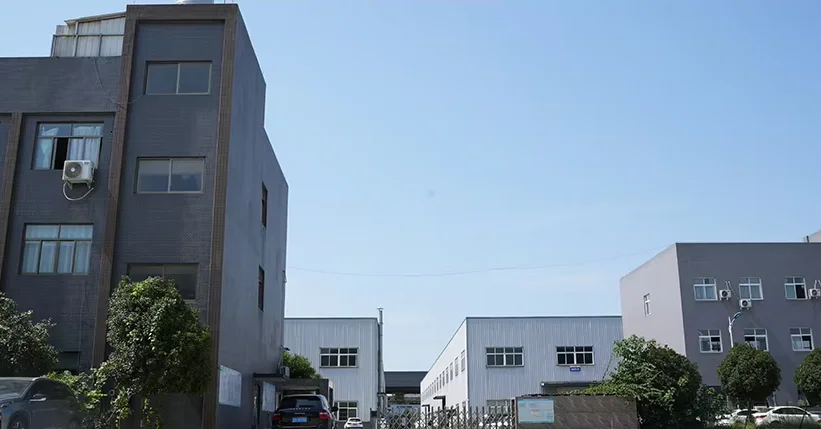
Zhengzhou Feiyang Homeware Co., Ltd.
- Trading Company
- Henan, China
- Lead time7 days
- Avg. response≤ 1h
Main productsCeramic mug,Ceramic plate,Ceramic bowl,Ceramic vase,Ceramic kitchenware
Main marketsNorth America(30.00%), Domestic Market(20.00%), Southern Europe(10.00%), Northern Europe(10.00%), Western Europe(10.00%), Oceania(10.00%), Southeast Asia(10.00%)
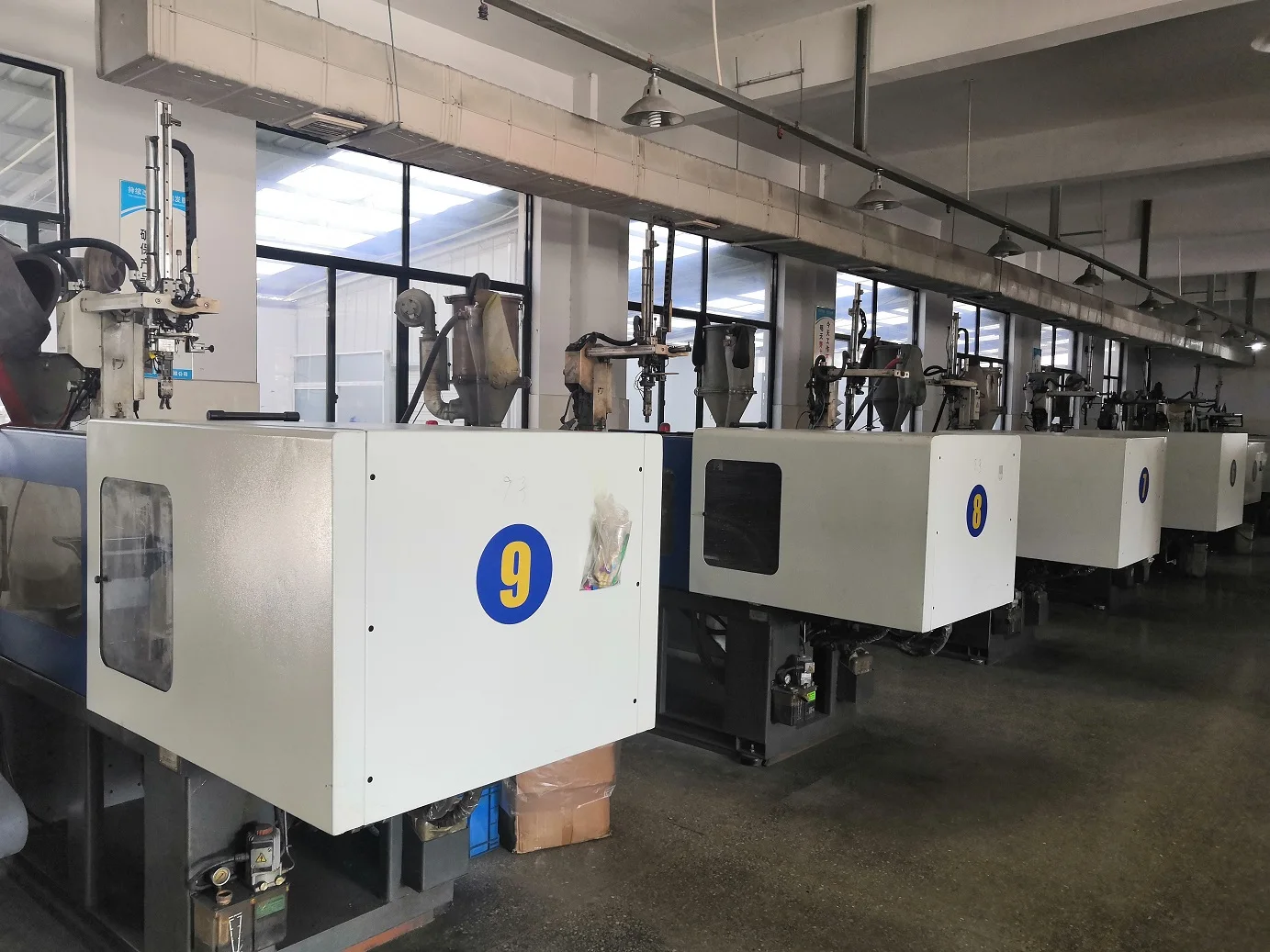
Jilin Lewei Homewares Manufacturer Co., Ltd.
- Trading Company
- Jilin, China
- Lead time15 days
- Avg. response≤ 2h
Main productswater bottle,ceramic product,flowerpot,candle warmer,coffee cups
Main marketsNorth America(40.00%), Oceania(10.00%), Southeast Asia(10.00%), Northern Europe(10.00%), Western Europe(10.00%), Southern Europe(5.00%), Eastern Europe(5.00%), South America(5.00%), Eastern Asia(5.00%)
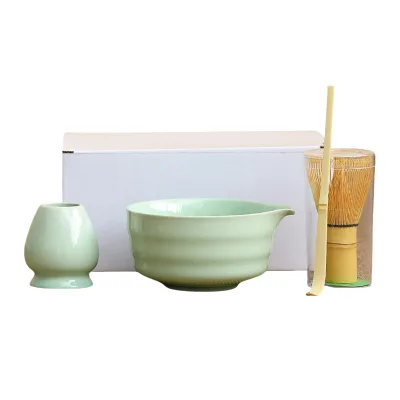
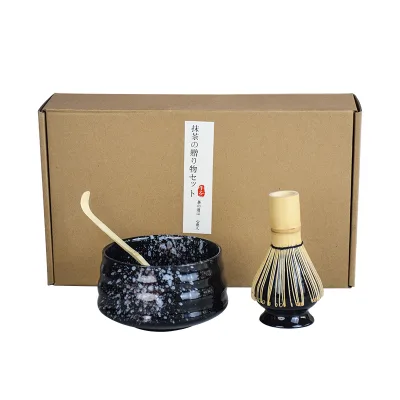
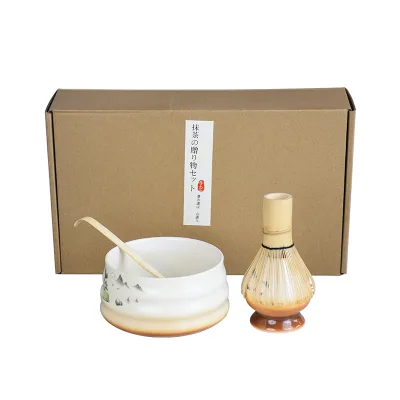
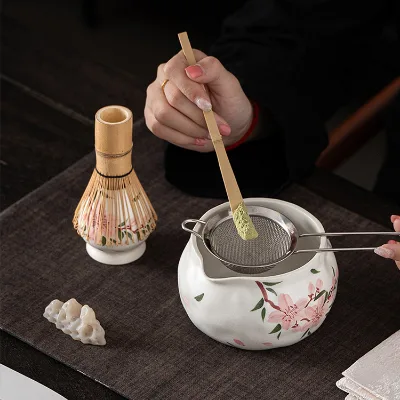
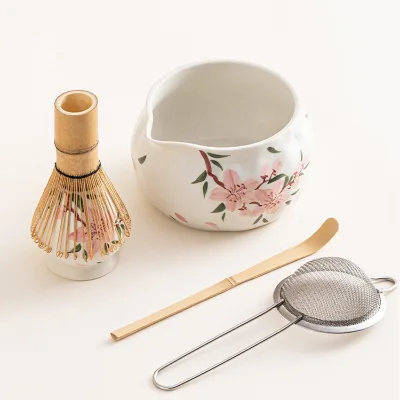
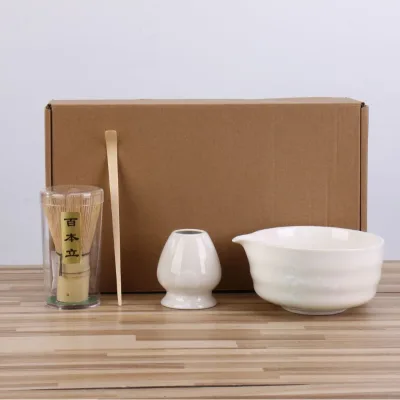
Home Easy Clean Matcha Tea Set Tool Stand Kit Gift Traditional Japanese Tea Sets
$5.80 - $7.58
MOQ: 100 sets
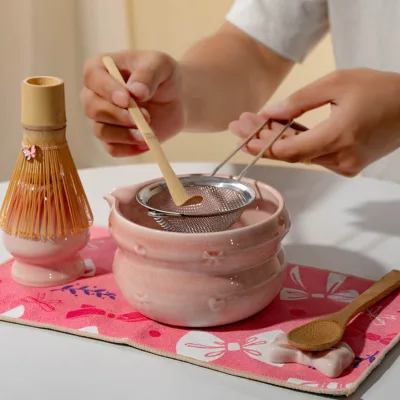
Portable Porcelain Matcha Tea Set with Matcha Bowl and Mouth 4-7Piece Home Use Set
$4.6663 - $6.4279
MOQ: 100 pieces

- Verified by BV
- Combined
- China Anhui
- Lead time15 days
- Avg. response≤ 6h
Main productsStorage Basket, Laundry Basket, Kitchen Rack, Storage Shelf, Storage Jar, RPET Tableware Set, Matcha Whisk, Handmade Storage Basket, Wall & Table Decoration, Hamper
Main marketsSouth America,Southeast Asia/ Mideast,North America

Customizable Wholesale Japanese Matcha Tea Set Traditional Ceramic Matcha Kit
$8.19 - $8.49
MOQ: 20 Pieces


Matcha Whisk Set 3PCS Matcha Set Traditional Cup Japanese Bamboo White Tea Matcha Whisk Set
$4.99 - $5.19
MOQ: 25 Pieces

Matcha Whisk Set The Perfect Set Traditional Cup Japanese Matcha Tea Bamboo White Tea Matcha Whisk
$4.99 - $5.19
MOQ: 25 Pieces

- Verified by TUVRHEINLAND
- Trading Company
- China Anhui
- Lead time30 days
- Avg. response≤ 14h
Main productsCoffee Syphon, Coffee Grinder, Coffee Tampers, Coffee Dripper, Iced Brewer, Coffee Mugs, Coffee Pitcher, Tamper Mat, Coffee Mug, Coffee Maker
Main marketsSoutheast Asia/ Mideast,North America

Quanzhou Comain Ceramic Co., Ltd
- Trading Company
- China Fujian
- Lead time0 days
- Avg. response≤ 1h
Main productsCeramic Products

Weifang Easylife Ware Co., Ltd.
- Trading Company
- China Shandong
- Lead time0 days
- Avg. response≤ 8h
Main productsGlass Cup, Coffee Cup, Coffee Mug, Coffee Pot, Tea Cup, Teapot, Whiskey Glass Cup, Decanter, Cocktail Glass Cup, Wine Glass Cup


High Quality Household High Borosilicate Glass Ceremonial Tea Matcha Set
$5.79 - $7.19
MOQ: 500 Pieces

Custom Logo Eco-Friendly High Borosilicate Glass Ceremonial Tea Matcha Set
$5.79 - $7.19
MOQ: 500 Pieces

Wholesale Eco-Friendly High Borosilicate Glass Ceremonial Matcha Tea Set
$5.79 - $7.19
MOQ: 500 Pieces
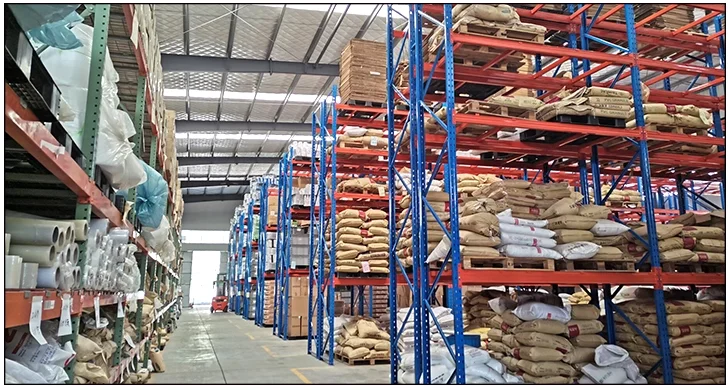
Zhengzhou Estarlink coffee Co., Ltd
- Trading Company
- Henan, China
- Lead time0 days
- Avg. response≤ 6h
Main productsCoffee Grinder,Coffee Pot,Coffee Machine,Coffee Makers,Coffee Tools
Main marketsNorth America(21.00%), Mid East(17.00%), Western Europe(15.00%), Oceania(10.00%), Southeast Asia(10.00%), Domestic Market(7.00%), Northern Europe(5.00%), Eastern Asia(5.00%), South America(4.00%), Eastern Europe(3.00%), Southern Europe(3.00%)

Traditional Japanese Matcha Set Whisk Matcha Tea Present Box Set Ceramic Accessories for Tea Lovers
$3.89 - $7.89
MOQ: 10 pieces
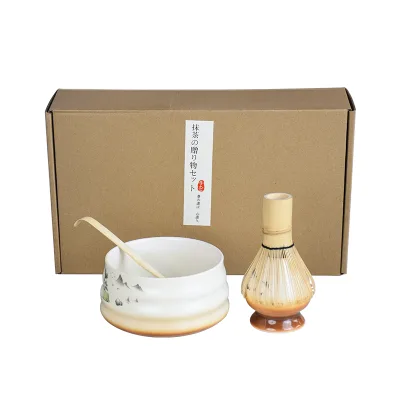
Portable Exquisite Gift Box Matcha Set 4 in All Travel Matcha Sets for School Gift
$6.60 - $13.00
MOQ: 5 pieces
Shenzhen Bogart Kitchenware Co., Ltd.
- Verified by TüVRheinland
- Trading Company
- Lead time15 days
- Avg. response≤ 2h
Main productsCoffee & Tea Sets, Matcha Tools, Portable Coffee Maker, Coffee Tumbler & Mugs, Coffee Accessories
Main marketsMid East(30%), North America(20%), Western Europe(13%)
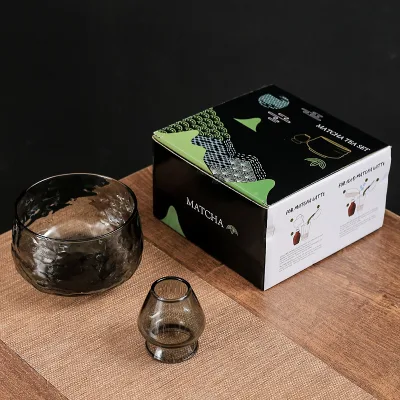
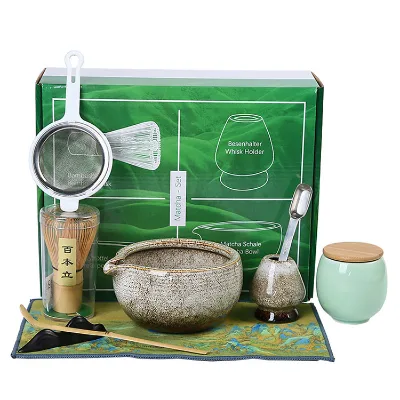
High Quality Eco-Friendly Travel Portable Tools Traditional Custom Logo Matcha Set Glass
$2.20 - $4.00
MOQ: 100 sets
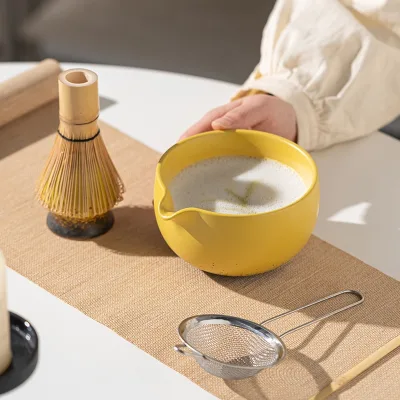
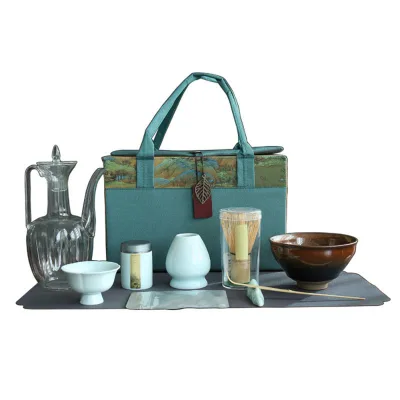
$19.58 - $34.04
MOQ: 1 Minimum
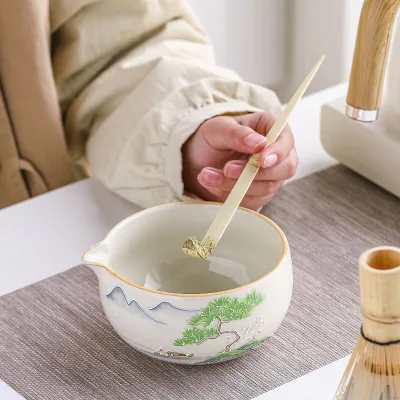
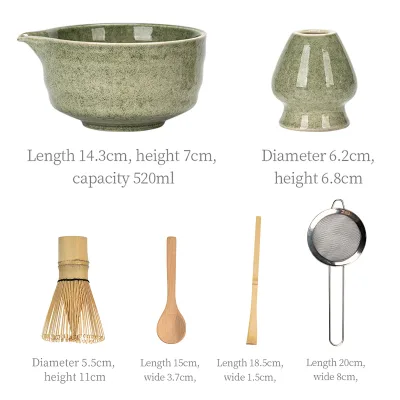
- Verified by TüVRheinland
- Trading Company
- Lead time10 days
- Avg. response≤ 8h
Main productsCoffee Grinder, Coffee Dripper, Coffee Syphon, Coffee Tamper, Coffee Filter
Main marketsMid East(30%), Oceania(20%), North America(10%)
Harmony Houseware(Yantai) Co., Ltd.
- Verified by SGS Group
- Manufacturer, Trading Company
- Lead time20 days
- Avg. response≤ 2h
Main productsCoffee & Tea Sets
Main marketsNorth America(45%), Oceania(10%), Eastern Europe(10%)
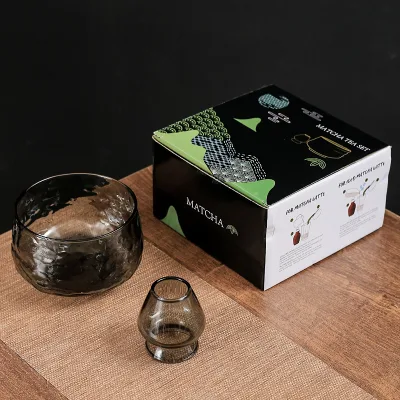
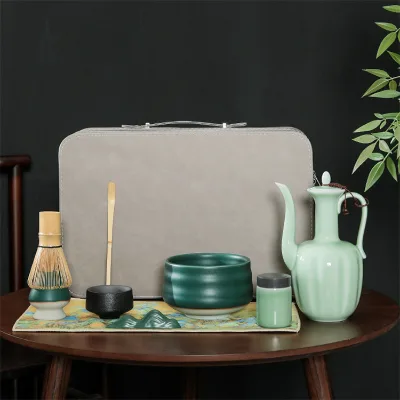
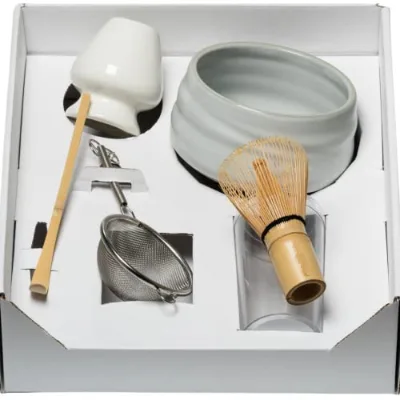
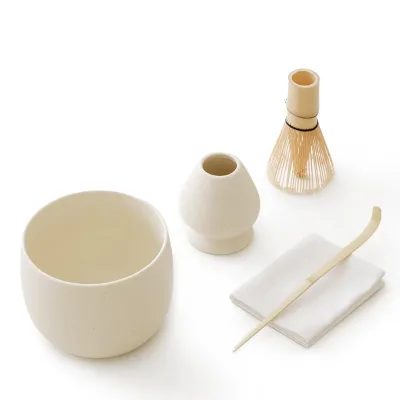
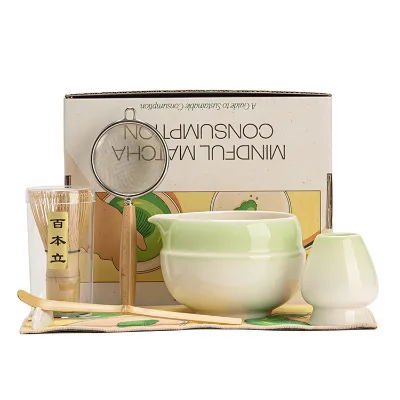
Harmony Supplier Custom Best Sell Personalize Popular Wholesale Matcha Tea Set
$10.30 - $11.42
MOQ: 100 Minimum
- Verified by TüVRheinland
- Trading Company
- Lead time30 days
- Avg. response≤ 3h
Main productsMatcha Tea Set, Storage Basket, Laundry Basket, Tableware Set, Woven Marcame Product
Main marketsSouth America(30%), Western Europe(20%), North America(15%)
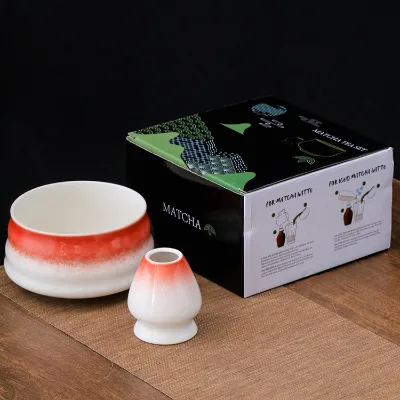
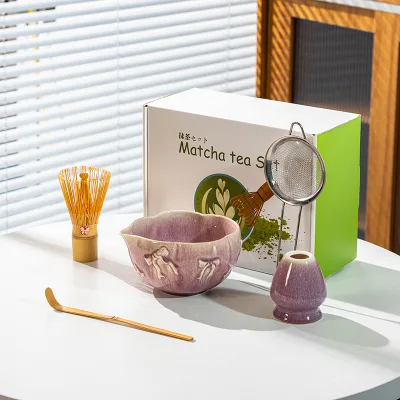
Matcha Tea Set, Matcha Bowl, Gradient Tea, Stand Small Set, Colorful Handmade Gift Box
$3.59 - $4.09
MOQ: 200 pieces
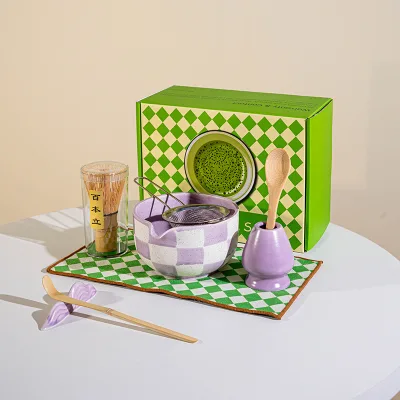
Dehua Listing Trading Co., Ltd.
- Trading Company
- Fujian, China
- Lead time30 days
- Avg. response≤ 2h
Main productsCeramic Vase,Incense Burner,Oil Burner,Ceramic Cup,Tableware
Main marketsNorth America(50.00%), Southern Europe(10.00%), Northern Europe(10.00%), Western Europe(10.00%), Eastern Europe(10.00%), South America(10.00%)
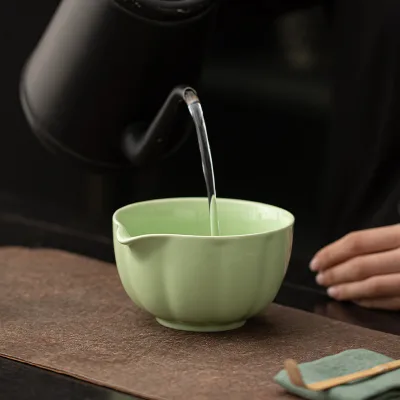
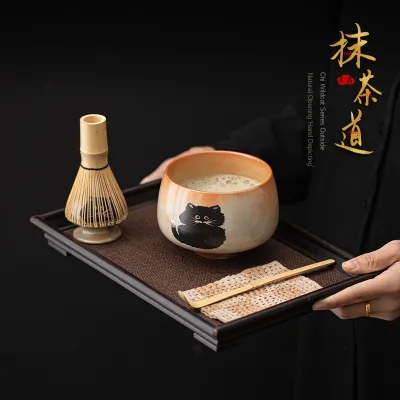
$0.6846 - $10.6163
MOQ: 2 Minimum
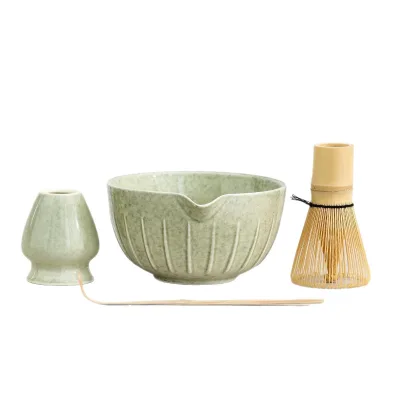
$0.2681 - $9.2232
MOQ: 2 Minimum
Changsha Banbo Bamboo and Wood Co., Ltd
- Manufacturer, Trading Company
- Hunan, China
- Lead time15 days
- Avg. response≤ 4h
Main productsBamboo and wood products,Matcha Whisk,Matcha Set,Matcha Kits,Teaware
Main marketsNorthern Europe(30.00%), North America(30.00%), Oceania(10.00%), Southern Europe(10.00%), Western Europe(10.00%), Eastern Europe(5.00%), Africa(3.00%), South America(2.00%)
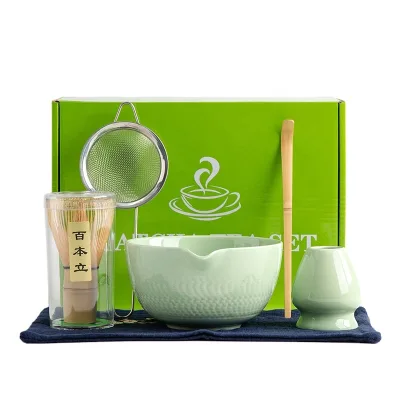
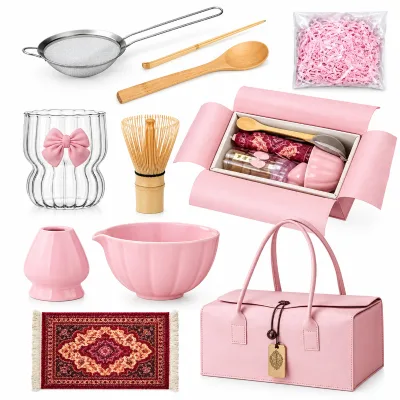
Wholesale OEM Green and Pink Minimalist Green Matcha Tea Gift Set Matcha Making Tool Set
$8.9431 - $13.2962
MOQ: 50 sets
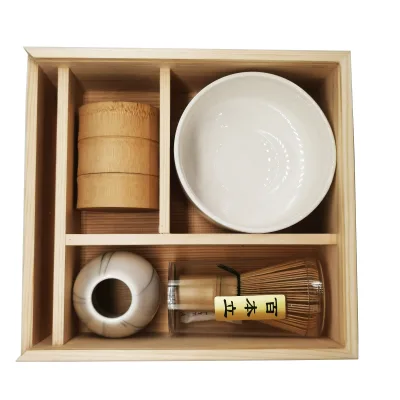
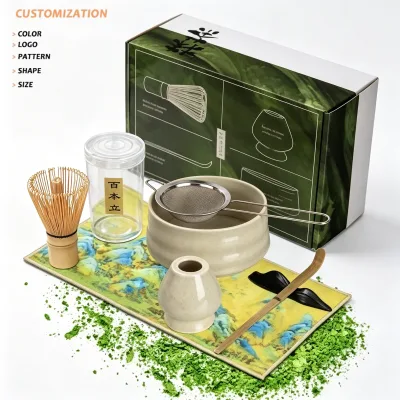
High Quality Matcha Set With Sifter and Wooden Tin Matcha Wooden Matcha Set Customized
$13.12 - $14.88
MOQ: 50
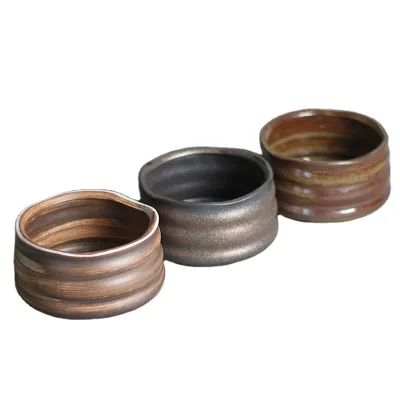
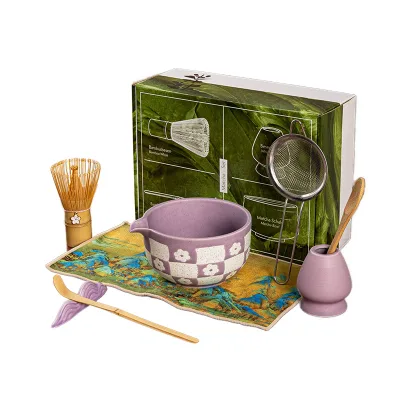
$11.5106 - $14.5306
MOQ: 100 pieces

Xiamen Athome Household Products Co., Ltd.
- Verified by SGS
- Trading Company
- China Fujian
- Lead time30 days
- Avg. response≤ 3h
Main productsXiamen Athome Household Products Co. Ltd. Is a, Custom Matcha Tea Set, Wooden &Bamboo Kitchenware, Custom Gifts & Souvenirs, Home & Seasonal Decor, Tableware &Dinner Set, Custom Candle Holer, Seasonal & Promotional Gifts, Drinkware, Sourdough & Baking Tools
Main marketsSoutheast Asia/ Mideast,East Asia(Japan/ South Korea)

Low MOQ OEM Manufacturer Matcha Tea Set Customize Packaging Japanese Ceremonial Matcha Box Set
$0.19 - $5.28
MOQ: 1 Pieces

OEM Matcha Tea Set Ceramic Chawan Matcha Whisk Chasen Holder Tea Accessories Wholesale Matcha Set
$3.98 - $13.88
MOQ: 1 Pieces


Wholesale Price OEM Manufacturer Personalized Customed Packaging 5PCS Matcha Tea Set Direct Factory
$0.98 - $4.48
MOQ: 1 Pieces

Japanese Style Ceramic Chasen Holder Matcha Tea Set Handmade Tea Ceremony Gift Set
$0.98 - $8.48
MOQ: 1 Pieces

$5.98 - $13.88
MOQ: 1 Pieces
Shenzhen Nicebest International Import & Export Co., Limited
- Verified by TüVRheinland
- Trading Company
- Lead time2 days
- Avg. response≤ 5h
Main productsKitchen Tabletop, Bathroom Products, Home Decoraction
Main marketsNorth America(40%), South America(30%), Mid East(10%)
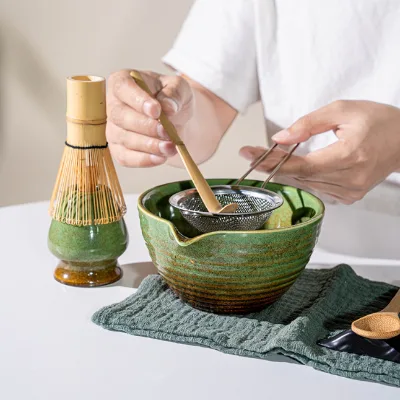
INS Style Matcha Tea Set Japanese High End Ceramic Gift Ceramic Matcha Tool Set
$9.0914 - $11.4717
MOQ: 24 Minimum
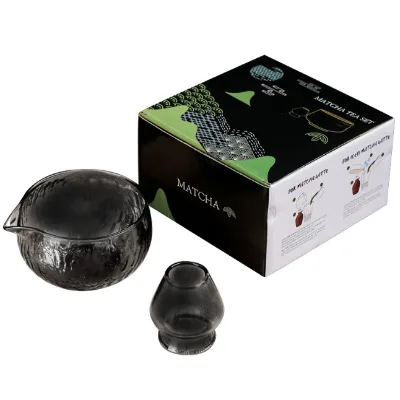
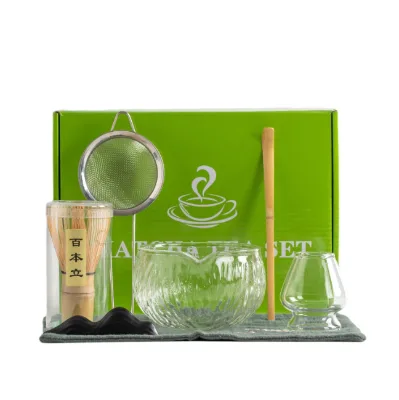
Hot Selling 2-piece Set Traditional Matcha Chasen Whisk Holder and Bowl Set Matcha Making Kit
$5.6759 - $6.1103
MOQ: 24 Minimum
Quanzhou Champine Trade Co., Ltd.
- Trading Company
- Fujian, China
- Lead time60 days
- Avg. response≤ 3h
Main productsHome & Garden Products, Gifts & Crafts, Shoe, Shoe Material
Main marketsNorth America(60.00%), Western Europe(30.00%), Southeast Asia(10.00%)

Shuifu Huiyang Agricultural Technology Co., Ltd.
- Verified by SGS
- Trading Company
- China Yunnan
- Lead time23 days
- Avg. response≤ 3h
Main productsBamboo Products, Bamboo Crafts, Bamboo Chopsticks, Bamboo Skewers, Bamboo Weaving, Bamboo Tray, Bamboo Box, Bamboo Placemat, Bamboo Fruit Bowl, Lamp Shades
Main marketsDomestic
Fujian Great Trading Co., Ltd.
- Verified by SGS Group
- Trading Company
- Lead time35 days
- Avg. response≤ 2h
Main productsBamboo Kitchenware, Bamboo Storage, Bamboo Houseware, Bamboo Bathroom, Bamboo Furniture
Main marketsNorth America(65%), Western Europe(25%), Oceania(10%)
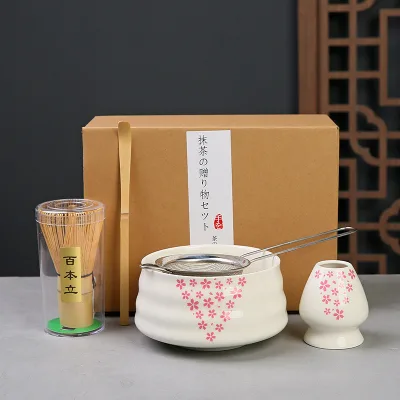
Tradition Handmade Bamboo Matcha Tea Set of 7 Eco Matcha Cup Kit Set With Gift Box
$1.00 - $12.50
MOQ: 100 Minimum
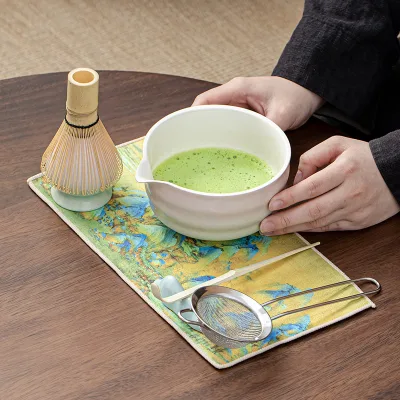
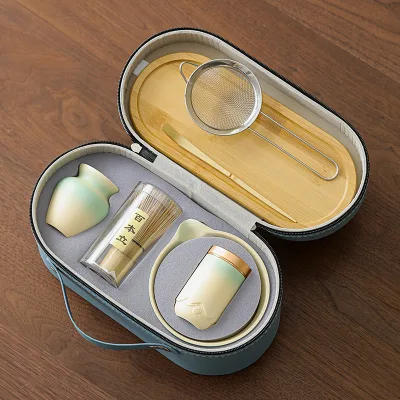
$10.886 - $16.069
MOQ: 100 pieces
Fujian Dehua Dingshengxiang Ceramic Co., Ltd.
- Manufacturer, Trading Company
- Fujian, China
- Lead time60 days
- Avg. response≤ 4h
Main productsCeramic Christmas Craft, Ceramic Easter Craft, Resin Craft, Ceramic Garden Pot, Ceramic Mug
Main marketsSouth America(30.00%), Northern Europe(25.00%), North America(20.00%), Western Europe(15.00%), Africa(5.00%), Eastern Europe(5.00%)
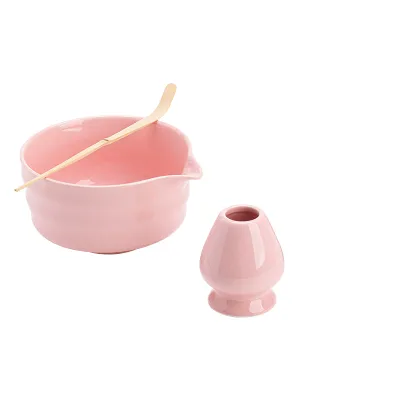
Hot Sales High Quality Ceramic Matcha 4pc Tea Set pink White Green Color Customized
$8.60 - $8.9116
MOQ: 3 sets
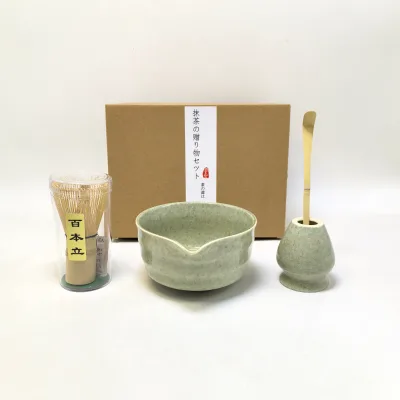
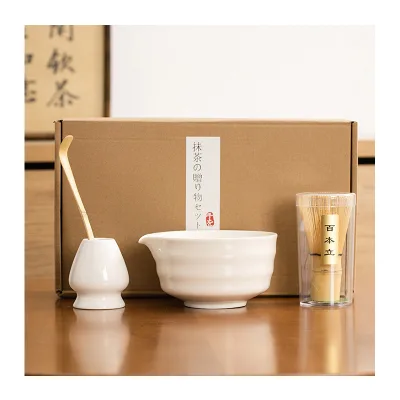
Wholesale Matcha Whisk Set Custom Matcha Gift Set Bamboo Whisk Bowl Matcha Tools
$8.1836 - $8.9176
MOQ: 1000 sets

Hefei Green Intelligent Technology Co., Ltd.
- Verified by SGS
- Trading Company,Manufacturer/Factory
- China Anhui
- Lead time23 days
- Avg. response≤ 4h
Main productsFlask, Thermos, Stainless Steel Vacuum Flask, Sport Water Bottle, Stainless Steel Office Cup, Wide Mouth Bottle, Stainless Steel Travel Mug, Lunch Box, Plastic Water Bottle, Space Cup
Main marketsSouth America,Eastern Europe,Mid East,North America,Southeast Asia,Eastern Asia,Oceania,Western Europe,Africa
Shaowu Shengheng Bamboo Products Co., Ltd.
- Manufacturer, Trading Company
- Fujian, China
- Lead time25 days
- Avg. response≤ 3h
Main productsBamboo Sticks, Bamboo Knotted Picks, Bamboo Skewer, Bamboo Chopsticks, Bamboo Steamer
Main marketsNorth America(30.00%), Western Europe(30.00%), Domestic Market(28.00%), Southeast Asia(12.00%)
Yantai Estick Bamboo And Wooden Products Co., Ltd.
- Verified by SGS Group
- Manufacturer, Trading Company
- Lead time30 days
- Avg. response≤ 1h
Main productsBamboo Whisk, Matcha Whisk Set, Disposable Tableware, Flatware, Bamboo Steamer
Main marketsNorth America(35%), Western Europe(15%), Southeast Asia(10%)
HANGZHOU EVER YUANDA PACKING CO., LTD.
- Verified by SGS Group
- Trading Company
- Lead time10 days
- Avg. response≤ 3h
Main productsPaper Printing Packaging, Paper Bags, Paper Box, Gift Wrap, Food Paper Bowl
Main marketsNorth America(30%), Western Europe(21%), Oceania(10%)
Xiamen Huidongxin Industry and Trade Co., Ltd.
- Verified by TüVRheinland
- Trading Company
- Fujian, China
- Lead time25 days
- Avg. response≤ 6h
Main productsMatcha Set, Coffee Accessories, Kitchen Accessories, Bar Accessories, Stainless Steel Part
Main marketsNorth America(20%), Mid East(20%), Western Europe(20%)

- Verified by TUVRHEINLAND
- Trading Company,Manufacturer/Factory
- China Fujian
- Lead time23 days
- Avg. response≤ 4h
Main productsBonsai Kit, Herb Kit, Succulent Kit, Flower Kit, Microgreens Kit, Terrarium Kit, Chia Pet, Mushroom Kit, Seed Paper & Seed Bomb, Kids Garden Kit
Main marketsSouth America,Eastern Europe,Mid East,North America,Southeast Asia,Eastern Asia,Oceania,Western Europe,Africa
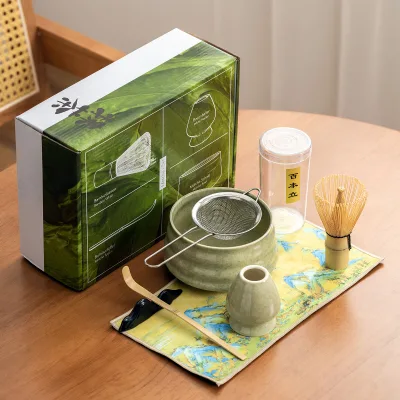
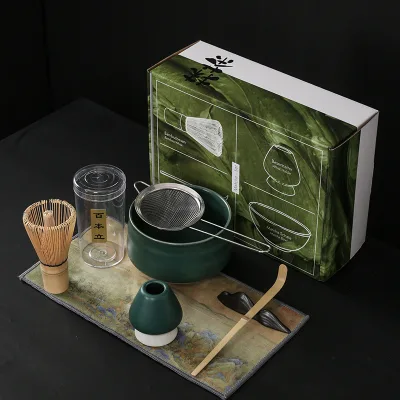






Comprehensive Sourcing Guide
Portable Classic Matcha Tea Set Supplier Concentration and Factory Types
The current supplier landscape for portable classic matcha tea sets reveals a diverse mix of manufacturing capabilities and business models, primarily concentrated in specific Chinese provinces. Evidence indicates that suppliers are located in regions such as Henan, Jilin, and Anhui, each offering distinct advantages for sourcing. In Henan, the available results highlight trading companies that specialize in ceramic products, including mugs, plates, bowls, and vases, alongside specialized matcha tools. These entities often operate with a response time of one day and a lead time of seven days, suggesting a streamlined operational model focused on quick turnover for standardized or semi-customized ceramic goods. The presence of trading companies in this region implies that buyers may benefit from consolidated sourcing options, where a single partner can manage multiple ceramic SKUs, reducing the complexity of managing separate factory relationships for different components of a matcha set.
In contrast, suppliers in Jilin and Anhui present different structural profiles. Jilin-based suppliers are noted for main products including water bottles, ceramic products, flowerpots, and candle warmers, indicating a broader ceramic manufacturing base that extends beyond just tea ware. These suppliers typically exhibit a two-day response time and a fifteen-day lead time, which may reflect a more traditional manufacturing cycle or higher volume production runs. Meanwhile, the supplier in Anhui is classified as a combined entity with verified BV status and capabilities in both OEM and ODM services. This supplier focuses on storage baskets, kitchen racks, and RPET tableware, suggesting a versatility in material handling that could extend to bamboo or composite matcha tools. The variation in company types—from pure trading companies to combined manufacturing and trading entities—allows buyers to select partners based on whether they prioritize speed and consolidation or verified manufacturing capacity and design customization.
How to Verify Portable Classic Matcha Tea Set Suppliers
Verifying the legitimacy and capability of suppliers requires a close examination of their stated attributes and verification badges rather than relying on general reputation. For instance, the supplier in Anhui displays a BV verification status, which serves as a tangible indicator of third-party assessment. Buyers should prioritize suppliers with such verified credentials, as they have undergone external audits that confirm business legitimacy and operational standards. In the absence of visible verification badges, buyers must request additional documentation, such as business licenses or factory audit reports, to ensure the supplier is a legitimate entity. It is crucial to cross-reference the supplier’s claimed location with their operational address, as discrepancies can indicate a trading company posing as a manufacturer or vice versa. The presence of specific product attributes, such as model numbers like WT-76 or LW-LN6051401, also provides a layer of traceability, allowing buyers to verify that the supplier has a structured product catalog rather than offering generic, untracked items.
Furthermore, buyers should assess the supplier’s responsiveness and communication efficiency as a proxy for their operational reliability. The data shows response times ranging from one day to over five days, with some suppliers indicating a two-day response window. A faster response time, such as the one-day response observed in Henan-based suppliers, often correlates with a more agile customer service team, which is critical for resolving issues during the sourcing process. Buyers should test this responsiveness by sending detailed inquiries about customization options, material specifications, and shipping terms. Additionally, the availability of sample services, as noted in some product attributes, is a key verification step. Suppliers that explicitly state samples are available allow buyers to physically inspect the quality of the porcelain, ceramic, or glass materials before committing to a large order. This hands-on verification is essential for ensuring that the "classic" design and "portable" features meet the buyer’s specific quality standards and functional requirements.
What to Compare Across Portable Classic Matcha Tea Set Suppliers
When evaluating multiple suppliers, buyers must compare key operational metrics such as minimum order quantities (MOQ), lead times, and pricing structures to determine the best fit for their business model. The available data shows significant variation in MOQs, with some suppliers requiring as few as 24 sets, while others demand a minimum of 100 sets. This disparity is crucial for buyers with varying inventory needs; those testing the market may prefer the lower MOQ options, whereas established brands might leverage higher volumes for better unit economics. Lead times also differ, with some suppliers offering a seven-day turnaround and others requiring up to fifteen days. Buyers should align these lead times with their sales cycles and inventory planning to avoid stockouts or excessive holding costs. Additionally, pricing ranges provide insight into the value proposition, with costs varying from approximately $4.66 to $7.58 per unit depending on the material, design complexity, and order volume. Comparing these price points against the specified features, such as custom logo acceptance or eco-friendly materials, helps buyers assess the true cost-benefit ratio of each supplier.
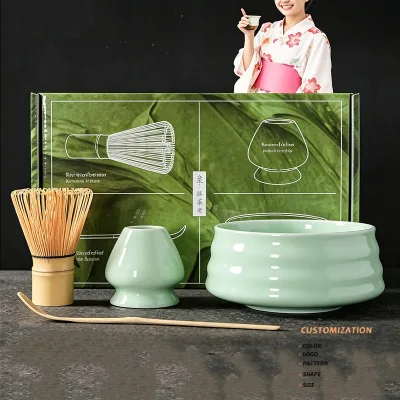
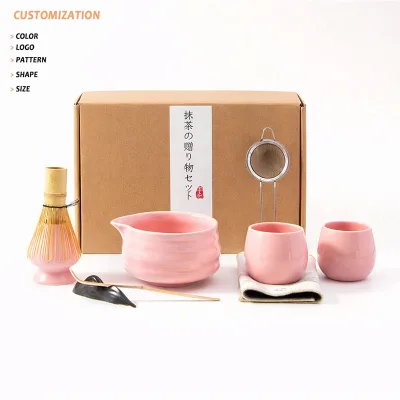
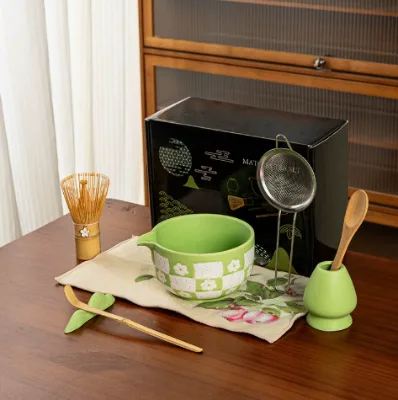
Beyond quantitative metrics, buyers should compare the specific product attributes and customization capabilities offered by each supplier. The product evidence highlights variations in materials, with some sets made from porcelain, others from ceramic, and some from glass or bamboo. Buyers must determine which material aligns with their brand’s positioning and customer expectations. For example, a supplier offering a "Classic" design style with a "Portable" feature may appeal to a different market segment than one offering an "Asian Zen" style. The availability of customization options, such as custom logos or packaging, is another critical differentiator. Suppliers that explicitly state "Customized Logo Acceptable" or "Customization Available" provide greater flexibility for brand building. Buyers should also compare the single package sizes and gross weights, as these factors directly impact shipping costs and storage requirements. By systematically comparing these attributes, buyers can identify suppliers that not only meet their basic requirements but also offer strategic advantages in terms of design, material, and logistical efficiency.
Common Portable Classic Matcha Tea Set Sourcing Risks
One of the primary risks in sourcing portable classic matcha tea sets is the potential mismatch between product descriptions and actual deliverables, particularly regarding materials and design fidelity. The product evidence shows a mix of materials, including porcelain, ceramic, glass, and bamboo, which can lead to confusion if suppliers do not clearly specify the composition of each component. For instance, a set described as "ceramic" might include glass whisk holders or bamboo accessories, and buyers must verify these details to ensure consistency with their brand standards. Another risk is the variability in quality control, especially when dealing with trading companies that may not have direct oversight of the manufacturing process. Buyers should be cautious of suppliers that do not provide detailed product specifications or model numbers, as this can indicate a lack of standardized production processes. Additionally, the risk of delayed shipments is heightened by the varying lead times, with some suppliers requiring up to fifteen days for production. Buyers must account for these delays in their supply chain planning to avoid disruptions.
Another significant risk is the potential for hidden costs or unfavorable commercial terms, such as high shipping fees or restrictive payment terms. The data shows that some suppliers offer customized packing, which can increase costs if not properly negotiated. Buyers should also be aware of the risks associated with low MOQs, which may come with higher unit prices, potentially eroding profit margins. Furthermore, the lack of visible certifications or standards in some product listings can pose a compliance risk, particularly if the buyer’s target market has strict safety or quality regulations. Buyers should verify that the suppliers adhere to relevant international standards for ceramic and glass products, such as food safety certifications. The risk of intellectual property infringement is also present, especially when dealing with custom logo services. Buyers must ensure that the supplier has the legal right to produce the customized designs and that the final products do not infringe on existing trademarks. By proactively identifying and mitigating these risks, buyers can protect their investments and maintain the integrity of their brand.
Portable Classic Matcha Tea Set Regional Sourcing and Logistics
The geographic location of suppliers significantly impacts logistics costs, lead times, and overall supply chain efficiency. Suppliers located in Henan, Jilin, and Anhui offer distinct logistical advantages depending on the buyer’s shipping preferences and destination markets. Henan-based suppliers, with their seven-day lead times and trading company structure, may offer more flexible shipping options due to their central location in China, which is well-connected to major ports and rail networks. This can result in faster transit times and potentially lower inland transportation costs. In contrast, suppliers in Jilin, located in the northeast, may have longer lead times of up to fifteen days, which could be attributed to their distance from primary export hubs. Buyers sourcing from Jilin should factor in additional transit time and potential logistical complexities when planning their inventory. The supplier in Anhui, with its combined manufacturing and trading capabilities, may offer a balanced logistical profile, leveraging its location in eastern China for efficient access to coastal ports.
Buyers should also consider the packaging specifications provided by suppliers, as these directly influence shipping efficiency and product safety. The product evidence indicates varying single package sizes, such as 25x20x15 cm for some ceramic sets and 11x12x7 cm for others. These dimensions affect the volume weight and overall shipping costs, particularly for air freight. Buyers should request detailed packing lists and carton dimensions to calculate the total shipping volume accurately. Additionally, the availability of customized packing options allows buyers to optimize packaging for their specific needs, such as using eco-friendly materials or reducing waste. However, customized packing may incur additional costs and extend lead times, so buyers must weigh these factors against their branding and sustainability goals. By carefully evaluating the regional logistics profiles and packaging options of each supplier, buyers can minimize shipping costs, reduce transit times, and ensure that their portable classic matcha tea sets arrive in pristine condition.
Portable Classic Matcha Tea Set Commercial Terms and Order Planning
Effective order planning for portable classic matcha tea sets requires a thorough understanding of the commercial terms offered by suppliers, including payment terms, sample policies, and after-sales support. The data shows that some suppliers explicitly state that samples are available, which is a critical component of the ordering process. Buyers should leverage this opportunity to request samples before placing bulk orders, allowing them to verify product quality, material durability, and design accuracy. The cost of samples, if any, should be clarified upfront, as some suppliers may waive these fees for confirmed orders. Additionally, buyers should inquire about the supplier’s return or replacement policies for defective items, as this provides a safety net in case of quality issues. The availability of OEM and ODM services, as noted by the Anhui-based supplier, offers further flexibility for buyers looking to develop unique products. Buyers should discuss design specifications, tooling costs, and intellectual property rights during these negotiations to ensure a smooth production process.
Pricing structures and volume discounts are also key commercial terms that influence order planning. The observed price ranges, from approximately $4.66 to $7.58 per unit, suggest that buyers can negotiate better rates for larger orders. Buyers should request detailed price lists that break down costs by material, customization, and packaging options to identify areas for cost savings. It is also important to clarify the validity period of the quoted prices, as raw material costs and exchange rates can fluctuate. Buyers should consider locking in prices for a specific period if they anticipate long-term supply needs. Furthermore, the lead times of seven to fifteen days must be integrated into the buyer’s production and sales schedules. Buyers should build in buffer time for potential delays and communicate clearly with suppliers about order status updates. By carefully negotiating commercial terms and aligning them with their business objectives, buyers can establish a reliable and cost-effective supply chain for their portable classic matcha tea sets.
FAQs
What is the typical lead time for portable matcha sets?
Manufacturers generally require 7 to 15 days to produce and ship orders. This timeframe depends on the specific supplier location and production capacity. Buyers should confirm exact dates with the supplier before placing bulk orders to ensure timely delivery for their events.
What is the minimum order quantity for custom sets?
Minimum order quantities typically range from 24 to 100 sets. Some suppliers accept orders as low as 24 sets for classic designs, while others require 100 sets for eco-friendly options. Buyers must check the specific product listing to verify the exact MOQ required.
Are custom logos available on portable matcha kits?
Yes, most suppliers accept customized logos on their ceramic or porcelain sets. This service allows buyers to brand their products for corporate gifts or retail. Buyers should confirm customization details and any additional costs directly with the supplier during the inquiry process.
What materials are used in these portable tea sets?
Common materials include ceramic, porcelain, and bamboo components. Some sets feature glass elements or eco-friendly finishes. Buyers should review the product specifications to identify the exact material composition, as options vary between classic ceramic designs and modern portable kits.
How quickly do suppliers respond to inquiries?
Response times vary, with some suppliers replying within one day. Others may take up to six days to provide detailed quotes. Buyers should prioritize suppliers with faster response rates to ensure efficient communication and quicker resolution of any sourcing questions or concerns.
What is the price range for these sets?
Prices generally range from approximately 4.66 to 7.58 USD per set. The cost depends on the material, design complexity, and order quantity. Buyers should request specific quotes based on their desired model and volume to get accurate pricing for their budget.