Industrial Machinery Hydraulic Orbit Motor Suppliers and Manufacturers
Compare 26 verified Industrial Machinery Hydraulic Orbit Motor suppliers in China Shandong with response times, lead times, and certifications. Review product specs like ISO 9000 and pricing ranges to source gear or piston motors for forestry or drilling rigs; review the available evidence before requesting comparable quotations from suitable candidates.
Updated
Suppliers List

Taian Chuangdong New Material Technology Co., Ltd.
- Verified by TUVRHEINLAND
- Trading Company,Manufacturer/Factory
- China Shandong
- Lead time45 days
- Avg. response≤ 4h
Main productsHydraulic Winches, Slewing Drive Reducer, Final Drive Reducer, Electric Winches, Hydraulic Hoisting Winch, Hydraulic Motor
Main marketsSouth America,Eastern Europe,Mid East,North America,Southeast Asia,Eastern Asia,Oceania,Western Europe,Africa
Jining Yunyang Hydraulic Co., Ltd.
- Manufacturer, Trading Company
- Shandong, China
- Lead time15 days
- Avg. response≤ 2h
Main productshydraulic motor,steering control units,steering column,hydraulic winch,hydraulic pump
Main marketsDomestic Market(60.00%), Northern Europe(20.00%), Eastern Asia(10.00%), South Asia(10.00%), Southeast Asia(10.00%), Southern Europe(4.00%), Western Europe(3.00%), Eastern Europe(2.00%), Mid East(1.00%), North America(1.00%)
Shijiazhuang Baile Electromechanical Equipment Co., Ltd.
- Verified by TüVRheinland
- Manufacturer, Trading Company
- Lead time5 days
- Avg. response≤ 3h
Main productsHydraulic Pump, Hydraulic Motor, Hydraulic Valve, Hydraulic Cylinder, Gear Pump
Main marketsSoutheast Asia(20%), Western Europe(18%), Southern Europe(17%)
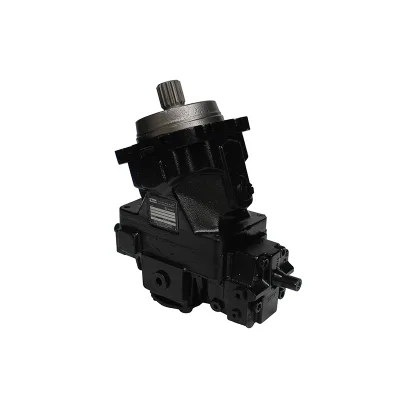
TL Series Short Medium Duty Hydraulic Orbit Motor Compact Industrial Machinery Drive System
$400.00 - $450.00
MOQ: 1
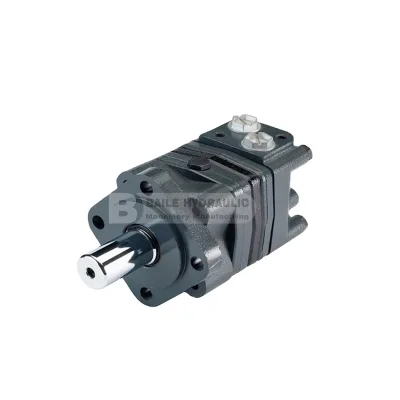
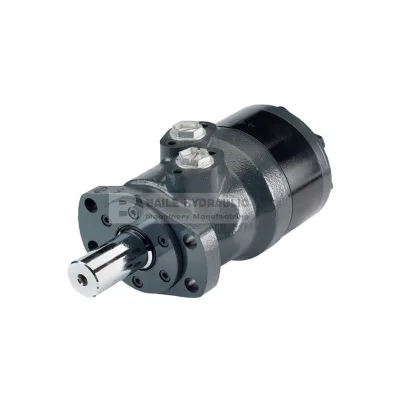
Parker Char-lynn High Speed Orbital Wheel Motor OMP OMR OMS OMV OMT hydraulic orbit motor
$913.6122
MOQ: 1 Minimum

Shijiazhuang Hanjiu Technology Co., Ltd.
- Trading Company,Manufacturer/Factory
- China Hebei
- Lead time0 days
- Avg. response≤ 14h
Main productsOrbit Hydraulic Motor, Hydraulic Steering Unit, Directional Valve
Shanghai Shangjia Zhikong Hydraulic Co., Ltd.
- Trading Company
- Shanghai, China
- Lead time7 days
- Avg. response≤ 5h
Main productsHydraulic Component,Radiator,Hydraulic gear pump,Hydraulic Air cooler,Hydraulic Valve
Main marketsMid East(20.00%), Eastern Asia(10.00%), Northern Europe(10.00%), Africa(10.00%), Eastern Europe(10.00%), South America(10.00%), Western Europe(10.00%), South Asia(5.00%), Oceania(5.00%), North America(5.00%), Central America(5.00%)
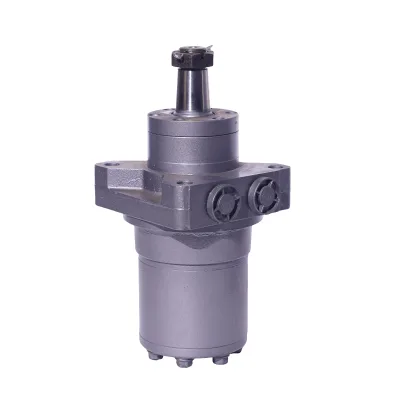
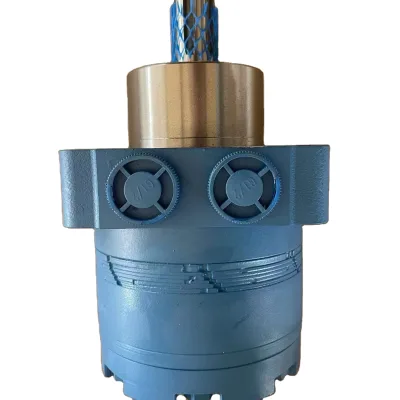
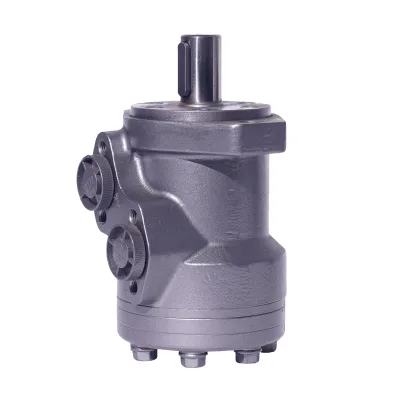
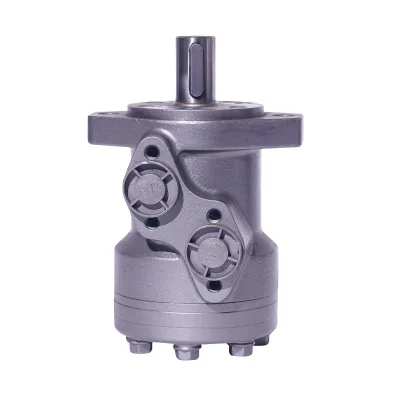
$41.0422 - $44.1191
MOQ: 1 pieces
Ningjin Ruixing Trading Co., Ltd.
- Trading Company
- Hebei, China
- Lead time5 days
- Avg. response≤ 3h
Main productsHydraulic motor,Hydraulic pump,Hydraulic cylinder
Main marketsNorth America(30.00%), South America(20.00%), Northern Europe(20.00%), Mid East(10.00%), Western Europe(10.00%), Southern Europe(10.00%)
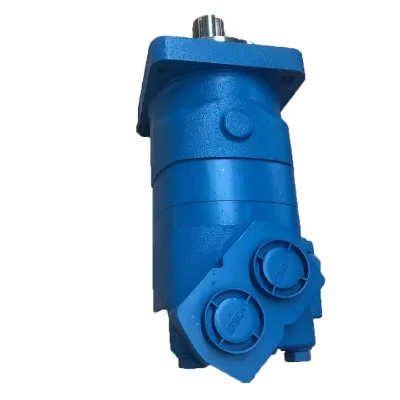
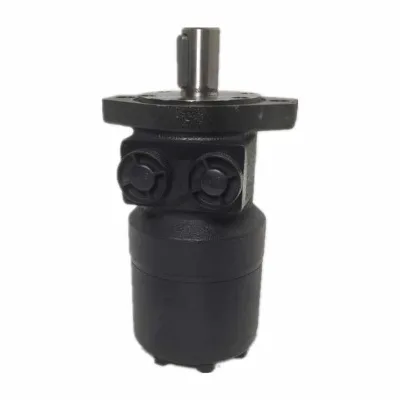
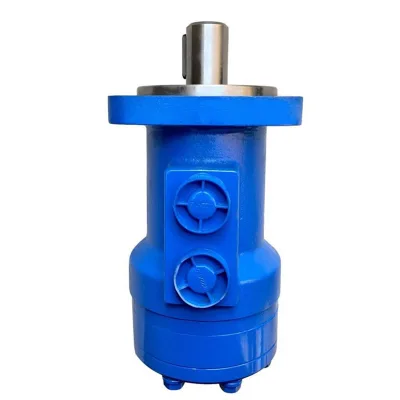
Factory Customized Various Models Orbital Hydraulic Traveling Motor White Hydraulic Motors
$60.00 - $149.00
MOQ: 1 sets
Taizhou Dengxu Hydraulic Machinery Co., Ltd.
- Trading Company
- Zhejiang, China
- Lead time10 days
- Avg. response≤ 2h
Main productsHydraulic Pump,Hydraulic Valve,Gear pump,Hydraulic motor,Multi-way valve
Main marketsSoutheast Asia(20.00%), Africa(20.00%), Central America(10.00%), Mid East(10.00%), North America(10.00%)
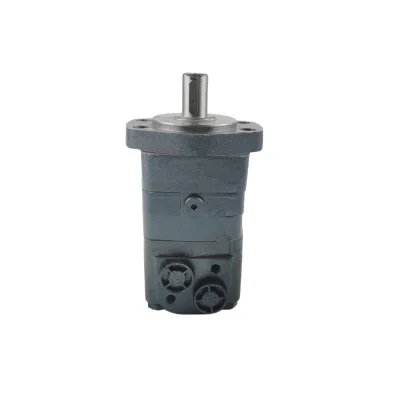
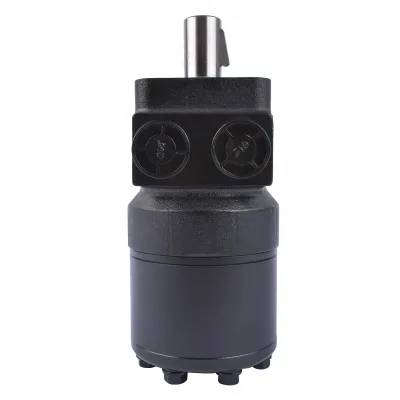
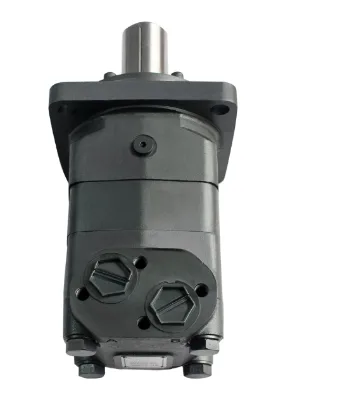
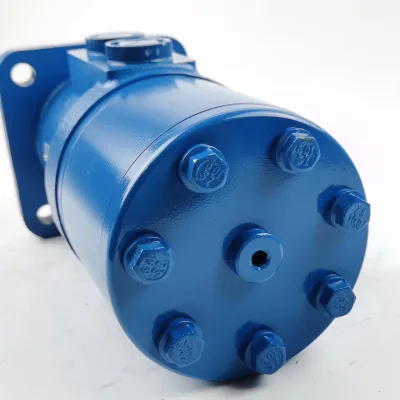
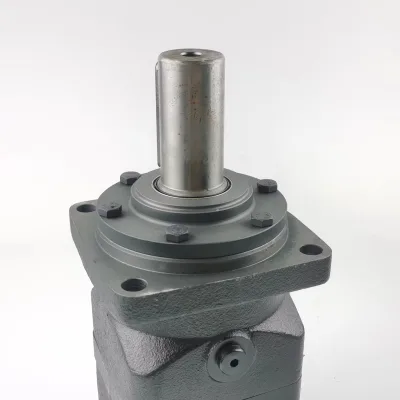
OMS Series Orbit Hydraulic Motor Low Speed High Torque BMS for Industry Machine
$643.00
MOQ: 2 Minimum
Wuhan Xinlaifu Hydraulic Equipment Co., Ltd.
- Trading Company
- Hubei, China
- Lead time15 days
- Avg. response≤ 10h
Main productsHydraulic Pump,Hydraulic Motor,Hydraulic Valve,Spare parts,Pneumatic parts
Main marketsNorth America(30.00%), Western Europe(25.00%), Southeast Asia(25.00%), Mid East(20.00%)
Jiangsu Hydstar Hydraulic Technology Co., Ltd.
- Verified by Intertek
- Manufacturer, Trading Company
- Lead time15 days
- Avg. response≤ 2h
Main productsVane Pump, Piston Pump, Gear Pump, Hydraulic Motor, Pump Accessories
Main marketsNorth America(45%), South America(16%), Mid East(12%)

Dongguan Blince Machinery & Electronics Co., Ltd.
- Verified by BV
- Trading Company
- China Guangdong
- Lead time23 days
- Avg. response≤ 4h
Main productsHydraulic Motor, Hydraulic Vane Pump, Valve, Cartridge Kits, Oil Cooler
Main marketsSouth America,Africa,Southeast Asia/ Mideast,East Asia(Japan/ South Korea),Europe,Australia,North America
Jinan Huachen Industrial Co., Ltd.
- Verified by SGS Group
- Manufacturer, Trading Company
- Lead time45 days
- Avg. response≤ 5h
Main productsHydraulic Cylinder, Hydraulic power unit, Hydraulic system, Tipping hoist, Hook lift
Main marketsNorth America(60%), Eastern Europe(20%), Southeast Asia(8%)
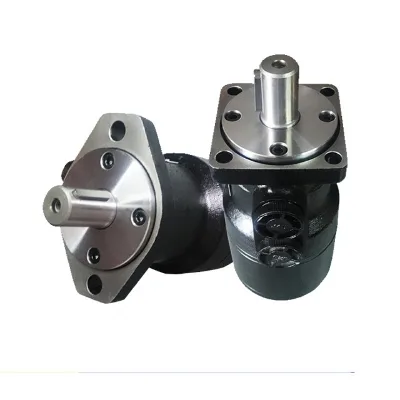
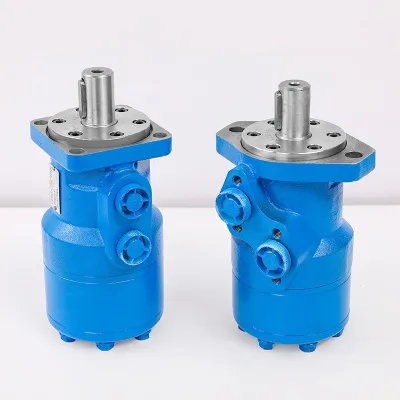
Hydraulic Drive orbit Motor Low Speed High Torque Gear Pump Hydraulic Motor for Water Well Drill
$50.00 - $70.00
MOQ: 10 pieces
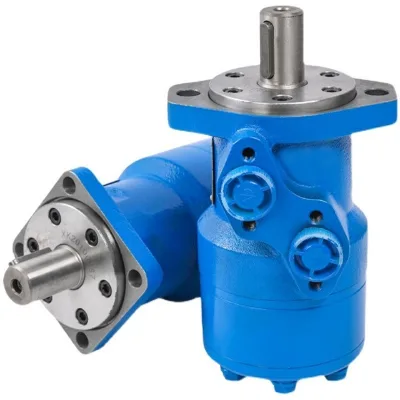
Bm3 Series orbit Hydraulic Motor Low Speed High Torque Orbital Ryco Hydraulic Motors for Sale
$50.00 - $70.00
MOQ: 10 pieces
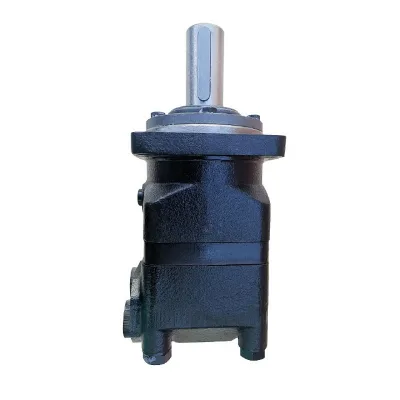
$50.00 - $70.00
MOQ: 10 pieces
$50.00 - $70.00
MOQ: 10 units
Ningbo Lainuo Hydraulic Technology Co., Ltd.
- Verified by TüVRheinland
- Trading Company
- Lead time3 days
- Avg. response≤ 1h
Main productsHydraulic Pump, Hydraulic Motor, Hydraulic Valve, Hydraulic Cylinder, Hydraulic Parts
Main marketsMid East(25%), Central America(20%), South America(10%)
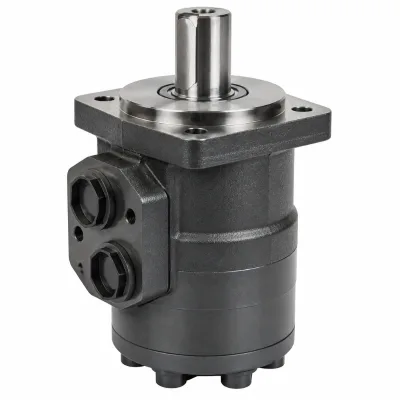
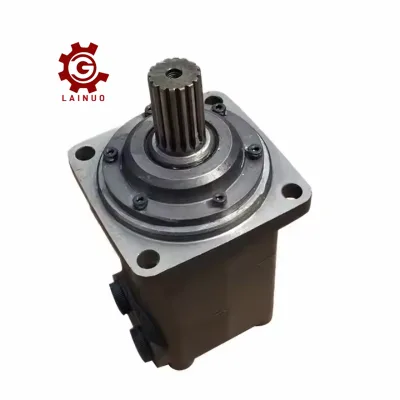
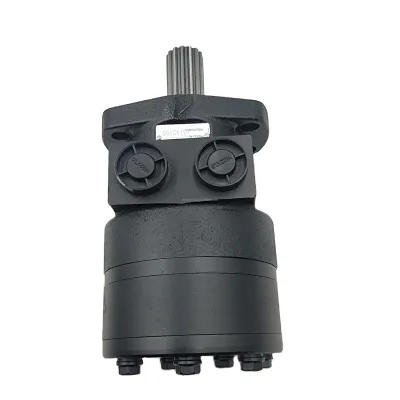
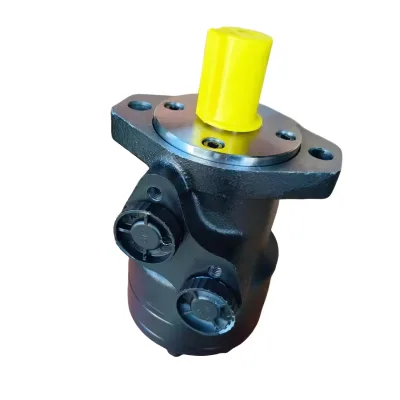
TG TG0625 Quantitative Hydraulic Orbit Motor TG0625MV460AAAB TG0280 TG0195 TG0170 TG Motor
$83.00 - $88.00
MOQ: 1 pieces
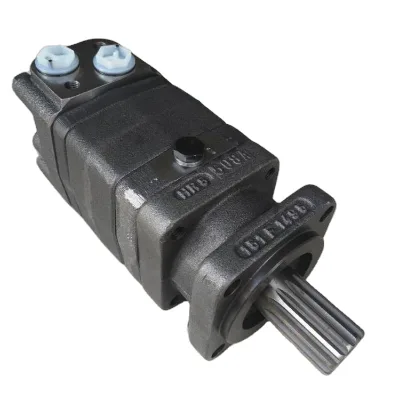
$83.00 - $88.00
MOQ: 1 pieces
$63.00 - $66.00
MOQ: 1 pieces
Jining Yuansheng Electromechanical Co., Ltd.
- Verified by TüVRheinland
- Manufacturer, Trading Company
- Lead time25 days
- Avg. response≤ 2h
Main productsHydraulic Winch, Hydraulic Crane, Hydraulic Auger, Hydraulic Reducer, Hydraulic Systerm
Main marketsDomestic Market(60%), Mid East(18%), Southeast Asia(10%)

Shanghai Guorui Hydraulic Technology Co., Ltd.
- Verified by SGS
- Combined
- China Shanghai
- Lead time30 days
- Avg. response≤ 5h
Main productsGear Pump, Gear Motor, Hydraulic Control Valve, Flow Divider, Orbit Motor, Monoblock Valve, Sectional Valve, Power Unit, Air Cooler, Steering Unit
Main marketsSoutheast Asia/ Mideast,Domestic,North America

Hebei Gallop Import And Export Trading Co., Ltd.
- Manufacturer, Trading Company
- hebei, China
- Lead time20 days
- Avg. response≤ 5h
Main productshydraulic valve,hydraulic accumulator,hydraulic gear pump,PTO gearbox,hydraulic cylinder
Main marketsMid East(30.00%), South Asia(30.00%), Southeast Asia(10.00%), Northern Europe(10.00%), Western Europe(10.00%), Eastern Asia(10.00%)
Guangdong Shangze Hydraulic Technology Co., Ltd.
- Manufacturer, Trading Company
- Guangdong, China
- Lead time6 days
- Avg. response≤ 2h
Main productsHydraulic Pump,Hydraulic Motor,Hydraulic Valve,Hydraulic Spare Parts,Hydraulic Power Units
Main marketsNorth America(20.00%), Southeast Asia(15.00%), Eastern Europe(15.00%), South America(15.00%), South Asia(10.00%), Northern Europe(5.00%)
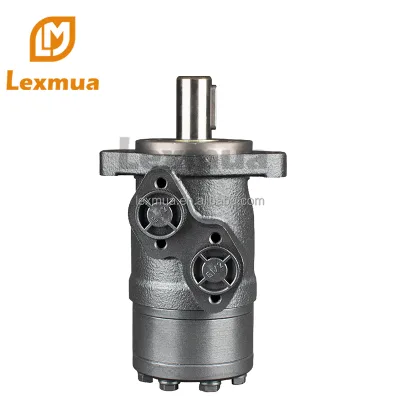
$194.9452 - $251.3764
MOQ: 1 pieces
Quanzhou Bole Automation Engineering Co., Ltd.
- Verified by SGS Group
- Manufacturer, Trading Company
- Lead time5 days
- Avg. response≤ 2h
Main productsHydraulic Pump, Hydraulic Motor, Hydraulic Valve, Hydraulic Cylinder, Hydraulic Gear Pump
Main marketsDomestic Market(40%), North America(30%), Mid East(15%)
Dongguan Blince Machinery & Electronics Co., Ltd.
- Verified by TüVRheinland
- Manufacturer, Trading Company
- Lead time20 days
- Avg. response≤ 3h
Main productsHydraulic Motor, Hydraulic Pump, Hydraulic Cylinder, Hydraulic Hose And Fitting, Hydraulic Valve
Main marketsNorth America(15%), South America(15%), Southeast Asia(15%)
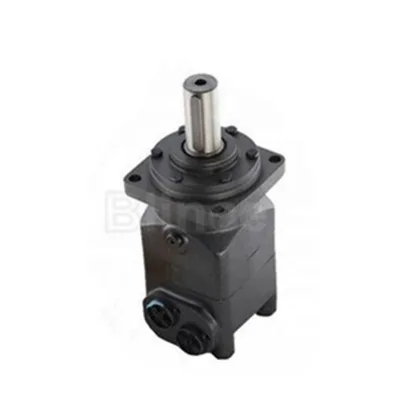
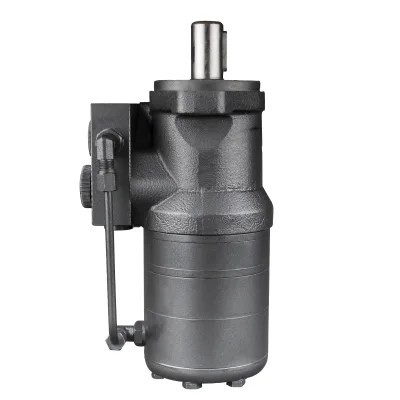
High Quality Large Torque Hydraulic orbit Motor OMT Series Hydraulic Motor 250cc for Bulldozers
$175.96 - $216.95
MOQ: 2 pieces
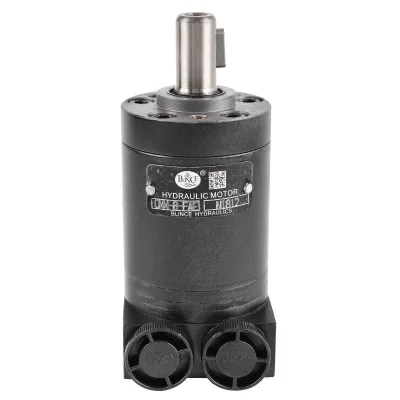
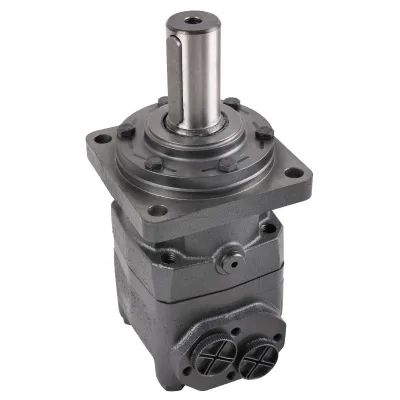
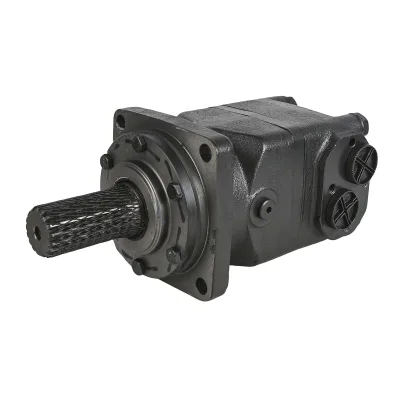
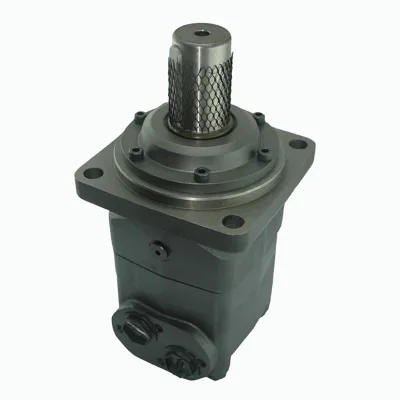
Custom BMR Match the Hydraulic Motor Displacement From 80cc to 375cc OMR orbit Motors for Tractor
$55.00 - $65.00
MOQ: 2 pieces

Ningbo Associated Hydraulic Components Co., Ltd.
- Trading Company
- Zhejiang, China
- Lead time7 days
- Avg. response≤ 4h
Main productsHydraulic Valve,Hydraulic pump,Hydraulic motor,Hydraulic cylinder,Hydraulic spare parts
Main marketsAfrica(15.00%), Eastern Europe(12.00%), South Asia(10.00%), Western Europe(10.00%), Eastern Asia(10.00%), Mid East(8.00%), Southeast Asia(8.00%), North America(5.00%), Southern Europe(5.00%), Northern Europe(5.00%), Oceania(5.00%), South America(5.00%), Domestic Market(2.00%)
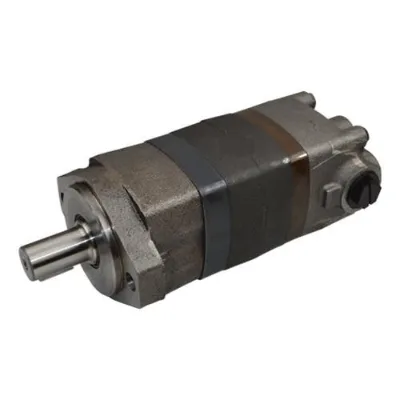
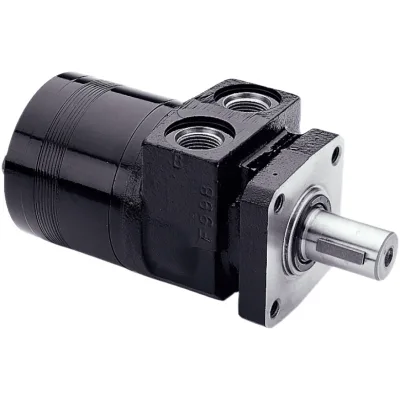
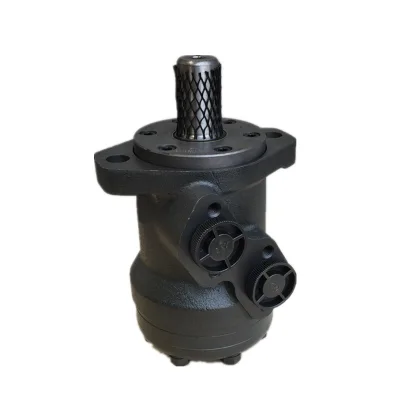
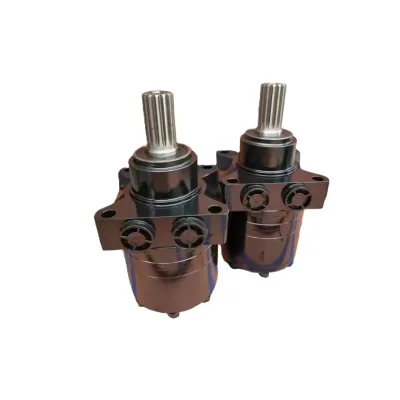
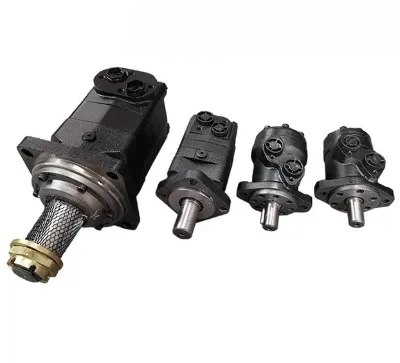
Hot Sales Eaton Char-lynn orbit Hydraulic Motor 2000 Series
$90.00 - $150.00
Shenzhen Zuosen Technology Co., Ltd.
- Verified by TüVRheinland
- Trading Company
- Lead time3 days
- Avg. response≤ 2h
Main productsHydraulic Pumps, Hydraulic Valves, Hydraulic Motors, Hydaraulic Coolers, Hydraulic Blocks
Main marketsDomestic Market(55%), South America(8%), Eastern Asia(7%)
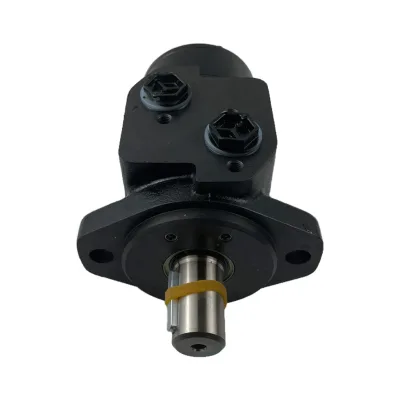
SNZ241003867 155250A6310BAAAAS Hydraulic Orbit Motor Hydraulic Motor
$247.2644 - $298.7776
MOQ: 1 pieces
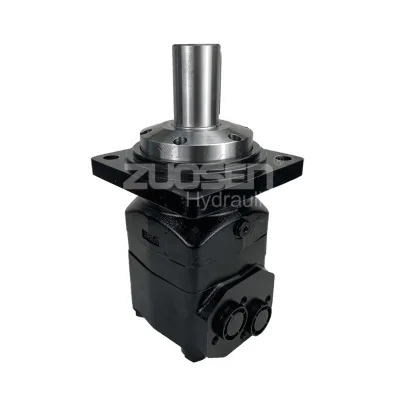
Wholesale OMV Series OMV315 OMV400 OMV500 OMV630 OMV800 Hydraulic Orbit Wheel Motor
$60.00 - $88.00
MOQ: 1
Hefei Lesili Hydraulic Technology Co., Ltd.
- Trading Company
- Anhui, China
- Lead time15 days
- Avg. response≤ 2h
Main productsHydraulic pump,Hydraulic motor,Hydraulic system,Power stripper,Pilot pump
Main marketsDomestic Market(70.00%), Southeast Asia(20.00%), Eastern Europe(10.00%)
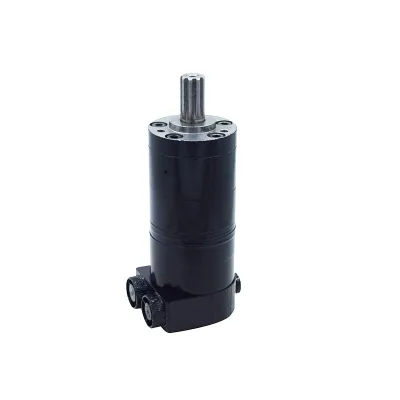
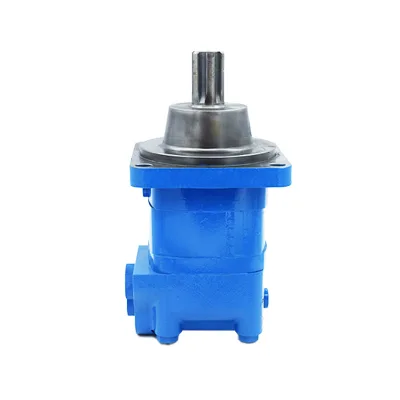
OMT 6000 Series Disc Valve Orbital Hydraulic Motors for Augers
$160.00 - $180.00
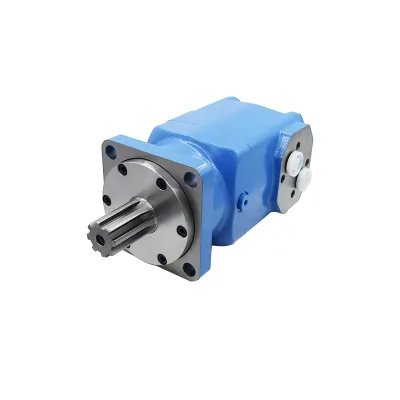
High Torque Hydraulic Orbital Motors OMR200 BMR200 OMT400 BM5 BM6 BMV BMS 490
$113.1739 - $133.7504
MOQ: 2 pieces
Guangdong Dechuan Hydraulic Equipment Co., Ltd.
- Trading Company
- Guangdong, China
- Lead time7 days
- Avg. response≤ 1h
Main productsHydraulic plunger pump,Hydraulic vane pump,Hydraulic element,Hydraulic motor,Hydraulic gear pump
Main marketsCentral America(8.00%), Southern Europe(8.00%), Africa(8.00%), Northern Europe(8.00%), Eastern Europe(8.00%), Eastern Asia(8.00%), North America(8.00%), Mid East(7.00%), Western Europe(7.00%), South America(7.00%), South Asia(6.00%), Domestic Market(6.00%), Southeast Asia(6.00%), Oceania(5.00%)

Ningbo Helm Tower Noda Hydraulic Co., Ltd.
- Verified by TUVRHEINLAND
- Combined
- China Zhejiang
- Lead time15 days
- Avg. response≤ 16h
Main productsHydraulic Motor, Hydraulic Spare Part, Hydraulic Pump, Marine Vane Motor, Vane Pump, Orbit Motor, Bent Axis Piston Motor, Piston Pump
Main marketsSouth America,Domestic,Europe,North America
Guangdong Taichuang Hydraulic Technology Co., Ltd.
- Verified by TüVRheinland
- Manufacturer, Trading Company
- Lead time0 days
- Avg. response≤ 1h
Main productsHydraulic Power Pack
Main marketsNorth America(16%), South America(15%), Southeast Asia(10%)
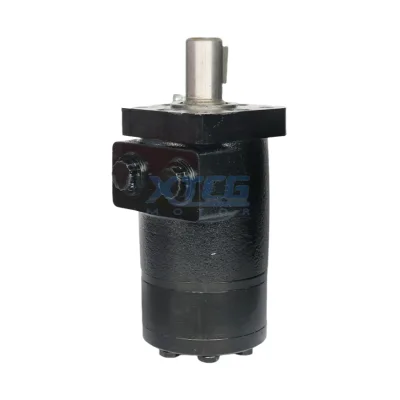
2000 Series 18kw Hydraulic Orbit Motor Cost Effective with 190 to 560 N.M High Efficiency Motor
$156.9829 - $169.295
MOQ: 2 pieces

Jining Yuansheng Electromechanical Co., Ltd.
- Verified by BV
- Combined
- China Shandong
- Lead time23 days
- Avg. response≤ 6h
Main productsHydraulic Winch
Main marketsSoutheast Asia/ Mideast

Elephant Fluid (Hebei) Hydraulic Machinery Co., Ltd.
- Verified by BV
- Trading Company
- China Hebei
- Lead time0 days
- Avg. response≤ 14h
Main productsHydraulic Pump Part, Hydraulic Pump, Hydraulic Motor, Hydraulic Valve, Mining Dump Truck Parts, Hydraulic Vane Pump and Spare Parts, Gear Pump


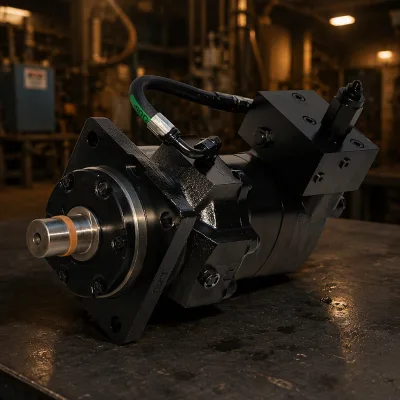
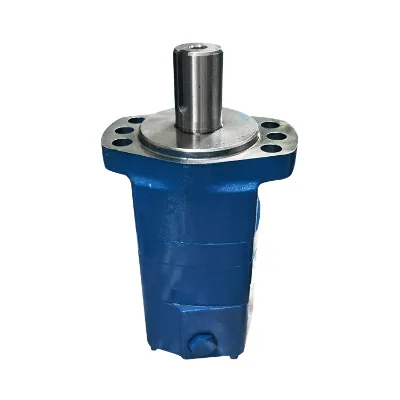
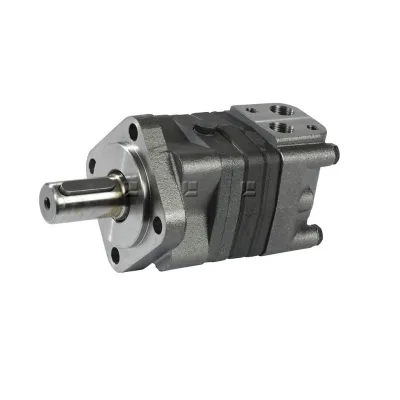


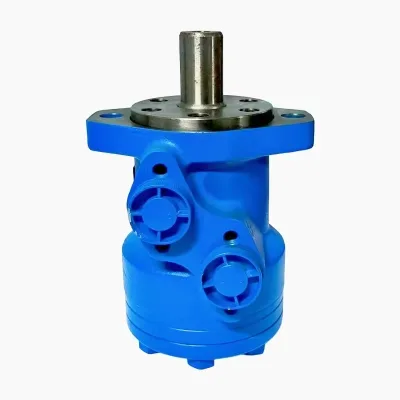




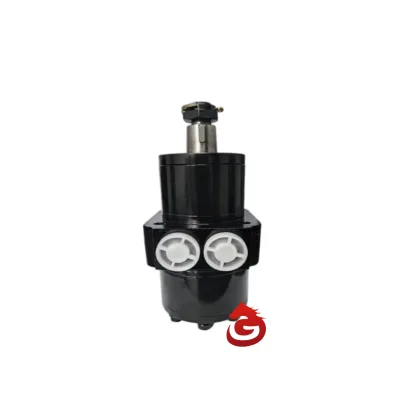
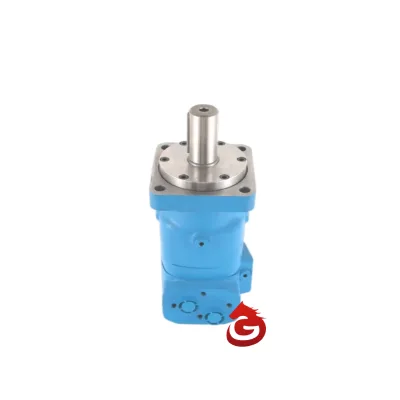
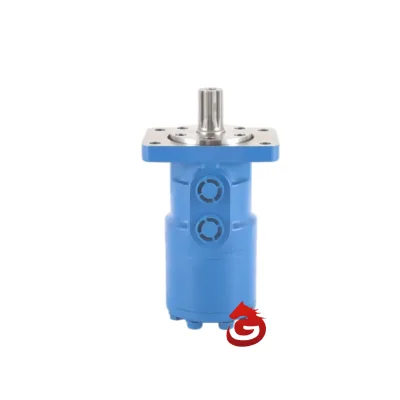
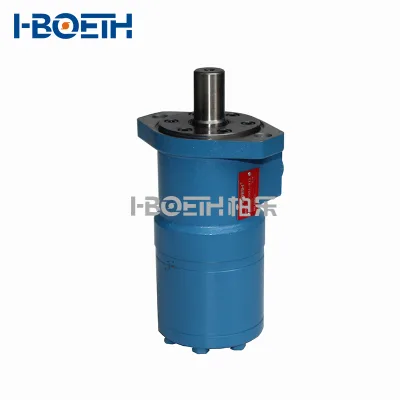
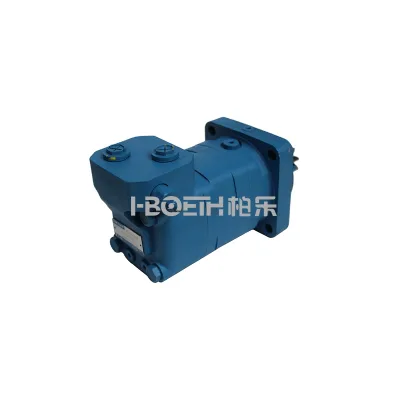
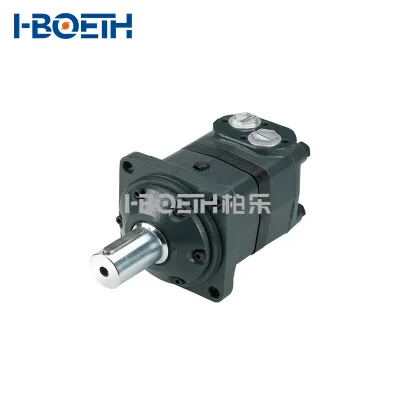
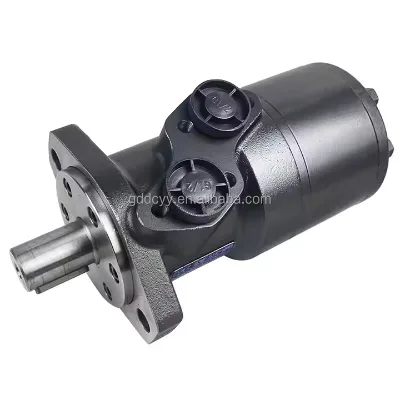
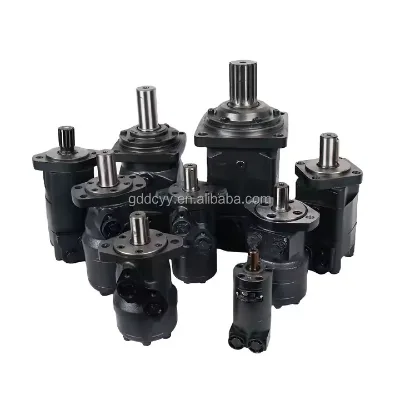


Comprehensive Sourcing Guide
Industrial Machinery Hydraulic Orbit Motor Supplier Concentration and Factory Types
The current supplier landscape for industrial machinery hydraulic orbit motors reveals a distinct concentration of manufacturing and trading entities within China, specifically in the Shandong region. This geographic clustering suggests a mature industrial ecosystem where specialized components are produced with established supply chains for raw materials like carbon steel and precision machining capabilities. Buyers evaluating this market should note that the majority of results indicate suppliers operating as either manufacturers or trading companies, a dual structure that offers flexibility in sourcing strategies. Manufacturers typically provide direct access to production lines, enabling customizations such as OEM and ODM services, while trading companies may offer broader catalogs and consolidated logistics. The presence of both types allows buyers to choose between direct factory engagement for volume orders or the convenience of a single point of contact for mixed procurement needs. Understanding this concentration helps in assessing the reliability of the supply base, as regional clusters often share technical expertise and quality control standards, though verification of individual factory capabilities remains essential.
Within this concentrated market, the product range extends beyond basic hydraulic motors to include related components such as slewing drive reducers, final drive reducers, and hydraulic winches. This diversification indicates that many suppliers are not limited to single-product lines but operate as comprehensive solution providers for power transmission and hydraulic systems. The main products listed often include hydraulic orbit motors with specific applications in forestry, woodworking, and mowing machines, highlighting the versatility of these components across different industrial sectors. Suppliers frequently highlight their ability to replace famous brand models, suggesting a competitive aftermarket segment where compatibility and performance parity are key selling points. This environment requires buyers to carefully distinguish between original equipment manufacturer specifications and aftermarket replacements, ensuring that the selected supplier can meet the precise technical requirements of their machinery. The concentration of such diverse product offerings in one region facilitates easier comparison and potential bundling of orders, reducing overall procurement complexity for international buyers seeking integrated hydraulic solutions.
How to Verify Industrial Machinery Hydraulic Orbit Motor Suppliers
Verification is a critical step when sourcing industrial machinery hydraulic orbit motors, as the market includes both verified manufacturers and trading companies that may not have direct production oversight. Buyers should prioritize suppliers who display third-party verification badges, such as those from TÜV Rheinland, which indicate that an independent agency has assessed the company’s business legitimacy and operational capabilities. This verification process helps mitigate the risk of engaging with fraudulent entities or middlemen who cannot guarantee product quality or delivery timelines. In addition to verification badges, buyers should examine the system certifications held by the supplier, such as ISO 9000 or ISO 20000, which demonstrate a commitment to standardized quality management and service processes. These certifications are particularly important for hydraulic components, where precision and reliability are paramount to prevent system failures in heavy machinery. Buyers must also check for specific product certifications like CE or GS, which ensure that the motors meet regional safety and environmental standards, especially if the machinery is intended for export to Europe or other regulated markets.
Beyond certifications, buyers should actively assess the supplier’s response time and communication efficiency, as these metrics often reflect the company’s operational maturity and customer service quality. A response time of under four hours, as observed in some results, suggests a responsive team capable of addressing technical queries and order modifications promptly. Buyers should also verify the supplier’s capacity for customization, looking for explicit mentions of OEM and ODM services, which indicate that the factory can adapt designs to specific client needs. It is crucial to confirm whether the supplier provides after-sales support, such as online assistance, which can be vital for troubleshooting installation or performance issues. Additionally, buyers should request detailed product attributes, including displacement ranges, max temperature ratings, and shaft types, to ensure the motor matches their machinery’s specifications. By combining verification badges, certification checks, and communication assessments, buyers can build a reliable profile of each supplier, reducing the likelihood of sourcing errors and ensuring a smoother procurement experience.
What to Compare Across Industrial Machinery Hydraulic Orbit Motor Suppliers
When comparing suppliers, lead time is a primary differentiator that directly impacts production scheduling and inventory management. The observed data shows a wide range of lead times, from as short as five days to as long as forty-five days, reflecting differences in production capacity, stock availability, and customization complexity. Buyers should align their order planning with these lead times, considering that shorter lead times may come with higher costs or limited customization options, while longer lead times might offer more competitive pricing for standard models. Alongside lead times, the minimum order quantity (MOQ) is another critical factor, with some suppliers accepting orders as low as one piece, which is ideal for testing or small-scale repairs, while others require MOQs of fifty units or more, suitable for bulk procurement. Buyers must evaluate these thresholds against their volume requirements to avoid unnecessary inventory costs or production delays. Additionally, comparing the price ranges, which vary from approximately fifty to four hundred fifty dollars per unit, helps in budgeting and identifying suppliers that offer the best value for specific performance criteria.
Beyond pricing and quantities, buyers should compare the technical specifications and product attributes offered by each supplier to ensure compatibility with their existing machinery. Key attributes to compare include the motor type, such as gear or piston motors, speed ratings, and power output, as these determine the motor’s suitability for high-torque or high-speed applications. Buyers should also examine the casing protection type, excitation mode, and available customization options, as these features can significantly affect the motor’s durability and performance in harsh industrial environments. The availability of replacement parts and the supplier’s ability to provide detailed product documentation, such as model numbers and dimensional drawings, are also important considerations. Furthermore, comparing the shipping and payment terms, including support for express, sea, or air freight, and accepted payment methods like TT or Western Union, helps in assessing the logistical convenience and financial security of the transaction. By systematically comparing these dimensions, buyers can identify suppliers that best match their technical, financial, and operational requirements.
Common Industrial Machinery Hydraulic Orbit Motor Sourcing Risks
One significant risk in sourcing hydraulic orbit motors is the potential mismatch between advertised specifications and actual product performance, particularly when dealing with aftermarket replacements. Suppliers often claim their motors can replace famous brand models, but without rigorous testing and certification, these replacements may not meet the original equipment’s durability or efficiency standards. Buyers must be cautious of vague product descriptions that lack detailed technical data, such as precise displacement values or pressure ratings, which are essential for ensuring proper integration into hydraulic systems. Another risk is the variability in quality control among different supplier types, as trading companies may not have direct oversight of manufacturing processes, leading to inconsistencies in product quality. This risk is exacerbated when suppliers do not provide clear evidence of their production capabilities or quality assurance procedures, making it difficult for buyers to verify the reliability of the components. To mitigate these risks, buyers should request sample units for testing and insist on detailed technical documentation before placing large orders.
Logistical and communication risks also pose challenges, particularly when dealing with suppliers in distant regions or those with limited English proficiency. Miscommunication regarding technical requirements, shipping instructions, or payment terms can lead to delays, incorrect shipments, or financial losses. Buyers should be aware of the potential for hidden costs, such as customs duties or additional shipping fees, which may not be included in the initial price quote. Additionally, the risk of supply chain disruptions, such as raw material shortages or production bottlenecks, can affect lead times and order fulfillment. Buyers should establish clear communication channels and confirm all details in writing to minimize misunderstandings. It is also important to verify the supplier’s ability to handle after-sales issues, as poor support can lead to prolonged downtime for machinery. By identifying and addressing these risks proactively, buyers can protect their investments and ensure a more reliable sourcing experience.
Industrial Machinery Hydraulic Orbit Motor Regional Sourcing and Logistics
Sourcing hydraulic orbit motors from the Shandong region in China offers logistical advantages due to the area’s established manufacturing infrastructure and proximity to major shipping ports. This concentration of suppliers facilitates efficient consolidation of orders, allowing buyers to combine multiple components, such as motors, pumps, and valves, into a single shipment. This consolidation can reduce overall shipping costs and simplify customs clearance processes. However, buyers must also consider the environmental and regulatory factors associated with shipping from this region, including potential tariffs or trade restrictions that may affect the final landed cost. The availability of various shipping modes, including express, sea, and air freight, provides flexibility in choosing the most cost-effective and timely delivery option based on the urgency of the order. Buyers should work closely with their suppliers to determine the optimal shipping method, considering factors such as package dimensions, weight, and the value of the goods.
Logistics planning also involves coordinating with freight forwarders to ensure proper handling and protection of the hydraulic motors during transit. Given the precision nature of these components, packaging must be robust to prevent damage from vibration or impact. Suppliers often use wooden boxes or carton packing, but buyers should verify that the packaging meets international shipping standards. Additionally, buyers should be aware of the documentation required for international shipments, such as commercial invoices, packing lists, and certificates of origin, which are essential for customs clearance. Delays in documentation can lead to storage fees or missed delivery windows, so it is crucial to ensure that all paperwork is accurate and complete. By understanding the logistical landscape of the Shandong region and planning accordingly, buyers can streamline their supply chain and reduce the risk of delays or additional costs.
Industrial Machinery Hydraulic Orbit Motor Commercial Terms and Order Planning
Commercial terms play a pivotal role in the procurement of industrial machinery hydraulic orbit motors, with payment terms and order planning significantly influencing the overall cost and risk profile. Common payment methods include Telegraphic Transfer (TT) and Western Union, with some suppliers also accepting Trade Assurance for added security. Buyers should negotiate favorable payment terms, such as partial upfront payment and the balance upon shipment, to balance cash flow with risk mitigation. Order planning must account for the supplier’s lead time and MOQ, ensuring that orders are placed well in advance to avoid production delays. For customized orders, buyers should allow additional time for design approval and prototyping, as these processes can extend the lead time significantly. It is also important to consider the total cost of ownership, including shipping, insurance, and potential duties, when evaluating the supplier’s price quotes.
Effective order planning also involves establishing a clear communication protocol with the supplier to track production progress and address any issues promptly. Buyers should request regular updates on the manufacturing status and confirm the final inspection results before shipment. This proactive approach helps in identifying and resolving potential problems early, reducing the likelihood of delays or quality issues. Additionally, buyers should plan for after-sales support, ensuring that the supplier provides adequate technical assistance and warranty coverage. By carefully managing commercial terms and order planning, buyers can optimize their procurement process, minimize risks, and ensure the timely delivery of high-quality hydraulic orbit motors for their industrial machinery applications.
FAQs
What is the price range for industrial hydraulic orbit motors?
Prices typically range from $40 to $450 per unit depending on specifications. Basic models start around $50, while specialized high-duty units can reach $450. Buyers should verify exact costs based on displacement, power rating, and customization needs before placing orders.
What certifications do these hydraulic motors hold?
Most suppliers provide ISO 9000, ISO 20000, CE, ISOCE, and GS certifications. These standards ensure quality management and safety compliance. Buyers should request specific certification documents to verify that the motors meet their regional regulatory requirements and industry standards.
What is the typical lead time for these motors?
Lead times vary significantly, ranging from 5 to 45 days. Some manufacturers offer rapid production with a 5-day turnaround, while others require up to 45 days for complex orders. Buyers should confirm delivery schedules with suppliers to align with project timelines.
What is the minimum order quantity for these products?
MOQs generally range from 1 to 50 units. Some suppliers accept single-piece orders for testing, while others require a minimum of 50 units for standard pricing. Buyers should check specific supplier terms to determine the most cost-effective order size for their needs.
Where are these hydraulic motors manufactured?
These products are primarily manufactured in China, specifically in Shandong Province. Suppliers in this region offer both trading company and manufacturer options. Buyers should verify the exact origin and factory details to ensure supply chain reliability and quality control.
What response times can buyers expect from suppliers?
Supplier response times typically range from 2 to 3.97 hours. Faster responses indicate active customer service teams ready to assist with inquiries. Buyers should prioritize suppliers with quicker response times to ensure efficient communication throughout the sourcing and negotiation process.
Are customization and OEM services available?
Yes, many suppliers offer OEM, ODM, and customization services. Buyers can request specific displacements, colors, flanges, and shaft types. Customization options allow for tailored solutions that meet unique machinery requirements, ensuring compatibility and optimal performance in various industrial applications.