Korean Style Dipping Dish Suppliers and Manufacturers in China
Explore 23 verified options for Korean Style Dipping Dish from Guangdong, China. Compare lead times, MOQs, and response times to find suitable factories. Review product specifications and request samples to proceed; review the available evidence before requesting comparable quotations from suitable candidates.
Updated
Suppliers List
CHAOZHOU CHAOAN JINQILIN STAINLESS STEEL CO., LTD.
- Manufacturer, Trading Company
- Guangdong, China
- Lead time20 days
- Avg. response≤ 3h
Main productsKorean Stainless Steel Tableware,Stainless Steel Pot Set,Food Storage Box
Main marketsEastern Asia(45.00%), Eastern Europe(20.00%), Africa(15.00%), North America(15.00%), Southeast Asia(5.00%)
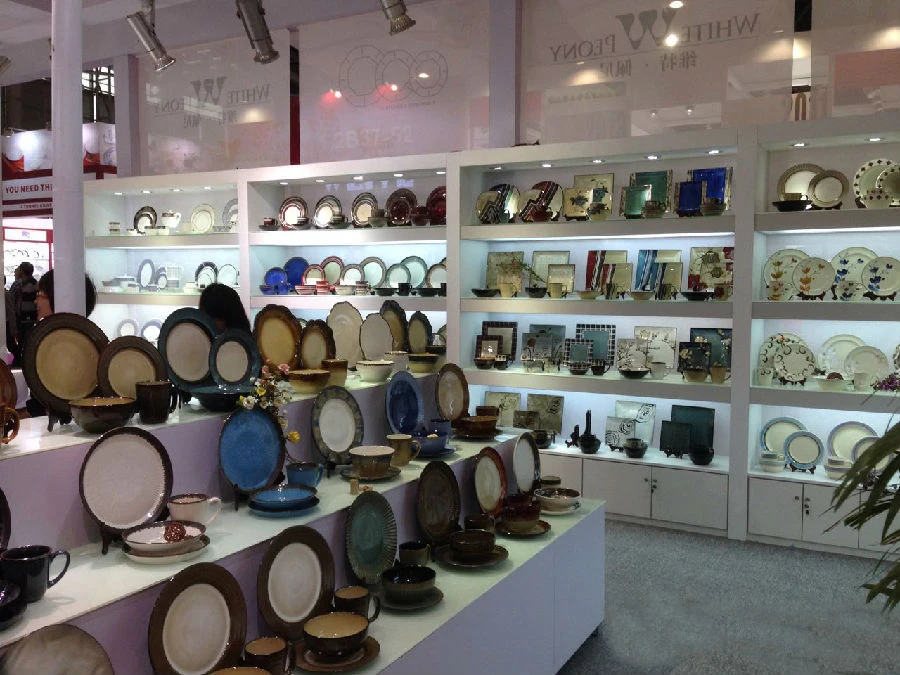
Chaozhou Sanding Pottery Co., Ltd.
- Trading Company
- Guangdong Province, China
- Lead time3 days
- Avg. response≤ 3h
Main productsPromotional Ceramic Mugs,Stainless Steel Tumblers,Enamel Mugs,Ceramic Dinner Set,Ceramic Soup Pot
Main marketsNorth America(35.00%), Mid East(10.00%), Western Europe(10.00%), Eastern Europe(10.00%), Northern Europe(10.00%), Southeast Asia(6.00%), Eastern Asia(5.00%), Southern Europe(5.00%), Oceania(3.00%), South America(2.00%), Domestic Market(1.00%), South Asia(1.00%), Africa(1.00%), Central America(1.00%)
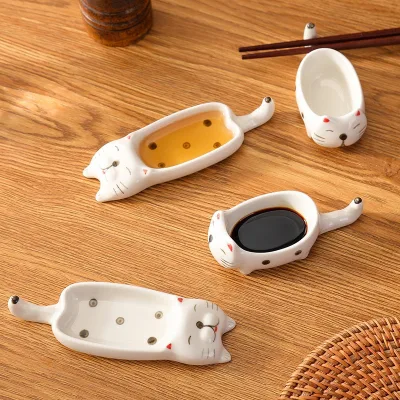
Japanese Style Cute Cat Ceramic Seasoning Dish Chopstick Holder Snack Dipping Dish
$0.715 - $0.8394
MOQ: 100 pieces
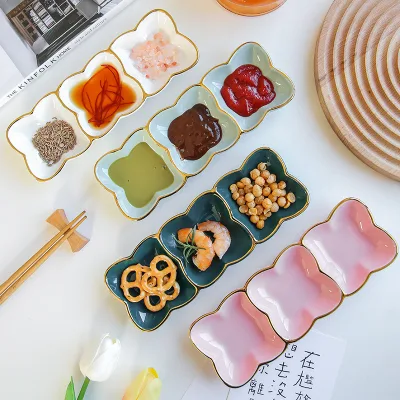
Nordic Ceramic Sauce Plate Restaurant Hot Pot Multi Grid Seasoning Household Dipping Plate
$1.59 - $1.99
MOQ: 60 pieces

Lihao Houseware (Guangzhou) Co., Ltd
- Verified by SGS
- Manufacturer/Factory,Other
- China Guangdong
- Lead time23 days
- Avg. response≤ 2h
Main productsHotel Restaurant Supplies, Hotel & Restaurant Essentials, Catering Equipment, Commercial Catering Equipment, Chafing Dishes & Food Warmers, Hotelware, Buffet Serving Ware, Tableware (Dinnerware / Cutlery), Glassware, Food Display Stand
Main marketsSouth America,Eastern Europe,Mid East,North America,Southeast Asia,Eastern Asia,Oceania,Western Europe,Africa


New Style Round Korean Ceramic Soy Sauce Dishes, Seasoning Dipping Plates for Restaurant Home
$0.49 - $0.99
MOQ: 100 Pieces


Retro Kiln Changed Ceramic Dipping Dishes for Restaurant Condiment Snacks
$0.79 - $1.49
MOQ: 100 Pieces

Creative Minimalist Pure White Ceramic Divided Small Dishes for Hot Pot Dipping Sauce
$0.39 - $1.99
MOQ: 100 Pieces
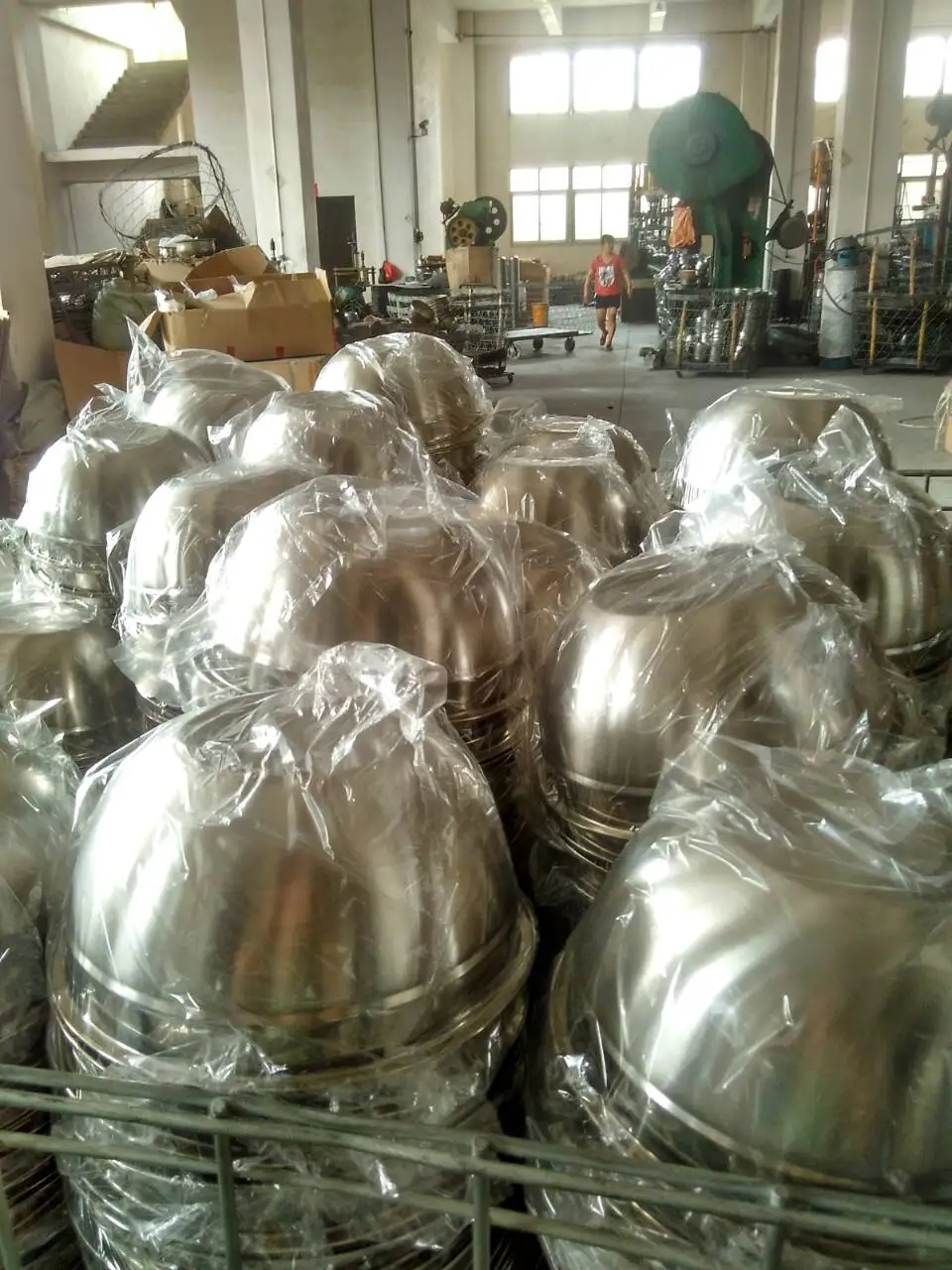
Chaozhou Chaoan Caitang Happy Cooking Hardware Factory
- Manufacturer, Trading Company
- Guangdong Province, China
- Lead time45 days
- Avg. response≤ 6h
Main productsCookware Set,Lunch Box,Kettle,Hotel Supplies,Bowl
Main marketsDomestic Market(100.00%), South Asia(100.00%), Eastern Europe(100.00%), Southern Europe(100.00%), Northern Europe(100.00%), Central America(100.00%), Eastern Asia(100.00%), Mid East(100.00%), Oceania(100.00%), Western Europe(30.00%), Southeast Asia(20.00%), North America(20.00%), South America(20.00%), Africa(10.00%)
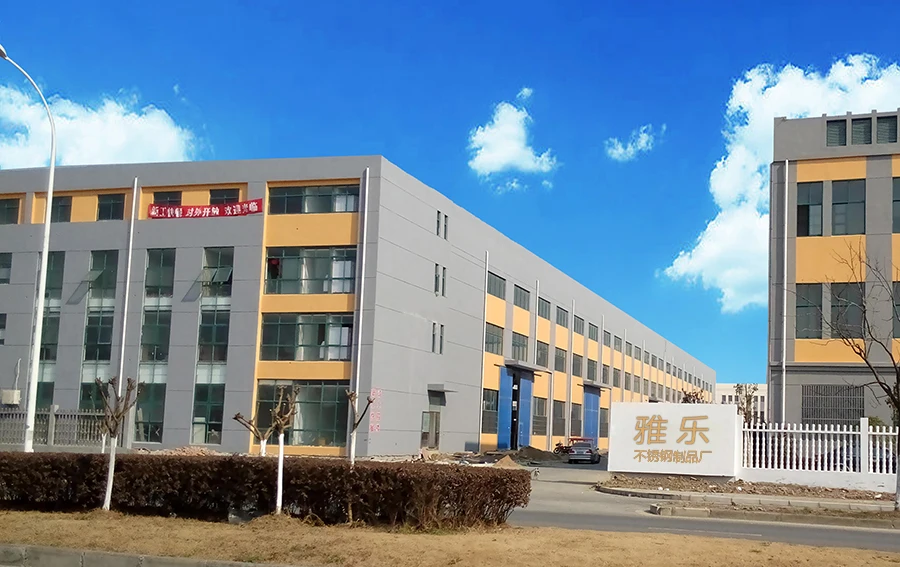
Chaozhou Chaoan District Anbu Town Yale Stainless Steel Products Factory
- Manufacturer, Trading Company
- Guangdong, China
- Lead time7 days
- Avg. response≤ 4h
Main productsStainless steel cup,stainless steel plate,stainless steel bowl,stainless steel plate,Korean tableware
Main marketsAfrica(50.00%), South Asia(30.00%), Mid East(20.00%)

Dongguan ShunTa Melamine Products Co., Ltd.
- Verified by CTI
- Combined
- China Guangdong
- Lead time15 days
- Avg. response≤ 9h
Main productsMelamine, Table Ware, Tableware, Household, Kitchen Ware, Pets Accessories, Chopsticks, Ashtray, Cushions, Bowls
Main marketsSoutheast Asia/ Mideast,East Asia(Japan/ South Korea),Domestic,Europe,Australia,North America


$0.92 - $1.38
MOQ: 200 Pieces

2023 New Design Melamine Chinese Retro Appetizer Round Bowl Sauce Dipping Dish
$0.34 - $0.42
MOQ: 200 Pieces

Foshan Ron Hospitality Supplies Co., Ltd.
- Manufacturer/Factory,Group Corporation
- China Guangdong
- Lead time23 days
- Avg. response≤ 2h
Main productsRestaurant Furniture, Customized Restaurant Product, Restaurant Table, Restaurant Chair, Restaurant Booth, Cafe Furniture, Bar Furniture, Coffee Shop Furniture, Dinnerware, Glassware
Main marketsSouth America,Eastern Europe,Mid East,North America,Southeast Asia,Eastern Asia,Oceania,Western Europe,Africa

Japanese Ceramics Double Lattice Dips Korean Style Barbecue Seasoning Dish
$1.81 - $2.26
MOQ: 100 Pieces

Simple Japanese Melamine Imitation Porcelain Three Plate Dish Dipping Dish Snack Dish
$1.46 - $1.82
MOQ: 100 Pieces


Jinhua Hengyang Cross-Border Trade Limited Liability Company
- Verified by SGS
- Trading Company
- China Zhejiang
- Lead time15 days
- Avg. response≤ 10h
Main productsCoffee Maker Air Fryer Storage Box Knife Set, Silicone Baking Mold Robot Vacuum Cleaning Table, Shower Head Non-Slip Shower Curtain Vacuum Stora, Collapsible Laundry Basket Bohemian Wall Tapestr, Fringe Pillow Cover Bedding Set Memory Foam Pill, Bamboo Tissue Biodegradable Trash Bags LED Fair, Smart Plug Fairy Lights Pet Food Bowl, Household Daily Necessities Kitchen Cleaning, Bathroom Storage and Care Fabric Home Decor, Bedding Daily Chemical Paper Products
Main marketsEurope

Bohemia Ceramics Dipping Bowl and Dish Vintage Soy Sauce Dish Japanese Style
$2.31 - $2.89
MOQ: 110 Pieces


$0.96 - $1.19
MOQ: 260 Pieces

Creative European Style Flat Dish with Ceramic Circular Dishes for Home Use
$1.56 - $1.95
MOQ: 160 Pieces
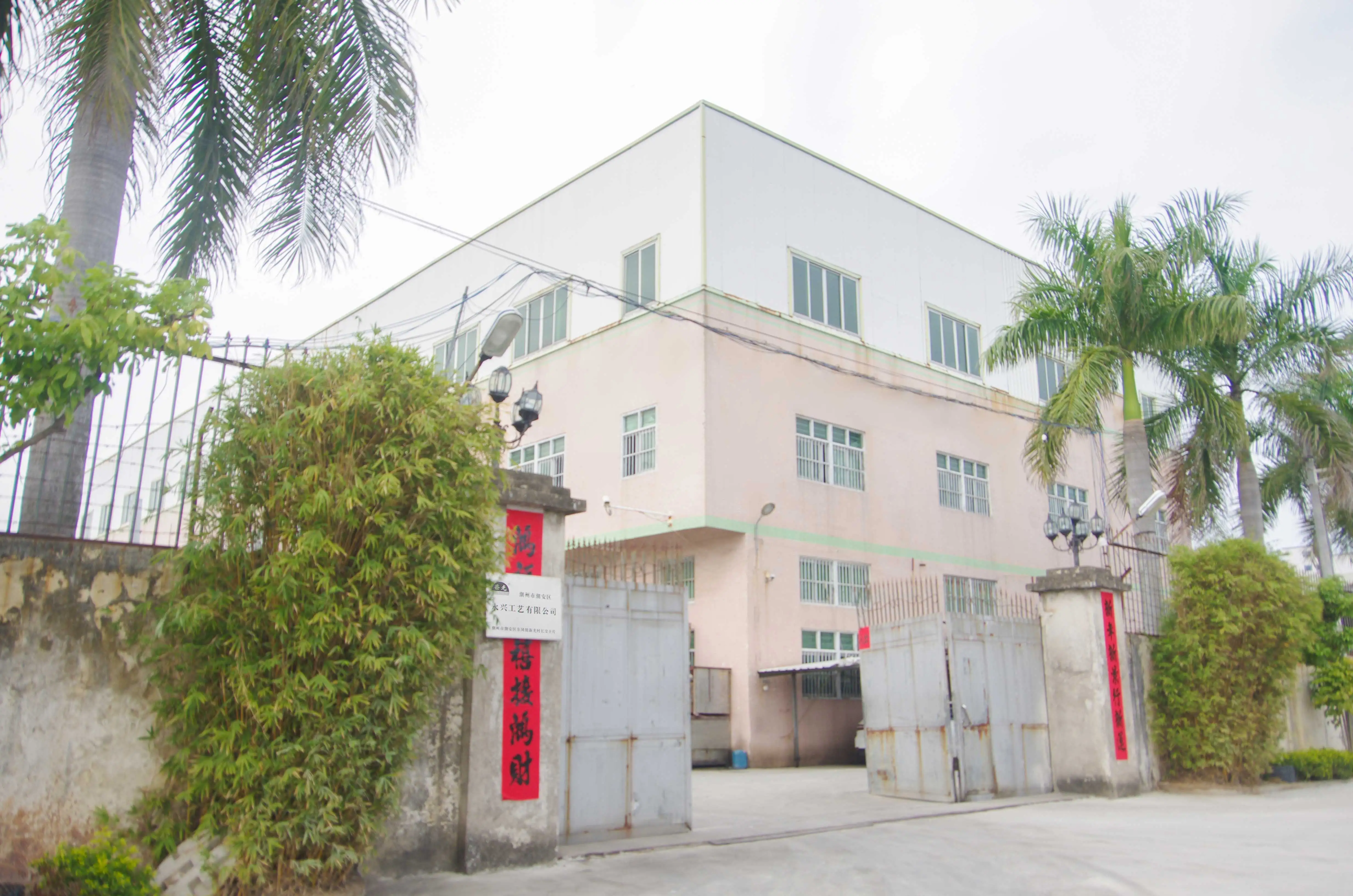
Chaozhou Chaoan Evergreen Art Craft Co., Ltd.
- Manufacturer, Trading Company
- Guangdong, China
- Lead time30 days
- Avg. response≤ 7h
Main productsstainless steel pot,stainless steel mug,stainless steel pot set,stainless steel salad bowl,stainless steel basin
Main marketsEastern Asia(40.00%), Western Europe(10.00%), North America(10.00%), Mid East(10.00%), Oceania(10.00%), Eastern Europe(10.00%), South America(10.00%)

Changsha Chengtong Technology Co., Ltd.
- Verified by SGS
- Trading Company
- China Hunan
- Lead time15 days
- Avg. response≤ 6h
Main productsCutting Board, Vegetable Chopper, Measuring Cup, Milk Frother, Measuring Spoon, Vegetable Peeler, Kitchen Scissors, Knife Sharpener
Main marketsSoutheast Asia/ Mideast

Customized Logo Kitchen Utensils Dipping Bowls Tray 3 Oz Asian Hotpot Soy Sauce Dishes for Dipping
$0.59 - $0.70
MOQ: 500 Pieces

$0.59 - $0.70
MOQ: 500 Pieces


Round Seasoning Dishes Sushi Dipping Bowl Stainless Steel Sauce Dishesno Reviews Yet
$0.70 - $1.00
MOQ: 500 Pieces

Guangzhou Chenxuan Technology Co., Ltd.
- Trading Company, Distributor/Wholesaler, Other
- Guangdong, China
- Lead time10 days
- Avg. response≤ 2h
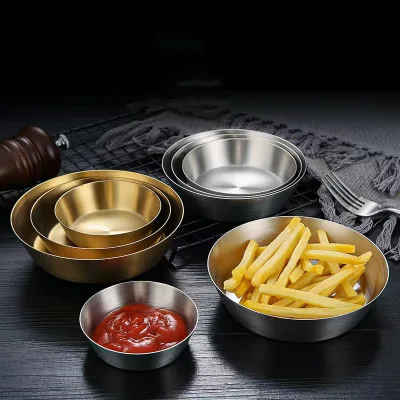
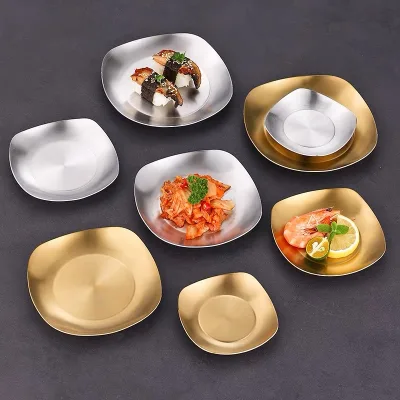
Main productssteel kitchenware,round dinner plate,retro cutlery set,gold dinner plate,korean gold dinner plate
Main marketsWestern Europe(30.00%), North America(30.00%), Mid East(15.00%), Oceania(15.00%), South America(10.00%)
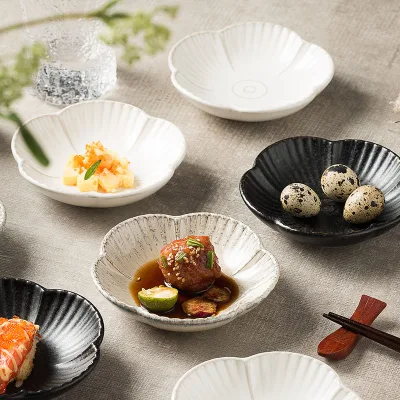
$0.8844 - $1.1812
MOQ: 50 pieces
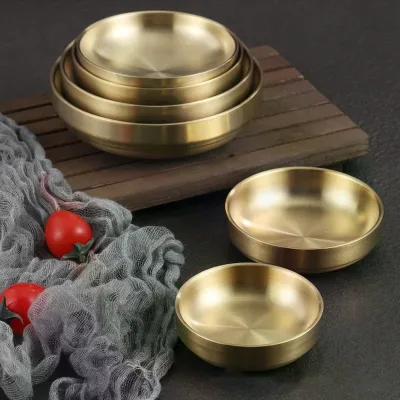
$0.80 - $2.19
MOQ: 50 Minimum
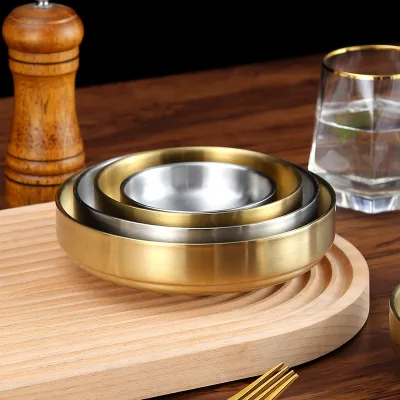
$0.45 - $4.07
MOQ: 50 Minimum
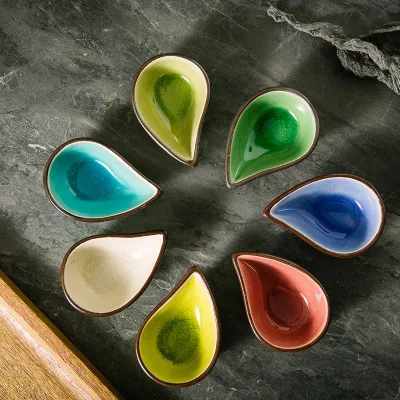
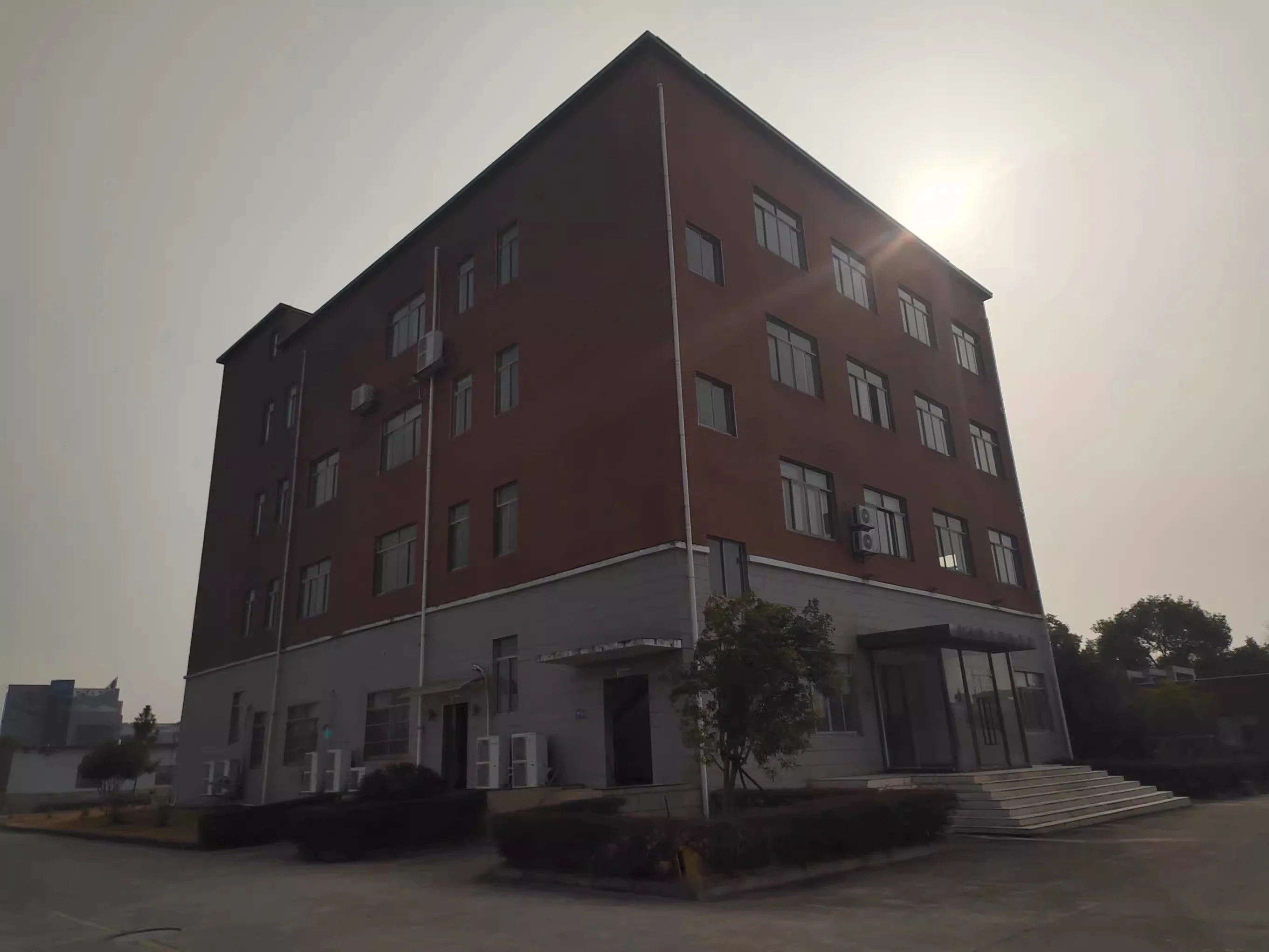
Guangzhou Chaoda Commercial Trading Co., Ltd.
- Manufacturer, Trading Company, Distributor/Wholesaler
- Guangdong, China
- Lead time5 days
- Avg. response≤ 3h
Main productsFood tray,Bowl,Sauce dish,Tableware,Barbecue grill
Main marketsNorth America(15.00%), South America(15.00%), Southeast Asia(15.00%), Eastern Europe(10.00%), Mid East(10.00%), Africa(5.00%), Oceania(5.00%), Eastern Asia(5.00%), Western Europe(5.00%), Central America(5.00%), Northern Europe(4.00%), Southern Europe(4.00%), South Asia(1.00%), Domestic Market(1.00%)
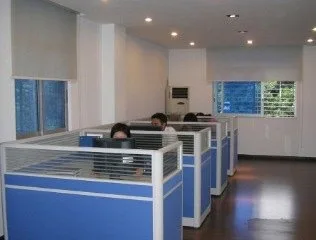
- Manufacturer, Trading Company
- Guangdong, China
- Lead time45 days
- Avg. response≤ 1h
Main productsFondue Set,Cup & Saucer,Dinnerware,Kitchenware,Bathroom Set
Main marketsWestern Europe(36.00%), Oceania(10.00%), Southern Europe(8.00%), North America(8.00%), Eastern Europe(6.25%), Mid East(5.00%), Central America(5.00%), Northern Europe(4.52%), South Asia(4.50%), South America(3.65%), Southeast Asia(3.48%), Domestic Market(2.43%), Africa(1.82%), Eastern Asia(1.35%)
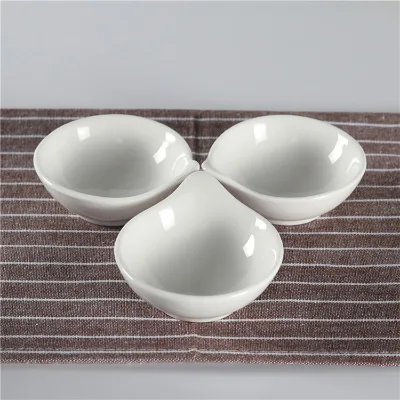
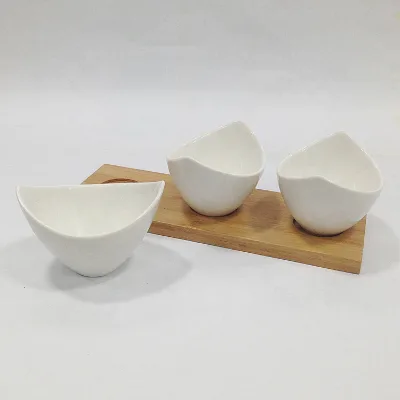
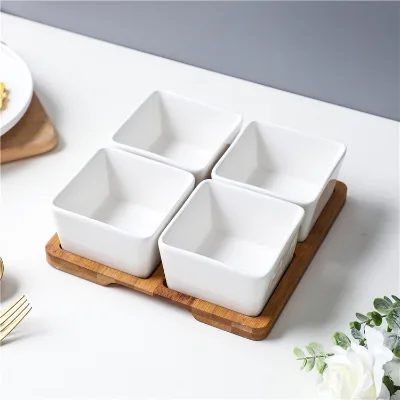
Japanese Style Restaurant Mini Soy Sauce Dip Dishes Porcelain Dish Snack Ceramic Serving Dishes
$0.2593 - $0.3013
MOQ: 1500
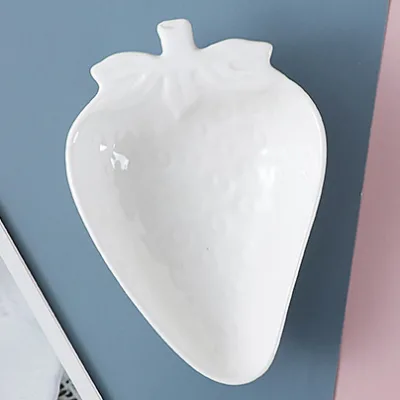

Rollin Porcelain Industrial Co., Ltd.
- Verified by BV
- Manufacturer/Factory
- China Guangdong
- Lead time45 days
- Avg. response≤ 5h
Main productsPorcelain Dinnerware, Tableware, Dinner Set, Dinner Plate, Hotel and Restaurant Tableware, Bone China, Cutlery, Glassware, Ceramic Plate, Porcelain
Main marketsEastern Europe,Mid East,North America,Southeast Asia,Eastern Asia,Oceania,Western Europe


New Style Hot Sale Black Ceramic Dishes Steak Sauce Dishes for Restaurants
$1.20 - $1.35
MOQ: 100 Pieces

Chaozhou Chaoan Chaoda Ceramics Co., Ltd.
- Manufacturer
- Guangdong, China
- Lead time7 days
- Avg. response≤ 6h
Main productsCeramic Plates,Ceramic Bowls,Ceramic Cups
Main marketsWestern Europe(50.00%), North America(25.00%), Southeast Asia(15.00%), South America(10.00%)
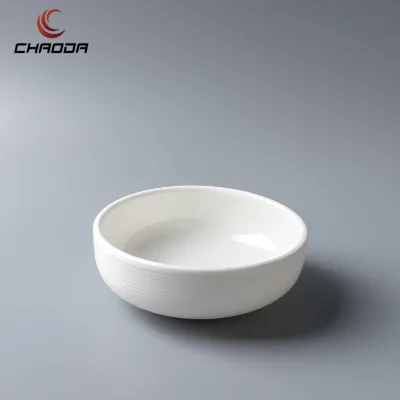
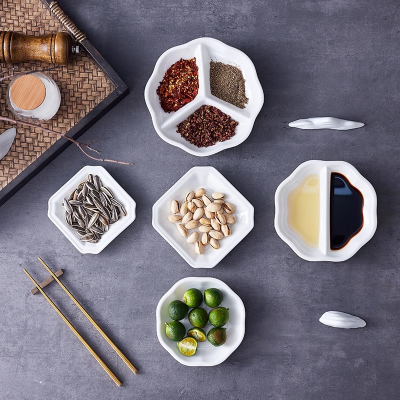
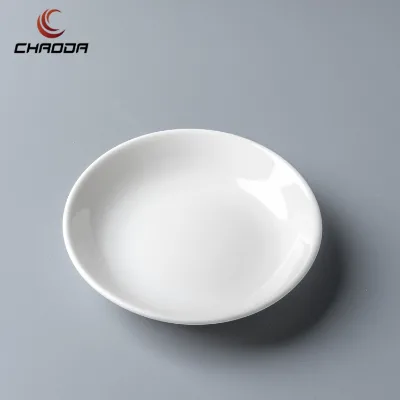
White Porcelain Ceramic Small Soy Sauce Dipping Dishes 4-6 Inch Cold Dish Dim Sum Dish for Dessert
$0.60 - $1.80
MOQ: 12 pieces
Chaozhou City Chaoan Dist. Caitang Town Xinyuan Stainless Steel Factory
- Verified by Intertek
- Manufacturer, Trading Company
- Lead time30 days
- Avg. response≤ 5h
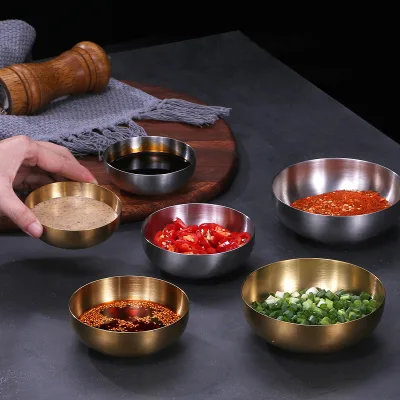
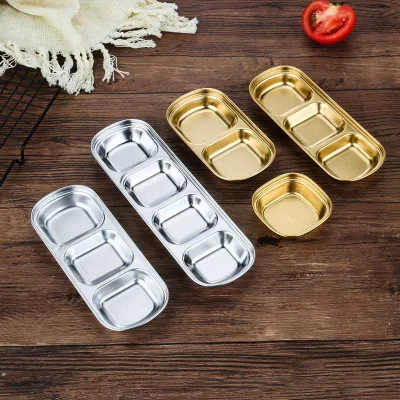
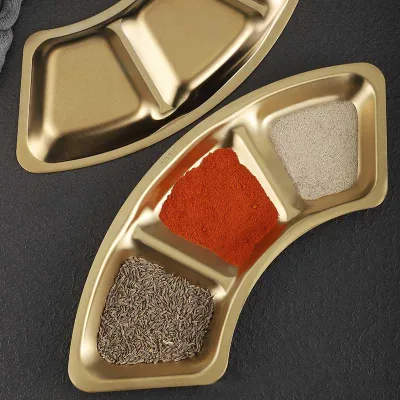
Main productsBowl, Stainless Steel Bowl, Mixing Bowl, Salad Bowl, Kitchenware
Main marketsEastern Europe(30%), North America(20%), Domestic Market(20%)
$2.0177 - $2.3864
MOQ: 100 Minimum
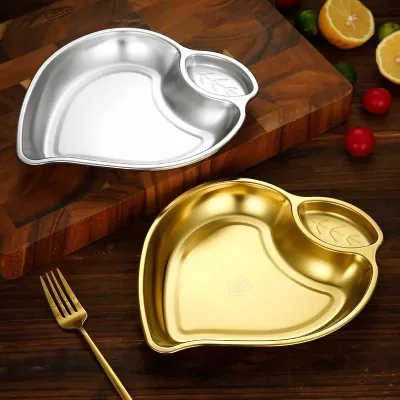
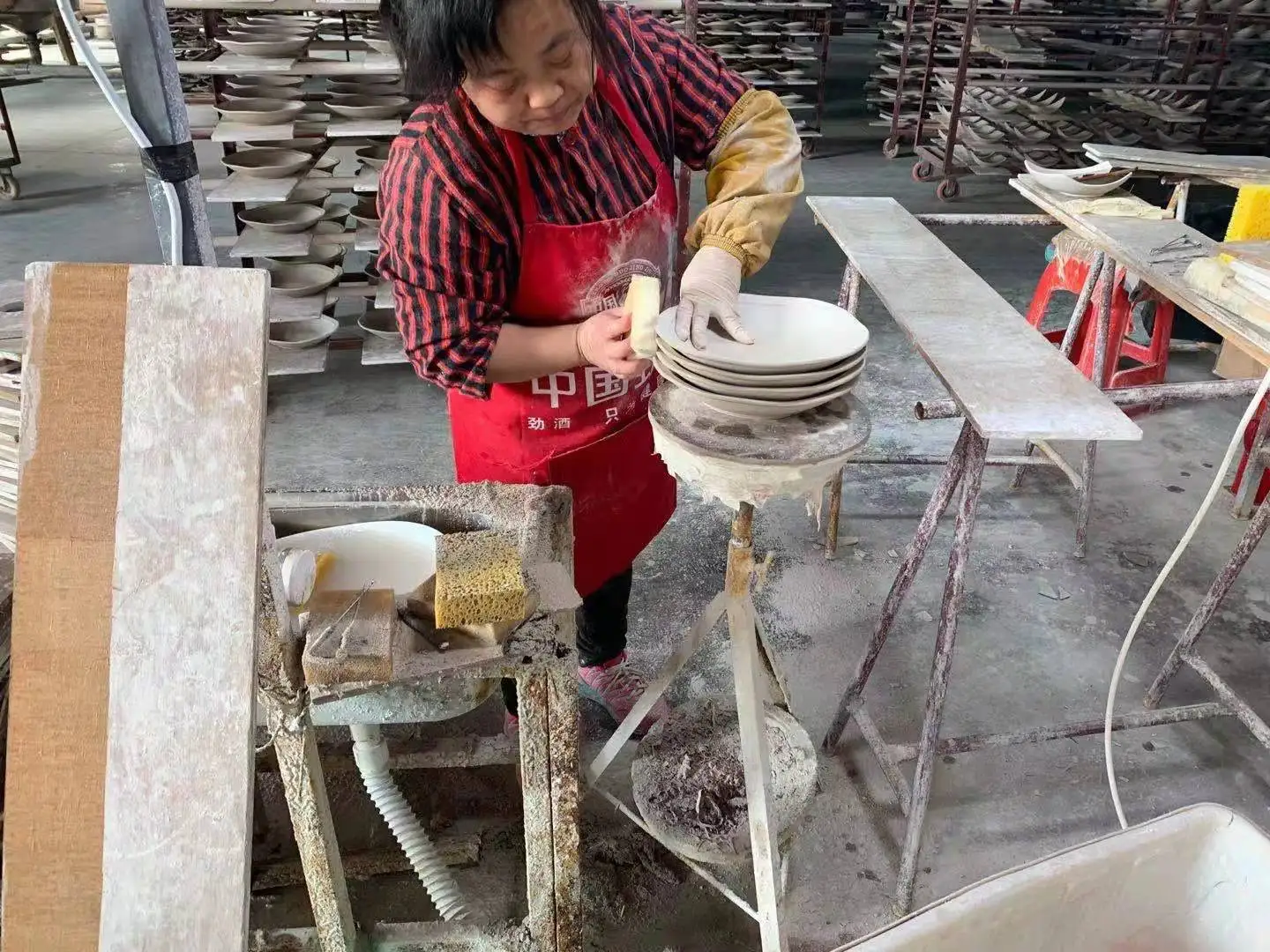
Chaozhou Lingjian Ceramics Co., Ltd.
- Manufacturer, Trading Company
- Guangdong, China
- Lead time15 days
- Avg. response≤ 4h
Main productsCeramic mug,Ceramic plate,Ceramic bowl,Dinnerware,Ceramic coaster
Main marketsNorth America(40.00%), Northern Europe(30.00%), Mid East(10.00%), Domestic Market(7.00%), Western Europe(5.00%), Eastern Europe(5.00%), South America(3.00%)

Nanping Jianyang Heng Xinwang Bamboo and Wooden Products Co., Ltd.
- Verified by BV
- Combined
- China Fujian
- Lead time23 days
- Avg. response≤ 3h
Main productsBamboo Products, Wooden Products, Straw Products, Rattan Items, Straw and Willow Products
Main marketsSoutheast Asia/ Mideast,East Asia(Japan/ South Korea),Europe,Australia,North America

- Trading Company
- China Guangdong
- Lead time15 days
- Avg. response≤ 5h
Main productsHouseware, Bathroom Set, Bathroom Accessory, Kitchenware, Tableware, Wine Accessory, Bath Set, Home Decoration, Soap Dispenser, Bath Ensembles
Main marketsDomestic,North America
Shenzhen Yongbaichuan Technology Co., Ltd.
- Manufacturer
- Guangdong, China
- Lead time7 days
- Avg. response≤ 1h
Main productsDishes&Bowls,Ceramic Cup,Coffee&Tea Tools,Stainless Steel Cutlery,Kitchenware
Main marketsNorth America(25.00%), Northern Europe(20.00%), Mid East(15.00%), Eastern Europe(15.00%), South America(10.00%), Africa(10.00%), Southern Europe(5.00%)
Guangzhou Lemo Technology Co., Ltd.,
- Manufacturer, Trading Company
- Guangdong, China
- Lead time0 days
- Avg. response≤ 5h
Main productsStainless steel pressure cooker, Set soup pot, Stainless steel bowl, Stainless steel hot pot, Stainless steel plate
Main marketsNorth America(25.00%), Eastern Europe(20.00%), Southeast Asia(18.00%), Western Europe(10.00%), Eastern Asia(10.00%), Central America(4.00%), South Asia(3.00%), South America(3.00%), Northern Europe(3.00%), Africa(3.00%), Oceania(1.00%)
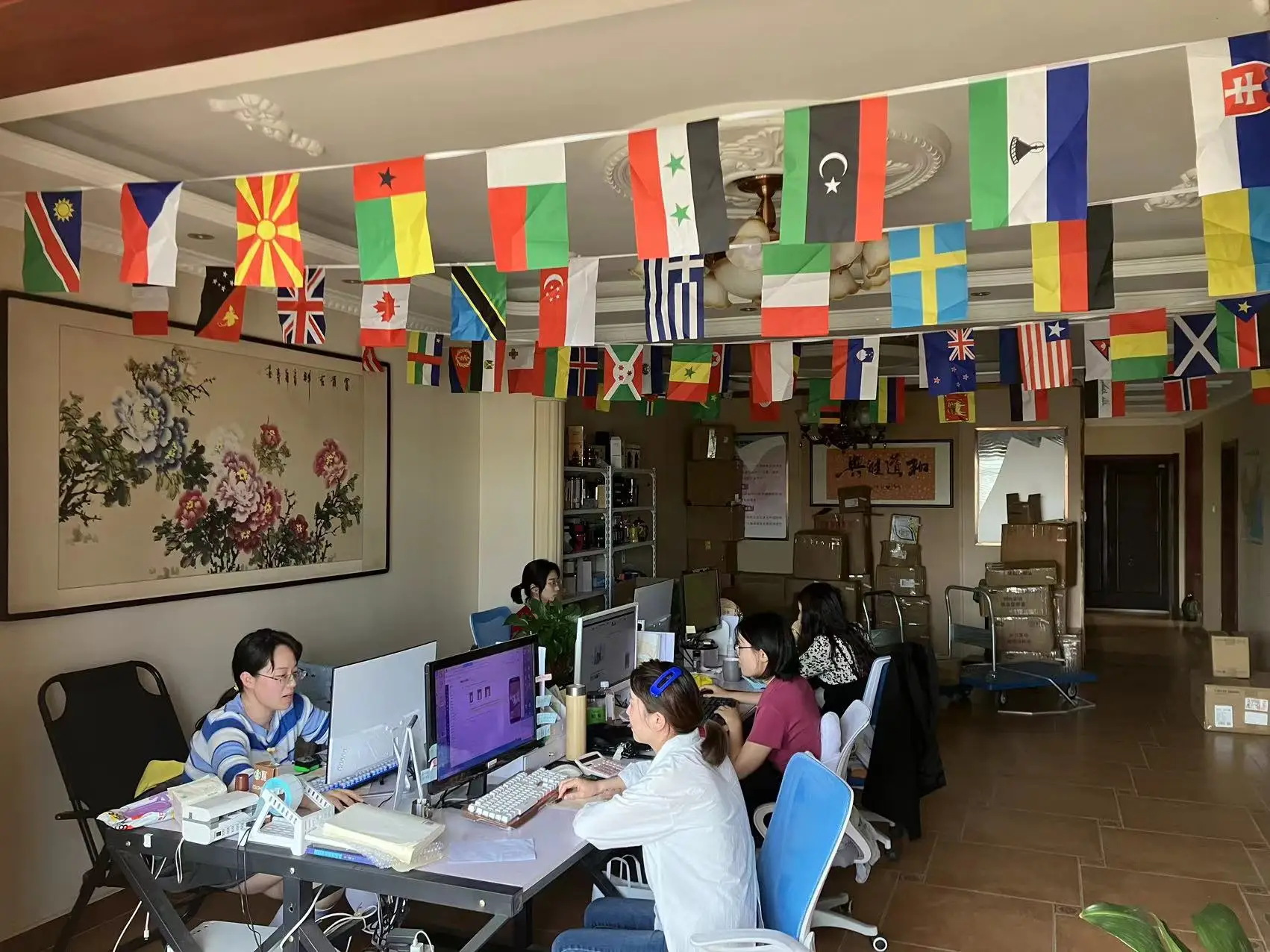
Henan Jbett Industrial Technology Co., Ltd.
- Trading Company
- Henan, China
- Lead time0 days
- Avg. response≤ 6h
Main productsBBQ Grills,Smoking Accessories,Bar tools,kitchen gadgets,Cigar accessories
Main marketsNorth America(80.00%), Western Europe(20.00%)

Zensun Stainless Steel Products Co. , Ltd.
- Verified by SGS
- Trading Company
- China Guangdong
- Lead time30 days
- Avg. response≤ 10h
Main productsGn Pan, Chafing Dish, Food Tray, Stock Pot, Kettle, Cutlery, Kitchenware, Cookware, Restraurant and Hotel Supplies, Milk Pot
Main marketsDomestic
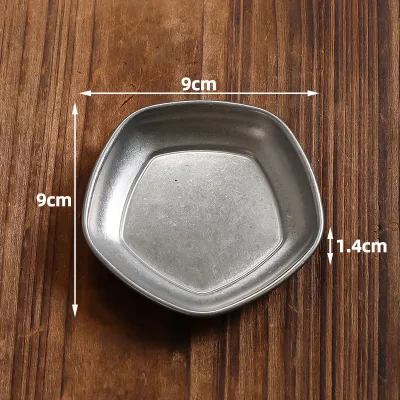
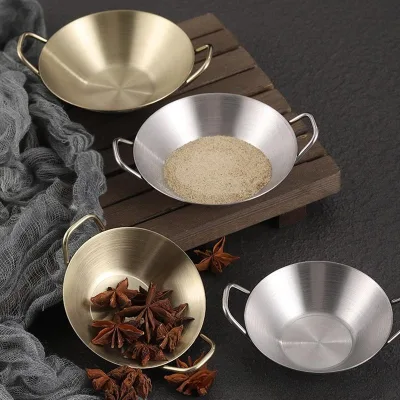
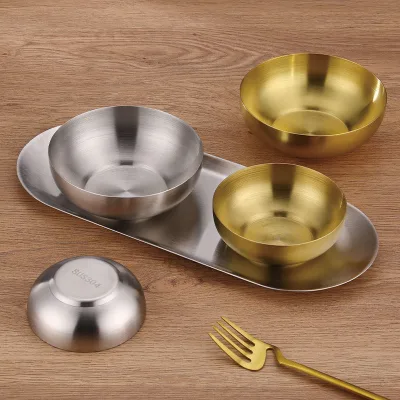
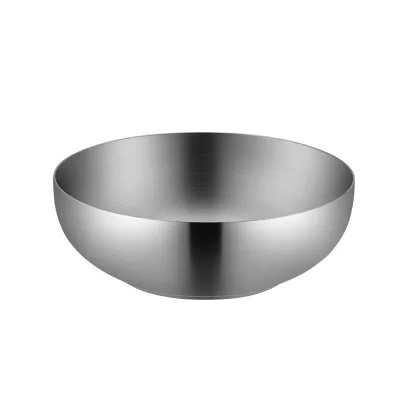
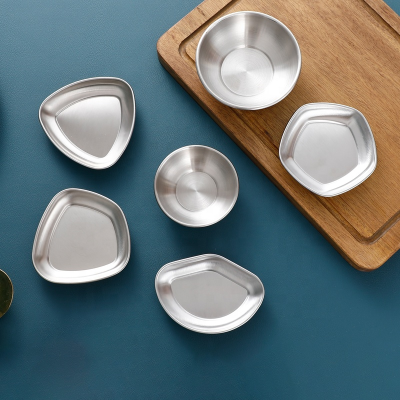
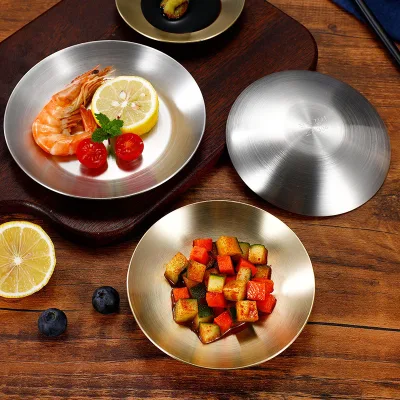
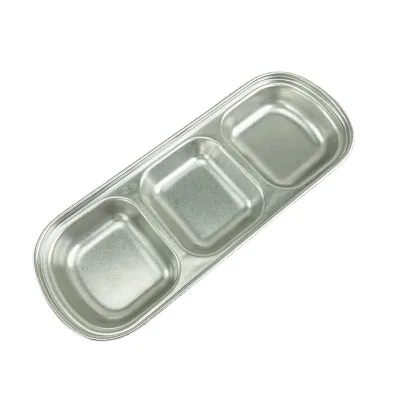
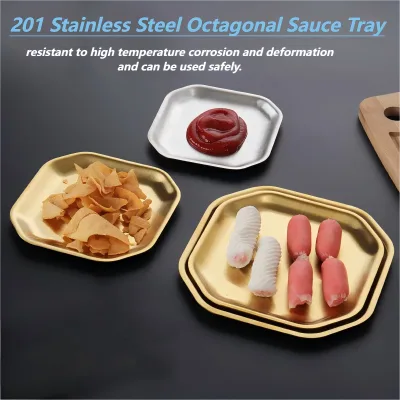
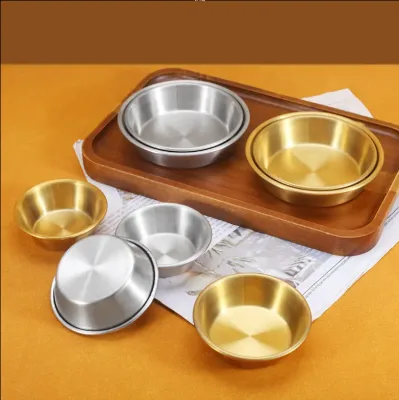



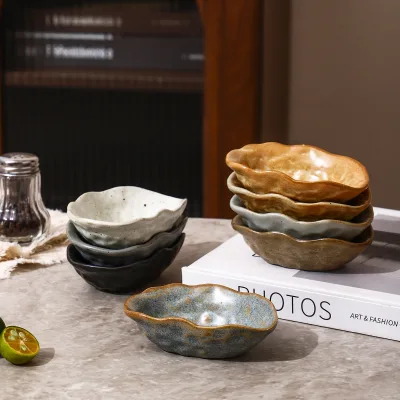
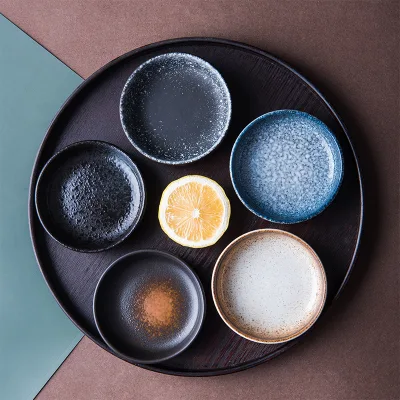
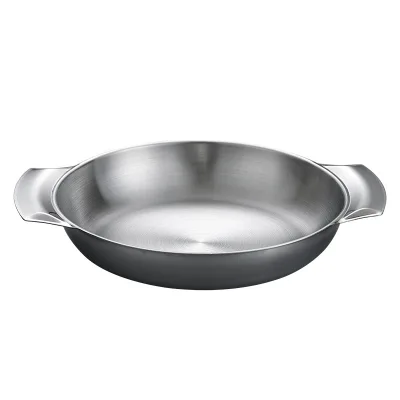
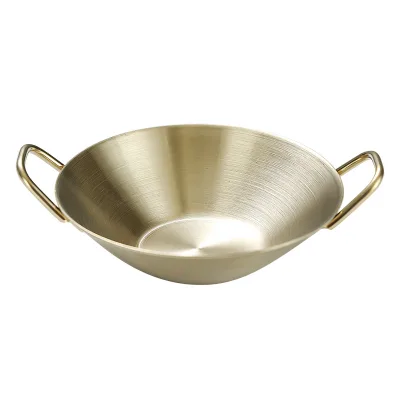
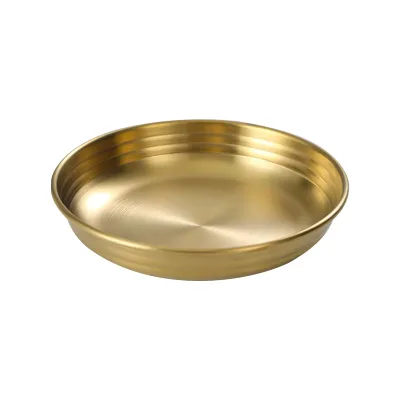
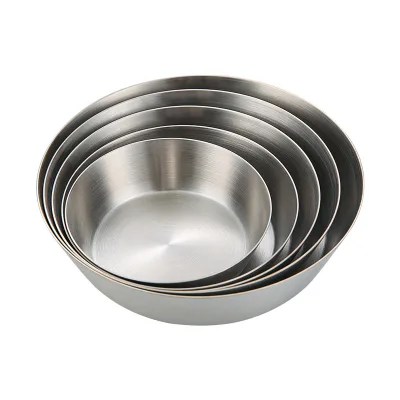
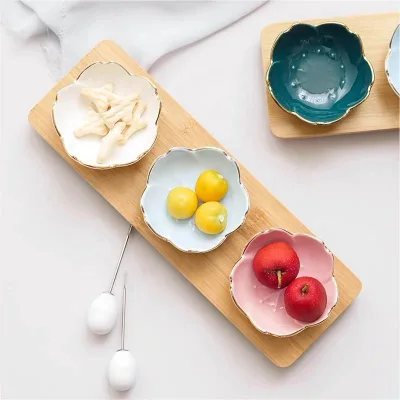
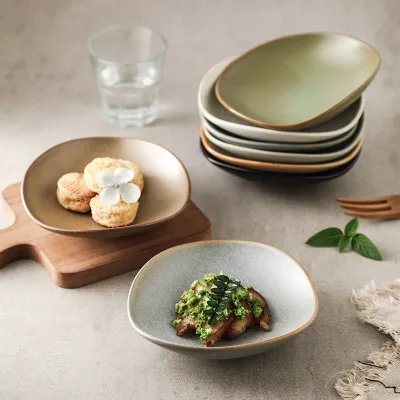


Comprehensive Sourcing Guide
Korean Style Dipping Dish Supplier Concentration and Factory Types
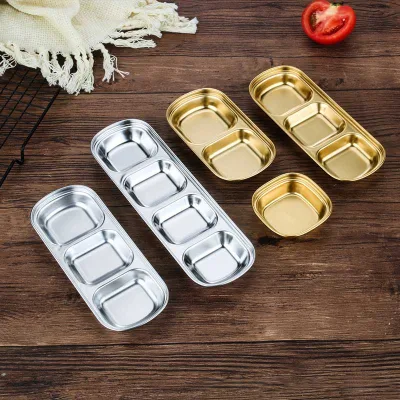
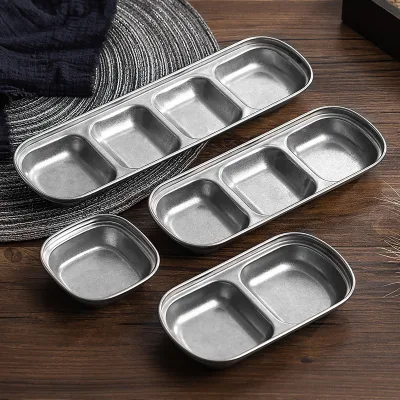
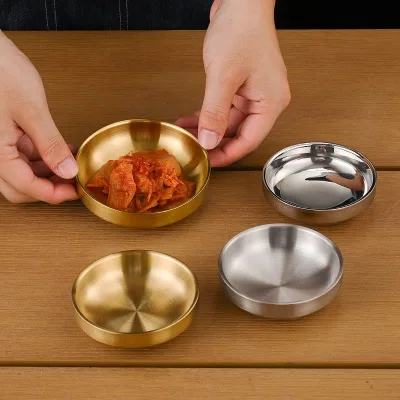
The current supplier landscape for Korean style dipping dishes reveals a distinct concentration of manufacturing and trading entities within Guangdong, China. This regional clustering is significant because it indicates a mature supply chain ecosystem where raw material sourcing, particularly for stainless steel and ceramic components, is streamlined. Buyers observing results from this province can expect a high density of vendors capable of handling both metal fabrication and ceramic molding, which are the two primary material bases for these specific tableware items. The presence of both manufacturers and trading companies in this geographic area offers buyers a choice between direct factory engagement and the logistical flexibility often provided by trading firms. Manufacturers typically control the production line, allowing for deeper customization of molds and materials, while trading companies may aggregate products from multiple smaller workshops to offer a broader catalog. Understanding this dynamic helps buyers decide whether they need the bespoke control of a factory or the variety and consolidated shipping options of a trader. The concentration in Guangdong suggests that logistics infrastructure is optimized for exporting these goods, potentially reducing transit times and costs for international orders. However, buyers must still verify the specific operational nature of each supplier, as some entities may list as manufacturers while acting primarily as intermediaries. The diversity in company types means that the same product, such as a 304 stainless steel soy dish, might be sourced from a dedicated metalworking plant or a general tableware trading house. This variation impacts not only the pricing structure but also the communication flow and the ability to implement quality control measures directly at the source. Recognizing that the majority of these suppliers are located in this specific Chinese province allows buyers to tailor their due diligence processes accordingly, focusing on verifying the actual production capabilities rather than just the catalog offerings.
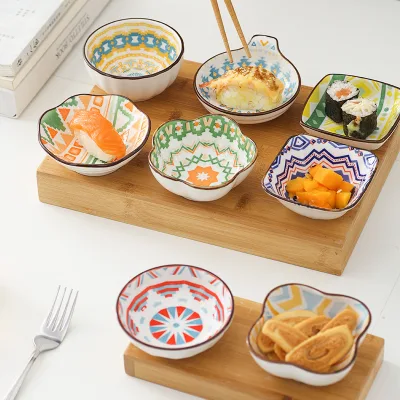
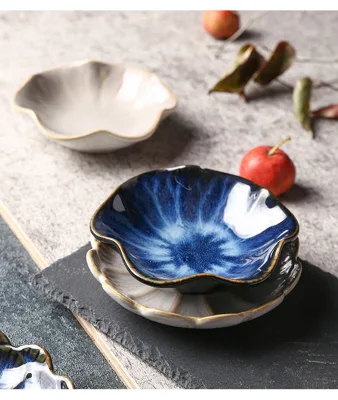
Within this concentrated region, the product range extends beyond simple dipping dishes to include related items like Korean stainless steel pot sets, food storage boxes, and ceramic sauce plates. This product diversity suggests that many suppliers are not niche specialists but rather general tableware providers with a strong focus on Korean-inspired designs. For buyers seeking a comprehensive tableware solution, this means they can potentially consolidate orders for dipping dishes alongside other dinnerware items from a single supplier or a small group of suppliers. The main products listed often include promotional ceramic mugs, enamel mugs, and ceramic dinner sets, indicating a broad capability in ceramic goods alongside metalwork. This breadth of inventory can be advantageous for buyers looking to create a cohesive brand identity across their entire tableware line. However, it also requires careful evaluation to ensure that the supplier’s expertise in one area, such as ceramic molding, does not detract from their quality control in another, such as stainless steel polishing. The overlap in product categories like "Home & Garden" and "Dinnerware" highlights the versatility of these suppliers. Buyers should note that while the location is consistent, the specific manufacturing strengths may vary significantly between a trading company focusing on ceramic aesthetics and a manufacturer specializing in stainless steel durability. This distinction is crucial for determining which supplier aligns best with the specific quality and design requirements of the Korean Style Dipping Dish project. The concentration in Guangdong provides a common logistical baseline, but the internal capabilities of each firm must be assessed individually to ensure they can meet the specific technical demands of the order, whether that involves custom sizes, specific material grades, or intricate design elements.
How to Verify Korean Style Dipping Dish Suppliers
Verifying the authenticity and capability of suppliers requires a multi-layered approach that goes beyond surface-level catalog descriptions. Buyers must prioritize the confirmation of company type, distinguishing clearly between genuine manufacturers and trading companies. While trading companies can offer convenience and variety, manufacturers often provide better control over production timelines and material specifications. To verify this, buyers should request detailed information about the production facility, including photos of the actual manufacturing floor, machinery, and quality control checkpoints. For stainless steel dipping dishes, this might involve verifying the presence of stamping presses, polishing lines, and welding equipment. For ceramic options, it involves confirming access to kilns and molding workshops. The response time of suppliers is another critical indicator of operational efficiency. A rapid response time, such as three days or less, often correlates with a well-organized sales and technical support team that can address queries about customization, material grades, and packaging promptly. Buyers should test this responsiveness by asking specific technical questions about the 304 stainless steel grade or the ceramic firing process. Additionally, the availability of samples is a key verification step. Suppliers who offer samples, as indicated in their product attributes, allow buyers to physically assess the weight, finish, and durability of the dipping dishes. This hands-on evaluation is essential for confirming that the product meets the required standards for food safety and aesthetic appeal. Buyers should also check for the availability of customized designs and logos, which indicates a supplier’s flexibility and experience in OEM/ODM services.
Furthermore, buyers must scrutinize the product attributes and specifications provided to ensure they align with industry standards and buyer expectations. For instance, the material specification should explicitly state "304 Stainless Steel" for food-grade safety, rather than vague terms like "metal" or "stainless steel" without a grade. The place of origin should be verified as China, specifically Guangdong, to ensure consistency with the claimed manufacturing base. Buyers should also look for evidence of eco-friendly features or specific design styles, such as "Classic" or "Modern," to ensure the product matches their brand identity. The availability of customized packing and designs is another important factor, as it reflects the supplier’s ability to meet specific branding requirements. Buyers should request documentation or certificates that verify the material composition, especially for stainless steel products, to ensure they are not receiving lower-grade materials. Additionally, checking the supplier’s history and establishment year can provide insights into their stability and experience in the market. While specific establishment years may not always be prominently displayed, buyers can infer stability from the consistency of their product listings and the depth of their catalog. It is also advisable to verify the supplier’s engagement with trade assurance or escrow services, which provide an additional layer of financial security. By combining these verification steps, buyers can build a comprehensive profile of each supplier, ensuring that they are partnering with reliable and capable entities. This thorough due diligence process minimizes the risk of receiving substandard products or encountering logistical issues during the supply chain.
What to Compare Across Korean Style Dipping Dish Suppliers
When evaluating multiple suppliers, buyers must systematically compare key operational and commercial dimensions to identify the most suitable partner. One of the primary factors to compare is the minimum order quantity (MOQ). The data indicates that many suppliers have an MOQ of 100 pieces, which is a common threshold for customized tableware. However, buyers should also look for suppliers who may offer lower MOQs for stock items or higher MOQs for significant discounts. Comparing MOQs helps buyers determine which supplier aligns with their initial order volume and inventory strategy. Another critical dimension is the lead time, which varies among suppliers. Some suppliers may have a lead time of 20 days, while others might offer faster turnaround times of 3 days for certain products. Understanding these variations is essential for planning inventory replenishment and meeting customer demand. Buyers should also compare the response time, as a quicker response can indicate better customer service and more efficient communication channels. Additionally, the price range is a significant factor. Prices for Korean style dipping dishes can vary from as low as $0.50 to over $1.50 per unit, depending on the material, design complexity, and order volume. Buyers should compare these prices in the context of the quality and features offered, such as the use of 304 stainless steel or specific ceramic finishes. It is important to note that the lowest price may not always correlate with the best value, as it might reflect lower quality materials or less robust packaging.
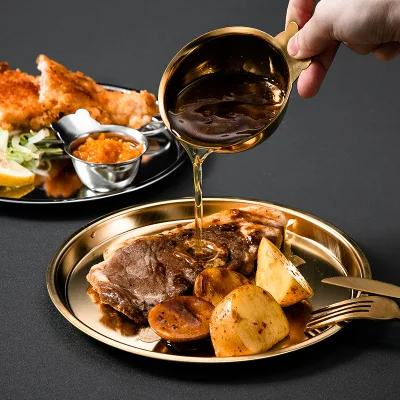
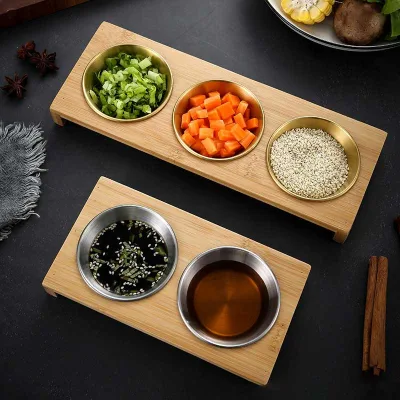
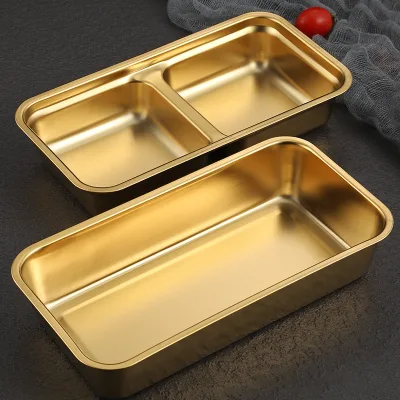
Beyond price and quantity, buyers should compare the customization options available. Some suppliers offer customized sizes, designs, and logos, while others may have more limited options. The ability to accept custom sizes and designs is particularly important for buyers looking to create a unique brand identity. Buyers should also compare the packaging options, as some suppliers offer customized packing while others use standard brown boxes. The choice of packaging can impact the product’s protection during transit and its presentation to the end consumer. Additionally, buyers should compare the product attributes, such as the diameter, color, and style. For example, some dipping dishes are available in diameters of 7.5cm, 8.5cm, or larger sizes, while others may come in specific colors like gold, silver, or white. Comparing these attributes helps buyers select products that best fit their target market’s preferences. The usage scenario is another factor to consider, with some products designed for hotel and restaurant use, while others are suitable for home use. Buyers should also compare the supplier’s main products to ensure they have a broad range of complementary items, which can simplify the sourcing process. Finally, buyers should compare the supplier’s location and logistics capabilities, as this can affect shipping costs and delivery times. By systematically comparing these dimensions, buyers can make informed decisions that balance cost, quality, and service, ensuring they select the most suitable supplier for their needs.
Common Korean Style Dipping Dish Sourcing Risks
Sourcing Korean style dipping dishes from international suppliers involves several inherent risks that buyers must proactively manage. One significant risk is the discrepancy between the specified material and the actual product received. While suppliers may claim to use 304 stainless steel, there is a possibility of receiving lower-grade materials that do not meet food safety standards. This risk is particularly prevalent in the metal tableware sector, where material substitution can occur to reduce costs. Buyers must mitigate this by requesting material test reports or certificates from independent laboratories. Another risk is the inconsistency in product quality, especially when dealing with customized orders. Variations in polishing, welding, or ceramic glazing can lead to products that do not meet the buyer’s aesthetic or functional expectations. This is often exacerbated by the lack of clear communication regarding design specifications. Buyers should provide detailed technical drawings and samples to minimize this risk. Additionally, the risk of delayed shipments is common, particularly if the supplier’s lead time estimates are inaccurate or if there are production bottlenecks. Buyers should establish clear communication channels and regular updates to monitor production progress. The risk of inadequate packaging is another concern, as improper packing can lead to damage during transit, especially for ceramic items which are fragile. Buyers should verify the packaging standards and consider using additional protective materials if necessary.
Furthermore, buyers face the risk of intellectual property infringement if they provide custom designs to suppliers who may share these designs with other clients. This is a particular concern in the tableware industry, where design trends can be quickly replicated. Buyers should include non-disclosure agreements (NDAs) in their contracts to protect their proprietary designs. Another risk is the financial instability of the supplier, which can lead to order cancellations or quality compromises. Buyers should assess the supplier’s financial health and reputation before placing large orders. The risk of non-compliance with international standards and regulations is also significant, particularly for food-contact items. Buyers must ensure that the products meet the relevant safety standards in their target market, such as FDA or EU regulations. This requires verifying the supplier’s compliance certifications and conducting regular quality audits. Additionally, the risk of currency fluctuation can impact the final cost of the order, especially for long-term contracts. Buyers should consider hedging strategies or fixed-price agreements to mitigate this risk. The risk of communication barriers, including language differences and time zone gaps, can also lead to misunderstandings and errors. Buyers should use clear, concise language and confirm all details in writing. Finally, the risk of relying on a single supplier can disrupt the supply chain if that supplier encounters issues. Buyers should diversify their
FAQs
What is the typical MOQ for Korean style dipping dishes?
The minimum order quantity is generally 100 pieces for most stainless steel options. Buyers can often request customized designs and packing for these orders. This threshold applies to both classic and modern styles available from manufacturers in China.
How long does production take for these dishes?
Lead times vary by supplier, with some offering production in 3 days and others requiring up to 20 days. Buyers should confirm specific timelines based on order volume and customization needs. Quick turnaround options are available for standard stock items.
What materials are used for Korean style dipping dishes?
Most options are made from 304 stainless steel or ceramic. Stainless steel versions are often described as food contained safe and eco-friendly. Ceramic alternatives may feature unique shapes like flowers or cats, suitable for both household and commercial restaurant use.
Are prices negotiable for bulk orders?
Prices range from approximately $0.50 to $1.50 per piece depending on material and design. Stainless steel bowls often start around $0.50, while ceramic or complex designs may cost more. Buyers should verify exact pricing based on quantity and customization requirements.
Can I get samples before placing a large order?
Samples are available for many stainless steel and ceramic products. Buyers can request samples to check quality and design before committing to bulk orders. Customized designs and logos are also acceptable for sample requests, ensuring the final product meets specific needs.
Where are these suppliers located?
Suppliers are primarily located in Guangdong Province, China. This region is known for manufacturing both stainless steel and ceramic tableware. Buyers can expect efficient logistics and a wide variety of styles, including Korean, Japanese, and Nordic designs, from these locations.