Wooden Serving Tray with Handles Suppliers and Manufacturers
Compare 29 verified suppliers offering Wooden Serving Tray with Handles from Shandong, China. Review lead times, MOQs, and pricing to source custom trays. Contact suppliers directly to request samples and verify certifications; review the available evidence before requesting comparable quotations from suitable candidates.
Updated
Suppliers List
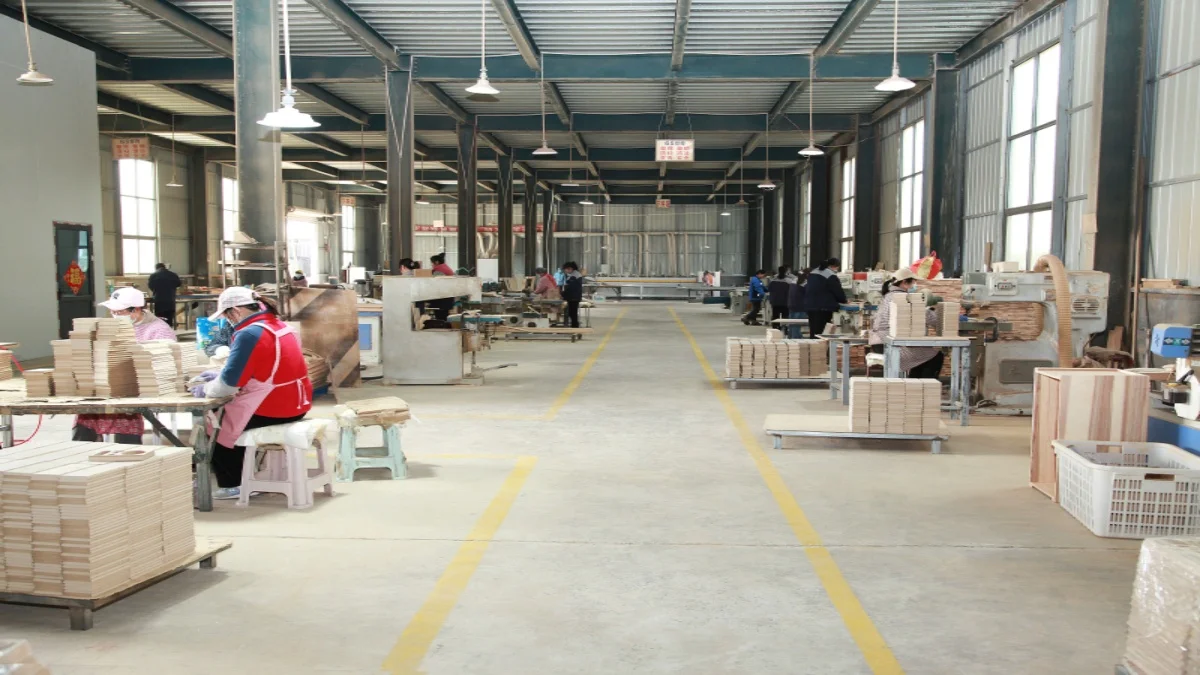
Caoxian Dongxing Arts And Crafts Co., Ltd.
- Manufacturer, Trading Company
- Shandong, China
- Lead time30 days
- Avg. response≤ 5h
Main productswooden craft,wooden tray,wooden box,wooden home decor,wooden shelf
Main marketsNorth America(50.00%), Eastern Asia(30.00%), Western Europe(20.00%)
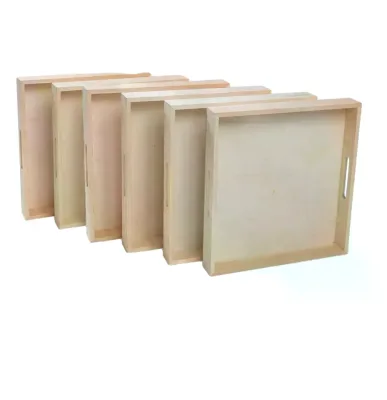
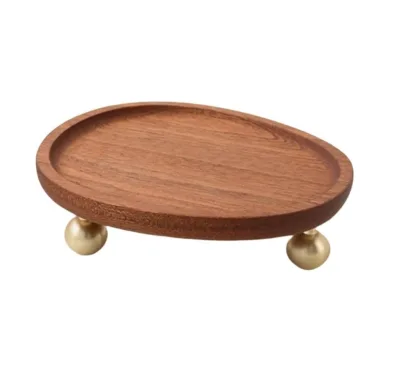
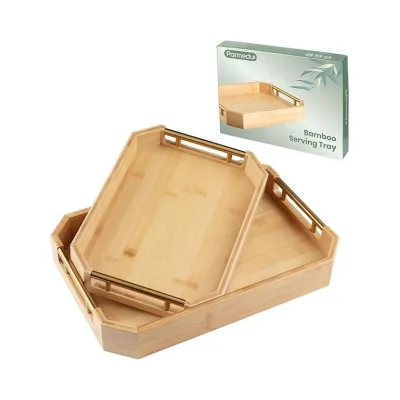
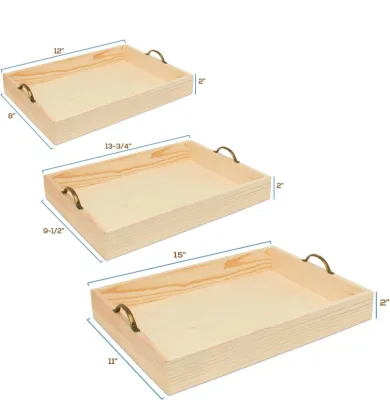
Unfinished Wood Nesting Serving Trays with Handles Wooden Tray Set Cheap Wood Tray
$2.59 - $3.99
MOQ: 500 pieces
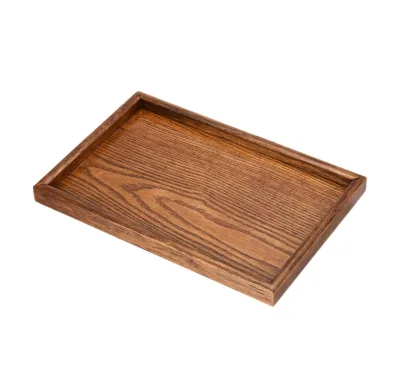
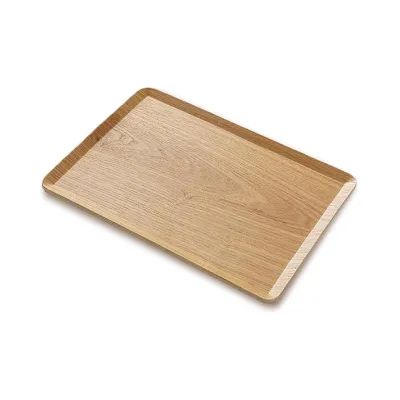
Custom-made Wooden Trays for Eating Decorative Serving Trays Great for Tea Tray for Party
$1.10 - $1.50
MOQ: 500 pieces

Xiamen Ebei Import & Export Co., Ltd.
- Verified by CTI
- Trading Company,Manufacturer/Factory
- China Fujian
- Lead time45 days
- Avg. response≤ 2h
Main productsEco-Friendly Products, Bamboo Tableware, Bamboo Furniture, Bamboo Kitchenware, Bamboo Office Supply, Bamboo Fibre Products, Biodegradable Products, Bamboo Towel, Solar Energy Products, Bamboo Garden Products
Main marketsSouth America,Eastern Europe,Mid East,North America,Southeast Asia,Eastern Asia,Oceania,Western Europe,Africa

CAO COUNTY DAWANG ARTS AND CRAFTS CO., LTD.
- Verified by TUVRHEINLAND
- Manufacturer/Factory
- China Shandong
- Lead time23 days
- Avg. response≤ 17h
Main productsWooden Cabinet, Iron Furniture, Wall Shelf
Main marketsEastern Europe,North America,Western Europe


Vintage Color Wooden Serving Tray Wooden Tray with Handle Wood Serving Tray
$2.50 - $3.50
MOQ: 1000 Sets


- Verified by TUVRHEINLAND
- Combined
- China Fujian
- Lead time15 days
- Avg. response≤ 21h
Main productsFridge Magnet, Decorative Hook, Metal Plaque, Wood Plaque, Wooden Photo Frame, Wood Chalkboard, Book Mark, Linen Painting, Canvas Box, Cup Coasters
Main marketsSouth America,Africa,Southeast Asia/ Mideast,East Asia(Japan/ South Korea),Europe,Australia,North America
Fujian Maoyuan Houseware Co., Ltd.
- Verified by Intertek
- Manufacturer, Trading Company
- Lead time40 days
- Avg. response≤ 5h
Main productsBamboo And Wood Organizer, Cutting Board, Serving Tray, Holder and Rack
Main marketsNorth America(70%), Western Europe(20%), Oceania(5%)

Caoxian Zhongyi Wooden Co.,Ltd
- Verified by BV
- Combined
- China Shandong
- Lead time30 days
- Avg. response≤ 14h
Main productsWoodwork
Main marketsEurope


$3.75 - $5.65
MOQ: 500 Pieces

Rustic Wooden Serving Trays with Handle Large, Medium and Small Nested Serving Tray
$3.75 - $5.65
MOQ: 500 Pieces

Serving Trays with Metal Handles Wooden Ottoman Trays for Entertaining & Serving Food
$3.75 - $5.65
MOQ: 500 Pieces

FSC&BSCI Wooden Serving Trays with Handles, Decorative Serving Tray, Ottoman Trays
$3.75 - $5.65
MOQ: 500 Pieces
Caoxian Deqian Wood Products Co., Ltd.
- Manufacturer, Trading Company
- Shandong Province, China
- Lead time0 days
- Avg. response≤ 14h
Main productsWooden tray, Wooden box, Cutting boards, Wooden decor, Wooden holder
Main marketsDomestic Market(100.00%)
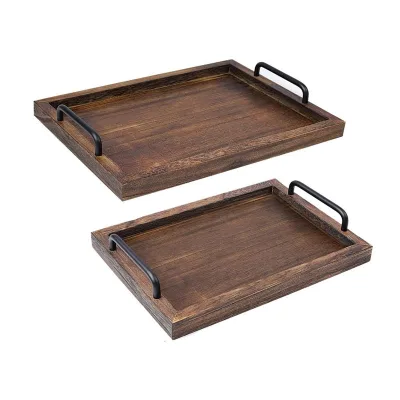
Wooden Antique Serving Tray Wooden Serving Tray Set Wooden Tray with Metal Handle
$4.1223 - $6.1894
MOQ: 200 sets


- Verified by SGS Group
- Manufacturer, Trading Company
- Lead time30 days
- Avg. response≤ 2h
Main productsWood home decoration, Wood storage, Wood packaging, Wood crafts, Wood furniture
Main marketsNorth America(35%), Northern Europe(20%), Southern Europe(20%)
Caoxian Shuanglong Arts & Crafts Plant
- Verified by SGS Group
- Manufacturer, Trading Company
- Lead time30 days
- Avg. response≤ 1h
Main productsWooden packaging, Wooden pet products, Wooden holiday decoration, Wooden home decoration, Wooden box
Main marketsDomestic Market(45%), North America(8%), Southeast Asia(8%)
Caoxian Shunhe Wood Industry Co., Ltd.
- Manufacturer, Trading Company
- Shandong, China
- Lead time20 days
- Avg. response≤ 4h
Main productsWooden box,Wooden chalkboard,Wooden game board,Wooden wall shelf,Bamboo box
Main marketsNorth America(68.00%), Western Europe(20.00%), Eastern Asia(10.00%), Mid East(2.00%)

Shaowu Han Well Import and Export Trade Co., Ltd.
- Trading Company
- China Fujian
- Lead time23 days
- Avg. response≤ 9h
Main productsChopping Boards, Serving Boards, Bamboo Skewer, Bamboo Stick, Tray, Cutting Board, Box, Utensil Tool, Bamboo Chopsticks, Coffee Stirrers
Main marketsEast Asia(Japan/ South Korea),Europe,Australia,North America
Caoxian Harmony Home Crafts Co., Ltd.
- Manufacturer, Trading Company
- Shandong, China
- Lead time0 days
- Avg. response≤ 2h
Main productsCrafts
Main marketsSouth America(40.00%), Eastern Asia(10.00%), Mid East(10.00%), Oceania(10.00%), Africa(10.00%), Eastern Europe(10.00%), North America(10.00%)

Fujian Hoyee Household Items Co., Ltd.
- Verified by BV
- Manufacturer/Factory
- China Fujian
- Lead time0 days
- Avg. response≤ 7h
Main productsBamboo Products, Cutting Board, Bathtub Caddy, Bath Mat, Bath Towel Rack, Shoes Rack, Office Organizer, Desk Organizer, Cheese Board, Serving Tray

Forever Standing Stationery Co., Ltd.
- Combined
- China Guangdong
- Lead time30 days
- Avg. response≤ 22h
Main productsCosmetic Box, Jewelry Box, Make up Box, Wine Box, Wine Bags, Wine Rack, Storage Box, Gift Packing Box, Photo Albums, Stationery and Office Supply
Main marketsSouth America,Africa,Southeast Asia/ Mideast,East Asia(Japan/ South Korea),Domestic,Europe,Australia,North America
Caoxian Kangyi Wood Products Co., Ltd.
- Manufacturer, Trading Company
- Lead time旺季: "1 - 5000":31,"5001 - 10000":35,"> 10000":"To be negotiated", 淡季: "1 - 5000":31,"5001 - 10000":35,"> 10000":"To be negotiated"
- Avg. response≤ 2h
Main productsWooden Tableware, Serving Trays, Small Furniture, Wooden Outdoor Goods
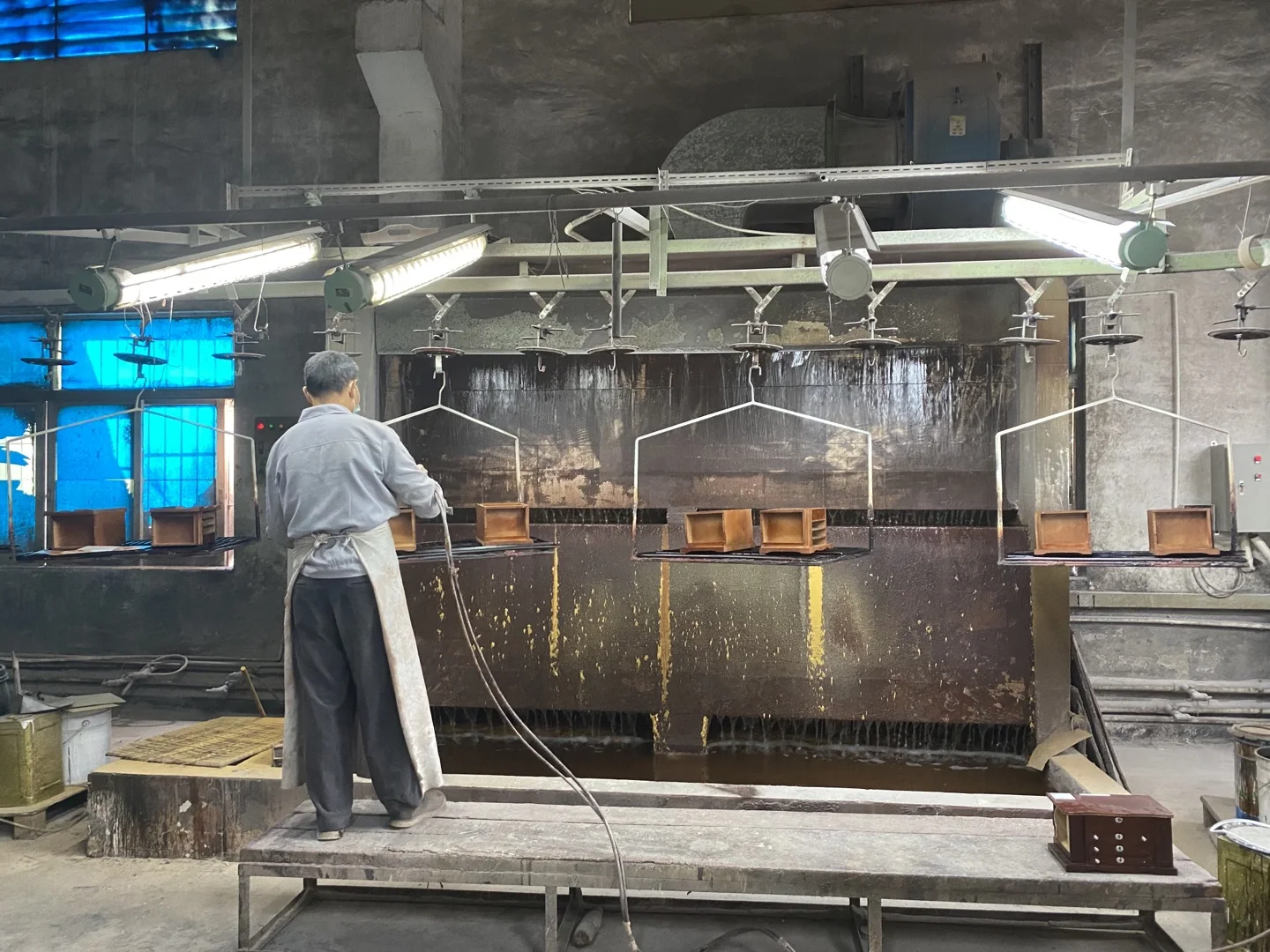
Dongguan Duoxi Gifts Co., Ltd.
- Trading Company
- Guangdong, China
- Lead time30 days
- Avg. response≤ 14h
Main productsBackgammon,Boardgame,Chess Set,Checkers,dices
Main marketsSouth America(28.50%), Western Europe(26.50%), Northern Europe(5.75%), Southeast Asia(5.50%), Mid East(5.00%), Oceania(4.88%), Eastern Asia(4.55%), Eastern Europe(3.85%), North America(3.80%), Southern Europe(3.50%), Domestic Market(3.42%), South Asia(3.00%), Central America(1.20%), Africa(0.55%)
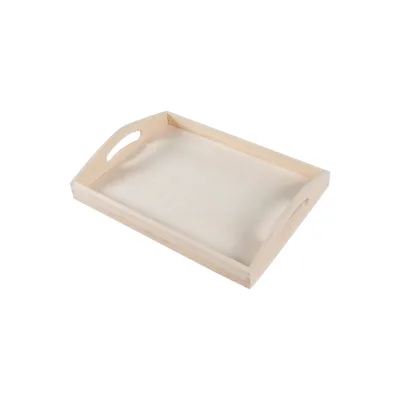
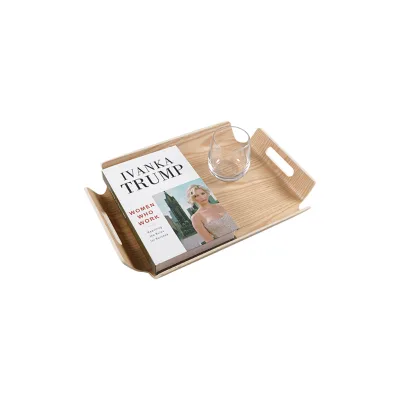
Hot Sale High Quality Rectangle Wood Tray With Handle Handmade Decorative Cafe Serving Tray
$10.2891 - $20.5768
MOQ: 500 pieces
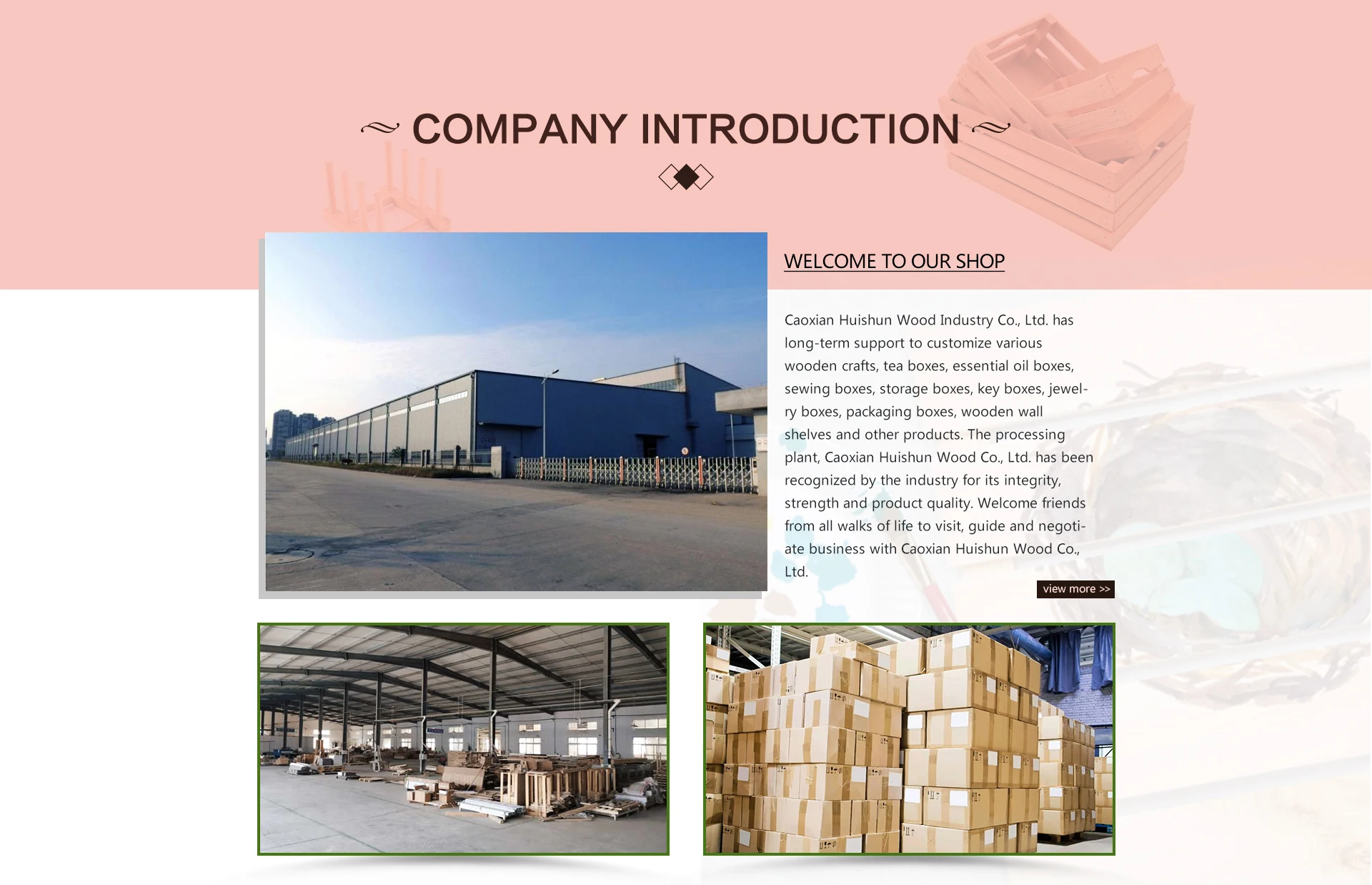
Cao County Huishun Wood Co., Ltd.
- Manufacturer, Trading Company
- Shandong, China
- Lead time15 days
- Avg. response≤ 6h
Main productsWooden Box,Wooden Pallet,Wooden Frame,Wooden Tray
Main marketsDomestic Market(80.00%), Western Europe(20.00%)
- Verified by SGS Group
- Manufacturer, Trading Company
- Lead time20 days
- Avg. response≤ 2h
Main productsBird House, Wooden Box, Wooden Crafts, Wooden Furniture, Wooden Storage
Main marketsNorth America(40%), Western Europe(30%), Domestic Market(30%)

- Manufacturer/Factory
- China Fujian
- Lead time45 days
- Avg. response≤ 11h
Main productsBamboo Chopping Board, Bamboo Box, Bamboo Tray, Bamboo Bottle, Bamboo Products, Bamboo Cutlery, Bamboo Plywood, Bamboo Furniture, Bamboo Plate, Bamboo Broom
Main marketsSouth America,Eastern Europe,Mid East,North America,Southeast Asia,Oceania,Western Europe,Africa


Wholesale Custom Printed High Quality Serving Tray Wood Serving Tray with Handle Decorative Tray
$1.00 - $5.40
MOQ: 300 Pieces


Multi-Functional Antique Hand Carved Wooden Tray Rectangle Customized Set of 3 Serving Tray
$1.00 - $5.40
MOQ: 300 Pieces

Shaowu City Nafu Bamboo and Wood Industry Co., Ltd.
- Manufacturer
- China Fujian
- Lead time15 days
- Avg. response≤ 16h
Main productsBamboo and Wood Cutting Board Cheese Board, Bamboo and Wood Storage Box, Bamboo and Wood Plate, Bamboo and Wood Tray, Marble Wood Cheese Board, Bamboo and Wood Table, Bamboo and Wood Bathroom Products, Bamboo and Wood Shelf, Bamboo and Wood Kitchen Utensil, Bamboo and Wood Bowl
Main marketsEast Asia(Japan/ South Korea),Domestic,Europe,Australia,North America

Natural Acacia Wooden Serving Tray with Handle for Coffee Tea Cake Breakfast
$7.00 - $8.50
MOQ: 300 Pieces


Custom Ash Wooden Serving Tray with Metal Handles for Breakfast Coffee Food Cake
$8.50 - $10.00
MOQ: 300 Pieces


Wholesale Solid Wood Serving Tray Tea Fruit Snack Coffee Tray Wooden Tray
$1.00 - $5.00
MOQ: 300 Pieces

Custom Black Walnut Wood Serving Tray with Handles for Food Cake Breakfast Coffee
$12.00 - $13.50
MOQ: 300 Pieces
Heze Longyipan Crafts Co., Ltd.
- Verified by SGS Group
- Manufacturer, Trading Company
- Lead time45 days
- Avg. response≤ 2h
Main productsKitchenware, Pet Supplies, Storage Box, Wooden Storage Shelf
Main marketsNorth America(50%), South America(15%), Eastern Europe(15%)
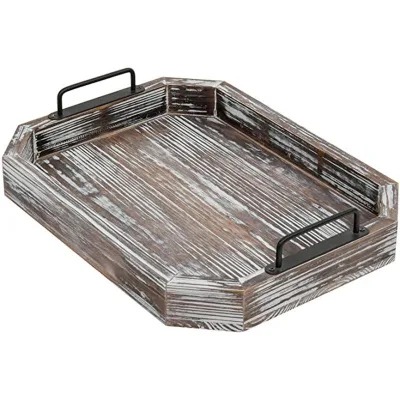
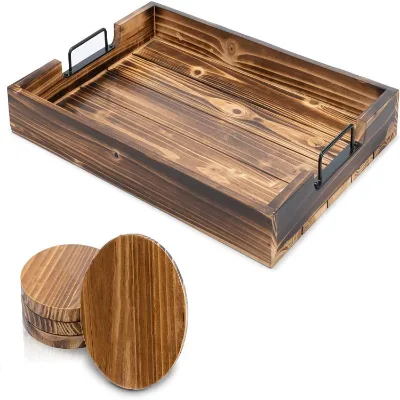
$6.20 - $6.70
MOQ: 300 pieces
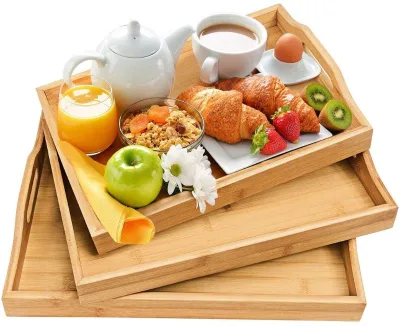
Caoxian Hengzhi Wood Products Co., Ltd.
- Manufacturer, Trading Company
- Shandong, China
- Lead time30 days
- Avg. response≤ 7h
Main productsWooden Products
Main marketsDomestic Market(25.00%), North America(20.00%), Western Europe(15.00%), Southern Europe(15.00%), Eastern Asia(15.00%), Southeast Asia(10.00%)
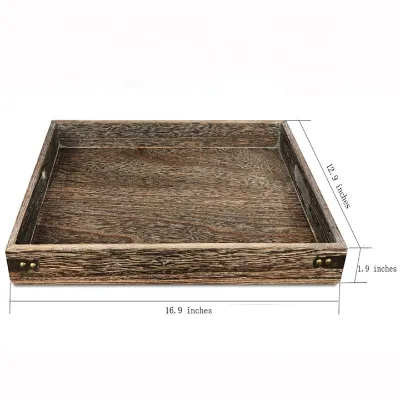
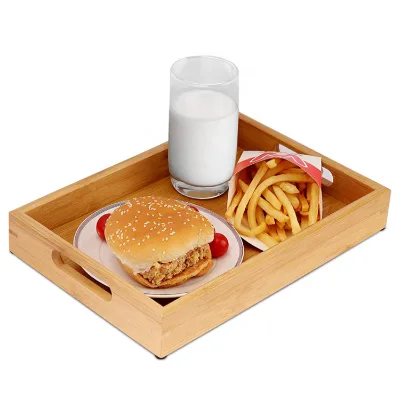
Rustic Wooden Serving Trays with Handle Multipurpose Trays for Breakfast,Foods,Coffee Table
$6.00 - $6.45
MOQ: 100 pieces

Caoxian Keyu Arts & Crafts Factory
- Verified by SGS Group
- Manufacturer, Trading Company
- Lead time30 days
- Avg. response≤ 3h
Main productsWood Crafts, Wooden Boxes, & Wall Signs, Wooden & Bamboo Packaging, Wooden Home & Garden Products
Main marketsNorth America(45%), Domestic Market(30%), Western Europe(10%)
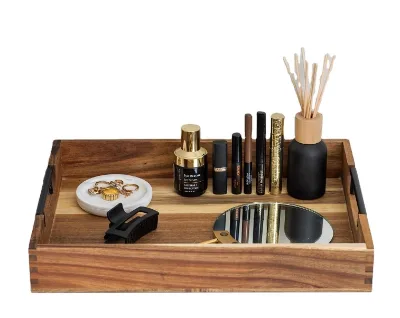
Vintage Wooden Tray with Marble and Metal Handles -Elegant Serving Tray for Breakfast
$5.50 - $6.50
MOQ: 500 pieces
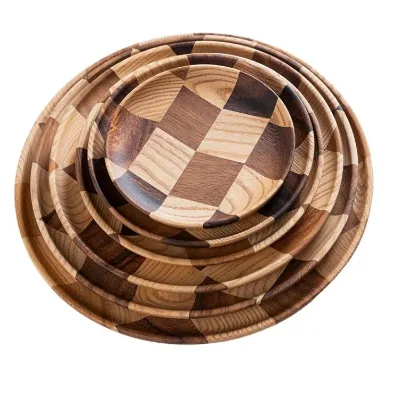
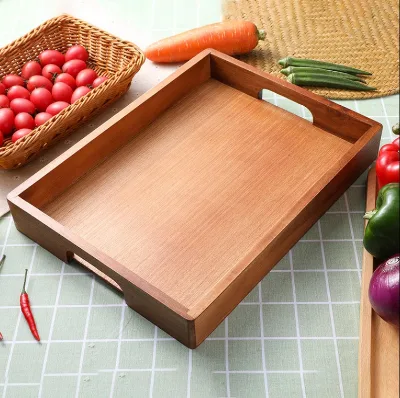
Wholesale Wooden Serving Tray - Thickened Rectangle Wood Plate for Tea, BBQ, Cake, and Snacks
$5.50 - $6.50
MOQ: 500 pieces
Caoxian Fengdan Wood Industry Co., Ltd.
- Verified by SGS Group
- Manufacturer, Trading Company
- Lead time45 days
- Avg. response≤ 2h
Main productsWooden Cutting & Serving Board, Wooden Trays, Wooden Box, Wooden Bowl, Wooden Rack
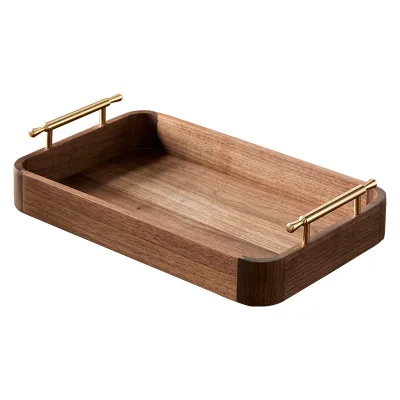
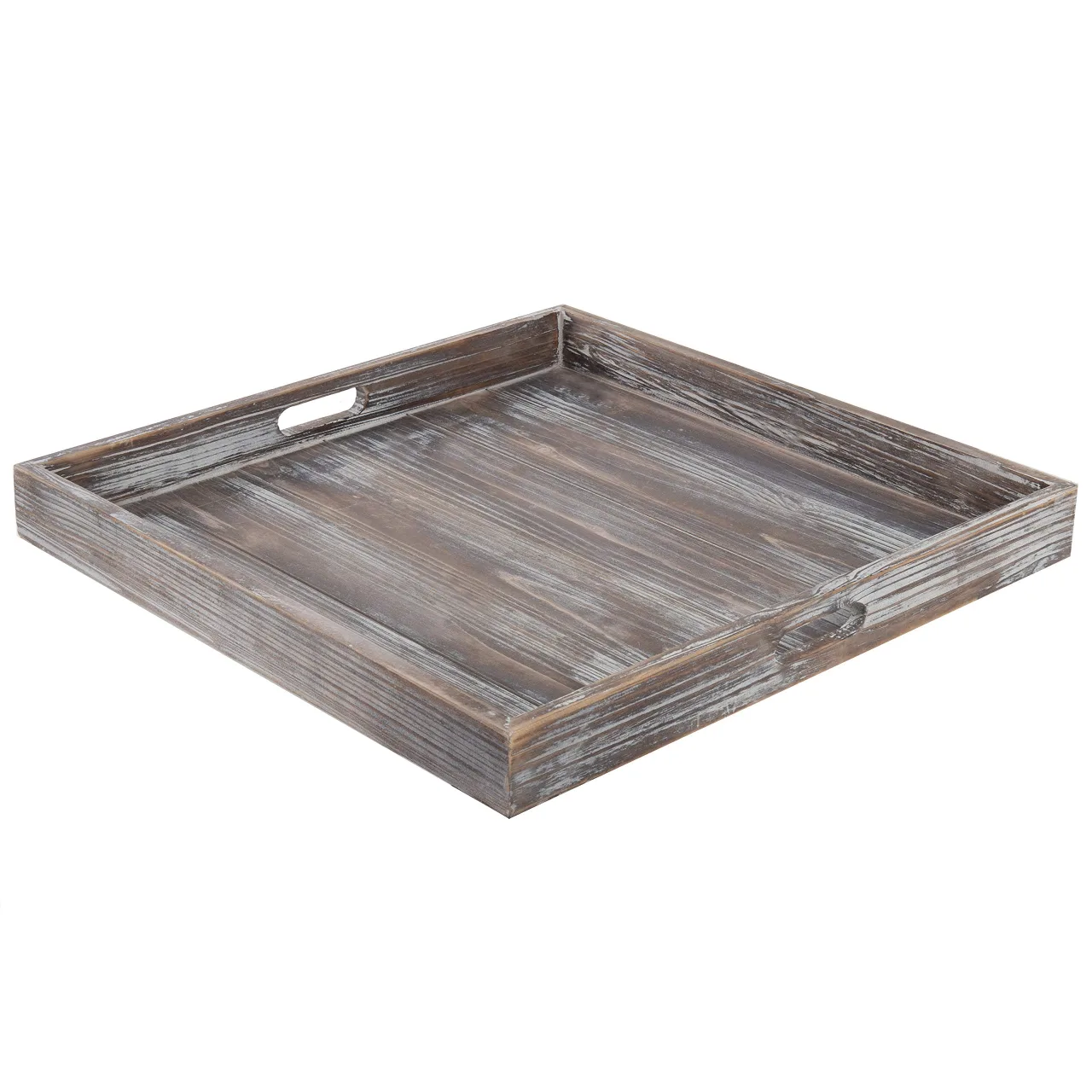
Wood Serving Tray Customized Shape Eco-Friendly Feature for Home Decor Food Serving Tray
$3.9903 - $5.1446
MOQ: 1 pieces
Shandong Junji Trading Co., Ltd.
- Verified by SGS Group
- Manufacturer, Trading Company
- Lead time15 days
- Avg. response≤ 2h
Main productsWood Crafts, Home Decor, Home Storage , Wall Shelf, Pet Product
Main marketsNorth America(25%), South America(15%), Western Europe(12%)
Caoxian Shangyuan Arts & Crafts Co., Ltd.
- Verified by SGS Group
- Manufacturer, Trading Company
- Lead time35 days
- Avg. response≤ 1h
Main productsBricks, Trays, Storage Racks, Bedroom Furniture, Wooden Climbing Frames
Main marketsNorth America(40%), Eastern Asia(30%), Western Europe(20%)
- Manufacturer, Trading Company
- Shandong, China
- Lead time15 days
- Avg. response≤ 1h
Main productsWooden Craft,wooden box,Wooden Furniture,cat tree,wood decoration
Main marketsNorth America(40.00%), Southern Europe(10.00%), Northern Europe(10.00%), Mid East(10.00%), Western Europe(10.00%), Central America(5.00%), Southeast Asia(5.00%), Eastern Europe(5.00%), South America(5.00%)
Cao County Hengyu Woods Co., Ltd.
- Manufacturer, Trading Company
- Lead time旺季: "1 - 1500":30,"1501 - 3000":40,"> 3000":"To be negotiated", 淡季: "1 - 1500":30,"1501 - 3000":40,"> 3000":"To be negotiated"
- Avg. response≤ 2h
Main productsWood Gifts and Crafts
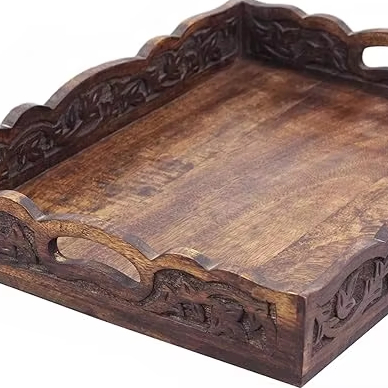
$9.1364 - $9.3433
MOQ: 500 pieces

12 Pieces Acacia Wooden Serving Tray 9.8 Inch Round Wood Dishes Wooden Charger Serving Tray
$4.20 - $4.50
MOQ: 500 pieces
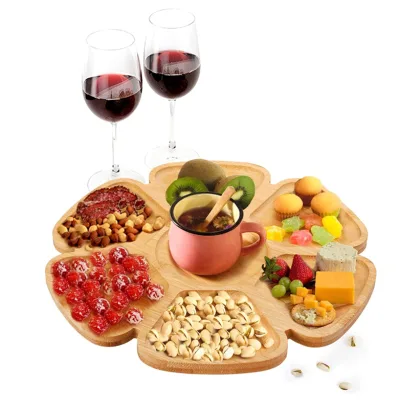
Custom 360-Degree Rotating Wooden Serving Tray Natural and Vegan Friendly for Parties and Events
$2.50 - $3.00
MOQ: 1000 pieces
Fuzhou Bridge Trading Co., Ltd.
- Verified by TüVRheinland
- Manufacturer, Trading Company
- Lead time45 days
- Avg. response≤ 2h
Main productsCutting Board, Cheese Board, Bamboo Drawer Organizer, Bath Tray, Bamboo Storage Box
Main marketsNorth America(60%), Western Europe(40%)


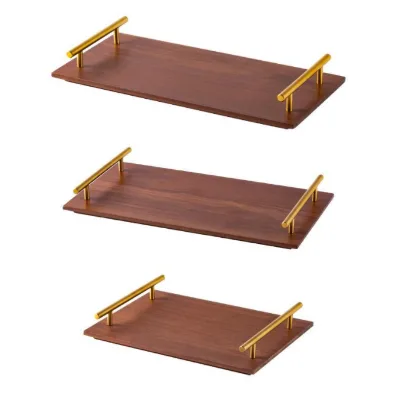
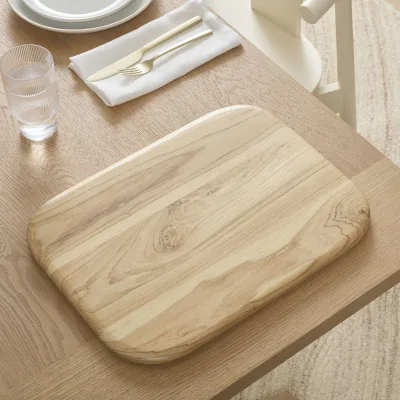
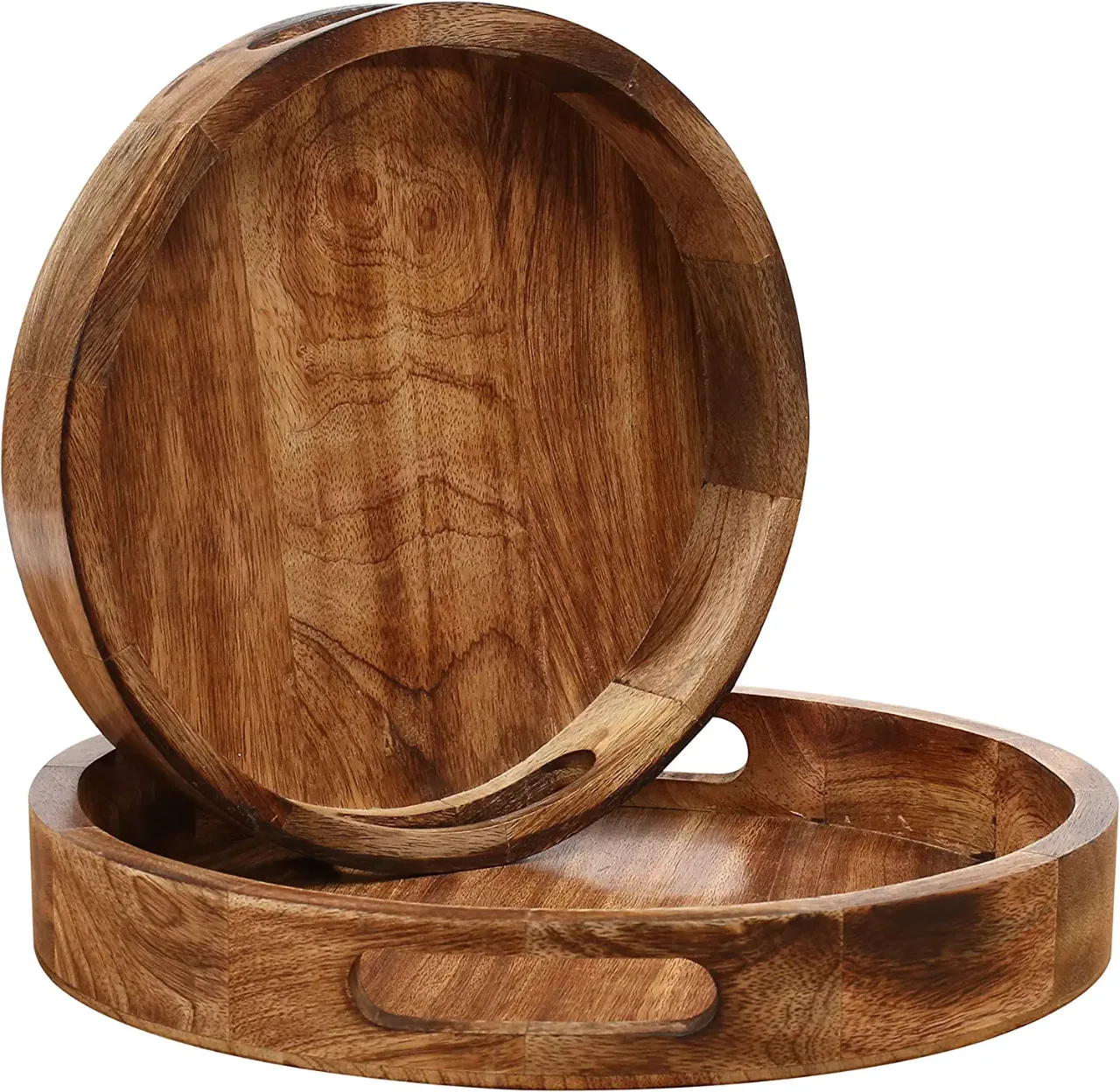


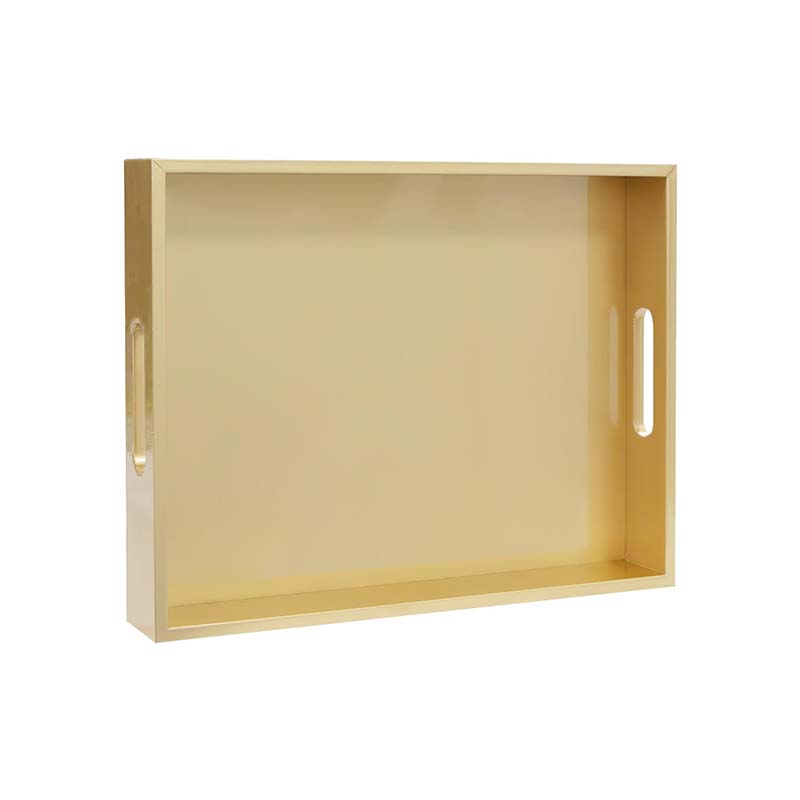



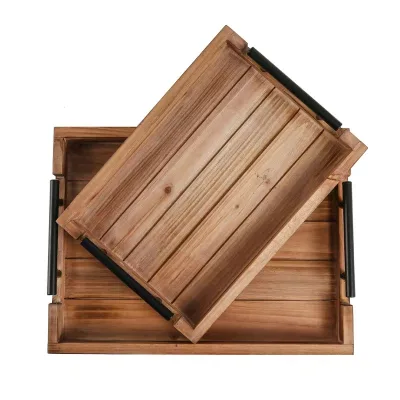
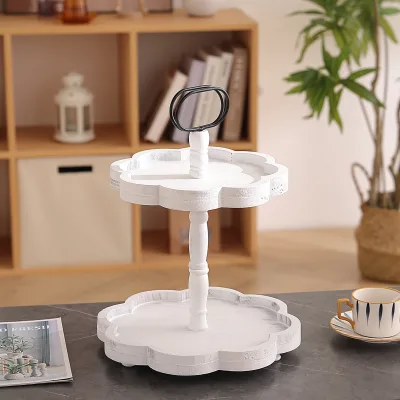
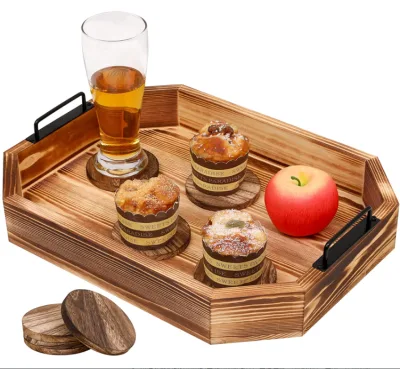
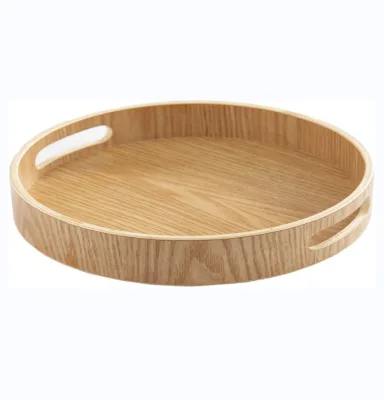
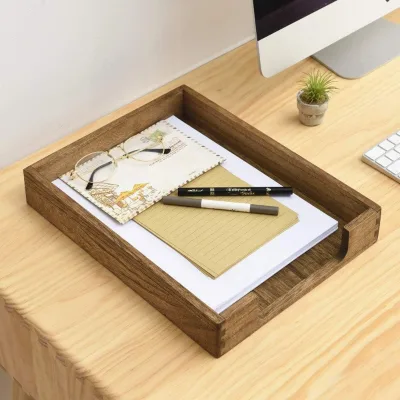

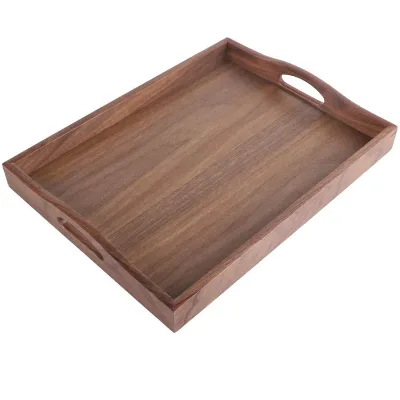
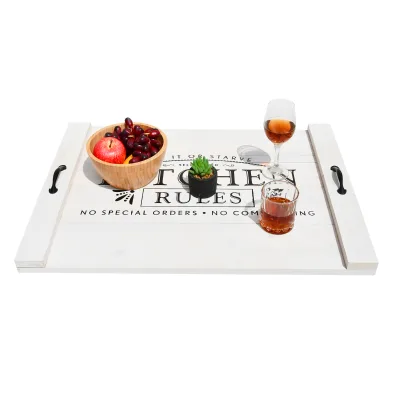



Comprehensive Sourcing Guide
Wooden Serving Tray with Handles Supplier Concentration and Factory Types
The current supplier landscape for wooden serving trays with handles reveals a distinct concentration in Shandong, China, where manufacturing activity is notably clustered. This geographic focus suggests a regional ecosystem optimized for wood processing and export logistics, providing buyers with a clear starting point for sourcing. Within this region, the supplier base is diverse, comprising both direct manufacturers and trading companies. Manufacturers typically offer deeper control over production processes, material selection, and customization capabilities, which is crucial for products requiring specific finishes or structural integrity. Trading companies, on the other hand, may provide broader product assortments and streamlined communication, acting as intermediaries that consolidate inventory from multiple smaller workshops. Understanding this distinction is vital for buyers who need to decide whether they prioritize direct factory engagement for cost efficiency or the flexibility and breadth offered by trading entities. The presence of both types in the same geographic cluster allows for a competitive market where buyers can compare value propositions across different business models without necessarily changing their geographic sourcing strategy.
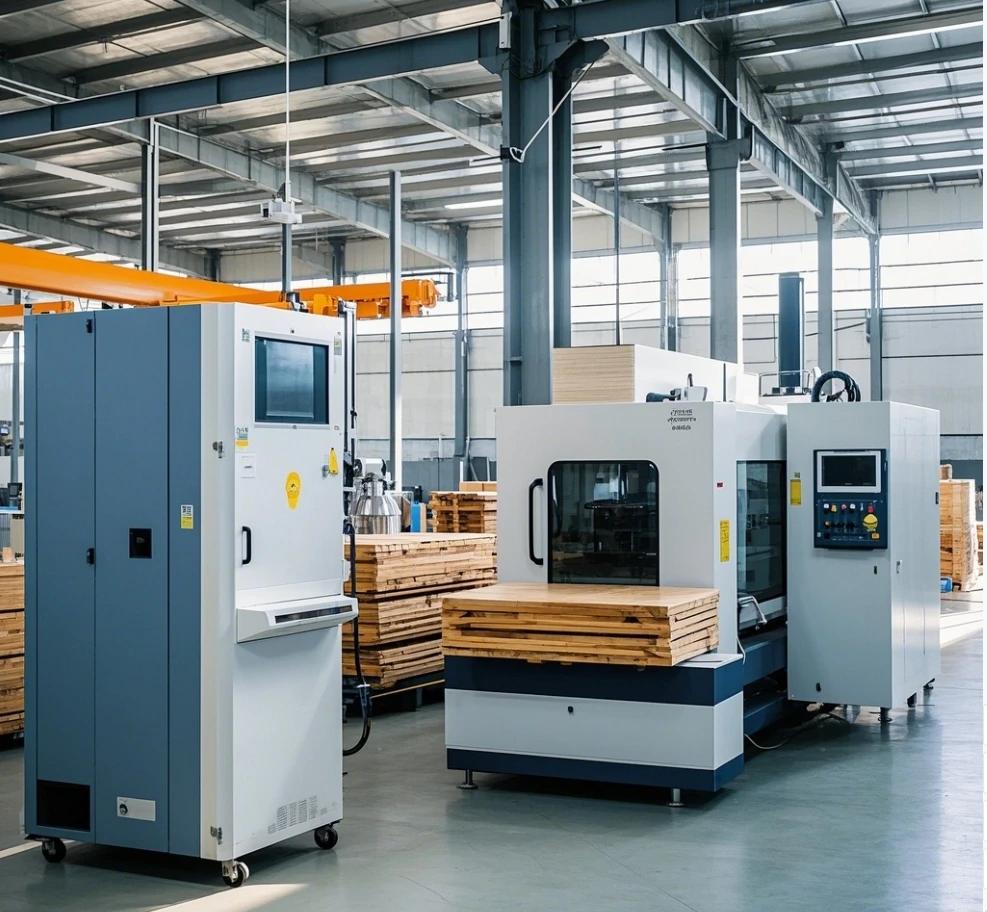
When evaluating the types of entities in this cluster, it is important to look beyond the company label and examine the actual product evidence and operational capabilities. Many suppliers in this region list main products that include wooden crafts, trays, boxes, and home decor, indicating a specialized focus on wooden goods rather than general merchandise. This specialization often translates to better expertise in handling wood materials, which are sensitive to humidity and require specific finishing techniques like polishing or rustic treatments. Buyers should verify if the supplier claims to be a manufacturer by requesting photos of their production floor or asking specific technical questions about their woodworking machinery and finishing processes. Trading companies might not have this level of technical depth but could offer superior customer service and faster response times, which is another critical factor in international trade. The interplay between these two supplier types creates a dynamic market where buyers must carefully assess which model aligns with their specific needs for customization, volume, and communication style.
How to Verify Wooden Serving Tray with Handles Suppliers
Verifying the legitimacy and capability of suppliers requires a multi-layered approach that goes beyond simple profile reviews. One of the most effective methods is to request detailed product specifications and compare them against industry standards for wooden serving trays. Buyers should ask for high-resolution images of the actual products, focusing on the quality of the handles, the smoothness of the polished surfaces, and the consistency of the wood grain. For suppliers claiming to offer custom designs, requesting physical samples is essential to assess the tactile quality and durability of the materials. Samples allow buyers to evaluate the weight, balance, and finish of the tray, which are critical factors for customer satisfaction in the hospitality and retail sectors. Additionally, buyers should inquire about the supplier’s quality control processes, including how they inspect for defects such as cracks, splinters, or uneven polishing before shipment. This due diligence helps ensure that the supplier has robust internal controls to maintain product consistency across large orders.
Another crucial aspect of verification is assessing the supplier’s responsiveness and communication efficiency. The data indicates that some suppliers have a response time of five hours, which is a significant indicator of their operational readiness and commitment to customer service. Fast response times often correlate with better project management and quicker resolution of issues during the production process. Buyers should test this by sending detailed inquiries and noting how quickly and thoroughly the supplier responds. Furthermore, verifying the supplier’s establishment year and business history can provide insights into their stability and experience in the market. Suppliers with a longer track record are likely to have refined their processes and built stronger relationships with raw material suppliers. Buyers should also check for any available certifications or compliance with international standards, although specific certification details may vary. By combining product quality checks with communication and historical verification, buyers can build a comprehensive profile of each potential supplier, reducing the risk of partnering with unreliable entities.
What to Compare Across Wooden Serving Tray with Handles Suppliers
When comparing suppliers, buyers should focus on key operational metrics such as lead time, minimum order quantity (MOQ), and pricing structures. The available data shows a range of lead times, with some suppliers indicating a thirty-day production cycle, which is typical for customized wooden goods. Buyers must align this lead time with their inventory planning and sales forecasts to avoid stockouts or excess inventory. Similarly, MOQs vary significantly, with some suppliers requiring as few as three hundred pieces while others demand five hundred or more. This variation allows buyers with different order volumes to find suitable partners, but it also requires careful calculation of total landed costs, including shipping and tariffs, to determine the most economical option. Pricing is another critical factor, with observed price ranges indicating that costs can vary based on material quality, design complexity, and order volume. Buyers should request detailed quotations that break down costs for materials, labor, and packaging to understand the value proposition of each supplier.
Beyond these basic metrics, buyers should compare the customization options and product features offered by different suppliers. Some suppliers provide fully customized sizes, shapes, and logos, which is ideal for brands seeking unique product differentiation. Others may offer standard designs with limited customization, which can be more cost-effective for buyers who do not require bespoke solutions. The material composition is also a key differentiator, with options ranging from solid wood to composite materials, each affecting the durability and aesthetic appeal of the final product. Buyers should also evaluate the packaging solutions provided, as proper packaging is essential to prevent damage during transit. Some suppliers offer customized packaging, which can enhance brand presentation, while others use standard carton packaging. By systematically comparing these attributes, buyers can create a weighted scoring matrix to objectively evaluate suppliers based on their specific business needs, ensuring that the selected partner offers the best balance of cost, quality, and service.
Common Wooden Serving Tray with Handles Sourcing Risks
One of the primary risks in sourcing wooden serving trays is the variability in material quality and consistency. Wood is a natural material, and variations in grain, color, and density can affect the final appearance and durability of the product. Buyers must establish clear quality standards and communicate them effectively to suppliers to minimize discrepancies. Another significant risk is the potential for delays in production, which can disrupt supply chains and lead to missed sales opportunities. Factors such as raw material shortages, labor issues, or logistical bottlenecks can contribute to these delays. Buyers should mitigate this risk by maintaining open communication with suppliers and requesting regular production updates. Additionally, the risk of damage during shipping is heightened due to the fragile nature of some wooden components, particularly handles. Proper packaging and handling instructions are essential to prevent breakage, and buyers should verify that suppliers use adequate protective materials.
Intellectual property and design theft is another concern, especially for buyers who invest in custom designs. Suppliers may replicate unique designs for other clients, undermining the buyer’s competitive advantage. To protect their interests, buyers should consider signing non-disclosure agreements and clearly defining ownership rights in their contracts. Furthermore, currency fluctuations and changes in trade policies can impact the final cost of goods, adding financial uncertainty to the sourcing process. Buyers should monitor these external factors and build contingency plans into their procurement strategies. By identifying and proactively addressing these risks, buyers can create a more resilient sourcing strategy that safeguards their business interests and ensures a smoother procurement experience.
Wooden Serving Tray with Handles Regional Sourcing and Logistics
Sourcing from Shandong, China, offers logistical advantages due to the region’s established export infrastructure and proximity to major ports. This geographic concentration facilitates efficient transportation of goods, reducing transit times and shipping costs for international buyers. However, buyers must also consider the environmental impact of their sourcing decisions, as wood production can have significant ecological implications. Choosing suppliers who adhere to sustainable forestry practices and hold relevant environmental certifications can help mitigate these concerns. Additionally, buyers should evaluate the supplier’s ability to handle complex logistics, including customs clearance and documentation, to ensure smooth delivery. Understanding the regional logistics landscape allows buyers to optimize their supply chain and reduce overall procurement costs.
The regional focus also means that buyers can benefit from economies of scale, as suppliers in the area often collaborate with local logistics providers to offer competitive shipping rates. Buyers should leverage this by consolidating orders or coordinating with other buyers to share shipping costs. Furthermore, the local expertise in wood processing means that suppliers are well-equipped to handle specific design requirements, such as intricate carvings or specialized finishes. This local knowledge can be a valuable asset for buyers seeking high-quality, customized products. By understanding the regional logistics and production capabilities, buyers can make informed decisions that enhance their supply chain efficiency and product quality.
Wooden Serving Tray with Handles Commercial Terms and Order Planning
Effective order planning requires a clear understanding of commercial terms, including payment methods, warranty policies, and after-sales support. Buyers should negotiate favorable payment terms, such as partial upfront payments and balance upon shipment, to manage cash flow and reduce financial risk. It is also important to clarify the warranty policy for defects or damages, ensuring that suppliers take responsibility for product quality. After-sales support, including the ability to handle returns or replacements, is crucial for maintaining customer satisfaction. Buyers should also consider the scalability of the supplier’s operations, ensuring that they can handle increased order volumes as the business grows. By establishing robust commercial terms and planning for scalability, buyers can build a sustainable and profitable sourcing relationship.
Additionally, buyers should develop a comprehensive risk management strategy that includes contingency plans for supply chain disruptions. This may involve identifying alternative suppliers or maintaining safety stock to buffer against unexpected delays. Regular performance reviews with suppliers can help identify areas for improvement and strengthen the partnership over time. By focusing on these commercial and planning aspects, buyers can create a resilient sourcing strategy that supports long-term business success and minimizes operational risks.
FAQs
What is the price range for wooden serving trays?
Prices typically range from $1.10 to $4.75 per unit depending on material and customization. Basic unfinished trays start around $1.10, while luxury or acacia wood options cost up to $4.75. Buyers should verify specific quotes based on order volume and design requirements.
What is the minimum order quantity for these trays?
Minimum order quantities generally start at 300 pieces for standard models. Some suppliers require 500 pieces for custom or luxury designs. Buyers must confirm the exact MOQ with the supplier before placing an order to ensure production feasibility and pricing accuracy.
Where are these wooden trays manufactured?
Most suppliers are located in Shandong, China. This region is a known hub for wooden craft manufacturing. Buyers should verify the specific factory location to assess logistics costs and ensure the origin matches their sourcing preferences and compliance requirements.
How long does production take?
Standard lead times are approximately 30 days after order confirmation. Custom designs or large volumes may require additional time. Buyers should confirm the exact production schedule with the supplier to align with their inventory needs and avoid potential delays.
Are samples available for wooden serving trays?
Samples are available for many suppliers to verify quality before bulk production. Buyers should inquire about sample costs and shipping fees. Confirming sample availability helps ensure the final product meets your aesthetic and functional requirements before committing to a large order.
Can I customize the logo and design?
Customization is widely accepted for logos, sizes, and patterns. Suppliers offer options for eco-friendly materials and specific shapes like rectangles or ovals. Buyers should provide detailed specifications to ensure the final product matches their brand identity and functional needs.