Magnetic Dampened Auto Level Suppliers and Manufacturers
Source 19 verified trading companies offering Magnetic Dampened Auto Level instruments with CE certification and OEM support. Compare key dimensions such as lead times, pricing, and accuracy ratings to identify suitable partners. Contact suppliers directly to request quotes and verify production capabilities.
Updated
Suppliers List
Shangrao Haodi Imp & Exp Trading Co., Ltd.
- Trading Company
- Lead time旺季: "1 - 12":5,"13 - 60":12,"> 60":"To be negotiated", 淡季: "1 - 12":5,"13 - 60":12,"> 60":"To be negotiated"
- Avg. response≤ 2h
Main productsGnss Rtk, Total Station, Auto Level, Slam Scanner, Survey Accessories
Shangrao Haodi Imp & Exp Trading Co., Ltd.
- Verified by Intertek
- Trading Company
- Lead time15 days
- Avg. response≤ 2h
Main productsGNSS RTK, Total Station, Auto Level, SLAM Scanner, Survey Accessories
Main marketsAfrica(29%), Southeast Asia(28%), Western Europe(15%)

Shanghai Apekstool Optoelectronic Technology Co., Ltd.
- Verified by TUVRHEINLAND
- Trading Company
- China Shanghai
- Lead time15 days
- Avg. response≤ 3h
Main productsGnss Rtk, Total Station, Gnss Receiver, Auto Level, Rotary Laser Level, Land Surveying Equipment, Laser Distance Meter, GPS, Hi Target Gnss, Chcnav Gnss
Main marketsSouth America,Eastern Europe,Mid East,North America,Southeast Asia,Eastern Asia,Oceania,Western Europe,Africa

High Precision Magnetic Damping Measuring Instruments 32X Optical Auto Level
$75.00 - $95.00
MOQ: 1 Sets

High Precision Survey Equipment 24X Magnetic Damper Auto Level B40 Price
$105.00 - $140.00
MOQ: 1 Sets

- Trading Company
- China Jiangsu
- Lead time15 days
- Avg. response≤ 2h
Main productsLaser Level, Surveying Instrument, Surveying Equipment, Leica Prism, Survey Prisms, Levelling Staffs, Tribrachs and Adapters, Instrument Tripods, Automatic Level, Laser Line
Main marketsSoutheast Asia/ Mideast,Europe,Australia,North America

SHANGRAO HAODI IMP&EXP TRADING CO., LTD.
- Verified by BV
- Trading Company
- China Jiangxi
- Lead time15 days
- Avg. response≤ 5h
Main productsGnss Rtk, Total Station, Slam Scanner, Optical Level & Laser Plummet, Theodolite, Level Staff&Tripod, Measuring Wheel, Prism Pole&Prism Set, Tribrach and Adapter, Surveying Accessories
Main marketsSouth America,Africa,Southeast Asia/ Mideast


$499.00 - $540.00
MOQ: 1 Pieces

Surveying Level Surveying Instrument Automatic Level Surveying Instrument Auto Level
$289.00 - $299.00
MOQ: 1 Pieces

High Measurement Precision Automatic Level Surveying Instrument Auto Level
$289.00 - $299.00
MOQ: 1 Pieces

Shandong Tongyuan Surveying And Mapping Technology Co., Ltd.
- Trading Company
- Shandong, China
- Lead time10 days
- Avg. response≤ 2h
Main productstotal station,GNSS RTK,GPS receiver,Level,range finder
Main marketsAfrica(20.00%), South Asia(15.00%), Central America(10.00%), Domestic Market(10.00%), South America(10.00%), North America(10.00%), Southeast Asia(10.00%), Eastern Asia(5.00%), Mid East(5.00%), Northern Europe(5.00%)
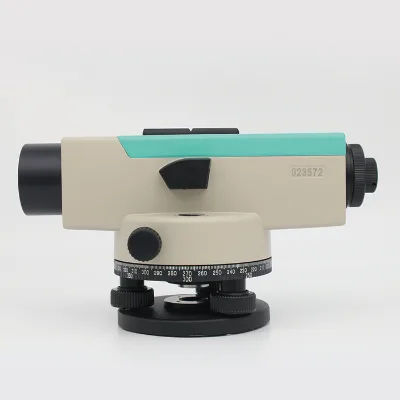
Smart Level Surveying Instrument Auto Level Optical Measuring Level
$145.00 - $160.00
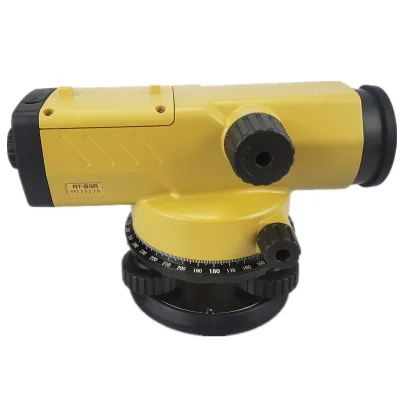
$148.5752 - $163.9451
MOQ: 1 pieces
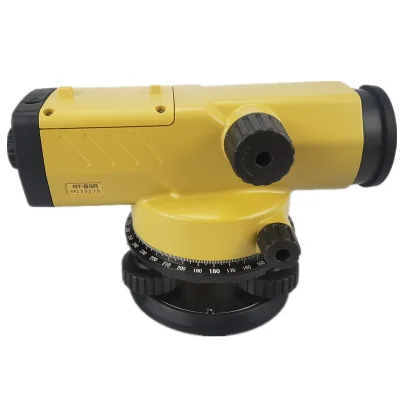
FOIF DSZ1 High-precision Auto Level Instrument Price Land Survey Equipment Cheap Auto Leveler
$148.5752 - $163.9451
MOQ: 1 pieces
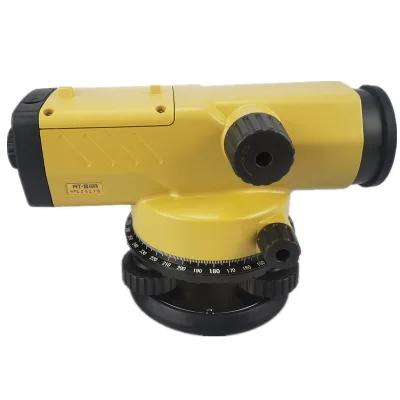
promotionEasy-to-Use Auto Level for Construction Site Plastic Surveying And Measurement Applications
$152.1178 - $167.8542
MOQ: 1 pieces
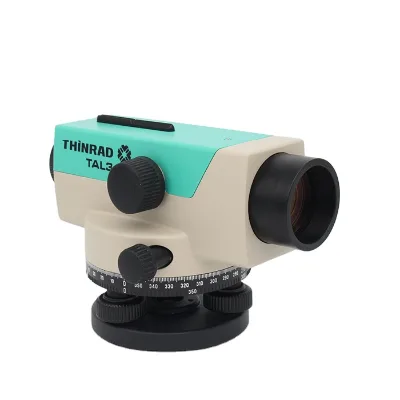
High Quality Durable High Precise Level Measure Machine Automatic Level Instrument
$170.00 - $200.00
MOQ: 1 pieces
Shanghai Apekstool Optoelectronic Technology Co., Ltd.
- Trading Company
- Shanghai, China
- Lead time3 days
- Avg. response≤ 2h
Main productsGNSS RTK GPS Receiver,Total station,Electronic theodolite,Auto level,Laser level
Main marketsSouth America(20.00%), Africa(20.00%), Southeast Asia(18.00%), Mid East(15.00%), Eastern Asia(10.00%), Domestic Market(5.00%), North America(5.00%), Eastern Europe(1.00%), South Asia(1.00%), Southern Europe(1.00%), Northern Europe(1.00%), Central America(1.00%), Western Europe(1.00%), Oceania(1.00%)
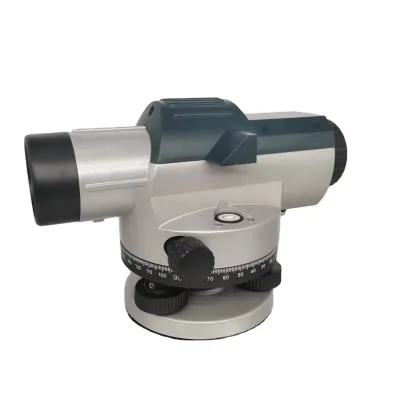
Factory Sale 32X Magnetic Damping Land Surveying Auto Level Equipment
$77.0081 - $97.5437
MOQ: 2 pieces
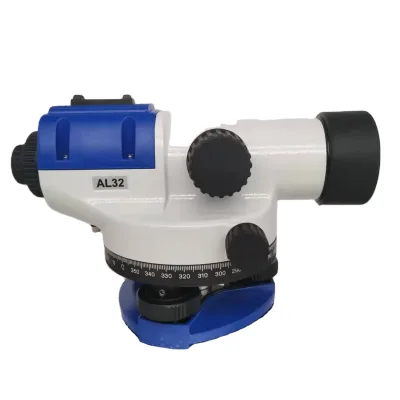
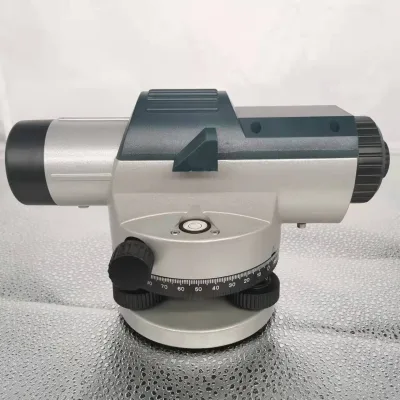
Special Measurement Design Auto Level 32X Magnetic Damping Auto for Sale
$77.0081 - $97.5437
MOQ: 2 pieces
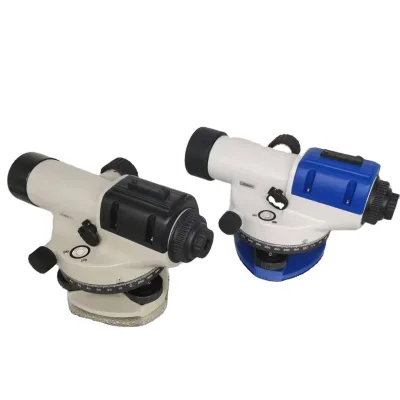
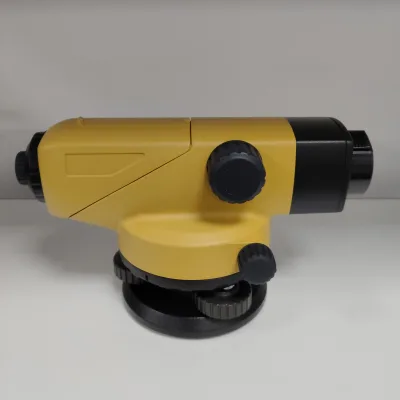
$112.945 - $121.1595
MOQ: 1 pieces
Hebei Cloud Import And Export Co., Ltd.
- Trading Company
- Hebei, China
- Lead time10 days
- Avg. response≤ 4h
Main productsAuto parts and maintenance equipment,construction machinery equipments,instrumetation,Ductile steel part,Manhole cover grating
Main marketsDomestic Market(30.00%), North America(15.00%), Northern Europe(10.00%), South America(10.00%), Southern Europe(5.00%), Western Europe(5.00%), Eastern Europe(5.00%), Mid East(5.00%), Africa(5.00%), South Asia(4.00%), Southeast Asia(3.00%), Central America(2.00%), Eastern Asia(1.00%)
Auto Level Professional Optical Level Kit Auto Leveling
$250.00 - $260.00
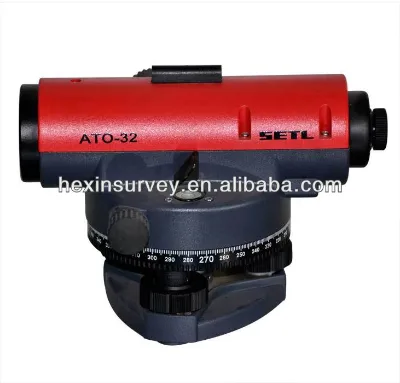
Shanghai Hexin Survey Instrument Co., Ltd.
- Trading Company
- Shanghai, China
- Lead time3 days
- Avg. response≤ 4h
Main productsTotal station,GNSS products,Theodolite,Automatic level,Survey accessory
Main marketsSouth America(30.00%), Africa(25.00%), Southeast Asia(10.00%), South Asia(5.00%), Western Europe(5.00%), Eastern Asia(5.00%), Mid East(5.00%), Oceania(5.00%), North America(5.00%), Eastern Europe(5.00%)
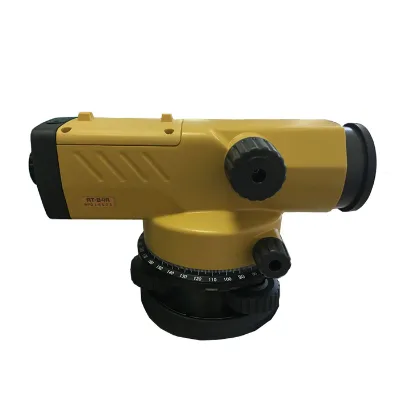
$102.4655 - $112.7131
MOQ: 1 sets
- Trading Company
- Zhejiang, China
- Lead time10 days
- Avg. response≤ 4h
Main productsGNSS Receiver,Rugged Tablet,Lidar Scanner,GIS,Software
Main marketsSouthern Europe(10.00%), Africa(10.00%), Central America(10.00%), Eastern Europe(10.00%), Mid East(10.00%), North America(10.00%), Western Europe(8.00%), South America(6.00%), Eastern Asia(6.00%), South Asia(5.00%), Oceania(5.00%), Northern Europe(5.00%), Southeast Asia(5.00%)
Sanming Sky Beidou Surveying And Mapping Equipment Co., Ltd.
- Verified by SGS Group
- Trading Company
- Lead time14 days
- Avg. response≤ 1h
Main productsRTK, Total Station, Auto Level, Theodolite, 3D Laser Scanner

Shaanxi Deruite Industry and Trade Co., Ltd.
- Verified by BV
- Trading Company
- China Shaanxi
- Lead time23 days
- Avg. response≤ 7h
Main productsSurveying Instrument, Accessories, Tripod, Staff, Prism, Prism Poles
Main marketsSouth America,Africa,Southeast Asia/ Mideast,East Asia(Japan/ South Korea),Europe,Australia,North America

- Combined
- China Zhejiang
- Lead time30 days
- Avg. response≤ 1h
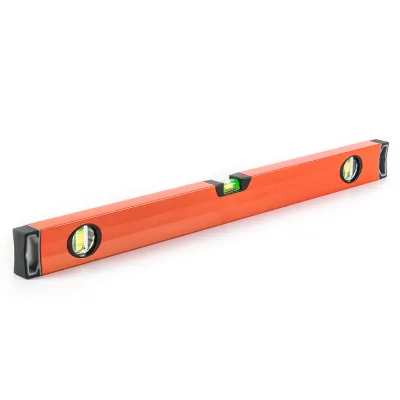
Main productsScreeding Level, Concrete Bullfloat, Spirit Level, Aluminium Level, Torpedo Level, Mini Level, Digital Level, Bubble Level, Angle Ruler, Vernier Caliper
Main marketsSouth America,Africa,Southeast Asia/ Mideast,East Asia(Japan/ South Korea),Domestic,Europe,Australia,North America
Jiangsu Hexon Imp. & Exp. Co., Ltd.
- Trading Company
- Lead time旺季: "1 - 5000":90,"> 5000":"To be negotiated", 淡季: "1 - 5000":90,"> 5000":"To be negotiated"
- Avg. response≤ 3h
Main productsPlier, Wrench, Screwdriver, Hammer, Tool Set

Lanxi Kangfeng Tools and Supplies Factory
- Verified by CTI
- Combined
- China Zhejiang
- Lead time30 days
- Avg. response≤ 2h
Main productsSpirit Level, I-Beam Level, Aluminum Alloy Level, Box Beam Level, Scraping Plate, Screeding Level, Torpedo Spirit Level, Scraper Plate, Inclined Scraper Plate
Main marketsDomestic

Cangzhou Leadway Machinery Equipment Co., Ltd.
- Trading Company
- Hebei, China
- Lead time3 days
- Avg. response≤ 2h
Main productsFilling Machine,Sealing machine,strapping machine,Inkjet printer,Mixing machine
Main marketsWestern Europe(20.00%), North America(15.00%), Africa(10.00%), Northern Europe(10.00%), Eastern Asia(10.00%), Eastern Europe(6.00%), Southeast Asia(5.00%), Central America(5.00%), South America(5.00%), South Asia(5.00%), Oceania(5.00%), Mid East(4.00%)
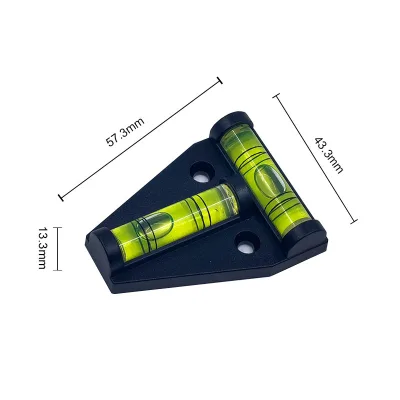
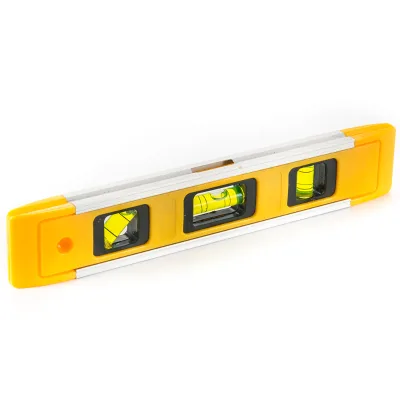
Magnetic TShape Bubble Level High Accuracy Spirit Level with Mounting Holes for Perfect Leveling
$0.3097 - $0.5146
MOQ: 1 sets
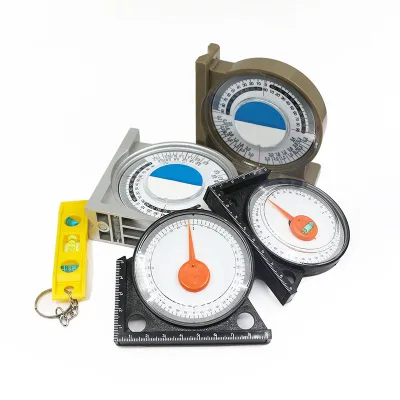
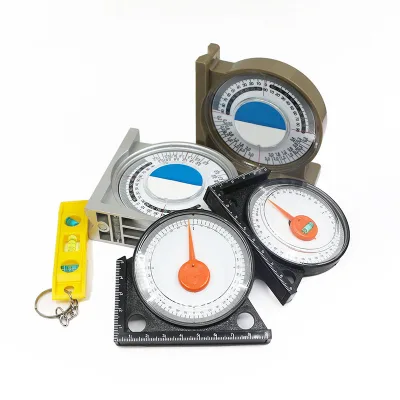
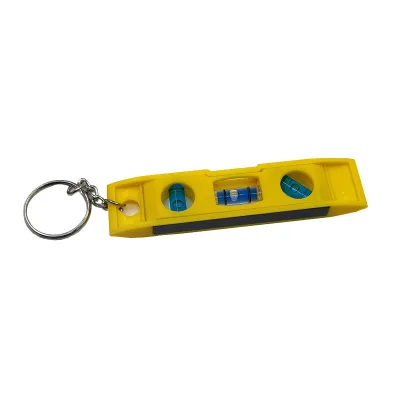
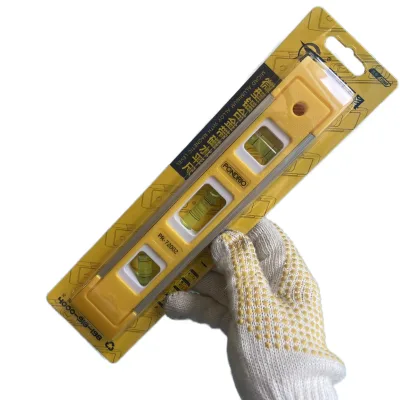
Handy 9 Inch Level with Three Accurate Bubbles and Strong Magnets for Perfect Results Every Time
$0.3112 - $0.5176
MOQ: 1 sets
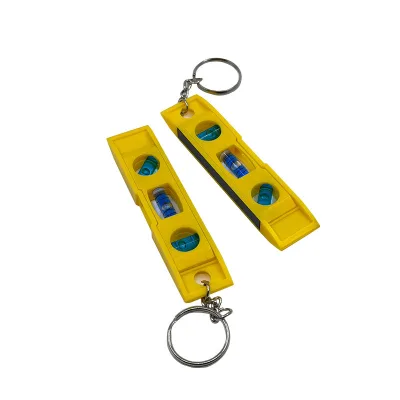
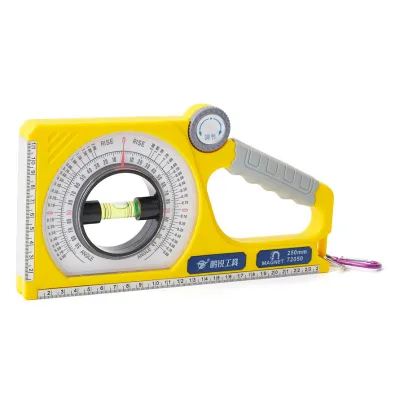
Compact Magnetic Level with Keychain for Easy Carry Accurate Measuring for Professionals and DIYers
$0.3112 - $0.5176
MOQ: 1 sets
Hunan Pengda Electromechanical Equipment Manufacturing Co., Ltd.
- Manufacturer
- Hunan, China
- Lead time0 days
- Avg. response≤ 4h
Main productsWrench,Pliers,drill,Screwdriver,tape measure
Main marketsSouthern Europe(30.00%), Western Europe(15.00%), Northern Europe(15.00%), Eastern Europe(15.00%), Mid East(10.00%), Central America(10.00%), North America(5.00%)
Shandong Sikeda Hardware Tools Co., Ltd.
- Verified by Intertek
- Trading Company
- Lead time0 days
- Avg. response≤ 2h
Main productsWire Stripper, Pruning Shears, Measuring Tape, Hammer, Glue Gun
Main marketsNorth America(40%), Africa(30%), Mid East(20%)
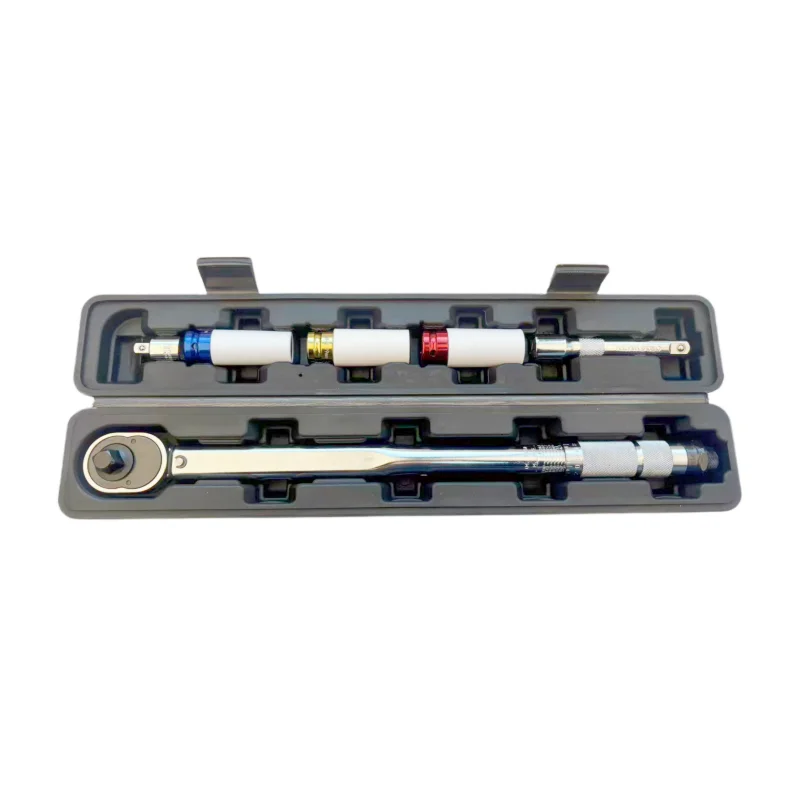
HANGZHOU JUCHUANG TRADING CO., LTD.
- Manufacturer, Trading Company
- Zhejiang, China
- Lead time30 days
- Avg. response≤ 4h
Main productsAutomotive Repair Tools,Mechanic Tools,Fastening Tools,Measuring Tools,Cutting tools
Main marketsNorth America(150.00%), Western Europe(20.00%), Eastern Asia(20.00%), Southern Europe(10.00%), Eastern Europe(10.00%), South America(10.00%), Southeast Asia(5.00%), Northern Europe(5.00%), Central America(5.00%)
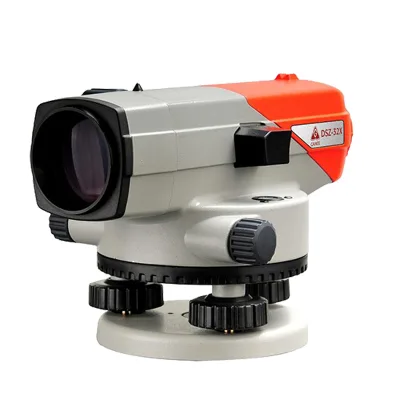
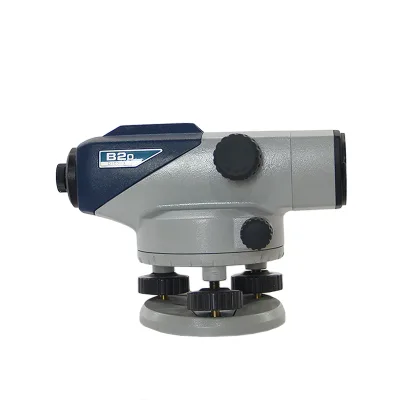
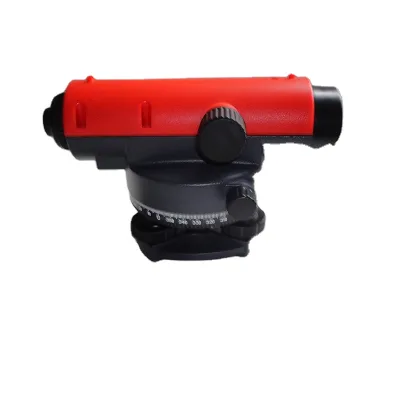
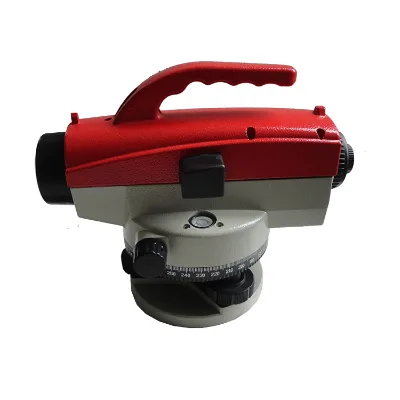
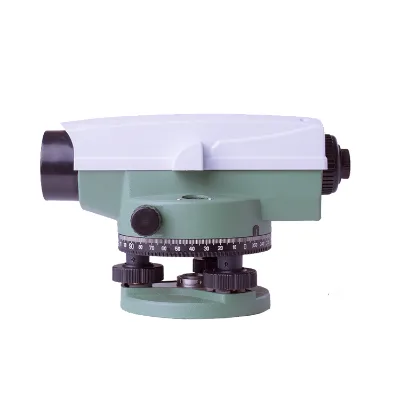
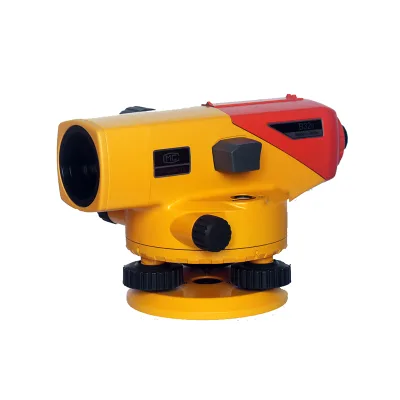
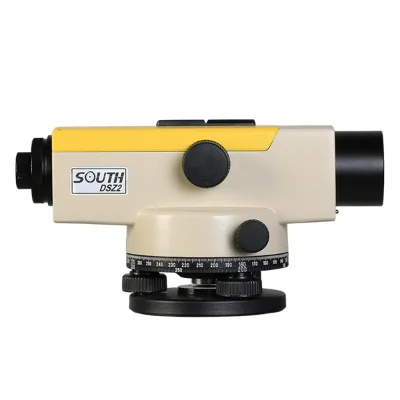
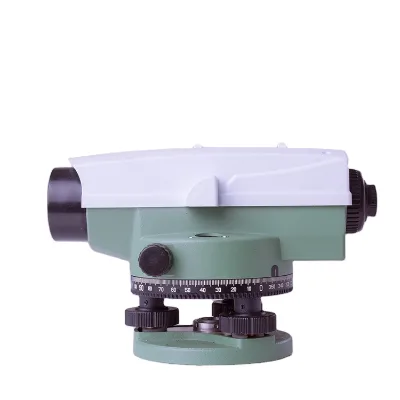


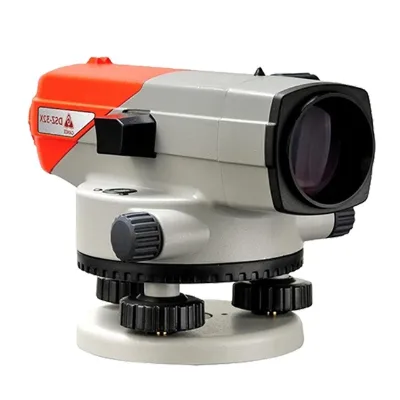
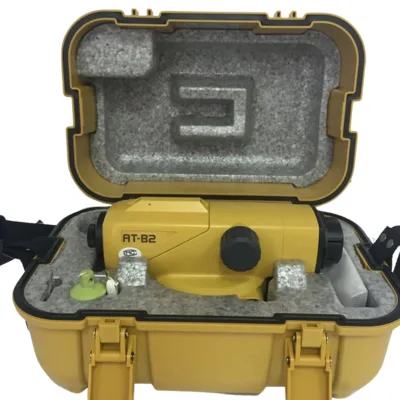
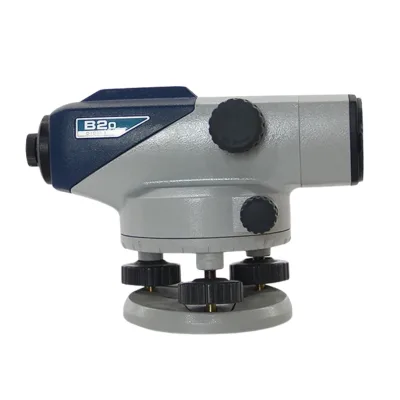
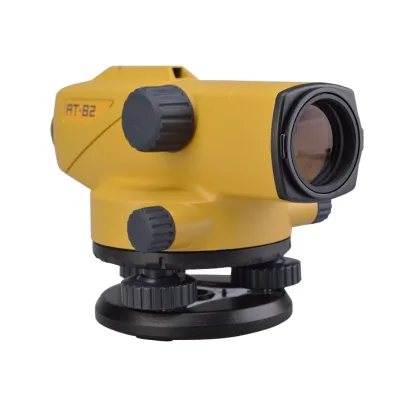
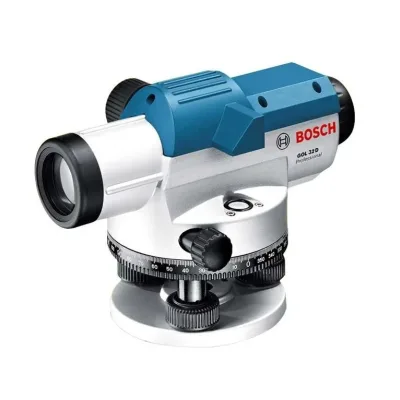
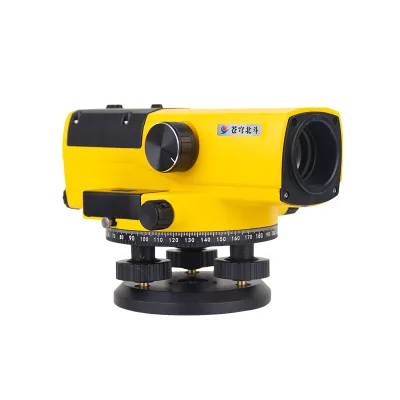




Comprehensive Sourcing Guide
Magnetic Dampened Auto Level Supplier Concentration and Factory Types
The current supplier landscape for magnetic dampened auto levels is dominated by trading companies rather than direct manufacturers, which significantly influences how buyers should approach their sourcing strategy. This structural characteristic means that the entities presenting these products are primarily intermediaries who aggregate inventory from various production sources rather than operating their own fabrication facilities. For buyers seeking direct factory engagement, this distinction is critical because it affects communication channels, customization capabilities, and the transparency of the supply chain. Trading companies often provide a broader range of product variations and faster access to existing stock, but they may lack the deep technical expertise or flexible production lines that a dedicated factory would offer. Understanding this dynamic helps buyers set realistic expectations regarding lead times, minimum order quantities, and the ability to implement specific engineering changes or branding requirements.
Despite the prevalence of trading companies, the actual manufacturing origin for these instruments is consistently identified as Jiangxi, China, providing a clear geographic anchor for sourcing efforts. This regional concentration suggests a specialized industrial cluster where components, assembly expertise, and supply chain logistics for surveying equipment are well-established. Buyers can leverage this location data to verify the authenticity of supplier claims and to assess the logistical feasibility of shipping large volumes of heavy optical instruments. The Jiangxi origin also implies a certain level of maturity in the local manufacturing ecosystem, which may correlate with consistent quality control practices and competitive pricing structures. However, buyers must remain vigilant in distinguishing between the trading company’s location and the actual factory site, as discrepancies can lead to misunderstandings regarding production capacity and quality assurance protocols.
How to Verify Magnetic Dampened Auto Level Suppliers
Verification of suppliers requires a multi-layered approach that goes beyond simple profile reviews, focusing on tangible evidence of capability and compliance. One of the most reliable indicators of supplier legitimacy is the presence of third-party verification badges, such as Intertek certification, which signals that an independent agency has audited the supplier’s operations. Buyers should prioritize suppliers who display such verifications, as they provide an additional layer of trust regarding business practices and product authenticity. Additionally, checking for system certifications like CE is essential, as it confirms that the magnetic dampened auto levels meet specific European safety and performance standards. These certifications are not merely decorative; they represent rigorous testing processes that ensure the instruments are safe for use and compliant with international regulatory requirements, reducing the risk of customs delays or legal issues in the destination market.
Beyond certifications, buyers should actively engage with suppliers to assess their responsiveness and technical knowledge, which are strong proxies for reliability. A response time of two hours, as observed in some supplier profiles, indicates a high level of operational efficiency and customer service commitment, which is crucial for resolving issues quickly during the procurement process. Buyers should test this responsiveness by asking detailed technical questions about the magnetic dampening mechanism, compensator accuracy, and warranty terms. Suppliers who provide prompt, accurate, and detailed answers are more likely to be professional and reliable partners. Furthermore, buyers should request specific product documentation, such as calibration certificates or detailed specification sheets, to verify that the products match the advertised claims. This due diligence helps mitigate the risk of receiving substandard equipment and ensures that the supplier has the necessary expertise to support the buyer’s technical requirements.
What to Compare Across Magnetic Dampened Auto Level Suppliers
When evaluating multiple suppliers, buyers must compare a diverse set of attributes to identify the best fit for their specific needs. Key comparison dimensions include lead times, which can vary significantly based on seasonal demand and order volume. For instance, some suppliers indicate lead times of five to twelve days for smaller orders during peak seasons, while larger orders may require up to twelve days or be subject to negotiation. Understanding these variations is crucial for project planning, especially when tight deadlines are involved. Buyers should also compare the minimum order quantities and pricing structures, as these directly impact the total cost of ownership. Prices for magnetic dampened auto levels can range from approximately $45 to $230 per unit, depending on the model, magnification, and included accessories. Comparing these prices alongside the warranty terms, which are typically one year, helps buyers assess the value proposition of each supplier.
Another critical aspect of comparison is the customization support offered by each supplier. Many suppliers provide OEM, ODM, and OBM services, allowing buyers to brand the products with their own logos or specifications. Buyers should evaluate the extent of this customization, including software reengineering and packaging options, to ensure it aligns with their market strategy. Additionally, comparing the technical specifications of the auto levels, such as magnification (e.g., 32X), accuracy (e.g., ±0.1% or ±0.3"), and objective aperture, is essential to ensure the instruments meet the precision requirements of the intended applications. Buyers should also consider the physical attributes, such as weight and dimensions, which affect shipping costs and ease of use in the field. By systematically comparing these factors, buyers can make informed decisions that balance cost, quality, and service capabilities.
Common Magnetic Dampened Auto Level Sourcing Risks
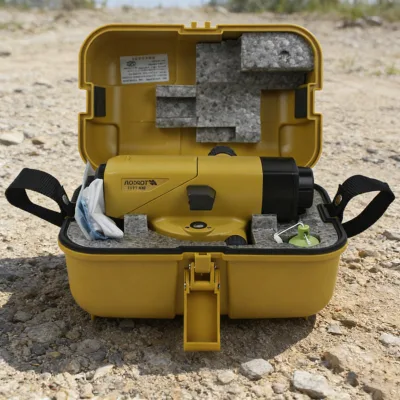
One of the primary risks in sourcing magnetic dampened auto levels is the potential discrepancy between advertised specifications and actual product performance. Buyers must be cautious of suppliers who make vague or exaggerated claims about accuracy and durability without providing verifiable test data. For example, while some products claim an accuracy of ±0.1%, others may only achieve ±0.3%, which can significantly impact the suitability of the instrument for high-precision surveying tasks. Buyers should request detailed technical documentation and, if possible, samples to verify these claims before committing to large orders. Additionally, the risk of receiving products with inadequate packaging is significant, as auto levels are delicate optical instruments that can be easily damaged during transit. Buyers should ensure that suppliers use robust packaging materials and methods, such as hard cases and reinforced cartons, to protect the instruments during shipping.
Another common risk is the lack of transparency regarding the supply chain, particularly when dealing with trading companies. Buyers may find it difficult to trace the actual manufacturer of the product, which can complicate warranty claims and technical support. To mitigate this risk, buyers should insist on clear information about the manufacturing origin and the relationship between the trading company and the factory. Additionally, buyers should be wary of suppliers who offer unusually low prices, as this may indicate the use of substandard materials or components. For instance, the material of the auto level body, whether aluminum alloy or other metals, can affect its durability and resistance to environmental factors. Buyers should verify the material specifications and ask for evidence of quality control processes to ensure that the products are built to last. By proactively addressing these risks, buyers can protect their investments and ensure a smoother sourcing experience.
Magnetic Dampened Auto Level Regional Sourcing and Logistics
Sourcing magnetic dampened auto levels from Jiangxi, China, offers logistical advantages due to the region’s established manufacturing infrastructure and proximity to major shipping hubs. Buyers should consider the impact of this location on shipping costs and delivery times, as well as the availability of freight forwarders experienced in handling optical instruments. The single gross weight of these products can vary, with some models weighing up to 25 kg per carton, which affects the choice of shipping method and the associated costs. Buyers should evaluate whether Less than Container Load (LCL) services are suitable for their order volume, as this can be a cost-effective option for smaller shipments. Additionally, buyers should be aware of the packaging dimensions, which can influence the number of units that can be shipped in a single container, thereby optimizing logistics efficiency.
Logistical planning also involves understanding the seasonal variations in lead times and shipping availability. During peak seasons, suppliers may experience higher demand, leading to longer production times and potential delays in shipping. Buyers should plan their orders accordingly, allowing for buffer time to account for these variations. Furthermore, buyers should consider the impact of international trade regulations and tariffs on the final cost of the products. Understanding the import requirements of the destination country, including any necessary certifications or documentation, is essential to avoid customs delays. By carefully planning the logistics and accounting for regional factors, buyers can ensure a smooth and cost-effective supply chain for their magnetic dampened auto levels.
Magnetic Dampened Auto Level Commercial Terms and Order Planning
Commercial terms for magnetic dampened auto levels often include flexible payment options and warranty provisions that buyers should carefully review. Most suppliers offer a one-year warranty, which provides a baseline level of protection against manufacturing defects. Buyers should clarify the terms of this warranty, including what is covered and the process for making a claim, to ensure they are adequately protected. Additionally, buyers should negotiate payment terms that align with their cash flow needs, such as partial upfront payments and balance upon shipment. Understanding these commercial terms is crucial for managing financial risk and ensuring a fair transaction. Buyers should also consider the impact of currency fluctuations and exchange rates on the final cost, especially if dealing with international suppliers.
Order planning should take into account the customization support and lead times offered by suppliers. For buyers requiring OEM or ODM services, it is essential to provide detailed specifications and artwork well in advance to avoid delays. Buyers should also plan for the potential need for spare parts or accessories, such as hard cases and tripods, which may be sold separately. By integrating these considerations into their order planning, buyers can ensure a seamless procurement process and minimize the risk of disruptions. Additionally, buyers should establish clear communication channels with their suppliers to stay informed about production progress and shipping updates. This proactive approach helps build a strong partnership and ensures that the buyer’s needs are met efficiently and effectively.
FAQs
What is the price range for magnetic dampened auto levels?
Prices for these instruments typically range from $45 to $230 per unit depending on the model and specifications. Basic models like the X series start around $45, while higher precision options such as the Japan Brand B20 or AT-B2 can cost between $165 and $230. Buyers should verify specific pricing for bulk orders as quotes may vary based on customization needs and shipping terms.
What lead times should I expect for these surveying instruments?
Standard lead times are generally 5 to 12 days for orders under 60 units during both peak and off-peak seasons. For larger quantities exceeding 60 units, delivery schedules must be negotiated directly with the supplier. Some listings indicate a standard 15-day production window, so confirming exact timelines with the manufacturer before placing an order is essential for project planning.
Do suppliers offer OEM and ODM customization services?
Yes, most trading companies listed support OEM, ODM, and OBM customization options. Some suppliers also provide software reengineering services to meet specific client requirements. Buyers can request custom branding, packaging, or technical modifications. It is advisable to discuss specific customization details and minimum order quantities directly with the supplier to ensure the final product meets your exact operational standards.
What is the typical response time for these suppliers?
Suppliers on this platform typically respond to inquiries within 2 hours. This rapid response time helps facilitate quick communication regarding product specifications, pricing, and shipping logistics. Buyers can expect timely updates on order status and technical support. Prompt communication ensures that any questions about instrument accuracy, warranty, or delivery schedules are addressed efficiently without significant delays.
What certifications and verification standards apply to these products?
Products often carry CE certification, ensuring compliance with European safety and quality standards. Additionally, suppliers may undergo Intertek verification, providing an extra layer of trust regarding business legitimacy and product quality. Buyers should request valid certification documents and verification reports before finalizing purchases to ensure the instruments meet international regulatory requirements for professional surveying applications.
What is the warranty period for these auto levels?
The standard warranty period for these magnetic dampened auto levels is typically one year. This coverage usually includes defects in materials and workmanship under normal use. Buyers should review the specific warranty terms provided by each supplier, as conditions may vary. Keeping the original packaging and proof of purchase is recommended to facilitate any potential claims or repairs during the warranty period.
Where are these surveying instruments manufactured?
These auto levels are primarily manufactured in Jiangxi, China. This region is known for producing various measuring instruments and surveying equipment. Buyers should verify the exact place of origin for specific models, as some listings may indicate different manufacturing locations. Understanding the origin helps in assessing shipping costs, import duties, and the overall supply chain reliability for your procurement needs.