Manual Electric Corner Rounding Machine Suppliers and Manufacturers
Source 31 verified suppliers for Manual Electric Corner Rounding Machine units. Compare grounded specs like working width, voltage, weight, and warranty to find the right fit. Request quotes today; review the available evidence before requesting comparable quotations from suitable candidates.
Updated
Suppliers List
Henan Jinfuda Machinery Equipment Co., Ltd.
- Verified by TüVRheinland
- Trading Company
- Lead time0 days
- Avg. response≤ 3h
Main productsAgricultural Machinery, Food Machinery, Construction And Building Materials Machinery, Construction Machinery, Packaging Machinery
Main marketsAfrica(31%), Southeast Asia(30%), North America(15%)

Dongguan Haoxin Precision Machinery Co., Ltd.
- Verified by TUVRHEINLAND
- Combined
- China Guangdong
- Lead time23 days
- Avg. response≤ 17h
Main productsPaper Folding Machine, Case Making Machine, Children Board Book Cover Casing in Machine, Hardcover Book Production Line, Notebook Ribbon Inserting Machine, Notebook Elastic Band Fixing Machine, Automatic Book Block Preparation Line, Three Knife Trimmer
Main marketsEurope


Automatic User Friendly Book Case Making Machine Case Corner Rounding Machine
$4600.00 - $4800.00
MOQ: 1 Pieces

Zhengzhou Allraise Company Ltd.
- Verified by TUVRHEINLAND
- Manufacturer/Factory
- China Henan
- Lead time0 days
- Avg. response≤ 4h
Main productsPrinting Machine, Packaging Machine, Paper Making Machine, Label Printing Machine, Rotogravure Printing Machine, Gluing Machine, Paper Cup Machine, Paper Production Machinery, Roto Gravure Printing Machine, Hologram Printer Machine
Main marketsSouth America,Eastern Europe,Mid East,North America,Southeast Asia,Eastern Asia,Oceania,Western Europe,Africa

Hardcover Case Corner Rounding Machine Manual Book Cover Corner Rounding Machine
$5800.00 - $6400.00
MOQ: 1 Pieces

Book Corner Cutting Rounding Machine Electric Card Round Corner Cutting Machine
$682.00 - $897.00
MOQ: 1 Pieces

Automatic Pressing Corner Rounding Machine Book Case Make Round Corner Machine
$2500.00 - $3100.00
MOQ: 1 Pieces

Hot Sale Automatic Book Cover and Case Rounding Corner Machine Hardcover Rounding Cutting Machine
$6000.00 - $6900.00
MOQ: 1 Pieces

Ningbo Bs Printing Machinery Equipment Co., Ltd.
- Verified by BV
- Trading Company
- China Zhejiang
- Lead time15 days
- Avg. response≤ 4h
Main productsDouble Wire Binding Machine, Punching Machine, Paper Cutting Machine, Stamping Machine, Glue Binding Machine, Lamnation Machine
Main marketsNorth America

Industrial Manual Round Corner Cutting Machine Edge Banding Corner Rounding Machine
$4400.00 - $4500.00
MOQ: 1 sets

Nb-460 Industrial Manual Round Corner Cutting Machine Edge Banding Corner Rounding Machine
$4400.00 - $4500.00
MOQ: 1 sets

Nb-460 Automatic Corner Rounder /Corner Rounding Machine/Edge Banding Cutting Corner Machine
$4400.00 - $4500.00
MOQ: 1 sets

Heavy Duty Round Corner Cutter Rounding Machine Electric Double Round Corners Paper Cutting Machine
$4400.00 - $4500.00
MOQ: 1 sets


Book Paper Paper Electric Double Head Round Corner Edge Cutting Rounder Corner Cutter Machine
$4400.00 - $4500.00
MOQ: 1 sets

- Verified by TUVRHEINLAND
- Trading Company,Manufacturer/Factory
- China Zhejiang
- Lead time23 days
- Avg. response≤ 11h
Main productsSoft Cover Book Machines, Hard Cover Book Machines, Exercise Book Machines, Spiral Binding Book Machines, Postpress Machines, Color Boxes Making Machines, Rigid Box Making Machines, Paper Bag Machine Machines
Main marketsSouth America,Eastern Europe,Mid East,North America,Southeast Asia,Eastern Asia,Oceania,Western Europe,Africa

- Verified by TUVRHEINLAND
- Manufacturer/Factory
- China Fujian
- Lead time15 days
- Avg. response≤ 4h
Main productsRigid Box Making Machine, Collapsible Box Making Machine, Slipcase Making Machine, Box Assembly Machine, Hard Cover Making Machine, Round Box Making Machine
Main marketsEastern Europe,Mid East,Southeast Asia,Eastern Asia,Western Europe

Dongguan Cheung Wo Hing Printing Machinery Co., Ltd.
- Verified by TUVRHEINLAND
- Combined
- China Guangdong
- Lead time60 days
- Avg. response≤ 11h
Main productsNotebook Making Machine, Printing and Folding Machinery, Printing Machine, Exercise Book Making Machine, Rlue Back Binding Machine, Exercise Book Sewing and Spiral Forming Mahinery, Flexographic Printing Machine, Newbook Stitching Mahinery, Automatic Punching Machine, Book Sealing and Shrinkinng Machine
Main marketsDomestic

Hangzhou Ting Ting Trading Co., Ltd.
- Verified by BV
- Trading Company
- China Zhejiang
- Lead time23 days
- Avg. response≤ 3h
Main productsEdge Banding Machine, Woodworking Machine
Main marketsNorth America

Tt-60A Electric Manual Corner Rounding Machine for MDF Board Edge Banding
$230.00 - $300.00
MOQ: 1 Pieces

Tt-60A Electric Round Corner Cutting Machine Corner Rounding Machine for Edge Banding Machine
$230.00 - $300.00
MOQ: 1 Pieces


- Verified by SGS Group
- Manufacturer, Trading Company
- Lead time15 days
- Avg. response≤ 2h
Main productsPaper Cutter, Paper Trimmer, Glue Binding Machine, Cold Laminating Machine, Roll Laminators
Main marketsWestern Europe(45%), Southeast Asia(20%), South America(10%)
Henan Jinfuda Trading Co., Ltd.
- Trading Company
- Lead time旺季: "1 - 1":20,"> 1":"To be negotiated", 淡季: "1 - 1":20,"> 1":"To be negotiated"
- Avg. response≤ 3h
Main productsFruit Vegetables Processing Machines, Meat Processing Machines, Bakery Pastry Processing Machines, Snack Processing Machines, Packaging Machines

Qingdao Yingsi Machinery Co., Ltd.
- Verified by SGS
- Trading Company,Manufacturer/Factory,Group Corporation
- China Shandong
- Lead time15 days
- Avg. response≤ 11h
Main productsEdge Banding Machine, CNC Router, Sliding Table Saw, Drilling Machines, Dust Colletor, Hinge Boring Machine, Vertical Panel Saw, Computer Panel Saw, Corner Trimming Machine, Wool Washing Machine
Main marketsSouth America,Eastern Europe,Mid East,North America,Southeast Asia,Eastern Asia,Oceania,Western Europe,Africa
Shanghai Easystar Machinery Co., Ltd.
- Trading Company
- Shanghai, China
- Lead time3 days
- Avg. response≤ 8h
Main productscutter machine,printing machine,binding machine,creasing machine,folding machine
Main marketsSoutheast Asia(20.00%), South America(15.00%), Mid East(10.00%), Domestic Market(5.00%), South Asia(5.00%), Southern Europe(5.00%), Northern Europe(5.00%), Central America(5.00%), Western Europe(5.00%), Eastern Asia(5.00%), Eastern Europe(5.00%), Oceania(5.00%), Africa(5.00%), North America(5.00%)
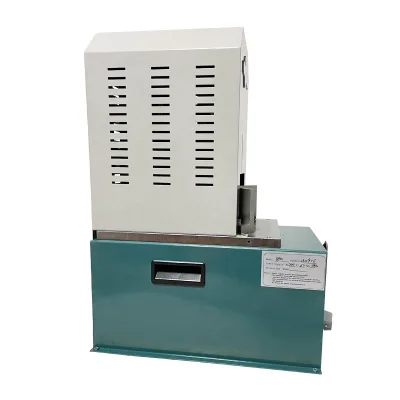
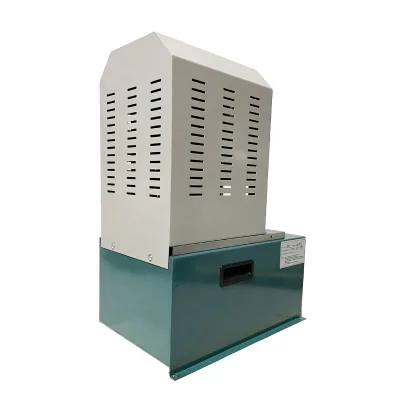
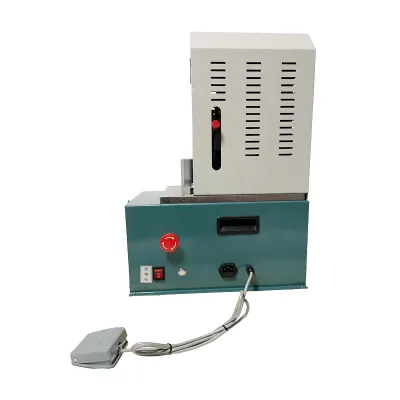
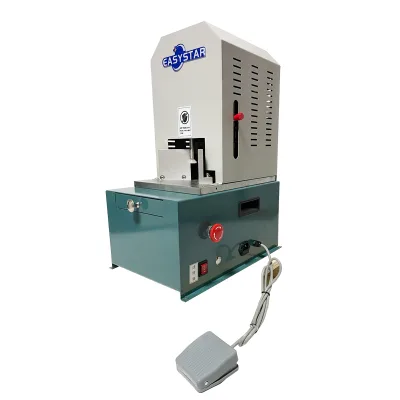
Wholesale Fine Grade 1 Year Ceramic Manual Rounding Machine Plaque Cutting Tool Corner Cutter Metal
$49.00 - $54.88
MOQ: 5 sets
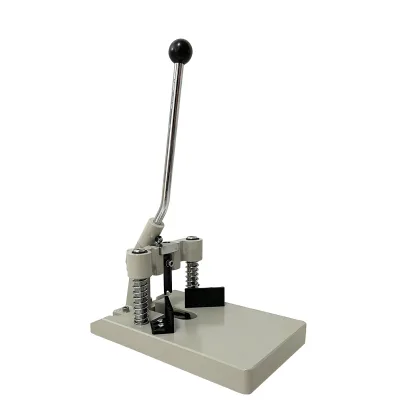
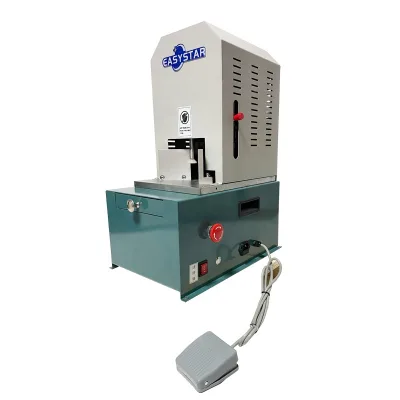
For Sale New Embossing Edge Banding Self Cut High Speed Automatic Book Corner Rounding Machine
$50.4855 - $56.5443
MOQ: 5 sets

Hangzhou Befitter Machinery & Electronic Co., Ltd.
- Trading Company,Manufacturer/Factory
- China Zhejiang
- Lead time23 days
- Avg. response≤ 6h
Main productsLaminating Machine, Paper Cutting Machine, Roll Laminator, Perfect Glue Binding Machine, Automatic Binding Machine, Die Cutting Machine, Book Binding Machine, Label Cutting Machine, Creasing Machine, Binding Machine
Main marketsSouth America,Eastern Europe,Mid East,Southeast Asia,Eastern Asia,Western Europe,Africa

Cangzhou Leadway Machinery Equipment Co., Ltd.
- Trading Company
- Hebei, China
- Lead time3 days
- Avg. response≤ 2h
Main productsFilling Machine,Sealing machine,strapping machine,Inkjet printer,Mixing machine
Main marketsWestern Europe(20.00%), North America(15.00%), Africa(10.00%), Northern Europe(10.00%), Eastern Asia(10.00%), Eastern Europe(6.00%), Southeast Asia(5.00%), Central America(5.00%), South America(5.00%), South Asia(5.00%), Oceania(5.00%), Mid East(4.00%)
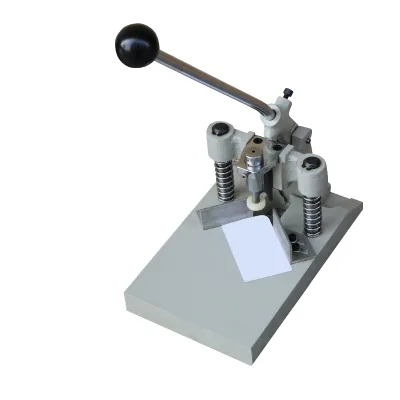
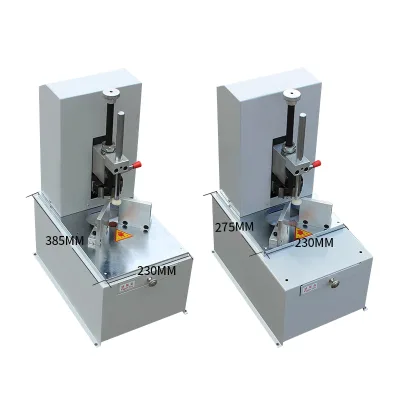
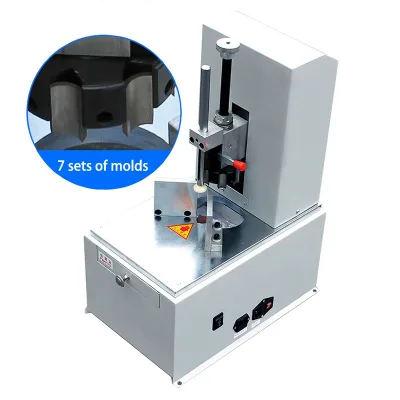
$30.8251 - $50.3464
MOQ: 1 sets

Zhengzhou Jieyuan Machinery Manufacturing Co., Ltd.
- Trading Company
- Henan, China
- Lead time7 days
- Avg. response≤ 2h
Main productsCurtain machine,quilt machine,cotton fiber machine,Aluminum cutting machine,Pipe bending machine
Main marketsSouthern Europe(20.00%), Western Europe(20.00%), South Asia(10.00%), Africa(10.00%), Central America(10.00%), Mid East(5.00%), South America(5.00%), Northern Europe(5.00%), Southeast Asia(5.00%), North America(5.00%), Eastern Asia(5.00%)
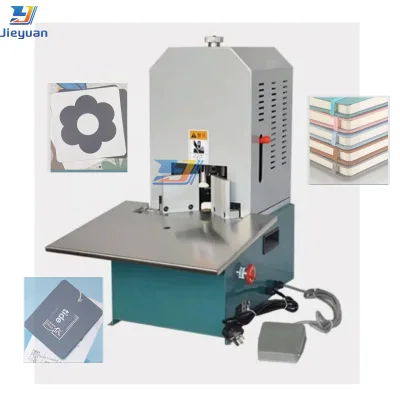
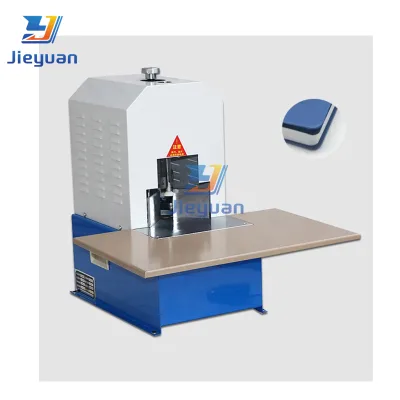
Electric Business Card Corner Rounder Chamfering Machine Round Corner Cutter Machine
$478.5091 - $520.2101
MOQ: 1 sets
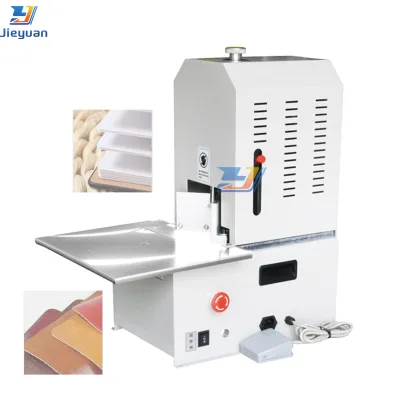
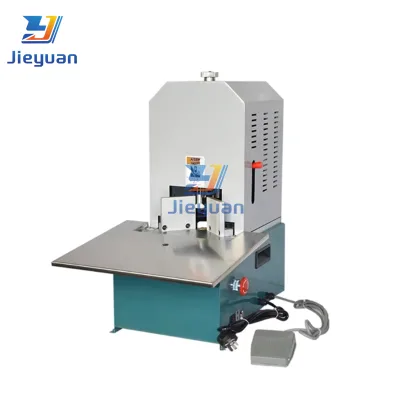
Electric Corner Round Cutting Machine Paper Card PVC Corner Cutter for Paper Processing Machinery
$480.00 - $500.00
MOQ: 1 sets
Shandong keruide Heavy Machinery co.,ltd
- Verified by TüVRheinland
- Manufacturer, Trading Company
- Lead time3 days
- Avg. response≤ 4h
Main productsExcavator, Forklift, Skid Steer Loader, Tricycle, Road Roller
Main marketsDomestic Market(25%), North America(20%), Eastern Europe(20%)
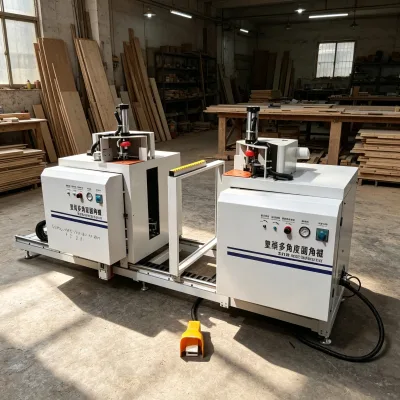
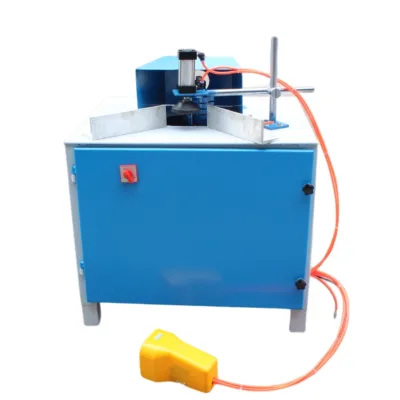
Best Price Advanced Automatic Plate Angle Grinder Cheap Professional Corner Rounding Machine
$899.00 - $1000.00
MOQ: 1 sets
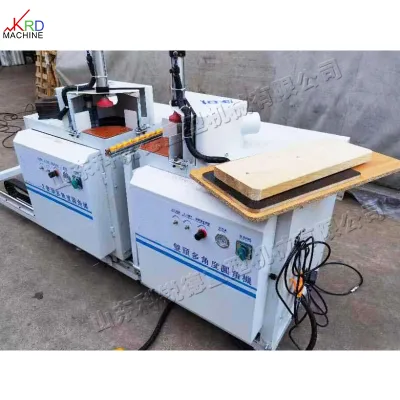
$2188.00 - $2388.00
MOQ: 1 sets

Qingdao Haigang Gilding Press Equipment Co., Ltd.
- Manufacturer, Trading Company
- Shandong, China
- Lead time15 days
- Avg. response≤ 2h
Main productsHot stamping machine,Jewelry hang tags,hang tabs,hologram stamping machine,adhesive plastic hang tabs
Main marketsDomestic Market(83.45%), North America(9.12%), South Asia(3.50%), Africa(1.76%), Southeast Asia(0.83%), South America(0.47%), Southern Europe(0.38%), Oceania(0.25%), Northern Europe(0.13%), Eastern Europe(0.08%), Western Europe(0.03%)
Laizhou Huibang Machinery Equipment Co., Ltd.
- Verified by SGS Group
- Manufacturer, Trading Company
- Lead time30 days
- Avg. response≤ 5h
Main productsWoodworking Machinery, Metalworking Machinery, Construction Machinery
Main marketsOceania(52%), North America(30%), Eastern Europe(5%)
- Verified by TüVRheinland
- Manufacturer, Trading Company
- Lead time19 days
- Avg. response≤ 2h
Main productsBurger Box Making Machine, A4 Paper Cutting Machine, Photo Album Making Machine, Book Binding Machine, Hologram Film Embossing Machine
Main marketsNorth America(16%), Southeast Asia(16%), Mid East(15%)
Ningbo Bs Printing Machinery Equipment Co., Ltd.
- Manufacturer
- Zhejiang, China
- Lead time25 days
- Avg. response≤ 4h
Main productslamnation machine,glue binding machine,creasing machine,paper cutter machine,double wire binding machine
Main marketsOceania(16.00%), Eastern Europe(15.00%), Western Europe(15.00%), Northern Europe(10.00%), South America(7.00%), Southern Europe(6.00%), Domestic Market(6.00%), South Asia(6.00%), Eastern Asia(5.00%), Mid East(5.00%), Central America(3.00%), Africa(3.00%), Southeast Asia(2.00%), North America(1.00%)
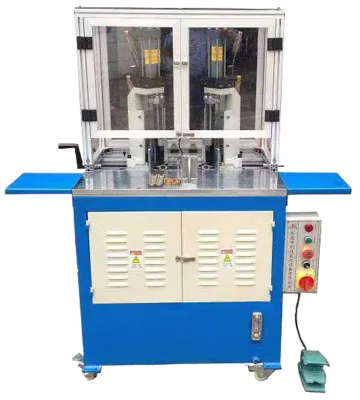
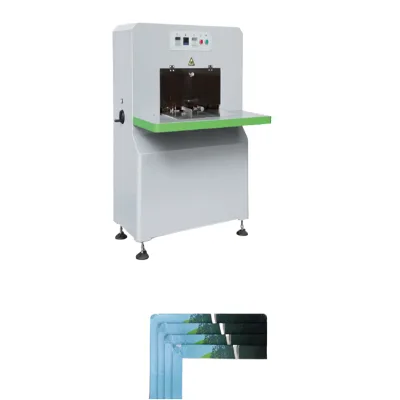
$4303.5522 - $4610.9488
MOQ: 1 pieces

Cangzhou Longway Imp & Exp Co., Ltd.
- Trading Company
- Hebei, China
- Lead time20 days
- Avg. response≤ 2h
Main productsFilling Machine/Strapping Machine/Bottle Labeling Machine/Sealing Machine/Carton Machine,strapping machine,packing machine,printing machine,mixing machine
Main marketsWestern Europe(14.00%), Southeast Asia(9.00%), Mid East(9.00%), Southern Europe(9.00%), Eastern Asia(8.00%), Eastern Europe(8.00%), Northern Europe(8.00%), South Asia(8.00%), Domestic Market(7.00%), North America(5.00%), Africa(5.00%), South America(4.00%), Oceania(3.00%), Central America(3.00%)
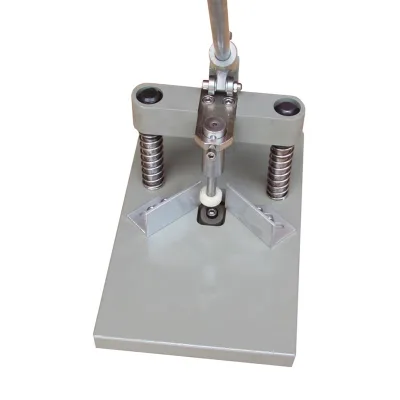
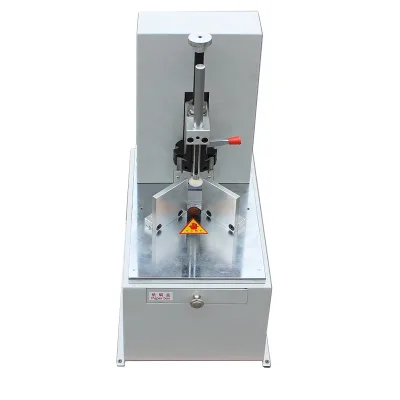
$379.00 - $419.00
MOQ: 1 sets
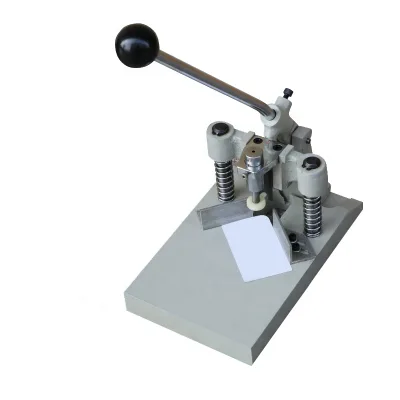
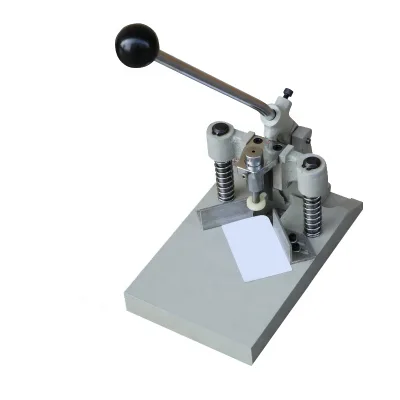
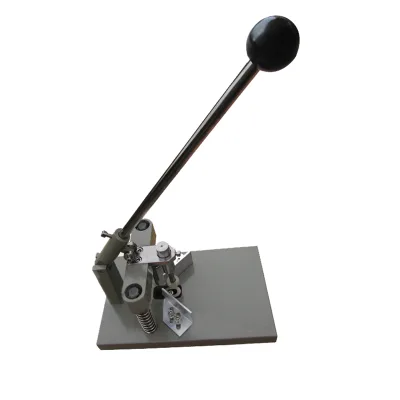
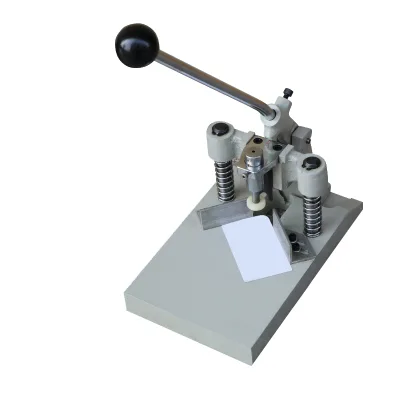
High Quality Notebook Hard Cover Corner Rounding Machine Corner Cutting Machine With Easy Operation
$39.9626 - $50.2088
MOQ: 1 sets
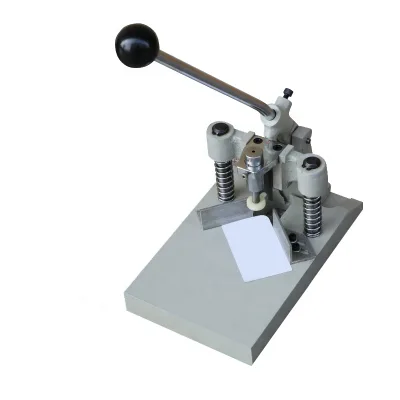
High Quality Corner Rounder Cutting Machine for Hardcover Book Cardboard Notebook PVC Album
$39.00 - $49.00
MOQ: 1 sets

Qingdao Zhongding Machinery Co., Ltd.
- Combined
- China Shandong
- Lead time30 days
- Avg. response≤ 8h
Main productsCNC Machinery, Panel Saw, Edge Bander, Press Machine, Sanding Machine, Drilling Machine
Main marketsSouth America,Africa,Southeast Asia/ Mideast,East Asia(Japan/ South Korea),Europe,Australia,North America

Corner Rounding Manual Trimming Machine for Edge Banding End Round Cutting
$300.00 - $1000.00
MOQ: 1 Pieces


Ruian Chengyue Electromechanical Co., Ltd.
- Manufacturer, Trading Company
- Zhejiang, China
- Lead time15 days
- Avg. response≤ 2h
Main productsMnual Heat Press Machine,Pneumatic Heat Press Machine,Full Automatic Electric Heat Press Machine,Mug Heat Press Machine,Plate Heat Press Machine
Main marketsSouth America(30.00%), Oceania(20.00%), Southeast Asia(20.00%), Eastern Europe(20.00%), Western Europe(10.00%)

Shandong Dongteng Machinery Co., Ltd.
- Verified by SGS
- Trading Company
- China Shandong
- Lead time15 days
- Avg. response≤ 3h
Main productsEdge Banding Machine, Wood Saw, Hinge Drilling Machine
Main marketsSouth America,Africa,Southeast Asia/ Mideast,East Asia(Japan/ South Korea),Europe,Australia,North America
Dongguan Haoxin Precision Machinery Co., Ltd.
- Verified by SGS Group
- Manufacturer, Trading Company
- Lead time30 days
- Avg. response≤ 4h
Main productsPost Press Equipment, Book Binding Machine, Hardcover Book Binding Machine, Paper Folding Machine, Book Sewing Machine
Main marketsDomestic Market(61%), Southeast Asia(13%), Eastern Asia(13%)
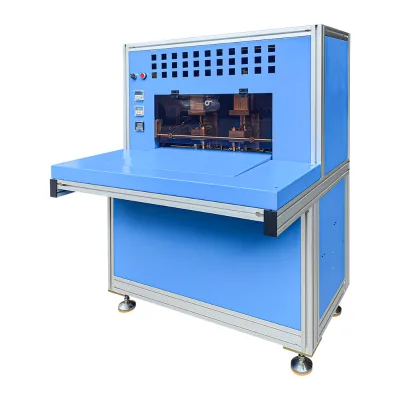
$4800.00 - $5000.00
MOQ: 1 sets
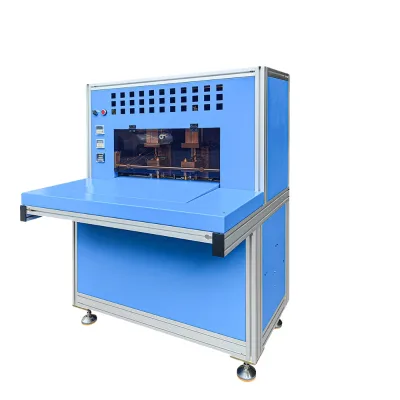
$4700.00 - $4800.00
MOQ: 1 pieces
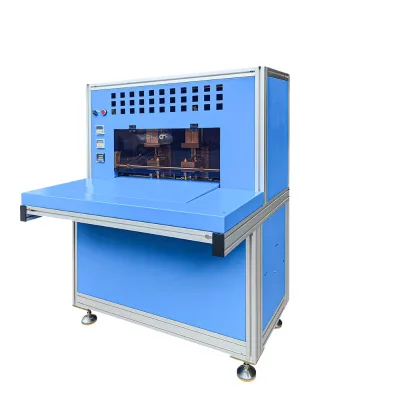
$4825.7938 - $4928.4703
MOQ: 1 pieces
HangZhou Fuyang Huibao Hansway Trading Co.Ltd
- Verified by Intertek
- Manufacturer, Trading Company
- Lead time20 days
- Avg. response≤ 5h
Main productsBinding Machine, Cutting Machine, Creaser, Die Cutting Machine, Laminating Machine
Main marketsEastern Europe(34%), North America(21%), Africa(11%)

Hangzhou Caide Office Equipment Co., Ltd.
- Verified by SGS
- Combined
- China Zhejiang
- Lead time15 days
- Avg. response≤ 6h
Main productsPaper Cutter, Glue Binder, Binding Machine, Roll Laminator, Folding Machine, UV Coating Machine, Paper Creasing Machine, Album Maker, Pressing Machine, Paper Stapler
Main marketsSouth America,Africa,Southeast Asia/ Mideast,East Asia(Japan/ South Korea),Domestic,Europe,Australia,North America
Wuhan Jia Qirui Card Technology Co., Ltd.
- Manufacturer, Trading Company
- Hubei, China
- Lead time10 days
- Avg. response≤ 5h
Main productscard laminator,card punching,DOD UV printer,card wrapping machine,hot stamping machine
Main marketsNorth America(58.00%), South America(23.00%), Eastern Europe(14.00%), Western Europe(3.00%), Domestic Market(2.00%)
Hangzhou Caide Office Equipment Co., Ltd.
- Verified by TüVRheinland
- Manufacturer, Trading Company
- Lead time5 days
- Avg. response≤ 3h
Main productsPaper Cutting Machine, Perfect Glue Binder, Laminating Machine, Paper Creasing Machine, Notebook Stapler
Main marketsSouth America(30%), Western Europe(25%), Northern Europe(20%)
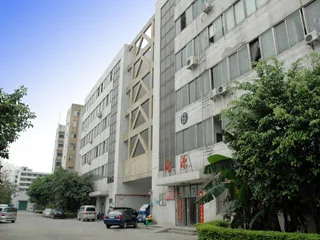
Shenzhen Hongyuan Stationery Co., Ltd.
- Manufacturer, Trading Company
- Guangdong, China
- Lead time20 days
- Avg. response≤ 2h
Main productsPlanner, Calendar, Binding Supplies, Packing Box, Binding Machine
Main marketsDomestic Market(50.00%), Southeast Asia(18.00%), North America(8.00%), South America(8.00%), Western Europe(8.00%), Eastern Europe(3.00%), Mid East(2.00%), Oceania(1.00%), Eastern Asia(1.00%), Africa(1.00%)
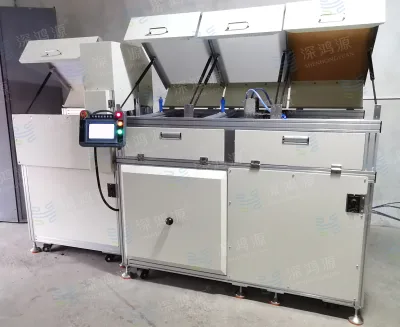
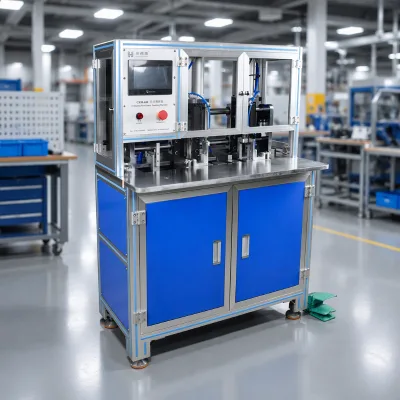
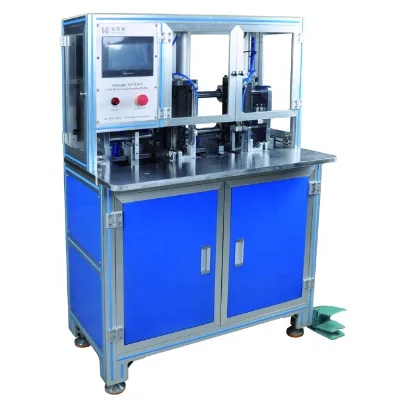
$4100.00 - $4200.00
Ningbo Jielisi Stationery Co., Ltd.
- Verified by SGS Group
- Manufacturer, Trading Company
- Lead time0 days
- Avg. response≤ 9h
Main productsPaper Cutter, Book Holder, Key box, Pen Holder, Suggestion Box
Main marketsDomestic Market(40%), Eastern Asia(21%), South America(12%)
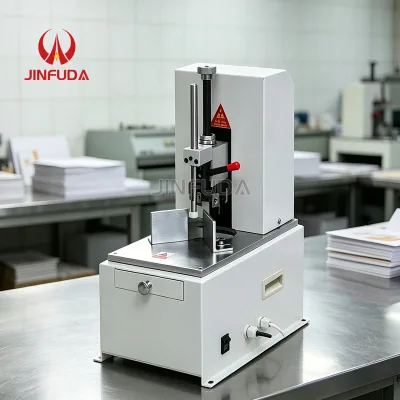
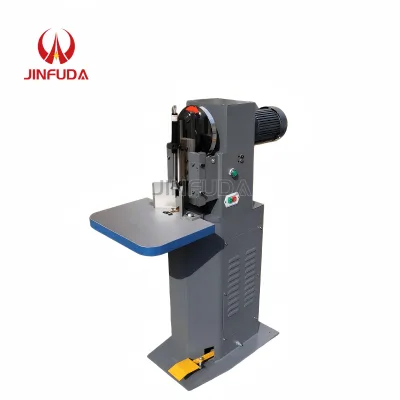




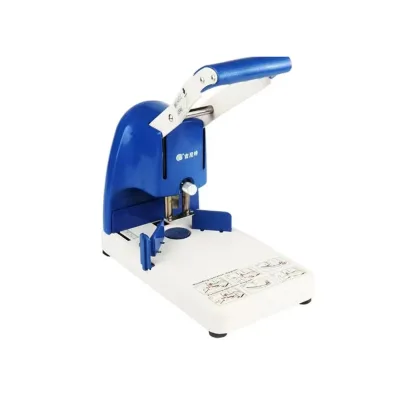


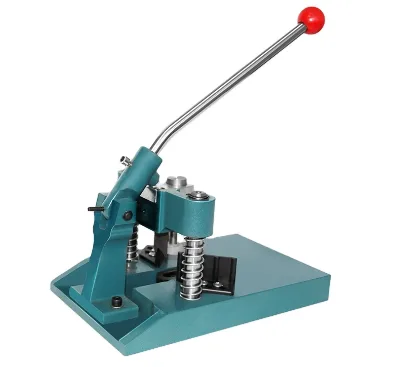
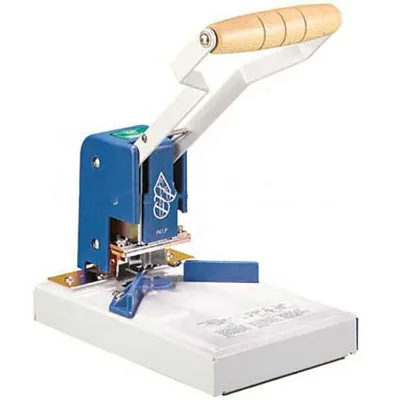


Comprehensive Sourcing Guide
Manual Electric Corner Rounding Machine Supplier Concentration and Factory Types
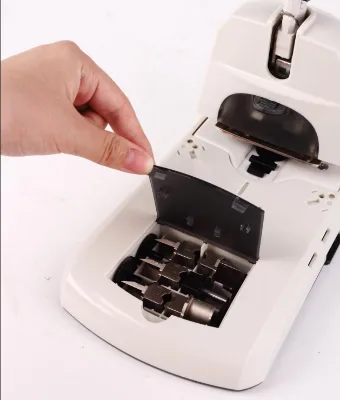
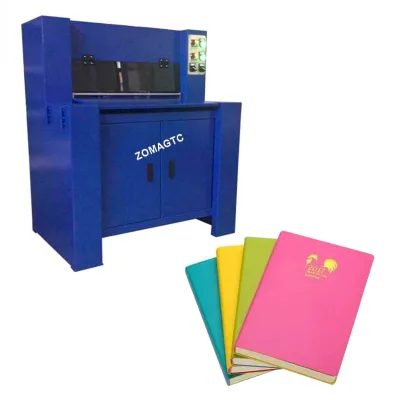
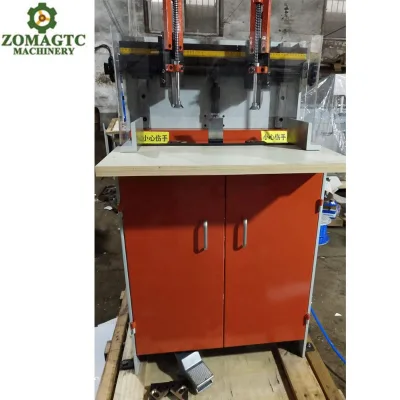
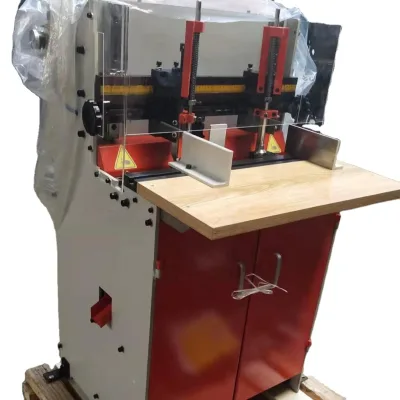
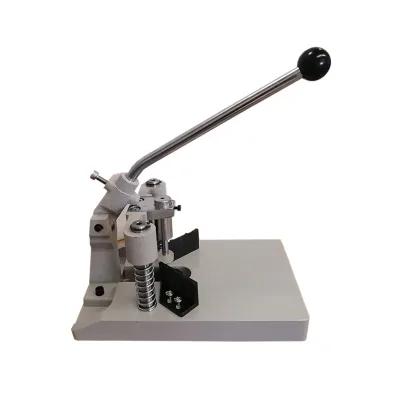
The landscape for sourcing manual electric corner rounding machines reveals a diverse mix of manufacturing capabilities, primarily dominated by trading companies that bridge the gap between specialized factories and international buyers. Current data indicates that a significant portion of available suppliers operate as trading entities, which often simplifies communication and consolidates product lines for buyers seeking comprehensive solutions. These trading companies typically aggregate offerings from various workshops, allowing them to present a broader catalog that includes not just corner rounding units, but also related equipment such as paper folding machines, case making machines, and other binding line components. This concentration suggests that buyers may find it easier to source complementary machinery from a single point of contact, reducing the logistical complexity of managing multiple vendors for a complete production line.
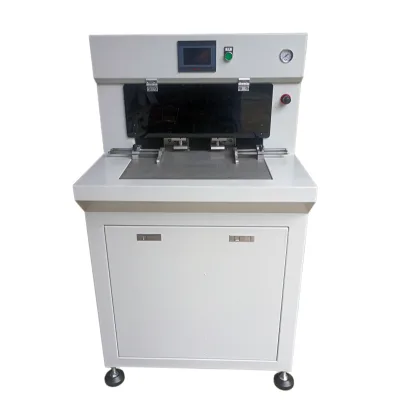
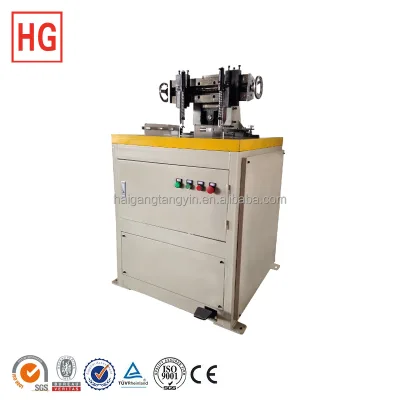
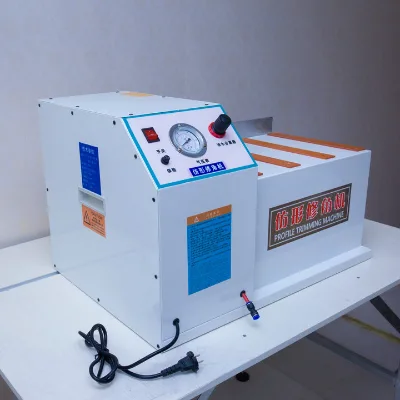
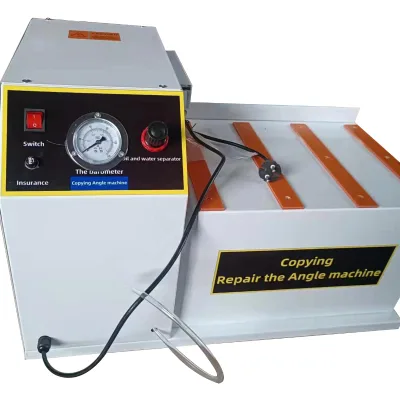
However, the presence of trading companies does not preclude the existence of direct manufacturers, particularly in regions known for industrial machinery production. Some suppliers are identified as combined entities or direct factories, offering deeper technical customization and potentially more competitive pricing on core components. For instance, certain manufacturers specialize in automatic book case corner rounding machines with specific capabilities like pneumatic punching and high-speed processing, indicating a focus on heavy-duty industrial applications. Buyers should be aware that while trading companies provide convenience and variety, direct manufacturers may offer more control over production schedules and technical specifications. Understanding this distinction is crucial for determining whether the priority is product breadth and ease of communication or technical depth and direct factory engagement.
How to Verify Manual Electric Corner Rounding Machine Suppliers
Verification is a critical step in ensuring the reliability and quality of suppliers offering manual electric corner rounding machines. Buyers should prioritize suppliers who have undergone third-party verification processes, such as those conducted by TÜV Rheinland, which provides an additional layer of trust regarding the supplier's business legitimacy and operational standards. This verification status is a strong indicator that the supplier has met specific criteria for business operations, which can significantly reduce the risk of engaging with fraudulent or unreliable entities. Additionally, checking for relevant system certifications, such as ISO9001:2015, can further validate the supplier's commitment to quality management systems, ensuring that their manufacturing processes adhere to internationally recognized standards for consistency and reliability.
Beyond verification badges, buyers should scrutinize the technical documentation and test reports provided by suppliers. Many suppliers offer machinery test reports and video outgoing-inspections, which serve as tangible evidence of the machine's performance and quality before shipment. These resources allow buyers to verify key specifications such as motor speed, working width, and corner cutting thickness without needing to physically inspect the equipment. It is also advisable to assess the supplier's responsiveness, as a quick response time often correlates with better customer service and more efficient communication throughout the procurement process. By combining verification status, certification checks, and technical evidence, buyers can build a comprehensive profile of a supplier's reliability and capability.
What to Compare Across Manual Electric Corner Rounding Machine Suppliers
When evaluating different suppliers, it is essential to compare key operational metrics such as lead times, response speeds, and minimum order quantities (MOQs) to determine which supplier best fits your production schedule and budget. Lead times can vary significantly, with some suppliers offering rapid turnaround times while others may require longer periods for production and shipping. Response time is another critical factor, as suppliers with faster response rates are generally more accessible and better equipped to handle inquiries and resolve issues promptly. Additionally, MOQs can range from single units to larger batches, so buyers should align their order size with the supplier's requirements to avoid unnecessary costs or inventory issues.
Technical specifications and product features should also be compared to ensure the machine meets specific operational needs. Factors such as working width, motor power, voltage requirements, and corner cutting thickness are vital for determining compatibility with existing production lines. Some suppliers offer machines with advanced features like computerized controls, multiple radius cutter options, and high-speed production capacities, which may be necessary for high-volume operations. Furthermore, comparing warranty terms and after-sales support can provide insight into the long-term reliability of the equipment and the supplier's commitment to customer satisfaction. By systematically comparing these attributes, buyers can make informed decisions that balance cost, performance, and service quality.
Common Manual Electric Corner Rounding Machine Sourcing Risks
One of the primary risks in sourcing manual electric corner rounding machines is the potential mismatch between advertised specifications and actual product performance. Buyers may encounter discrepancies in key attributes such as motor speed, working width, or corner cutting thickness, which can impact the efficiency and quality of the final product. This risk is often exacerbated by suppliers who may not provide comprehensive technical documentation or test reports, making it difficult to verify the machine's capabilities before purchase. Additionally, variations in material quality and construction standards can lead to premature wear and tear, reducing the machine's lifespan and increasing maintenance costs over time.
Another significant risk is the variability in supplier reliability and after-sales support. Some suppliers may have longer lead times or slower response rates, which can disrupt production schedules and delay project timelines. Furthermore, the lack of standardized warranty terms and support services can leave buyers vulnerable to unexpected repair costs and downtime. Buyers should also be cautious of suppliers who do not offer video outgoing-inspections or machinery test reports, as these resources are crucial for verifying the machine's condition and performance before shipment. By identifying and mitigating these risks through thorough due diligence and clear communication, buyers can protect their investments and ensure a smoother sourcing experience.
Manual Electric Corner Rounding Machine Regional Sourcing and Logistics
The geographic location of suppliers plays a crucial role in determining logistics costs, lead times, and overall supply chain efficiency. Many suppliers offering manual electric corner rounding machines are located in China, particularly in regions like Henan and Guangdong, which are known for their industrial manufacturing capabilities. Sourcing from these regions can offer access to a wide range of suppliers and competitive pricing, but buyers must also consider the logistical implications of international shipping. Factors such as port proximity, shipping routes, and customs procedures can significantly impact delivery times and costs, so it is essential to work with suppliers who have experience in international trade and can provide accurate shipping estimates.
Additionally, buyers should evaluate the supplier's packaging and handling practices to ensure the safe transport of delicate machinery. Proper packaging, such as wrapping in fresh film and securing in export wooden boxes, is vital to prevent damage during transit. Suppliers who provide detailed packing specifications and weight information can help buyers plan for efficient loading and unloading at their destination. Furthermore, understanding the supplier's location can aid in assessing the availability of local support and spare parts, which may be crucial for long-term maintenance and operation. By carefully considering regional logistics and supplier capabilities, buyers can optimize their supply chain and minimize potential disruptions.
Manual Electric Corner Rounding Machine Commercial Terms and Order Planning
Commercial terms and order planning are critical components of a successful sourcing strategy for manual electric corner rounding machines. Buyers should negotiate clear payment terms, such as the use of escrow services, to protect their financial interests and ensure that funds are only released upon satisfactory delivery and inspection of the goods. Additionally, understanding the supplier's pricing structure, including any volume discounts or additional fees for customization, is essential for accurate budgeting and cost control. Buyers should also clarify the warranty terms, including coverage duration and scope, to ensure that they are protected against potential defects or malfunctions.
Order planning involves aligning production schedules with supplier lead times and MOQs to avoid delays and excess inventory. Buyers should communicate their specific requirements, such as customization needs or urgent delivery timelines, early in the procurement process to allow suppliers to adjust their production plans accordingly. Furthermore, establishing a clear communication channel with the supplier can facilitate ongoing coordination and issue resolution throughout the order fulfillment process. By carefully managing commercial terms and order planning, buyers can ensure a smooth and efficient procurement experience, minimizing risks and maximizing value.
FAQs
What is the price range for corner rounding machines?
Prices vary significantly based on automation and capacity. Semi-automatic units start around $335, while electric die-type models range from $665 to $825. Fully automatic book case rounding machines are priced higher, typically between $35,600 and $35,800, reflecting their advanced features and industrial throughput capabilities.
What are the lead times for these machines?
Lead times depend on the specific supplier and machine type. Some suppliers indicate a lead time of zero days for immediate availability, while others require approximately 23 days for production and preparation. Buyers should confirm the exact delivery schedule with the supplier before placing an order to ensure timely receipt.
Are these machines verified by third parties?
Yes, many suppliers offering these machines hold TüV Rheinland verification. This certification indicates that the company has undergone rigorous assessment processes. Buyers can look for the TüV Rheinland badge to ensure the supplier meets specific quality and operational standards, providing an additional layer of trust for international transactions.
What is the minimum order quantity for these machines?
The minimum order quantity is typically one unit for most corner rounding machines. This allows buyers to purchase single units for testing or small-scale operations. It is advisable to check the specific listing details, as some suppliers may have different requirements for bulk orders or customized configurations.
What is the response time for supplier inquiries?
Response times vary among suppliers. Some suppliers respond within three hours, ensuring quick communication for urgent inquiries. Others may take up to 16.17 hours to reply. Buyers should prioritize suppliers with faster response times to facilitate smoother negotiations and quicker resolution of technical questions regarding machine specifications.
What certifications do these machines have?
Suppliers often provide ISO9001:2015 system certification, ensuring quality management standards are met. Additionally, machinery test reports are provided for many models, verifying performance and safety. Buyers should request these documents to confirm that the machines comply with international standards and are suitable for their specific industrial applications.