Crystal Soju Shot Glass Suppliers and Manufacturers
Compare 20 verified Crystal Soju Shot Glass suppliers by response time, lead time, and certifications like BSCI and LFGB. Review product specs and pricing to select a manufacturer or trading company for your order; review the available evidence before requesting comparable quotations from suitable candidates.
Updated
Suppliers List
Guangzhou Chengfeng Brother Industrial Co., Ltd.
- Verified by Intertek
- Manufacturer, Trading Company
- Lead time25 days
- Avg. response≤ 3h
Main productsWhiskey Glass, Shot Glass, Wine Glass, Champagne Glass, Cocktail Glass
Main marketsNorth America(60%), Eastern Europe(10%), Southeast Asia(10%)

Xuzhou Credible Glass Products Co., Ltd
- Trading Company
- Jiangsu, China
- Lead time30 days
- Avg. response≤ 2h
Main productsGlass container,glass bottle,Glassware,glass jar,glass cup
Main marketsNorth America(30.00%), Western Europe(15.00%), Africa(10.00%), Southeast Asia(10.00%), South Asia(10.00%), South America(5.00%), Eastern Europe(5.00%), Northern Europe(5.00%), Eastern Asia(3.00%), Oceania(2.00%), Southern Europe(2.00%), Domestic Market(1.00%), Mid East(1.00%), Central America(1.00%)
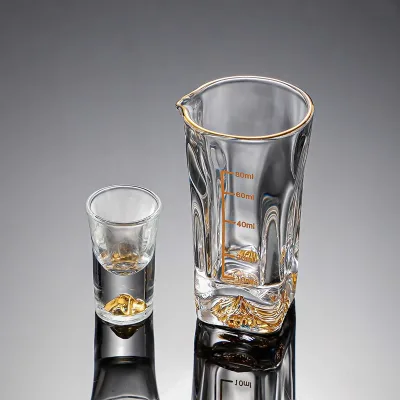
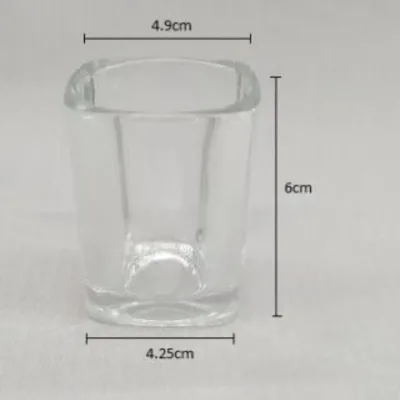
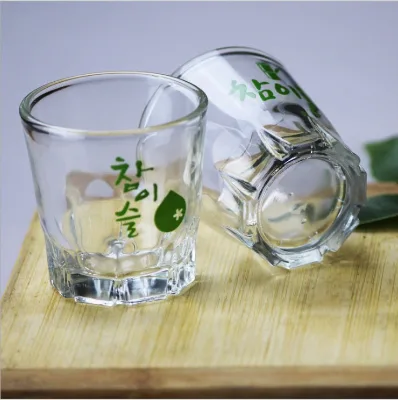
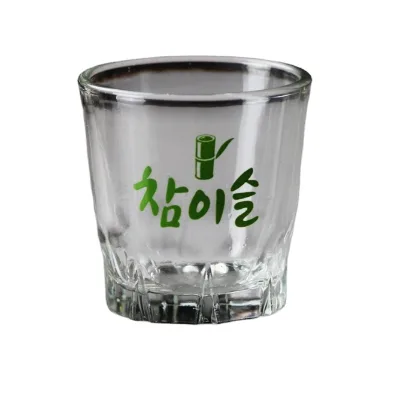
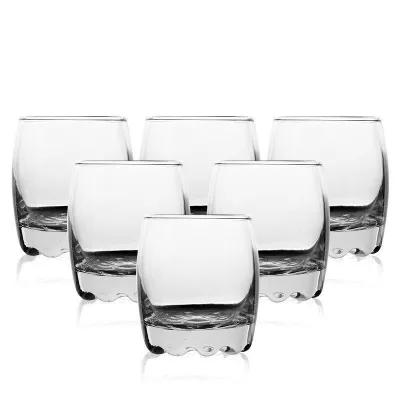
High Quality 50ml 60ml Empty Liquor Shot Glass Cup Glass Mini Cup Soju Shot Glass
$0.29 - $0.30
MOQ: 5000 pieces
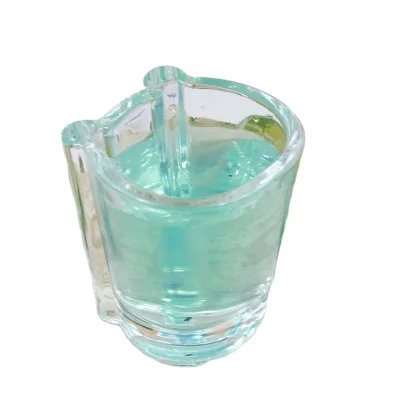
Hangzhou Kangyou Household Import And Export Co., Ltd.
- Trading Company
- Zhejiang, China
- Lead time15 days
- Avg. response≤ 2h
Main productsBar Products,Glassware,Kitchen Product,Jewelry,Wedding Products
Main marketsNorth America(50.00%), Western Europe(15.00%), Northern Europe(10.00%), South America(10.00%), Southeast Asia(10.00%), Southern Europe(5.00%)
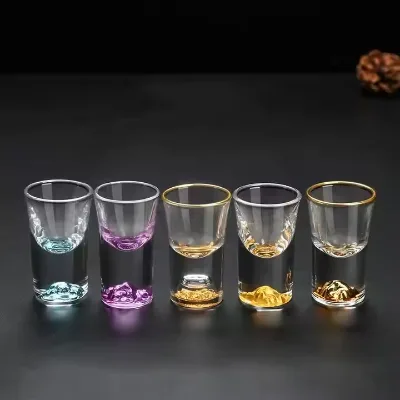
$0.2097 - $0.4719
MOQ: 500 pieces
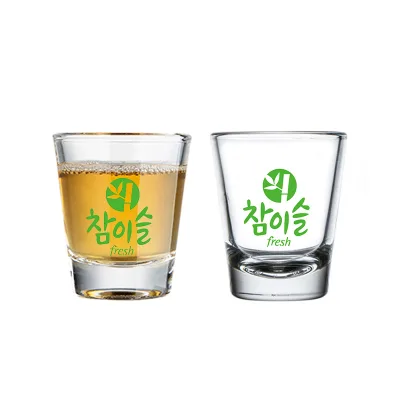
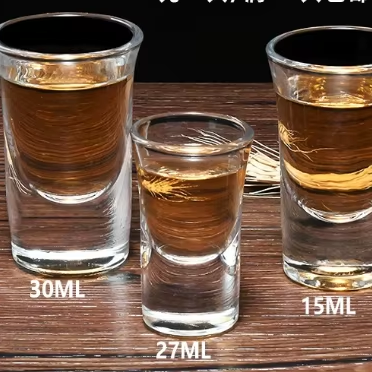
$0.2097 - $0.3146
MOQ: 500 Minimum
Guangzhou Chengfeng Brother Industrial Co., Ltd.
- Manufacturer, Trading Company
- Lead time旺季: "1 - 2000":28,"> 2000":"To be negotiated", 淡季: "1 - 2000":28,"> 2000":"To be negotiated"
- Avg. response≤ 3h
Main productsWhiskey Glass,Shot Glass,Wine Glass,Champagne Glass,Cocktail Glass
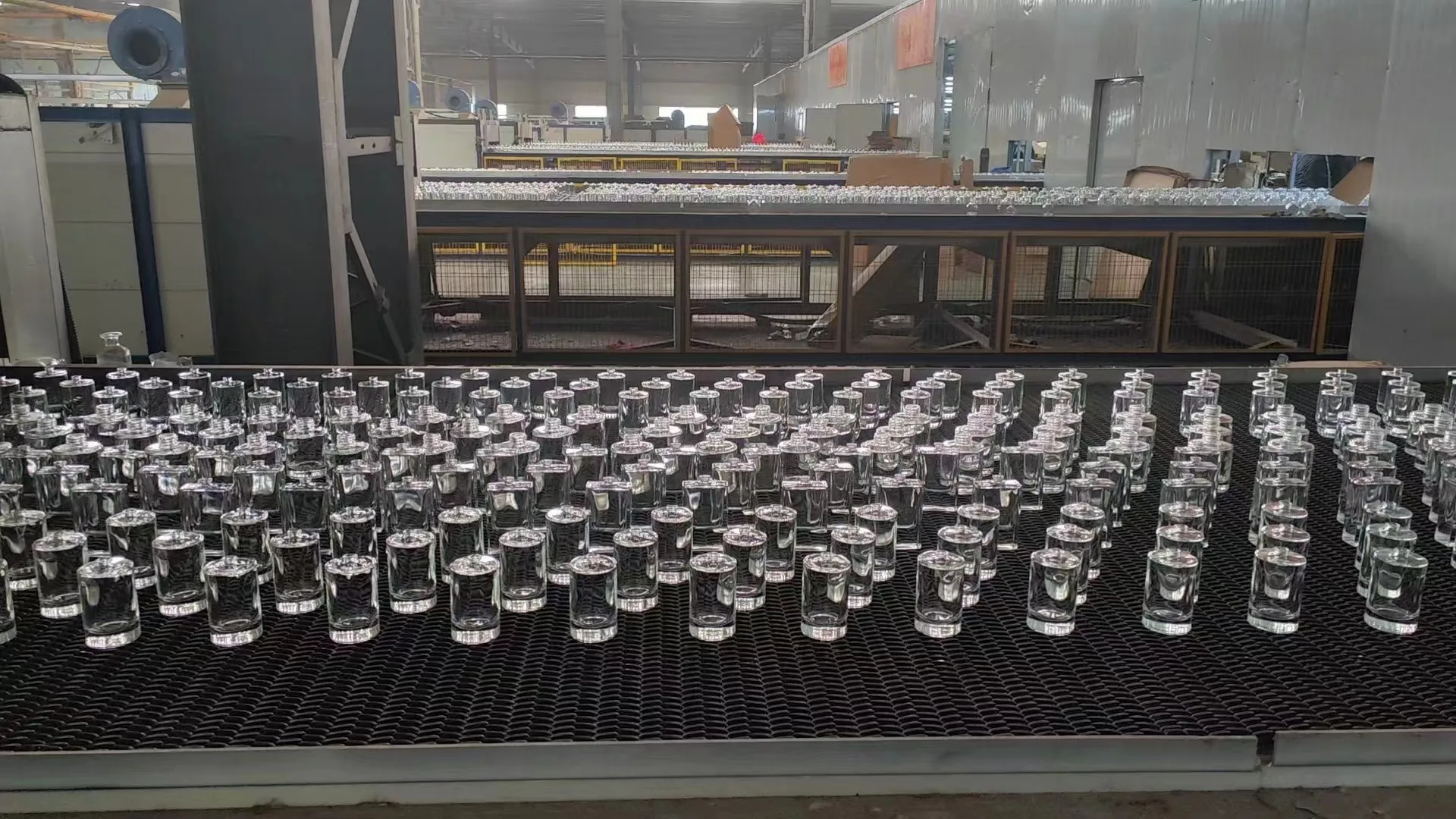
Xuzhou Huiju Glass Products Co., Ltd.
- Manufacturer, Trading Company
- Jiangsu, China
- Lead time20 days
- Avg. response≤ 3h
Main productsSupplement Bottle,Unishell Cap,Oud Oil Bottles,Candle Jars,Amber Jars
Main marketsNorth America(40.00%), Mid East(20.00%), Oceania(10.00%), Southeast Asia(7.00%), South America(5.00%), Southern Europe(3.00%), Northern Europe(3.00%), Western Europe(3.00%), South Asia(2.00%), Africa(2.00%), Central America(2.00%), Eastern Europe(2.00%), Eastern Asia(1.00%)
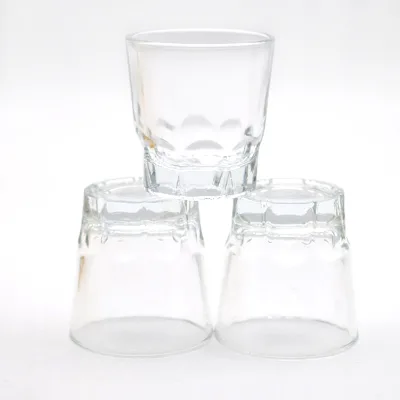
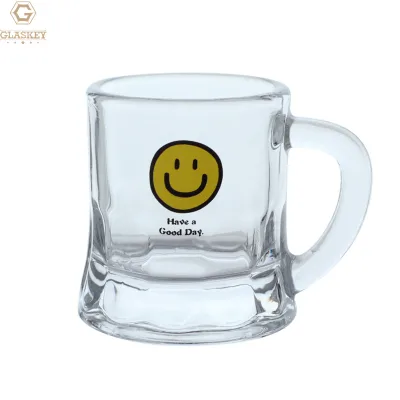
Mini Cute Soju Beer Glass Clear Glasses Cup for Alcohol Drinks Korean Soju Shot Glasses
$0.12 - $0.22
MOQ: 1000 pieces
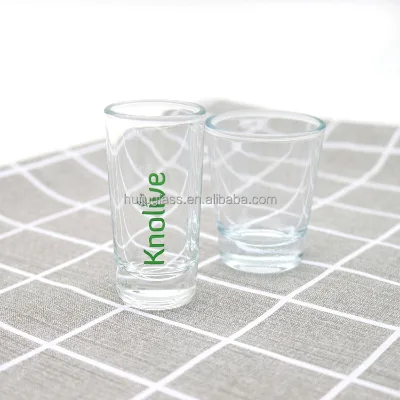
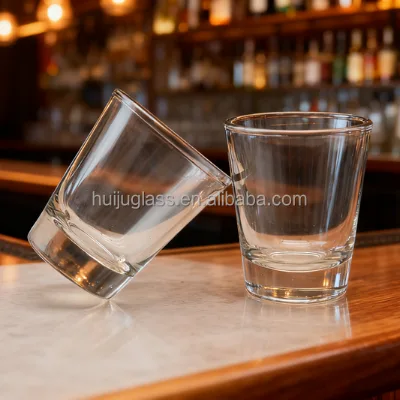
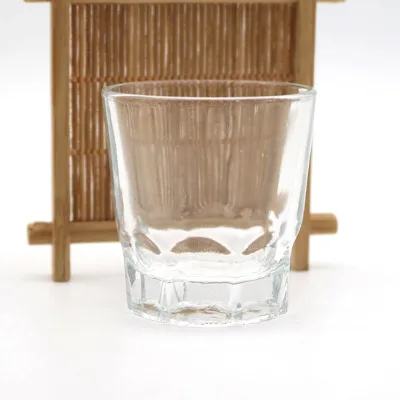
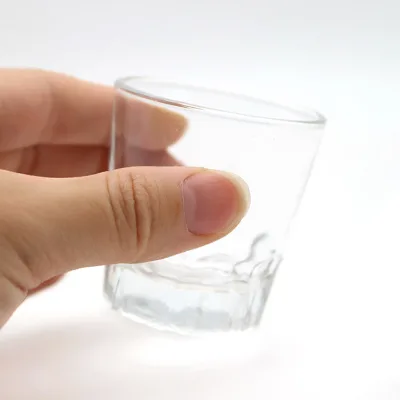
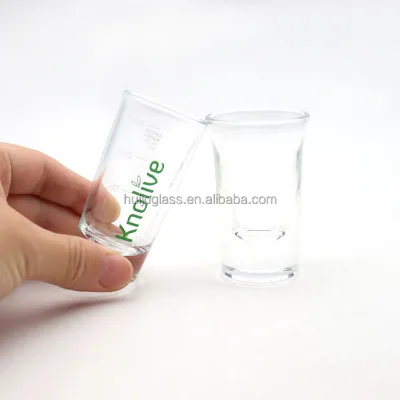
60ml 2ounce 2 oz Korean Soju Shot Glasses for Whiskey,Tequila,and Liquor
$0.14 - $0.18
MOQ: 10000 pieces

Guangzhou Garbo International Trading Co., Ltd.
- Verified by TUVRHEINLAND
- Trading Company,Manufacturer/Factory
- China Guangdong
- Lead time45 days
- Avg. response≤ 5h
Main productsGlassware, Glass Cup, Glass Mug, Glass Bowl, Glass Candy Jar, Glass Pitcher, Glass Ice Cream Cup and Ice Bucket, Opal Glassware, Stainless Steel Cutlery, Ceramic Dinnerware
Main marketsSouth America,Eastern Europe,Mid East,North America,Southeast Asia,Eastern Asia,Oceania,Western Europe,Africa


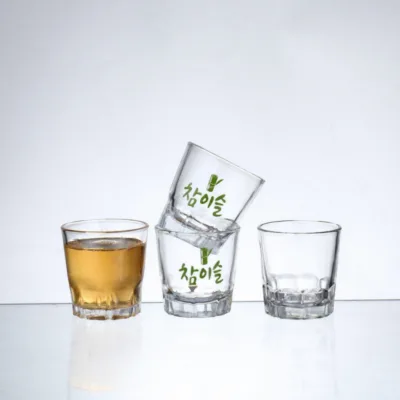
Creative Custom Decal Printed Shot Glass for Vodka Soju Cup From Glassware Factory
$0.10 - $0.50
MOQ: 5000 Pieces

$0.415 - $0.563
MOQ: 50000 Pieces

New Designs Decal Shot Glass Cup for Soju Vrock Glass Vodka Cup for Restraurant
$0.415 - $0.563
MOQ: 50000 Pieces

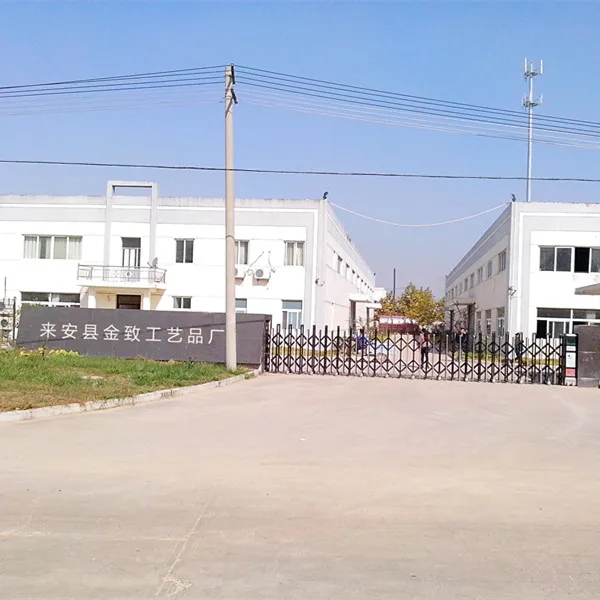
- Manufacturer
- Anhui, China
- Lead time35 days
- Avg. response≤ 1h
Main productsGlass candle Jar,hand cut to clear glass tumbler,color overlaid glass tumbler,handcrafts glassware,colored glass diffuser bottle
Main marketsEastern Asia(20.00%), Eastern Europe(20.00%), South America(20.00%), North America(20.00%), Western Europe(10.00%)

Wuhan Xinhuahang Household Goods Co., Ltd.
- Verified by BV
- Combined
- China Hubei
- Lead time15 days
- Avg. response≤ 5h
Main productsWine Glasses, Beer Glass, Drinking Glass, Decanter, Shot Glass, Coffee Glass, Cocktail Glass, Champagne Glass, Wine Accessories
Main marketsEurope,Australia,North America


$0.25 - $0.40
MOQ: 1440 Pieces


Xuzhou Honghua Glass Technology Co., Ltd.
- Verified by CTI
- Combined
- China Jiangsu
- Lead time15 days
- Avg. response≤ 4h
Main productsGlass Bottle, Glass Jar, Candle Jar, Lunch Box, Glassware, Class Cup
Main marketsSouth America,Africa,Others(foreignTradeCapacity.exportBusinessCapacityMarketOther),Southeast Asia/ Mideast,East Asia(Japan/ South Korea),Domestic,Europe,Australia,North America


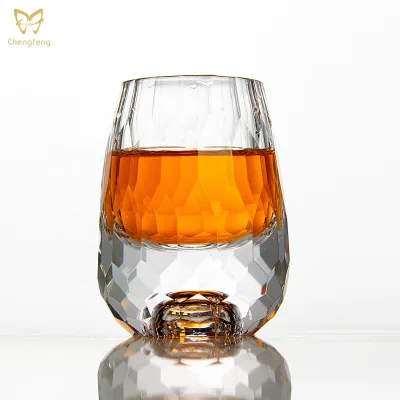
Bst Customisable Heat Resistant Crystal Shot Glass Unique Whiskey Glass Cup
$0.30 - $0.40
MOQ: 1000 Pieces

Crystal Clear 80ml 2.8oz Heavy Base Shot Glass Whiskey Vodka Tequila Spirits Drinking Glass Cup
$0.30 - $0.40
MOQ: 1000 Pieces
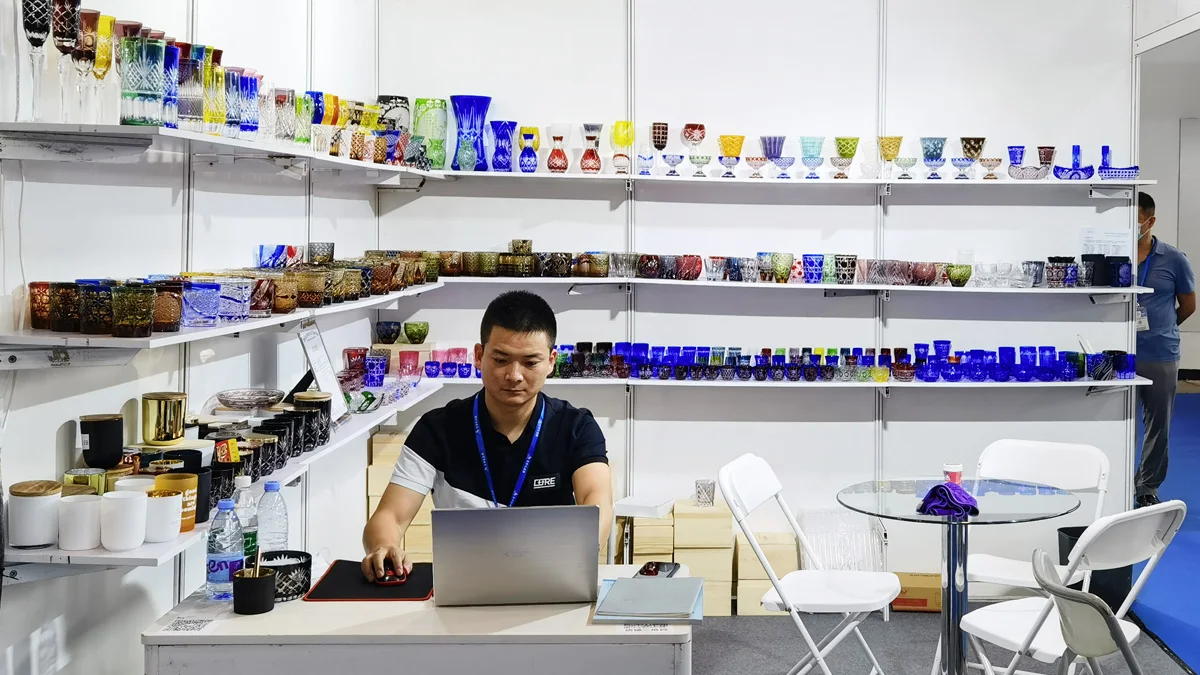
Chuzhou Jingjin Crafts Co., Ltd.
- Trading Company
- Anhui, China
- Lead time30 days
- Avg. response≤ 3h
Main productsGlass candle jar,Glass diffuser bottle,whisky glass,Wooden lid,Packaging box
Main marketsNorth America(22.00%), Western Europe(20.00%), Eastern Asia(15.00%), Oceania(15.00%), South America(8.00%), Eastern Europe(6.00%), Southeast Asia(4.00%), Central America(2.00%), Domestic Market(2.00%), Northern Europe(2.00%), Africa(1.00%), South Asia(1.00%), Southern Europe(1.00%), Mid East(1.00%)
- Verified by TüVRheinland
- Manufacturer, Trading Company
- Lead time50 days
- Avg. response≤ 2h
Main productsBar And Wine Utensils, Tableware, Drinking Utensils, Kitchen Storage And Organization, Daily Using Glassware
Main marketsEastern Europe(35%), Southeast Asia(20%), South America(15%)
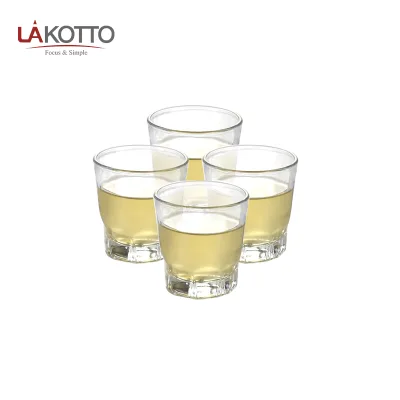
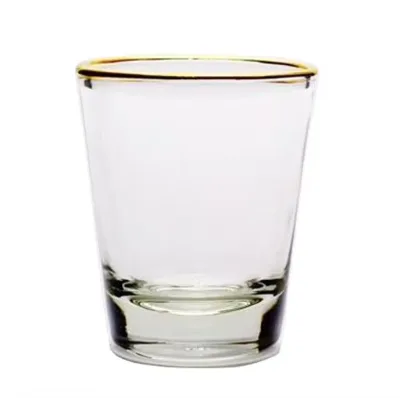
$0.092 - $1.534
MOQ: 50 pieces
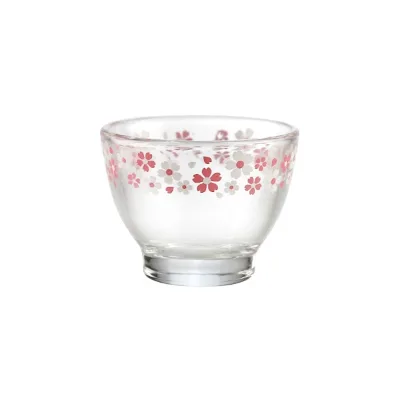
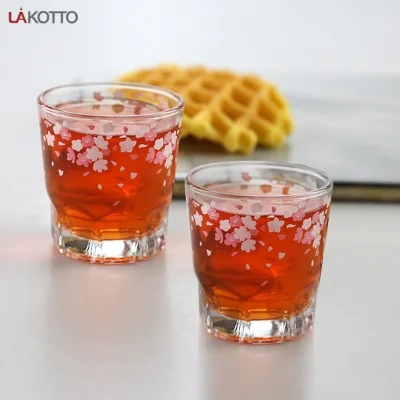
$0.1022 - $0.1648
MOQ: 10 pieces

Shenzhen Alp Ocean Import And Export Co., Ltd.
- Manufacturer, Trading Company, Distributor/Wholesaler
- Guangdong, China
- Lead time0 days
- Avg. response≤ 6h
Main productsglass bowl,glass plate,glass cup,glass vase,glass candy box
Guangzhou Garbo International Trading Co., Ltd.
- Trading Company
- Lead time旺季: "1 - 5000":45,"5001 - 100000":55,"> 100000":"To be negotiated", 淡季: "1 - 5000":45,"5001 - 100000":55,"> 100000":"To be negotiated"
- Avg. response≤ 4h
Main productsGlassware, Opal Glassware, High Borosilicate Glassware, Stainless Steel Flatware, Kitchenware
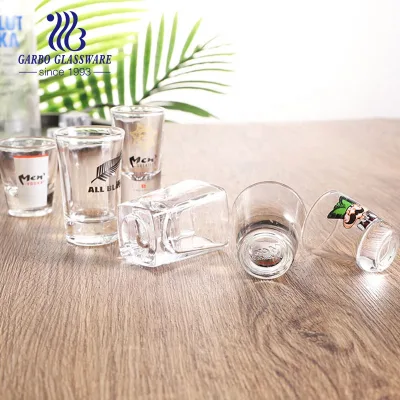
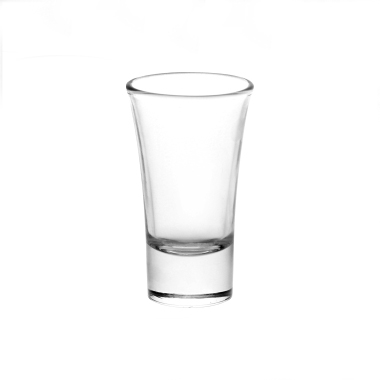
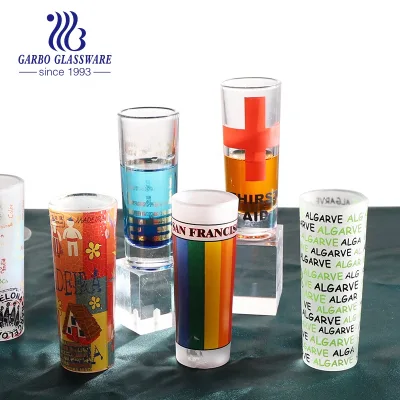
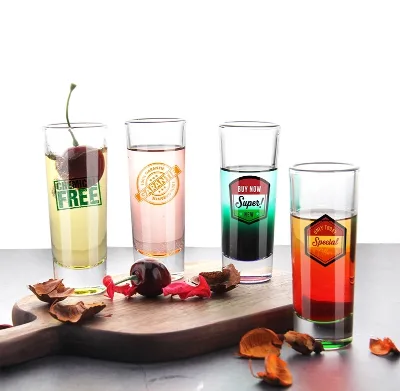
High Quality Machine Pressed glassware 2oz Stock Available Horn Cup Soju Shot Glass for Promotion
$0.30 - $1.20
MOQ: 1000 pieces
$0.2502 - $0.5603
MOQ: 3000 pieces
Foshan Haoting Glass Products Co., Ltd.
- Verified by TüVRheinland
- Manufacturer, Trading Company
- Lead time0 days
- Avg. response≤ 1h
Main productsGlass Drinkware
Main marketsDomestic Market(47%), North America(10%), Oceania(10%)
Guangzhou Detai Glass Products Co., Ltd.
- Verified by TüVRheinland
- Manufacturer, Trading Company
- Lead time30 days
- Avg. response≤ 4h
Main productsLiquor Glass Bottle, Bottle Caps, Glassware, Decanter, Glass Shot
Main marketsMid East(50%), Eastern Europe(15%), Central America(15%)
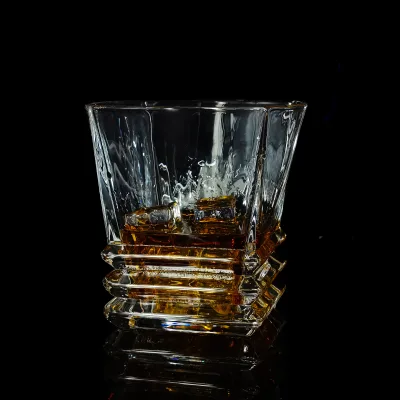
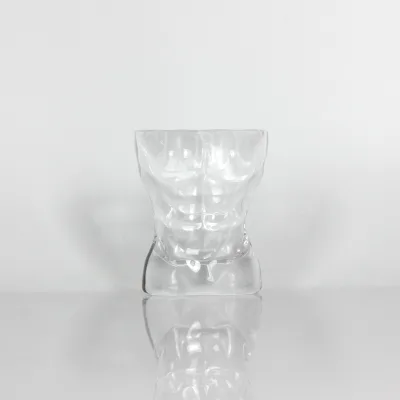
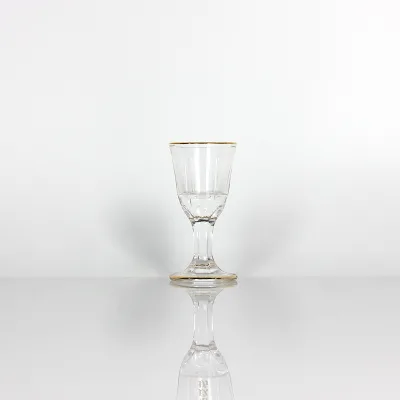
Mini Glass Shot Set Multi-Purpose Liquid Brandy Tequila Shot Glass Heavy Base Glass shot
$1.17 - $1.40
MOQ: 6000
- Verified by TüVRheinland
- Manufacturer, Trading Company
- Lead time25 days
- Avg. response≤ 3h
Main productsDrinkware, Ceramicware, Barware, Kitchenware, Glass Bottles
Main marketsNorth America(20%), South America(20%), Southeast Asia(20%)
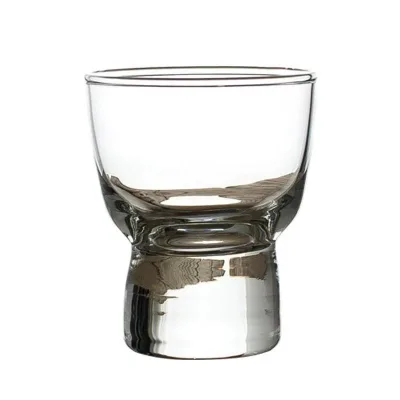
Wholesale Soju Glass Cup Custom logo Lead Free Whisky Shot Glass With Thickened Bottom
$0.4794 - $0.5827
MOQ: 1000 pieces
Changsha Crystal Houseware Co., Ltd.
- Verified by TüVRheinland
- Manufacturer, Trading Company
- Lead time50 days
- Avg. response≤ 2h
Main productsGlass Tableware, Flat Tableware
Main marketsEastern Europe(35%), Southeast Asia(20%), South America(15%)

- Verified by SGS
- Manufacturer/Factory
- China Zhejiang
- Lead time38 days
- Avg. response≤ 5h
Main productsBar Mat, Ice Bucket, Cocktail Shaker, Barware, Jigger, Mug, Ss Cup, Bar Spoon, Strainer, Muddler
Main marketsSouth America,Eastern Europe,Mid East,North America,Southeast Asia,Eastern Asia,Oceania,Western Europe,Africa

$0.10 - $0.19
MOQ: 500 Pieces

$1.90 - $2.40
MOQ: 500 Pieces
Shenzhen Sunrise Glassware Co., ltd.
- Trading Company
- Guangdong, China
- Lead time30 days
- Avg. response≤ 6h
Main productscustom crystal wine glass,custom hand cut whiskey glass,custom drinking glass,custom colored glass cup,custom double wall glass cups
Main marketsWestern Europe(20.00%), North America(20.00%), Southern Europe(16.00%), Domestic Market(10.00%), Northern Europe(10.00%), Oceania(7.00%), Mid East(5.00%), Eastern Asia(5.00%), South America(2.00%), Southeast Asia(2.00%), Central America(2.00%), Eastern Europe(1.00%)
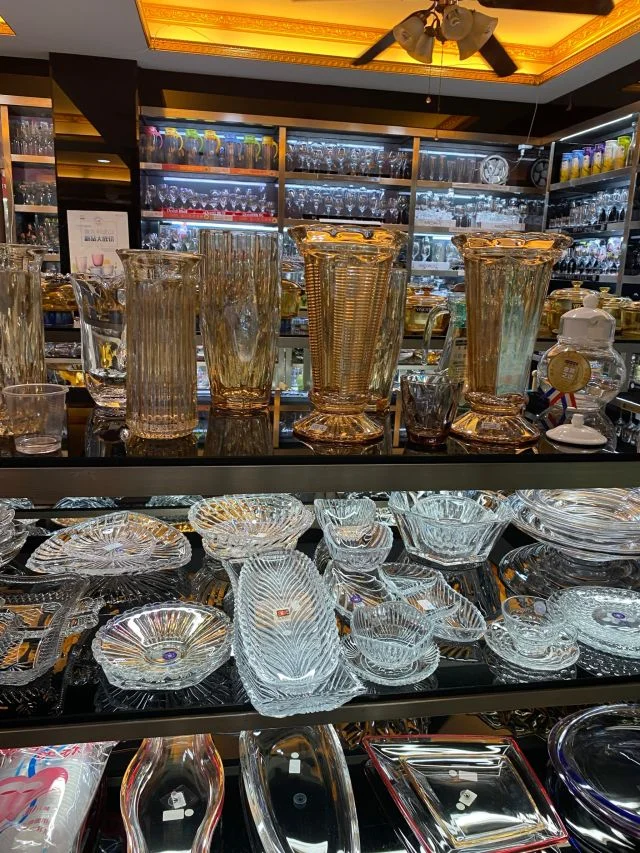
Shanxi Snw Science And Trade Co., Ltd.
- Trading Company
- Shanxi, China
- Lead time45 days
- Avg. response≤ 7h
Main productsWine glass,Glass Candle Jar,Glass Vase,Beer Glass,Glass Storage Jar
Main marketsSouth America(20.00%), North America(15.00%), Central America(10.00%), Eastern Europe(10.00%), Eastern Asia(8.00%), South Asia(6.00%), Northern Europe(5.00%), Southeast Asia(5.00%), Western Europe(5.00%), Oceania(5.00%), Mid East(4.00%), Southern Europe(4.00%), Domestic Market(3.00%)
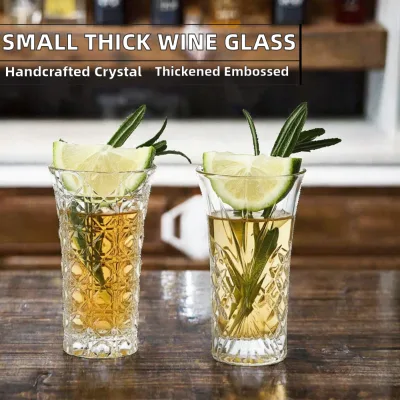
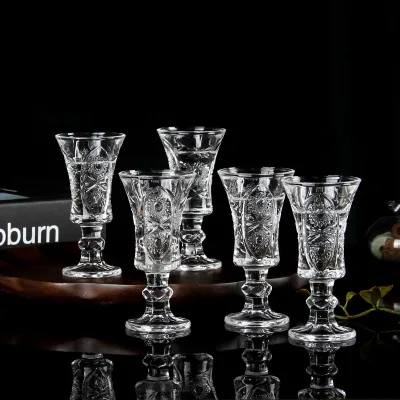
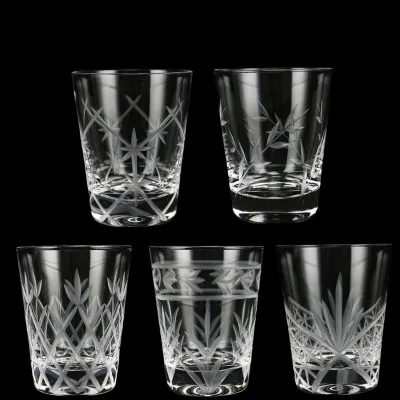
$0.26 - $0.33
MOQ: 500 pieces
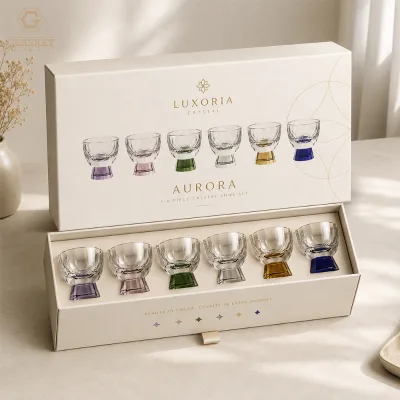
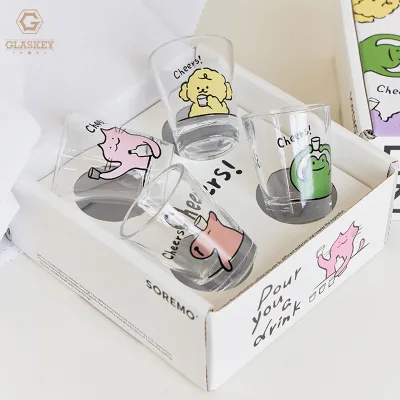
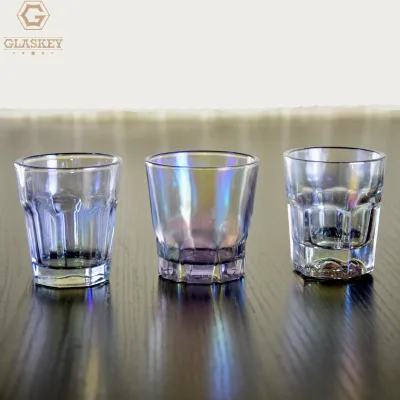
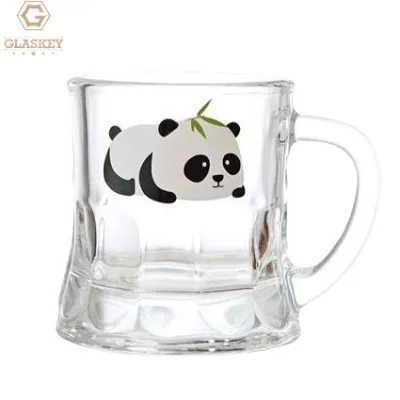
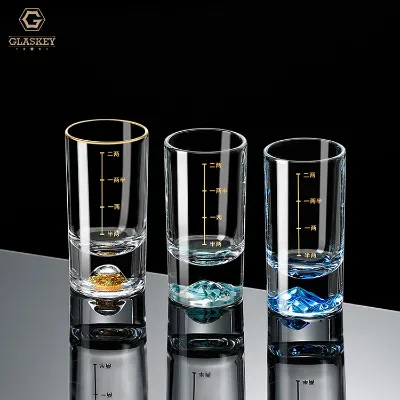
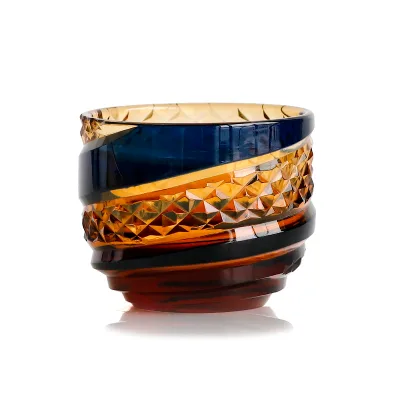
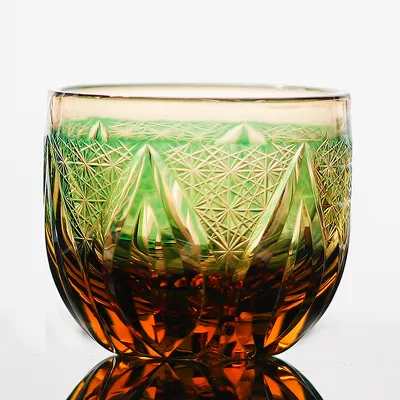
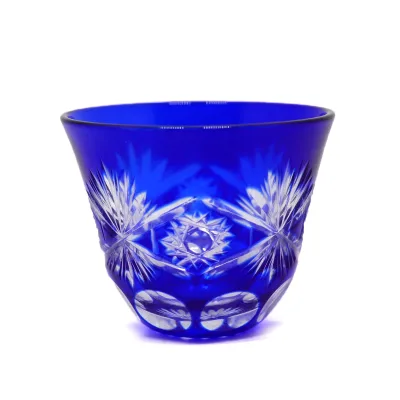
Comprehensive Sourcing Guide
Crystal Soju Shot Glass Supplier Concentration and Factory Types
When evaluating the landscape for Crystal Soju Shot Glass suppliers, it is essential to distinguish between the two primary company types available in the market: manufacturers and trading companies. Manufacturers typically offer direct control over production processes, allowing for greater customization of materials such as high white glass or lead-free crystal, while trading companies may provide a broader aggregation of existing stock and diverse designs. The presence of both types indicates a mature supply chain where buyers can choose based on their specific needs for volume, customization, and speed. Understanding this distinction helps in setting realistic expectations regarding communication channels, pricing structures, and the ability to implement specific branding or logo requirements on the final product.
The core product range for these suppliers often extends beyond simple shot glasses to include whiskey glasses, wine glasses, champagne glasses, and cocktail glasses, suggesting that many suppliers are versatile in their glassware capabilities. This versatility can be advantageous for buyers looking to consolidate orders across different drinkware categories. However, it also requires careful vetting to ensure that the supplier’s primary expertise aligns with the quality standards required for crystal or high-quality glass soju glasses. Buyers should investigate whether the supplier’s main products include the specific type of glassware they need, as this often correlates with the depth of their technical knowledge and equipment specialization in handling delicate materials like crystal or soda lime glass.
How to Verify Crystal Soju Shot Glass Suppliers
Verification is a critical step in mitigating risk when sourcing crystal soju shot glasses, particularly given the potential for varying quality in glass materials. Buyers should prioritize suppliers who have undergone third-party verification processes, such as those conducted by Intertek, which can provide an additional layer of confidence regarding the supplier’s operational legitimacy and compliance with international standards. While verification is a strong indicator, it should be complemented by checking for specific system certifications that are relevant to food contact materials. Certifications such as FDA CPG, CP65, LFGB, DGCCRF, and compliance with (EC) 1935/2004 are crucial for ensuring that the glassware is safe for beverage consumption and meets regulatory requirements in key export markets like the United States, Europe, and other regions with strict food safety laws.
Beyond certifications, buyers should assess the supplier’s responsiveness and sample processing capabilities as indicators of their operational efficiency. A response time of three days or less suggests a proactive communication style, which is vital for resolving issues quickly during the sourcing process. Additionally, the ability to provide samples within a reasonable timeframe, such as three to seven days, allows buyers to physically inspect the product quality, including the clarity of the crystal, the thickness of the glass, and the precision of any laser or label printing. Buyers should also verify the supplier’s capacity for customized on-demand processing, including graphic processing, to ensure they can meet specific branding needs without compromising on quality or delivery schedules.
What to Compare Across Crystal Soju Shot Glass Suppliers
When comparing suppliers, lead time and minimum order quantity (MOQ) are two of the most significant operational factors to evaluate. A lead time of twenty-five days is a common benchmark, but buyers should confirm if this applies to both sample production and bulk manufacturing, as delays can impact inventory planning. Similarly, MOQs can vary significantly; some suppliers may require orders of one thousand units or more, which suits large-scale distributors, while others might offer more flexible terms for smaller businesses. Buyers should also compare the price ranges, which can span from as low as $0.10 to over $0.85 per unit, depending on the material, design complexity, and customization level. Understanding these variables helps in aligning supplier capabilities with the buyer’s budget and volume requirements.
Another critical dimension for comparison is the specific product attributes and material specifications offered by each supplier. For instance, some suppliers provide lead-free crystal glasses, which are often preferred for their clarity and durability, while others may use high white glass or soda lime glass, which are more cost-effective but may differ in aesthetic appeal. Buyers should also compare the printing technologies available, such as laser printing versus label printing, as these affect the longevity and quality of the branding on the glass. Additionally, the style of the glass, whether it is American style, modern, or bohemian, and the specific capacity options, ranging from 10ml to 320ml, should be matched against the target market’s preferences to ensure product-market fit.
Common Crystal Soju Shot Glass Sourcing Risks
One of the primary risks in sourcing crystal soju shot glasses is the potential discrepancy between the advertised material and the actual product received. Suppliers may list products as "crystal" or "lead-free crystal," but without proper certification or physical inspection, there is a risk of receiving lower-quality glass that may contain lead or other undesirable materials. This risk is particularly relevant for products intended for high-end markets where safety and quality are paramount. Buyers must rely on verified certifications and, if possible, third-party lab tests to confirm the material composition, especially when dealing with suppliers who do not provide detailed material specifications or who have vague descriptions of their glass types.
Another significant risk is the inconsistency in product quality and packaging, which can lead to breakage during shipping and increased costs for the buyer. The single package size and gross weight of the product, such as 10x7x4 cm with a weight of 1.5 kg for some items, indicate that proper packaging is essential to prevent damage. Buyers should inquire about the supplier’s packaging standards and whether they use protective materials to ensure the glasses arrive in perfect condition. Additionally, the risk of delayed shipments due to production bottlenecks or logistical issues can disrupt supply chains, so buyers should establish clear communication channels and contingency plans to mitigate these potential disruptions.
Crystal Soju Shot Glass Regional Sourcing and Logistics
The geographic origin of the suppliers plays a crucial role in determining logistics costs and lead times. Many suppliers for crystal soju shot glasses are located in Guangdong, China, a region known for its robust manufacturing infrastructure and expertise in glassware production. Sourcing from this region can offer competitive pricing and a wide variety of designs, but buyers must also consider the implications of international shipping, including customs duties, transit times, and potential tariffs. Understanding the logistics landscape helps buyers calculate the total landed cost of their products and plan their inventory accordingly to avoid stockouts or excess inventory.
Logistics planning should also account for the specific requirements of the product, such as the need for careful handling due to the fragile nature of glass. Buyers should work with suppliers who have experience in exporting glassware and can provide reliable shipping solutions, including air freight for urgent orders or sea freight for cost-effective bulk shipments. Additionally, buyers should consider the impact of seasonal demand and holidays on production and shipping schedules, as these factors can significantly affect lead times. By establishing a clear understanding of the regional sourcing dynamics and logistics options, buyers can optimize their supply chain for efficiency and cost-effectiveness.
Crystal Soju Shot Glass Commercial Terms and Order Planning
Commercial terms, including payment methods and warranty policies, are essential components of any sourcing agreement. Buyers should negotiate clear terms that protect their interests, such as using escrow services for secure transactions, which provide an additional layer of financial protection. It is also important to clarify the supplier’s policy on defective products and returns, as this can impact the overall cost of sourcing. Buyers should ensure that the contract includes specific quality standards and acceptance criteria to minimize disputes and ensure that the products meet their expectations.
Order planning should be aligned with the supplier’s production capacity and lead times to ensure timely delivery. Buyers should consider the sample time, which can range from three to seven days, and factor this into their overall timeline for product development and market launch. Additionally, buyers should plan for potential variations in order quantities and adjust their production schedules accordingly. By establishing a robust order planning process that accounts for all commercial and logistical variables, buyers can streamline their sourcing operations and reduce the risk of delays or quality issues.
FAQs
What is the price range for crystal soju shot glasses?
Prices for crystal soju shot glasses typically range from $0.10 to $0.85 per unit depending on material and design. Basic soda lime options start near $0.10, while handmade lead-free crystal variants cost up to $0.85. Buyers should verify specific unit costs based on order volume and customization requirements.
What certifications do these glass suppliers hold?
Suppliers generally hold BSCI, FDA CPG, CP65, LFGB, and DGCCRF certifications. These ensure compliance with international food safety and quality standards. Buyers should request valid certificates to confirm regulatory adherence before placing bulk orders for commercial or residential use.
What is the typical lead time for production?
Standard production lead times average around 25 days for bulk orders. Sample processing usually takes 3 to 7 days depending on complexity. Buyers should confirm exact timelines with suppliers to align with inventory planning and avoid delays in supply chain operations.
What is the minimum order quantity for these glasses?
The minimum order quantity is typically 1000 pieces for standard crystal soju shot glasses. Custom designs or specialized materials may require higher volumes. Buyers should verify MOQs directly with suppliers to ensure alignment with their initial procurement budgets and storage capabilities.
Are custom logos and designs available?
Yes, suppliers offer customized logos and graphic processing on demand. Laser and label printing options are available for branding purposes. Buyers can request samples to verify print quality and ensure the final product meets their specific aesthetic and marketing requirements.
What materials are used for these shot glasses?
Materials include high white glass, soda lime glass, and lead-free crystal. Lead-free crystal offers premium clarity and durability for upscale use. Buyers should specify material preferences to ensure the product meets safety standards and aesthetic expectations for their target market.