Electric Vegetable Shredder Suppliers and Manufacturers
Source 23 Electric Vegetable Shredder suppliers from China. Compare verified manufacturers by location, lead time, and certifications like ISO9001. Review pricing and MOQ details to find the right partner; review the available evidence before requesting comparable quotations from suitable candidates.
Updated
Suppliers List

Zhengzhou Chengzhimu Machinery Equipment Co., Ltd
- Verified by CTI
- Combined
- China Henan
- Lead time15 days
- Avg. response≤ 1h
Main productsAgricultural Machinery, Food Machinery
Main marketsDomestic

Zhengzhou Newin Machinery Co., Ltd.
- Trading Company
- Henan, China
- Lead time10 days
- Avg. response≤ 8h
Main productsFood processing machine,Meat processing machine,Vegetable processing machine,Meat slicer,Meat cutting Machinery
Main marketsEastern Asia(10.00%), Western Europe(10.00%), Southern Europe(10.00%), Africa(10.00%), Northern Europe(10.00%), Eastern Europe(10.00%), South America(10.00%), North America(10.00%), Central America(6.00%), Mid East(6.00%), Southeast Asia(3.00%), South Asia(2.00%), Oceania(2.00%), Domestic Market(1.00%)

- Verified by SGS
- Combined
- China Shandong
- Lead time30 days
- Avg. response≤ 3h
Main productsCrate/Can/Pallet /Basket Washing Machine, Vegetable /Fruit Washing Cutting Production Line, Continuous Frying Machine, Blanching Machine, Steam Peeling Machine, Vegetable Salad Processing Line, Vegetable /Fruit Peeler, Frozen French Fries Production Line, Garlic Production Line, Vacuum Marinator
Main marketsSouth America,Domestic,Europe

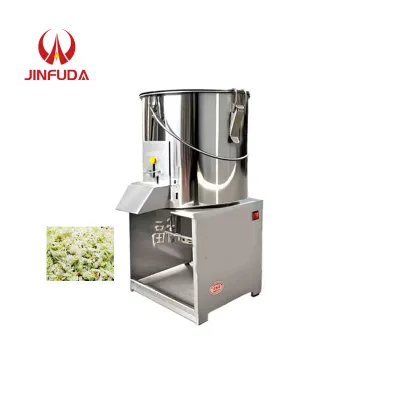
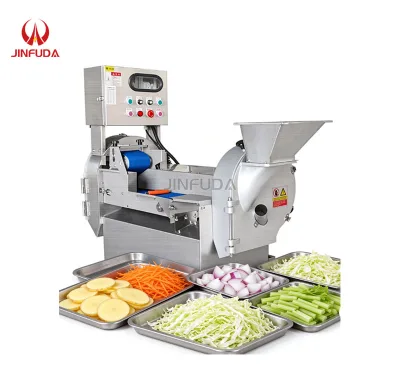
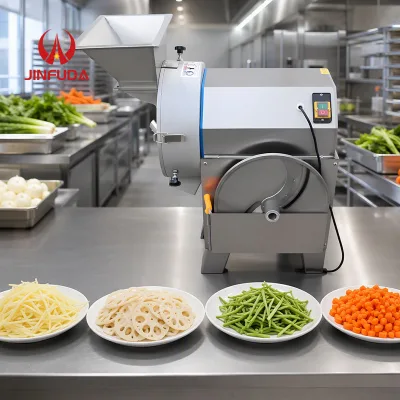
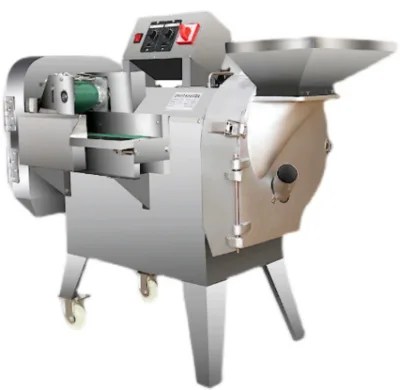
High Efficiency Cabbage Cutting Equipment Onion Shredding Machine Vegetable Shredder
$7950.00 - $9910.00
MOQ: 1 Sets

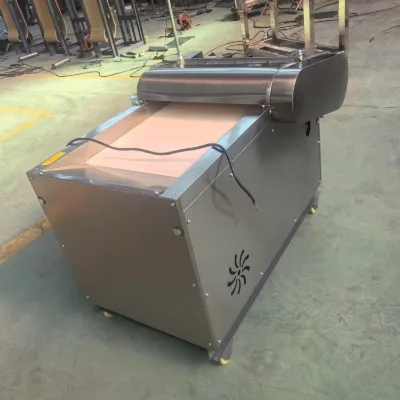
Commercial Cabbage Shredder Electric Vegetable Chopper Machine Efficient Veg Cutting Device
$2280.00 - $3850.00
MOQ: 1 Sets

Automatic Lettuce Cabbage Shredder Vegetable Shred Machine Stainless Steel Veg Chopper
$2280.00 - $3850.00
MOQ: 1 Sets
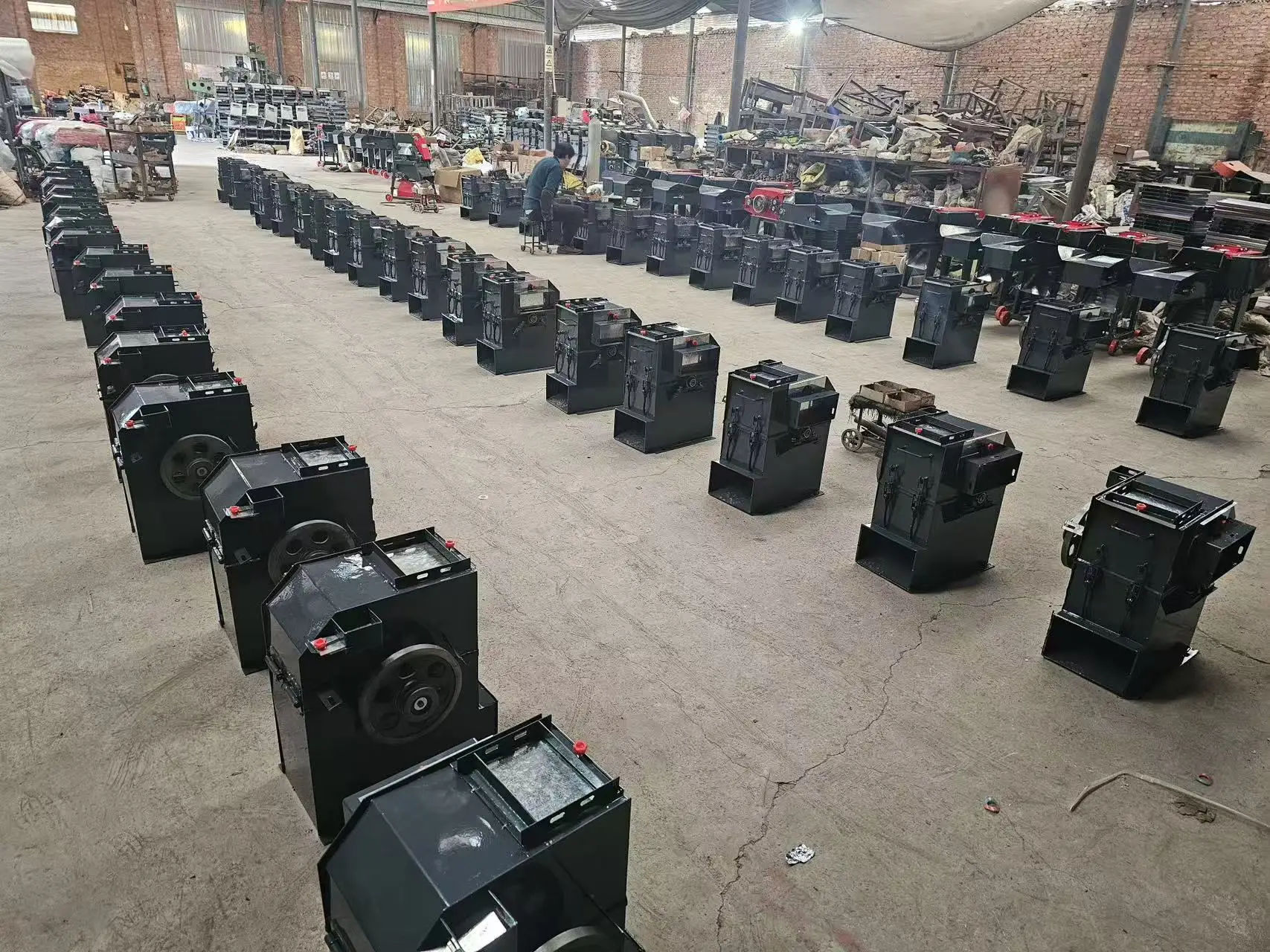
Henan Yongjing Import & Export Trade Co., Ltd.
- Trading Company
- Henan, China
- Lead time0 days
- Avg. response≤ 14h
Main productsFEED PELLET MACHINE,CHAFF CUTTER,GRIAN CRUSHER,RICE MILL,POULTRY EQUIPMENT
Main marketsEastern Europe(30.00%), South America(30.00%), Africa(20.00%), Southeast Asia(20.00%)

Hunan Dongfanghong Electromechanical Manufacturing Co., Ltd.
- Combined
- China Hunan
- Lead time30 days
- Avg. response≤ 12h
Main productsChaff Cutter, AC Motor, Corn Sheller, Feed Pellet Machine, Rice Milling Machine, Potato Grater, Feed Granulator, Fodder Chopper, Grinder Machine
Main marketsSoutheast Asia/ Mideast,Domestic,North America
Jiaozuo Zhiyou Machinery Co., Ltd.
- Trading Company
- henan, China
- Lead time7 days
- Avg. response≤ 2h
Main productsFood machine,Farm machine,Drying machine,Pellet machine,Recycling Machine
Main marketsMid East(12.00%), Africa(11.00%), North America(10.00%), Oceania(10.00%), Southeast Asia(9.00%), Eastern Asia(8.00%), South Asia(7.00%), South America(6.00%), Southern Europe(6.00%), Northern Europe(5.00%), Eastern Europe(5.00%), Western Europe(4.00%), Domestic Market(4.00%), Central America(3.00%)
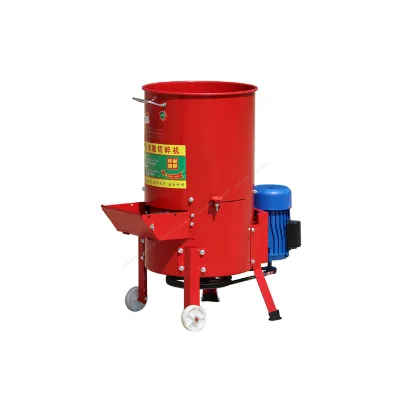
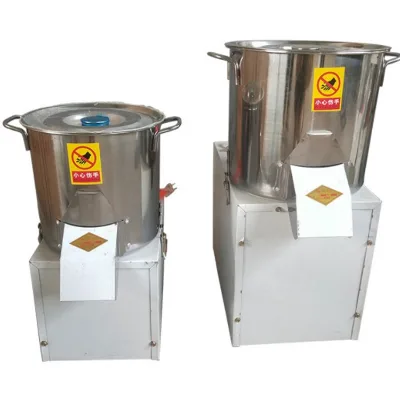
Small Weight Vegetable Shredder for Fruit Store
$200.00 - $245.00
Jiaozuo Zhoufeng Machinery Co., Ltd.
- Trading Company
- Henan, China
- Lead time5 days
- Avg. response≤ 9h
Main productsFood machine,Farm machine,environmental protection machine,Home use machine,Biomass briquette production line
Main marketsMid East(10.00%), South Asia(10.00%), Africa(10.00%), Southeast Asia(10.00%), Domestic Market(10.00%), Central America(10.00%), North America(10.00%), South America(8.00%), Eastern Asia(7.00%), Northern Europe(5.00%), Western Europe(5.00%), Oceania(2.00%), Eastern Europe(2.00%), Southern Europe(1.00%)
Dongguan Top Machinery Co., Ltd.
- Trading Company
- Lead time旺季: "1 - 10":14,"> 10":"To be negotiated", 淡季: "1 - 10":14,"> 10":"To be negotiated"
- Avg. response≤ 3h
Main productsMetal Marking Machine,Badge Machine,Automotive Maintenance and Diagnostic products,Jewelry making machinery,Sports Machinery
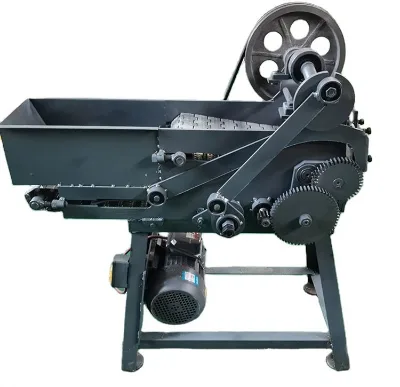
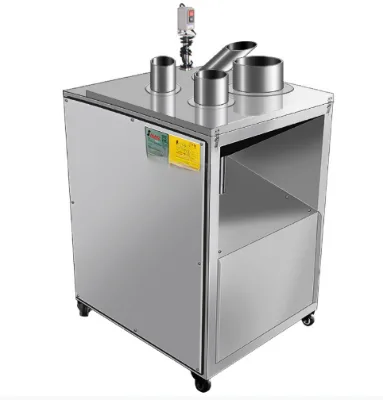
Multifunctional Electric Slicer Vegetables Cutting Fruits Chopper Slicer Machine
$1500.1379
MOQ: 1 Minimum

Luohe Quality Mechanical Equipment Co., Ltd.
- Verified by SGS
- Manufacturer/Factory
- China Henan
- Lead time23 days
- Avg. response≤ 5h
Main productsJuice Extractor, Sausage Making Machine, Pita Bread Machine, Biscuit Making Machine
Main marketsSouth America,Eastern Europe,North America,Eastern Asia,Western Europe
Henan Jinfuda Trading Co., Ltd.
- Trading Company
- Lead time旺季: "1 - 1":7,"> 1":"To be negotiated", 淡季: "1 - 1":7,"> 1":"To be negotiated"
- Avg. response≤ 3h
Main productsFruit Vegetables Processing Machines, Meat Processing Machines, Bakery Pastry Processing Machines, Snack Processing Machines, Packaging Machines
Jiangmen City Xinhui District Mayhope Machinery Co., Ltd.
- Manufacturer
- Guangdong, China
- Lead time5 days
- Avg. response≤ 5h
Main productsIce Cream Machine,Ice Slush Machine,Popsicle Machine
Main marketsSouth America(30.00%), North America(30.00%), Southern Europe(10.00%), Northern Europe(10.00%), Western Europe(10.00%), Eastern Europe(10.00%)
Shandong Minan Machinery Equipment Co., Ltd.
- Manufacturer
- Shandong, China
- Lead time7 days
- Avg. response≤ 9h
Main productsFood and beverage machinery,Industrial Juicer,Screw Juicer,Commercial Juicer
Main marketsSoutheast Asia(40.00%), Africa(30.00%), Eastern Asia(10.00%), South America(10.00%), Mid East(10.00%)

Jiaozuo Taoding Trading Co., Ltd
- Verified by SGS
- Trading Company
- China Henan
- Lead time15 days
- Avg. response≤ 3h
Main productsVarious Food Machines, Dumpling Machine, Meat Cutting Machine, Roti Machine, Vegetable Cutting Machine, Snack Machine, Packing Machine
Main marketsSouth America,Africa,Southeast Asia/ Mideast,East Asia(Japan/ South Korea),Europe,Australia,North America

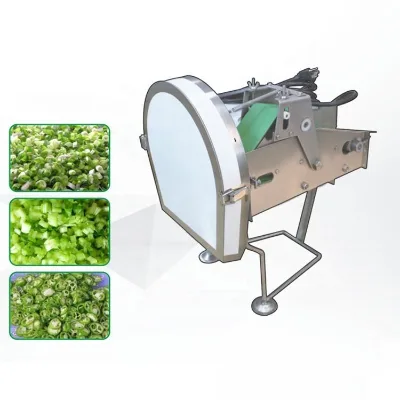
4200PCS/H Scallion Cutter Machine Shredder Machine Vegetable Selectric Vegetable Cutter
$950.00 - $1250.00
MOQ: 1 Pieces

$950.00 - $1250.00
MOQ: 1 Pieces

Top Selling Shredders for Vegetables Vegetable Chopper and Slicer Commercial Vegetable Cutter
$320.00 - $620.00
MOQ: 1 Pieces
Hunan Heshunxiang Machinery Manufacturing Co., Ltd.
- Verified by BV
- Combined
- China Hunan
- Lead time45 days
- Avg. response≤ 2h
Main productsGrain Grinder, Feed Grinder, Chaff Cutter, Corn Thresher, Feed Pellet Machine
Main marketsDomestic


High Quality Long Service Stainless Steel Vegetable Shredder for Vegetable Farm
$82.00 - $92.00
MOQ: 10 Sets


Best Selling Simple Maintain Stainless Steel Vegetable Shredder for Vegetable Farm
$82.00 - $92.00
MOQ: 10 Sets
Henan Shanpu Machinery Equipment Co., Ltd.
- Trading Company
- Henan, China
- Lead time0 days
- Avg. response≤ 2h
Main productsoil press machine,package machine,juicer machine,Woodworking machinery,Rubber and plastic machinery
Main marketsNorth America(15.00%), Mid East(10.00%), Northern Europe(10.00%), Western Europe(10.00%), Southeast Asia(10.00%), Eastern Europe(10.00%), Southern Europe(10.00%), Oceania(5.00%), South Asia(5.00%), Africa(5.00%), South America(5.00%), Central America(2.00%), Eastern Asia(2.00%), Domestic Market(1.00%)
Henan Jinfuda Machinery Equipment Co., Ltd.
- Verified by TüVRheinland
- Trading Company
- Lead time0 days
- Avg. response≤ 3h
Main productsAgricultural Machinery, Food Machinery, Construction And Building Materials Machinery, Construction Machinery, Packaging Machinery
Main marketsAfrica(31%), Southeast Asia(30%), North America(15%)
Dongguan Strong Machinery Equipment Co., Ltd.
- Trading Company
- Lead time旺季: "1 - 100":25,"> 100":"To be negotiated", 淡季: "1 - 100":25,"> 100":"To be negotiated"
- Avg. response≤ 8h
Main productsElectrical equipment

Guangzhou ola Machinery Equipment Co., Ltd.
- Verified by SGS
- Combined
- China Guangdong
- Lead time23 days
- Avg. response≤ 3h
Main marketsDomestic


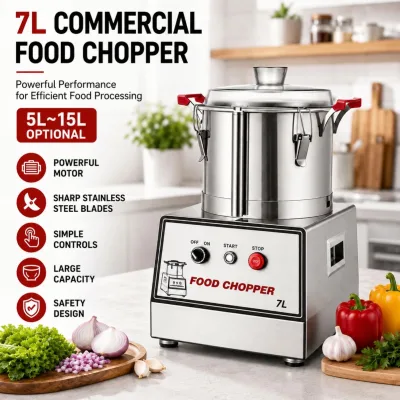
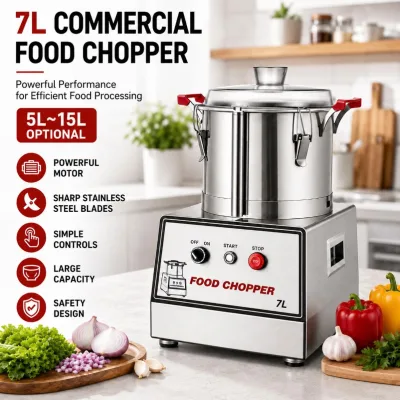
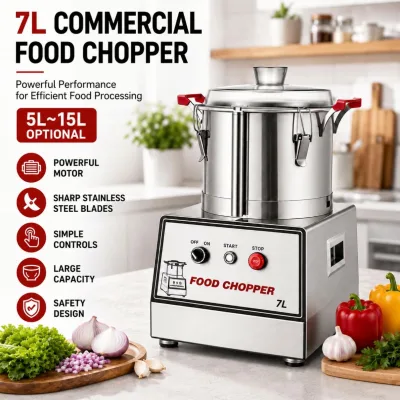
Commercial Vegetable Shredder 5L Capacity for Small Restaurant Kitchen
$249.00 - $262.00
MOQ: 1 Pieces

Zhengzhou Chuangduo Machinery Manufacturing Co., Ltd.
- Manufacturer, Trading Company
- Henan, China
- Lead time0 days
- Avg. response≤ 1h
Main productsFarming machinery for breeding,Livestock breeding machinery,Feed processing machinery,Poultry Farming Equipment,Pet Supplies
Main marketsSoutheast Asia(20.00%), South America(20.00%), North America(20.00%), Africa(10.00%), Eastern Europe(10.00%)
Luohe Langrui Electromechanical Equipment Co., Ltd.
- Verified by TüVRheinland
- Trading Company
- Lead time15 days
- Avg. response≤ 2h
Main productsFruit And Vegetable Processing Equipment, Meat Processing Machinery, Nut Processing Machinery, Snack Processing Machinery, Packaging Machinery
Main marketsAfrica(25%), North America(20%), Southeast Asia(18%)
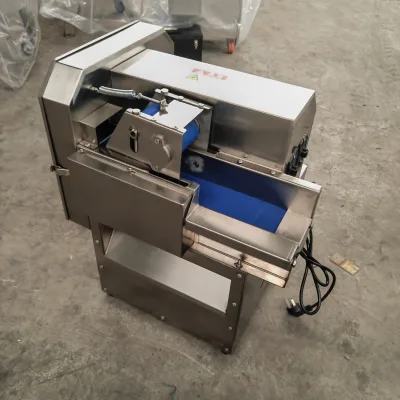
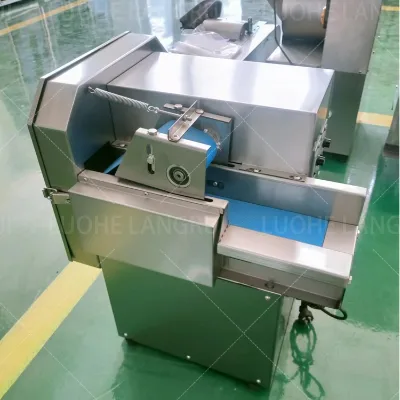
Clearance Price Commercial Green Onion Vegetable Fruit Shredder Potato Eggplant Slicer
$213.2787 - $233.6872
MOQ: 1 sets
Shenzhen Shuxiao Machinery Equipment Co., Ltd.
- Manufacturer
- Guangdong, China
- Lead time0 days
- Avg. response≤ 2h
Main productsIndustrial machinery,commercial equipment and machinery,Food & Beverage Machinery
Main marketsEastern Europe(30.00%), North America(20.00%), South America(10.00%), Domestic Market(5.00%), Northern Europe(5.00%), Western Europe(5.00%), Eastern Asia(5.00%), Mid East(5.00%), Oceania(5.00%), Africa(5.00%), Southeast Asia(5.00%)
Henan Jikangyuan Environmental Protection Technology Co., Ltd.
- Verified by Intertek
- Manufacturer, Trading Company
- Lead time0 days
- Avg. response≤ 2h
Main productsWater Treatment Equipment, Biogas Treatment Equipment, Feed Processing Machine, Agricultural Machinery
Zhengzhou Jinhui Agricultural S&T Co., Ltd.
- Verified by SGS Group
- Manufacturer, Trading Company
- Lead time10 days
- Avg. response≤ 2h
Main productsSteel processing, Plastic products, Animal artificial breeding equipment and tools, Automation control systems
Main marketsSoutheast Asia(20%), Mid East(15%), North America(10%)


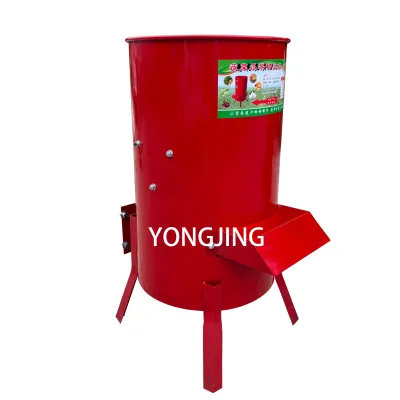
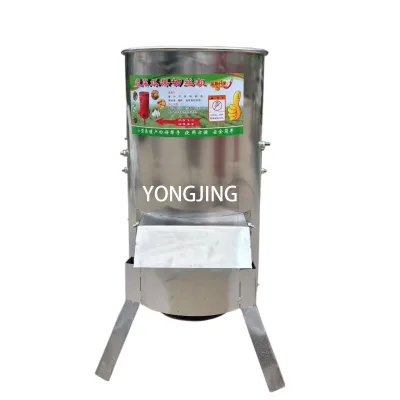
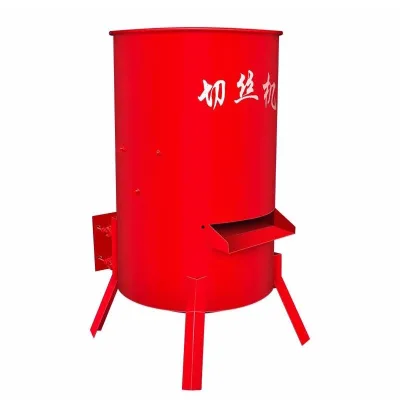
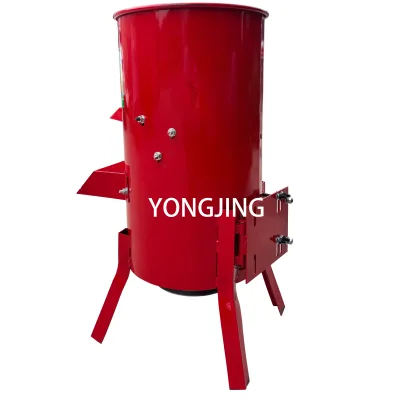




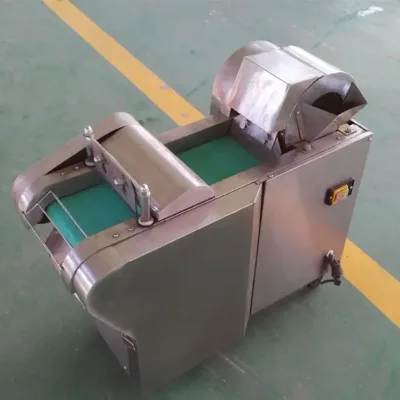
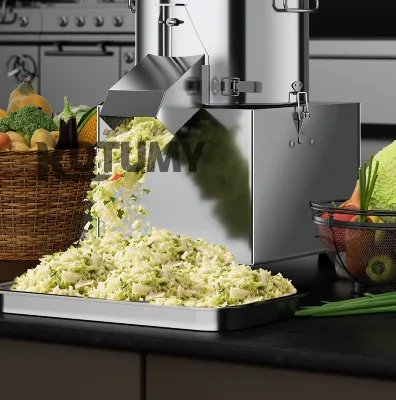
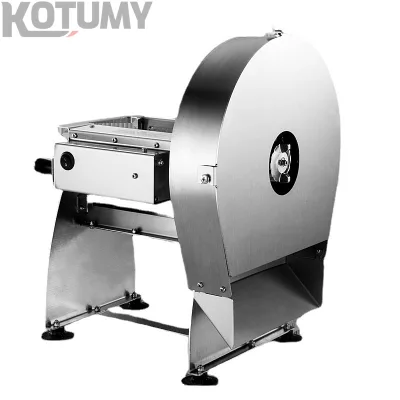
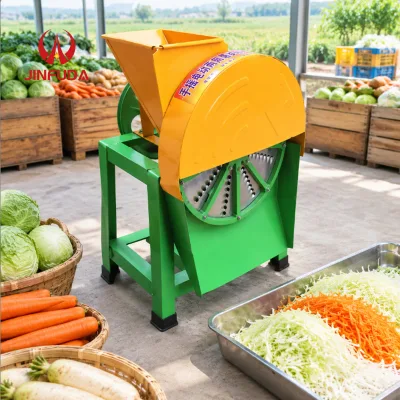
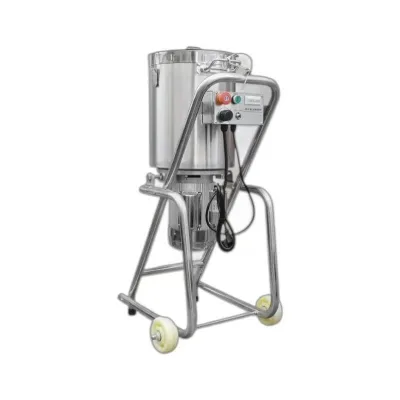
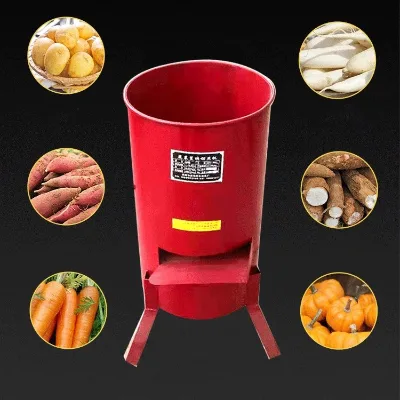
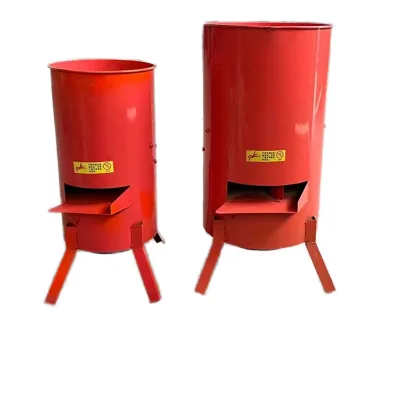
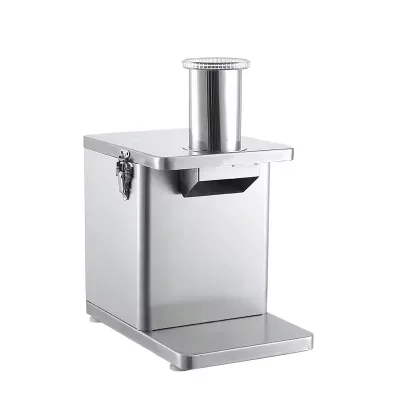
Comprehensive Sourcing Guide
Electric Vegetable Shredder Supplier Concentration and Factory Types
Current data indicates a concentration of suppliers in China, specifically within the Henan and Shandong provinces. These regions host manufacturers producing agricultural machinery, food processing equipment, and specialized vegetable shredders. Some entities operate as combined companies offering both manufacturing and trading services, while others function strictly as trading companies. This distinction is critical because combined entities often possess direct control over the production line, whereas trading companies may source from various factories. The presence of facilities in Henan suggests a cluster focused on food processing machinery, including meat slicers and vegetable cutters, which aligns with the core product requirements.
Buyers should verify the specific factory type before proceeding, as the operational model dictates quality control capabilities. A combined company type typically implies in-house research and development capacity for ODM and OEM services, allowing for custom branding and design modifications. In contrast, a trading company might offer a broader range of products but could have less direct influence over the manufacturing process. When evaluating potential partners, look for evidence of their primary product lines, such as whether they specialize in fruit and vegetable processing machines or broader agricultural machinery. This verification ensures the supplier has the necessary infrastructure to handle the specific technical demands of electric shredders.
How to Verify Electric Vegetable Shredder Suppliers
Verification processes for Electric Vegetable Shredder suppliers often involve third-party inspection and certification checks. Some suppliers in the dataset have undergone verification by organizations like CTI or SGS, which adds a layer of credibility to their operational claims. Buyers must confirm if a supplier holds valid ISO9001:2015 certificates or CE certifications, as these standards indicate adherence to international quality management and safety protocols. The presence of a machinery test report is another vital indicator; however, current data shows that some suppliers list this report as not available, which requires further inquiry to ensure the product meets safety and performance expectations.
Response time is another measurable metric for assessing supplier reliability and engagement levels. Data shows response times varying significantly, with some suppliers responding within less than one hour while others take up to eight hours. A faster response time often correlates with better communication channels and a more active sales team, which is essential for resolving technical queries quickly. Buyers should also check for video outgoing-inspection availability, as this feature allows for real-time verification of the production line and final product quality. If a supplier cannot provide video inspection or test reports, the buyer should request these documents directly before finalizing any order to mitigate the risk of receiving substandard equipment.
What to Compare Across Electric Vegetable Shredder Suppliers
When comparing suppliers, lead time is a primary factor that influences production scheduling and inventory planning. The observed lead times range from ten days to thirty days, depending on the supplier's capacity and current order volume. A shorter lead time, such as ten days, suggests a more agile production line, while a thirty-day window may indicate a larger, more complex manufacturing setup or a backlog of orders. Buyers must align these timelines with their own business needs to avoid stockouts or delays in launching new product lines. Additionally, the minimum order quantity (MOQ) varies, with some suppliers accepting single-unit orders while others may have higher thresholds, affecting the initial investment required.
Product specifications and customization options are equally critical when evaluating different suppliers. The available data highlights variations in voltage requirements, such as 220V or 110V, and power outputs ranging from 1.2KW to 1.5KW. Some models offer multi-functional capabilities like shredding, slicing, and dicing, while others focus on specific tasks like potato or cabbage processing. Buyers should compare the raw materials used, such as SUS304 stainless steel, and the knife materials, which can impact durability and food safety. Customization availability is another key differentiator, as some suppliers offer fully customized branding and design, while others provide standard commercial models.
Common Electric Vegetable Shredder Sourcing Risks
One significant risk involves the availability of machinery test reports and video outgoing-inspection services. Several suppliers in the current dataset list these critical quality assurance documents as not available, which creates uncertainty regarding the actual performance and safety of the equipment. Without independent verification of the machinery's test results, buyers face the risk of receiving products that do not meet the claimed power output or safety standards. This lack of transparency can lead to costly returns, production delays, or even safety hazards in commercial kitchens and processing plants where these machines are deployed.
Another risk relates to the consistency of product attributes and the clarity of the supply chain. While some suppliers provide detailed specifications like weight, dimensions, and motor core components, others may lack complete data on their product attributes. For instance, the packing details vary from export wooden crates to standard cartons, which can affect shipping costs and product protection during transit. If a supplier does not clearly define the supply ability, such as the number of sets they can produce per month, buyers may face delays if demand exceeds the supplier's capacity. It is essential to verify these details to ensure the supplier can consistently meet order volumes without compromising quality.
Electric Vegetable Shredder Regional Sourcing and Logistics
Sourcing from China, particularly from Henan and Shandong provinces, offers access to a robust manufacturing ecosystem for food processing machinery. These regions are known for producing a wide array of agricultural and food equipment, including vegetable shredders and meat processing machines. The proximity of suppliers to major logistics hubs, such as the port of dispatch in Guangzhou, facilitates efficient shipping and export procedures. Buyers should consider the logistical advantages of these locations, as they often have established supply chains for raw materials like stainless steel and motors, which can streamline production and reduce costs.
However, buyers must also account for the specific packaging and shipping requirements associated with these regional suppliers. Product dimensions and weights vary significantly, with some units weighing up to 21.4 KG and others requiring larger export wooden crates. The packing size and standard dimensions, such as 60×60×80cm or 35×35×58cm, directly impact freight costs and container utilization. Buyers should verify the packing details with each supplier to ensure that the equipment is protected during transit and that the shipping costs are accurately calculated. Understanding these logistical nuances helps in planning the total cost of ownership and ensuring the safe delivery of the electric vegetable shredders to the destination.
Electric Vegetable Shredder Commercial Terms and Order Planning
Commercial terms, including pricing and payment structures, vary widely among suppliers and must be carefully evaluated. The observed price ranges for electric vegetable shredders span from approximately 110 to 560 units of currency, depending on the model, power, and features. Some suppliers offer single-item selling units with low minimum order quantities, making them suitable for small businesses or testing new markets. Others may have higher price points for industrial-grade machines with advanced features like automatic grading and multi-function capabilities. Buyers should compare these prices against the specific technical requirements of their operation to ensure they are getting the best value for their investment.
Order planning requires a clear understanding of the warranty and after-sales support provided by the supplier. Current data indicates that some suppliers offer a one-year warranty, which is a standard expectation for industrial machinery. However, the availability of core components like motors and the specific knife materials, such as 4Cr13 stainless steel, should be confirmed to ensure long-term reliability. Buyers should also verify the supply ability, such as the capacity to produce 100 sets per month, to ensure the supplier can scale with their business needs. By aligning commercial terms with operational requirements, buyers can mitigate risks and establish a sustainable sourcing relationship for their Electric Vegetable Shredder needs.
FAQs
What is the price range for electric vegetable shredders?
Prices for electric vegetable shredders typically range from $110 to $560 per unit. The lowest cost options are around $110 for basic commercial cutters, while multifunctional choppers with higher power ratings can reach up to $560. Buyers should check specific model specifications to determine the exact cost for their required capacity and features.
What is the minimum order quantity for these machines?
The minimum order quantity is generally one set or unit for most electric vegetable shredders. Suppliers often allow single-unit purchases for testing or small-scale operations. This low MOQ makes it easier for buyers to procure samples or small batches without committing to large industrial volumes immediately.
How long does delivery usually take?
Lead times for electric vegetable shredders vary between 10 and 30 days depending on the supplier. Some manufacturers in Henan offer faster turnaround times of around 10 to 15 days, while others in Shandong may require up to 30 days for production and shipping. Buyers should confirm specific timelines with their chosen vendor.
Are these shredders suitable for commercial use?
Yes, many electric vegetable shredders are designed for both home and commercial applications. Models are available for canteens, restaurants, and food processing factories. They often feature stainless steel construction and automatic operation to handle high-volume fruit and vegetable processing efficiently in professional kitchen environments.
What certifications do these machines have?
Many industrial-grade electric vegetable shredders come with CE and ISO certifications. Suppliers often hold ISO9001:2015 system certifications to ensure quality management standards. Buyers should verify specific certificate availability for each model, as some smaller home-use units may not require these industrial compliance marks.
Where are these suppliers located?
Suppliers for electric vegetable shredders are primarily located in China, specifically in the Henan and Shandong provinces. These regions are known for manufacturing agricultural and food processing machinery. Buyers can source from combined companies or trading companies based in these industrial hubs.