Montessori Inspired Wooden Geometric Stacker Suppliers and Manufacturers
Compare 25 verified suppliers offering Montessori Inspired Wooden Geometric Stacker products with varying lead times, certifications, and prices. Review response times and customization options to select the right factory for your order; review the available evidence before requesting comparable quotations from suitable candidates.
Updated
Suppliers List

PIN INTERNATIONAL (NINGBO) LTD.
- Verified by TUVRHEINLAND
- Manufacturer/Factory
- China Zhejiang
- Lead time90 days
- Avg. response≤ 2h
Main productsWooden Toys Kids Toys Educational Toys, Arts and Crafts, Stem Toys, DIY Products, Subscription Box for Kids
Main marketsSouth America,Eastern Europe,North America,Eastern Asia,Western Europe


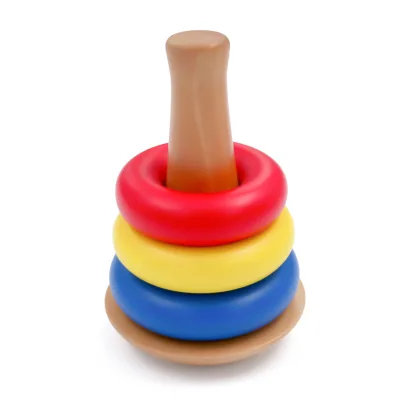
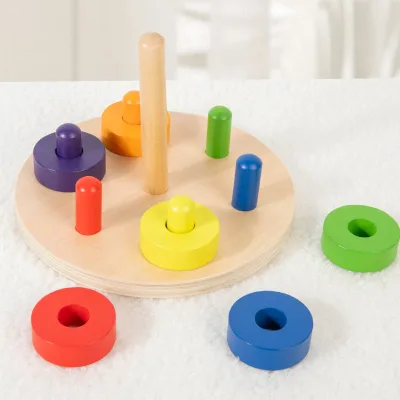
Wooden Toy Educational Learning Toys Montessori Stacking Rings Stacking Game
$2.55 - $3.12
MOQ: 500 Pieces


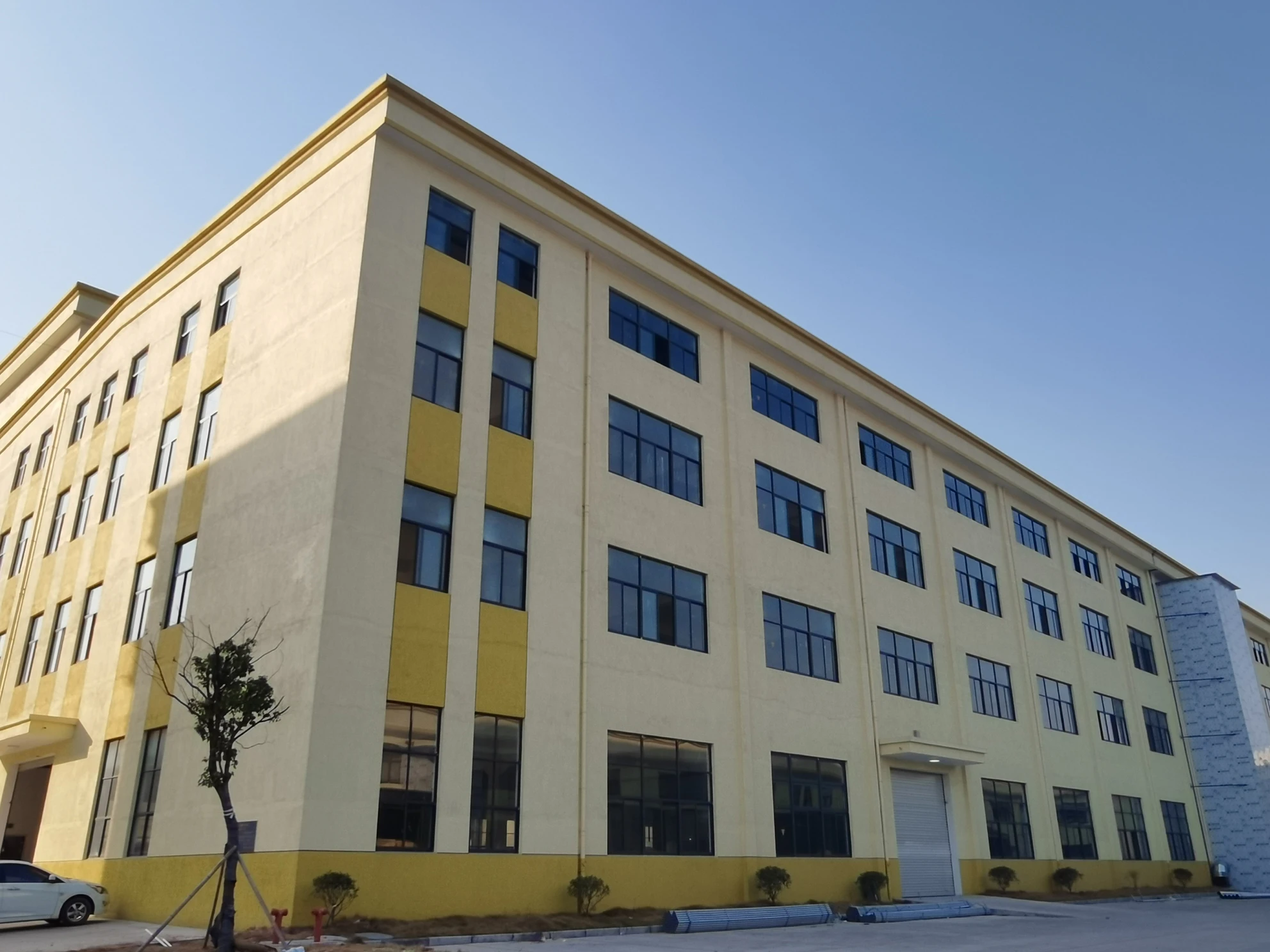
Ningbo Yinzhou Smilebloomi Arts & Crafts Co., Ltd.
- Trading Company
- Zhejiang, China
- Lead time50 days
- Avg. response≤ 3h
Main productsWooden Toy
Main marketsDomestic Market(100.00%), South Asia(100.00%), Oceania(100.00%), Southeast Asia(100.00%), Central America(100.00%), Africa(100.00%), Western Europe(65.00%), North America(13.00%), Eastern Asia(9.00%), Eastern Europe(5.00%), Mid East(3.00%), South America(2.00%), Northern Europe(2.00%), Southern Europe(1.00%)
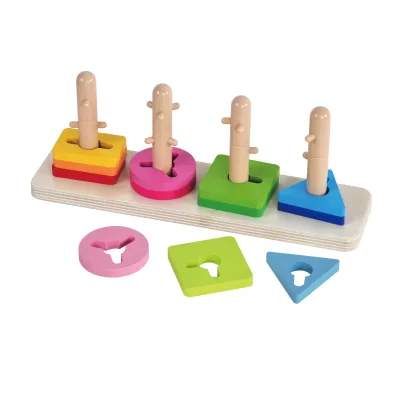
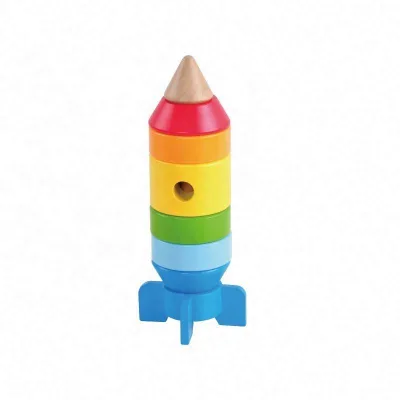
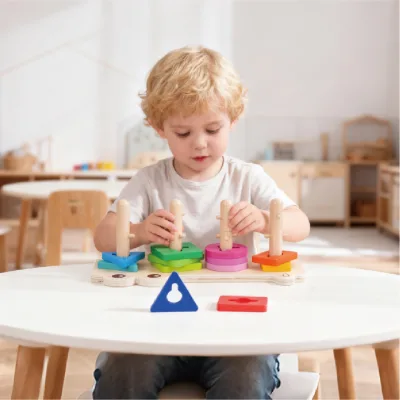
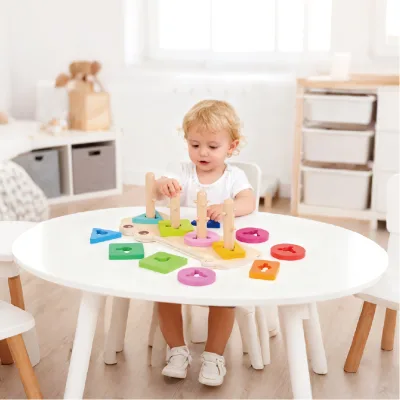
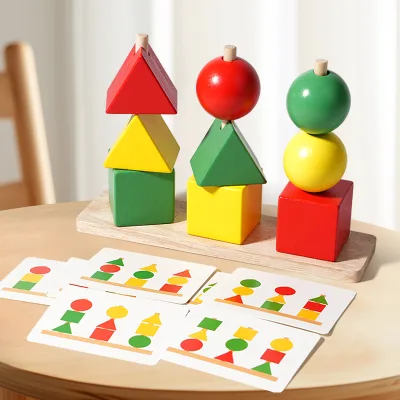
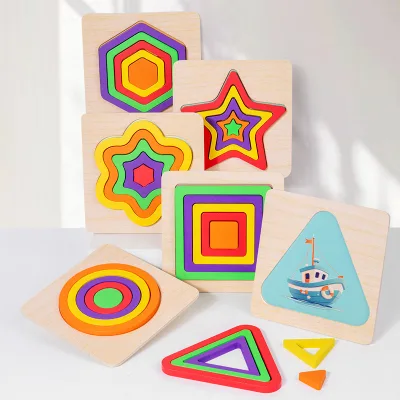
Wooden Geometric Sleeve Pillar Children's Montessori Cognitive Graphic Building Block Stacking Toy
$3.2663 - $3.3892
MOQ: 1 sets

- Verified by TUVRHEINLAND
- Trading Company
- China Zhejiang
- Lead time23 days
- Avg. response≤ 7h
Main productstoys
Main marketsSoutheast Asia/ Mideast,Europe,Australia


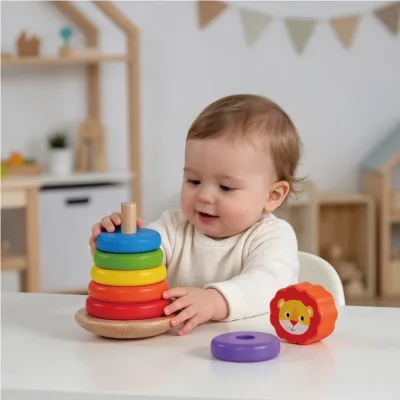
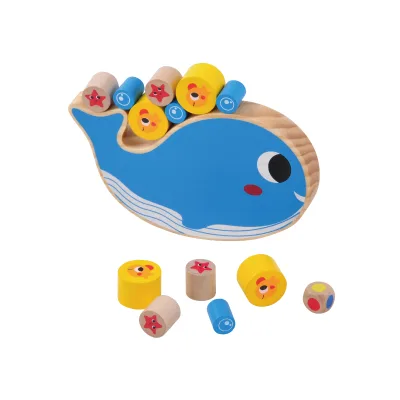
Rainbow Stacking Pegs Wooden Montessori Color Shape Geometric Toys Stacking Matching Counting
$3.30 - $3.47
MOQ: 12 sets

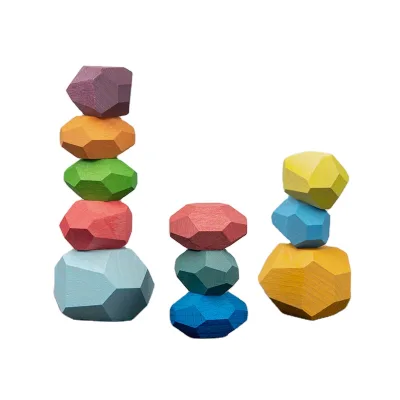
Wooden Elephant Stacking Game Balance Sensory Play Montessori Educational Kids Toy
$4.28 - $4.50
MOQ: 16 sets

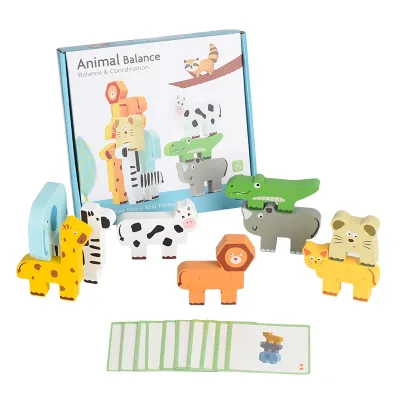
Wooden Stacking Toy Shape Animal Lacing Balance Sensory Game Montessori Educational Toys for Kids
$4.18 - $4.40
MOQ: 12 sets

Hot Sell Wooden Montessori Toys Shape Tower Stacker Educational Toy for Kids
$5.00 - $5.35
MOQ: 2 sets

New Nordic Style Wooden Rainbow Stacking Toys Montessori Toys for Kids Building Block Toddler
$5.89 - $6.20
MOQ: 12 sets

Jinjiang Zhengzheng Technology Co., Ltd.
- Trading Company
- China Fujian
- Lead time0 days
- Avg. response≤ 2h

Rainbow Stacking Montessori Sensory Game Educational Wooden Stacking Toys
$0.80 - $100.00
MOQ: 200 Pieces


Ningbo Shone Med-Tech Co., Ltd.
- Verified by SGS
- Trading Company,Manufacturer/Factory,Group Corporation
- China Zhejiang
- Lead time23 days
- Avg. response≤ 3h
Main productsWooden Games, Wooden Toys, Bingo Games, Wooden Sport Items, Wooden Box
Main marketsSouth America,Eastern Europe,Mid East,North America,Southeast Asia,Eastern Asia,Oceania,Western Europe,Africa


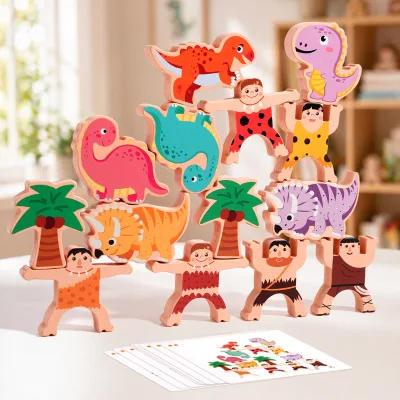
Wooden Dinosaur Montessori Balance Game Stacking Toys Early Education Toys
$1.29 - $1.99
MOQ: 200 Pieces
- Verified by Intertek
- Trading Company
- Lead time45 days
- Avg. response≤ 4h
Main productsWooden Toys, Wooden Kitchen Toys, Wooden Furniture Toys, Wooden Educational Toys, Wooden Montessori Toys
Main marketsNorth America(35%), Western Europe(30%), Eastern Europe(10%)

- Verified by BV
- Trading Company
- China Zhejiang
- Lead time30 days
- Avg. response≤ 8h
Main productsWooden Toys, Educational Toys, Indoor and Outdoor Game, Kitchen and Food, Role Play, Learning Toys, Ride on Cars, Blocks and Puzzles, Train Set, Doll House
Main marketsEurope


Castle Themed Wooden Rainbow City Stacker Montessori Stacking Toy for Toddlers
$1.50 - $1.90
MOQ: 1000 Sets

Wooden Rainbow Forest Stacker with Elephant Montessori Stacking Toy for Toddlers
$1.50 - $1.90
MOQ: 1000 Sets

Wooden Squirrel Stacker with Rattle Ring Montessori Sensory Stacking Toy for Toddlers
$1.70 - $1.90
MOQ: 1000 Sets


Ningbo Wisdom Kids International Co., Ltd.
- Trading Company,Manufacturer/Factory
- China Zhejiang
- Lead time90 days
- Avg. response≤ 13h
Main productsWooden Toy, Kid Toys, Children Toy, Toy, Game, Gift, Wooden Products, Eduction Toy; Intelletual Toy, Puzzle, Indoor Toy; Toddler Toys
Main marketsEastern Europe,North America,Southeast Asia,Oceania,Western Europe

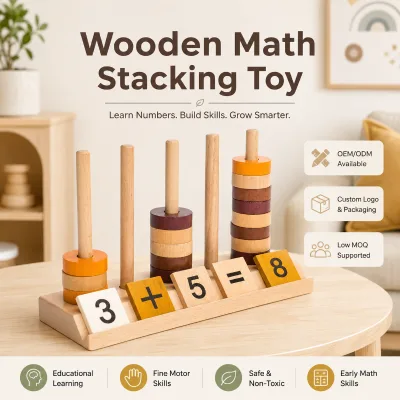
Wooden Montessori Educational Toys of Wooden Math Counting Stacking for Children and Kids
$4.26 - $6.26
MOQ: 1000 Sets


Leader Joy Imp. & Exp. Co., Ltd.
- Manufacturer, Trading Company
- ZHEJIANG, China
- Lead time5 days
- Avg. response≤ 8h
Main productsWooden Educational Toys,Montessori Material,Wooden Children Furniture
Main marketsNorth America(25.00%), Western Europe(25.00%), Domestic Market(20.00%), Oceania(10.00%), South America(5.00%), Southeast Asia(5.00%), Eastern Europe(5.00%), Mid East(5.00%)
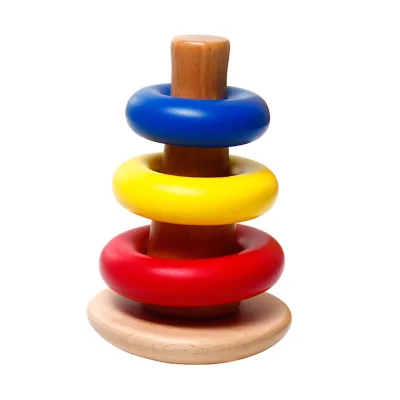
New Wooden House Beautiful Baby Toys Montessori Infant Toddler Toys Stacker
$15.1969 - $19.9982
MOQ: 1 sets
Yunhe County Luofu Toys Co., Ltd.
- Trading Company
- Zhejiang, China
- Lead time0 days
- Avg. response≤ 6h
Main productsWooden toys,Children's Toys,Educational Toys,Jigsaw puzzle,Building Blocks
Main marketsNorth America(50.00%)
Nanjing Cool March International Trade Co., Ltd.
- Trading Company
- Jiangsu, China
- Lead time25 days
- Avg. response≤ 3h
Main productsToys,Home&Garden,Crafts&Gifts,Sports and Entertainment,Personal care and home cleaning
Main marketsNorth America(38.00%), Western Europe(25.00%), Northern Europe(5.00%), Eastern Asia(5.00%), Southern Europe(5.00%), Oceania(5.00%), Southeast Asia(5.00%), Eastern Europe(5.00%), South Asia(3.00%), Central America(2.00%), South America(2.00%)
- Trading Company
- Zhejiang, China
- Lead time7 days
- Avg. response≤ 2h
Main productsWooden Toy,Educational Toys,Baby Toys,Wooden Puzzle,Wood Games
Main marketsNorth America(20.00%), Southern Europe(10.00%), Northern Europe(10.00%), Central America(10.00%), Western Europe(10.00%), Mid East(10.00%), Oceania(10.00%), Eastern Europe(10.00%), South America(10.00%)
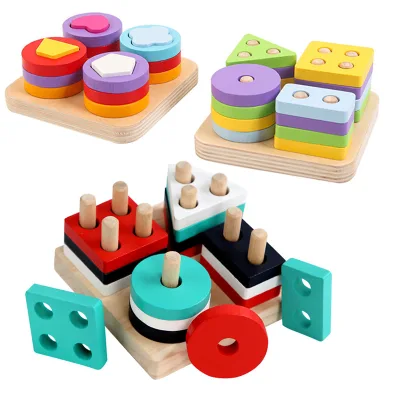
Shape Color Recognition Blocks Matching Puzzle Stacker Wooden Sorting Stacking Montessori Toys
$0.71 - $0.92
MOQ: 100 sets
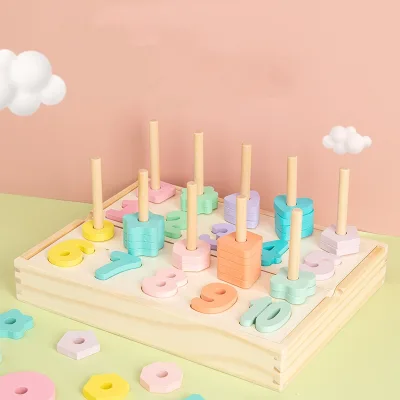
$3.0235 - $3.5781
MOQ: 40 sets
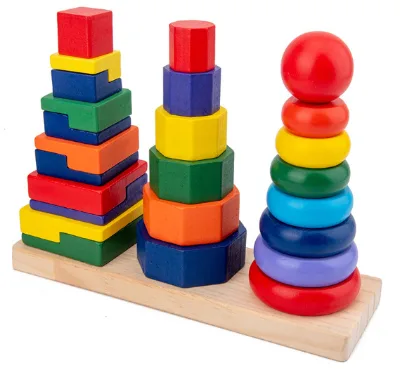
Safe Material Baby Learning Montesori Toy Infants Toddlers Educational Wooden rainbow Stacker
$2.9275 - $4.7024
MOQ: 20 Minimum
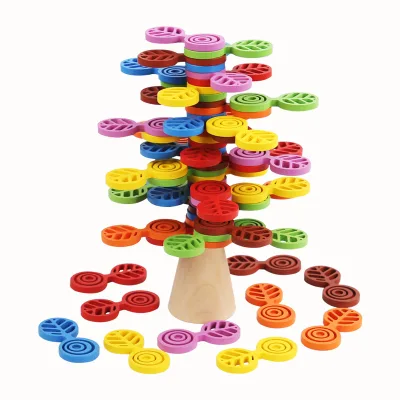
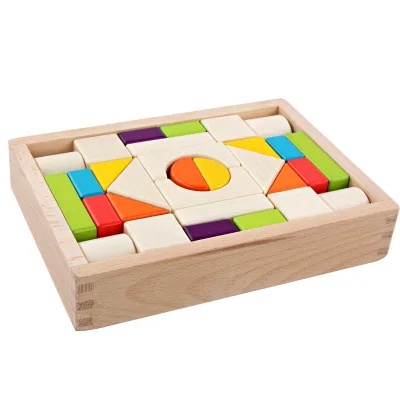
Natural Wood Kids Colorful Learning Geometry Stacker Wooden Building Stacking Block
$2.58 - $3.18
MOQ: 100 sets
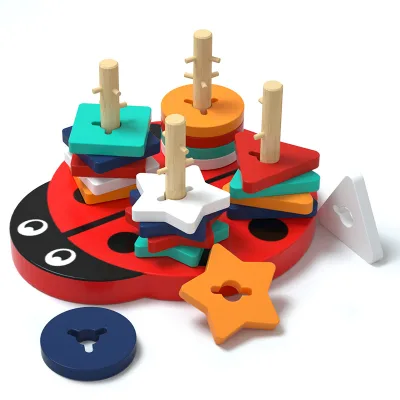
Baby Safe Wood Eco-friendly Support Customized Beetle Shape Wooden Stacker Game for Boys Girls
$1.90 - $2.20
MOQ: 100 sets

- Manufacturer, Trading Company
- Zhejiang, China
- Lead time40 days
- Avg. response≤ 18h
Main productsWooden puzzles,wooden toys,wooden games,metal puzzles,STEM toys
Main marketsNorth America(42.00%), Domestic Market(35.00%), Western Europe(21.00%), South America(2.00%)

H&H INDUSTRIAL HOLDING LIMITED
- Verified by TUVRHEINLAND
- Trading Company,Manufacturer/Factory
- China Zhejiang
- Lead time23 days
- Avg. response≤ 1h
Main productsWooden Toy, Stress Relief Toy
Main marketsSouth America,Eastern Europe,Mid East,North America,Southeast Asia,Eastern Asia,Oceania,Western Europe,Africa

- Trading Company
- Zhejiang, China
- Lead time35 days
- Avg. response≤ 3h
Main productssports,wooden games,rackets,balls,toys
Main marketsSouthern Europe(10.00%), Northern Europe(10.00%), Central America(10.00%), Western Europe(10.00%), Eastern Europe(10.00%), South America(10.00%), North America(10.00%), Domestic Market(5.00%), South Asia(5.00%), Eastern Asia(5.00%), Mid East(5.00%), Oceania(5.00%), Southeast Asia(5.00%)
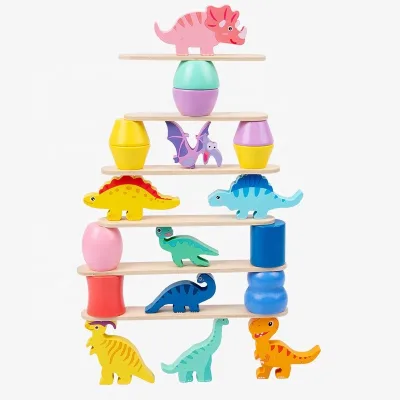
Preschool Baby Wooden Dinosaur Animals Balance Game Montessori Educational Stacking Toys
$2.0446 - $2.4134
MOQ: 20 pieces

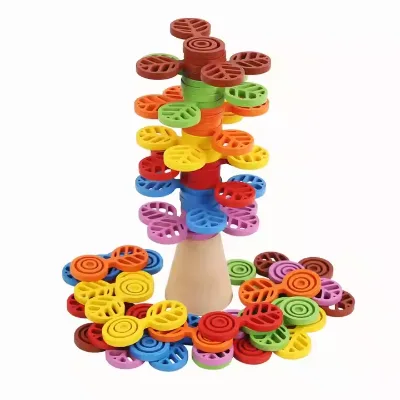
Montessori Wooden Stacking Tree Toy for Toddlers Fine Motor Skills and Focus Building Toy for Kids
$2.8961 - $3.9289
MOQ: 1000 pieces
Shenzhen Leleto Electronic Technology Co., Ltd.
- Manufacturer
- Guangdong, China
- Lead time0 days
- Avg. response≤ 1h
Main productsEducational Toys,Pretend Play Toys,Montessori Toys,Learning Machine,Baby Toys
Main marketsNorth America(15.00%), Eastern Asia(12.00%), Southeast Asia(12.00%), Western Europe(10.00%), Mid East(10.00%), Southern Europe(8.00%), Eastern Europe(8.00%), South America(8.00%), Africa(5.00%), Northern Europe(5.00%), South Asia(5.00%), Central America(2.00%)
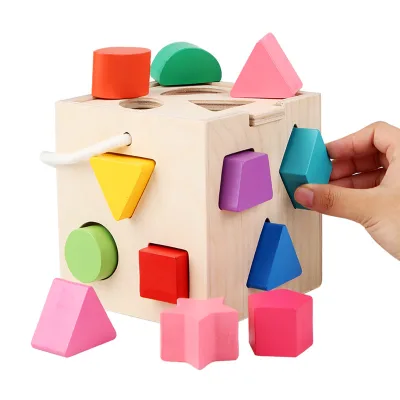
$2.5228 - $2.7492
MOQ: 2 pieces
Wenzhou Times Arts&Crafts Co., Ltd.
- Verified by SGS Group
- Trading Company
- Lead time20 days
- Avg. response≤ 3h
Main productsWooden Toys, Wooden Kids Furniture , Plastic Toys, Electric Toys
Main marketsNorth America(19%), Northern Europe(17%), Western Europe(15%)
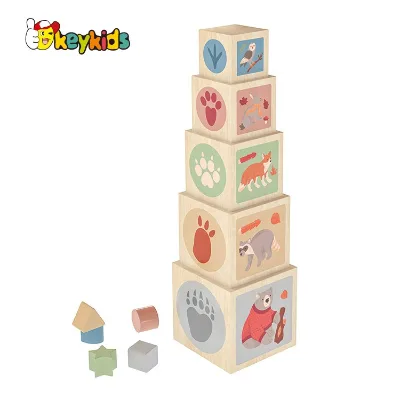
Kids Toddler Baby Gift Montessori Educational Wooden Toys Stacking and Nesting Cubes
$4.00 - $10.00
MOQ: 1000 Minimum
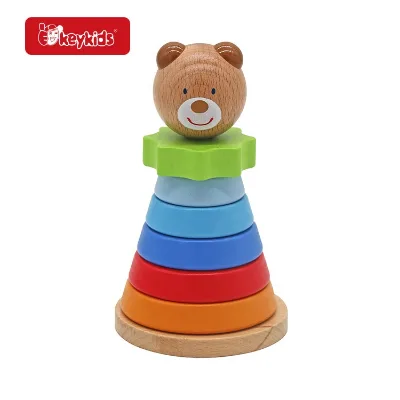
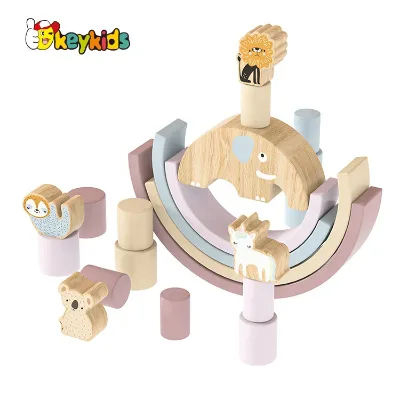
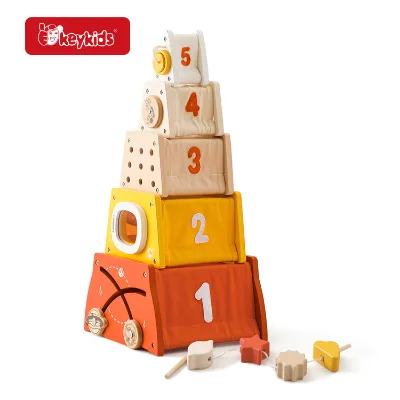
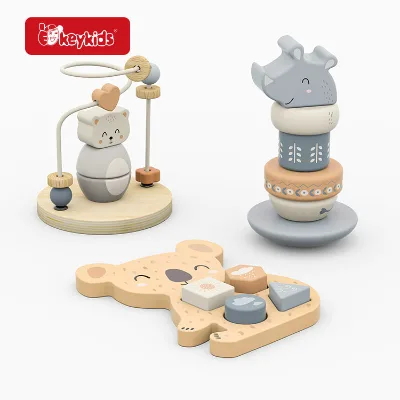
Multi-Sensory Stacker & Shape Sorting Toy Wooden Educational Toy for Toddlers W12F230
$5.6752 - $6.1249
MOQ: 1 sets
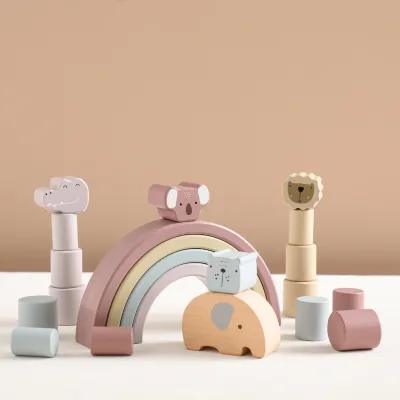

Ningbo Tonglu Children Products Co., Ltd.
- Manufacturer
- China Zhejiang
- Lead time30 days
- Avg. response≤ 8h
Main productsKids Tricycle, Kids Furniture, Kids Table, Kids Chair, Kids Balance Bike, Kids Scooter, Kids Bookshelf, Kids Storage Cabinet, Kids Educational Toys, Kids Sofe
Main marketsSouth America,Europe,North America

Montessori Educational Toy Wooden Shape Sorting Pull Along Truck Toy Shape Stacker
$7.80 - $9.20
MOQ: 10 pcs

Montessori Natural Wood Color Stacker Wooden Educational Toys Building Blocks Stacking Toy for Kids
$20.90 - $22.60
MOQ: 2 pcs

Chinese Manufacture Montessori Wooden Pull Truck Toy Star Moon Cloud Shape Sorting Stacker
$7.80 - $9.20
MOQ: 10 pcs


WENZHOU TIMES ARTS&CRAFTS CO., LTD.
- Verified by SGS
- Manufacturer/Factory
- China Zhejiang
- Lead time23 days
- Avg. response≤ 5h
Main productsToys, Montessori Toys, Wooden Toy, Educational Toy, Role Play Toys, Children Furniture, Puzzle, Kid Bike, Musical Toy, Wooden Blocks
Main marketsSouth America,Eastern Europe,Mid East,North America,Southeast Asia,Eastern Asia,Oceania,Western Europe,Africa

Kids Toddler Baby Gift Montessori Educational Wooden Toys Stacking and Nesting Cubes
$4.00 - $10.00
MOQ: 2000 Pieces


Montessori Educational Learning Baby Wooden Stacker for Wholesale W13D335
$1.00 - $5.00
MOQ: 1000 Pieces

High Quality Educational Wooden Montessori Stacking for Wholesale W12f090
$3.00 - $8.00
MOQ: 500 Pieces


- Manufacturer, Trading Company
- Zhejiang, China
- Lead time0 days
- Avg. response≤ 8h
Hangzhou Green Forest Toys & Gifts Co., Ltd.
- Verified by TüVRheinland
- Trading Company
- Lead time30 days
- Avg. response≤ 2h
Main productsWooden Toys, Wooden Kids Furniture, Wooden Pretend Toys, Paper Educational Toys, Wooden Game
Main marketsWestern Europe(40%), North America(30%), Oceania(15%)

Ningbo V. K. Industry and Trading Co., Ltd.
- Verified by BV
- Trading Company
- China Zhejiang
- Lead time30 days
- Avg. response≤ 6h
Main productsIce Bath Tub, Cosmetic Glass Bottle, Hydroponics Grow Box, Baby Bottle, Inflatable Tent, Cream Jar, Reed Diffuser Bottle, Jewish Products, Mezuzah Case
Main marketsSouth America,Europe,Australia,North America
Hape International (ningbo) Ltd.
- Verified by TüVRheinland
- Manufacturer, Trading Company
- Lead time45 days
- Avg. response≤ 20h
Main productsWooden Toys, Educational Toys, Montessoris, Plush Toys, Plastic Toys
Main marketsNorthern Europe(32%), Domestic Market(22%), North America(11%)
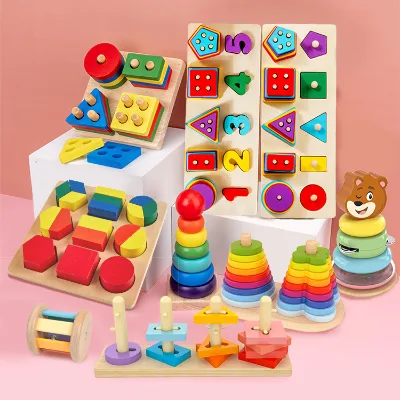
$2.4823 - $10.1317
MOQ: 100 Minimum
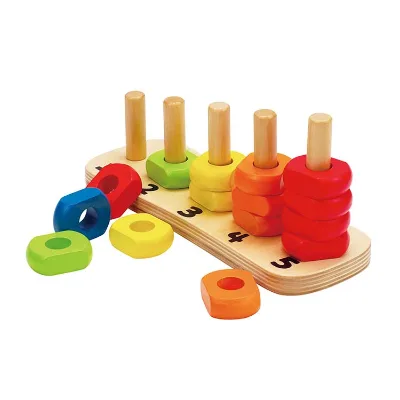
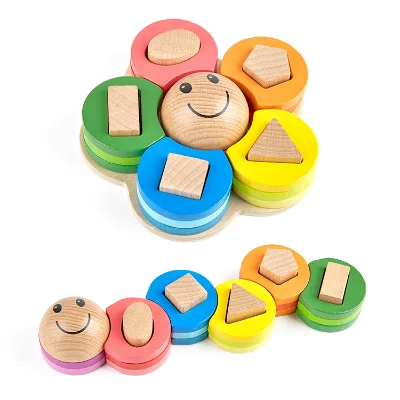
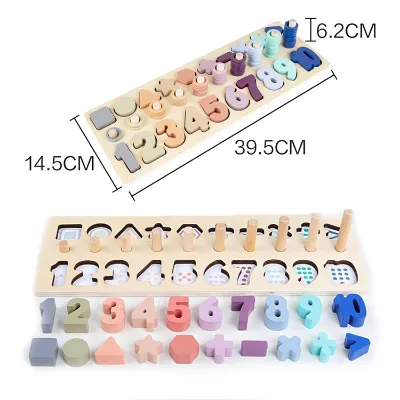
Joray International Trading Co., Ltd.
- Verified by SGS Group
- Manufacturer, Trading Company
- Lead time0 days
- Avg. response≤ 4h
Main productsEducational Wooden Toys, Montessori Toy, Wooden Puzzles, Role Play Toys, Plastic Toys
Main marketsSouth America(30%), North America(20%), Southeast Asia(20%)
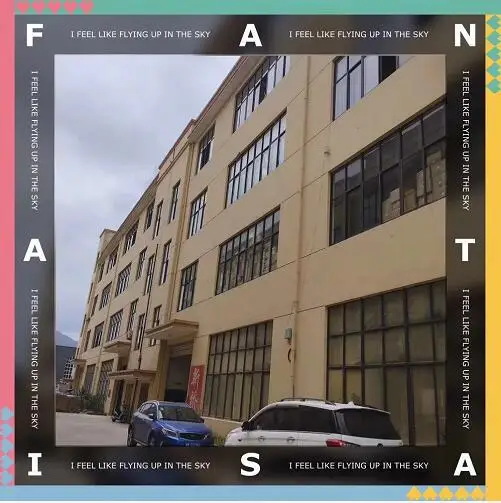
- Manufacturer
- Zhejiang, China
- Lead time60 days
- Avg. response≤ 3h
Main productsMontessori Materials,Kindergarten Furniture,Wooden Toys,Educational Toys,Toys
Main marketsDomestic Market(40.00%), Southern Europe(5.00%), Northern Europe(5.00%), Central America(5.00%), Western Europe(5.00%), Eastern Asia(5.00%), South Asia(5.00%), Oceania(5.00%), North America(5.00%), Southeast Asia(5.00%), Eastern Europe(5.00%), South America(5.00%), Mid East(3.00%), Africa(2.00%)
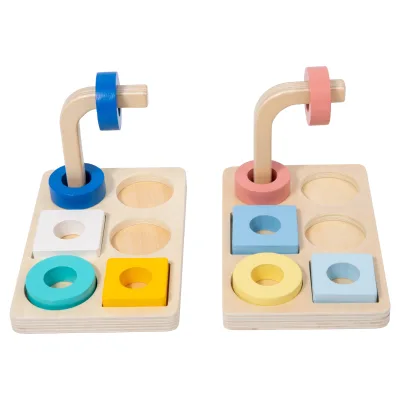
Montessori Wooden Stacking Toy - Curved Pegs Ring Stackers for Infant Fine Motor Skills
$4.6094 - $5.248
MOQ: 50 units




Comprehensive Sourcing Guide
Montessori Inspired Wooden Geometric Stacker Supplier Concentration and Factory Types
The current supplier landscape for Montessori inspired wooden geometric stackers reveals a distinct concentration of manufacturing activity within China, specifically in the Zhejiang province. This regional clustering is significant because it indicates a mature supply chain ecosystem dedicated to wooden toy production. Buyers observing these results will notice that the primary operational hubs are located in Zhejiang, China, which serves as a central node for sourcing these specific educational items. The presence of suppliers in this geographic area suggests that raw material access, specialized woodworking labor, and established export logistics are optimized for this product category. When evaluating potential partners, it is crucial to recognize that this concentration does not guarantee uniform quality or pricing across all entities in the region. Instead, it provides a baseline for understanding where the industry infrastructure is most developed. Buyers should use this geographic data to prioritize suppliers who can demonstrate efficient logistics from this specific province, as local familiarity with export procedures can reduce shipping delays. However, the location alone is not a sufficient metric for selection; it must be weighed against other operational factors such as production capacity and compliance standards. The fact that Zhejiang is the documented origin for these suppliers allows buyers to focus their due diligence on companies with a verifiable physical presence in this known manufacturing cluster. This geographic specificity helps in assessing the authenticity of the supplier’s claims regarding their production capabilities. If a supplier claims to be a factory but is located outside of known manufacturing hubs for wooden toys, it may warrant further investigation into their actual operational model. The concentration in Zhejiang also implies a competitive market where suppliers must differentiate themselves through product design, certification, and service levels rather than just geographic advantage. Understanding this regional dynamic helps buyers set realistic expectations for communication times, sample shipping durations, and the general availability of inventory. It also highlights the importance of verifying the specific factory address within Zhejiang to ensure it aligns with the broader industrial context of wooden toy manufacturing. This geographic insight serves as a foundational layer for supplier assessment, providing context for other operational metrics like lead times and response speeds.
Beyond location, the types of entities supplying these products vary significantly, ranging from direct manufacturers to trading companies. The data indicates that some suppliers operate as manufacturers or factories, while others function as trading companies. This distinction is critical for buyers who need to understand the value chain they are engaging with. Manufacturer-suppliers typically offer direct access to production lines, which can facilitate better customization options and potentially lower costs for large orders. In contrast, trading companies may offer a broader range of products or more flexible order quantities, but they might add a margin to the final price. The presence of both types in the search results means buyers must carefully evaluate the business model of each potential partner. For instance, a supplier identified as a manufacturer might have specific capabilities in OEM and ODM services, allowing for custom branding and design modifications. On the other hand, a trading company might focus on aggregating products from multiple factories to offer a one-stop-shop solution. Buyers should verify the company type through official business registrations or on-site audits if possible. The main products listed for these suppliers often include wooden toys, educational toys, and arts and crafts, which suggests a specialization in this niche. This specialization can be a positive indicator of expertise, as these suppliers likely have dedicated machinery and skilled labor for wooden toy production. However, buyers should also consider whether the supplier’s primary focus aligns with their specific needs. A supplier whose main products are wooden toys may have more robust quality control processes for these items compared to a general trading company that handles a wide variety of goods. Understanding the supplier type helps in predicting their responsiveness to custom requests and their ability to handle complex production runs. It also influences the negotiation dynamics, as manufacturers may be more flexible on price for large volumes, while trading companies might offer better service flexibility. Buyers should use this information to tailor their communication and expectations based on the supplier’s operational structure.
How to Verify Montessori Inspired Wooden Geometric Stacker Suppliers
Verifying the credibility of suppliers for Montessori inspired wooden geometric stackers requires a multi-layered approach that goes beyond simple profile reviews. One of the most critical steps is to check for third-party verification badges, such as those provided by TÜV Rheinland. These badges indicate that an independent agency has assessed the supplier’s business legitimacy and operational capabilities. Buyers should prioritize suppliers who display such verification marks, as they provide an additional layer of trust and reduce the risk of engaging with fraudulent entities. However, verification badges are not a guarantee of product quality; they primarily confirm the existence and legal standing of the business. To further validate a supplier, buyers should request and review their system certifications, such as BSCI, which assesses social compliance and ethical labor practices. This is particularly important for wooden toy manufacturers, as ethical sourcing and safe working conditions are key components of responsible manufacturing. Additionally, product-specific certifications are essential for ensuring that the toys meet international safety standards. Buyers should look for evidence of ASTM, CE, and EN71 certifications, which are commonly required for toys sold in various global markets. These certifications indicate that the products have undergone rigorous testing for physical, mechanical, and chemical safety. It is crucial to verify the validity of these certificates by checking their expiration dates and the issuing bodies. Buyers should also inquire about the testing laboratories used and request copies of the test reports. This due diligence helps ensure that the toys are safe for children and compliant with regulatory requirements in the destination market. Furthermore, buyers should assess the supplier’s response time, as a quick and professional response often indicates a well-organized and customer-focused operation. A response time of less than two days, for example, suggests that the supplier has dedicated staff to handle inquiries efficiently. This responsiveness can be a strong indicator of their ability to manage orders and resolve issues promptly. Buyers should also evaluate the clarity and detail of the supplier’s product descriptions and specifications. A supplier that provides comprehensive information about materials, dimensions, and packaging is likely to be more transparent and reliable. Additionally, buyers should check for any negative feedback or complaints from previous customers, which can provide insights into potential issues with quality or service. By combining these verification steps, buyers can build a comprehensive profile of each supplier and make informed decisions based on solid evidence.
In addition to certifications and verification badges, buyers should conduct a thorough review of the supplier’s product portfolio and production capabilities. This involves examining the range of products they offer and assessing whether they align with the buyer’s specific needs. For Montessori inspired wooden geometric stackers, buyers should look for suppliers who specialize in educational toys and have a strong focus on wooden materials. The presence of specific product attributes, such as eco-friendly materials and customizable options, can indicate a supplier’s flexibility and commitment to quality. Buyers should also inquire about the supplier’s production capacity and lead times to ensure they can meet the buyer’s demand. A supplier with a stated lead time of 90 days, for instance, may not be suitable for buyers with urgent delivery requirements. It is also important to verify the supplier’s ability to handle custom orders, including logo printing and packaging customization. Buyers should request samples to evaluate the actual quality of the products before placing large orders. Samples provide a tangible way to assess the craftsmanship, material quality, and safety of the toys. Buyers should also check the supplier’s packaging methods to ensure that the products are protected during transit. Proper packaging is essential to prevent damage and maintain the integrity of the wooden toys. Additionally, buyers should inquire about the supplier’s quality control processes and whether they conduct regular inspections during production. A supplier with a robust quality control system is more likely to deliver consistent and high-quality products. Buyers should also consider the supplier’s experience in the industry, as established suppliers are often more reliable and have a proven track record. However, buyers should be cautious of suppliers who claim to have extensive experience without providing verifiable evidence. By conducting a comprehensive verification process, buyers can mitigate risks and select suppliers who are capable of meeting their specific requirements. This approach ensures that the buyer engages with reputable and competent partners who can deliver safe and high-quality Montessori inspired wooden geometric stackers.
What to Compare Across Montessori Inspired Wooden Geometric Stacker Suppliers
When comparing suppliers for Montessori inspired wooden geometric stackers, buyers must evaluate a range of operational and commercial metrics to identify the best fit for their business needs. One of the primary factors to consider is the minimum order quantity (MOQ), which can vary significantly between suppliers. For instance, some suppliers may have an MOQ of 500 units, while others might offer lower quantities for trial orders. Buyers should assess whether the MOQ aligns with their inventory requirements and financial capacity. A lower MOQ can be beneficial for new buyers who want to test the market with a smaller initial investment. However, buyers should also consider the unit price, as lower MOQs often come with higher per-unit costs. The price range for these products can vary, with some suppliers offering prices between $2.20 and $5.94 per unit. Buyers should compare these prices against their target margins and budget constraints. It is important to note that price should not be the sole determinant; buyers must also consider the quality and safety standards of the products. Another critical metric is the lead time, which indicates how long it takes for the supplier to produce and ship the order. Lead times can range from 50 to 90 days, depending on the supplier’s production capacity and current order backlog. Buyers with tight delivery schedules should prioritize suppliers with shorter lead times or those who offer expedited production options. Additionally, buyers should evaluate the supplier’s response time, as a quick response can facilitate smoother communication and faster issue resolution. A response time of 1.61 days, for example, suggests a high level of responsiveness. Buyers should also compare the customization options offered by each supplier, including logo printing, packaging design, and product modifications. Suppliers that support customization can help buyers differentiate their products in the market. Furthermore, buyers should assess the supplier’s main products and specialization to ensure they have the necessary expertise in wooden toy manufacturing. A supplier whose main products are wooden toys is likely to have more specialized knowledge and equipment than a general trading company. Buyers should also consider the supplier’s location and its impact on logistics costs and delivery times. Suppliers located in Zhejiang, China, may have advantages in terms of local supply chain efficiency. By systematically comparing these metrics, buyers can make data-driven decisions and select suppliers that offer the best balance of cost, quality, and service. This comparative analysis helps buyers identify suppliers who are not only competitive in price but also reliable in their operational capabilities.
Beyond the basic metrics, buyers should also delve into the specific product attributes and certifications to ensure they meet their quality and safety standards. For Montessori inspired wooden geometric stackers, buyers should look for suppliers who use high-quality materials such as basswood plywood, beech, or juniper wood. These materials are known for their durability and safety, making them ideal for children’s toys. Buyers should verify the material specifications provided by the supplier and request samples to assess the texture and finish. Additionally, buyers should check for eco-friendly certifications and attributes, as many consumers prefer sustainable and non-toxic products. Suppliers that highlight eco-friendly features, such as water-based paints and sustainable wood sourcing, can appeal to environmentally conscious buyers. Buyers should also compare the packaging options offered by each supplier, including paper cartons, palletization, and custom branding. Proper packaging is essential for protecting the products during shipping and enhancing the unboxing experience for end consumers. Furthermore, buyers should evaluate the supplier’s ability to provide comprehensive product documentation, including user manuals, safety warnings, and care instructions. This documentation is crucial for compliance with regulatory requirements and for providing a positive customer experience. Buyers should also consider the supplier’s after-sales support and warranty policies, as these
FAQs
What certifications do these wooden toys have?
Products listed include ASTM, CE, EN71, and BSCI certifications. Some items specifically mention ASTM F963-96a and EN71 standards for safety. Verify specific product details to ensure compliance with your target market regulations before placing orders.
What is the typical lead time for orders?
Lead times vary between 50 and 90 days depending on the supplier and order volume. Some manufacturers offer a 45 to 50 day delivery window for specific models. Confirm the exact timeline with your chosen supplier to align with your project schedule.
What is the minimum order quantity required?
The minimum order quantity is typically set at 500 units for these wooden toys. Some suppliers may have different thresholds based on customization needs. Always check the specific product page to confirm the exact MOQ before initiating a purchase request.
Are customization and logo printing available?
Yes, customization is supported for most products including logo printing and packaging options. Many items allow for custom branding and specific design adjustments. Contact the supplier directly to discuss your specific customization requirements and any associated costs.
Where are these manufacturers located?
Manufacturers are primarily located in Zhejiang, China. This region is known for producing high-quality wooden educational toys. Verify the specific factory location with the supplier to ensure it meets your logistical and sourcing preferences.
What materials are used for these toys?
Materials include basswood plywood, beech wood, juniper wood, and MDF. All listed products are eco-friendly and suitable for children. Check the specific product attributes to confirm the exact material composition for your safety and quality standards.
What is the price range for these items?
Prices range from approximately 2.20 to 6.97 per unit depending on the model and specifications. The cost varies based on material, size, and customization options. Request a detailed quote from the supplier for the exact pricing of your selected items.