Network Cable Tray Suppliers and Manufacturers in China
Compare 20 verified Network Cable Tray suppliers by location, lead time, certifications, and response time. Review product specs like material and thickness, then request quotes to find the right fit for your project; review the available evidence before requesting comparable quotations from suitable candidates.
Updated
Suppliers List

Hebei Saitong Metal Products Co., Ltd
- Verified by TUVRHEINLAND
- Combined
- China Hebei
- Lead time15 days
- Avg. response≤ 1h
Main marketsDomestic
Weifang Guqiang Cable Tray Co., Ltd.
- Verified by SGS Group
- Manufacturer, Trading Company
- Lead time20 days
- Avg. response≤ 1h
Main productsPress-Molded Cable Tray, Solid Bottom Cable Trunking, Cable Tray Perforated, Cable Ladder Tray, Wire Mesh Cable Tray
Main marketsDomestic Market(80%), Southeast Asia(6%), Africa(2%)

Jiangsu Shuangma Cable Technology Co., Ltd
- Verified by BV
- Combined
- China Jiangsu
- Lead time30 days
- Avg. response≤ 2h
Main productsCable
Main marketsDomestic
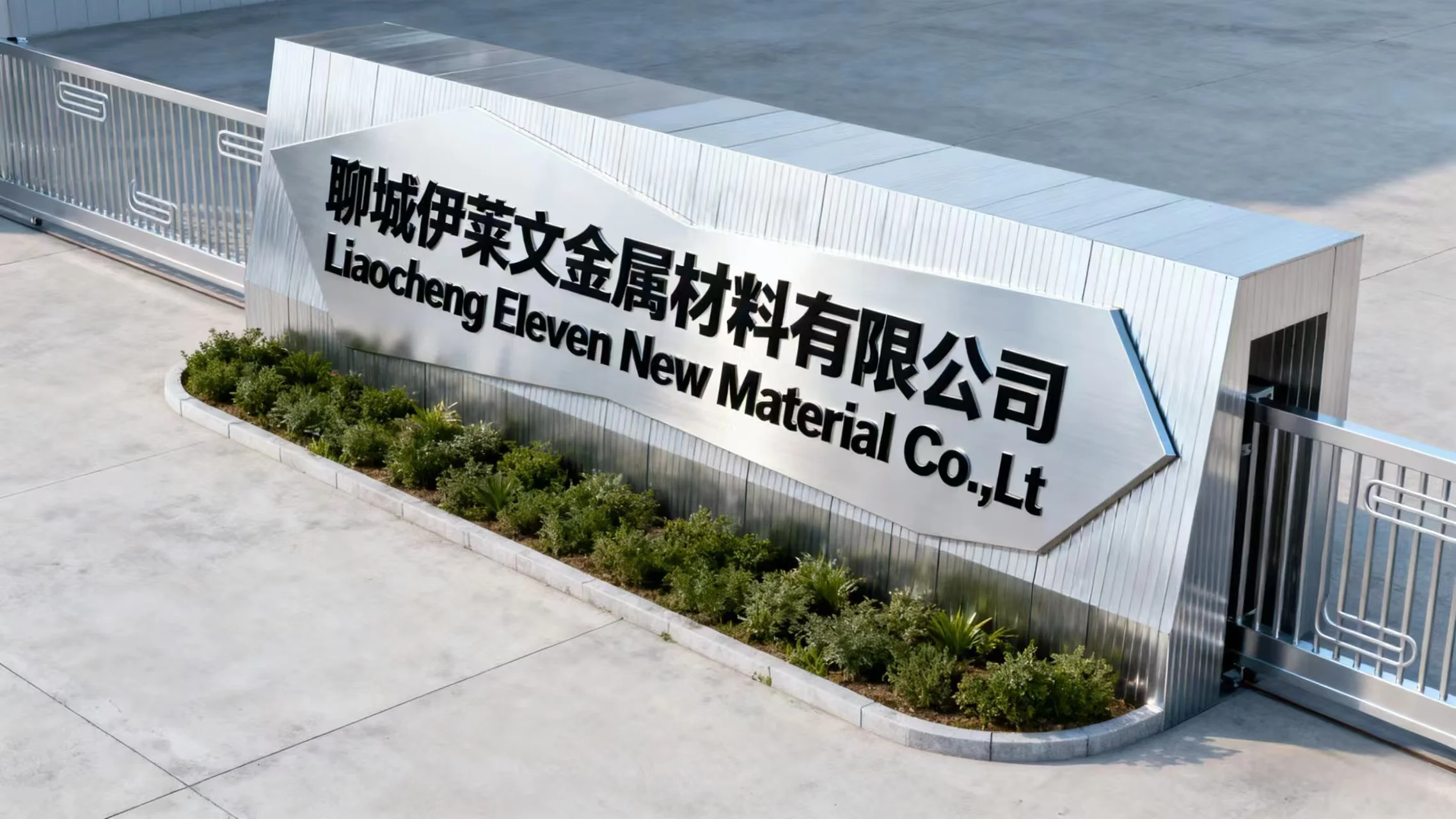
Liaocheng Eleven New Material Co., Ltd.
- Trading Company
- Shandong, China
- Lead time10 days
- Avg. response≤ 1h
Main productscopper products,brass products,aluminum products,Grounding materials,Brass accessories
Main marketsSouth Asia(10.00%), Central America(10.00%), Southeast Asia(10.00%), Eastern Asia(10.00%), Mid East(10.00%), North America(10.00%), Domestic Market(5.00%), Oceania(5.00%), Southern Europe(5.00%), Northern Europe(5.00%), Africa(5.00%), Western Europe(5.00%), Eastern Europe(5.00%), South America(5.00%)
- Verified by CTI
- Trading Company
- China Shanghai
- Lead time15 days
- Avg. response≤ 5h
Main productsModular Data Center, Container Data Center, Server Rack, Precision Cooling, Monitoring System, Cable Tray System, Hot Aisle Containment, Cold Aisle Containment
Main marketsSouth America,Africa,Southeast Asia/ Mideast,Europe

Qingdao Powtech Electronics Co., Ltd.
- Verified by TUVRHEINLAND
- Manufacturer/Factory
- China Shandong
- Lead time23 days
- Avg. response≤ 5h
Main productsInsulator, Insulation Piercing Connector, Surge Arrestor, ABC Clamp, Cutout Fuse, Line Hardware, Fiber Optic Cable, Patch Cord, Preformed Guy Grip, PLC Splitter
Main marketsSouth America,Eastern Europe,Mid East,North America,Southeast Asia,Eastern Asia,Oceania,Africa

- Manufacturer, Trading Company
- Henan, China
- Lead time7 days
- Avg. response≤ 1h
Main productsMetal cable tray,Plastic cable tray,Wire mesh cable tray/ABS fiber cable tray/Trough cable tray/Ladder cable tray/Tray cable tray/U Steel cable rack/Cable trunking/ Machine room cabinet,PVC Cable Tray,Cable rack
Main marketsSoutheast Asia(30.00%), Africa(15.00%), Eastern Asia(12.00%), Domestic Market(10.00%), Oceania(9.00%), North America(7.00%), Mid East(5.00%), South America(5.00%), Eastern Europe(5.00%), South Asia(2.00%)
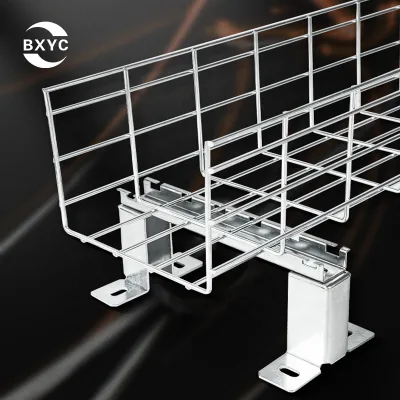
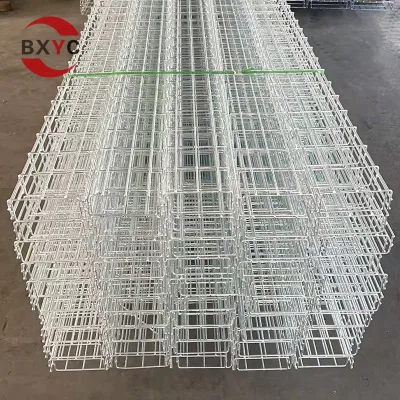
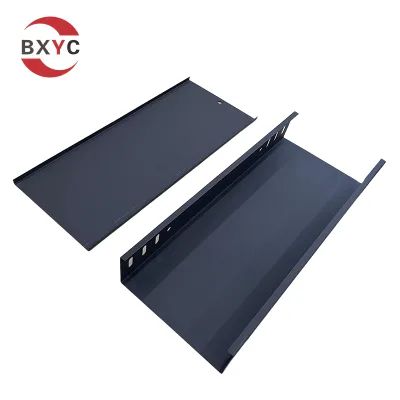
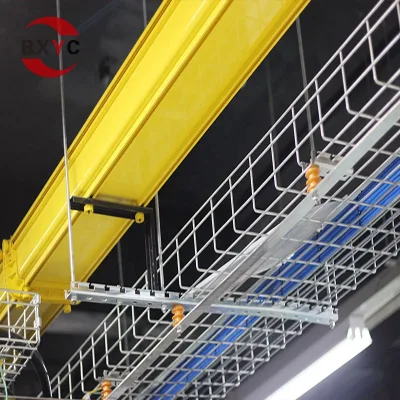
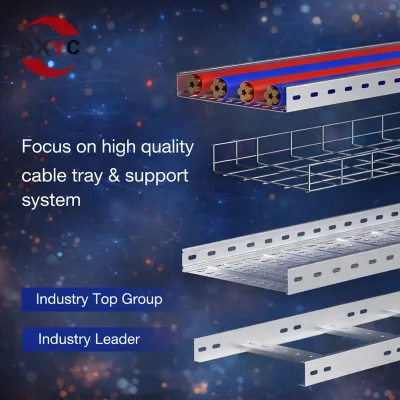
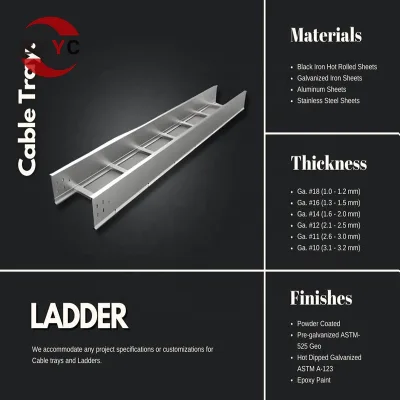
Galvanized Cable Tray Stainless Steel Wire Channel Enclosed Cable Tray 50mm 100mm 200mm Width
$1.0178 - $2.0566
MOQ: 1 meters

Jiangsu Tengxiang Electric Co., Ltd.
- Verified by SGS
- Combined
- China Jiangsu
- Lead time15 days
- Avg. response≤ 4h
Main productsWire Mesh Cable Tray, Perforated Cable Tray, Cable Ladder, Cable Trunking, Hot-DIP Galvanized Cable Tray, Stainless Steel Cable Tray, Powder Coated Cable Tray, Solid Bottom Cable Tray
Main marketsDomestic

Easy Installation Wire Mesh Cable Tray for Hotel Weak Current Network Cable Routing
$2.00 - $8.00
MOQ: 50 Meters


Zhenjiang Besca Electric Manufacturing Co., Ltd.
- Manufacturer, Trading Company
- Jiangsu, China
- Lead time15 days
- Avg. response≤ 11h
Main productscable tray,perforated cable tray,strut channel,cable trunking,wire mesh cable tray
Main marketsSouth America(15.00%), Central America(12.00%), North America(12.00%), Oceania(12.00%), Africa(10.00%), Western Europe(9.00%), Mid East(8.00%), Southeast Asia(5.00%), Eastern Europe(5.00%), Southern Europe(5.00%), South Asia(3.00%), Northern Europe(2.00%), Domestic Market(2.00%)
Qingdao Hulk Metal Technology Co., Ltd.
- Verified by TüVRheinland
- Trading Company
- Lead time30 days
- Avg. response≤ 5h
Main productsPrecast Concrete Accessories, Structural Pipe Fittings, Sheet Metal Fabrication Parts, OEM Parts, CNC Machining Parts
Main marketsNorth America(35%), Eastern Europe(10%), Southeast Asia(10%)
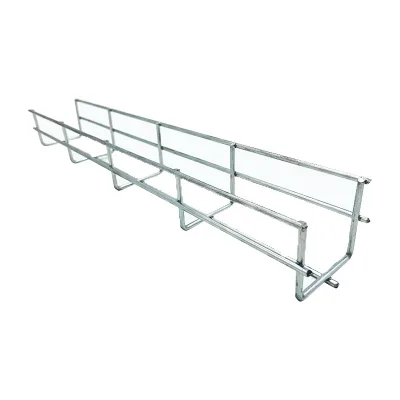
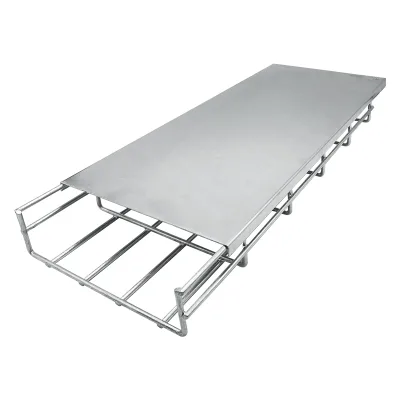
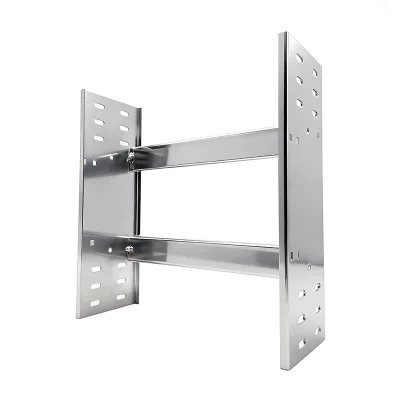
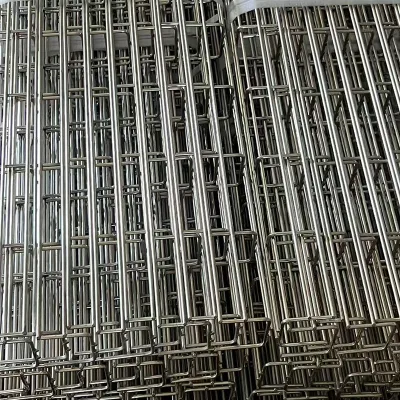
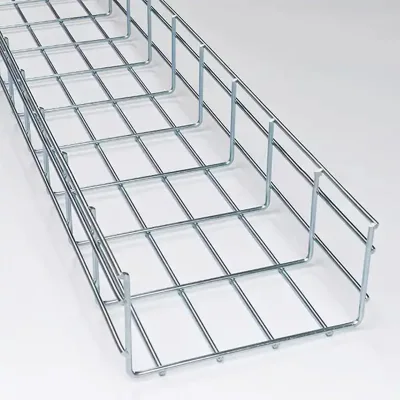
Galvanized Steel Wire Mesh Basket Cable Tray for Industrial Use with Cable Laying
$1.20 - $3.20
MOQ: 100
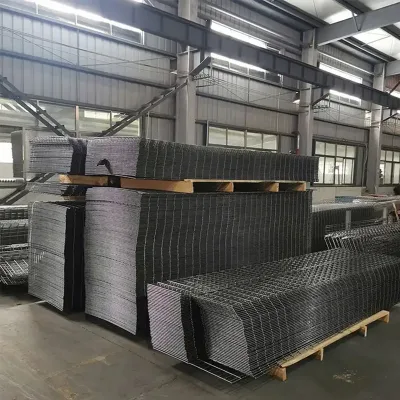

Liaocheng Tongzhou Machinery Co., Ltd.
- Verified by SGS
- Trading Company
- China Shandong
- Lead time15 days
- Avg. response≤ 5h
Main productsCable Tray, Galvanized Cable Tray, Sprayed Plastic Cable Tray, Fireproof Cable Tray, Aluminum Alloy Cable Tray, Stainless Steel Cable Tray, Perforated Cable Tray, Ladder Cable Tray, Cable Bridge, Channel Cable Tray
Main marketsOthers(foreignTradeCapacity.exportBusinessCapacityMarketOther),Southeast Asia/ Mideast,Domestic,Europe
Jiangsu Youming Group Co., Ltd.
- Verified by SGS Group
- Manufacturer, Trading Company
- Lead time45 days
- Avg. response≤ 3h
Main productsCable Trays, Fiber Cable Trays, Solar Brackets
Main marketsDomestic Market(100%)
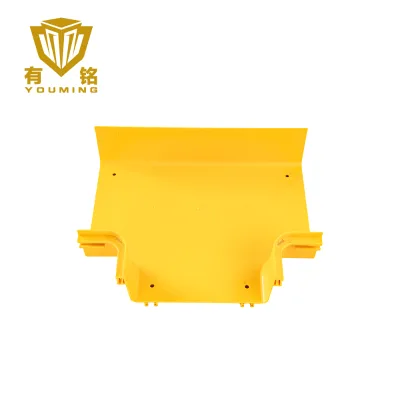
New Product Efficient Reducing Tee Network Cabinet Cable Tray PVC Fiber Optic Raceway
$10.2966 - $38.0926
MOQ: 10 meters
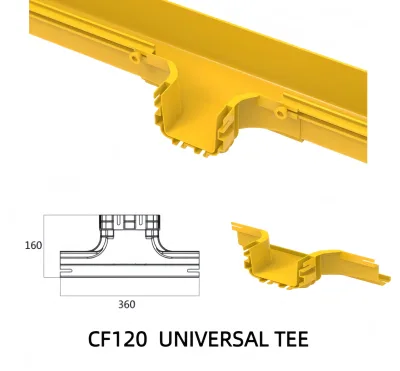

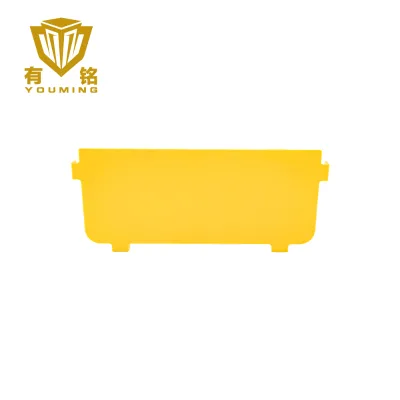
Wholesale Anti-corrosion Network Cabinet PVC/ABS Fiber Cable Way For Cable Management
$10.00 - $37.00
MOQ: 10 meters
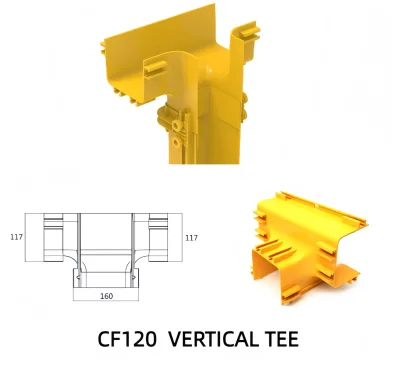
120mm to 120mm Vertical Tee of Fiber Cable Tray
$0.60 - $1.02
Shanghai Besca Industrial Co., Ltd.
- Verified by Intertek
- Manufacturer, Trading Company
- Lead time15 days
- Avg. response≤ 2h
Main productsCable Tray, Wire Mesh Cable Tray, Strut Channel, Cable Ladder, Perforated Cable Tray
Main marketsSouth America(41%), Domestic Market(21%), Oceania(7%)
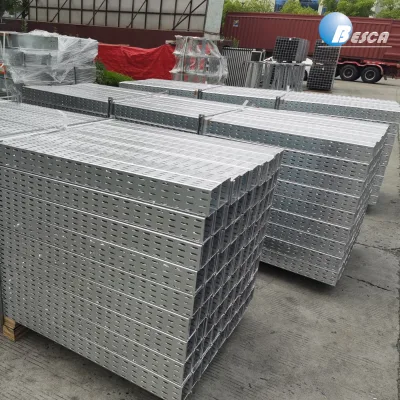
Perforated Cable Tray Crab Wire and Fiber Splice Tray for Reliable Network Installations
$2.00 - $6.00
MOQ: 500 meters
$10.00 - $15.00
MOQ: 500 meters
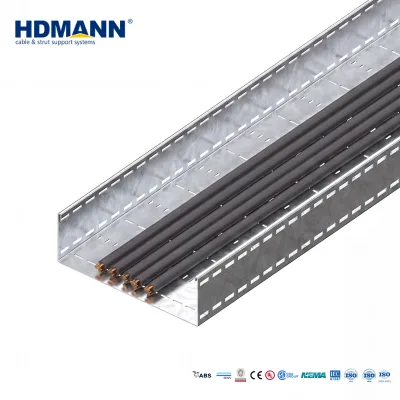
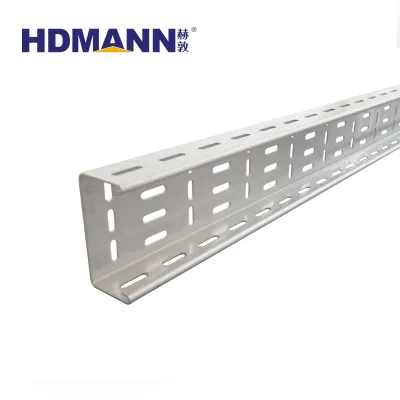
Shanghai Hdmann Industry Co., Ltd.
- Verified by SGS Group
- Manufacturer, Trading Company
- Lead time15 days
- Avg. response≤ 7h
Main productsCable Tray , Wire Mesh Cable Tray, Cable Ladder Tray, Strut Channel, Cable Ladder
Main marketsNorth America(30%), Southeast Asia(15%), South America(10%)
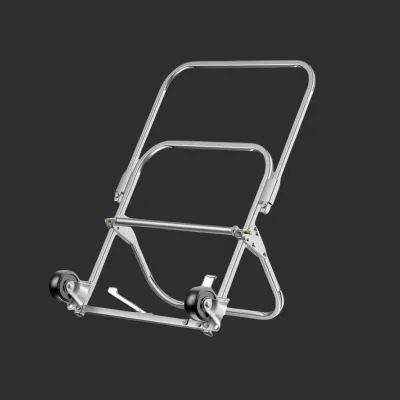
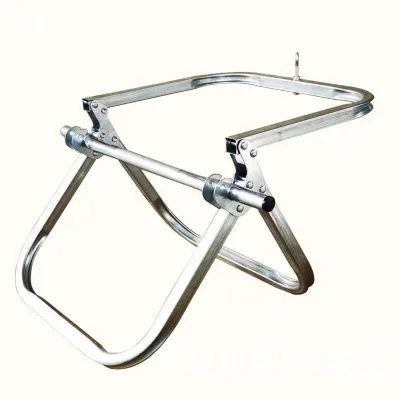
Cangzhou Jiujiu Communication Equipment Co., Ltd.
- Manufacturer, Trading Company
- Hebei, China
- Lead time7 days
- Avg. response≤ 2h
Main productsFiberglass duct rodder,Cable Reel Stand,Line equipment,bird scarer,Insulated ladder
Main marketsSouthern Europe(10.00%), Western Europe(10.00%), Southeast Asia(10.00%), Eastern Europe(10.00%), Mid East(10.00%), North America(10.00%), Domestic Market(5.00%), South Asia(5.00%), Oceania(5.00%), Northern Europe(5.00%), Central America(5.00%), Africa(5.00%), Eastern Asia(5.00%), South America(5.00%)
Shanghai Besca Industrial Co., Ltd.
- Manufacturer, Trading Company
- Lead time旺季: , 淡季:
- Avg. response≤ 1h
Main productsCable Tray,Wire Mesh Cable Tray,Strut Channel,Cable Ladder,Cable Trunking

Ningbo HY Communication Equipment Co., Ltd.
- Verified by BV
- Trading Company
- China Zhejiang
- Lead time30 days
- Avg. response≤ 3h
Main productsTelecom Tower, Transmission Line Tower, Angular Tower, Tubular Tower, RDS Tower, Monopole, Rooftop Tower, Camouflaged Tower, Guyed Mast/Tower
Main marketsSouth America,Africa,Southeast Asia/ Mideast,East Asia(Japan/ South Korea),Europe,Australia,North America
Ningbo Lepin Network Equipment Co., Ltd.
- Verified by TüVRheinland
- Manufacturer, Trading Company
- Lead time3 days
- Avg. response≤ 6h
Main productsFiber Runner, Cable Tray And Wire Mesh Cable Tray, Cabinet, Cold And Hot Containmen, Modular Container Data Center
Main marketsDomestic Market(50%), North America(12%), Southeast Asia(8%)
Shanghai Hdmann Industry Co., Ltd.
- Manufacturer, Trading Company
- Lead time旺季: "1 - 10":10,"> 10":"To be negotiated", 淡季: "1 - 10":10,"> 10":"To be negotiated"
Main productsCable Tray , Wire Mesh Cable Tray, Cable Ladder Tray, Strut Channel, Cable Ladder

- Verified by BV
- Combined
- China Jiangsu
- Lead time23 days
- Avg. response≤ 2h
Main productsAluminum Alloy Cable Tray, Cable Tray&Accessories, Stainless Steel Cable Tray, Galvanized Cable Tray, Glass Steel Cable Tray, Polymer Cable Tray
Main marketsDomestic




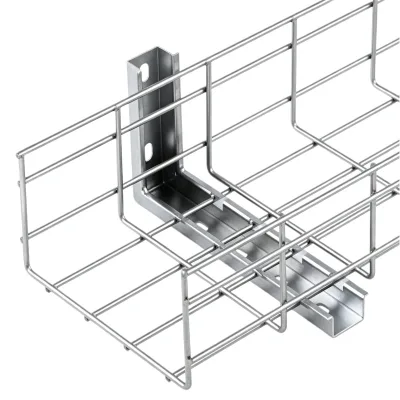
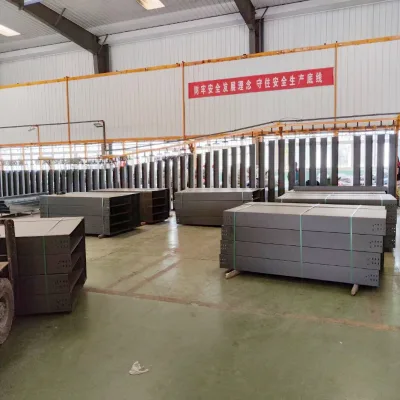


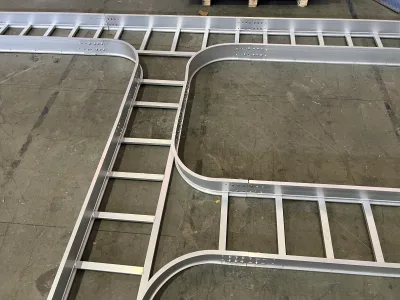
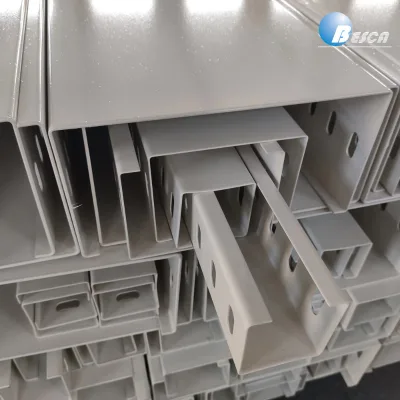







Comprehensive Sourcing Guide
Network Cable Tray Supplier Concentration and Factory Types
The current supplier landscape for network cable trays reveals a diverse mix of manufacturing capabilities and business models, primarily concentrated in specific industrial hubs within China. Evidence indicates that suppliers are located in regions such as Hebei and Shandong, which are known for their robust metalworking and electrical component industries. These locations serve as key production centers where factories can leverage local supply chains for raw materials like steel, aluminum, and GRP (Glass Reinforced Plastic). The presence of suppliers in these areas suggests a mature ecosystem for producing heavy-duty and specialized cable management solutions. Buyers should recognize that geographic concentration often correlates with established logistics networks and specialized labor pools, which can influence both production efficiency and shipping costs. Understanding these regional strengths helps in assessing the reliability of supply chains and the potential for bulk ordering advantages.
Supplier types vary significantly, ranging from pure manufacturers to combined entities that operate as both factories and trading companies. Some suppliers are verified by third-party inspection groups such as TÜV Rheinland and SGS Group, providing an additional layer of trust regarding their operational legitimacy. The company types observed include manufacturers who focus on production, trading companies that may source from multiple factories, and combined entities that offer both direct manufacturing and trading services. This diversity allows buyers to choose partners based on their specific needs, whether they require direct factory pricing, customized OEM services, or the flexibility of a trading company that can aggregate products from different sources. The verification status of these suppliers, such as being verified by recognized inspection agencies, serves as a critical indicator of their operational transparency and adherence to international business standards.
How to Verify Network Cable Tray Suppliers
Verifying the authenticity and capability of Network Cable Tray suppliers requires a multi-layered approach that goes beyond simple profile reviews. Buyers should prioritize suppliers who hold valid system certifications, such as ISO 9001, ISO 14001, and ISO 45001, which demonstrate a commitment to quality management, environmental responsibility, and occupational health and safety. Additionally, product-specific certifications like CE, RoHS, CCC, and TUV are crucial for ensuring that the cable trays meet international safety and performance standards, particularly for data center and industrial applications. The presence of these certifications on product listings and supplier profiles is a strong indicator of compliance, but buyers should always request copies of the actual certificates to verify their validity and expiration dates. Cross-referencing these documents with the issuing bodies can prevent fraud and ensure that the supplier’s claims are substantiated by independent audits.
Beyond certifications, buyers should assess the supplier’s verification status and response capabilities to gauge their professionalism and reliability. Suppliers verified by reputable third-party inspection groups like SGS Group or TÜV Rheinland have undergone rigorous on-site checks, which can provide confidence in their manufacturing facilities and business practices. Response time is another critical metric; suppliers with faster response times, such as those indicating a response time of 0.01 or 1 hour, are often more engaged and capable of handling urgent inquiries or custom orders efficiently. Buyers should also look for evidence of past performance, such as detailed product attributes, clear MOQs, and transparent lead times. Engaging with suppliers through direct communication to ask specific questions about their production processes, quality control measures, and after-sales support can further reveal their expertise and commitment to customer satisfaction.
What to Compare Across Network Cable Tray Suppliers
When evaluating multiple suppliers for network cable trays, buyers must compare a range of technical and commercial attributes to find the best fit for their project requirements. Key product specifications to compare include material type, such as stainless steel, carbon steel, aluminum, or GRP, as well as surface treatments like pre-galvanized, hot-dip galvanized, or powder-coated finishes. These factors directly impact the durability, corrosion resistance, and load-bearing capacity of the cable trays, which are essential for different environments, from indoor data centers to outdoor industrial sites. Buyers should also examine dimensions, including side rail height, width, and thickness, to ensure compatibility with their specific cabling needs. Comparing these technical details across suppliers helps in identifying which products offer the best balance of performance, longevity, and cost-effectiveness for the intended application.
Commercial terms and operational capabilities are equally important in the comparison process. Buyers should analyze lead times, which can vary from 15 to 20 days or more, depending on the order size and customization requirements. Minimum Order Quantities (MOQs) also differ, with some suppliers offering low MOQs of 1 or 2 units for samples or small projects, while others require bulk orders of 100 pieces or meters. Pricing structures should be compared carefully, keeping in mind that lower prices may not always reflect the best value if quality or service is compromised. Additionally, buyers should consider the supplier’s ability to provide OEM services, custom packaging, and flexible payment terms. Evaluating these commercial aspects alongside technical specifications ensures a holistic assessment that aligns with the buyer’s budget, timeline, and quality expectations.
Common Network Cable Tray Sourcing Risks
Sourcing network cable trays from international suppliers introduces several risks that buyers must proactively manage to avoid project delays or quality issues. One significant risk is the discrepancy between product specifications and actual delivery, particularly when dealing with custom orders or complex designs. Suppliers may claim certain certifications or material grades that do not match the final product, leading to compliance failures or performance issues in the field. To mitigate this, buyers should insist on detailed product descriptions, including exact material compositions, thickness tolerances, and surface treatment methods. Requesting pre-shipment samples or third-party inspection reports can help verify that the delivered goods meet the agreed-upon standards. Clear communication of technical requirements and regular follow-ups during production can also reduce the likelihood of misunderstandings and ensure that the final product aligns with expectations.
Another common risk is logistical delays and supply chain disruptions, which can impact project timelines and increase costs. Lead times may vary based on raw material availability, production capacity, and shipping conditions, especially for bulk orders. Buyers should be aware that some suppliers may have longer lead times for customized products or specific materials like stainless steel or GRP. Additionally, shipping costs and import duties can vary significantly depending on the destination and the supplier’s location. To manage these risks, buyers should plan orders well in advance, confirm lead times explicitly in contracts, and consider using escrow services or secure payment methods to protect their financial interests. Building a relationship with reliable logistics partners and understanding the supplier’s shipping capabilities can also help in anticipating and mitigating potential delays.
Network Cable Tray Regional Sourcing and Logistics
Regional sourcing plays a crucial role in determining the cost and efficiency of Network Cable Tray procurement, with China emerging as a primary manufacturing hub. Suppliers located in provinces like Hebei and Shandong benefit from established industrial clusters that provide access to raw materials, skilled labor, and specialized manufacturing equipment. These regions are known for their expertise in producing metal cable trays, including perforated, ladder, and solid bottom types, as well as GRP and stainless steel variants. The concentration of suppliers in these areas facilitates economies of scale, which can lead to competitive pricing and faster production cycles. Buyers should consider the logistical advantages of sourcing from these regions, including the availability of major ports and efficient transportation networks that can streamline the shipping process. Understanding the regional strengths of these manufacturing hubs helps in selecting suppliers who can offer both quality and cost benefits.
Logistics and shipping considerations are vital for ensuring timely delivery and minimizing additional costs. Buyers should evaluate the supplier’s experience in international shipping, including their ability to handle customs clearance, documentation, and freight forwarding. Some suppliers may offer FOB (Free on Board) or CIF (Cost, Insurance, and Freight) terms, which affect who is responsible for shipping costs and risks. It is important to clarify these terms early in the negotiation process to avoid unexpected expenses. Additionally, buyers should consider the impact of shipping volume on costs, as larger orders may qualify for better freight rates. Working with suppliers who have a proven track record of successful international shipments can reduce logistical complexities and ensure that the cable trays arrive at the destination in good condition and on time.
Network Cable Tray Commercial Terms and Order Planning
Effective order planning for network cable trays requires careful attention to commercial terms, including pricing, payment methods, and delivery schedules. Buyers should negotiate clear pricing structures that account for volume discounts, customization fees, and any additional costs for packaging or labeling. Payment terms should be secure and aligned with the project’s cash flow needs, with options like escrow services providing protection against non-delivery or quality issues. It is advisable to establish a payment schedule that ties payments to specific milestones, such as sample approval, production completion, and shipment. This approach helps in managing financial risk and ensures that both parties are committed to fulfilling their obligations. Clear communication of payment terms and expectations can prevent disputes and foster a collaborative relationship with the supplier.
Delivery and lead time management are critical components of order planning, especially for large-scale projects with strict deadlines. Buyers should confirm lead times with suppliers and include buffer periods to account for potential delays in production or shipping. It is also important to discuss packaging requirements to ensure that the cable trays are protected during transit, particularly for fragile materials like GRP or coated metals. Suppliers may offer standard packaging or customized solutions based on the buyer’s needs. Additionally, buyers should plan for post-delivery activities, such as quality inspection and installation, to ensure that the products meet the project’s specifications. By integrating these commercial and logistical considerations into their order planning, buyers can streamline the procurement process and achieve successful project outcomes.
FAQs
What materials are available for network cable trays?
Suppliers offer cable trays made from GRP, stainless steel, carbon steel, aluminum alloy, and galvanized steel. GRP options provide corrosion resistance and light weight, while metal variants deliver high load capacity. Buyers can select perforated or solid bottom designs based on ventilation needs and environmental conditions for data centers or industrial sites.
What certifications do these cable trays typically hold?
Products commonly feature CE, ISO, RoHS, CCC, TUV, and GB certifications. System certifications often include ISO9001:2015, ISO14001:2015, and ISO45001. These credentials ensure compliance with international quality and environmental standards, providing assurance for industrial and telecommunications infrastructure projects requiring verified safety and performance metrics.
What is the typical lead time for orders?
Standard lead times range from 15 to 20 days for production and delivery. Some suppliers specify delivery within 15 days per container. Buyers should confirm exact timelines based on order volume and customization requirements, as production schedules may vary depending on material availability and specific manufacturing processes for network cable trays.
What are the minimum order quantities for these products?
MOQs vary significantly, starting from as low as 1 piece for certain stainless steel models up to 100 pieces or 100 meters for industrial steel trays. Buyers should verify specific MOQs with suppliers, as requirements depend on the material type, customization needs, and whether the supplier is a manufacturer or trading company.
What is the price range for network cable trays?
Prices generally range from $0.80 to $10.00 per unit, depending on material and specifications. GRP trays start around $0.80, while stainless steel options can reach $10.00. Steel trays typically cost between $1.50 and $2.00. Costs reflect differences in thickness, dimensions, surface treatment, and load-bearing capacity requirements.
Where are these cable trays manufactured?
Manufacturing locations include China Hebei and Shandong, China. Suppliers in these regions offer combined manufacturing and trading services. Buyers can verify specific origins through product attributes, which often list Shandong or Hebei as the place of origin for various cable tray models, ensuring transparency in supply chain sourcing.
What response times can buyers expect from suppliers?
Response times vary, with some suppliers responding within 0.01 hours and others taking up to 1 hour. Fast response rates indicate active customer service teams. Buyers should prioritize suppliers with quick response times to ensure efficient communication regarding quotes, customization options, and order status updates for Network Cable Tray projects.