semi-automatic food packing machine Suppliers and Manufacturers
Compare 23 verified suppliers of semi-automatic food packing machines based on location, lead time, and price. Review product specifications like automatic grade and application before contacting vendors for quotes; review the available evidence before requesting comparable quotations from suitable candidates.
Updated
Suppliers List

ANHUI IAPACK MACHINERY CO., LTD.
- Verified by SGS
- Combined
- China Anhui
- Lead time30 days
- Avg. response≤ 3h
Main productsPacking Machine
Main marketsSoutheast Asia/ Mideast,Europe,North America
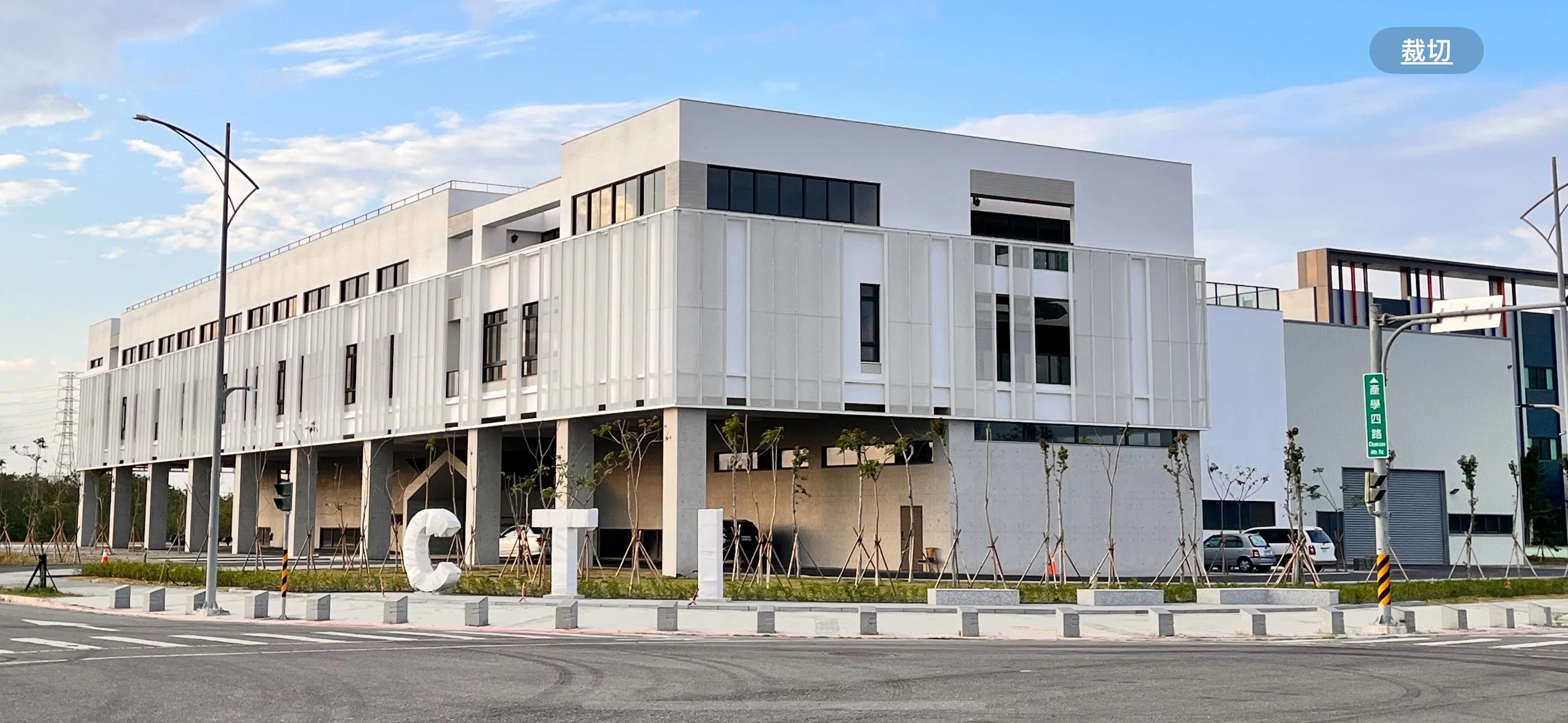
- Manufacturer
- Taiwan, China
- Lead time0 days
Main productsFully automatic packing machine,Semi-auto packing machine,Vacuum packing machine,Packaging service,Bulk Bag Filling Machine
Main marketsDomestic Market(50.00%), Southeast Asia(40.00%), South America(5.00%), Eastern Asia(5.00%)
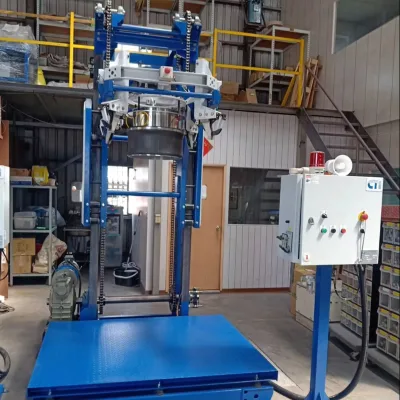
$10359.4391 - $25898.5978
MOQ: 1 Minimum
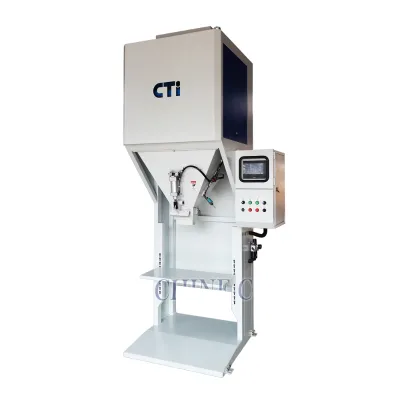
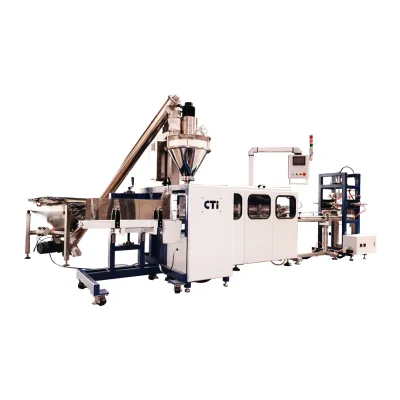
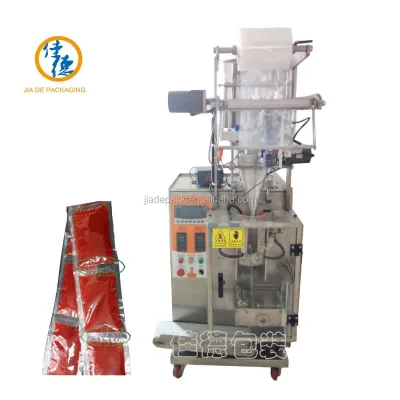
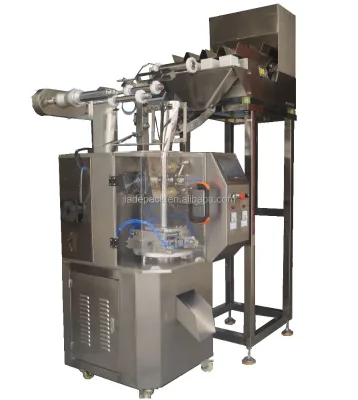
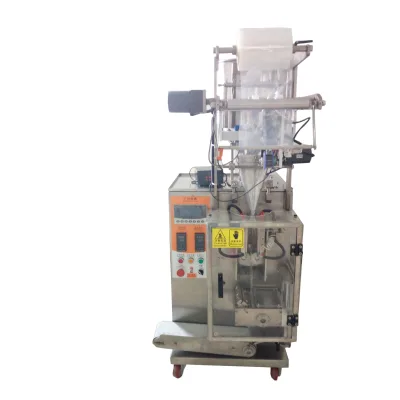
Guangzhou Jiade Packaging Equipment Co., Ltd.
- Manufacturer
- Guangdong, China
- Lead time30 days
- Avg. response≤ 4h
Main productsIrregular shaped sachet packing machine,hair dye shampoo packing machine,Liquid&Paste packing machine,Power packing machine,Granule packing machine
Main marketsDomestic Market(40.00%), Eastern Asia(20.00%), North America(10.00%), South Asia(10.00%), Central America(10.00%), Eastern Europe(10.00%)

FOSHAN TEFUDE AUTOMATION SCIENCE & TECHNOLOGY CO., LTD.
- Verified by BV
- Combined
- China Guangdong
- Lead time30 days
- Avg. response≤ 3h
Main productsAutomatic Packing Machine, Packing Machine, Flow Wrapper, Full Automatic Packing Line, Automatic Counting Machine, Plastic Tray Automatic Machine, Robot Machine, Food Packing Machine
Main marketsSouth America,Southeast Asia/ Mideast,Europe,North America


Automatic Food Packaging Machine with High-Speed Capability for Diversity Use
$3500.00 - $8500.00
MOQ: 1 Sets

Hefei Chunhui Machinery Manufacturing Co., Ltd.
- Combined
- China Anhui
- Lead time23 days
- Avg. response≤ 7h
Main productsPackaging Machinery, Liquid Packing Machine, Flow Type Pillow Packing Machine, Tissue Paper Packing Machine, Bottle Water Liquid Prodcution Line, Food Processing Machinery, RO Water Purify System, Pre-Shaped Bag Filling and Sealing Machine
Main marketsAfrica,Domestic
Foshan Shunde Maoduoyu Trading Co., Ltd.
- Manufacturer, Trading Company, Distributor/Wholesaler
- Guangdong, China
- Lead time0 days
- Avg. response≤ 1h
Main productsIndustrial machinery,Commercial machinery,Packaging machinery,Filling machinery,Food machinery
Main marketsNorth America(50.00%), Southeast Asia(10.00%), Mid East(10.00%), Central America(10.00%), Domestic Market(5.00%), Western Europe(5.00%), Northern Europe(3.00%), South Asia(2.00%), Oceania(1.00%), Eastern Asia(1.00%), Eastern Europe(1.00%), South America(1.00%), Africa(1.00%)

Anhui Peiyu Packaging Technology Co.,Ltd.
- Verified by TUVRHEINLAND
- Combined
- China Anhui
- Lead time60 days
- Avg. response≤ 3h
Main productsWrap Around Case Packer, Label Shrink Sleeve Machine, PE Film Shrink Wrapping Machine, Pet Food Machine, Sleeve Labeling Machine, Retort, Palletizer, OPP Labeller, Air Conveyor, Robot Palletizer
Main marketsSoutheast Asia/ Mideast,Domestic


Fully Automatic Food Packing Machine Pharmaceutical Packing Machine
$60000.00 - $3000000.00
MOQ: 1 Sets


Kaifeng Lecheng Machinery Co., Ltd.
- Verified by Intertek
- Manufacturer, Trading Company
- Lead time0 days
- Avg. response≤ 2h
Main productsVibrate Screener, Multi-Deck Rotary Cleaner, Complete Set Rice Milling Equipment, High Pressure Pulse-Jet Bag-House Dust Collector, Experiment Seed Gravity Separator
- Verified by Intertek
- Trading Company
- Lead time7 days
- Avg. response≤ 1h
Main productsFruit Vegetable Machine, Meat Processing Machine, Pastry Bakery Machine, Snack Machine, Feed Processing Machine

Ganar Technology Hebei Co., Ltd.
- Verified by TUVRHEINLAND
- Trading Company
- China Hebei
- Lead time30 days
- Avg. response≤ 1h
Main productsPackaging Machine, Cartoning Machine, Case Packer, Labelling Machine, Conveyor System, Cosmetic/Food/Pharmaceuticals Equipment, Vertical Lift, Processing Machine, Filling and Sealing Machine, Robot Palletizer
Main marketsSoutheast Asia/ Mideast,Europe
Zhengzhou Hongle Machinery Equipment Co., Ltd.
- Verified by SGS Group
- Manufacturer, Trading Company
- Lead time15 days
- Avg. response≤ 4h
Main productsFruit and Vegetables Production Line, Chicken Feet Production Line, Packing Machine Production Line, Nut Processing Line, Frying Production Line
Main marketsCentral America(20%), Africa(15%), Southern Europe(10%)

Zhuhai Ruichuang Technology Development Co., Ltd
- Verified by SGS
- Combined
- China Guangdong
- Lead time30 days
- Avg. response≤ 3h
Main productsAutomatic Packing for Granule, Automatic Packing Machine for Powder, Automatic Packing Machine for Liquid, Automatic Packing Machine for, Power Filling Machine, Printer/Laser Marking Machine, Check Weigher, Automatic Production Line
Main marketsSoutheast Asia/ Mideast,Domestic

Toptic Tech (Zhongshan) Co.,Ltd.
- Trading Company,Manufacturer/Factory
- China Guangdong
- Lead time45 days
- Avg. response≤ 3h
Main productsMetal Detector, X-ray Inspection System, Inclined Conveyor, Vision Inspection System, Weight Sorting Machine, Check Weigher, Bowl-Type Elevator, Z-Type Bucket Elevator, Bowl Hopper Conveyor, Screw Conveyor
Main marketsSouth America,Eastern Europe,Mid East,North America,Southeast Asia,Eastern Asia,Oceania,Western Europe,Africa

Multi-lane Packaging Machine Automatic Food Packing Machine With Good Quality
$6000.00 - $8000.00
MOQ: 1 Pieces

Packing Machine Packaging Equipment Sealing Automatic Packaging Machine
$6000.00 - $8000.00
MOQ: 1 Pieces

Zhejiang Jiedu Intelligent Machinery Technology Co.,Ltd
- Combined
- China Zhejiang
- Lead time30 days
- Avg. response≤ 2h
Main productsPackaging Machinery
Main marketsDomestic
Xiamen Buyfook Machinery Co., Ltd.
- Manufacturer, Trading Company, Distributor/Wholesaler
- Fujian, China
- Lead time7 days
- Avg. response≤ 2h
Main productsPackaging machine,Quarrying tools,Mining machine,Flling machine,DTH drill bits
Main marketsAfrica(15.00%), Northern Europe(10.00%), Southern Europe(10.00%), Domestic Market(10.00%), Eastern Asia(10.00%), South America(10.00%), South Asia(5.00%), Southeast Asia(5.00%), Western Europe(5.00%), Eastern Europe(5.00%), Mid East(5.00%), Oceania(4.00%), Central America(4.00%), North America(2.00%)
Zhengzhou Hento Machinery Co., Ltd.
- Verified by SGS Group
- Trading Company
- Lead time5 days
- Avg. response≤ 2h
Main productsMeat Processing Machinery, Egg Processing Machinery, Dairy Processing Machinery, Fruit and Vegetable Processing Machinery, Grain Product Making Machines
Main marketsSoutheast Asia(14%), Western Europe(12%), North America(10%)
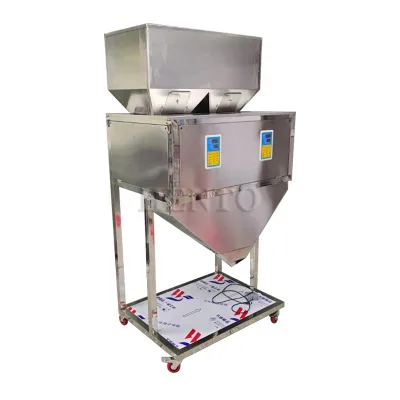
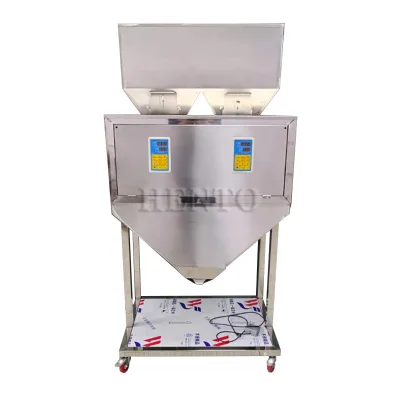
Good Quality Packing and Filling Machine / Weighing and Packing Machine / Food Packing Machinery
$687.341 - $892.8239
MOQ: 1 sets
$686.8703 - $892.2123
MOQ: 1
Henan Cyril Machinery Equipment Co., Ltd
- Trading Company
- He'nan, China
- Lead time10 days
- Avg. response≤ 4h
Main productsFilling Machine, Labeling Machine, Capping Machine, Packaging Machine, Coding Machine
Main marketsDomestic Market(40.00%), South America(15.00%), Mid East(10.00%), North America(5.00%), Western Europe(5.00%), Central America(5.00%), Southeast Asia(5.00%), South Asia(3.00%), Eastern Asia(2.00%), Oceania(2.00%), Southern Europe(2.00%), Northern Europe(2.00%), Africa(2.00%), Eastern Europe(2.00%)
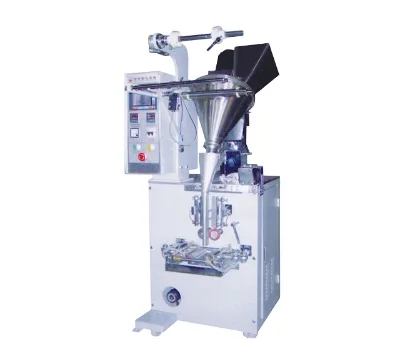
High Quality High Quality High Speed Packing Machine
$2500.00 - $2700.00
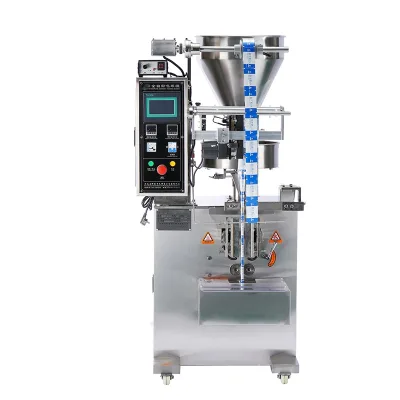
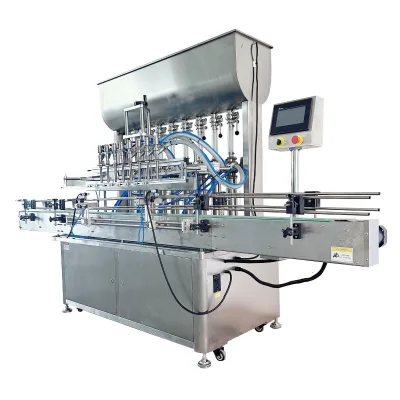
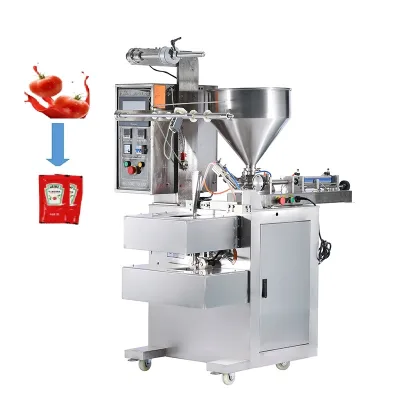
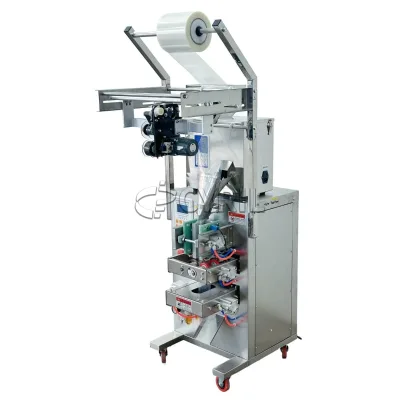
Packaging Machine Easy to Operate
$2700.00 - $2714.00
Foshan City Excellent Guan Can Electromechanical Co., Ltd.
- Manufacturer
- Guangdong, China
- Lead time15 days
- Avg. response≤ 7h
Main productsIndustrial weighing equipment,Batching and weighing equipment,Automatic packaging and weighing equipment,Robot palletizer,Large bag ton bag packaging equipment
Main marketsSouthern Europe(15.00%), Domestic Market(10.00%), Northern Europe(10.00%), Western Europe(10.00%), Oceania(10.00%), Africa(5.00%), South Asia(5.00%), North America(5.00%), Central America(5.00%), Southeast Asia(5.00%), Eastern Europe(5.00%), Eastern Asia(5.00%), Mid East(5.00%), South America(5.00%)
Henan Longyu Machinery Equipment Co., Ltd.
- Manufacturer, Trading Company
- Henan, China
- Lead time15 days
- Avg. response≤ 2h
Main productscrusher machine,brick machine,Mining Machinery,Concrete Mixer,oil mill
Main marketsAfrica(40.00%), Domestic Market(20.00%), North America(10.00%), Southeast Asia(10.00%), Central America(5.00%), South Asia(2.00%), Western Europe(2.00%), Eastern Asia(2.00%), Mid East(2.00%), Northern Europe(2.00%), South America(2.00%), Eastern Europe(1.00%), Southern Europe(1.00%), Oceania(1.00%)
Jinan Guoqiang Machinery Co., Ltd.
- Verified by TüVRheinland
- Manufacturer, Trading Company
- Lead time20 days
- Avg. response≤ 3h
Main productsPackaging Machine
Main marketsNorth America(30%), Domestic Market(30%), Africa(20%)
Cixi Dingke Machinery & Equipment Co., Ltd.
- Verified by TüVRheinland
- Manufacturer, Trading Company
- Lead time30 days
- Avg. response≤ 2h
Main productsMechanical Equipment
Main marketsDomestic Market(50%), North America(13%), Eastern Europe(10%)
Shenzhen Shuxiao Machinery Equipment Co., Ltd.
- Manufacturer
- Guangdong, China
- Lead time0 days
- Avg. response≤ 2h
Main productsIndustrial machinery,commercial equipment and machinery,Food & Beverage Machinery
Main marketsEastern Europe(30.00%), North America(20.00%), South America(10.00%), Domestic Market(5.00%), Northern Europe(5.00%), Western Europe(5.00%), Eastern Asia(5.00%), Mid East(5.00%), Oceania(5.00%), Africa(5.00%), Southeast Asia(5.00%)
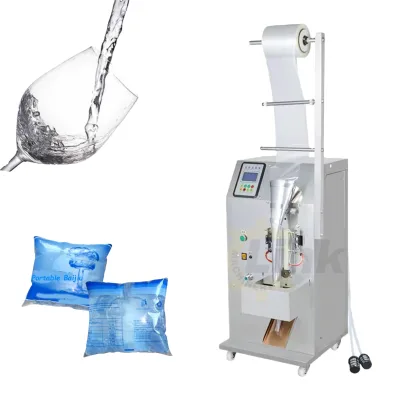
Multifunctional Mineral Water Milk Packaging Machine
$699.00 - $748.00
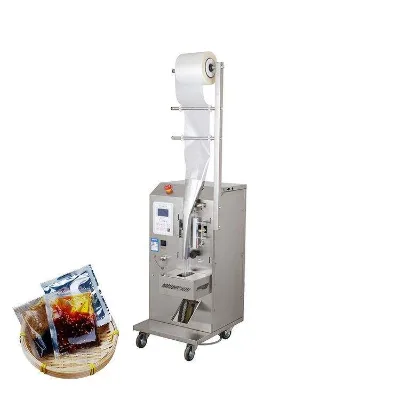
Automatic Packaging Machine Multi-functional Vertical
$1250.00 - $1399.00

Anhui Xinyuan Packing Technology Co., Ltd.
- Verified by TUVRHEINLAND
- Combined
- China Anhui
- Lead time30 days
- Avg. response≤ 10h
Main productsGranule Packing Machine, Packing Machine, Multi Function Packing Machine, Powder Packing Machine, Vacuum Packing Machine, Sauce Packing Machine, Teabag Packing Machine, Fertilizer Packing Machine, Palletizing Robot, Flavouring Packing Machine
Main marketsSoutheast Asia/ Mideast,Domestic,North America




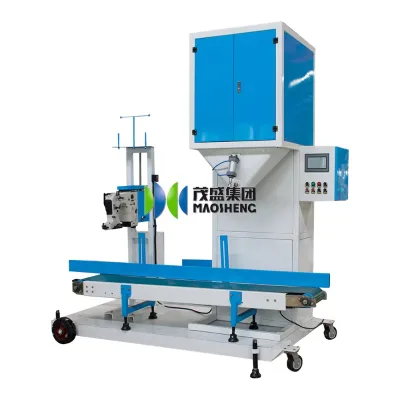
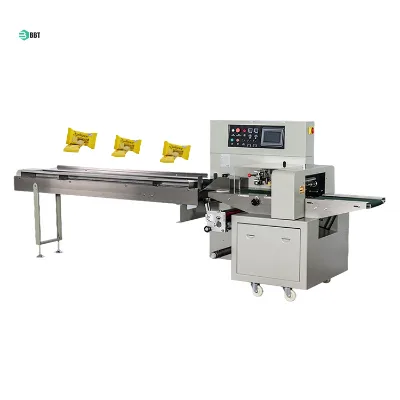
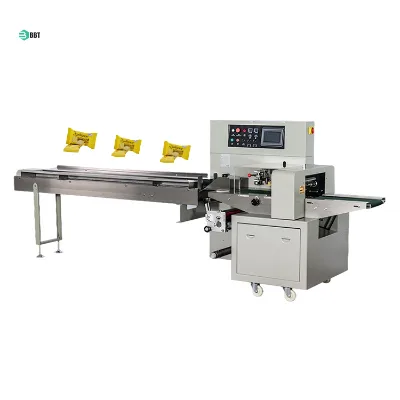


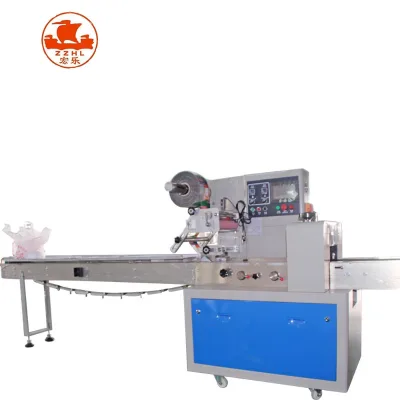
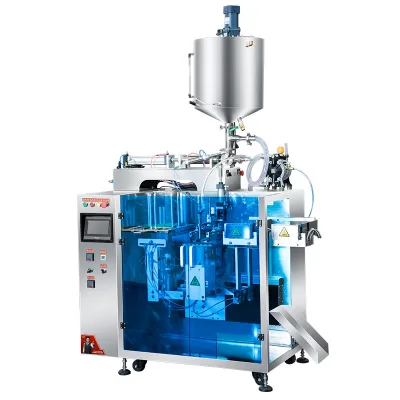
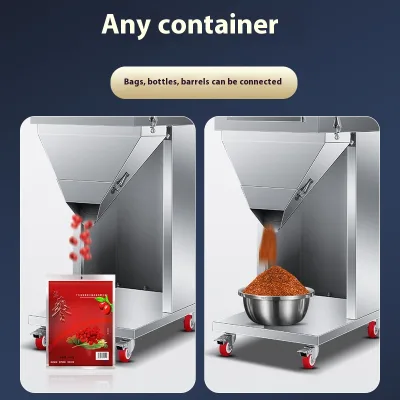


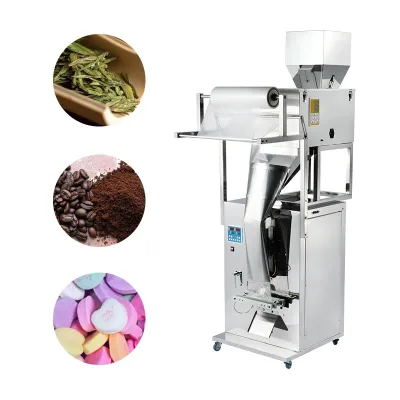
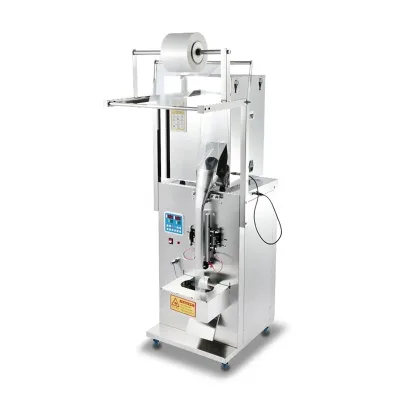
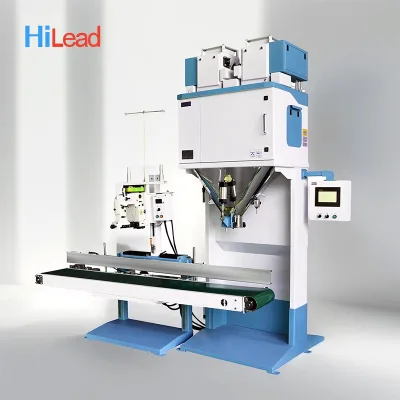
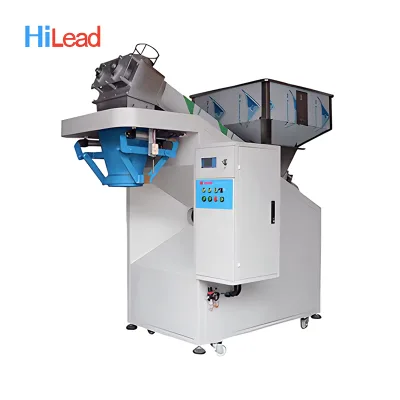
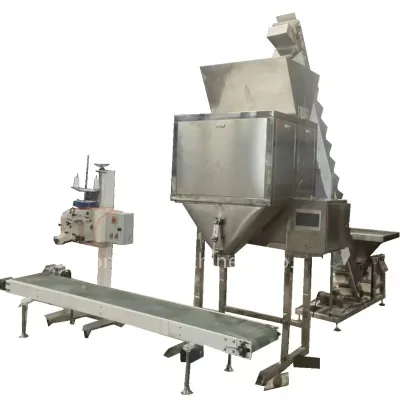
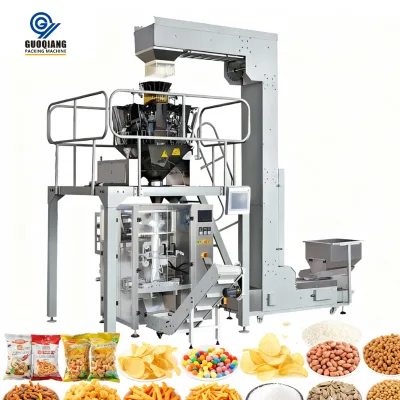
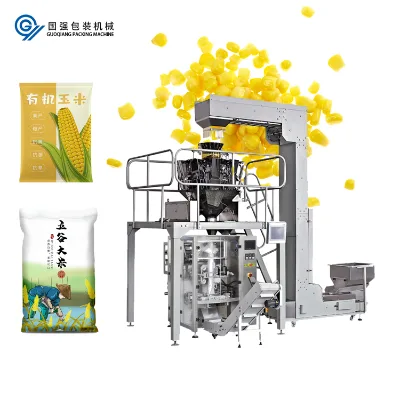
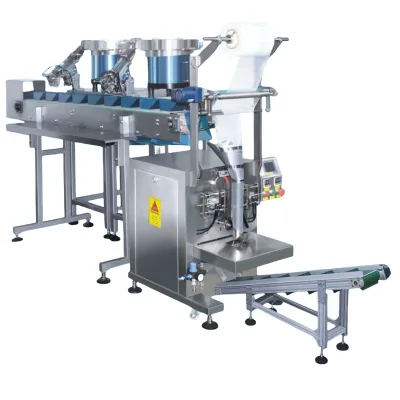
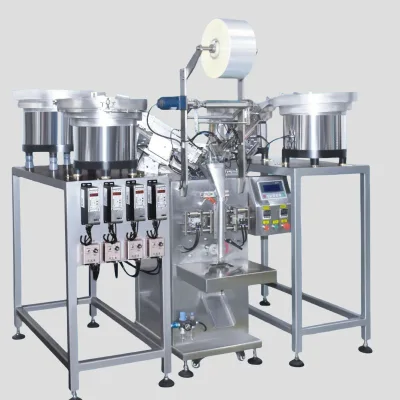


Comprehensive Sourcing Guide
Semi-Automatic Food Packing Machine Supplier Concentration and Factory Types
The current supplier landscape for semi-automatic food packing machines reveals a distinct geographic and structural diversity that buyers must navigate carefully. Evidence indicates the presence of suppliers located in China Anhui, a region known for its industrial machinery manufacturing capabilities. These entities often operate as combined companies, blending trading functions with manufacturing oversight, which can offer flexibility in sourcing but requires careful verification of actual production capacity. The main products listed for these suppliers include a broad range of packing machines, with specific emphasis on semi-automatic models designed for various food applications. This concentration suggests that buyers looking for cost-effective solutions may find viable options in this specific Chinese province, where supply chains for industrial machinery are well-established. However, the "combined" company type implies that not all listed entities may be direct factories, necessitating a deeper dive into their operational structure to ensure alignment with procurement goals.
In contrast, other results point to suppliers based in Taiwan, China, who identify primarily as manufacturers. These entities focus on fully automatic, semi-automatic, and vacuum packing machines, indicating a specialization in higher-end or more complex packaging solutions. The presence of these manufacturers suggests a different tier of the market, potentially offering higher precision and advanced features compared to the semi-automatic options found in other regions. The distinction between a "combined" company and a pure "manufacturer" is critical for buyers assessing reliability and direct communication channels. While the Chinese Anhui suppliers provide a mix of services, the Taiwan-based manufacturers emphasize their production identity, which may correlate with stricter quality control processes and dedicated engineering support. Understanding this split helps buyers categorize potential partners based on whether they prioritize price flexibility or manufacturing directness and technical specialization in their sourcing strategy.
How to Verify Semi-Automatic Food Packing Machine Suppliers
Verification is a critical step when evaluating suppliers for semi-automatic food packing machines, as the market contains a mix of trading companies and actual manufacturers. One key indicator of supplier credibility is the verification status provided by third-party inspection agencies. For instance, some suppliers in the current results have undergone SGS verification, which adds a layer of trust regarding their business legitimacy and operational capabilities. Buyers should prioritize suppliers with such verified badges, as they have undergone external audits that confirm their existence and basic operational standards. However, verification alone is not a guarantee of product quality or after-sales support, so it should be used as a baseline filter rather than a definitive seal of approval. It is essential to cross-reference these verification badges with other data points to build a comprehensive view of the supplier’s reliability and capacity to deliver on promises.
Beyond basic verification, buyers should scrutinize the specific product attributes and certifications listed for the semi-automatic food packing machines. While some suppliers list system certifications, others may show "NIL" for system certification, which requires further inquiry into their internal quality management processes. Buyers should request detailed information about the machine’s core components, such as PLCs and load cells, and verify if machinery test reports are available. The presence of video outgoing-inspection services is another positive signal, indicating that the supplier is transparent about the machine’s condition before shipment. Additionally, checking the warranty terms, such as a one-year warranty, and the scope of after-sales service, including online support and field installation, provides insight into the supplier’s commitment to long-term customer satisfaction. These details help buyers assess whether the supplier is equipped to handle potential issues and provide necessary support throughout the machine’s lifecycle.
What to Compare Across Semi-Automatic Food Packing Machine Suppliers
When comparing suppliers, buyers should focus on key operational metrics such as lead time, minimum order quantity (MOQ), and response time to gauge efficiency and service levels. The current data shows a lead time of 30 days for some suppliers, which is a standard benchmark for manufacturing and shipping semi-automatic packing machines. However, other suppliers list a lead time of 0, which may indicate ready-stock items or a different interpretation of the metric, requiring clarification from the supplier. The MOQ for these machines is often set at 1 unit, making it accessible for small businesses or pilot projects, but buyers should confirm if bulk discounts are available for larger orders. Response time is another critical factor, with some suppliers demonstrating a response time of 2.12, suggesting a high level of engagement and quick communication. Comparing these metrics across multiple suppliers helps buyers identify those who can meet their specific timeline and volume requirements without compromising on service quality.
Price and product specifications are equally important factors in the comparison process. The price range for semi-automatic food packing machines varies significantly, with some models starting at $6,500 and others reaching up to $35,000 for more advanced automatic versions. Buyers should analyze the price in relation to the machine’s features, such as automatic grade, application suitability, and material type. For example, a semi-automatic machine with bag moulding and filling/sealing functions may be priced differently from an automatic machine with similar capabilities. Additionally, the customization availability and packaging material options, such as plastic or wood, should be considered to ensure the machine meets specific production needs. By comparing these detailed specifications and prices, buyers can make informed decisions that balance cost-effectiveness with performance and functionality, ensuring they select a supplier that offers the best value for their specific application requirements.
Common Semi-Automatic Food Packing Machine Sourcing Risks
One significant risk in sourcing semi-automatic food packing machines is the potential mismatch between advertised capabilities and actual performance, particularly regarding automatic grade and application suitability. Some suppliers list machines as semi-automatic, while others may offer automatic versions with similar names, leading to confusion about the level of automation provided. Buyers must carefully review the product attributes, such as the automatic grade and driven type, to ensure the machine meets their operational needs. For instance, a machine driven by electricity may have different maintenance requirements compared to one driven mechanically. Additionally, the application scope, which may include snacks, rice, flour, or dairy products, should be verified to ensure the machine is suitable for the specific food items being packaged. Misalignment in these areas can lead to inefficiencies and increased operational costs, making it crucial for buyers to conduct thorough due diligence on product specifications before placing an order.
Another risk involves the reliability of after-sales service and warranty coverage, which can vary widely among suppliers. While some suppliers offer comprehensive after-sales services, including online support, field installation, and maintenance, others may have limited support options. Buyers should verify the warranty terms, such as a one-year warranty, and the specific services included, such as field maintenance and repair. The absence of machinery test reports or video outgoing-inspection services can also be a red flag, indicating a lack of transparency in the manufacturing process. Furthermore, the condition of the machine, whether new or used, should be clearly stated to avoid receiving refurbished or outdated equipment. By identifying these potential risks early in the sourcing process, buyers can mitigate the likelihood of encountering issues post-purchase and ensure a smoother integration of the semi-automatic food packing machine into their production line.
Semi-Automatic Food Packing Machine Regional Sourcing and Logistics
Regional sourcing plays a pivotal role in determining the logistics and overall cost structure for semi-automatic food packing machines. Suppliers located in China Anhui and Taiwan, China, offer distinct advantages in terms of manufacturing expertise and supply chain efficiency. The China Anhui region is known for its industrial machinery production, providing buyers with access to a wide range of semi-automatic packing machines at competitive prices. The presence of combined companies in this region suggests a flexible supply chain that can accommodate various order sizes and customization requests. On the other hand, suppliers in Taiwan, China, are recognized for their high-quality manufacturing standards and advanced technological capabilities, particularly in fully automatic and semi-automatic packing solutions. Buyers should consider the geographic location of the supplier when evaluating shipping costs, delivery times, and potential tariffs, as these factors can significantly impact the total cost of ownership.
Logistics considerations also include the packaging and dispatch methods used by suppliers to ensure the safe delivery of semi-automatic food packing machines. Many suppliers use wooden cases or wood packaging to protect the machinery during transit, which is essential for preventing damage during long-distance shipping. The port of dispatch, such as Taichung Port for Taiwan-based suppliers, is another critical factor in determining shipping routes and transit times. Buyers should coordinate with their freight forwarders to optimize logistics and minimize delays, especially when dealing with international shipments. Additionally, the dimension and weight of the machine, such as a standard size of 310013003400mm or a weight of 1700kg, should be considered when planning warehouse space and handling equipment. By carefully managing regional sourcing and logistics, buyers can ensure a smooth and cost-effective procurement process for their semi-automatic food packing machines.
Semi-Automatic Food Packing Machine Commercial Terms and Order Planning
Commercial terms and order planning are essential components of a successful procurement strategy for semi-automatic food packing machines. Buyers should negotiate clear payment terms, delivery schedules, and warranty conditions to protect their interests and ensure a smooth transaction. The lead time of 30 days for some suppliers provides a realistic timeline for production and shipping, allowing buyers to plan their inventory and production schedules accordingly. However, buyers should confirm if expedited shipping options are available for urgent orders, as this can impact the overall timeline. Additionally, the MOQ of 1 unit offers flexibility for small-scale purchases, but buyers should inquire about volume discounts for larger orders to optimize costs. Understanding these commercial terms helps buyers align their procurement activities with their business goals and avoid unexpected delays or expenses.
Order planning also involves assessing the total cost of ownership, including the initial purchase price, shipping costs, and potential maintenance expenses. The price range of $6,500 to $35,000 for semi-automatic and automatic packing machines reflects the variability in features and capabilities, requiring buyers to balance budget constraints with performance needs. Buyers should consider the long-term value of the machine, including its durability, energy efficiency, and ease of maintenance, to ensure a positive return on investment. Furthermore, the availability of customization options and spare parts should be evaluated to support ongoing operations. By carefully planning their orders and negotiating favorable commercial terms, buyers can secure reliable semi-automatic food packing machines that meet their production requirements and contribute to their overall business success.
FAQs
What is the price range for semi-automatic food packing machines?
Prices for semi-automatic food packing machines typically range from $6,500 to $11,000 per unit. Some models are available at the lower end, while others with specific features may cost around $11,000. Buyers should check individual listings for exact pricing based on configuration and supplier terms.
What is the minimum order quantity for these machines?
The minimum order quantity is generally one unit for semi-automatic food packing machines. This allows buyers to purchase a single machine for testing or small-scale production needs. Suppliers often support single-item purchases, making it accessible for businesses starting with limited capital or specific requirements.
What is the typical lead time for delivery?
Lead times vary by supplier, with some offering a standard 30-day production period. Other manufacturers may list zero days, indicating immediate availability or stock readiness. Buyers should confirm specific delivery schedules with suppliers to ensure alignment with their production timelines and project deadlines.
Where are these machines typically manufactured?
Semi-automatic food packing machines are primarily manufactured in China, including regions like Anhui and Hefei. Some high-quality options are also produced in Taiwan, China. Buyers can choose between mainland Chinese and Taiwanese suppliers based on specific feature preferences, budget constraints, and logistical considerations.
What applications do these machines support?
These machines support a wide range of applications, including packaging snacks, rice, flour, dairy products, vegetables, fruits, and cosmetics. They are designed for materials like powder, grain, and granules. The versatility allows businesses in food, chemical, and hardware industries to use them for various product types.
What certifications do these suppliers have?
Verification status varies, with some suppliers holding SGS verification. System certifications are often listed as not available in standard product data. Buyers should request specific certification documents directly from suppliers to ensure compliance with local regulations and industry standards for food packaging machinery.