Outdoor Artificial Cherry Blossom Tree Suppliers and Manufacturers
Source 25 verified suppliers for Outdoor Artificial Cherry Blossom Tree products. Compare key dimensions including location, lead times, MOQ, and response times to identify suitable partners. Review product specifications and pricing details to streamline your procurement process; review the available evidence before requesting comparable quotations from suitable candidates.
Updated
Suppliers List

Shenzhen Shangpin Flower Art Design Co., Ltd.
- Verified by SGS
- Trading Company
- China Guangdong
- Lead time15 days
- Avg. response≤ 2h
Main productsArtificial Tree, Artificial Cherry Tree, Olive Tree, Banyan Tree, Coconut Tree, Grass Wall, Turf Grass, Bonsai Tree, Potted Tree
Main marketsSouth America,Southeast Asia/ Mideast,East Asia(Japan/ South Korea),Domestic,Europe,Australia,North America

Guangzhou Junpeng Artificial Craft Company Limited
- Verified by SGS
- Trading Company
- China Guangdong
- Lead time15 days
- Avg. response≤ 2h
Main productsArtificial Flower Wall, Artificial Palm Trees, Artificial Banyan Trees, Artificial Grass Wall, Artificial Olive Tree, Artificial Olive Bonsai, Artificial Flowers, Artificial Potted Plant, Artificial Cherry Tree, Artificial Fruit Tree
Main marketsSoutheast Asia/ Mideast,Europe,Australia,North America

Artificial Pink Cherry Blossom Flowering Artificial Trees Outdoor Cherry Blossom Tree
$220.00 - $399.00
MOQ: 2 Meters

Cherry Blossom Tree Artificial Large Outdoor Artificial Cherry Blossom Trees
$129.00 - $350.00
MOQ: 2 Meters


Giant Plant Flowers Outdoor Artificial Tree Artificial Cherry Blossom Tree
$130.00 - $352.00
MOQ: 2 Meters

Large Outdoor Artificial Cherry Blossom Trees White Artificial Cherry Blossom Tree
$150.00 - $380.00
MOQ: 2 Meters

Large Outdoor Artificial Cherry Blossom Trees Artificial Cherry Blossom Trees for Sale
$650.00 - $850.00
MOQ: 1 pcs
Dongguan Guansee Artificial Landscape Co., Ltd.
- Verified by SGS Group
- Manufacturer, Trading Company
- Lead time10 days
- Avg. response≤ 4h
Main productsArtificial Trees, Artificial Leaves, Artificial Plant Wall, Artificial Bonsai Plants, Artificial Flower Wall
Main marketsEastern Asia(30%), Mid East(25%), North America(19%)
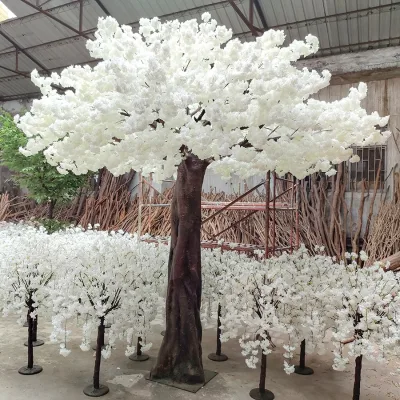
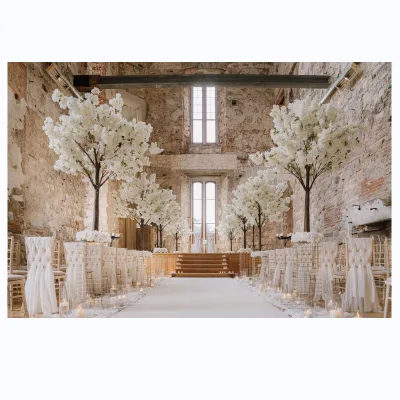
Artificial Cherry Blossom Tree for Wedding and Indoor Decoration
$92.00 - $168.00
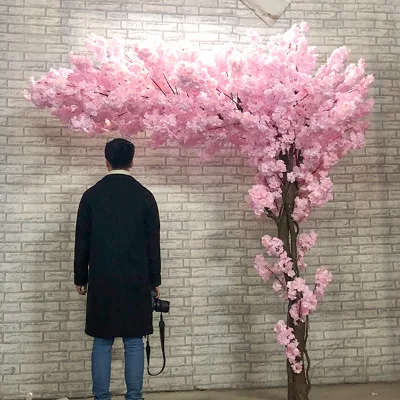
$101.3727 - $194.8434
MOQ: 1 meters

Shenzhen Wild Art Decoration Co.,Ltd.
- Verified by CTI
- Trading Company,Manufacturer/Factory
- China Guangdong
- Lead time23 days
- Avg. response≤ 12h
Main productsChristmas Decorations, Christmas Tree, Ramadan Decorations, Chinese New Year Lantern, Christmas Ornaments, LED Motif Light, Artificial Tree, Fiberglass Planter Pot, Fiberglass Seat, Fiberglass Sculpture
Main marketsSouth America,Eastern Europe,Mid East,North America,Southeast Asia,Eastern Asia,Oceania,Western Europe,Africa


Hot Sale Outdoor Artificial Cherry Blossom Tree Garden Decoration Cherry Blossom Tree
$200.00 - $600.00
MOQ: 2 Meters

Large Artificial Cherry Blossom Tree Ornament Tree Artificial Cherry Blossom Trees
$400.00 - $600.00
MOQ: 2 Meters


Shenzhen Onup Technology Co., Ltd
- Verified by BV
- Trading Company,Manufacturer/Factory
- China Guangdong
- Lead time15 days
- Avg. response≤ 9h
Main productsArtificial Tree, Christmas Tree, Artificial Grass, Artificial Flower, Artificial Plant
Main marketsSouth America,Eastern Europe,Mid East,North America,Southeast Asia,Eastern Asia,Oceania,Western Europe,Africa

$245.00 - $285.00
MOQ: 1 Pieces

$245.00 - $285.00
MOQ: 1 Pieces

Artificial Trees Real Touch Outdoor Decorative Artificial Cherry Blossom Tree for Wedding
$260.00 - $280.00
MOQ: 1 Meters

Outdoor Decoration Cherry Blossoms Tree Artificial Indoor Tree Cherry Blossom Tree Artificial
$245.00 - $285.00
MOQ: 1 Pieces

Factory Sale Cherry Blossom Tree Artificial Big Tree Pink Artificial Cherry Blossom Tree
$245.00 - $285.00
MOQ: 1 Pieces

OEM Artificial Cherry Blossom Tree for Wedding Home Party Outdoor Decoration
$260.00 - $280.00
MOQ: 1 Meters
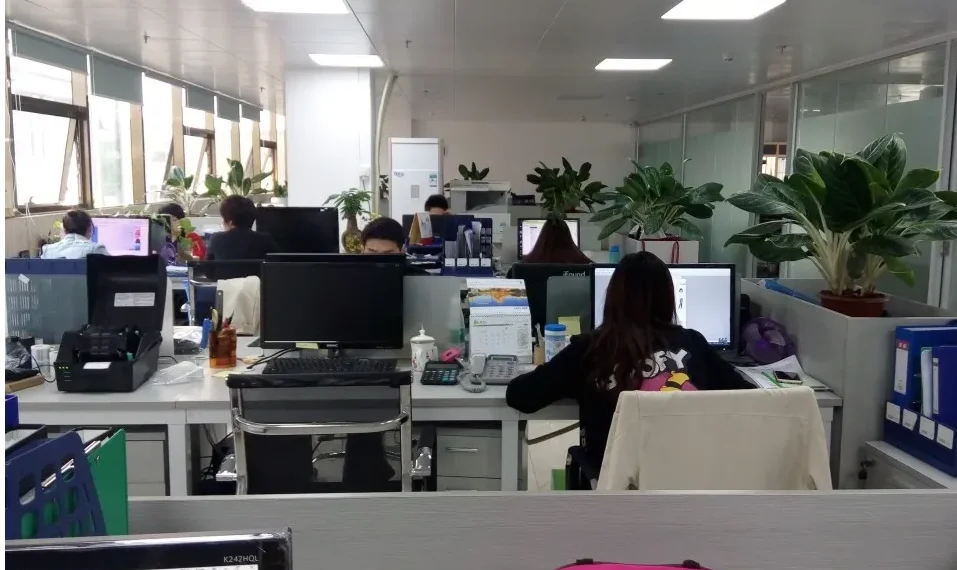
Zhengzhou Einek Handicrafts Co., Ltd.
- Trading Company
- Henan, China
- Lead time15 days
- Avg. response≤ 3h
Main productstable centerpiece,Artificial Flower,wedding decorations,Candle Holders,metal crafts
Main marketsNorth America(50.00%), Oceania(15.00%), Western Europe(10.00%), Southern Europe(10.00%), Eastern Europe(8.00%), Northern Europe(7.00%)
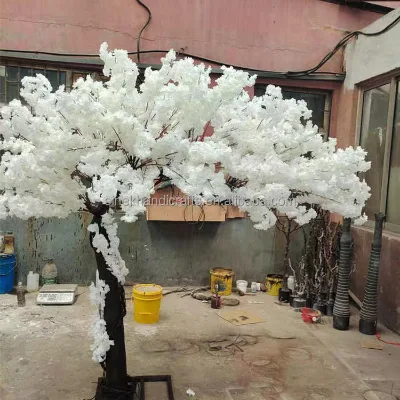
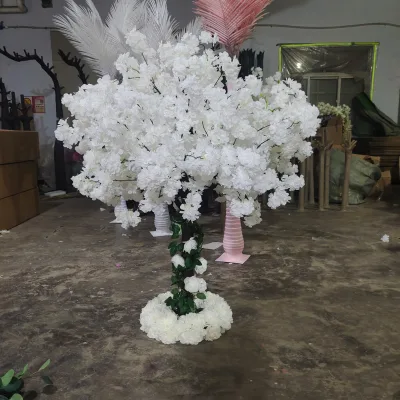
$64.053 - $67.1523
MOQ: 20 pieces
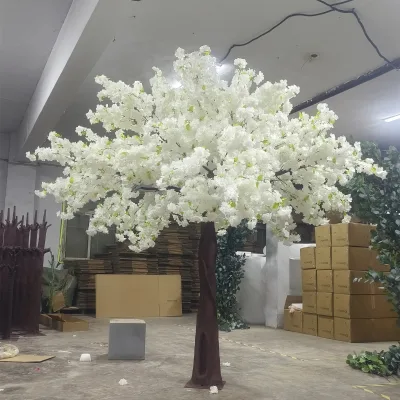
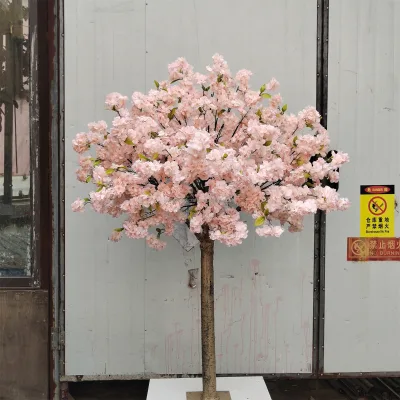
$65.00 - $130.00
MOQ: 2 pieces
Qingdao Golden Handicrafts Co., LTD.
- Verified by TüVRheinland
- Manufacturer, Trading Company
- Lead time15 days
- Avg. response≤ 3h
Main productsArtificial Flower, Artificial Plant, Christmas Products, Wedding Products, Gifts
Main marketsNorth America(30%), South America(15%), Western Europe(15%)
Jiangsu Bagang Environmental Protection Technology Co., Ltd.
- Trading Company
- Jiangsu, China
- Lead time0 days
- Avg. response≤ 1h
Main productsartificial flower,artificial tree,wedding decorative flower,artificial plant
Main marketsNorth America(50.00%), Southeast Asia(40.00%)
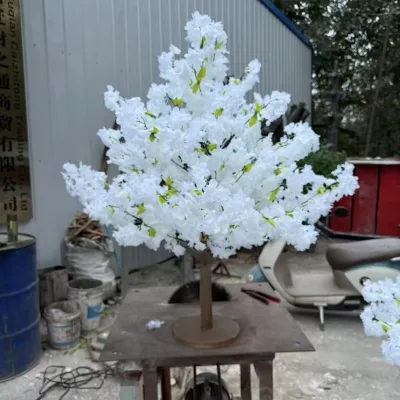
Artificial White Cherry Blossom Plant Tree Handmade for Earth Day Decor & Event Landscaping
$60.0039 - $204.838
MOQ: 1 Minimum
Zhejiang Jia Wei Arts And Crafts Co., Ltd.
- Verified by TüVRheinland
- Manufacturer, Trading Company
- Lead time30 days
- Avg. response≤ 2h
Main productsArtificial Plant, Artificial Tree, Plastic Tree, Fake Tree, Potted Artificial Flowers
Main marketsNorth America(20%), Western Europe(20%), Mid East(14%)
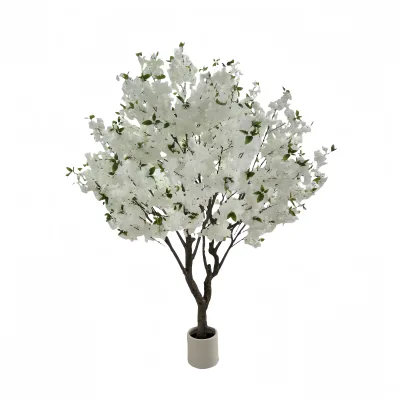
$15.0429 - $18.7954
MOQ: 50 pieces
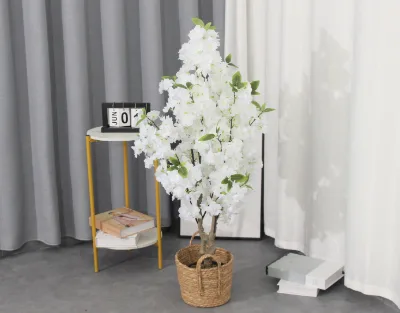
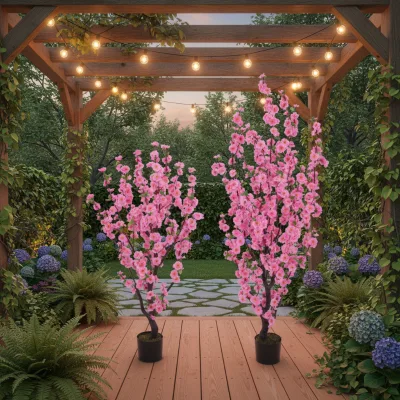
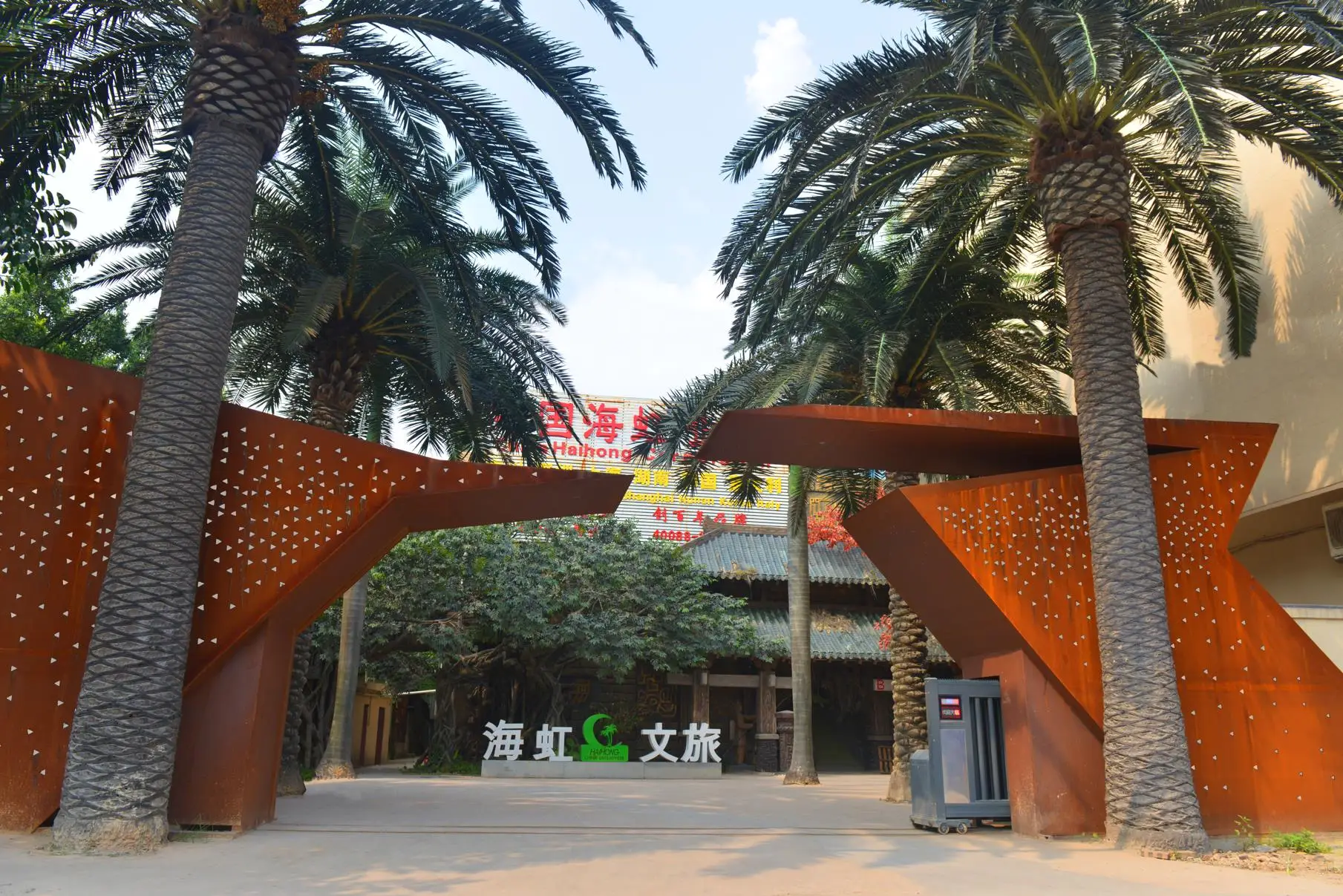
Guangzhou Haihong Gardening Co, Ltd
- Manufacturer, Trading Company
- Guangdong, China
- Lead time30 days
- Avg. response≤ 7h
Main productsArtificial Trees,Artificial Flowers,Artificial Plants,Grass Wall
Main marketsDomestic Market(30.00%), North America(30.00%), South America(10.00%), Northern Europe(10.00%), Africa(10.00%), Southeast Asia(10.00%)
Xiamen Kagajo International Trade Co., Ltd.
- Trading Company
- Fujian, China
- Lead time0 days
- Avg. response≤ 2h
Main productsArtificial trees,Artificial plant,Artificial flowers
Main marketsNorth America(35.00%), Western Europe(20.00%), Central America(20.00%), Southeast Asia(20.00%), Oceania(5.00%)
Guangzhou Qingyuan Landscape Garden Design Co., Ltd.
- Trading Company
- Guangdong, China
- Lead time15 days
- Avg. response≤ 3h
Main productsartificial trees,artificial palm tree,artificial cherry blossom tree,The artificial peach trees,Guangzhou Shengjie Artificial Plant
Main marketsMid East(20.00%), Eastern Europe(10.00%), Southeast Asia(8.00%), Southern Europe(2.00%)
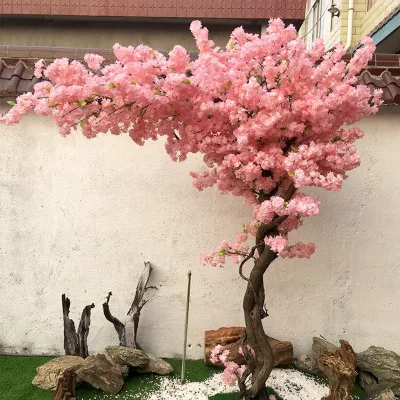
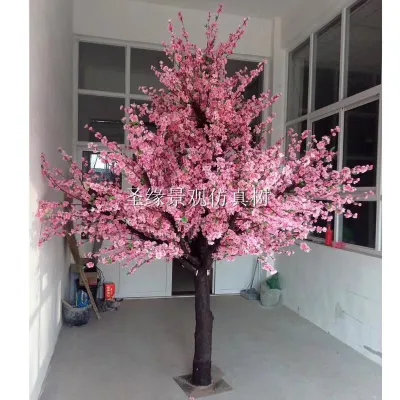
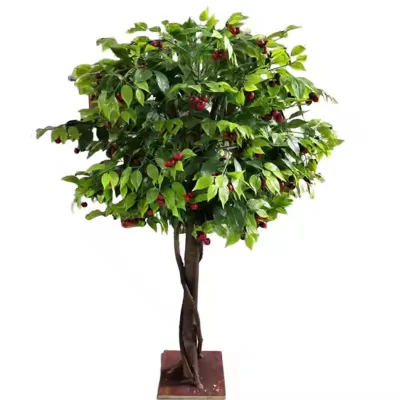
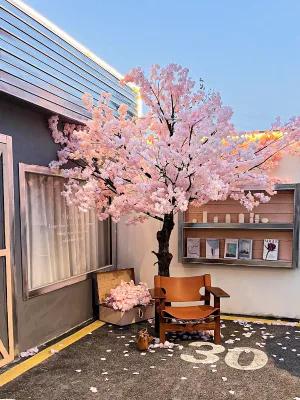
Artificial Cherry Blossom Tree for Garden Park Wedding Event Home Landscape Decoration
$258.00 - $268.00
MOQ: 1
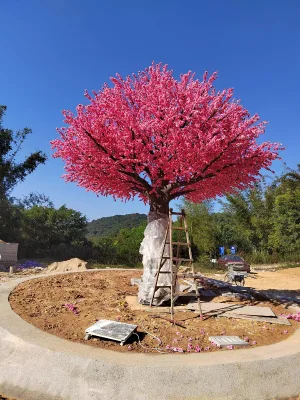
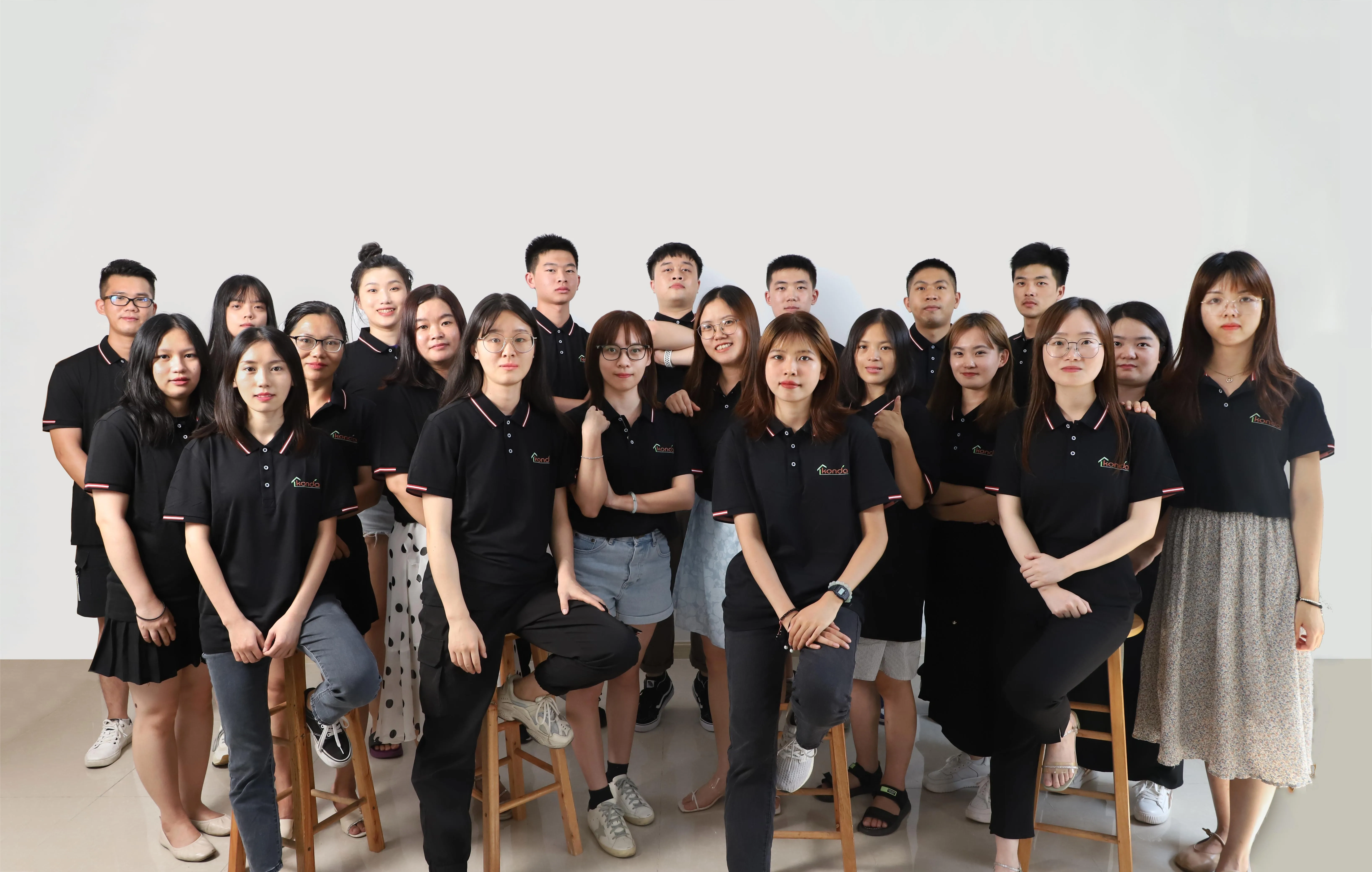
Guangzhou Konda Import & Export Co., Ltd.
- Trading Company
- Guangdong, China
- Lead time25 days
- Avg. response≤ 4h
Main productsArtificial Plants , Artificial Tree , Artificial Flower , Artificial Grass, Garden Greenhouse
Main marketsNorth America(60.00%), Western Europe(20.00%), Mid East(10.00%), Southeast Asia(10.00%)
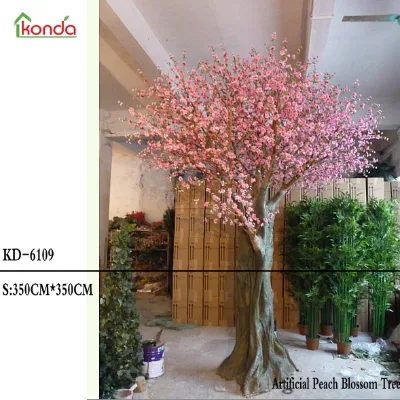
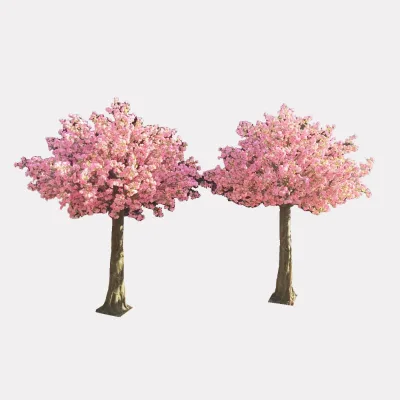
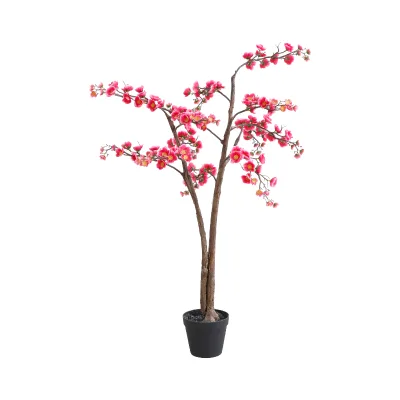
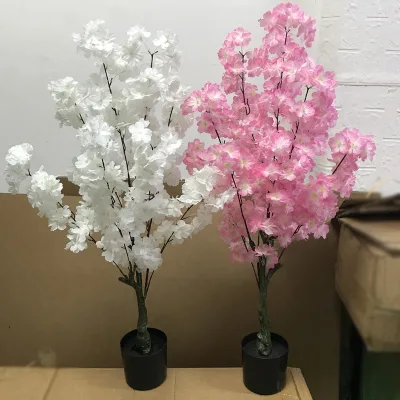
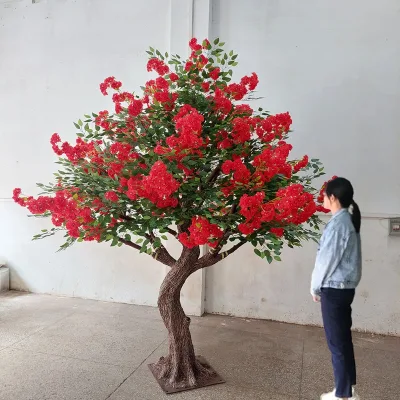
Wholesale New Design Artificial Blossom Trees pink Cherry Blossom
$102.8137 - $514.0687
MOQ: 1 Minimum
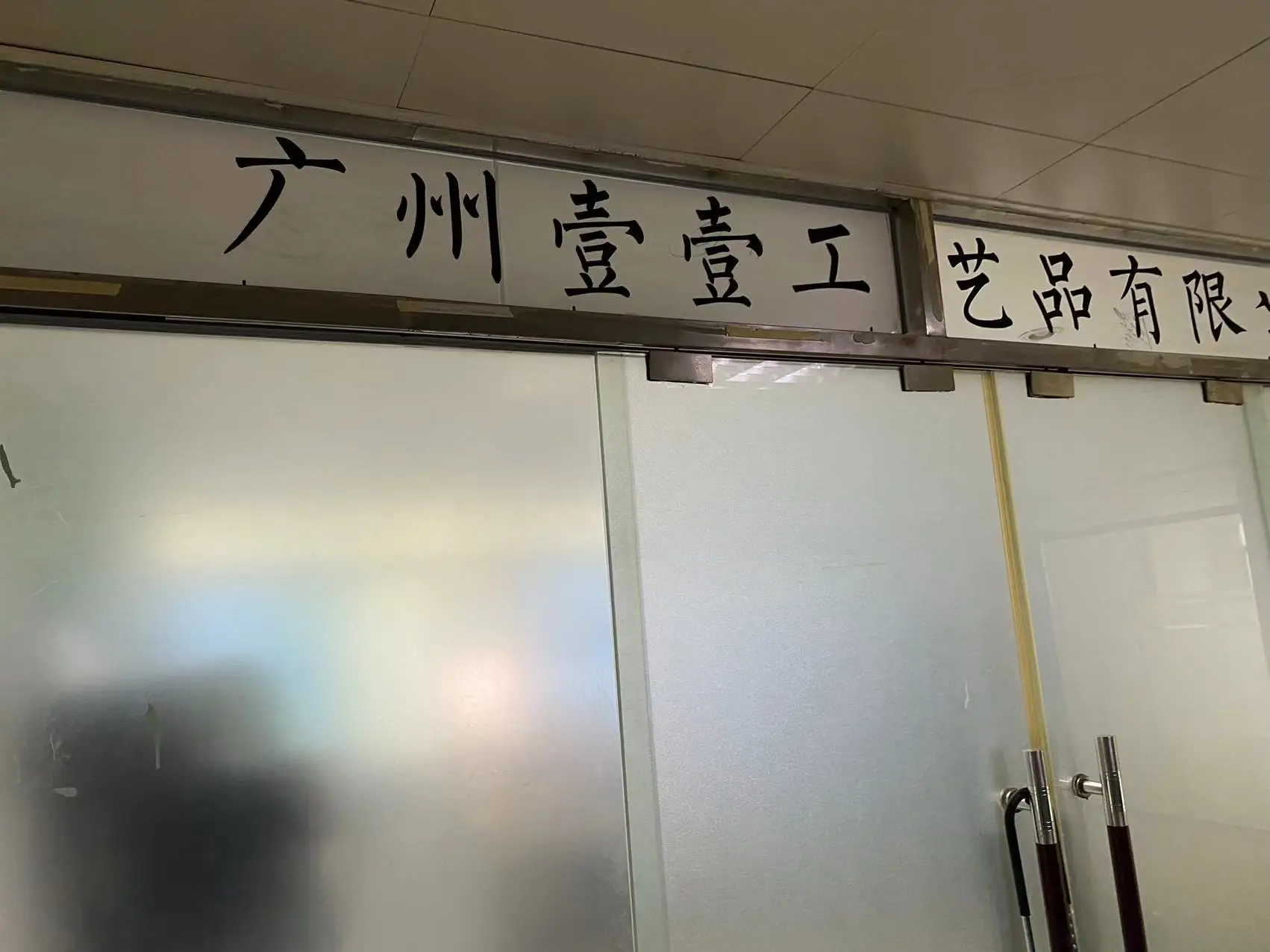
Guangzhou Yiyi Crafts Co., Ltd.
- Trading Company, Distributor/Wholesaler
- Guangdong, China
- Lead time10 days
- Avg. response≤ 1h
Main productsartificial plants,artificial flowers,artificial potted plants,artificial trees,artificial plant wall
Main marketsNorth America(35.00%), Africa(25.00%), Central America(20.00%), Eastern Europe(5.00%), Oceania(5.00%), Mid East(5.00%), Western Europe(5.00%)
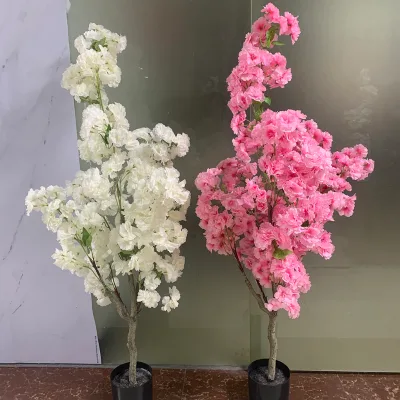
$451.00 - $470.00
MOQ: 2 pieces
Foshan Zhongyi Furniture Co., Ltd.
- Manufacturer, Trading Company
- Guangdong, China
- Lead time15 days
- Avg. response≤ 3h
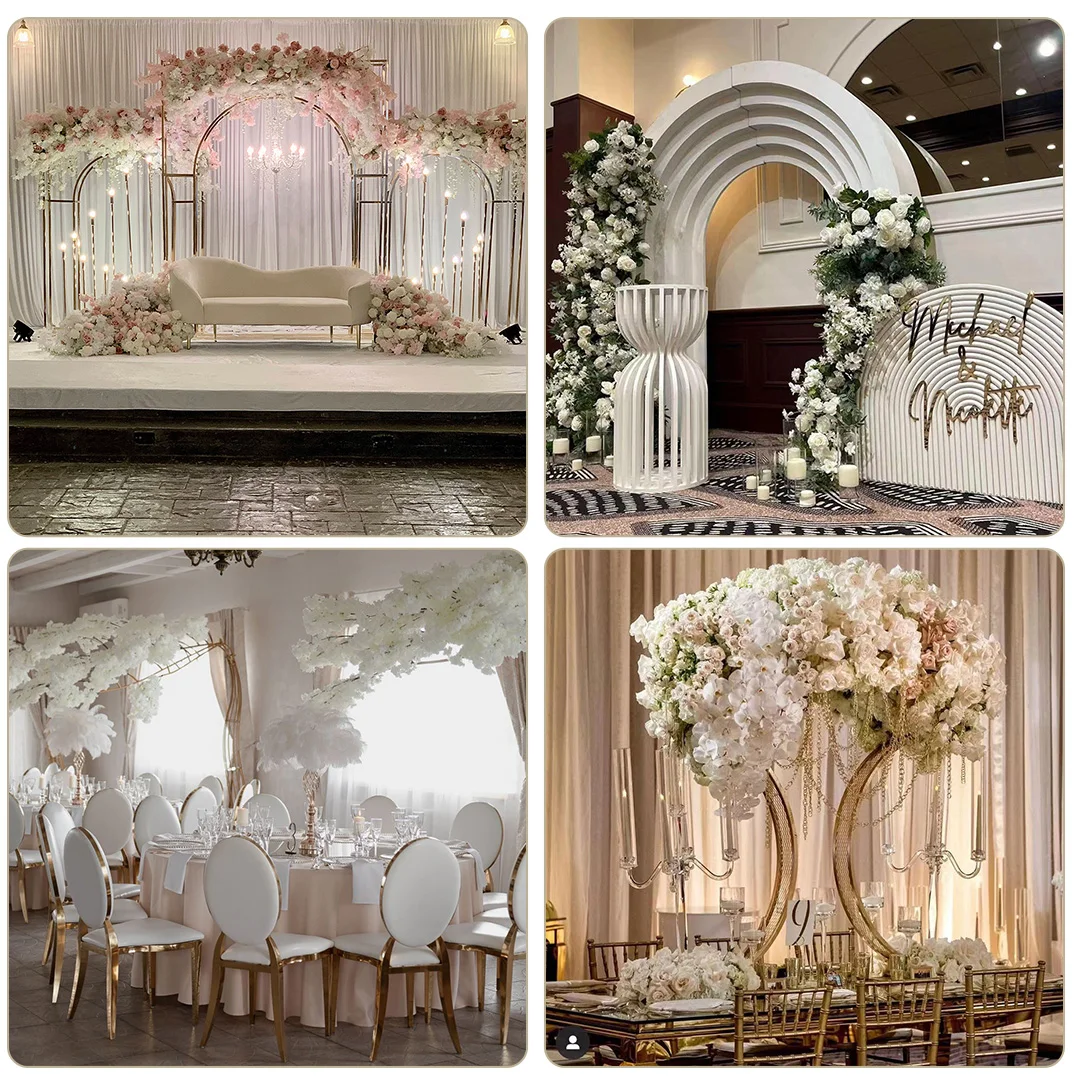
Main productsWedding Backdrop, Decorative Flowers, Table Centerpieces, Event Furniture, Banquet Chair And Table
Main marketsNorth America(48.00%), Eastern Europe(22.00%), Domestic Market(20.00%), Oceania(10.00%)
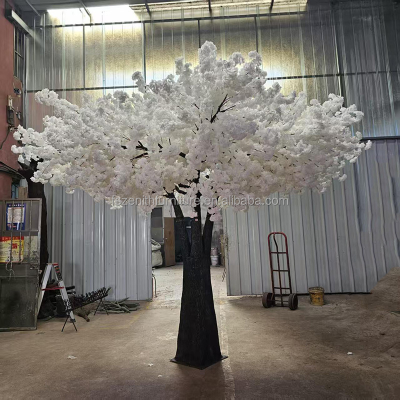
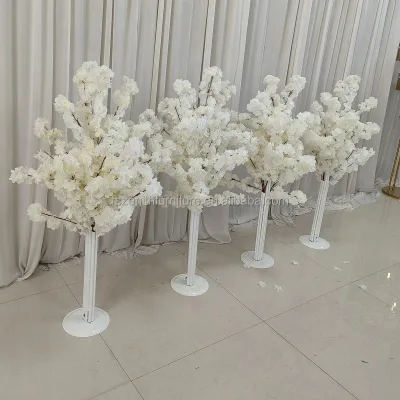
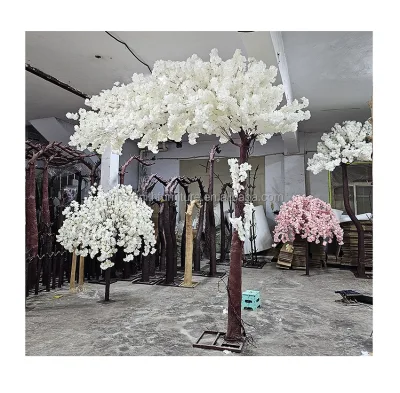
Customized Large Artificial Cherry Blossom Tree Indoor and Outdoor Realistic Tall Artificial Plant
$766.609 - $776.9677
MOQ: 10 pieces
Hebei LMD International Trade Co., Ltd.
- Trading Company
- Hebei, China
- Lead time0 days
- Avg. response≤ 2h
Main productsArtificial Grass,Artificial Flowers,Artificial Plants
Main marketsEastern Asia(100.00%), Domestic Market(100.00%), Southern Europe(100.00%), Africa(100.00%), South Asia(100.00%), Central America(100.00%), Northern Europe(100.00%), Western Europe(100.00%), North America(50.00%), Eastern Europe(20.00%), Oceania(10.00%), South America(10.00%), Mid East(5.00%), Southeast Asia(5.00%)
- Manufacturer, Trading Company
- Guangdong, China
- Lead time15 days
- Avg. response≤ 6h
Main productsartificial palm trees,artitfical cherry blossom trees,artificial wisteria trees,artificial plants,artificial animals
Main marketsNorth America(40.00%), Mid East(30.00%), South America(10.00%), Eastern Europe(10.00%), Domestic Market(1.00%), South Asia(1.00%), Southern Europe(1.00%), Northern Europe(1.00%), Central America(1.00%), Western Europe(1.00%), Eastern Asia(1.00%), Southeast Asia(1.00%), Oceania(1.00%), Africa(1.00%)
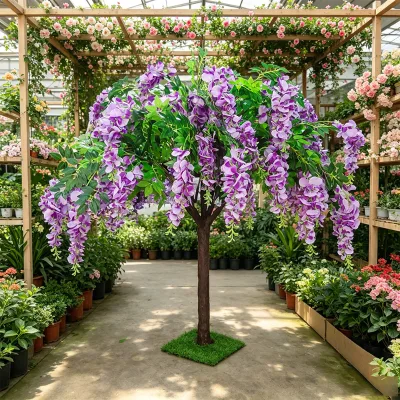
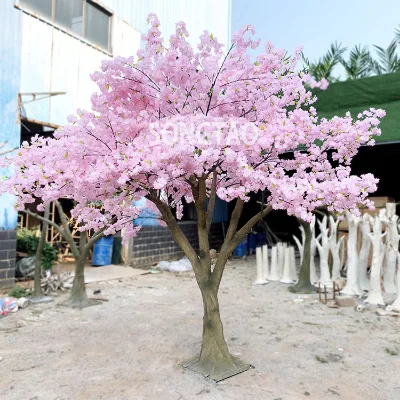
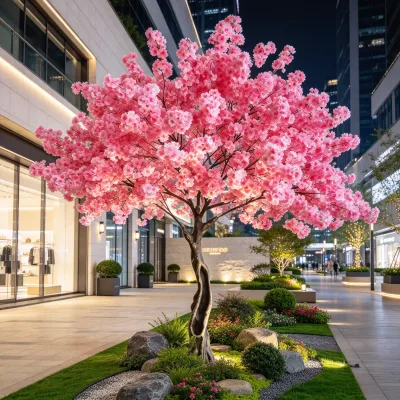
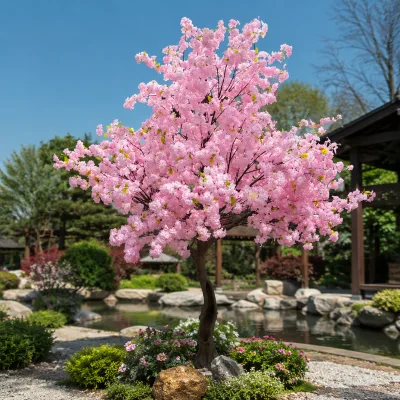
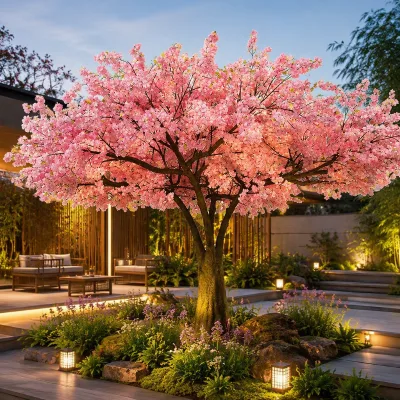
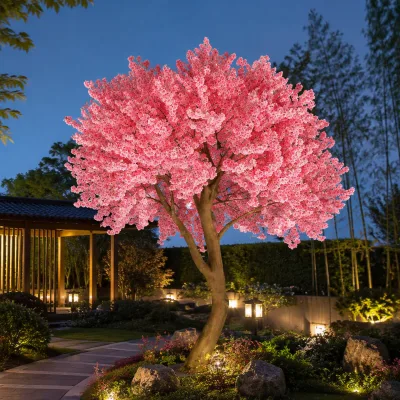
Artificial Flowering TreesCherry Blossom Tree Wedding Decorationcherry Blossom Tree Centerpiece
$194.8958 - $236.3634
MOQ: 15 meters
Fengqiu Zhaogang Silk Flower Factory
- Manufacturer, Trading Company
- Lead time旺季: "1 - 25":15,"> 25":"To be negotiated", 淡季: "1 - 25":15,"> 25":"To be negotiated"
- Avg. response≤ 2h
Main productsArtificial Flower Wall, Flower Ball, Flower Vine, Loose Flower, Flower Tree
Qingdao Poweroy Trading Co., Ltd.
- Trading Company
- Shandong, China
- Lead time0 days
- Avg. response≤ 2h
Main productsartificial flowers,wedding flowers,artificial plants,wedding products,gifts
Main marketsSoutheast Asia(15.00%), South America(15.00%), North America(15.00%), Northern Europe(10.00%), Western Europe(10.00%), Eastern Europe(10.00%), Mid East(5.00%), South Asia(5.00%), Central America(5.00%), Eastern Asia(5.00%), Southern Europe(3.00%), Africa(2.00%)
Qingdao Bolyway Technology Co., Ltd.
- Trading Company
- Shandong, China
- Lead time0 days
- Avg. response≤ 2h
Main productsArtificial flowers&Plants,wedding decor,Promotional Gifts,Home Decor,Artificial plants
Main marketsSouth America(20.00%), North America(20.00%), Western Europe(10.00%), Oceania(10.00%), Southern Europe(10.00%), Northern Europe(10.00%), Eastern Europe(10.00%), Africa(5.00%), Southeast Asia(5.00%)
Shaanxi Longstar New Material Technology Co., Ltd.
- Manufacturer, Trading Company
- Lead time旺季: "1 - 50":7,"51 - 1000":20,"> 1000":"To be negotiated", 淡季: "1 - 50":7,"51 - 1000":20,"> 1000":"To be negotiated"
- Avg. response≤ 9h
Main productsGrass Wall, Onion Grass, Artificial Plant, Pot , Succulent
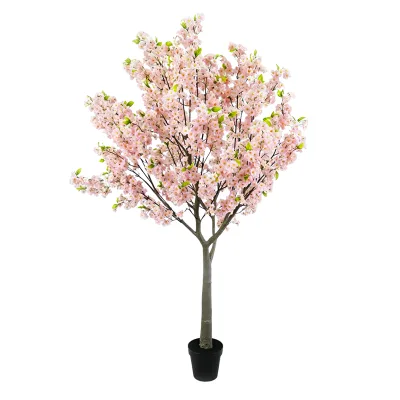
Wholesale Indoor Artificial Cherry Blossom Tree Home Decoration Silk Cherry Blossom Tree
$20.00 - $25.50
MOQ: 50
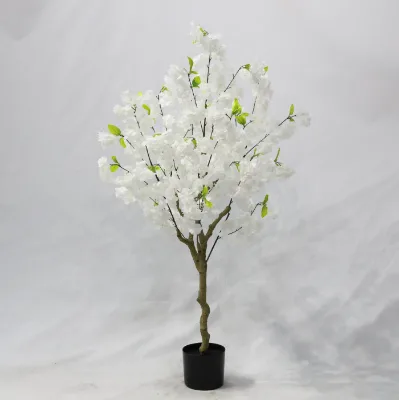
Detachable White Cherry Blossom Tree Artificial Flowering Tree for Home Wedding Decor
$11.50 - $12.00
MOQ: 20
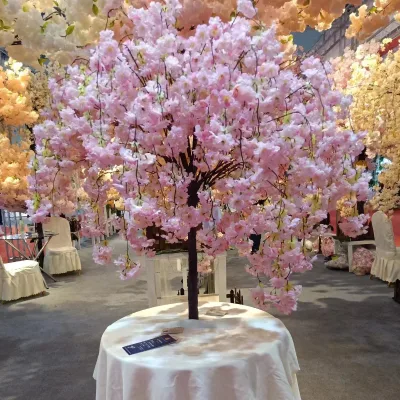
Guangzhou Mingchuang Garden Landscape Co., Ltd.
- Verified by SGS Group
- Manufacturer, Trading Company
- Lead time20 days
- Avg. response≤ 2h
Main productsArtificial Trees, Artificial Plants, Artificial Plant Walls, Artificial Blossom Trees, Artificial Vines
Main marketsNorth America(21%), Eastern Europe(13%), Mid East(13%)
Guangzhou Haihong Arts & Crafts Factory
- Verified by Intertek
- Manufacturer, Trading Company
- Lead time15 days
- Avg. response≤ 4h
Main productsArtificial Plants, Artificial Trees, Artificial Foliage & Branch, Garden Landscaping, Luminous Plants And Animals
Main marketsMid East(40%), North America(15%), Eastern Europe(15%)
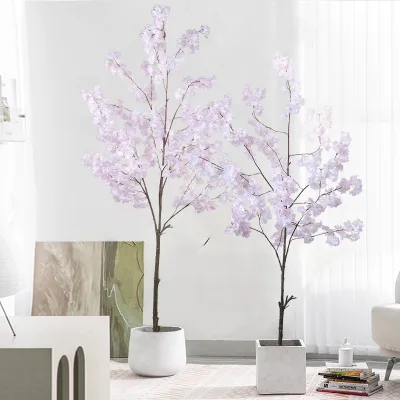
$17.1476 - $25.7102
MOQ: 48 Minimum
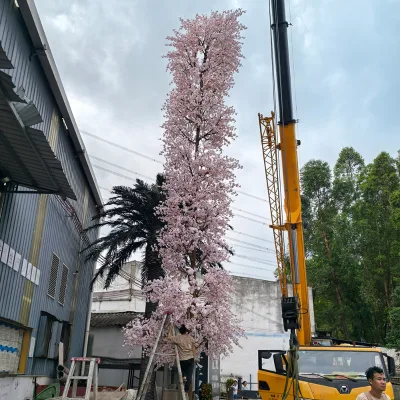
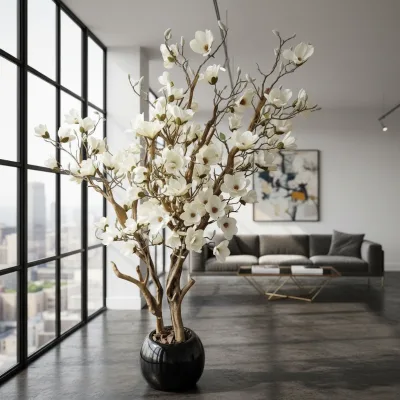
Shenzhen Flower World Flower Gifts Co., Ltd.
- Verified by Intertek
- Trading Company
- Lead time15 days
- Avg. response≤ 4h
Main productsArtificial Trees, Artificial Flowers, Artificial Plant, Wedding Lights, Flower Foam
Main marketsNorth America(22%), North America(17%), Eastern Europe(8%)
Yiwu Bestthings Ornament Co., Ltd.
- Trading Company
- Zhejiang, China
- Lead time10 days
- Avg. response≤ 21h
Main productsVases & Floral Risers,Wedding Candelabra,Wedding Backdrops & Arches,Flower Arrangement And Trees,Florist Pot & Tools
Main marketsNorthern Europe(30.00%), North America(30.00%), Western Europe(10.00%), Oceania(10.00%), Eastern Europe(10.00%), South Asia(1.00%), South America(1.00%)


Comprehensive Sourcing Guide
Outdoor Artificial Cherry Blossom Tree Supplier Concentration and Factory Types
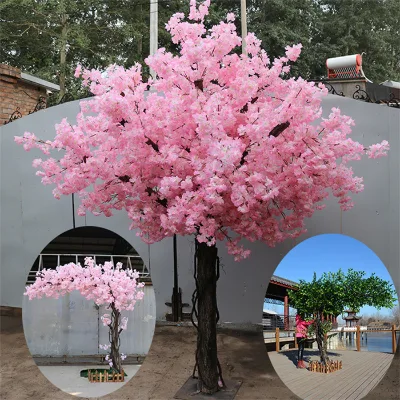
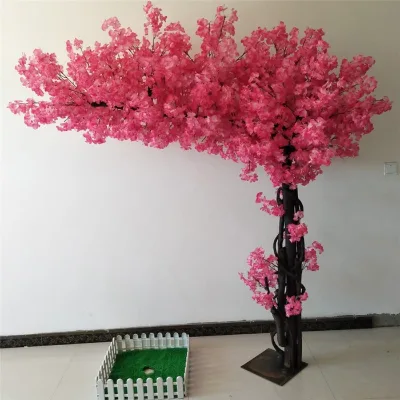
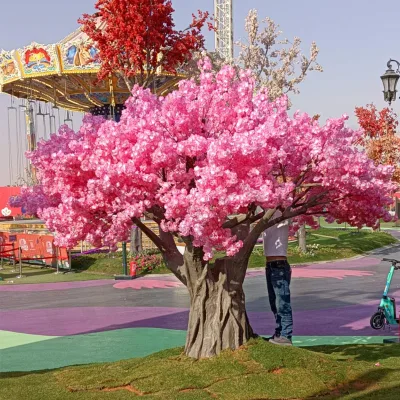
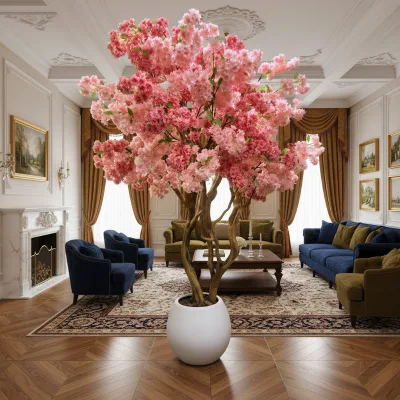
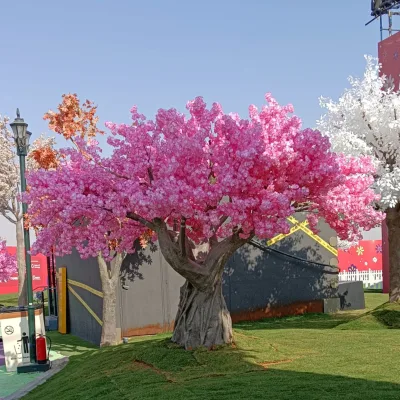
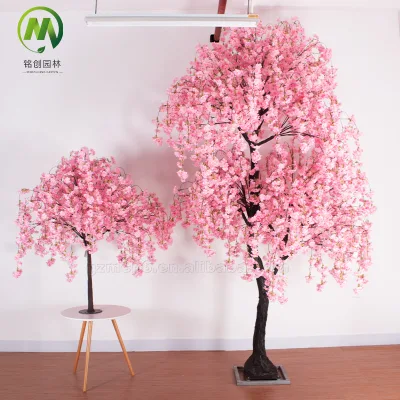
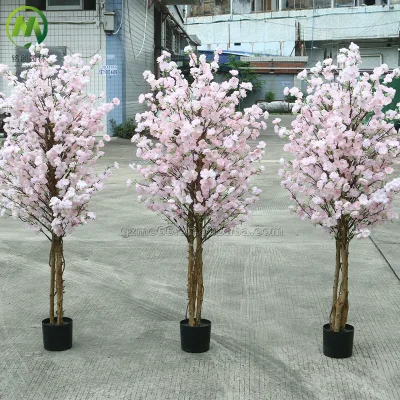
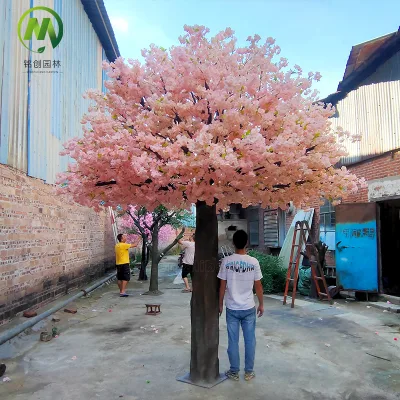
Supplier listings for outdoor artificial cherry blossom trees show a clear concentration in Guangdong, China, which functions as the primary manufacturing cluster for this category. Within that region, several cities host dense ecosystems of artificial plant producers, including specialist workshops that build large-format trees by hand on fiberglass or natural wood trunks. Buyers searching this category will typically encounter suppliers whose main product lines include artificial cherry trees alongside olive trees, banyan trees, palm trees, coconut trees, grass walls and bonsai, indicating shared production capabilities across decorative tree formats.
Two supplier types dominate the results. One is the trading company, which aggregates output from multiple workshops and may offer broader customization coordination but less direct factory control. The other is the direct manufacturer, less visible in some listings but generally stronger on custom sizing, trunk construction and sample iteration. Because several products in this category are explicitly listed as customizable — with sizes such as 5 meters or fully custom heights, fiberglass trunk options, and more than ten flower colors — distinguishing between a trading intermediary and an actual fabrication workshop matters significantly. When a listing's location is not displayed or cannot be confirmed, buyers should identify clusters themselves by asking each candidate where the trees are fabricated, whether trunk bending and flower assembly happen in-house or at a partner workshop, and which nearby cities their production relies on, then cross-check the answers against port proximity and stated lead times.
How to Verify Outdoor Artificial Cherry Blossom Tree Suppliers
Verification should start with third-party inspection status. Some suppliers in this category carry SGS verification on their profiles, which signals that an independent body has audited the company's registration and operations at least once. Verification badges are not uniform across all listings, so treat their absence as a flag to investigate rather than an automatic disqualification. Ask each candidate for its business license, a photo or video walkthrough of the workshop, and recent photos of outdoor cherry blossom trees actually in production, not just catalog renders. Listings that show handmade or machine-plus-handmade processing suggest labor-intensive fabrication that is easier to confirm with real production imagery.
Beyond documentation, test responsiveness and consistency. Response times displayed on profiles in this category cluster around one to two hours, so a supplier that takes days to answer a first inquiry is performing below the category norm. Request the same specification — for example a five-meter outdoor tree with a specific flower color and trunk material — from several candidates and compare how precisely each one restates it. Ask which elements are factory-controlled versus outsourced, and whether the supplier can produce a sample before mass production. For structural products weighing as much as 90 kilograms per tree in some listings, verification should also cover packing methods: confirm whether the tree ships in a plywood box, plywood frame, iron frame or carton, and ask for photos of a packed unit to confirm the packaging claim matches what will actually protect your order in transit.
What to Compare Across Outdoor Artificial Cherry Blossom Tree Suppliers
Build a comparison table using dimensions that actually appear on supplier profiles in this category. Lead time is one of the widest variables: sample lead times as short as 7 days and producing times of 7 to 15 days appear on some listings, while other suppliers quote 20 to 25 days or 20 to 25 working days for full orders. Record whether a quoted lead time refers to samples, production, or both, since mixing them distorts comparisons. Minimum order quantities also vary sharply, from 1 piece on several listings to 2 pieces or 2 meters on others, which matters enormously if you need a single statement tree for an event.
Other comparison dimensions include response time, where displayed figures around 1.5 to 1.7 hours give a benchmark for how quickly engaged suppliers reply; company type, distinguishing trading companies from manufacturers; and main product breadth, since a supplier listing cherry trees alongside olive, banyan, palm and fruit trees may have deeper tree-building experience than a general decor reseller. Price ranges shown in listings vary from roughly the low hundreds of dollars to several hundred per tree, but treat displayed prices as orientation only and demand quotations tied to your exact height, trunk type and flower density. Also compare customization scope — trunk color customization, square or round bases, size and shape flexibility — along with stated product lifespan, which listings in this category place anywhere from 5-8 years to 10 years. Not every supplier displays every attribute, so note gaps explicitly rather than assuming uniformity.
Common Outdoor Artificial Cherry Blossom Tree Sourcing Risks
The most frequent risk in this category is the gap between display-grade photos and outdoor-grade construction. A tree photographed indoors at a wedding or shopping mall may use silk flowers and lightweight trunks that fade, crack or corrode when exposed to sun, rain and wind year-round. Listings advertising outdoor suitability exist alongside others aimed at indoor use, so a product keyword match alone does not guarantee weather resistance. Always ask which specific materials are used for the trunk (fiberglass versus natural wood), the flower fabric, and any metal framework, and request outdoor installation references.
Structural and logistics risks follow closely. Some trees weigh around 90 kilograms, and inadequate packing leads to broken branches and crushed trunks; packing claims range from bubble bags with plywood frames to plywood wooden boxes and iron frames, and a mismatch between claim and reality is common with unverified suppliers. Timeline risk is another: quoted producing times of 7-15 days versus 20-25 days are both present in this category, and large custom trees frequently slip past initial estimates because trunk shaping is handmade. Buyers also face quotation drift, where a low listed price balloons once custom height, flower color and base shape are specified. Finally, beware suppliers who cannot articulate the difference between their indoor and outdoor product lines — a legitimate maker of large outdoor trees will discuss UV stability, wind loading and anchoring without prompting. Confirm every risk area in writing before paying any deposit.
Outdoor Artificial Cherry Blossom Tree Regional Sourcing and Logistics
With the core manufacturing base concentrated in Guangdong, logistics planning starts with the region's ports, which offer established sea freight routes for oversized decorative goods. Large artificial trees are awkward cargo: some products ship at three meters or taller, and even disassembled trunks, branches and flower heads occupy significant volume. Listings in this category reference shipping by express, air, sea and train, giving buyers multiple lanes depending on urgency. A single urgent event tree may justify air freight, while multi-unit orders for hotels or retail installations almost always move by sea in plywood boxes or on iron frames.
Because several products in this category weigh up to 90 kilograms per tree, freight cost per unit can approach a meaningful share of product cost, and dimensional weight rules make packing density a genuine negotiation point. Ask each supplier for packed dimensions and gross weight per tree, not just assembled size, and request a packing photo before booking freight. For inland delivery in destination markets, confirm whether the plywood crate can be unloaded by hand or needs a forklift. Buyers should also clarify Incoterms early — whether the quoted price covers delivery to the port, the door, or only loading at the factory. When a listing does not display its location, request the factory address directly and check its distance to the nearest major port; a factory three hours from the container terminal will add domestic trucking cost and time that a coastal workshop does not.
Outdoor Artificial Cherry Blossom Tree Commercial Terms and Order Planning
Commercial terms in this category reward careful sequencing. Listed prices for comparable trees span from roughly 129 to 401 dollars depending on size and specification, so a meaningful RFQ must pin down height, trunk material, flower color, density and base type before suppliers can quote comparably. Several listings state MOQs of 1 piece, which lowers the barrier to a paid sample order; use that flexibility to test one supplier's tree quality at small volume before committing to a multi-unit order. Sample lead times around 7 days are advertised on some profiles, while full production runs quote 15 to 25 days, so plan a timeline of several weeks minimum from first inquiry to shipped goods, longer for fully custom heights.
On payment, at least some suppliers in the results advertise PayPal, which offers dispute protection worth prioritizing on first orders; others may require wire transfer, where a staged payment against inspection is prudent. Ask whether trade assurance or escrow-style protection is available, but verify the mechanism rather than assuming it. Order planning should account for stated product lifespans of 5-8 to 10 years — write durability expectations into the purchase contract. Confirm customization terms in writing, including whether logo printing is included (some listings specify without logo printing) and who owns any custom mold or trunk-forming setup. Finally, match order quantity to verified packing methods and reconfirm the production slot by email two weeks before the stated lead time begins.
FAQs
What is the minimum order quantity for outdoor artificial cherry blossom trees?
The minimum order quantity varies by supplier, with some accepting just one piece while others require two meters. Buyers should verify the specific MOQ listed for each product listing before placing an order to ensure it meets their project needs.
How long does it take to receive samples of these artificial trees?
Sample lead times typically range from seven days to fifteen days depending on the supplier and customization requirements. Some vendors offer samples within a week, while others may need up to two weeks to prepare and ship the requested artificial cherry blossom tree samples.
What is the typical production lead time for large outdoor artificial cherry trees?
Production lead times generally fall between fifteen and twenty-five working days after order confirmation. Specific timelines depend on the complexity of the customization and the current workload of the trading company in Guangdong, China, where most of these suppliers are located.
Are these artificial cherry blossom trees suitable for both indoor and outdoor use?
Yes, many listings indicate suitability for both indoor and outdoor environments including shopping malls, hotels, and gardens. The trees are designed for high simulation and easy installation, making them versatile for various decoration occasions such as weddings, events, and building landscaping projects.
What is the expected lifespan of a large Outdoor Artificial Cherry Blossom Tree?
The expected lifespan ranges from five to ten years depending on the material quality and environmental exposure. Some products are rated for five to eight years, while others claim a durability of up to ten years for long-term outdoor decoration and landscaping applications.
Do suppliers offer customization options for the size and color of these trees?
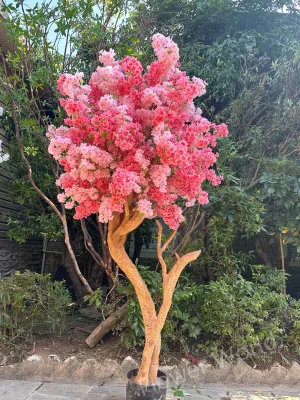
Customization is widely available for size, trunk color, and flower color including white, pink, purple, and blue options. Buyers can request specific heights like five meters or custom dimensions, though logo printing is often not included in the standard customization package.
What is the price range for purchasing large outdoor artificial cherry blossom trees?
Prices typically range from approximately one hundred twenty-nine dollars to four hundred dollars per unit based on size and features. The lowest prices start around one hundred twenty-nine dollars, while larger or more detailed models can cost up to four hundred dollars depending on the supplier.