Portable Magnetic Wireless Power Bank Suppliers and Manufacturers
Explore 28 verified options for Portable Magnetic Wireless Power Bank from China Guangdong. Compare response times, lead times, certifications like CE and RoHS, and pricing ranges. Contact suppliers directly to request samples or custom orders; review the available evidence before requesting comparable quotations from suitable candidates.
Updated
Suppliers List

Fortune Port Electronics Limited.
- Verified by SGS
- Trading Company
- China Guangdong
- Lead time15 days
- Avg. response≤ 9h
Main productsSolid State Drives, Hard Disk Drives, USB Flash Drives, Memory Cards, Memory Modules, CPU, Motherboards, GPU, Power Banks, Custom Shaped USB Drive
Main marketsSoutheast Asia/ Mideast


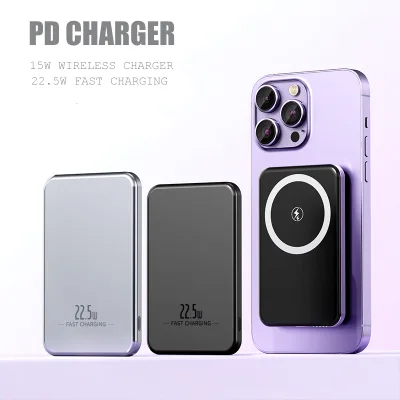
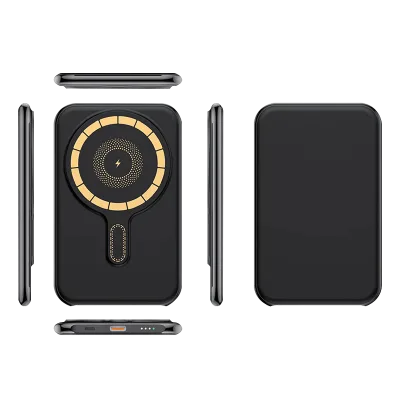
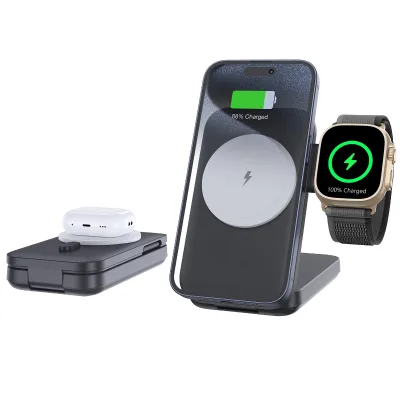
Magnetic Power Bank Charger Fast Charging Wireless Portable Power Bank
$70.00 - $80.00
MOQ: 100 Pieces

SHENZHEN AIL INDUSTRIAL LIMITED
- Verified by TUVRHEINLAND
- Trading Company,Manufacturer/Factory
- China Guangdong
- Lead time15 days
- Avg. response≤ 8h
Main productsPower Bank, Bluetooth Earbuds, Bluetooth Speaker, Bluetooth Watch, USB Flash Drive, Video Book, Promotional Gifts, USB Fan, Book, T Shirt
Main marketsSouth America,Eastern Europe,Mid East,North America,Southeast Asia,Eastern Asia,Oceania,Western Europe,Africa


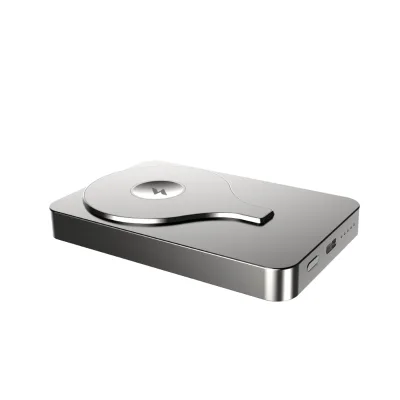
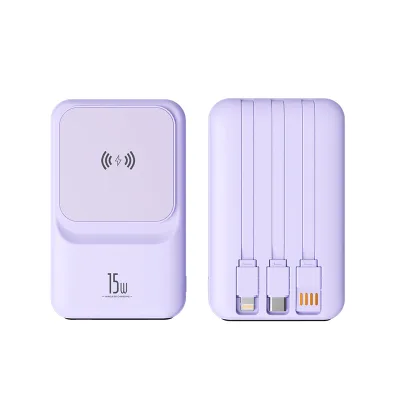
Magnetic Wireless Charging Mobile Power Bank Fast Charging Gift Power Bank
$6.50 - $8.00
MOQ: 100 Pieces


Guangzhou LiSheng Electronics Co., Ltd.
- Verified by BV
- Combined
- China Guangdong
- Lead time30 days
- Avg. response≤ 3h
Main productsLithium Battery Pack, LiFePO4 Battery Cells, LiFePO4 Battery Pack, Battery Pack, Rechargeable Battery, Power Bank, LiFePO4 Storage Battery Packs, Lithium Ion Battery Cells, Alkaline Battery AA AAA 9V, Carbon Zinc Battery AA AAA
Main marketsSouth America,Southeast Asia/ Mideast,North America

Huanyu Electronics Industrial Co., Limited
- Verified by BV
- Trading Company,Manufacturer/Factory
- China Guangdong
- Lead time15 days
- Avg. response≤ 8h
Main productsPower Bank, Wireless Charger, Bluetooth Speaker, Bluetooth Earphone/Earbuds/Headphone, Smart Watch, Drone, Charger/Adapter, Solar Radio, USB Cable, Other Mobiles& Computer Accessoriess
Main marketsSouth America,Eastern Europe,Mid East,North America,Southeast Asia,Eastern Asia,Oceania,Western Europe,Africa

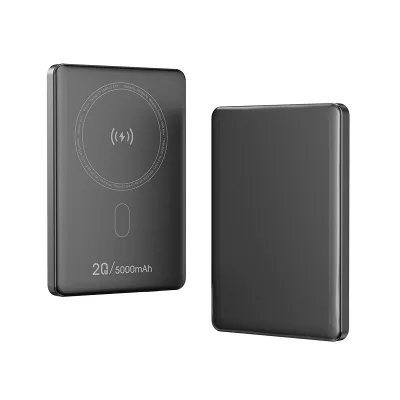
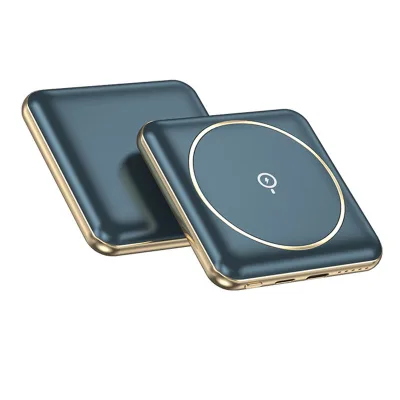
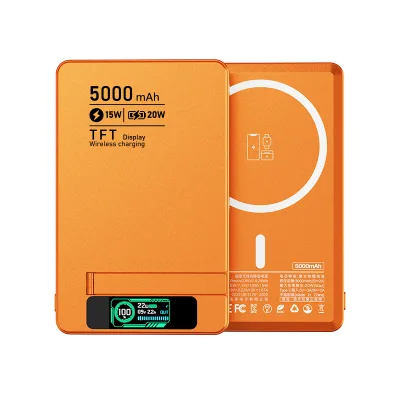
New Slim Magnetic Power Banks 5000mAh Portable Mini Wireless Magnetic Power Bank
$4.70 - $5.85
MOQ: 30 Pieces

Magnetic Portable 5000mAh Magnetic Wireless Charger Power Bank with USB-C 20W Battery Pack
$5.99 - $6.75
MOQ: 50 Pieces


Portable Charger Pd Power Pack 15W Type-C 5000mAh Magnetic Wireless Charger Power Bank
$5.35 - $6.35
MOQ: 50 Pieces


Shenzhen Zhongchenghangye Technology Co., Ltd
- Verified by SGS
- Trading Company
- China Guangdong
- Lead time15 days
- Avg. response≤ 12h
Main productsPhone Case, Earphone, Hair Dryer, Phone Strap, Phone Pendant, Phone Charge, Phone Cable, Smart Watch, Curling Iron, Hair Straightener
Main marketsDomestic,Europe

Portable Type-C Magnetic Wireless Power Bank 5000mAh Fast Power Bank with Wireless Charger
$10.50 - $11.50
MOQ: 20 Pieces

$10.50 - $11.50
MOQ: 20 Pieces

$10.50 - $11.50
MOQ: 20 Pieces

$10.50 - $11.50
MOQ: 20 Pieces


- Verified by BV
- Manufacturer/Factory
- China Guangdong
- Lead time0 days
- Avg. response≤ 8h
Main productsBluetooth Speaker, USB Flash Disk, Bluetooth Headphone, Power Bank, Touch Pen, Memory Card, Data Cable
Main marketsSouth America,Eastern Europe,Mid East,North America,Southeast Asia,Eastern Asia,Oceania,Western Europe,Africa


10000mAh Thin Magnetic Wireless Power Bank Pd20W Fast Charging Portable External Battery Power Bank
$6.90 - $9.90
MOQ: 10 Pieces

5000mAh/10000mAh Wholesale Fast Charging Magnetic Wireless Charging Power Bank
$8.99 - $10.50
MOQ: 100 Pieces

NINGBO HAISHU HOPE-U INTERNATIONAL TRADING CO., LTD.
- Manufacturer/Factory
- China Zhejiang
- Lead time45 days
- Avg. response≤ 25h
Main productsGift, Beauty Device, Bluetooth Speaker, Skin Care, Cosmetics, Promotional Products, Camping Lamp, Fan, Keyboard and Mouse, Humidifier
Main marketsSouth America,Eastern Europe,North America,Southeast Asia,Western Europe

SYS ELECTRONICS TECHNOLOGY CO., LIMITED
- Verified by SGS
- Trading Company,Manufacturer/Factory
- China Guangdong
- Lead time15 days
- Avg. response≤ 11h
Main productsMobile Phone Accessories, USB Cable, Pd Cable, iPhone Cable, Charger, iPhone Charger, Wireless Charger, Power Bank, Car Charger
Main marketsSouth America,Eastern Europe,Mid East,North America,Southeast Asia,Eastern Asia,Oceania,Western Europe,Africa

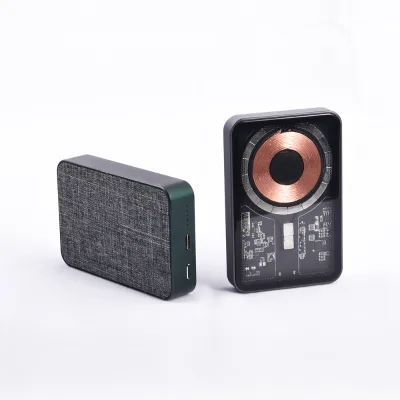
Portable Transparent 5000mAh 10000mAh Mini Magnetic Wireless Power Bank
$14.90 - $19.70
MOQ: 1000 Pieces


Mini Portable Magnetic Wireless Charging Power Bank for iPhone Mobile Phone
$11.50 - $15.50
MOQ: 1000 Pieces

Magnetic Battery Power Bank Magnetic 5000 mAh Magnetic Wireless Portable Charger
$8.90 - $11.90
MOQ: 1000 Pieces


GuangZhou Ronc Electronic Technology co.,LTD
- Verified by TUVRHEINLAND
- Trading Company
- China Guangdong
- Lead time15 days
- Avg. response≤ 4h
Main productsBlank CD DVD, Power Bank, USB Flash Drive, Portable Power Station, Memory Card, Smart Glasses, Smart Earphone, Smart Ring
Main marketsSoutheast Asia/ Mideast,Domestic,North America

Magnetic Portable Wireless Charger Power Banks 5000mAh Fast Charging Powerbank
$9.30 - $9.50
MOQ: 100 Pieces


15W Magnetic Battery Wireless Charger Power Bank 5000 mAh Portable Charger
$6.90 - $7.80
MOQ: 50 Pieces

10000mAh Fast Charging 15W Magnetic Wireless Portable Power Banks with Phone Stand LED Display
$10.70 - $11.30
MOQ: 100 Pieces
CASUN TECHNOLOGIES CO., LIMITED
- Trading Company
- Hong Kong S.A.R.
- Lead time20 days
- Avg. response≤ 2h
Main productsPower bank,Bluetooth Speaker,ev charger station,portable charger,wireless charger station
Main marketsNorth America(54.00%), Eastern Europe(12.00%), South America(12.00%), Mid East(10.00%), Western Europe(8.00%), Northern Europe(4.00%)

Shenzhen Itexi Technology Co., Ltd.
- Trading Company
- Guangdong, China
- Lead time15 days
- Avg. response≤ 2h
Main productsWireless Earphone, Smart Watch, Tablet PC, Wireless Speaker, Mobile Phone Accessories
Main marketsNorth America(25.00%), South America(20.00%), Western Europe(15.00%), Southeast Asia(10.00%), South Asia(5.00%), Southern Europe(5.00%), Northern Europe(5.00%), Eastern Europe(5.00%), Eastern Asia(2.00%), Oceania(2.00%), Central America(2.00%), Africa(2.00%), Mid East(2.00%)
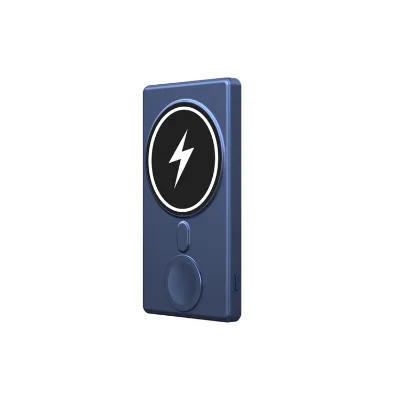
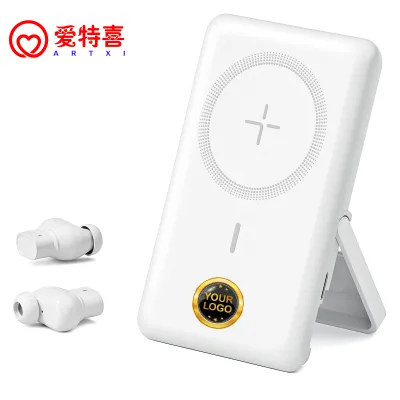
$4.4146 - $22.6244
MOQ: 10 Minimum
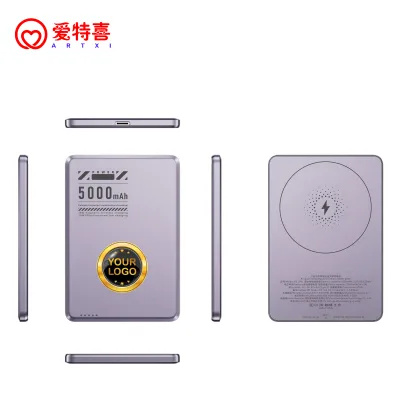

Hongkong Lindy Industries Company Limited
- Manufacturer/Factory
- China Guangdong
- Lead time90 days
- Avg. response≤ 7h
Main productsPower Banks for Mobile Phones, Power Banks for Laptop Computers, Wireless Power Banks, Wall Plug 220V Power Banks, Ozone Generators, Fast Charging Power Banks
Main marketsSouth America,Eastern Europe,Mid East,North America,Southeast Asia,Eastern Asia,Oceania,Western Europe,Africa

1000mAh Lightweight Portable Folding Wireless Mobile Power Supply Magnetic Power Bank
$8.90 - $9.50
MOQ: 100 Pieces


Dongguan kailexin trading co., LTD
- Trading Company
- China Guangdong
- Lead time15 days
- Avg. response≤ 4h
Main productsPower Bank, Bluetooth Speaker, Bluetooth Earphone, Phone Screen Protector, Phone Case, Car Dash Cam, Smart Watch, Smart Glasses, 4G Camera, Phone Holder
Main marketsSoutheast Asia/ Mideast
Shenzhen Jiaoyuanxin Technology Co., Ltd.
- Verified by SGS Group
- Trading Company
- Guang Dong, China
- Lead time15 days
- Avg. response≤ 6h
Main productsTWS Earbuds, Bluetooth Speaker, Smart Watch
Main marketsNorth America(50%), Southeast Asia(20%), Southern Europe(15%)

- Verified by TUVRHEINLAND
- Combined
- China Zhejiang
- Lead time30 days
- Avg. response≤ 10h
Main productsSnowboard, Ski Boot, Ski Equipments, Snowboardings, Ski Helmet, Boots, Ski Gloves, Ski Goggles, Binding
Main marketsEast Asia(Japan/ South Korea),Europe,North America
Shenzhen E-Teck Offer Technology Co., Ltd.
- Verified by SGS Group
- Manufacturer, Trading Company
- Lead time8 days
- Avg. response≤ 4h
Main productsPower Bank, Wireless Charger, Mobile phone Stands, Speakers, Wireless Earphone
Main marketsNorth America(20%), Eastern Europe(12%), Eastern Asia(10%)

Shenzhen Jiexuan You Electronics Co., Ltd.
- Manufacturer, Agent, Distributor/Wholesaler
- Guangdong, China
- Lead time5 days
- Avg. response≤ 17h
Main productsSmartwatch,Charging cable,charger,earphone,Power Bank
Main marketsNorth America(30.00%), South America(20.00%), Northern Europe(10.00%), Mid East(10.00%), Central America(10.00%), Eastern Europe(10.00%), Western Europe(5.00%), Southeast Asia(5.00%)
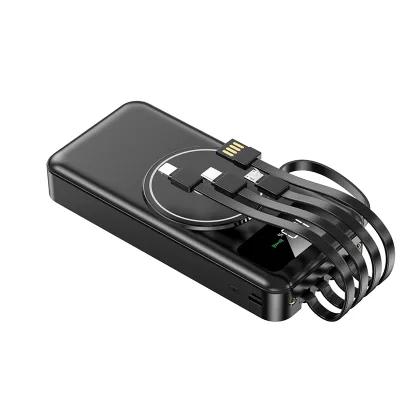
$4.3276 - $5.1011
MOQ: 10 pieces
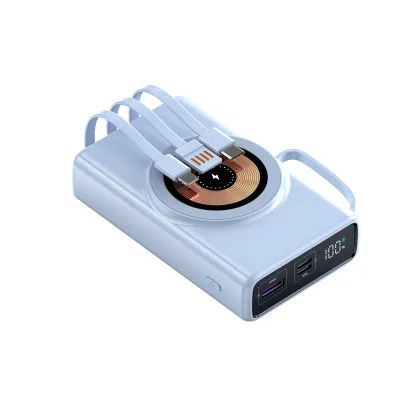
- Trading Company
- Hong Kong S.A.R.
- Lead time5 days
- Avg. response≤ 3h
Main productsPower Bank,Smart Glasses,Thumb Action Camera,AI Earphones and Headphones,Smart Sleep Mask
Main marketsSouth America(20.00%), Eastern Europe(15.00%), North America(10.00%), Domestic Market(5.00%), South Asia(5.00%), Southern Europe(5.00%), Northern Europe(5.00%), Central America(5.00%), Western Europe(5.00%), Eastern Asia(5.00%), Mid East(5.00%), Oceania(5.00%), Africa(5.00%), Southeast Asia(5.00%)

- Verified by SGS
- Trading Company
- China Zhejiang
- Lead time15 days
- Avg. response≤ 16h
Main marketsOthers(foreignTradeCapacity.exportBusinessCapacityMarketOther),North America


Hot Selling 15W Magnetic Ultra-Thin Wireless 5000mAh Portable Power Bank
$6.07 - $6.79
MOQ: 200 Pieces

Hot Sale Fast Charging Storage Lanyard 10000mAh Wireless Magnetic Power Bank
$7.53 - $8.41
MOQ: 200 Pieces

Hot Selling Magnetic Wireless Power Bank Ultra Slim Compact Portable Mobile Charger
$8.26 - $9.23
MOQ: 150 Pieces

New Magnetic Wireless Ultra-Thin Bidirectional Super Fast Charging Mobile Power Bank
$4.25 - $4.75
MOQ: 200 Pieces

Shenzhen Kingstar Mould Co., Ltd.
- Verified by SGS Group
- Manufacturer, Trading Company
- Lead time15 days
- Avg. response≤ 9h
Main productsPlastic Product, Wireless Speaker, Massage Gun, Wireless Earbuds, Smart Watch
Main marketsNorth America(35%), Southern Europe(30%), Domestic Market(20%)
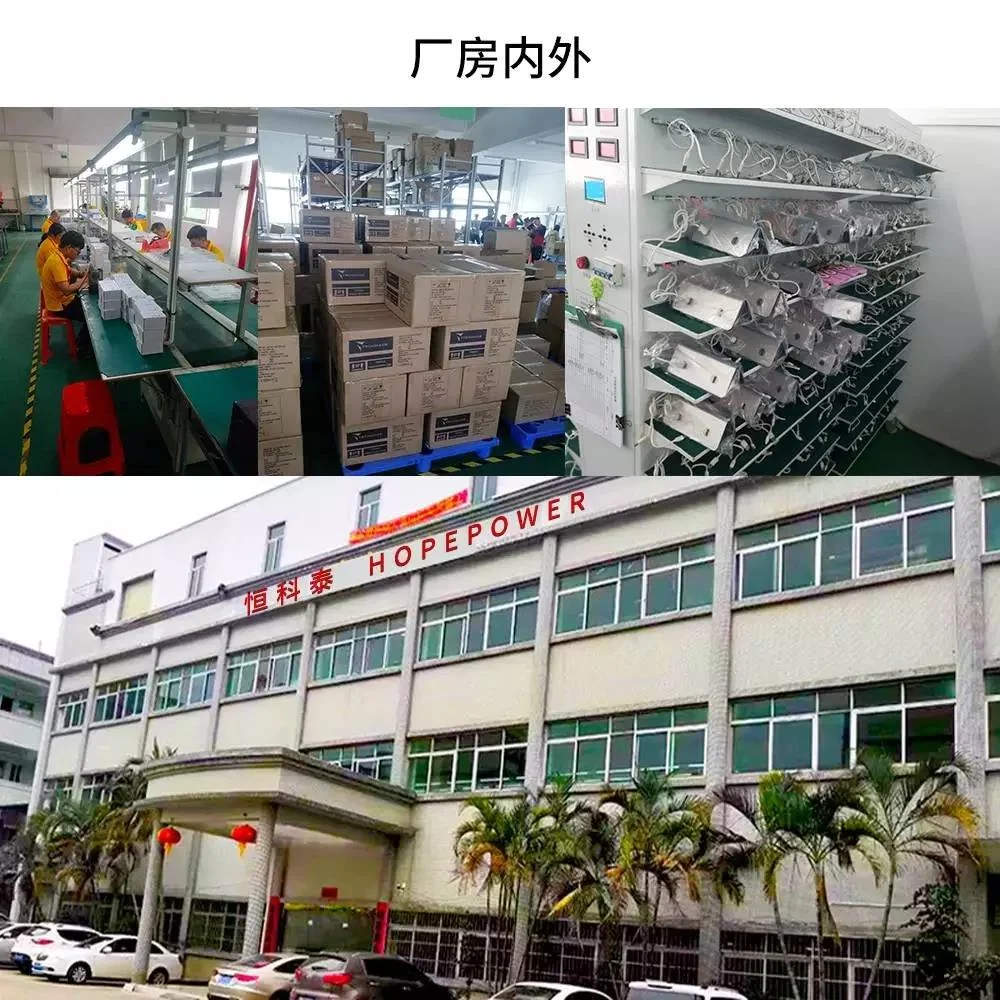
Shenzhen Hopepower Technology Co., Ltd.
- Manufacturer, Distributor/Wholesaler
- Guangdong, China
- Lead time5 days
- Avg. response≤ 3h
Main productsWireless power Bank,wireless charger,power bank,batteries pack,luminous board
Main marketsNorth America(30.00%), Western Europe(20.20%), South America(20.00%), Domestic Market(20.00%), Southeast Asia(20.00%), Eastern Europe(20.00%), Eastern Asia(4.30%), Northern Europe(1.50%)
Yiwu Changyi Trading Co., Ltd.
- Trading Company
- Zhejiang, China
- Lead time7 days
- Avg. response≤ 3h
Main productsBluetooth headset,SmartWatch,Household hair dryer,UAV
Main marketsSouth America(30.00%), North America(30.00%), Western Europe(20.00%), Southeast Asia(10.00%), Eastern Asia(10.00%)
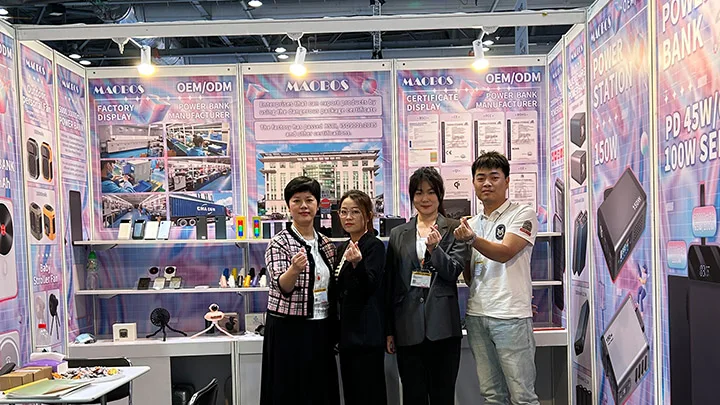
Shenzhen Maobos Technology Co., Ltd.
- Manufacturer, Trading Company
- Guangdong, China
- Lead time7 days
- Avg. response≤ 5h
Main productsUSB Cable,Fast Charger,Car Charger,Bluetooth Earphone,Power Bank
Main marketsNorth America(50.00%), South America(20.00%), Mid East(12.00%), Southeast Asia(5.00%), Northern Europe(3.00%), Oceania(2.00%), Western Europe(2.00%), South Asia(1.00%), Southern Europe(1.00%), Central America(1.00%), Africa(1.00%), Eastern Asia(1.00%), Eastern Europe(1.00%)
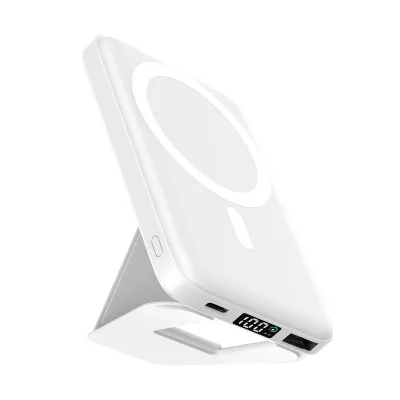
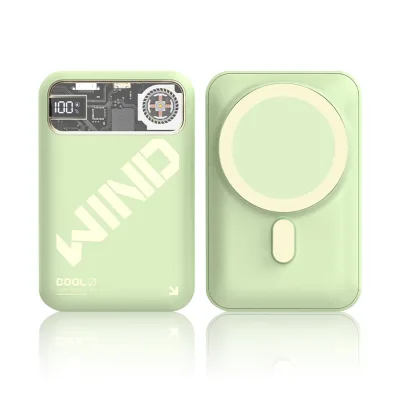
$10.50 - $13.00
MOQ: 1000 units
Shenzhen Lianxinyuan E-Commerce Co., Ltd.
- Manufacturer, Trading Company, Distributor/Wholesaler, Other
- Guangdong, China
- Lead time3 days
- Avg. response≤ 1h
Main productsTraffic tools,charger,Electronic products,integrated circuit,Solar products
Main marketsNorth America(30.00%), Northern Europe(15.00%), South America(15.00%), South Asia(10.00%), Southern Europe(10.00%), Eastern Europe(10.00%), Western Europe(10.00%)
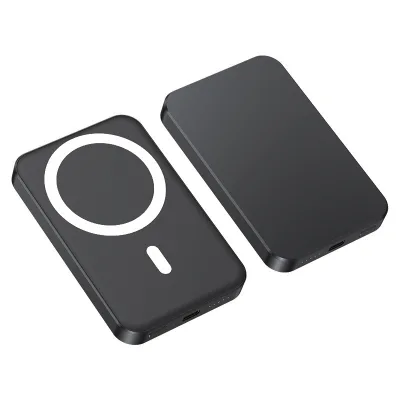
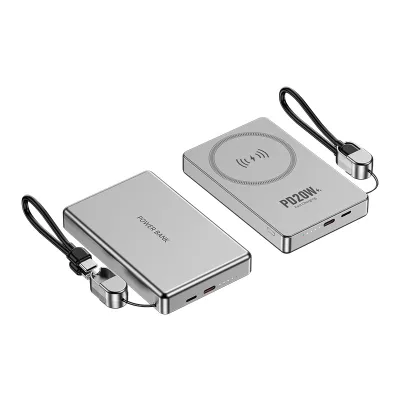
PD3.0 power bank portable fast charging magnetic suction wireless charging
$4.3021 - $7.0288
MOQ: 200 pieces
Tianjin Averil Bicycle Co., Ltd.
- Trading Company
- Tianjin, China
- Lead time45 days
- Avg. response≤ 9h
Main productsElectric Bicycle, Bicycles, Electric Tricycles, Electric Scooters
Main marketsNorth America(30.00%), South America(15.00%), Oceania(10.00%), Western Europe(10.00%), Eastern Europe(10.00%), Southern Europe(6.00%), Northern Europe(6.00%), Mid East(6.00%), Southeast Asia(6.00%), Eastern Asia(1.00%)
- Manufacturer
- Guangdong, China
- Lead time10 days
- Avg. response≤ 5h
Main productsWireless Charger,Power Bank,wall charger,bluetooth speaker,power station
Main marketsNorth America(35.00%), Western Europe(20.00%), Mid East(15.00%), South America(15.00%), Southern Europe(5.00%), Northern Europe(5.00%), Southeast Asia(5.00%)

Shenzhen Kingberry Electronic Technology Co., Ltd.
- Verified by SGS
- Trading Company
- China Guangdong
- Lead time15 days
- Avg. response≤ 7h
Main productsLithium Battery, Power Bank, Vaper, Mini Fan, Electronic Masasger Ball, Small Home Appliances, Other Electronic Products
Main marketsEurope
Shenzhen Yushan Electronic Trade Co., Ltd.
- Trading Company
- Guangdong, China
- Lead time3 days
- Avg. response≤ 2h
Main productswireless charger,Phone Protect screen,Smart Watch,Smartphone accessories,Earphone
Main marketsNorth America(30.00%), Northern Europe(20.00%), Western Europe(20.00%), South America(15.00%), Oceania(5.00%), Mid East(5.00%), Eastern Asia(5.00%)




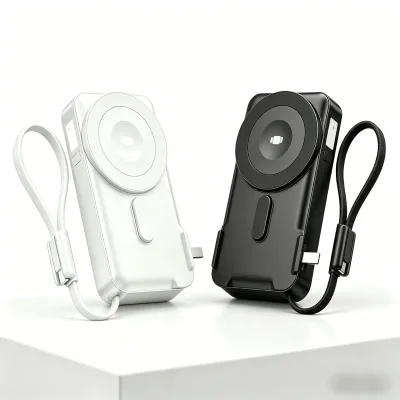


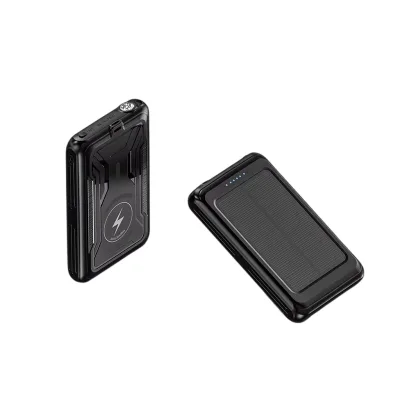
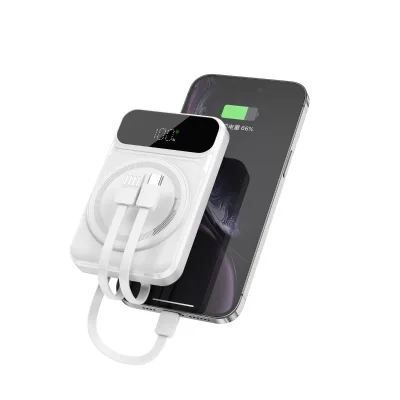
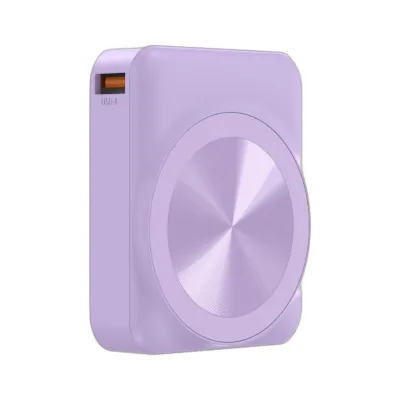
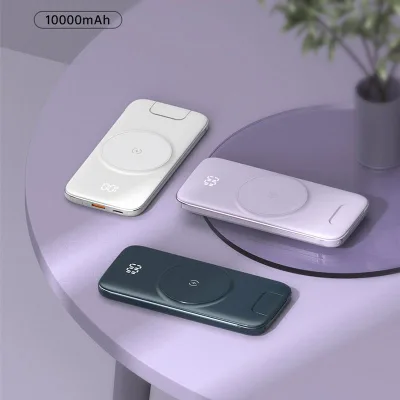
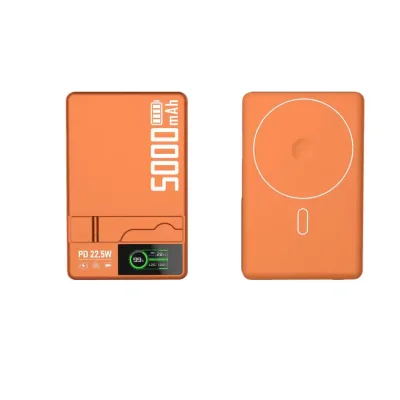
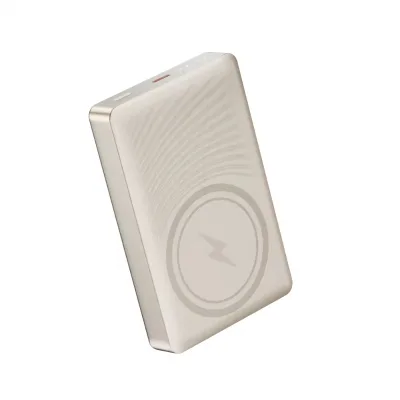
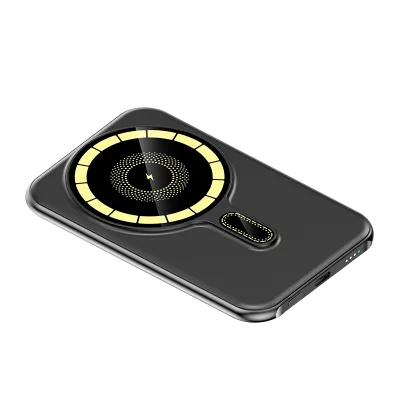
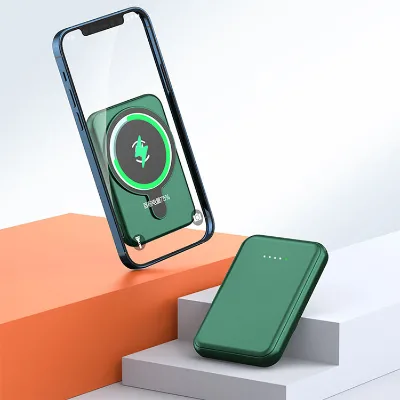
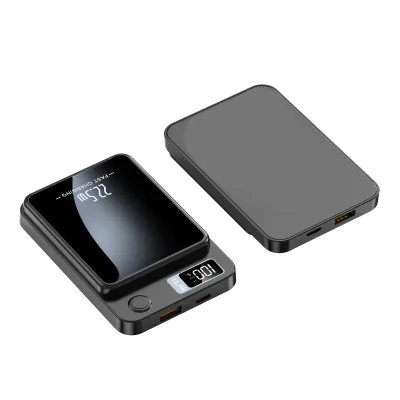
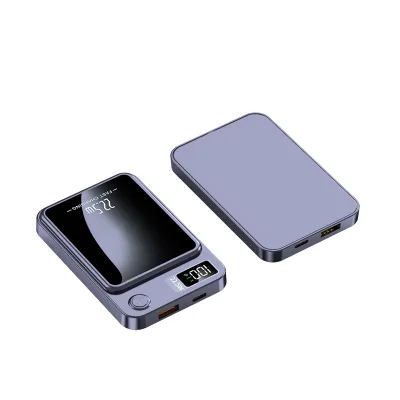
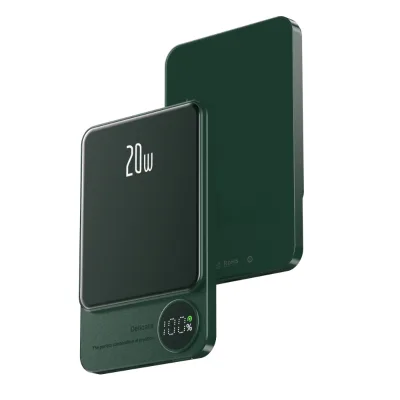
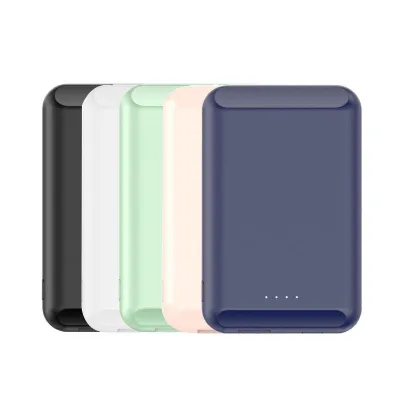
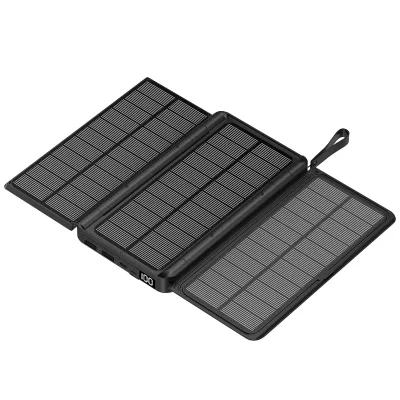
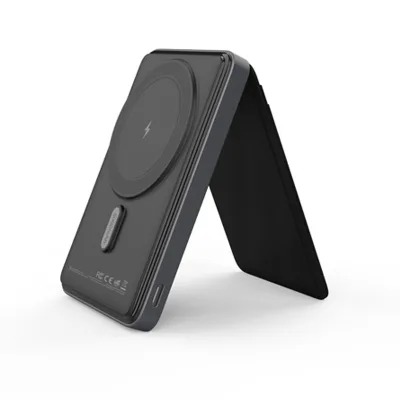


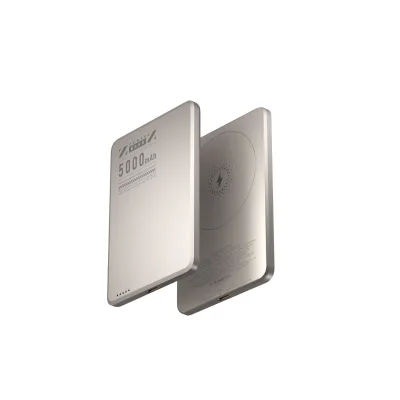
Comprehensive Sourcing Guide
Portable Magnetic Wireless Power Bank Supplier Concentration and Factory Types
The current supplier landscape for portable magnetic wireless power banks reveals a distinct concentration of manufacturing and trading entities within China, specifically in the Guangdong region. This geographic clustering is significant because it indicates a mature supply chain ecosystem where components such as lithium-polymer cells, magnetic arrays, and wireless charging coils are readily available. Buyers evaluating suppliers should recognize that this regional density often correlates with faster prototyping cycles and more competitive pricing structures due to reduced logistics friction for raw materials. However, the presence of suppliers in this hub does not automatically guarantee superior quality or lower costs for every specific order, as operational efficiencies vary widely between individual factories and trading companies.
Within this concentrated market, the supplier types are predominantly divided between trading companies and manufacturer/factory entities, each offering different value propositions for sourcing portable magnetic wireless power banks. Trading companies often provide a broader catalog of main products, including Bluetooth earbuds, USB flash drives, and promotional gifts, which can be advantageous for buyers seeking consolidated shipping or diverse product lines from a single source. In contrast, manufacturer/factory suppliers typically emphasize their direct control over the production line, offering specific capabilities in OEM and ODM services. This distinction is crucial for buyers who need custom shapes, specific branding, or unique technical specifications, as factories are generally better equipped to handle complex customization requests compared to trading entities that may rely on third-party production.
How to Verify Portable Magnetic Wireless Power Bank Suppliers
Verification is a critical step in mitigating risk when sourcing portable magnetic wireless power banks, as the market contains a mix of verified and unverified entities. Buyers should prioritize suppliers who have undergone third-party verification processes, such as those conducted by SGS or TÜV Rheinland, as these audits provide an independent assessment of the supplier’s business legitimacy and operational capabilities. The presence of a verification badge is a strong indicator that the supplier has met certain baseline standards for business registration and physical existence, but it should not be the sole criterion for selection. Buyers must look beyond the verification status to examine the specific details of the audit report, if available, to understand the scope of the supplier’s operations and their compliance with international trade regulations.
In addition to third-party verification, buyers should scrutinize the system certifications held by the supplier, such as ISO 9000 or ISO 9001, which demonstrate a commitment to quality management systems. These certifications are particularly relevant for portable magnetic wireless power banks, as they indicate that the supplier has established processes for consistent product quality and continuous improvement. However, it is important to note that not all suppliers will display these certifications, and the absence of a visible certification does not necessarily imply non-compliance. Buyers should request documentation directly from the supplier to confirm their certification status and ensure that the certifications are current and applicable to the specific products being sourced. This due diligence helps to ensure that the supplier has the necessary infrastructure to maintain quality standards throughout the production process.
What to Compare Across Portable Magnetic Wireless Power Bank Suppliers
When comparing suppliers for portable magnetic wireless power banks, buyers should evaluate a range of operational metrics to determine the best fit for their specific needs. Key dimensions to compare include lead time, minimum order quantity (MOQ), and response time, as these factors directly impact supply chain efficiency and inventory management. For instance, some suppliers may offer a lead time of 15 days, which is suitable for planned replenishment, while others may have longer lead times that require earlier ordering. Similarly, MOQs can vary significantly, with some suppliers requiring orders of 100 units or more, which may be a barrier for small businesses or those testing new markets. Buyers should also consider the supplier’s response time, as a quicker response can indicate better communication and customer service, which is essential for resolving issues promptly.
Beyond operational metrics, buyers should compare the technical specifications and certifications of the products offered by different suppliers. Portable magnetic wireless power banks often come with various certifications, such as CE, RoHS, TUV, PSE, and CTIA, which are required for sale in different markets. Buyers should ensure that the products they source meet the regulatory requirements of their target markets and that the supplier can provide the necessary documentation to support these claims. Additionally, buyers should compare the customization options available, such as logo printing, color customization, and packaging design, as these features can be important for brand differentiation. By carefully comparing these attributes, buyers can identify suppliers that offer the best combination of quality, compliance, and flexibility for their specific sourcing requirements.
Common Portable Magnetic Wireless Power Bank Sourcing Risks
Sourcing portable magnetic wireless power banks involves several inherent risks that buyers must actively manage to ensure a successful procurement process. One significant risk is the variability in product quality, as the market includes suppliers with different levels of manufacturing expertise and quality control measures. Buyers may encounter issues such as inconsistent battery capacity, poor magnetic alignment, or inadequate safety features, which can lead to product failures and customer dissatisfaction. To mitigate this risk, buyers should request samples from multiple suppliers to evaluate the physical quality and performance of the products before placing large orders. This hands-on evaluation allows buyers to assess the actual product against the supplier’s claims and identify any potential quality issues early in the sourcing process.
Another common risk is the potential for intellectual property infringement or unauthorized use of proprietary designs, particularly when sourcing from suppliers that offer extensive customization options. Buyers must ensure that they have clear agreements in place regarding the ownership of custom designs and that the supplier does not share these designs with third parties. Additionally, buyers should be aware of the risks associated with supply chain disruptions, such as delays in raw material availability or production bottlenecks, which can impact lead times and delivery schedules. To address these risks, buyers should establish clear communication channels with their suppliers and request regular updates on production status. By proactively managing these risks, buyers can protect their interests and ensure a smoother sourcing experience for portable magnetic wireless power banks.
Portable Magnetic Wireless Power Bank Regional Sourcing and Logistics
The regional concentration of suppliers in China, particularly in Guangdong, offers both advantages and challenges for buyers sourcing portable magnetic wireless power banks. On the one hand, this clustering facilitates efficient logistics and reduces transportation costs, as suppliers are often located near major ports and manufacturing hubs. Buyers can benefit from shorter transit times and more frequent shipping options, which can help to maintain lean inventory levels and respond quickly to market demand. However, buyers must also consider the complexities of international logistics, including customs clearance, import duties, and regulatory compliance in their home markets. Understanding these logistical factors is essential for accurate cost estimation and timely delivery of goods.
Buyers should also evaluate the supplier’s experience with international shipping and their ability to handle various logistics requirements. Some suppliers may offer FOB (Free on Board) terms, while others may provide DDP (Delivered Duty Paid) options, which can simplify the import process for buyers. Buyers should clarify the shipping terms with their suppliers to ensure that they understand their responsibilities and costs associated with transportation. Additionally, buyers should consider the environmental impact of their sourcing decisions, as the production and transportation of portable magnetic wireless power banks involve the use of lithium batteries, which are subject to strict transportation regulations. By carefully planning their logistics strategy, buyers can optimize their supply chain and reduce the overall cost of sourcing portable magnetic wireless power banks.
Portable Magnetic Wireless Power Bank Commercial Terms and Order Planning
Commercial terms and order planning are critical components of a successful sourcing strategy for portable magnetic wireless power banks. Buyers should negotiate clear payment terms, such as using escrow services or letters of credit, to protect their financial interests and ensure that payments are only released upon satisfactory delivery of goods. The price range for these products can vary significantly based on factors such as capacity, certification, and customization, with some suppliers offering prices as low as $5.00 to $6.00 per unit for basic models, while more advanced features can push prices up to $80.00 or more. Buyers should request detailed quotations that break down the costs of materials, labor, and shipping to ensure transparency and avoid hidden fees.
Order planning should also take into account the supplier’s production capacity and lead times to ensure that inventory levels are maintained adequately. Buyers should establish a forecast of their sales projections and share this information with their suppliers to facilitate production planning and avoid stockouts. Additionally, buyers should consider the warranty and after-sales support offered by the supplier, as portable magnetic wireless power banks are electronic devices that may require maintenance or replacement. A warranty of two years is common, but buyers should verify the terms and conditions to ensure that they are covered in case of product defects. By carefully planning their commercial terms and order volumes, buyers can build a sustainable and profitable sourcing relationship with their suppliers.
FAQs
What is the typical lead time for orders?
The typical lead time for orders is 15 days based on current supplier data. This duration applies to standard production runs for magnetic wireless power banks. Buyers should confirm specific timelines with suppliers before placing large orders to ensure timely delivery.
What certifications do these power banks hold?
Many products carry CE, RoHS, TUV, PSE, and CTIA certifications. Some suppliers also hold ISO 9000 and ISO 9001 system certifications. Buyers must verify specific product certificates as certifications vary by model and manufacturer to ensure compliance with local regulations.
What is the minimum order quantity required?
The minimum order quantity is typically 100 units for magnetic wireless power banks. Some suppliers may offer different MOQs depending on customization needs. Buyers should check individual product listings to confirm the exact minimum order quantity before proceeding with a purchase.
Are customization options available for these products?
Customization is available for logos, colors, and packaging on many models. Suppliers offer OEM and ODM services to meet specific branding requirements. Buyers should discuss their customization needs directly with the supplier to ensure the product meets their exact specifications and design goals.
What is the price range for these power banks?
Prices range from approximately 5.00 to 80.00 USD per unit depending on capacity and features. Lower capacity models start around 5.00 USD while high-capacity options reach 80.00 USD. Buyers should compare specific product listings to find the best price for their needs.
Where are these suppliers located?
Suppliers are primarily located in Guangdong, China, with some based in Shenzhen. This region is a major hub for consumer electronics manufacturing. Buyers should verify the exact location of their chosen supplier to assess shipping logistics and potential import duties.
What is the response time for supplier inquiries?
Supplier response times average around 7.5 to 9 hours for inquiries. Faster response times indicate more active suppliers ready to assist with urgent requests. Buyers should expect prompt communication when contacting verified suppliers for product details or order status updates.