pre-assembled wooden fruit and vegetable shelf Suppliers and Manufacturers
Compare 22 verified suppliers offering pre-assembled wooden fruit and vegetable shelf units with varying lead times, MOQs, and certifications. Review response times and customization options to select the right partner for your supermarket needs; review the available evidence before requesting comparable quotations from suitable candidates.
Updated
Suppliers List

Suzhou Highbright Store Fixtures Co., Ltd.
- Combined
- China Jiangsu
- Lead time30 days
- Avg. response≤ 1h
Main productsShopping Trolley, Roll Container, Display Rack, Shopping Basket, Shop Fitting, Supermarket Shelf, Checkout Counter, Vegetable Rack, Foldable Crate, Rolling Basket
Main marketsSouth America,Africa,Southeast Asia/ Mideast,East Asia(Japan/ South Korea),Europe,Australia,North America


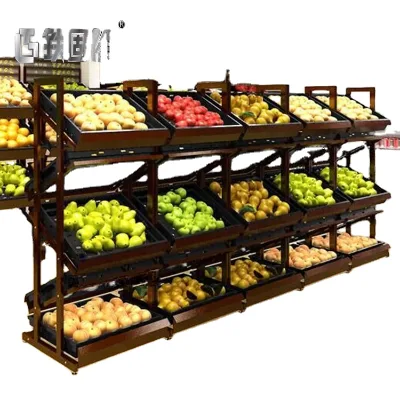
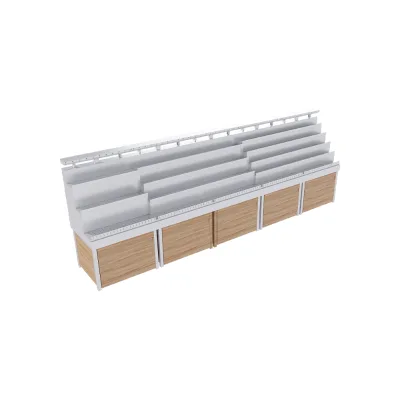
High Quality Metal Wooden Fruit and Vegetable Display Rack Supermarket Shelf
$188.00 - $198.00
MOQ: 5 Pieces


Suzhou Highbright Enterprise Limited
- Combined
- China Jiangsu
- Lead time30 days
- Avg. response≤ 5h
Main productsShopping Trolley, Shopping Cart, Gondola Shelf, Display Shelf, Shop Fittings, Store Fixtures, Roll Container, Shopping Basket, Checkout Counter, Swing Gate
Main marketsSouth America,Africa,Southeast Asia/ Mideast,East Asia(Japan/ South Korea),Europe,Australia,North America
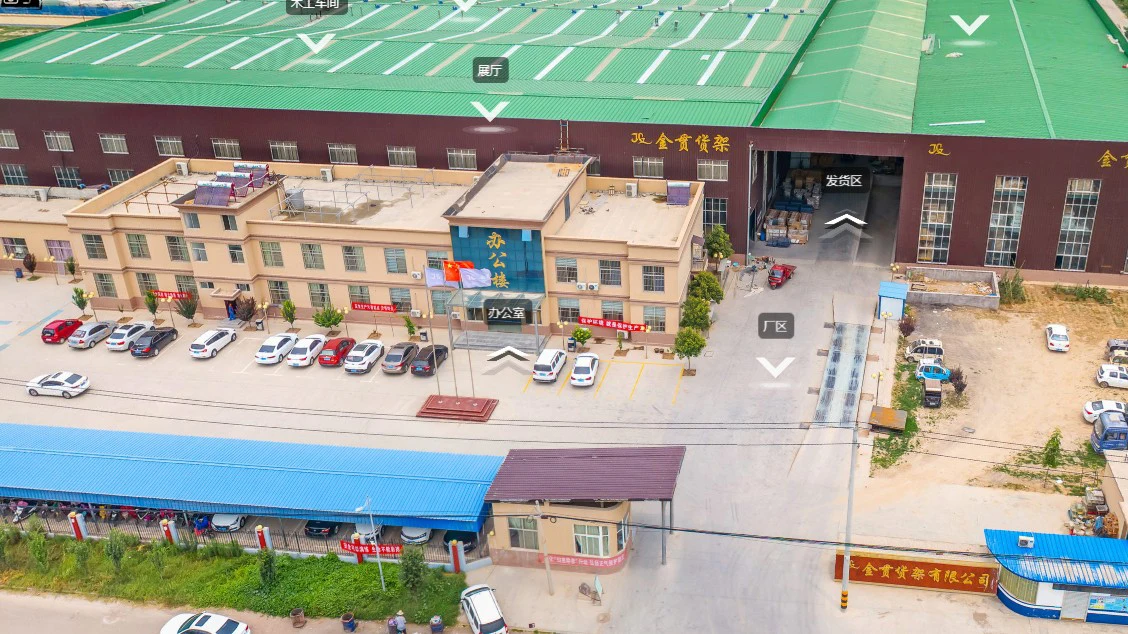
Shandong Jinguan Goods Shelves Co., Ltd.
- Manufacturer, Trading Company
- Shandong, China
- Lead time20 days
- Avg. response≤ 2h
Main productsSupermarket Shelves,Warehouse Rack Shelf,Display Rack,Vegetable & Fruit Shelf,Grain Shelf
Main marketsNorth America(25.00%), Domestic Market(14.00%), Southeast Asia(10.00%), South Asia(8.00%), Africa(7.00%), Eastern Europe(5.00%), Western Europe(5.00%), Eastern Asia(5.00%), Mid East(5.00%), South America(5.00%), Central America(3.00%), Southern Europe(3.00%), Northern Europe(3.00%), Oceania(2.00%)
Suzhou Giant Commercial Equipment Co., Ltd.
- Manufacturer, Trading Company
- Jiangsu, China
- Lead time15 days
- Avg. response≤ 5h
Main productsCheckout Counter,Tobacco and Alcohol Counter,Steel and Wood Shelves,Vegetable Rack,Shopping Trolley
Main marketsNorth America(30.00%), Western Europe(15.00%), Southern Europe(15.00%), Eastern Europe(15.00%), Northern Europe(10.00%), Eastern Asia(10.00%), Mid East(5.00%)

Foshan Asia Retail Metal Products Co., Ltd.
- Manufacturer, Trading Company
- Guangdong, China
- Lead time15 days
- Avg. response≤ 13h
Main productscashier counters,gondola shelves,shopping carts,shopping baskets,vegetable stands
Main marketsMid East(30.00%), Northern Europe(10.00%), Central America(10.00%), Domestic Market(10.00%), North America(10.00%), Southern Europe(10.00%), South America(10.00%), Western Europe(5.00%), Oceania(5.00%)
Foshan Nanhai Tiegulong Shelf Manufacture Co., Ltd.
- Verified by SGS Group
- Manufacturer, Trading Company
- Lead time10 days
- Avg. response≤ 2h
Main productsSupermarket Shelves, Convenience Store Shelves, Drug Store Shelves, Cultural and Sports Store Shelves, Supermarket Equipment
Main marketsDomestic Market(42%), Southeast Asia(18%), Mid East(10%)

Gondo Displays (Xiamen) Industry & Trade Co., Ltd.
- Verified by TUVRHEINLAND
- Trading Company
- China Fujian
- Lead time23 days
- Avg. response≤ 3h
Main productsAcrylic Display, Wood Display, Metal Display, Display Stand, Store Fixture, Jewelry Display, Cosmetic Display, Clothes Rack, Supermarket Rack, Furniture
Main marketsEurope,Australia,North America

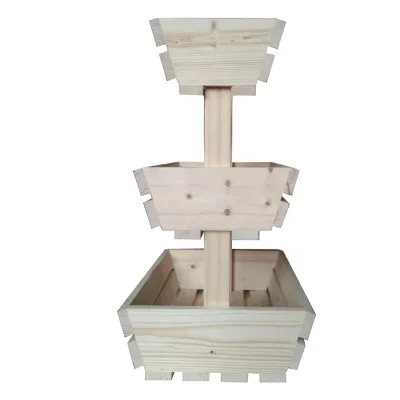
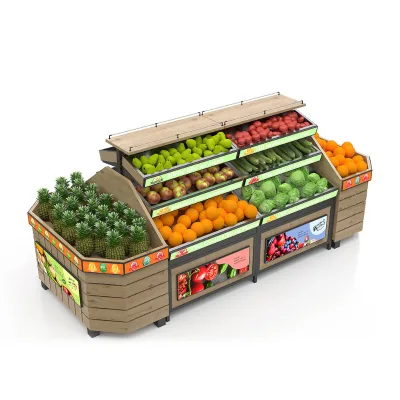
Fresh Produce Timber Wood Supermarket Food Wooden Storage Fruit Vegetable Display Shelf
$99.99 - $199.99
MOQ: 100 Pieces


$39.99 - $59.99
MOQ: 100 Pieces
Hangzhou Fulinde Displays Manufacturer
- Verified by SGS Group
- Manufacturer, Trading Company
- Lead time7 days
- Avg. response≤ 12h
Main productsDisplay Products, Aluminum Snap Frame, POP Sign Clip, Shelf Label Holder, Metal Display Stand
Main marketsSoutheast Asia(30%), Domestic Market(30%), Mid East(8%)
Suzhou Highbright Enterprise Limited
- Manufacturer, Trading Company
- Lead time旺季: "1 - 5":28,"6 - 15":32,"> 15":"To be negotiated", 淡季: "1 - 5":28,"6 - 15":32,"> 15":"To be negotiated"
- Avg. response≤ 2h
Main productsSupermarket Shelf, Shopping Cart, Roll Container, Display Hook, Plastic Crate
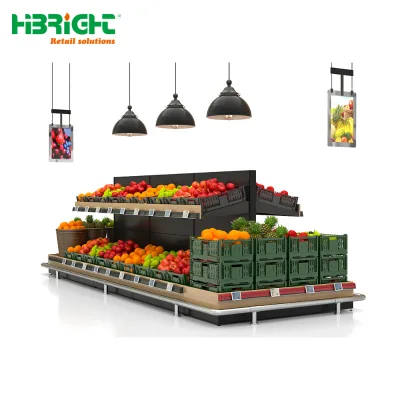
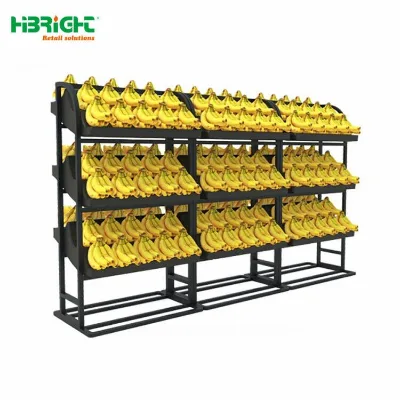
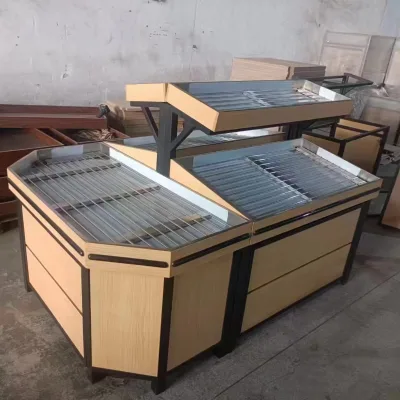
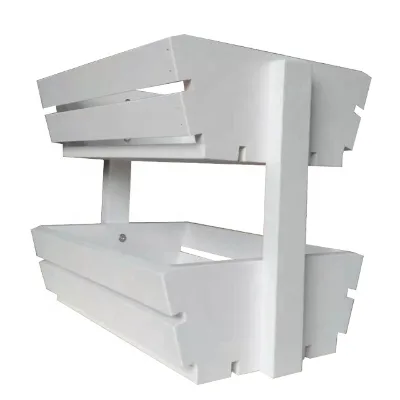
Grocery Shop Supermarket Wooden 2 Tier Fruit and Vegetable Produce Shelf with Wooden Crate
$565.00 - $645.00
MOQ: 2 units
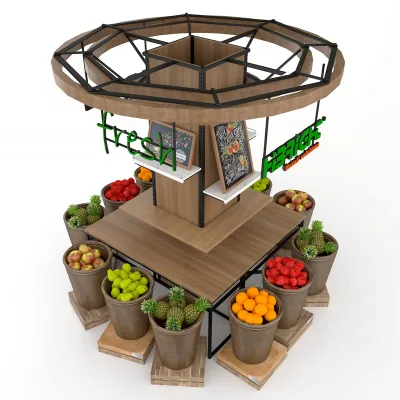
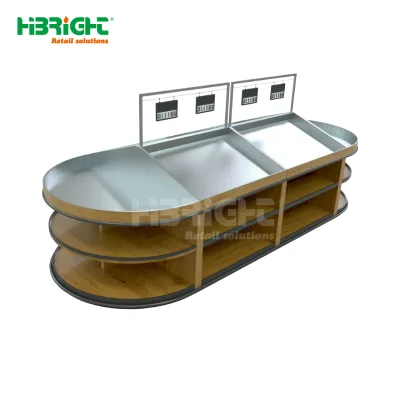
Customizable Wooden Vegetable Stand with Hanging Price Tags
$380.00 - $400.00
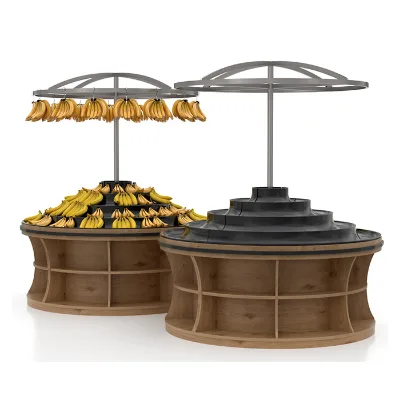
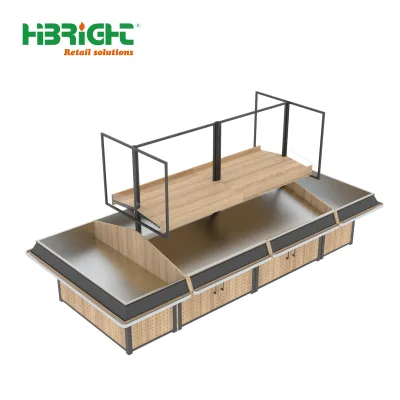
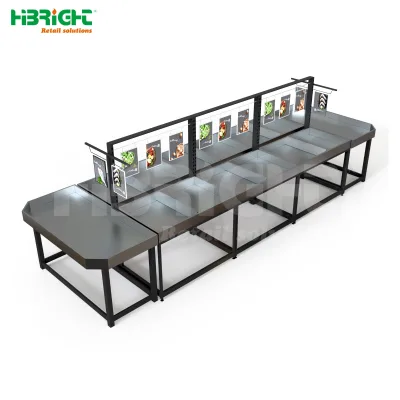
Hypermarket Supermarket Product Table Produce Banana Display Rack
$385.00 - $450.00
Qingdao Jiachenxin Metal Co., Ltd.
- Verified by SGS Group
- Manufacturer, Trading Company
- Shandong, China
- Lead time3 days
- Avg. response≤ 3h
Main productsSupermarket Shelves, Convenience Store Shelves, Display Racks, Warehouse Racks, Checkout Counters
Main marketsDomestic Market(70%), North America(11%), South America(5%)

Suzhou Yuanda Commercial Products Co., Ltd.
- Verified by SGS
- Combined
- China Jiangsu
- Lead time15 days
- Avg. response≤ 7h
Main productsShelf, Warehouse Duty Rack, Shopping Trolley, Shopping Basket, Logistic Cart, Stacking Storage Cage, Cashier, Locker, Vegetable Rack, Promotion Table
Main marketsNorth America


Good Quality Fruit & Vegetable Display Shelf, Rack to Display Fruit and Vegetables
$280.00 - $380.00
MOQ: 10 Pieces


Changshu Xunxun Merchants Super Equipment Co., Ltd.
- Trading Company,Manufacturer/Factory
- China Jiangsu
- Lead time23 days
- Avg. response≤ 1h
Main productsSupermarket Shelves, Warehouse Racks, Hardware Racks
Main marketsSouth America,Eastern Europe,North America,Southeast Asia

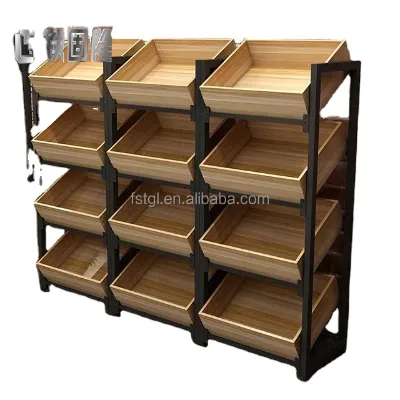
Shelves Supermarket Store Fruits and Vegetable Display Super Market Wooden Grain Shelf
$45.00 - $50.00
MOQ: 10 Pieces


Dragonshelf Supermarket Steel and Wood Shelves Display Rack Fruit Display Shelf
$45.00 - $50.00
MOQ: 10 Pieces


Dragonshelf Wood Steel Frame Muti-Functional Fruit Vegetable Store Display Shelf
$45.00 - $50.00
MOQ: 10 Pieces

- Verified by TUVRHEINLAND
- Combined
- China Jiangsu
- Lead time15 days
- Avg. response≤ 2h
Main productsSupermarket Shelf, Storage Rack, Shopping Trolley Cart, Wire Shelf, Checkout Counter, Shoppping Basket, Gondola Shelf, Tego Shelf
Main marketsDomestic
Changshu Hongda Business Equipment Co., Ltd.
- Verified by Intertek
- Manufacturer, Trading Company
- Lead time20 days
- Avg. response≤ 11h
Main productsSupermarket Shelf, Storage Rack, Checkout Counter, Wooden Display Shelf
Main marketsDomestic Market(62%), South America(5%), Eastern Europe(5%)
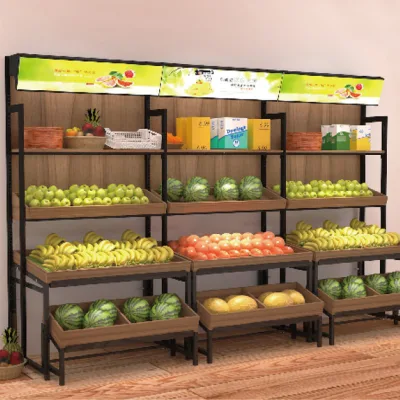
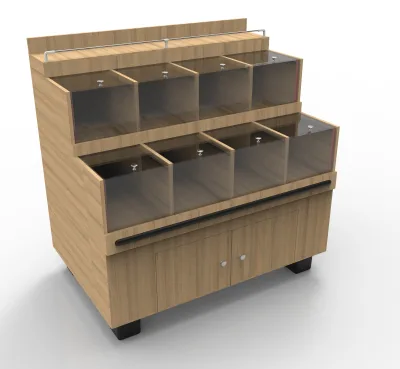
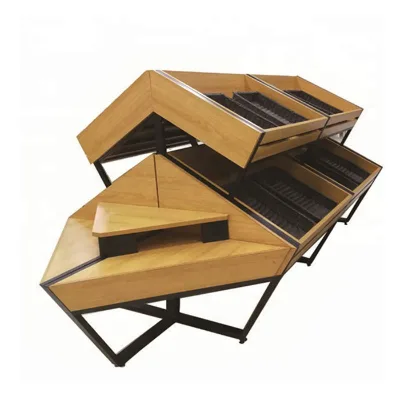
$103.4505 - $186.2118
MOQ: 20 sets
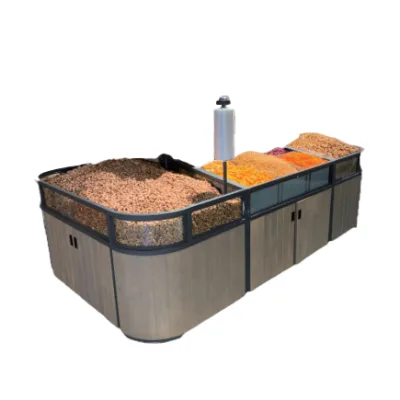
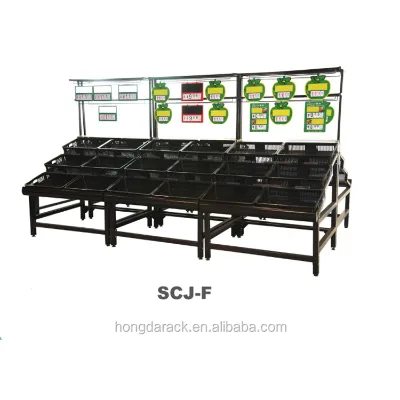
Xiamen F-ORCHID Technology Co., Ltd.
- Manufacturer
- Fujian, China
- Lead time30 days
- Avg. response≤ 9h
Main productsdisplay racks,storefixture,fitness,handicraft,products for holiday use
Main marketsNorth America(40.00%), Northern Europe(20.00%), Western Europe(20.00%), Mid East(10.00%), Eastern Europe(10.00%)
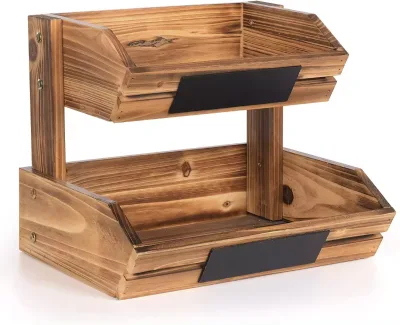
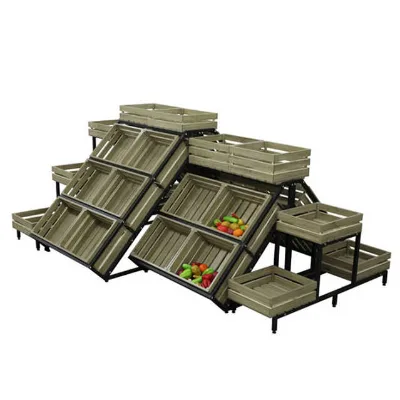
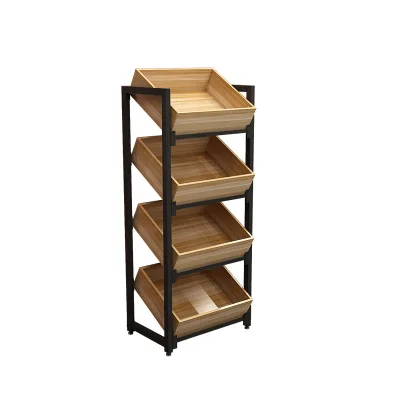
$77.0066 - $87.5686
MOQ: 100 pieces
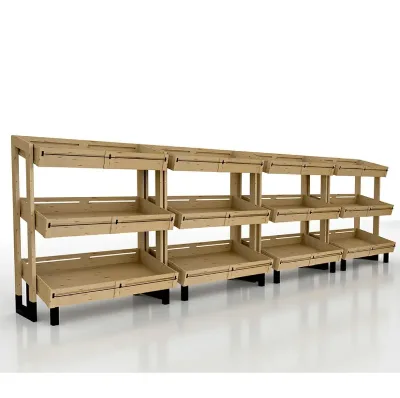
Spliceable Vegetable Display Shelve in Shopping Malls, Supermarkets Shelve, and Stores
$74.92 - $86.69
MOQ: 1 pieces

Guangzhou Kayshelf Storage Equipment Co.,Ltd
- Verified by TUVRHEINLAND
- Trading Company
- China Guangdong
- Lead time15 days
- Avg. response≤ 4h
Main productsSupermarket Shelf, Supermarket Rack, Display Shelf, Display Rack, Storage Rack, Store Shelf, Store Rack, Gondola Rack, Store Fixture, Gondola Shelving
Main marketsEurope

Multifunctional Custom Design Shelving Fresh Fruit and Vegetable Display Rack
$175.00 - $259.00
MOQ: 10 Sets

Suzhou Highbright Enterprise Limited
- Manufacturer, Trading Company
- Lead time旺季: "1 - 10000":35,"> 10000":"To be negotiated", 淡季: "1 - 10000":35,"> 10000":"To be negotiated"
- Avg. response≤ 2h
Main productsSupermarket Shelf, Shopping Cart, Roll Container, Display Hook, Plastic Crate
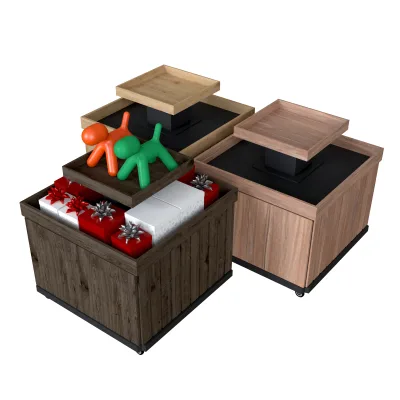
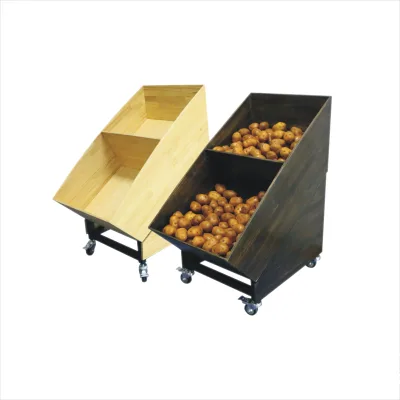
Customized Size Vegetable and Fruit Rack Promotion Bin Vegetable Rack for Supermarket
$100.00 - $150.00
MOQ: 1
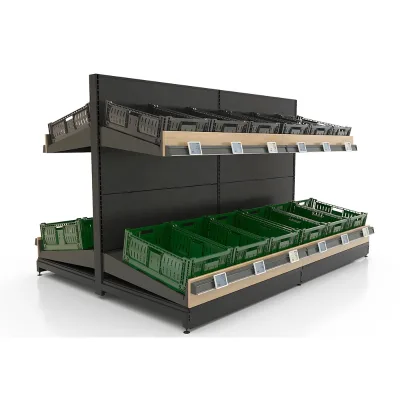
2021 New Design Heavy Duty Multi Layer Supermarket Shelf Anti Bump Fruit Vegetable Produce Table
$450.00 - $485.00
MOQ: 5 pieces
Heze Mei Kai Lin Household Products Co.,ltd.
- Manufacturer, Trading Company
- Shandong, China
- Lead time0 days
- Avg. response≤ 6h
Main productshome decoration,arts and crafts,furniture,furniture accessories,wooden items
Main marketsWestern Europe(30.00%), North America(30.00%), Domestic Market(15.00%), Eastern Europe(10.00%), Northern Europe(10.00%), South America(5.00%)
Jiangxi Dola Display Co., Ltd.
- Manufacturer, Trading Company
- Jiangxi, China
- Lead time7 days
- Avg. response≤ 2h
Main productsBanana Riser,meat tray,meat liner,Front curved tray,Orchard Bin
Main marketsNorth America(30.00%), Eastern Europe(20.00%), Northern Europe(11.00%), Oceania(10.00%), Domestic Market(5.00%), Central America(5.00%), Eastern Asia(5.00%), Mid East(5.00%), Southeast Asia(5.00%), South America(2.00%), South Asia(2.00%)
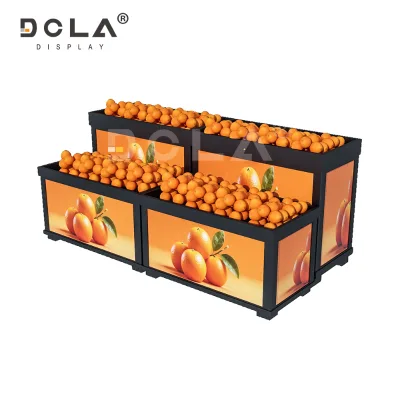
ABS Molding Plastic Vegetable Rack Commercial Grade Fruit Display Shelf for Food Service
$230.00 - $265.00
MOQ: 50
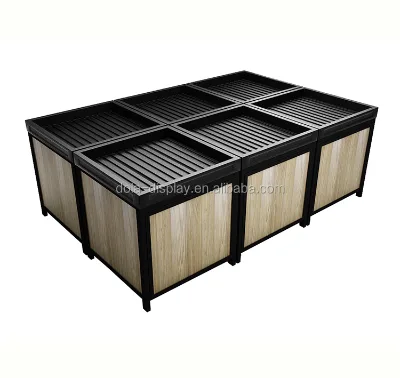
$238.2675 - $274.5254
MOQ: 50 pieces
- Verified by TüVRheinland
- Manufacturer, Trading Company
- Lead time15 days
- Avg. response≤ 4h
Main productsRetail Equipment, Commercial Equipment, Supermarket Shelf, Fruit & Vegetable Display Rack, Shopping Trolleys & Cart
Main marketsDomestic Market(65%), North America(10%), Western Europe(10%)
- Manufacturer, Trading Company
- Lead time旺季: "1 - 1000":33,"> 1000":"To be negotiated", 淡季: "1 - 1000":33,"> 1000":"To be negotiated"
- Avg. response≤ 1h
Main productsSupermarket Shelves, Commercial Kitchen Equipment, Shopping Cart & Trolley, Checkout Counter, Supermarket Refrigerator

Adidea (Xiamen) Industry And Trade Co., Ltd.
- Trading Company
- China Fujian
- Lead time30 days
- Avg. response≤ 17h
Main productsMetal Display Shelf, Display Stand, Metal Display Rack, MDF Display Showcase, Solid Wood Display Stand, Acrylic Display Stand, Supermarket Display Shelves, Wine Beverage Food Display Rack, Garment Bag Shoe Jewelry Display Stand, Tile Stone Granite Quartz Mosaic Display Stand
Main marketsSoutheast Asia/ Mideast,Europe,North America


Wooden Shelf Display The Store Has Available Fruit Shelves on The Shelves
$120.00 - $140.00
MOQ: 100 Pieces




Comprehensive Sourcing Guide
Pre-Assembled Wooden Fruit And Vegetable Shelf Supplier Concentration and Factory Types
The current supplier landscape for pre-assembled wooden fruit and vegetable shelves is heavily concentrated in China, with Jiangsu province emerging as a primary manufacturing hub. This regional focus suggests a mature industrial cluster where specialized factories and trading companies coexist to serve global retail equipment demands. Buyers evaluating this market should recognize that the majority of verified suppliers operate from this specific geographic area, which often correlates with established supply chains for both wood processing and metal fabrication components. The concentration in Jiangsu indicates that logistics infrastructure and raw material availability are optimized for this specific product category, potentially offering competitive advantages in terms of production efficiency and material sourcing. Understanding this geographic concentration is crucial for buyers who need to assess the reliability of shipping routes and the potential for factory audits within a manageable travel radius.
Supplier types in this sector vary significantly, ranging from pure trading companies to combined entities that offer both manufacturing and trading services. Many suppliers in the current results are classified as combined companies, indicating they may have direct access to production lines while also managing international sales and logistics. This hybrid model can provide buyers with greater flexibility in customization and order management, as the supplier acts as a single point of contact for both production oversight and commercial negotiations. Additionally, some suppliers possess their own brands alongside OEM and ODM capabilities, suggesting a level of design maturity and quality control that pure traders might lack. Buyers should carefully distinguish between these supplier types to ensure they are engaging with entities that have the necessary technical expertise to handle the specific requirements of pre-assembled wooden structures, which often involve complex joinery and finishing processes.
How to Verify Pre-Assembled Wooden Fruit And Vegetable Shelf Suppliers
Verifying the legitimacy and capability of suppliers requires a multi-layered approach that goes beyond basic profile reviews. Buyers should prioritize suppliers who display clear evidence of their manufacturing capabilities, such as detailed product attributes and specific production standards. For instance, some suppliers list certifications like ISO9001:2015, which serves as a baseline indicator of quality management systems in place. However, buyers must not assume that all suppliers hold such certifications without explicit verification. It is essential to request copies of these certificates and validate them through independent bodies or direct communication with the certification agency. Additionally, checking for compliance with international standards such as CE, ROHS, and TUV can provide further assurance regarding the safety and environmental impact of the materials used in the shelves, particularly when wood and metal components are combined.
Response time and communication efficiency are critical indicators of a supplier’s operational health and customer service quality. In the current market, response times can vary significantly, with some suppliers demonstrating rapid engagement while others may take considerably longer. Buyers should use response time as a metric to gauge the supplier’s readiness to handle urgent inquiries and potential production issues. A supplier with a consistently fast response time is more likely to be proactive in addressing problems and keeping orders on track. Furthermore, buyers should verify the supplier’s main product focus to ensure they are not dealing with a generalist trader who may lack specialized knowledge in supermarket fixtures. Suppliers whose main products include shopping trolleys, display racks, and supermarket shelves are more likely to have the specific expertise required for pre-assembled wooden fruit and vegetable shelves, ensuring a higher level of product quality and design coherence.
What to Compare Across Pre-Assembled Wooden Fruit And Vegetable Shelf Suppliers
When evaluating multiple suppliers, buyers must compare key operational metrics such as lead time, minimum order quantity (MOQ), and pricing structures. Lead times can vary, with some suppliers offering a standard thirty-day production window, which is typical for customized wooden fixtures. Buyers should assess whether this lead time aligns with their inventory planning and store opening schedules. Additionally, MOQs can range from as low as one unit to ten or more, depending on the supplier’s production model and the level of customization required. Suppliers with lower MOQs may be more suitable for small-scale retailers or testing new designs, while those with higher MOQs might offer better unit economics for large chain stores. Understanding these variations helps buyers select suppliers that match their specific volume requirements and budget constraints.
Pricing and customization options are also critical factors in supplier comparison. Prices for pre-assembled wooden fruit and vegetable shelves can vary widely, with some models starting at around one hundred eighteen dollars and others reaching up to fifteen hundred dollars, depending on materials, size, and design complexity. Buyers should request detailed quotations that break down costs for materials, labor, and packaging to ensure transparency. Customization options, such as logo printing, color matching, and size adjustments, are often available but may incur additional costs or affect lead times. Suppliers that offer flexible customization without compromising on quality or delivery schedules are preferable. Additionally, buyers should compare the packaging methods, such as carton packing versus wood frame packing, as this can impact shipping costs and product protection during transit.
Common Pre-Assembled Wooden Fruit And Vegetable Shelf Sourcing Risks
One of the primary risks in sourcing pre-assembled wooden fruit and vegetable shelves is the potential for quality inconsistencies in wood materials and finishes. Wood is a natural material that can vary in grain, color, and strength, making it challenging to maintain uniformity across large orders. Buyers must ensure that suppliers have robust quality control processes in place to mitigate these variations. Additionally, the assembly of pre-assembled units requires precision to ensure that shelves are stable and durable under heavy loads. Suppliers who do not have adequate testing procedures may deliver products that fail under stress, leading to costly returns and reputational damage. Buyers should request samples or video evidence of load testing to verify the structural integrity of the shelves before placing large orders.
Another significant risk is the discrepancy between quoted specifications and actual delivered products. This can occur due to miscommunication, intentional misrepresentation, or production errors. Buyers should carefully review product attributes such as material composition, weight, and dimensions to ensure they match their requirements. For example, some suppliers may list products as wooden when they are actually made of steel or a combination of materials. Buyers must verify these details through direct communication and, if possible, third-party inspections. Additionally, the risk of delayed shipments is prevalent in international trade, particularly when suppliers face production bottlenecks or logistical challenges. Buyers should establish clear communication channels and regular update schedules with their suppliers to monitor production progress and address any potential delays proactively.
Pre-Assembled Wooden Fruit And Vegetable Shelf Regional Sourcing and Logistics
Sourcing from Jiangsu, China, offers logistical advantages due to the region’s proximity to major ports and established shipping routes. Buyers should consider the impact of transportation costs and transit times on their overall procurement strategy. Products packed in cartons or wood frames may require different handling and stacking arrangements during shipping, which can affect container utilization and freight costs. Buyers should work with suppliers who have experience in exporting to their target markets to ensure that packaging meets international shipping standards and protects the products from damage. Additionally, understanding the local logistics infrastructure can help buyers negotiate better shipping terms and reduce the risk of delays. Suppliers who are familiar with export procedures can assist with documentation and customs clearance, streamlining the import process for buyers.
The regional concentration of suppliers in Jiangsu also means that buyers may benefit from economies of scale in logistics and sourcing. By consolidating orders from multiple suppliers within the same region, buyers can reduce shipping costs and simplify coordination. However, buyers must be cautious of over-reliance on a single geographic area, as this can increase vulnerability to regional disruptions such as weather events or policy changes. Diversifying suppliers across different regions can mitigate these risks, although it may complicate logistics and quality control. Buyers should evaluate the trade-offs between cost savings from regional consolidation and the benefits of geographic diversification when planning their sourcing strategy. Additionally, buyers should consider the environmental impact of their sourcing decisions, as sustainable wood sourcing and eco-friendly packaging are becoming increasingly important to retailers and consumers.
Pre-Assembled Wooden Fruit And Vegetable Shelf Commercial Terms and Order Planning
Commercial terms such as payment methods, warranty policies, and after-sales support are critical components of any sourcing agreement. Buyers should negotiate terms that protect their interests, such as using escrow services for secure transactions or requiring partial payments upfront with the balance due upon shipment. Suppliers who offer warranties on their products demonstrate confidence in their quality and provide buyers with recourse in case of defects. Buyers should clarify the scope of these warranties, including coverage for materials, workmanship, and structural integrity. Additionally, after-sales support, such as technical assistance for installation or replacement parts, can be valuable for retailers who need to maintain their displays over time. Suppliers who provide comprehensive support can reduce the operational burden on buyers and enhance the overall customer experience.
Order planning requires careful consideration of production cycles, inventory management, and store rollout schedules. Buyers should align their orders with supplier lead times to ensure that shelves arrive in time for store openings or seasonal promotions. Given that some suppliers have a thirty-day lead time, buyers should plan their orders well in advance to accommodate any potential delays. Additionally, buyers should consider the scalability of their orders, as suppliers may have limitations on production capacity during peak seasons. Establishing long-term relationships with reliable suppliers can provide buyers with priority production slots and better pricing terms. Buyers should also monitor market trends and consumer preferences to adjust their product offerings accordingly, ensuring that their pre-assembled wooden fruit and vegetable shelves remain relevant and competitive in the retail landscape.
FAQs
What is the typical lead time for wooden fruit and vegetable shelves?
The typical lead time for these shelves is 30 days from order confirmation. This duration applies to standard orders from suppliers located in Jiangsu, China. Buyers should verify specific timelines for custom designs or large volume requests before finalizing purchases.
What is the minimum order quantity for these display racks?
Minimum order quantities vary by product model, ranging from 1 to 10 units. Some specific models require a minimum of 2 units, while others may need 5 or 6 units. Buyers must check the specific product details to confirm the exact MOQ for their needs.
Are these shelves available with custom branding and logos?
Yes, customization is available for branding, logos, and dimensions on many models. Suppliers offer options to customize the size, color, and logo placement to match specific store requirements. This service allows retailers to create a unique look for their produce sections.
What materials are used to construct these supermarket display racks?
These racks are primarily constructed from wood, though some models combine wood with steel. The materials ensure durability for heavy weight usage in shops and supermarkets. Buyers can find options with specific material compositions listed in the product attributes for each item.
Do suppliers offer ISO 9001 certification for these products?
Some suppliers in the results hold ISO 9001:2015 certification for their manufacturing processes. This indicates adherence to international quality management standards. Buyers should verify the specific certification status of the supplier they choose to ensure product quality and reliability.
What is the price range for pre-assembled wooden display shelves?
Prices for these shelves range from approximately 118 to 1500 units of currency depending on the model. Specific items like the HBE-VR model are priced around 1500, while others start near 118. The final cost depends on customization, size, and order quantity.
How quickly do suppliers typically respond to inquiries?
Response times vary among suppliers, with some responding within 0.02 hours and others taking up to 4.97 hours. Fast response times help buyers clarify details about specifications and pricing quickly. Buyers should expect varying speeds depending on the specific supplier selected.