Electronic Knock Down Gym Locker Suppliers and Manufacturers
Compare 24 verified suppliers offering Electronic Knock Down Gym Locker options with varying lead times, MOQs, and certifications. Review response times and locations in Guangdong and Tianjin to source durable steel lockers with KD structures and powder coating finishes; review the available evidence before requesting comparable quotations from suitable candidates.
Updated
Suppliers List
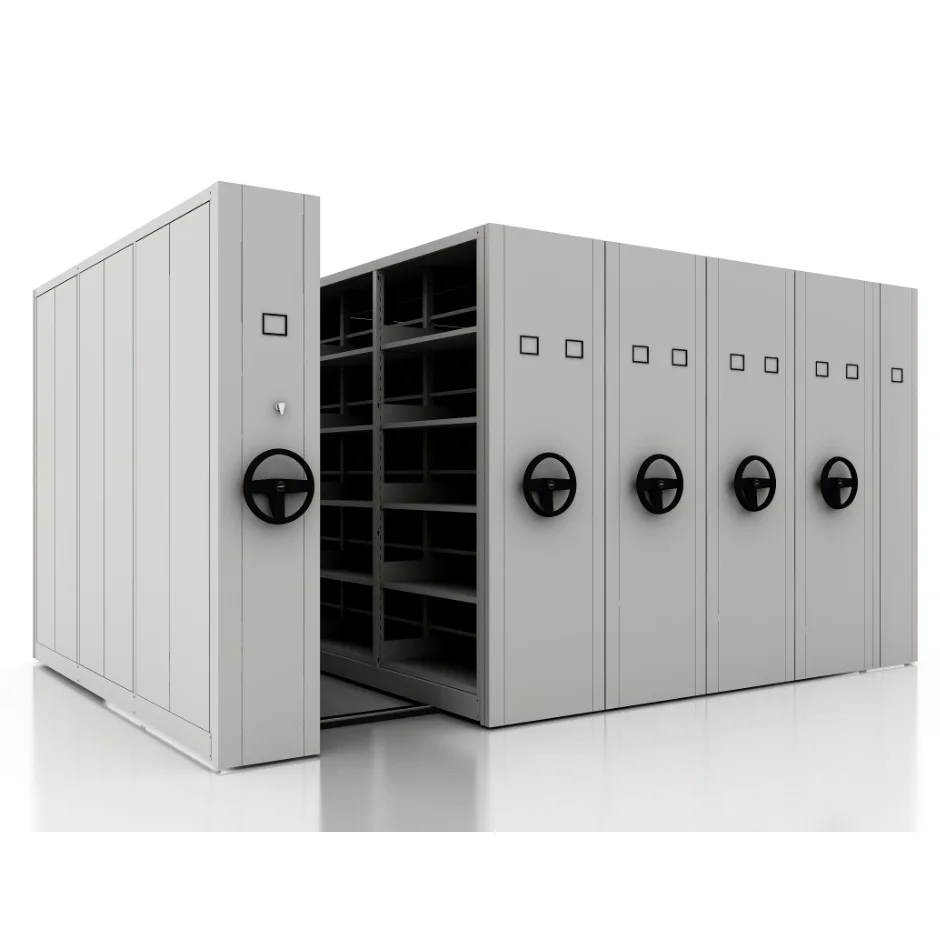
Guangzhou Jeanter Office Furniture Co., Ltd.
- Manufacturer, Trading Company
- Guangdong, China
- Lead time20 days
- Avg. response≤ 5h
Main productsVertical Grow System,Drying Rack,Mobile Shelving,Locker,Filing Cabinet
Main marketsNorth America(45.00%), Southeast Asia(15.00%), South America(12.00%), Mid East(7.00%), Africa(7.00%), Oceania(4.00%), Central America(3.00%), Domestic Market(3.00%), Eastern Europe(2.00%), South Asia(2.00%)

Tianjin Xingao Equipment Manufacturing Industry Co., Ltd.
- Verified by TUVRHEINLAND
- Combined
- China Tianjin
- Lead time30 days
- Avg. response≤ 5h
Main productsOffice Furniture, Workshop Equipment, Office Table, Tool Cabinet, Workbench, Metal Locker, Metal File Cabinet, Moveable Material Shelf, Storage Cabinet
Main marketsSoutheast Asia/ Mideast,East Asia(Japan/ South Korea),Domestic,Europe,Australia,North America
Luoyang HW Import And Export Co., Ltd.
- Trading Company
- Henan, China
- Lead time25 days
- Avg. response≤ 8h
Main productssteel office furniture,locker,wardrobe,storage cabinet,storage shelving
Main marketsOceania(38.50%), Mid East(35.00%), Southeast Asia(12.00%), Western Europe(5.00%), Domestic Market(4.50%), North America(2.50%), South America(2.50%)

LUOYANG SHIDIU IMPORT AND EXPORT CO., LTD.
- Verified by BV
- Combined
- China Henan
- Lead time30 days
- Avg. response≤ 4h
Main productsOffice Furniture, Filing Cabinet, Locker, Office Desk, Rack, TV Stand, Bunk Bed, Safe, Office Cupboard, Bookcase
Main marketsSoutheast Asia/ Mideast,East Asia(Japan/ South Korea),Domestic,Europe,North America
Luoyang Jieken Commercial Trading Co., Ltd.
- Verified by Intertek
- Trading Company
- Lead time15 days
- Avg. response≤ 3h
Main productsFiling Cabinet, Lockers, Shelves, Safes, Mattress
Main marketsWestern Europe(30%), Eastern Europe(20%), Northern Europe(20%)

LUOYANG SALOFER FURNITURE CO., LTD.
- Verified by CTI
- Trading Company,Manufacturer/Factory
- China Henan
- Lead time23 days
- Avg. response≤ 4h
Main productsBunk Bed Steel Bed Single Bed, Office Desk Office Table Computer Table, Tool Cabinet Workbench Tool Chest Tool Box, Monitoring Command Desk, Mobile Shelving Storage Rack, Filing Cabinet Drawer Filing Cabinet, Lateral Filing Cabinet Vertical Filing Cabinet, Storage Locker Folding Locker Cellphone Locker, Student Desk and Chair Book Shelf, Safe Box Electronic Locker
Main marketsSouth America,Eastern Europe,Mid East,North America,Southeast Asia,Eastern Asia,Oceania,Western Europe,Africa

Henan Steelart Science and Technology Co., Ltd.
- Verified by BV
- Trading Company
- China Henan
- Lead time30 days
- Avg. response≤ 6h
Main productsOutdoor Garden Shed, Garage Cabinet, Metal Locker, Filing Cabinet
Main marketsSouth America,Africa,North America
Outstar Office Furniture Co., Ltd.
- Verified by TüVRheinland
- Trading Company
- Lead time30 days
- Avg. response≤ 1h
Main productsOffice Furniture, School Furniture, Home Furniture, Smart Locker, Tool Cabinet
Main marketsSoutheast Asia(10%), North America(8%), South America(8%)
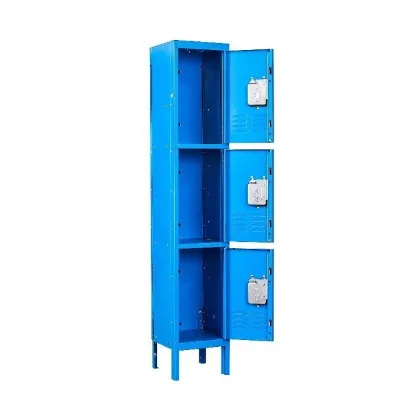
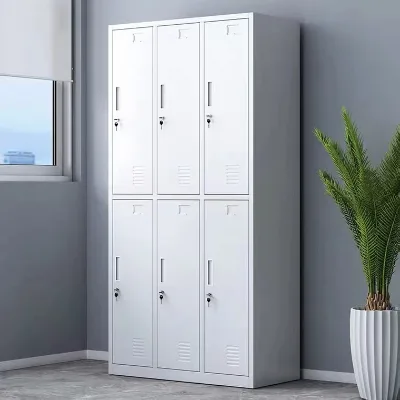
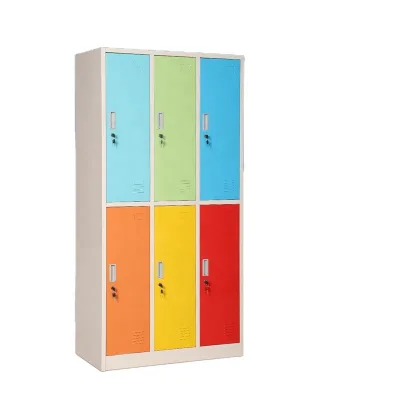
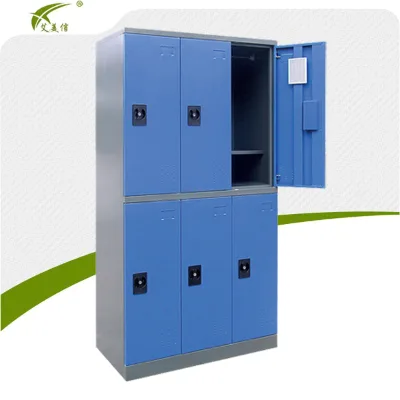
Padlock gym clothing storage locker standard knock down blue metal locker for sport men
$21.00 - $26.00
MOQ: 20 pieces
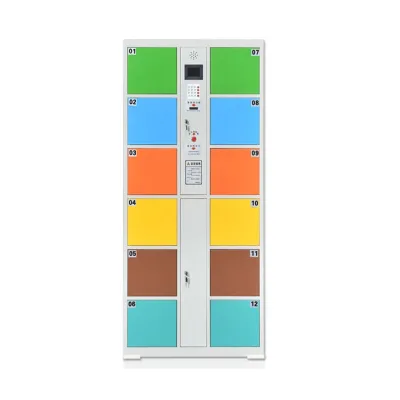
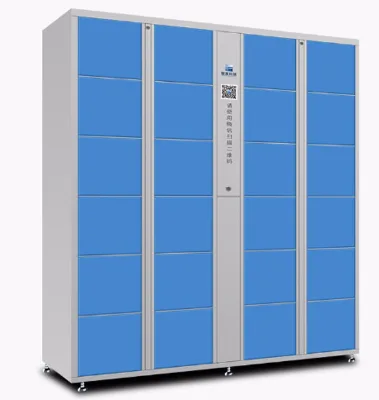
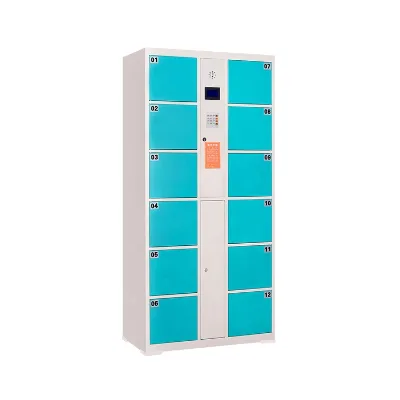
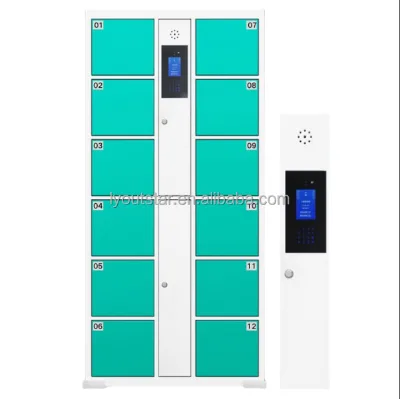
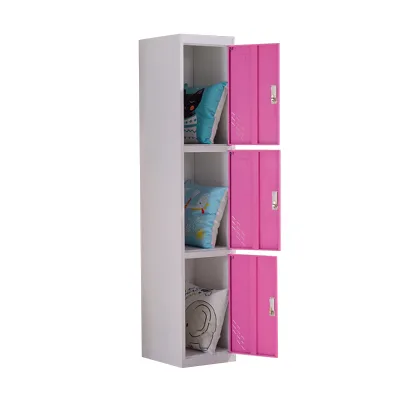
New Style Individual Metal Locker Supermarket Gym Lockers with Keys Safe Storage for Groceries
$330.00 - $350.00
MOQ: 10 pieces

Shenzhen Fumeihua Decorative Materials Co., Ltd.
- Verified by BV
- Combined
- China Guangdong
- Lead time23 days
- Avg. response≤ 7h
Main productsCompact Laminate, HPL Laminate, Toilet Partition, HPL Locker, HPL Wall Cladding, HPL Table Top, Chemical Resistant Board, Cabinet, Bench, Countertop
Main marketsSoutheast Asia/ Mideast,Europe,Australia,North America

Suzhou Highbright Enterprise Limited
- Combined
- China Jiangsu
- Lead time30 days
- Avg. response≤ 5h
Main productsShopping Trolley, Shopping Cart, Gondola Shelf, Display Shelf, Shop Fittings, Store Fixtures, Roll Container, Shopping Basket, Checkout Counter, Swing Gate
Main marketsSouth America,Africa,Southeast Asia/ Mideast,East Asia(Japan/ South Korea),Europe,Australia,North America
Luoyang Selead Furniture Co., Ltd.
- Verified by SGS Group
- Manufacturer, Trading Company
- Henan, China
- Lead time15 days
- Avg. response≤ 2h
Main productsHome Furniture, Office Furniture, Outdoor Furniture , Commercial Furniture
Main marketsSouthern Europe(25%), Southeast Asia(15%), Western Europe(15%)
Luoyang Yinuoke Import And Export Trade Co., Ltd.
- Trading Company
- Henan, China
- Lead time0 days
- Avg. response≤ 5h
Main productsfile cabinet,drawer cabinet
Main marketsSouth Asia(30.00%), Eastern Asia(30.00%), Mid East(20.00%), Africa(10.00%), South America(10.00%)

Luoyang Woma Trading Co., Ltd.
- Verified by TUVRHEINLAND
- Combined
- China Henan
- Lead time30 days
- Avg. response≤ 6h
Main productsSteel Locker, Mobile Shelving, Filing Cabinet, Safe, Home Furniture, Parcel Locker, Steel Bed, Goods Rack
Main marketsSouth America,Africa,Southeast Asia/ Mideast,Europe,Australia

Dongguan Webber Steel Furniture Co., Ltd.
- Verified by SGS
- Manufacturer
- China Guangdong
- Lead time15 days
- Avg. response≤ 6h
Main productsFurniture, Office Furniture, Morden Furniture, Chinese Furniture, Mobile Filing Cabinet, School Furniture, Server Racks, File Cabinet, Network Cabinet, Household Furniture
Main marketsEast Asia(Japan/ South Korea),Europe,North America
Luoyang Cuide Import And Export Trade Co., Ltd.
- Trading Company
- Henan, China
- Lead time20 days
- Avg. response≤ 3h
Main productsMobile Pedestal cabinet,filing cabinet,locker,office desk,steel bed
Main marketsSoutheast Asia(30.00%), Western Europe(30.00%), North America(20.00%), Eastern Asia(20.00%)

Luoyang Mas Younger Export and Import Company (Ltd.)
- Verified by BV
- Combined
- China Henan
- Lead time15 days
- Avg. response≤ 7h
Main productsMetal Locker, Office Cupboard, Filing Cabinet, Mobile Pedestal, Filing Storage Cabinet, Mobile Shelving System, Metal Office Furniture, Offie Desk / Table, Metal Bed, Safe Box
Main marketsAfrica,Europe


Metal Safe Cabinet Gym Locker Intelligent Delivery Electronic Locker for Sale
$290.00 - $320.00
MOQ: 10 Sets
Luoyang Jingle Office Furniture Co., Ltd.
- Verified by TüVRheinland
- Manufacturer, Trading Company
- Lead time25 days
- Avg. response≤ 2h
Main productsSteel Wardrobe, TV Cabinet, Filing Cabinets, Steel Locker, Kitchen Storage Cabinet
Main marketsSoutheast Asia(55%), North America(15%), Africa(15%)
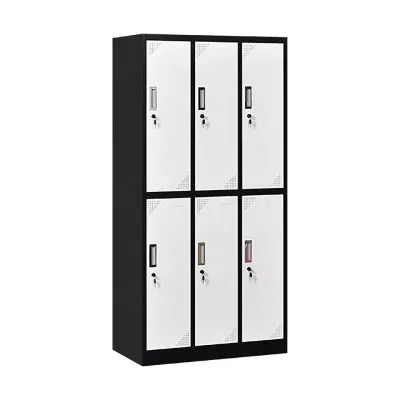
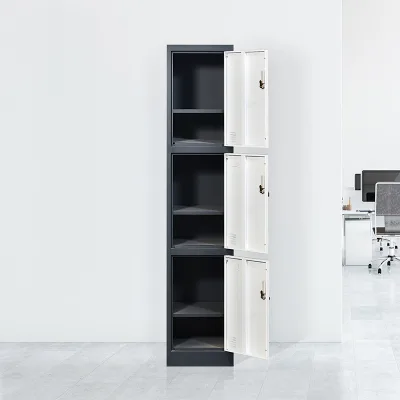
Factory Supply Locker Gym Cabinet Cheap Metal Locker Gym Storage Cabinet Locker
$28.00 - $35.00
MOQ: 30 Minimum
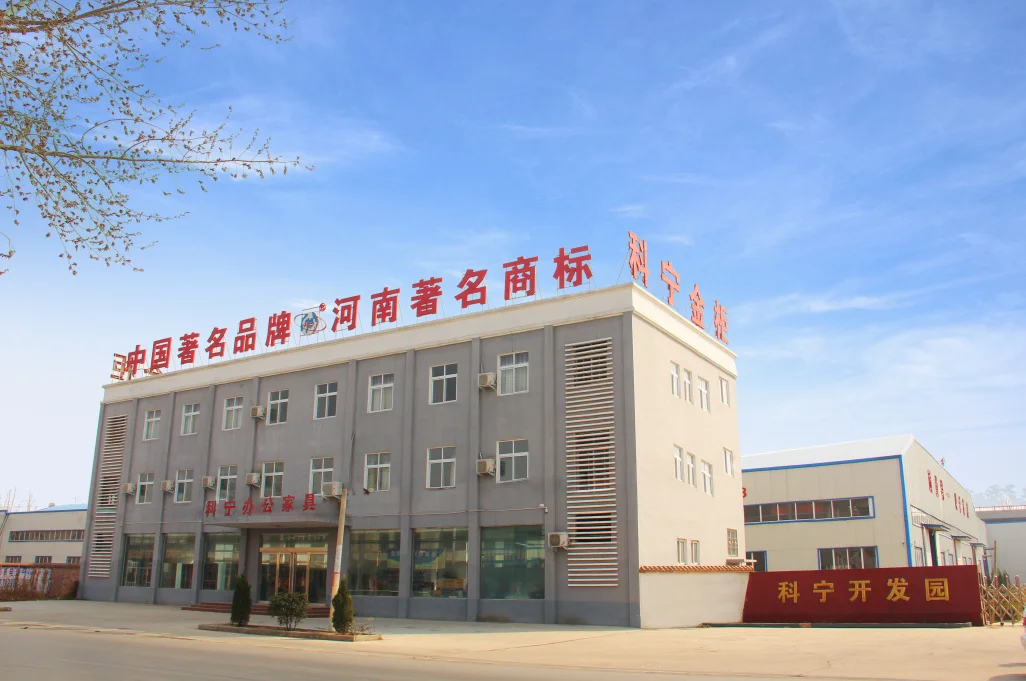
Luoyang Kening Office Furniture Co., Ltd.
- Manufacturer, Trading Company
- Henan, China
- Lead time30 days
- Avg. response≤ 4h
Main productsFiling Cabinets,Wardrobes,Lockers,Metal Beds
Main marketsSoutheast Asia(30.00%), Mid East(20.00%), South Asia(10.00%), South America(10.00%), Oceania(10.00%), North America(10.00%), Africa(10.00%)
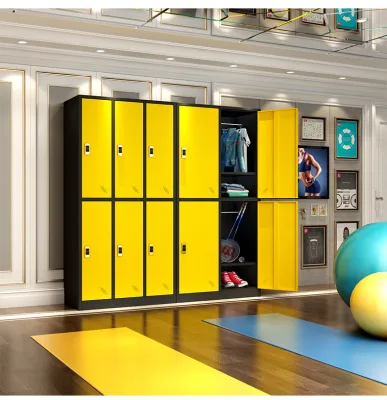
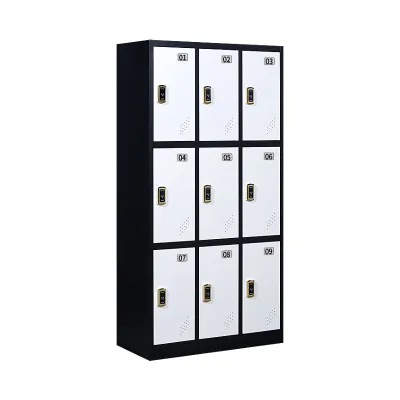
Modern Metal Gym Locker with Digital Lock for Athlete Changing Areas and Storage
$21.00 - $22.00
MOQ: 100

Hangzhou Dongcheng Electronics Co., Ltd.
- Verified by BV
- Combined
- China Zhejiang
- Lead time30 days
- Avg. response≤ 1h
Main productsLocker, Electronic Locker, Electronic Cabinet, Cabinet, Steel Locker, Parcel Locker, Mail Box, Office Furniture, Supermarket Locker, Delivery Locker
Main marketsSouth America,Africa,Southeast Asia/ Mideast,East Asia(Japan/ South Korea),Domestic,Europe,Australia,North America
Jiangsu Cartmay Industrial Co., Ltd.
- Manufacturer, Trading Company
- Lead time旺季: "1 - 20":20,"21 - 50":25,"51 - 100":30,"> 100":"To be negotiated", 淡季: "1 - 20":20,"21 - 50":25,"51 - 100":30,"> 100":"To be negotiated"
- Avg. response≤ 2h
Main productsLocker
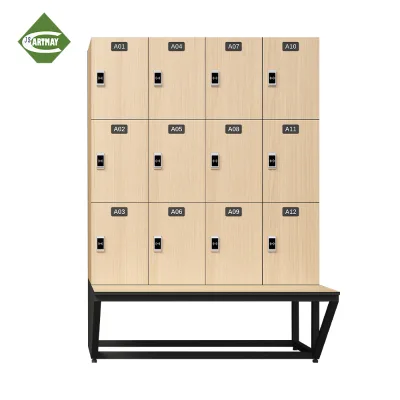
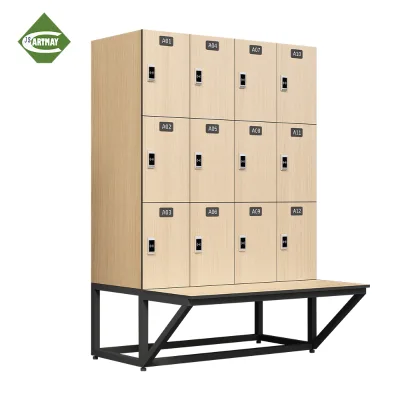
Card Access Digital Gym Lockers with Steel Bench Gym Locker Cabinets with Combination Locks
$44.0586 - $52.45
MOQ: 1 square
Guangdong Zhongshun Intelligent Technology Co., Ltd.
- Manufacturer, Trading Company, Distributor/Wholesaler
- Guangdong, China
- Lead time14 days
- Avg. response≤ 5h
Main productsExpress cabinet,Smart locker,Self service express cabinet,smart cabinet,freezer locker
Main marketsAfrica(20.00%), Mid East(10.00%), North America(10.00%), Southeast Asia(10.00%), Eastern Europe(10.00%), South America(10.00%), South Asia(5.00%), Northern Europe(5.00%), Central America(5.00%), Western Europe(5.00%), Eastern Asia(5.00%), Oceania(5.00%)
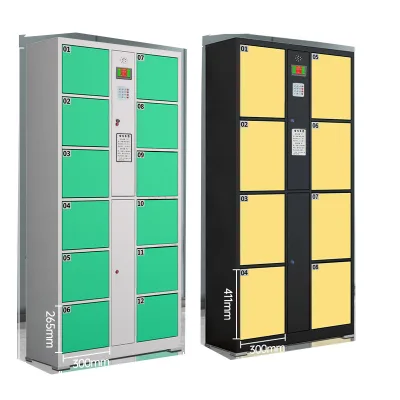
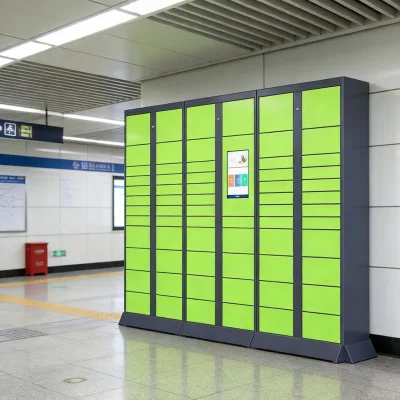
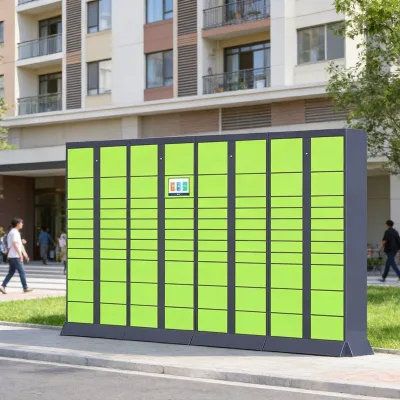
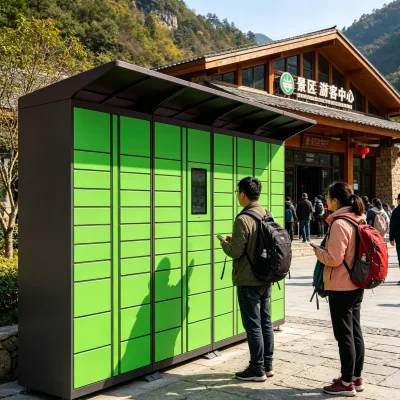
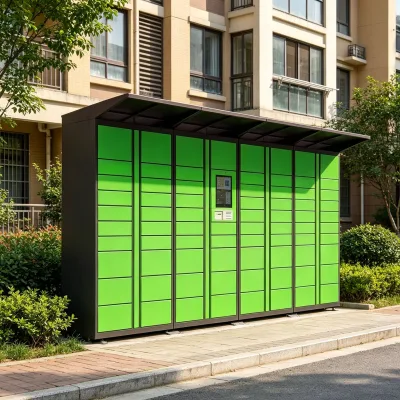
Heavy Duty Intelligent Locker Supermarket Electronic Gym Modern Intelligent Locker Assembly
$691.00 - $698.00
MOQ: 10 pieces
Shanghai Shengyu Technology Co., Ltd.
- Verified by BV
- Trading Company
- China Shanghai
- Lead time30 days
- Avg. response≤ 3h
Main marketsDomestic

Wooden Storage Cabinet Commercial Furniture Sports Gym Lockers Electronic Lock Locker
$42.00 - $50.00
MOQ: 20 Pieces

Customized Changing Lockers for Gym Electronic Waterproof Gym Locker 2 Tier
$199.00 - $220.00
MOQ: 50 Pieces


$34.00 - $42.00
MOQ: 100 Pieces

$289.00 - $459.00
MOQ: 5 Pieces

Compact Laminate Waterproof Gym Fitness Center Lockers Cabinets Locker with Benches
$42.00 - $50.00
MOQ: 20 Pieces

Luoyang Baorui Commercial Trading Co., Ltd.
- Trading Company
- China Henan
- Lead time15 days
- Avg. response≤ 8h
Main productsFiling Cabinet, Steel Locker, Steel Cupboard, Clothes Wardrobe, Bunk Bed, Metal Rack, Book Shelving, Mobile Cabinet, Pedestal, Table
Main marketsSouth America,Africa,Southeast Asia/ Mideast,East Asia(Japan/ South Korea),Europe,Australia,North America
Luoyang Fengli Office Furniture Co., Ltd.
- Verified by SGS Group
- Manufacturer, Trading Company
- Lead time20 days
- Avg. response≤ 1h
Main productsOffice Furniture
Main marketsDomestic Market(25%), Southeast Asia(20%), Western Europe(10%)
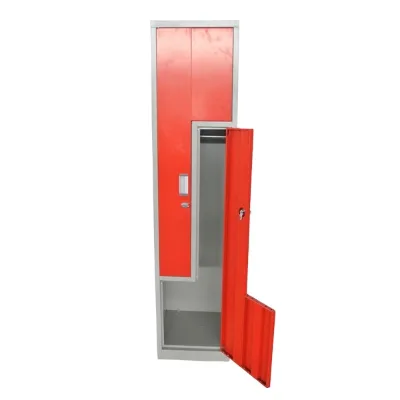
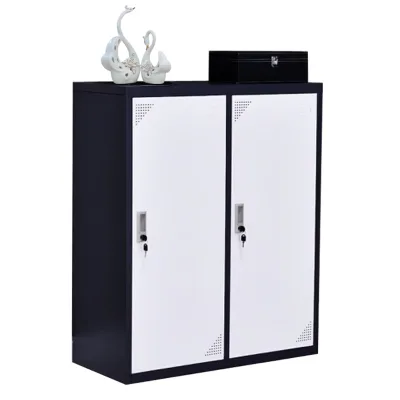
Metal 2 Doors Z Gym Locker,Steel Locker for Changing Room
$35.00 - $39.00
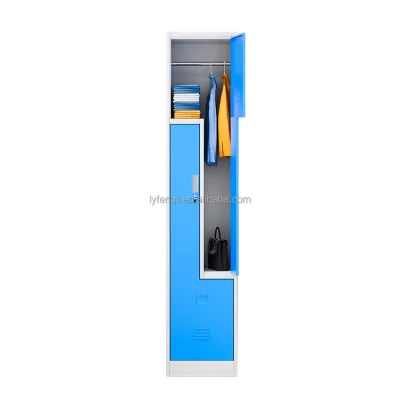
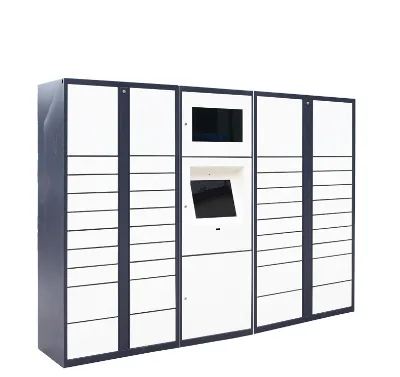
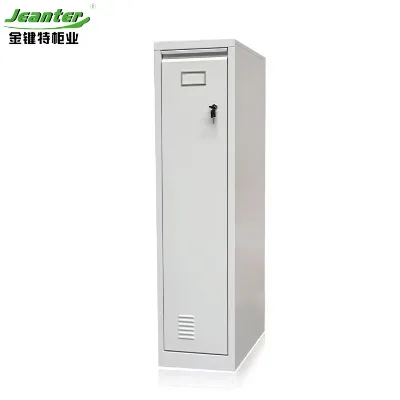










Comprehensive Sourcing Guide
Electronic Knock Down Gym Locker Supplier Concentration and Factory Types
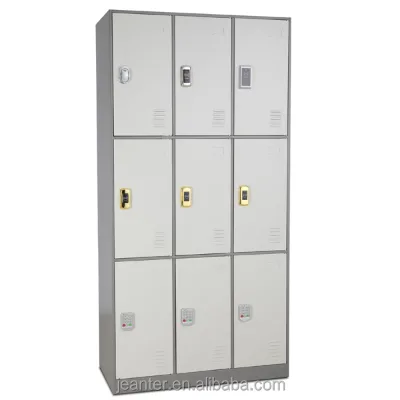
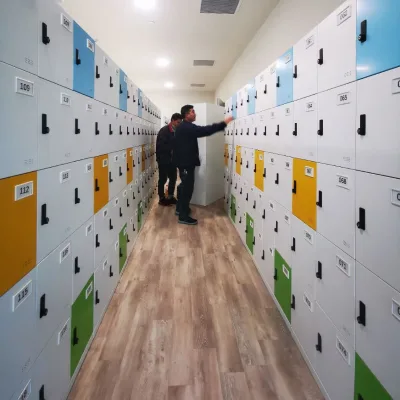
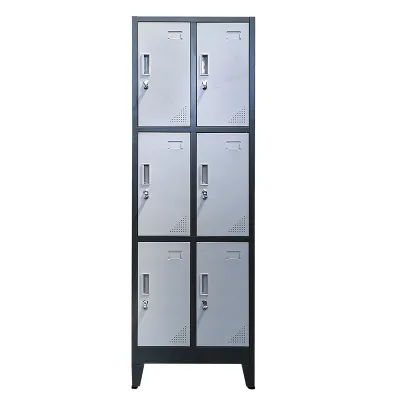
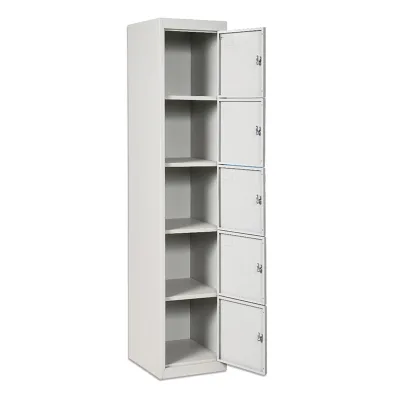
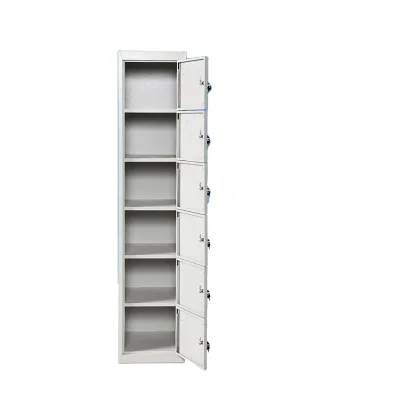
The current supplier landscape for electronic knock down gym lockers reveals a distinct geographic concentration in Guangdong, China, where manufacturers and trading companies operate side-by-side. This region is a known hub for metal furniture production, offering a dense ecosystem of factories capable of producing KD structures with varying thicknesses ranging from 0.4mm to 1.2mm. Buyers evaluating suppliers in this cluster should note that the presence of both manufacturers and trading companies allows for different procurement strategies, though the core manufacturing capabilities often overlap in terms of material sourcing and assembly techniques. The availability of KD structures with easy assembly features suggests that many suppliers in this area have optimized their production lines for flat-pack logistics, which is critical for reducing shipping costs for bulky metal furniture items.
In contrast to the Guangdong cluster, other suppliers are located in China Tianjin, representing a different manufacturing base that may offer distinct logistical advantages depending on the buyer’s final destination. These suppliers often present as combined entities, potentially integrating office furniture and workshop equipment production lines, which can indicate a broader capability in metal fabrication. The presence of ISO9001:2015 and ISO14001:2015 certifications among some Tianjin-based suppliers provides a verifiable standard for quality management and environmental responsibility, which is a key differentiator when comparing factory types across regions. Buyers should assess whether the supplier’s primary focus on lockers aligns with their broader product portfolio, as specialized manufacturers may offer deeper expertise in electronic locking mechanisms and durable steel finishes compared to generalist furniture producers.
How to Verify Electronic Knock Down Gym Locker Suppliers
Verification of suppliers requires a multi-layered approach that goes beyond basic profile checks, focusing on tangible evidence of manufacturing capability and compliance. Buyers should prioritize suppliers who display third-party verification badges, such as those from TÜV Rheinland, which indicate that an independent audit has been conducted to validate the supplier’s business legitimacy and operational standards. This verification is particularly important for electronic knock down gym lockers, as the integration of electronic locks and digital components requires specific quality controls to ensure reliability and safety. Additionally, checking for system certifications like ISO9001:2015 and ISO14001:2015 provides assurance that the supplier adheres to internationally recognized standards for quality management and environmental protection, which are critical for large-scale commercial installations in gyms and fitness clubs.
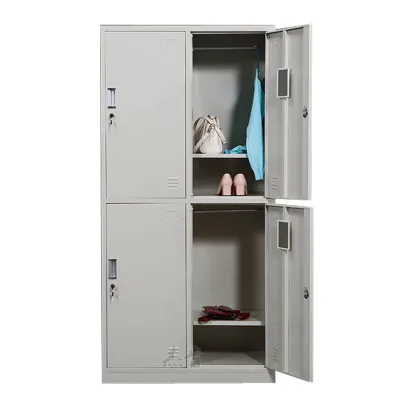
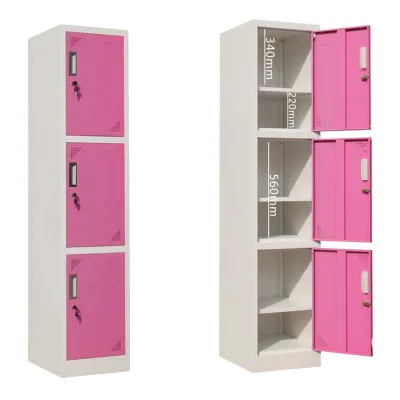
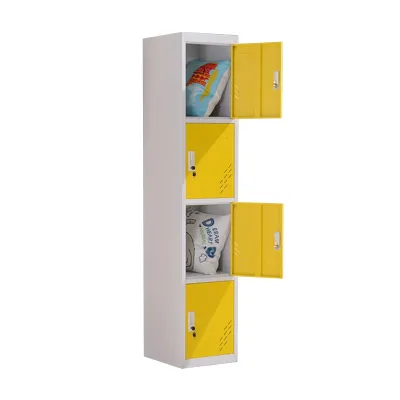
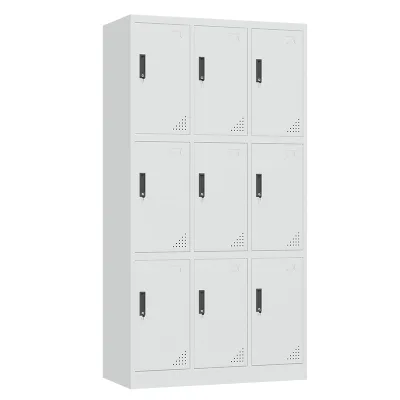
Beyond certifications, buyers must verify the technical specifications of the products offered, ensuring that the supplier provides detailed attributes such as material thickness, lock options, and surface finishing methods. For instance, confirming that the steel thickness falls within the 0.4mm to 1.2mm range and that the finish is an electrostatic powder coating helps prevent issues with durability and corrosion resistance. Buyers should also inquire about the specific lock options available, such as CL locks, pad locks, electronic locks, code locks, or round locks, to ensure compatibility with their existing security infrastructure. Furthermore, verifying the supplier’s ability to accept OEM and ODM requests is essential for buyers seeking custom branding or specific design modifications, as this indicates a flexible manufacturing process capable of meeting unique project requirements.
What to Compare Across Electronic Knock Down Gym Locker Suppliers
When comparing suppliers, buyers should evaluate key operational metrics such as response time, lead time, and minimum order quantities to determine which partner best fits their procurement timeline and volume needs. Suppliers in the current results show response times ranging from 4.23 to 5 hours, indicating a generally high level of responsiveness, but buyers should still test communication channels directly to assess the quality and speed of support. Lead times vary, with some suppliers offering 20-day turnaround times while others require 30 days, which can significantly impact project schedules for large gym installations. Understanding these lead times in the context of the supplier’s location and production capacity is crucial for accurate planning, especially when coordinating with other construction or fit-out activities.
Minimum order quantities (MOQ) and pricing structures are also critical comparison points, as they directly affect the total cost of ownership and inventory management. Some suppliers have MOQs as low as 20 units, while others require 30 or more, which can influence the feasibility of small-scale pilot orders or phased rollouts. Pricing for electronic knock down gym lockers can vary widely, with some products listed at fixed prices around $189, while others show ranges from $49 to $75 for basic models, and premium digital lock units reaching up to $699. Buyers should compare these prices against the specific features offered, such as the inclusion of shelves, anti-collision pins, and warranty periods, to ensure they are getting value for money. Additionally, comparing the available lock options and customization capabilities, such as free design services or specific handle materials, will help buyers identify suppliers that offer the best balance of cost and functionality.
Common Electronic Knock Down Gym Locker Sourcing Risks
One significant risk in sourcing electronic knock down gym lockers is the potential discrepancy between advertised product specifications and the actual delivered goods, particularly regarding material thickness and structural integrity. Suppliers may list a wide range of thicknesses, such as 0.4mm to 1.2mm, but without rigorous quality control, the actual product might fall on the lower end of this spectrum, compromising durability in high-traffic gym environments. Buyers must ensure that the supplier provides clear evidence of material quality, such as mill certificates or third-party test reports, to verify that the steel meets the specified standards. Additionally, the complexity of electronic locking systems introduces a risk of technical failure or compatibility issues, so buyers should verify the reliability of the electronic components and the availability of spare parts or technical support.
Another risk is the variability in lead times and production capacity, which can lead to delays in project completion if not managed properly. Suppliers may quote attractive lead times, such as 20 days, but actual production may take longer due to supply chain disruptions or high order volumes. Buyers should establish clear communication channels and request regular production updates to monitor progress and address any potential delays early. Furthermore, the risk of poor packaging or damage during transit is heightened for KD lockers, as the flat-pack nature of the product requires careful handling to prevent dents or scratches. Buyers should verify the supplier’s packaging standards, such as the use of carton packing or protective materials, and consider purchasing insurance for high-value shipments to mitigate the risk of transit damage.
Electronic Knock Down Gym Locker Regional Sourcing and Logistics
Sourcing from Guangdong, China, offers logistical advantages due to the region’s well-established export infrastructure and proximity to major shipping ports, which can reduce transit times and costs for international buyers. The concentration of manufacturers in this area facilitates easier coordination of sample production and factory audits, allowing buyers to verify quality and capabilities in person. However, buyers should also consider the logistical implications of sourcing from other regions, such as Tianjin, which may offer different shipping routes and cost structures depending on the final destination. Understanding the specific location of the supplier is essential for calculating accurate landed costs, including freight, insurance, and customs duties, which can significantly impact the overall budget.
Logistics planning for electronic knock down gym lockers must account for the bulky nature of the product, even in its KD form, as the volume-to-weight ratio can affect shipping efficiency. Buyers should work with suppliers who offer optimized packaging solutions, such as carton packing that minimizes void space and protects the electrostatic powder coating from damage. Additionally, the choice of shipping method, whether by sea or air, will depend on the urgency of the order and the total volume being shipped. For large orders, sea freight is typically more cost-effective, but buyers must plan for longer transit times and coordinate with freight forwarders to ensure smooth customs clearance. Buyers should also consider the supplier’s experience with international logistics, as their ability to handle documentation and compliance requirements can streamline the import process.
Electronic Knock Down Gym Locker Commercial Terms and Order Planning
Commercial terms and order planning are critical for ensuring a smooth procurement process, particularly when dealing with suppliers who offer OEM and ODM services. Buyers should clearly define their customization requirements, such as specific lock types, handle materials, or color options in RAL, and ensure that these details are included in the purchase agreement to avoid misunderstandings. The availability of free design services from some suppliers can be a valuable resource for buyers seeking unique locker configurations, but it is essential to confirm the timeline and cost implications of these services. Additionally, buyers should negotiate clear warranty terms, such as the 5-year warranty offered by some suppliers, to protect against defects in materials or workmanship.
Order planning should also include a detailed review of payment terms and escrow options, which provide security for both buyers and suppliers. Buyers should verify whether the supplier accepts secure payment methods and whether escrow services are available to hold funds until the goods are received and inspected. This is particularly important for large orders or first-time transactions, as it mitigates the risk of non-delivery or non-conformance. Furthermore, buyers should plan for the installation process, considering the ease of assembly of the KD structure and the availability of assembly instructions or technical support. By carefully planning these commercial and logistical aspects, buyers can minimize risks and ensure a successful procurement of electronic knock down gym lockers.
FAQs
What is the typical lead time for knock down gym lockers?
Manufacturers in Guangdong, China typically require 20 days to produce and ship these units. Suppliers in Tianjin may need up to 30 days for production. Buyers should confirm the exact schedule with the supplier before placing an order to ensure timely delivery for their facility.
What is the minimum order quantity for these lockers?
The minimum order quantity varies by supplier, with some requiring as few as 20 units. Others may set the threshold at 30 units. Buyers should check the specific listing details to determine the exact MOQ applicable to their purchase volume and desired customization options.
What steel thickness options are available for these lockers?
Steel thickness typically ranges from 0.4mm to 1.2mm depending on the model. Some heavy-duty options start at 0.6mm. Buyers should verify the specific thickness for the desired durability level, as thinner gauges may be less resistant to impact in high-traffic gym environments.
Are electronic lock options available for these knock down lockers?
Yes, many suppliers offer electronic locks alongside pad locks, code locks, and round locks. These options provide secure access for gym members. Buyers should specify their preferred locking mechanism when requesting a quote to ensure the unit includes the necessary electronic components and compatibility.
What is the price range for these gym lockers?
Prices vary significantly based on features and quantity, ranging from approximately $49 to $699 per unit. Basic models may start lower, while digital lock organizers cost more. Buyers should request a detailed quote to understand the final price based on their specific configuration and order size.
Do suppliers offer OEM and ODM services for these lockers?
Many manufacturers accept OEM and ODM requests for custom designs. Buyers can often choose colors from the RAL palette and request specific handle materials. It is advisable to confirm customization capabilities and any associated tooling fees directly with the supplier before finalizing the design specifications.