semi-automatic solvent inkjet printer Suppliers and Manufacturers
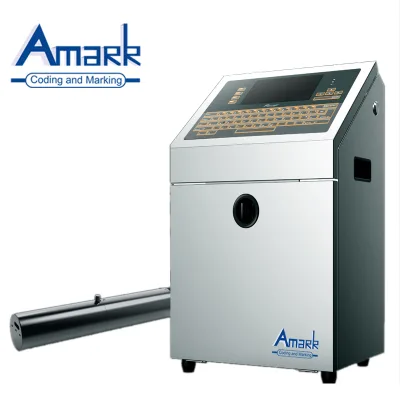
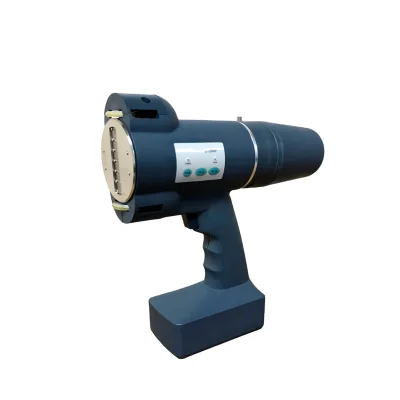
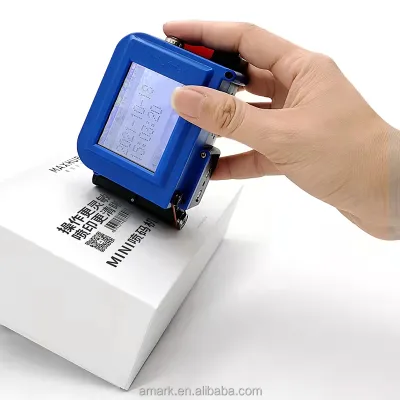
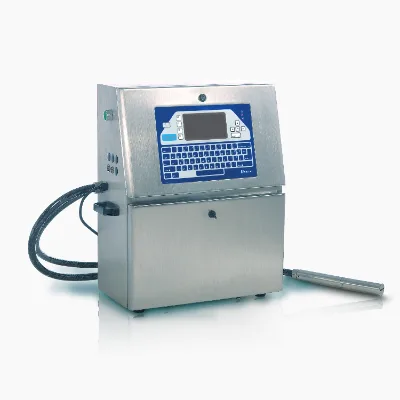
Compare 28 verified suppliers of semi-automatic solvent inkjet printers based on location, lead times, and certifications. Review product specs like CE and ISO standards, then request quotes for models such as V680 or V98; review the available evidence before requesting comparable quotations from suitable candidates.
Updated
Suppliers List

Wuhan Leadjet Science and Technology Development Co., Ltd.
- Verified by BV
- Combined
- China Hubei
- Lead time15 days
- Avg. response≤ 4h
Main productsInkjet Coder, Laser Coder, Cij Printer, Coding Machine, Inkjet Printer, Case Coder, Conveyor, Page Machine, Marking Machine, Industrial Ink Jet
Main marketsSouth America,Southeast Asia/ Mideast,North America


Batch Printing Machine Inkjet Printer Plastic Expiry Date Inkjet Printer
$2400.00 - $2800.00
MOQ: 1 Pieces


WILLITA INK JET TECHNOLOGY(WUHAN) CO.,LTD.
- Verified by SGS
- Combined
- China Hubei
- Lead time15 days
- Avg. response≤ 4h
Main productsInkjet Printer, Laser Marking Machine, Tij Inkjet Printer, Industrial Inkjet Printer, Inkjet Printer Inks, Handheld Inkjet Printer, Wall Printer
Main marketsSouth America,Africa,Southeast Asia/ Mideast,East Asia(Japan/ South Korea),Europe,Australia,North America


Inkjet Printer White Ink Tank Inkjet Printer Industrial Inkjet Printer
$1899.00 - $2199.00
MOQ: 1 Pieces


Zhengzhou Dana Photoelectric Technology Co., Ltd.
- Verified by TUVRHEINLAND
- Combined
- China Henan
- Lead time15 days
- Avg. response≤ 1h
Main productsLaser Engraving Machine, Tij Printer, Laser Marking
Main marketsSoutheast Asia/ Mideast,Domestic
Hefei Hanjie Packing Machinery Ink-Jet Printer Co., Ltd.
- Manufacturer, Trading Company
- Anhui, China
- Lead time7 days
- Avg. response≤ 5h
Main productsInkjet Printers, Laser Marking Machine, Strapping Tools Machine, Sealing Machines, Packaging Machine
Main marketsMid East(18.00%), Africa(15.00%), South Asia(10.00%), South America(10.00%), Southeast Asia(10.00%), Eastern Asia(8.00%), North America(7.00%), Western Europe(5.00%), Central America(5.00%), Oceania(3.00%), Southern Europe(3.00%), Northern Europe(3.00%), Eastern Europe(3.00%)
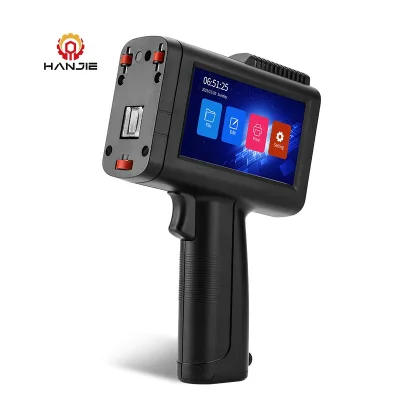
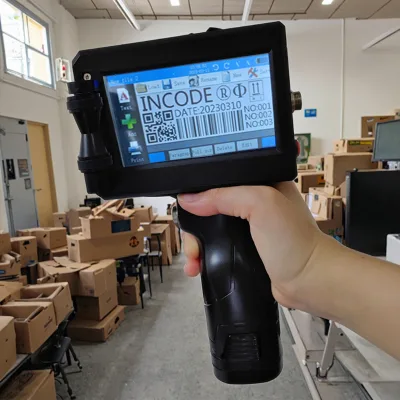
Handheld Printer Portable Inkjet Solvent Inkjet Carton Printer
$110.00 - $130.00
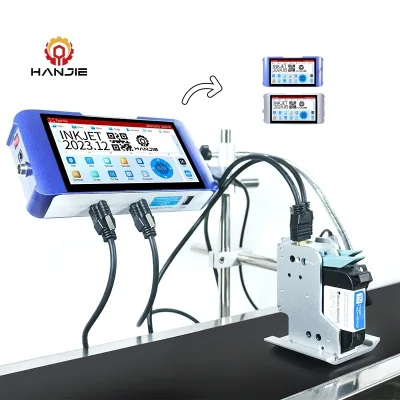
Manufacture Thermal Inkjet Printers Multi-function Solvent Ink Jet Printer for Industrial Use
$227.4518 - $268.8073
MOQ: 1 pieces
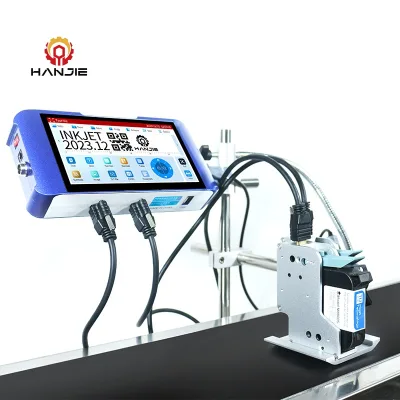
High Speed Thermal Inkjet Printer Online Egg Inkjet Printer Code Printer
$220.00 - $260.00
MOQ: 1 pieces
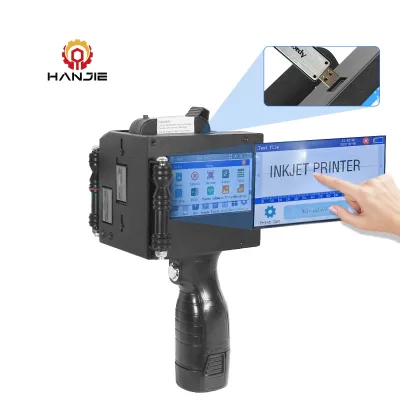
Semi-automatic Inkjet Printers 50.8mm High Large Character Handheld Inkjet Printer
$300.00 - $350.00
MOQ: 5 pieces
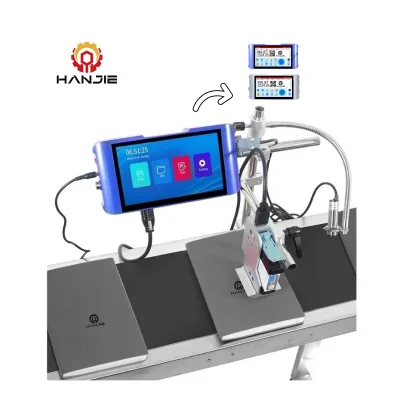
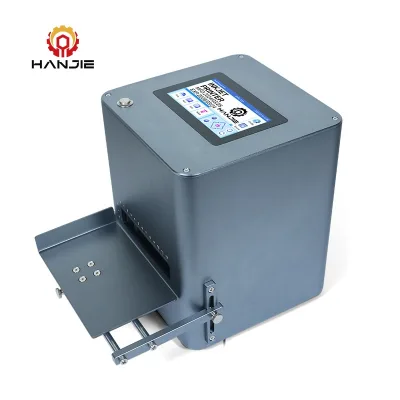
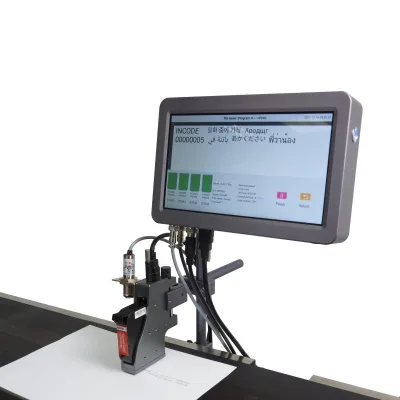
Automatic Desktop Inkjet Printer Date Codes Inkjet Printer for Bottle Pipe Carton Pouch TIJ Printer
$280.00 - $298.00
MOQ: 1 pieces
Foshan Denoma Electronic Technology Co., Ltd.
- Verified by TüVRheinland
- Trading Company
- Lead time0 days
- Avg. response≤ 1h
Main productsInkjet Printer Chip & Accessories, Laser Marking Machine, CIJ Inkjet Printer, TIJ Inkjet Printer, Inkjet Printer Ink Cartridge

Guangzhou Guanhe Light Industry Machinery Co., Ltd.
- Verified by SGS
- Trading Company,Manufacturer/Factory
- China Guangdong
- Lead time38 days
- Avg. response≤ 9h
Main productsFilling Machines, Packing Machine, Capping Machine, Sealing Machine, Labeling Machine, Bottle Washing Drying Machine, Bottle Unscrambling Machine, Conveying Machine, Filling Capping Machines, Mixing/Storage Tanks
Main marketsSouth America,Eastern Europe,Mid East,North America,Southeast Asia,Eastern Asia,Oceania,Western Europe,Africa

Guangzhou Fuluke Cosmetics Equipment Co., Ltd.
- Verified by CTI
- Combined
- China Guangdong
- Lead time15 days
- Avg. response≤ 8h
Main productsVacuum Cosmetics Emulsifier Mixer, Mixing Machine, Water Treatment System, Cosmetics Cream Making Machine, Shampoo Detergent Mixing Machine, Label Machine, Filling and Sealing Machine, Capping Machine, Cream Loction Making Machine, Inkjet Print
Main marketsAfrica,Southeast Asia/ Mideast,Domestic,Europe,Australia,North America
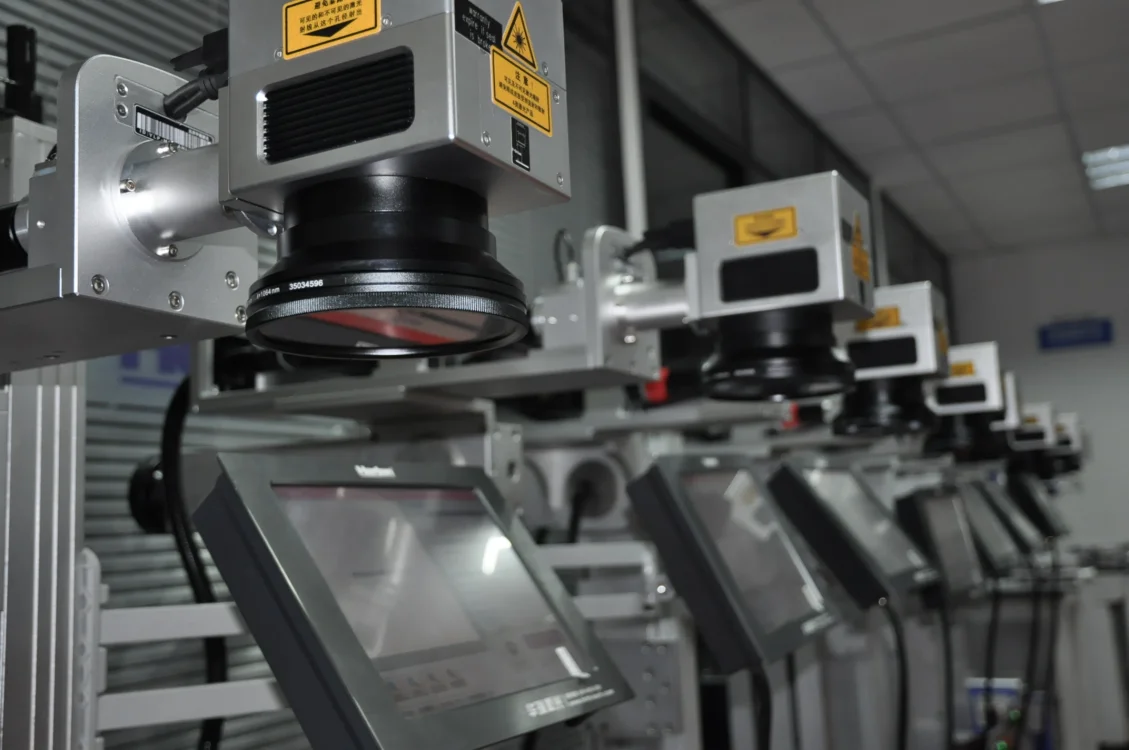
Wuhan Amark Technology Co., Ltd.
- Trading Company
- Hubei, China
- Lead time7 days
- Avg. response≤ 2h
Main productsFlying laser,laser coder,inkjet printer,conveyor belt,paging machine
Main marketsEastern Asia(21.00%), Northern Europe(17.00%), Eastern Europe(15.00%), North America(10.00%), South America(9.00%), Mid East(6.00%), South Asia(5.00%), Central America(3.00%), Southern Europe(3.00%), Africa(3.00%), Domestic Market(2.00%), Oceania(2.00%), Western Europe(2.00%), Southeast Asia(2.00%)
Shanghai Yuchang Industrial Co., Ltd.
- Trading Company
- Shanghai, China
- Lead time3 days
- Avg. response≤ 3h
Main productsLaser Marking Machine,Fly Laser Printer,Industrial Inkjet Printer,Handheld Inkjet Printer,Desktop Inkjet Printer
Main marketsDomestic Market(40.00%), Southeast Asia(18.00%), Africa(10.00%), North America(10.00%), Mid East(5.00%), South America(5.00%), Western Europe(4.00%), South Asia(3.00%), Eastern Europe(3.00%), Northern Europe(2.00%)
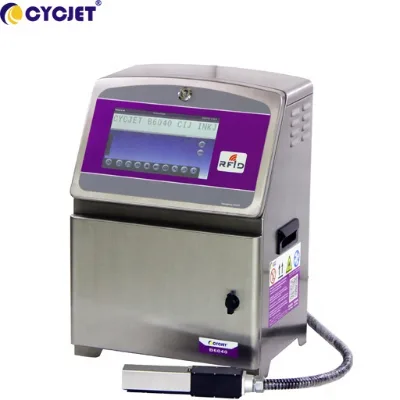
$2850.00 - $6923.00
MOQ: 1 units
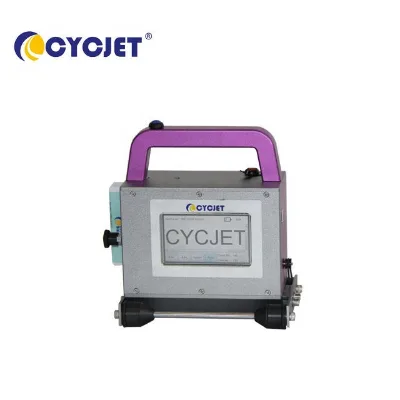
Intelligent Bottle Batch Printing Barcode Handheld Inkjet Printer With Touch Screen
$5200.00 - $5800.00
MOQ: 1 sets
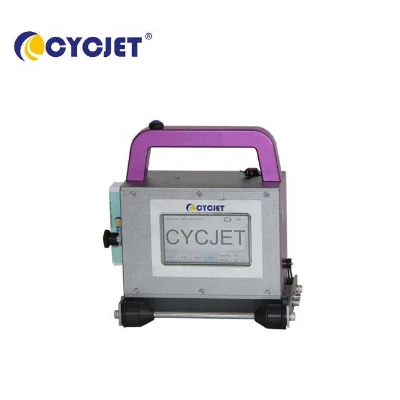
Fast Dry Inkjet Printer Date Code/hand Held Inkjet Printer for Packaging
$5200.00 - $5800.00
MOQ: 1 sets
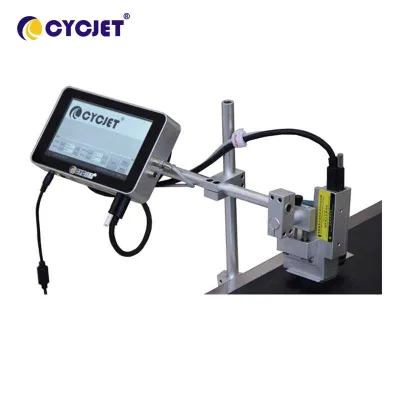
High-resolution Industrial Thermal Inkjet Printers for Paperboard and Plastic Bottles
$610.00 - $850.00
MOQ: 1 sets

Cangzhou Longway Imp & Exp Co., Ltd.
- Trading Company
- Hebei, China
- Lead time20 days
- Avg. response≤ 2h
Main productsFilling Machine/Strapping Machine/Bottle Labeling Machine/Sealing Machine/Carton Machine,strapping machine,packing machine,printing machine,mixing machine
Main marketsWestern Europe(14.00%), Southeast Asia(9.00%), Mid East(9.00%), Southern Europe(9.00%), Eastern Asia(8.00%), Eastern Europe(8.00%), Northern Europe(8.00%), South Asia(8.00%), Domestic Market(7.00%), North America(5.00%), Africa(5.00%), South America(4.00%), Oceania(3.00%), Central America(3.00%)
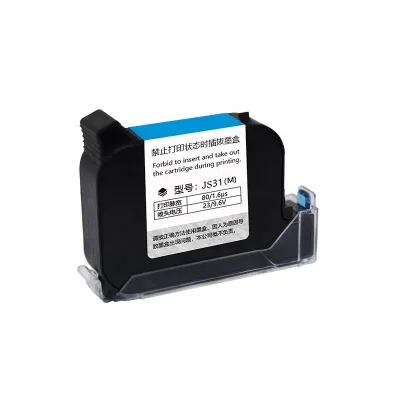
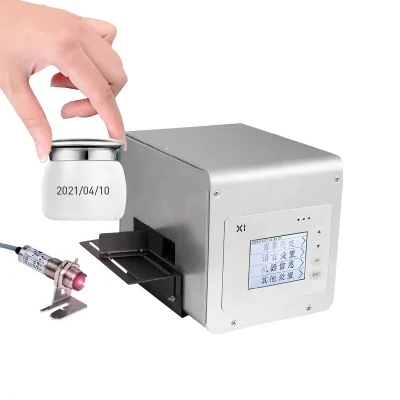
Smart Inkjet Printer for Packing Field/online Inkjet Printer Batch Coding Machine
$459.00 - $479.00
MOQ: 1 sets
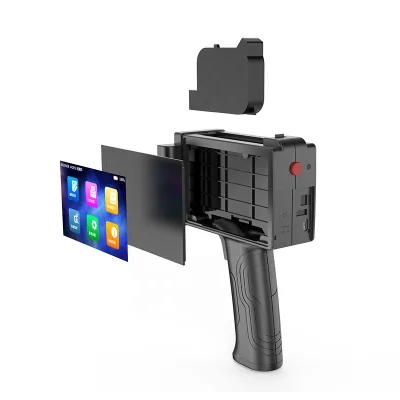
$149.00 - $199.00
MOQ: 1 sets

Shanghai Loobjet Information Technology Co., Ltd.
- Verified by TUVRHEINLAND
- Manufacturer/Factory
- China Shanghai
- Lead time23 days
- Avg. response≤ 3h
Main productsTij Coding Machine, UV Dod Inkjet Printers, UV Digital Inkjet Printers, Single-Feding System, Roll-Feding System, Data Inspection System, Inks, Variable Data Labels, Variable Data Boxes, Labeling Machines
Main marketsSouth America,Eastern Europe,Mid East,North America,Southeast Asia,Eastern Asia,Oceania,Western Europe,Africa
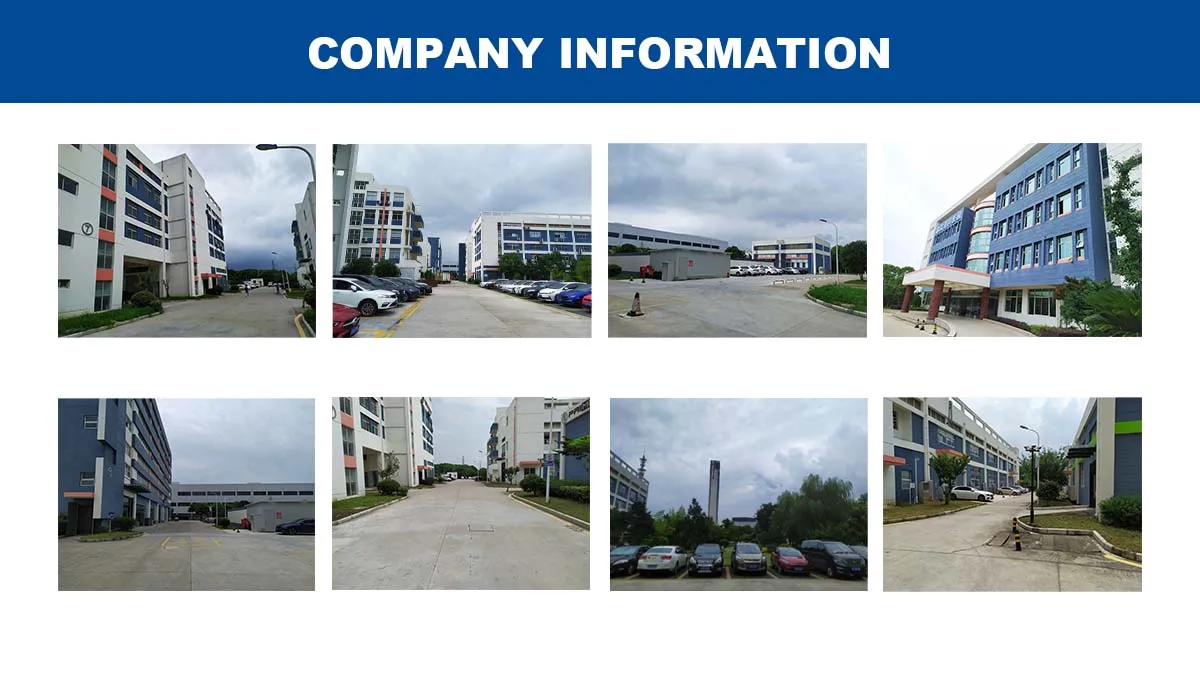
Suzhou Cheef Technology Co., Ltd.
- Manufacturer, Trading Company
- Jiangsu, China
- Lead time7 days
- Avg. response≤ 6h
Main productsVideojet printers,LInx printers,Laser Printers,Consumables,Spare parts
Main marketsCentral America(20.00%), Eastern Asia(20.00%), Africa(20.00%), Southeast Asia(20.00%), Eastern Europe(20.00%)
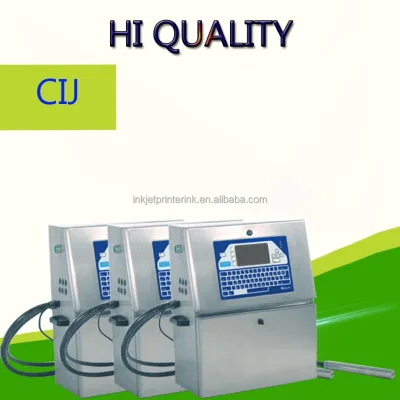
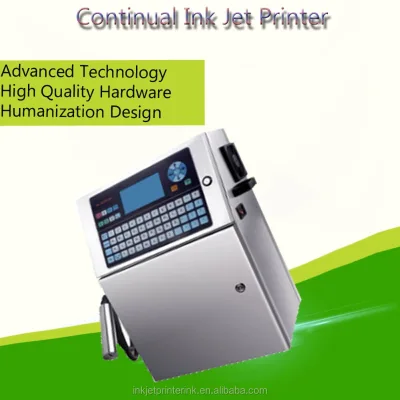
Automatic CIJ industrial cheap solvent inkjet 1-4 lines expiry date printer -Product
$2000.00 - $4000.00
MOQ: 1 Minimum
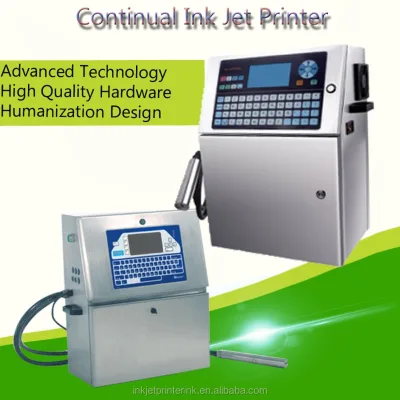
Easy Control High Speed Inkjet Printer for Bottle/Wire / Cable /Bag -Product
$2000.00 - $4000.00
MOQ: 1 Minimum

Jiangxi Hanmo Intelligent Equipment Co., Ltd.
- Verified by SGS
- Manufacturer/Factory
- China Jiangxi
- Lead time23 days
- Avg. response≤ 3h
Main productsInk Cartridge, Handheld Inkjet Printer, Laser Marking Machines, Automatic Inkjet Printer, Reel-to-Reel Coding Machine, Sealing and Coding Integrated Machine, UV Printer, Cij Printer, Egg Printer, Pij Printer
Main marketsSouth America,Eastern Europe,Mid East,North America,Southeast Asia,Eastern Asia,Oceania,Western Europe,Africa
Guangzhou Incode Marking Technology Co., Ltd.
- Verified by Intertek
- Manufacturer, Trading Company
- Lead time7 days
- Avg. response≤ 2h
Main productsInk Cartridge, Online Inkjet Printer, Handheld Inkjet Printer, Bulk Ink Cartridge, Continous Inkjet Printer
Main marketsDomestic Market(60%), Southeast Asia(25%), North America(4%)

Guangzhou Wdot Industrial Equipment Co., Ltd.
- Verified by SGS
- Combined
- China Guangdong
- Lead time15 days
- Avg. response≤ 4h
Main marketsSouth America,Southeast Asia/ Mideast
Maersky Logo Technology (guangzhou) Co., Ltd.
- Verified by Intertek
- Trading Company
- Lead time30 days
- Avg. response≤ 1h
Main productsCIJ Inkjet Printer, CO2 Laser Printer, Handheld Inkjet Printer, TIJ Inkjet Printer, UV Color Inkjet Machine
Main marketsNorth America(45%), South America(20%), Eastern Europe(10%)
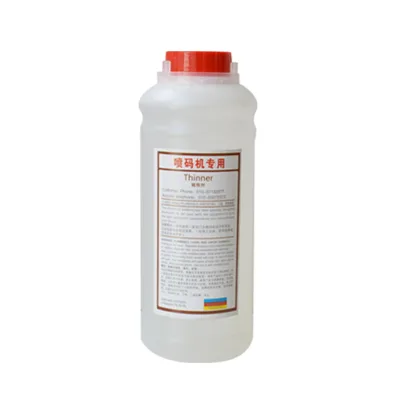
$14.3751 - $17.4553
MOQ: 1 pieces
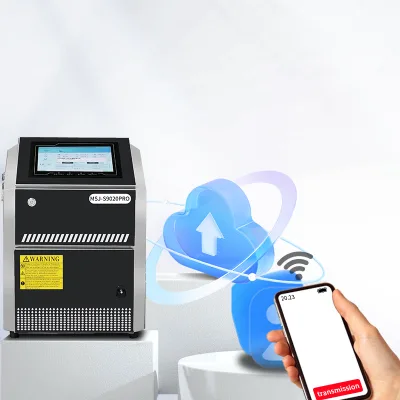
$2449.1196 - $2959.3528
MOQ: 1 pieces

GUANGZHOU YALIAN COSMETIC MACHINERY EQUIPMENT CO., LIMITED
- Trading Company
- China Guangdong
- Lead time30 days
- Avg. response≤ 3h
Main productsMixing Machine, Filling Production Line Machine, Water Treatment, Vacuum Homogenizer Mixer, Labeling Machine, Capping Machine, Vacuum Capping Machine, Package Machine, Filling Machine, Cosmetics Mixer Equipment
Main marketsAfrica,Australia,North America
Henan Xifa Network Technology Co., Ltd.
- Verified by Intertek
- Manufacturer, Trading Company
- Lead time7 days
- Avg. response≤ 1h
Main productsAnimal Cages, Tractors, Feed Processing Machinery, Excavators
Main marketsNorth America(20%), Domestic Market(20%), Africa(15%)

Qingdao Zhongkang Printing and Packaging Machinery Co., Ltd.
- Verified by TUVRHEINLAND
- Trading Company
- China Shandong
- Lead time30 days
- Avg. response≤ 3h
Main productsPacking Machine, Non-Woven Bags, Filling Machine, Capping Machine, Vacuum Packing Machine, Labeling Machine, Strapping Machine, Sealing Machine, Printer Coding Machine, Packaging Bag
Main marketsSouth America,Domestic,Europe
Guangzhou Disen Electronic Equipment Co., Ltd.
- Verified by TüVRheinland
- Trading Company
- Lead time7 days
- Avg. response≤ 2h
Main productsApparel Machinery, Printing Machine, Paper Production Machinery, Office Equipment, Industry Laser Equipment
Main marketsAfrica(20%), North America(10%), South America(10%)

Shanghai Yuchang Industrial Co., Ltd.
- Verified by BV
- Trading Company,Manufacturer/Factory
- China Shanghai
- Lead time15 days
- Avg. response≤ 8h
Main productsHandheld Inkjet Printer, Hand Jet Printer, Industrial Inkjet Printer, Laser Marking Machine, Portable Marking Solution, Laser Printer, Laser Engraver, Ink Jet Printing Machine, Pipe Fly Laser Machine, Laser Cutting Machine
Main marketsSouth America,Eastern Europe,Mid East,North America,Southeast Asia,Eastern Asia,Oceania,Western Europe,Africa

Guangzhou Baicheng Digital Equipment Co., Ltd.
- Verified by SGS
- Trading Company,Manufacturer/Factory
- China Guangdong
- Lead time0 days
- Avg. response≤ 5h
Main productsInkjet Printer, UV Printer, Dtf Printer, UV Dtf Printer, Eco Solvent Printer, Solvent Printer, Sublimation Printer

Zhejiang Aishijie Digital Technology Co., Ltd.
- Verified by SGS
- Combined
- China Zhejiang
- Lead time15 days
- Avg. response≤ 2h
Main productsTextile Printing Machine, UV Printer, Printing Machinery, 3D Printing Machine, PVC Film Printer, Wall Panel Film Printer, Thermal Transfer Film Printer, Digital Printer, Spc Digital Printing Machine
Main marketsDomestic
Hefei Merion International Trade Co., Ltd.
- Trading Company
- Anhui, China
- Lead time3 days
- Avg. response≤ 1h
Main productshandheld inkjet printer,wrapping machine,3D printer pen,ink cartridge,Laser marking machine
Main marketsNorth America(30.00%), Southeast Asia(15.00%), Eastern Asia(11.00%), Eastern Europe(10.00%), South America(10.00%), Mid East(9.00%), Africa(8.00%), Oceania(8.00%)

Guangzhou Docod Precision Group Limited
- Verified by BV
- Combined
- China Guangdong
- Lead time15 days
- Avg. response≤ 4h
Main productsContinuous Inkjet Printer, Tlj Online Printer, Tlj Handheld Printer, Dod Large Character Inkjet Printer, Tto Thermal Transfer Overprinter, Laser Marking Machine, Piezo Inkjet Pritner (Pij), Application Equipment, Clj Spare Parts
Main marketsSouth America,Africa,Southeast Asia/ Mideast,East Asia(Japan/ South Korea),Europe


High-Speed Industrial Inkjet Printer for Fast Batch Coding Solutions
$1600.00 - $2400.00
MOQ: 1 Pieces


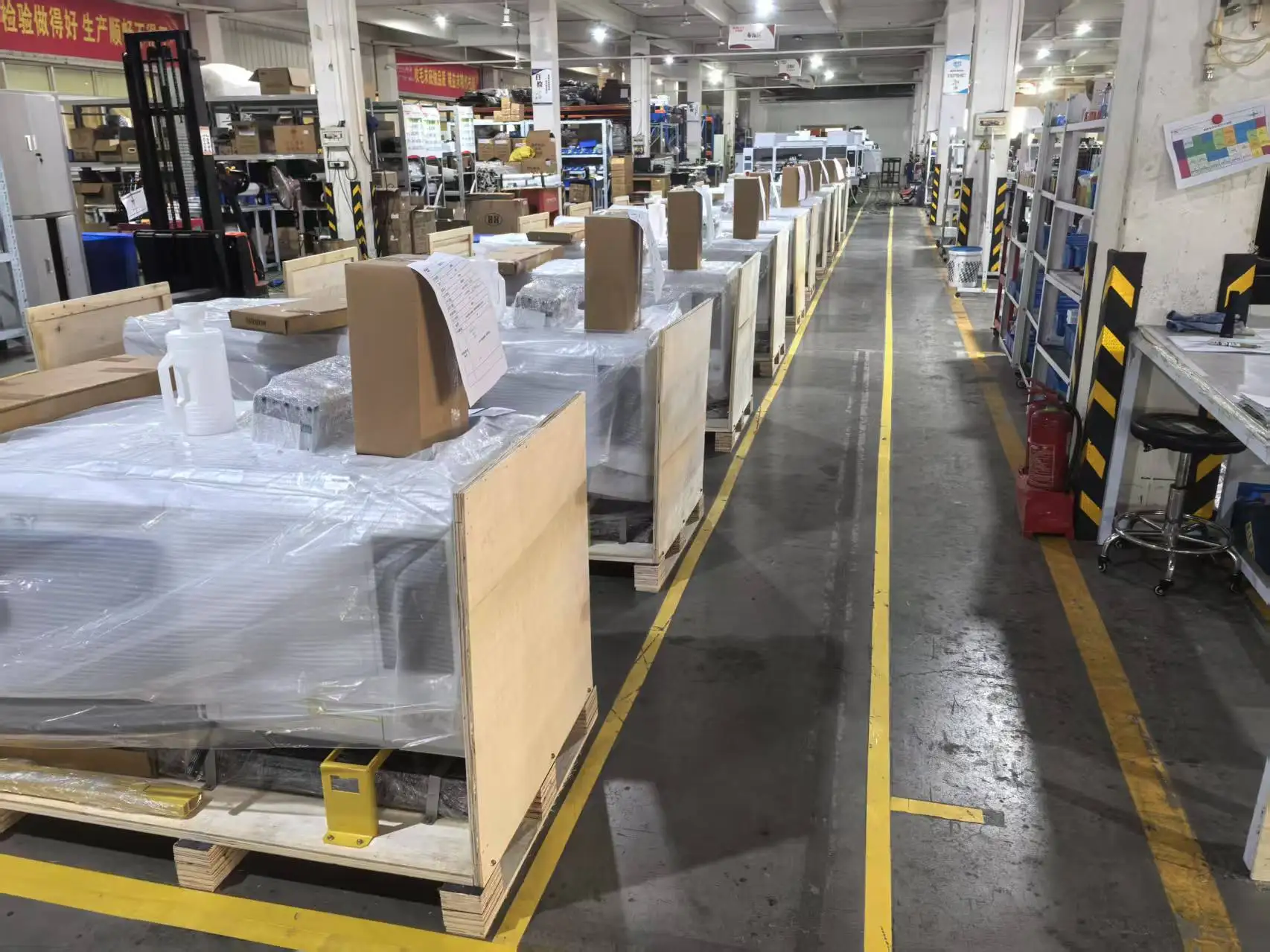
Henan Huaran Machinery Equipment Co., Ltd,
- Manufacturer, Trading Company
- Henan, China
- Lead time0 days
- Avg. response≤ 4h
Main products2030-X5,E2070-3,E8074-3,6003,3003
Main marketsDomestic Market(25.00%), Mid East(18.00%), South Asia(15.00%), Southeast Asia(12.00%), Eastern Asia(12.00%), North America(10.00%), South America(8.00%)
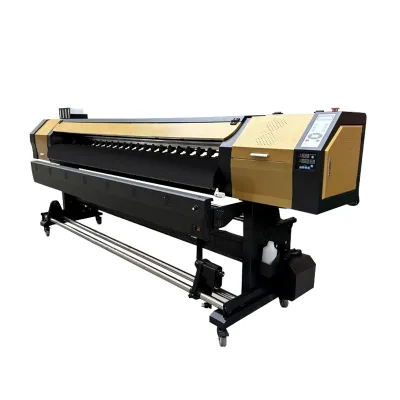
$5490.72 - $11836.77
MOQ: 1 Minimum
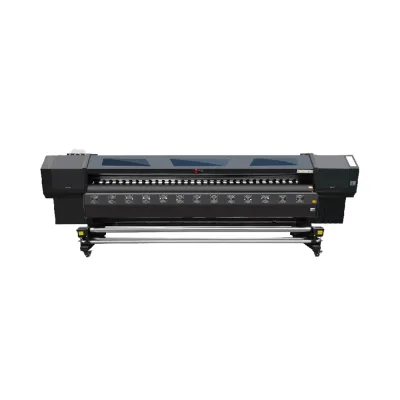
Industrial Solvent Inkjet Printer for High Quality Leather and Wallpaper Printing
$7014.54 - $8008.73
MOQ: 1 Minimum
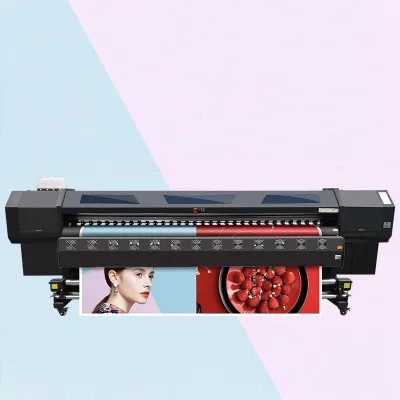
Industrial Grade TIJ Plate Printer with Solvent Ink Technology for High-Speed Label Production
$5771.81 - $6047.97
MOQ: 1 Minimum

ZhangJiaGang City YuFeng Beverage Machinery Co., Ltd.
- Verified by TUVRHEINLAND
- Trading Company,Manufacturer/Factory
- China Jiangsu
- Lead time45 days
- Avg. response≤ 25h
Main productsFilling Machine, Water Treatment, Canning Machine, Juice Mixing Line, Packing Machine, Labeling Machine, Bottle Blowing Machine, Beer Filling Machine, Carbonated Drink Filling Machine, 5 Gallon Filling Line
Main marketsSouth America,Eastern Europe,Mid East,North America,Southeast Asia,Eastern Asia,Oceania,Western Europe,Africa
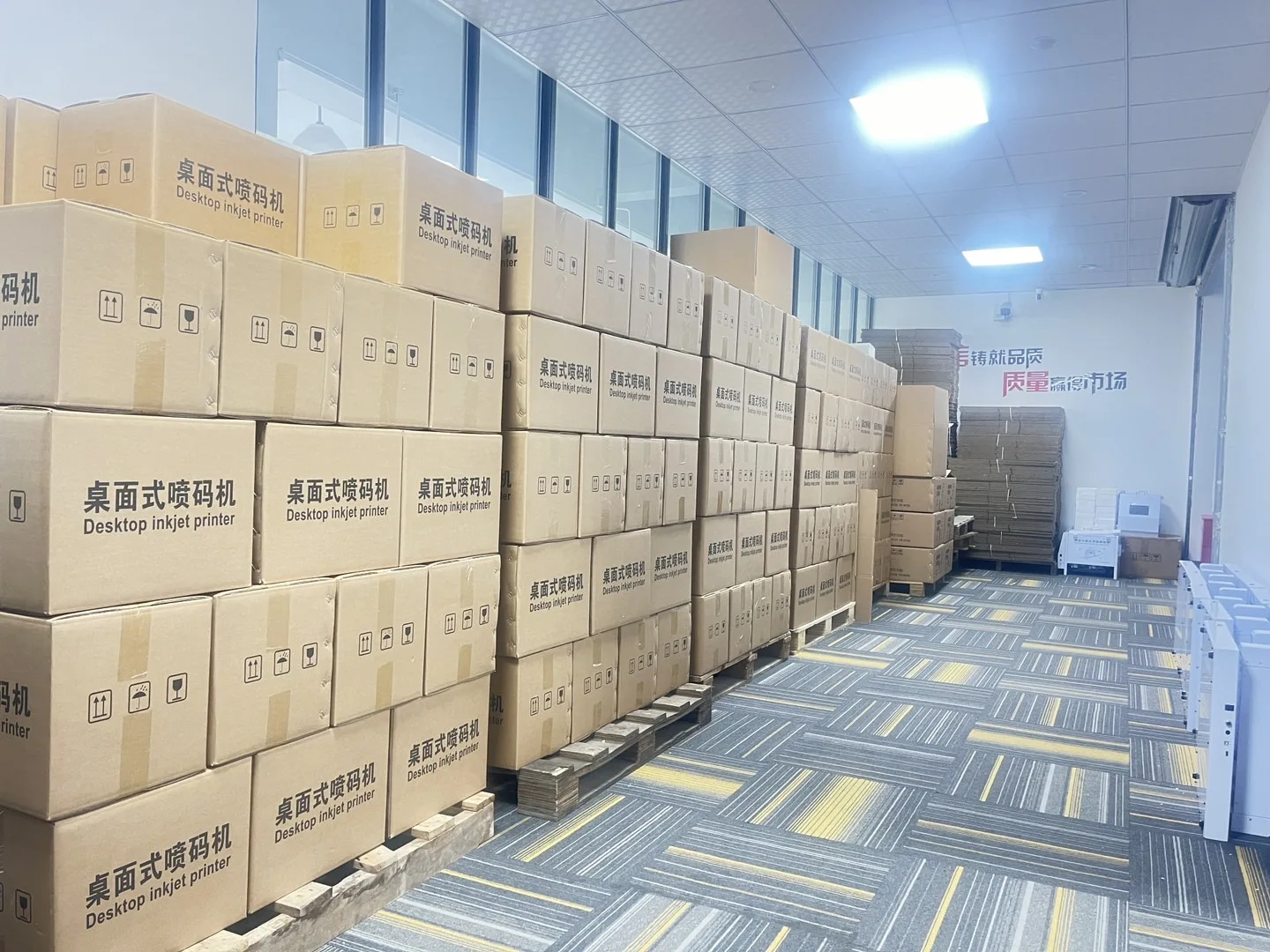
Hefei Jiaomai International Trade Co., Ltd.
- Trading Company
- Anhui, China
- Lead time15 days
- Avg. response≤ 2h
Main productsInkjet printer,Strapping Machine,sealing machine,vacuum packing machine,uv printer
Main marketsSouthern Europe(10.00%), Eastern Europe(10.00%), Western Europe(10.00%), Northern Europe(10.00%), Africa(8.00%), Mid East(6.00%), South America(5.00%), North America(5.00%), Oceania(5.00%), Eastern Asia(2.00%), Southeast Asia(1.00%)














Comprehensive Sourcing Guide
Semi-Automatic Solvent Inkjet Printer Supplier Concentration and Factory Types
The current supplier landscape for coding and marking equipment reveals a distinct geographic concentration in China, specifically within the Hubei province. This regional clustering suggests a mature industrial ecosystem where manufacturing capabilities are centralized, potentially offering buyers streamlined access to production facilities. The observed data indicates that suppliers in this region are primarily engaged in the production of various inkjet coders, laser coders, and industrial inkjet printers. This concentration is not merely a random distribution but reflects a specialized supply chain where components, assembly, and testing are likely optimized for efficiency. Buyers evaluating semi-automatic solvent inkjet printers should recognize that this geographic focus may influence logistics, communication, and the availability of specialized technical support. The presence of multiple suppliers in Hubei implies a competitive environment that could drive innovation and price stability, although it also requires careful vetting to ensure quality consistency across different factory outputs.
Factory types in this sector vary, with many suppliers operating as combined entities that handle both manufacturing and trading functions. This dual role can offer advantages in flexibility, allowing for customized orders and rapid prototyping, but it also necessitates a clear understanding of the supplier’s actual production capacity. The observed capabilities include ODM, OEM, and own brand development, indicating that many factories are equipped to handle bespoke requirements rather than just off-the-shelf products. This is particularly relevant for semi-automatic solvent inkjet printers, which often require specific configurations for different production lines. Buyers should assess whether the supplier’s combined model ensures direct access to engineering resources or if there is a layer of intermediation that could delay technical resolutions. Understanding the factory type is crucial for determining the level of control a buyer has over the manufacturing process and the potential for long-term partnership development.
How to Verify Semi-Automatic Solvent Inkjet Printer Suppliers
Verification is a critical step in mitigating risk when sourcing industrial equipment from international markets. The current data highlights that some suppliers hold BV verification, while others are verified by SGS, indicating varying levels of third-party assessment. Buyers should prioritize suppliers with robust verification credentials, as these provide an additional layer of confidence regarding the supplier’s legitimacy and operational standards. It is important to note that system certifications such as ISO9001:2015 are present in the results, which suggests a commitment to quality management systems. However, buyers must verify that these certifications are current and applicable to the specific products being ordered, as certification status can change over time. The presence of these credentials is a positive indicator, but it should not be the sole basis for selection. Buyers should cross-reference these claims with direct communication and, if possible, site visits or virtual tours to ensure that the supplier’s actual operations align with their stated credentials.
Response time is another key metric for assessing supplier reliability and engagement. The observed response times range around 3.11 to 3.30, which provides a benchmark for expected communication speed. A faster response time often correlates with better customer service and more agile problem-solving capabilities, which are essential when dealing with complex machinery like semi-automatic solvent inkjet printers. Buyers should use this metric to gauge the supplier’s attentiveness and responsiveness during the inquiry phase. Additionally, the availability of customization options, as indicated by the "Available" status for customization in product attributes, suggests that suppliers are willing to engage in detailed discussions about product specifications. Buyers should test this responsiveness by asking specific technical questions about solvent compatibility, maintenance requirements, and integration with existing production lines. The supplier’s ability to provide detailed and timely answers to these queries is a strong indicator of their technical competence and commitment to customer satisfaction.
What to Compare Across Semi-Automatic Solvent Inkjet Printer Suppliers
When evaluating multiple suppliers, it is essential to compare key operational metrics such as lead time, minimum order quantity, and pricing structures. The observed lead times are around 15 days, which provides a baseline for production scheduling. Buyers should compare this against their own production timelines to ensure that the supplier can meet their delivery requirements. Minimum order quantities vary, with some suppliers offering an MOQ of 1, which is advantageous for small-scale testing or pilot projects. However, buyers should also consider the pricing implications of lower MOQs, as unit costs may be higher. The price ranges observed for various inkjet printers range from approximately $589 to $4900, depending on the model and specifications. Buyers should compare these prices not just on a unit basis but also in terms of total cost of ownership, including ink consumption, maintenance, and potential downtime.
Product specifications and certifications are another critical area for comparison. The data shows a variety of product attributes, including working patterns, application classifications, and automatic grades. Buyers should compare these specifications to ensure that the selected printer meets their specific operational needs, such as printing speed, line count, and weight. The presence of certifications like CE, SGS, and ISO9001 is a positive indicator, but buyers should verify that these certifications are relevant to their target markets. Additionally, the warranty periods, which range from 12 months to 1 year, should be compared to assess the level of post-sale support provided. Buyers should also consider the supplier’s main products to determine if they have a broad range of solutions or if they specialize in specific types of printers. This specialization can indicate a deeper level of expertise and potentially better support for the specific product category.
Common Semi-Automatic Solvent Inkjet Printer Sourcing Risks
One of the primary risks in sourcing semi-automatic solvent inkjet printers is the potential mismatch between supplier claims and actual product performance. The data indicates a wide range of product types, from small character inkjet printers to continuous jet type coders, each with different operational characteristics. Buyers must ensure that the specific model they select is suitable for their intended application, such as food, drug, or daily industrial use. The variability in usage applications suggests that not all printers are designed for the same environments, and using a printer in an incompatible setting could lead to premature failure or safety issues. Additionally, the ink type, whether solvent-based or pigment-based, is a critical factor that affects print quality and substrate compatibility. Buyers should verify that the supplier provides detailed information on ink compatibility and offers technical support for troubleshooting ink-related issues.
Another significant risk is the variability in supplier reliability and after-sales support. While some suppliers offer warranties and have verification credentials, the level of support can vary widely. Buyers should be cautious of suppliers who do not provide clear warranty terms or who have limited response times. The observed response times, while generally acceptable, may not be sufficient for urgent technical issues that could halt production. Buyers should assess the supplier’s support infrastructure, including the availability of spare parts, technical documentation, and on-site service options. Additionally, the risk of intellectual property infringement or quality control issues cannot be ignored, especially when dealing with combined factory-trading entities. Buyers should conduct thorough due diligence to ensure that the supplier has robust quality control processes in place and respects intellectual property rights. This includes verifying the authenticity of certifications and ensuring that the products meet all relevant safety and performance standards.
Semi-Automatic Solvent Inkjet Printer Regional Sourcing and Logistics
The geographic concentration of suppliers in Hubei, China, has significant implications for logistics and supply chain management. Buyers sourcing from this region should consider the impact of transportation costs and lead times on their overall procurement strategy. The proximity of multiple suppliers in the same region can facilitate consolidated shipping, potentially reducing logistics costs and simplifying customs clearance processes. However, buyers must also account for the potential delays associated with international shipping, including port congestion and customs inspections. The observed lead times of around 15 days do not include shipping time, so buyers should add an additional buffer for transit and delivery. Understanding the logistics landscape is crucial for accurate inventory planning and ensuring that production lines are not disrupted by delayed equipment deliveries.
Additionally, the regional focus may influence the availability of local support and maintenance services. Buyers should assess whether the supplier offers on-site installation and training services, which can be critical for the successful implementation of semi-automatic solvent inkjet printers. The presence of standardized packaging, such as boxes and wooden cases, indicates that suppliers are aware of the need for secure transportation. However, buyers should verify that the packaging is suitable for the specific shipping conditions and that it protects the equipment from damage during transit. The origin of the products, consistently listed as China, suggests that buyers should be familiar with import regulations and tariffs applicable to industrial machinery from this region. Engaging with a reliable freight forwarder who has experience in handling industrial equipment can help mitigate logistical risks and ensure smooth delivery.
Semi-Automatic Solvent Inkjet Printer Commercial Terms and Order Planning
Commercial terms and order planning are essential components of a successful sourcing strategy for semi-automatic solvent inkjet printers. The observed price ranges and MOQs provide a framework for budgeting and order sizing, but buyers should negotiate terms that align with their financial and operational goals. The availability of customization options allows buyers to tailor the equipment to their specific needs, but this may impact the lead time and cost. Buyers should clearly define their customization requirements early in the process to avoid misunderstandings and delays. Additionally, the warranty terms, which typically range from 12 months to 1 year, should be reviewed to ensure that they cover the necessary components and provide adequate support. Buyers should also consider the total cost of ownership, including ink, maintenance, and potential downtime, when evaluating the overall value proposition of each supplier.
Payment terms and escrow services are another critical aspect of commercial planning. While the data does not explicitly mention escrow availability, buyers should prioritize suppliers who offer secure payment methods to protect their financial interests. The verification status of suppliers, such as BV and SGS, can provide some assurance of reliability, but buyers should still exercise caution and use secure payment channels. Clear communication of order specifications, delivery schedules, and quality expectations is essential to avoid disputes and ensure a smooth transaction. Buyers should also establish a clear process for handling any issues that arise after delivery, including returns, repairs, and replacements. By carefully planning the commercial terms and order process, buyers can minimize risks and maximize the value of their investment in semi-automatic solvent inkjet printers.
FAQs
What is the price range for solvent inkjet printers?
Prices for these coding machines typically range from $589 to $4,900 depending on the model and features. Basic automatic units start around $2,200, while specialized pigment-based printers cost closer to $4,300. Buyers should check specific product listings for exact pricing tiers and currency details.
What is the minimum order quantity for these printers?
The minimum order quantity is generally one unit for most available models. This allows buyers to test performance before committing to larger volumes. Suppliers often support small batch orders to accommodate diverse industrial needs and testing requirements without requiring large initial investments.
How long does delivery take for these machines?
Standard lead times are approximately 15 days for production and shipping. This duration applies to most automatic coding machines listed. Buyers should confirm specific delivery schedules with suppliers, as complex customizations or high-demand periods might slightly extend the standard manufacturing window.
Are these printers suitable for food and drug packaging?
Yes, many models are explicitly designed for food, drug, and daily industrial applications. They feature automatic grades and online working patterns suitable for production lines. Buyers should verify specific ink compatibility and certification requirements to ensure compliance with strict industry safety standards for consumable packaging.
What certifications do these inkjet printers hold?
Common certifications include CE, ISO 9001, and SGS standards. Some models specifically list ISO 9001:2015 or ISO 2008 compliance. Buyers should request current certification documents to verify that the equipment meets regional regulatory requirements and quality management systems for industrial manufacturing environments.
What is the typical response time from suppliers?
Supplier response times average around 3.11 to 3.30 hours. This indicates a relatively quick turnaround for initial inquiries and quotations. Buyers can expect timely communication regarding technical specifications, pricing, and shipping logistics when contacting verified suppliers for these industrial coding and marking machines.