Pultrusion High Load Cable Puller Suppliers and Manufacturers
Compare 21 suppliers offering Pultrusion High Load Cable Puller products with verified dimensions, lead times, and MOQs. Review response times and origin details to select a manufacturer in Hebei, China for your cable laying needs; review the available evidence before requesting comparable quotations from suitable candidates.
Updated
Suppliers List
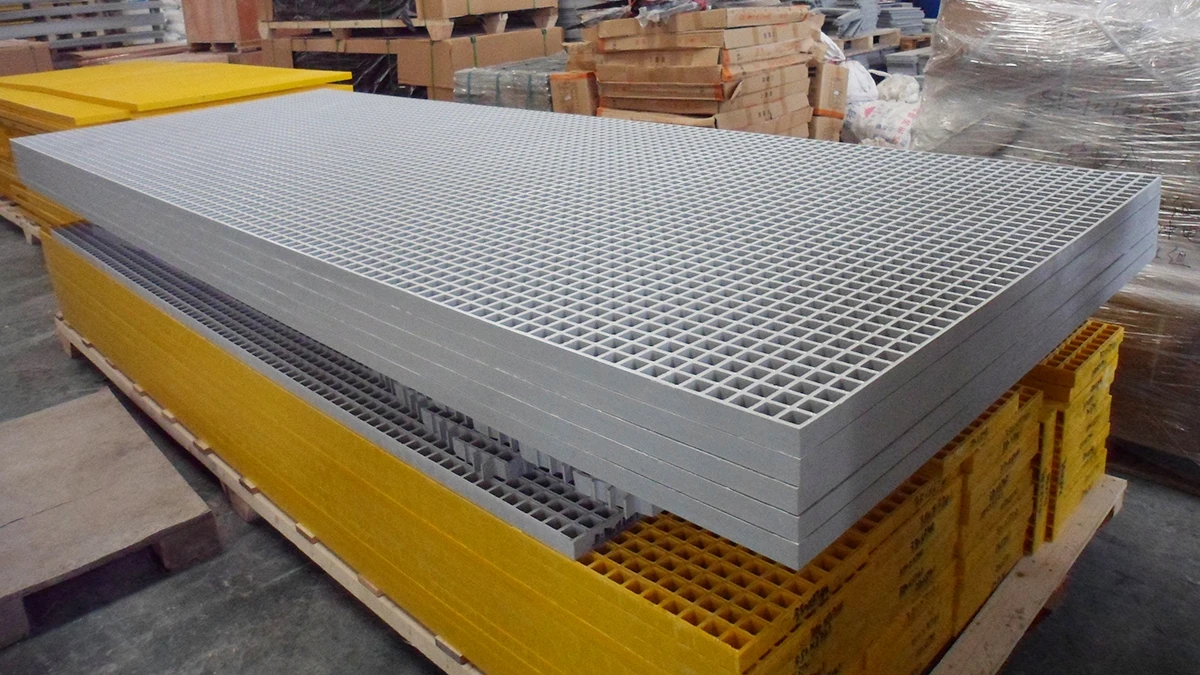
Hebei Lanyu Rubber & Plastic Products Co., Ltd.
- Manufacturer
- Hebei, China
- Lead time10 days
- Avg. response≤ 3h
Main productscooling tower fill,fiberglass duct rodder,frp manhole cover,tube settler,frp grating
Main marketsEastern Europe(20.00%), Domestic Market(15.00%), Western Europe(15.00%), South America(15.00%), North America(10.00%), Southeast Asia(7.00%), Eastern Asia(5.00%), Mid East(5.00%)
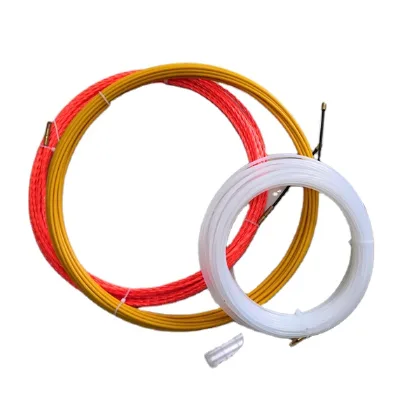
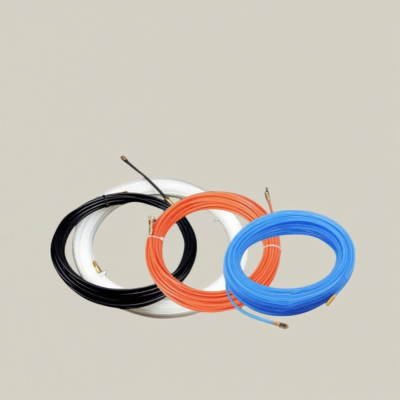
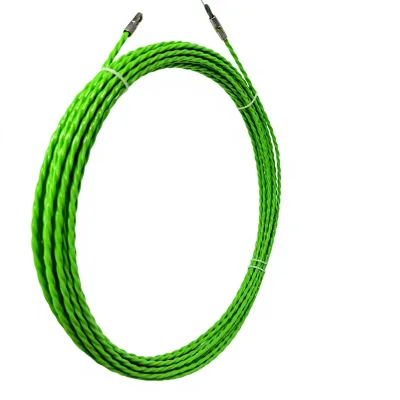
High loading fiberglass electrical cable puller guide cable puller wire cable puller
$2.50 - $4.20
MOQ: 1 pieces
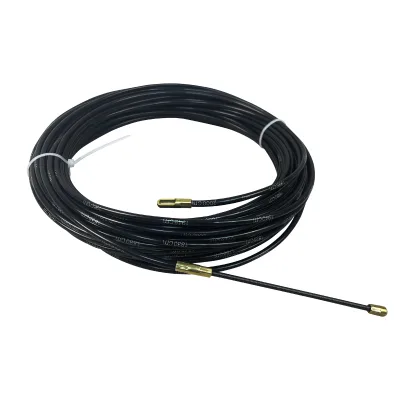
Wholesale high strength optical cable puller wire plastic electrical cable puller
$12.3218 - $14.3754
MOQ: 100 sets
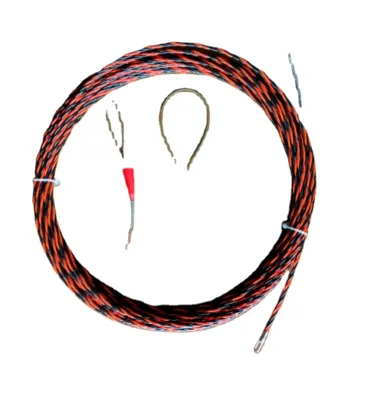
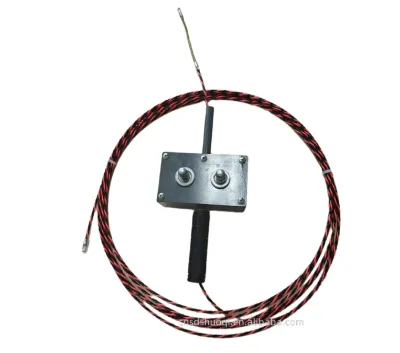
Wire Cable Puller Wheel Puller Electrician Pulling Tools
$10.25 - $18.90
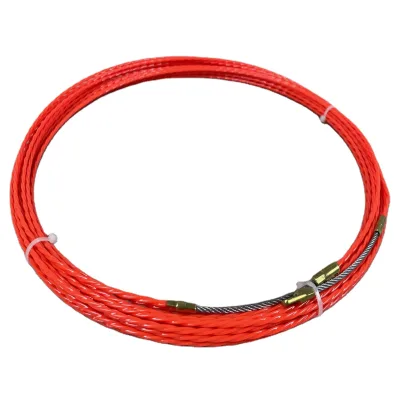
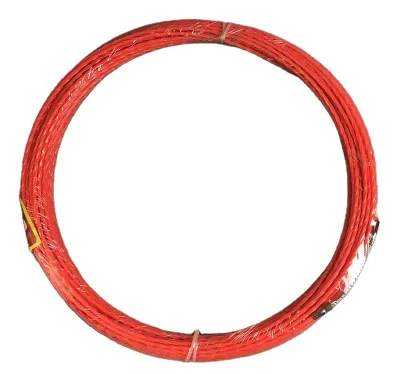
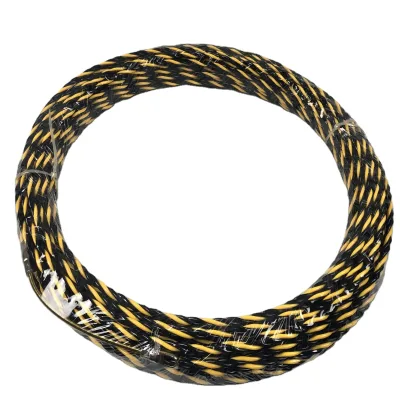
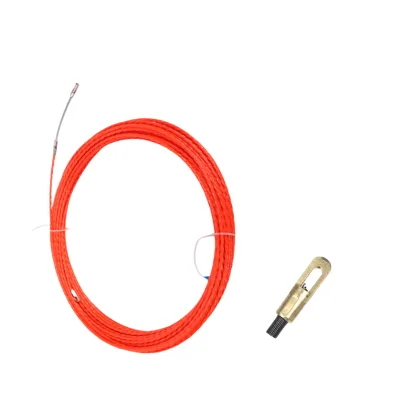
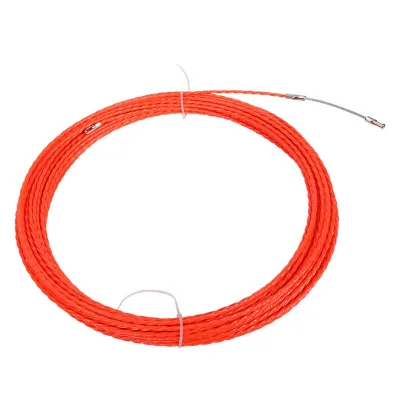
6mm 15m 20m 30m 40m 50m Electric Braid Wire Puller 3 Woven Polyester Cable Puller
$2.62 - $4.63
MOQ: 200 pieces

YUEQING GUANGTAI IMPORT & EXPORT CO., LTD.
- Verified by CTI
- Trading Company,Manufacturer/Factory
- China Zhejiang
- Lead time23 days
- Avg. response≤ 8h
Main productsDistribution Board, Meter Socket, Load Center, Electrical Accessories, Tools, Hardware
Main marketsSouth America,Eastern Europe,Mid East,North America,Southeast Asia,Eastern Asia,Oceania,Western Europe,Africa
SHIJIAZHUANG BILO IMP. AND EXP. TRADE CO., LTD
- Verified by SGS Group
- Manufacturer, Trading Company
- Lead time5 days
- Avg. response≤ 3h
Main productsFiberglass duct rodder, Fish tape, Telescopic hot stick, Cable puller, Cable grip
Main marketsSouth America(50%), Southeast Asia(20%), Western Europe(10%)
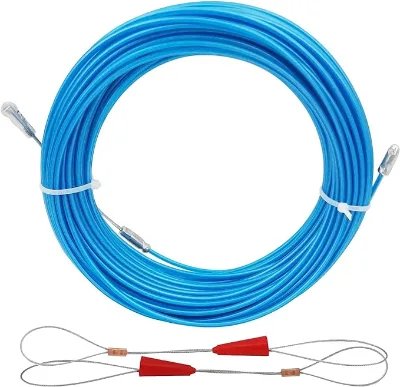
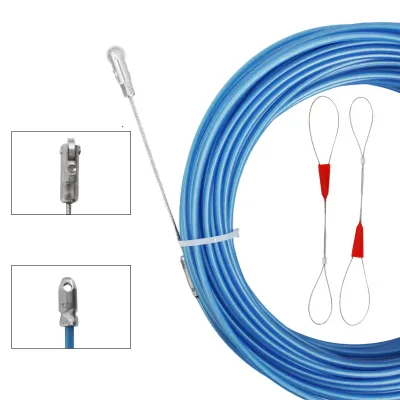
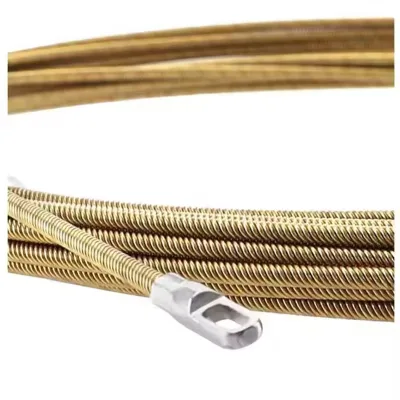
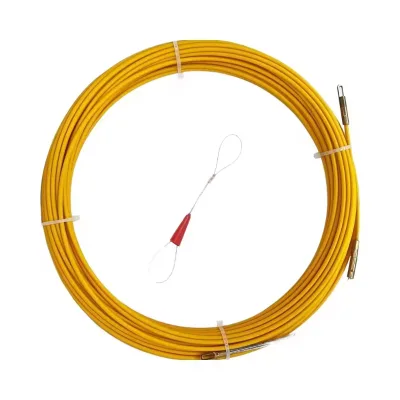
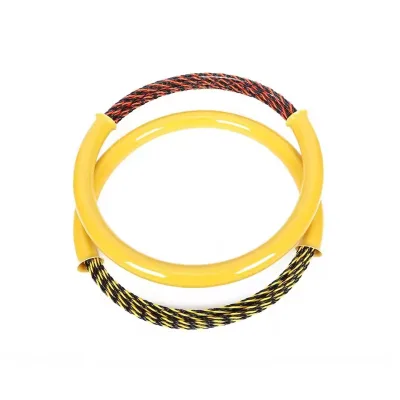
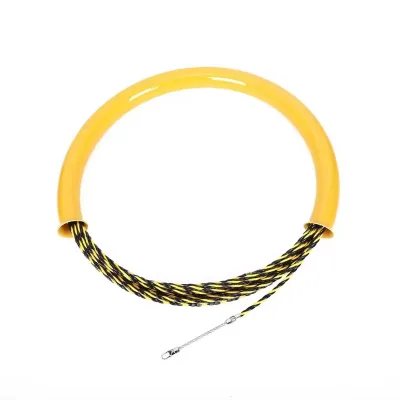
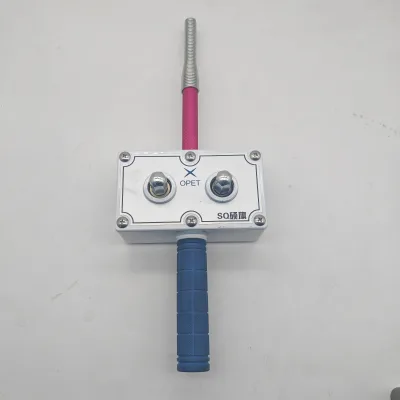
5mm 6mm PET Cable Puller Electric Cable Application Wire Puller for Pulling Wire
$18.4812 - $20.5348
MOQ: 1 pieces
Yueqing HF-Shaw Electric Co., Ltd.
- Manufacturer, Trading Company
- Zhejiang, China
- Lead time15 days
- Avg. response≤ 4h
Main productsCircuit breaker,ac contactor,push button switch,indicator light,terminal block
Main marketsWestern Europe(20.00%), Southern Europe(15.00%), North America(15.00%), Southeast Asia(14.50%), Africa(6.00%), Eastern Asia(6.00%), Domestic Market(5.00%), South America(4.50%), Northern Europe(4.00%), Eastern Europe(3.50%), South Asia(2.50%), Mid East(2.00%), Central America(1.00%), Oceania(1.00%)
Shenzhen Xichuan New Materials Co., Ltd.
- Trading Company
- Guangdong, China
- Lead time10 days
- Avg. response≤ 5h
Main productsCable Tie, Cable Ties Mount, Cable Clip, Cable Duct, Cable Joint
Main marketsCentral America(30.00%), North America(30.00%), Northern Europe(20.00%), South Asia(10.00%), Eastern Europe(10.00%)

- Verified by BV
- Trading Company,Manufacturer/Factory
- China Hebei
- Lead time23 days
- Avg. response≤ 4h
Main productsFRP Duct Rodder, Cooling Tower Fill, Water Tank, PVC Fills for Brand Cooling Tower, Manhole Cover, FRP Cable Ladder, Water Treatment Media, Mbbr Bio Filter, Fiberglass Grating, FRP Cable Tray Ladder
Main marketsSouth America,Eastern Europe,Mid East,North America,Southeast Asia,Eastern Asia,Oceania,Western Europe,Africa

Low Price High Strength Flexible Wire Pulling Electrical Fiber Cable Puller
$16.00 - $20.00
MOQ: 500 Pieces


Electrical Supply Wire Puller Cable Pullers 5-30m Plastic Nylon Cable Puller
$4.00 - $5.00
MOQ: 200 Rolls
Zhejiang Tolerance Electric Co., Ltd.
- Verified by Intertek
- Manufacturer, Trading Company
- Lead time20 days
- Avg. response≤ 2h
Main productsNylon Cable Ties, Cable Clips, Expand Plug, Cable Markers, Stainless Steel Cable Ties
Main marketsEastern Europe(32%), Domestic Market(25%), North America(15%)
Cangzhou Jiujiu Communication Equipment Co., Ltd.
- Manufacturer, Trading Company
- Hebei, China
- Lead time7 days
- Avg. response≤ 2h
Main productsFiberglass duct rodder,Cable Reel Stand,Line equipment,bird scarer,Insulated ladder
Main marketsSouthern Europe(10.00%), Western Europe(10.00%), Southeast Asia(10.00%), Eastern Europe(10.00%), Mid East(10.00%), North America(10.00%), Domestic Market(5.00%), South Asia(5.00%), Oceania(5.00%), Northern Europe(5.00%), Central America(5.00%), Africa(5.00%), Eastern Asia(5.00%), South America(5.00%)

Hengshui Nuokon Technology Co., Ltd.
- Verified by BV
- Trading Company
- China Hebei
- Lead time15 days
- Avg. response≤ 5h
Main productsWater Tank, Cooling Tower Fill, FRP Grating, FRP Pultrusion Profile, Duct Rodder, Spetic Tank, Manhole Cover, Water Treatment Media
Main marketsSouth America,Africa,Southeast Asia/ Mideast,East Asia(Japan/ South Korea),Europe,Australia,North America

Premium Electrical Cable Puller Wire Wholesale High Strength Cable Puller
$8.00 - $10.00
MOQ: 100 Pieces


- Verified by SGS Group
- Trading Company
- Lead time15 days
- Avg. response≤ 2h
Main productsWater Tank, Septic Tank, Cooling Tower Fill, FRP Grating, Fiberglass Duct Rodder
Main marketsAfrica(20%), Southeast Asia(20%), Mid East(20%)
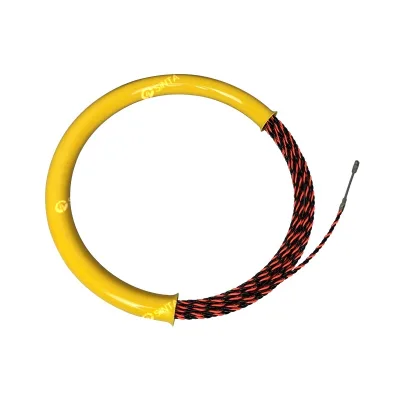
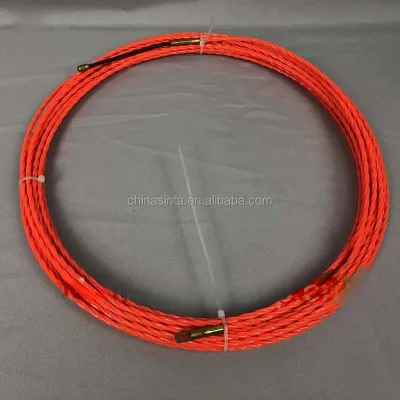
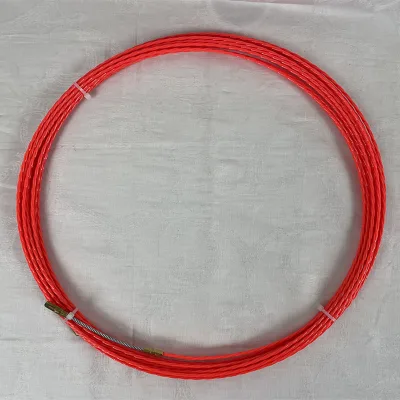
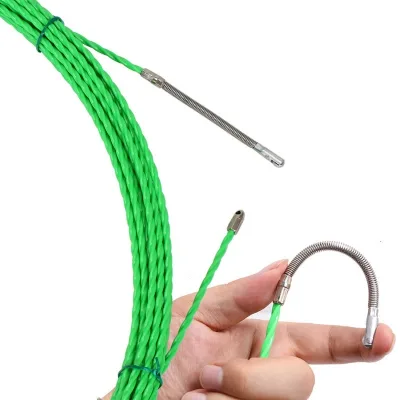
3mm 4mm 15m Polyester Wire Guide Spiral Cable Puller
$1.89 - $2.99
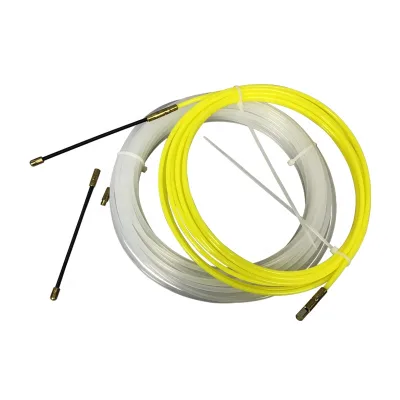
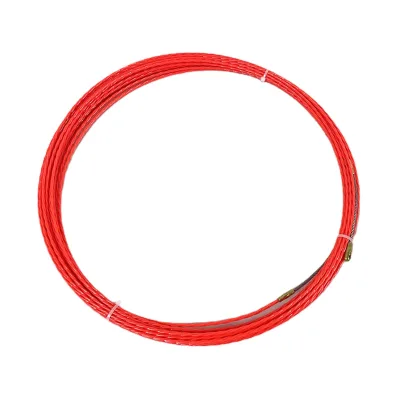
single twisted cable puller 10m 15m 20m polyester electrical wire puller
$1.69 - $2.39
MOQ: 100 pieces

Hebei Long Zhuo Trade Co., Ltd.
- Verified by TUVRHEINLAND
- Trading Company
- China Hebei
- Lead time15 days
- Avg. response≤ 3h
Main productsWater Tanks, Water Treatment Products, Power Tools, Duct Rodder, Fish Tape, Tube Settler, Drift Eliminator, PVC Sheet Pile, Air Inlet Louver, Cable Grip
Main marketsSoutheast Asia/ Mideast

Engineering Plastic Pet Cable Puller Electric Cable Application Wire Puller for Pulling Wire
$10.00 - $11.50
MOQ: 1 Pieces


3mm 4mm 30m High Quality Fiberglass Cable Puller for Wire Pulling, Electric Wire Cable Puller
$4.80 - $9.90
MOQ: 10 Pieces

Shandong Shuoqi Hardware Products Co., Ltd.
- Verified by SGS Group
- Manufacturer, Trading Company
- Lead time0 days
- Avg. response≤ 3h
Main productsWire Rope Fish Tape, Spring Steel Fish Tape, PET Fish Tape, Cable Puller Tools, Electric Wire Threading Tools
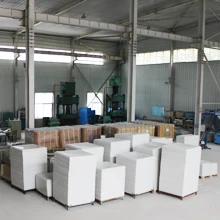
Zaoqiang Longtime FRP Product Co., Ltd.
- Manufacturer, Trading Company
- Hebei, China
- Lead time15 days
- Avg. response≤ 4h
Main productsduct rodder,cooling tower fill,water tank,frp manhole cover,fiberglass grating
Main marketsEastern Europe(12.00%), Northern Europe(12.00%), Domestic Market(11.00%), Western Europe(10.00%), South America(9.00%), North America(8.00%), Eastern Asia(7.00%), Southeast Asia(7.00%), Oceania(6.00%), Southern Europe(6.00%), Central America(4.00%), South Asia(3.00%), Mid East(3.00%), Africa(2.00%)
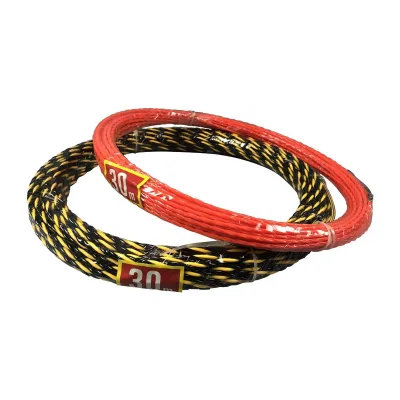
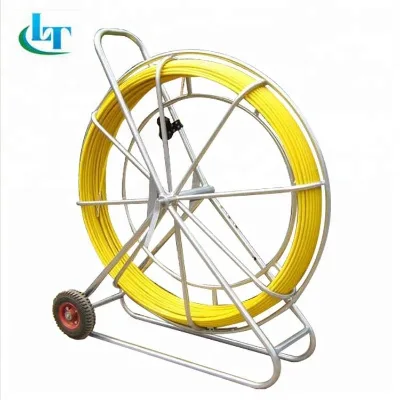
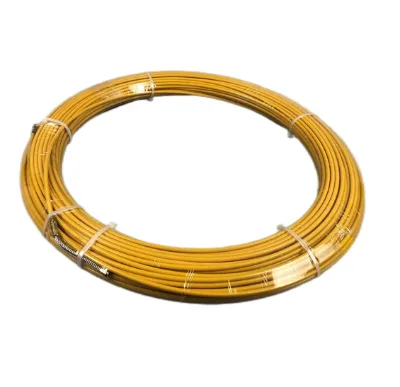
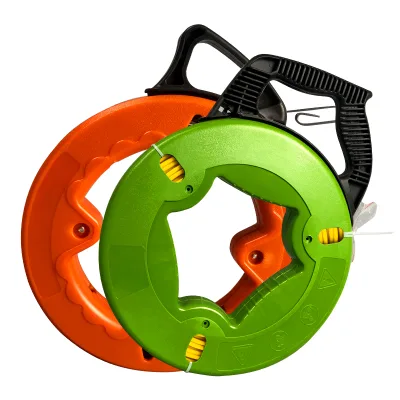
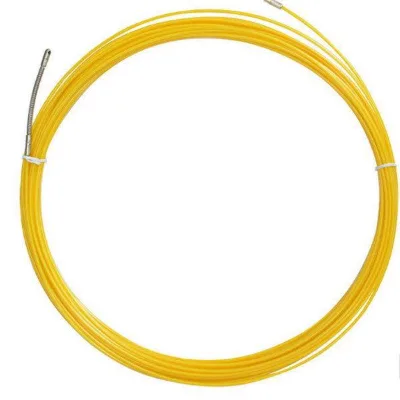
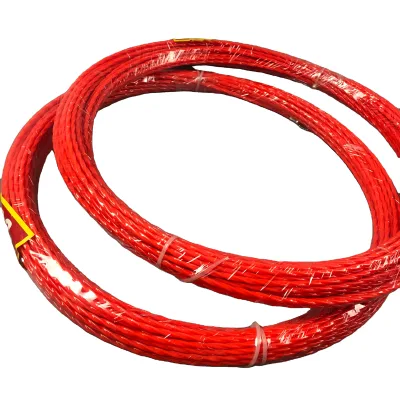
Professional Design Wholesale High Strength Customized Fiberglass Wire Cable Puller
$8.00 - $10.00
MOQ: 100 pieces

Changshu Seagull Crane&Hoist Machinery Co., Ltd.
- Verified by SGS
- Combined
- China Jiangsu
- Lead time45 days
- Avg. response≤ 1h
Main productsChain Hoist, Electric Chain Hoist, Electric Hoist, Electric Wrie Rope Hoist, Wrie Rope Hoist, Electric Mini Crane, Electric Trolley, Low Headroom Hoist, Mini Electric Hoist, Manual Hoist
Main marketsOthers(foreignTradeCapacity.exportBusinessCapacityMarketOther),Southeast Asia/ Mideast,Europe,North America

Heavy-Duty Manual Cable Puller/Wire Rope Pulling Puller for Efficient Lifting and Tensioning
$20.00 - $85.00
MOQ: 10 Pieces


Hebei Long Zhuo Trade Co., Ltd.
- Verified by SGS Group
- Trading Company
- Lead time15 days
- Avg. response≤ 1h
Main productsDuct Rodder, Cable Grip, Cable Roller, Power Winch, Distance Measuring Wheel
Main marketsSoutheast Asia(20%), Africa(15%), Mid East(15%)
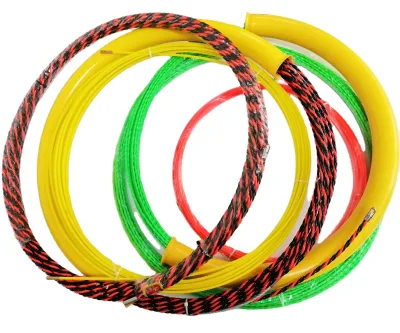
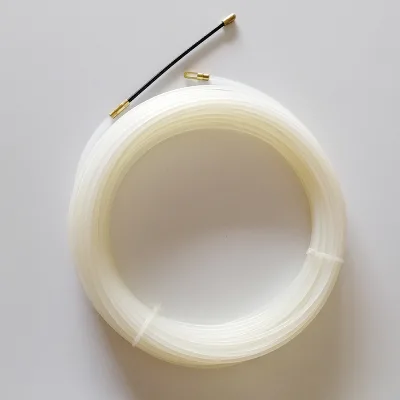
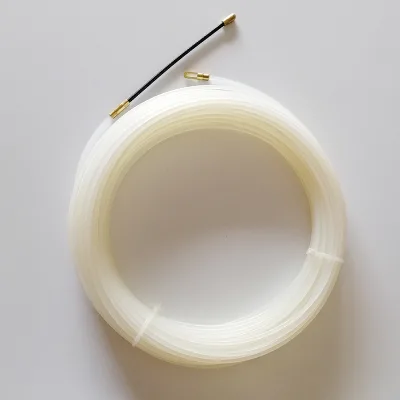
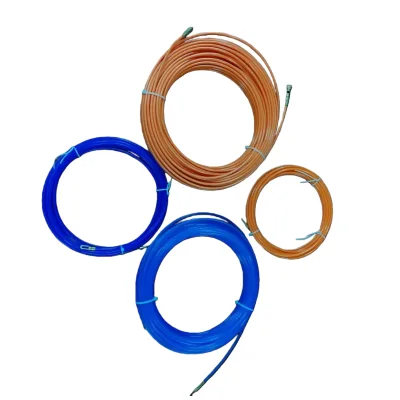
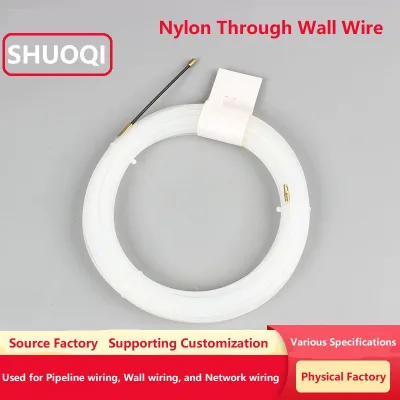
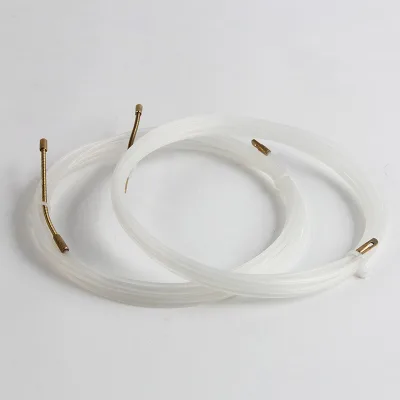
Nylon Cable Puller 15m Electrical Wire Puller with 3mm/4mm Diameter and Copper Connector
$4.9287 - $8.6252
MOQ: 5 pieces
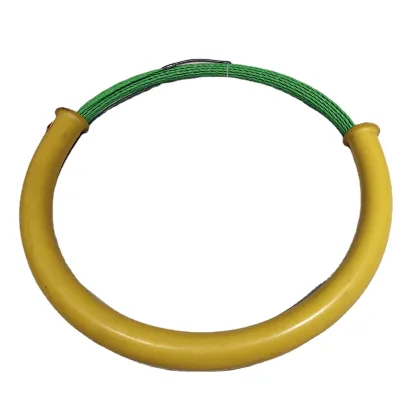
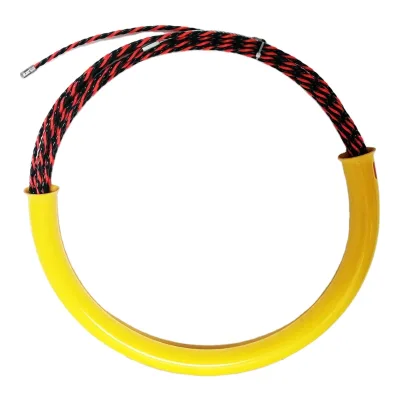
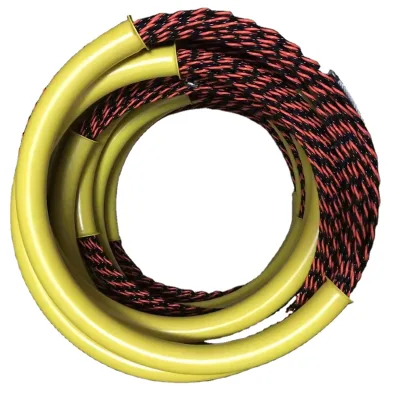
PET Cable Pulling Tools 6mm Wire Cable Puller 30m Wire Extension Wiring Accessories
$21.50 - $23.90
MOQ: 5 rolls
Zhejiang Johnn Electrical Co., Ltd.
- Manufacturer, Trading Company
- Lead time旺季: "1 - 2":5,"> 2":"To be negotiated", 淡季: "1 - 2":5,"> 2":"To be negotiated"
- Avg. response≤ 4h
Main productsWaterproof Junction Box, Distribution Box, Switch Socket, Solar Connector

Hangzhou Prostar Enterprises Ltd.
- Verified by BV
- Trading Company,Manufacturer/Factory
- China Zhejiang
- Lead time0 days
- Avg. response≤ 6h
Main productsStrut Channel, Pipe Hanger, Pipe Clamp, Strut Clamp, Clevis Hanger, Loop Hanger, Swivel Band Hanger, IMC Conduit, EMT Fittings, EMT Conduit
Main marketsSouth America,Eastern Europe,Mid East,North America,Southeast Asia,Eastern Asia,Oceania,Western Europe,Africa


Electrical Supply Wire Puller Cable Pullers 5-30m Plastic Nylon Cable Puller
$1.50 - $20.00
MOQ: 500 Rolls


Zaoqiang Longtime Frp Product Co., Ltd.
- Verified by TUVRHEINLAND
- Combined
- China Hebei
- Lead time15 days
- Avg. response≤ 7h
Main productsStainless Steel Water Tank, FRP Water Tank, Swimming Pool, GRP Grating
Main marketsSouth America,Southeast Asia/ Mideast,East Asia(Japan/ South Korea),Europe,North America


6mm Electrical Wire Cable Puller Wholesale 3 Core Woven Pet Cable Puller 30m Fiberglass Wire Puller
$1.42 - $1.50
MOQ: 1 Pieces


- Verified by BV
- Combined
- China Jiangsu
- Lead time15 days
- Avg. response≤ 8h
Main productsHoist, Electric Chain Hoist, Electric Hoist, Electric Wire Rope Hoist, Wire Rope Hoist, Manual Chain Hoist, Chain Hoist, Lever Hoist, Chain Block, Overhead Crane
Main marketsSouth America,Africa,Southeast Asia/ Mideast,East Asia(Japan/ South Korea),Domestic,Europe,Australia,North America

Shandong Daixin Intelligent Technology Co., Ltd.
- Verified by TUVRHEINLAND
- Combined
- China Shandong
- Lead time15 days
- Avg. response≤ 9h
Main productsHydraulic Winch, Planetary Gear Reducer, Planetary Gearbox
Main marketsAfrica,Southeast Asia/ Mideast

HENAN NYBON MACHINERY CO., LTD.
- Verified by TUVRHEINLAND
- Trading Company
- China Henan
- Lead time15 days
- Avg. response≤ 4h
Main productsGantry Crane, Overhead Crane, Electric Winches, Hydraulic Winches, Electric Hoist, Winch Accessories, Crane Accessories, Windlass, Pile Drivers, Bridge Building Luncher
Main marketsSouth America,Africa,Southeast Asia/ Mideast,East Asia(Japan/ South Korea),Europe,Australia,North America


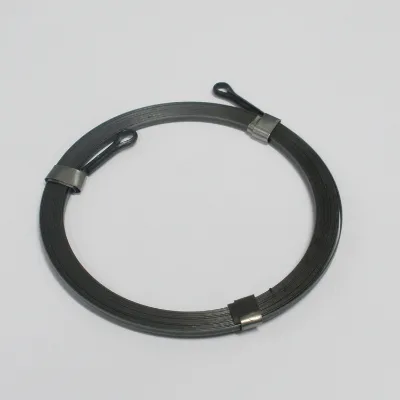
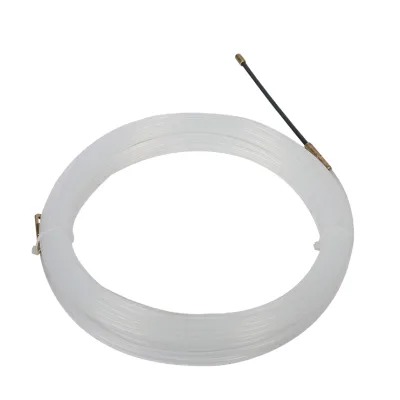
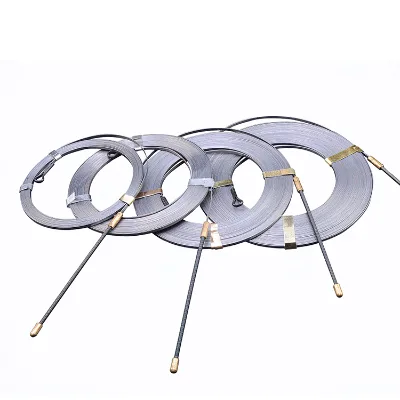
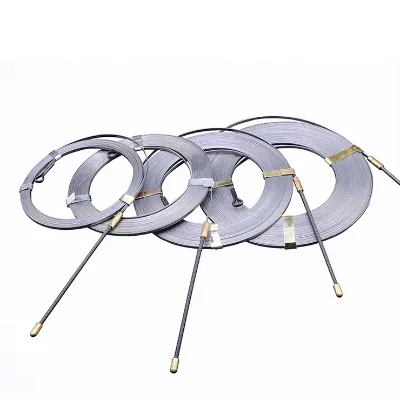
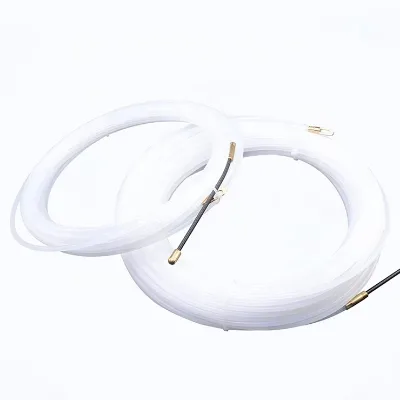
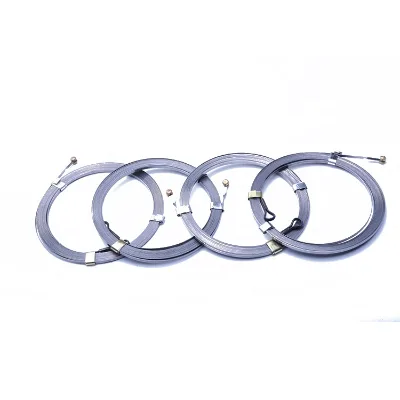
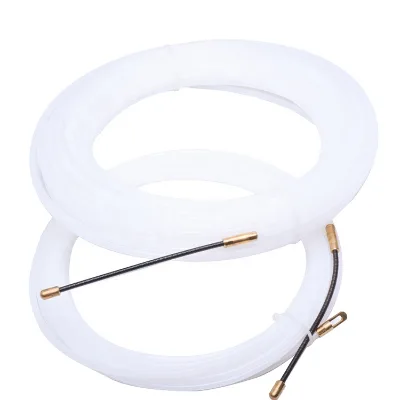


Comprehensive Sourcing Guide
Pultrusion High Load Cable Puller Supplier Concentration and Factory Types
The current supplier landscape for pultrusion high load cable pullers reveals a distinct concentration of manufacturing activity within Hebei, China. This regional clustering suggests a mature industrial ecosystem where specialized production capabilities have consolidated, allowing buyers to source from facilities that are geographically proximate and likely share supply chain efficiencies. The presence of multiple manufacturers in this specific location indicates that the area has developed the necessary infrastructure and skilled labor force to support the complex pultrusion processes required for these durable pulling tools. Buyers evaluating options should recognize that this geographic concentration is not random but rather a result of established industrial zones that facilitate the production of fiberglass-reinforced polymer products. Understanding this concentration helps in narrowing down the search to verified manufacturing hubs rather than scattered trading entities, ensuring that the source of the product is indeed a factory with direct control over the pultrusion line.
Within this concentrated region, the supplier types are predominantly manufacturers rather than trading companies, which is a critical distinction for buyers seeking direct factory pricing and technical support. These entities typically list main products that include cooling tower fills, fiberglass duct rodders, and FRP gratings, indicating a broad capability in fiberglass composite manufacturing that extends to cable pullers. The fact that these suppliers identify as manufacturers implies they own the pultrusion equipment and can customize materials such as polyester, stainless steel, or nylon blends to meet specific load requirements. This direct manufacturing model reduces the risk of miscommunication regarding technical specifications and allows for more flexible adjustments in diameter, length, and core material composition. Buyers should prioritize these factory-type suppliers to ensure that the high-load claims are backed by actual production capabilities rather than third-party sourcing arrangements.
How to Verify Pultrusion High Load Cable Puller Suppliers
Verifying the authenticity and capability of suppliers requires a close examination of their response times and product evidence to ensure they are legitimate manufacturers. A response time of three hours, as observed in the current results, is a strong indicator of an active and responsive sales team, which is essential for resolving technical queries about pultrusion specifications quickly. Buyers should look for suppliers who provide detailed product attributes, such as the specific model numbers like LY-CB or LYWP01, which demonstrate a structured product line rather than generic listings. The presence of specific processing services like molding, cutting, and pultrusion in the product details confirms that the supplier has the technical vocabulary and operational knowledge to handle complex fiberglass products. This level of detail in the product evidence serves as a primary verification tool, allowing buyers to assess whether the supplier truly understands the manufacturing process involved in creating high-load cable pullers.
Further verification can be achieved by analyzing the material composition and dimensional specifications provided in the product attributes. Suppliers should clearly state the inner core materials, such as epoxy fiber glass, and the outer layer materials like imported ABS or nylon, which are critical for the durability and flexibility of the cable puller. The inclusion of specific dimensions, such as diameters ranging from 3mm to 7mm and lengths from 15m to 60m, indicates a standardized production capability that can be relied upon for consistent quality. Buyers should also check for the availability of samples, as some suppliers explicitly offer free samples or available samples for Europe cable wire pullers, which provides a tangible way to test the product before committing to a larger order. This hands-on verification step is crucial for ensuring that the pultrusion quality meets the required high-load standards and that the product performs as expected in real-world cable laying scenarios.
What to Compare Across Pultrusion High Load Cable Puller Suppliers
When comparing suppliers, the minimum order quantity (MOQ) is a significant factor that influences procurement flexibility and initial investment costs. The current market data shows a wide range of MOQs, from as low as one piece for certain customized packages to 200 pieces for specific braided or Europe-style cable pullers. This variation allows buyers to select suppliers that align with their order volume needs, whether they are testing a new product line or placing a large-scale industrial order. Suppliers offering an MOQ of one piece provide an excellent opportunity for low-risk evaluation, while those requiring 200 pieces may offer better economies of scale for bulk purchases. Buyers should carefully assess their projected demand and compare these MOQs to determine which supplier offers the most favorable entry point for their specific business model, ensuring that they do not overcommit to inventory that may not sell as quickly.
Lead times and supply abilities are another critical dimension for comparison, as they directly impact project timelines and inventory management. The observed lead time of ten days suggests a relatively quick turnaround for production, which is advantageous for buyers with tight scheduling requirements. Additionally, the supply ability of 50,000 pieces per month indicates that at least one supplier has the capacity to handle large orders without significant delays. Buyers should compare these lead times and supply capacities across different suppliers to ensure that their chosen partner can meet their delivery deadlines. It is also important to consider the processing services offered, such as cutting and pultrusion, as these can affect the final product specifications and lead times. By evaluating these operational metrics, buyers can select a supplier that not only offers competitive pricing but also reliable production capabilities that support their supply chain stability.
Common Pultrusion High Load Cable Puller Sourcing Risks
One of the primary risks in sourcing pultrusion high load cable pullers is the potential discrepancy between advertised material specifications and the actual product received. Suppliers may list materials such as fiberglass, polyester, and stainless steel, but the quality and proportion of these materials can vary significantly, affecting the load-bearing capacity and durability of the puller. Buyers must be vigilant in verifying the inner core material, such as epoxy fiber glass, and the outer layer composition, as inferior materials can lead to premature failure during cable pulling operations. This risk is particularly relevant when dealing with suppliers who do not provide detailed material breakdowns or who offer prices that seem unusually low compared to market averages. To mitigate this risk, buyers should request detailed material certificates or conduct third-party testing on sample units to ensure that the product meets the advertised high-load standards and is constructed from genuine, high-quality materials.
Another significant risk is the inconsistency in product dimensions and packaging, which can lead to logistical challenges and installation issues. The current results show variations in single package sizes, ranging from 20X20X5 cm to 50X50X50 cm, and different lengths such as 15m, 25m, and 30m. If a supplier does not adhere strictly to the specified dimensions, the cable puller may not fit into standard conduits or may be too long for the intended application. Additionally, the packaging details, which include carton, wooden case, pallet, and containers, can vary, affecting the protection of the product during transit. Buyers should ensure that the supplier provides clear and consistent packaging standards to prevent damage during shipping. Furthermore, the lack of standardized certifications or standards in the provided facts means that buyers must independently verify that the products meet relevant industry safety and quality standards, as relying solely on supplier claims can expose them to compliance risks and potential liability issues.
Pultrusion High Load Cable Puller Regional Sourcing and Logistics
Sourcing from Hebei, China, offers logistical advantages due to the region's proximity to major ports such as Tianjin and Qingdao, which facilitate efficient export operations. The port of dispatch options, including China any port, provide flexibility for buyers who may have specific shipping requirements or preferred logistics partners. This regional concentration of manufacturers allows for consolidated shipping, which can reduce freight costs and simplify the coordination of multiple orders. Buyers should leverage this logistical infrastructure by working with suppliers who have experience in exporting to their target markets, ensuring that the products are packed and documented correctly for international shipping. The availability of multiple port options also means that buyers can negotiate better shipping rates by choosing the most convenient or cost-effective route for their specific destination, thereby optimizing the overall supply chain efficiency.
However, buyers must also consider the potential for customs delays and import regulations when sourcing from this region. While the suppliers offer customized packaging and standard export documentation, buyers should verify that the products comply with the import regulations of their destination country, particularly regarding material safety and environmental standards. The use of materials such as nylon, fiberglass, and steel may require specific declarations or certifications depending on the local regulations. Additionally, the lead time of ten days for production does not include shipping time, which can vary significantly depending on the destination and the chosen shipping method. Buyers should plan their orders well in advance to account for these variables, ensuring that they have sufficient buffer time to handle any unexpected delays. By understanding the logistical landscape, buyers can make informed decisions about shipping methods and timing, minimizing the risk of supply chain disruptions.
Pultrusion High Load Cable Puller Commercial Terms and Order Planning
The price range for pultrusion high load cable pullers varies significantly based on the product specifications, with prices ranging from $1.52 to $18.90 per unit. This wide range reflects the differences in materials, dimensions, and features such as meter marks or specialized outer layers. Buyers should carefully analyze the price-to-specification ratio to ensure they are getting value for money, rather than simply choosing the lowest price option. For instance, a product with a diameter of 3mm and a length of 15m may be priced differently than a 6mm, 30m variant with a braided nylon outer layer. Understanding these price drivers allows buyers to budget accurately and negotiate effectively with suppliers, ensuring that they receive a product that meets their technical requirements at a competitive price point. It is also important to consider the total cost of ownership, including shipping and potential customs duties, when evaluating the final price.
Order planning should take into account the sample availability and the supplier's ability to provide customized packages. Many suppliers offer samples, which is a crucial step in validating the product quality before placing a large order. Buyers should request samples early in the sourcing process to test the product's performance and durability. Additionally, the availability of customized packaging options, such as cartons, wooden cases, or pallets, allows buyers to tailor the shipping solution to their specific needs. When planning orders, buyers should also consider the supplier's response time and lead time to ensure that they can meet their project deadlines. By integrating these commercial terms into their order planning, buyers can establish a robust procurement strategy that minimizes risk and maximizes efficiency, ensuring a smooth transaction from sample approval to final delivery.
FAQs
What is the typical lead time for pultrusion cable pullers?
The typical lead time for these products is 10 days from order confirmation. This duration applies to standard manufacturing cycles for high load fiberglass cable pullers. Buyers should confirm specific delivery schedules with the supplier before finalizing purchase agreements to ensure timely arrival.
What is the minimum order quantity for these cable pullers?
Minimum order quantities vary by product type, ranging from 1 piece to 200 pieces. Some high loading fiberglass electrical cable pullers allow orders as low as one unit. Other specific models like braided wire pullers may require a minimum of 200 pieces for purchase.
Where are these pultrusion cable pullers manufactured?
These products are manufactured in Hebei, China. The place of origin is consistently listed as Hebei for the fiberglass cable pullers and related electrical tools. Buyers can expect shipping from ports such as Tianjin or Qingdao for international delivery.
What materials are used in high load cable pullers?
Materials include fiberglass, polyester, nylon, and steel depending on the specific model. Some products feature an inner core of epoxy fiber glass with an outer layer of imported ABS. The pultrusion technique ensures high strength and insulation properties for cable laying applications.
What is the price range for these cable pullers?
Prices range from approximately 1.52 to 18.90 per unit depending on specifications. Lower cost items like basic wire pullers start near 1.52, while specialized tools with larger dimensions or specific features may cost up to 18.90. Exact pricing requires checking current supplier listings.
How quickly do suppliers respond to inquiries?
Suppliers typically respond within 3 days to buyer inquiries. This response time helps facilitate quick communication regarding product details and order placement. Buyers should expect a reply within this window when contacting manufacturers for high load fiberglass cable pullers.
Are samples available for these cable pullers?
Samples are available for many of the listed cable puller models. Some suppliers offer free samples for specific wire puller tools, while others indicate sample availability upon request. Buyers should verify sample policies directly with the manufacturer before placing a bulk order.