Ball Mill Pot Suppliers and Manufacturers in China
Compare 20 verified Ball Mill Pot suppliers offering ISO 9001 certified products with response times of 3 days and lead times ranging from 20 to 30 days. Review material options like alumina and sapphire, then request samples to verify specifications.
Updated
Suppliers List
Shanghai Gongtao Ceramics Co., Ltd.
- Verified by TüVRheinland
- Manufacturer, Trading Company
- Lead time30 days
- Avg. response≤ 3h
Main productsCeramic Tube, Silicon Carbide Tube, Ceramic Crucible, Ceramic Connector, Ceramic Heating Elements
Main marketsDomestic Market(40%), North America(10%), Southeast Asia(10%)
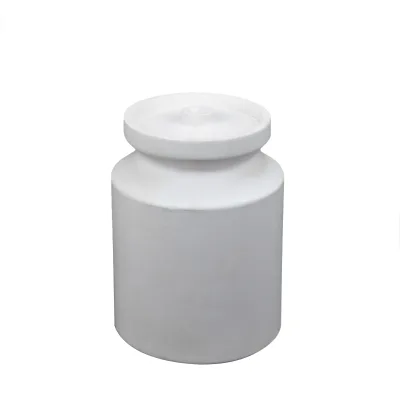
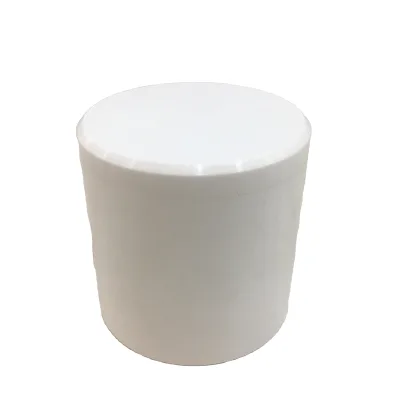
2021 SHANGTAO new style Vertical planetary ball mill for ball mill pot
$0.5651 - $0.7195
MOQ: 50 pieces
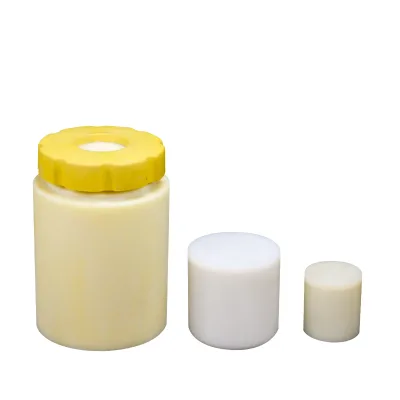
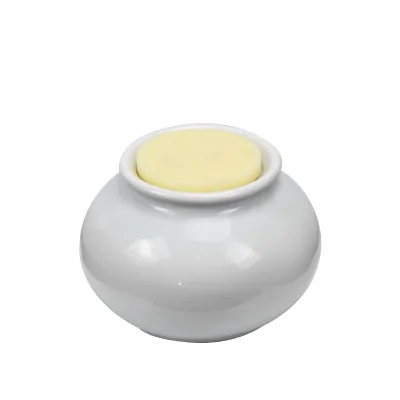
Latest Popular Special Ball Mill for Grinding Series 95% Fast Ball Mill Pot
$34.00 - $36.00
MOQ: 10 pieces
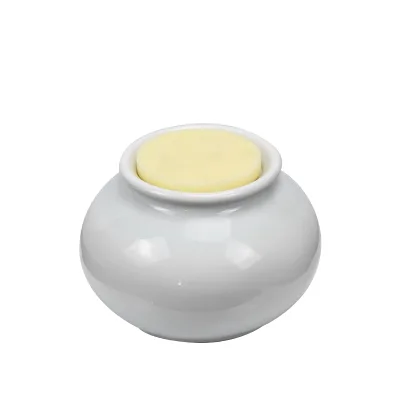
2021 SHANGTAO The New 95% Quick Ball Mill Pot Special Ball Mill for Grinding Series
$1.5575 - $20.7626
MOQ: 10 Minimum
Shanghai Bochuan Silicon Carbon Rod Manufacturing Co., Ltd.
- Manufacturer, Trading Company
- Shanghai, China
- Lead time20 days
- Avg. response≤ 3h
Main productsSic heating elements,mosi2 heating elements,silicon carbide heating elements,sic products,refractory ceramics
Main marketsNorth America(20.00%), Western Europe(15.00%), Mid East(11.00%), Southern Europe(10.00%), Southeast Asia(10.00%), Northern Europe(8.00%), Domestic Market(6.00%), Eastern Asia(6.00%), Eastern Europe(6.00%), South America(2.00%), Oceania(2.00%), Central America(2.00%), Africa(1.00%), South Asia(1.00%)

Shanghai Gongtao Ceramics Co., Ltd.
- Verified by TUVRHEINLAND
- Combined
- China Shanghai
- Lead time15 days
- Avg. response≤ 4h
Main productsCeramic Tube, Crucible, Ceramic Mill Pot, Ceramic IR Heater, Ceramic Connector, Mortar and Pestle, Ceramic Rod, Ceramic Igniter Electrode, Mica Plate, Ceramic Parts
Main marketsSouth America,Southeast Asia/ Mideast,Europe,Australia,North America
Changsha Yonglekang Equipment Co., Ltd.
- Manufacturer
- Hunan, China
- Lead time5 days
- Avg. response≤ 7h
Main productsPlanetary ball mill machine,laboratory rotary agitator,laboratory hot plate,lab glove box,lab TCLP equipments
Main marketsDomestic Market(20.00%), North America(20.00%), Southeast Asia(10.00%), Eastern Europe(10.00%), South America(7.00%), Northern Europe(5.00%), Western Europe(5.00%), Africa(5.00%), Mid East(5.00%), Oceania(5.00%), Eastern Asia(3.00%), Southern Europe(3.00%), South Asia(2.00%)
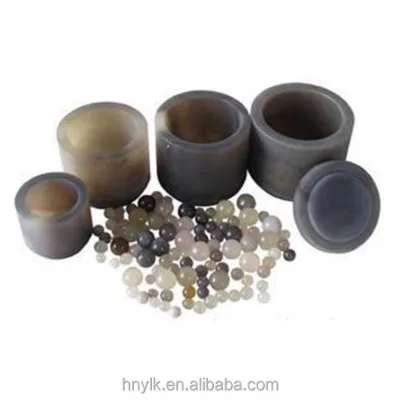
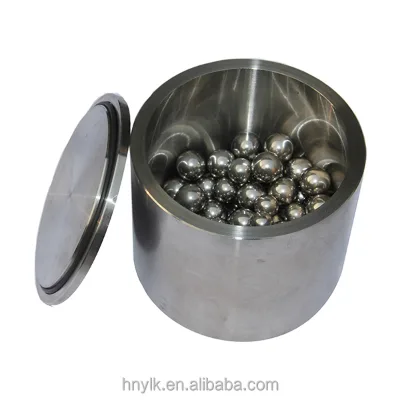
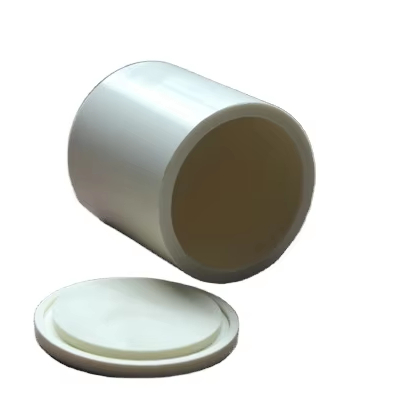
Planetary Ball Mill Zirconia Mill Pot With High Hardness High Strength High Wear Resistance
$186.2118 - $206.901
MOQ: 1 sets
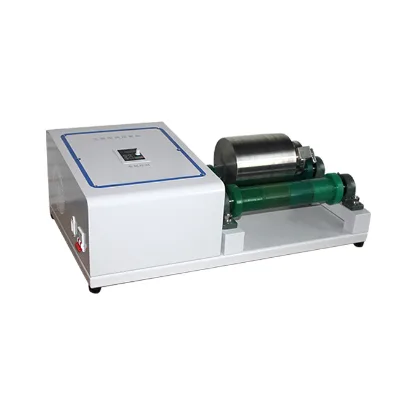
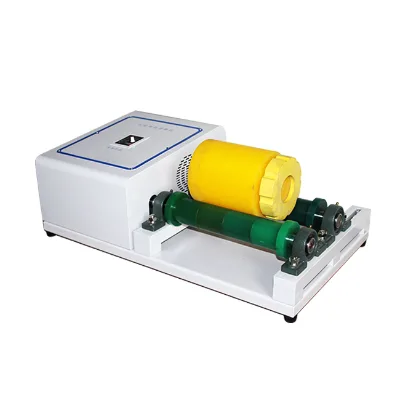
Made in China Single Pot Mill Jar Mill for Grinding Nona Powder Machine
$950.00 - $1000.00
MOQ: 5 sets
Zhengzhou Huanqiu Heavy Industries Ltd.
- Verified by SGS Group
- Manufacturer, Trading Company
- Lead time50 days
Main productsCrushing equipment, Mobile crushing Plant, Mineral processing equipment, Cement production line, Lime kiln equipment
Main marketsSoutheast Asia(30%), South America(30%), Africa(20%)
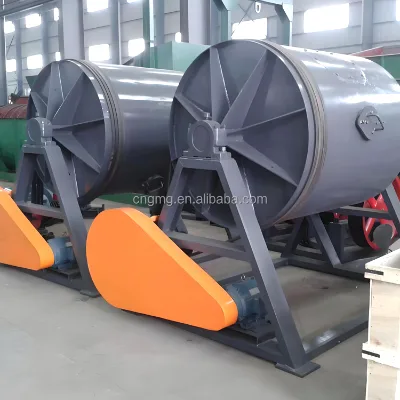
Ceramic Ball Mill Grinding Jar Gold Ore Dressing Slag Ball Mill Block Aluminium Powder Ball Mill
$3800.00 - $4200.00
MOQ: 1
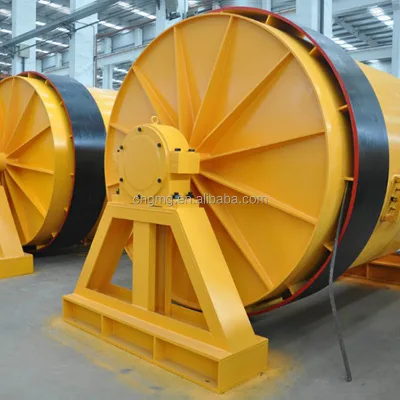
Small Ball Mill 900*1800 for Sale Sudan 900*1800 Ball Mill Dry Type Ball Mill
$3800.00 - $4200.00
MOQ: 1
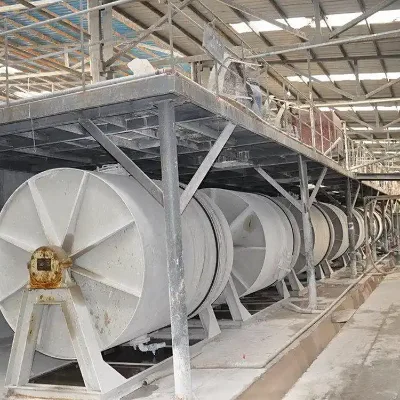

Henan Zhengzhou Mining Machinery Co., Ltd.
- Verified by BV
- Combined
- China Henan
- Lead time30 days
- Avg. response≤ 1h
Main productsRotary Kiln, Ball Mill, Active Lime Production Line, Cement Production Line, Magnesium Calcined Line, Rotary Dryer, Conveyor Sysetm, Bag Filter, Beneficiation Line, Ceramic Sand Production Line
Main marketsAfrica,Others(foreignTradeCapacity.exportBusinessCapacityMarketOther),Southeast Asia/ Mideast,Europe,North America

Changsha Samy Instrument & Equipment Co., Ltd.
- Combined
- China Hunan
- Lead time15 days
- Avg. response≤ 2h
Main productsLab Centrifuge, Medical Centrifuge, Planetary Ball Mill, Decoction Machine, Pill Maker Machine, Ion Nitriding Furnace, Zirconia Grinding Jars and Ball
Main marketsSouth America,Africa,Southeast Asia/ Mideast,East Asia(Japan/ South Korea),Domestic,Europe,Australia,North America


Stainless Steel Grinding Jars 250ml with Balls for Planetary Ball Mill Machine
$95.00 - $128.00
MOQ: 1 Pieces

Jiangsu Pengfei Group Co., Ltd.
- Verified by TUVRHEINLAND
- Combined
- China Jiangsu
- Lead time120 days
- Avg. response≤ 18h
Main productsCement Machinery, Cement Plant, Cement Production Line, Rotary Kiln, Ball Mill, Cement Mill, Cement Grinding Station, Clinker Grinding, Mining Equipments, Crushing Equipments
Main marketsAfrica,Europe
Labfreez Instruments (Hunan) Co., Ltd.
- Manufacturer
- Hunan, China
- Lead time10 days
- Avg. response≤ 5h
Main productsFreeze Dryer,Bioreactor Fermenter,Thermal Analyzer,spray dryer,ultrafiltration equipments
Main marketsDomestic Market(20.00%), North America(15.00%), South Asia(15.00%), Eastern Europe(10.00%), Western Europe(10.00%), Northern Europe(5.00%), Southern Europe(5.00%), Southeast Asia(5.00%), Africa(3.00%), Mid East(3.00%), Oceania(3.00%), Eastern Asia(2.00%), Central America(2.00%), South America(2.00%)
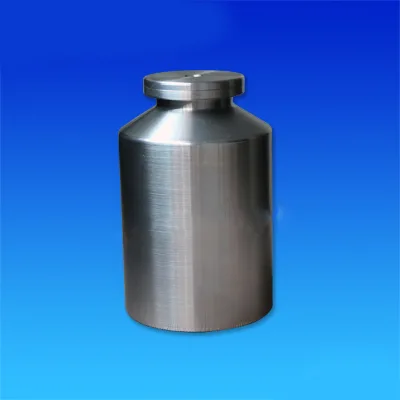
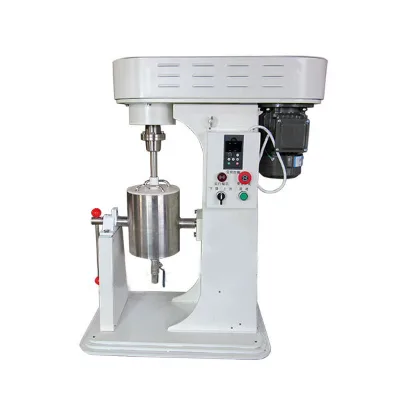
$900.00 - $999.00
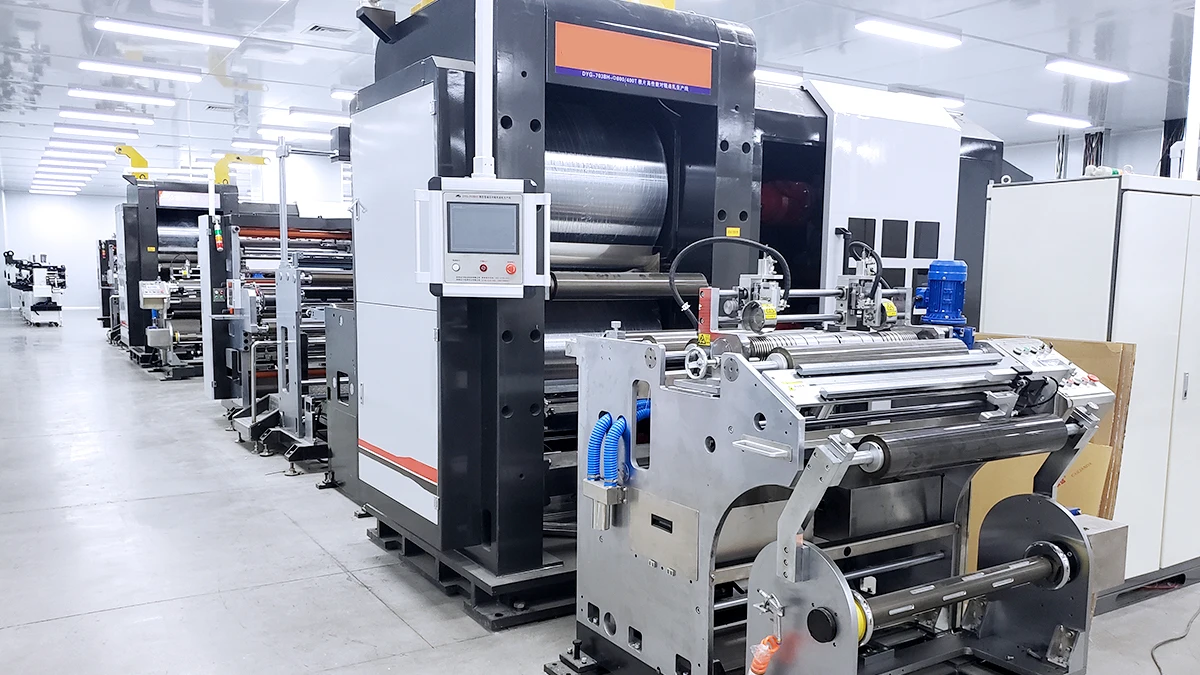
- Trading Company
- Shandong, China
- Lead time30 days
- Avg. response≤ 1h
Main productsbattery equipment,battery material,battery machine,lithium battery,Battery production line
Main marketsNorth America(30.00%), Northern Europe(15.00%), Mid East(9.00%), South America(8.00%), Eastern Europe(8.00%), South Asia(7.00%), Eastern Asia(6.00%), Southeast Asia(5.00%), Southern Europe(4.00%), Oceania(3.00%), Africa(3.00%), Western Europe(2.00%)
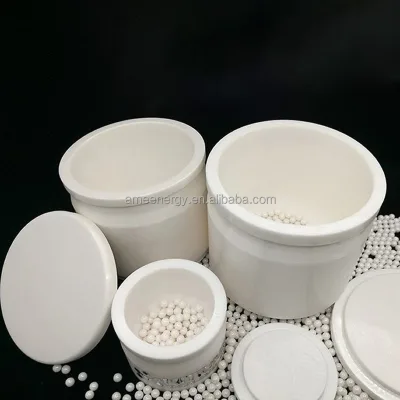
$61.9851 - $826.4647
MOQ: 1 Minimum
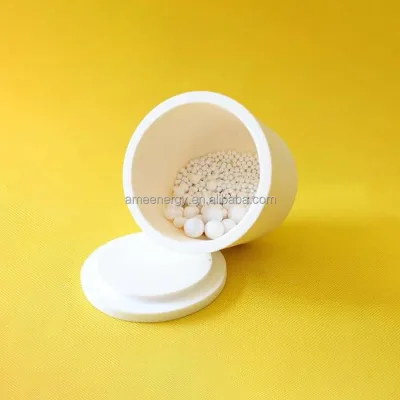
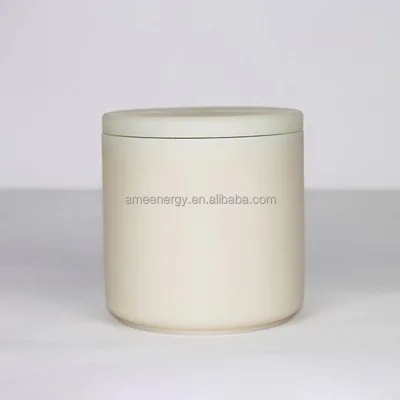
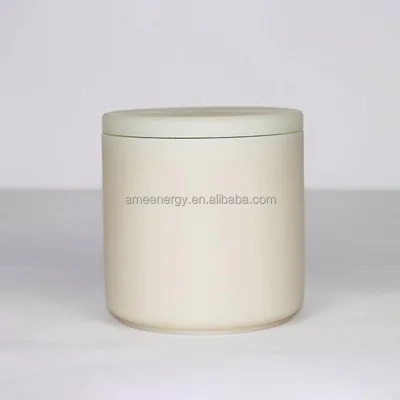
Alumina Zirconia Ceramic Ball Mill Jar with Grinding Ball
$60.00 - $230.00
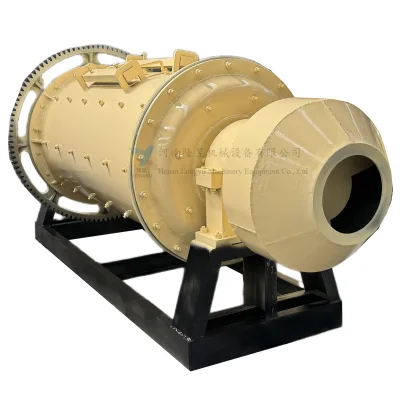
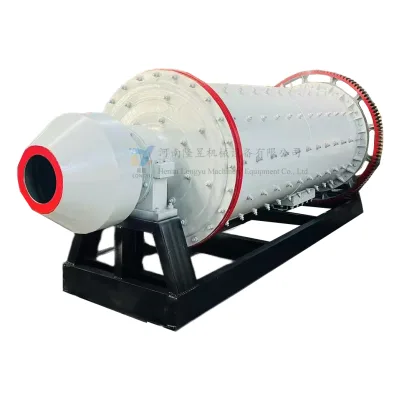
Henan Longyu Machinery Equipment Co., Ltd.
- Manufacturer, Trading Company
- Henan, China
- Lead time15 days
- Avg. response≤ 2h
Main productscrusher machine,brick machine,Mining Machinery,Concrete Mixer,oil mill
Main marketsAfrica(40.00%), Domestic Market(20.00%), North America(10.00%), Southeast Asia(10.00%), Central America(5.00%), South Asia(2.00%), Western Europe(2.00%), Eastern Asia(2.00%), Mid East(2.00%), Northern Europe(2.00%), South America(2.00%), Eastern Europe(1.00%), Southern Europe(1.00%), Oceania(1.00%)

Zhengzhou Effort Trading Co., Ltd.
- Trading Company
- China Henan
- Lead time30 days
- Avg. response≤ 6h
Main productsBall Mill, Jaw Crusher, Rubber Autoclave, Stone Vibrating Screen, Stone Vibrating Feeder, Wet Pan Mill, Oil Press Machine, Wood Powder Milling Machine, Hammer Crusher, Sand Making Line
Main marketsSouth America,Africa,Southeast Asia/ Mideast,East Asia(Japan/ South Korea),Europe,Australia,North America

Qingzhou Taihong Special Casting Steel Co., Ltd.
- Verified by TUVRHEINLAND
- Combined
- China Shandong
- Lead time15 days
- Avg. response≤ 11h
Main productsHigh Chrome Casting Grinding Ball, Forged Grinding Ball, Grinding Cylpebs, Grinding Rods, Wear Parts, Low Chrome
Main marketsSoutheast Asia/ Mideast
Henan Xingyang Mining Machinery Manufactory
- Manufacturer, Trading Company
- Lead time旺季: "1 - 1":20,"2 - 5":30,"> 5":"To be negotiated", 淡季: "1 - 1":20,"2 - 5":30,"> 5":"To be negotiated"
- Avg. response≤ 1h
Main productsMining Machinery (Beneficiation Equipment/Crusher/Ball Mill/Dryer), Mining Machinery (Rotary Kiln/Flotation Separator/Thickener/Filter)
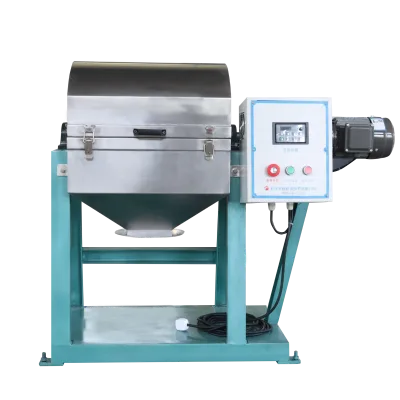
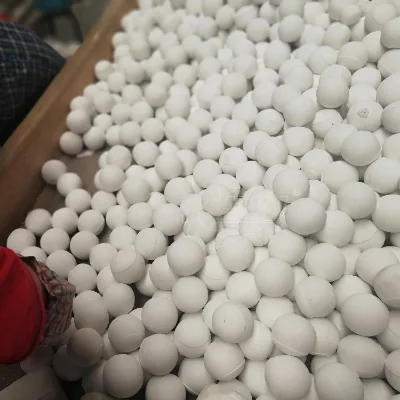
High Alumina Ceramic Ball Mill Grinding Jar From China Manufacture
$4700.00 - $5000.00
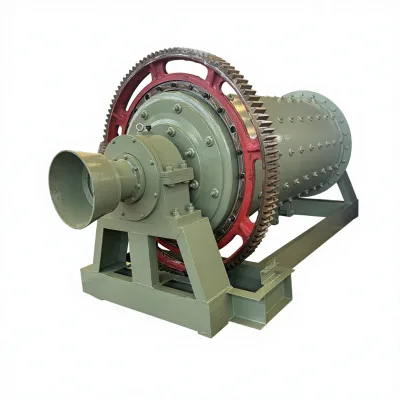
$15195.309 - $15400.6511
MOQ: 1 sets
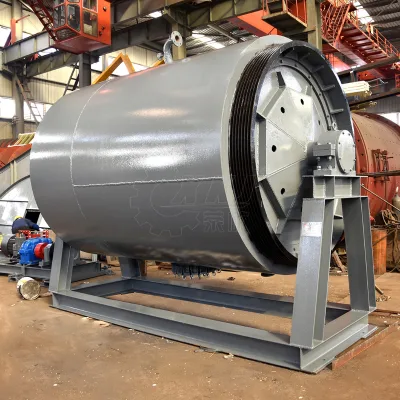

Hunan Jingshengda Ceramic Technology Co., Ltd.
- Verified by BV
- Trading Company,Manufacturer/Factory
- China Hunan
- Lead time15 days
- Avg. response≤ 1h
Main productsLab Ball Mill, Planetary Ball Mill, Jar Mill, Ball Mill Jar, Grinding Jar Comfort with Retsch, Grinding Jar Comfort with Fritsch, Rotary Ball Mill, Zirconia Beads, Planetary Ball Mill for Laboratory, Grinding Jar
Henan Fantianliang Machinery And Equipment Co., Ltd.
- Trading Company
- Henan, China
- Lead time10 days
- Avg. response≤ 2h
Main productsCement plant,AAC Plant,Lime Plant,Stone Crusher Plant,Mining Processing Plant
Main marketsSoutheast Asia(78.00%), South America(8.00%), Africa(6.00%), Northern Europe(5.00%), Oceania(3.00%)
Zhuzhou Chuangrui High Strength Ceramic Co., Ltd.
- Manufacturer
- Hunan, China
- Lead time7 days
- Avg. response≤ 1h
Main productsCeramic Grinding Media,Ceramic Structural Parts,Precision Ceramic Injection Molding Parts,Zirconia Ceramic,Alumina Ceramic
Main marketsDomestic Market(70.00%), North America(10.00%), South Asia(8.00%), Southeast Asia(6.00%), Eastern Asia(4.00%), Eastern Europe(2.00%)
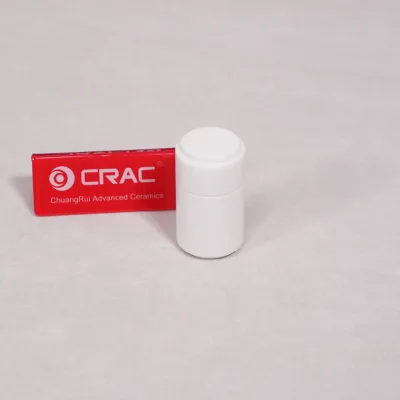
$82.3071 - $905.366
MOQ: 1 Minimum
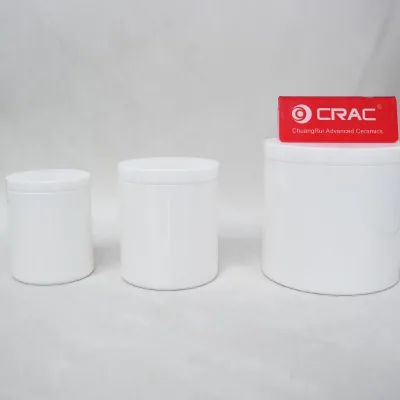
$190.3325 - $823.0589
MOQ: 1 Minimum
Henan Xingyang Mining Machinery Manufactory
- Verified by SGS Group
- Manufacturer, Trading Company
- Lead time30 days
- Avg. response≤ 2h
Main productsMining Machinery (Beneficiation Equipment/Crusher/Ball Mill/Dryer), Mining Machinery (Rotary Kiln/Flotation Separator/Thickener/Filter)
Main marketsDomestic Market(38%), South Asia(22%), Africa(18%)
Henan Hongxing Mining Machinery Co., Ltd.
- Verified by TüVRheinland
- Manufacturer, Trading Company
- Lead time20 days
- Avg. response≤ 3h
Main productsStone Crushing Equipment, Sand Making Equipment, Grinding Mill, Ore Beneficiation Equipment, Building Material Equipment
Main marketsDomestic Market(47%), Africa(19%), Southeast Asia(17%)
- Manufacturer, Trading Company
- Shandong, China
- Lead time10 days
- Avg. response≤ 10h
Main productsceramic grinding media,wear resistant ceramic liner,Ceramic wearing compound,milling pot,polyurethane products
Main marketsDomestic Market(50.00%), Oceania(20.00%), Africa(10.00%), Southeast Asia(10.00%), North America(5.00%), South Asia(2.00%), South America(2.00%), Southern Europe(1.00%)
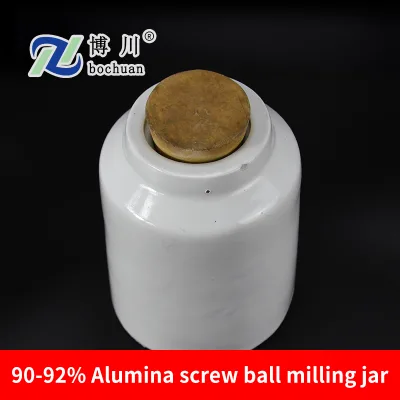
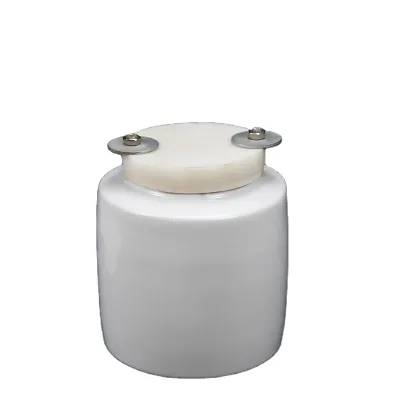
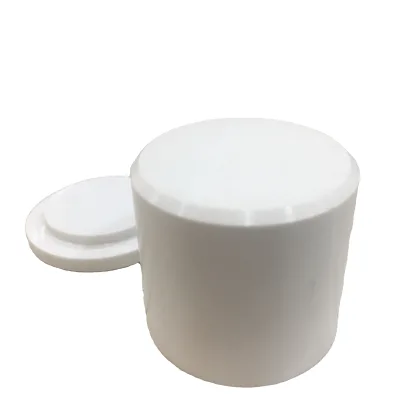
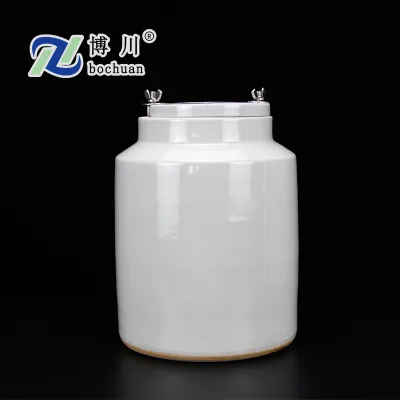




Comprehensive Sourcing Guide
Ball Mill Pot Supplier Concentration and Factory Types
The current supplier landscape for ball mill pots reveals a mix of manufacturing capabilities and trading operations, offering buyers a diverse range of sourcing options. The observed results indicate that companies operate as both manufacturers and trading companies, which significantly impacts the procurement strategy and direct communication channels available to the buyer. Manufacturers typically provide deeper technical insights into material composition, such as alumina ceramic, sapphire, or zirconia, while trading companies may offer broader product assortments including stainless steel or nylon liners. This dual presence means that buyers must carefully distinguish between the actual production source and the intermediary to ensure accurate lead time expectations and quality control measures. The variety in company types suggests that the market is not dominated by a single production model, allowing for flexible engagement depending on whether the priority is cost efficiency through trading or technical customization through direct manufacturing.
Understanding the specific role of each supplier is crucial for effective negotiation and project planning. When engaging with a manufacturer, buyers can often request detailed specifications regarding the processing services, such as bending, welding, or cutting, which are essential for custom-sized grinding jars. In contrast, trading companies might streamline the ordering process for standard items like high-purity alumina jars or horizontal ball mill pots. The presence of companies listing main products like ceramic tubes, silicon carbide elements, and heating components alongside ball mill pots indicates a specialization in industrial ceramics and refractory materials. This specialization can be a positive indicator for buyers seeking high-quality, durable grinding equipment, as these suppliers likely have established expertise in material science and ceramic processing. Buyers should leverage this information to tailor their inquiries, asking manufacturers about their specific production lines for ball mill pots and asking trading companies about their supply chain relationships with these specialized factories.
How to Verify Ball Mill Pot Suppliers
Verification is a critical step in mitigating risk when sourcing industrial equipment like ball mill pots, especially given the technical nature of the products involved. Buyers should prioritize suppliers who display third-party verification badges, such as those from TüVRheinland, which provide an additional layer of confidence regarding the company’s legitimacy and operational standards. While the presence of a verification badge is a strong positive signal, it should not be the sole criterion for selection. Buyers must also examine the supplier’s certification records, with ISO 9001 being a common standard observed in the current results. This certification indicates that the supplier has a documented quality management system in place, which is essential for maintaining consistency in ceramic and metal grinding components. However, buyers should verify the scope of this certification to ensure it covers the specific manufacturing processes relevant to Ball Mill Pot production, such as ceramic sintering or metal fabrication.
Beyond certifications and verification badges, buyers should actively assess the supplier’s responsiveness and transparency in their product listings. The current data shows a response time metric, which serves as an indicator of the supplier’s operational efficiency and customer service commitment. A quick response time suggests that the supplier is actively managing their inquiries and is likely to provide timely updates on order status and production progress. Additionally, buyers should scrutinize the detailed product attributes provided, such as material composition, place of origin, and specific model numbers. For instance, listings that clearly specify the material as alumina ceramic with a 99% content or sapphire offer more transparency than vague descriptions. Buyers should also look for suppliers who provide comprehensive packaging details, such as wooden boxes padded with foam board or plywood cases, which indicate a concern for product safety during transit. These details collectively help buyers gauge the professionalism and reliability of the supplier before committing to an order.
What to Compare Across Ball Mill Pot Suppliers
When evaluating multiple suppliers for ball mill pots, buyers must systematically compare key commercial and operational metrics to identify the most suitable partner for their specific needs. One of the most critical factors is the minimum order quantity (MOQ), which varies significantly across different suppliers and product types. For example, some suppliers may have an MOQ of just ten units for certain ceramic items, while others might require fifty units for specialized grinding jars. This variation allows buyers to align their orders with their inventory requirements and budget constraints, whether they are testing a new product line or fulfilling a large-scale industrial contract. Additionally, buyers should compare the price ranges, which can span from less than one dollar for basic components to over thirty dollars for high-specification ceramic pots. Understanding these price differences in the context of material quality, such as the difference between standard alumina and high-purity sapphire, is essential for making informed cost-benefit decisions.
Lead times and supply capabilities are equally important dimensions for comparison, as they directly impact production schedules and project timelines. The observed lead times range from twenty to thirty days, with some suppliers offering shipping windows of one to thirty days. Buyers should also consider the supply ability, with some manufacturers indicating a capacity of up to one hundred thousand pieces per month. This information is vital for buyers with high-volume requirements, as it ensures that the supplier can meet their demand without causing delays. Furthermore, buyers should compare the customization options available, such as OEM size specifications or specific processing services like bending and welding. Suppliers that offer customized sizes and shapes, such as square or pot-shaped designs, provide greater flexibility for buyers with unique application needs. By systematically comparing these metrics, buyers can create a weighted scoring matrix to objectively rank suppliers based on their specific priorities, whether those are cost, speed, or customization capability.
Common Ball Mill Pot Sourcing Risks
Sourcing ball mill pots involves several inherent risks that buyers must proactively manage to ensure a smooth procurement process. One significant risk is the discrepancy between the advertised material specifications and the actual product received. For instance, while some listings claim to offer high-purity alumina ceramic or sapphire, buyers must verify these claims through independent testing or by requesting detailed material certificates from the supplier. The risk of receiving substandard materials can lead to premature wear, contamination of samples, or failure in high-temperature applications, which can be costly and disruptive. Additionally, the complexity of the product, which includes various components like liners, jackets, and grinding media, increases the potential for assembly errors or compatibility issues. Buyers should be cautious of suppliers who provide vague descriptions or lack detailed technical specifications, as this ambiguity can lead to misunderstandings and product mismatches.
Another common risk is the variability in packaging and shipping practices, which can result in damage during transit. Ball mill pots, particularly those made from brittle materials like ceramics, require robust packaging to withstand handling and transportation stresses. While some suppliers provide detailed packaging information, such as wooden boxes with foam padding, others may offer less protective solutions. Buyers should assess the supplier’s packaging standards and consider requesting additional protective measures if necessary. Furthermore, the risk of communication delays or misunderstandings can arise when dealing with suppliers from different regions, particularly when discussing technical specifications or custom requirements. Buyers should establish clear communication channels and confirm all details in writing to mitigate this risk. Additionally, buyers should be aware of the potential for hidden costs, such as customs duties or additional shipping fees, which can impact the total cost of ownership. By identifying and addressing these risks early in the sourcing process, buyers can protect their interests and ensure a successful procurement outcome.
Ball Mill Pot Regional Sourcing and Logistics
The geographic location of suppliers plays a crucial role in determining logistics costs, lead times, and overall supply chain efficiency. The current results indicate a concentration of suppliers in Shanghai, China, which is a major industrial hub for manufacturing and export. Sourcing from this region can offer advantages in terms of established supply chains, access to raw materials, and experienced logistics providers. However, buyers must also consider the specific port of dispatch, such as Shanghai Port, which can influence shipping options and transit times. Understanding the regional logistics landscape helps buyers plan their inventory management and anticipate potential delays due to port congestion or seasonal fluctuations. Additionally, buyers should evaluate the supplier’s ability to handle international shipping requirements, including documentation, customs clearance, and insurance. Suppliers with experience in exporting to various regions are likely to have streamlined processes that reduce the risk of logistical errors.
For buyers located outside of China, sourcing ball mill pots from regional suppliers can significantly reduce shipping costs and lead times. However, buyers must also consider the quality and reliability of local suppliers, as they may not have the same level of expertise or production capacity as established manufacturers in major industrial hubs. Buyers should conduct thorough due diligence on local suppliers, verifying their certifications, production capabilities, and customer reviews. Additionally, buyers should explore the possibility of consolidating shipments from multiple suppliers to optimize logistics costs. This strategy can be particularly effective for buyers who require a variety of Ball Mill Pot types, such as ceramic, stainless steel, and nylon-lined jars. By leveraging regional sourcing strategies and optimizing logistics, buyers can achieve a balance between cost efficiency and supply chain resilience. It is also important to stay informed about changes in trade regulations and shipping policies that may impact the sourcing process, ensuring that buyers can adapt their strategies as needed.
Ball Mill Pot Commercial Terms and Order Planning
Effective order planning and clear commercial terms are essential for successful procurement of ball mill pots, ensuring that both parties have a shared understanding of expectations and responsibilities. Buyers should carefully review the payment terms, delivery schedules, and warranty policies offered by suppliers to mitigate financial and operational risks. The observed price ranges and MOQs provide a baseline for budgeting, but buyers should also negotiate for volume discounts or favorable payment terms for larger orders. Additionally, buyers should clarify the responsibilities for shipping and insurance, determining whether the supplier offers FOB, CIF, or other Incoterms. This clarity helps buyers avoid unexpected costs and ensures that the product arrives in good condition. Furthermore, buyers should establish a clear process for handling defects or non-conforming products, including return policies and replacement procedures. This proactive approach to commercial terms helps build trust and ensures a smooth transaction.
In addition to commercial terms, buyers should plan for long-term supply relationships by considering factors such as supplier stability, production capacity, and technological capabilities. Suppliers with a consistent track record of meeting lead times and maintaining quality standards are valuable partners for ongoing procurement needs. Buyers should also evaluate the supplier’s ability to adapt to changing market conditions, such as fluctuations in raw material prices or shifts in demand. By fostering strong relationships with reliable suppliers, buyers can secure better pricing, priority production slots, and access to new product innovations. Additionally, buyers should maintain open communication with suppliers to stay informed about production updates and potential issues. This collaborative approach helps to prevent disruptions and ensures that the supply chain remains resilient. Ultimately, effective order planning and clear commercial terms are key to achieving a successful and sustainable sourcing strategy for ball mill pots.
FAQs
What is the typical lead time for ball mill pots?
Manufacturers generally require 20 to 30 days to produce and ship ball mill pots. This timeframe allows for material preparation, precision machining, and quality inspection. Buyers should confirm specific delivery schedules with suppliers, as rush orders or custom sizes may extend the production window beyond standard estimates.
What materials are commonly used for ball mill pots?
Common materials include alumina ceramic, zirconia, sapphire, and stainless steel. Alumina ceramic offers high purity and wear resistance, while zirconia provides superior toughness. Stainless steel options are available for specific industrial applications. Buyers should select materials based on the chemical compatibility and hardness requirements of their grinding media.
What is the minimum order quantity for these products?
Minimum order quantities typically range from 10 to 50 units depending on the supplier and product type. Some manufacturers accept single items for sampling purposes, while bulk orders may require higher volumes. Buyers should verify the specific MOQ with the supplier to ensure it aligns with their procurement budget and project scale.
Are suppliers verified for quality and reliability?
Many suppliers hold ISO 9001 certification and undergo third-party verification by organizations like TüV Rheinland. These credentials indicate adherence to international quality management standards. Buyers should request current certification documents to verify the supplier's compliance with manufacturing protocols and ensure consistent product quality for their specific industrial needs.
Where are these ball mill pots manufactured?
Most ball mill pots are manufactured in China, with significant production hubs located in Shanghai. This region offers robust supply chains for ceramics and industrial components. Buyers can expect efficient logistics from these locations, with many suppliers offering dispatch from major ports like Shanghai Port to facilitate international shipping and delivery.
What is the price range for ceramic ball mill pots?
Prices vary significantly based on material and specifications, ranging from approximately $0.56 to $100 per unit. Basic alumina ceramic jars may start at lower price points, while high-purity zirconia or sapphire options command higher costs. Buyers should compare quotes from multiple suppliers to find the best value for their specific material requirements.