Exfoliating Himalayan Bath Salts Suppliers and Manufacturers
Compare 23 verified suppliers offering Exfoliating Himalayan Bath Salts with varying lead times, MOQs, and certifications. Review response times and origin locations to select a partner, then request samples for quality verification; review the available evidence before requesting comparable quotations from suitable candidates.
Updated
Suppliers List

Dongguan Myway Beauty Technology Co., Ltd.
- Manufacturer, Trading Company
- Guangdong, China
- Lead time15 days
- Avg. response≤ 3h
Main productsFoot Skin Care,Feet Callus Remover,Hand Skin Care,Body Care,Eyes Care
Main marketsDomestic Market(40.00%), North America(28.00%), Eastern Europe(15.00%), Eastern Asia(3.00%), Western Europe(3.00%), Southern Europe(3.00%), Northern Europe(3.00%), South America(2.00%), Mid East(1.00%), Africa(1.00%), Southeast Asia(1.00%)
Enrich Enterprises (Xiamen) Limited
- Verified by Intertek
- Trading Company
- Lead time40 days
- Avg. response≤ 8h
Main productsBath Gift Set, Bath And Body Care Product, Home Fragrance Product, Bath Bomb, Bath Gift Packaging
Main marketsNorth America(75%), Oceania(18%), Eastern Europe(2%)

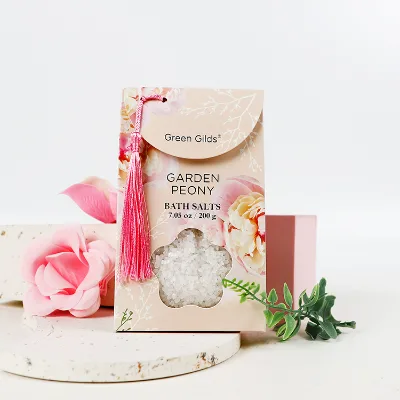
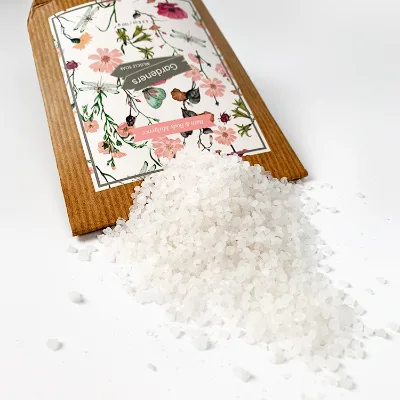
Custom Wholesale Herbal Himalayan salt Dead Sea Salt Exfoliating Bath for Relaxing
$0.61 - $0.65
MOQ: 500
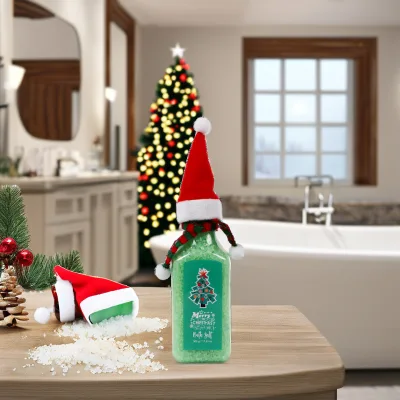
OEM Christmas Day Herbal Bath Soak Exfoliating Sea Salt & Epsom Salt for Body Relaxing
$0.91 - $0.98
MOQ: 2000
Chengdu Gaoli Meishi Electronic Commerce Co., Ltd.
- Trading Company
- Sichuan, China
- Lead time7 days
- Avg. response≤ 4h
Main productsBath salts,Candles and aromatherapy,Bath bombs,Soap,Body care
Main marketsEastern Europe(30.00%), North America(30.00%), Western Europe(10.00%), Africa(10.00%), Southeast Asia(10.00%), South America(10.00%)
Lingshou County Teyuan Mineral Processing Plant
- Verified by TüVRheinland
- Manufacturer, Trading Company
- Lead time3 days
- Avg. response≤ 3h
Main productsIron Oxide, Kaolin, Bentonite, Diatomite, Vermiculite
Main marketsSouth America(40%), North America(20%), Africa(10%)
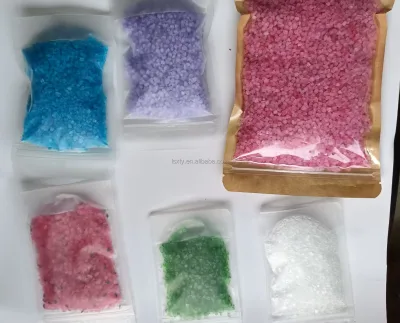
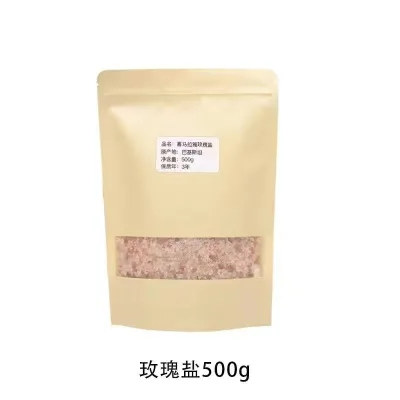
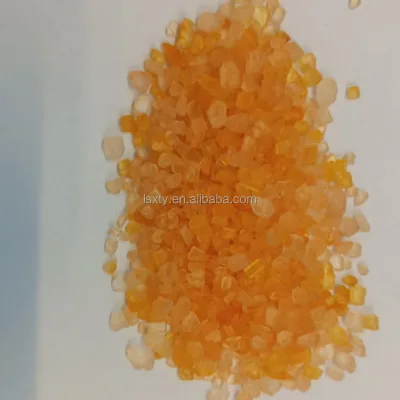
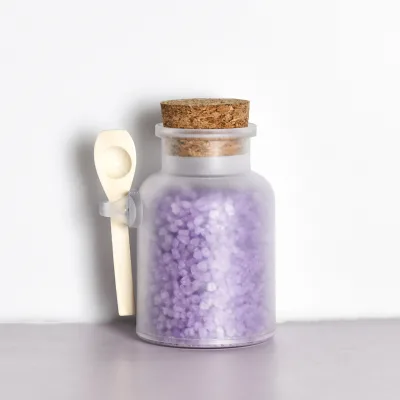
Natural Himalayan Bathing Salt for Relaxation
$1.80 - $2.00

Guangzhou Danjia Cosmetics Co., Ltd.
- Verified by BV
- Manufacturer/Factory
- China Guangdong
- Lead time0 days
- Avg. response≤ 4h
Main productsDizao Facial Masks, Breast Enlarging Cream Slimming Cream, Dizao Foot Mask, Bb Cream, Breast Enlarging/ Hip up /Slimming Cream, Facial Cleanser, Body Lotion, Razor Shaving Cream, Facial Cream, Hand Cream
Main marketsSouth America,Eastern Europe,Mid East,North America,Southeast Asia,Eastern Asia,Oceania,Western Europe,Africa
Guangzhou Yingfen International Biotechnology Co., Ltd.
- Verified by SGS Group
- Manufacturer, Trading Company
- Lead time25 days
- Avg. response≤ 5h
Main productsFace Cream, Facial Mask, Body Lotion, Shower Gel, Shampoo
Main marketsNorth America(19%), Africa(15%), South America(11%)

Shandong Shiyi Trading Co., Ltd.
- Verified by CTI
- Trading Company
- China Shandong
- Lead time15 days
- Avg. response≤ 16h
Main productsHealth and Care, Cosmetics
Main marketsAfrica,Europe,North America

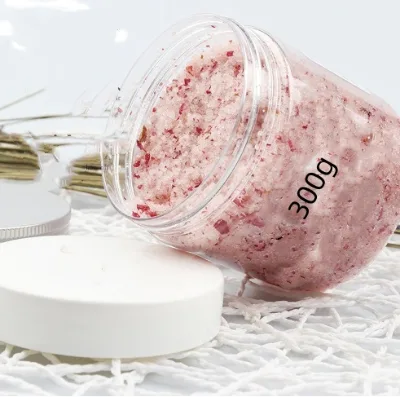
Customized Fragrant Cleansing Bath Salt Himalayan Salt Plant Dried Flower Bath Salt
$0.32 - $0.95
MOQ: 100 Pieces

$1.20 - $2.00
MOQ: 100 Pieces

OEM Natural Sea Salt Body Scrub SPA Deep Clean Bath Salts Whitening Exfoliator
$0.50 - $1.39
MOQ: 200 Pieces

Private Label Vegan Exfoliating Bath Crystals Dried Flower Bath Salt for Relaxing
$0.90 - $2.00
MOQ: 50 Pieces

Guangzhou Kanglixin Medical Biotechnology Co, Ltd.
- Verified by BV
- Combined
- China Guangdong
- Lead time30 days
- Avg. response≤ 9h
Main productsSkin Care Products, Body Care, Hair Care Products, Makeup, Men's Care Products, Ferminine Care Products, Serum, Facial Mask, Face Cream, Scrub
Main marketsSouth America,Africa,Southeast Asia/ Mideast,East Asia(Japan/ South Korea),Domestic,Europe,North America


Private Label Organic Crystal Body Wash Deep Cleansing Natural Himalayan Herbal Epsom Bath Salt
$1.50 - $1.80
MOQ: 1000 pieces

Fresh Himalayan Ocean Natural No Irritation Relax Bath Epsom Herbal Sea Salt
$1.50 - $1.80
MOQ: 1000 pieces


Deep Cleansing Exfoliating No Irritation Relax Bath Epsom Herbal Bath Herbal Sea Salt
$1.50 - $1.80
MOQ: 1000 pieces

Custom Logo No Irritation Relax Fresh Himalayan Ocean Natural Bath Epsom Herbal Sea Salt
$1.50 - $1.80
MOQ: 1000 pieces

Guangzhou Shiruoni Cosmetics Co., Ltd.
- Trading Company,Manufacturer/Factory,Group Corporation
- China Guangdong
- Lead time15 days
- Avg. response≤ 6h
Main productsSkin Care, Jelly Mask, Face Serum, Face Toner, Face Cream, Facial Mask, Sunscreen, Face Cleanser, Soap, Skin Care Set
Main marketsSouth America,Eastern Europe,Mid East,North America,Southeast Asia,Eastern Asia,Oceania,Western Europe,Africa
Hebei Kangshun Mineral Products Co., Ltd.
- Verified by Intertek
- Trading Company
- Lead time10 days
- Avg. response≤ 2h
Main productsHimalayan Salt Lamp, Himalayan Bath Salts, Sweating Room Materials, Iron Oxide Pigment
Main marketsDomestic Market(80%), North America(10%), Western Europe(10%)
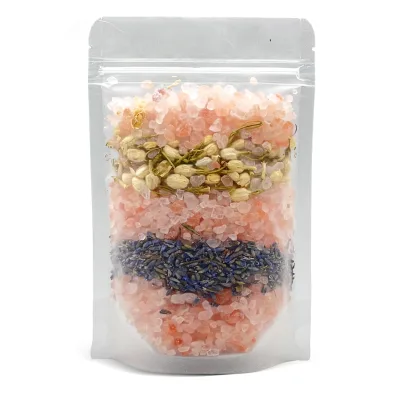
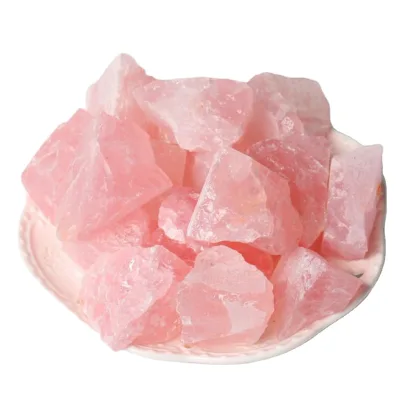
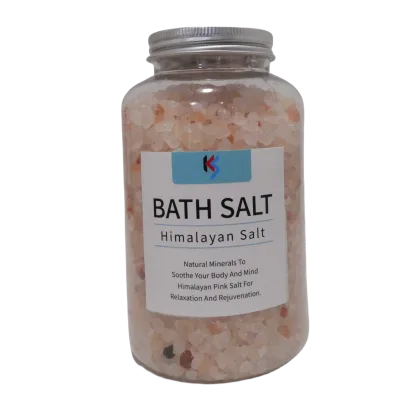
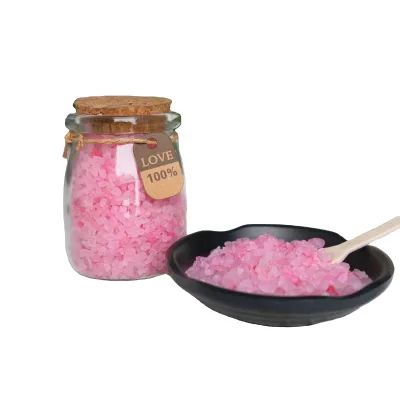
Customizable Himalayan Bath Salt with Personalized Scent, Color, Package
$0.40 - $0.50
MOQ: 500 pieces
Hebei Enyu Imp. & Exp. Trade Company Limited
- Verified by SGS Group
- Trading Company
- Lead time15 days
- Avg. response≤ 4h
Main productsBath Bomb, Soap, Spa Foot Jelly, Shower Steamer, Shampoo Bar
Main marketsNorth America(40%), South America(16%), Eastern Europe(16%)
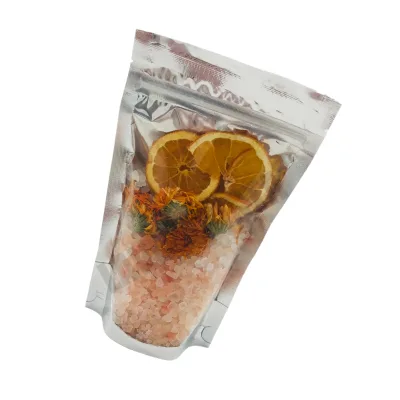
Luxury Crystal Salts Moisturizing Rosemary Bath Himalayan Pink Rock Salt
$0.70 - $1.00
MOQ: 100 pieces
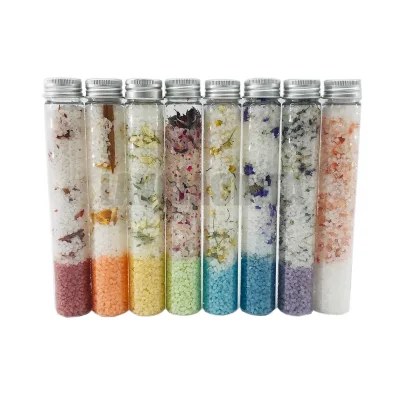
Bath Salts Bag Recycled Aromatherapy Scented Natural Relaxing Organic Bath Salts
$0.60 - $0.89
MOQ: 100 pieces
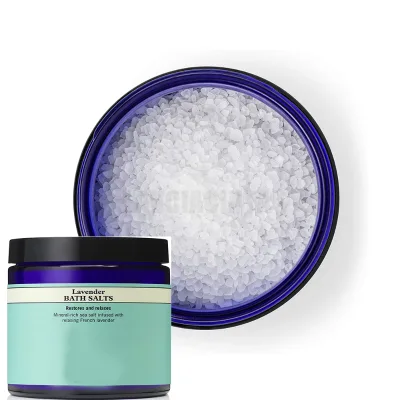
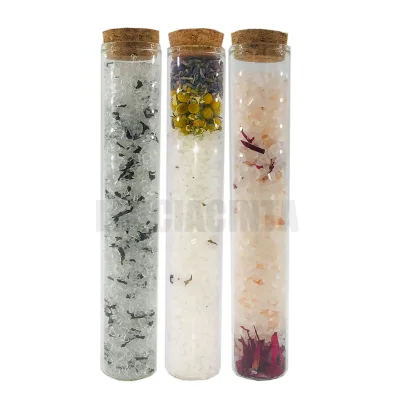
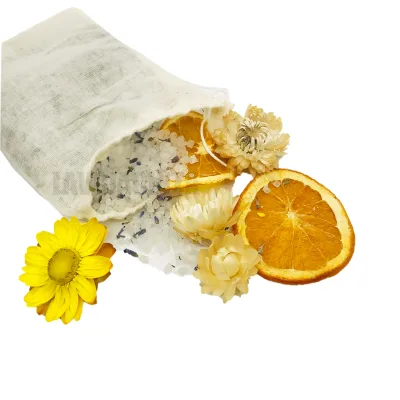
$0.7195 - $1.0268
MOQ: 100 pieces
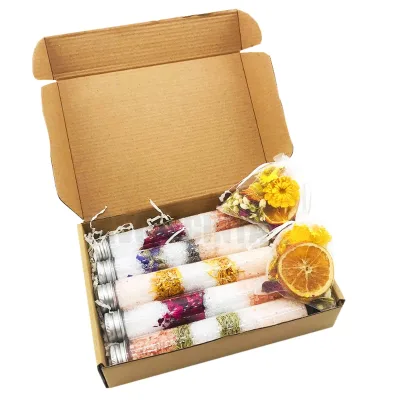
$0.9144 - $1.562
MOQ: 100 pieces

Shijiazhuang Hanpei Import And Export Co., Ltd.
- Trading Company
- Hebei, China
- Lead time15 days
- Avg. response≤ 1h
Main productsWashing powder,Soap,Dishwashing liquid,Laundry detergent,Oil fume cleaner
Main marketsNorth America(20.00%), Southeast Asia(15.00%), Mid East(12.00%), South America(9.00%), Central America(8.00%), South Asia(7.00%), Eastern Asia(6.00%), Africa(5.00%), Northern Europe(4.00%), Domestic Market(4.00%), Eastern Europe(4.00%), Western Europe(3.00%), Oceania(2.00%), Southern Europe(1.00%)

Weifang Xinchang Chemical Co., Ltd.
- Trading Company
- China Shandong
- Lead time15 days
- Avg. response≤ 4h
Main productsCalcium Chloride, Sodium Chloride, Magnesium Chloride, Deicing, Water Softener Salt, Table Salt, Cooking Salt, Food Grade Salt, Industrial Salt, Swimming Pool Salt
Main marketsSouth America,Africa,Southeast Asia/ Mideast,East Asia(Japan/ South Korea),Domestic,Europe


Natural Milk Salts SPA Body Cleaning Beauty Care Adult Bath Salt for Water SPA
$95.00 - $155.00
MOQ: 5 Tons
Karsten Cosmetic Gifts Pty. Ltd.
- Verified by TüVRheinland
- Manufacturer, Trading Company
- Lead time45 days
- Avg. response≤ 10h
Main productsBody Wash, Shampoo, Body Lotion, Bath Fizzer, Perfume
Main marketsNorth America(44%), Western Europe(40%), Domestic Market(10%)
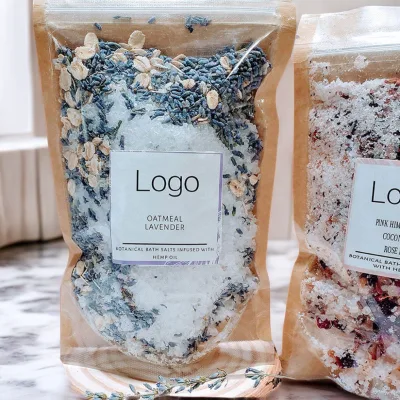
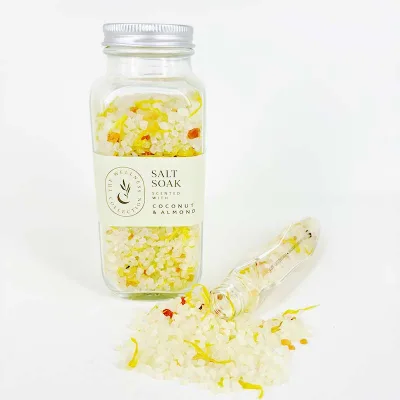
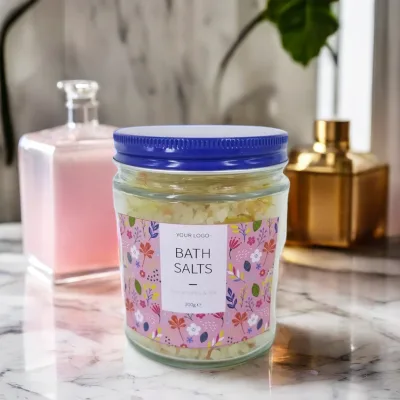
100% Natural Pure Pink Bath Salt Manufactures Coconut & Almond Custom Himalayan Bath Salt Soak
$1.00 - $1.20
MOQ: 1000 pieces

Huizhou Yajiali Industrial Co., Ltd.
- Verified by SGS
- Combined
- China Guangdong
- Lead time30 days
- Avg. response≤ 6h
Main productsBath Bomb, Body Butter, Shower Steamers, Body Scrubs, Soap, Bath Salt, Bath Set
Main marketsEurope,North America

Hangzhou Ditong Biotechnology Co.,Ltd.
- Verified by BV
- Trading Company
- China Zhejiang
- Lead time15 days
- Avg. response≤ 10h
Main productsCosmetics, Skin Care Product, Makeup, Perfume, Cosmetics OEM, Makeup OEM, Cosmetic Packaging Design, Beauty Supplies Wholesale, Beauty Instrument, Cosmetic Design Packaging
Main marketsDomestic

Ditong Natural Bath Salt Cruelty-Free Moisturizing & Soothing and Rose & Mineral Bath Salts
$0.65 - $1.20
MOQ: 1000 Pieces

Ditong Oemodm Hot Selling Himalayan Salt Natural Exfoliate Skin Whitening Body Scrub
$0.72 - $0.94
MOQ: 1000 Pieces

Ditong Exfoliating Natural Skin Scrub Organic Bath Salt Whitening Body Scrub
$1.00 - $1.40
MOQ: 30 Pieces

Wholesale Customize Whitening Exfoliating Deep Cleansing Salt Himalayan Body Face Scrub
$0.90 - $1.20
MOQ: 1000 Pieces

Guangzhou Mebamy Cosmetics Co., Ltd.
- Verified by TUVRHEINLAND
- Manufacturer/Factory
- China Guangdong
- Lead time15 days
- Avg. response≤ 1h
Main productsFace Serum, Soap, Face Cream, Sunscreen, Eyelash Growth Serum, Teeth Whitening, Face Mask, Facial Cleanser, Essential Oil, Hair Care Series
Main marketsNorth America,Western Europe

OEM Custom Natural Exfoliating Cleansing & Moisturizing Body Himalayan Salt Scrub
$2.00 - $2.98
MOQ: 3000 Pieces


100% Natural Hydrating and Exfoliating Himalayan Salt Body Scrub for Acne Prone
$2.82 - $3.00
MOQ: 3000 Pieces

OEM Premium Natural Exfoliating Smoothen Skin Himalayan Salt Body Scrub
$1.70 - $2.50
MOQ: 3000 Pieces


Yangzhou Eco Nature Hotel Supply Co., Ltd.
- Verified by TUVRHEINLAND
- Combined
- China Jiangsu
- Lead time23 days
- Avg. response≤ 16h
Main productsSlipper, Shampoo, Toothbrush, Soap, Razor, Comb, Sewing Kit, Vanity Kit, Shower Cap, Loofah
Main marketsSouth America,Southeast Asia/ Mideast,Europe,Australia,North America

Private Label Mineral Salt Bath Foot Hotel Products Herbal Bath Salt with Bubbles
$0.15 - $0.18
MOQ: 5000 Pieces

$0.15 - $0.18
MOQ: 5000 Pieces
Heshan Bliss Naturals Bath & Beauty Co., Ltd.
- Verified by SGS Group
- Manufacturer, Trading Company
- Lead time35 days
- Avg. response≤ 3h
Main productsHand & Foot Care Product, Bath Salt, Bath Fizzer, Lotion
Main marketsNorth America(45%), Western Europe(20%), Mid East(10%)
Guangzhou Easemay Biotech Co., Ltd.
- Verified by Intertek
- Trading Company
- Lead time15 days
- Avg. response≤ 2h
Main productsFace Serum, Eye Cream, Baby Bath Wash, Hair Removal Spray, Tanning Mousse
Main marketsWestern Europe(40%), North America(36%), South America(18%)
Huizhou Boymay Cosmetics Co., Ltd.
- Verified by SGS Group
- Manufacturer, Trading Company
- Lead time25 days
- Avg. response≤ 2h
Main productsBath Bombs, Shower Steamers, Shower Gel & Shampoo, Body & Hand Lotion, Body Butter & Body Scrub, Bath Soap, Bath Salt
Main marketsNorth America(36%), Domestic Market(20%), Western Europe(15%)
Guangzhou Chan Yun Biotechnology Co., Ltd.
- Verified by SGS Group
- Trading Company
- Lead time15 days
- Avg. response≤ 3h
Main productsSkin Care, Body Care, Hair Care, Oral Care, Soap
Main marketsNorth America(30%), Africa(15%), Western Europe(15%)
Guangzhou Chuyu Cosmetics Co., Ltd.
- Verified by SGS Group
- Manufacturer, Trading Company
- Lead time10 days
- Avg. response≤ 3h
Main productsBody Lotion, Body Scrub, Hand Cream, Foot Skin Care, Hand Mask
Main marketsNorth America(34%), Mid East(10%), Western Europe(10%)






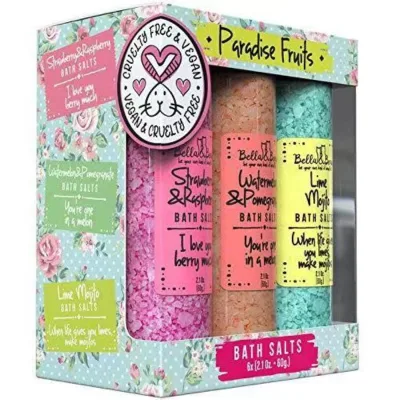
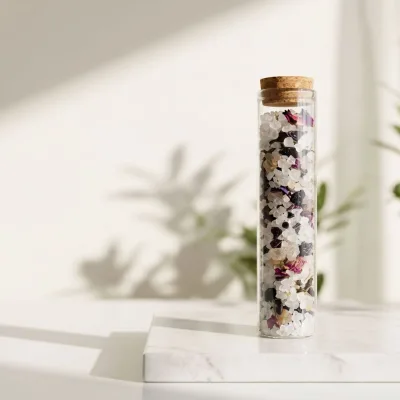
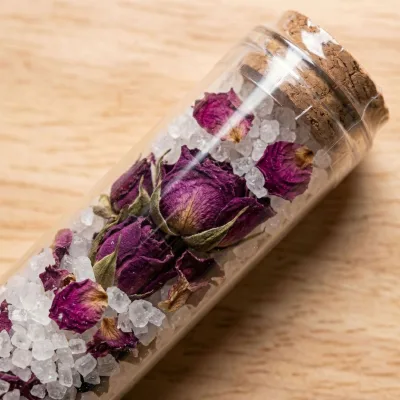
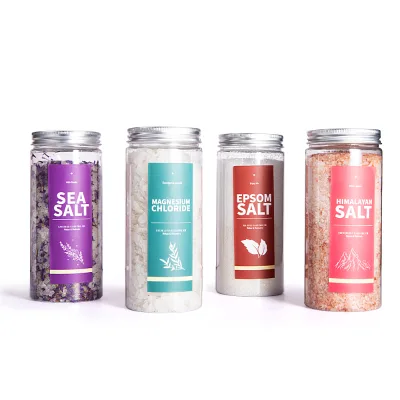
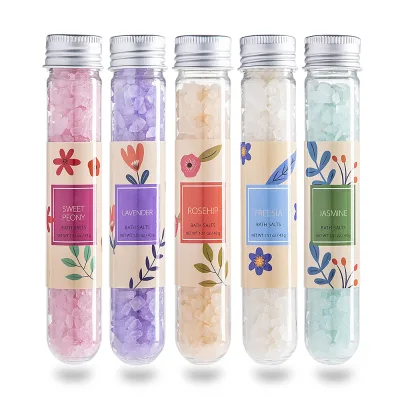
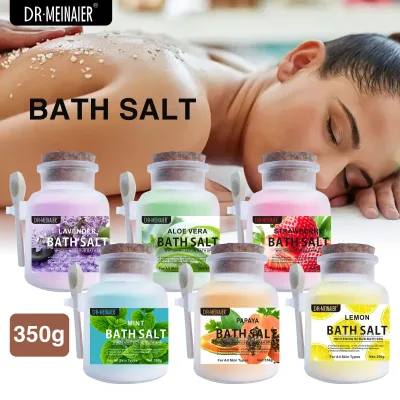
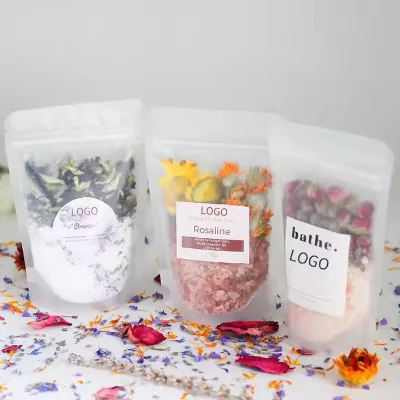
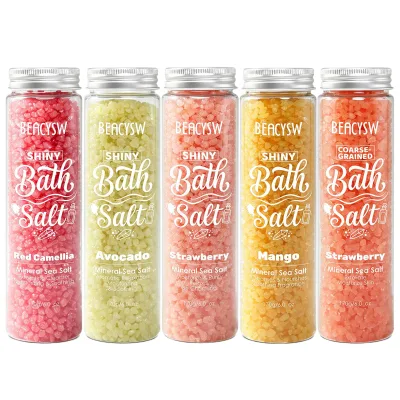
Comprehensive Sourcing Guide
Exfoliating Himalayan Bath Salts Supplier Concentration and Factory Types
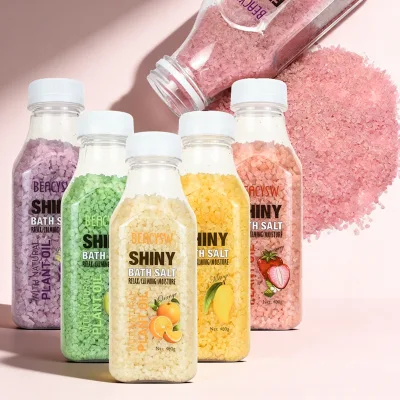
The sourcing landscape for Exfoliating Himalayan Bath Salts reveals a distinct concentration of manufacturing and trading entities within specific industrial regions of China. Current data indicates that a significant portion of suppliers are located in Guangdong, with additional presence in Fujian. This geographic clustering suggests established supply chains for raw materials, packaging, and logistics infrastructure that buyers can leverage. When evaluating potential partners, it is crucial to distinguish between pure manufacturers and trading companies, as their operational models differ significantly. Manufacturers typically offer greater control over production processes, raw material sourcing, and customization capabilities, which is vital for products requiring specific exfoliating textures or organic certifications. Trading companies, on the other hand, may provide a broader portfolio of finished goods, including complementary items like bath bombs, gift sets, and home fragrances, allowing for easier consolidation of orders. Understanding this distinction helps buyers align their procurement strategy with their need for direct factory access versus diversified product availability.
Supplier types also vary in their primary product focus, which impacts their expertise and reliability. Some entities specialize exclusively in personal care items such as foot skin care, hand care, and body care products, indicating a deep understanding of cosmetic formulation and regulatory compliance. Others may list bath gift sets, bath bombs, and packaging as main products, suggesting a strength in bundling and retail-ready solutions. This diversity means that a buyer seeking high-volume, low-cost bulk salts might find a different optimal partner than one seeking premium, private-label luxury bath salts with custom packaging. The presence of both manufacturer and trading company types in the results provides flexibility, but it requires careful vetting to ensure that the supplier’s core competencies match the specific requirements of the exfoliating bath salt project. Buyers should prioritize suppliers whose main product lines align closely with the technical and aesthetic demands of their target market.
How to Verify Exfoliating Himalayan Bath Salts Suppliers
Verification is a critical step in mitigating risk when sourcing Exfoliating Himalayan Bath Salts, particularly given the health and cosmetic nature of the product. Buyers should prioritize suppliers who have undergone third-party verification processes, such as Intertek, which provides an additional layer of confidence regarding the supplier’s business legitimacy and operational capabilities. Beyond basic verification, it is essential to scrutinize the specific certifications held by the supplier, as these validate compliance with international safety and quality standards. Relevant certifications for bath salts may include ISO 9001 for quality management, FSC for sustainable sourcing of packaging materials, and specific cosmetic regulations like EC 1223 or CPSR depending on the target export market. Additionally, product-level certifications such as MSDS, GMPC, and ISO 22716 are crucial for demonstrating that the manufacturing process adheres to Good Manufacturing Practices for cosmetics. These documents are not merely formalities but are often required by customs and retailers in key markets, making their availability a strong indicator of a supplier’s professionalism and readiness for international trade.
Response time and communication efficiency are also key indicators of a supplier’s reliability and customer service quality. A supplier’s ability to respond quickly to inquiries can significantly impact the speed of the sourcing process, especially when dealing with customizations or urgent orders. Buyers should note the response times listed in supplier profiles, as these provide a tangible metric for evaluating communication effectiveness. Furthermore, the availability of OEM and ODM services should be verified through direct inquiry, ensuring that the supplier can accommodate private labeling, custom fragrances, and specific packaging requirements. It is also important to check if sample processing and graphic processing services are available, as these capabilities are essential for developing a unique product identity. Buyers should request samples to verify the physical quality of the exfoliating salts, including grain size, fragrance longevity, and packaging integrity. This hands-on verification complements the documentary evidence of certifications and helps ensure that the final product meets the brand’s quality standards before committing to large-scale production.
What to Compare Across Exfoliating Himalayan Bath Salts Suppliers
When comparing suppliers, buyers must evaluate a range of commercial and operational parameters to identify the best fit for their specific needs. One of the most critical factors is the Minimum Order Quantity (MOQ), which can vary significantly across different suppliers and product lines. Some suppliers may offer low MOQs, such as 10 pieces, which is ideal for testing the market or launching new private-label brands with limited capital. In contrast, other suppliers may require MOQs of 2000 pieces or more, which is suitable for established brands seeking economies of scale. Understanding these MOQ differences allows buyers to align their order volumes with their inventory management strategies and cash flow capabilities. Additionally, the price range for exfoliating bath salts can fluctuate based on factors such as packaging complexity, fragrance customization, and order volume. Buyers should compare the price per unit across different suppliers, keeping in mind that lower prices may sometimes correlate with higher MOQs or simpler packaging options. It is important to request detailed quotations that break down costs for the product, packaging, and shipping to ensure a transparent comparison.
Lead time and production capacity are equally important considerations that impact supply chain reliability. Suppliers may have different lead times, ranging from 15 days to 40 days or more, depending on their current production load and the complexity of the order. Buyers should assess whether the supplier’s lead time aligns with their sales cycles and inventory replenishment schedules. Furthermore, the supplier’s capacity for customization, such as light customization, sample processing, and graphic processing, should be evaluated to ensure they can meet specific branding requirements. The place of origin, whether Guangdong or Fujian, may also influence logistics costs and delivery times, so buyers should consider the proximity of the supplier to their primary shipping ports. By systematically comparing these dimensions, buyers can create a weighted scoring matrix to objectively rank suppliers based on their priorities, whether those priorities are cost, speed, customization, or quality. This structured approach reduces the risk of selecting a supplier based on incomplete information and helps build a more resilient supply chain.
Common Exfoliating Himalayan Bath Salts Sourcing Risks
Sourcing Exfoliating Himalayan Bath Salts involves several inherent risks that buyers must proactively manage to ensure a successful procurement process. One significant risk is the variability in product quality, particularly regarding the purity of the Himalayan salt and the consistency of the exfoliating texture. Without proper verification, buyers may receive products that do not meet their specified standards for grain size, moisture content, or additive composition. This risk is compounded by the potential for mislabeling, where products may not accurately reflect their ingredients or origin. To mitigate this, buyers should insist on detailed product specifications and request third-party lab testing results for key attributes such as heavy metal content and microbial safety. Another risk is the discrepancy between the quoted price and the final invoice, which can occur due to hidden fees for packaging, customization, or shipping. Buyers should ensure that all costs are clearly outlined in the contract and that the supplier provides a detailed breakdown of charges to avoid unexpected expenses.
Communication and cultural barriers can also pose challenges, especially when dealing with suppliers in different regions. Misunderstandings regarding product specifications, packaging requirements, or delivery timelines can lead to costly errors and delays. To address this, buyers should establish clear and detailed communication protocols, including written confirmations of all agreements and regular progress updates. Additionally, the risk of intellectual property infringement is a concern for brands seeking private-label solutions. Buyers should ensure that their brand assets, such as logos and packaging designs, are protected through appropriate legal agreements and that the supplier commits to confidentiality. Furthermore, the reliance on a single supplier can create vulnerability in the supply chain, especially if the supplier faces production issues or logistical disruptions. Buyers should consider diversifying their supplier base to include multiple partners in different regions, such as Guangdong and Fujian, to reduce dependency on any single entity. This strategy enhances supply chain resilience and provides backup options in case of unforeseen disruptions.
Exfoliating Himalayan Bath Salts Regional Sourcing and Logistics
The regional distribution of suppliers in China, particularly in Guangdong and Fujian, offers distinct advantages for sourcing Exfoliating Himalayan Bath Salts. Guangdong is known for its robust manufacturing infrastructure and proximity to major shipping ports, which can facilitate faster and more cost-effective logistics for international shipments. Suppliers in this region often have extensive experience in exporting cosmetic and personal care products, making them well-equipped to handle complex documentation and compliance requirements. On the other hand, Fujian-based suppliers may offer competitive pricing and specialized capabilities in certain product categories, such as organic or customized bath salts. Buyers should evaluate the logistical implications of sourcing from each region, considering factors such as transit times, freight costs, and the availability of reliable freight forwarders. The choice of region can also impact the overall lead time, with Guangdong potentially offering shorter transit times to key markets in North America and Europe due to its established shipping routes.
Logistics planning should also account for the specific packaging requirements of exfoliating bath salts, which can affect shipping efficiency and product safety. Products are often packaged in PE bags, bottles, or boxes, with varying dimensions and weights that influence container loading and freight costs. Buyers should work closely with their suppliers to optimize packaging designs for space efficiency and durability, ensuring that the products arrive in pristine condition. Additionally, the use of standardized packaging sizes, such as 10x15x3 cm for single packages, can simplify logistics and reduce handling costs. Buyers should also consider the environmental impact of their packaging choices, as sustainability is increasingly important to consumers and regulators. Suppliers who offer FSC-certified packaging or recyclable materials can help brands align with eco-friendly initiatives. By carefully planning the logistics strategy and leveraging the strengths of different regional suppliers, buyers can optimize their supply chain for cost, speed, and reliability.
Exfoliating Himalayan Bath Salts Commercial Terms and Order Planning
Effective order planning for Exfoliating Himalayan Bath Salts requires a thorough understanding of commercial terms and payment structures. Buyers should negotiate clear terms regarding payment methods, such as using escrow services to protect their funds until the goods are received and verified. This is particularly important for first-time transactions or large orders, as it provides a layer of security against fraud or non-delivery. Additionally, buyers should clarify the terms for sample orders, including whether samples are free or charged, and how sample costs are credited against bulk orders. The availability of OEM and ODM services should be confirmed, along with any associated fees for design, mold creation, or setup. Buyers should also establish clear guidelines for quality control and inspection, including the right to conduct pre-shipment inspections or hire third-party inspection services. These measures help ensure that the final product meets the agreed-upon specifications and reduces the risk of receiving substandard goods.
Delivery terms and lead times are critical components of order planning that impact inventory management and cash flow. Buyers should negotiate realistic lead times based on the supplier’s current capacity and the complexity of the order, allowing for buffer time to handle potential delays. It is also important to define the responsibilities for shipping and insurance, including whether the supplier is responsible for delivering the goods to the buyer’s warehouse or to a specific port. Buyers should consider using Incoterms to clearly delineate these responsibilities and avoid disputes. Furthermore, buyers should plan for potential fluctuations in raw material costs and exchange rates, which can affect the final price of the product. By establishing robust commercial terms and detailed order planning processes, buyers can minimize risks and ensure a smooth procurement experience. This proactive approach helps build a strong partnership with suppliers and supports the long-term success of the brand’s product offerings.
FAQs
What is the typical MOQ for private label Himalayan bath salts?
Minimum order quantities vary by supplier and customization level. Some manufacturers accept low MOQs starting at 10 pieces for sample testing or small batches. Others require higher volumes, such as 500 or 2000 pieces, for full OEM branding. Buyers should verify specific thresholds with each supplier before placing orders.
Which certifications are common for these bath salt products?
Common certifications include ISO 9001, FSC, EC 1223, CPSR, MSDS, GMPC, and ISO 22716. These standards ensure quality management, cosmetic safety, and proper manufacturing practices. Buyers should request valid certificates to verify compliance with international regulations and ensure product safety for end consumers.
What are the typical lead times for manufacturing orders?
Lead times generally range from 15 to 40 days depending on order volume and customization needs. Some suppliers offer faster turnaround times of 30-35 days for standard items. Buyers should confirm specific delivery schedules with suppliers to align with their inventory planning and market launch requirements.
Where are these bath salt suppliers primarily located?
Most suppliers are located in Guangdong and Fujian provinces in China. These regions are known for their strong manufacturing capabilities in personal care and bath products. Buyers can filter results by these locations to find suppliers with established supply chains and efficient logistics networks for international shipping.
What price range can buyers expect for wholesale bath salts?
Prices typically range from $0.43 to $1.31 per unit depending on quantity and specifications. Lower prices often apply to higher MOQs or simpler packaging. Buyers should compare quotes based on their specific requirements for fragrance, certification, and packaging to find the most cost-effective option for their business.
Do suppliers offer OEM and ODM services?
Yes, many suppliers provide both OEM and ODM services. Buyers can customize fragrances, packaging, and branding to match their product line. Some suppliers also offer sample processing and graphic design support. This flexibility allows businesses to create unique products that stand out in the competitive bath care market.