Source Ball Mill Pot for grinding, milling, and mixing
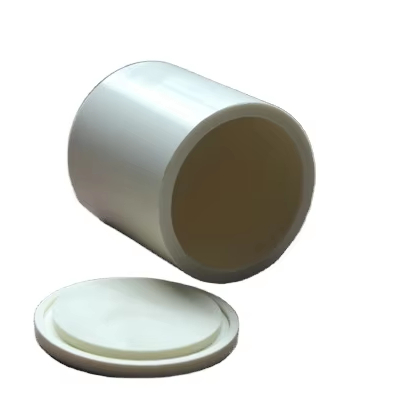
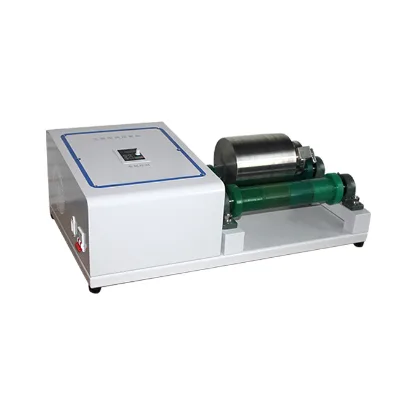
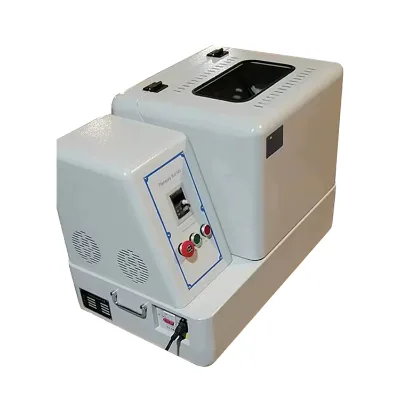
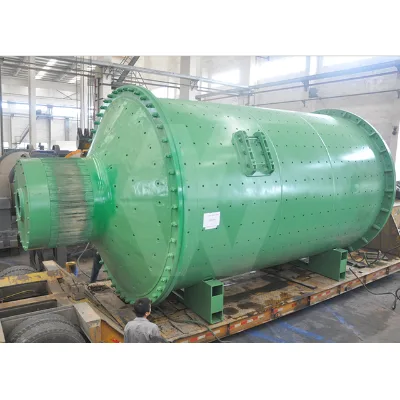
Explore 30 verified listings for Ball Mill Pot options including ceramic, stainless steel, and nylon variants. Buyers can compare specifications, materials, and pricing to find the right solution for industrial grinding and milling applications; compare the available evidence and request quotations based on your requirements.
Updated
Key considerations
Products List
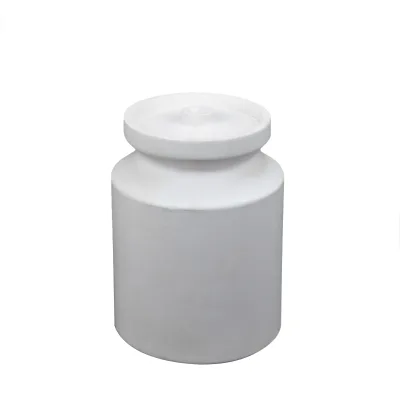
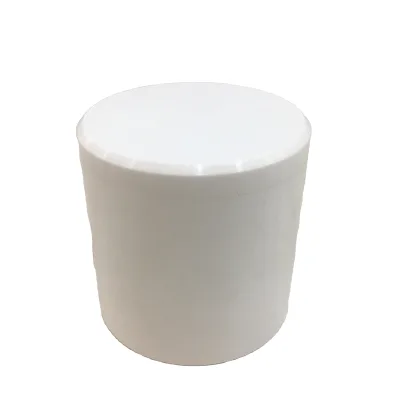
2021 SHANGTAO new style Vertical planetary ball mill for ball mill pot
$0.5651 - $0.7195
MOQ: 50 pieces
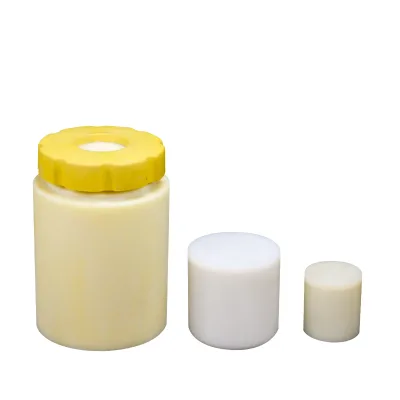
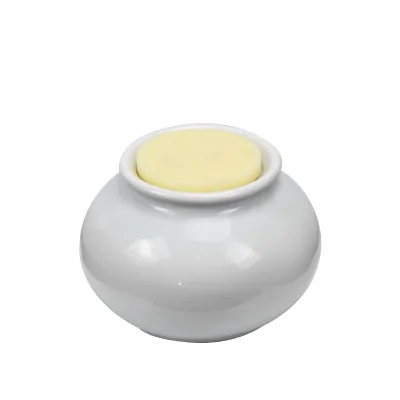
Latest Popular Special Ball Mill for Grinding Series 95% Fast Ball Mill Pot
$34.00 - $36.00
MOQ: 10 pieces
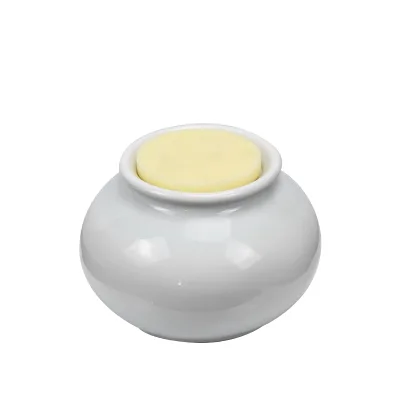
2021 SHANGTAO The New 95% Quick Ball Mill Pot Special Ball Mill for Grinding Series
$1.5575 - $20.7626
MOQ: 10 Minimum
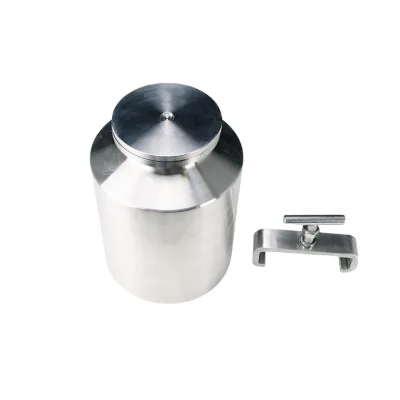
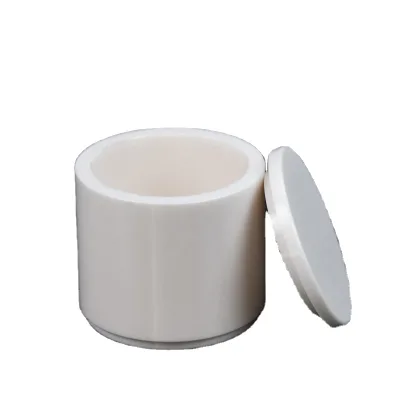
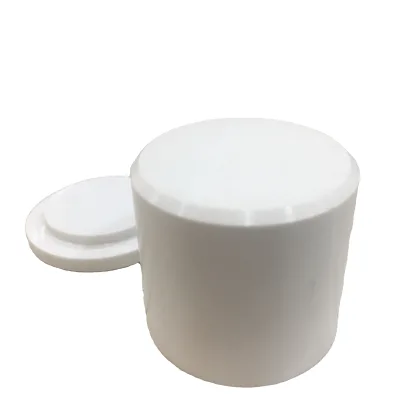
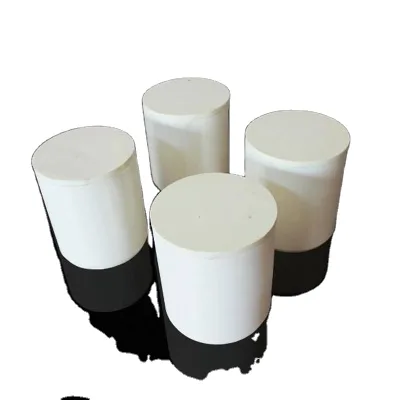
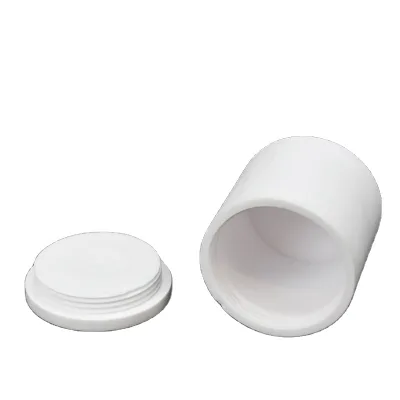


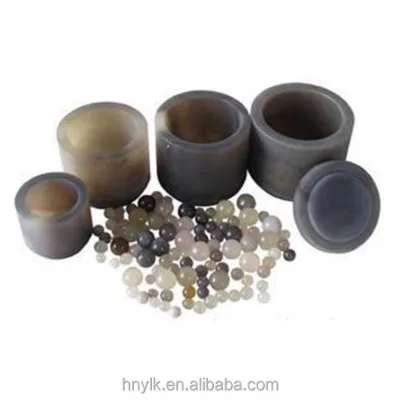
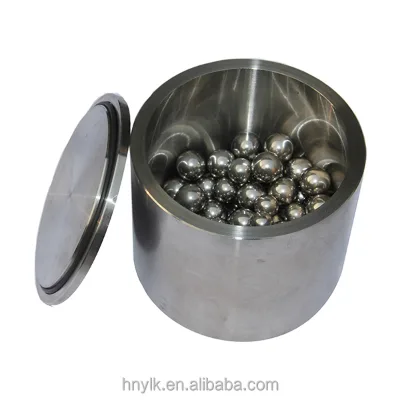


$68000.00 - $320000.00
MOQ: 1 Pieces



Comprehensive Sourcing Guide
Ball Mill Pot Sourcing Guide
Sourcing the correct Ball Mill Pot requires a clear understanding of the diverse material options available in the current market. Buyers must distinguish between high-purity ceramic variants, such as those made from sapphire or alumina, and industrial-grade nylon or stainless steel jars. The observed product landscape includes items explicitly labeled as "Insulating Ceramics" with 99% content purity, alongside nylon styles designed for specific grinding applications. This variety means that a one-size-fits-all approach to procurement is ineffective; instead, buyers must align their material selection with the chemical compatibility and hardness requirements of their specific milling process.
The decision-making process is further complicated by the wide range of customization options offered by suppliers. Listings indicate that sizes can be customized, and models such as GT-.A222 or GT0015 suggest that manufacturers produce distinct series for different operational needs. Some products are described as "pot" types with square shapes, while others are cylindrical jars. Buyers need to evaluate whether standard OEM sizes suffice or if custom dimensions are necessary to fit existing machinery. Understanding these structural differences is the first step in ensuring that the purchased equipment integrates seamlessly into the laboratory or industrial workflow without requiring costly modifications.
Product Scope and Observed Listing Signals
The current market signals indicate a strong presence of suppliers originating from Shanghai, China, which serves as a primary hub for these industrial components. Listings frequently highlight specific brand names like GT and SHANGTAO, suggesting that established manufacturers dominate the available inventory. The observed product range spans from small, single-item units to larger industrial setups, with packaging details often specifying wood boxes padded with foam boards to protect fragile ceramic materials during transit. This attention to packaging suggests that the products are sensitive to impact, reinforcing the need for careful handling and logistics planning during the procurement phase.
Shipping and supply capabilities also vary significantly across different suppliers, impacting the overall procurement timeline. Some suppliers advertise a shipping window of 1-30 days, while others highlight a supply ability of 100,000 pieces per month, indicating a capacity for large-scale industrial orders. The presence of sample availability for certain models allows buyers to test quality before committing to bulk purchases. Additionally, the observation of keywords such as "ball grinding mill" and "mill pot" helps in filtering search results, but buyers must verify that the listed attributes, such as color or mounting type, match their specific technical requirements to avoid receiving incompatible equipment.
Technical Specifications to Verify
Verifying the material composition is the most critical technical step in sourcing a Ball Mill Pot. Buyers must confirm whether the product is made from sapphire, alumina ceramic, nylon, or stainless steel, as each material offers different wear resistance and chemical inertness. For instance, some listings specify a 99% content for insulating ceramics, which is vital for applications requiring high purity and electrical insulation. Others may list the material quality simply as "ceramic" or "stainless steel," requiring further clarification to ensure the grade meets the operational demands. Misidentifying the material can lead to rapid degradation of the pot or contamination of the milled product, making precise specification verification essential.
Dimensional and structural specifications must also be rigorously checked against the buyer’s existing equipment. The observed listings show a variety of single package sizes, ranging from 20x20x20 cm to customizable dimensions, and models like BC-1022 or ST076356 indicate specific form factors. Buyers should verify the mounting type, such as free-hanging options, and ensure that the pot’s geometry, whether square or cylindrical, fits the mill’s drive mechanism. Additionally, checking the single gross weight, which ranges from 2.000 kg to 3.000 kg in observed data, helps in calculating shipping costs and ensuring that the mill’s motor can handle the load. These physical attributes directly impact the efficiency and safety of the milling operation.
Compliance and Safety Documentation
While specific certification statuses are not universally detailed in the observed listings, buyers must proactively request documentation to ensure operational safety. The presence of standards like ISO 4490 in background contexts suggests that certain industrial norms may apply, but buyers should not assume compliance without explicit verification from the supplier. It is crucial to ask for material safety data sheets, especially for ceramic and nylon variants, to understand any potential hazards related to dust generation or chemical leaching during the grinding process. This documentation is particularly important for laboratories handling sensitive materials or for industrial settings with strict environmental and health regulations.
Electrical and operational safety parameters should also be reviewed if the Ball Mill Pot is part of an integrated system. Some listings mention rated voltages of 220V and applications in high-temperature environments, indicating that the pot or its associated machinery may have specific electrical requirements. Buyers need to verify that the equipment is suitable for the intended operating conditions, including temperature limits and voltage stability. Additionally, understanding the processing services offered, such as bending, welding, or cutting, can help in assessing the structural integrity of metal components. Ensuring that all safety-related documentation is complete before purchase mitigates the risk of accidents and ensures regulatory compliance in the workplace.
Cost Drivers and Commercial Terms
The cost of a Ball Mill Pot is influenced by several factors, including material purity, customization level, and order volume. Observed price ranges in the market span from $0.57 to $320,000, reflecting the vast difference between simple nylon jars and high-end, custom-engineered ceramic systems. Buyers should expect higher costs for products with specific model numbers like GT-.A222 or those made from premium materials like sapphire. The minimum order quantity (MOQ) typically ranges from 1 to 50 units, allowing for flexibility in initial procurement, but bulk orders may offer better unit economics. Understanding these cost drivers helps in budgeting accurately and negotiating favorable terms with suppliers.
Commercial terms such as packaging, shipping, and payment conditions also play a significant role in the total cost of ownership. Suppliers often use plywood cases or foam-padded wood boxes to protect the products, which can add to the shipping weight and cost. The port of dispatch is frequently listed as Shanghai Port, which may affect logistics planning and transit times. Buyers should clarify whether the quoted price includes packaging and shipping or if these are additional charges. Additionally, verifying the supply ability, such as 100,000 pieces per month, can help in planning for large-scale projects and ensuring that the supplier can meet delivery deadlines without compromising on quality or pricing.
Supplier Qualification and Quality Control
Evaluating supplier qualification is essential to ensure the reliability of the Ball Mill Pot supply chain. Buyers should prioritize suppliers who provide detailed product attributes, such as specific model numbers, material compositions, and processing services. The presence of brand names like GT and SHANGTAO indicates that some manufacturers have established reputations in the market. Buyers can use this information to conduct background checks on these brands, looking for customer reviews, industry certifications, and historical performance data. Verifying the supplier’s location, particularly in hubs like Shanghai, can also provide insights into their logistical capabilities and access to raw materials.
Quality control measures should be explicitly discussed during the procurement process. Buyers should inquire about the testing procedures used to verify material purity, dimensional accuracy, and structural integrity. For ceramic pots, checking for cracks or imperfections is crucial, as these defects can lead to failure during high-speed milling. Suppliers who offer sample availability allow buyers to perform their own quality assessments before committing to larger orders. Additionally, understanding the packaging details, such as the use of foam boards and wood boxes, can provide indirect evidence of the supplier’s attention to quality and care in handling fragile items. Establishing a clear quality control protocol helps in maintaining consistent product performance.
Long-Term Procurement Checks
Long-term procurement success depends on establishing a robust relationship with suppliers who can provide consistent quality and support. Buyers should monitor supplier performance over time, tracking metrics such as delivery times, product defect rates, and responsiveness to issues. The observed shipping window of 1-30 days suggests that lead times can vary, so buyers should establish clear expectations and communication channels with their suppliers. Regularly reviewing the supplier’s supply ability, such as the capacity to produce 100,000 pieces per month, ensures that they can scale up production if needed. This proactive approach helps in mitigating supply chain disruptions and maintaining operational continuity.
Continuous evaluation of product specifications and market trends is also vital for long-term procurement strategies. As technology and materials evolve, new options for ball mill pots may become available, offering improved performance or cost efficiency. Buyers should stay informed about advancements in ceramic and nylon materials, as well as changes in industry standards. Regularly updating the list of qualified suppliers and comparing their offerings against current needs ensures that the procurement process remains competitive and effective. By maintaining a dynamic and informed approach, buyers can optimize their sourcing strategy and achieve better value from their Ball Mill Pot investments over time.
FAQs
What materials are available for ball mill pots?
Ball mill pots are available in sapphire, alumina ceramic, and nylon. Sapphire and alumina options provide high hardness and chemical resistance for industrial grinding applications. Nylon variants offer lightweight alternatives for specific processing needs. Buyers can select the material based on their specific wear resistance and contamination control requirements for their milling processes.
Can I customize the size of a Ball Mill Pot?
Yes, ball mill pots can be customized to specific dimensions. The product specifications indicate that sizes are OEM and can be tailored to individual requirements. This allows buyers to obtain pots that fit their existing equipment or meet unique volume needs. Customization ensures optimal performance and compatibility with various industrial grinding setups and operational constraints.
What is the typical shipping time for these products?
The typical shipping time ranges from 1 to 30 days. This duration depends on the order quantity and specific processing requirements. Buyers should account for this lead time when planning their procurement schedules. The dispatch port is Shanghai, which facilitates efficient logistics for international orders arriving at major global trade hubs.
Are samples available for Ball Mill Pot orders?
Samples are available for potential buyers to evaluate product quality. This allows customers to verify material integrity and dimensional accuracy before committing to larger purchases. The availability of samples supports informed decision-making and reduces sourcing risks. Buyers can request samples to ensure the product meets their specific industrial standards and application requirements.
What is the minimum order quantity for these items?
The minimum order quantity ranges from 1 to 50 units. This flexible MOQ accommodates both small-scale testing and larger industrial procurement needs. Buyers can start with smaller quantities to assess performance before scaling up. The low entry barrier facilitates easier adoption for various industrial applications requiring specialized grinding equipment.
Where are these ball mill pots manufactured?
These products are manufactured in China, specifically in Shanghai. The place of origin is consistently listed as Shanghai, China, for various models. This location serves as a key hub for industrial ceramic and metal component production. Buyers can leverage this geographic advantage for efficient supply chain management and logistics coordination.
What packaging is used for ball mill pots?
Packaging typically involves wood boxes padded with foam boards or plywood cases. This protective packaging ensures safe transit and prevents damage to the ceramic or metal components. The single gross weight varies, with some items weighing around 3.000 kg. Proper packaging is essential for maintaining product integrity during international shipping and handling.