Source Industrial Ceramic Atomizing Core for Thermocouples, Furnace, Temperature
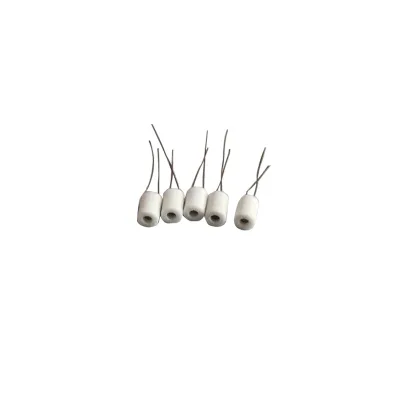
Find 21 Industrial Ceramic Atomizing Core options from verified Chinese suppliers. Compare specifications including temperature ratings up to 1800c, material types like Alumina Ceramic, and customization features for electronics and industrial applications; compare the available evidence and request quotations based on your requirements.
Updated
Key considerations
Products List






Comprehensive Sourcing Guide
Industrial Ceramic Atomizing Core Sourcing Guide
Procuring industrial ceramic atomizing cores requires a disciplined approach to material selection and thermal management. These components are critical in high-temperature environments where precise fluid dispersion and structural integrity under thermal stress are non-negotiable. Buyers must prioritize suppliers who demonstrate expertise in alumina ceramic processing, as the material’s hardness and corrosion resistance directly impact operational longevity. The sourcing strategy should focus on verifying the supplier’s capability to maintain tight tolerances during the molding and machining phases, ensuring that each core meets the rigorous demands of continuous industrial use.
The decision-making process begins with a clear definition of the operational environment, including temperature ranges and chemical exposure levels. Since these cores often serve as heating volatilization elements or filters, their design must align with specific application requirements such as oil filtration or temperature measurement. Sourcing teams should evaluate whether the supplier offers customization services, allowing for tailored pore sizes and grain structures that optimize performance for unique industrial setups. This initial alignment prevents costly mismatches between component specifications and actual plant conditions.
Product Scope and Observed Listing Signals
The market for industrial ceramic atomizing cores presents a diverse array of product configurations, primarily centered around alumina ceramic materials. Listings frequently highlight variations in color, including white, ivory, yellow, pink, and cream, which may indicate different dopants or purity levels. Shapes range from square and tubular to oval, rectangular, and half forms, suggesting versatility in installation geometries. Buyers should observe that these physical attributes are often customizable, allowing for specific design integrations into existing industrial machinery or heating systems without requiring extensive modification of the host equipment.
Price points and minimum order quantities vary significantly, reflecting the complexity of the manufacturing process and the degree of customization required. Observed data indicates a wide price range, with some items starting at very low unit costs while others command higher premiums for specialized features. Minimum order quantities can range from single units to ten thousand pieces, catering to both prototyping needs and large-scale production runs. This variability underscores the importance of defining volume requirements early in the sourcing process to negotiate favorable commercial terms and ensure supply chain stability for ongoing operational needs.
Technical Specifications to Verify
Technical verification must begin with the material composition, specifically confirming the use of high-purity alumina ceramic, which offers superior hardness and thermal stability. Buyers should request detailed specifications regarding grain size, typically ranging from 1 to 10 micrometers, as this parameter influences both the mechanical strength and the filtration efficiency of the core. Additionally, pore size is a critical metric, often specified between 1 and 10 micrometers, which directly affects the atomization quality and flow characteristics. Verifying these microscopic attributes ensures that the component will perform as expected under high-temperature conditions without premature degradation or clogging.
Thermal and mechanical performance metrics are equally vital for long-term reliability. The cores are often rated for temperatures up to 1800°C, indicating their suitability for extreme industrial applications such as furnace lining or high-temperature thermocouples. Buyers must verify the hardness, which is typically around 9 Mohs, ensuring resistance to abrasion and wear. Furthermore, the ability to machine features such as drill holes, notches, slots, or flanges adds functional versatility. Confirming that the supplier can execute these machining services to precise drawings guarantees that the atomizing core will integrate seamlessly into complex industrial assemblies.
Compliance and Safety Documentation
Regulatory compliance is a foundational requirement for industrial components, particularly those used in sensitive manufacturing environments. Buyers should insist on documentation that confirms adherence to international safety and environmental standards, such as RoHS certification, which restricts the use of hazardous substances. This certification is crucial for ensuring that the ceramic cores do not introduce toxic elements into the production process or the final product. Sourcing teams must verify that the supplier maintains up-to-date compliance records and can provide certificates of conformity for each batch, thereby mitigating legal and reputational risks associated with non-compliant materials.
Beyond regulatory certifications, safety documentation should include detailed material safety data sheets and thermal stability reports. These documents provide insight into the component’s behavior under extreme heat, ensuring that it maintains structural integrity and does not release harmful fumes. Buyers should also inquire about the supplier’s quality management systems, which should support consistent production of eco-friendly products. Verifying that the manufacturing process adheres to strict environmental controls helps ensure that the final product is not only safe for operation but also aligns with corporate sustainability goals and responsible sourcing policies.
Cost Drivers and Commercial Terms
Understanding the factors that influence pricing is essential for effective budget management and negotiation. The primary cost drivers include the complexity of the customization, the precision of the machining required, and the volume of the order. Customized shapes and specific pore sizes often incur higher costs due to the additional engineering and tooling involved. Additionally, the choice of packaging, whether standard export cartons, wooden boxes, or trays, can impact the total landed cost, especially for international shipments. Buyers should analyze these variables to identify areas where cost savings can be achieved without compromising quality or performance.
Commercial terms should be clearly defined to protect both parties and ensure smooth transaction execution. Minimum order quantities and lead times are key negotiation points, with larger volumes typically yielding better unit prices and more predictable delivery schedules. Buyers should also clarify the warranty terms and return policies, particularly for customized items that may not be resellable. Establishing clear payment terms and dispute resolution mechanisms in the contract helps prevent misunderstandings and ensures that any issues with product quality or delivery are addressed promptly, maintaining the continuity of industrial operations.
Supplier Qualification and Quality Control
Supplier qualification is a critical step in mitigating supply chain risks and ensuring consistent product quality. Buyers should assess the supplier’s manufacturing capabilities, including their experience with alumina ceramic processing and their ability to handle complex machining tasks. Verifying the supplier’s location, often in industrial hubs like Jiangsu or Guangdong in China, can provide insight into their logistical efficiency and access to raw materials. Additionally, evaluating the supplier’s track record in producing similar components for industrial applications helps gauge their reliability and expertise in meeting specific technical requirements.
Quality control processes must be robust and transparent to ensure that every batch meets the specified standards. Buyers should inquire about the supplier’s inspection protocols, including incoming material checks, in-process monitoring, and final product testing. Documentation of these processes, such as batch-specific test reports and quality certificates, provides assurance that the atomizing cores will perform consistently. Establishing a clear communication channel for quality feedback allows for rapid resolution of any discrepancies, fostering a collaborative relationship that prioritizes continuous improvement and long-term partnership stability.
Long-Term Procurement Checks
Long-term procurement success depends on regular performance reviews and continuous improvement initiatives. Buyers should establish key performance indicators to monitor the reliability and quality of the atomizing cores over time, tracking metrics such as defect rates, delivery timeliness, and customer satisfaction. Regular audits of the supplier’s quality management systems and production facilities help ensure that standards are maintained and that any emerging issues are addressed proactively. This ongoing evaluation fosters a dynamic relationship where both parties are committed to optimizing the supply chain and enhancing product performance.
Adaptability to changing market conditions and technological advancements is also crucial for long-term procurement strategies. Buyers should stay informed about new developments in ceramic materials and manufacturing processes that could offer improved performance or cost efficiencies. Engaging in periodic strategic reviews with the supplier allows for the exploration of new customization options or material upgrades that align with evolving industrial needs. By maintaining a flexible and forward-looking approach, buyers can ensure that their procurement strategy remains competitive and resilient in the face of future challenges and opportunities.
FAQs
What materials are used for industrial ceramic atomizing cores?
Industrial ceramic atomizing cores are primarily manufactured from high-purity alumina ceramic. This material provides exceptional hardness, reaching 9 Mohs, and ensures high-temperature stability. The ceramic structure is designed to withstand harsh environments while maintaining structural integrity during repeated heating and volatilization processes for reliable performance.
Can these ceramic parts be customized to specific drawings?
Yes, customization is available for industrial ceramic atomizing cores. Manufacturers can process parts according to specific customer drawings, allowing for customized shapes such as square, tubular, or oval designs. This flexibility ensures that the ceramic components meet precise application requirements for thermocouples, furnaces, and temperature measurement systems.
What certifications do these ceramic heating parts hold?
These ceramic heating parts typically hold RoHS certification, ensuring they meet strict environmental standards. The products are designed to be eco-friendly and corrosion-resistant. This certification confirms that the materials used in the manufacturing process comply with international regulations for restricted hazardous substances, making them suitable for global industrial applications.
What is the typical pore size for porous ceramic parts?
The typical pore size for these porous ceramic parts ranges from 1 micrometer to 10 micrometers. This specific grain size range supports their function as oil filters or heating elements. The controlled porosity allows for efficient fluid flow and heat distribution, which is critical for effective atomization and thermal management in industrial settings.
How are these ceramic components packaged for export?
These ceramic components are packaged in standard export cartons, wooden boxes, or plywood cases to ensure safe transit. The packaging is designed to protect the fragile ceramic parts from damage during shipping. This robust packaging solution helps maintain the integrity of the products, whether they are single items or bulk orders for industrial use.
What temperature ratings are available for these ceramic tubes?
Available temperature ratings for these ceramic tubes include 1400°C, 1500°C, 1600°C, 1700°C, and 1800°C. These high-temperature capabilities make them suitable for demanding applications such as furnaces and thermocouples. The ceramic material ensures stability and performance even under extreme thermal conditions, providing reliable service in high-heat environments.