Source Reusable Heart Shaped Cookie Molds for baking, crafting, and gifting
Find 30 options for Reusable Heart Shaped Cookie Molds made from silicone. Compare features like eco-friendly materials, non-toxic properties, and temperature resistance ranging from -40°C to 230°C. These tools are suitable for kitchen baking, pastry making, and toaster applications.
Updated
Key considerations
Products List
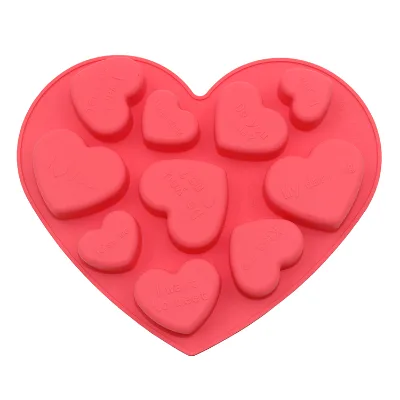
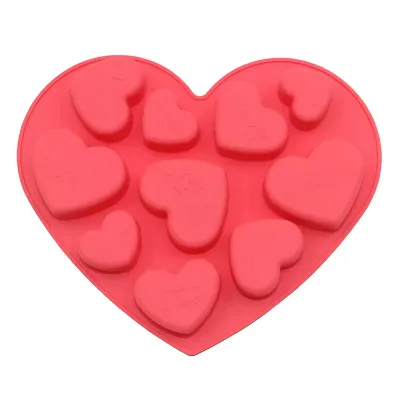
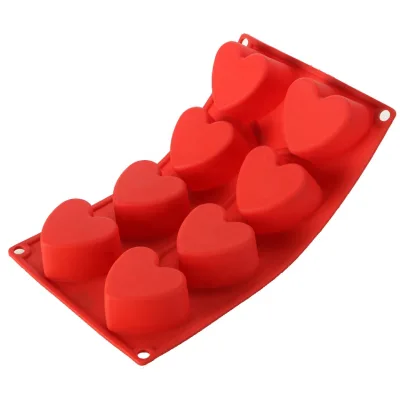
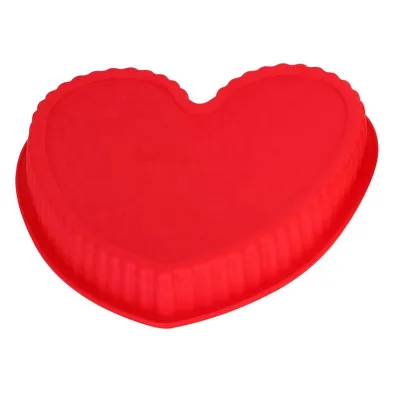
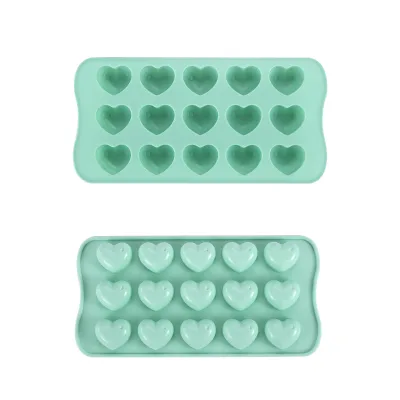


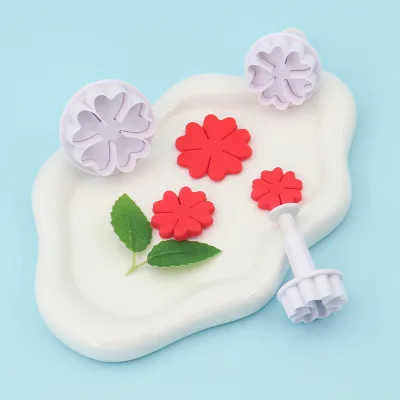
Food-Grade Heart-Shaped Silicone Baking Mold DIY Chocolate & Cookie Tool
$0.32 - $0.36
MOQ: 1000 Pieces


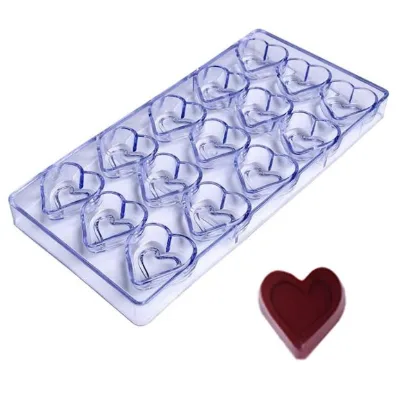
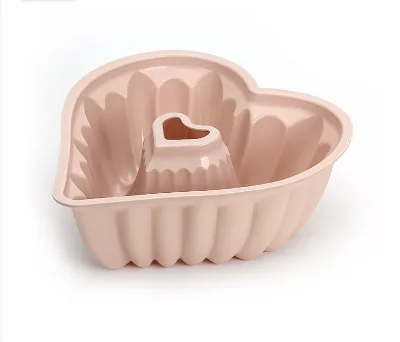
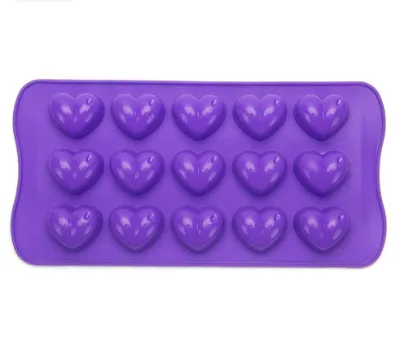
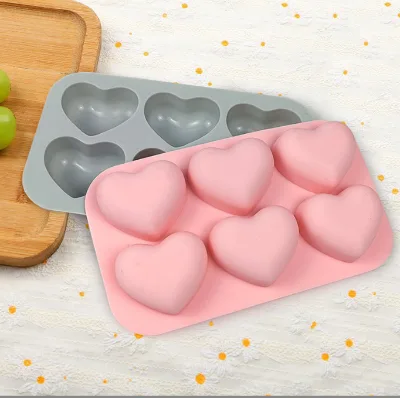





Comprehensive Sourcing Guide
Reusable Heart Shaped Cookie Molds Sourcing Guide
Procuring reusable heart-shaped cookie molds requires a strategic focus on material integrity and thermal stability, as these attributes directly dictate product longevity and user safety. The market offers a variety of silicone-based options, with specific models like the Kitchen Paradise brand highlighting features such as eco-friendly composition and non-toxic properties. Buyers must distinguish between general silicone molds and specialized tools designed for specific baking applications, such as chocolate casting or pastry shaping. Understanding the distinction between single-piece molds and multi-cavity designs is essential for aligning inventory with target customer needs, whether for home bakers or commercial confectioners.
The observed product landscape reveals a significant diversity in dimensions and functional specifications, ranging from compact single-item packages to larger multi-hole configurations. Key attributes such as temperature resistance, with some products rated for ranges up to 230°C, serve as critical differentiators in quality assessment. Additionally, the availability of customization options for colors and shapes allows buyers to tailor offerings to seasonal trends or brand identities. Sourcing decisions should prioritize suppliers who provide transparent data on material composition and manufacturing origins, ensuring that the final products meet both aesthetic expectations and rigorous performance standards for repeated use in high-heat environments.
Product Scope and Observed Listing Signals
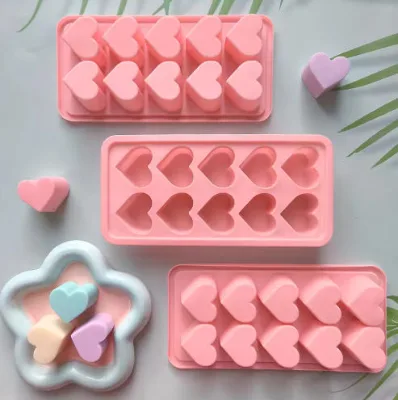
The current market for reusable heart-shaped cookie molds encompasses a wide array of product types, primarily centered around silicone construction due to its flexibility and durability. Listings indicate a strong emphasis on eco-friendly and sustainable attributes, with many products marketed as non-toxic and reusable, appealing to environmentally conscious consumers. The product scope includes single-piece molds with heart shapes, as well as multi-cavity options like eight-hole heart-shaped molds designed for chocolates, cakes, and jellies. This variety allows buyers to cater to different segments, from individual baking enthusiasts to bulk purchasers in the confectionery industry, ensuring a broad market reach.
Observed listing signals highlight specific technical parameters that buyers should scrutinize, such as the temperature range capabilities and precise dimensional specifications. Products are often described with detailed size metrics, such as 1815.52cm or 29.5173.7cm, which help in planning storage and shipping logistics. The presence of OEM/ODM availability suggests that many manufacturers are open to custom branding and design modifications, providing opportunities for private label development. Buyers should also note the emphasis on features like being stocked and ready for immediate shipment, which can significantly impact supply chain responsiveness and customer satisfaction in fast-moving retail environments.
Technical Specifications to Verify
Verifying technical specifications is paramount to ensuring that the molds perform reliably under various baking conditions. Buyers must confirm the material composition, specifically looking for food-grade silicone that can withstand high temperatures without degrading or releasing harmful substances. The temperature range is a critical specification, with some products rated up to 230°C, which must be validated against the intended use cases, such as oven baking or toaster applications. Additionally, the thickness and structural integrity of the molds should be assessed to prevent warping or tearing during repeated use, ensuring that the heart shape remains precise and consistent over time.
Dimensional accuracy and packaging details are equally important for operational efficiency and customer experience. Specifications such as single package sizes and gross weights, ranging from 0.057 kg to 0.35 kg, directly influence shipping costs and inventory management strategies. Buyers should verify the model numbers and associated size data to avoid discrepancies between ordered and received goods. Furthermore, the availability of customized colors and sizes allows for greater flexibility in meeting specific market demands, but these customizations must be clearly defined in technical agreements to prevent production errors and ensure that the final products meet the agreed-upon design standards.
Compliance and Safety Documentation
Compliance with food safety standards is non-negotiable when sourcing silicone baking molds, as these products come into direct contact with consumable goods. Buyers must request documentation that verifies the non-toxic nature of the materials used, ensuring that the silicone is free from harmful additives like BPA or heavy metals. Although specific certification names are not provided in the observed data, buyers should insist on proof of compliance with relevant international food contact regulations, such as FDA or EU standards, to mitigate legal risks and protect consumer health. This due diligence is essential for maintaining brand reputation and avoiding potential recalls or regulatory penalties.
In addition to material safety, buyers should verify that the manufacturing processes adhere to quality management systems that ensure consistent product quality. Documentation should include test results for thermal stability and durability, confirming that the molds can withstand repeated heating and cooling cycles without compromising their structural integrity. The emphasis on eco-friendly and sustainable attributes in product listings suggests a growing market demand for environmentally responsible products, so buyers should also inquire about the sustainability credentials of the manufacturing facilities. This includes understanding the lifecycle of the product and any recycling or disposal guidelines provided by the supplier, which can enhance the product's appeal to environmentally conscious consumers.
Cost Drivers and Commercial Terms
Several factors influence the cost structure of reusable heart-shaped cookie molds, with material quality and customization levels being primary drivers. High-grade food-safe silicone commands a higher price point due to its superior durability and safety profile, while basic silicone options may be more cost-effective but less durable. Customization options, such as specific colors, sizes, or branding, can also increase production costs due to the additional setup and processing required. Buyers should evaluate the total cost of ownership, considering not just the unit price but also the longevity and performance of the molds, which can impact customer satisfaction and repeat purchase rates.
Commercial terms, including minimum order quantities (MOQ) and lead times, play a crucial role in procurement planning. Observed MOQ ranges vary significantly, from as low as 1 piece to as high as 20,000 pieces, allowing for flexibility in order sizes based on inventory needs and market demand. Buyers should negotiate favorable terms that align with their sales forecasts and cash flow constraints, while also considering the potential for volume discounts. Additionally, understanding the supplier's production capacity and lead times is essential for ensuring timely delivery, especially during peak seasons or when launching new product lines, to avoid stockouts and missed sales opportunities.
Supplier Qualification and Quality Control
Qualifying suppliers for reusable heart-shaped cookie molds requires a thorough assessment of their manufacturing capabilities and quality control processes. Buyers should verify the supplier's location and production facilities, with many manufacturers based in regions like Zhejiang, China, known for their expertise in silicone product manufacturing. It is essential to conduct on-site audits or request detailed reports on the supplier's quality management systems to ensure that they adhere to strict production standards. This includes checking for consistent material sourcing, precise molding techniques, and rigorous inspection protocols to minimize defects and ensure product uniformity.
Quality control measures should extend beyond the manufacturing stage to include pre-shipment inspections and sample approvals. Buyers should request samples to evaluate the physical attributes of the molds, such as flexibility, ease of use, and resistance to staining or odor retention. Establishing clear quality benchmarks and acceptance criteria in the purchase agreement helps to maintain consistency and hold suppliers accountable for product performance. Additionally, fostering a collaborative relationship with suppliers can facilitate continuous improvement and innovation, allowing buyers to stay ahead of market trends and offer high-quality products that meet evolving consumer expectations.
Long-Term Procurement Checks
Long-term procurement success depends on establishing robust mechanisms for ongoing supplier performance evaluation and product quality monitoring. Buyers should implement regular review cycles to assess supplier reliability, including on-time delivery rates, defect rates, and responsiveness to issues. This continuous monitoring helps to identify potential problems early and allows for proactive corrective actions, ensuring a stable and efficient supply chain. Additionally, staying informed about market trends and consumer preferences is crucial for adapting product offerings and maintaining competitiveness, as the demand for eco-friendly and customizable baking tools continues to grow.
Furthermore, buyers should prioritize building strong relationships with suppliers who demonstrate a commitment to sustainability and ethical manufacturing practices. This alignment with broader corporate social responsibility goals can enhance brand value and attract conscious consumers. Regular communication and collaboration with suppliers can also lead to opportunities for product innovation and cost optimization, such as exploring new materials or manufacturing techniques that improve efficiency and reduce environmental impact. By maintaining a strategic focus on quality, sustainability, and partnership, buyers can secure a reliable supply of high-quality reusable heart-shaped cookie molds that meet the needs of their customers and support long-term business growth.
FAQs
What material are the Reusable Heart Shaped Cookie Molds made of?
The molds are crafted from high-quality silicone, ensuring they are non-toxic and eco-friendly for safe food contact. This material allows for easy release of baked goods and ensures durability during repeated use in various kitchen applications.
Can these silicone molds withstand high oven temperatures?
Yes, the silicone construction supports a temperature range from -40°C to 230°C. This makes them suitable for oven baking, freezing, and microwaving, providing versatile utility for pastry, baking, and toaster applications without deforming or releasing harmful substances.
What are the available size options for these molds?
Several size configurations are available, including dimensions like 18x15.5x2cm and 29.5x17x3.7cm. Buyers can select specific models such as C162 or C087 based on their required capacity, with single package sizes ranging from 20x18x10 cm to larger formats.
Are custom colors and OEM services available for these molds?
Customization is available, with colors offered as customized options to match brand requirements. OEM and ODM services are also supported, allowing buyers to tailor the product design and specifications to their specific market needs and branding strategies effectively.
Where are these silicone baking molds manufactured?
These products originate from Zhejiang, China, a major hub for silicone manufacturing. The production facilities adhere to standard quality controls, ensuring that each mold meets the specified weight and dimension requirements for consistent performance in commercial and home baking.