sound-absorbing cotton Suppliers and Manufacturers in China
Compare 31 verified suppliers offering sound-absorbing cotton with varying lead times, certifications, and response speeds. Review product specs like fireproof grades and densities, then request quotes directly from factories in Guangdong and Hebei; review the available evidence before requesting comparable quotations from suitable candidates.
Updated
Suppliers List

Guangzhou Xincheng New Materials Co., Limited
- Combined
- China Guangdong
- Lead time23 days
- Avg. response≤ 14h
Main productsAir Filters, Sandwich Board, HEPA Filters, Sandwich Panel, Air Cleaner, Air Purifier, Container House
Main marketsAfrica,Southeast Asia/ Mideast,Australia


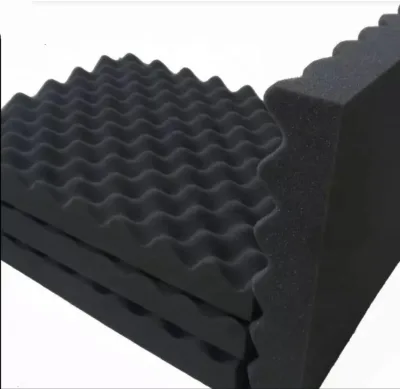
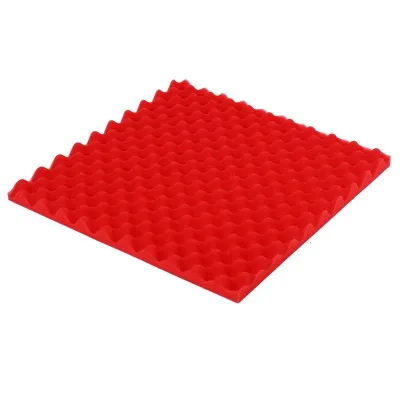
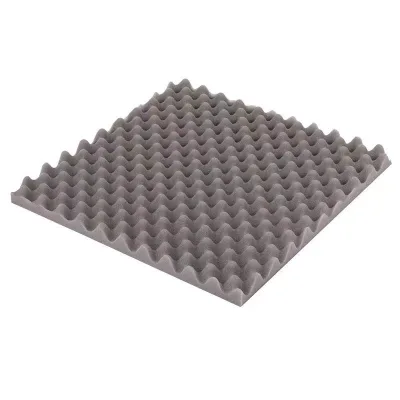
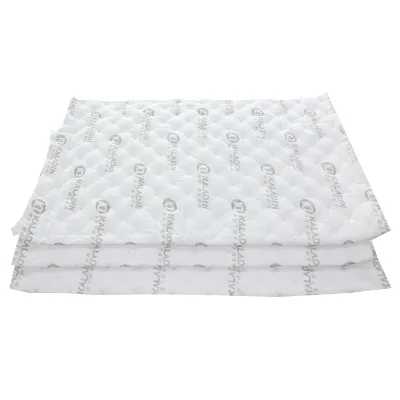
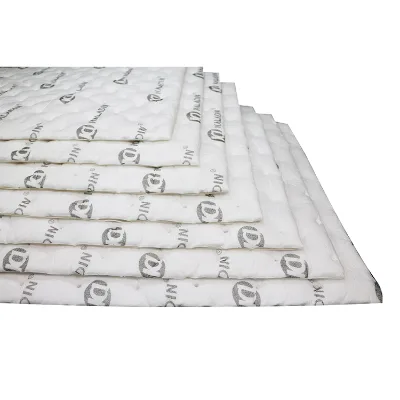
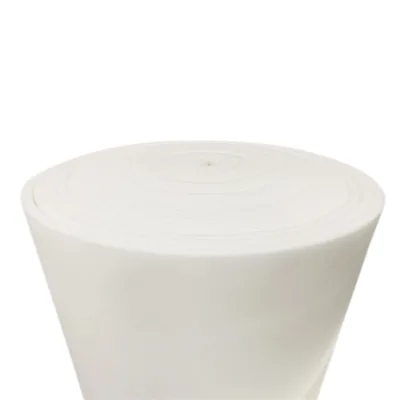
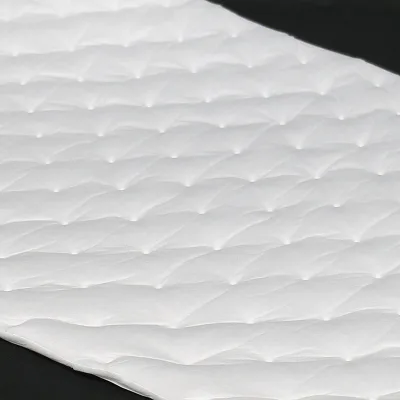
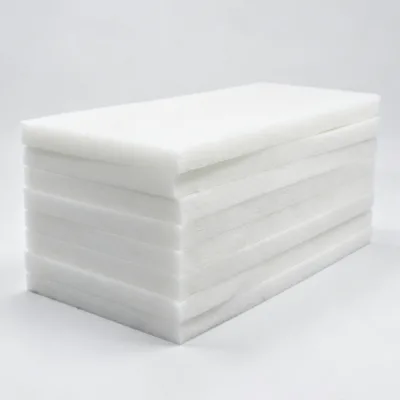
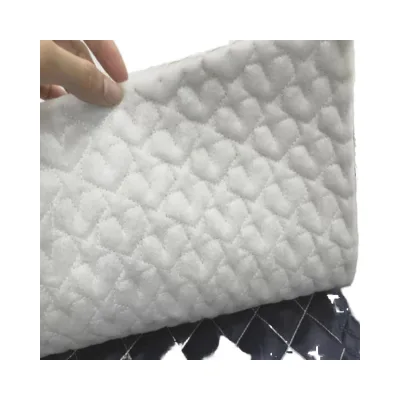
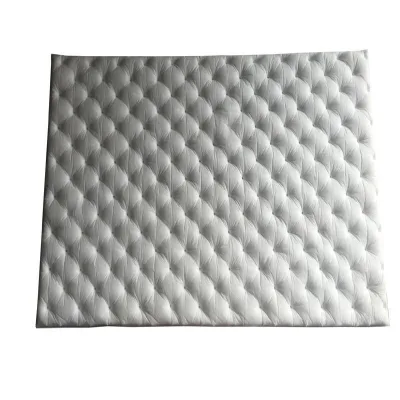
Wholesale 100% Polyester Fiber Soundproof Acoustic Foam Sound-Absorbing Cotton
$1.80 - $2.80
MOQ: 100 Piece

Hot Sales 100% Polyester Fiber Soundproof Acoustic Foam Sound-Absorbing Cotton
$3.10 - $4.50
MOQ: 100 Square Meters

$1.80 - $2.80
MOQ: 100 Piece
Luya Thermal Insulation Material Hebei Co., Ltd.
- Verified by SGS Group
- Manufacturer, Trading Company
- Lead time15 days
- Avg. response≤ 4h
Main productsRubber Foam, Glass Wool, Rock Wool
Main marketsSoutheast Asia(40%), South America(30%), Oceania(30%)
Foshan Shunde Ronggui Aigao Foam Rubber Products Factory
- Verified by SGS Group
- Manufacturer, Trading Company
- Lead time5 days
- Avg. response≤ 2h
Main productsPacking Foam Product, Silicone Rubber Product, Adhesive Tape Product, Mica Series Product, Electronic Hardware Accessories
Main marketsNorth America(25%), South America(15%), Domestic Market(13%)

Sichuan Suoma New Material Technology Co. Ltd
- Verified by SGS
- Combined
- China Sichuan
- Lead time23 days
- Avg. response≤ 25h
Main productsNon-Woven Fabric, Melt-Blown Fabric, Oil Absorbent Pad, Medical Mask, Medical Absorbent Pad, Isolation Gown, Pet Product, Diapers, Napkins, Automotive Air Conditional Filter
Main marketsSouth America,Others(foreignTradeCapacity.exportBusinessCapacityMarketOther),Europe,North America
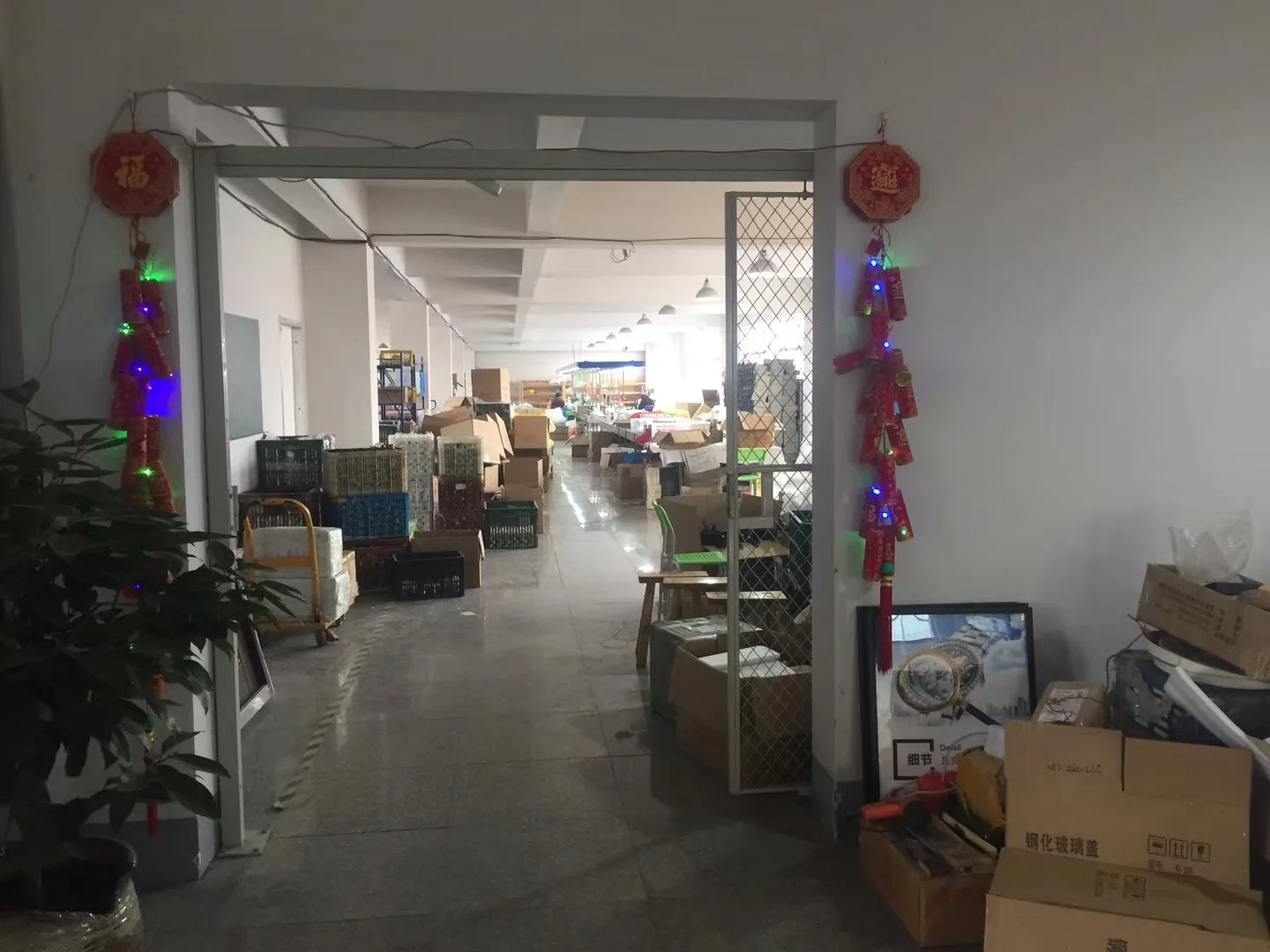
Guangzhou Lucky Electronic Trade Co., Ltd.
- Manufacturer, Trading Company, Distributor/Wholesaler
- Guangdong, China
- Lead time10 days
- Avg. response≤ 5h
Main productsHydrogen water generator,Heating kettle,small kitchen electrical appliances,household appliances,home and office tools
Main marketsNorth America(20.00%), South Asia(10.00%), Southern Europe(10.00%), Northern Europe(10.00%), Central America(10.00%), Western Europe(10.00%), Eastern Europe(10.00%), South America(10.00%), Eastern Asia(2.00%), Mid East(2.00%), Oceania(2.00%), Africa(2.00%), Southeast Asia(2.00%)
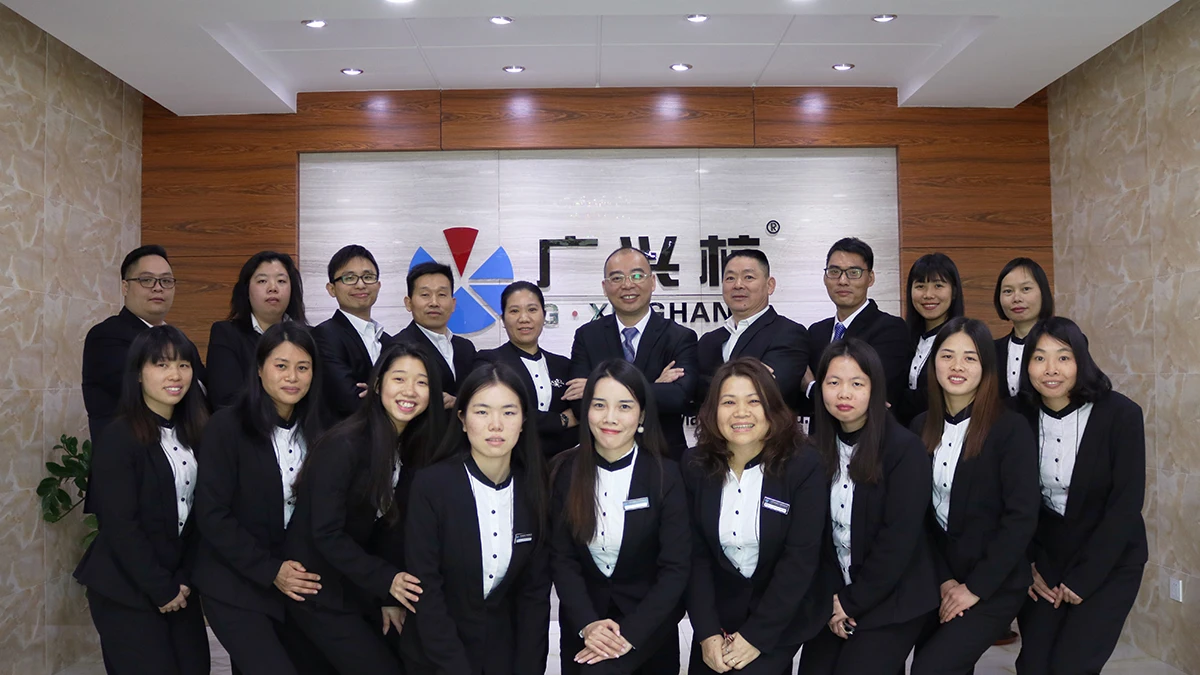
Guangzhou Xinghang Insulating Material Co., Ltd.
- Manufacturer, Trading Company
- Guangdong, China
- Lead time20 days
- Avg. response≤ 2h
Main productscar sound deadening material,car sound damping material,soundproof material,Sound absorb materials,Sound deadening pad
Main marketsEastern Europe(22.00%), South Asia(22.00%), Domestic Market(20.00%), North America(15.00%), Western Europe(10.00%), Africa(5.00%), Southeast Asia(3.00%), Northern Europe(3.00%)

Shenzhen city toppacking co.,Ltd.
- Manufacturer
- Guangdong, China
- Lead time14 days
- Avg. response≤ 1h
Main productsDamping foam,Polyester fibre,Non-woven polyester fabric,UL certified sound absorbing cotton,UL certified damping foam
Main marketsNorth America(60.00%), South Asia(30.00%), Southern Europe(10.00%)
Shandong Antai Sealing Technology Co., Ltd.
- Verified by SGS Group
- Manufacturer, Trading Company
- Lead time10 days
- Avg. response≤ 1h
Main productsButyl Tape, Aluminum foil tape, Damping sheet, Butyl sealant rubber tape
Main marketsSouth Asia(60%), Southeast Asia(10%), Eastern Asia(10%)
Foshan Kuliwei Industrial Material Co., Ltd.
- Manufacturer, Trading Company
- Lead time旺季: "1 - 500":15,"501 - 1000":18,"1001 - 2000":20,"> 2000":"To be negotiated", 淡季: "1 - 500":15,"501 - 1000":18,"1001 - 2000":20,"> 2000":"To be negotiated"
- Avg. response≤ 3h
Main productsInsulation Material, Electronic Accessories, Foam Products, Adhesive Tape, Silicone And Rubber
Jiangsu Haiyin Import And Export Co., Ltd.
- Verified by TüVRheinland
- Manufacturer, Trading Company
- Lead time20 days
- Avg. response≤ 1h
Main products3D Cube Polyester Panel, Polyester Fiber Acoustic Panel, Wooden Slat Panel, Furniture Sheet, Acoustic Cotton
Main marketsDomestic Market(26%), Western Europe(15%), North America(10%)
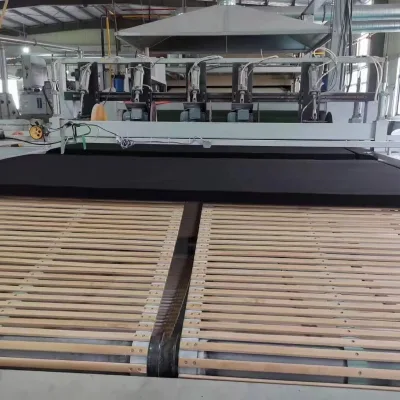
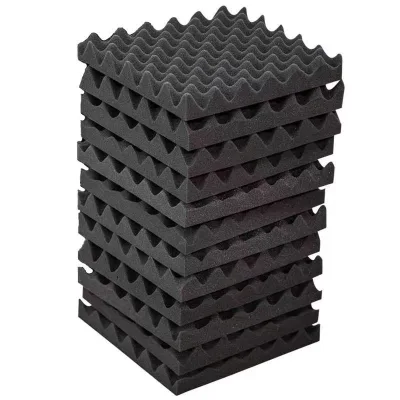
Wholesale 100% Polyester Fiber Soundproof Acoustic Black Sound-absorbing Cotton
$0.80 - $1.98
MOQ: 100 square
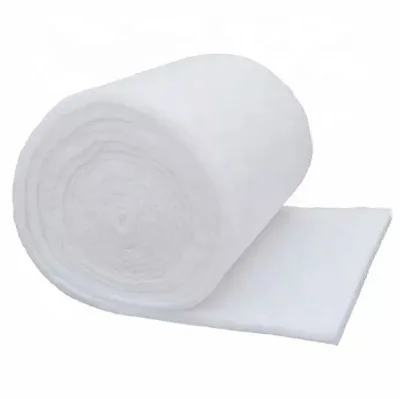
$16.4585 - $17.8217
MOQ: 300 sheets
Shenzhen Vinco Soundproofing Co., Ltd.
- Manufacturer, Trading Company, Buying Office
- Guangdong, China
- Lead time0 days
- Avg. response≤ 24h
Main productsMass loaded vinyl,Acoustic Diffuser,Sound Barrier,Acoustic Panel
Main marketsSouth Asia(20.00%), Africa(20.00%), North America(15.00%), South America(5.00%)
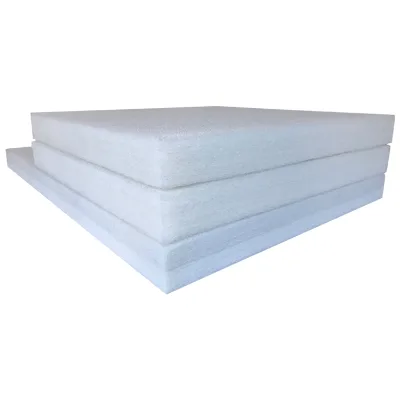
$3.2567 - $5.2535
MOQ: 200 square
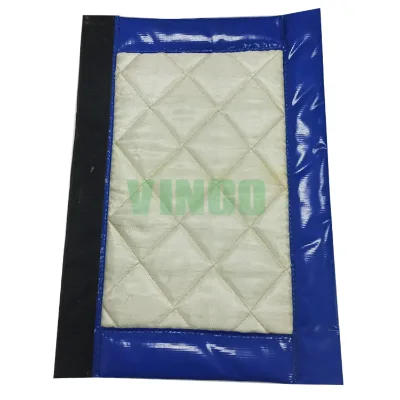
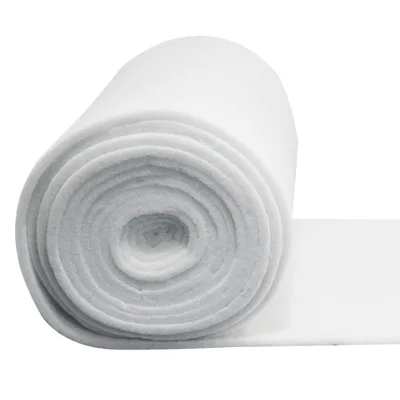
30mm Eco Friendly Polyester Acoustic Cotton Roll Best Acoustic Insulation Material
$3.1458
MOQ: 500 Minimum
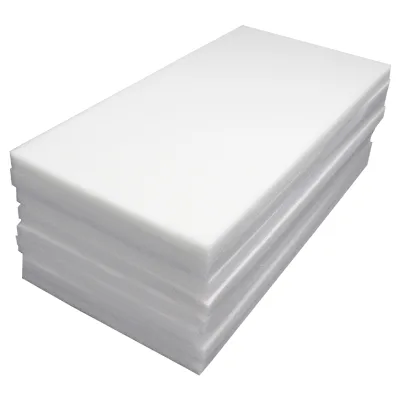
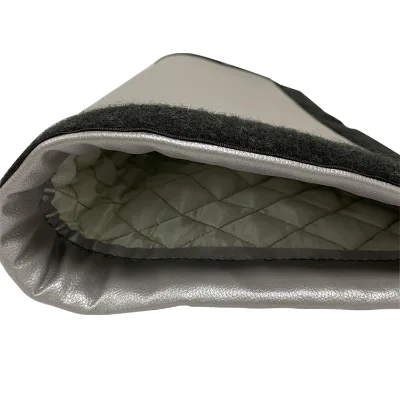
$36.7684 - $57.7779
MOQ: 50 square
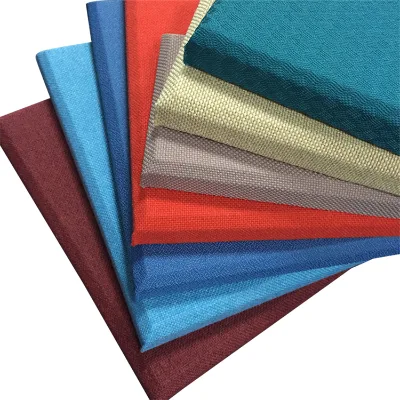

Wuhan Circle Star Auto Parts Co., Ltd
- Verified by SGS
- Trading Company
- China Hubei
- Lead time15 days
- Avg. response≤ 2h
Main productsBrake Pads, Brake Disc, Brake Shoe, Truck Brake Pads, Brake Caliper
Main marketsSoutheast Asia/ Mideast

$0.25 - $0.30
MOQ: 100 Square Meters

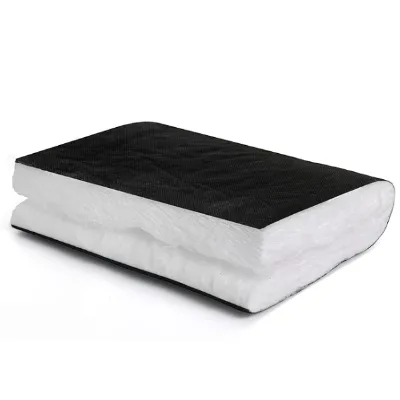
Premium Two-Part White Cotton Soundproofing Material for Noise Reduction Cotton Acoustic Insulation
$0.20 - $0.30
MOQ: 100 Square Meters

TH-STAR Acoustic PANEL (Zhejiang) Co., Ltd.
- Verified by BV
- Combined
- China Zhejiang
- Lead time38 days
- Avg. response≤ 2h
Main productsAcoustic Panel, Acoustic Ceiling Panel, 3D Acoustic Wall Panel, Print Acoustic Panel, Acoustic Blanket, Fabric Clothing Acoustic Panel, Wooden Acoustic Panel, Acoustic Panel for Office Furniture, Fabric Covered Acoustic Panel, Acoustic Foam
Main marketsSouth America,Others(foreignTradeCapacity.exportBusinessCapacityMarketOther),Southeast Asia/ Mideast,Europe,North America

$7.00 - $12.00
MOQ: 10 Square Meters

$2.50 - $10.00
MOQ: 10 Square Meters

Customized Free Samples Wood and Polyester Acoustic Sound Absorbing
$4.00 - $8.00
MOQ: 10 Square Meters

Eco-Friendly Material Easy Hanging Noise Reduce Acoustic Baffle Polyester
$7.00 - $12.00
MOQ: 10 Square Meters

Polyester Hexagon Sound Absorbing Panel Polyester Fiber Hexagon Soundproofing Sound Absorbing
$4.00 - $8.00
MOQ: 10 Square Meters
Beijing Ulike Technology Co., Ltd.
- Verified by TüVRheinland
- Trading Company
- Lead time20 days
- Avg. response≤ 2h
Main productsSauna Hat, Wool Dryer Balls, Storage Basket, Felt Fabric, Polishing Pads
Main marketsNorth America(25%), Western Europe(20%), Central America(10%)
Foshan Kaihui Sound Insulation Materials Co., Ltd.
- Manufacturer
- Guangdong, China
- Lead time45 days
- Avg. response≤ 10h
Main productsSound absorbing materials,Heatproof material,Vibration damping materials,Acoustic insulation materials,Engine hood insulation cotton
Main marketsMid East(20.00%), Southeast Asia(20.00%), South America(20.00%), Southern Europe(10.00%), Central America(10.00%), Western Europe(10.00%), Africa(10.00%)

Shandong Xuzheng Textile Co., Ltd
- Verified by SGS
- Trading Company
- China Shandong
- Lead time15 days
- Avg. response≤ 2h
Main productsCotton Wadding, Wool Fiber Wadding, Bamboo Wadding, Polyester Polydown Wadding, Wool Insulation, Flame Retardant Insulation
Main marketsEast Asia(Japan/ South Korea)

Hebei Shengwei New Material Group Co., Ltd
- Verified by SGS
- Combined
- China Hebei
- Lead time15 days
- Avg. response≤ 14h
Main productsRock Wool, Glass Wool, Rubber Foam
Main marketsDomestic

Manufacturer Wholesale Acoustic Blanket Durable Glass Wool Insulation Cotton for Soundproofing
$0.80 - $1.20
MOQ: 100 Square Meters


HeBei XiongAn HengYun Technology Co., Ltd.
- Verified by TUVRHEINLAND
- Combined
- China Hebei
- Lead time15 days
- Avg. response≤ 3h
Main productsFiberglass Mesh, Fiberglass Cloth, Fiberglass Yarn, Fiberglass Roving, Aluminum Foil Fiberglass Cloth, Fiberglass Self-Adhesive Tape, Fiberglass Chopped Strand Mat, Corner Bead with Fiberglass Mesh, Fiberglass Woven Roving, 7628 Fiberglass Cloth
Main marketsSouth America,Southeast Asia/ Mideast

Moisture-Proof Soundproofing Fiberglass Filter Cotton for Sound Absorption
$0.81 - $1.45
MOQ: 20 Square Meters

High Temperature Resistant Fiberglass Filter Cotton for Noise Reduction
$0.80 - $1.43
MOQ: 20 Square Meters
Guangzhou Lanbo Car Accessories Co., Ltd.
- Manufacturer, Trading Company
- Guangdong, China
- Lead time10 days
- Avg. response≤ 7h
Main productscar sound deadener,car sound damping material,car amplifier,car sound-absorbing material,car accessories
Main marketsNorth America(50.00%), Southeast Asia(10.00%), South America(10.00%), Domestic Market(9.09%), South Asia(9.09%), Northern Europe(9.09%), Central America(9.09%), Western Europe(9.09%), Eastern Asia(9.09%), Oceania(9.09%), Eastern Europe(9.09%)
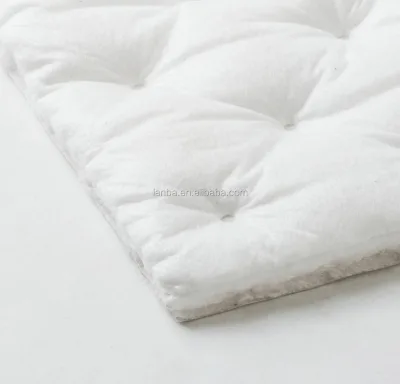
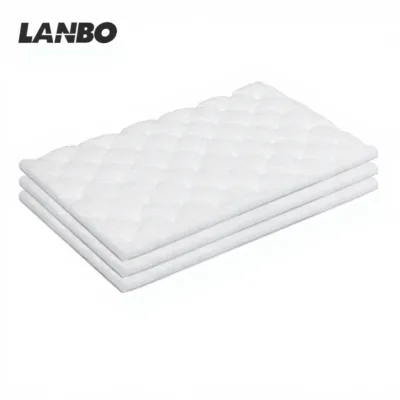
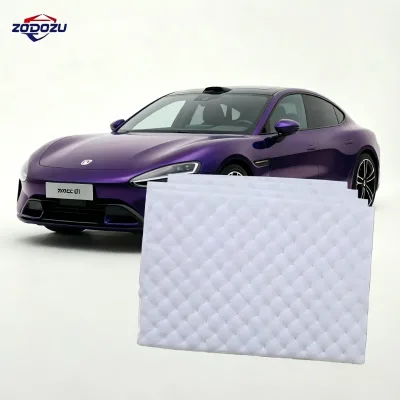
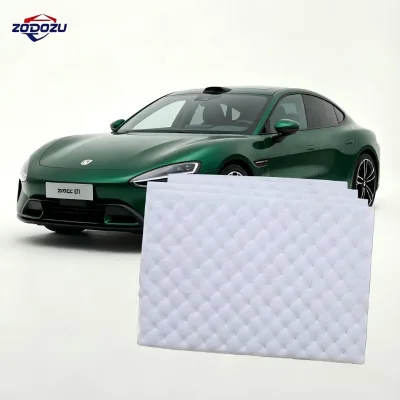
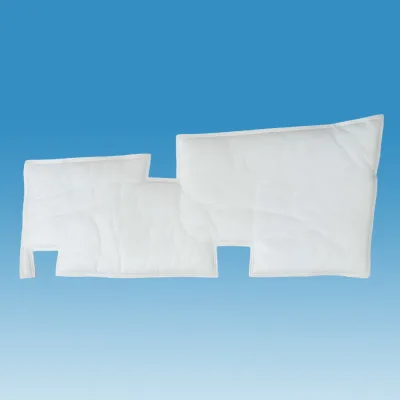
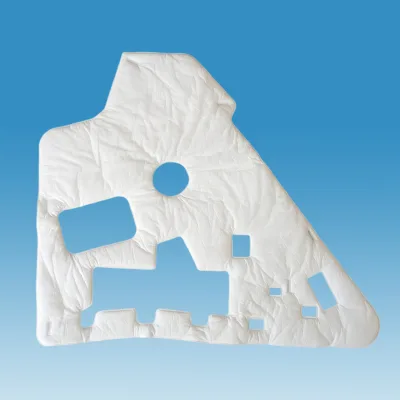
Polyester Fiber Sound Absorption Cotton for Car Sound Insulation for Car Door Sound Deadening Cotton
$2.1706 - $2.3758
MOQ: 2 sheets
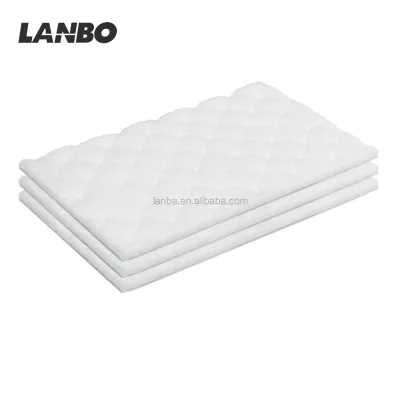

Qingdao Wanrunda Imp and Exp Co., Ltd.
- Trading Company,Manufacturer/Factory
- China Shandong
- Lead time23 days
- Avg. response≤ 17h
Main productsGalvanized Steel Pipe, Steel Hollow Section, Angle Steel, Galvanized Steel Coil, Steel Hanger Strap Fha Strap Nail Boca Plate, Fha Strap, Channel Steel, Stainless Steel Coil, Steel Plate, Stainless Steel Pipe
Main marketsSouth America,Eastern Europe,Mid East,North America,Southeast Asia,Eastern Asia,Oceania,Western Europe,Africa

Shenzhen Shengzhu Acoustic Engineering Design Co., Ltd.
- Verified by SGS
- Trading Company
- China Guangdong
- Lead time15 days
- Avg. response≤ 9h
Main marketsDomestic
Shanghai Kunnuo Building Materials Co., Ltd.
- Verified by SGS Group
- Manufacturer, Trading Company
- Lead time15 days
- Avg. response≤ 1h
Main productsPolyester Fiber Acoustic Panel, Wooden Slat Wall Panels, Acoustic Panel Foam, Damping Sound Insulation Felt, Decorative Materials of Different Substrates
Main marketsNorth America(30%), Domestic Market(30%), Western Europe(20%)

Shanghai 3C Industry Co., Ltd.
- Verified by BV
- Trading Company,Manufacturer/Factory
- China Shanghai
- Lead time45 days
- Avg. response≤ 13h
Main productsRigid Vinyl Plank, Spc Flooring, PVC Vinyl Roll, Lvt Flooring, PVC Vinyl Flooring, WPC Flooring, Vinyl Floor, Luxury Vinyl Tile, Sports Floor, 3D Digital Printed Floor
Main marketsSouth America,Eastern Europe,Mid East,North America,Southeast Asia,Western Europe,Africa

Dongguan Yuexin Industrial Co., Ltd.
- Manufacturer
- China Guangdong
- Lead time15 days
- Avg. response≤ 3h
Main productsFelt, Wadding/Padding/Batting, Fiber Fillings, Pillow Insert, Christmas Decoration, Non Woven Fabric, Non Slip Rug Pad, Moving Blanket, Filter Medium, Fire Barrier
Main marketsSouth America,Europe,North America

Polyester Fiber Acoustic Panels Soundproof Pad Sound-Absorbing Board
$2.80 - $3.20
MOQ: 1000 Square Meters


Shenzhen Bufu Technology Limited
- Manufacturer, Distributor/Wholesaler
- Guangdong, China
- Lead time0 days
- Avg. response≤ 3h
Main productsAcoustic panel,3D wall panel,Soundproof material,recording booth,Acoustic slat wood panel
Main marketsNorth America(55.00%), Western Europe(22.00%), Domestic Market(16.00%), Oceania(7.00%)
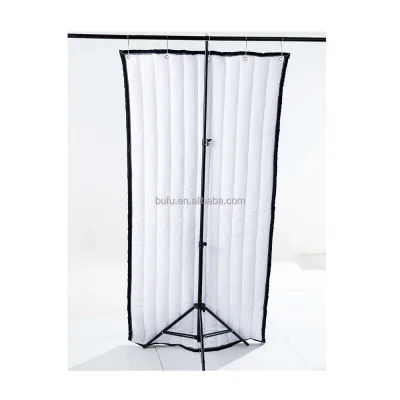
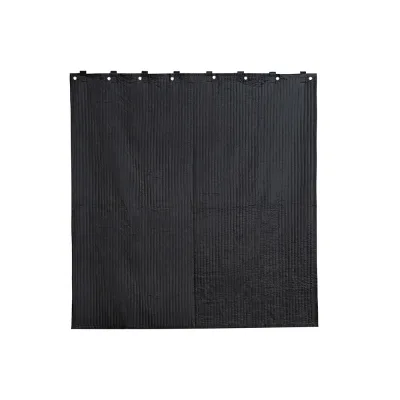
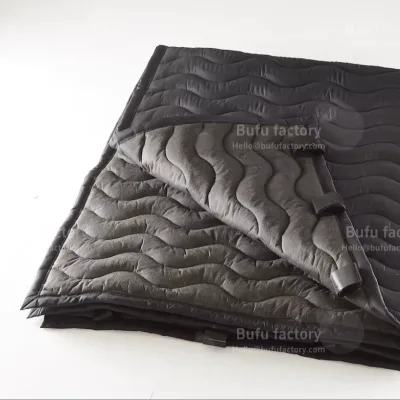
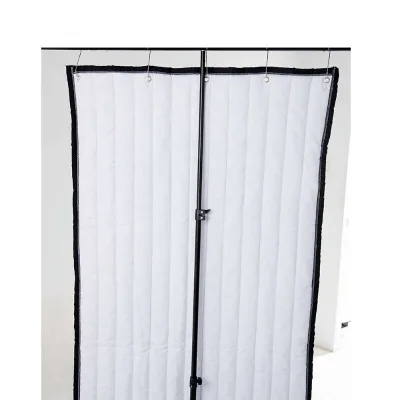
Sound Dampening Blanket / Sound Absorption Barrier for Audio Recording / Singer / Podcast
$15.05 - $17.55
MOQ: 200 pieces

Shanghai Kingkus New Material Co., Ltd.
- Verified by TUVRHEINLAND
- Combined
- China Jiangsu
- Lead time15 days
- Avg. response≤ 3h
Main productsAcoustic Panel, Polyester Fiber Acoustic Panel, Wooden Acoustic Panel, Wood Wool Acoustic Panel, Fabric Acoustic Panel, Pet Screen, Diffuser Panel, Acoustic Screen, Wall Panel, Acoustic Wall Panel
Main marketsOthers(foreignTradeCapacity.exportBusinessCapacityMarketOther),Southeast Asia/ Mideast,Europe,Australia,North America


Polyester Fiber Acoustic Solutions Sound Absorbtion Soundproof Building
$19.00 - $25.00
MOQ: 1000 Square Meters


Shanghai Usong New Material Technology Co., Ltd.
- Verified by SGS
- Trading Company
- China Shanghai
- Lead time23 days
- Avg. response≤ 5h
Main productsAcoustic Ceiling, Acoustic Panel, Screen Partition, Lampshade
Main marketsSoutheast Asia/ Mideast

E-Grade Environmentally Friendly Super-Absorbent Polyester Fiber Sound-Absorbing Panel
$7.95 - $11.36
MOQ: 10 pieces


Linyi Dingyu Import & Export Co., Ltd.
- Verified by BV
- Trading Company
- China Shandong
- Lead time30 days
- Avg. response≤ 6h
Main productsCommercial Plywood, Film Faced Plywood, Melamine Boards, MDF, Particle Board, OSB, WPC, Acoustic Panel, Spc, UV Marble Sheet
Main marketsSouth America,Africa,Southeast Asia/ Mideast,East Asia(Japan/ South Korea),Europe,Australia,North America
Qingdao Cairun Material Technology Co., Ltd.
- Verified by Intertek
- Manufacturer
- Lead time0 days
- Avg. response≤ 3h
Main productsThermal Insulation And Sound Insulation Rubber And Plastic Products
Hefei Fast Nonwoven Products Co., Ltd.
- Trading Company
- Anhui, China
- Lead time15 days
- Avg. response≤ 3h
Main productsMeltblown nonwoven,Elastic earloop,nose wire,Spunbond Nonwoven,Activated Carbon Nonwoven
Main marketsSoutheast Asia(90.00%), Domestic Market(5.00%), South America(5.00%)

Buding High-Tech(Jiangsu) Co., Ltd.
- Combined
- China Jiangsu
- Lead time15 days
- Avg. response≤ 10h
Main productsFabric Air Ducts, Thermal Insulation Fabric Air Ducts, Textile Duct, Fabric Duct, Textile Ducting, Fabric Ducting
Main marketsAfrica,Southeast Asia/ Mideast,North America

Sound Absorption and Noise Reduction Non-Combustible Flexible Fabric Air Duct
$9.70 - $10.70
MOQ: 10 Square Meters

Sound Absorption and Noise Reduction Osmotic Type Purified Air Duct
$9.70 - $10.70
MOQ: 10 Square Meters

Sound Absorption and Noise Reduction Flexible Fabric Bag Supported Air Duct
$9.20 - $10.20
MOQ: 10 Square Meters

Sound Absorption and Noise Reduction Soft Fabric Bag Supported Air Duct
$9.20 - $10.20
MOQ: 10 Square Meters






Comprehensive Sourcing Guide
Sound-Absorbing Cotton Supplier Concentration and Factory Types
The current supplier landscape for sound-absorbing cotton reveals a diverse mix of manufacturing capabilities, primarily concentrated in specific industrial hubs within China. Evidence indicates that suppliers are located in regions such as Guangdong and Hebei, which are known for their robust construction material and insulation industries. In Guangdong, companies often operate as combined entities, offering both original equipment manufacturing (OEM) and original design manufacturing (ODM) services alongside their own brands. This dual capability allows buyers to access a wide range of products, from standard acoustic panels to customized insulation solutions. The presence of these combined suppliers suggests a mature supply chain where factories are equipped to handle both large-scale production runs and specialized design requests. Buyers should recognize that this concentration in Guangdong provides access to established logistics networks and a variety of material options, including polyester fiber and foam-based products.
In contrast, suppliers in Hebei may focus more on specific material compositions, such as NBR/PVC egg cotton or rock wool variants. These manufacturers often highlight their ability to provide total project solutions, indicating a higher level of technical support and engineering capability. The company types observed range from pure manufacturers to trading companies that also possess manufacturing capabilities. This distinction is crucial for buyers who need to determine whether they are dealing with a direct factory or an intermediary. Direct manufacturers typically offer more control over production processes and raw material sourcing, while trading companies might provide broader product assortments from multiple factories. Understanding this distinction helps buyers assess the reliability of supply chains and the potential for price negotiation. The variety in factory types ensures that buyers can find partners that align with their specific volume requirements and customization needs, whether they are sourcing for residential interiors or commercial acoustic treatments.
How to Verify Sound-Absorbing Cotton Suppliers
Verifying the credibility of sound-absorbing cotton suppliers requires a careful examination of their certifications and verification status. Many suppliers in this category hold ISO9001:2015 certificates, which indicate a standardized quality management system. However, for acoustic materials, additional certifications are often critical for ensuring safety and performance standards. Some suppliers display certifications such as FM, CPR, and CE, which are particularly relevant for fire safety and European market compliance. Others may list ISO certifications alongside specific product standards. Buyers should prioritize suppliers who provide clear evidence of these certifications, as they serve as a baseline for product reliability. Additionally, verification badges from third-party inspection groups like SGS Group add an extra layer of trust, confirming that the supplier has undergone rigorous audits. These verifications help mitigate the risk of receiving substandard materials that may not meet fire resistance or acoustic performance requirements.
Beyond certifications, buyers should assess the supplier's response time and communication efficiency. Data shows that response times can vary significantly, with some suppliers responding within two hours and others taking over thirteen hours. A faster response time often correlates with better customer service and more agile problem-solving capabilities, which are essential during the sourcing process. Buyers should also look for evidence of after-sales support, such as online technical support, which indicates a commitment to long-term customer relationships. It is important to verify that the supplier's claims about their capabilities are backed by tangible evidence, such as detailed product specifications and clear warranty terms. For instance, a two-year warranty on certain acoustic panels suggests confidence in product durability. By cross-referencing these verification details with the supplier's stated main products and company type, buyers can build a comprehensive profile of each potential partner, ensuring they select a supplier that meets both quality and service expectations.
What to Compare Across Sound-Absorbing Cotton Suppliers
When evaluating multiple suppliers, buyers should compare key operational metrics such as lead times, minimum order quantities (MOQs), and pricing structures. Lead times for sound-absorbing cotton products can range from five to twenty-three days, depending on the complexity of the order and the supplier's current production capacity. Some suppliers offer rapid turnaround times of five to ten days for standard items, while others may require longer periods for customized solutions. MOQs also vary, with some suppliers requiring a minimum of one hundred units, which is suitable for small to medium-sized projects. Buyers should align these operational parameters with their project timelines and budget constraints. Additionally, comparing the main products offered by each supplier can help identify specialists versus generalists. Some suppliers focus on polyester fiber sound-absorbing cotton, while others offer a broader range including rubber foam and glass wool. This specialization can impact the quality and consistency of the materials provided.
Price is another critical factor, with costs ranging from approximately $1.80 to $4.50 per unit, depending on the product specifications and customization level. Buyers should not solely focus on the lowest price but should consider the value proposition, including features like heat insulation, fireproof grades, and eco-friendly certifications. For example, products with an E0 eco-friendly rating or B1 fireproof grade may command a higher price but offer greater safety and compliance benefits. Customization availability is also a key differentiator, with many suppliers offering tailored solutions for specific acoustic needs. Buyers should compare the extent of customization options, such as color, thickness, and density, to ensure the product meets their design requirements. Furthermore, comparing the apparent density and material composition, such as polyester versus NBR/PVC, can help buyers assess the acoustic performance and durability of the materials. By systematically comparing these attributes, buyers can make informed decisions that balance cost, quality, and functionality.
Common Sound-Absorbing Cotton Sourcing Risks
One of the primary risks in sourcing sound-absorbing cotton is the discrepancy between claimed and actual product specifications. Buyers may encounter products that do not meet the stated acoustic performance or fire safety standards. For instance, while some suppliers claim B1 fireproof grades, independent testing may reveal lower ratings. This risk is exacerbated when buyers rely solely on supplier-provided data without requesting third-party test reports. Another significant risk is the inconsistency in material quality, particularly with natural or blended fibers. Variations in density, thickness, and color can affect the overall aesthetic and acoustic performance of the installed materials. Buyers should be cautious of suppliers who offer extremely low prices, as this may indicate the use of inferior raw materials or compromised manufacturing processes. Additionally, the risk of delayed shipments is prevalent, especially for customized orders that require additional production time. Buyers should establish clear communication channels and monitor production progress to mitigate these delays.
Packaging and logistics also pose risks, as sound-absorbing materials are often bulky and sensitive to moisture. Improper packaging can lead to damage during transit, resulting in wasted materials and project delays. Buyers should verify that suppliers use appropriate packaging methods, such as plastic film or sturdy cartons, to protect the products. Furthermore, the risk of non-compliance with local building codes is a concern, particularly for international buyers. Suppliers may not be aware of specific regional regulations, leading to products that fail to meet local safety standards. Buyers must ensure that the suppliers they choose are familiar with the regulatory requirements of their target market. Another risk is the lack of transparency in the supply chain, where trading companies may obscure the true origin of the materials. This can make it difficult to trace quality issues back to the source. By identifying these risks early, buyers can implement mitigation strategies, such as requesting samples, conducting factory audits, and specifying detailed contractual terms.
Sound-Absorbing Cotton Regional Sourcing and Logistics
Sourcing sound-absorbing cotton from China offers access to a well-developed manufacturing ecosystem, particularly in provinces like Guangdong and Hebei. Guangdong is a major hub for construction materials and acoustic products, benefiting from proximity to major ports and efficient logistics networks. This region is home to many combined suppliers who offer both OEM and ODM services, making it an ideal location for buyers seeking customized solutions. The concentration of suppliers in Guangdong also facilitates easier communication and faster sample delivery. However, buyers should be aware of the potential for higher competition in this region, which may lead to price fluctuations. Hebei, on the other hand, is known for its production of insulation materials like rock wool and glass wool. Suppliers in this region may offer more specialized products for industrial applications. Understanding the regional strengths of each location helps buyers select suppliers that best match their product requirements.
Logistics considerations are crucial when importing sound-absorbing cotton, as these materials are often lightweight but voluminous. Shipping by sea is the most common method, offering cost-effective solutions for large orders. Buyers should calculate the cubic volume of their orders to estimate shipping costs accurately. Some suppliers offer shipping by sea as part of their standard packing options, which can simplify the logistics process. However, buyers must also consider customs clearance and import duties, which can vary by destination country. It is advisable to work with suppliers who have experience in international shipping and can provide necessary documentation, such as certificates of origin and material safety data sheets. Additionally, buyers should plan for potential delays in transit times, especially during peak seasons. Establishing a clear shipping schedule and maintaining open communication with the supplier can help manage expectations and ensure timely delivery. By leveraging regional advantages and planning logistics carefully, buyers can optimize their sourcing strategy.
Sound-Absorbing Cotton Commercial Terms and Order Planning
Commercial terms for sound-absorbing cotton orders typically include payment terms, warranty policies, and after-sales support. Many suppliers offer flexible payment options, such as partial upfront payments and balance upon shipment. Buyers should negotiate terms that protect their interests, such as escrow services or letters of credit, to ensure secure transactions. Warranty periods vary, with some suppliers offering two-year warranties on their acoustic panels. This warranty coverage can provide peace of mind regarding product durability and performance. After-sales support, such as online technical assistance, is also an important consideration, especially for complex projects that may require installation guidance. Buyers should clarify these terms before placing orders to avoid misunderstandings. Additionally, buyers should plan their orders based on lead times and production capacity. For urgent projects, selecting suppliers with shorter lead times and higher capacity is essential.
Order planning also involves managing inventory and storage, as sound-absorbing materials can take up significant space. Buyers should estimate their requirements accurately to avoid overstocking or stockouts. Customization requests should be communicated clearly and early in the process to ensure that the supplier can accommodate them within the production schedule. Buyers should also consider the scalability of their orders, as some suppliers may have limitations on maximum production volumes. By aligning their commercial terms and order planning with the supplier's capabilities, buyers can ensure a smooth procurement process. It is also advisable to establish a long-term relationship with reliable suppliers, which can lead to better pricing and priority service. Regularly reviewing supplier performance and providing feedback can help maintain high standards and continuous improvement. Ultimately, careful planning and clear communication are key to successful sourcing of sound-absorbing cotton.
FAQs
What is the price range for sound-absorbing cotton?
Prices for sound-absorbing cotton typically range from $1.80 to $4.50 per unit. The cost varies based on material composition, thickness, and customization options. Buyers should verify specific pricing for their required quantities and specifications with suppliers directly.
What is the minimum order quantity for these products?
The minimum order quantity is generally 100 units. This baseline allows for efficient production and shipping. Buyers requiring larger volumes should negotiate bulk discounts, while those needing samples should confirm sample policies with the supplier before placing an order.
How long does production take for sound-absorbing cotton?
Lead times typically range from 5 to 23 days depending on the supplier and order complexity. Some manufacturers offer faster turnaround for standard items, while custom sizes or specific certifications may extend the production schedule. Confirm exact timelines with your chosen vendor.
What certifications are available for sound-absorbing cotton?
Common certifications include ISO9001:2015, ISO, FM, CPR, and CE. These ensure quality management and safety standards. Some products also meet fireproof grade B1 and eco-friendly E0 standards. Verify specific certification documents with the supplier to ensure compliance with your project requirements.
Where are these sound-absorbing cotton products manufactured?
Products are primarily manufactured in China, specifically in Guangdong and Hebei provinces. These regions are known for their manufacturing capabilities in construction and insulation materials. Buyers should confirm the exact place of origin for each product to assess logistics and shipping costs.
What materials are used in sound-absorbing cotton?
Materials include 100% polyester fiber, NBR/PVC foam, and acoustic foam. These materials offer varying levels of sound insulation, heat resistance, and fireproofing. Select the material that best fits your acoustic needs, considering factors like density, thickness, and environmental impact.