Stackable Beech Wood Folding Chair Suppliers and Manufacturers
Compare 36 verified suppliers offering stackable beech wood folding chairs with details on lead times, MOQs, and certifications. Review product attributes like SGS and TUV standards before requesting quotes for your event needs; review the available evidence before requesting comparable quotations from suitable candidates.
Updated
Suppliers List

- Verified by TUVRHEINLAND
- Trading Company,Manufacturer/Factory
- China Shandong
- Lead time23 days
- Avg. response≤ 9h
Main productsFolding Table, Chiavari Chair, Beer Table, Louis Chair, Bentwood Chair, Cross Back Chair, Stainless Steel Chair, Bamboo Folding Table and Chair
Main marketsSouth America,Eastern Europe,Mid East,North America,Southeast Asia,Eastern Asia,Oceania,Western Europe,Africa


Black Color Wooden Folding Chair/Wimbledon Folding Chair/Garden Folding Chair
$12.00 - $13.50
MOQ: 100 Pieces

Ningbo Chanceca Import & Export Co., Ltd.
- Verified by Intertek
- Manufacturer, Trading Company
- Lead time30 days
- Avg. response≤ 5h
Main productsTrekking Poles, Camping Tent, Camping Furniture, Waterproof Dry Bag, Camping Gear
Main marketsEastern Europe(30%), Eastern Asia(27%), North America(20%)
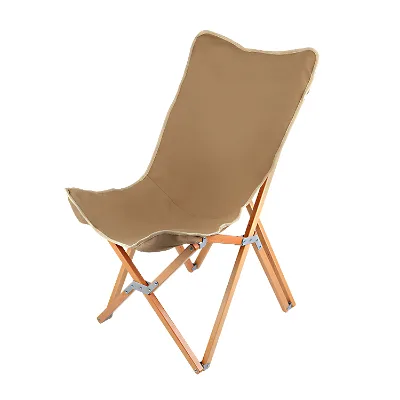
Easy Foldable Outdoor Camping Folding Wood Chair Beech Wood Frame Folding Camping Chair
$27.39 - $30.69
MOQ: 100
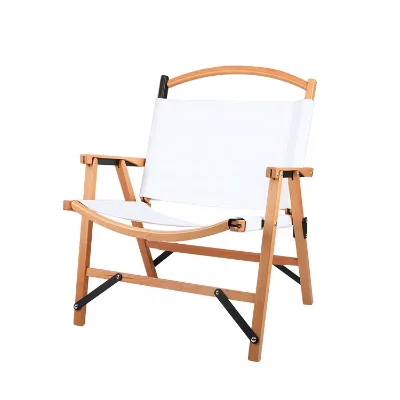
KingGear Outdoor Beech Wood Frame Portable Folding Wood Camping Chair with Armrest
$40.15 - $42.79
MOQ: 300

Qingdao Event Furniture Co., Ltd.
- Trading Company
- Shandong, China
- Lead time0 days
- Avg. response≤ 2h
Main productschiavari chair,cross back chair,sofa furniture,table,folding chair
Main marketsNorth America(60.00%), Western Europe(15.00%), South America(9.00%), Africa(5.00%), Northern Europe(5.00%), Mid East(3.00%), Oceania(2.00%), Central America(1.00%)

Weifang Sunzo Furniture Co., Ltd.
- Manufacturer, Trading Company
- Shandong, China
- Lead time25 days
- Avg. response≤ 2h
Main productsDining Chairs,Dining Tables,Cross Back Chair,Chiavari Chair,Louis Chair
Main marketsSouth America(20.00%), Domestic Market(20.00%), North America(20.00%), Northern Europe(10.00%), Eastern Europe(5.00%), Southern Europe(5.00%), Southeast Asia(5.00%), South Asia(5.00%), Mid East(3.00%), Oceania(3.00%), Eastern Asia(2.00%), Africa(2.00%)
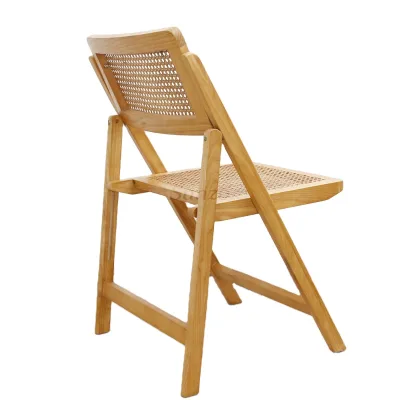
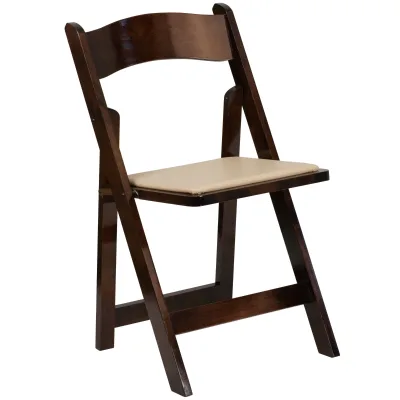
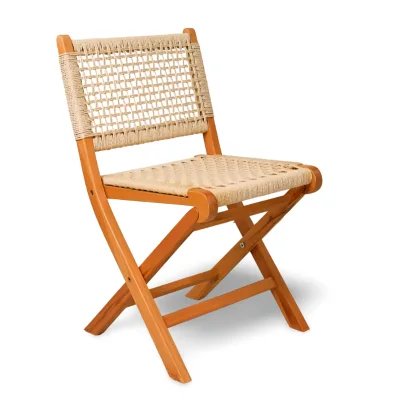
Lightweight Stackable Rattan Back Folding Chair Wooden Wedding Folding Chair
$36.00 - $38.00
MOQ: 100 pieces
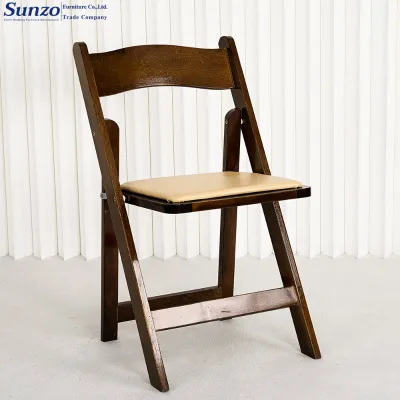
$16.00 - $20.00
MOQ: 100 pieces

Qingdao Otia Industry and Trade Co., Ltd.
- Verified by SGS
- Trading Company,Manufacturer/Factory
- China Shandong
- Lead time105 days
- Avg. response≤ 4h
Main productsFolding Wagon, Garden Cart, Shopping Cart, Wheel Barrow, Aluminum Storage Box, Wheels
Main marketsSouth America,Eastern Europe,Mid East,Eastern Asia,Western Europe,Africa
Hangzhou Lin'an Henglong Bamboo Products Co., Ltd
- Manufacturer, Trading Company
- Zhejiang, China
- Lead time45 days
- Avg. response≤ 11h
Main productsFolding Tables & Chairs,Bamboo Sorter Trays,Bamboo Table Tops & Panels,Camping Tables & Chairs,Camping Storage & Cabinet
Main marketsNorth America(30.00%), Eastern Europe(20.00%), Domestic Market(10.00%), South Asia(10.00%), Northern Europe(10.00%), Oceania(10.00%), Southeast Asia(10.00%)
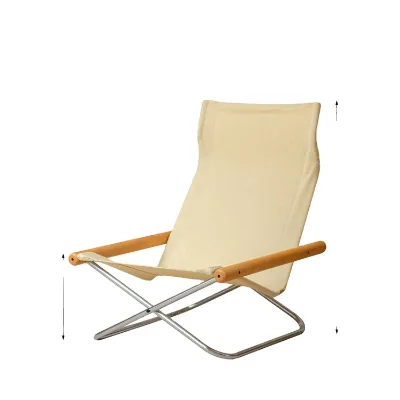
Wholesale Portable Folding Beach Chairs Summer Chair Folding Personalize Wood Camping Chair
$20.00 - $25.00
MOQ: 50 pieces
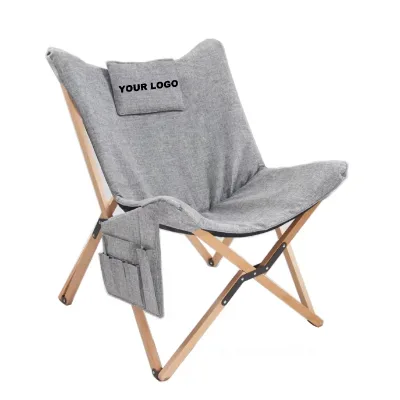
Yiwu Fucheng International Trade Co., Ltd.
- Verified by TüVRheinland
- Trading Company
- Lead time30 days
- Avg. response≤ 2h
Main productsCamping Chair, Outdoor Table, Outdoor Camping Folding Bed, Outdoor Tent, Table And Chair Set
Main marketsNorth America(38%), Western Europe(20%), South America(11%)

Ningbo Chanceca Import & Export Co., Ltd.
- Verified by TUVRHEINLAND
- Trading Company
- China Zhejiang
- Lead time30 days
- Avg. response≤ 10h
Main productsTrekking Poles, Camping Tent, Camping Furniture, Camping Gear, Sleeping Gear, Waterproof Dry Bag
Main marketsSouth America,Africa,Southeast Asia/ Mideast,East Asia(Japan/ South Korea),Europe,Australia,North America

$33.35 - $40.85
MOQ: 100 Pieces

Kinggear Teak Beech Wood Camping Chair Lightweight Outdoor Beach Folding Kermit Chair
$33.35 - $40.85
MOQ: 100 Pieces

Ningbo Haishu Mango Import & Export Co., Ltd.
- Verified by BV
- Manufacturer/Factory
- China Zhejiang
- Lead time23 days
- Avg. response≤ 5h
Main productsCooler Bag, Folding Chairs, Beach Bag, Folding Tables, Backpack, Camping Tent, Hiking Stick, Sleeping Bag, Ski Pole, Hammock
Main marketsSouth America,Eastern Europe,Mid East,North America,Southeast Asia,Eastern Asia,Oceania,Western Europe,Africa

Qingdao Rolinda Manufacture and Trade Co., Ltd.
- Verified by BV
- Trading Company
- China Shandong
- Lead time30 days
- Avg. response≤ 11h
Main productsChiavari Chairs, Dining Chairs, Rental Chairs, Wedding Chairs, Event Chairs, Hotel Chairs, Napoleon Chairs, Wedding Folding Chairs, Cross Back Chairs, Banquet Chairs
Main marketsSouth America,Africa,Southeast Asia/ Mideast,East Asia(Japan/ South Korea),Domestic,Europe,Australia,North America
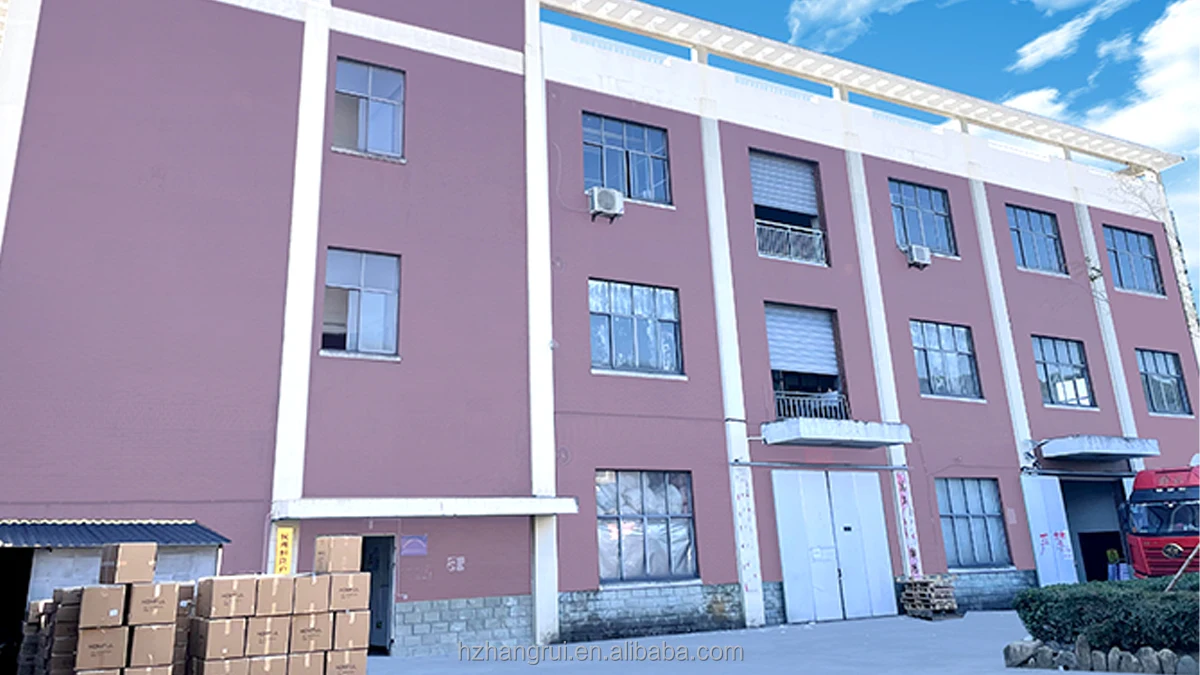
Hangzhou Hangrui Outdoor Products Co., Ltd.
- Trading Company
- Zhejiang, China
- Lead time30 days
- Avg. response≤ 1h
Main productsoutdoor table,folding chair,Folding Table,Beach Chair,Camping Chair
Main marketsNorth America(35.00%), Northern Europe(15.00%), Eastern Europe(15.00%), Western Europe(15.00%), Mid East(10.00%), South America(10.00%)
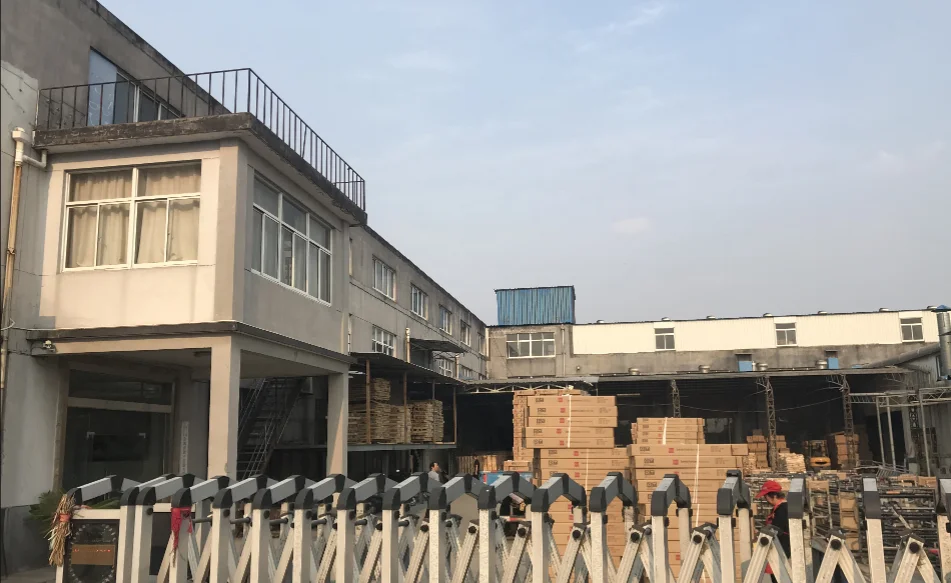
Jinhua Mairuibao Musical Instruments Co., Ltd.
- Trading Company
- Zhejiang, China
- Lead time15 days
- Avg. response≤ 2h
Main productsGuitar Parts and accessories,Electric and Acoustic Guitar,Car cleaning Products,Car Repair Tools,Car decoration
Main marketsNorth America(35.00%), Eastern Europe(20.00%), South America(12.00%), Western Europe(10.00%), Central America(5.00%), Southern Europe(5.00%), Southeast Asia(5.00%), Northern Europe(2.00%), Domestic Market(2.00%), Mid East(2.00%), Eastern Asia(1.00%), Africa(1.00%)

Hengshui Lihao Import And Export Trading Co., Ltd.
- Trading Company
- Hebei, China
- Lead time15 days
- Avg. response≤ 4h
Main productsMen's clothing,Women's clothing,Underwear,watch,socks
Main marketsNorth America(50.00%), Eastern Europe(10.00%), Southeast Asia(9.00%), Western Europe(5.00%), South America(5.00%), Africa(4.00%), Eastern Asia(4.00%), Mid East(4.00%), Oceania(4.00%), Domestic Market(1.00%), South Asia(1.00%), Southern Europe(1.00%), Northern Europe(1.00%), Central America(1.00%)
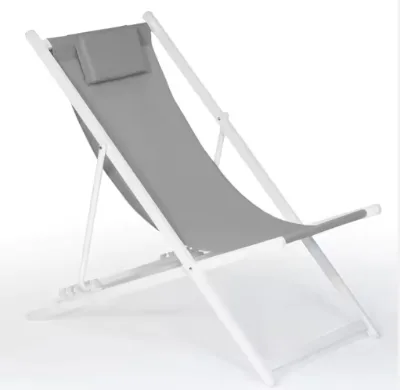
$17.82 - $43.60
MOQ: 2 Minimum
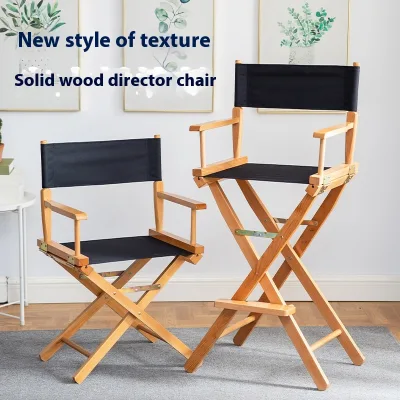
$45.00 - $65.00
MOQ: 2 Minimum
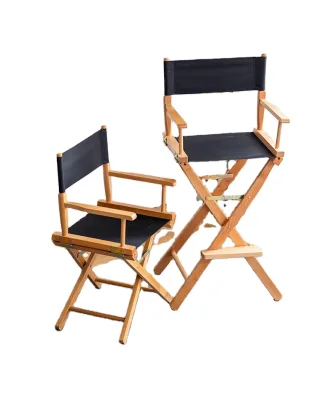
Indoor Outdoor High Quality Makeup Wooden Canvas Director Chair Beech Pine Wood Folding Chair
$45.00 - $65.00
MOQ: 2 Minimum
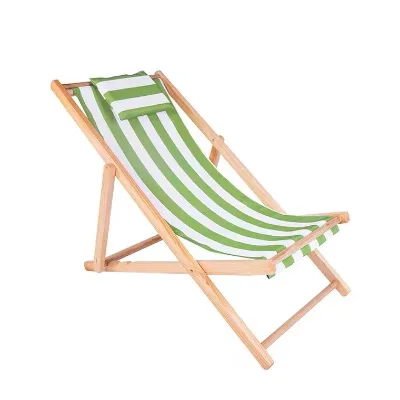
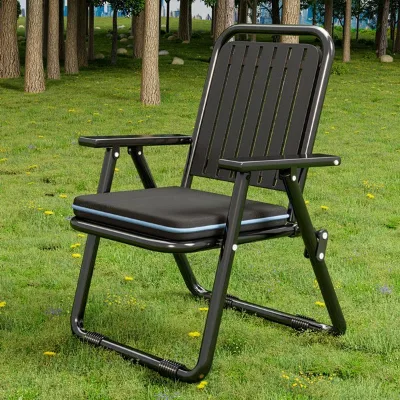
Portable Folding Chairs with Backrests for Camping Outdoor Leisure Garden Sets
$14.23 - $19.56
MOQ: 3 Minimum
- Manufacturer
- Jiangsu, China
- Lead time0 days
- Avg. response≤ 21h
Main productsparasol,canopy,base,chair,flag banner
Main marketsDomestic Market(20.00%), Southern Europe(20.00%), Northern Europe(20.00%), Western Europe(20.00%), Eastern Europe(20.00%)

NINGBO XUANHENG OUTDOOR & HOME APPLIANCES CO., LTD.
- Trading Company,Manufacturer/Factory
- China Zhejiang
- Lead time45 days
- Avg. response≤ 2h
Main productsWooden Beach Chair, Beach Umbrella, Sling Chair, Wooden Beer Table, Bamboo Home Products, Bamboo Shelf, Canvas Bag, Outdoor Beach Furniture, Art Accessories, Wooden Box
Main marketsSouth America,Eastern Europe,Mid East,North America,Southeast Asia,Eastern Asia,Oceania,Western Europe,Africa

Dezhou Xinjiayuan Hardware Products Co., Ltd.
- Verified by TUVRHEINLAND
- Trading Company
- China Shandong
- Lead time23 days
- Avg. response≤ 2h
Main productsEarth Anchor/Pole Anchor, Galvanized Corrugated Steel Sheets, Nail, Welding Wire, Anchor Bolt/Foundation Bolt, Iron Wire, Farm Fence and Wire Mesh, Snap Tie, SOD Staple, Steel Coil
Main marketsSouth America,Eastern Europe,Mid East,North America,Southeast Asia,Eastern Asia,Oceania,Western Europe,Africa
Hangzhou Standard Mayo Industrial Co., Ltd.
- Verified by SGS Group
- Trading Company
- Lead time45 days
- Avg. response≤ 4h
Main productsOutdoor Furniture, Folding Table, Folding Chair, Camping Products, Beach Products
Main marketsSouth America(40%), North America(14%), Mid East(13%)
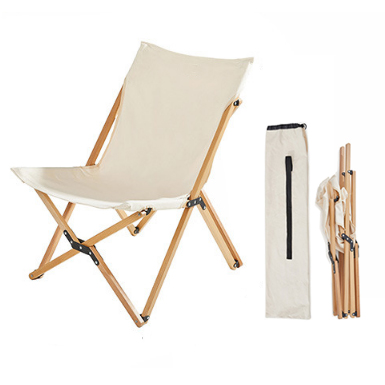
Hot Sale Adjustable Height Foldable Outdoor Wood Folding Chair With Logo Customization
$17.6597 - $18.4812
MOQ: 20 pieces
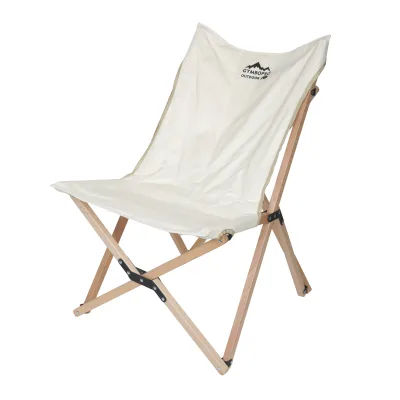
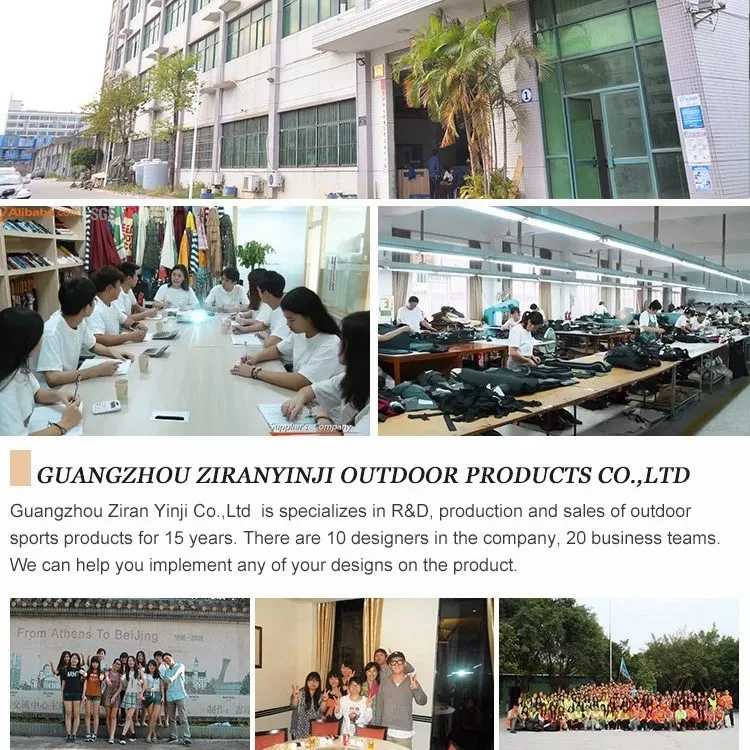
Guangzhou Greenmark Import And Export Co., Ltd.
- Manufacturer, Trading Company
- Guangdong, China
- Lead time30 days
- Avg. response≤ 2h
Main productsBeach Umbrella/Beach Chair/Beach Tent/Beach Towel/Beach Mat
Main marketsNorth America(23.00%), Oceania(22.00%), Eastern Asia(12.00%), Western Europe(11.00%), Mid East(6.00%), Southeast Asia(6.00%), Mid East(6.00%), Southeast Asia(6.00%), Eastern Europe(5.00%), South Asia(4.00%), South America(2.00%), Southern Europe(2.00%), Central America(2.00%), Northern Europe(2.00%), Africa(2.00%), Domestic Market(1.00%), Domestic Market(1.00%)
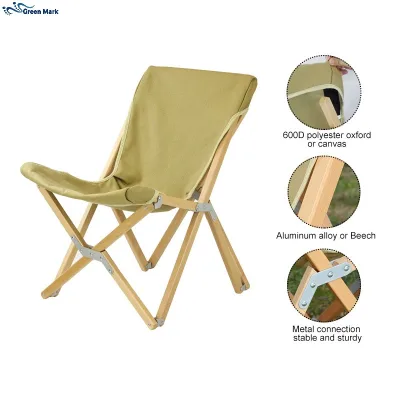
$16.6329 - $29.1076
MOQ: 1 Minimum
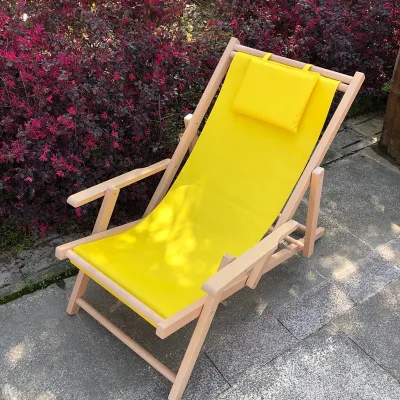
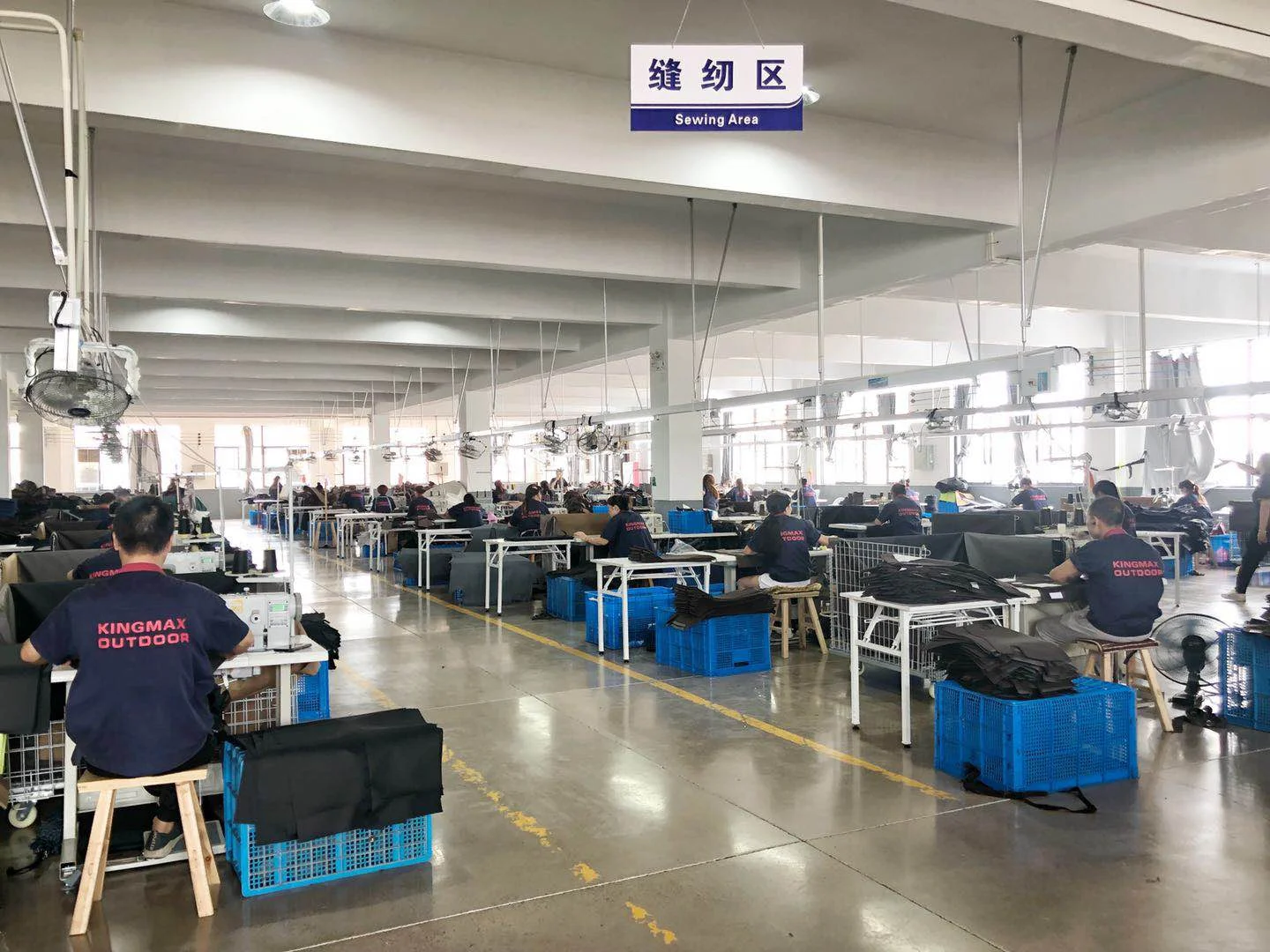
Yongkang Kingmax Outdoor Product Co., Ltd.
- Manufacturer, Trading Company
- Zhejiang, China
- Lead time30 days
- Avg. response≤ 7h
Main productsFolding Table,Folding Chairs,Folding Beds,Wagon,Roof Tent
Main marketsSouth Asia(100.00%), Africa(100.00%), Central America(100.00%), Domestic Market(41.00%), Eastern Asia(20.00%), Western Europe(14.00%), North America(13.00%), Oceania(5.00%), Southeast Asia(2.00%), Eastern Europe(1.00%), Southern Europe(1.00%), South America(1.00%), Northern Europe(1.00%), Mid East(1.00%)

Ningbo Youshine Trading Co., Ltd.
- Verified by BV
- Trading Company
- China Zhejiang
- Lead time45 days
- Avg. response≤ 6h
Main productsOutdoor Furniture, Gravity Chair, Garden Chair, Beach Chair, Camping Chair, Outdoor Portable Toilet, Plastic Table, Beach Umbrella, Garden Umbrella, Garden Furniture
Main marketsEast Asia(Japan/ South Korea),Europe,North America

Wooden Frame Foldable Adjustable Backrest Reclining Beach Mat Lounge Folding Chair
$10.00 - $25.00
MOQ: 500 Pieces


Three-Speed Adjustable Chair with Wooden Armrests Portable Beach Chair with Strap
$10.00 - $20.00
MOQ: 500 Pieces
Hangzhou Jixin Imp. & Exp. Co., Ltd.
- Manufacturer, Trading Company
- Lead time旺季: "1 - 100":35,"101 - 500":40,"501 - 1000":45,"> 1000":"To be negotiated", 淡季: "1 - 100":35,"101 - 500":40,"501 - 1000":45,"> 1000":"To be negotiated"
- Avg. response≤ 2h
Main productsFolding Chairs,Camping Tents,Sleeping bags,Beach lounges,Hammocks
Ningbo Yichen Photoelectric Technology Co., Ltd.
- Verified by TüVRheinland
- Trading Company
- Lead time0 days
- Avg. response≤ 4h
Main productsUmbrella Light, Garden Light, Patio Umbrellas & Bases, Solar Light, Garden Furniture
Main marketsNorth America(45%), Western Europe(15%), Oceania(10%)

Anhui Joy Leisure Products Co., Ltd.
- Trading Company
- anhui, China
- Lead time10 days
- Avg. response≤ 2h
Main productsCamping&Hiking Gear,Fitness Gear,Bicycle&Bike Gear,Water Sports,Outdoor Gear
Main marketsNorth America(25.00%), Northern Europe(10.00%), Central America(10.00%), Western Europe(10.00%), Mid East(10.00%), Southern Europe(10.00%), Eastern Europe(10.00%), South America(10.00%), Africa(5.00%)

NINGBO THREESOTR OUTDOOR GEAR CO., LTD.
- Verified by TUVRHEINLAND
- Trading Company
- China Zhejiang
- Lead time30 days
- Avg. response≤ 8h
Main productsBlanket&Tarp, Tool Bags, Camping Table&Chair, Survival Kit&First Aid Kit, Emergency Kits, Car Washing Kit, Bicycle&Motorcycle Bags, Travling Bags, Pet Carriers, Storage Organizer
Main marketsSouth America

KKS Enterprises Co., Ltd. Hangzhou
- Verified by SGS
- Manufacturer/Factory
- China Zhejiang
- Lead time23 days
- Avg. response≤ 12h
Main productsBar Runner, Floor Mats, Bar Mats, Logo Mats, Carpet, Promotional Products, Ice Bucket, Dust Control Mats, Bar Tray, Bottle Openers
Main marketsSouth America,Eastern Europe,Mid East,North America,Southeast Asia,Eastern Asia,Oceania,Western Europe,Africa

Colorful Outdoor Camping Folding Foldable Chair Wood Chair Beach with Customized Logo
$11.28 - $13.62
MOQ: 100 Pieces

Custom Beech Wooden Adjustable Beach Outdoor Folding Camping Deck Chair for Picnic
$11.28 - $13.62
MOQ: 100 Pieces

Chongqing JXT Furniture Co., Ltd.
- Trading Company
- Chongqing, China
- Lead time15 days
- Avg. response≤ 4h
Main productsOutdoor parasol,Bar stool,Restaurant table,commercial chair,pavilion
Main marketsNorth America(25.00%), Northern Europe(12.00%), Western Europe(12.00%), Central America(10.00%), Southern Europe(8.00%), Eastern Europe(8.00%), Mid East(7.00%), Africa(5.00%), South America(5.00%), Eastern Asia(5.00%), Southeast Asia(2.00%), Oceania(1.00%)

Xiamen GQK Intelligent Technology Co., Ltd.
- Manufacturer
- Fujian, China
- Lead time0 days
- Avg. response≤ 1h
Main productsfurniture hardware,cabinet handle,hinges silde,aluminum door,cabinet kitchen hardware
Main marketsSouth America(31.00%), North America(28.00%), Eastern Europe(10.00%), Western Europe(6.00%), Southern Europe(5.00%), Oceania(5.00%), Northern Europe(5.00%), Africa(4.00%), Southeast Asia(2.00%), South Asia(1.00%), Mid East(1.00%), Eastern Asia(1.00%), Central America(1.00%)
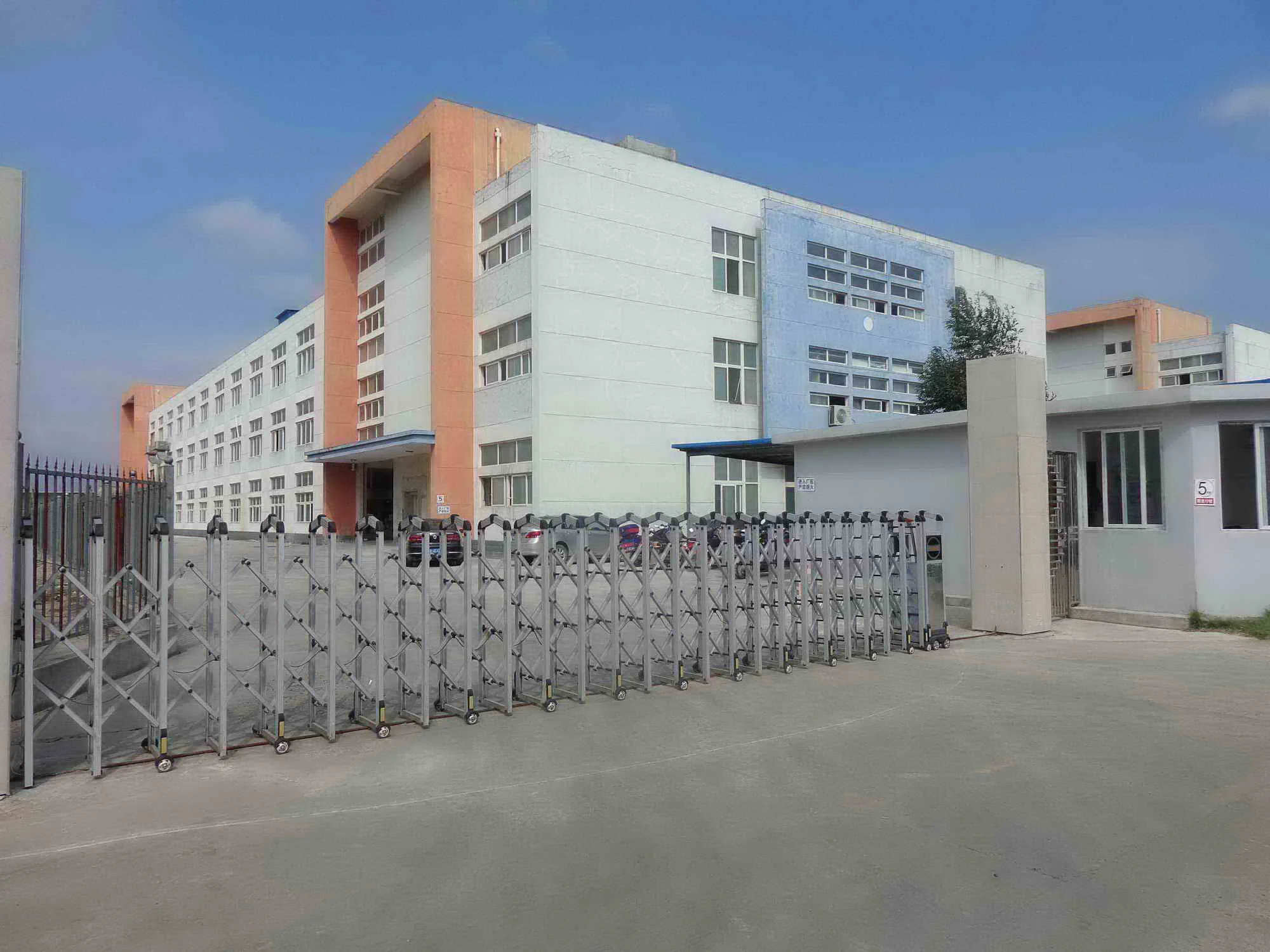
Fuzhou Lamhome Industry Co., Ltd.
- Trading Company
- Fujian, China
- Lead time50 days
- Avg. response≤ 1h
Main productsDeck Chair,Director chair,Camping chair,garden wood products,garden table sets
Main marketsNorth America(50.00%), Western Europe(25.00%), Northern Europe(10.00%), Eastern Europe(5.00%), South America(5.00%), Mid East(5.00%)
Hangzhou Landsing Smart Furniture Technology Co., Ltd.
- Verified by Intertek
- Trading Company
- Lead time35 days
- Avg. response≤ 1h
Main productsBeach Chair, Folding Chair, Folding Table, Outdoor Furniture, Beach Umbrella
Main marketsNorth America(30%), Western Europe(30%), South America(20%)
Zhejiang Yunyue Industry Co., Ltd.
- Trading Company
- Zhejiang, China
- Lead time30 days
- Avg. response≤ 6h
Main productsCamping Beach Table Chair,Folding Camping Beach Lounger,Teslin Table Chair,Swing Chair,Floor Chair
Main marketsEastern Europe(30.00%), Western Europe(25.00%), North America(20.00%), Mid East(8.00%), Africa(5.00%), Central America(3.00%), Oceania(3.00%), Southeast Asia(2.00%), Southern Europe(1.00%), South America(1.00%), Northern Europe(1.00%), Eastern Asia(1.00%)
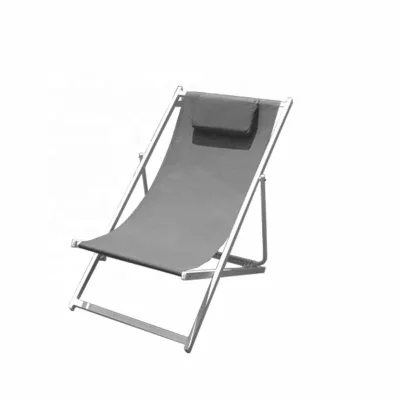
$20.247 - $23.6212
MOQ: 500 Minimum
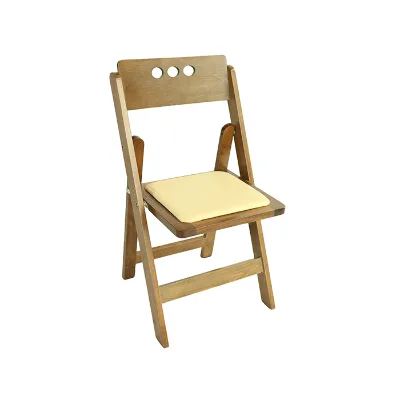
$12.815 - $15.5087
MOQ: 500 pieces
Shanghai Lifeplus Commodity Company Limited.
- Trading Company
- Shanghai, China
- Lead time0 days
- Avg. response≤ 8h
Main productsfoldable chair,camping chair,sport bag,sport stool,sport bottle
Main marketsEastern Europe(35.00%), South America(30.00%), North America(20.00%), Western Europe(6.00%), Oceania(6.00%), Southern Europe(2.00%), Central America(1.00%)

Ganzhou Wild Beauty Outdoor Products Co., Ltd.
- Manufacturer, Trading Company
- Jiangxi, China
- Lead time30 days
- Avg. response≤ 2h
Main productsOutdoor furniture,camping chair,outdoor folding chair,Camping cot,Ground Mat
Main marketsSouth America(20.00%), North America(20.00%), Oceania(10.00%), Southern Europe(10.00%), Southeast Asia(10.00%), Eastern Europe(10.00%), Africa(5.00%), Northern Europe(5.00%), Central America(5.00%), Western Europe(5.00%)
Suzhou Jinming Cicada Technology Co., Ltd.
- Verified by Intertek
- Trading Company
- Lead time30 days
- Avg. response≤ 1h
Main productsOff-highway New Energy Vehicle, Electric Bicycle, Electric Motorcycles, Electric Scooters , Electric Tricycles
Main marketsNorth America(20%), Mid East(20%), Eastern Europe(10%)
Henan Aimei Outdoor Products Co., Ltd.
- Verified by SGS Group
- Trading Company
- Lead time25 days
- Avg. response≤ 3h
Main productsTent & Shelter, Camping Sleeping Gear, Camping Furniture, Camping Cart & Storage Box, Camping Kitchen Ware
Main marketsNorth America(30%), Western Europe(30%), Eastern Europe(20%)
Jiangxi Yongsheng Leisure Products Co., Ltd.
- Manufacturer, Trading Company
- Jiangxi, China
- Lead time30 days
- Avg. response≤ 6h
Main productsGardan Chairs, Outdoor Table, Hammock, Folding reclining Chair, Bar Table
Main marketsEastern Europe(16.00%), Western Europe(15.00%), Southern Europe(15.00%), Northern Europe(15.00%), Southeast Asia(15.00%), North America(9.00%), South America(5.00%), Oceania(5.00%), Domestic Market(5.00%)

Qingdao Inurda Furniture Co., Ltd.
- Verified by CTI
- Trading Company,Manufacturer/Factory
- China Shandong
- Lead time30 days
- Avg. response≤ 7h
Main productsSingle Bed, Double Bed, Half Tall Bed, High Foot Bed, Coffee Table, Bunk Bed, Bookshelf, Dining Table, Baby Crib, Cabin Bed
Main marketsSouth America,Eastern Europe,Mid East,North America,Southeast Asia,Eastern Asia,Oceania,Western Europe,Africa
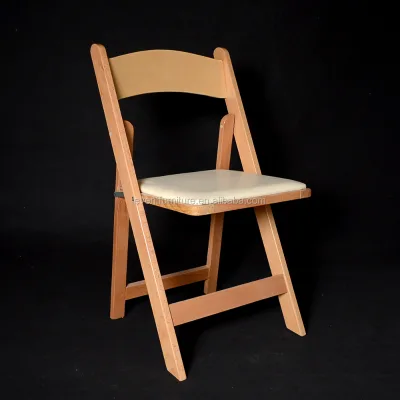
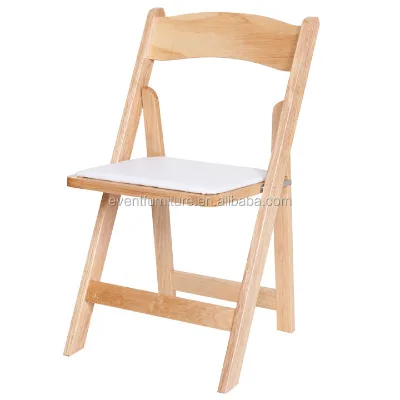


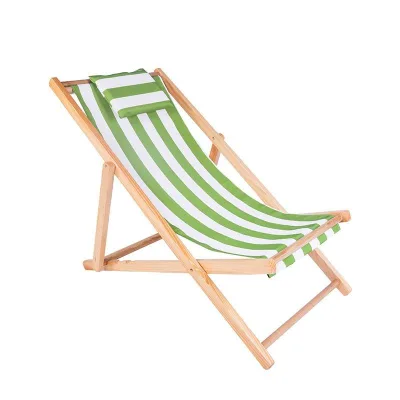
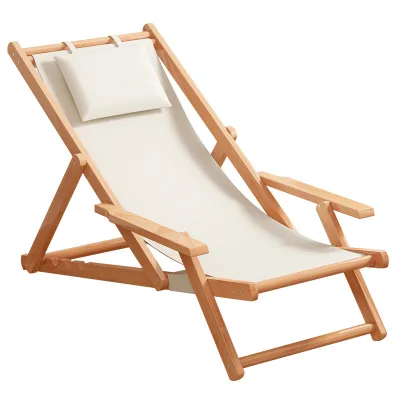


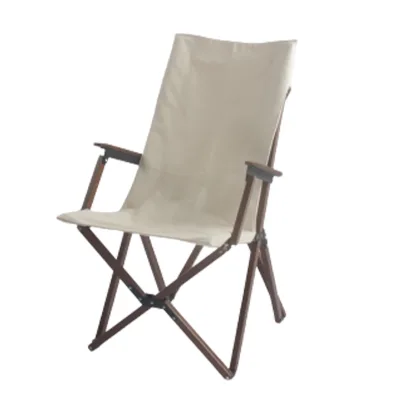
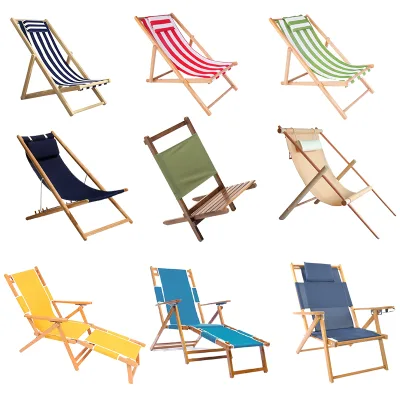
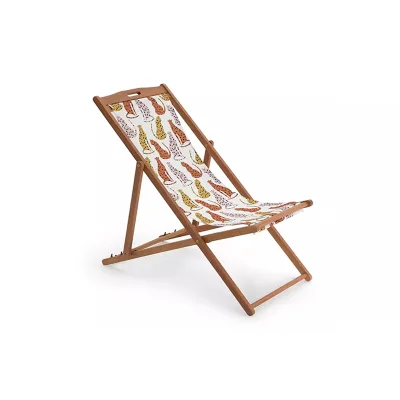
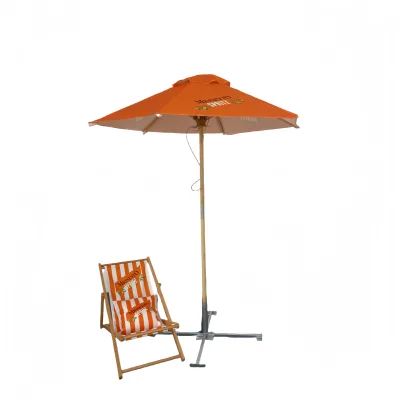


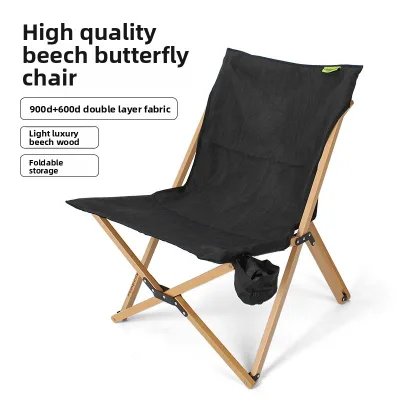
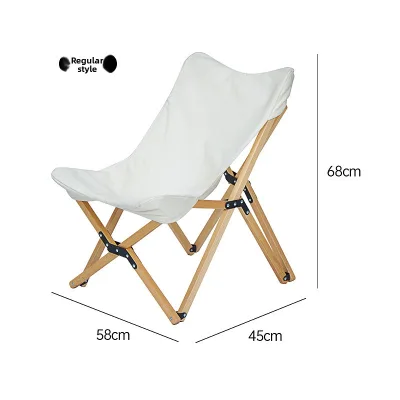
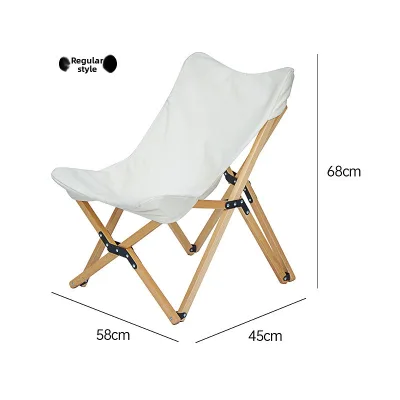
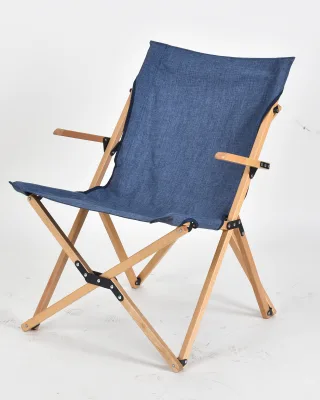
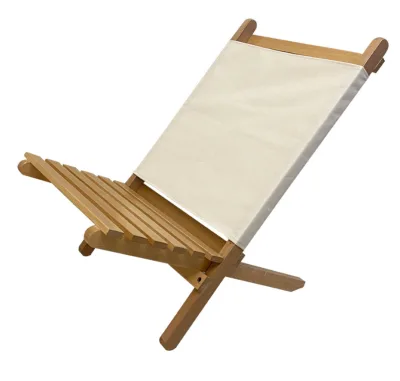
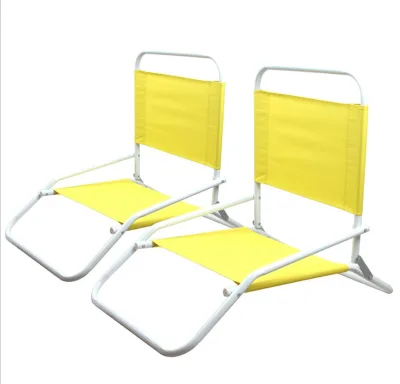
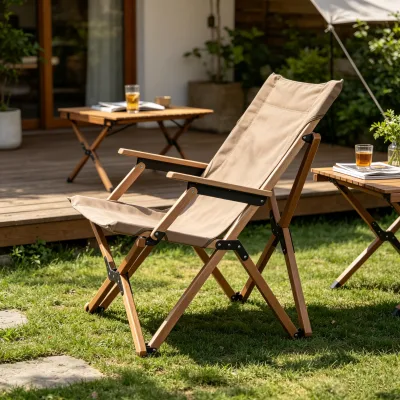
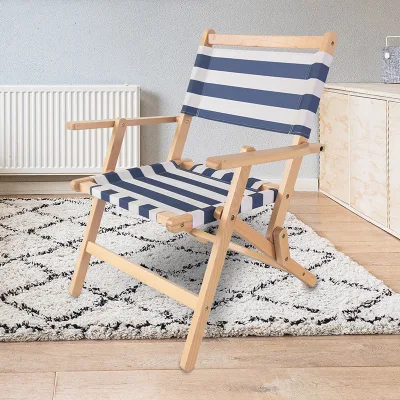
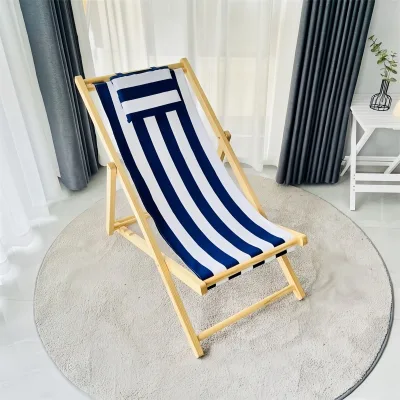
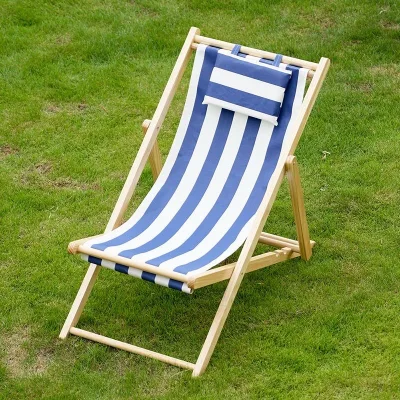
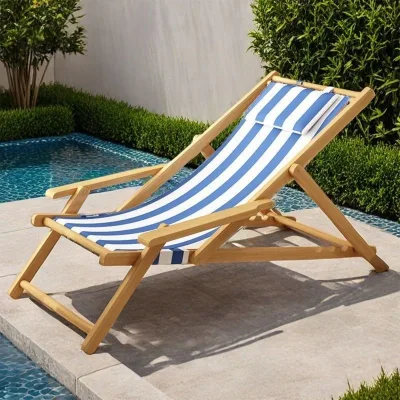


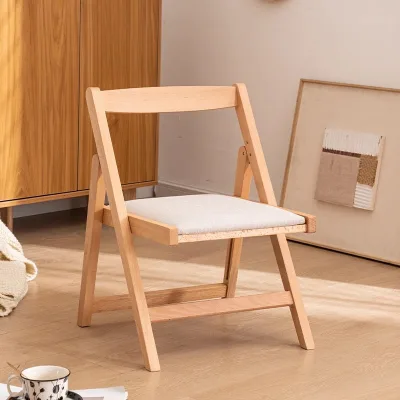
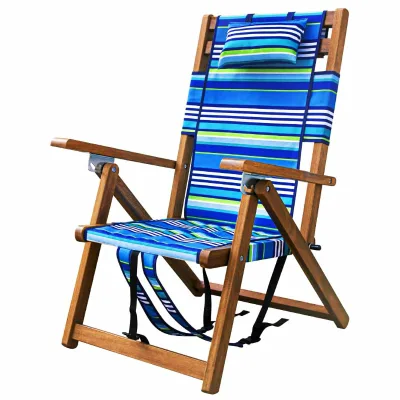
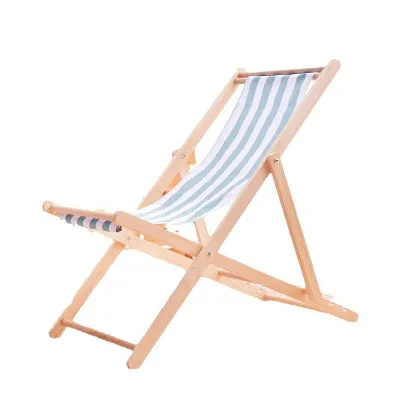
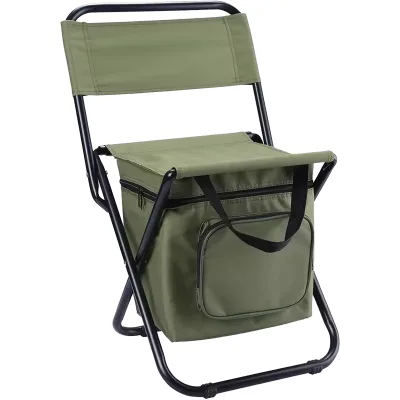
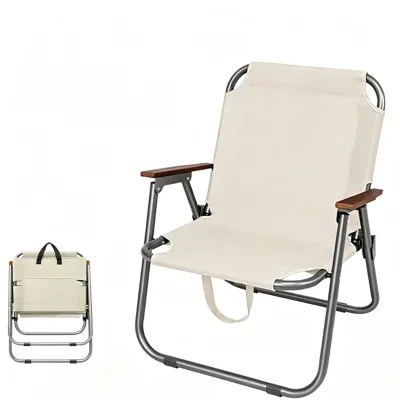

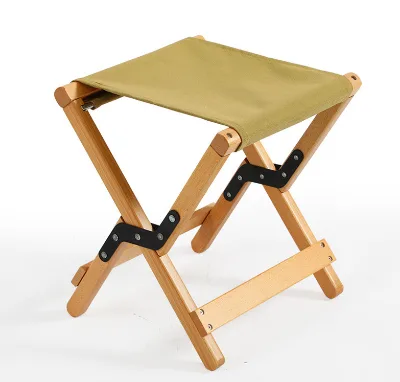
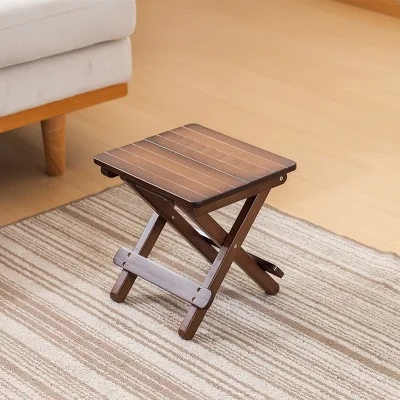
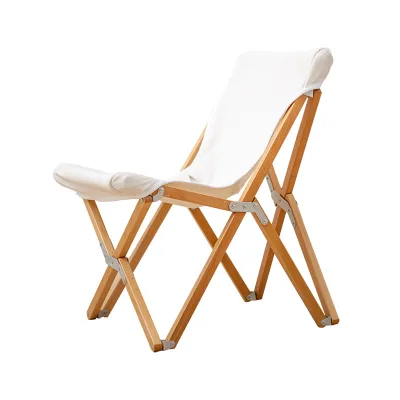
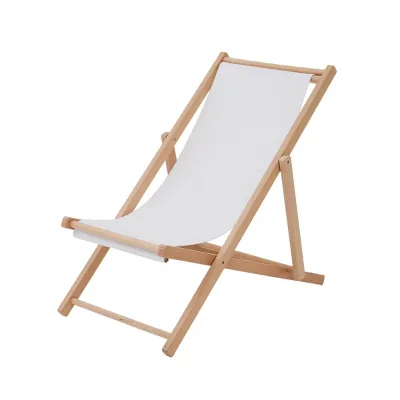


Comprehensive Sourcing Guide
Stackable Beech Wood Folding Chair Supplier Concentration and Factory Types
The current supplier landscape for stackable beech wood folding chairs is heavily concentrated in China, with specific results indicating a presence in Shandong and Qingdao regions. This geographic clustering suggests a mature industrial ecosystem where raw material sourcing, particularly beech wood, and finished goods manufacturing are closely integrated. Buyers evaluating these suppliers will find that the primary company types operating in this space are a mix of trading companies and manufacturer/factories. This distinction is critical because it directly influences the pricing structure, communication flow, and quality control mechanisms available during the sourcing process. Trading companies often provide a broader catalog of related items, such as Chiavari chairs, beer tables, and Louis chairs, acting as a one-stop shop for event furniture needs. In contrast, manufacturer/factories may offer more direct control over production lines, allowing for deeper customization of the beech wood folding chairs themselves.
Understanding the operational model of these suppliers helps buyers set realistic expectations for their procurement strategy. When a supplier identifies as a manufacturer, they typically have the capacity to handle OEM requests, as evidenced by the available OEM capabilities in the current results. This means buyers can request specific modifications to the chair design, such as altering the seat shape, adjusting the folding mechanism, or customizing the wood finish. However, trading companies might offer faster access to existing stock or a wider variety of styles, including cross-back chairs and bentwood chairs, which may not be produced by the same entity. The concentration in Shandong and Qingdao also implies that logistics infrastructure is well-developed for exporting these heavy wooden items. Buyers should verify whether the supplier is a direct factory or a trading intermediary to determine if they are paying for value-added services or simply passing through factory prices. This verification step is essential for negotiating better terms and ensuring that the quality of the beech wood meets the required standards for durability and aesthetic appeal.
How to Verify Stackable Beech Wood Folding Chair Suppliers
Verification is a critical step in ensuring that the suppliers offering stackable beech wood folding chairs are legitimate and capable of meeting your quality and delivery requirements. One of the primary methods for verification is checking for third-party certifications and audit reports. In the current results, some suppliers display verification from TÜV Rheinland, a globally recognized testing and certification organization. This indicates that the supplier has undergone rigorous assessments of their production processes, quality management systems, and potentially their social responsibility practices. Additionally, product-specific certifications such as SGS are mentioned for certain chair models, which can provide assurance regarding material safety and structural integrity. Buyers should request these certificates directly and verify their validity through the issuing body’s website to ensure they are current and applicable to the specific products being ordered. This step helps mitigate the risk of dealing with unverified entities that may not adhere to international quality standards.
Beyond certifications, buyers should assess the supplier’s responsiveness and communication efficiency as a proxy for their operational reliability. The current data shows a response time metric, with one supplier recording a score of 8.92, which can serve as an indicator of how quickly they engage with potential buyers. A faster response time often correlates with better customer service and more agile problem-solving capabilities, which are crucial when dealing with custom orders or urgent shipments. Buyers should also inquire about the supplier’s establishment year and track record, although this specific data point is not explicitly provided in the current results. Instead, buyers can ask for references or case studies from previous clients to gauge their experience and reliability. Furthermore, verifying the supplier’s main products and production capacity can help determine if they are specialized in wooden furniture or if they are a generalist trading company. Specialized suppliers are more likely to have deeper expertise in handling beech wood and ensuring the structural integrity of folding mechanisms. By combining these verification methods, buyers can build a more comprehensive profile of each supplier, reducing the risk of sourcing from unreliable partners.
What to Compare Across Stackable Beech Wood Folding Chair Suppliers
When evaluating multiple suppliers for stackable beech wood folding chairs, buyers should focus on comparing key operational metrics such as lead time, minimum order quantity (MOQ), and pricing structures. The current results indicate a lead time of 23 days for some suppliers, while others specify a leading time of 20 days for specific models like the stackable cross-back chair. These variations can significantly impact your inventory planning and ability to meet event deadlines. Additionally, MOQs vary, with some suppliers requiring a minimum of 100 chairs, while others may have higher thresholds, such as 200 chairs for certain styles. Understanding these requirements is essential for determining which suppliers align with your order volume and budget constraints. Buyers should also compare the price ranges, which currently span from $8.00 to $32.00 per unit depending on the model and customization options. Lower-priced items, such as basic folding chairs, may have different material qualities or construction methods compared to higher-priced beech wood options, so it is important to assess the value proposition rather than just the lowest price.
Another critical aspect of comparison is the level of customization and product specifications offered by each supplier. The current results show that customization is available for many products, allowing buyers to tailor the chairs to their specific needs, such as choosing specific colors, sizes, or packing methods. For instance, one supplier offers neutral packing with four pieces per carton, while another provides double-wall corrugated cartons for better protection during transit. Buyers should also compare the material specifications, such as the type of wood used, the finish quality, and the folding mechanism’s durability. Some suppliers offer chairs with specific features like stackability, armrests, or different back heights, which can influence the final product’s suitability for your intended use, whether it be for hotels, weddings, or outdoor events. Additionally, comparing the warranty terms and sample availability can provide insight into the supplier’s confidence in their product quality. By systematically comparing these factors, buyers can identify the suppliers that offer the best balance of cost, quality, and service for their specific sourcing needs.
Common Stackable Beech Wood Folding Chair Sourcing Risks
Sourcing stackable beech wood folding chairs from international suppliers, particularly those in China, comes with several inherent risks that buyers must proactively manage. One significant risk is the potential for quality inconsistencies, especially when dealing with natural materials like wood. Beech wood can vary in grain, color, and density, which may lead to discrepancies between the samples provided and the bulk production. Buyers should be aware that some suppliers may use lower-grade wood or less durable finishes to meet competitive price points, which can compromise the chair’s longevity and aesthetic appeal. Additionally, the folding mechanism is a critical component that is prone to wear and tear; if not properly engineered, it can fail after repeated use, leading to customer complaints and returns. To mitigate this risk, buyers should request detailed product specifications and conduct thorough quality inspections, either through third-party agencies or by visiting the factory, to ensure that the materials and construction meet their standards.
Another common risk is the delay in delivery, which can disrupt event schedules and inventory planning. The current results show lead times ranging from 20 to 23 days, but these are estimates and can be affected by various factors such as raw material shortages, production bottlenecks, or logistical issues. Buyers should also be cautious of suppliers who do not provide clear communication or fail to respond promptly to inquiries, as this can indicate underlying operational problems. Furthermore, there is a risk of intellectual property infringement if the supplier copies your custom designs without permission. To protect against this, buyers should use non-disclosure agreements and ensure that their designs are properly documented and protected. Additionally, buyers should verify the supplier’s financial stability and reputation to avoid the risk of fraud or non-delivery. By identifying and addressing these risks early in the sourcing process, buyers can establish a more secure and reliable supply chain for their stackable beech wood folding chairs.
Stackable Beech Wood Folding Chair Regional Sourcing and Logistics
The regional concentration of suppliers in China, specifically in Shandong and Qingdao, offers distinct advantages and challenges for sourcing stackable beech wood folding chairs. These regions are known for their robust manufacturing infrastructure and proximity to major ports, which facilitates efficient export logistics. Buyers should leverage this geographic advantage by working with suppliers who have established relationships with reliable freight forwarders and shipping lines. The availability of double-wall corrugated cartons and other protective packaging options, as seen in the current results, indicates that suppliers are aware of the need to protect wooden furniture during transit. However, buyers must also consider the impact of regional trade policies, tariffs, and shipping costs on the final landed cost of the products. Fluctuations in freight rates and container availability can significantly affect delivery times and overall expenses, so it is important to build flexibility into your logistics planning.
Logistics planning should also account for the weight and volume of the chairs, as beech wood is a dense material that can increase shipping costs. Buyers should compare the packing specifications of different suppliers to optimize container space and reduce per-unit shipping costs. For example, some suppliers offer packing configurations of four pieces per carton, while others pack nine or ten pieces per carton, which can impact the total number of units that can be shipped in a single container. Additionally, buyers should consider the destination port and local customs regulations, as these can affect the clearance process and delivery timeline. Working with suppliers who have experience in exporting to your target market can help navigate these complexities more smoothly. By carefully planning the logistics and leveraging the regional strengths of the suppliers, buyers can ensure that their stackable beech wood folding chairs are delivered efficiently and cost-effectively.
Stackable Beech Wood Folding Chair Commercial Terms and Order Planning
Commercial terms and order planning are crucial components of a successful sourcing strategy for stackable beech wood folding chairs. Buyers should carefully review the payment terms offered by suppliers, as these can impact cash flow and financial risk. The current results indicate that some suppliers accept T/T 30% in advance, which is a common practice in international trade. However, buyers should also explore other payment options, such as using escrow services or letters of credit, to protect their interests until the goods are received and inspected. Additionally, buyers should negotiate clear terms regarding warranties, returns, and dispute resolution to ensure that they have recourse in case of quality issues or delivery failures. The current results show a warranty of two years for some products, which provides a level of assurance regarding the product’s durability.
Order planning should also consider the supplier’s capacity to handle large volumes and meet tight deadlines. Buyers should assess the supplier’s production capabilities and lead times to ensure that they can fulfill your orders within the required timeframe. It is also important to plan for potential delays by building buffer time into your schedule and maintaining open communication with the supplier. Buyers should also consider the total cost of ownership, including shipping, customs duties, and handling fees, when evaluating the final price of the chairs. By establishing clear commercial terms and developing a robust order planning process, buyers can minimize risks and ensure a smooth sourcing experience. This approach allows for better control over the procurement process and helps build a long-term, reliable relationship with the supplier.
FAQs
What is the price range for stackable beech wood folding chairs?
Prices for these chairs typically range from $8.00 to $32.00 per unit depending on the specific model and customization options. Basic folding styles start around $8.00, while premium stackable Chiavari or cross-back designs can cost up to $32.00. Buyers should verify exact quotes based on order volume and material specifications.
What is the minimum order quantity for these chairs?
The minimum order quantity generally starts at 100 chairs for standard models. Some specific stackable cross-back chairs may require a minimum of 200 units. Buyers should confirm the exact MOQ with the supplier before placing an order, as requirements vary by product style and customization needs.
Are these chairs customizable for specific events?
Yes, customization is available for many models, including color and material options. Buyers can select from any Pantone color for folding chairs or choose specific wood types like beech or oak. Customized packaging and branding options are also offered to meet specific event or hotel requirements.
What certifications do these wooden chairs have?
Several models hold SGS and TUV certifications, ensuring quality and safety standards. The suppliers are also verified by TÜV Rheinland. These certifications provide assurance regarding the structural integrity and material safety of the wooden chairs, making them suitable for commercial and hospitality use.
Where are these chairs manufactured?
These chairs are manufactured in China, specifically in the Shandong province and Qingdao region. The production facilities are located in these key manufacturing hubs, ensuring efficient logistics and supply chain management for international buyers sourcing wooden furniture and event chairs.
What is the typical lead time for production?
The typical lead time is approximately 20 to 23 days for production. Some specific models may have a leading time of 20 days, while general estimates suggest 23 days. Buyers should confirm the exact timeline with the supplier to ensure timely delivery for their events.