Electric Stainless Steel Meat Grinder Suppliers and Manufacturers
Compare 35 verified Electric Stainless Steel Meat Grinder suppliers by location, lead time, and certification. Review product specs like capacity and power source, then request quotes to verify pricing and customization options; review the available evidence before requesting comparable quotations from suitable candidates.
Updated
Suppliers List

HENAN SHULIY MACHINERY CO., LTD.
- Verified by TUVRHEINLAND
- Trading Company
- China Henan
- Lead time30 days
- Avg. response≤ 6h
Main productsPacking Machinery, Food Processing Machinery, Agriculture Processing Machinery, Wood Processing Machinery, Charcoal Processing Machinery, Plastic Processing Machinery, Waste Recycling Machinery, Metal Processing Machinery, Paper Processing Machinery
Main marketsAfrica,Southeast Asia/ Mideast,Europe,North America

Taizhou Classical Electric & Mechanical Co., Ltd.
- Trading Company
- China Zhejiang
- Lead time23 days
- Avg. response≤ 25h
Main productsMeat Mincer, Band Saw, Planetary Mixer, Potato Peeler, Dough Maker, Sausage Maker, Food Mixer, Meat Slicer
Main marketsSouth America,Eastern Europe,Mid East,Eastern Asia

ZHE JIANG HORUS APPLIANCE CO., LTD.
- Verified by TUVRHEINLAND
- Manufacturer/Factory
- China Zhejiang
- Lead time0 days
- Avg. response≤ 10h
Main productsSausage Filler, Meat Grinder, Bone Saw Machine, Meat Slicer, Kebab Slicer, Spice Grinder, Flour Mill Machine, Juicer Machine, Planetray Mixer, Dough Mixer
Suzhou Highbright Enterprise Limited
- Manufacturer, Trading Company
- Lead time旺季: "1 - 20":30,"> 20":"To be negotiated", 淡季: "1 - 20":30,"> 20":"To be negotiated"
- Avg. response≤ 2h
Main productsSupermarket Shelf, Shopping Cart, Roll Container, Display Hook, Plastic Crate

Henan Jiahuang Mechanical And Electrical Equipment Co., Ltd.
- Trading Company
- Henan, China
- Lead time0 days
- Avg. response≤ 1h
Main productsFood machinery,Packaging machinery,Fruit processing machine,Meat processing machine,Commercial Equipment & Machinery
Main marketsSouth America(40.00%), North America(25.00%), Western Europe(20.00%), Africa(15.00%)

Zhucheng Shuke Machinery Technology Co., Ltd.
- Verified by TUVRHEINLAND
- Combined
- China Shandong
- Lead time15 days
- Avg. response≤ 2h
Main productsFood Machine, Meat Grinder, Sausage Stuffer, Smoker Oven, Meat Chopper Machine, Meat Cutter Machine, Meat Vacuum Tumbler, Shape Cutting Machine, Meat Cutting Machine, Stuffing Mixer
Main marketsAustralia

Bazhou Junjing Electric Co., Ltd.
- Verified by CTI
- Combined
- China Hebei
- Lead time15 days
- Avg. response≤ 4h
Main productsMeat Grinder, Blender, Coffee Maker, Juice Blender, Electric Meat Grinder, Coffer Grinder, Juicer, Food Chopper, Meat Chopper, Food Processor
Main marketsDomestic
Foshan Shunde Maoduoyu Trading Co., Ltd.
- Manufacturer, Trading Company, Distributor/Wholesaler
- Guangdong, China
- Lead time0 days
- Avg. response≤ 1h
Main productsIndustrial machinery,Commercial machinery,Packaging machinery,Filling machinery,Food machinery
Main marketsNorth America(50.00%), Southeast Asia(10.00%), Mid East(10.00%), Central America(10.00%), Domestic Market(5.00%), Western Europe(5.00%), Northern Europe(3.00%), South Asia(2.00%), Oceania(1.00%), Eastern Asia(1.00%), Eastern Europe(1.00%), South America(1.00%), Africa(1.00%)

Guangzhou Sunrry Kitchen Equipment Co., Ltd.
- Verified by CTI
- Trading Company,Manufacturer/Factory
- China Guangdong
- Lead time30 days
- Avg. response≤ 3h
Main productsCommercial Kitchen Solutions, Turnkey Kitchen Solutions, Catering Equipment, Restaurant Equipment, Commercial Refrigeration Equipment, Commercial Bakery Equipment, Commercial Cooking Equipment, Stainless Steel Equipment, Commercial Food Prep Equipment, Commercial Kitchen Equipment
Main marketsSouth America,Eastern Europe,Mid East,North America,Southeast Asia,Eastern Asia,Oceania,Western Europe,Africa
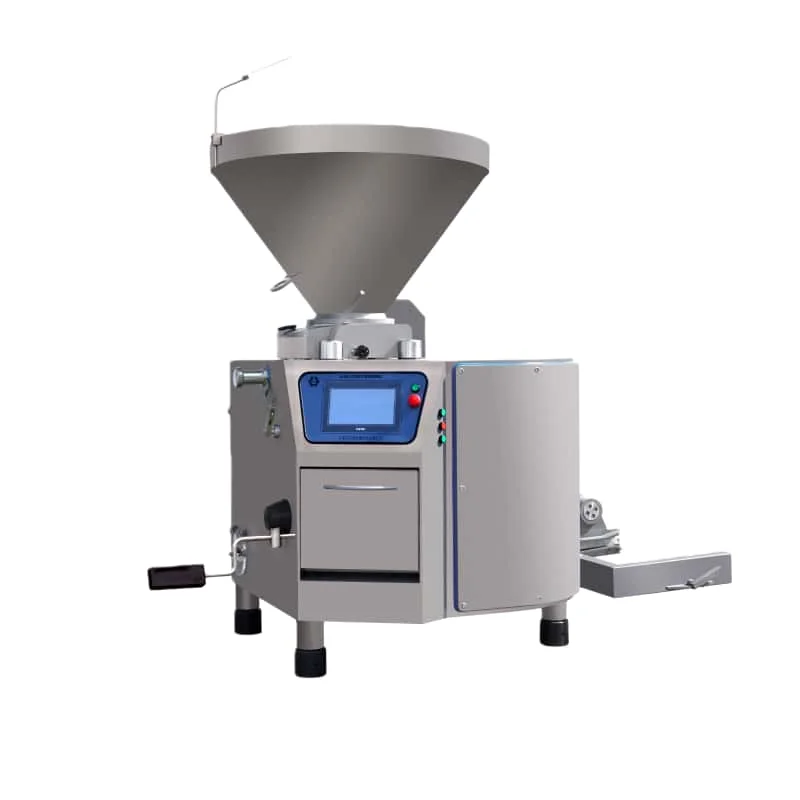
Shijiazhuang Shuanghang Machinery Manufacturing Co., Ltd.
- Manufacturer, Trading Company
- Hebei, China
- Lead time15 days
- Avg. response≤ 1h
Main productsMeat Food Machinery,Automatic sausage stuffer,Meat grinder
Main marketsSouth Asia(15.00%), Mid East(10.00%), North America(10.00%), Africa(10.00%), Central America(10.00%), South America(10.00%), Domestic Market(5.00%), Oceania(5.00%), Southern Europe(5.00%), Northern Europe(5.00%), Eastern Europe(5.00%), Western Europe(5.00%), Eastern Asia(5.00%)
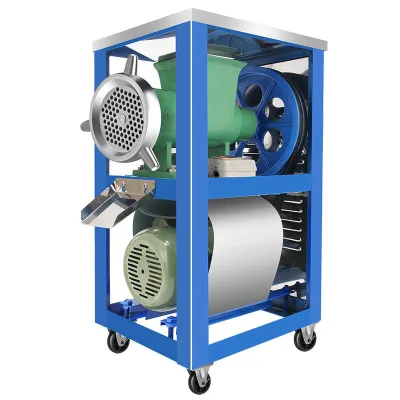
Electric Meat Grinder, Brand New, High Quality, Made of Premium 304 Stainless Steel.
$5037.8729 - $5449.2312
MOQ: 1 sets

Langfang Moore Technology Co., Ltd.
- Trading Company
- Hebei, China
- Lead time15 days
- Avg. response≤ 5h
Main productsMeat Grinder,Blender,Coffee Grinder,Mini Washing Machine,Meat Chopper
Main marketsMid East(40.00%), Africa(35.00%), Domestic Market(15.00%), North America(10.00%)

Shandong EPS Machinery Co., Ltd.
- Verified by SGS
- Trading Company
- China Shandong
- Lead time15 days
- Avg. response≤ 2h
Main productsFruit Vegetable Processing Machine, Meat Processing Solution, Prepared Food Processing Machine, Food Packing Solution, Food Sterilization Solution, Container Washing Processing Machine, Sausage Making Production Line, French Fries and Potato Chips Production Line
Main marketsSoutheast Asia/ Mideast,North America

Stainless Steel Electric Chopper Beef Mincer Butchery Equipment Electric Meat Grinder
$280.00 - $3800.00
MOQ: 1 Pieces


Stainless Steel Industrial Electric Commercial Meat Grinder Factory Price
$1200.00 - $3300.00
MOQ: 1 Pieces


Guangzhou City Haizhu District Zhengqi Hotel Supplies Business Department
- Trading Company
- Guangdong, China
- Lead time25 days
- Avg. response≤ 6h
Main productsIce Cream Machine,food machinery,Bakery equipment,west kitchen,Catering equipment
Main marketsAfrica(20.00%), Mid East(20.00%), South Asia(10.00%), Eastern Asia(10.00%), Southeast Asia(10.00%), Oceania(5.00%), Southern Europe(5.00%), Northern Europe(5.00%), Central America(5.00%), Eastern Europe(5.00%), South America(5.00%)
Dongguan Top Machinery Co., Ltd.
- Trading Company
- Lead time旺季: "1 - 1":15,"> 1":"To be negotiated", 淡季: "1 - 1":15,"> 1":"To be negotiated"
- Avg. response≤ 3h
Main productsMetal Marking Machine,Badge Machine,Automotive Maintenance and Diagnostic products,Jewelry making machinery,Sports Machinery
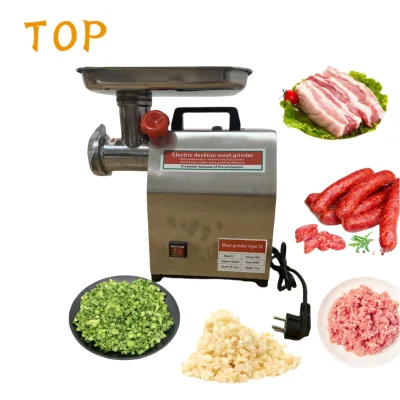
$30.3165 - $93.0378
MOQ: 1 packs
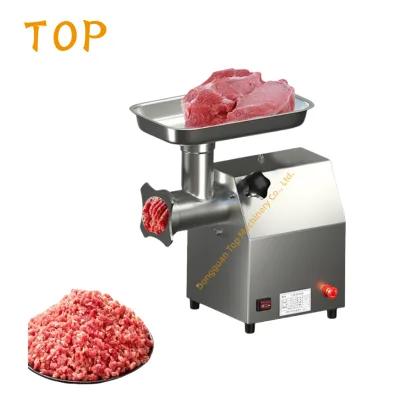
High Quality Electric Meat Grinder for Other Food Processing Machinery
$30.3165 - $93.0378
MOQ: 1 pieces
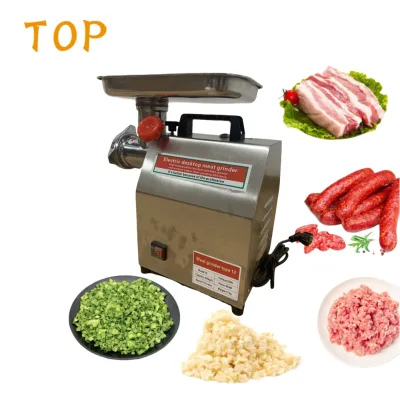
Wholesale Price Industrial Electric Meat Grinder Commercial Stainless Steel Silver Meat Grinder
$30.0649 - $92.2648
MOQ: 1 packs

Guangzhou Astar Kitchen Equipment Co., Ltd.
- Verified by BV
- Combined
- China Guangdong
- Lead time15 days
- Avg. response≤ 15h
Main productsBakery Equipment, Oven, Kitchen Equipment, Mixer, Baking Oven, Convection Oven, Rotary Oven, Pizza Oven, Refrigerator, Cake Showcase
Main marketsAfrica,Domestic,Europe

SHIJIAZHUANG KRIDS MACHINERY TECHNOLOGY CO.,LTD
- Verified by SGS
- Combined
- China Hebei
- Lead time30 days
- Avg. response≤ 3h
Main productsMeat Machine, Meat Grinder, Sausage Machines, Meat Mixer, Sausage Filler Stuffer, Meat Tumbler, Bowl Cutter, Smokehouse, Sausage Clipper Machine, Sausage Linker Cutter
Main marketsDomestic
Luohe Juyou Commercial & Trading Co., Ltd.
- Manufacturer, Trading Company
- Lead time旺季: "1 - 1":7,"> 1":"To be negotiated", 淡季: "1 - 1":7,"> 1":"To be negotiated"
- Avg. response≤ 3h
Main productsCookie Machine, Fruit and Vegetable Machine, Automatic Stir Frying Cooker, Meat Machine
ZHE CHENG HONGXIN MACHINRERY FACTORY
- Verified by TüVRheinland
- Manufacturer, Trading Company
- Henan, China
- Lead time15 days
- Avg. response≤ 3h
Main productsIntestine Case Cleaning Machine, Sesame Peeling Machine, Cardboard Expanding Shredder Machine, Flax Brake, Grain Thresher Machine
Main marketsDomestic Market(40%), Southeast Asia(20%), Africa(20%)
Henan Jinfuda Trading Co., Ltd.
- Trading Company
- Lead time旺季: "1 - 1":7,"> 1":"To be negotiated", 淡季: "1 - 1":7,"> 1":"To be negotiated"
- Avg. response≤ 3h
Main productsFruit Vegetables Processing Machines, Meat Processing Machines, Bakery Pastry Processing Machines, Snack Processing Machines, Packaging Machines
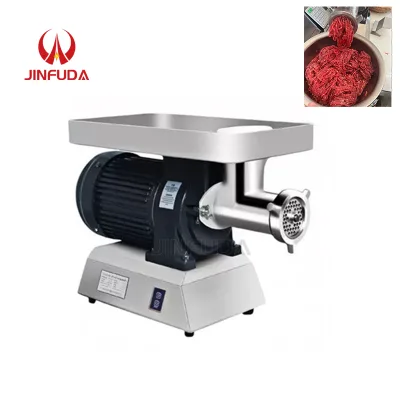
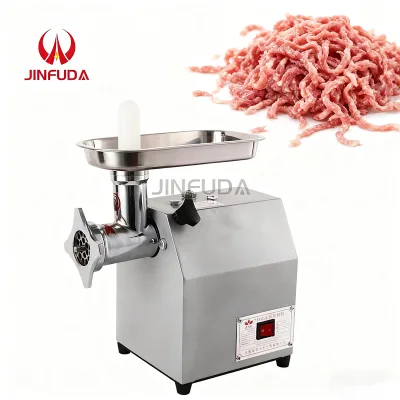
Electric Meat Grinder /Meat Chopper Machine/Sausage Stuffer Meat Mincer
$100.00 - $140.00
MOQ: 1 pieces

Metal Gear Box Meat Grinder for Commercial Use
MOQ: 1 Minimum

Hebei Yuanchang Food Mechanism & Technology Co., Ltd.
- Verified by TUVRHEINLAND
- Combined
- China Hebei
- Lead time30 days
- Avg. response≤ 13h
Main productsMeat Processing Machinery, Sausage Processing Machines, Sausage Filler, Mechanical Clipper, Frozen Meat Slicer, Frozen Meat Grinder, High Speed Bowl Cutter, Vacuum Bowl Cutter, Vacuum Mixer, Vacuum Tumbler
Main marketsOthers(foreignTradeCapacity.exportBusinessCapacityMarketOther),Europe,North America

Changzhou Jinkun Food Machinery Co., Ltd.
- Verified by SGS
- Combined
- China Jiangsu
- Lead time15 days
- Avg. response≤ 3h
Main productsMeat Slicer, Bone Saw, Hamburger Press, Meat Mincer, Vegetable Cutter, Juicer Series, Meat Grinder, Sausage Machine, Machine Accessories
Main marketsSouth America,Europe

Guangzhou Longterm Kitchen Equipment Co., Limited
- Verified by TUVRHEINLAND
- Trading Company,Manufacturer/Factory
- China Guangdong
- Lead time0 days
- Avg. response≤ 4h
Main productsSpiral Mixer, Western Equipment, Sausage Filler, Meat Mincer, Meat Slicer, Bone Saw Machine, Vegetable Cutter, Refrigeration Equipment, Planetary Mixer, Dough Divider

Luohe Quality Mechanical Equipment Co., Ltd.
- Verified by SGS
- Manufacturer/Factory
- China Henan
- Lead time23 days
- Avg. response≤ 5h
Main productsJuice Extractor, Sausage Making Machine, Pita Bread Machine, Biscuit Making Machine
Main marketsSouth America,Eastern Europe,North America,Eastern Asia,Western Europe
Zhucheng Huagang Machinery Co., Ltd.
- Verified by Intertek
- Manufacturer, Trading Company
- Lead time30 days
- Avg. response≤ 2h
Main productsBowl Cutter, Vacuum Tumbler Machine, Meat Grinder, Fruit & Vegetable Washing Machine, Tire Retreading Machine
Main marketsDomestic Market(50%), North America(10%), Northern Europe(6%)
Zhongshan Always Appliance Co.,ltd
- Manufacturer, Trading Company
- Guangdong, China
- Lead time30 days
- Avg. response≤ 3h
Main productsMilk Frother,Electric Kettle,Juice Extractor,Food Chopper,Coffee Grinder
Main marketsNorthern Europe(10.00%), Western Europe(10.00%), South Asia(10.00%), Mid East(10.00%), Southern Europe(10.00%), Southeast Asia(10.00%), Eastern Europe(10.00%), South America(10.00%), North America(10.00%), Eastern Asia(5.00%), Africa(5.00%)
Zhejiang Winki Plastic Industry Co., Ltd.
- Manufacturer, Trading Company
- Zhejiang, China
- Lead time5 days
- Avg. response≤ 12h
Main productsMultifunction Grinder,Meat Slicer,Coffee Bean Grinder,Ice Blender,Flour Mill
Main marketsMid East(50.00%), Domestic Market(30.00%), Southeast Asia(7.00%), South Asia(5.00%), Africa(3.00%), Oceania(2.00%), North America(2.00%), Eastern Asia(1.00%)

Zhengzhou Bogen Machinery Equipment Co., Ltd.
- Verified by CTI
- Trading Company
- China Henan
- Lead time30 days
- Avg. response≤ 2h
Main productsPeanut Butter Machine, Spice Grinder, Meat Grinder, Meat Slicer, Meat Chopper, Potato Washing and Peeling Machine, Vegetables and Fruits Cutting Machine, Sausage Stuffer, Sausage Filler, Sausage Making Machine
Main marketsAfrica,Europe,North America

Zhucheng Avis Machinery Co., Ltd.
- Verified by TUVRHEINLAND
- Combined
- China Shandong
- Lead time15 days
- Avg. response≤ 3h
Main productsMeat Machine, Vegetable Machine, Fruit Washing Machine, Frying Machine, Smoked Furnace, Bubble Washing Machine, Meat Grinder, Box Cleaning Machine, Potato Peeler, Air Dryer
Main marketsDomestic


Electric Meat Grinder Machine with 304 Stainless Steel for Durability
$800.00 - $6000.00
MOQ: 1 Pieces

Vipstar Machinery Technology Co., Ltd.
- Verified by SGS
- Trading Company
- China Hebei
- Lead time15 days
- Avg. response≤ 2h
Main marketsSoutheast Asia/ Mideast


Super Quality Meat Mincer / Stainless Steel Meat Grinder / Frozen Meat Grinder
$5000.00 - $13000.00
MOQ: 1 Pieces
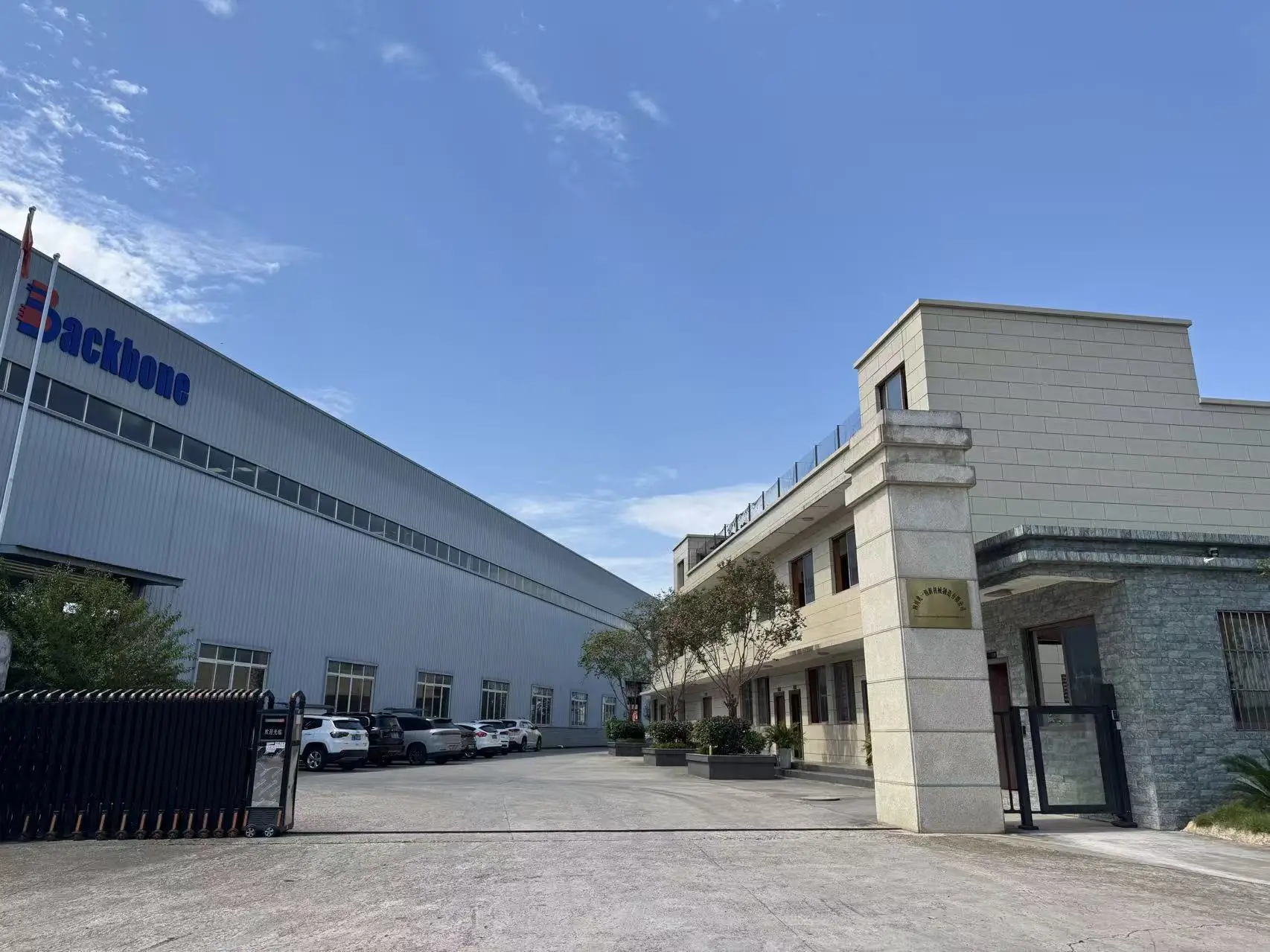
Leshan Tianqin Agricultural Machinery Co., Ltd.
- Trading Company
- Sichuan, China
- Lead time20 days
- Avg. response≤ 6h
Main productsrice milling machine,corn sheller,chaff&hay cutter,flour milling machine,paddy thresher
Main marketsSoutheast Asia(30.00%), Domestic Market(30.00%), South America(10.00%), South Asia(10.00%), Mid East(10.00%), Africa(10.00%)

Golden Chef Machinery Co., Ltd.
- Verified by TUVRHEINLAND
- Trading Company
- China Guangdong
- Lead time30 days
- Avg. response≤ 10h
Main productsBakery Equipment, Oven, Baking Oven, Meat Mincer, Refrigerator, Dough Sheeter, Dough Moulder, Proofer
Main marketsNorth America

Electric Meat Grinder 1500W Meat Mincer Stainless Steel Food Grinder Make
$448.00 - $529.00
MOQ: 5 Pieces

1500W 1800W Electric Meat Grinder Commercial Stainless Steel Meat Mincer Machine Meat Grinder 32
$570.00 - $674.00
MOQ: 5 Pieces
Shijiazhuang Helper Food Machinery Co., Ltd.
- Verified by SGS Group
- Manufacturer, Trading Company
- Lead time45 days
- Avg. response≤ 2h
Main productsSausage Production Line, Noodles Production Line, Wet Pet Food Production Line, Dumplings Production Line, Bowl Cutter
Main marketsDomestic Market(70%), Southeast Asia(7%), South America(5%)
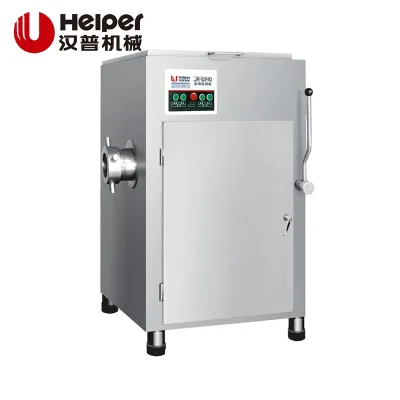
$32000.00 - $36000.00
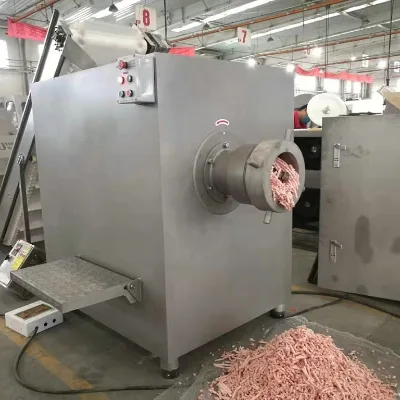
Industrial Meat Grinder for Frozen and Fresh Meat
$14000.00 - $15000.00

Zhucheng Changhe Machinery Technology Co., Ltd.
- Verified by SGS
- Combined
- China Shandong
- Lead time30 days
- Avg. response≤ 4h
Main productsSlaughtering Equipment
Main marketsDomestic

Commercial Multifunctional Meat Grinder Electric Stainless Steel High-Power
$1000.00 - $8000.00
MOQ: 1 Pieces

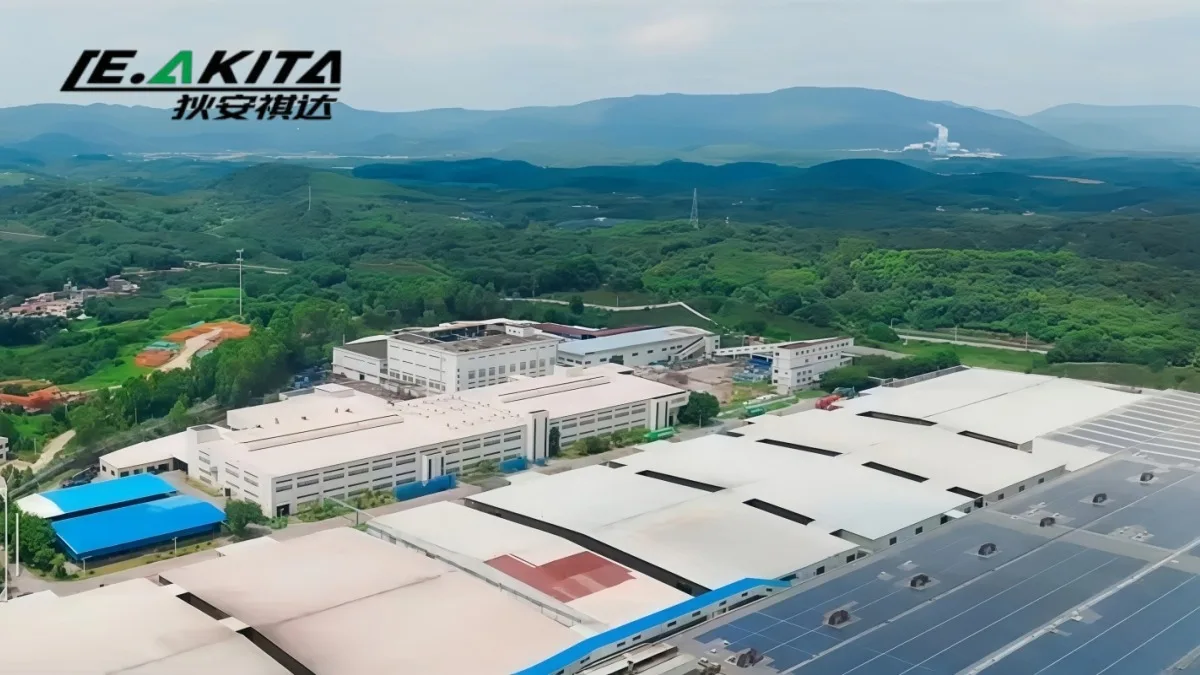
Shenzhen Shuxiao Machinery Equipment Co., Ltd.
- Manufacturer
- Guangdong, China
- Lead time0 days
- Avg. response≤ 2h
Main productsIndustrial machinery,commercial equipment and machinery,Food & Beverage Machinery
Main marketsEastern Europe(30.00%), North America(20.00%), South America(10.00%), Domestic Market(5.00%), Northern Europe(5.00%), Western Europe(5.00%), Eastern Asia(5.00%), Mid East(5.00%), Oceania(5.00%), Africa(5.00%), Southeast Asia(5.00%)
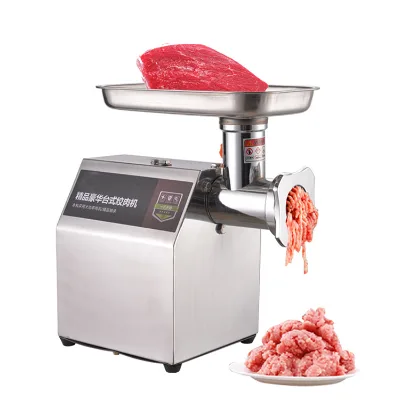
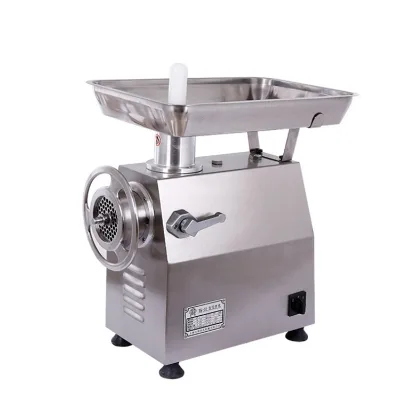
Sale of Stainless Steel Chicken Frozen Mincer New
$258.00 - $268.00

Qingdao Zhuolian Zhisen Intelligent Equipment Co., Ltd.
- Verified by SGS
- Trading Company,Manufacturer/Factory
- China Shandong
- Lead time60 days
- Avg. response≤ 11h
Main productsMeat Processing Machine, Weight Sorting Machine, Flake Ice Machine, Ice Tube Machine, Food Metal Detector, Poultry Slaughter Equipment, Chicken Slaughtering Machine, Packing Machine, Vacuum Packaging Machine, Packaging Machine
Main marketsEastern Europe,Mid East,North America,Southeast Asia,Eastern Asia


Electric Meat Grinder Commercial Stainless Steel Meat Mincer Machine Meat Grinder
Negotiable
MOQ: 1 Sets


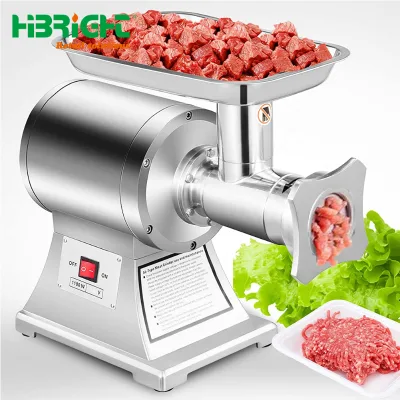










Comprehensive Sourcing Guide
Electric Stainless Steel Meat Grinder Supplier Concentration and Factory Types
The current supplier landscape for electric stainless steel meat grinders reveals a distinct geographic concentration in China, specifically within the provinces of Henan and Zhejiang. These regions serve as primary manufacturing hubs for this category of commercial equipment, offering buyers access to a dense network of production facilities. The presence of suppliers in these specific locations indicates established industrial clusters where the supply chain for food processing machinery is mature. Buyers evaluating options should recognize that these geographic concentrations often correlate with specialized labor pools and established logistics infrastructure, which can influence both production efficiency and shipping costs. Understanding the regional distribution helps in assessing the reliability of supply chains and the potential for localized support during the manufacturing process.
In terms of company structure, the available results indicate a mix of manufacturing capabilities, with some entities identified as trading companies. This distinction is crucial for buyers who need to determine whether they are dealing directly with the factory or an intermediary. Trading companies may offer broader product ranges, such as packing machinery, agriculture processing machinery, and wood processing machinery, alongside meat grinders. However, for buyers seeking specific technical customization or direct factory oversight, verifying the actual manufacturing capability is essential. The presence of OEM and ODM capabilities in some supplier profiles suggests that certain facilities are equipped to handle custom orders, allowing for tailored solutions that meet specific operational requirements. This flexibility is a key differentiator in the market, enabling buyers to source equipment that precisely matches their production line needs.
How to Verify Electric Stainless Steel Meat Grinder Suppliers
Verification is a critical step in mitigating risk when sourcing industrial machinery from international suppliers. One of the primary indicators of supplier credibility is third-party verification, such as the TÜV Rheinland certification observed in some results. This type of verification provides an independent assessment of the supplier’s business legitimacy and operational standards. Buyers should prioritize suppliers who have undergone such rigorous checks, as it reduces the likelihood of engaging with fraudulent entities. Additionally, system certifications like ISO 9001:2015 are significant markers of quality management. These certifications indicate that the supplier adheres to internationally recognized standards for quality control, which is particularly important for machinery that comes into direct contact with food products. Ensuring that the supplier maintains these certifications helps guarantee consistent product quality and reliable manufacturing processes.
Beyond certifications, buyers should actively verify the supplier’s response capabilities and production transparency. The response time metric, which can vary significantly between suppliers, serves as an indicator of operational efficiency and customer service quality. A faster response time often correlates with a more organized internal process, which can be beneficial during the negotiation and order placement phases. Furthermore, buyers should request detailed product specifications and test reports to verify claims about materials and performance. For instance, confirming that the meat grinder is constructed from stainless steel and verifying the motor material, such as copper wire, requires direct communication with the supplier. Buyers should not rely solely on marketing descriptions but should seek concrete evidence of these attributes through technical datasheets or video demonstrations of the machinery in operation.
What to Compare Across Electric Stainless Steel Meat Grinder Suppliers
When evaluating multiple suppliers, buyers must compare key operational metrics to determine the best fit for their business needs. Lead time is a critical factor, with observed values ranging from approximately 23 to 30 days. This variation can impact production scheduling and inventory management, so buyers should align their orders with their operational timelines. Minimum Order Quantity (MOQ) is another vital consideration, as it affects capital expenditure and storage requirements. Some suppliers offer an MOQ of just one unit, which is ideal for small businesses or testing purposes, while others may require larger quantities, such as ten units. Understanding these thresholds helps buyers plan their procurement strategy effectively, ensuring they do not overcommit resources or face delays due to insufficient order volumes.
Product specifications and pricing structures also require careful comparison. The power output of electric meat grinders varies, with options ranging from 0.8kw to 3kw, catering to different processing capacities. Buyers should match the power and efficiency ratings, such as kilograms per hour, to their specific production demands. Additionally, the automatic grade of the machinery, whether semi-automatic or fully automatic, influences labor requirements and operational speed. Pricing can fluctuate based on these specifications, with some models priced around $125 to $159, while more robust industrial units may cost between $2500 and $5000. Buyers should evaluate the total cost of ownership, including shipping and potential customization fees, to make an informed decision. Comparing these attributes side-by-side allows for a comprehensive assessment of value and suitability.
Common Electric Stainless Steel Meat Grinder Sourcing Risks
One of the primary risks in sourcing electric meat grinders is the discrepancy between advertised specifications and actual product performance. Buyers may encounter issues where the claimed power output or processing capacity does not match the real-world performance of the machine. This can lead to production bottlenecks and inefficiencies. To mitigate this risk, buyers should request detailed technical documentation and, if possible, conduct factory audits or third-party inspections. Verifying the material composition, such as the grade of stainless steel used, is also essential to ensure durability and compliance with food safety standards. Inconsistent material quality can result in premature wear and potential contamination risks, which are unacceptable in food processing environments.
Another significant risk involves communication barriers and cultural differences in business practices. Misunderstandings regarding customization requirements, packaging standards, or delivery terms can lead to costly errors. For example, the packing method, whether wooden case, carton, or plywood case, must be clearly specified to prevent damage during transit. Buyers should establish clear communication channels and confirm all details in writing before placing orders. Additionally, the risk of supply chain disruptions cannot be ignored, especially when sourcing from distant locations. Buyers should assess the supplier’s logistical capabilities and contingency plans to ensure timely delivery. Understanding these risks and implementing proactive verification steps can help buyers navigate the complexities of international sourcing and secure reliable equipment.
Electric Stainless Steel Meat Grinder Regional Sourcing and Logistics
Sourcing from specific regions like Henan and Zhejiang offers logistical advantages due to their proximity to major ports and industrial infrastructure. These locations are well-connected to global shipping routes, facilitating efficient export processes. Buyers should consider the impact of regional logistics on lead times and shipping costs. Suppliers in these areas may have established relationships with freight forwarders, which can streamline the export process. However, buyers must also account for potential variations in shipping times based on destination and current global logistics conditions. Understanding the regional strengths of these manufacturing hubs helps buyers anticipate potential delays and plan their inventory accordingly.
The choice of packaging also plays a crucial role in logistics and product protection. Observed packaging options include wooden cases, wooden packing, cartons, and plywood cases. The selection of packaging should be based on the fragility of the machinery and the requirements of the shipping route. For instance, heavy industrial grinders may require robust wooden or plywood cases to prevent damage during handling. Buyers should specify their preferred packaging method to ensure the equipment arrives in optimal condition. Additionally, considering the dimensions and weight of the packaged product is essential for calculating shipping costs and determining storage requirements at the destination. Proper logistics planning ensures that the equipment is delivered safely and efficiently, minimizing the risk of damage and associated costs.
Electric Stainless Steel Meat Grinder Commercial Terms and Order Planning
Commercial terms and order planning are pivotal for a successful procurement process. Buyers should negotiate clear payment terms, such as the use of escrow services, to protect their financial interests. Escrow provides a secure mechanism for transactions, ensuring that funds are only released upon satisfactory delivery and inspection of the goods. This is particularly important for high-value orders or when dealing with new suppliers. Additionally, buyers should clarify warranty terms and after-sales support policies. Understanding the supplier’s commitment to maintenance and repair services can prevent unexpected downtime and additional costs in the long run. Clear commercial terms provide a solid foundation for a reliable business relationship.
Order planning should also include considerations for customization and scalability. If the buyer requires specific customizations, such as unique voltage requirements or specialized attachments, these should be confirmed early in the process. Suppliers offering OEM and ODM services can accommodate these needs, but it is essential to verify their capability to deliver customized products consistently. Buyers should also plan for future scalability, considering whether the supplier can handle increased order volumes as their business grows. By aligning commercial terms with long-term business goals, buyers can secure a partnership that supports their operational needs and fosters sustainable growth. Careful planning and clear communication are key to navigating the complexities of international machinery procurement.
FAQs
What is the price range for electric stainless steel meat grinders?
Prices for these machines typically range from 100 to 5000 dollars depending on capacity and features. Entry-level models start around 100 dollars while industrial units with higher throughput can reach 5000 dollars. Buyers should verify specific pricing based on their required hourly capacity and customization needs.
What are the typical lead times for these meat processing machines?
Manufacturers generally require between 23 to 30 days to produce and ship these units. Some suppliers in Henan report a 30-day lead time while others in Zhejiang may complete orders in 23 days. Buyers should confirm exact delivery schedules with the specific vendor before placing an order.
Do suppliers offer customization options for these electric meat grinders?
Many available models support customization for specific power sources or automatic grades. Some listings indicate that customized versions are available while others are non-customized standard units. Buyers must check individual product attributes to confirm if their specific requirements can be met by the supplier.
What is the minimum order quantity for purchasing these machines?
Minimum order quantities vary significantly between different suppliers and product models. Some vendors accept single unit orders while others require a minimum of 10 pieces. Buyers should review the specific MOQ listed for each product to ensure it aligns with their purchasing volume requirements.
Are these meat grinders certified with ISO standards?
Several suppliers hold ISO9001:2015 or ISO 9001 system certifications for their manufacturing processes. These certifications indicate adherence to quality management standards for the production of food processing machinery. Buyers should verify the specific certificate details with the supplier to ensure compliance with their local regulations.
Where are the manufacturers of these machines located?
Manufacturers are primarily located in China, specifically in the Henan and Zhejiang provinces. These regions host companies specializing in packing, food processing, and agricultural machinery. Buyers should confirm the exact factory location to assess shipping logistics and potential tariffs for their specific destination.
What power sources are used for these electric meat grinders?
These machines predominantly use electric power sources with voltages ranging from 220V to 380V. Power ratings vary from 0.8kw for small units up to 3kw for heavy-duty industrial models. Buyers must match the machine voltage to their facility power supply to ensure safe and efficient operation.