Moisture Proof Surgical Mask Suppliers and Manufacturers
Compare 21 verified suppliers offering moisture proof surgical masks with details on certifications like ISO 13485, lead times up to 30 days, and MOQs starting at 300,000 pieces. Review product attributes such as 3-ply construction and sterilization methods to select the right factory for your needs.
Updated
Suppliers List

Hubei Mingerkang Health & Safety Appliances Co., Ltd.
- Verified by SGS
- Trading Company,Manufacturer/Factory
- China Hubei
- Lead time23 days
- Avg. response≤ 5h
Main productsFace Mask, Shoe Cover, Protective Clothing, Isolation Gown, Bouffant Cap, Surgical Gown, Lab Coat, Disposable Coverall, Disposable Face Mask, Medical Face Mask
Main marketsSouth America,Eastern Europe,Mid East,North America,Southeast Asia,Eastern Asia,Oceania,Western Europe,Africa

Hubei Qianjiang Kingphar Medical Material Co., Ltd.
- Combined
- China Hubei
- Lead time30 days
- Avg. response≤ 10h
Main productsGauze Swabs, Laparotomy Sponge, Sterile Gauze Ball, Gauze Roll, Non Woven Swabs, Mask, Bandage, Sterile Cotton Ball, Cotton Dental Wool, Disposable Facial Towel
Main marketsEurope

Wellmien Healthcare Tech. (Suzhou) Co., Ltd.
- Verified by BV
- Trading Company
- China Jiangsu
- Lead time15 days
- Avg. response≤ 3h
Main productsUnderpads, Surgical Pack, Wound Care, Emergency Blanket, Face Masks, Surgical Masks, Shoe Cover, First Aid Product, Emergency Transfer Sheet, Body Bag
Main marketsSouth America,Southeast Asia/ Mideast,Europe


Decorative Medical Face Mask Custom Printed Surgical Mask with Design
$0.02 - $0.025
MOQ: 200000 Pieces


Hubei Yinshun Protective Equipment Co., Ltd.
- Manufacturer
- Lead time旺季: "1 - 50000":2,"50001 - 200000":4,"200001 - 1000000":10,"> 1000000":"To be negotiated", 淡季: "1 - 50000":2,"50001 - 200000":4,"200001 - 1000000":10,"> 1000000":"To be negotiated"
- Avg. response≤ 5h
Main productsDisposable Medical Face Mask/Isolation Gown/Shoes Cover/Medical Cap
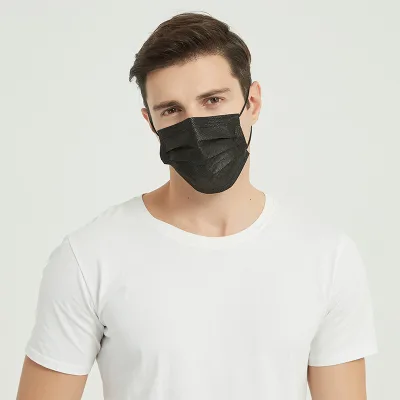
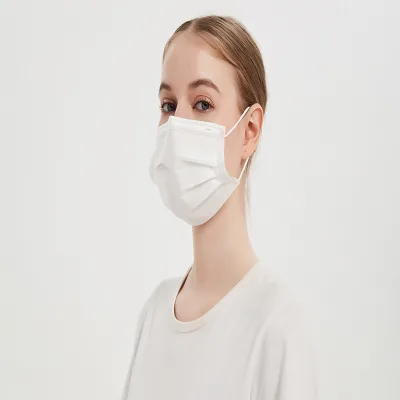
Factory Supply Medical Mask Disposable Surgical Mask Meltblown Breathable Non-woven Fabric for Mask
$0.5438 - $0.7984
MOQ: 2000 bags
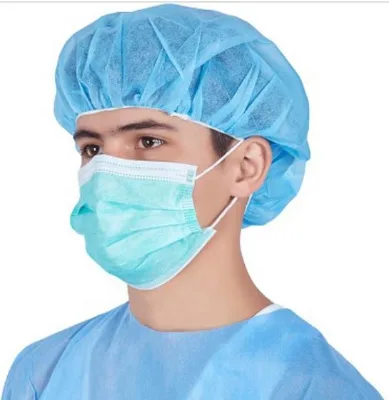
Hebei Dianya Medical Technology Co., Ltd.
- Verified by SGS Group
- Trading Company
- Lead time30 days
- Avg. response≤ 2h
Main productsHousehold Medical Devices, Medical Consumables, Professional Medical Devices
Main marketsAfrica(40%), North America(15%), Mid East(15%)
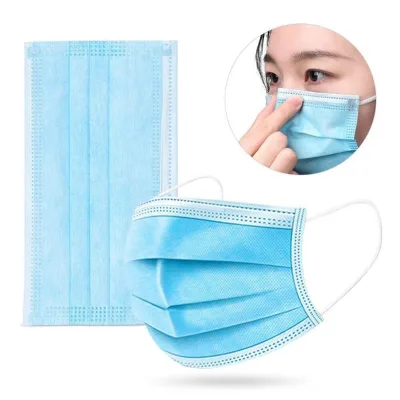
Non-woven Facemask 3 Ply Level 3 Protective Masks Surgical Masks Medic Facemask
$0.0309 - $0.0823
MOQ: 1 bags
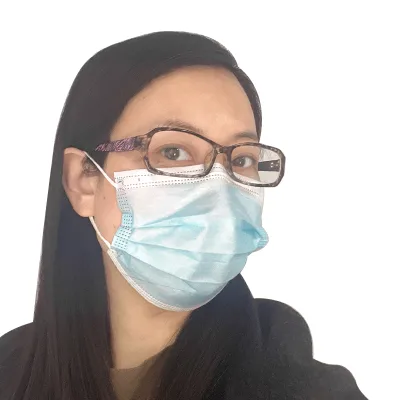
Customized High Quality Surgical Mask With Wholesale Low Price Disposal Medical Face Mask
$0.0206 - $0.0515
MOQ: 1 pieces
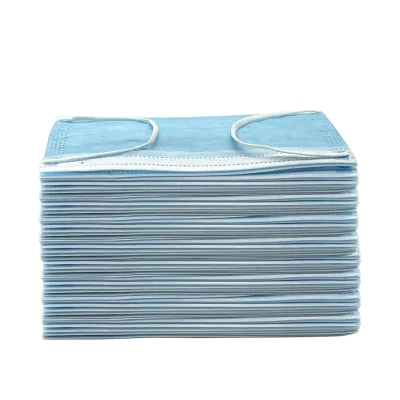
Easy Breath Nonwoven Custom Dust Proof Black 3 Ply Surgical Medical Disposable Face Mask
$0.006 - $0.02
MOQ: 10000 Minimum
SPRO Medical Products (Xiamen) Co., Ltd.
- Verified by TüVRheinland
- Manufacturer, Trading Company
- Lead time15 days
- Avg. response≤ 2h
Main productsParticle Filtering Half Mask, Non-woven Mask, KN95 Mask, Isolation Gown, Protective Clothing
Main marketsEastern Asia(70%), North America(15%), Western Europe(15%)
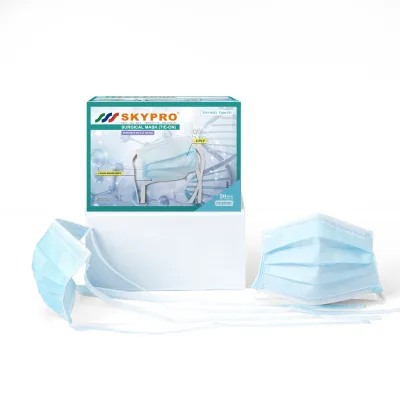
Wholesale Comfortable Lightweight Surgical Mask Medical Mask with Soft Material
$0.0206 - $0.031
MOQ: 2 pieces
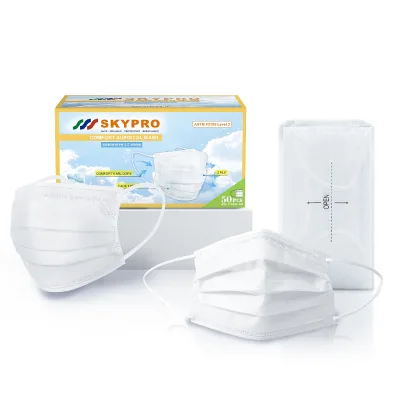
White Color Medical Mask Disposable Face Mask Comfort Surgical Low Resistance Safety Dust Face Mask
$0.0206 - $0.0309
MOQ: 2 pieces
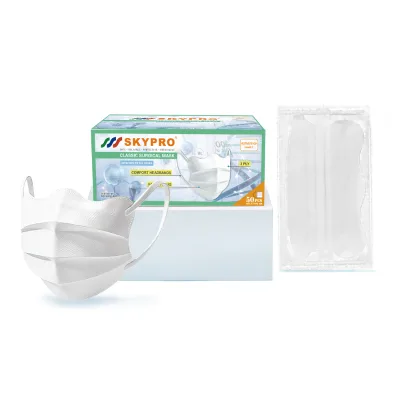
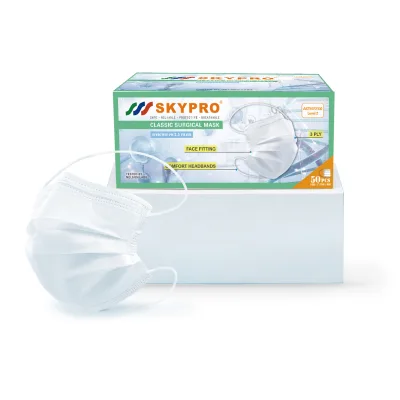
Certified Disposable Surgical Mask 510k Quality Splash and Fluid Resistant Isolation Medical Mask
$0.0207 - $0.031
MOQ: 2000 pieces
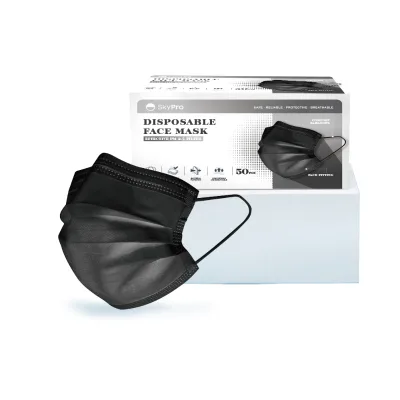
Disposable Waterproof Facemask for Protection Against Bacteria and Dust Medical Masks
$0.0104 - $0.0207
MOQ: 2000 pieces

Hubei Ruichen Protective Products Co., Ltd
- Verified by CTI
- Combined
- China Hubei
- Lead time23 days
- Avg. response≤ 3h
Main marketsDomestic,Europe

Disposable Non Woven Face Mask Breathable Medical Surgical Protective Mask
$0.0068 - $0.012
MOQ: 500000 Pieces


CE Type Iir Medical Surgical Fluid Resistant Mask for Clinical Procedure
$0.008 - $0.015
MOQ: 500000 PCS

Customized Non Woven Masks 3ply Surgical Disposable Medical Protective Face Mask
$0.0068 - $0.012
MOQ: 500000 Pieces

Wholesale Surgical Masks Medical Disposable 3ply Protective Medical Face Mask
$0.0068 - $0.012
MOQ: 500000 Pieces

3-Ply Disposable Surgical Face Masks Non-Woven Medical Protective Mask for Daily Protection
$0.0068 - $0.012
MOQ: 500000 Pieces
Hubei Wanli Protective Products Co., Ltd.
- Verified by SGS Group
- Manufacturer, Trading Company
- Lead time15 days
- Avg. response≤ 4h
Main productsDisposable Coverall, Surgical Gown, Isolation Gown, Face Mask, Nonwoven Fabric
Main marketsDomestic Market(30%), Western Europe(15%), Northern Europe(10%)

Ningbo Greetmed Medical Instruments Co., Ltd.
- Verified by SGS
- Trading Company,Manufacturer/Factory
- China Zhejiang
- Lead time45 days
- Avg. response≤ 10h
Main productsDiagnostics, Nebulizer, Hospital Equipment, Laboratory Instrument, Medical Tubes, Monitor, Medical Products, Non Woven Face Mask, Infusion Set, Syringe
Main marketsSouth America,Eastern Europe,Mid East,North America,Eastern Asia,Oceania,Western Europe,Africa
Jining Jianda Medical Device Technology Co., Ltd.
- Verified by Intertek
- Manufacturer, Trading Company
- Lead time15 days
- Avg. response≤ 2h
Main productsSurgical pack, Surgical gown, Medical surgical mask, Underpad, Wound dressing

Weifang Keepbetter Healthcare Co., Ltd.
- Verified by CTI
- Manufacturer/Factory
- China Shandong
- Lead time23 days
- Avg. response≤ 7h
Main productsIncontinence Products, Disposable Diapers, Disposable Underpads, Pet Puppy Training Pads, Baby Diapers, Adult Diapers, Pull up Diapers, Disposable Underwears, Booster Pad, Face Mask
Main marketsSouth America,Eastern Europe,Mid East,North America,Southeast Asia,Eastern Asia,Oceania,Western Europe,Africa


3-Ply Disposable Medical Face Surgical Mask Fabric Face Mask Surgical Face Mask
$0.025 - $0.04
MOQ: 10000 Pieces
Hubei Lioncare Protective Products Co., Ltd.
- Verified by Intertek
- Trading Company
- Lead time10 days
- Avg. response≤ 3h
Main productsDisposable Coveralls, Disposable Face Masks , Isolation Gowns , Disposable Caps, Disposable Lab Coats
Main marketsEastern Europe(30%), North America(20%), Oceania(10%)
Zhejiang Lidesen Medical Instrument Co., Ltd
- Verified by SGS Group
- Trading Company
- Lead time30 days
- Avg. response≤ 5h
Main productsMedical Bandage Adhesive Tape, Medical Gauze Cotton, Oxygen Mask , Urine Bag Medical Tube, Syringe Infusion Set
Main marketsSoutheast Asia(20%), North America(15%), Mid East(15%)

Shijiazhuang Yide Medical Device Manufacturing Co., Ltd.
- Combined
- China Hebei
- Lead time15 days
- Avg. response≤ 13h
Main productsPortable Suction Machine, Anti-Bedsore Air Mattress, Nebulizer, Isolation Gown, Isolation Shoe Cover, Protective Clothing, Infrared Thermometer, Digital Thermometer, Medical Mask, Pulse Oximeter
Main marketsSouth America,Africa,Southeast Asia/ Mideast,East Asia(Japan/ South Korea),Domestic,Europe,Australia

Fujian Yifa Healthcare Products Co., Ltd.
- Verified by TUVRHEINLAND
- Combined
- China Fujian
- Lead time30 days
- Avg. response≤ 6h
Main productsBaby Diaper, Face Mask, Wet Wipes, Adult Diaper, Underpad, Paper, 3D Mask, Chird Mask, Nursing Pads, Baby Pants
Main marketsAfrica,Europe,North America

Disposable Surgical Mask Non Woven Face Mask Breathable Medical Face Mask with CE
$0.03 - $0.05
MOQ: 10000 Pieces

Medical Mask Disposable Face Mask Nonwoven Facial Masks Protective Dust Free
Negotiable
MOQ: 2000 Pieces

Yangzhou Super Union Import & Export Co., Ltd.
- Verified by SGS
- Trading Company,Manufacturer/Factory
- China Jiangsu
- Lead time15 days
- Avg. response≤ 5h
Main productsGauze Swab, Gauze Roll, Gauze Ball, Lap Sponge, Paraffin Gauze, Cotton Roll, Non Woven Sponge, Medical Bandage, Medical Tape, Dressing Products
Main marketsSouth America,Mid East,Southeast Asia,Africa

Xiantao Fushi Protective Products CO.,LTD.
- Verified by BV
- Combined
- China Hubei
- Lead time23 days
- Avg. response≤ 25h
Main productsFace Mask, Cap, Isolation Gown, Coverall, Lab Coat, Shoe Cover/Sleeve Cover, Shopping Bag, Glove, Scrub Suit, Bouffant
Main marketsSouth America,Europe,North America
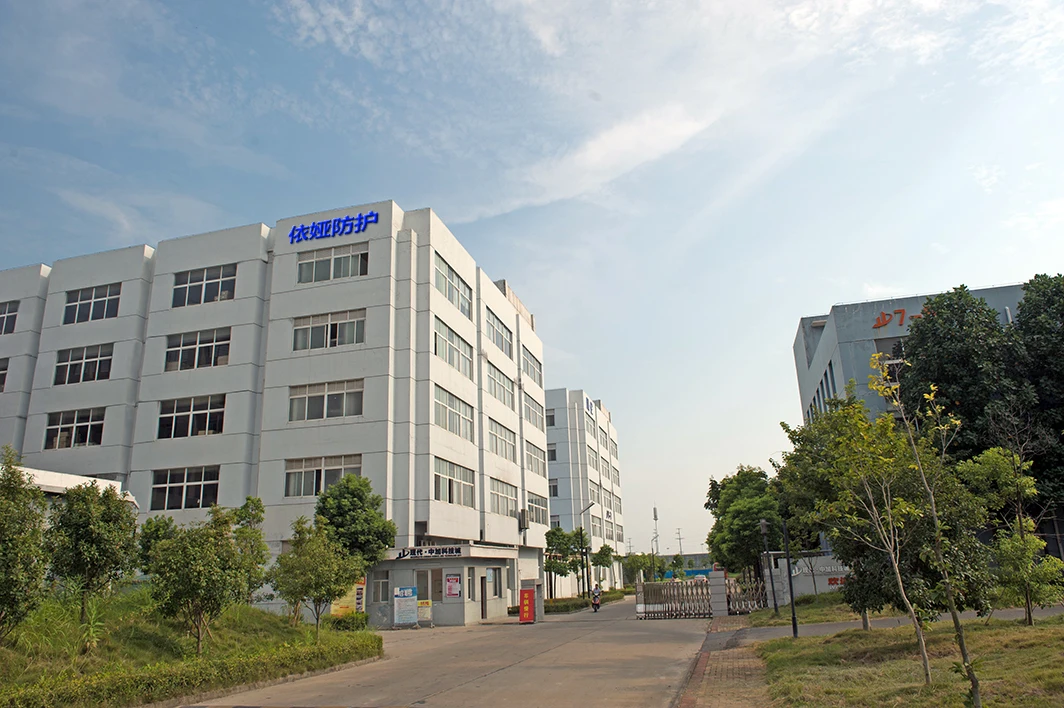
Hubei Yi-Ya Protective Products Co., Ltd.
- Manufacturer
- Hubei, China
- Lead time20 days
- Avg. response≤ 4h
Main productsCoverall,Face Mask,Surgical Gown,Shoe Cover,Cap
Main marketsEastern Asia(20.00%), South America(15.00%), Eastern Europe(10.00%), Domestic Market(5.00%), South Asia(5.00%), Southern Europe(5.00%), Northern Europe(5.00%), Central America(5.00%), North America(5.00%), Western Europe(5.00%), Mid East(5.00%), Oceania(5.00%), Africa(5.00%), Southeast Asia(5.00%)
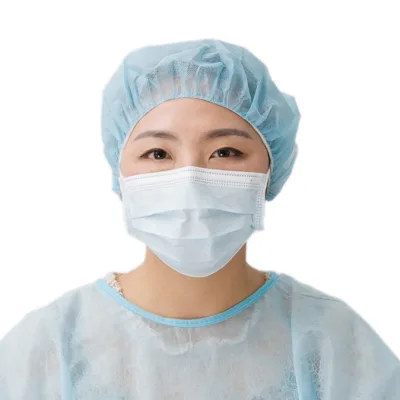
$0.005 - $0.02
MOQ: 50000 Minimum
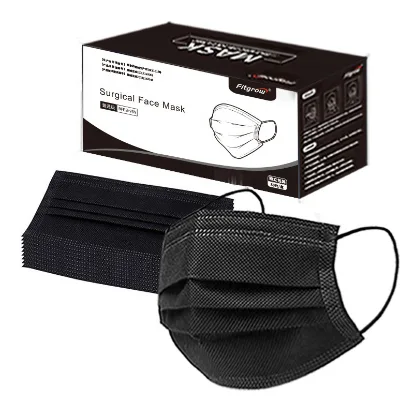
$0.005 - $0.02
MOQ: 50000 Minimum

Yangzhou Super Union Medical Material Co., Ltd.
- Combined
- China Jiangsu
- Lead time15 days
- Avg. response≤ 9h
Main productsGauze Swab, Sterile Gauze Sponge, Lap Sponge, Non Woven Sponge, Gauze Roll, Sterile Non Woven Swab, Paraffin Gauze, Gauze Bandage, Triangel Bandage, Cotton Wool
Main marketsSouth America,Africa,Others(foreignTradeCapacity.exportBusinessCapacityMarketOther),Southeast Asia/ Mideast,East Asia(Japan/ South Korea),Domestic,Europe,Australia,North America

Anqing Sankang Protection Technology Co., Ltd.
- Verified by BV
- Trading Company,Manufacturer/Factory
- China Anhui
- Lead time23 days
- Avg. response≤ 1h
Main productsIndustrial Face Mask, Civilian Face Mask, Medical Mask, Transparent Mask, Disposable Mask, FFP2 Face Mask, FFP3 Face Mask, N95 Mask, KN95 Mask, Respirator
Main marketsSouth America,Eastern Europe,Mid East,North America,Southeast Asia,Eastern Asia,Oceania,Western Europe,Africa

NINGBO FBELE ELECTRONICS CO., LTD.
- Trading Company
- China Zhejiang
- Lead time15 days
- Avg. response≤ 11h
Main productsSolar Cell, Buzzer, Fuse and Fuse Holder, Terminal Block, Switch, Speaker, Telephone Receiver, Siren, Rj, USB Connector
Main marketsSouth America,Southeast Asia/ Mideast,Europe


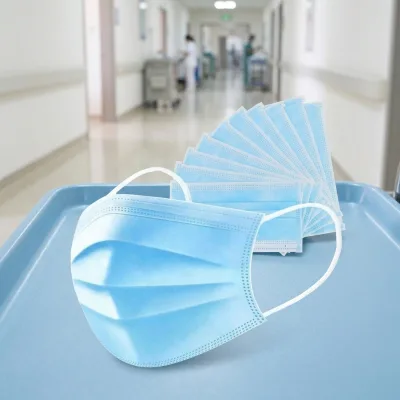
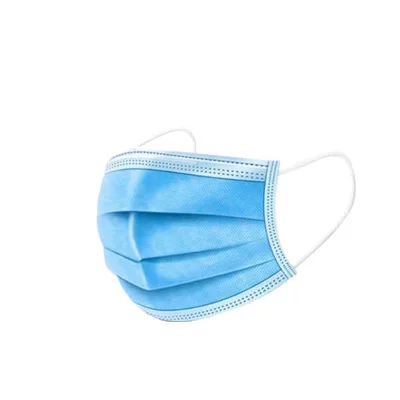
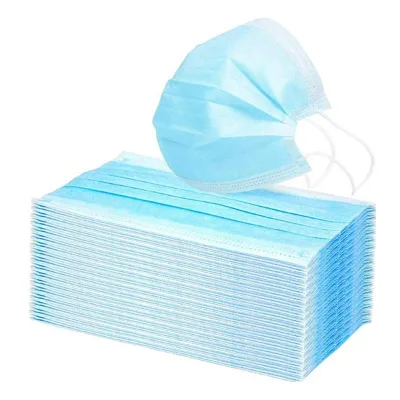


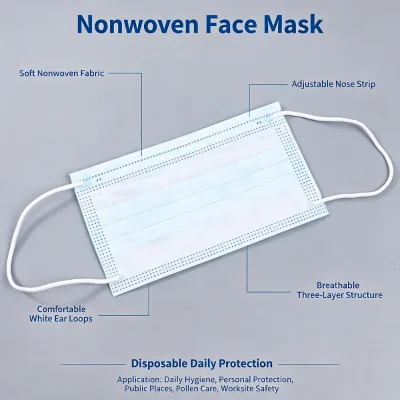
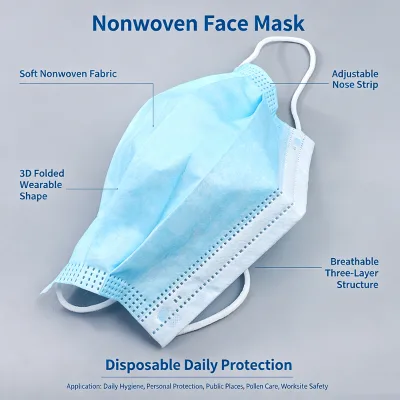
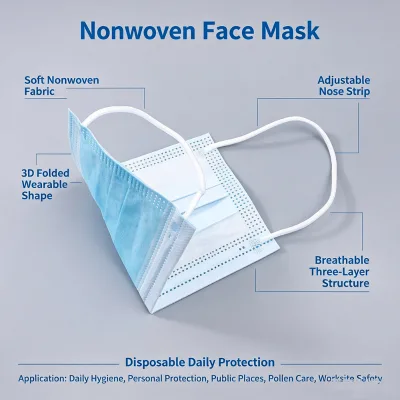
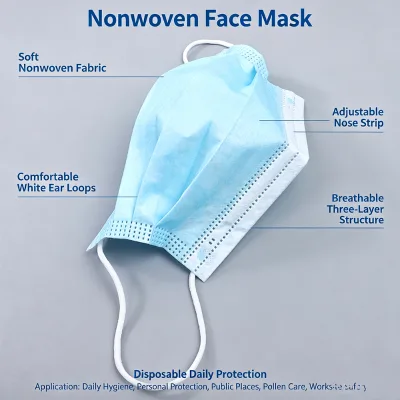


Comprehensive Sourcing Guide
Moisture Proof Surgical Mask Supplier Concentration and Factory Types
The current supplier landscape for moisture proof surgical masks shows a concentration of manufacturing and trading entities primarily located in China, specifically within the Hubei province. This regional clustering suggests a mature supply chain ecosystem where raw material sourcing, production facilities, and logistics networks are geographically proximate. Buyers observing this data should recognize that while Hubei is a verified location for these suppliers, the broader market may include other manufacturing hubs not explicitly detailed in the current results. When evaluating potential partners, it is crucial to distinguish between pure trading companies and manufacturers with their own factories, as the latter often provide greater control over production schedules and quality assurance. The available data indicates that many suppliers operate as a hybrid model, functioning as both a trading company and a manufacturer or factory. This dual role can offer flexibility in sourcing but requires careful verification of the actual production capacity to ensure the supplier can meet specific volume demands without relying entirely on third-party subcontractors.
Understanding the company type is essential for assessing the reliability of the supply chain. Suppliers identified as manufacturers typically possess their own research and development capabilities, allowing for customization of products such as the 3-ply PP disposable masks or specific sterilization methods like ethylene oxide. The presence of OEM and ODM capabilities in the supplier profiles indicates that these factories can adapt their production lines to create custom-branded moisture proof surgical masks. However, buyers must verify if the "Own Brand" or "OEM" designation applies to the specific moisture-proof variant they require, as some suppliers may only offer standard configurations. The distinction between a trading company and a factory also impacts the ability to conduct on-site audits. A factory with its own production line in Hubei allows for direct inspection of the manufacturing environment, whereas a trading company might only offer access to their office or a partner factory, which could introduce additional layers of communication and potential quality variance.
How to Verify Moisture Proof Surgical Mask Suppliers
Verification of Moisture Proof Surgical Mask suppliers requires a rigorous examination of their system certifications and third-party audit reports. The current data highlights several key certifications, including ISO 9001, ISO 13485, and BSCI, which are critical for medical device manufacturers. ISO 13485 is particularly significant as it specifically addresses quality management systems for medical devices, ensuring that the supplier adheres to international standards for design, production, and service. Additionally, the presence of an SGS verification status provides an external layer of confidence regarding the supplier's operational integrity. Buyers should not assume that all suppliers possess these credentials; instead, they must request current certificates and cross-reference them with the issuing bodies to confirm validity. The absence of a specific certification in the initial data should prompt a direct inquiry rather than an assumption of non-compliance, as suppliers may hold valid certifications that are not immediately visible in the summary results.
Beyond certifications, the response time and verification status of the supplier offer immediate indicators of their operational efficiency and reliability. The observed response times vary, with some suppliers showing a response time of approximately 4.31 hours, while others may take significantly longer, such as 9.82 hours. A faster response time often correlates with a more active sales team and a higher likelihood of timely communication regarding order status or quality issues. Buyers should prioritize suppliers who demonstrate a quick response to initial inquiries, as this behavior often translates to better support during the production and shipping phases. Furthermore, the verification status, such as the SGS badge, serves as a proxy for the supplier's commitment to transparency and quality. However, buyers must treat this as a starting point and conduct their own due diligence, including requesting product samples and reviewing past performance records, to ensure the supplier can consistently deliver moisture proof surgical masks that meet their specific requirements.
What to Compare Across Moisture Proof Surgical Mask Suppliers
When comparing suppliers, buyers should focus on quantifiable metrics such as lead time, minimum order quantity (MOQ), and pricing structures to determine the best fit for their procurement needs. The data indicates a range of lead times, with some suppliers offering a 23-day production window and others extending to 30 days. This variation can significantly impact inventory planning and delivery schedules, especially for time-sensitive medical supplies. Buyers must also scrutinize the MOQ, which can vary widely; for instance, some listings show an MOQ of 300,000 pieces, while others may require 400,000 or even 1,000,000 pieces. High MOQs can be a barrier for smaller buyers or those testing new markets, so it is essential to negotiate or find suppliers with more flexible thresholds. Additionally, the price range observed, such as $0.03 to $0.04 per unit, provides a baseline for cost comparison, but buyers should be aware that prices may fluctuate based on order volume, material costs, and specific customization requirements.
Another critical dimension for comparison is the product specifications and customization options available from each supplier. The current results show that many suppliers offer 3-ply masks with specific dimensions like 17.5*9.5cm and various sterilization methods, including ethylene oxide sterilization. Buyers should compare these attributes to ensure the product matches their technical requirements, such as the need for a specific filter rating or the availability of logo printing. The ability to customize the product, whether through OEM branding or specific material choices like PP non-woven fabric, is a key differentiator. Some suppliers may offer free samples with a short lead time of 1-3 days, which is valuable for quality testing, while others may charge for samples. By systematically comparing these product attributes alongside logistical factors like loading ports (e.g., Wuhan, Shanghai, Shenzhen), buyers can build a comprehensive profile of each supplier's capabilities and select the partner that offers the optimal balance of cost, quality, and flexibility.
Common Moisture Proof Surgical Mask Sourcing Risks
One of the primary risks in sourcing moisture proof surgical masks is the potential discrepancy between advertised certifications and actual product compliance. While suppliers may list certifications like CE, FDA, or ISO 13485 in their profiles, these credentials must be verified against the specific product batch being ordered. There is a risk that a supplier might hold a general certification for their facility but not for the specific moisture-proof variant they are selling. Buyers should request batch-specific test reports and ensure that the sterilization method, such as ethylene oxide, is explicitly documented for the order. Relying solely on the supplier's profile without independent verification can lead to receiving products that do not meet regulatory standards in the destination market, potentially resulting in customs delays or legal liabilities. This risk is particularly acute when dealing with suppliers who have a mixed profile of trading and manufacturing activities, as the chain of custody for quality control may be less transparent.
Another significant risk involves the reliability of lead times and the consistency of production capacity. The observed lead times of 23 to 30 days are estimates that can be affected by raw material shortages, labor issues, or unexpected demand surges. Suppliers with high MOQs, such as 1,000,000 pieces, may face longer production cycles or capacity constraints that could delay delivery. Buyers should assess the supplier's capacity to handle their specific order volume and inquire about their contingency plans for production delays. Additionally, the variation in response times, ranging from under 5 hours to nearly 10 hours, can indicate differences in operational efficiency. A slow response time might signal a lack of dedicated support staff or a high volume of inquiries that could delay critical communications. To mitigate these risks, buyers should establish clear communication protocols and include penalty clauses in contracts for missed deadlines, ensuring that the supplier remains accountable for meeting the agreed-upon schedule.
Moisture Proof Surgical Mask Regional Sourcing and Logistics
The regional sourcing of moisture proof surgical masks is heavily influenced by the location of manufacturing hubs, with Hubei, China, emerging as a verified production center. Suppliers in this region benefit from established logistics networks, with loading ports available in major cities like Wuhan, Shanghai, Shenzhen, and Guangzhou. This proximity to multiple ports offers buyers flexibility in choosing shipping routes that best suit their destination and cost requirements. However, buyers must verify the specific loading port for each order, as the port of departure can impact transit times and shipping costs. For instance, a supplier based in Hubei might ship from Wuhan, while another might utilize the larger ports of Shanghai or Shenzhen. Understanding these logistical nuances is essential for accurate freight cost estimation and delivery timeline planning. Buyers should also consider the impact of regional infrastructure on the reliability of shipments, as port congestion or local transportation issues can cause delays.
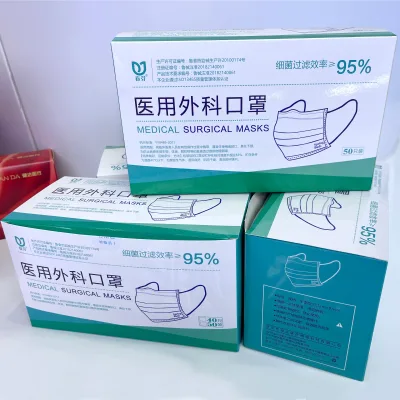
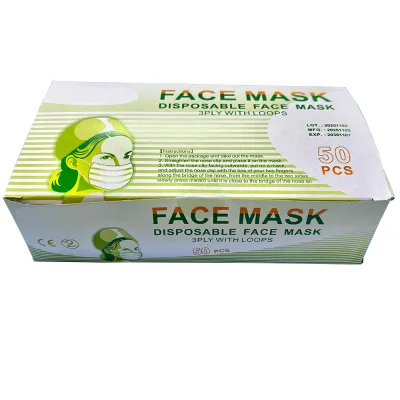
Logistics planning extends beyond the initial loading port to include packaging and handling requirements. The data indicates that suppliers often use specific packing configurations, such as 50 pieces per box and 40 boxes per carton, with carton dimensions like 52x38x30cm. These specifications are critical for calculating container load and optimizing shipping space. Buyers should ensure that the packaging meets the moisture-proof requirements of the product, as improper packaging can compromise the integrity of the masks during transit. Additionally, the availability of different loading ports allows buyers to consolidate shipments from multiple suppliers if necessary, potentially reducing overall freight costs. However, this strategy requires careful coordination to ensure that all products are ready for shipment at the same time and that the logistics provider can handle the consolidated load efficiently. By understanding the regional logistics landscape, buyers can make informed decisions that balance cost, speed, and reliability in their supply chain.
Moisture Proof Surgical Mask Commercial Terms and Order Planning
Commercial terms for moisture proof surgical masks often include specific conditions regarding payment, customization, and quality guarantees. The observed data suggests that many suppliers offer customization options, including logo printing and specific model numbers, which can be critical for branding and market differentiation. Buyers should clarify the terms for customization, such as whether there are additional costs for logo printing or if the supplier offers free samples for design approval. The quality guarantee period, noted as two years in some cases, provides a level of assurance regarding product durability and performance. However, buyers must verify the scope of this guarantee, including whether it covers manufacturing defects or specific usage conditions. Understanding these commercial terms is essential for negotiating favorable conditions and ensuring that the supplier is committed to long-term quality support.
Order planning for moisture proof surgical masks requires careful consideration of the minimum order quantity and the associated pricing tiers. The data shows a wide range of MOQs, from 300,000 to 1,000,000 pieces, which can significantly impact the total investment required. Buyers should align their order volume with their sales forecasts and storage capacity to avoid overstocking or stockouts. Additionally, the price range of $0.03 to $0.35 per unit highlights the importance of volume-based pricing negotiations. Buyers should seek to understand the price structure and whether discounts are available for larger orders or repeat business. Sample lead times, which can be as short as 1-3 days, offer an opportunity to validate product quality before committing to a large order. By integrating these commercial terms into their order planning, buyers can optimize their procurement strategy, manage cash flow effectively, and ensure a steady supply of high-quality moisture proof surgical masks.
FAQs
Are surgical masks moisture proof?
Most surgical masks use PP non-woven material which offers basic fluid resistance. However, true moisture proofing depends on specific filtration ratings and standards. Buyers should verify if the product meets Type I or higher standards for hospital use to ensure adequate protection against splashes and moisture.
What certifications do these masks have?
Suppliers typically hold CE and ISO 13485 certifications for medical face masks. Some products also display FDA compliance or ISO 9001 system certifications. These credentials ensure the masks meet international quality and safety standards for medical consumables, providing assurance for hospital and clinical procurement needs.
What is the minimum order quantity?
Minimum order quantities vary significantly by supplier and product type. Some manufacturers require as few as 300,000 pieces, while others set the threshold at 400,000 or even 1,000,000 pieces. Buyers must check specific product listings to confirm the exact MOQ applicable to their order volume.
How long does production take?
Standard lead times for surgical masks generally range from 23 to 30 days. Sample lead times are much faster, often taking only 1 to 3 days. Buyers should confirm exact production schedules with suppliers, as lead times may vary based on order size and current factory capacity.
Where are these masks manufactured?
Many surgical mask suppliers are located in China, specifically in Hubei province. Major loading ports include Wuhan, Shanghai, Shenzhen, and Guangzhou. This geographic concentration allows for efficient logistics and shipping options for international buyers sourcing medical consumables from these key manufacturing hubs in China.
Can I customize the masks?
Customization is available for many surgical mask products. Buyers can often request specific logo printing, packaging adjustments, or material variations. OEM and ODM services are commonly offered by manufacturers, allowing businesses to brand the masks according to their specific requirements and market needs.