Straight Platform Scissor Lift Suppliers and Manufacturers
Compare 23 suppliers offering straight platform scissor lifts with varying load capacities, heights, and certifications. Review response times, lead times, and pricing to select the right factory for your lifting needs; review the available evidence before requesting comparable quotations from suitable candidates.
Updated
Suppliers List

Chenlift (Suzhou) Machinery Co., Ltd
- Trading Company,Manufacturer/Factory
- China Jiangsu
- Lead time23 days
- Avg. response≤ 20h
Main productsScissor Lift, Vertical Lift, Aerial Work Platform, Lift Table, Work at Height, Aerial Lift, Hydraulic Lift, Scissor Aerial Work Platform, Access Lift, Access Platform
Main marketsSouth America,Eastern Europe,Mid East,North America,Southeast Asia,Eastern Asia,Oceania,Western Europe,Africa

Shandong Mingwei Hoisting Equipment Co., Ltd
- Verified by BV
- Combined
- China Shandong
- Lead time30 days
- Avg. response≤ 1h
Main productsTower Crane, Construction Hoist, Scissor Lift Platform
Main marketsDomestic
Zhengzhou Jieyuan Machinery Manufacturing Co., Ltd.
- Trading Company
- Henan, China
- Lead time7 days
- Avg. response≤ 2h
Main productsCurtain machine,quilt machine,cotton fiber machine,Aluminum cutting machine,Pipe bending machine
Main marketsSouthern Europe(20.00%), Western Europe(20.00%), South Asia(10.00%), Africa(10.00%), Central America(10.00%), Mid East(5.00%), South America(5.00%), Northern Europe(5.00%), Southeast Asia(5.00%), North America(5.00%), Eastern Asia(5.00%)

Shaoguan Zhongbo Machinery Equipment Co., Ltd.
- Verified by TUVRHEINLAND
- Trading Company,Manufacturer/Factory
- China Guangdong
- Lead time15 days
- Avg. response≤ 2h
Main productsHydraulic Lift, Elevator, Scissor Lift, Lifting Equipment, Lift Table, Machine, Aerial Work Platform, Lift, Crane, Telescopic Boom Lift
Main marketsMid East,Southeast Asia,Africa

Jinan Three Points Intelligent Equipment Co., Ltd.
- Verified by TUVRHEINLAND
- Combined
- China Shandong
- Lead time15 days
- Avg. response≤ 3h
Main productsMobile Scissor Lift, Self-Propelled Scissors Lift Table, Crawler Scissor Lift, Fixed Boarding Bridge, Mobile Dock Ramp, Towable Boom Lift, Tracked Boom Lift, Fixed Scissors Lifting Platform, Cargo Lift, Aluminum Alloy Lift
Main marketsSoutheast Asia/ Mideast
Jinan Leo Machinery Equipment Manufacturing Co., Ltd.
- Manufacturer, Trading Company
- Shandong, China
- Lead time30 days
- Avg. response≤ 1h
Main productsElevator, Household Elevator, Factory Freight Elevator, Platform Lift
Main marketsSoutheast Asia(27.00%), Mid East(25.00%), Western Europe(10.00%), South America(8.00%), Domestic Market(7.00%), Northern Europe(5.00%), Eastern Asia(3.00%), North America(3.00%), Oceania(3.00%), South Asia(2.00%), Southern Europe(2.00%), Central America(2.00%), Eastern Europe(2.00%), Africa(1.00%)
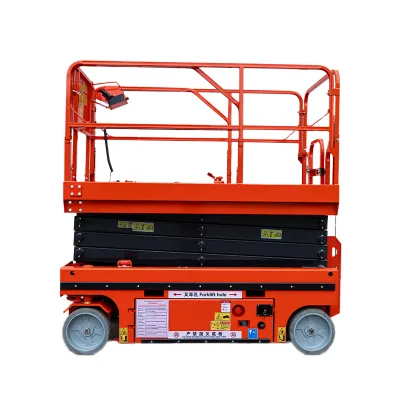
Self-Propelled Scissor Hydraulic Vertical Lifting Platform 320KG Scissor Hydraulic Lift
$1573.4778 - $1888.1734
MOQ: 1 sets
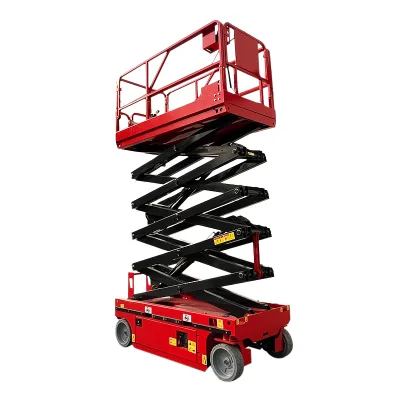
Mobile Scissor Lift Platform That Requires Manual Traction and Can Also Be Assisted with Walking
$1500.00 - $1800.00
MOQ: 1 sets
Jinan Zunhui Hydraulic Machinery Co., Ltd.
- Verified by SGS Group
- Manufacturer, Trading Company
- Lead time7 days
- Avg. response≤ 1h
Main productsHome Elevator, Goods Elevator, Lift Platform, Boarding Bridge, Delivery Elevator
Main marketsDomestic Market(20%), Eastern Asia(11%), North America(10%)

Wemet Lift Machinery Co., Ltd.
- Verified by BV
- Combined
- China Shandong
- Lead time23 days
- Avg. response≤ 9h
Main productsScissor Lift, Mobile Scissor Lift, Hydraulic Lift, Aerial Work Platform, Cargo Lift, Aluminium Lift, Home Elevator Lift, Boom Lift, Car Post Hydraulic Lift, Aerial Work Platform Lift
Main marketsAfrica,Southeast Asia/ Mideast,Australia,North America
Jinan Gradin Machinery Co., Ltd.
- Verified by SGS Group
- Manufacturer, Trading Company
- Lead time15 days
- Avg. response≤ 2h
Main productsCargo Lift, Vertical reciprocating conveyors, Scissor Lift, Articulated boom lift, Tilters & Upenders
Main marketsNorth America(19%), Central America(16%), South America(13%)
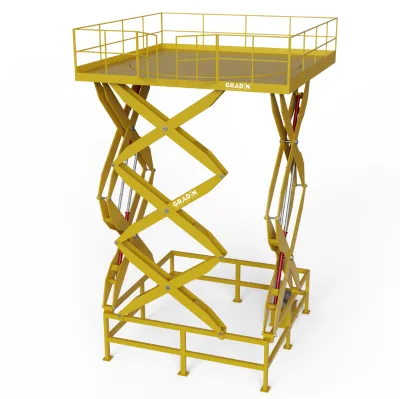
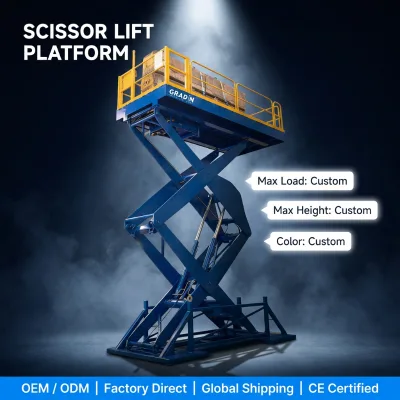
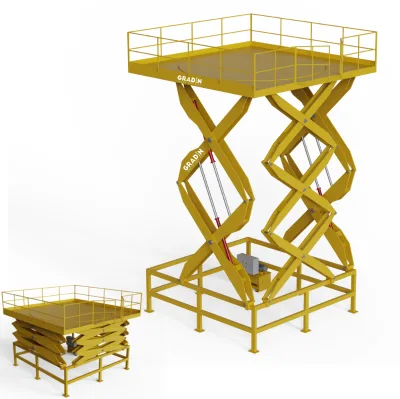
Pit-Mounted Hydraulic Scissor Lift
$1000.00 - $2300.00
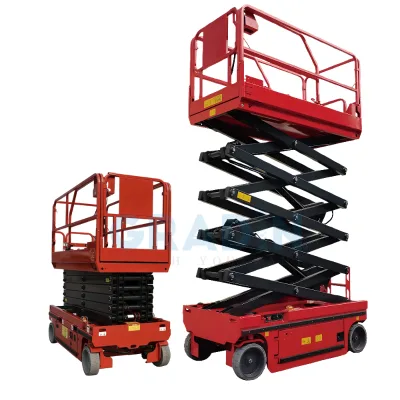
Low-Profile Scissor Lift for Power Generation
$1000.00 - $2300.00
Jiashan Jiuyuan Precision Tooling Co., Ltd.
- Manufacturer, Trading Company
- Zhejiang, China
- Lead time15 days
- Avg. response≤ 5h
Main productsAuto Tools,Stamping Parts,Agricultural Tools,Truck Accessories,Hydraulic Accessories
Main marketsNorth America(40.00%), South Asia(10.00%), Southern Europe(10.00%), Western Europe(10.00%), Oceania(10.00%), Southeast Asia(10.00%), Eastern Europe(10.00%)
Qingdao Desiree Intelligent Equipment Co., Ltd.
- Verified by SGS Group
- Manufacturer, Trading Company
- Lead time0 days
Main productsCar Lift, Intelligent Logistics Warehouse System, Intelligent Car Parking System
Main marketsNorth America(60%), Western Europe(11%), South America(10%)
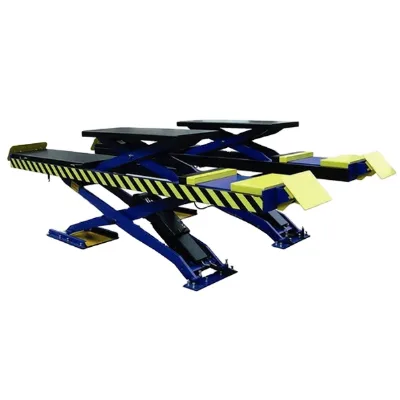
Double-level Platform Scissor Lift Used for Alignment
$3950.00 - $4000.00
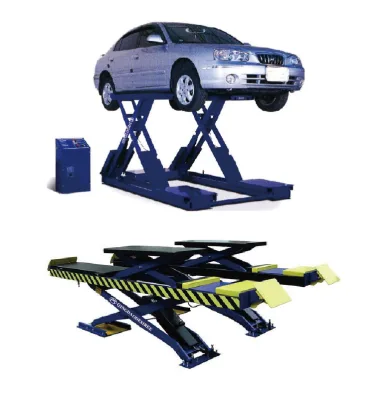
Double-Level Platform Scissor Lift Used for Alignment
$1949.00 - $1969.00

Henan Ideal Machinery Equipment Co., Ltd.
- Verified by TUVRHEINLAND
- Trading Company
- China Henan
- Lead time15 days
- Avg. response≤ 5h
Main productsScissor Lift, Spider Lift, Container Straddle Carrier
Main marketsSouth America,Southeast Asia/ Mideast
Jinan Gradin Electromechanical Co,. Ltd.
- Manufacturer, Trading Company
- Shandong Province, China
- Lead time15 days
- Avg. response≤ 2h
Main productsCargo Lifts,Scissor Lift Platform,AGV/AMR,Rotating Platform/Tilter & Upender,Unloading & Container & Machinery
Main marketsSouthern Europe(25.00%), North America(8.00%), Southeast Asia(8.00%), Eastern Europe(7.00%), Western Europe(7.00%), South America(7.00%), South Asia(5.00%), Domestic Market(5.00%), Oceania(5.00%), Northern Europe(5.00%), Africa(5.00%), Eastern Asia(5.00%), Mid East(5.00%), Central America(3.00%)
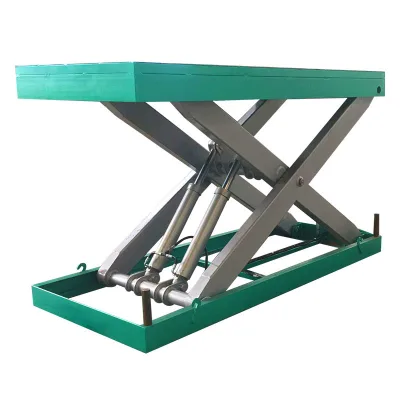
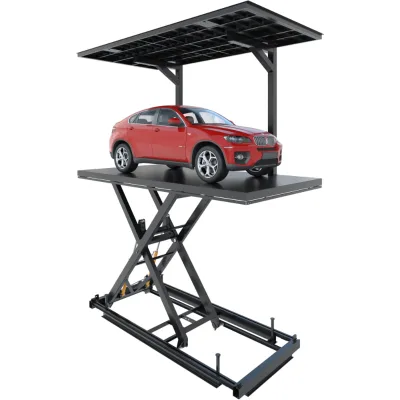
Double-deck Scissor Lift Platform for Securing Parked Vehicles
$4800.00 - $5000.00
Shandong Bowete Heavy Industry Machinery Co., Ltd.
- Verified by Intertek
- Manufacturer, Trading Company
- Lead time30 days
- Avg. response≤ 1h
Main productsHome elevator, Scissor Lift, Stage Scissor Lift
$900.00 - $1100.00
MOQ: 1 sets
$900.00 - $1100.00
MOQ: 1 pieces
Shandong Faster Machinery Co., Ltd.
- Verified by Intertek
- Manufacturer, Trading Company
- Lead time7 days
- Avg. response≤ 2h
Main productsLift Platform, Boom Lift, Scissor Lift, Vacuum Lifter, Spider Crane
Main marketsNorth America(13%), South America(10%), Eastern Europe(10%)
Xianghong Automatic Vehicle Maintenance Equipment (Liaoning) Co., Ltd.
- Manufacturer, Trading Company
- Liaoning, China
- Lead time0 days
- Avg. response≤ 10h
Main productsCar lift,Tire changer,Cargo lifting platform,Hoisting equipment,Two-post Lift
Main marketsSoutheast Asia(20.00%), Western Europe(20.00%), Northern Europe(10.00%), Eastern Europe(6.00%), South Asia(5.00%), South America(5.00%), Oceania(5.00%), Africa(5.00%), Eastern Asia(3.00%), Southern Europe(3.00%), Mid East(3.00%), Domestic Market(3.00%), North America(3.00%), Central America(2.00%)
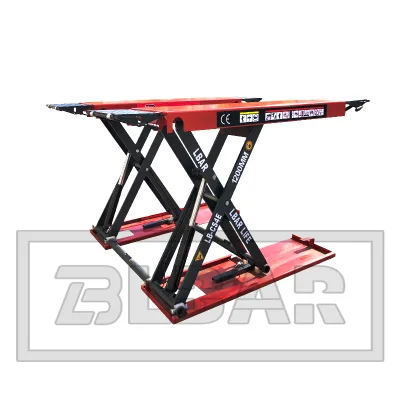
$817.8229 - $898.9878
MOQ: 1 sets
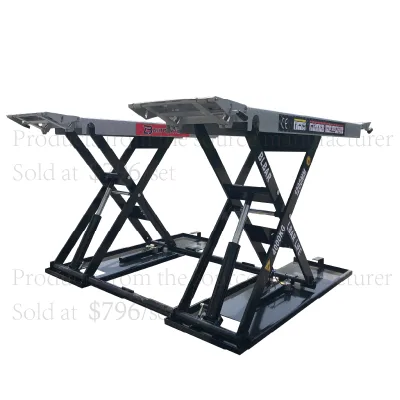
Anti Slip Pannle Scissor Lift With 47 Inches Lifting Height
$743.00 - $786.00
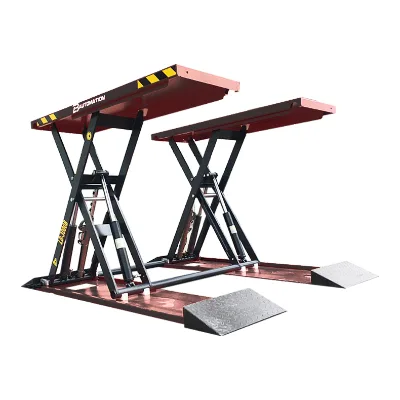
4000KG Scissor Lift Outdoor and Indoor Lift Table Car Lift Customized Factory Supplier
$864.3279 - $924.8725
MOQ: 1 sets
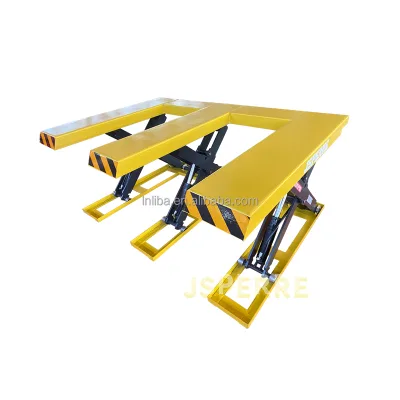
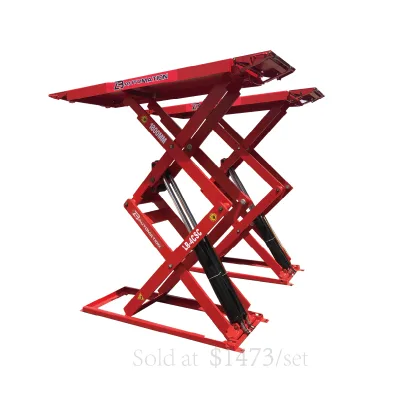
$1481.4002 - $1553.9159
MOQ: 1 sets
Jinan Juxin Machinery Co., Ltd.
- Verified by Intertek
- Manufacturer, Trading Company
- Lead time10 days
- Avg. response≤ 2h
Main productsScissor Lift, Dock Ramp, Cargo Lift, Aluminum Lift, Boom Lift
Main marketsEastern Europe(47%), Southeast Asia(18%), Domestic Market(15%)

Jinan Moral International Co., Ltd.
- Verified by BV
- Trading Company
- China Shandong
- Lead time23 days
- Avg. response≤ 3h
Main productsDisabled Wheelchair Lift, Parking Equipment, Scissor Lift, Cargo Lift, Work Platform, Transfer Cart, Car Turntable, Dock Lift, Flatcar, Dock Ramp
Main marketsSouth America,Africa,Southeast Asia/ Mideast,Europe,Australia,North America
Rheas (Yingkou) International Trade Co., Ltd.
- Trading Company
- Liaoning, China
- Lead time25 days
- Avg. response≤ 6h
Main productscar lift,wheel alignment,Wheel Balancers,tyre changer
Main marketsNorth America(50.00%), Western Europe(30.00%), Southern Europe(5.00%), Mid East(5.00%), Africa(3.00%)
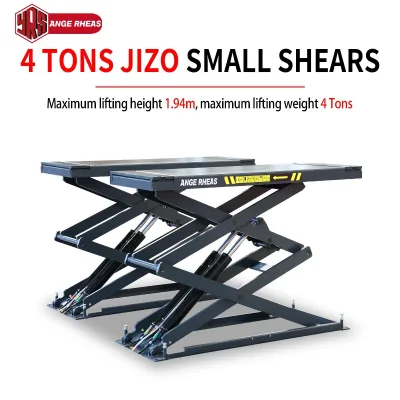
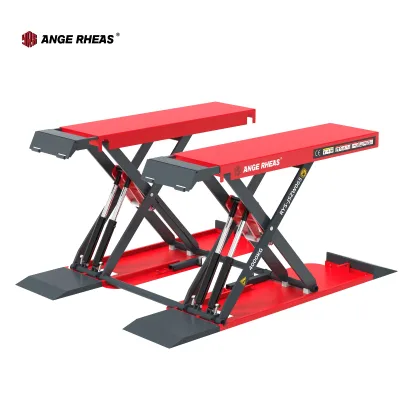
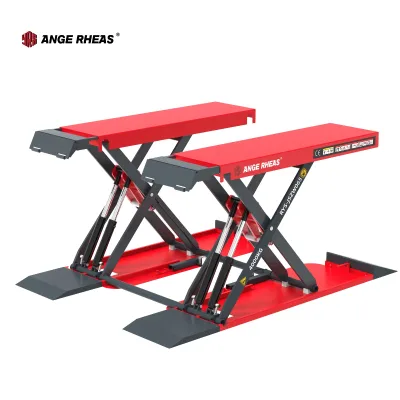
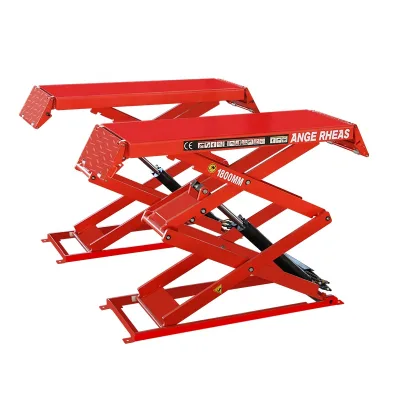
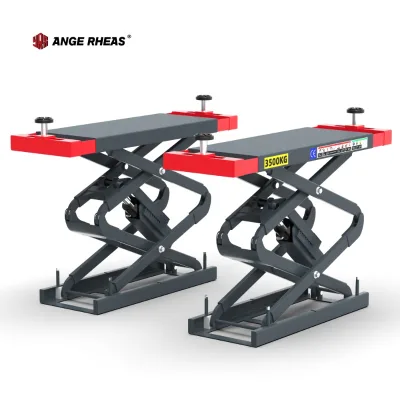
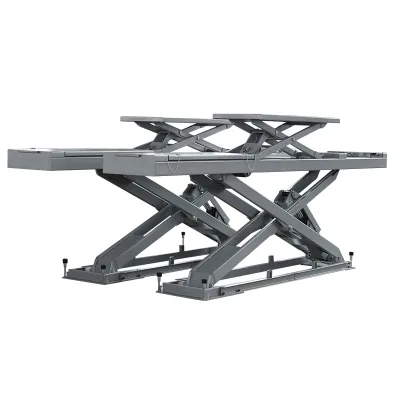
$1692.5449 - $1765.6421
MOQ: 1 sets
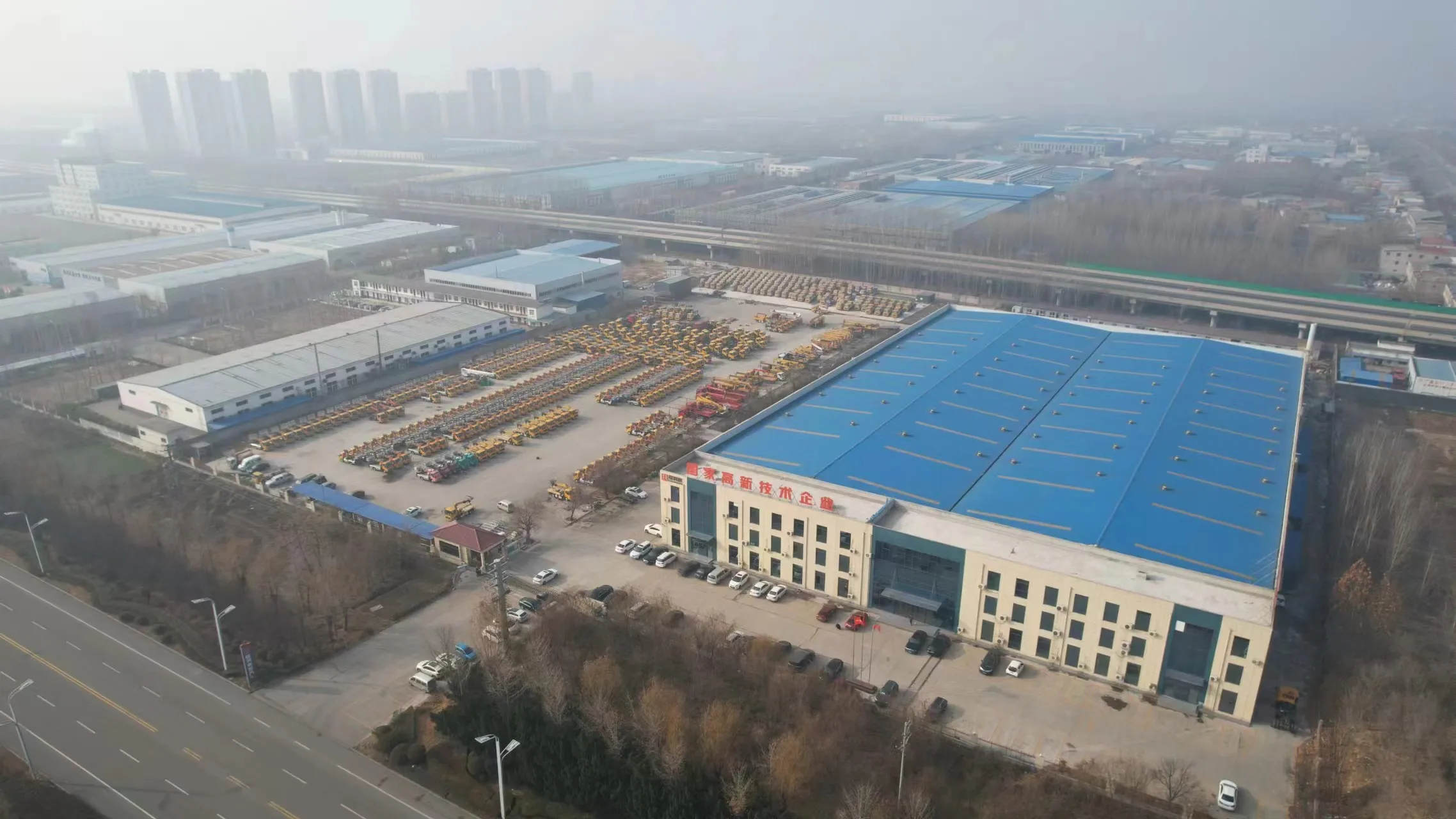
Jining Baoliwei Construction Machinery Sales Co., Ltd.
- Trading Company
- Shandong, China
- Lead time15 days
- Avg. response≤ 14h
Main productstruck crane,aerial work platform,truck mounted crane,hydraulic truck crane
Main marketsSouth Asia(50.00%), Central America(20.00%), South America(10.00%), Eastern Europe(10.00%), Mid East(10.00%)
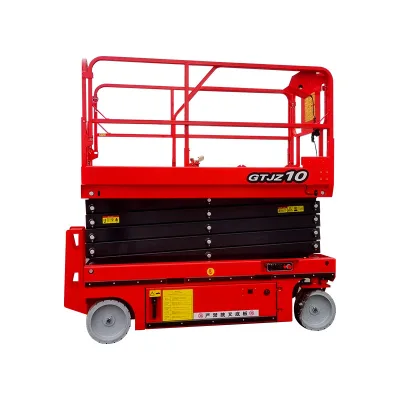
Factory Direct Sale Aerial Lift Manual Movable Mobile Scissor Lift
$1641.7108 - $1847.0528
MOQ: 1 units
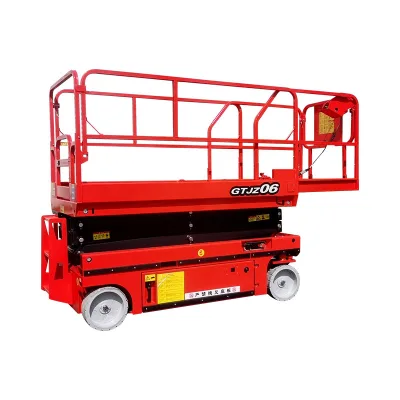
Lithium Battery Powered Scissor Lift, 7.8m Working Height, with Anti-slip Platform
$1168.00 - $1188.00
MOQ: 1 units
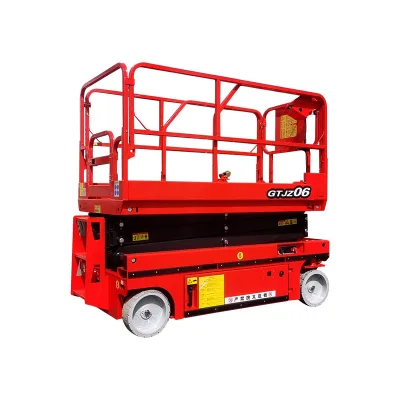
Compact Self-propelled Scissor Lift, 6m Height, Indoor/outdoor Use, 550kg Load Capacity
$1168.00 - $1188.00
MOQ: 1 units
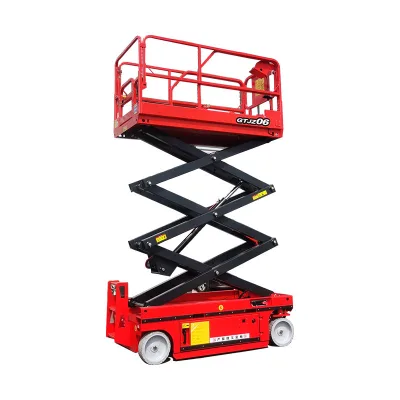
Heavy Duty 550kg Electric Scissor Lift for Building Construction, Height 6m, CE Certified
$1202.4903 - $1223.0806
MOQ: 1 units
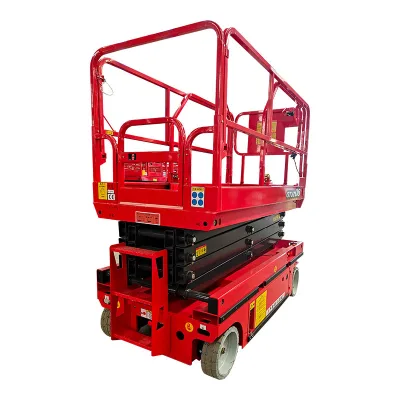
$1268.00 - $1288.00
MOQ: 1 units
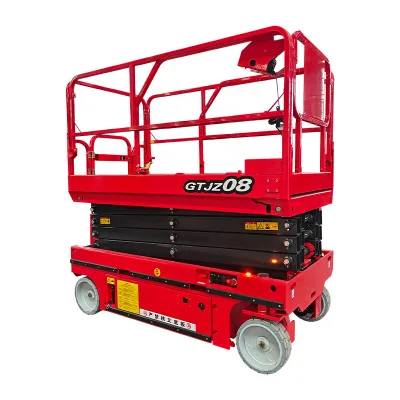
4m 6m 8m 10m 12m 14m Self Moving Scissor Lift Accept Customized OEM Self Moving Scissor Lift
$1399.00 - $1599.00
MOQ: 1 units
- Trading Company
- Liaoning, China
- Lead time15 days
- Avg. response≤ 5h
Main productscar lifts,tire changers,wheel balancers,wheel alignment,other vehicle maintenance equipment
Main marketsEastern Europe(20.00%), Northern Europe(10.00%), Western Europe(10.00%), South America(10.00%), Africa(7.00%), Southeast Asia(5.00%), North America(5.00%), Southern Europe(5.00%), Central America(5.00%), Eastern Asia(5.00%), Mid East(5.00%), Domestic Market(5.00%), Oceania(5.00%), South Asia(3.00%)
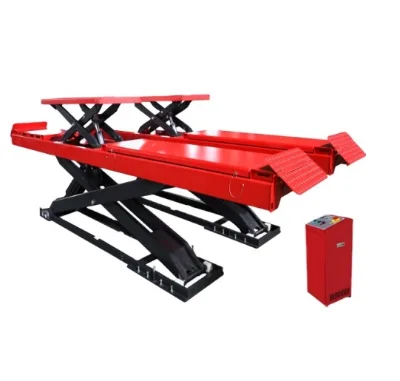
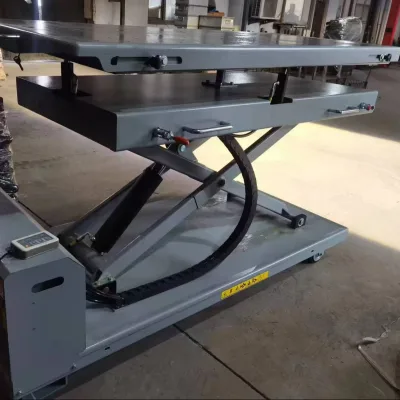
$3215.00 - $3280.00

- Verified by TUVRHEINLAND
- Trading Company
- China Zhejiang
- Lead time30 days
- Avg. response≤ 19h
Main productsLift Table, Scissor Lift, Hydraulic Scissor Lift, Hydraulic Lift Table, Loading Dock, Dock Lift, Car Lift Table, Goods Elevator, Working Platform
Main marketsAfrica,Southeast Asia/ Mideast
Yantai Autenf Import & Export Trading Co., Ltd.
- Trading Company
- Shandong, China
- Lead time15 days
- Avg. response≤ 2h
Main productsCar Lift,Truck Lift,Spray Booth,Tire Changer,Wheel Balancing Machine
Main marketsNorth America(15.00%), Southeast Asia(10.00%), Eastern Europe(10.00%), South America(10.00%), Domestic Market(5.00%), South Asia(5.00%), Southern Europe(5.00%), Northern Europe(5.00%), Central America(5.00%), Western Europe(5.00%), Eastern Asia(5.00%), Mid East(5.00%), Oceania(5.00%), Africa(5.00%)
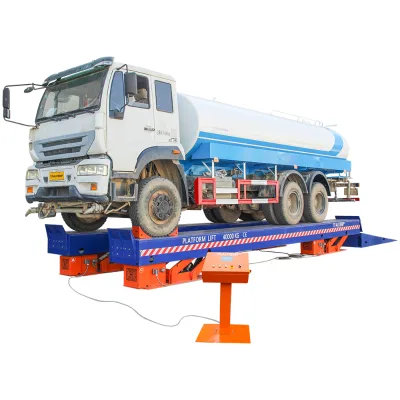
Hydraulic Intelligent 40T Platform Lift - 1.7m Lifting Height Customizable 8.5m+ Length
$58516.2816
MOQ: 1 Minimum
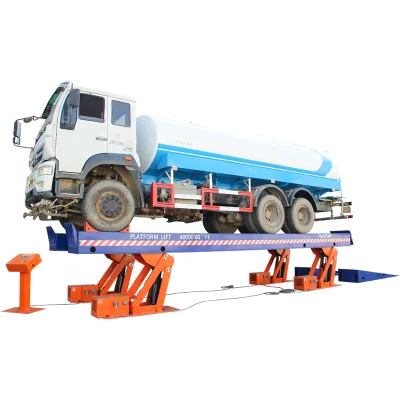
40 Ton Heavy-Duty Platform Lift - 1.7m Lifting Height 8.5m Length Intelligent LCD Control
$58516.2816
MOQ: 1 Minimum










Comprehensive Sourcing Guide
Straight Platform Scissor Lift Supplier Concentration and Factory Types
The current supplier landscape for straight platform scissor lifts is dominated by manufacturers and trading companies located in China Jiangsu. This regional concentration suggests a mature industrial cluster where supply chain efficiencies and specialized labor pools support the production of heavy lifting equipment. Buyers evaluating these suppliers should recognize that the presence of both factory types indicates a market where direct manufacturing capabilities coexist with distribution networks. Understanding this dynamic is crucial for determining whether a supplier offers true factory-direct pricing or acts as an intermediary. The concentration in this specific province often correlates with established logistics hubs, which can influence shipping costs and delivery speeds for international orders.
Supplier types vary significantly in their operational focus, with some entities identifying primarily as manufacturers while others operate as trading companies. This distinction impacts the level of technical support, customization flexibility, and price negotiation power available to the buyer. Manufacturers typically possess the infrastructure for OEM and ODM services, allowing for bespoke modifications to standard straight platform designs. Trading companies, on the other hand, may offer a broader portfolio of compatible accessories or alternative brands but might have less direct control over production timelines. Verifying the actual nature of the supplier’s operations is essential, as it dictates the depth of engineering support and the reliability of the supply chain during peak demand periods.
How to Verify Straight Platform Scissor Lift Suppliers
Verification begins with scrutinizing the system certifications displayed by potential partners, as these documents provide objective evidence of quality management and environmental compliance. Many suppliers in this sector hold ISO 9001, ISO 14001, and SA 8000 certifications, which signal adherence to international standards for production processes, environmental impact, and social responsibility. Buyers should request copies of these certificates and verify their validity through the issuing bodies to ensure they are current and not expired. Additionally, product-specific certifications such as ISO CE marks should be confirmed for the specific models of interest, as these indicate compliance with safety and performance regulations required in many export markets.
Beyond documentation, assessing the supplier’s responsiveness and operational transparency is critical for establishing a reliable partnership. The average response time for suppliers in this category is approximately 19.19 hours, which serves as a benchmark for evaluating communication efficiency. Buyers should test this responsiveness by submitting detailed technical inquiries and measuring the speed and accuracy of the replies. Furthermore, examining the supplier’s capacity for customization, such as their ability to handle OEM or ODM projects, provides insight into their engineering capabilities. Suppliers that offer robust customization options often have more flexible production lines, which can be advantageous for buyers with unique operational requirements or specific platform dimensions.
What to Compare Across Straight Platform Scissor Lift Suppliers
When evaluating multiple suppliers, comparing key operational metrics such as lead time and minimum order quantity (MOQ) is essential for aligning procurement with project schedules. The typical lead time for these lifts is around 23 days, which buyers must factor into their overall project planning to avoid delays. MOQs are often set at a low threshold, such as one unit, allowing for flexible purchasing for small-scale operations or trial orders. However, buyers should also consider the price ranges associated with different configurations, as costs can vary significantly based on load capacity, platform height, and additional features like explosion-proof or insulating properties. Comparing these financial and logistical parameters helps in identifying the most cost-effective and timely solution.
Technical specifications and product attributes provide another layer for comparison, allowing buyers to assess the suitability of each supplier’s offerings for their specific application. Key attributes to compare include the driven type, such as AC or hydraulic systems, and the maximum load capacity, which can range from middle-level to heavy-duty configurations. Buyers should also examine the platform size, stowed height, and maximum working height to ensure the equipment fits within their operational constraints. Additionally, features like self-propelled movement, lifting time, and power voltage requirements are critical for ensuring compatibility with existing infrastructure. By systematically comparing these technical details, buyers can narrow down their options to suppliers whose products best match their functional needs.
Common Straight Platform Scissor Lift Sourcing Risks
One significant risk in sourcing straight platform scissor lifts is the potential mismatch between advertised specifications and actual product performance. Buyers must be cautious of discrepancies in critical attributes such as load capacity, platform dimensions, and lifting mechanisms. For instance, a supplier might advertise a high load capacity, but the actual structural integrity or hydraulic system performance may not meet the claimed standards. This risk is exacerbated when dealing with trading companies that may not have direct oversight of the manufacturing process. To mitigate this, buyers should request detailed technical drawings, material specifications, and third-party test reports to verify that the product meets the stated engineering requirements.
Another risk involves the reliability of after-sales support and warranty claims, which can be complicated by geographical distance and communication barriers. Suppliers located in distant regions may have limited local service networks, making it difficult to obtain timely repairs or replacement parts. Additionally, the complexity of hydraulic and electrical systems in scissor lifts requires specialized knowledge for maintenance, which suppliers may not adequately support. Buyers should inquire about the availability of spare parts, the duration of warranty coverage, and the technical support channels provided. Understanding these support structures is vital for ensuring long-term operational continuity and minimizing downtime associated with equipment failures or maintenance needs.
Straight Platform Scissor Lift Regional Sourcing and Logistics
Sourcing from China Jiangsu offers logistical advantages due to the region’s well-developed infrastructure and proximity to major shipping ports. This location facilitates efficient export processes, reducing transit times and costs for international buyers. However, buyers must account for the complexities of international shipping, including customs clearance, import duties, and insurance. The packaging standards for these lifts, such as being wrapped with film and packed in pallets or wooden cases, are designed to protect the equipment during transit. Buyers should verify that the packaging meets the specific requirements of their destination country to prevent damage during handling and storage.
Logistics planning also involves coordinating with freight forwarders to optimize shipping routes and consolidate shipments where possible. For larger orders, sea freight is often the most cost-effective option, while air freight may be necessary for urgent replacements or smaller components. Buyers should consider the total landed cost, which includes not only the product price but also shipping, insurance, and any applicable tariffs. Additionally, the supplier’s ability to provide accurate documentation, such as commercial invoices, packing lists, and certificates of origin, is crucial for smooth customs clearance. Establishing a clear logistics strategy early in the sourcing process helps avoid unexpected delays and additional costs.
Straight Platform Scissor Lift Commercial Terms and Order Planning
Commercial terms such as payment methods, pricing structures, and order planning strategies are critical for managing financial risk and ensuring smooth transactions. Buyers should negotiate clear payment terms, such as using escrow services or letters of credit, to protect their interests until the goods are received and inspected. The price range for straight platform scissor lifts can vary widely, from approximately $2,000 to over $12,000, depending on the model and specifications. Understanding the factors that drive these price differences, such as load capacity, platform height, and customization options, allows buyers to budget accurately and compare quotes effectively.
Order planning should also consider the supplier’s production capacity and lead times to align with project deadlines. Buyers should communicate their requirements clearly and confirm the production schedule before placing the order. Additionally, considering the potential for future orders, buyers might negotiate volume discounts or long-term supply agreements to secure better pricing and priority production slots. It is also important to plan for the installation and commissioning of the equipment, ensuring that the supplier provides adequate technical guidance and support. By carefully managing commercial terms and order planning, buyers can minimize risks and maximize the value of their investment in straight platform scissor lifts.
FAQs
What is the price range for fixed scissor lifts?
Fixed scissor lifts are priced between $2,000 and $12,000 depending on load capacity and platform height. Models with 3,000kg capacity start around $2,000, while heavy-duty units reaching 6,800kg cost up to $12,000. Prices vary based on customization options and specific technical requirements for your warehouse or workshop application.
What certifications do these hydraulic lifts have?
Manufacturers typically provide ISO and CE certifications for their hydraulic scissor lifts. The supplier base also holds ISO 9001, ISO 14001, and SA 8000 system certifications. These credentials ensure compliance with international quality and safety standards for stationary and mobile lifting equipment used in industrial environments.
What is the typical lead time for orders?
The average lead time for manufacturing these lifts is 23 days. Buyers should also note that supplier response times average around 19.19 hours. This timeframe allows for production scheduling and quality checks before shipment from the Jiangsu region in China to international destinations.
What is the minimum order quantity for these lifts?
The minimum order quantity is one unit for most models. This low MOQ allows buyers to purchase single units for testing or specific project needs. It applies to both stationary fixed platforms and mobile aerial work platforms, facilitating flexible procurement for small to medium-sized operations.
Where are these scissor lifts manufactured?
These lifts are manufactured in China, specifically in the Jiangsu province. This region is a known hub for machinery production. Buyers sourcing from this location benefit from established supply chains for hydraulic components and steel structures used in building and warehouse crane applications.
What load capacities are available for these platforms?
Available load capacities range from 240kg to 6,800kg. Lighter mobile units support around 500kg, while heavy-duty fixed tables handle up to 6,800kg. This variety supports middle-level carrying needs for cargo loading, workshop cranes, and shipboard applications requiring robust lifting solutions.