Source Automatic Glass Cutting Roll Laminator for Auto, Building, and Furniture
Compare 30 Automatic Glass Cutting Roll Laminator options from verified Chinese suppliers. Buyers can evaluate specifications like glass size, power, and film types for automotive, construction, and furniture applications; compare the available evidence and request quotations based on your requirements.
Updated
Key considerations
Products List


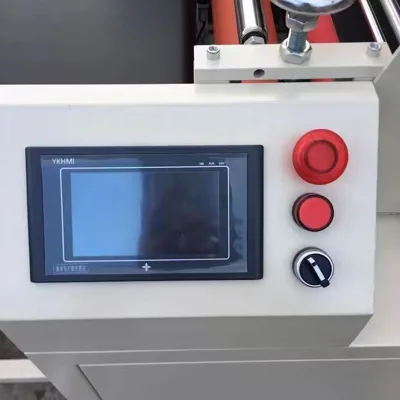
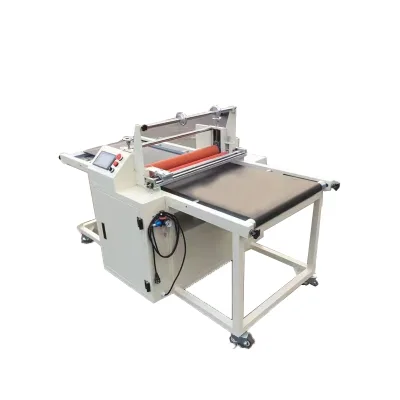
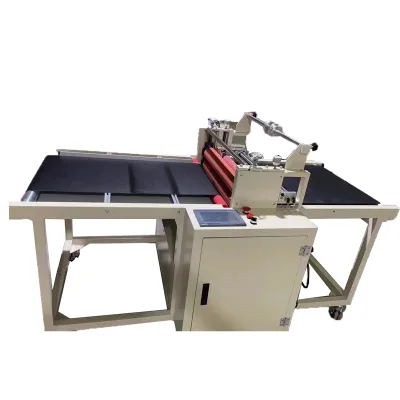
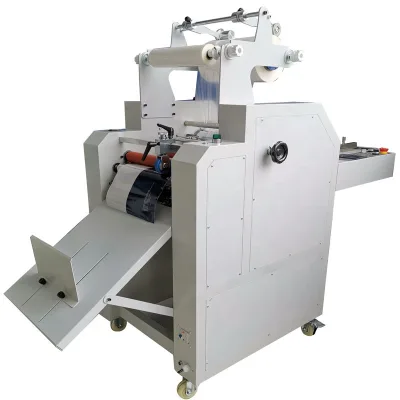
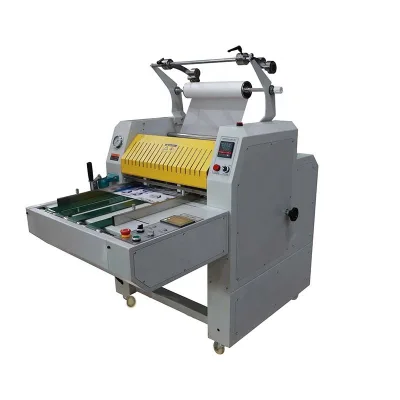
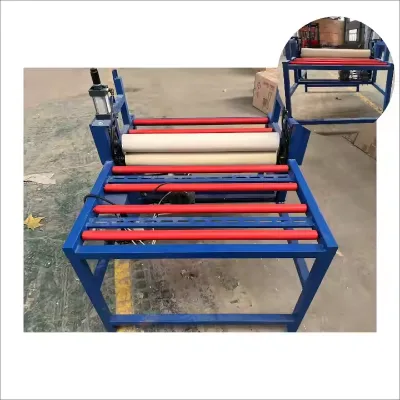
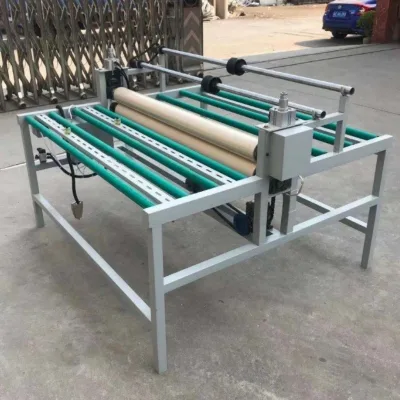

Automatic Roll Laminator with Fiberglass Mat Function Hot and Cold Laminator Machine
$20000.00 - $28000.00
MOQ: 1 Pieces

Automatic Glass Cutting Machine PLC System Glass Laminating Machine
$13500.00 - $17000.00
MOQ: 1 Pieces

Robust Glass Laminating Machine with Automatic Settings for Precision Processing
$12000.00 - $18800.00
MOQ: 1 Pieces
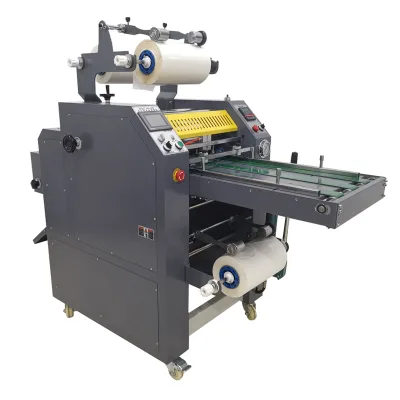

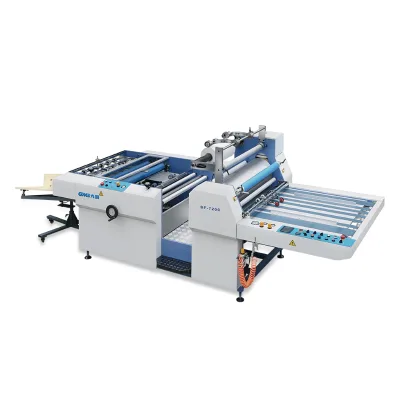
Printing Press Industrial Film Roll Cutting Laminator for Paper
$16632.7031 - $29979.934
MOQ: 1 Minimum
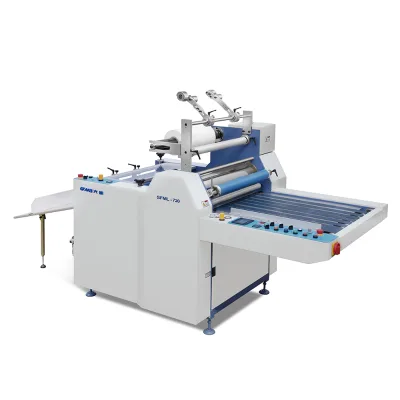

Laminated Glass Cutting Machine Semi-Automatic Glass Laminating Machine
$12250.00 - $12500.00
MOQ: 1 Pieces


Automatic Laminated Glass CNC Cutting Table Laminating Glass Cutting Machine
$54000.00 - $68000.00
MOQ: 1 Sets

Laminated Glass Cutting Machinery Automatic Laminated Glass Cutting Machine
$7230.00 - $14600.00
MOQ: 1 Set
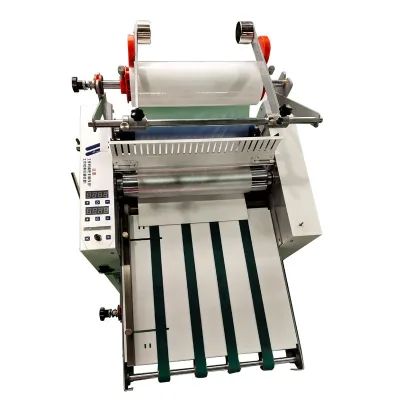
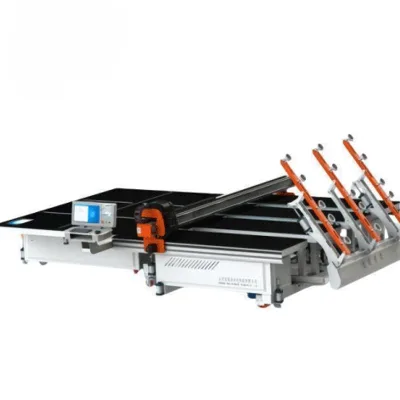

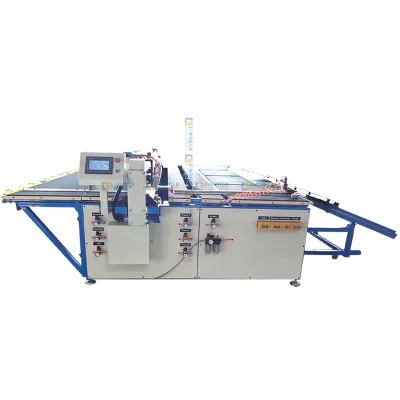
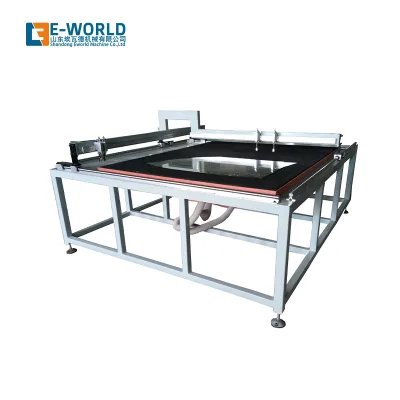
High Efficiency Self-lubricating Cutter Manual Rectangular Glass Cutting Machine
$2070.4488 - $2588.061
MOQ: 1 sets
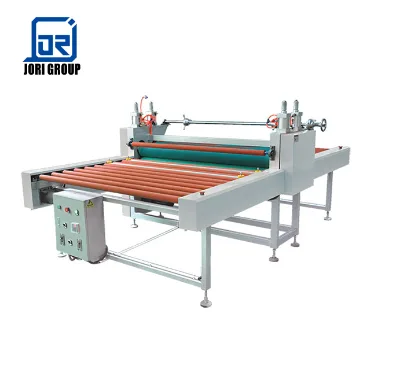
Comprehensive Sourcing Guide
Automatic Glass Cutting Roll Laminator Sourcing Guide
Procuring an Automatic Glass Cutting Roll Laminator requires a clear distinction between industrial-grade glass processing equipment and smaller-scale document or paper laminators. The market presents a wide spectrum of machinery, ranging from heavy-duty horizontal units designed for large architectural glass panels to compact heated roll devices intended for office or light industrial use. Buyers must first define their primary material application, as the mechanical requirements for handling 8-40 mm glass sheets differ significantly from those for processing paper or thin films. Misidentifying the machine type can lead to purchasing equipment with insufficient power or incorrect structural configurations for the intended production volume.
The observed product landscape includes specialized models such as the SG-3000-4SD Dual and the SZ-Alam3725-I, which are engineered for specific glass dimensions and thicknesses. These industrial units often feature PLC control systems and horizontal structures to manage large glass sizes up to 5800*2500mm. In contrast, other listings describe smaller laminators with motor powers as low as 250W or 400W, suitable for A4 or A3 paper sizes. Understanding this dichotomy is essential for aligning procurement goals with the correct technical specifications, ensuring that the selected machine can handle the required film types, such as PVB or EVA, and meet the necessary throughput speeds for your operational needs.
Product Scope and Observed Listing Signals
The current market listings reveal a diverse range of capabilities, with prices spanning from approximately $300 to $300,000 USD, reflecting the vast difference in scale and complexity between office laminators and industrial glass processors. High-capacity glass laminating machines, such as those with 72kw power ratings, are designed for heavy manufacturing environments and require significant infrastructure support. These units often come with standard packing for container shipping and originate from major manufacturing hubs like Beijing or Guangdong in China. Buyers should carefully review the maximum glass size specifications, which can vary from 2000mm x 4000mm to larger formats, to ensure compatibility with their existing facility layout and material handling systems.
Smaller scale laminators, often marketed under brand names like MATAL or SUPU, present a different set of operational parameters. These devices may feature voltages of 220V or 110V/220V and have much lower power consumption, such as 600W or 2000W. Some models are explicitly designed for paper applications with laminating widths around 390mm and speeds up to 7m/min. While these machines offer customization options and come with a one-year warranty, they are not suitable for processing thick glass sheets. Procurement teams must verify the material application field, as confusing a paper laminator with a glass processing unit will result in immediate operational failure and potential safety hazards due to incorrect force and temperature settings.
Technical Specifications to Verify
When evaluating industrial glass laminating machines, verifying the maximum glass size and thickness capabilities is paramount. Listings indicate support for glass thicknesses ranging from 8 to 40 mm, which is critical for safety and architectural glass production. The structural design, typically horizontal, must accommodate the specific dimensions of the glass panels, with some models supporting sizes up to 58002500mm. Buyers should confirm that the machine’s physical footprint, often around 35002700*2000mm, fits within their production floor constraints. Additionally, the control system, usually a PLC, must be compatible with your operational workflow and allow for precise adjustments in pressure and temperature to ensure consistent lamination quality across different glass thicknesses.
For smaller laminators, technical verification focuses on motor power, voltage compatibility, and laminating width. Models with 250W or 400W motors are generally sufficient for paper or thin film applications but lack the power for glass processing. Buyers must check the voltage requirements, which may be 220V or 110V/220V, to ensure compatibility with local electrical infrastructure. The laminating speed, observed up to 7m/min for certain heated roll laminators, impacts production throughput. It is also essential to verify the single package size and gross weight, such as 185X115X115 cm and 230 kg for some units, to plan for logistics, loading, and installation procedures accurately.
Compliance and Safety Documentation
Safety and regulatory compliance are non-negotiable aspects of sourcing industrial machinery, particularly for high-power equipment. Most listed glass laminating machines carry CE certification, indicating adherence to European health, safety, and environmental protection standards. Buyers should request the machinery test reports, which are provided for some units, to verify that the equipment has undergone rigorous testing for electrical safety, mechanical stability, and operational reliability. These documents are crucial for internal risk assessments and may be required for customs clearance or insurance purposes in certain jurisdictions. Ensuring that the supplier provides comprehensive documentation helps mitigate liability and ensures that the machine meets the necessary regulatory frameworks for your region.
For smaller laminators, compliance documentation may be less extensive but still vital for workplace safety. Buyers should verify that the electrical components meet local standards, especially given the variation in voltage requirements like 220V or 110V/220V. The warranty terms, typically one year for many listed products, provide a baseline for support but should be supplemented with clear guidelines on maintenance and troubleshooting. Video technical support is offered by some suppliers, which can be invaluable for initial setup and ongoing operational guidance. Procurement teams should ensure that all safety interlocks and emergency stop mechanisms are clearly documented and accessible, reducing the risk of operator injury during high-speed or high-pressure operations.
Cost Drivers and Commercial Terms
The cost of an Automatic Glass Cutting Roll Laminator is influenced by several key factors, including power consumption, structural complexity, and maximum processing capacity. Industrial units with 72kw power ratings and large glass size capabilities command significantly higher prices, often reaching the upper end of the observed range. These machines require robust infrastructure, including reinforced flooring and specialized electrical connections, which adds to the total cost of ownership. Buyers should also consider the cost of consumables, such as PVB or EVA films, which are compatible with specific machine models. Understanding these variables helps in creating a realistic budget that accounts for both initial capital expenditure and ongoing operational costs.
Commercial terms, including minimum order quantity (MOQ) and payment conditions, vary across suppliers. The observed MOQ range is typically between 1 and 5 units, allowing for flexible procurement for small to medium-sized enterprises. However, buyers should negotiate for volume discounts if planning to acquire multiple units for expanded production lines. Shipping and packaging costs are also significant, with standard packing for container shipping being common for larger machines. Lead times can vary based on customization requirements and production schedules, so it is essential to clarify delivery expectations upfront. Clear communication regarding these terms helps avoid unexpected expenses and ensures that the procurement process aligns with your project timeline and financial planning.
Supplier Qualification and Quality Control
Selecting a reliable supplier is critical for ensuring the long-term performance and support of your laminating equipment. Buyers should prioritize suppliers who provide machinery test reports and offer video technical support, as these indicators suggest a commitment to quality and customer service. Verifying the supplier’s location, such as Beijing or Guangdong in China, can provide insights into their manufacturing capabilities and supply chain efficiency. Additionally, checking for certifications like CE ensures that the supplier adheres to recognized international standards. Building a relationship with a supplier who offers comprehensive after-sales service can significantly reduce downtime and maintenance costs over the life of the equipment.
Quality control measures should be integrated into the procurement process, including pre-shipment inspections and verification of key specifications. Buyers should confirm that the machine’s power, voltage, and control system match the agreed-upon requirements before finalizing the purchase. For customized orders, clear communication of specifications is essential to avoid discrepancies in the delivered product. It is also advisable to request references or case studies from existing customers to gauge the supplier’s reliability and the machine’s performance in real-world applications. Establishing a clear protocol for handling defects or performance issues, including warranty claims and spare parts availability, provides an additional layer of protection for your investment.
Long-Term Procurement Checks
Long-term success with an Automatic Glass Cutting Roll Laminator depends on proactive maintenance and continuous evaluation of performance metrics. Buyers should establish a regular maintenance schedule that includes checking the PLC system, hydraulic components, and heating elements to prevent unexpected failures. Keeping a stock of critical spare parts, such as rollers and sensors, can minimize downtime during repairs. Additionally, monitoring the quality of laminated products, such as bubble formation or adhesion issues, can help identify potential machine calibration needs early. Engaging with the supplier for periodic technical support and updates ensures that the machine operates at peak efficiency and adapts to any changes in production requirements.
As technology evolves, buyers should remain open to upgrading or replacing components to enhance productivity and safety. Evaluating the machine’s energy efficiency and comparing it against industry benchmarks can reveal opportunities for cost savings. Furthermore, staying informed about new film technologies, such as improved PVB or EVA variants, can expand the machine’s application scope and market competitiveness. Regularly reviewing the supplier’s product catalog for new models or accessories can provide insights into potential improvements. By maintaining a strategic approach to equipment management, buyers can maximize the return on investment and ensure that their laminating operations remain efficient, safe, and profitable over the long term.
FAQs
What customization options are available for this machine?
Customization is available for this Automatic Glass Cutting Roll Laminator to meet specific production needs. Buyers can request tailored configurations for glass sizes up to 5800*2500mm or specific film types like PVB and EVA. This flexibility ensures the equipment adapts to diverse manufacturing requirements without compromising performance standards.
Which certifications does the glass laminating machine hold?
The machine holds CE certification, ensuring compliance with European safety and quality standards. This certification applies to the horizontal structure and PLC control system used in the unit. Buyers should verify specific documentation for their region, as the CE mark indicates adherence to essential health and safety requirements.
How large a glass sheet can this laminator process?
This machine processes glass sheets with maximum sizes of 2500*3700mm, 4500*2500mm, or 5800*2500mm depending on the model. It also supports a maximum thickness of 40mm for various glass types. These dimensions allow for handling large architectural or automotive glass panels efficiently during the lamination process.
Can I get video technical support after purchasing?
Yes, video technical support is provided as part of the after-sales service for this new machine. This support helps operators troubleshoot issues remotely without needing immediate on-site visits. Buyers benefit from expert guidance to maintain production efficiency and resolve operational challenges quickly.
What is the power supply requirement for this equipment?
The equipment operates on a 220V electrical supply at 50Hz frequency. Some models may also support 110V/220V configurations to accommodate different regional power standards. Ensuring the correct voltage match is critical for safe operation and optimal performance of the PLC control system.
Where is this glass laminating machine manufactured?
The machine originates from Beijing, China, with some models produced in Guangdong or Zhejiang provinces. This location indicates the manufacturing base for the horizontal structure and PLC systems. Buyers can expect standard container packing for safe international shipping from these Chinese production facilities.
What warranty period is included with the machine?
A one-year warranty is included with the purchase of this Automatic Glass Cutting Roll Laminator. This coverage typically applies to mechanical and electrical components under normal operating conditions. Buyers should review the specific terms to understand what maintenance or replacement parts are covered during this period.