Source Multi-Arc Touch Screen PVD Machine for Crafts, Gifts, Hardware
Compare 30 multi-arc touch screen PVD machines from verified Chinese suppliers. These units support vacuum coating for crafts, gifts, and hardware appliances with customizable configurations and PLC control systems; compare the available evidence and request quotations based on your requirements.
Updated
Key considerations
Products List


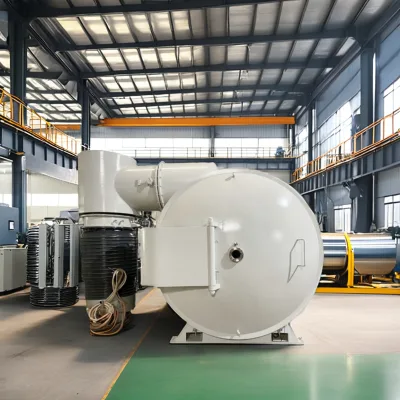
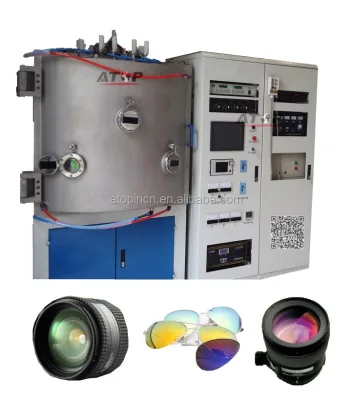
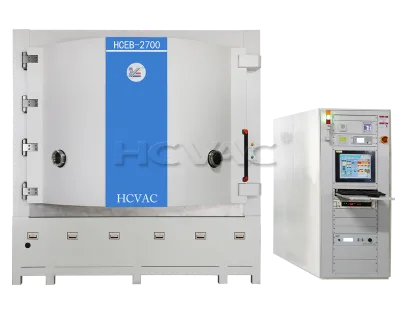
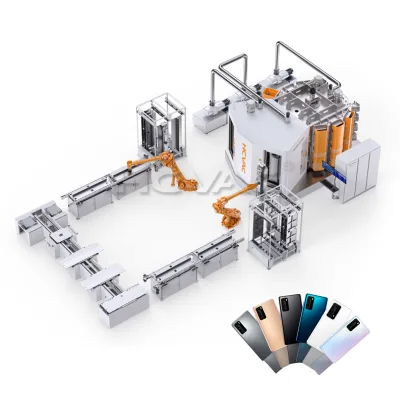
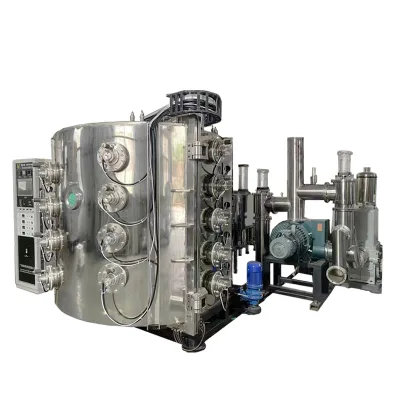
Completely Automatic Operating System PVD Coating Machine/Multi-Arc Ion PVD Vacuum Coating Machine
$45000.00 - $68000.00
MOQ: 1 sets
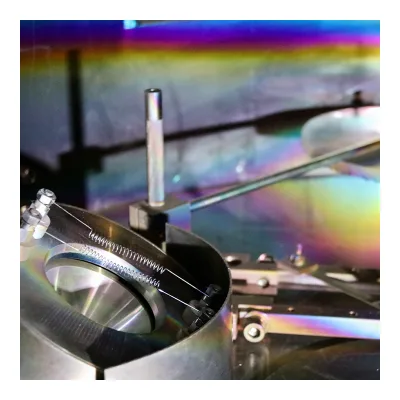
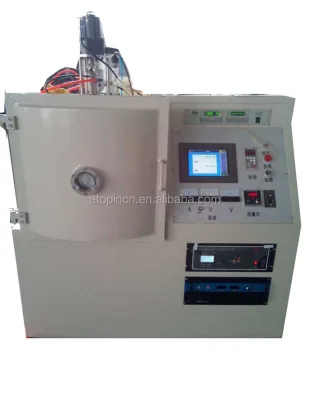
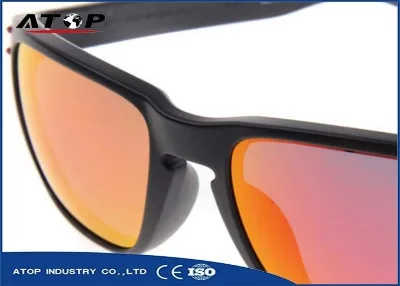
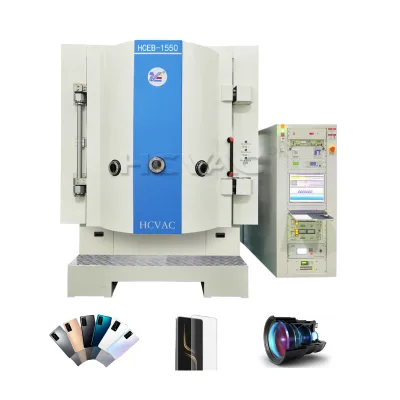
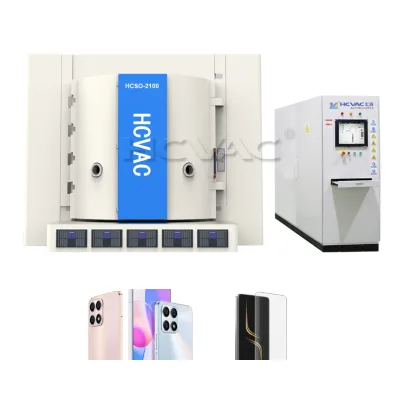
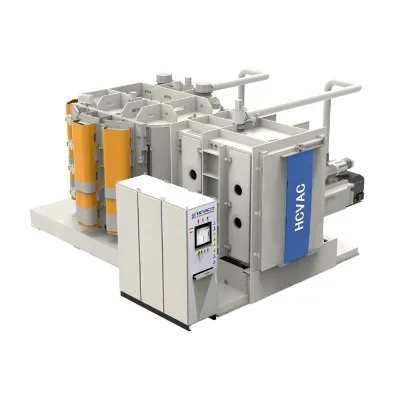
HCVAC Multi Layer Ar AF Thin Film Optical PVD Vacuum Deposition Coating Machine
$155605.194 - $829894.368
MOQ: 1 Minimum




Comprehensive Sourcing Guide
Multi-Arc Touch Screen PVD Machine Sourcing Guide
Sourcing a multi-arc touch screen PVD machine requires careful evaluation of technical capabilities and supplier reliability. These systems are designed for high-quality vacuum coating, often featuring automatic and manual control options via PLC interfaces. Buyers must verify that the equipment supports the specific substrate materials and coating colors required for their production line. The integration of touch screen controls simplifies operation, making it suitable for various industrial applications including hardware appliances and crafts.
The procurement process involves assessing the machine’s structural type, such as vertical configurations, and ensuring compatibility with local voltage standards like 220V or 380V. It is crucial to confirm that the supplier provides comprehensive after-sales support, including remote guidance and overseas engineer services. Understanding the core components, such as pumps and vacuum chambers, helps in evaluating the machine’s durability and performance. Buyers should also consider the customization options available to tailor the machine to their specific manufacturing needs.
Product Scope and Observed Listing Signals
The market for multi-arc PVD machines includes various models designed for different coating applications, such as tile gold film and car parts. Listings often highlight features like fast speed, gorgeous colors, and good durability, which are critical for high-end finishing. The observed product range indicates a focus on electric-driven systems with automatic control capabilities. Buyers should note that some listings specify the machine type as coating equipment or painting equipment, reflecting the diverse applications these machines can serve in industrial settings.
Observed listing signals also reveal variations in machine specifications, such as chamber materials made from SUS 304 stainless steel. These details are essential for ensuring corrosion resistance and longevity in vacuum environments. The presence of accessories like pumps, targets, and power supplies suggests that buyers may need to verify the completeness of the package. Additionally, the mention of customized configurations indicates that suppliers are flexible in meeting specific client requirements, which is a valuable attribute for specialized manufacturing processes.
Technical Specifications to Verify
Verifying technical specifications is paramount when sourcing a multi-arc PVD machine. Buyers should confirm the voltage requirements, which may vary based on local standards, and ensure the machine supports the necessary power input. The control system, typically featuring PLC and touch screen interfaces, should be evaluated for ease of use and reliability. It is also important to check the machine’s weight and dimensions, as these factors impact installation and facility planning. The core components, including the motor and pump, must be of high quality to ensure consistent performance.
The coating method, specifically PVD vacuum plating, should be assessed for its ability to produce the desired metal film and multi-color effects. Buyers must verify the machine’s ability to handle different substrates, such as steel, and ensure that the coating process meets their quality standards. The structure type, often vertical, should be compatible with the existing production line layout. Additionally, the availability of machinery test reports and video outgoing inspections provides assurance of the machine’s operational readiness and quality before shipment.
Compliance and Safety Documentation
Compliance and safety documentation are critical for ensuring that the multi-arc PVD machine meets international standards and regulations. Buyers should request detailed machinery test reports to verify that the equipment has undergone rigorous testing for safety and performance. The presence of video outgoing inspections offers an additional layer of assurance, allowing buyers to visually confirm the machine’s condition and functionality before it leaves the supplier’s facility. These documents are essential for mitigating risks associated with equipment failure or safety hazards.
It is also important to verify that the machine complies with local electrical and safety standards, particularly regarding voltage and grounding requirements. Buyers should ensure that the supplier provides clear instructions for safe operation and maintenance, including guidelines for handling vacuum chambers and high-voltage components. The warranty period, typically one year, should be clearly defined, along with the terms for repairs and replacements. Comprehensive documentation helps in establishing a reliable maintenance schedule and ensures that the machine operates safely and efficiently throughout its lifecycle.
Cost Drivers and Commercial Terms
Cost drivers for multi-arc PVD machines include the complexity of the control system, the quality of core components, and the level of customization required. Buyers should consider the total cost of ownership, which encompasses not only the initial purchase price but also installation, maintenance, and operational expenses. The availability of accessories like pumps and targets can impact the overall cost, so it is important to clarify what is included in the base price. Commercial terms, such as payment methods and delivery schedules, should be negotiated to align with the buyer’s financial and operational needs.
Lead times and shipping arrangements are also significant factors in the procurement process. Buyers should verify the supplier’s ability to meet delivery deadlines and ensure that the machine is packed securely to prevent damage during transit. The use of wooden cases or containers is common, but buyers should confirm that the packaging meets international shipping standards. Additionally, the supplier’s after-sales service, including remote guidance and overseas engineer support, can influence the long-term value of the investment. Clear commercial terms help in avoiding unexpected costs and ensure a smooth procurement experience.
Supplier Qualification and Quality Control
Supplier qualification is a critical step in sourcing a multi-arc PVD machine. Buyers should assess the supplier’s reputation, experience, and technical expertise in the vacuum coating industry. Verifying the supplier’s ability to provide comprehensive after-sales support, including remote guidance and overseas engineer services, is essential for long-term reliability. Buyers should also check the supplier’s quality control processes, including the provision of machinery test reports and video outgoing inspections. These measures help ensure that the machine meets the required standards and performs as expected.
The supplier’s location, such as Ningbo or Tangshan in China, can impact logistics and communication. Buyers should consider the supplier’s ability to provide timely support and address any issues that may arise during installation or operation. It is also important to verify the supplier’s certifications and compliance with international standards, although specific certifications should be confirmed with the supplier. A qualified supplier with robust quality control processes can significantly reduce the risks associated with procurement and ensure a successful implementation of the multi-arc PVD machine.
Long-Term Procurement Checks
Long-term procurement checks involve monitoring the machine’s performance and the supplier’s support over time. Buyers should establish a maintenance schedule based on the manufacturer’s recommendations and ensure that spare parts are readily available. Regular inspections and testing can help identify potential issues early, preventing costly downtime and repairs. Buyers should also maintain open communication with the supplier to address any operational challenges and ensure that the machine continues to meet production requirements.
The availability of customization options allows buyers to adapt the machine to changing production needs, but it is important to verify that these modifications do not compromise the machine’s integrity. Buyers should also consider the machine’s energy efficiency and environmental impact, as these factors can influence operational costs and regulatory compliance. By conducting regular long-term procurement checks, buyers can maximize the value of their investment and ensure that the multi-arc PVD machine remains a reliable and efficient component of their manufacturing process.
FAQs
What is the standard chamber size for this PVD machine?
The standard chamber dimensions are 1600*1500mm or 500*500mm depending on the specific model configuration. These vertical type structures are designed for efficient vacuum coating processes. Buyers should verify the exact model number, such as DK or MAIF, to confirm the physical footprint required for their facility layout and production volume needs.
Can the voltage be customized for local power grids?
Yes, voltage customization is available to match local power requirements. Standard options include 220V and 380V, but the system can be tailored based on specific site conditions. This flexibility ensures safe operation across different regions. Buyers must provide their local voltage specifications during the ordering process to ensure the electrical components are correctly configured.
What core components drive the vacuum coating process?
The core components include the PLC, motor, and pump, which form the working rotating system. These elements ensure precise control and reliable performance during the multi-arc vacuum coating process. The automatic and manual control systems allow for flexible operation. Buyers receive a machinery test report to verify the functionality of these essential components before shipment.
Is after-sales service available for overseas machinery installation?
Yes, engineers are available to service machinery overseas. The supplier provides 24-hour remote guidance and on-site support to ensure proper installation and operation. This service covers troubleshooting and maintenance for the PVD vacuum coating equipment. Buyers can rely on this support to minimize downtime and maintain consistent coating quality for their hardware appliances or crafts.
What materials are used for the vacuum chamber construction?
The vacuum chamber is constructed from SUS 304 stainless steel. This material provides durability and resistance to corrosion during the high-temperature vacuum coating process. The robust construction supports the multi-arc ion coater technology. Buyers benefit from a long-lasting machine that maintains vacuum integrity, ensuring consistent metal film deposition on substrates like steel for various industrial applications.
What is the typical weight and packaging for shipping?
The machine typically weighs 15000 kg and is packed in a wooden case or container. This heavy-duty packaging protects the vertical type PVD machine during international transit. Buyers should account for the significant weight when planning logistics and installation. The sturdy wooden packaging ensures the sensitive core components, such as pumps and power supplies, arrive in optimal condition.