Water-Cooled Desktop Laser Engraving Machine Suppliers and Manufacturers
Explore 29 verified options for water-cooled desktop laser engraving machines with varying lead times, response speeds, and certifications. Compare specifications like cooling systems, accuracy, and warranty terms to find the right fit. Contact suppliers directly to request quotes and verify production capabilities.
Updated
Suppliers List

Dongguan Hengso Machinery Co. Ltd
- Verified by TUVRHEINLAND
- Combined
- China Guangdong
- Lead time15 days
- Avg. response≤ 3h
Main productsLaser Cutting Machine, Laser Engraving Machine, Laser Marking Machine, Laser Welding Machine, Laser Cleaning/Rust Removal Machine, Laser Sandblasting/Paint Removal Machine, Laser Spare Parts
Main marketsSoutheast Asia/ Mideast,Europe

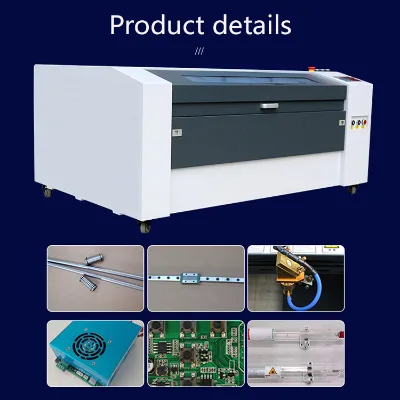
1610d Dark Gray and White New Models Water Cooling Desktop Laser Cutting Engraving Machine
$1000.00 - $1500.00
MOQ: 1 Pieces

Meto Laser Technology (henan) Co., Ltd.
- Verified by SGS Group
- Trading Company
- Lead time10 days
- Avg. response≤ 3h
Main productsLed Display Screen, LED Dance Floor, Mirror Photo Booth, Magazine Photo Booth Box, Overhead 360 Photo Booth
Main marketsNorth America(70%), Western Europe(10%), Eastern Europe(5%)

Jinan Dwin Technology Co., Ltd.
- Verified by TUVRHEINLAND
- Combined
- China Shandong
- Lead time15 days
- Avg. response≤ 14h
Main productsLaser Engraving Machine, Metal Laser Cutting Machine, CO2 Laser Cutting Machine, Fiber Laser Marking Machine, CO2 Laser Marking Machine, CNC Router, CNC Woodworking Machine, Stone Engraving CNC Router
Main marketsAfrica,Southeast Asia/ Mideast,Europe

Xiaohoo Intelligent Technology Co., Ltd.
- Verified by SGS
- Trading Company
- China Guangdong
- Lead time23 days
- Avg. response≤ 4h
Main products3D Printer, Material, Laser Engraving Machine
Main marketsDomestic
Shenzhen Chengxiang Technology Co., Ltd.
- Verified by Intertek
- Trading Company
- Lead time0 days
- Avg. response≤ 7h
Main productsSoldering Stations, Spot Welders, Screen Removal Separator, SMT Machine, Heat-transfer Machine
Main marketsSouthern Europe(20%), Eastern Europe(18%), North America(15%)
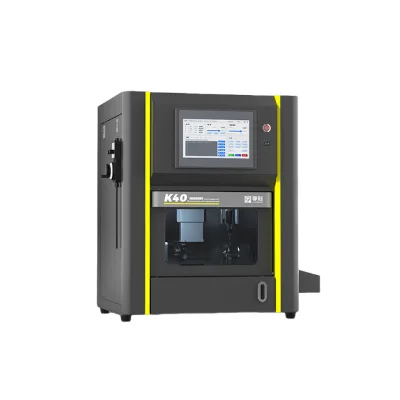
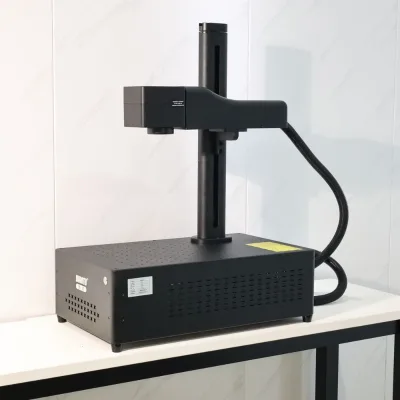
Desktop Fiber Laser Engraver - 1064nm & Air Cooling
$1314.00 - $1643.00
Dongguan Huahe Optoelectronics Co., Ltd.
- Manufacturer, Trading Company
- Guangdong, China
- Lead time7 days
- Avg. response≤ 4h
Main productsLaser Welding Machine / Laser Marking Machine / Power Supply / Laser Cutting Machine / Laser Parts,Mobile LCD Display
Main marketsSouth Asia(50.00%), Southeast Asia(15.00%), South America(10.00%), Mid East(10.00%), North America(5.00%), Northern Europe(3.00%), Western Europe(2.00%), Africa(1.00%), Southern Europe(1.00%), Oceania(1.00%), Eastern Europe(1.00%), Eastern Asia(1.00%)
Jiangxi Mide Industrial Co., Ltd.
- Verified by TüVRheinland
- Trading Company
- Lead time40 days
- Avg. response≤ 4h
Main productsElectric Scaffolding, Electric Hoist, Cranes, Electric Forkift, Lift Platform
Main marketsEastern Asia(30%), South America(20%), North America(10%)

Yangzhou Fengyue CNC Technology Co., Ltd.
- Verified by BV
- Combined
- China Jiangsu
- Lead time23 days
- Avg. response≤ 1h
Main productsStretch Wrapping Machine, Waste Shredder, Laser Marking Machine, Laser Cutting Machine
Main marketsSouth America,Southeast Asia/ Mideast,North America

Efficient Desktop Laser Engraving Machine: Dual Assurance of Productivity and Quality
$879.55 - $945.68
MOQ: 1 Pieces


- Verified by TUVRHEINLAND
- Manufacturer/Factory
- China Jiangsu
- Lead time15 days
- Avg. response≤ 1h
Main productsLaser Welding Machine, Laser Cutting Machine, Laser Cleaning Machine, Laser Marking Machine, CNC Machine, Laser Engraving Machine, CNC Cutting Machine, CNC Metal Cutting Machine, Tube Laser Cutting Machine, Laser Machine
Main marketsSouth America,Eastern Europe,Mid East,North America,Southeast Asia,Eastern Asia,Oceania,Western Europe,Africa

Solid Water Cooling Marking Laser Marker Metal Engraving Machine with Good Service
$2500.00 - $8300.00
MOQ: 1 Pieces

Cheap Price Water Cooling Fiber Cutting CNC Cutter Metal Laser Engraving Machine
$10000.00 - $30000.00
MOQ: 1 Sets

Water Cooling Fiber Cutting Cutter Pipe Engraver Laser Engraving Machine Hot Sale
$10000.00 - $30000.00
MOQ: 1 Sets

Fiber Cutting Water Cooling CNC Metal Laser Cutter Engraving Machine
$10000.00 - $30000.00
MOQ: 1 Sets

Water Cooling Solid Stone Engraving Portable Laser Marking Machine Price with Low
$2500.00 - $8300.00
MOQ: 1 Pieces

Water Cooling Fiber Engraver Cutter Pipe CNC Cutting Laser Engraving Machine New
$10000.00 - $30000.00
MOQ: 1 Sets

Shijiazhuang Chancsmac Machine Technology Co., Ltd.
- Verified by TUVRHEINLAND
- Trading Company,Manufacturer/Factory
- China Hebei
- Lead time30 days
- Avg. response≤ 3h
Main productsPress Machine, Hot Press, High Frequency Press, Hydraulic Press, CNC Machine, Glue Spreader, Planer, Sawing Machine, Sanding Machine, High Frequency Hot Press
Main marketsSouth America,Eastern Europe,Mid East,North America,Southeast Asia,Africa

Jiangsu Kuntai Industrial Equipment Co., Ltd.
- Manufacturer/Factory
- China Jiangsu
- Lead time15 days
- Avg. response≤ 8h
Main productsMetal Marking Machine, Laser Engraving Machine, Laser Marking Machine, Laser Cleaning Machine, Laser Welding Machine, Nonmetal Marking Machine, CO2 Laser Marking Machine, Pneumatic Marking Machine, DOT Pin Marking Machine, Pneumatic Stylus Marking Machine
Main marketsSouth America,Eastern Europe,Mid East,North America,Southeast Asia,Eastern Asia,Oceania,Western Europe,Africa
Samet Intelligent Manufacturing Co., Ltd.
- Verified by SGS Group
- Manufacturer, Trading Company
- Lead time15 days
- Avg. response≤ 1h
Main productsCNC Router, Vacuum Press Machine, Polishing Machine, 3D Scanner, Fiber Laser Cutting Machine
Main marketsSouth America(20%), North America(10%), Eastern Europe(10%)
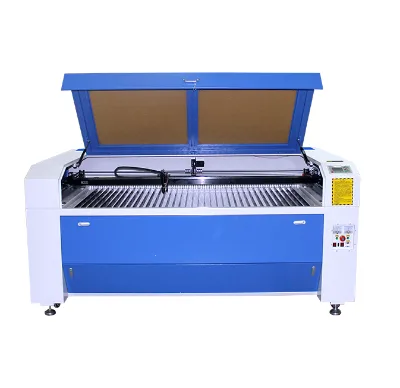
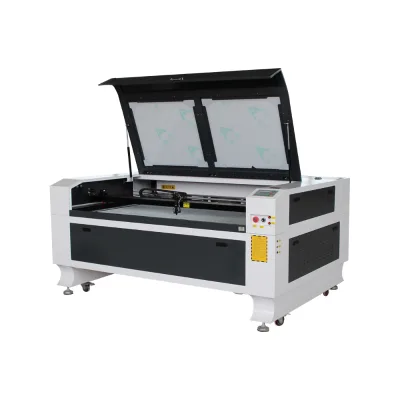
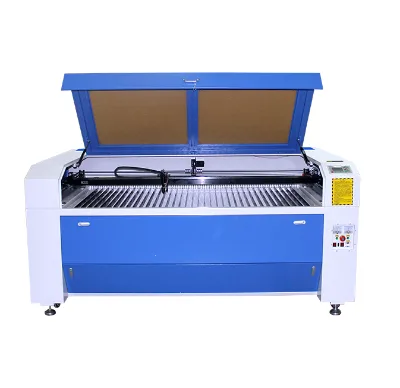
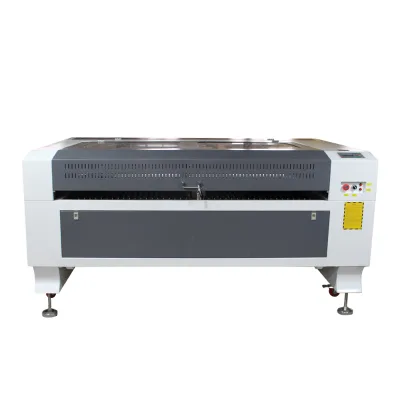
Advanced Laser Engraving Machine with Cloud - Based Technology, Remote Control Available
$4573.9167
MOQ: 1 Minimum
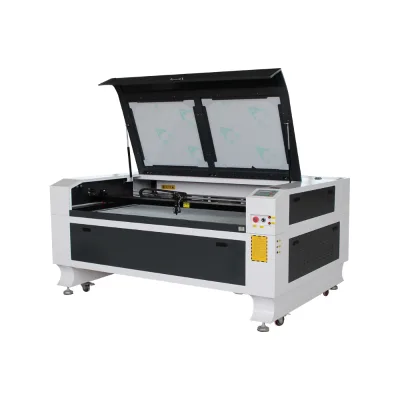
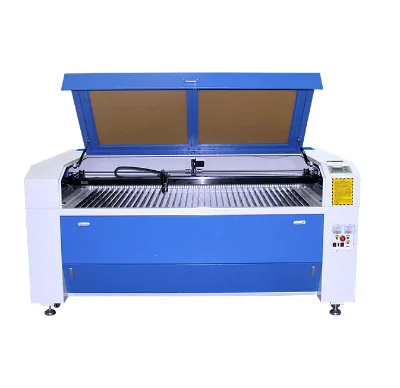
High - Power Laser Engraving Machine, Capable of Deep Engraving on Various Substrates
$4400.00
MOQ: 1 Minimum

Jinan Jobon Laser Technology Co., Ltd.
- Verified by SGS
- Combined
- China Shandong
- Lead time15 days
- Avg. response≤ 3h
Main productsLaser Welding Machine, Laser Cleaning Machine, Laser Marking Machine, Laser Cutting Machine
Main marketsSouth America,Africa,Others(foreignTradeCapacity.exportBusinessCapacityMarketOther),Europe,North America

Jinan Zhongke CNC Equipment Co., Ltd.
- Verified by BV
- Combined
- China Shandong
- Lead time30 days
- Avg. response≤ 11h
Main productsCNC Router, Wood Engraving Machine, Plasma Cutting Machine, Laser Engraving Machine, Metal Die Milling Machine, Laser Cutting Machine, Wood Carving Machine, Aluminum Board Cutting Machine, Laser Marking Machine, CNC Cutting Machine
Main marketsSouth America,Africa,Southeast Asia/ Mideast,East Asia(Japan/ South Korea),Domestic,Europe

Zhengzhou Dana Photoelectric Technology Co., Ltd.
- Verified by TUVRHEINLAND
- Combined
- China Henan
- Lead time15 days
- Avg. response≤ 1h
Main productsLaser Engraving Machine, Tij Printer, Laser Marking
Main marketsSoutheast Asia/ Mideast,Domestic
Shandong Songli Machinery Co., Ltd.
- Manufacturer
- Shandong, China
- Lead time10 days
- Avg. response≤ 2h
Main productsLaser Marking Machine,CNC Engraving Machine,CNC Cutting Machine,Laser Engraving Machine,Fiber Laser Cutting Machine
Main marketsDomestic Market(62.00%), North America(18.00%), Western Europe(6.00%), South America(6.00%), Eastern Europe(5.00%), Northern Europe(3.00%)
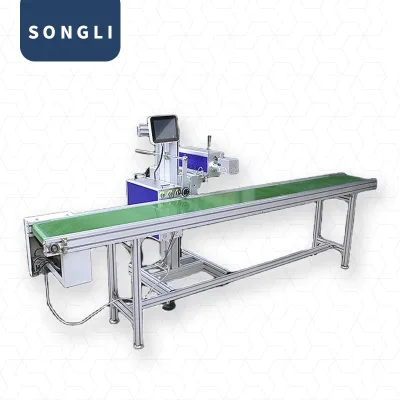
Writing Machine Engraving Laser Machines Laser Machine Metalf
$2600.00 - $4000.00
Henan Shanpu Machinery Equipment Co., Ltd.
- Trading Company
- Henan, China
- Lead time0 days
- Avg. response≤ 2h
Main productsoil press machine,package machine,juicer machine,Woodworking machinery,Rubber and plastic machinery
Main marketsNorth America(15.00%), Mid East(10.00%), Northern Europe(10.00%), Western Europe(10.00%), Southeast Asia(10.00%), Eastern Europe(10.00%), Southern Europe(10.00%), Oceania(5.00%), South Asia(5.00%), Africa(5.00%), South America(5.00%), Central America(2.00%), Eastern Asia(2.00%), Domestic Market(1.00%)
Guangzhou Disen Electronic Equipment Co., Ltd.
- Verified by TüVRheinland
- Trading Company
- Lead time7 days
- Avg. response≤ 2h
Main productsApparel Machinery, Printing Machine, Paper Production Machinery, Office Equipment, Industry Laser Equipment
Main marketsAfrica(20%), North America(10%), South America(10%)
- Verified by SGS Group
- Trading Company
- Lead time10 days
- Avg. response≤ 2h
Main productsLaser Engraving Machine, Laser Cutting Machine, Laser Marking Machine, Laser Welding Machine, Laser Cleaning Machine

Shanxi Jingwei Chemical Fiber Machinery Co.,Ltd
- Verified by BV
- Combined
- China Shanxi
- Lead time15 days
- Avg. response≤ 18h
Main productsgear pump
Main marketsOthers(foreignTradeCapacity.exportBusinessCapacityMarketOther),Domestic


$2400.00 - $2600.00
MOQ: 1 Sets


Wuhan Swanti Technology Co. Ltd.
- Verified by BV
- Manufacturer/Factory
- China Hubei
- Lead time15 days
- Avg. response≤ 5h
Main productsLaser Cleaning Machine, Laser Welding Machine, Laser Cutting Machine, Laser Marking Machine, UV Wall Printer, Other Laser Product, Laser System, Robot Welding Cutting
Main marketsSouth America,Eastern Europe,Mid East,North America,Southeast Asia,Eastern Asia,Oceania,Western Europe,Africa

Jinan Lingrui Cnc Machinery Co., Ltd.
- Verified by TUVRHEINLAND
- Combined
- China Shandong
- Lead time15 days
- Avg. response≤ 4h
Main productsLaser Cutting Machine, Laser Marking Machine, Laser Welding Machine, CNC Plasma Cutting Machine, CO2 Laser Engraving Machine, CNC Router, CNC Wood Lathe, CNC Wood Machine
Main marketsDomestic


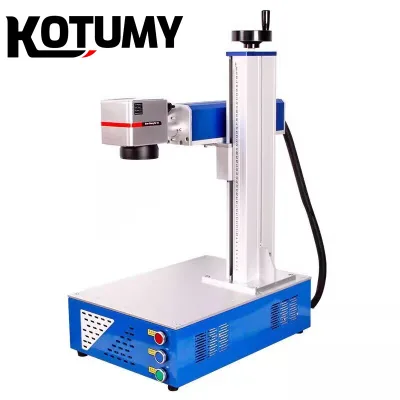
Compact Fiber Laser Marking Machine Mini Metal Laser Engraving Machine
$1399.00 - $1599.00
MOQ: 1 Pieces
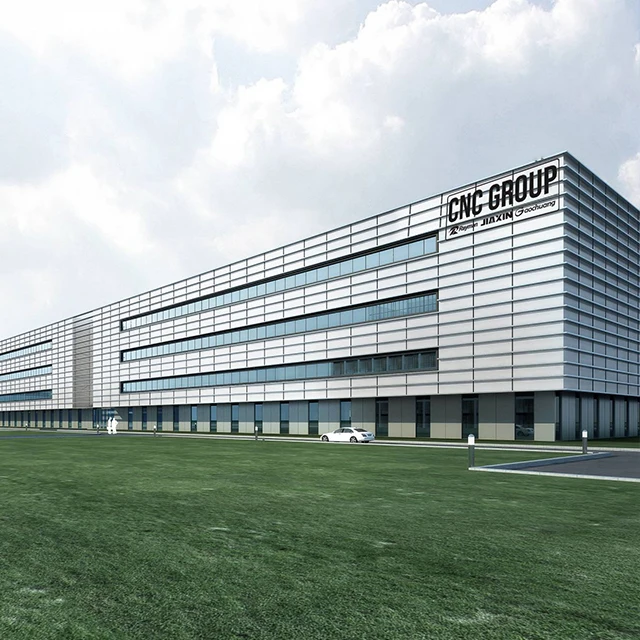
Shandong Cyber CNC Group Co., Ltd.
- Manufacturer, Trading Company
- Shandong, China
- Lead time15 days
- Avg. response≤ 2h
Main productsRobot, CNC Cutting Machine
Main marketsSouth America(15.00%), Domestic Market(15.00%), Central America(10.00%), Africa(10.00%), Mid East(8.00%), North America(8.00%), Southeast Asia(7.00%), Eastern Asia(6.00%), South Asia(5.00%), Northern Europe(5.00%), Oceania(3.00%), Eastern Europe(3.00%), Western Europe(3.00%), Southern Europe(2.00%)

Zhengzhou Honest Machinery Co., Ltd.
- Trading Company,Manufacturer/Factory
- China Henan
- Lead time15 days
- Avg. response≤ 6h
Main productsFood Machinery, Packing Machines, Microwave Equipment, Drying Machines, Grain Product Making Machines, Commodity Making Machines, Texitle Machines, Construction Machinery
Main marketsSouth America,Eastern Europe,Mid East,North America,Southeast Asia,Eastern Asia,Oceania,Western Europe,Africa
Jinan Jindiao Technology Co., Ltd.
- Manufacturer, Trading Company
- Shandong, China
- Lead time7 days
- Avg. response≤ 4h
Main productsLaser Engraving Machine / Laser Cutting Machine / CNC Router / Plasma Cutting Machine / Fiber Laser Cutting Machine,laser cutting machine,laser cutter,cnc laser,fiber laser cutting machine
Main marketsSouth America(20.00%), North America(20.00%), Western Europe(10.00%), Eastern Europe(8.00%), Southern Europe(7.00%), Central America(5.00%), Africa(5.00%), Southeast Asia(5.00%), Northern Europe(5.00%), Oceania(5.00%), Mid East(3.00%), South Asia(3.00%), Domestic Market(2.00%), Eastern Asia(2.00%)

Jinan Chanke Mechanical Equipment Co., Ltd.
- Manufacturer/Factory
- China Shandong
- Lead time30 days
- Avg. response≤ 8h
Main productsCNC Router, Laser Cutting Machine, Laser Engraving Machine, Wood Engraving Machine, Wood Cutting Machine, Laser Marking Machine, Mini Laser Engraving Machine, Wood CNC Router, Mini CNC Router, Plasma Cutting Machine
Main marketsSouth America,Eastern Europe,Mid East,North America,Southeast Asia,Eastern Asia,Oceania,Western Europe,Africa

WILLITA INK JET TECHNOLOGY(WUHAN) CO.,LTD.
- Verified by SGS
- Combined
- China Hubei
- Lead time15 days
- Avg. response≤ 4h
Main productsInkjet Printer, Laser Marking Machine, Tij Inkjet Printer, Industrial Inkjet Printer, Inkjet Printer Inks, Handheld Inkjet Printer, Wall Printer
Main marketsSouth America,Africa,Southeast Asia/ Mideast,East Asia(Japan/ South Korea),Europe,Australia,North America

Dongguan Glory Star Laser Technology Co., Ltd.
- Verified by TUVRHEINLAND
- Combined
- China Guangdong
- Lead time30 days
- Avg. response≤ 1h
Main productsFiber Laser Cutting  Machine, Metal Laser  Cutting  Machine, Tube Laser Cutting  Machine, Laser Welding Machine, Sheet Metal Fiber Laser Cutting Machine, Bending Machine
Main marketsDomestic

Hebei Like Laser Equipment Co., Ltd.
- Combined
- China Hebei
- Lead time30 days
- Avg. response≤ 6h
Main productsGlass Laser Cutting Machine, Glass Laser Drilling Machine, Mirror Laser Engraving Machine, Mirror Laser Sandblasting Machine, Glass Laser Film Removal Machine, Glass Laser Internal Engraving Machine, CNC Glass Cutting Machine, Frame Bending Machine, Large Format Laser Etching Machine, Glass Laser Cutting Machine Production Line
Main marketsSoutheast Asia/ Mideast,East Asia(Japan/ South Korea),Domestic,Europe,Australia

Laser Cutting Machinery/China Laser Cutting Machine/Laser Cutting Engraving Machine
$15000.00 - $21100.00
MOQ: 1 Pieces

Machine Laser Cutting and Engraver/Desktop Laser Cutting Machine/Laser Welding and Cutting Machine
$15000.00 - $21100.00
MOQ: 1 Pieces

CNC Laser Engraving Cutting Machine/Laser Engraving Machine Cutting/Label Laser Cutting Machine
$15000.00 - $21100.00
MOQ: 1 Pieces

Laser Engraving and Cutting Machine/CNC Laser Cutting Machine/Laser Cutting Machinery
$15000.00 - $21100.00
MOQ: 1 Pieces
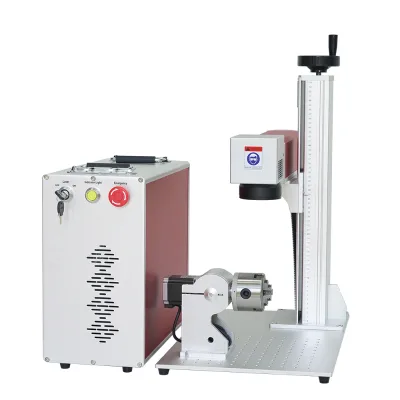
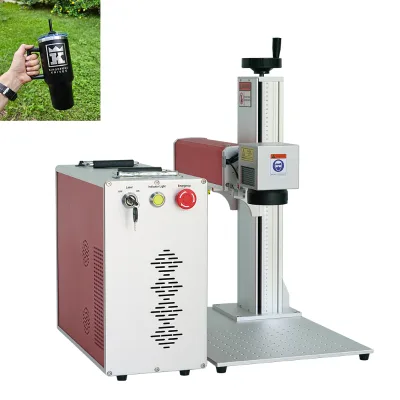


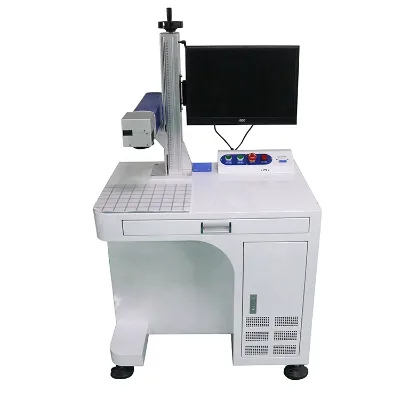
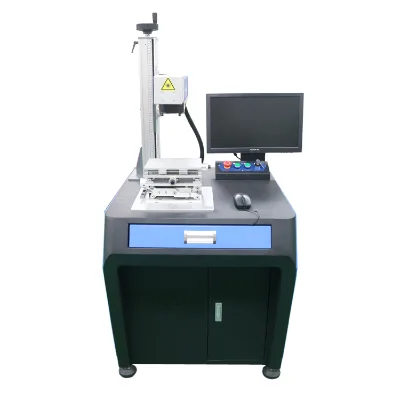








Comprehensive Sourcing Guide
Water-Cooled Desktop Laser Engraving Machine Supplier Concentration and Factory Types
The current supplier landscape for water-cooled desktop laser engraving machines reveals a distinct concentration of manufacturing capabilities within specific Chinese industrial hubs. Evidence indicates that a significant portion of these suppliers are located in Guangdong, a region renowned for its robust electronics and machinery supply chains. This geographic clustering suggests that buyers sourcing these specific units may find a higher density of manufacturers offering integrated production lines for laser equipment. The presence of suppliers in this area often correlates with access to specialized components, such as water cooling systems and solid-state laser sources, which are critical for the performance of desktop engraving units. Buyers should recognize that this concentration does not guarantee uniform quality but rather indicates a mature ecosystem where supply chain logistics for parts and assembly are well-established. Understanding this geographic distribution helps in anticipating potential shipping efficiencies and the availability of technical support from local engineering teams.
Beyond geographic location, the types of companies operating in this sector vary significantly, influencing the nature of the products offered. The observed supplier base includes both combined manufacturing entities and pure trading companies. Combined companies often possess the capability for Original Design Manufacturing (ODM) and maintain their own brands, suggesting a degree of vertical integration in their operations. These entities may offer more flexibility in customization, as evidenced by product attributes indicating available customization options for cooling systems and automatic grades. In contrast, trading companies may focus on aggregating products from various factories, potentially offering a broader range of main products such as LED displays or photo booths alongside laser equipment. This diversity means that a buyer’s choice between a factory-direct source and a trading partner will impact the level of technical oversight, the ability to request specific OEM modifications, and the overall complexity of the procurement relationship.
How to Verify Water-Cooled Desktop Laser Engraving Machine Suppliers
Verifying the legitimacy and capability of suppliers requires a close examination of third-party verification badges and system certifications. Current data shows that some suppliers hold verification from recognized entities such as TÜV Rheinland and SGS Group, which serve as external validations of their business operations and product standards. These verifications are crucial for establishing trust, as they indicate that an independent body has assessed the supplier’s claims regarding their manufacturing processes and quality control measures. Buyers should prioritize suppliers with these visible verification marks, as they provide a layer of assurance that the company is not merely a shell entity but an operational business with audited practices. Additionally, the presence of system certifications like CE, LVD, FCC, RoHS, and CB on certain supplier profiles indicates compliance with international safety and electromagnetic compatibility standards, which is essential for importing machinery into regulated markets.
In addition to external verifications, buyers must assess the supplier’s response times and technical responsiveness as indicators of their operational maturity. The observed response times for these suppliers vary, with some demonstrating rapid engagement capabilities while others may have longer intervals. A supplier’s ability to respond quickly to inquiries often reflects the efficiency of their internal communication channels and the expertise of their sales engineering teams. For complex machinery like water-cooled laser engravers, technical support is vital for troubleshooting setup issues or configuring software. Buyers should evaluate whether the supplier provides detailed technical documentation, such as supported graphic formats (AI, BMP, DXF, etc.) and working accuracy specifications (e.g., 0.03mm or 0.001mm). These technical details, when paired with a responsive communication style, suggest a supplier that is equipped to handle the nuances of laser equipment procurement and post-sale support.
What to Compare Across Water-Cooled Desktop Laser Engraving Machine Suppliers
When evaluating multiple suppliers, it is essential to compare key operational metrics such as lead times, minimum order quantities (MOQ), and pricing structures. The data indicates that lead times can vary, with some suppliers offering production cycles as short as 10 to 15 days, which is advantageous for buyers needing rapid deployment of equipment. MOQs are often low, with some suppliers accepting orders for a single unit, making it accessible for small businesses or prototyping phases. However, buyers should be aware that pricing can fluctuate based on the specific configuration of the machine, such as laser power (5W to 100W) or cooling system type. Comparing these factors across different suppliers allows buyers to balance cost against speed and volume requirements. For instance, a supplier with a slightly higher price point might offer a significantly shorter lead time or better warranty terms, which could be more valuable depending on the buyer’s operational needs.
Technical specifications and customization capabilities represent another critical dimension for comparison. Suppliers offer machines with varying laser classifications, such as solid lasers or fiber lasers, and different cooling systems, including water and air cooling. The working accuracy, repeatability, and supported graphic formats are also key differentiators. For example, some machines boast a positioning accuracy of 0.03mm, while others achieve 0.001mm, which is crucial for high-precision engraving tasks. Buyers should also consider the warranty periods offered, which range from one to two years, and the availability of spare parts. Additionally, the ability to customize the machine, such as adjusting the engraving area or modifying the control system, can be a deciding factor. By systematically comparing these technical and commercial attributes, buyers can identify the supplier that best aligns with their specific application requirements, whether for advertising, crafts, or industrial marking.
Common Water-Cooled Desktop Laser Engraving Machine Sourcing Risks
One of the primary risks in sourcing water-cooled desktop laser engraving machines is the potential discrepancy between advertised specifications and actual performance. Buyers may encounter suppliers who claim high working accuracy or specific laser wavelengths, such as fiber lasers, without providing verifiable test results or detailed technical documentation. This risk is compounded by the variability in cooling system efficiency, where water-cooled units may suffer from pump failures or temperature regulation issues if not manufactured to high standards. Without proper verification, buyers might receive machines that do not meet their precision requirements, leading to production delays and additional costs for replacements or repairs. It is crucial for buyers to request detailed product attributes, such as the laser classification, technical class, and automatic grade, to ensure that the machine’s capabilities match their intended applications, whether for nonmetal engraving or metal marking.
Another significant risk involves the reliability of after-sales support and warranty claims. While some suppliers offer warranties of one or two years, the effectiveness of these warranties depends on the supplier’s ability to provide timely technical support and spare parts. Buyers in different regions may face challenges in accessing local service centers or obtaining replacement components, especially if the supplier is located in a distant manufacturing hub. Additionally, the complexity of laser equipment, which involves intricate optical and electronic components, means that improper handling or installation can lead to premature failure. Buyers should assess the supplier’s track record in handling warranty claims and their willingness to provide comprehensive training materials or remote support. Failing to account for these support-related risks can result in prolonged downtime and increased operational costs, undermining the initial investment in the laser engraving machine.
Water-Cooled Desktop Laser Engraving Machine Regional Sourcing and Logistics
Sourcing water-cooled desktop laser engraving machines from China involves navigating specific logistical considerations related to shipping and customs clearance. The concentration of suppliers in regions like Guangdong and Shandong offers advantages in terms of port access and established export infrastructure. Buyers should consider the packaging methods used by suppliers, such as wooden crates or plain packaging, which can impact the safety of the machine during transit. Laser equipment is sensitive to shock and vibration, so proper packaging is essential to prevent damage to optical components and cooling systems. Additionally, buyers must account for the weight and dimensions of the machines, which can affect shipping costs and handling requirements. For example, some fiber laser marking machines weigh around 60kg, requiring careful planning for freight forwarding and on-site installation.
Customs regulations and import duties also play a critical role in the total cost of ownership. Buyers should verify the HS codes and product classifications for laser engraving machines to ensure accurate duty assessments. The presence of certifications such as CE, FCC, and RoHS can facilitate smoother customs clearance in many international markets, as these marks indicate compliance with local safety and environmental standards. However, buyers must ensure that the documentation provided by the supplier, including commercial invoices and packing lists, matches the physical goods exactly to avoid delays at border control. Furthermore, understanding the lead times for production and shipping is vital for planning inventory and production schedules. By proactively addressing these logistical and regulatory factors, buyers can minimize disruptions and ensure a smooth transition from order placement to machine deployment.
Water-Cooled Desktop Laser Engraving Machine Commercial Terms and Order Planning
Effective order planning for water-cooled desktop laser engraving machines requires a clear understanding of commercial terms, including payment structures and delivery conditions. Suppliers often offer flexible payment terms, but buyers should prioritize transactions that include escrow services or secure payment gateways to protect their financial interests. The minimum order quantities, which can be as low as one unit, allow for trial orders to assess product quality before committing to larger volumes. However, buyers should be aware that pricing may vary based on the level of customization required, such as OEM branding or specific software configurations. Establishing a clear agreement on the scope of customization, including graphic format support and engraving area dimensions, is essential to avoid misunderstandings and ensure the machine meets specific operational needs.
Warranty and maintenance terms are also critical components of the commercial agreement. Buyers should negotiate for comprehensive warranty coverage that includes both parts and labor, with clear definitions of what constitutes normal wear and tear versus manufacturing defects. The availability of spare parts, such as laser tubes and cooling pumps, should be confirmed to ensure long-term sustainability of the equipment. Additionally, buyers should inquire about the supplier’s policy on technical support, including remote troubleshooting and on-site service options if available. By carefully reviewing and negotiating these commercial terms, buyers can mitigate financial risks and ensure that they receive the necessary support to maintain the performance and longevity of their water-cooled desktop laser engraving machines. This proactive approach to order planning contributes to a more reliable and cost-effective sourcing experience.
FAQs
What is the typical lead time for water-cooled desktop laser engraving machines?
The typical lead time for these machines is 15 days based on current supplier data. Some suppliers offer faster delivery with a 10-day lead time for specific models. Buyers should confirm exact timelines with the seller before placing an order to ensure production schedules align.
Are water-cooled desktop laser engraving machines available with low minimum order quantities?
Yes, many suppliers accept a minimum order quantity of just one unit for these machines. This allows buyers to test the equipment without committing to large bulk purchases. Always verify the specific MOQ with the supplier as policies may vary by model and customization requirements.
Which certifications do suppliers of water-cooled laser engraving machines typically hold?
Certifications vary by supplier, with some holding CE, LVD, FCC, RoHS, and CB standards. Others may have ISO9001:2015 certification or verification from groups like SGS and TÜV Rheinland. Buyers must check the specific product listing to confirm which safety and quality standards apply to their purchase.
What is the price range for water-cooled desktop laser engraving machines?
Prices for these machines generally range from 800 to 1600 USD depending on the model and specifications. Specific listings show ranges between 1000 and 1500 USD for certain desktop units. Buyers should compare multiple listings to find the best value for their specific budget and technical needs.
How quickly do suppliers typically respond to inquiries about these machines?
Response times vary significantly among suppliers, ranging from approximately 2.59 hours to nearly 14 hours. Faster response times are often associated with suppliers located in Guangdong, while others may take longer. Buyers should prioritize suppliers with shorter response times for quicker project initiation and support.
What materials can water-cooled desktop laser engraving machines process?
These machines can process a wide variety of materials including acrylic, crystal, glass, leather, paper, plastic, wood, and stone. Some models are specifically designed for nonmetal applications, while others handle metal marking. Always check the product attributes to ensure compatibility with your intended material types.
Where are the manufacturers of water-cooled desktop laser engraving machines located?
Manufacturers are primarily located in China, with specific hubs in Guangdong and Shandong provinces. Some products originate from Henan, China, indicating regional manufacturing diversity. Buyers should verify the exact place of origin for each machine to understand shipping logistics and potential import duties.