Waveform Synthesis Signal Generator Suppliers and Manufacturers
Explore 28 verified options for Waveform Synthesis Signal Generator suppliers and manufacturers. Compare locations like Guangdong and Jiangsu, response times, lead times, and certifications such as ISO 9001. Contact suppliers directly to request quotes for specific models; review the available evidence before requesting comparable quotations from suitable candidates.
Updated
Suppliers List

Shenzhen Alisi Electronic Technology Co., Ltd.
- Trading Company, Distributor/Wholesaler
- Guangdong, China
- Lead time3 days
- Avg. response≤ 2h
Main productselectron component,temperature controller,Auto parts,sensor,Wireless Controller
Main marketsSouth America(20.00%), Eastern Europe(20.00%), North America(15.00%), Western Europe(5.00%), Domestic Market(5.00%), South Asia(5.00%), Southern Europe(5.00%), Northern Europe(5.00%), Central America(5.00%), Eastern Asia(3.00%), Mid East(3.00%), Oceania(3.00%), Africa(3.00%), Southeast Asia(3.00%)

Wuxi Baiyida Electromechanical Technology Co., Ltd.
- Verified by BV
- Manufacturer/Factory
- China Jiangsu
- Lead time0 days
- Avg. response≤ 3h
Main productsInfrared Thermometer, Acceleration Sensor, Data Collector, Modal Exciter, Intelligent Controller, Vibration Calibrator


Multi- Waveforms Output Manual/Auto Sweeping Frequency Sweep Signal Generator
$445.00 - $715.00
MOQ: 1 Pieces


Shijiazhuang Suin Instruments Co., Ltd.
- Manufacturer
- China Hebei
- Lead time15 days
- Avg. response≤ 6h
Main productsFunction Generator, Spectrum Analyzer, Frequency Counter, Power Quality Analyzer, Programmable DC Power Supply, Millivolt Meter, Digital Multimeter, RF Signal Generator, Pulse/Pattern Generator, Stopwatch Calibrator
Main marketsSouth America,Southeast Asia/ Mideast,Europe
Shenzhen Boruijintong Technology Co., Ltd.
- Trading Company
- Guangdong, China
- Lead time3 days
- Avg. response≤ 4h
Main productsIntegrated Circuit ICs, Transistors /IGBT, Modules, Develop Boards And Kits, PCBA
Main marketsSoutheast Asia(22.00%), North America(17.00%), South America(11.00%), Western Europe(11.00%), Eastern Asia(7.00%), Northern Europe(6.00%), Mid East(6.00%), South Asia(5.00%), Central America(5.00%), Eastern Europe(5.00%), Southern Europe(4.00%), Africa(1.00%)

Chengdu Fenxel Instrument Co, Ltd.
- Trading Company
- China Sichuan
- Lead time0 days
- Avg. response≤ 3h
Main productsPetroleum Oil Testing Instruments, Microwave Signal Generators, Diodes & Mosfets, Crystal Oscillators, Petroleum Pipeline Valves Spare Parts Position, Aluminum Nitride and Its Products
Shenzhen Binyueda Electronics Co., Ltd.
- Trading Company, Agent, Distributor/Wholesaler
- Guangdong, China
- Lead time3 days
- Avg. response≤ 10h
Main productsElectronics Components,Computer Accessories,Integrated Circuit,Electrical Equipment
Main marketsNorth America(30.00%), Western Europe(20.00%), Northern Europe(10.00%), Southeast Asia(10.00%), Mid East(10.00%), South America(5.00%), Eastern Europe(5.00%), South Asia(2.00%), Africa(2.00%)
Shenzhen Chengfangchip Electronic Technology Co., Ltd.
- Verified by Intertek
- Trading Company
- Lead time0 days
- Avg. response≤ 3h
Main productsPCBA, ICs, Transistor, IGBT, Development Board
Main marketsNorth America(40%), Southeast Asia(20%), Mid East(20%)
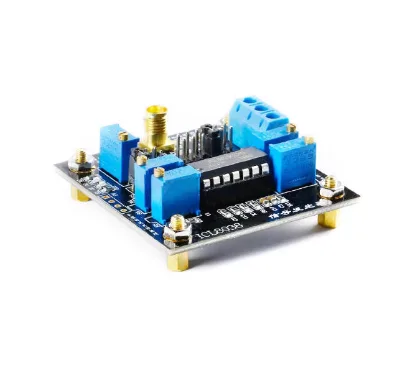
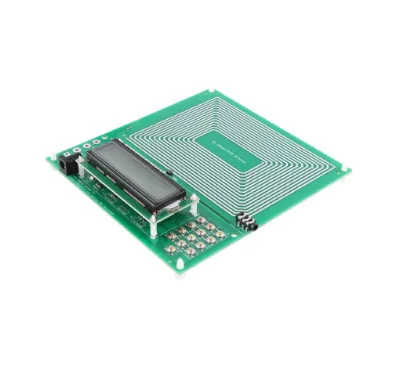
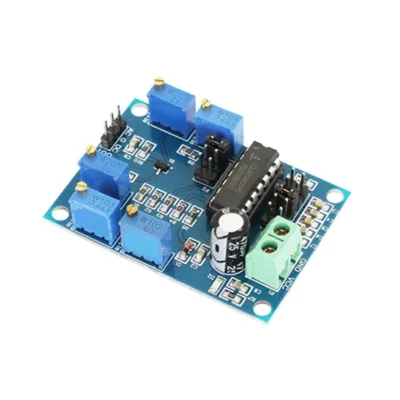
Original ICL8038 Signal Generator Module Low-Frequency Signal Source Waveform Generation
$8.249 - $8.3839
MOQ: 1 pieces
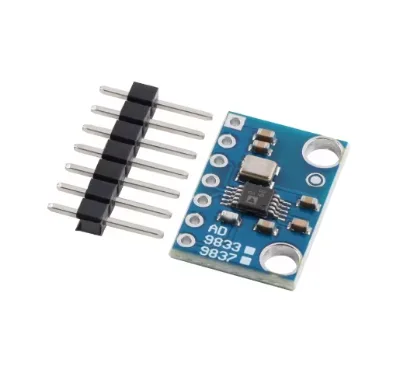
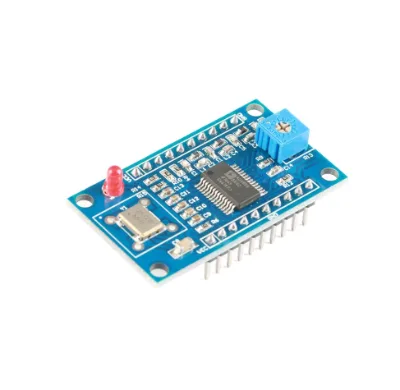
$15.2673 - $16.6329
MOQ: 10 pieces
Shenzhen Guste Technology Co., Ltd.
- Verified by TüVRheinland
- Trading Company
- Lead time0 days
- Avg. response≤ 2h
Main productsSoldering Tools, Glue Dispenser, Static Removal Equipment, Electric Tools, Electric Heating Equipment
Main marketsSoutheast Asia(30%), North America(15%), Africa(10%)
$320.00 - $385.00
MOQ: 1 pieces
$820.00 - $825.00
MOQ: 1 pieces

Shenzhen Futian District Saiyongsi Instrument Case Factory
- Manufacturer
- Guangdong, China
- Lead time0 days
- Avg. response≤ 1h
Main productsHandheld Enclosure,Lithium Battery Box,Aluminum Enclosure,Plastic Enclosure,Waterproof Enclosure
Main marketsSouth America(28.00%), Eastern Europe(15.00%), Northern Europe(10.00%), North America(10.00%), Africa(9.00%), Southeast Asia(8.00%), Mid East(5.00%), Western Europe(5.00%), Southern Europe(5.00%), Eastern Asia(3.00%), South Asia(2.00%)

Xi'an Yunyi Instrument Co., Ltd.
- Verified by TUVRHEINLAND
- Combined
- China Shaanxi
- Lead time15 days
- Avg. response≤ 8h
Main productsPressure Transmitter, Pressure Gauge, Temperature Products, Level Meter, Flow Meter, Pressure Calibrator, Piston Dead Weight Teste, Density Meter, Analysis Instrument, Load Cell
Main marketsSouth America,Africa,Southeast Asia/ Mideast,Europe

Low Frequency Portable 4 to 20 Ma Signal Generator 4-20 Ma Signal Generator
$129.00 - $159.00
MOQ: 1 Pieces


Advanced Pulse Signal Generator for Reliable Industrial Calibration Solutions
$32.00 - $40.00
MOQ: 1 pieces

Industrial Signal Generator for Accurate Pulse Frequency Calibration Applications
$32.00 - $40.00
MOQ: 1 pieces


SHENZHEN SCIEO ELECTRONICS CO., LTD.
- Verified by SGS
- Trading Company
- China Guangdong
- Lead time30 days
- Avg. response≤ 1h
Main productsPower Supply, Oscilloscope, Electronic Load, Multimeter, Signal Generators, Safety Regulation Tester, Hipot Tester, ESD Simulator, Thermal Imager, Power Meter
Main marketsDomestic,Europe


Arbitrary Waveform Generators Sdg7000A for High Fidelity and Low Jitter Signals
$10250.00 - $16550.00
MOQ: 1 Pieces


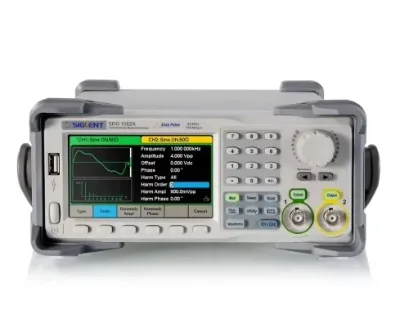
Function/Arbitrary Waveform Generators Sdg1000X Series with Dual-Channel, Bandwidth up to 60 MHz
$225.00 - $441.00
MOQ: 1 Pieces

Function/Arbitrary Waveform Generators Sdg2000X Series with Dual-Channel, 120 MHz Maximum Bandwidth
$449.00 - $809.00
MOQ: 1 Pieces
Shenzhen Jinxi Boyuan Technology Co., LTD
- Verified by TüVRheinland
- Trading Company
- Lead time15 days
- Avg. response≤ 2h
Main productsOscilloscope, Signal Generator, Spectrum Analyzer, Electronic Device Automation Testing System, Current And Voltage Testing System Equipment
Main marketsSoutheast Asia(40%), Eastern Europe(30%), Western Europe(20%)

Nanjing Shinewave Technology Co., Ltd.
- Verified by SGS
- Combined
- China Jiangsu
- Lead time60 days
- Avg. response≤ 5h
Main productsRF Power Amplifier, RF Transceiver Module, Solid State Power Amplifier, RF Microwave Filter, Low Noise Amplifier, RF Power Divider, Frequency Synthesizer, Horn Antenna, RF up/Down Converter, RF Isolator
Main marketsSoutheast Asia/ Mideast
Shenzhen Longlife Technology Co., Ltd.
- Manufacturer
- Guangdong, China
- Lead time0 days
- Avg. response≤ 1h
Main productsic,module,ABB,Schneider Electric,Connector Terminal
Main marketsNorth America(100.00%)
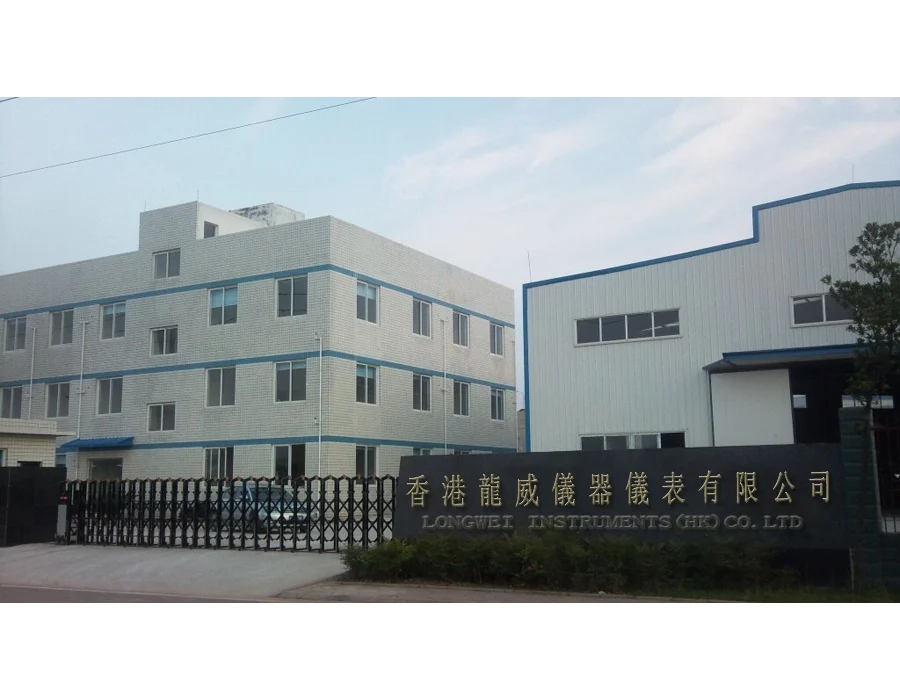
Dongguan Longwei Electronic Technology Co., Ltd.
- Manufacturer, Trading Company
- Gd, China
- Lead time10 days
- Avg. response≤ 6h
Main productsDc power supply,oscilloscope,switching power supply,function generator,digital power supply
Main marketsDomestic Market(30.00%), North America(10.00%), Northern Europe(10.00%), Western Europe(10.00%), Eastern Europe(10.00%), South America(10.00%), Southeast Asia(5.00%), Central America(3.00%), South Asia(3.00%), Eastern Asia(3.00%), Mid East(2.00%), Africa(2.00%), Southern Europe(2.00%)
Shenzhen Brightwin Technology Co., Ltd.
- Trading Company, Distributor/Wholesaler
- Guangdong, China
- Lead time7 days
- Avg. response≤ 1h
Main productsProcess Calibrator,Signal Generator,Signal Isolator,Temperature Transmitter,Load Cell Amplifier
Main marketsSouth Asia(15.00%), North America(15.00%), Southern Europe(10.00%), Northern Europe(10.00%), Southeast Asia(10.00%), Western Europe(10.00%), Oceania(5.00%), Eastern Asia(5.00%), Eastern Europe(5.00%), Mid East(5.00%), Central America(3.00%), South America(3.00%), Domestic Market(2.00%), Africa(2.00%)
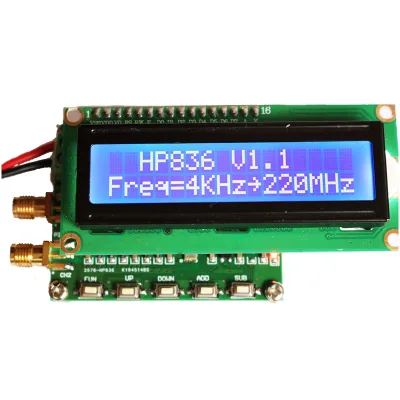
$21.9693 - $26.7287
MOQ: 1 pieces
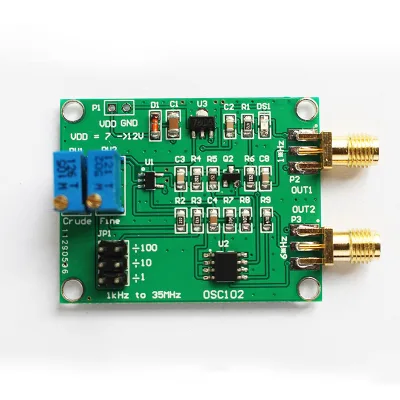
$31.0893 - $34.447
MOQ: 1 pieces
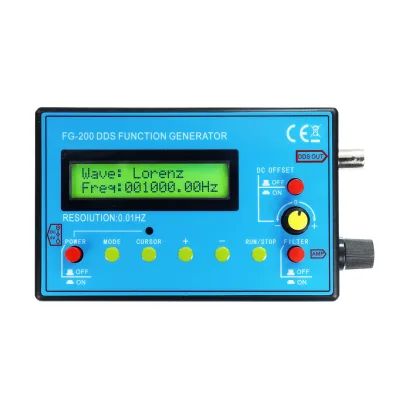
Qingdao Luxin Instrument Co., Ltd.
- Trading Company
- Shandong, China
- Lead time60 days
- Avg. response≤ 6h
Main productsOscilloscope,Digital multimeter,Network analyzer,Signal Analyzer,DC/AC power supply
Main marketsDomestic Market(60.00%), Northern Europe(38.00%), Africa(2.00%)
Shenzhen Huanqiu Xinrui Electronic Technology Co., Ltd.
- Manufacturer, Trading Company, Distributor/Wholesaler
- Guangdong, China
- Lead time30 days
- Avg. response≤ 2h
Main productsPCB,PCBA,Development Board,Raspberry pi board,Power amplifier board
Main marketsNorth America(20.00%), Domestic Market(10.00%), South Asia(10.00%), Northern Europe(10.00%), Central America(10.00%), Mid East(10.00%), Southeast Asia(10.00%), Eastern Europe(10.00%), South America(10.00%)

Hunan Hualai Technology Co., Ltd.
- Trading Company
- Hunan, China
- Lead time0 days
- Avg. response≤ 8h
Main productswireless module,antenna,IC componets,resistor,battery
Main marketsNorthern Europe(10.00%), Western Europe(10.00%), Eastern Asia(10.00%), Southern Europe(10.00%), Oceania(10.00%), Africa(10.00%), Eastern Europe(10.00%), South America(10.00%), North America(10.00%), South Asia(5.00%), Mid East(5.00%)
Shenzhen Chuangheying Electronic Technology Co., Ltd.
- Trading Company
- Guangdong, China
- Lead time0 days
- Avg. response≤ 7h
Main productsIntegrated Circuit; Discrete Semiconductor; Optoelectronic Components; Modules; Connectors
Main marketsSouth America(15.00%), Northern Europe(12.00%), Southeast Asia(10.00%), Eastern Asia(10.00%), Mid East(8.00%), North America(8.00%), Africa(8.00%), Domestic Market(6.00%), Southern Europe(6.00%), Eastern Europe(5.00%), Central America(5.00%), Western Europe(3.00%), Oceania(2.00%), South Asia(2.00%)
$11.3339 - $15.6601
MOQ: 5 Minimum
Shenzhen Bodunbaili Electronic Co., Ltd.
- Verified by Intertek
- Trading Company
- Lead time15 days
- Avg. response≤ 3h
Main productsDC Power Supply, Microscope, Multimeter
Main marketsEastern Europe(15%), North America(10%), Southeast Asia(10%)
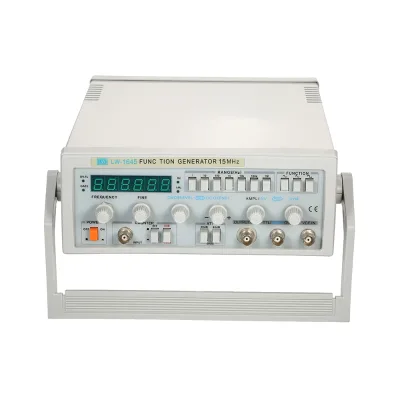
LW-1645 0.1Hz-15MHz Function Signal Generator Portable Waveform Generator for Test
$119.86 - $129.86
MOQ: 1 units
- Manufacturer, Trading Company, Distributor/Wholesaler
- Guangdong, China
- Lead time3 days
- Avg. response≤ 2h
Main productsIntegrated circuit,Module,PCB,LCD,3D Printer Accessories
Main marketsSouth America(20.00%), Eastern Europe(20.00%), Western Europe(15.00%), North America(10.00%), Southeast Asia(10.00%), South Asia(5.00%), Southern Europe(5.00%), Northern Europe(5.00%), Africa(5.00%), Eastern Asia(5.00%)
ShenZhen Kuaiqu Electronic Co., Ltd.
- Verified by TüVRheinland
- Trading Company
- Lead time0 days
- Avg. response≤ 2h
Main productsDC Power Supply, Microscope, DC Electronic Load, Instrument Equipment
Main marketsNorth America(15%), Mid East(15%), South Asia(13%)
$41.3709 - $51.7155
MOQ: 1 pieces
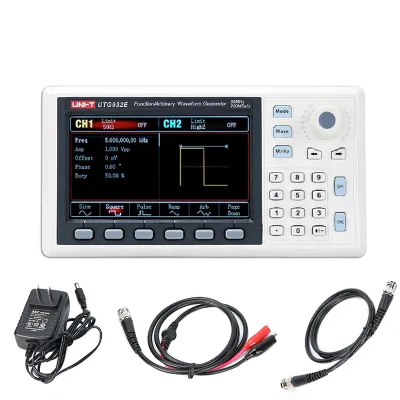
Shenzhen Dongheng Electronic Technology Co., Ltd.
- Trading Company, Distributor/Wholesaler
- Guangdong, China
- Lead time0 days
- Avg. response≤ 2h
Main productsElectronic Components,Cables,Integrated Circuit,Development Boards,3D Printer Parts
Main marketsNorth America(40.00%), Southeast Asia(30.00%), South Asia(10.00%), Central America(10.00%), Mid East(10.00%)

Dongguan Qihang Electronic Technology Co., Ltd.
- Verified by TUVRHEINLAND
- Trading Company
- China Guangdong
- Lead time15 days
- Avg. response≤ 7h
Main productsSpectrum Analyzer, Network Analyzer, Signal Generator, Dmm, Digital Oscilloscope, Power Meter
Main marketsDomestic

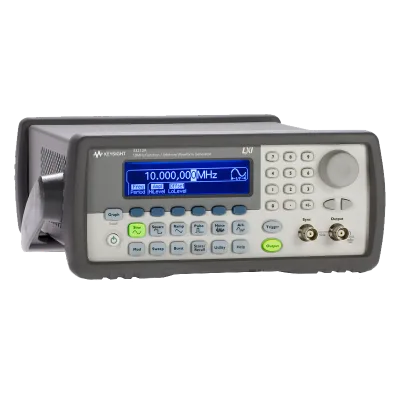
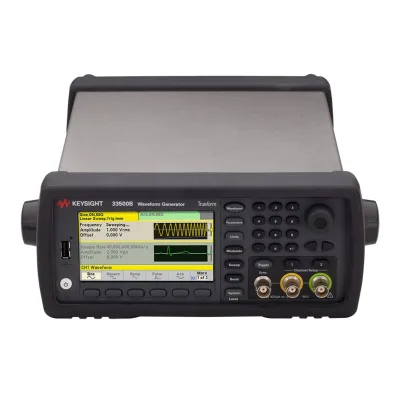
Keysight 33611A Signal Waveform Generator 33600A Series, 80 MHz, 1-Channel
$5760.00 - $5889.00
MOQ: 1 sets

Shenzhen CXS Electronic Co., Ltd
- Manufacturer, Trading Company, Distributor/Wholesaler
- Guangdong, China
- Lead time0 days
- Avg. response≤ 6h
Main productsIC,Capacitor,Resistor,module,LED
Main marketsSouth America(20.00%), North America(20.00%), Northern Europe(10.00%), Western Europe(10.00%), Mid East(10.00%), Southern Europe(10.00%), Southeast Asia(10.00%), Domestic Market(5.00%), Africa(5.00%)
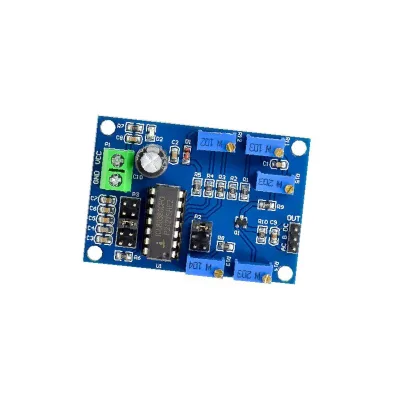
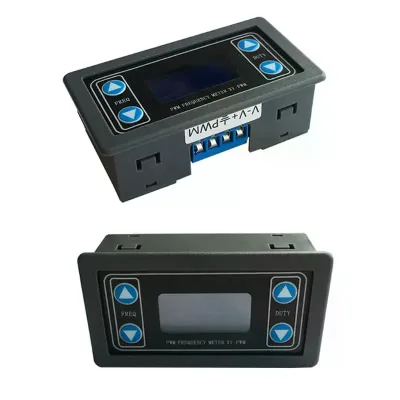
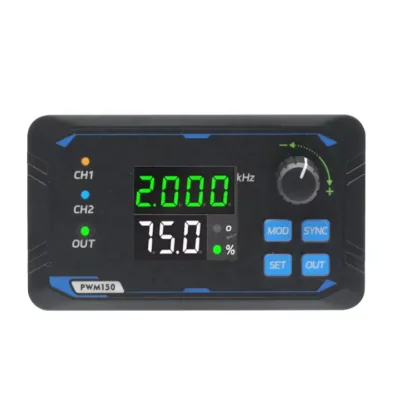
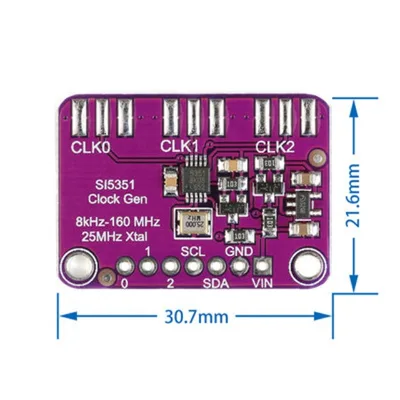
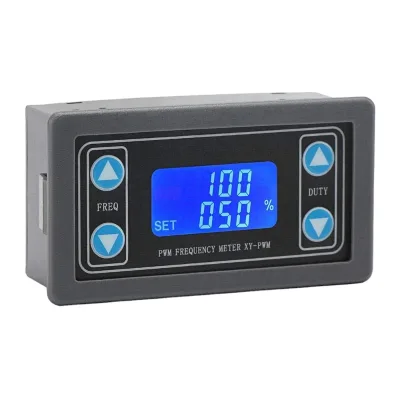
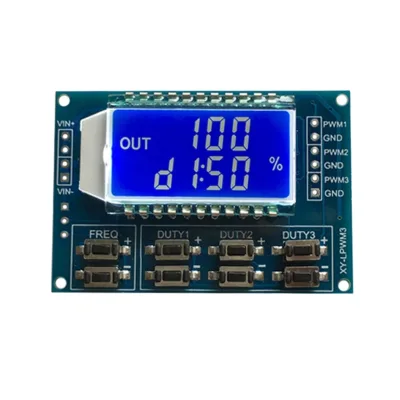
1Hz-150KHz PWM Pulse Frequency Duty Cycle Adjustable Module Signal Generator
$1.6369 - $1.9562
MOQ: 10 Minimum
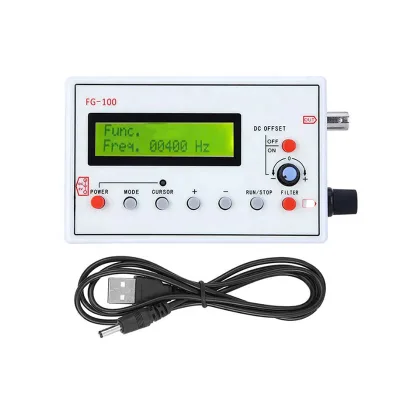
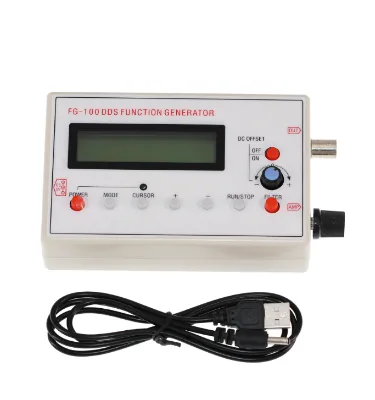
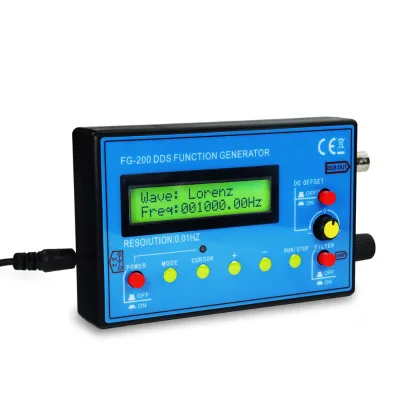
FG-100 Function Signals Generator Frequency Counter 1Hz - 500KHz Signals Source Module
$9.8559 - $10.6864
MOQ: 5 Minimum
Art Beijing Science And Technology Development Co., Ltd.
- Manufacturer, Trading Company
- Beijing, China
- Lead time10 days
- Avg. response≤ 2h
Main productsdata acquisition card,pci bus DAQ card,pxi bus DAQ card,usb bus DAQ card,PCI-e bus DAQ card
Main marketsDomestic Market(7.14%), South Asia(7.14%), Southern Europe(7.14%), Northern Europe(7.14%), Central America(7.14%), Western Europe(7.14%), Eastern Asia(7.14%), Mid East(7.14%), Oceania(7.14%), Africa(7.14%), Southeast Asia(7.14%), Eastern Europe(7.14%), South America(7.14%), North America(7.14%)
Shenzhen Chengxiang Technology Co., Ltd.
- Verified by Intertek
- Trading Company
- Lead time0 days
- Avg. response≤ 7h
Main productsSoldering Stations, Spot Welders, Screen Removal Separator, SMT Machine, Heat-transfer Machine
Main marketsSouthern Europe(20%), Eastern Europe(18%), North America(15%)






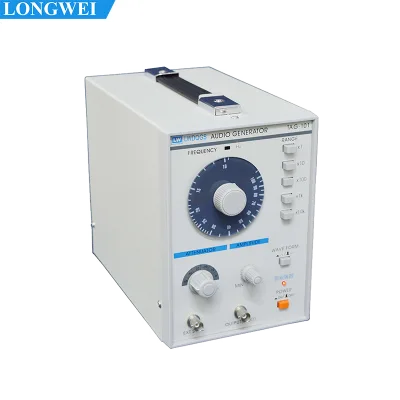
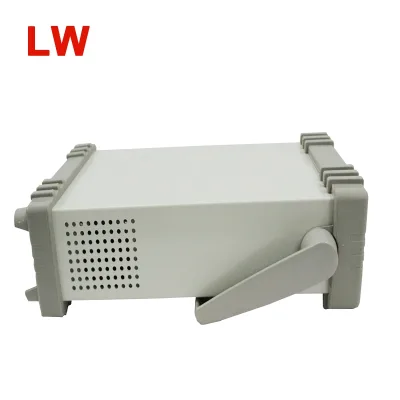
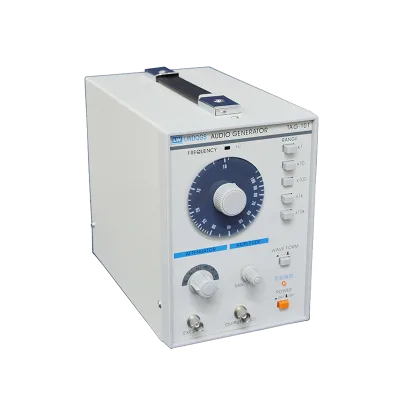
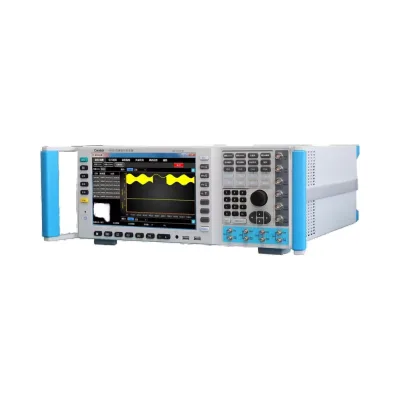
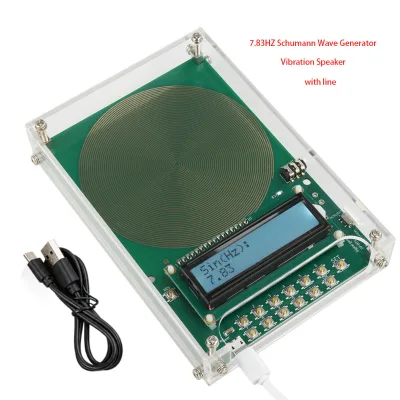
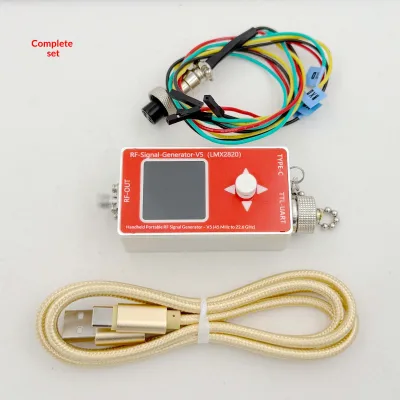
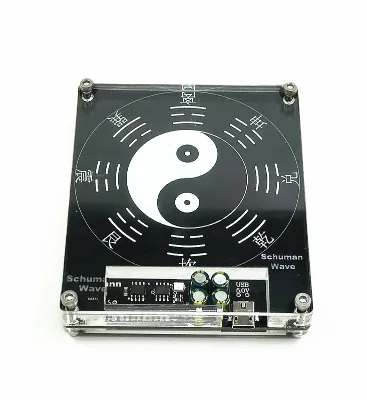
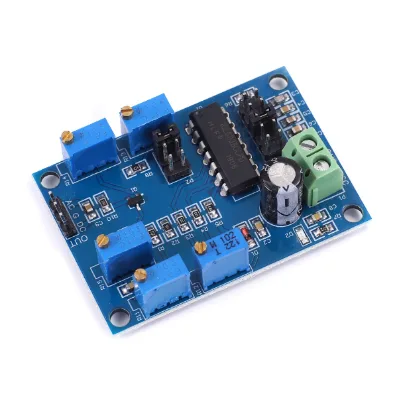
Comprehensive Sourcing Guide
Waveform Synthesis Signal Generator Supplier Concentration and Factory Types
Current data indicates a concentration of suppliers in Guangdong, China, where trading companies and distributors offer a mix of electronic components and temperature controllers alongside signal generation equipment. These entities often list products such as DDS signal generators and function modules, suggesting a supply chain focused on component assembly and distribution rather than heavy industrial manufacturing. The presence of trading companies implies a model where goods may be sourced from various factories and consolidated for sale, which can affect direct communication with the original production line. Buyers should verify if the listed company type is a manufacturer or a distributor to understand the depth of technical support available for complex waveform synthesis tasks.
In contrast, other results show manufacturers located in Jiangsu and Hebei provinces, specifically those holding ISO 9001 certifications and offering own-brand capabilities. These factories produce specialized instruments like sweep frequency signal generators and synthesized signal generators with defined output specifications. The distinction between a trading company and a manufacturer is critical, as manufacturers often provide OEM and ODM services, allowing for customization of frequency ranges and output waveforms. When evaluating the supplier list, buyers must look for the specific company type label to determine if they are dealing with a direct factory capable of engineering support or a middleman focused on logistics and inventory turnover.
How to Verify Waveform Synthesis Signal Generator Suppliers
Verification begins by checking for specific system certifications such as ISO 9001 or ISO9001:2015, which indicate a structured quality management system essential for precision electronic instruments. Some suppliers display verification badges from third-party agencies like BV, providing an additional layer of confidence regarding their business legitimacy and operational stability. Buyers should not assume all suppliers possess these credentials; instead, they must actively request proof of certification for the specific facility producing the waveform synthesis equipment. The absence of a visible certification does not necessarily disqualify a supplier, but it requires a more rigorous due diligence process to ensure product reliability.
Response time and lead time data serve as practical indicators of supplier responsiveness and operational efficiency. A response time of two days or less suggests a dedicated sales team capable of addressing technical inquiries quickly, which is vital when troubleshooting signal generator specifications. Lead times vary significantly, with some suppliers indicating zero days for immediate stock availability while others require fifteen days for production runs. Buyers should cross-reference these metrics against their project timeline, understanding that a shorter lead time might indicate a trading company holding inventory, whereas a longer lead time could reflect a custom manufacturing process. Always confirm the current status of these metrics directly with the supplier before placing an order.
What to Compare Across Waveform Synthesis Signal Generator Suppliers
When comparing suppliers, the primary focus should be on the specific product attributes and technical specifications listed for each Waveform Synthesis Signal Generator. Key differentiators include frequency ranges, such as 10Hz to 450kHz or 2Hz to 20kHz, and output capabilities like sine, triangular, or square waves. Some units offer advanced features such as true RMS detection, adjustable sweeping periods, and specific output impedances, which must align with the buyer's application requirements. It is essential to review the detailed product attributes for each listing, as a single supplier may offer multiple models with vastly different performance characteristics and price points.
Commercial terms and minimum order quantities (MOQ) are equally critical factors in the comparison process. Prices can range from under two dollars for basic modules to over seventeen hundred dollars for high-precision synthesized generators, reflecting differences in complexity and component quality. MOQs also vary, with some suppliers requiring a minimum of one unit for immediate purchase while others mandate orders of ten units or more. Buyers must evaluate whether the price per unit justifies the volume commitment and if the supplier offers flexible terms for smaller initial orders. Additionally, the availability of customization services, such as OEM branding or specific waveform adjustments, should be weighed against the standard product offerings to determine the best value proposition.
Common Waveform Synthesis Signal Generator Sourcing Risks
One significant risk involves the discrepancy between the listed company type and the actual manufacturing capability. A supplier labeled as a trading company may not have direct control over the production process, potentially leading to delays or quality inconsistencies if the underlying factory faces issues. Buyers should verify the origin of the product, ensuring that the "Place of Origin" matches the claimed manufacturing location, such as Guangdong or Jiangsu. Relying solely on the supplier's description without independent verification can result in receiving products that do not meet the required technical standards or operating temperature ranges.
Another risk is the variability in lead times and response speeds, which can disrupt project schedules. While some suppliers advertise a lead time of zero days, others may require up to fifteen days, and this variance can be unpredictable if not clearly communicated. Furthermore, the lack of standardized response times across the supplier base means that technical support may be delayed, hindering the resolution of complex waveform synthesis issues. Buyers must account for these potential delays in their planning and maintain open communication channels to mitigate the impact of supply chain bottlenecks or unexpected production hold-ups.
Waveform Synthesis Signal Generator Regional Sourcing and Logistics
Geographic location plays a pivotal role in determining shipping costs and delivery timelines for waveform synthesis signal generators. Suppliers in Guangdong, China, are often positioned near major logistics hubs, facilitating faster export processes for electronic components and accessories. However, manufacturers in Jiangsu and Hebei may have different logistical advantages depending on the specific port of departure and the nature of the equipment. Buyers should consider the distance between the supplier's facility and the destination port, as this can influence the overall lead time and the cost of freight services.
Logistics planning must also account for the specific packaging and handling requirements of sensitive electronic instruments. Products like synthesized signal generators often require carton or box packaging designed to protect delicate internal components during transit. The physical dimensions of the equipment, such as standard sizes of 386256123 mm, must be factored into shipping calculations to ensure proper container utilization and cost efficiency. Buyers should verify the packing details provided by the supplier to avoid unexpected surcharges or damage during transit, ensuring that the equipment arrives in optimal condition for immediate deployment.
Waveform Synthesis Signal Generator Commercial Terms and Order Planning
Order planning for waveform synthesis signal generators requires a clear understanding of the pricing structure and minimum order requirements. Prices can fluctuate based on the specific model and configuration, with some units priced as low as 1.24 dollars while others reach 1728 dollars. Buyers must carefully review the price range and MOQ for each product listing to ensure it aligns with their budget and volume needs. It is crucial to confirm whether the quoted price includes all necessary accessories, such as power supplies or cables, to avoid hidden costs that could inflate the total expenditure.
Commercial terms also encompass the availability of customization and after-sales support, which are vital for long-term project success. Suppliers offering OEM and ODM services can tailor the signal generator to specific frequency ranges or output waveforms, providing a competitive advantage for specialized applications. Buyers should inquire about the warranty terms and the availability of technical documentation, such as user manuals and circuit diagrams, to ensure smooth integration into their systems. Establishing a clear agreement on these terms before finalizing the order helps prevent misunderstandings and ensures a reliable supply chain for future procurement needs.
FAQs
What is the price range for signal generators?
Signal generator prices vary significantly based on specifications and capabilities. Basic modules start around $1.24, while advanced units can reach $1,728. Buyers should check specific product listings for exact pricing tiers and bulk discount structures available from different suppliers.
What is the minimum order quantity for these products?
Minimum order quantities depend on the specific supplier and product type. Some manufacturers require a minimum of 10 units for standard components, while others accept single-unit orders for complete testing instruments. Always verify the MOQ directly with the seller before placing an order.
How fast do suppliers typically respond to inquiries?
Response times generally range from 2 to 5.49 hours. Trading companies and distributors often respond within two hours, whereas larger manufacturing facilities may take slightly longer. Prompt communication is crucial for negotiating custom specifications and confirming lead times for your specific requirements.
What certifications do these suppliers hold?
Many manufacturers hold ISO 9001 or ISO 9001:2015 certifications, ensuring quality management standards are met. Some suppliers also undergo third-party verification processes like BV checks. Buyers should request current certification documents to verify compliance with international quality and safety standards.
Where are these signal generators manufactured?
Manufacturing locations primarily include Guangdong, Jiangsu, and Hebei provinces in China. These regions are known for strong electronics supply chains. Buyers can filter suppliers by specific province to align with logistics preferences or regional quality reputation when selecting a manufacturing partner.
What is the typical lead time for orders?
Lead times vary from zero days for ready stock to 15 days for custom manufacturing. Some suppliers offer immediate availability for standard models, while others require production time for OEM or ODM orders. Confirm the exact lead time with the supplier to plan your inventory effectively.