Horizontal Yam Lathe Machine Suppliers and Manufacturers
Explore 27 verified options for Horizontal Yam Lathe Machine from China Henan and Shaanxi. Compare lead times, certifications, and response rates to find suitable factories. Review product specifications and pricing details to proceed with sourcing; review the available evidence before requesting comparable quotations from suitable candidates.
Updated
Suppliers List

Zhengzhou Timeway Machine Tool Co., Ltd.
- Verified by TUVRHEINLAND
- Trading Company
- China Henan
- Lead time60 days
- Avg. response≤ 9h
Main productsLathe, Milling Machine, Drilling Machine, Grinding Machine, CNC Machines, Shearing Machine, Press Brakes, Rolling Machine, Forklift Truck, Vehicle Machine
Main marketsSouth America,Africa,Southeast Asia/ Mideast,Europe,Australia,North America

Shaanxi HAVEN Equipment Co., Ltd.
- Trading Company,Manufacturer/Factory
- China Shaanxi
- Lead time23 days
- Avg. response≤ 8h
Main productsLathe Machine CNC Lathe, Pipe Threading Machine, Hydraulic Shearing Machine, Hydraulic Press Brake, Plate Rolling Machine, Drilling Machine, Band Saw Machine, Cutting Machine
Main marketsSouth America,Eastern Europe,Mid East,Southeast Asia,Africa

Zaozhuang DS Machine Tool Co., Ltd.
- Manufacturer, Trading Company
- Shandong, China
- Lead time15 days
- Avg. response≤ 6h
Main productslathe machine,milling machine,Band Saw,Slotting machine,Floding Machine
Main marketsSouth Asia(15.00%), Southeast Asia(15.00%), North America(10.00%), Central America(10.00%), Domestic Market(5.00%), South America(5.00%), Southern Europe(5.00%), Northern Europe(5.00%), Eastern Europe(5.00%), Western Europe(5.00%), Eastern Asia(5.00%), Mid East(5.00%), Oceania(5.00%), Africa(5.00%)

Dalian Ruiri Machinery Manufacturing Co., Ltd.
- Trading Company,Manufacturer/Factory
- China Liaoning
- Lead time90 days
- Avg. response≤ 10h
Main productsSlant Bed CNC Lathe, Flat Bed CNC Lathe, Vertical Machining Center, Conventional Lathe, Cke6150, Cls20, Vdls850, Dt40
Main marketsSouth America,Mid East,North America,Western Europe

Tengzhou Allway Machinery Co., Ltd
- Trading Company,Manufacturer/Factory
- China Shandong
- Lead time0 days
- Avg. response≤ 20h
Main productsMachine Tools, Lathe Machine, Milling Machine, Drilling Machine, Sawing Machine, CNC Machine

Weihai Hanming Automation Technology Co., Ltd.
- Trading Company,Manufacturer/Factory
- China Shandong
- Lead time0 days
- Avg. response≤ 11h
Main productsCNC Milling Machine, CNC Lathe Machine, Laser Cutting Machine, Surface Grinding Machine, Lathe Machine, Milling Machine, Boring Machine, Drilling Machine
Main marketsSouth America,Eastern Europe,Mid East,North America,Southeast Asia,Eastern Asia,Oceania,Western Europe,Africa
Shanghai Huantu Technical Industry Co., Ltd.
- Verified by TüVRheinland
- Trading Company
- Lead time20 days
- Avg. response≤ 1h
Main productsPress Brake, Shearing Machine, Rolling Machine, Iron Worker, Lathe Machine
Main marketsAfrica(50%), South America(30%), Mid East(18%)
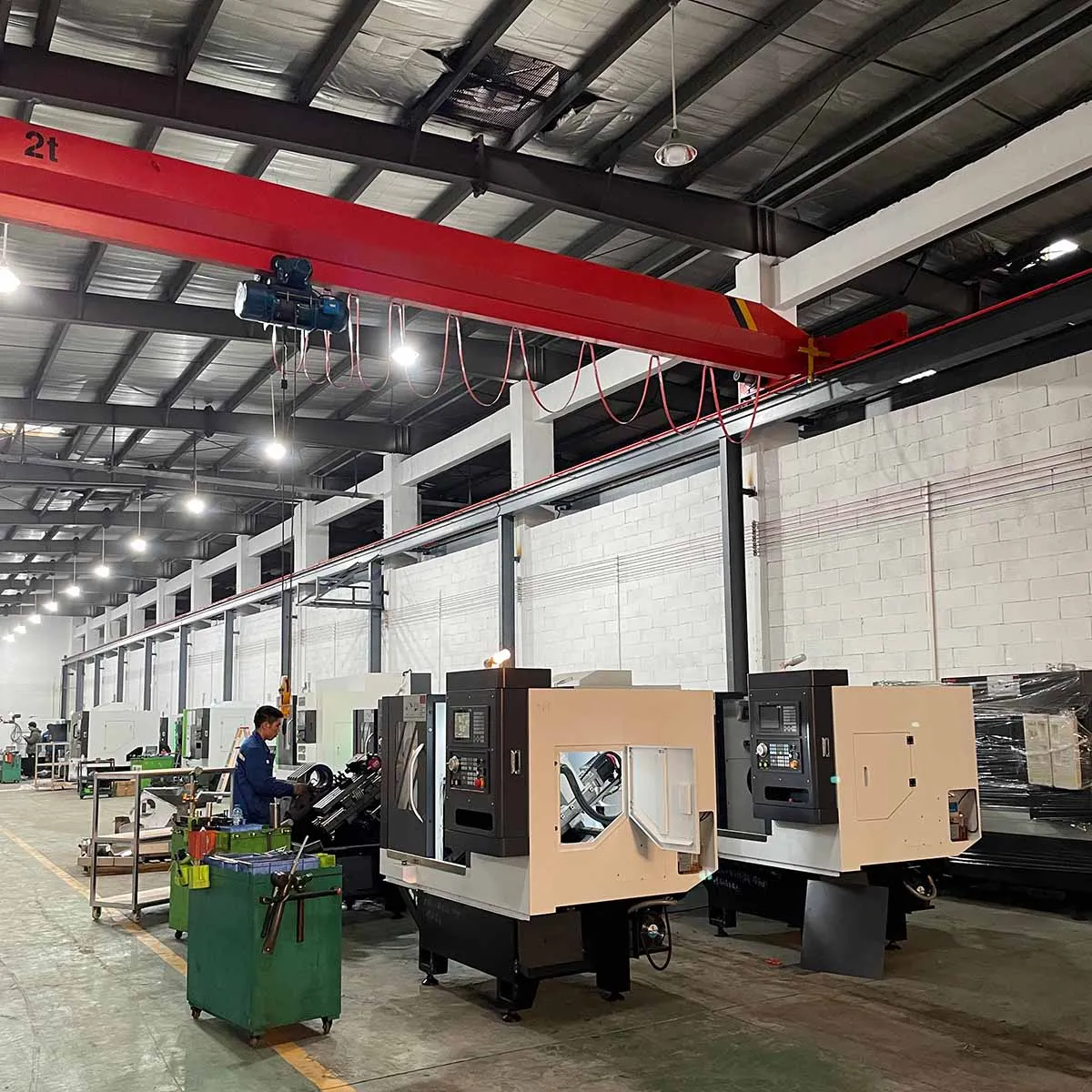
Zhongshan Tengyue Numerical Control Technology Co., Ltd.
- Manufacturer, Trading Company
- Guangdong, China
- Lead time45 days
- Avg. response≤ 4h
Main productsGang Type CNC Lathe,Turning & Milling Type CNC Lathe,Tailstock Type CNC Lathe,Dual Spindle Types Type CNC Lathe,Bar Feeder
Main marketsEastern Europe(60.00%), Western Europe(20.00%), Mid East(20.00%)
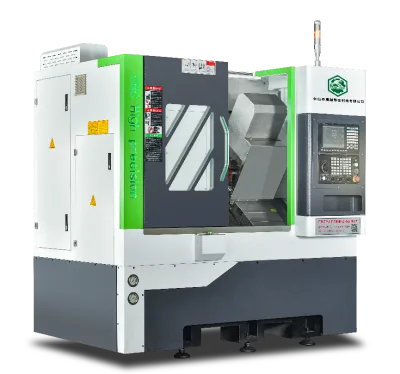
Competitive Price Lathe Horizontal Machine CK46P-Y100 SYNTEC System
$24600.00 - $24900.00
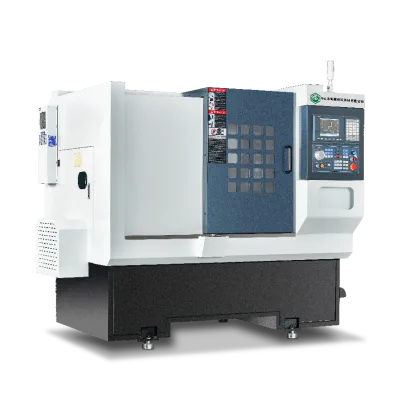
Shandong Luzhong Machine Tool Co., Ltd.
- Verified by SGS Group
- Manufacturer, Trading Company
- Lead time30 days
- Avg. response≤ 1h
Main productsCNC Milling Machine, CNC Machining Center, CNC Lathe, Lathe Machine, Milling Machine
Main marketsDomestic Market(30%), Eastern Europe(20%), South America(15%)
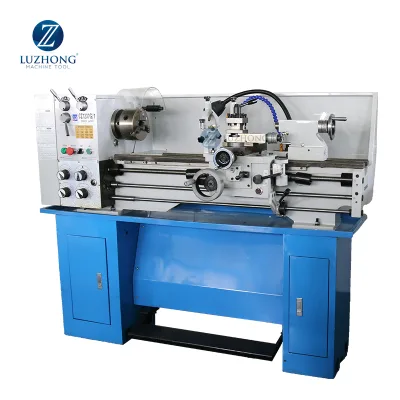
CZ1337G/1 Cheap New Yam Lathe Machine for Sale
$3000.00 - $3800.00
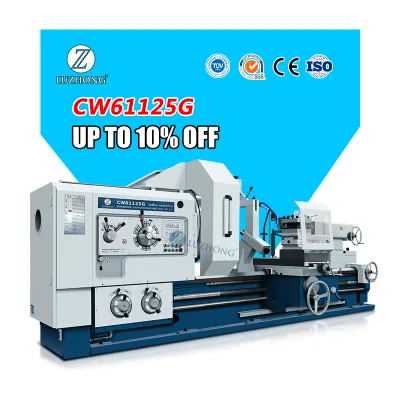
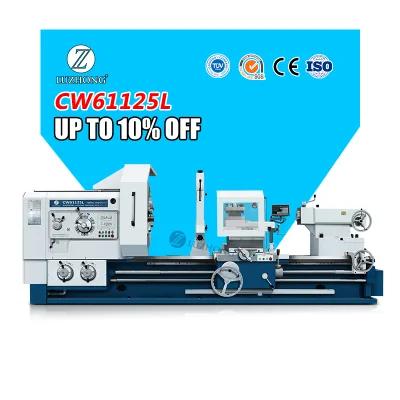
Large Bore 130mm Horizontal Lathe Machine CW61125L Medium Duty Flat Bed Lathe Metal Processing
$40966.3929
MOQ: 1 Minimum
Shining Industrial Enterprise (China) Co., Ltd.
- Verified by TUVRHEINLAND
- Trading Company
- China Jiangsu
- Lead time15 days
- Avg. response≤ 19h
Main productsShearing Machine, Press Brake, Rolling Machine, Lathe Machine, Milling Machine, Plasma Cutting Machine, Hydraulic Press, Drilling Machine, Power Press Machine, Pipe Bending Machine
Main marketsSoutheast Asia/ Mideast,Europe
Tengzhou City Dongyi Risheng Machine Tool Co., Ltd.
- Verified by SGS Group
- Trading Company
- Lead time0 days
- Avg. response≤ 2h
Main productsLathe, Milling machine, Drilling machine, Machining center, Grinding machine
Main marketsEastern Europe(30%), Mid East(28%), Southeast Asia(23%)
Tengzhou Hoton Machinery Co., Ltd.
- Trading Company
- Shandong, China
- Lead time30 days
- Avg. response≤ 7h
Main productsCNC Lathe,Milling Machine,Surface Grinder Machine,Band Saw,sheet metal machine
Main marketsDomestic Market(50.00%), Southern Europe(15.00%), Eastern Europe(10.00%), Eastern Asia(7.00%), South America(5.00%), Southeast Asia(5.00%), North America(5.00%), Mid East(3.00%)
Zaozhuang Shenghuan Cnc Machine Tool Co., Ltd.
- Manufacturer, Trading Company
- Shandong, China
- Lead time30 days
- Avg. response≤ 2h
Main productsVertical Milling Machine, CNC Lathe Machine, Vertical Lathe Machine, Gantry Milling Machine, Slant Lathe Machine
Main marketsSouth Asia(70.00%), Eastern Asia(20.00%), Southeast Asia(10.00%)
Henan Rowdai Machinery Equipment Co., Ltd.
- Verified by Intertek
- Trading Company
- Lead time28 days
- Avg. response≤ 2h
Main productsVertical Machining Center, CNC Boring Machine, Manual Lathe, Band Saw Machine, Tapping Machine
Main marketsNorth America(10%), South America(10%), Southeast Asia(10%)
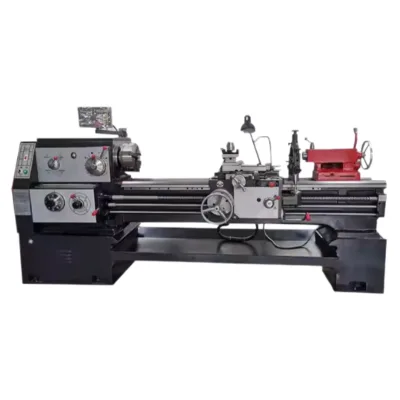
Conventional Lathe High Stability Easy Operation
$3620.00 - $3820.00
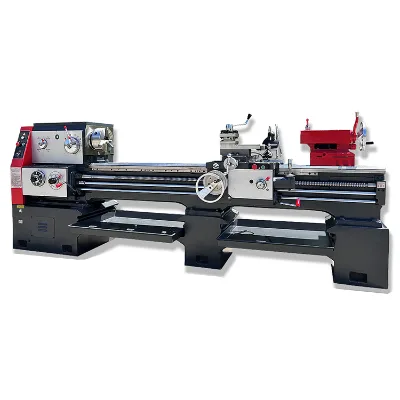
CA6150 Horizontal Power Lathe Machine 500x4000mm with Quick Change Gearbox
$9250.7472 - $9354.6999
MOQ: 1 sets
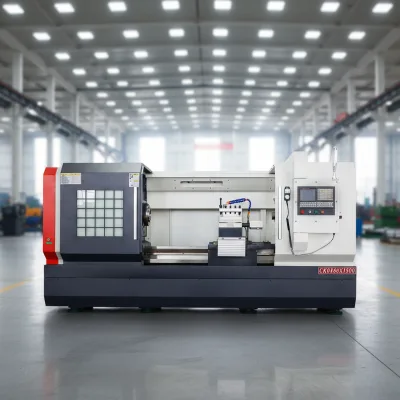
Cheap Cnc Lathe Machine CNC Twin Spindle Turning Center Lathe
$24200.00 - $28000.00

YANGZHOU RZF IMP. AND EXP. CO., LTD.
- Trading Company
- China Jiangsu
- Lead time120 days
- Avg. response≤ 12h
Main productsMilling Machine, Press Brake, Shearing Machine, Turret Punch, Rolling Machine, Cutting Machine, Hydraulic Press, Lathe Machine, Drilling Machine, Surface Grinder
Main marketsSoutheast Asia,Eastern Asia

Shanghai Ants Machine Equipment Co., Ltd.
- Verified by BV
- Manufacturer/Factory,Group Corporation
- China Shanghai
- Lead time38 days
- Avg. response≤ 3h
Main productsBandsaw Machine, CNC Lathe, CNC Milling Machine, Grinding Machine, Drilling Machines, EDM Machine, Laser Cutting Machine, Shearing Machine, Press Braker Machine, Pipe Bending Machine
Main marketsSouth America,Eastern Europe,Mid East,North America,Southeast Asia,Eastern Asia,Oceania,Western Europe,Africa
Cixi Dingke Machinery & Equipment Co., Ltd.
- Verified by TüVRheinland
- Manufacturer, Trading Company
- Lead time30 days
- Avg. response≤ 2h
Main productsMechanical Equipment
Main marketsDomestic Market(50%), North America(13%), Eastern Europe(10%)
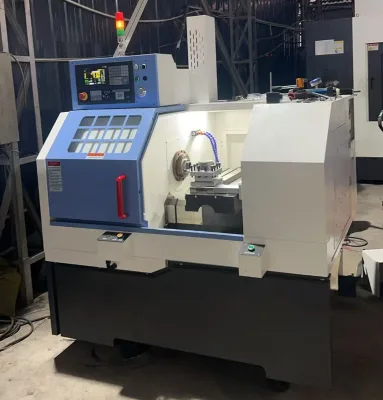
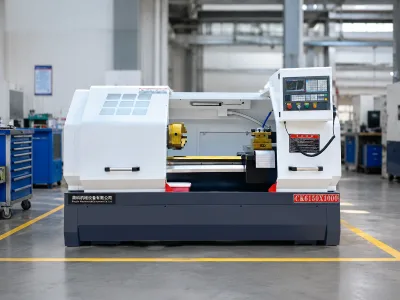
CK6150 CNC Metal Lathe for External Turning Internal Turning and Threading
$11900.00 - $12000.00
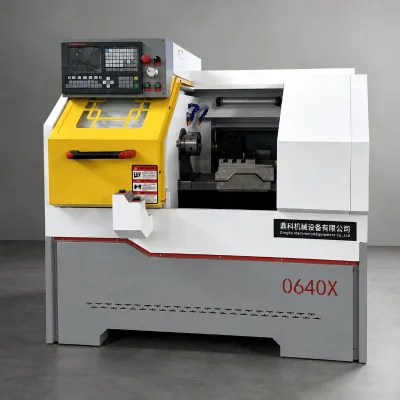
2 Axis Flat CNC Lathe Machine for Machinery Parts Facing Manufacturer
$6800.00 - $6820.00
Jiangsu Hoston Machine Tools Co., Ltd.
- Verified by TüVRheinland
- Trading Company
- Lead time25 days
- Avg. response≤ 3h
Main productsLathe Machine, CNC Metal Spinning Machine, Welding Table, Plate Rolling Machine, Press Brake Machine
Main marketsWestern Europe(25%), North America(20%), South America(15%)
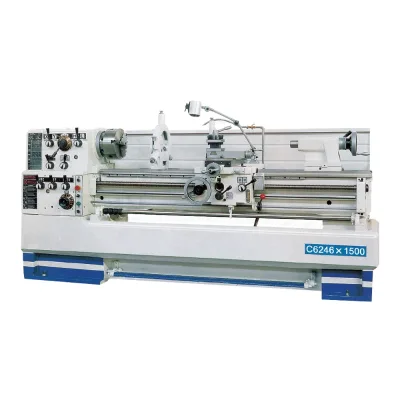
Top Quality Lathe Baoji Turning Horizontal Machine With Low Price
$7800.00 - $8000.00
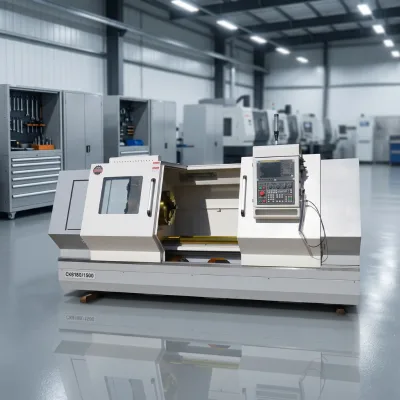
CK6180 Horizontal Hard Bed Way CNC Lathe Machine for Oil Tube and Shaft Turning
$19269.00 - $21677.00
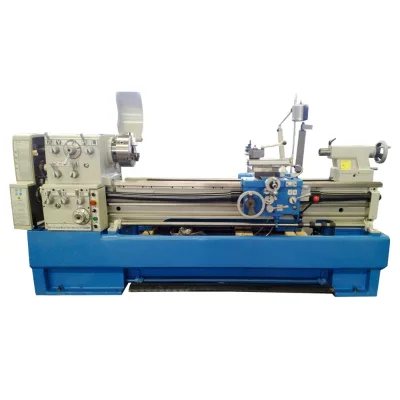
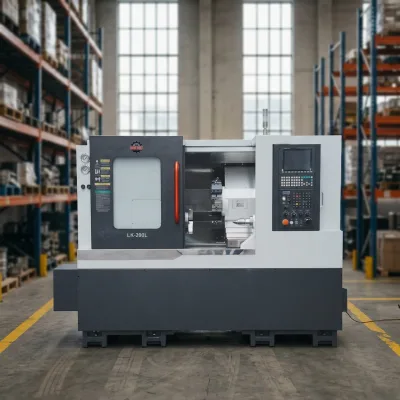
Shaanxi Haven Equipment Co., Ltd.
- Manufacturer, Trading Company
- Shaanxi, China
- Lead time30 days
- Avg. response≤ 7h
Main productsLathe Machine; Fiber Laser Cutting Machine; Hydraulic Press Brake; Hydraulic Shearing Machine; Power Press,Machine Tool Equipment
Main marketsEastern Europe(20.00%), Southeast Asia(20.00%), South America(10.00%), Northern Europe(10.00%), Western Europe(10.00%), Oceania(5.00%), Africa(5.00%), Mid East(5.00%), North America(5.00%), South Asia(4.00%), Southern Europe(3.00%), Central America(3.00%)
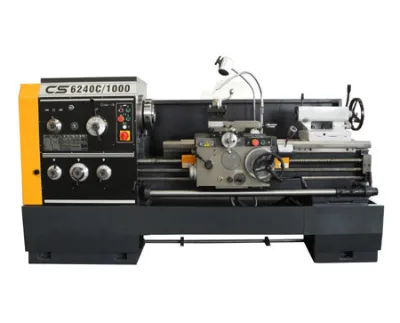
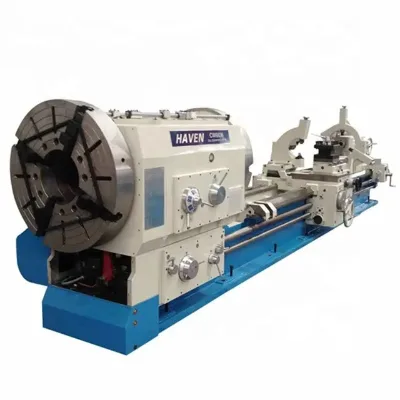
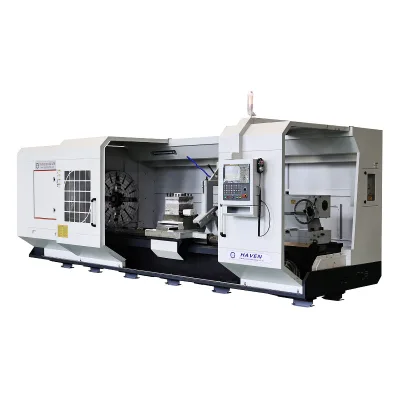
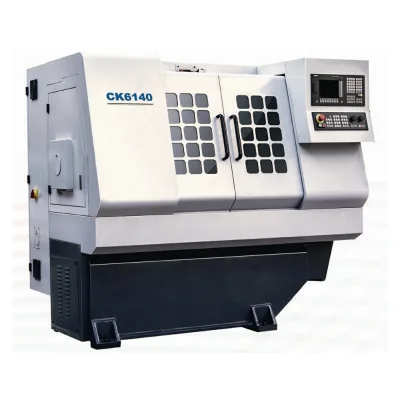
cnc lathe machine ck6140 cnc slant bed lathe machine cnc lathe seal making machine
$26300.00 - $26500.00

Dalian Haidi Machinery Co., Ltd.
- Verified by BV
- Trading Company
- China Liaoning
- Lead time30 days
- Avg. response≤ 6h
Main productsVertical Lathe, CNC Vertical Lathe, Slant Bed CNC Lathe, Pipe Threading Lathe, Gear Hobbing Machine, Spherical Turning Lathe, Machine Center, Gear Shaping Machine, 5 Axis Machining Ceter, Manual Lathe
Main marketsSouth America,Domestic

Dongguan Kuntian Machinery Equipment Co., Ltd.
- Manufacturer, Trading Company
- Guangdong, China
- Lead time20 days
- Avg. response≤ 2h
Main productsCNC Lathe, Drilling Machine, Tapping Machine, Automatic Drilling And Tapping Machine
Main marketsEastern Asia(30.00%), Eastern Europe(30.00%), North America(30.00%), Western Europe(10.00%)

- Trading Company,Manufacturer/Factory,Group Corporation
- China Jiangsu
- Lead time0 days
- Avg. response≤ 25h
Main productsCNC Machine Tools, Lathe Machine, Press Brake Machine, CNC Milling Machine, Grinder Machine, Cutting Machine, Plate Bending Machine, Shearing Machine, CNC Lathe Machine
Main marketsSouth America,Eastern Europe,Mid East,North America,Southeast Asia,Eastern Asia,Oceania,Western Europe,Africa
Shandong Jiucheng Machine Tool Co., Ltd.
- Manufacturer, Trading Company
- SHANDONG, China
- Lead time0 days
- Avg. response≤ 2h
Main productsCNC lathe machine,CNC Milling Machine,CNC Machining Center,General Lathe,General Milling Machine
Main marketsDomestic Market(100.00%), South Asia(100.00%), Southern Europe(100.00%), Northern Europe(100.00%), Central America(100.00%), Western Europe(100.00%), Eastern Asia(100.00%), Mid East(100.00%), Oceania(100.00%), Africa(100.00%), Southeast Asia(100.00%), Eastern Europe(100.00%), South America(100.00%), North America(100.00%)
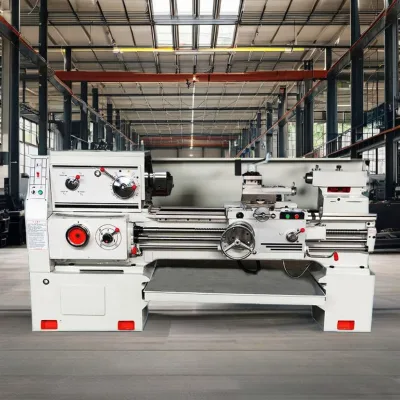
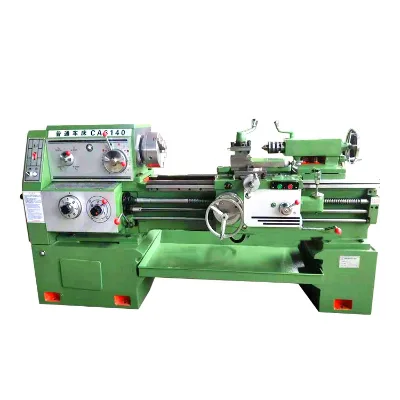
High Precision Lathe Machine CA6140 Mechanical Lathe Manufacturer
$9740.3596 - $10047.9499
MOQ: 1 sets

Shandong Dehai Yaoyang Cnc Machine Tool Co., Ltd.
- Trading Company
- Shandong, China
- Lead time30 days
- Avg. response≤ 2h
Main productsCNC Machining Center, CNC Lathe, Milling Machine
Main marketsEastern Europe(20.00%), Southeast Asia(15.00%), North America(10.00%), South America(10.00%), Western Europe(10.00%), Eastern Asia(10.00%), Central America(10.00%), Northern Europe(10.00%), Southern Europe(5.00%)
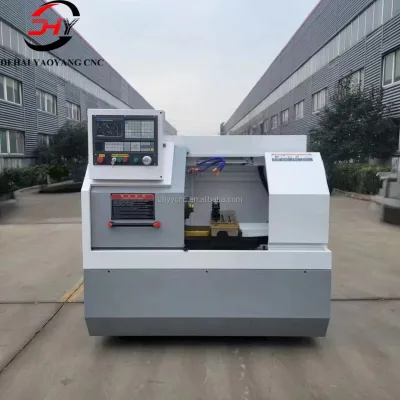
Spot Sales CNC Lathe CK6136 Horizontal Hard Rail CNC Lathe
$5800.00 - $6000.00
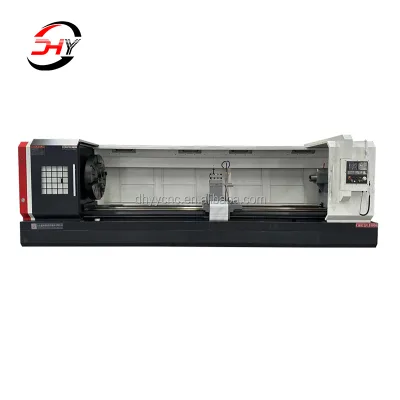
Large Heavy Duty Lathe Machine CK61140 Large Working Size for Size
$20500.00 - $21500.00
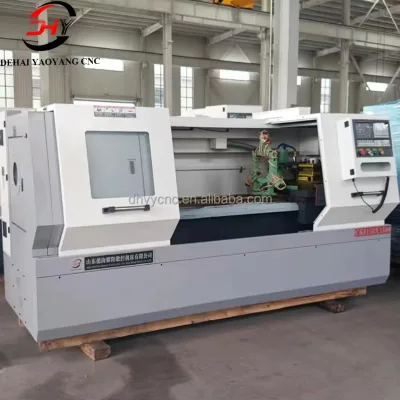
CK6150 Slat Bed Lathe Hot Sale Cnc Flat Rail Lathe Machine
$9400.00 - $9900.00
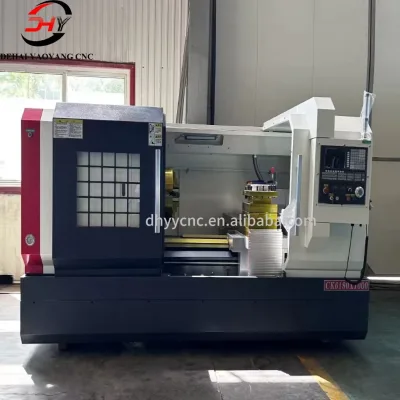

Shandong Schuler CNC Machinery Co., Ltd.
- Verified by BV
- Trading Company,Manufacturer/Factory
- China Shandong
- Lead time23 days
- Avg. response≤ 3h
Main productsLathe Machine, CNC Lathe, Hydraulic Press Machine, Radial Drilling Machine, Milling Machine, CNC Machining Center
Main marketsSouth America,Eastern Europe,Mid East,North America,Southeast Asia,Eastern Asia,Oceania

Shenzhen Guanhong Technology Co., Ltd.
- Verified by BV
- Combined
- China Guangdong
- Lead time23 days
- Avg. response≤ 3h
Main productsMini Lathe Machine, CNC Machine, CNC Milling Machine, Small Turn-Mill Machine, CNC Lathe Machine, CNC Machining, CNC Machinery, Metal Processing Machinery, Metal Processing Machinery Parts, CNC Controller
Main marketsSouth America,Southeast Asia/ Mideast,Europe

Shenzhen Sowin Precision Machine Tool Co., Ltd.
- Verified by TUVRHEINLAND
- Combined
- China Guangdong
- Lead time30 days
- Avg. response≤ 9h
Main productsCNC Lathe, CNC Machine, CNC Lathe Machine, Swiss Type CNC, Lathe Machine, Lathe, CNC Router, Cutting Machine, CNC, Swiss Type Machine
Main marketsOthers(foreignTradeCapacity.exportBusinessCapacityMarketOther),Europe


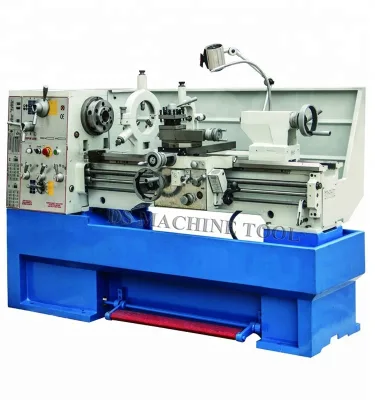








Comprehensive Sourcing Guide
Horizontal Yam Lathe Machine Supplier Concentration and Factory Types
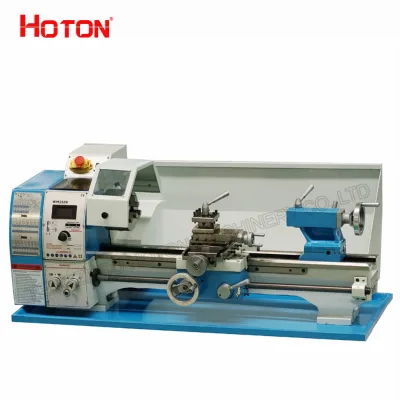
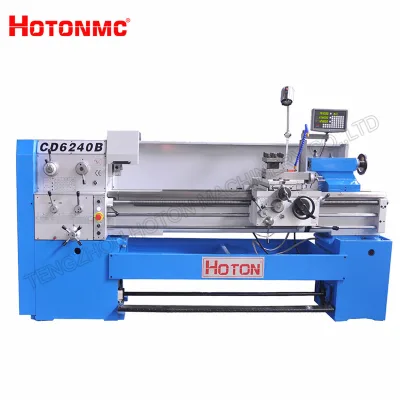
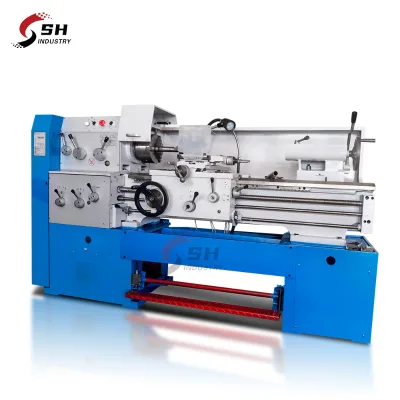
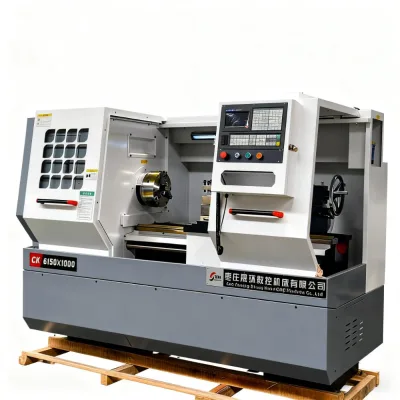
The current supplier landscape for horizontal yam lathe machines reveals a distinct concentration of manufacturing and trading entities within specific Chinese provinces, primarily Henan and Shaanxi. These regions serve as key industrial hubs where buyers can locate suppliers offering a diverse range of machine tool equipment. The data indicates that suppliers in these areas are not limited to a single product type but often maintain broad portfolios that include lathes, milling machines, drilling machines, and various other CNC and manual machine tools. This clustering effect suggests that buyers seeking horizontal yam lathe machines may find it efficient to engage with suppliers who have established infrastructure in these locations, as they likely possess the necessary supply chain networks and logistical capabilities to support heavy machinery exports. The presence of both trading companies and manufacturers in these clusters provides buyers with options, although the specific operational model of each supplier varies significantly.
Within these geographic clusters, the company types observed include both trading companies and manufacturers or factories. This distinction is critical for buyers evaluating their sourcing strategy, as trading companies may offer a wider variety of products from different factories, while manufacturers might provide more direct control over production quality and customization. The main products listed by these suppliers often encompass horizontal lathes, CNC lathes, and heavy-duty turning machines, indicating that the suppliers are equipped to handle the specific requirements of Horizontal Yam Lathe Machine procurement. Buyers should note that while the location data points to Henan and Shaanxi, the actual factory location might differ, and verification is necessary to confirm where the production actually takes place. Understanding the mix of trading and manufacturing entities in these regions helps buyers assess the potential for direct factory pricing versus the convenience of a single-point procurement through a trading company.
How to Verify Horizontal Yam Lathe Machine Suppliers
Verification is a crucial step in the sourcing process for horizontal yam lathe machines, ensuring that the supplier’s claims about their capabilities and certifications are accurate. One key indicator of supplier reliability is the verification status provided by third-party inspection bodies. For instance, some suppliers in the current results have been verified by TÜV Rheinland, a globally recognized testing and certification organization. This verification adds a layer of credibility to the supplier’s business operations, suggesting that their company structure and basic operational capabilities have been independently assessed. Buyers should prioritize suppliers with such third-party verifications, as it reduces the risk of engaging with fraudulent or non-existent entities. However, verification alone is not a guarantee of product quality, so it should be combined with other due diligence steps, such as reviewing the supplier’s system certifications and production capacity.
System certifications and product-specific certifications are another vital aspect of supplier verification. The data shows that some suppliers hold ISO 9000 and ISO 9001 certifications, which indicate a commitment to quality management systems. Additionally, product certifications such as CE, ISO, and GS are frequently mentioned in the product attributes, signaling compliance with international safety and performance standards. Buyers should carefully review these certifications to ensure they meet the regulatory requirements of their destination market. It is important to note that while some suppliers display these certifications, others may have NIL listed for system certifications, which requires further investigation. Buyers should request copies of these certificates and verify their validity with the issuing bodies. Furthermore, checking the supplier’s response time and lead time can provide insights into their operational efficiency and reliability, as consistent and prompt communication is often a sign of a well-managed business.
What to Compare Across Horizontal Yam Lathe Machine Suppliers
When evaluating multiple suppliers for horizontal yam lathe machines, buyers should compare key operational metrics such as lead time, minimum order quantity (MOQ), and response time to assess supplier efficiency and flexibility. The current data reveals significant variations in these metrics among different suppliers. For example, some suppliers have a lead time of 60 days, while others offer a much shorter lead time of 23 days. This difference can be critical for buyers with tight production schedules or urgent project deadlines. Additionally, the MOQ for these machines is often set at 1 unit, which is beneficial for buyers who need to procure small quantities for testing or specific applications. Comparing these operational metrics allows buyers to identify suppliers who can best align with their logistical and production requirements, ensuring that the supply chain remains smooth and efficient.
Product specifications and pricing are also essential factors to compare across suppliers. The product attributes for horizontal yam lathe machines include details such as certification (ISO, CE, GS), customization availability, condition (new), setting mode (floor-type or table), power source (electric or hydraulic), and precision levels. Buyers should carefully review these specifications to ensure that the machine meets their technical requirements. For instance, some machines are described as high precision, while others are standard precision, which can impact the quality of the final product. Pricing also varies significantly, with some machines ranging from $10,000 to $50,000, while others are priced higher, up to $85,468. Buyers should compare these prices in the context of the machine’s specifications and the supplier’s reputation to determine the best value. Additionally, checking the warranty period and after-sales service provisions, such as engineers available for overseas service, can provide insights into the long-term support buyers can expect from the supplier.
Common Horizontal Yam Lathe Machine Sourcing Risks
One of the primary risks in sourcing horizontal yam lathe machines is the potential discrepancy between the supplier’s claimed capabilities and their actual production capacity. While some suppliers are listed as manufacturers, others are trading companies, which may not have direct control over the manufacturing process. This can lead to issues with quality control, delivery delays, and communication gaps. Buyers should be cautious when dealing with trading companies and verify their relationship with the actual manufacturers. Additionally, the lack of system certifications for some suppliers, as indicated by NIL in the data, raises concerns about their adherence to international quality standards. Buyers should request detailed information about the supplier’s quality management systems and production processes to mitigate this risk. It is also important to verify the authenticity of product certifications, as some suppliers may claim certifications that are not valid or applicable to the specific machine model.
Another significant risk is the variability in product specifications and performance. The data shows that horizontal yam lathe machines come in various configurations, including different setting modes, power sources, and precision levels. Buyers must ensure that the machine they select meets their specific technical requirements, as mismatches can lead to operational inefficiencies or product defects. For example, a machine with a hydraulic pressure power source may not be suitable for all applications, and a floor-type setting mode may require more space than a table-type mode. Additionally, the warranty period and after-sales service provisions vary among suppliers, with some offering one-year warranties and engineers available for overseas service, while others may not provide such support. Buyers should carefully review these terms and negotiate for comprehensive after-sales support to ensure long-term machine reliability. Failure to address these risks can result in costly downtime and reduced productivity.
Horizontal Yam Lathe Machine Regional Sourcing and Logistics
Sourcing horizontal yam lathe machines from specific regions in China, such as Henan and Shaanxi, offers logistical advantages due to the concentration of industrial infrastructure and supply chain networks in these areas. These regions are known for their manufacturing capabilities and often have established export channels for heavy machinery. Buyers can benefit from the proximity to ports and transportation hubs, which can reduce shipping costs and lead times. However, it is important to note that the supplier’s listed location may not always reflect the actual factory location, especially for trading companies. Buyers should verify the exact location of the manufacturing facility to ensure that the logistical arrangements are accurate. Additionally, the packing methods for these machines, such as wooden cases, plywood cases, and pallets, are designed to protect the equipment during transit, but buyers should confirm the packing details with the supplier to avoid damage during shipping.
Logistics planning also involves considering the voltage and power requirements of the horizontal yam lathe machines, as these can vary based on the destination market. The data indicates that some machines have voltage specifications that can be customized according to the buyer’s request, which is a significant advantage for international buyers. Buyers should ensure that the machine’s power source, whether electric or hydraulic, is compatible with their local infrastructure. Furthermore, the lead time for production and shipping should be factored into the overall logistics plan. Suppliers with shorter lead times, such as 23 days, can help buyers meet tight deadlines, while those with longer lead times, such as 60 days, require earlier planning. Buyers should also consider the customs clearance process and any import duties or taxes that may apply in their destination country, as these can impact the total cost and delivery timeline.
Horizontal Yam Lathe Machine Commercial Terms and Order Planning
Commercial terms for horizontal yam lathe machines often include specific conditions regarding payment, warranty, and after-sales service. Buyers should carefully review the warranty period, which is typically one year after delivery for some suppliers, to understand the coverage and limitations. Additionally, the availability of after-sales service, such as engineers available for overseas service, is a critical factor in ensuring long-term machine reliability. Buyers should negotiate for comprehensive support agreements that include regular maintenance, spare parts supply, and technical assistance. The customization options available for these machines, such as specific voltage requirements or setting modes, should also be clearly defined in the commercial terms to avoid misunderstandings. Buyers should ensure that all customization requests are documented in the contract to guarantee that the final product meets their specifications.
Order planning for horizontal yam lathe machines involves considering the minimum order quantity (MOQ) and the pricing structure. The data shows that the MOQ is often 1 unit, which allows buyers to procure small quantities for testing or specific applications. However, buyers should also consider the price range, which can vary significantly based on the machine’s specifications and features. For example, some machines are priced between $10,000 and $50,000, while others can cost up to $85,468. Buyers should compare these prices in the context of the machine’s quality and the supplier’s reputation to determine the best value. Additionally, buyers should plan for the total cost of ownership, including shipping, customs duties, and installation costs, to ensure that the project remains within budget. Effective order planning requires a thorough understanding of the commercial terms and a clear assessment of the supplier’s capabilities and reliability.
FAQs
What is the price range for horizontal CNC lathe machines?
Prices for horizontal CNC lathe machines typically range from $10,000 to $85,468 depending on specifications. Models like the AK-630 series start around $10,000, while heavy-duty options such as the AK-1000B can reach $85,468. Manual horizontal lathes often require direct quotes as prices are not listed. Buyers should verify specific model costs with suppliers for accurate budgeting.
What certifications do horizontal lathe machines usually have?
Most horizontal lathe machines carry ISO and CE certifications, with some models also holding GS certification. Products are often manufactured to CE and ISO9001 standards. Buyers should verify specific certification documents provided by the supplier, as system certifications for the trading companies themselves may vary. Always confirm that the machine meets your local regulatory requirements before purchase.
What is the typical lead time for these machines?
Lead times for horizontal lathe machines vary significantly by supplier location and type. Suppliers in Henan typically report a lead time of 60 days, while those in Shaanxi may offer faster delivery around 23 days. These timelines depend on order volume and customization needs. Buyers should confirm exact production schedules with the supplier before placing an order.
What is the minimum order quantity for horizontal lathes?
The minimum order quantity for most horizontal CNC lathe machines is one unit. Suppliers generally accept single-unit orders for both manual and automatic models. This flexibility allows buyers to test equipment without large initial commitments. However, bulk pricing or shipping discounts may apply for larger orders, so buyers should inquire about volume incentives directly with the supplier.
Where are horizontal lathe machines primarily manufactured?
Horizontal lathe machines are primarily manufactured in China, with key production hubs in Henan and Shaanxi provinces. Suppliers in these regions offer a wide range of models, from manual gap-bed lathes to high-precision CNC horizontal lathes. Buyers should verify the specific origin of the machine, as some products may be assembled in different locations within the country.
What power sources are used for horizontal lathes?
Horizontal lathes utilize various power sources, including electric, hydraulic pressure, and manual operation. CNC models typically use electric power for automated control, while some slant bed types may use hydraulic pressure. Manual horizontal lathes rely on artificial control and manual power. Buyers should select the power source that matches their facility's infrastructure and operational requirements.