4 stroke air-cooled gasoline engine Suppliers and Manufacturers
Compare 27 verified suppliers offering 4 stroke air-cooled gasoline engines with details on location, lead times, certifications, and pricing. Review specifications like cooling type and fuel capacity, then request quotes directly from the listed factories; review the available evidence before requesting comparable quotations from suitable candidates.
Updated
Suppliers List

Jiangsu Yueda Intelligent Agricultural Equipment Co., Ltd.
- Verified by CTI
- Combined
- China Jiangsu
- Lead time23 days
- Avg. response≤ 10h
Main productsTractor, Farm Tractor, Jinma Tractor, Small Tractor, Tractor Parts, Jinma Tractor Parts, Agricultural Tractor, Jinma Tractor Spare Parts, 4WD Tractor, Mini Tractor
Main marketsSouth America,Africa,Southeast Asia/ Mideast,Domestic,Europe,Australia,North America
Zhejiang Wenxin Mechanical & Electrical Co., Ltd.
- Verified by TüVRheinland
- Manufacturer, Trading Company
- Lead time20 days
- Avg. response≤ 7h
Main productsGenerator, Water Pump, Engine, Brush Cutter, Agricultural Sprayer
Main marketsSoutheast Asia(20%), Africa(17%), Mid East(16%)
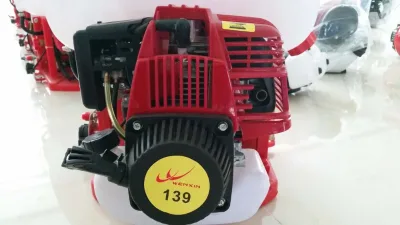
139F 4-stroke Gasoline Engine 1cylinder Air Cooling Gasoline Engine
$38.7941 - $43.45
MOQ: 200 Minimum

Chongqing Geyo Machinery Co., Ltd.
- Verified by TUVRHEINLAND
- Trading Company
- China Chongqing
- Lead time15 days
- Avg. response≤ 9h
Main productsTamping Rammer, Power Trowel, Scarifying Machine, Wire Rope, Wire Rope Slings, Road Cutting Machine, Hooks, Shackles, Lifting Slings, Turnbuckles
Main marketsEast Asia(Japan/ South Korea),Europe

Fuzhou Hailin Machinery Co.,Ltd
- Manufacturer
- China Fujian
- Lead time30 days
- Avg. response≤ 8h
Main productsGasoline Water Pump\Gasoline Generator
Main marketsEast Asia(Japan/ South Korea)

Wenzhou Sinco Power Technology Co., Ltd.
- Verified by SGS
- Trading Company,Manufacturer/Factory
- China Zhejiang
- Lead time45 days
- Avg. response≤ 9h
Main productsGasoline Engine, Gasoline Generator, Diesel Generator, Inverter Generator, Gasoline Water Pump, Diesel Water Pump, Garden Machinery, Plant Protection Machinery, Agricultural Machinery, Crankshaft
Main marketsSouth America,Eastern Europe,Mid East,North America,Southeast Asia,Eastern Asia,Oceania,Western Europe,Africa


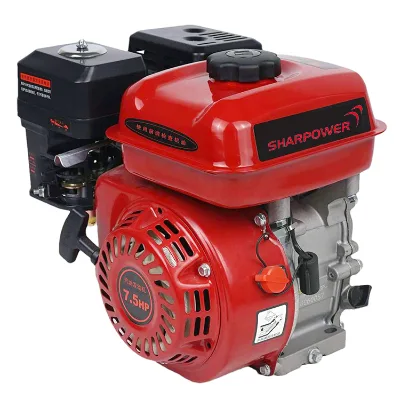
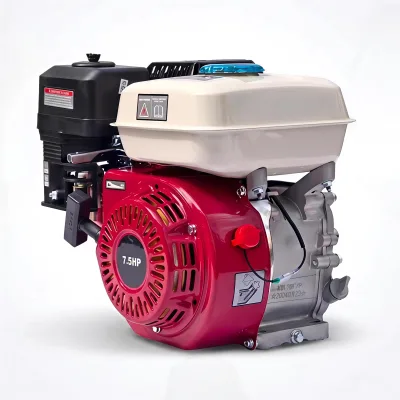
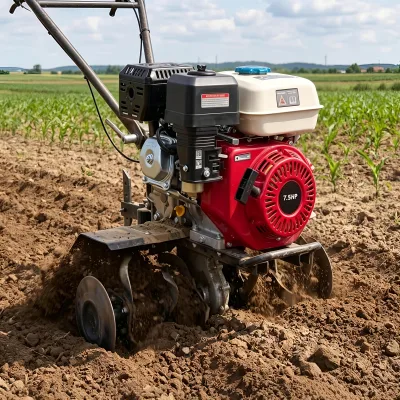
Agricultural Equipment Air Cooled 4 Stroke 7.5HP Gasoline Engine 2.6HP 14HP 16HP
$80.00 - $250.00
MOQ: 1 Pieces

Taizhou Aisen Machinery Co. Ltd.
- Verified by SGS
- Combined
- China Zhejiang
- Lead time15 days
- Avg. response≤ 3h
Main productsWater Pump, Portable Generator, Generator, Gasoline Generator, Gasoline Engine, Washer
Main marketsSouth America,Africa,Others(foreignTradeCapacity.exportBusinessCapacityMarketOther),North America


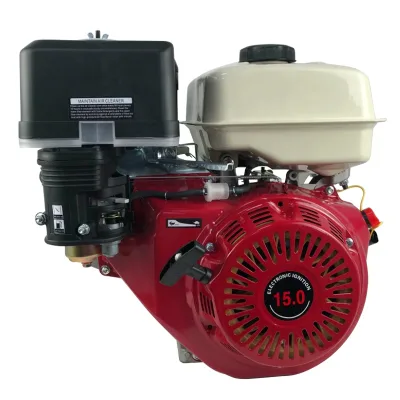
Good Quality Generic Air-Cooled 4-Cycle Gasoline Engine 15HP Gasoline Engine
$38.00 - $60.00
MOQ: 1 Pieces


Fujian Everstrong Lega Power Equipment Co., Ltd.
- Manufacturer, Trading Company
- Fujian, China
- Lead time20 days
- Avg. response≤ 2h
Main productsPortable Power Station,Home Energy Storage,Industrial & Commercial,Solar Panels,Outdoor Power Station
Main marketsSouth America(25.00%), Southeast Asia(20.00%), Africa(20.00%), North America(20.00%), Eastern Europe(15.00%)
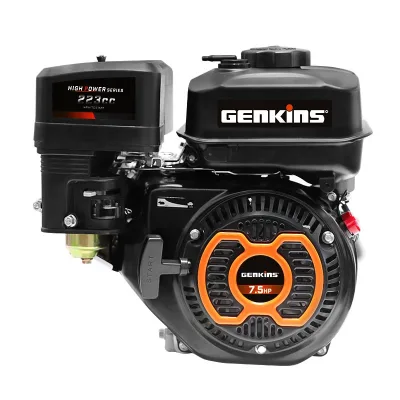
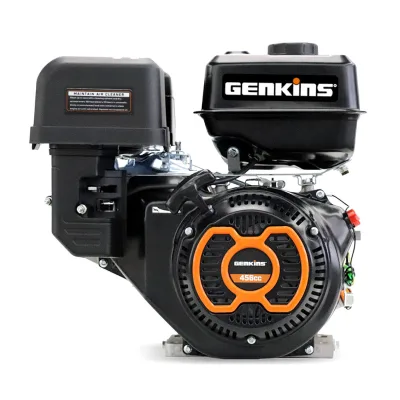
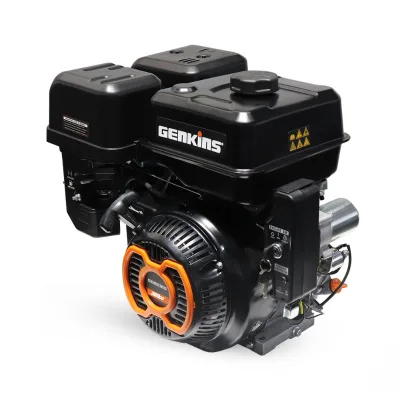
$140.00 - $199.00
MOQ: 20 Minimum

Zhejiang Wenxin Mechanical & Electrical Co., Ltd.
- Verified by TUVRHEINLAND
- Combined
- China Zhejiang
- Lead time38 days
- Avg. response≤ 14h
Main productsEngines, Water Pumps, Generators, Cultivators, Brush Cutters, Pressure Washers, Motors, Sprayers, Hoses, Chain Saws
Main marketsSoutheast Asia/ Mideast

Robin (Jiangsu) New Energy Power Technology Co., Ltd.
- Verified by BV
- Trading Company
- China Jiangsu
- Lead time23 days
- Avg. response≤ 8h
Main productsRobin Gasoline Engine, Gasoline Engine, Gasoline Water Pump, Gasoline Generator, Robin Gasoline Water Pump, Robin Gasoline Generator, Diesel Engine, Diesel Water Pump, Diesel Generator, Engine Spare Parts
Main marketsSoutheast Asia/ Mideast,Domestic,North America
Taizhou Boxin Machinery Co., Ltd.
- Verified by TüVRheinland
- Manufacturer, Trading Company
- Lead time30 days
- Avg. response≤ 2h
Main productsHigh Pressure Washer, Dynamo, Water Pump, Air Compressor, Machinery Parts
Main marketsNorth America(30%), Domestic Market(25%), Northern Europe(15%)
Yancheng Mingteng Electrical Equipment Co., Ltd.
- Manufacturer
- Jiangsu, China
- Lead time30 days
- Avg. response≤ 9h
Main productsGasoline Engine,Water Pump,Gasoline Generator,Plate Compactor,Power tiller
Main marketsMid East(30.00%), Africa(10.00%), Southeast Asia(10.00%), South America(10.00%), North America(10.00%), South Asia(5.00%), Central America(5.00%), Eastern Asia(5.00%), Northern Europe(5.00%), Domestic Market(4.00%), Eastern Europe(2.00%), Oceania(2.00%), Southern Europe(1.00%), Western Europe(1.00%)
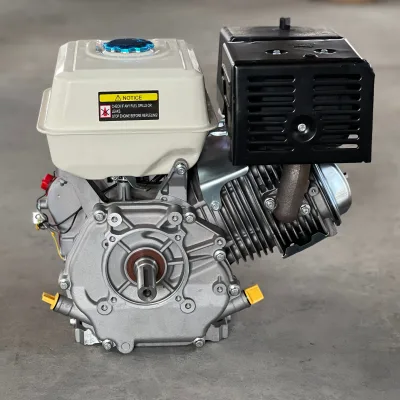
$107.00 - $110.00

Taizhou Genour Power Machinery Co., Ltd.
- Verified by TUVRHEINLAND
- Combined
- China Zhejiang
- Lead time30 days
- Avg. response≤ 8h
Main productsGasoline Generator, Diesel Generator, Gasoline Engine, Diesel Engine, Gasoline Water Pump, Diesel Water Pump, Portable Generator, Generator, Generator Set, Small Generator
Main marketsSouth America,Africa,Southeast Asia/ Mideast,North America

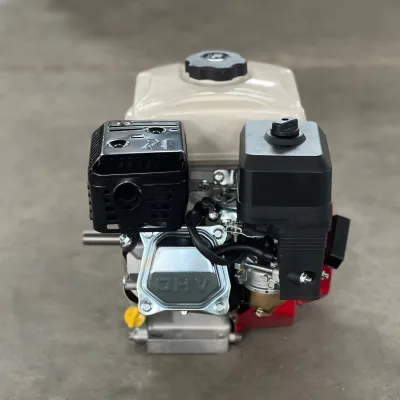
Power Value 2.6HP Air Cooled Single Phase 4 Stroke 154f Ohv Gasoline Engine
$46.00 - $49.00
MOQ: 100 Set


Taizhou Qinli Machinery Co., Ltd.
- Verified by SGS
- Combined
- China Zhejiang
- Lead time23 days
- Avg. response≤ 16h
Main productsSprayer, Power Sprayer, Brush Cutter, Engine, Mist-Duster, Agriculture Machine, Sprayer Gun, Gasoline Water Pump, Sprayer Parts, Lown Mower
Main marketsSouth America,Africa,Southeast Asia/ Mideast,East Asia(Japan/ South Korea),Domestic,Europe,Australia,North America

ZHEJIANG GREEN POWER MACHINERY INCORPORATED CO., LTD.
- Verified by SGS
- Combined
- China Zhejiang
- Lead time30 days
- Avg. response≤ 16h
Main productsGasoline Water Pump, Gasoline Engine, Gasoline Generator, Gasoline Tiller, Diesel Water Pump, Diesel Engine, Diesel Tiller, Power Tiller, Rotary Cultivator, Half Engine
Main marketsAfrica,Others(foreignTradeCapacity.exportBusinessCapacityMarketOther),Europe


High Performance Water Pump Air Cooled Four Strokes Single Cylinder Gasoline Engine
$25.00 - $33.00
MOQ: 50 Piece


Fuzhou Kinroter Import & Export Co., Ltd.
- Verified by SGS
- Trading Company,Manufacturer/Factory
- China Fujian
- Lead time23 days
- Avg. response≤ 8h
Main productsMotor, Electric Motor, AC Motor, Aluminium Window, Window, Door, Alternator, Gasoline Generator, Diesel Generator Set, Engine
Main marketsSouth America,Eastern Europe,Mid East,North America,Southeast Asia,Eastern Asia,Oceania,Western Europe,Africa
Hebei Sharpower Equipment Technology Co., Ltd.
- Verified by Intertek
- Manufacturer, Trading Company
- Lead time30 days
- Avg. response≤ 3h
Main productsDiesel Engine, Diesel Engine Spare Parts, Mining Equipment, Agricultural Machinery & Equipment, Electrical Equipment
Main marketsAfrica(29%), North America(16%), Mid East(15%)
Shanghai Henotec Industrial Co.,Ltd
- Verified by SGS Group
- Manufacturer, Trading Company
- Lead time25 days
- Avg. response≤ 2h
Main productsChainsaw, Brush Cutter, Lawn Mower, Sprayer, Outboard Motor
Main marketsSouth America(20%), Africa(20%), Southeast Asia(18%)
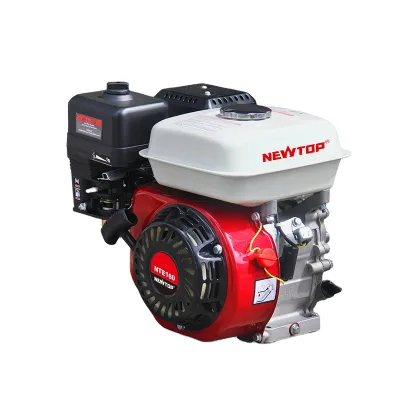
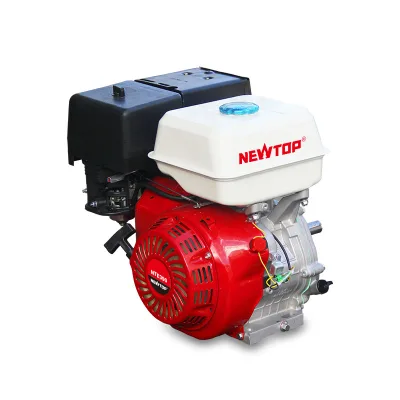
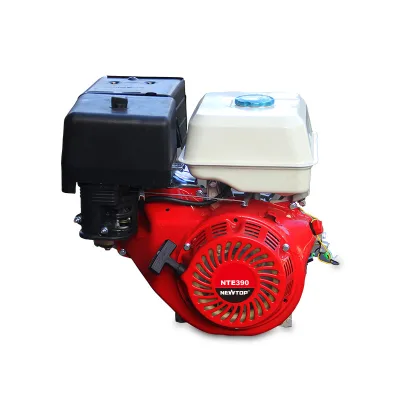
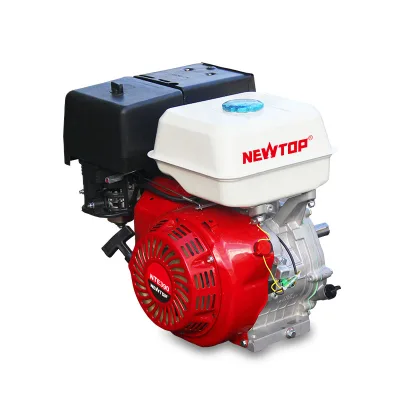
China Factory 4 Stroke 13HP Power Engine 389cc 188F Gasoline Machinery Engines
$127.3131 - $143.7406
MOQ: 10 pieces

Taizhou Kesiwo Garden Tools Co., Ltd.
- Verified by SGS
- Trading Company,Manufacturer/Factory
- China Zhejiang
- Lead time23 days
- Avg. response≤ 12h
Main productsPower Sprayer, Water Pump, Brush Cutter, Seeder, Multi-Function Weeder, Tiller, Garden Tools, Saw, Earth Augur, Lithium Battery Scissors
Main marketsSouth America,Eastern Europe,Mid East,North America,Southeast Asia,Eastern Asia,Oceania,Western Europe,Africa
ZHEJIANG LARISSA MECHANICAL ELECTRIC TECHNOLOGY CO., LTD.
- Verified by Intertek
- Manufacturer, Trading Company
- Lead time7 days
- Avg. response≤ 3h
Main productsMotor, Fan, Pump, Hardware tools, Sprayer
Main marketsNorth America(28%), Southeast Asia(22%), South America(20%)
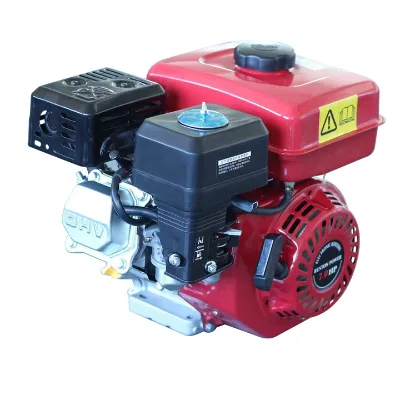
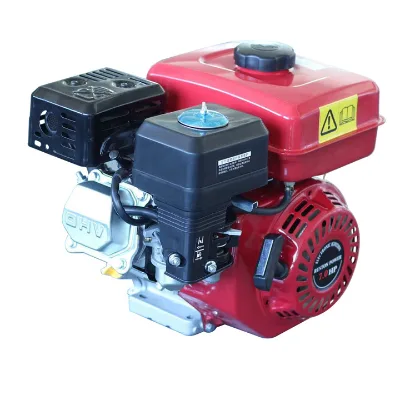
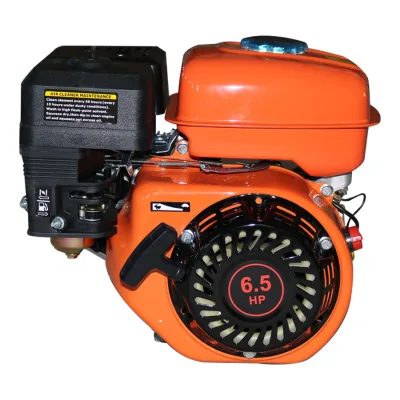
Hot Selling Small 6.5hp Single Cylinder Four Stroke 3600rpm Gasoline Engines
$50.6212 - $54.754
MOQ: 1 pieces
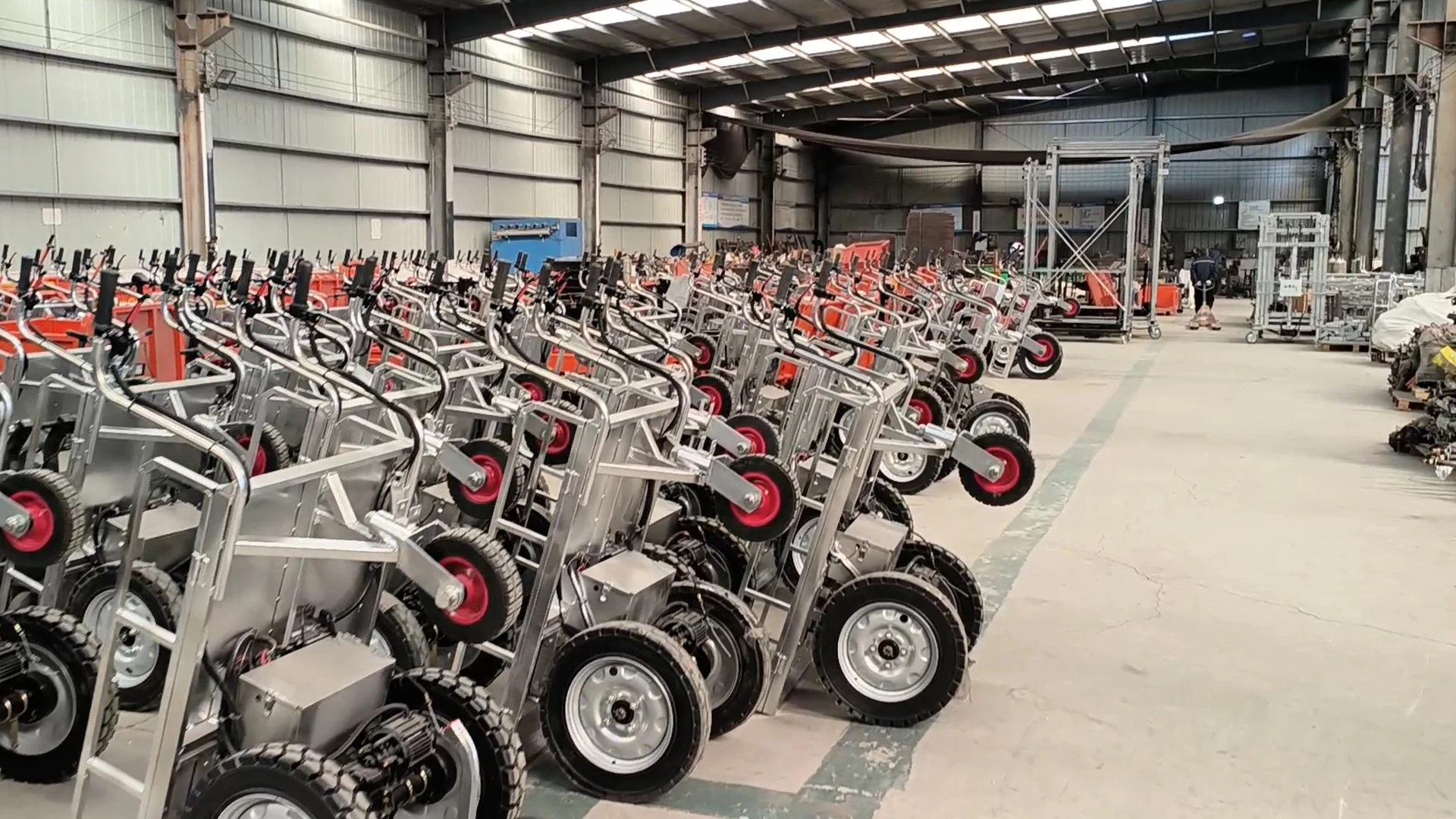
Xuchang Bangtuo Machinery Co., Ltd.
- Manufacturer
- Henan, China
- Lead time15 days
- Avg. response≤ 2h
Main productsPlate Compactor,Steel Bar Bending Machine,Road Cutting Machine,Power Trowel,Plate Compactor
Main marketsSoutheast Asia(15.00%), South America(15.00%), North America(15.00%), Eastern Europe(10.00%), Domestic Market(5.00%), South Asia(5.00%), Southern Europe(5.00%), Northern Europe(5.00%), Central America(5.00%), Western Europe(5.00%), Eastern Asia(5.00%), Mid East(5.00%), Africa(5.00%)
Chongqing Diligence General Machinery Co., Ltd.
- Manufacturer, Trading Company
- Lead time旺季: "1 - 30":15,"> 30":"To be negotiated", 淡季: "1 - 30":15,"> 30":"To be negotiated"
- Avg. response≤ 7h
Main productsGasoline Generator, Diesel Generator, Power Tiller, Water Pump, General Engine
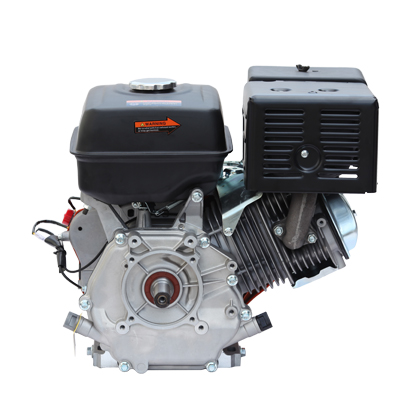
$99.5921 - $130.3935
MOQ: 30 pieces
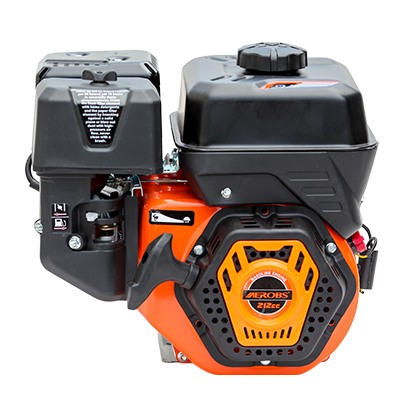
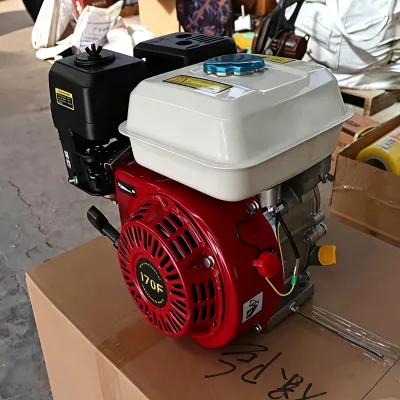
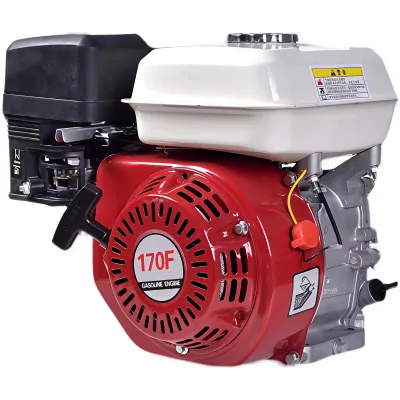
BS220X 7.5HP170f Good Quality Generic Air-cooled 4-cycle Gasoline Engine
$61.6029 - $92.4044
MOQ: 10 pieces
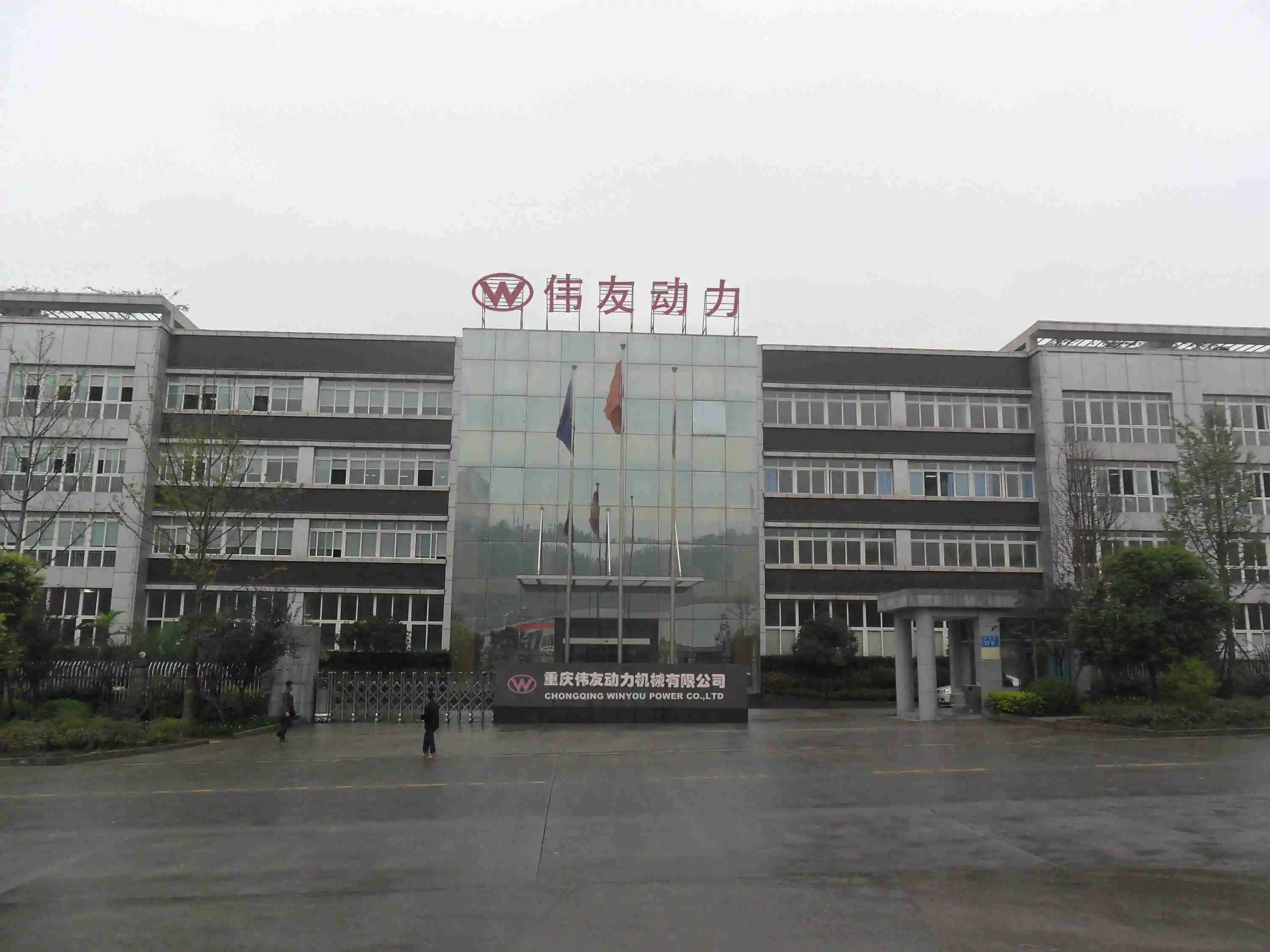
Chongqing Winyou Power Co., Ltd.
- Manufacturer, Trading Company
- Chongqing, China
- Lead time25 days
- Avg. response≤ 7h
Main productspower tiller,gasoline engine,Water Pump,generator set
Main marketsEastern Europe(62.90%), Southeast Asia(18.20%), South America(12.60%), Mid East(2.80%), Western Europe(1.40%), Africa(1.40%), Domestic Market(0.70%)
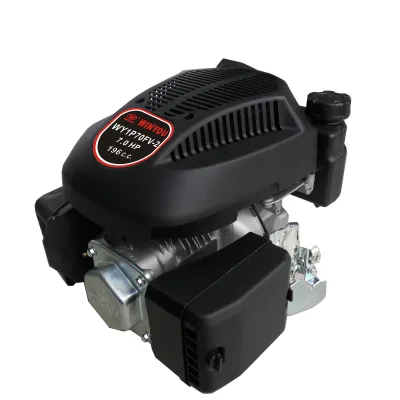
Mini Small Gasoline Petrol Vertical Shaft 4-stroke 4 Stroke Engine
$59.4683 - $63.5696
MOQ: 20 Minimum
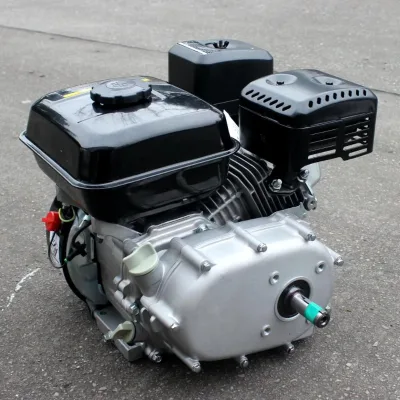
Gasoline Engine With 1/2 Clutch Reducer and Low Temperature Starter
$98.5652 - $108.8319
MOQ: 50 pieces
Henan Jiashang Zhuoer Machinery Co., Ltd.
- Manufacturer, Trading Company
- Henan, China
- Lead time15 days
- Avg. response≤ 3h
Main productsPower Trowel, Road Roller, Plate Compactor, Rebar Machinery, Full-automatic Rebar Threading Polishing Line
Main marketsMid East(15.00%), Africa(15.00%), Southeast Asia(10.00%), South America(10.00%), Domestic Market(5.00%), South Asia(5.00%), Southern Europe(5.00%), Eastern Europe(5.00%), Northern Europe(5.00%), Central America(5.00%), Western Europe(5.00%), Eastern Asia(5.00%), Oceania(5.00%), North America(5.00%)
Chongqing Tenglong Shines Electromechanics Co.,Ltd
- Verified by SGS Group
- Manufacturer, Trading Company
- Chongqing, China
- Lead time20 days
- Avg. response≤ 3h
Main productsTiller, Gasoline Generator, Gasoline Water Pump, Gasoline Engine
Main marketsDomestic Market(50%), Southeast Asia(15%), Eastern Europe(10%)
LIAOCHENG DONGCHANGFU JUNXING GENERATOR CO., LTD
- Manufacturer, Trading Company
- Shandong, China
- Lead time30 days
- Avg. response≤ 6h
Main productslong tail boat propeller,short tail boat propeller kit,propeller,surface drive,bottom valve
Main marketsDomestic Market(30.00%), South Asia(15.00%), Oceania(10.00%), Southeast Asia(10.00%), South America(5.00%), Eastern Europe(5.00%), Southern Europe(5.00%), Northern Europe(5.00%), Central America(5.00%), Western Europe(5.00%), Eastern Asia(5.00%)
TAIZHOU GENOUR POWER MACHINERY CO., LTD.
- Verified by SGS Group
- Manufacturer, Trading Company
- Zhejiang, China
- Lead time30 days
- Avg. response≤ 5h
Main productsGasoline Generator, Gasoline Engine, Gasoline Water Pump
Main marketsAfrica(30%), South Asia(20%), Eastern Europe(10%)
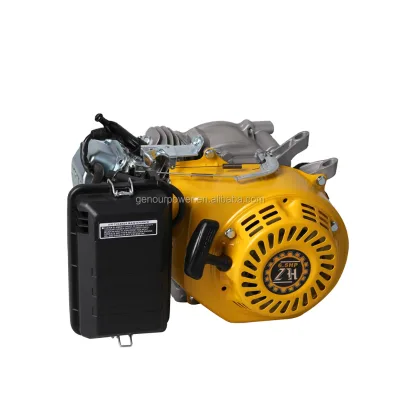
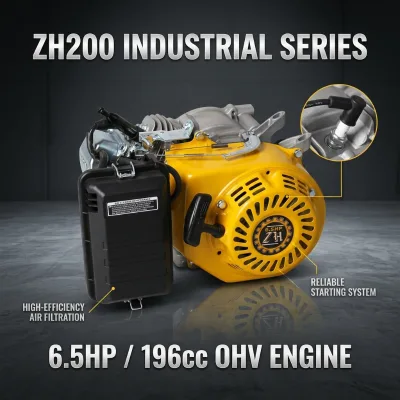
7hp Four Stroke Petrol Engine, Half Cut Engine Gasoline 4 Stroke for Sale
$30.00 - $45.00
MOQ: 10 sets
Guizhou Chuangnuo Technology Co., Ltd.
- Trading Company
- Guizhou, China
- Lead time15 days
- Avg. response≤ 2h
Main productschain saw,Micro tiller,Alternator
Main marketsSoutheast Asia(25.00%), Africa(15.00%), Eastern Asia(15.00%), Mid East(15.00%), South America(15.00%), Eastern Europe(10.00%), North America(5.00%)
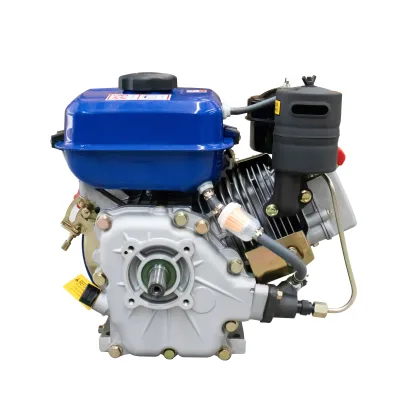
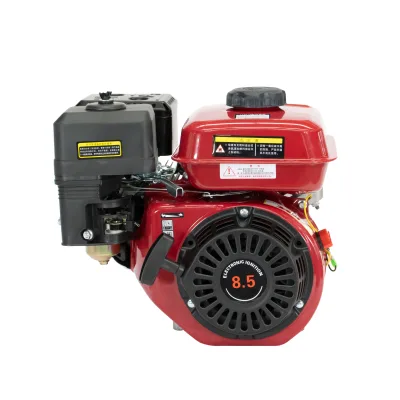
High Performance 4-Stroke Gasoline Engine for Lawn Mower / Tiller / Generator
$49.00 - $99.00
MOQ: 1 pieces
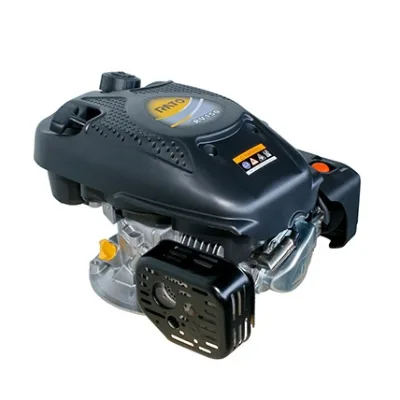
Small Single Cylinder Petrol Engine with Recoil Start Durable and Efficient
$95.00 - $109.00
MOQ: 1 pieces






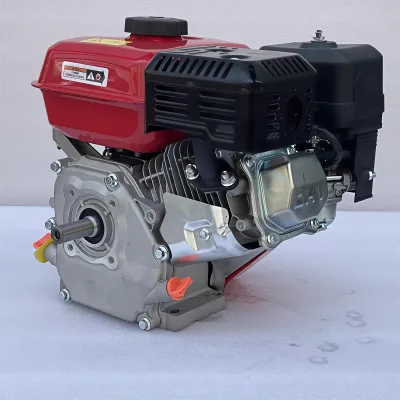
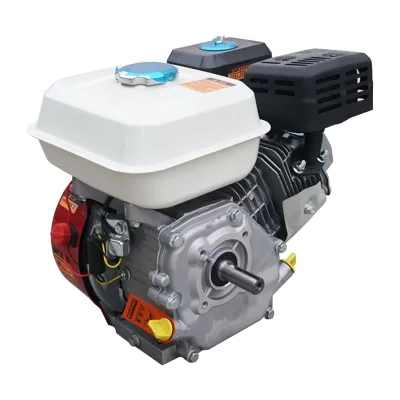
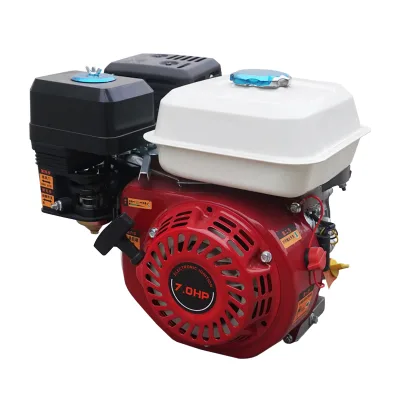
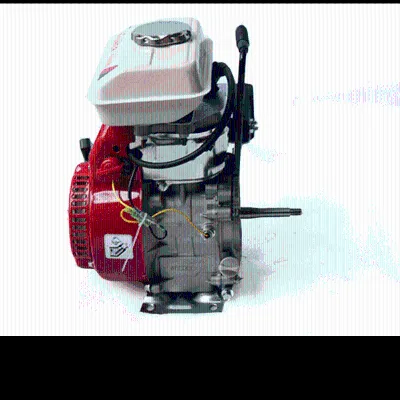
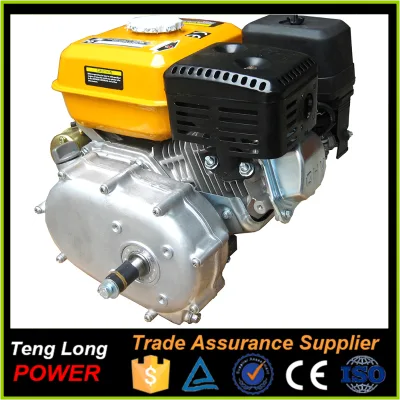
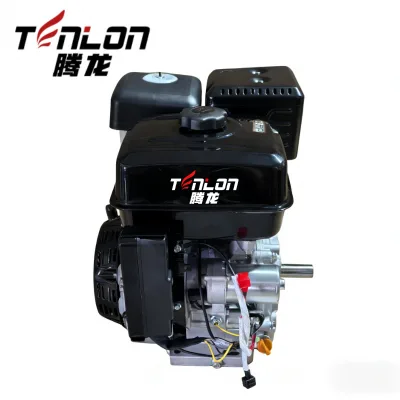
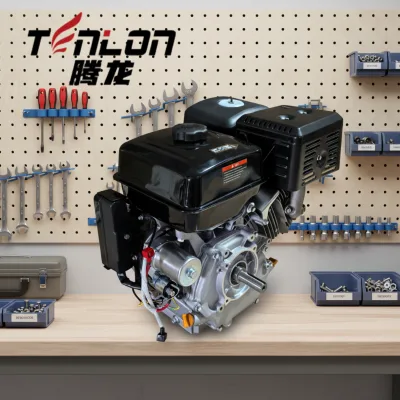
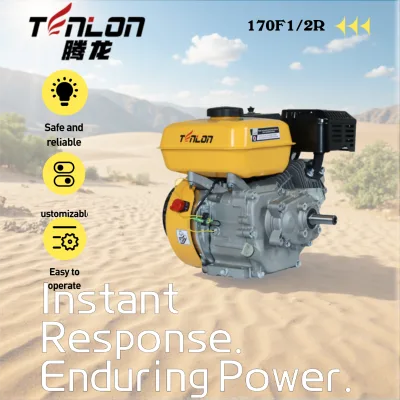
Comprehensive Sourcing Guide
4 Stroke Air-Cooled Gasoline Engine Supplier Concentration and Factory Types
Current data indicates a concentration of manufacturing activity in China, specifically within the Jiangsu province, where suppliers list origins such as Yancheng. These facilities often operate as combined entities, functioning as both manufacturers and trading companies to offer broader product ranges. The primary output in these clusters includes tractor parts, agricultural machinery, and specific engine models like the SL420. This dual operational model allows for flexibility in handling both direct production and distribution of related items such as generators and water pumps. Buyers should note that while some suppliers are located in Jiangsu, others may originate from Zhejiang or Chongqing, suggesting a distributed manufacturing base rather than a single monolithic hub.
Factory types vary significantly across the available results, with some entities identifying strictly as manufacturers while others operate as trading companies. The presence of combined company types suggests a supply chain structure where production capabilities are integrated with sales and logistics functions. This structure is particularly relevant for products like the 139F and 168F series engines, where customization and OEM services are explicitly available. The diversity in company type means that a single supplier might offer both the engine itself and complementary agricultural equipment, potentially streamlining the procurement process for buyers needing multiple components. However, this also requires careful verification to distinguish between direct factory control and third-party trading arrangements.
How to Verify 4 Stroke Air-Cooled Gasoline Engine Suppliers
Verification of supplier credentials is critical when sourcing engines, as the market includes entities with varying levels of third-party validation. Some suppliers in the current results hold CTI verification, while others possess TüVRheinland certification, indicating different standards of quality assurance and compliance. These verifications serve as a primary filter for buyers to assess the legitimacy and operational stability of a potential partner. It is essential to confirm that the specific verification badge displayed corresponds to the actual entity being engaged, as trading companies may carry different credentials than the factories they represent. Buyers should not assume that all suppliers in a category share the same level of external validation.
Beyond third-party verification, buyers must examine the specific system certifications held by the supplier, such as ISO9001:2015, CE, RoHS, or EPA. These certifications often dictate the market access and regulatory compliance of the engine products, particularly for export to regions with strict environmental or safety standards. The presence of these certificates should be cross-referenced with the product specifications to ensure the engine model meets the required standards. For instance, an engine intended for use in specific jurisdictions may require EPA certification, which not all suppliers may possess. Buyers should request current certification documents directly from the supplier to confirm validity and scope, rather than relying solely on profile summaries.
What to Compare Across 4 Stroke Air-Cooled Gasoline Engine Suppliers
When evaluating potential partners, lead time and response speed are key operational metrics that vary significantly between suppliers. Current data shows response times ranging from approximately 7 to 9.61 hours, while lead times for production and delivery can span from 15 to 23 days. These figures directly impact inventory planning and project timelines, making them essential comparison points. A supplier with a shorter lead time may offer faster delivery but could have higher minimum order requirements or less capacity for urgent customizations. Conversely, a supplier with a longer lead time might offer more competitive pricing or greater production flexibility. Buyers should align these metrics with their specific urgency and volume needs.
Minimum Order Quantity (MOQ) and pricing structures also differ widely across the supplier base, influencing the total cost of ownership. MOQs for these engines can range from as low as 10 units to as high as 200 units, with prices varying from roughly $38 to $160 per unit depending on the model and specifications. Some suppliers offer flexible customization options, while others may have rigid product lines. The price range often correlates with the supply ability, where higher capacity suppliers like those offering 30,000 sets per month may have different pricing tiers than smaller operations. Buyers must calculate the total cost based on their required volume, considering that a lower unit price might be offset by a higher MOQ that ties up capital.
Common 4 Stroke Air-Cooled Gasoline Engine Sourcing Risks
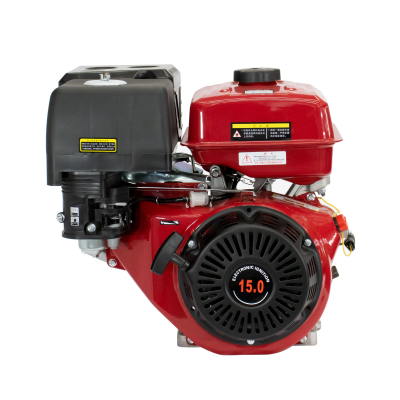
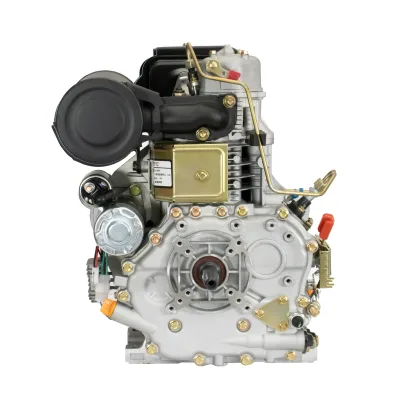
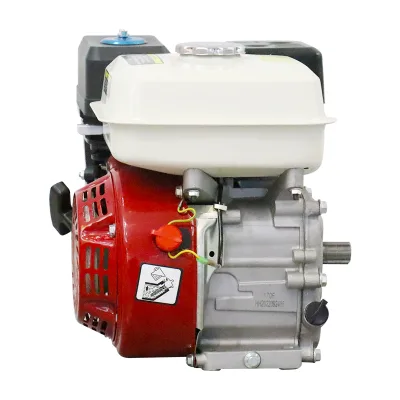
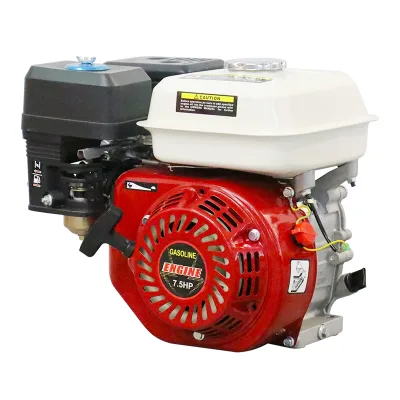
One significant risk involves the discrepancy between product specifications and actual delivery, particularly regarding engine performance and physical attributes. While suppliers list attributes such as single-cylinder, four-stroke, and air-cooled designs, variations in displacement, bore, and stroke dimensions can exist between models like the 168F and 139F. Buyers must verify critical dimensions such as the 68*54cm bore and stroke or the 193cbm displacement to ensure compatibility with their intended machinery. Relying solely on general keywords without confirming specific technical drawings can lead to integration failures or performance issues in the final application.
Another risk pertains to the reliability of supply chains and the consistency of quality control across different production batches. Although some suppliers claim high supply abilities, such as 500 pieces per day or 30,000 sets per month, actual fulfillment may be constrained by raw material availability or production bottlenecks. The warranty terms, often listed as one year, are a critical factor in mitigating post-delivery risks, but the enforceability of these warranties depends on the supplier's longevity and financial stability. Buyers should assess the supplier's track record and the specific terms of their warranty coverage to avoid scenarios where defective units cannot be replaced or repaired efficiently.
4 Stroke Air-Cooled Gasoline Engine Regional Sourcing and Logistics
Geographic location plays a pivotal role in determining shipping costs and delivery timelines for these engines. Current data highlights origins in Jiangsu, Zhejiang, and Chongqing, with major dispatch ports including Ningbo. The proximity of the factory to the port of dispatch can significantly reduce inland transportation costs and time. For example, suppliers in Zhejiang often utilize Ningbo as their primary port, which is a major hub for international shipping. Buyers should consider the logistical implications of sourcing from different regions, as the distance from the factory to the port can vary, affecting the overall lead time and freight expenses.
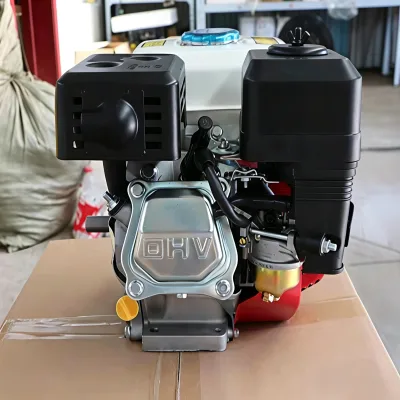
Logistics planning must also account for packaging standards and shipping units, which vary by supplier. Some engines are packed in brown cartons with pallets, while others use specific carton configurations like 4 or 6 pieces per carton. These packaging details influence the number of containers required and the efficiency of loading. Additionally, the weight of the engines, ranging from 3.5KG to 15KG, affects freight calculations and handling requirements. Buyers should request detailed packing lists and shipping documents to accurately estimate freight costs and ensure that the packaging meets the durability requirements for long-distance transport.
4 Stroke Air-Cooled Gasoline Engine Commercial Terms and Order Planning
Commercial terms, including payment methods and escrow services, are fundamental to securing a safe transaction. While specific payment terms are not universally standardized, the availability of escrow services provides a layer of protection for buyers. Buyers should verify if the supplier supports escrow arrangements to ensure funds are only released upon satisfactory delivery and inspection of the goods. This is particularly important when dealing with new suppliers or large orders where the financial exposure is significant. Understanding the specific commercial terms offered by each supplier is essential for risk management and cash flow planning.
Order planning requires a clear understanding of the supplier's capacity and customization capabilities. Some suppliers offer ODM and OEM services, allowing for tailored engine specifications, while others may only provide standard models. The customization availability should be confirmed early in the process to avoid delays in production. Additionally, buyers must align their order quantities with the supplier's MOQ and supply ability to ensure timely fulfillment. Planning for potential variations in lead times and response speeds is crucial, as these factors can impact the overall project schedule. A robust order plan should include buffer times for production and shipping to mitigate potential disruptions.
FAQs
What is the price range for 4 stroke air-cooled gasoline engines?
Prices typically range from $38 to $160 per unit depending on specifications and order volume. Lower-cost options around $38 to $50 often have higher minimum order quantities, while specialized models may cost up to $160. Buyers should verify exact pricing based on their required power output and customization needs.
What are the typical lead times for these engines?
Manufacturers generally require 15 to 23 days to produce and ship orders. Specific lead times depend on the supplier's current production capacity and the complexity of the engine model. Buyers should confirm the exact delivery schedule with the supplier before placing an order to ensure it meets project deadlines.
What certifications do these engines usually have?
Common certifications include ISO9001:2015 for quality management, as well as CE, RoHS, and EPA for environmental and safety compliance. These certifications indicate that the engines meet specific international standards for performance and emissions. Buyers should request valid certificates to ensure the products comply with local regulations in their target market.
What is the minimum order quantity for these engines?
Minimum order quantities vary significantly, ranging from 5 units to 200 units per supplier. Lower MOQs are often available for standard models, while bulk discounts may require higher volumes. Buyers should check the specific MOQ requirements for each engine model to align with their inventory and budget constraints.
Where are these engines typically manufactured?
Most suppliers are located in China, specifically in regions like Jiangsu, Zhejiang, and Chongqing. These areas are known for their robust manufacturing infrastructure for agricultural and industrial machinery. Buyers can verify the exact place of origin for each product to assess logistics costs and supply chain reliability.
What is the typical response time for suppliers?
Suppliers typically respond to inquiries within 7 to 10 days. Faster response times indicate a more active sales team and better customer service. Buyers should prioritize suppliers with quicker response times to ensure efficient communication throughout the sourcing and negotiation process.