Multifunctional Meat and Vegetable Bowl Cutter Suppliers and Manufacturers
Explore 29 verified suppliers offering Multifunctional Meat and Vegetable Bowl Cutter machines with varying capacities, power sources, and response times. Compare specifications like voltage, capacity, and lead times to find the right factory for your production needs; review the available evidence before requesting comparable quotations from suitable candidates.
Updated
Suppliers List

Johtank (Shandong) Food Machinery Co., Ltd.
- Verified by SGS
- Combined
- China Shandong
- Lead time30 days
- Avg. response≤ 4h
Main productsPotato Chips Production Line, Frozen French Production Line, Banana Chips Making Machines, Sausage Production Line, Hamburger Patty Processing Line, Chicken Processing Assembly Line, Retort Machine, Pasteurization Machine, Fruit Processing Series Products, Vegetable Processing Series Products
Main marketsSouth America,Australia,North America

Multi Functional Vegetable Bowl Cutter Meat Bowl Cutter Automatic Sausage Meat Bowl Cutter
$2500.00 - $7000.00
MOQ: 1 Pieces

Vacuum Meat Bowl Cutter Chopper with Stainless Steel Blades Meat Bowl Cutter
$2500.00 - $7000.00
MOQ: 1 Pieces

Hebei Kemes Machinery Equipment Co., Ltd.
- Trading Company
- China Hebei
- Lead time23 days
- Avg. response≤ 1h
Main productsFilling Machines, Knotting Machine, Sealing Machine, Meat Grinder Machine, Lifting Machine, Punching Machine, Meat Cutter, Hanging Machine, Chopping and Mixing Machine, Saline Injection Machine
Main marketsSouth America,Eastern Europe,Mid East,North America,Southeast Asia,Eastern Asia,Oceania,Western Europe,Africa

Multi Functional Commercial Meat Bowl Cutter for Process Meat and Vegetables Machine
$20000.00 - $21000.00
MOQ: 1 Pieces

Industrial Automatic Machine Heavy Duty High Speed Meat Bowl Cutter for Factory
$20000.00 - $21000.00
MOQ: 1 Pieces

Vipstar Machinery Technology Co., Ltd.
- Verified by SGS
- Trading Company
- China Hebei
- Lead time15 days
- Avg. response≤ 2h
Main marketsSoutheast Asia/ Mideast


Professional Automatic Meat Bowl Chopper Multi Functional Vegetable Bowl Cutter Meat Bowl Cutter
$3000.00 - $64300.00
MOQ: 1 Pieces
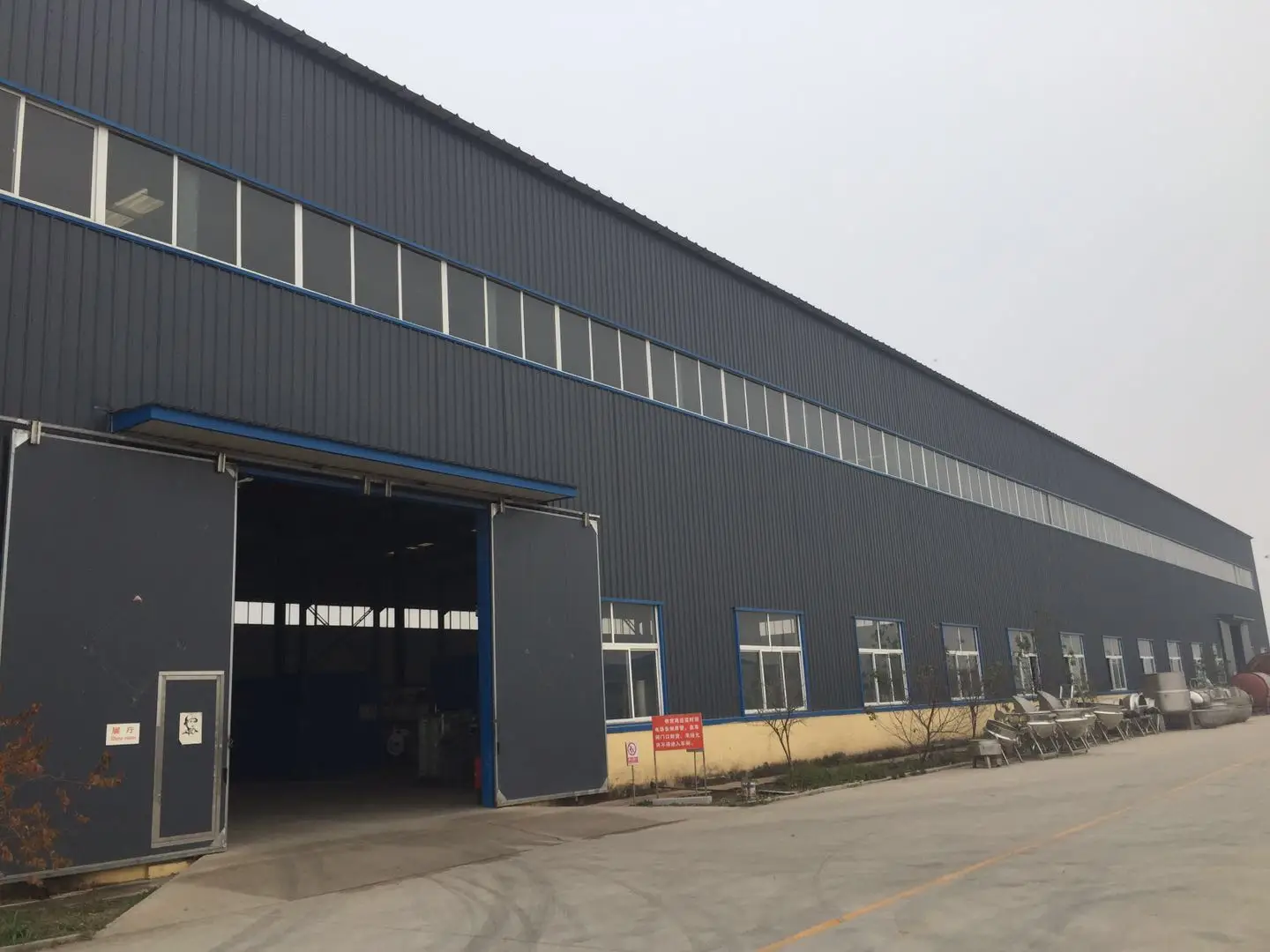
Zhengzhou Katto Machinery Equipment Co., Ltd.
- Trading Company
- Henan, China
- Lead time5 days
- Avg. response≤ 2h
Main productsfruit &vegetables process machinery,meat process machinery,food process machine,Agricultural machinery
Main marketsSouth America(23.00%), Southeast Asia(23.00%), Mid East(12.00%), Africa(12.00%), North America(12.00%), Southern Europe(10.00%), Central America(3.00%), Domestic Market(1.00%), South Asia(1.00%), Eastern Asia(1.00%), Northern Europe(1.00%)
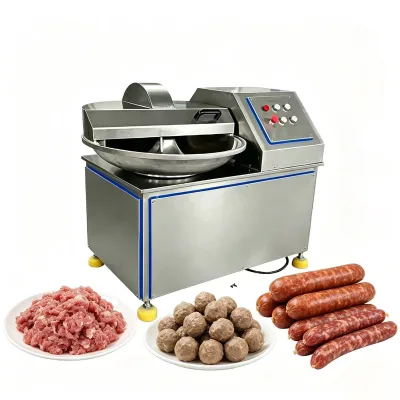
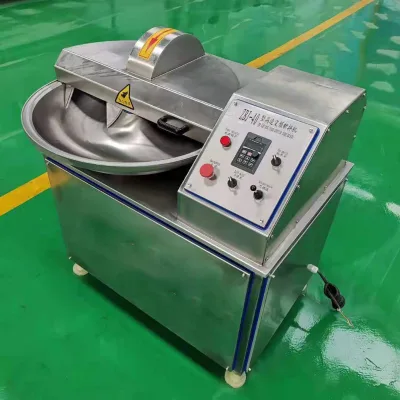
High Quality 3 Blades Sausage Meat Bowl Cutter Premium Meat Bowl Chopper
$1667.8878 - $2454.626
MOQ: 1 sets
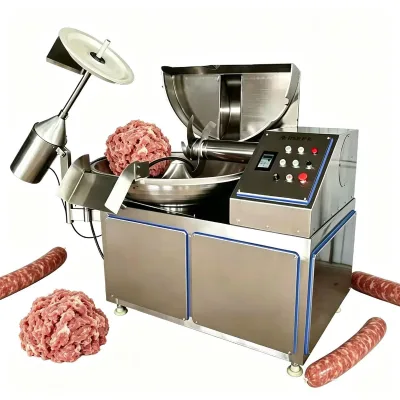
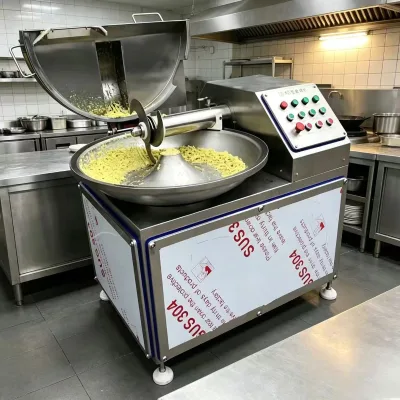
Shijiazhuang Helper Food Machinery Co., Ltd.
- Verified by SGS Group
- Manufacturer, Trading Company
- Lead time45 days
- Avg. response≤ 2h
Main productsSausage Production Line, Noodles Production Line, Wet Pet Food Production Line, Dumplings Production Line, Bowl Cutter
Main marketsDomestic Market(70%), Southeast Asia(7%), South America(5%)

HENAN SHULIY MACHINERY CO., LTD.
- Verified by TUVRHEINLAND
- Trading Company
- China Henan
- Lead time30 days
- Avg. response≤ 6h
Main productsPacking Machinery, Food Processing Machinery, Agriculture Processing Machinery, Wood Processing Machinery, Charcoal Processing Machinery, Plastic Processing Machinery, Waste Recycling Machinery, Metal Processing Machinery, Paper Processing Machinery
Main marketsAfrica,Southeast Asia/ Mideast,Europe,North America

Zhengzhou Brave Machinery Co., Ltd.
- Verified by TUVRHEINLAND
- Trading Company
- China Henan
- Lead time15 days
- Avg. response≤ 11h
Main productsWater Welll Drilling Machine, Water Well Drilling Rigs, Crayon Making Machine, Ice Making Machine, Ice Block Machine, Block Ice Machine, Popsicle Machine, Steel Pipe Straightening Machine, Ice Cube Machine, Polishing Machine
Main marketsSouth America,Eastern Europe,Mid East,North America,Southeast Asia,Eastern Asia,Oceania,Western Europe,Africa

Shijiazhuang Helper Food Machinery Co., Ltd.
- Trading Company,Manufacturer/Factory,Other
- China Hebei
- Lead time38 days
- Avg. response≤ 1h
Main productsVacuum Filling Machine, Vacuum Dough Mixer, Sausage Clipping Machine, Noodle Making Machine, Vacuum Meat Tumbler, Brine Injector, Vacuum Bowl Cutter, Meat Mixer, Frozen Meat Cutting Machine, Meat Grinder
Main marketsSouth America,Eastern Europe,Mid East,North America,Southeast Asia,Eastern Asia,Oceania,Western Europe,Africa

Heavy Duty Meat Chopper Bowl Cutter Big Capacity Bowl Cutter for Meat
$45000.00 - $48000.00
MOQ: 1 Pieces


SHIJIAZHUANG KRIDS MACHINERY TECHNOLOGY CO.,LTD
- Verified by SGS
- Combined
- China Hebei
- Lead time30 days
- Avg. response≤ 3h
Main productsMeat Machine, Meat Grinder, Sausage Machines, Meat Mixer, Sausage Filler Stuffer, Meat Tumbler, Bowl Cutter, Smokehouse, Sausage Clipper Machine, Sausage Linker Cutter
Main marketsDomestic

Foshan Gongjiang Electric Technology Co., Ltd.
- Manufacturer, Trading Company
- Guangdong, China
- Lead time35 days
- Avg. response≤ 7h
Main productsMeat Slicer,Meat Chopper,Vegetable Cutter,Meat Cutter,Vegetable Chopper
Main marketsSoutheast Asia(40.00%), South America(20.00%), Western Europe(20.00%), Eastern Europe(10.00%), Southern Europe(5.00%), Northern Europe(5.00%)
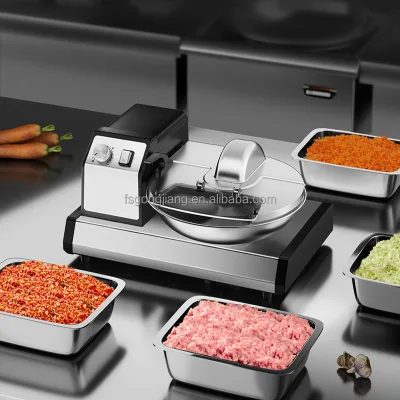
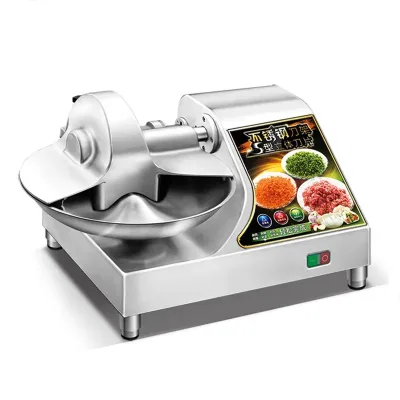
Multi-functional Commercial Sausage Fish Meatball Bowl Meat Cutting Machine Chicken Meat Cutter
$299.00 - $388.00
MOQ: 50
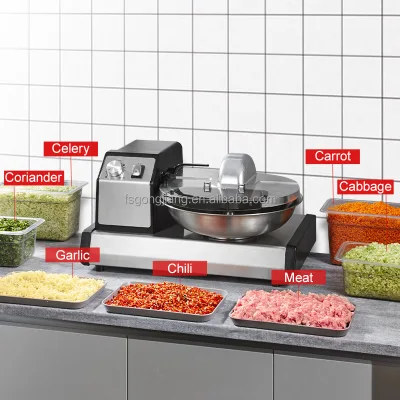
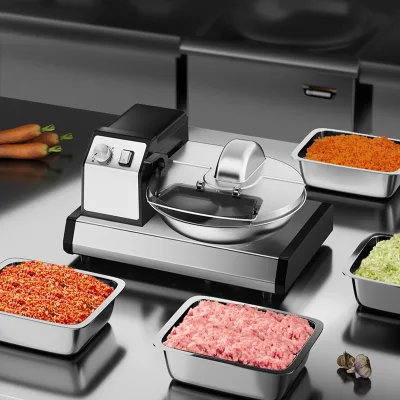
Customized Meat Bowl Cutter Vegetable Bowl Cutter Machine Salad Bowl Cutter for Restaurant
$299.00 - $388.00
MOQ: 50 pieces
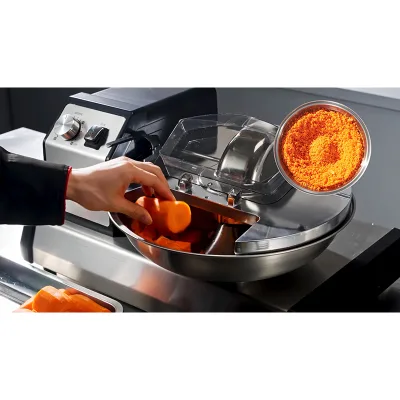
$299.00 - $368.00
MOQ: 1 pieces

Hebei Yuanchang Food Mechanism & Technology Co., Ltd.
- Verified by TUVRHEINLAND
- Combined
- China Hebei
- Lead time30 days
- Avg. response≤ 13h
Main productsMeat Processing Machinery, Sausage Processing Machines, Sausage Filler, Mechanical Clipper, Frozen Meat Slicer, Frozen Meat Grinder, High Speed Bowl Cutter, Vacuum Bowl Cutter, Vacuum Mixer, Vacuum Tumbler
Main marketsOthers(foreignTradeCapacity.exportBusinessCapacityMarketOther),Europe,North America
Luohe Aihe Electromechanical Equipment Co., Ltd.
- Trading Company
- Henan, China
- Lead time0 days
- Avg. response≤ 2h
Main productsPasteurization tank,Yogurt production line,Oil frying production line equipment,Baking production equipment,Grain machinery
Main marketsWestern Europe(40.00%), Africa(20.00%), Southeast Asia(11.00%), Mid East(10.00%), North America(8.00%), Northern Europe(5.00%), South America(3.00%), Eastern Europe(2.00%), Central America(1.00%)

Qingdao Tune Machinery Co., Ltd.
- Manufacturer/Factory
- China Shandong
- Lead time23 days
- Avg. response≤ 8h
Main productsFrozen French Fries Production Line, Potato Chips Production Line, Fruit and Vegetable Processing Equipment, Meat Food Processing Equipment, Frying Machine
Main marketsSouth America,Eastern Europe,Mid East,North America,Southeast Asia,Eastern Asia,Oceania,Western Europe,Africa

Multi-Functional Meat Sausage Chopper Bowl Cutter Vegetable Cutting Machine
$2500.00 - $9500.00
MOQ: 1 Set


Stainless Steel Bowl Cutter for Meat Processing / Meat Vegetable Bowl Chopper
$3500.00 - $11500.00
MOQ: 1 Sets


Shandong EPS Machinery Co., Ltd.
- Verified by SGS
- Trading Company
- China Shandong
- Lead time15 days
- Avg. response≤ 2h
Main productsFruit Vegetable Processing Machine, Meat Processing Solution, Prepared Food Processing Machine, Food Packing Solution, Food Sterilization Solution, Container Washing Processing Machine, Sausage Making Production Line, French Fries and Potato Chips Production Line
Main marketsSoutheast Asia/ Mideast,North America


High Speed Commercial Bowl Cutter for Meat Mince Vegetables Bean Products
$3380.00 - $12800.00
MOQ: 1 Pieces


Zhucheng Qiangda Machinery Factory
- Verified by SGS
- Combined
- China Shandong
- Lead time30 days
- Avg. response≤ 4h
Main productsFrench Fries/Potato Chips Production Line, Meat Processing Line, Vegetable Processing Line, Pasteurization Line, Dryer/Drying Room, IQF, Sterilizer/Autoclave/Retort, Fryer/Frying Line
Main marketsSoutheast Asia/ Mideast,Europe
Luohe Xingdian Electromechanical Equipment Co., Ltd.
- Verified by SGS Group
- Trading Company
- Lead time7 days
- Avg. response≤ 1h
Main productsFood making machine, Powder milling machine, Farm machine, Water well drilling machine
Main marketsNorth America(35%), Africa(30%), Southeast Asia(14%)
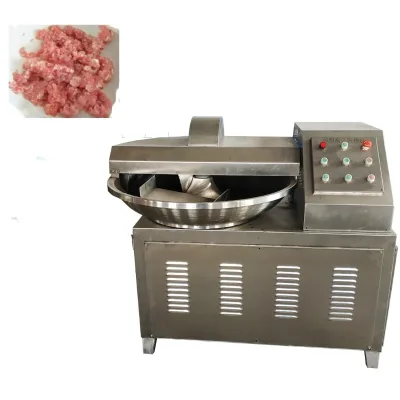
$1600.00 - $2000.00
MOQ: 1 sets
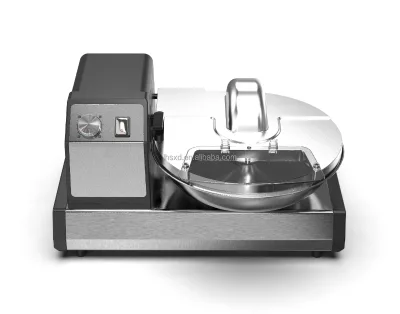
New commercial industrial meat bowl cutter, sausage cutter for food and vegetable chopping
$350.4962
MOQ: 1 Minimum
Longyao Tongruida Special Equipment Factory
- Manufacturer, Trading Company
- Hebei, China
- Lead time15 days
- Avg. response≤ 3h
Main productsfood machine,Construction machinery
Main marketsSouth America(20.00%), South Asia(10.00%), Southern Europe(10.00%), Northern Europe(10.00%), Central America(10.00%), Western Europe(10.00%), Mid East(10.00%), Eastern Europe(10.00%), North America(10.00%)
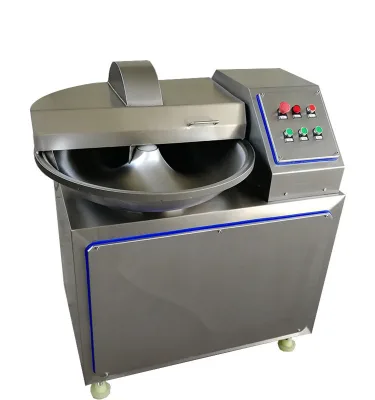
$1950.7491 - $2053.4201
MOQ: 1 pieces
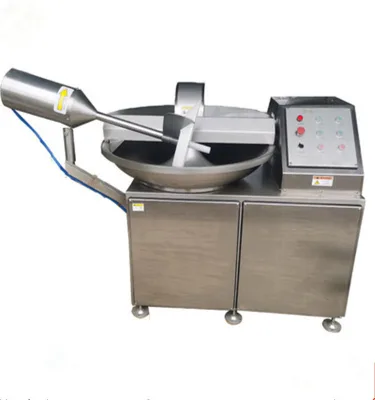
Henan Leiqing Machinery Equipment Co., Ltd.
- Trading Company
- Henan, China
- Lead time5 days
- Avg. response≤ 4h
Main productsDough&Pastry Machines,Meat&Vegetable Machines,Packing Machines,Filling&Packing Machines,Coding&Sealing Machines
Main marketsSouth America(10.00%), Domestic Market(5.00%), South Asia(5.00%), Southern Europe(5.00%), Northern Europe(5.00%), Central America(5.00%), Western Europe(5.00%), Eastern Asia(5.00%), Mid East(5.00%), Oceania(5.00%), Southeast Asia(5.00%), Eastern Europe(5.00%), North America(5.00%)
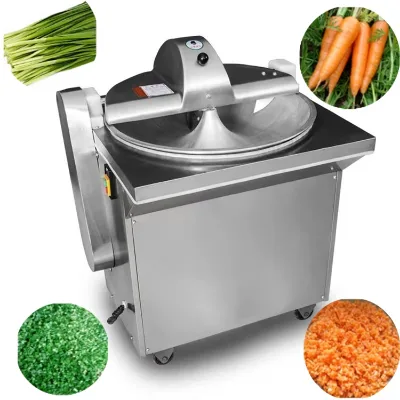
Multi Function Chinese Bowl Meat Cutter Price/Commercial Meat Bowl Cutter Price
$450.00 - $550.00
MOQ: 1 sets
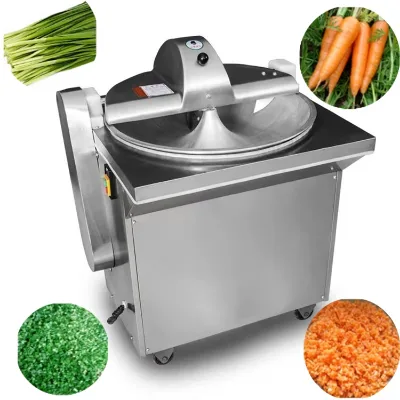
Industrial Meat Bowl Cutter Easy Operation for Sausage Stuffing Curried Vegetables and Meat Chopper
$450.00 - $550.00
MOQ: 1 sets

Zhengzhou Aslan Machinery Co., Ltd.
- Trading Company
- China Henan
- Lead time15 days
- Avg. response≤ 16h
Main productsFood Machine
Main marketsSouth America,Others(foreignTradeCapacity.exportBusinessCapacityMarketOther),Southeast Asia/ Mideast,Europe,Australia,North America

Zhengzhou Bogen Machinery Equipment Co., Ltd.
- Verified by CTI
- Trading Company
- China Henan
- Lead time30 days
- Avg. response≤ 2h
Main productsPeanut Butter Machine, Spice Grinder, Meat Grinder, Meat Slicer, Meat Chopper, Potato Washing and Peeling Machine, Vegetables and Fruits Cutting Machine, Sausage Stuffer, Sausage Filler, Sausage Making Machine
Main marketsAfrica,Europe,North America
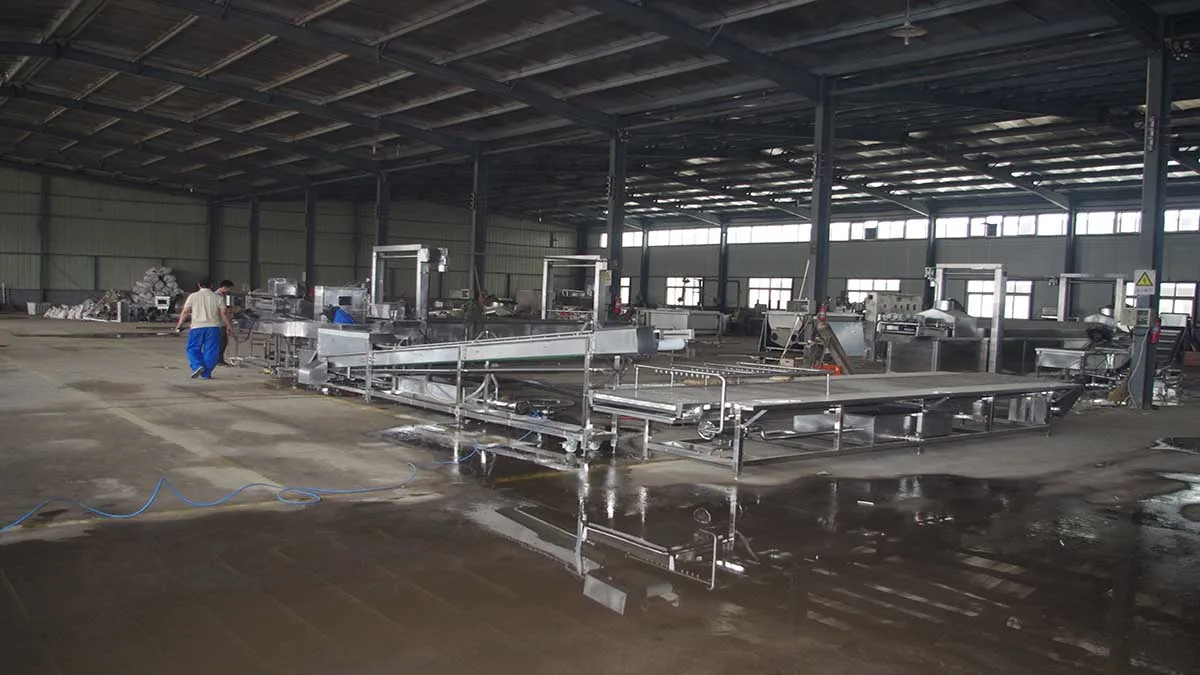
Henan Deshine Machinery Co., Ltd.
- Trading Company
- Henan, China
- Lead time7 days
- Avg. response≤ 2h
Main productsMeat Processing Equipment,Vegetable and fruit Processing Equipment,Food processing machine,Slaughtering Equipment,Chocolate Processing Equipment
Main marketsAfrica(19.00%), North America(15.00%), Southeast Asia(12.00%), Oceania(10.00%), Eastern Asia(7.00%), Mid East(6.00%), Northern Europe(6.00%), Eastern Europe(5.00%), South Asia(3.00%), South America(3.00%), Central America(3.00%), Western Europe(3.00%), Domestic Market(2.00%)
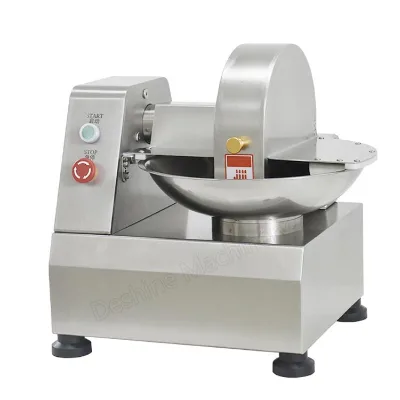
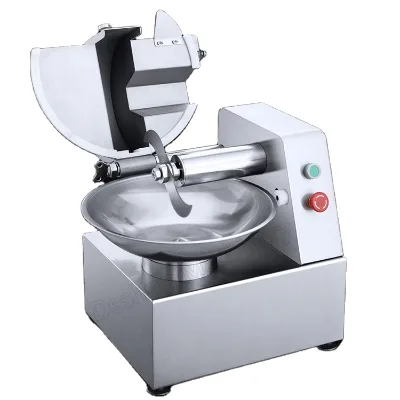
Bowl Cutter Electric Meat Bowl Cutter Meat Bowl Cutter Grinder Mixer
$450.7268 - $490.7681
MOQ: 1 sets
$450.7268 - $490.7681
MOQ: 1 sets
Chengdu Hengfan Food Machinery Co., Ltd.
- Verified by SGS Group
- Trading Company
- Lead time7 days
- Avg. response≤ 4h
Main productsMeat Mincer Slicer, Bone Saw, Vegetable Cutter, Sausage Filler, Vacuum Packing Machine
Main marketsNorth America(40%), Central America(20%), South America(10%)
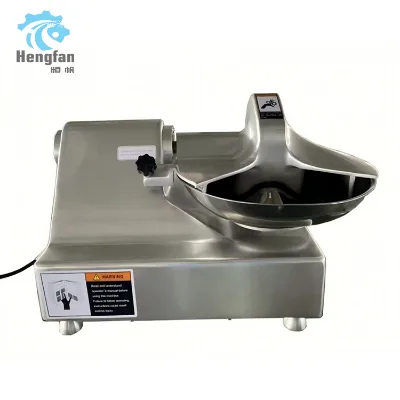
Commercial CE Certified Meat Bowl Cutter for Chopping and Mixing Pork Beef and Other Meats
$645.0617
MOQ: 1 Minimum
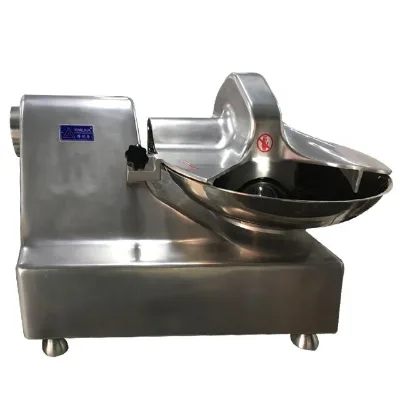
CE Certified High Quality Meat & Vegetable Mincer Bowl Cutter Competitive Price
$651.7382
MOQ: 1 Minimum
ZHE CHENG HONGXIN MACHINRERY FACTORY
- Verified by TüVRheinland
- Manufacturer, Trading Company
- Lead time15 days
- Avg. response≤ 3h
Main productsIntestine Case Cleaning Machine, Sesame Peeling Machine, Cardboard Expanding Shredder Machine, Flax Brake, Grain Thresher Machine
Main marketsNorth America(20%), Southeast Asia(20%), Africa(20%)

Zhucheng Shuke Machinery Technology Co., Ltd.
- Verified by TUVRHEINLAND
- Combined
- China Shandong
- Lead time15 days
- Avg. response≤ 2h
Main productsFood Machine, Meat Grinder, Sausage Stuffer, Smoker Oven, Meat Chopper Machine, Meat Cutter Machine, Meat Vacuum Tumbler, Shape Cutting Machine, Meat Cutting Machine, Stuffing Mixer
Main marketsAustralia


Large Capacity Commercial Meat Bowl Cutter for Process Various Meat Products
$1900.00 - $28000.00
MOQ: 1 Pieces


Industrial Electric Vegetable Stainless Steel Bowl Meat Choppers Cutter
$3800.00 - $5000.00
MOQ: 1 Pieces

Shandong Baiyu Industry And Trade Co., Ltd.
- Verified by SGS Group
- Manufacturer, Trading Company
- Lead time20 days
- Avg. response≤ 2h
Main productsMeat Food Processing Line, Fruits & Vegetable Processing Line, French Fry Production Line, Food Packing Solution, Food Sterilization Processing Solution, Prepared Food Process Solution
Main marketsSoutheast Asia(20%), Eastern Europe(20%), Mid East(15%)

Henan Xuanhua Machinery Co., Ltd.
- Trading Company,Manufacturer/Factory
- China Henan
- Lead time23 days
- Avg. response≤ 6h
Main productsWater Well Drilling Rig, Drilling Rig, Automatic Filling Machine, Shotcrete Machine, Rebar Bender, Rebar Cutter, Tamping Rammer, Compactor Plate, Road Cutter, Food Processing Machine
Main marketsSouth America,Eastern Europe,Mid East,North America,Southeast Asia,Eastern Asia,Oceania,Western Europe,Africa


Commercial Food Machinery Meat Processing Equipment Meat Bowl Cutter
$2230.00 - $2385.00
MOQ: 1 Pieces


Zhengzhou Hento Machinery Co., Ltd.
- Verified by SGS
- Trading Company,Manufacturer/Factory,Group Corporation
- China Henan
- Lead time15 days
- Avg. response≤ 7h
Main productsMeat Processing Machinery, Egg Processing Machinery, Dairy Processing Machinery, Fruit & Vegetable Processing Machinery, Grain Product Making Machines, Snack Machines, Nuts Processing Machinery, Packing Machines, Drying Machines, Commodity Making Machines
Main marketsSouth America,Eastern Europe,Mid East,North America,Southeast Asia,Eastern Asia,Oceania,Western Europe,Africa

High Productivity Electric Vegetable Chopper Machine / Meat Bowl Cutter
$899.00 - $1440.00
MOQ: 1 Sets

Tianjin Sure International Trading Co., Ltd.
- Verified by SGS Group
- Manufacturer, Trading Company
- Lead time30 days
- Avg. response≤ 4h
Main productsFreezing Equipment, Meat Processing Equipment, Fruits & Vegetables Processing Machinery, Bakery Equipment, Potato French Fries Production Line
Main marketsNorth America(20%), South America(20%), Southeast Asia(15%)
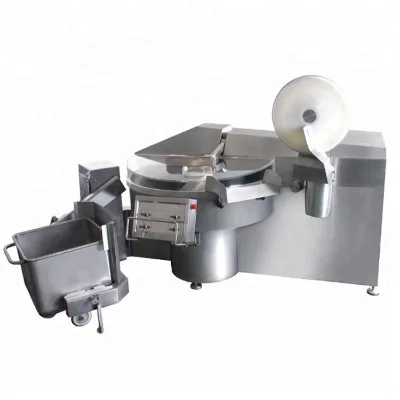
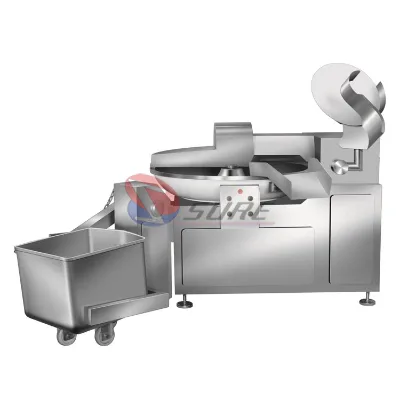
Automatic Vacuum Bowl Cutter for Meat Vegetable Processing | Extend Shelf Life
$2542.9351 - $8096.2099
MOQ: 1 Minimum
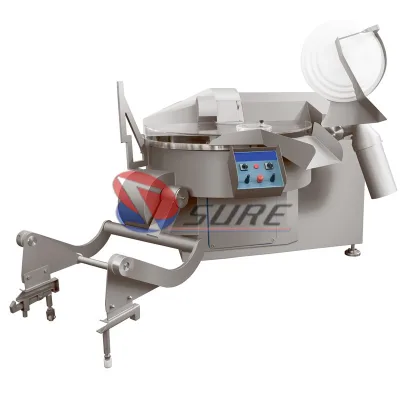
Stainless Steel Food Bowl Cutter, Industrial-Grade for Meatball/Seafood Processing Lines
$2564.077 - $8163.521
MOQ: 1 Minimum
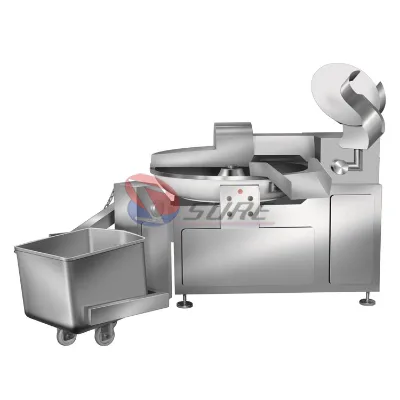
Heavy-Duty Industrial Bowl Cutter, 3-in-1 Chopping/Mixing/Emulsifying for Meat Processing
$2542.9351 - $8096.2099
MOQ: 1 Minimum

Zhengzhou Honest Machinery Co., Ltd.
- Trading Company,Manufacturer/Factory
- China Henan
- Lead time15 days
- Avg. response≤ 6h
Main productsFood Machinery, Packing Machines, Microwave Equipment, Drying Machines, Grain Product Making Machines, Commodity Making Machines, Texitle Machines, Construction Machinery
Main marketsSouth America,Eastern Europe,Mid East,North America,Southeast Asia,Eastern Asia,Oceania,Western Europe,Africa

High Quality Bowl Cutter / Meat Cutting Machine / Meat Bowl Cutter Machine Price
$1289.00 - $2289.00
MOQ: 1 set

Stainless Steel Vegetable Chopper Machine / Sausage Cutter / Vegetable Chopper / Meat Bowl Cutter
$3189.00 - $4899.00
MOQ: 1 set

Stainless Steel Vegetable Chopper / Vegetable Chopper Machine / Meat Bowl Cutter for Sale
$1289.00 - $2289.00
MOQ: 1 Set




Comprehensive Sourcing Guide
Multifunctional Meat and Vegetable Bowl Cutter Supplier Concentration and Factory Types
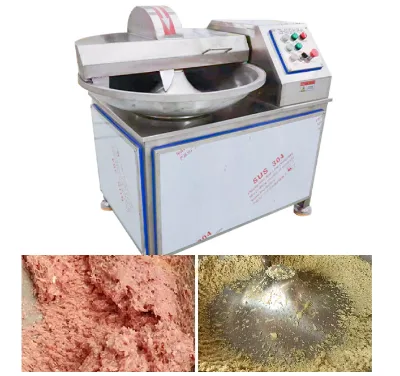
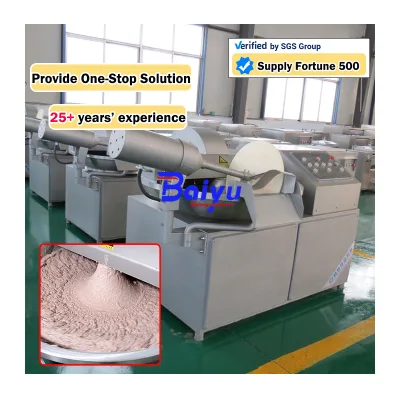
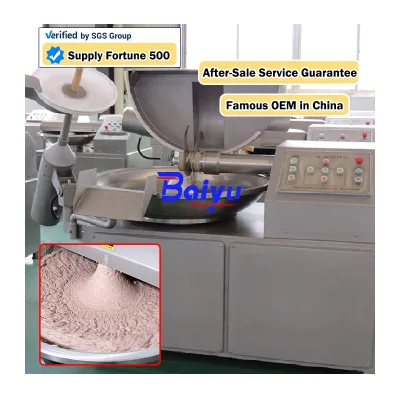
Buyers searching for a Multifunctional Meat and Vegetable Bowl Cutter will encounter supplier results concentrated in specific Chinese provinces, with Shandong and Hebei appearing as documented origin points in current listings. A Shandong-based combined-type company lists meat bowl cutters alongside potato chips lines, frozen french fry lines, sausage production lines, and retort and pasteurization machines, and holds SGS verification with ODM and OEM capability. A Hebei-based trading company lists filling machines, knotting machines, meat grinders, saline injection machines, and chopping and mixing machines, with OEM, ODM, and an own-brand capability. This mix of combined manufacturers and trading companies is typical for the category, so understanding which type you are dealing with shapes every later step.
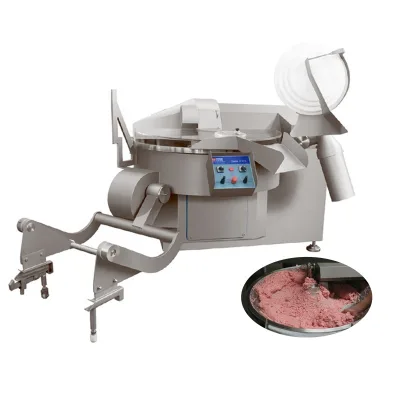
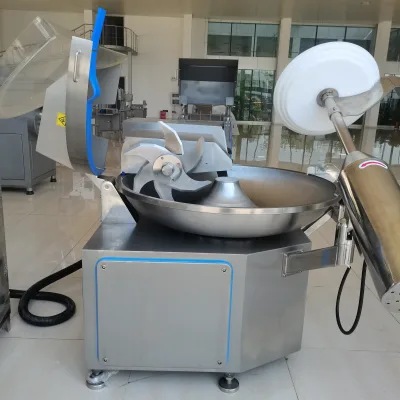
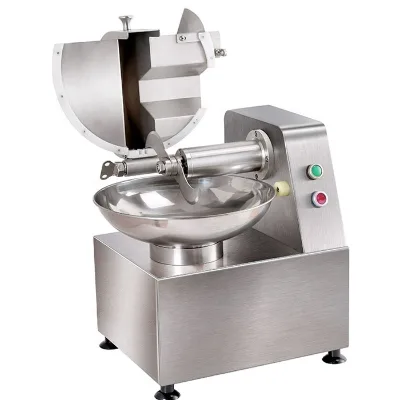
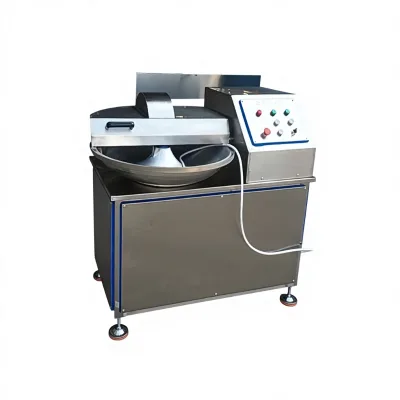
Machine listings themselves reveal the industrial breadth behind this cluster. One Shandong product, model JOHTANK-ZBJ-125, is a multi functional vegetable and meat bowl cutter for sausage stuffing production, built in 304 stainless steel with customized power and capacity. Hebei listings include a GSZB commercial bowl cutter with a 200L hopper, 61.25kW power, and 2800kg weight, plus a ZB-550 industrial chopper with a 550L volume and 350-450kg capacity. Smaller units such as an 80L model handling 30-50kg batches sit at the other end. When clusters are not documented in results, buyers should identify them by mapping product origins and main-product overlaps across multiple listings rather than assuming a region.
How to Verify Multifunctional Meat and Vegetable Bowl Cutter Suppliers
Verification starts with the attributes actually displayed in supplier results. Some suppliers carry third-party verification marks such as SGS; one Hebei entry explicitly shows a system certification value of NIL, which means no certification is displayed and the buyer must request evidence directly rather than assume compliance. Check the declared company type: a combined manufacturer versus a trading company changes who controls production, quality adjustments, and spare-parts support. Main-product lists offer another signal; a supplier whose catalog spans sausage lines, bowl cutters, and vegetable processing equipment is more plausibly a genuine food-machinery specialist than one listing a single unrelated machine.
Then verify what the listing claims against your own checks. Product attributes such as 304 stainless steel material, automatic grade, electric power source, and customized capacity are stated by the supplier, so ask for material certificates, welding and finish photographs, and videos of the actual machine running with meat and vegetables. Confirm the model number, for example ZB-80 or ZB-550, matches the unit you will receive, since variants of the same model line can differ in knife count, bowl speed, and volume. Ask how customization is handled, because several listings declare customization available without describing engineering documentation. Finally, request references from prior buyers of bowl cutters specifically, not general food machinery, and reconcile stated origin locations, such as Shandong or Hebei, with business license and invoice addresses before committing funds.
What to Compare Across Multifunctional Meat and Vegetable Bowl Cutter Suppliers
Compare the operational metrics that are actually displayed, without assuming every supplier shows every field. Response time varies sharply in current results, from roughly 0.51 hours for one Hebei supplier to about 3.02 hours for a Shandong combined company, with another around 1.75 hours; fast replies usually predict smoother communication during commissioning and after-sales issues. Lead times also differ, ranging from about 15 days to 23 and 30 days in the listings, and because these machines are heavy steel fabrications, shorter quoted lead times deserve scrutiny of whether stock or build-to-order production is behind them. Record these values per supplier and ask for written confirmation, since marketplace figures can lag.
Compare technical and commercial dimensions side by side. Machine scale is a real differentiator: an 80L bowl cutter with 13.97kW power and 30-50kg capacity serves a very different buyer than a 200L, 61.25kW unit or a 550L, 120kW industrial machine, so shortlist suppliers whose listed models match your batch size. Check RD capability labels such as ODM and OEM, which some Shandong and Hebei suppliers declare, if you need customized power, capacity, or voltage. Price ranges span widely, from roughly 2,500-7,000 for smaller units, 20,000-21,000 for a 200L machine, up to 10,800-64,300 for the 550L class, and MOQ is commonly 1 unit. Compare main-product breadth too, since suppliers also offering meat grinders or sausage lines can supply complementary equipment.
Common Multifunctional Meat and Vegetable Bowl Cutter Sourcing Risks
The most frequent risk is treating listed attributes as guaranteed specifications. Listings state customization is available, power is customized, and capacity is customized, but these are supplier declarations, not verified engineering commitments. A machine quoted at 3800r/min cutting speed, six chopping knives, or a 1400mm pot diameter may be revised during production unless the final specification sheet is contractually fixed. Related to this is the stainless steel question: 304 grade is claimed in at least one listing, but food-contact surfaces, blade material, and sealing components are not uniformly documented, and substituting lower-grade steel is a known cost-saving tactic in this machinery class.
Verification risk is equally concrete. Where system certification displays as NIL, buyers who skip requesting certificates may discover compliance gaps only at import inspection. The wide price spread in this category, from the low thousands to over sixty thousand, invites misjudgment in both directions: the cheapest 80L-class unit may omit vacuum function or frequency-control speed steps that listings show on higher models, while paying industrial pricing for a smaller machine is a budgeting error. Trading-company intermediaries add a handoff risk between the seller and the actual workshop. Finally, logistics risks follow from machine weight, with units around 1,200kg to 6,500kg and wooden or wooden-case packing; inadequate fixing or seaworthy packaging can deliver a damaged bowl or misaligned blades that are hard to prove on arrival.
Multifunctional Meat and Vegetable Bowl Cutter Regional Sourcing and Logistics
Regional context in current results points to Shandong and Hebei as documented sourcing provinces. The Shandong listing shows prod_origin of Shandong, China, tied to a combined-type company with ODM and OEM capacity and a 30-day lead time, while the Hebei results show prod_origin of Hebei for a 550L machine offered by a trading company with a 23-day lead time and a third Hebei entry at 15 days. Proximity between these clusters and major northern Chinese ports supports containerized export of heavy machinery, but buyers should confirm the actual loading port with each supplier rather than assuming one. Where results do not document a region, build your own cluster picture by comparing origin fields across listings.
Logistics planning should follow the machine's mass and dimensions as stated. The ZB-80 class lists external dimensions around 1960×1170×1240mm and approximate weight of 1,200kg, while the ZB-550 lists roughly 3700×3050×3150mm and about 6,500kg, meaning the latter typically requires more handling equipment and possibly拆 split shipment considerations; packing is declared as wooden, wooden box, or strong ply-wooden seaworthy package depending on the supplier. Ask each supplier who arranges inland transport to port, what export documentation they provide, and how installation dimensions, such as the 4500×3500×3500mm figure on the large model, translate into your factory footprint. For customized-power units, confirm destination voltage compatibility before shipment.
Multifunctional Meat and Vegetable Bowl Cutter Commercial Terms and Order Planning
Order planning should anchor on the commercial values actually shown. Current listings publish MOQ of 1 unit, which is standard for capital machinery and lets buyers pilot with a single machine before scaling. Price bands differ by model class: roughly 2,500-7,000 for compact multi-functional bowl cutters, 20,000-21,000 for the 200L GSZB commercial unit, and 10,800-64,300 for the ZB-550 industrial class, so always compare quotes against the same specification tier rather than across tiers. Lead times of 15, 23, and 30 days give a planning envelope, but customized power and capacity provisions typically extend these, so request a written production schedule with milestone dates and confirmation of the packing method, whether wooden box or seaworthy ply-wood.
Payment protection matters most where certification data is thin; ask whether escrow or platform-protected payment is offered, since some supplier profiles display escrow availability and others do not, and never assume it. Structure payments against verifiable milestones: deposit, pre-shipment inspection of the specified model, and balance after inspection or arrival checks. Plan acceptance testing around the attributes that define this machine: automatic grade, knife count and speeds, bowl volume, and 304 stainless steel contact surfaces, and define remedies if tested capacity falls short of the quoted range. Finally, plan spares at order time, requesting blade sets, bowl components, and drive parts alongside the first machine, because customized configurations can lengthen replacement-part lead times well beyond the original 15-to-30-day production windows.
FAQs
What is the price range for multifunctional meat and vegetable bowl cutters?
Prices for these machines typically range from $2,500 to $21,000 depending on capacity and features. Smaller units suitable for light processing start near $2,500, while heavy-duty industrial models with larger volumes can reach $64,300. Buyers should verify specific pricing based on their required production capacity and customization needs.
What is the minimum order quantity for these machines?
The minimum order quantity is generally one unit, allowing buyers to purchase single machines for testing or small-scale operations. This low MOQ facilitates easier entry for new businesses or those looking to replace existing equipment without committing to large bulk orders immediately.
How long does delivery take for these meat processing machines?
Lead times vary between 15 and 30 days depending on the supplier and machine specifications. Faster production cycles are available for standard models, while customized configurations may require additional time. Buyers should confirm exact delivery schedules with suppliers before placing orders to ensure timely installation.
Are these bowl cutters customizable for specific production needs?
Yes, customization is available for power, capacity, and specific processing requirements. Manufacturers offer OEM and ODM services to tailor machines to unique operational demands. Buyers can request specific voltage, hopper volume, or cutting speed adjustments to ensure the equipment fits their existing production line infrastructure.
What materials are used in constructing these meat bowl cutters?
These machines are primarily constructed from 304 stainless steel, ensuring durability and hygiene for food processing applications. The stainless steel construction resists corrosion and simplifies cleaning, meeting standard food safety requirements. Buyers should verify specific material grades with suppliers to confirm compliance with local health regulations.
What is the typical response time for supplier inquiries?
Supplier response times typically range from 0.51 to 3.02 hours, indicating prompt communication for most vendors. Quick responses help buyers clarify technical specifications and negotiate terms efficiently. Selecting suppliers with faster response times can streamline the sourcing process and reduce delays in finalizing equipment purchases.