ISO40 Spindle Dividing Head Suppliers and Manufacturers
Compare 12 verified suppliers offering ISO40 Spindle Dividing Head units from China Jiangsu and Shandong. Review response times, lead times, certifications, and pricing to select the right factory for your needs; review the available evidence before requesting comparable quotations from suitable candidates.
Updated
Suppliers List

Yancheng C&J Machinery Co., Ltd.
- Verified by BV
- Trading Company,Manufacturer/Factory
- China Jiangsu
- Lead time38 days
- Avg. response≤ 3h
Main productsShot Blasting Machine, Grinding Machine, EDM, Shaper Machine, Lathe Machine, Press Machine, Shearing Machine, Milling Machine, Drilling Machine, Saw Machine
Main marketsSouth America,Eastern Europe,Mid East,North America,Southeast Asia,Eastern Asia,Oceania,Western Europe,Africa

Tengzhou Hoton Machinery Co., Ltd.
- Verified by TUVRHEINLAND
- Trading Company
- China Shandong
- Lead time30 days
- Avg. response≤ 8h
Main productsCNC Lathe Machine, Gap Bed Lathe, Turret Milling Machine, Milling Drilling Machine, Surface Grinders, Band Saw, Radial Drilling Machine, Sheet Metal Bending Machine, Shears, Press Machine
Main marketsSouth America,Southeast Asia/ Mideast


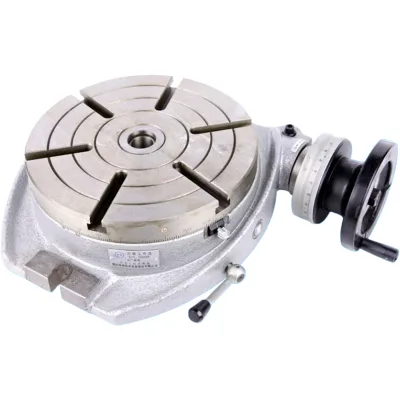
Heavy duty F12 Series dividing head F12260 F12300 F12400 F12500 F121000
$100.00 - $5000.00
MOQ: 1 Pieces

Pingyuan Haotian Machinery Co., Ltd.
- Manufacturer, Trading Company
- Shandong, China
- Lead time30 days
- Avg. response≤ 3h
Main productsCollets,CNC tool holder,machine vise,parallel block,live center
Main marketsNorthern Europe(25.00%), North America(20.00%), Mid East(10.00%), Southern Europe(10.00%), Western Europe(6.00%), Southeast Asia(5.00%), Eastern Europe(5.00%), Oceania(3.00%), South America(3.00%), Central America(3.00%), Africa(3.00%), South Asia(3.00%), Domestic Market(2.00%), Eastern Asia(2.00%)
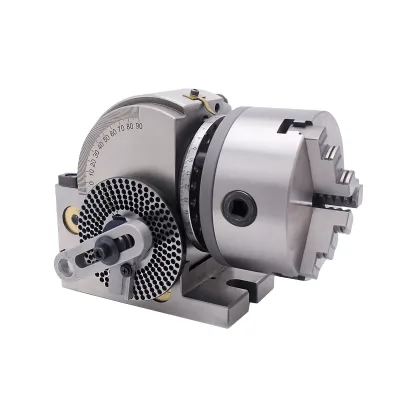
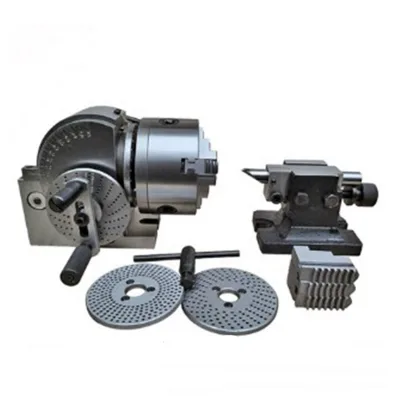
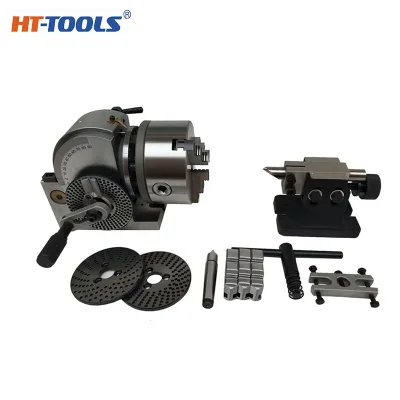
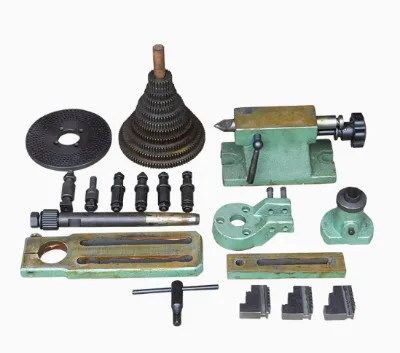
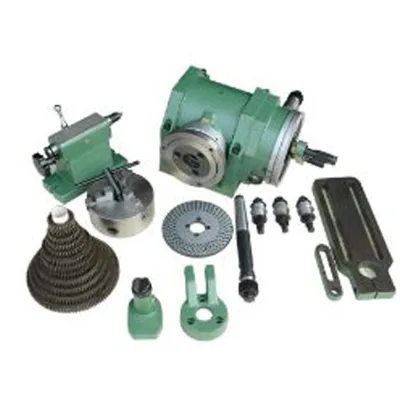
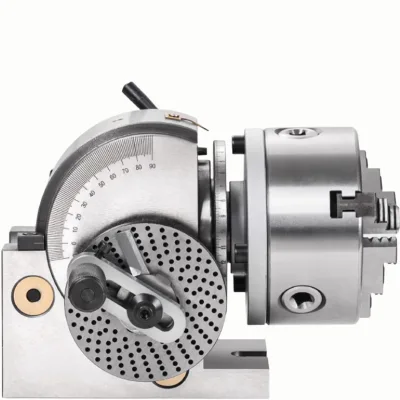
Universal Dividing Head Semi Universal Dividing Head F11/F12 Series 80A100A125A160A200A
$1000.00 - $1229.00
MOQ: 1

Zaozhuang DS Machine Tool Co., Ltd.
- Manufacturer, Trading Company
- Shandong, China
- Lead time15 days
- Avg. response≤ 6h
Main productslathe machine,milling machine,Band Saw,Slotting machine,Floding Machine
Main marketsSouth Asia(15.00%), Southeast Asia(15.00%), North America(10.00%), Central America(10.00%), Domestic Market(5.00%), South America(5.00%), Southern Europe(5.00%), Northern Europe(5.00%), Eastern Europe(5.00%), Western Europe(5.00%), Eastern Asia(5.00%), Mid East(5.00%), Oceania(5.00%), Africa(5.00%)

Pingyuan Haotian Machinery Co., Ltd.
- Verified by SGS
- Combined
- China Shandong
- Lead time30 days
- Avg. response≤ 4h
Main productsCollet, Collet Chuck
Main marketsOthers(foreignTradeCapacity.exportBusinessCapacityMarketOther),Europe

Milling Machine Dividing Head Semi-Universal Dividing Head BS-0 BS-1 BS-2
$299.00 - $600.00
MOQ: 1 Pieces


TENGZHOU HOYONG MACHINERY CO., LTD
- Verified by TUVRHEINLAND
- Trading Company
- China Shandong
- Lead time30 days
- Avg. response≤ 11h
Main productsMirror, Glass, Lathe Machine, Milling Machine, Drilling Machine, Grinding Machine, Sawing Machine, Press Machine, Sheet Metal Machines, Garage Equipment
Main marketsAfrica
Dezhou Chuangke Precision Machinery Co., Ltd.
- Manufacturer, Trading Company
- Shandong, China
- Lead time15 days
- Avg. response≤ 2h
Main productsprecision flatnosed pliers,Hydraulic vise,Pneumatic vice,milling chuck,ER spring collets
Main marketsEastern Asia(32.00%), Southeast Asia(24.00%), South Asia(21.00%), Domestic Market(10.00%), Northern Europe(6.00%), North America(5.00%), Mid East(5.00%)
Hebei Hebing Technology Co., Ltd.,
- Trading Company
- Heibei, China
- Lead time0 days
- Avg. response≤ 2h
Main productsIndustry Machine,Spare parts
Main marketsSouth America(30.00%), Eastern Asia(20.00%), Africa(20.00%), Eastern Europe(20.00%), South Asia(10.00%)
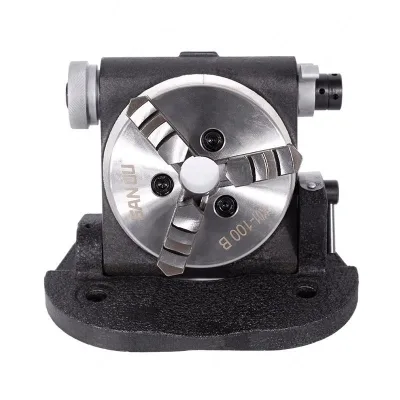
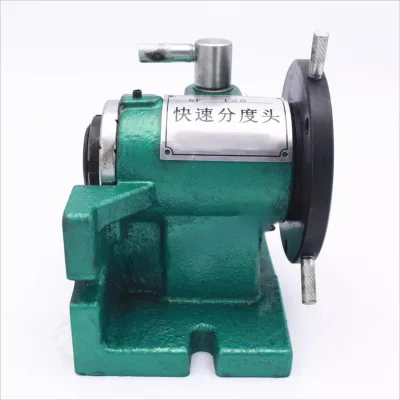
$136.2726 - $157.2376
MOQ: 1 pieces
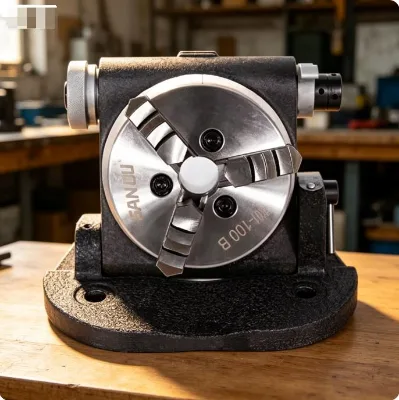

Anhui Chizhou Household Machine Tool Co., Ltd.
- Verified by TUVRHEINLAND
- Combined
- China Anhui
- Lead time30 days
- Avg. response≤ 12h
Main productsLathe, Lathe Machine, Hydraulic Press Machine, Press Brake, Band Saw, Bending Machine, Sawing Machine, Drilling Machine, Milling Machine, CNC Machine
Main marketsSouth America,Africa,Southeast Asia/ Mideast,East Asia(Japan/ South Korea),Domestic,Europe,Australia,North America
Shenzhen Liyang Welding Equipment Co., Ltd.
- Trading Company
- Lead time旺季: "1 - 5":7,"> 5":"To be negotiated", 淡季: "1 - 5":7,"> 5":"To be negotiated"
- Avg. response≤ 4h
Main productsBGA rework station,BGA reballing kit,CNC Router,Laser engraving machine,Fiber marking machine
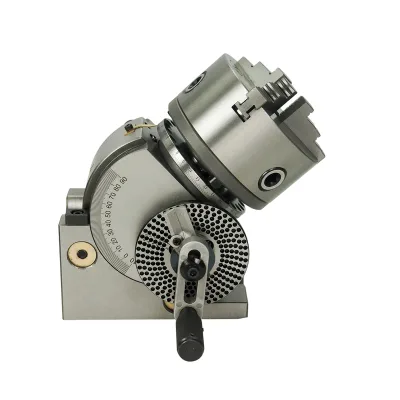
$349.8006 - $396.0973
MOQ: 1 Minimum
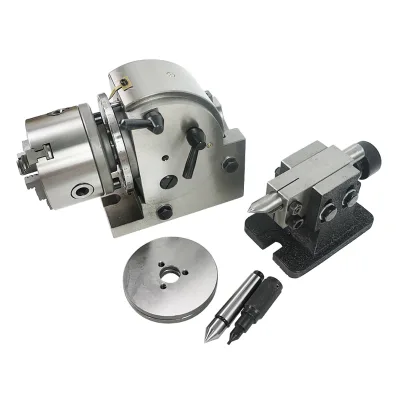

Lishui City Weicheng Bearing Limited Company
- Manufacturer, Trading Company
- Zhejiang, China
- Lead time7 days
- Avg. response≤ 4h
Main productsLinear Guide,Ball Screw,Gear Pinion Rack,CNC Parts,Stepper Motor
Main marketsWestern Europe(30.00%), Southern Europe(10.00%), Northern Europe(10.00%), Central America(10.00%), North America(10.00%), Oceania(10.00%), Eastern Europe(10.00%), South America(10.00%)
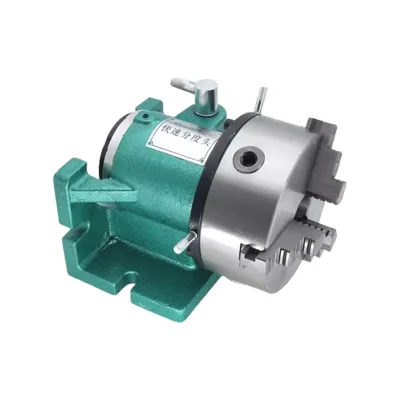
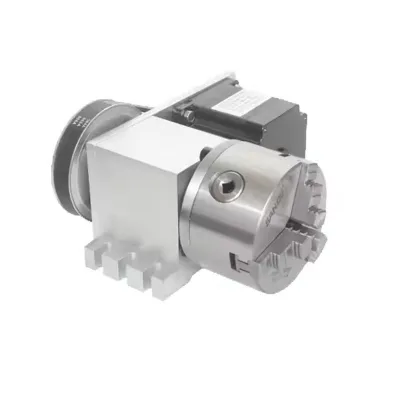
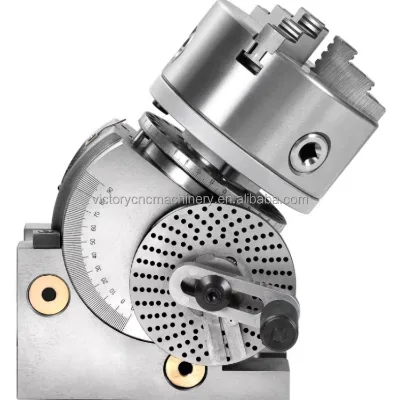
Durable 3 Jaw/4 Jaw CNC Dividing Head Quick Indexing and Safe Performance
$92.53 - $99.79
MOQ: 1 pieces

- Trading Company
- China Shandong
- Lead time0 days
- Avg. response≤ 13h
Main productsLathes, Milling Machines, Chucks and Jaws, Grinding Machines, Rotary Tables, Steady Rests, Boring Mill Jaws, T-Slotted Cast Iron Plaltes Angle Plates Cubes, Milling Heads
Main marketsSouth America,Eastern Europe,Mid East,North America,Southeast Asia,Eastern Asia,Oceania,Western Europe,Africa


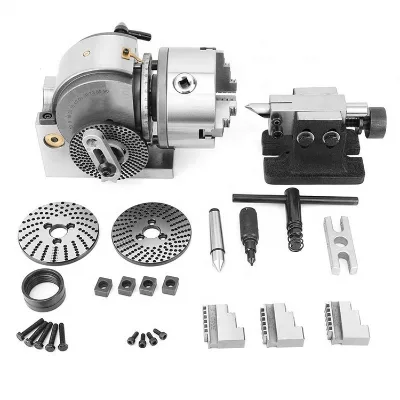
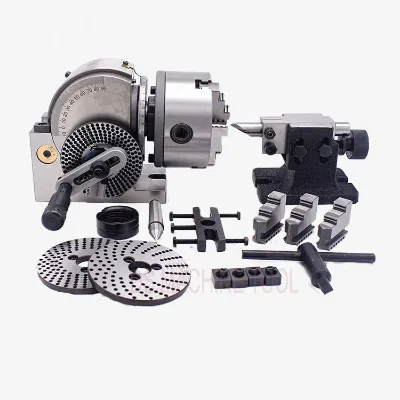


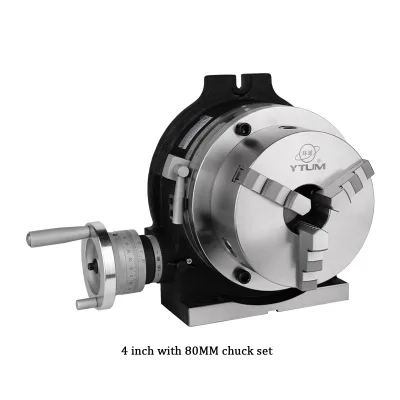


Comprehensive Sourcing Guide
ISO40 Spindle Dividing Head Supplier Concentration and Factory Types
Buyers searching for an ISO40 Spindle Dividing Head will find that the suppliers appearing in current results are concentrated in China, with Jiangsu and Shandong both represented as high-confidence locations in the observed data. This matters because regional concentration typically means buyers can compare multiple factories and trading companies within a familiar industrial geography, request consolidated quotations, and coordinate inspection visits with relative efficiency. When a location is not displayed for a given supplier, treat that as a gap to close during outreach rather than an assumption, since regional identity affects freight origin, duty treatment, and the practicality of factory audits.
The observed supplier mix includes trading companies, manufacturers and factories, and hybrid manufacturer-trading structures. This distinction changes what you should ask for. A pure trading company may offer wider product breadth—several in this category list machine tools and accessories such as milling machines, lathes, saw machines and collets alongside dividing heads—while a manufacturer can speak directly to casting, heat treatment and grinding of the spindle and index plates. Hybrid companies are common in machine tool accessories, so ask each candidate whether production happens in-house or through partner workshops. Product listings in the results show dividing heads marketed under series names such as BS and F11, in direct, universal, semi-universal and heavy-duty variants, so clarify which structure an Iso40 spindle configuration actually maps to before shortlisting.
How to Verify ISO40 Spindle Dividing Head Suppliers
Verification should start with the credentials that suppliers themselves display, because these are the only claims you can confirm from the listing before contacting anyone. In the current results, suppliers show third-party verification marks such as BV and TÜV Rheinland, and system certifications including ISO 9000, EICC and CE. None of these should be accepted as proof of dividing-head quality on their own; a verified trading company is not a verified factory. Ask for the certificate number and scope for each claimed credential, and check that the scope covers machine tool accessories rather than a different product line the company also sells.
The product listings themselves provide useful verification signals. Observed dividing-head products carry CE certification claims, ISO 9001 references on specific items, machinery test reports marked as provided, and outgoing video inspection offers. One listed dividing head specifies a hardness range of HRC48–52, which is the kind of measurable specification you should ask to see confirmed on a test report for your actual batch. Verification steps that apply here: request the business licence and confirm the registered scope matches machine tool accessories; ask whether the ISO certificate is held by the factory or the trading entity; request material certificates for the cast iron body and spindle; and ask for a video of the head running through an indexing cycle before shipping. If a supplier cannot produce any of these within a stated response window, that hesitation is itself a data point about how the relationship will run later.
What to Compare Across ISO40 Spindle Dividing Head Suppliers
Build your comparison from attributes that the listings actually display, while remembering that not every supplier shows every field. In the observed results, one supplier in Jiangsu lists a response time around two hours and a lead time of 38 days, while a Shandong supplier lists a response time near eight hours and a lead time of 30 days, and another Shandong supplier lists roughly three hours with no lead time shown. These figures are self-reported and will change, but they give you a template: ask every candidate for the same two numbers—average response time and production lead time for a confirmed order—and enter them in one column of your matrix.
Compare main products and company type alongside the numbers. Suppliers whose main product lists are dominated by machine tools and accessories, such as milling machines, lathes, presses, collets, tool holders and machine vises, are more likely to understand spindle and mounting conventions than generalist traders. Compare customization signals too: multiple observed dividing-head listings state that customization is available, and one supplier advertises its own brand alongside OEM and ODM capability, which matters if you need private labelling or non-standard chuck mounting. Compare packing, weight and dimensions where shown—observed entries mention plywood or polywood packing, carton boxes, and package sizes around 30–35 cm—because packing choice affects freight cost and damage risk. Finally, compare price ranges only after normalizing model and size, since observed listings span wide ranges that reflect different series rather than different value.
Common ISO40 Spindle Dividing Head Sourcing Risks
The most common risk in this category is specification drift between series names and spindle standards. The observed results show BS-series and F11-series heads, direct and semi-universal dividing types, and grating-type dividing mechanisms, but none of the listings states that a given model ships with an ISO40 spindle as standard. If you order by series number alone, you risk receiving a head with a different spindle taper, bore or mounting flange. Put the ISO40 spindle requirement, the taper tolerance, and the mating chuck or collet interface in writing on the drawing attached to the purchase order, not only in the email thread.
Quality and warranty risks follow. Observed listings show warranties of three months and six months on different dividing-head products—a wide gap for a precision accessory that will see workshop abuse. Confirm the warranty term, what it covers, and whether spare index plates, worms or bearings are available separately. Packing is a recurring weak point: listings variously mention carton boxes and plywood cases, and a cast-iron head shipped in carton by sea freight invites damage claims that are hard to settle. Also watch for certification mismatch—CE and ISO claims appear at product level in some listings and company level in others, so a certificate held for one model may not cover the variant quoted. Finally, response-time differences of several hours between suppliers suggest uneven account management; a supplier that answers slowly during quotation will not improve after your deposit is paid.
ISO40 Spindle Dividing Head Regional Sourcing and Logistics
Both Jiangsu and Shandong appear as high-confidence supplier locations in the observed results, and each carries practical logistics implications. Shandong is listed as the production origin on specific dividing-head products, while Jiangsu suppliers list broader machine tool portfolios. For the buyer, the difference that matters is not prestige but consolidation: if you are also sourcing collets, vises or tool holders, a supplier whose main products span those categories in the same province may allow combined packing and a single shipment, reducing freight cost and paperwork. Where a candidate's location is not displayed, ask directly and confirm the actual dispatch warehouse, since a trading company registered in one province may ship from another.
Packing and weight figures from the observed listings help you plan freight realistically. Dividing heads in the results are quoted with single package sizes around 30×30×21 cm to 35×30×30 cm and gross weights in the range of 25–32 kg for smaller models, with plywood or polywood packing offered on larger lines. That weight class means air freight is viable for urgent single-unit orders, while sea freight in plywood cases suits batch purchases. Lead times shown in the results run roughly 30–38 days, so plan ordering around that window plus freight transit and customs clearance. Ask each supplier whether the quoted lead time includes packing and whether export documentation—packing list, commercial invoice, and any certificate you need for customs—is issued from the manufacturing entity or the trading entity, since this affects clearance smoothness.
ISO40 Spindle Dividing Head Commercial Terms and Order Planning
Commercial terms in the observed results are relatively simple, which makes disciplined order planning easy. Minimum order quantities are shown as low as one piece or one set across several dividing-head listings, so single-unit trial orders are realistic and should be your first step with any new supplier. Payment terms are stated as T/T on at least one listing; confirm the deposit-to-balance split in writing and consider a payment method offering transaction protection where available, since the results do not uniformly display escrow status for every supplier. Price ranges in the listings span from around one hundred dollars to several thousand dollars, but these cover different series and sizes, so never benchmark your ISO40 quotation against a range quoted for a different model.
Plan the order sequence deliberately. Start with one unit against a written specification covering the ISO40 spindle, dividing type, chuck mounting, hardness, and packing; observed listings note machinery test reports and video outgoing inspection as provided, so make both contractual for your order. Confirm the warranty—observed terms range from three to six months—and the price of spare index plates at the time of the first order, not after something fails. Align delivery expectations with the 30–38-day lead times shown in the results, adding buffer for packing and inland transport. Finally, agree customization scope before quoting: several listings state customization is available, and one supplier advertises OEM and ODM with its own brand, so logo printing, packaging and mounting variations should each carry an agreed cost and lead-time impact.
FAQs
What is the price range for ISO 40 spindle dividing heads?
Prices for these machine tool accessories typically range from $100 to $6,000 depending on the series and specifications. Basic models like the BS-2 start around $100, while heavy-duty F12 series units can reach up to $5,000. Buyers should verify specific pricing for their required capacity and customization needs directly with suppliers.
What certifications do ISO 40 dividing heads usually have?
Most available models carry CE certification and comply with ISO 9001 standards, often specifically ISO 9001:2008. Some suppliers also provide SGS certification. These certifications ensure the equipment meets international quality and safety requirements for industrial machinery applications, providing buyers with confidence in the manufacturing standards and product reliability.
What is the typical lead time for manufacturing these heads?
Manufacturing lead times generally range from 30 to 38 days for standard orders. This timeframe allows for production, quality control, and preparation for shipment. Buyers requiring urgent delivery should confirm specific lead times with the supplier, as customizations or high-volume orders may extend the production schedule beyond the standard window.
What is the minimum order quantity for these accessories?
The minimum order quantity is typically one piece or one set, allowing for flexible purchasing for individual workshops or small businesses. This low MOQ enables buyers to test product quality before committing to larger orders. Suppliers often accommodate single-unit purchases, making it easier to source specific machine tool accessories without bulk requirements.
Where are these dividing heads primarily manufactured?
These machine tool accessories are primarily manufactured in China, specifically in the Jiangsu and Shandong provinces. These regions are known for their robust industrial machinery production capabilities. Buyers can expect products originating from these areas, which are verified by third-party inspection agencies like BV and TÜV Rheinland for quality assurance.
What materials are used in constructing these dividing heads?
The main body of these dividing heads is typically constructed from cast iron, providing durability and stability during precision machining operations. The internal components often achieve a hardness of HRC48-52 to ensure long useful life and resistance to wear. This material selection supports the heavy-duty applications required in industrial milling and drilling environments.