Automatic Case Packer for Food and Beverage Suppliers and Manufacturers
Find 15 verified suppliers offering Automatic Case Packer for Food and Beverage solutions with varying lead times, prices, and certifications. Compare response times, locations in China, and product specifications to select the right partner for your packaging line needs; review the available evidence before requesting comparable quotations from suitable candidates.
Updated
Suppliers List

Ganar Technology Hebei Co., Ltd.
- Verified by TUVRHEINLAND
- Trading Company
- China Hebei
- Lead time30 days
- Avg. response≤ 1h
Main productsPackaging Machine, Cartoning Machine, Case Packer, Labelling Machine, Conveyor System, Cosmetic/Food/Pharmaceuticals Equipment, Vertical Lift, Processing Machine, Filling and Sealing Machine, Robot Palletizer
Main marketsSoutheast Asia/ Mideast,Europe


Side Push Case Packer for Automatic Case Erector Packing and Sealing in Food & Beverage Industry
$18000.00 - $20000.00
MOQ: 1 Pieces

High Speed Automatic Case Packer for Beverage Bottles and Mineral Water
$15000.00 - $28000.00
MOQ: 1 Sets

Automatic Durable Bottle Case Packer Machine for Beverage Food Packaging
$15000.00 - $32000.00
MOQ: 1 Pieces

CE Certified Beverage Case Packer for Bottles and Cans Energy Saving Automatic Operation Case Packer
$18000.00 - $30000.00
MOQ: 1 Pieces

Automatic Packaging Machines Automatic Case Packer Machine for Bottles Cans Beverages
$15000.00 - $32000.00
MOQ: 1 Pieces

Anhui Peiyu Packaging Technology Co.,Ltd.
- Verified by TUVRHEINLAND
- Combined
- China Anhui
- Lead time60 days
- Avg. response≤ 3h
Main productsWrap Around Case Packer, Label Shrink Sleeve Machine, PE Film Shrink Wrapping Machine, Pet Food Machine, Sleeve Labeling Machine, Retort, Palletizer, OPP Labeller, Air Conveyor, Robot Palletizer
Main marketsSoutheast Asia/ Mideast,Domestic


High-Speed Case Packer Automatic Box Packing System for Canned Food
$60000.00 - $3000000.00
MOQ: 1 Sets


Jining Shunyin Machinery Co., Ltd.
- Verified by TüVRheinland
- Trading Company
- Lead time5 days
- Avg. response≤ 2h
Main productsWrapping Machine, Pallet Wrapping Machine, Shrink Wrapping Machine, Baling Machine, Case Erector
Main marketsEastern Europe(20%), North America(15%), South America(15%)
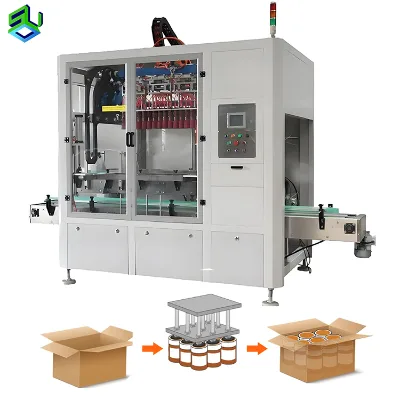
Automatic Case Packing Solution for Food Beverage and Daily Product Packaging Lines
$9128.838
MOQ: 1 Minimum
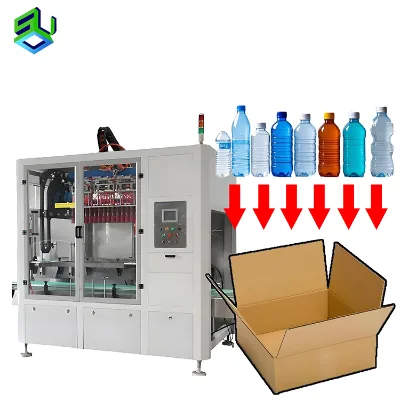
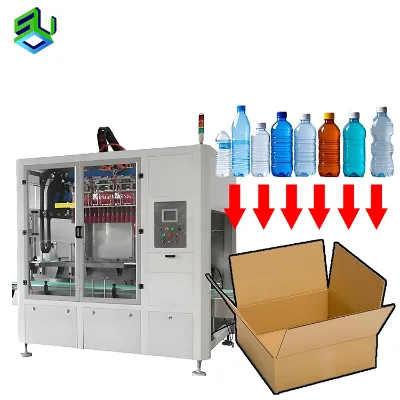
Multi Function Case Packer for Pillow Bags, Stand-Up Pouches, and Carton Boxes
$9128.838
MOQ: 1 Minimum
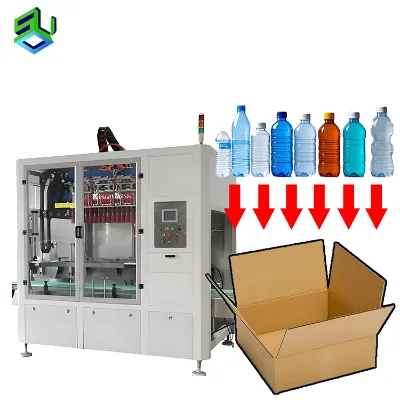
Automatic Case Packer Machine with Integrated Weighing System for Pouches and Boxed Products
$9128.838
MOQ: 1 Minimum
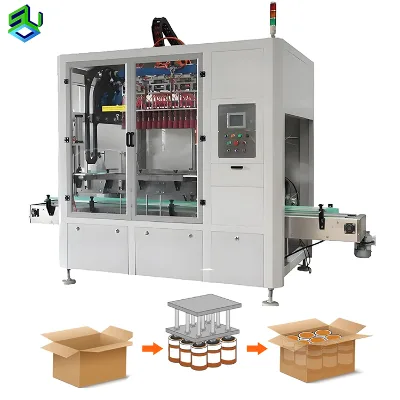
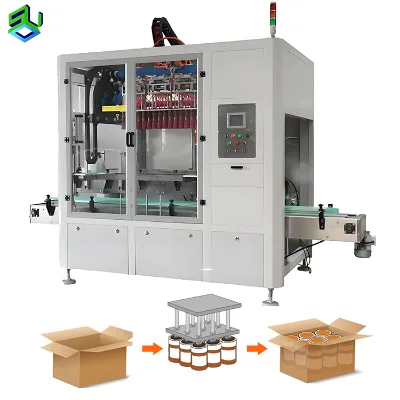
All-in-One Case Packer for Bottles and Jars with Case Erector and Sealer Integration
$9128.838
MOQ: 1 Minimum

Zhangjiagang Klio Machinery Co., Ltd.
- Verified by SGS
- Combined
- China Jiangsu
- Lead time15 days
- Avg. response≤ 3h
Main marketsSoutheast Asia/ Mideast,Domestic


Reliable Fully Automatic Case Packer for Plastic Bottles with Adhesiveautomatic Case Packer
$5000.00 - $10000.00
MOQ: 1 Sets


Anchor Automation Equipment (Shanghai) Co., Ltd
- Verified by SGS
- Combined
- China Shanghai
- Lead time60 days
- Avg. response≤ 4h
Main productsLabeling Machine, Sleeve Labeling Machine, Filling Machine, Heat Shrink Packaging Machine, Carton Packing Machine, Capping Machine, Automatic Bottles Unscrambler Machine
Main marketsSoutheast Asia/ Mideast
Jining Myway Intelligent Machinery Co., Ltd.
- Verified by SGS Group
- Trading Company
- Lead time7 days
- Avg. response≤ 1h
Main productsWrapping Machine, Pallet Wrapping Machine, Shrink Wrapping Machine, Baling Machine, Case Erector
Main marketsEastern Europe(20%), North America(15%), South America(15%)
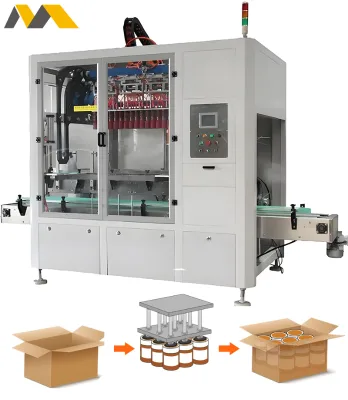
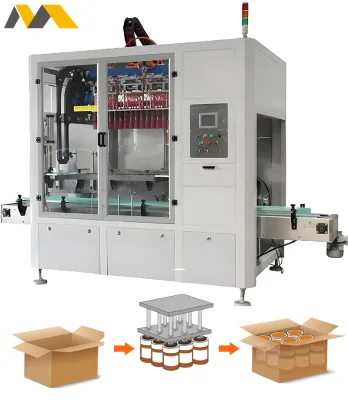
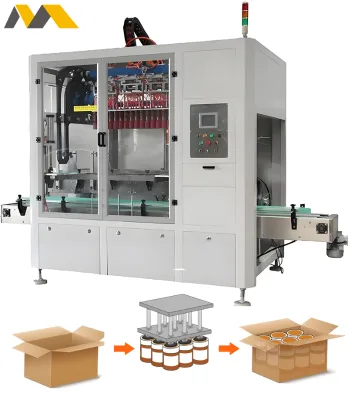
Multi Function Case Packer for Pillow Bags, Stand-Up Pouches, and Carton Boxes
$8800.00
MOQ: 1 Minimum
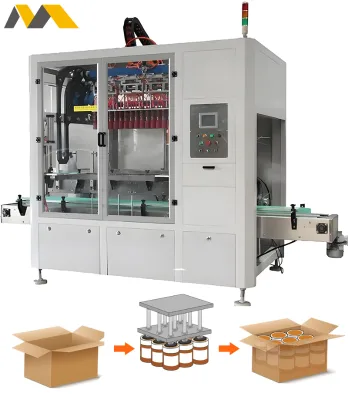
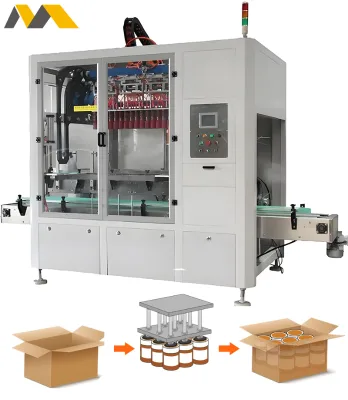
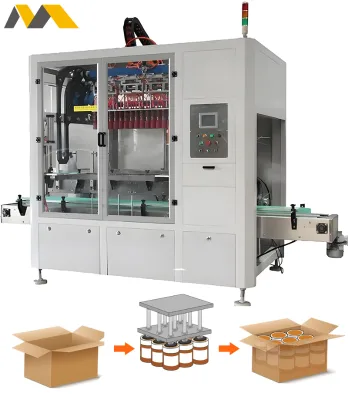
All-in-One Case Packer for Bottles and Jars with Case Erector and Sealer Integration
$8800.00
MOQ: 1 Minimum

Qingdao Ausense Packing Equipment Co., Ltd.
- Verified by BV
- Combined
- China Shandong
- Lead time30 days
- Avg. response≤ 3h
Main productsStrapping Machine, Pallet Stretch Wrapper, Shrink Machine, Vacuum Packing Machine, Carton Sealer, Case Erector, Banding Machine, Palletizer, Carton Packer, Band Sealer
Main marketsSouth America,Africa,Southeast Asia/ Mideast,East Asia(Japan/ South Korea),Europe,Australia,North America

Corrugated Wraparound Case Packer for Canned Food and Sauce Bottle Packaging
$13500.00 - $50000.00
MOQ: 1 Pieces

Fully Automatic Wrap Around Case Packer for Industrial and Food Packaging Applications
$50000.00
MOQ: 1 Pieces


Qingdao Ausense Packing Equipment Co., Ltd.
- Verified by Intertek
- Manufacturer, Trading Company
- Lead time20 days
- Avg. response≤ 2h
Main productsPalletizer, Strapping Machine , Pallet Wrapping Machine, Case Packer, Wrapping Machine
Main marketsNorth America(25%), Southeast Asia(20%), Mid East(15%)
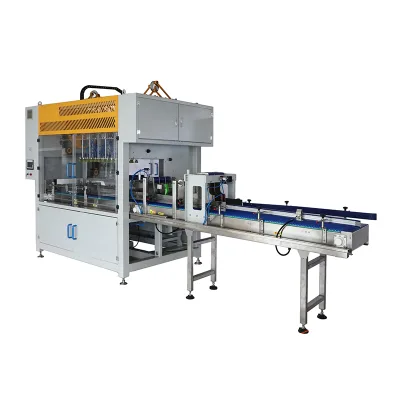
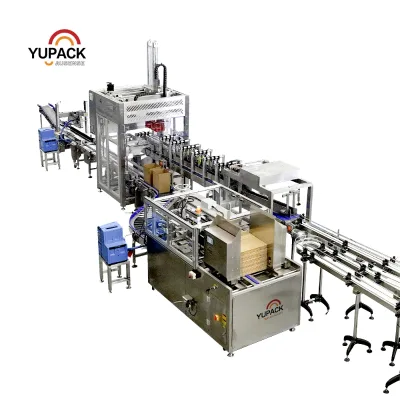
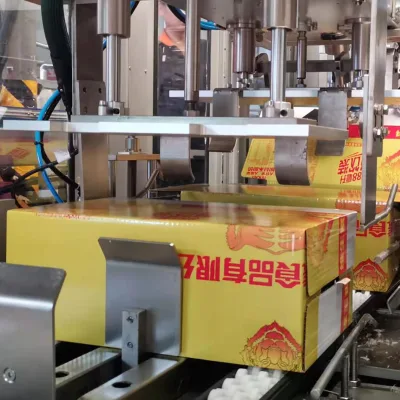
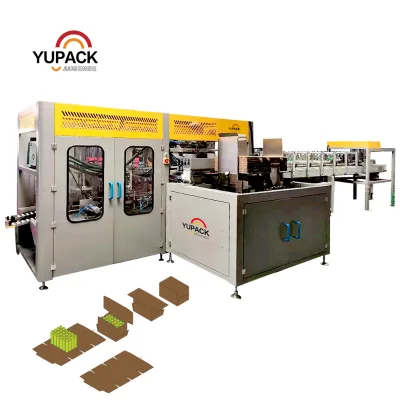
Canned Food and Sauce Bottle Packaging Corrugated Wraparound Case Packer
$9200.00 - $9900.00
Shanghai Lilan Packaging Technology Co., Ltd.
- Verified by SGS Group
- Manufacturer, Trading Company
- Lead time65 days
- Avg. response≤ 2h
Main productsCase Packer, Palletizer, Depalletizer, Robot Unscrambler, Retort loading and unloading system
Main marketsDomestic Market(45%), Western Europe(25%), Southeast Asia(15%)
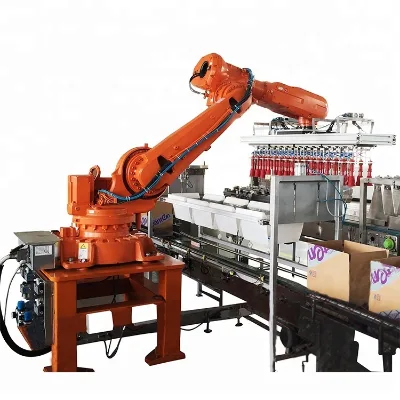
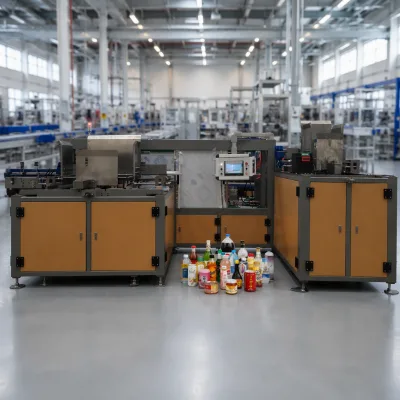
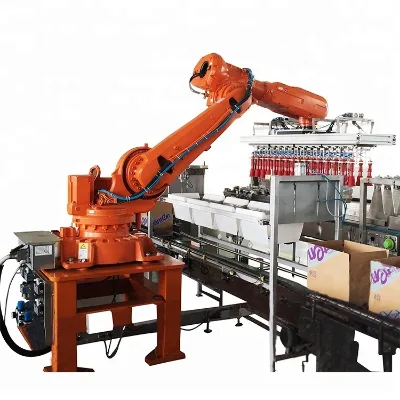
Automatic Robot case Packer for Bottles Cans Bags case Packing Machine
$14500.00 - $15000.00
MOQ: 1 sets
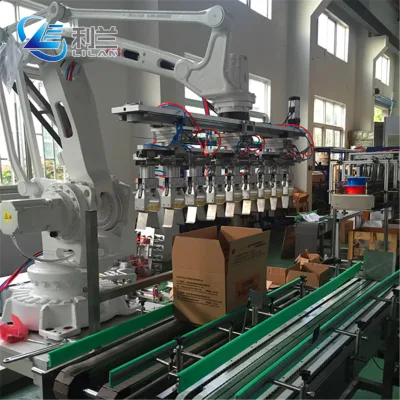
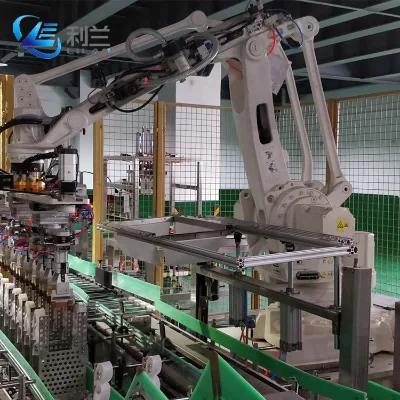
Automatic Customized Food Barrels Ice Cream Box Case Packer for Box/Tubs Packing Line
$77500.00 - $80000.00
MOQ: 1 sets
Hangzhou Evalcan Machinery & Equipment Co., Ltd.
- Manufacturer, Trading Company
- Zhejiang, China
- Lead time50 days
- Avg. response≤ 3h
Main productsCase Packing Machine,Carton Packing Machine,Box Packaging Machine Line,Boxing Machine,Vertical Packing Machine
Main marketsNorth America(28.00%), Eastern Europe(15.00%), Eastern Asia(15.00%), Oceania(10.00%), South America(10.00%), Southeast Asia(10.00%), Africa(5.00%), Central America(3.00%), South Asia(2.00%), Mid East(2.00%)

ShangHai LWT Intelligent Technology Co., Ltd.
- Verified by SGS
- Combined
- China Shanghai
- Lead time45 days
- Avg. response≤ 3h
Main productsPalletizer, Robot Palletizer, Packing Machine, Labeling Machine, Carton Erector, De-Palletizer, Carton Sealer, Multifunctional Packaging Machine, Case Packer, Labeller
Main marketsSoutheast Asia/ Mideast

Robotphoenix Technology Co., Ltd.
- Verified by CTI
- Combined
- China Zhejiang
- Lead time15 days
- Avg. response≤ 13h
Main productsRobot, Industrial Robot, Delta Robot, Scara, Agv, Automation, Packaging Equipment, Cartoner, Case Packer
Main marketsSouth America,Domestic,Europe


High Speed Automatic Case Packer with Integrated Packing Machine Control
$28500.00 - $58000.00
MOQ: 1 Pieces

Hangzhou Evalcan Machinery & Equipment Co., Ltd.
- Verified by SGS
- Combined
- China Zhejiang
- Lead time30 days
- Avg. response≤ 2h
Main productsPacking Machine, Case Packer, Forming Filling Sealing Machine, Vegetable and Fruit Processing Machine, Evaporator, Juice Extraction Machine, Food Machine, Packaging Machine, Packing Line, Other Food Processing Machine
Main marketsEurope
Luohe Ocean Machinery Manufacturing Co.,Ltd.
- Verified by SGS Group
- Manufacturer, Trading Company
- Lead time10 days
- Avg. response≤ 3h
Main productsWater Well Drilling Machine, Paper product processing machinery, Environmental Protection Equipment, Drying Machine, Mixer Machine
Main marketsAfrica(18%), South Asia(17%), South America(15%)

Shandong Tengyang Intelligent Equipment Co., Ltd
- Verified by TUVRHEINLAND
- Combined
- China Shandong
- Lead time15 days
- Avg. response≤ 1h
Main productsRobot, Industrial Robot, Palletizing Robot, Palletizer, Sweeper, Electric Sweeper, Robot Arm, Robot Palletizer, Priduction Line, Pallet Wrapping Machine
Main marketsDomestic


Intelligent Case Packer Can Be Used for Packing Food in Food Factories
$2800.00 - $7100.00
MOQ: 1 Pieces


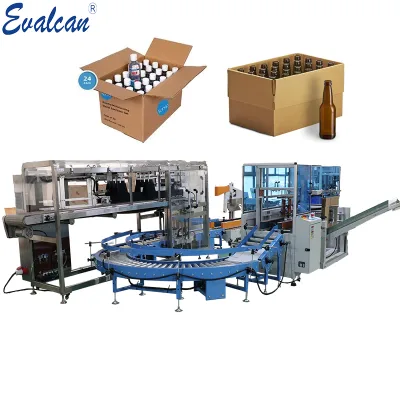
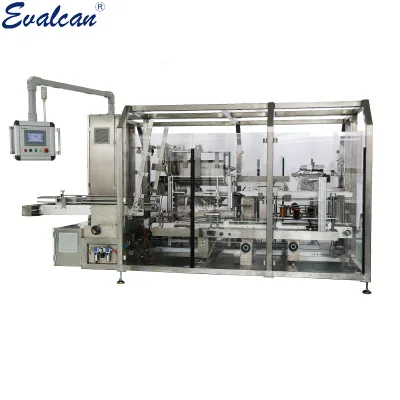
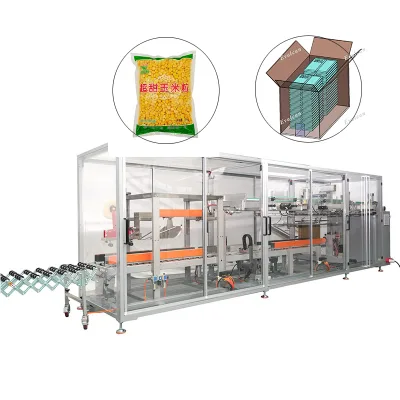
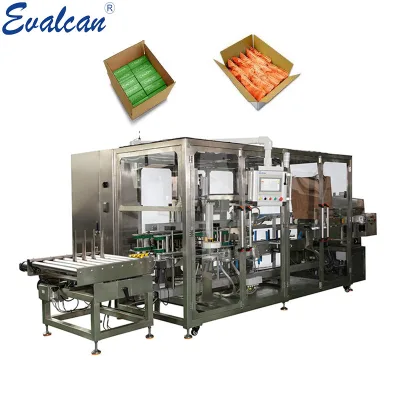


Comprehensive Sourcing Guide
Automatic Case Packer for Food and Beverage Supplier Concentration and Factory Types
Current data indicates a concentration of suppliers in China Hebei and China Anhui, with Hebei-based entities operating primarily as trading companies. These trading companies offer a broad range of equipment including packaging machines, cartoning machines, case packers, and robot palletizers, often serving as intermediaries for manufacturing capabilities. In contrast, suppliers located in China Anhui are classified as combined entities, suggesting a mix of trading and direct manufacturing activities. These combined suppliers frequently list specialized products like wrap-around case packers, sleeve labeling machines, and retort equipment alongside standard case packing solutions. The distinction between trading companies and combined entities is critical, as trading companies may source from various factories while combined entities might possess their own production lines or direct engineering capabilities.
When evaluating the factory types, buyers should note that some suppliers display specific product models like the GT-CP01 or SPCSM series, which implies a level of technical specification capability. The presence of ODM capacity in Anhui-based combined suppliers suggests they can handle custom design requests, whereas Hebei trading companies may focus on standard inventory or sourcing from third-party manufacturers. It is essential to verify whether a supplier's main products align with the specific automation needs of a food or beverage line, such as high-speed pick-and-place mechanisms or side-push systems. The location data provides a starting point for understanding the industrial ecosystem, but the actual factory type determines the depth of technical support and customization potential available to the buyer.
How to Verify Automatic Case Packer for Food and Beverage Suppliers
Verification processes should prioritize checking for recognized third-party certifications and verification statuses provided in the supplier profile. Some suppliers in the current results hold TUVRHEINLAND verification, which serves as a concrete indicator of a verified business entity, while others may lack specific system certifications like ISO9001:2015. Buyers must distinguish between suppliers that explicitly list ISO9001:2015 certificates and those with no system certification listed, as this impacts quality assurance reliability. Additionally, the presence of CE and ISO standards on product specifications, such as the SPCSM model, offers further evidence of compliance with international safety and operational norms. Relying solely on the absence of negative flags is insufficient; active verification of these credentials is necessary to confirm the supplier's legitimacy and adherence to industry standards.
Response time and lead time data provide immediate, quantifiable metrics for assessing supplier reliability and operational efficiency. A response time of 0.41 hours suggests a highly responsive communication channel, whereas a 2.13-hour response time indicates a slower initial engagement rate that could impact project timelines. Lead times vary significantly, with some suppliers offering 30-day delivery windows and others requiring up to 60 days. Buyers should cross-reference these timeframes against their production schedules to ensure feasibility. Furthermore, the availability of customization options, such as the "Available" status found in product attributes, should be confirmed through direct inquiry to ensure the supplier can meet specific operational requirements. These verified data points form the backbone of a robust supplier vetting strategy.
What to Compare Across Automatic Case Packer for Food and Beverage Suppliers
Comparative analysis must focus on the specific technical attributes and pricing structures available in the product listings. Prices for automatic case packers range widely, with some models starting at 15,000 USD and others reaching up to 3,000,000 USD depending on capacity and complexity. Buyers should compare minimum order quantities, which are currently listed as 1 unit for several models, against their volume requirements. The capacity metrics, such as speeds ranging from 5 to 90 cases per minute or 30 to 60 boxes per minute, are critical for matching equipment to production line throughput needs. Additionally, the carton size ranges, such as (70-230)mm*(25-135)mm*(15-6)mm, must be evaluated to ensure compatibility with existing packaging materials and product dimensions.
Beyond technical specs, the comparison should include the electrical and control system specifications to ensure integration with existing plant infrastructure. Some units feature Schneider electrics and PLC plus touch screen controls, while others may have different power requirements like 380V 50Hz 3p. The material composition, such as stainless steel construction, is another vital factor for food and beverage applications where hygiene and corrosion resistance are paramount. Buyers should also compare the packing standards, noting whether products are shipped in standard wooden boxes or film packing, as this affects logistics and protection during transit. By systematically comparing these concrete attributes, buyers can identify the most suitable supplier for their specific operational constraints and budgetary limits.
Common Automatic Case Packer for Food and Beverage Sourcing Risks
One significant risk involves the variability in lead times and the potential for delays in production or shipping. While some suppliers offer a 30-day lead time, others require 60 days, and these figures may fluctuate based on order volume or raw material availability. Buyers must account for these variances in their project planning to avoid production bottlenecks. Another risk is the inconsistency in certification status; some suppliers display ISO9001:2015 certificates, while others show no system certification. This lack of uniformity can lead to quality assurance issues if the buyer assumes a standard level of quality control that is not actually present in the supply chain.
The risk of mismatched technical specifications is also prevalent, particularly regarding customization capabilities. Although many listings state that customization is available, the actual scope of this customization can vary significantly between trading companies and combined entities. A trading company might offer limited modifications to standard models, whereas a combined entity with ODM capacity might offer full design changes. Additionally, the response time differences, ranging from 0.41 to 2.13 hours, can impact the speed of issue resolution during the procurement process. Buyers should verify the specific scope of customization and the actual response capabilities of the supplier before committing to an order to mitigate these operational risks effectively.
Automatic Case Packer for Food and Beverage Regional Sourcing and Logistics
Regional sourcing strategies should leverage the identified clusters in China Hebei and China Anhui, where suppliers are concentrated. Hebei-based trading companies often provide a wide array of packaging machinery, while Anhui-based combined entities offer specialized equipment with ODM capabilities. Buyers should consider the logistical implications of sourcing from these specific regions, as shipping times and costs may vary based on the supplier's location and the destination port. The product origin is consistently listed as China, which simplifies the origin verification process but requires careful attention to shipping terms and Incoterms to manage freight costs effectively.
Logistics planning must also account for the specific packing standards used by suppliers, such as standard wooden boxes or film packing. These packing methods influence the dimensional weight and protection level of the equipment during transit. For instance, a standard wooden box offers robust protection for heavy machinery like case packers, while film packing might be used for lighter components or specific export requirements. Buyers should verify the exact packing method for their selected model to ensure the equipment arrives without damage. Additionally, the dimensions of the machines, such as L2800mmW1050mmH1700mm, must be considered when planning warehouse space and handling equipment at the destination facility to ensure smooth unloading and installation.
Automatic Case Packer for Food and Beverage Commercial Terms and Order Planning
Commercial terms should be scrutinized for minimum order quantities and pricing tiers, as these directly impact the financial viability of the procurement. Current data shows an MOQ of 1 unit for several models, with prices ranging from 18,000 USD to 32,000 USD for specific case packers. However, larger systems or high-capacity units can reach prices up to 3,000,000 USD. Buyers must clarify whether these prices include installation, training, or after-sales support, as these factors can significantly alter the total cost of ownership. Understanding the payment terms and escrow options is also essential to protect the buyer's financial interests during the transaction.
Order planning requires a detailed review of the lead times and response times to ensure alignment with production schedules. A supplier with a 30-day lead time and a 0.41-hour response time offers a more agile procurement experience compared to a 60-day lead time with a 2.13-hour response time. Buyers should factor in these timelines when scheduling production runs and inventory replenishment. Furthermore, the availability of customization and the specific product models, such as the GT-CP01 or SPCSM series, should be confirmed well in advance to avoid delays. By integrating these commercial and logistical details into the order plan, buyers can ensure a smooth procurement process and timely deployment of the automatic case packers.
FAQs
What is the price range for automatic case packers?
Prices for automatic case packers typically range from $15,000 to $3,000,000 depending on capacity and features. Entry-level models start around $15,000, while high-capacity industrial systems can exceed $200,000. Buyers should verify specific pricing based on customization needs and order volume to ensure accurate budgeting for their packaging line.
What is the typical lead time for these machines?
Manufacturers generally require 30 to 60 days for production and delivery. Some suppliers offer a 30-day lead time for standard configurations, while others may need up to 60 days for complex, customized setups. Buyers should confirm exact timelines with the supplier before placing orders to align with their production schedules.
What is the minimum order quantity for case packers?
The minimum order quantity is typically one unit for most automatic case packers. Suppliers often allow single-unit purchases, making it accessible for small to medium enterprises. Buyers should verify if bulk discounts apply for larger orders, as some manufacturers may offer better pricing for multiple units or complete packaging lines.
What certifications do these machines usually have?
Many automatic case packers carry CE and ISO certifications, ensuring compliance with international safety and quality standards. Some suppliers also hold ISO9001:2015 certification for their manufacturing processes. Buyers should request valid certificates to verify that the equipment meets specific regulatory requirements for their target markets and operational safety.
What is the packing speed of these machines?
Packing speeds typically range from 5 to 90 cases per minute, depending on the model and configuration. Some high-speed units can handle 30 to 60 boxes per minute for cartoning applications. Buyers should select a machine that matches their production volume requirements to ensure efficient operation and optimal throughput for their specific products.
Where are these suppliers located?
Most suppliers are located in China, specifically in regions like Hebei and Anhui provinces. These areas are known for their manufacturing capabilities in industrial machinery. Buyers should verify the exact location to assess shipping costs, import duties, and logistical feasibility when sourcing equipment from these manufacturing hubs for their packaging operations.