Classic Disposable Wooden Storage Tray Suppliers and Manufacturers
Explore 27 verified suppliers offering classic disposable wooden storage trays with customizable designs and materials. Compare response times, lead times, and MOQs to find the right partner for your needs. Contact suppliers directly to request samples; review the available evidence before requesting comparable quotations from suitable candidates.
Updated
Suppliers List

Shuifu Huiyang Agricultural Technology Co., Ltd.
- Verified by SGS
- Trading Company
- China Yunnan
- Lead time23 days
- Avg. response≤ 3h
Main productsBamboo Products, Bamboo Crafts, Bamboo Chopsticks, Bamboo Skewers, Bamboo Weaving, Bamboo Tray, Bamboo Box, Bamboo Placemat, Bamboo Fruit Bowl, Lamp Shades
Main marketsDomestic
Cao County Hengyu Woods Co., Ltd.
- Manufacturer, Trading Company
- Lead time旺季: "1 - 159":9,"> 159":"To be negotiated", 淡季: "1 - 159":9,"> 159":"To be negotiated"
- Avg. response≤ 2h
Main productsWood Gifts and Crafts
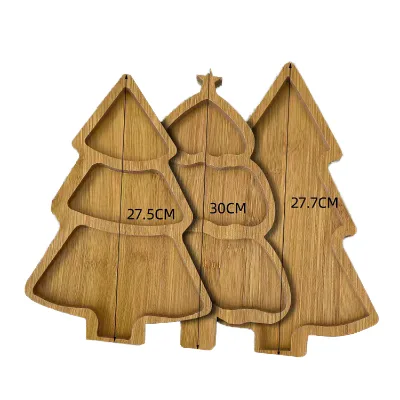
Classic Eco-Friendly Wooden Christmas Tree Dessert & Snacks Serving Tray for Party
$1.3332 - $1.5085
MOQ: 159 pieces
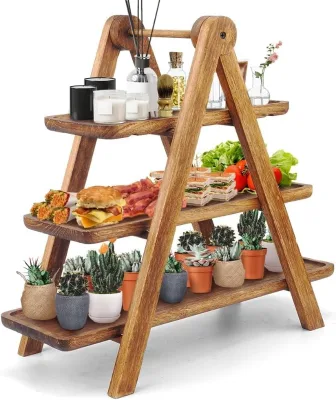
Rustic Wooden Tiered Tray Wooden Trays for Food Display and Plant Storage
$7.80 - $8.00
MOQ: 500 pieces

CAO COUNTY DAWANG ARTS AND CRAFTS CO., LTD.
- Verified by TUVRHEINLAND
- Manufacturer/Factory
- China Shandong
- Lead time23 days
- Avg. response≤ 19h
Main productsWooden Cabinet, Iron Furniture, Wall Shelf
Main marketsEastern Europe,North America,Western Europe


Vintage Color Wooden Serving Tray Wooden Tray with Handle Wood Serving Tray
$2.50 - $3.50
MOQ: 1000 Sets


Custom Manufacture Wholesale Wood Breakfast Serving Organizing Wooden Tray
$2.50 - $3.50
MOQ: 1000 Sets
Caoxian Shuanglong Arts & Crafts Plant
- Verified by SGS Group
- Manufacturer, Trading Company
- Lead time30 days
- Avg. response≤ 1h
Main productsWooden packaging, Wooden pet products, Wooden holiday decoration, Wooden home decoration, Wooden box
Main marketsDomestic Market(45%), North America(8%), Southeast Asia(8%)
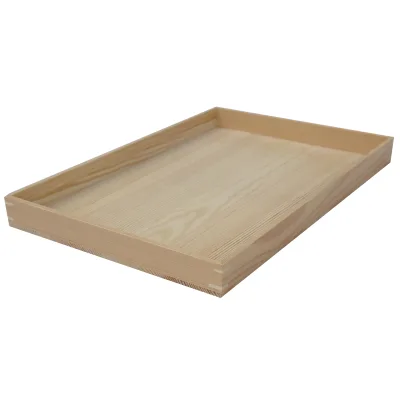
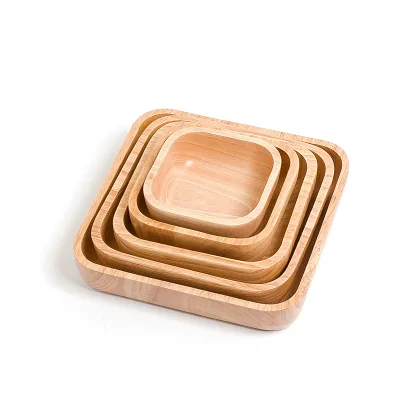
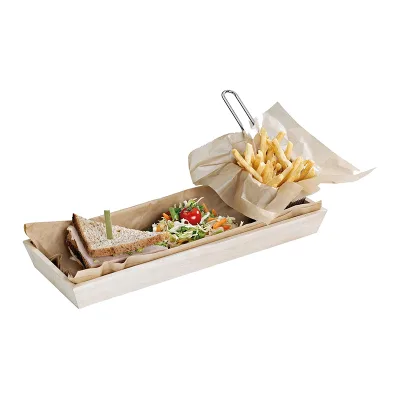
Natural Wood Serving Trays Long Wood Tray for Snacks
$1.90 - $2.90

Xiamen Ebei Import & Export Co., Ltd.
- Verified by CTI
- Trading Company,Manufacturer/Factory
- China Fujian
- Lead time45 days
- Avg. response≤ 2h
Main productsEco-Friendly Products, Bamboo Tableware, Bamboo Furniture, Bamboo Kitchenware, Bamboo Office Supply, Bamboo Fibre Products, Biodegradable Products, Bamboo Towel, Solar Energy Products, Bamboo Garden Products
Main marketsSouth America,Eastern Europe,Mid East,North America,Southeast Asia,Eastern Asia,Oceania,Western Europe,Africa
Fuzhou Bridge Trading Co., Ltd.
- Verified by TüVRheinland
- Manufacturer, Trading Company
- Lead time45 days
- Avg. response≤ 2h
Main productsCutting Board, Cheese Board, Bamboo Drawer Organizer, Bath Tray, Bamboo Storage Box
Main marketsNorth America(60%), Western Europe(40%)
Caoxian Kangyi Wood Products Co., Ltd.
- Manufacturer, Trading Company
- Lead time旺季: "1 - 10":10,"11 - 500":30,"501 - 1000":40,"> 1000":"To be negotiated", 淡季: "1 - 10":10,"11 - 500":30,"501 - 1000":40,"> 1000":"To be negotiated"
- Avg. response≤ 2h
Main productsWooden Tableware, Serving Trays, Small Furniture, Wooden Outdoor Goods
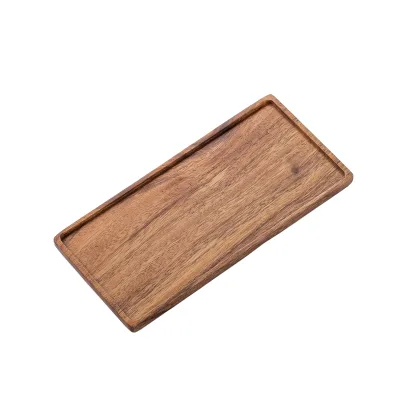
Modern Handcrafted Acacia Wooden Trays Wooden Serving Platter Home Storage & Organization
$3.1308 - $3.2656
MOQ: 10 pieces
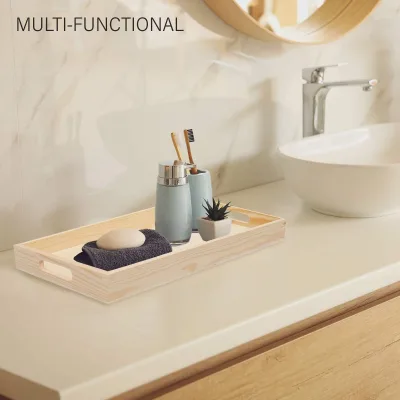
Factory Direct Sales Can Be Customized Wooden Serving Tray Storage Trays with Handles
$1.50 - $1.90
MOQ: 500 pieces
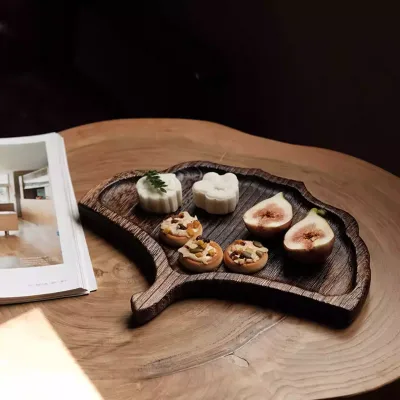
Putian Meifu Household Products Co., Ltd.
- Verified by TüVRheinland
- Manufacturer, Trading Company
- Lead time30 days
- Avg. response≤ 3h
Main productsWooden Spoon, Wooden Bowl, Wooden Chopsticks, Wooden Plate, Wooden Shove
Main marketsDomestic Market(70%), North America(10%), Eastern Asia(10%)

Forever Standing Stationery Co., Ltd.
- Combined
- China Guangdong
- Lead time30 days
- Avg. response≤ 22h
Main productsCosmetic Box, Jewelry Box, Make up Box, Wine Box, Wine Bags, Wine Rack, Storage Box, Gift Packing Box, Photo Albums, Stationery and Office Supply
Main marketsSouth America,Africa,Southeast Asia/ Mideast,East Asia(Japan/ South Korea),Domestic,Europe,Australia,North America
Cao County Grandview Arts & Crafts Co., Ltd.
- Manufacturer, Trading Company
- Shandong, China
- Lead time20 days
- Avg. response≤ 4h
Main productskitchen knife rack,wooden trash bin,wooden frames,kitchen wall shelf,bathroom storage rack
Main marketsNorth America(35.00%), Western Europe(13.00%), South Asia(10.00%), Eastern Europe(7.00%), Mid East(7.00%), Southern Europe(5.00%), Domestic Market(5.00%), Eastern Asia(5.00%), Southeast Asia(5.00%), Northern Europe(4.00%), Oceania(2.00%), Africa(2.00%)
Cao County Huikang Crafts Co., Ltd.
- Manufacturer, Trading Company
- Shandong, China
- Lead time30 days
- Avg. response≤ 3h
Main productsWooden Pallets, Wooden Birds Nest, Bamboo Wooden Tray, Wooden Box, Multifunctional Wooden Wall Frame
Main marketsDomestic Market(30.00%), North America(20.00%), Oceania(10.00%), Western Europe(10.00%), Southern Europe(10.00%), Eastern Asia(10.00%), Southeast Asia(10.00%)
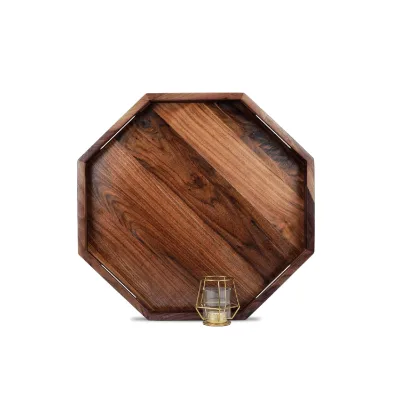
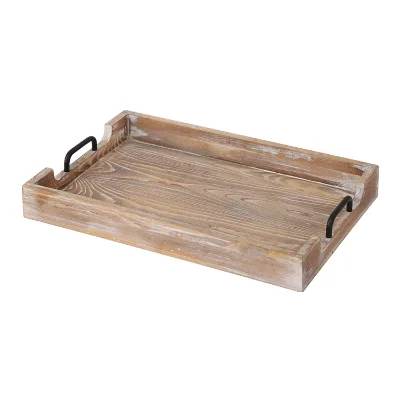
Wooden Square Tray Wholesale Long Wooden Tray Wooden Tray Rectangle Serving
$7.00 - $8.80
MOQ: 200 pieces
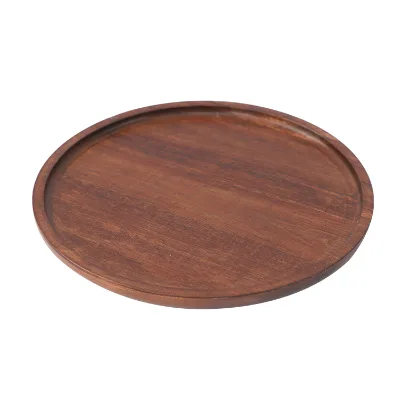
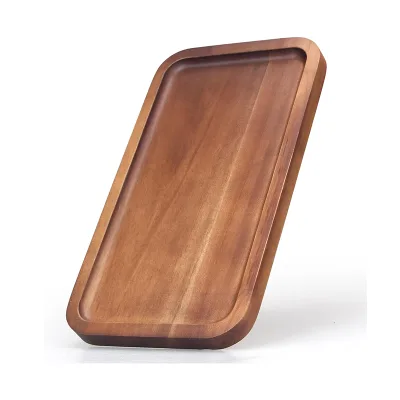
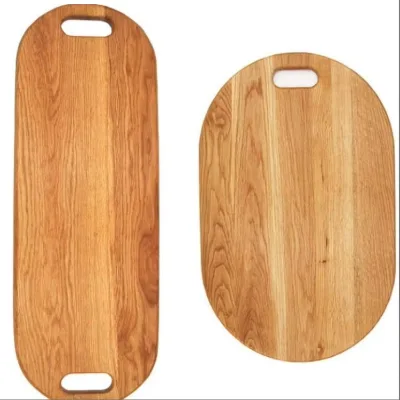
$8.00 - $15.00
MOQ: 100 pieces
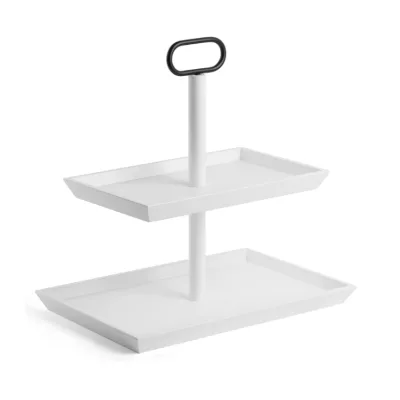
Hot Sale Rectangular Wooden Tray Wooden Serving Tray Two-tier Tray Rectangle
$7.00 - $8.00
MOQ: 200 pieces
Caoxian Fengdan Wood Industry Co., Ltd.
- Verified by SGS Group
- Manufacturer, Trading Company
- Lead time45 days
- Avg. response≤ 2h
Main productsWooden Cutting & Serving Board, Wooden Trays, Wooden Box, Wooden Bowl, Wooden Rack

Caoxian Zhongyi Wooden Co.,Ltd
- Verified by BV
- Combined
- China Shandong
- Lead time30 days
- Avg. response≤ 14h
Main productsWoodwork
Main marketsEurope

Eco Friendly Wooden Tray Wood Serving Trays Cheap Wholesale Natural Tray
$1.68 - $2.46
MOQ: 500 Pieces


Wooden Tray Wooden Serving Tray Wooden Breakfast Tray with Metal Handle Wholesale
$6.48 - $7.34
MOQ: 500 Pieces


Trays Fruit Basket Wood Serving Tray Round Wooden Serving Trays for Food
$4.80 - $6.00
MOQ: 1000 Pieces

Rustic Wooden Serving Trays with Handle Large, Medium and Small Nested Serving Tray
$3.75 - $5.65
MOQ: 500 Pieces
Cao County Minnong Wood Co., Ltd.
- Manufacturer, Trading Company
- Shandong, China
- Lead time30 days
- Avg. response≤ 3h
Main productsWooden cutting board,wooden tray,Bamboo cutting board,Wooden pallet,Wooden storage rack
Main marketsNorth America(25.00%), Southeast Asia(20.00%), Central America(16.00%), Eastern Europe(13.00%), South America(12.00%), Oceania(10.00%), Domestic Market(2.00%), Northern Europe(2.00%)

Xuzhou Tuosen Bamboo Wood Products Co., Ltd.
- Verified by CTI
- Combined
- China Jiangsu
- Lead time23 days
- Avg. response≤ 1h
Main productsIce Cream Stick
Main marketsSoutheast Asia/ Mideast

Fenghua Technology Development Co Ltd
- Verified by TUVRHEINLAND
- Combined
- China Zhejiang
- Lead time23 days
- Avg. response≤ 3h
Main productsAdhesive Paper, Lint Roller, Glue Trap, Serving Tray
Main marketsSouth America,Africa,Southeast Asia/ Mideast,East Asia(Japan/ South Korea),Domestic,Europe,North America

Custom Wood Food Tray Dinner Tray Serving Table Ash Wooden Serving Trays
$1.65 - $1.67
MOQ: 1000 Pieces


Caoxian Harmony Home Crafts Co., Ltd.
- Manufacturer, Trading Company
- Shandong, China
- Lead time0 days
- Avg. response≤ 2h
Main productsCrafts
Main marketsSouth America(40.00%), Eastern Asia(10.00%), Mid East(10.00%), Oceania(10.00%), Africa(10.00%), Eastern Europe(10.00%), North America(10.00%)

- Manufacturer/Factory
- China Fujian
- Lead time45 days
- Avg. response≤ 12h
Main productsBamboo Chopping Board, Bamboo Box, Bamboo Tray, Bamboo Bottle, Bamboo Products, Bamboo Cutlery, Bamboo Plywood, Bamboo Furniture, Bamboo Plate, Bamboo Broom
Main marketsSouth America,Eastern Europe,Mid East,North America,Southeast Asia,Oceania,Western Europe,Africa

Ecofriendly Bamboo Wooden Tray Woven Bamboo Serving Trays Cheap Wholesale Natural Tray
$1.00 - $5.40
MOQ: 300 Pieces


Wholesale Custom Printed High Quality Serving Tray Wood Serving Tray with Handle Decorative Tray
$1.00 - $5.40
MOQ: 300 Pieces

Jinjiang Jiaxing Import and Export Co., Ltd.
- Verified by CTI
- Manufacturer/Factory
- China Fujian
- Lead time120 days
- Avg. response≤ 2h
Main productsShoes, Slipper, Clothes, Promotion Gifts, Silicone Products, Outdoor Sports Products, Bags, Fashion Accessories, Consumer Electronics
Main marketsSouth America,Eastern Europe,Mid East,North America,Southeast Asia,Eastern Asia,Oceania,Western Europe,Africa
- Verified by SGS Group
- Manufacturer, Trading Company
- Lead time20 days
- Avg. response≤ 2h
Main productsBird House, Wooden Box, Wooden Crafts, Wooden Furniture, Wooden Storage
Main marketsNorth America(40%), Western Europe(30%), Domestic Market(30%)

Chanage Bamboo And Wood Industrial Co., Ltd.
- Manufacturer
- Hunan, China
- Lead time35 days
- Avg. response≤ 10h
Main productsbamboo & wooden boxes,bamboo & wooden cutlery,bamboo & wooden tableware,disposable bagasee tableware,bamboo lid jars
Main marketsNorth America(50.00%), Western Europe(30.00%), Northern Europe(10.00%), Eastern Europe(10.00%)
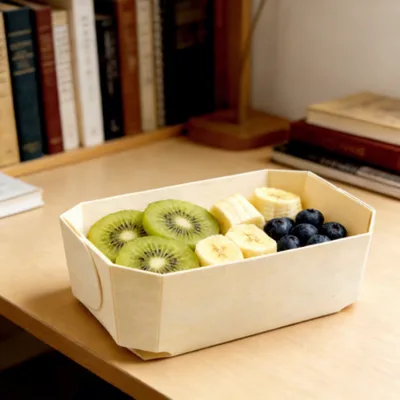
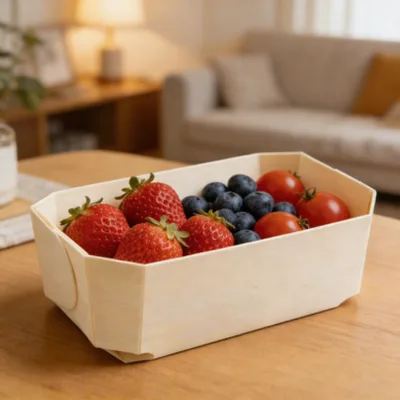
Eco-friendly, Single-use Wooden Trays Ideal for Fruit, Vegetables, Baked Goods and Desserts
$0.11 - $0.30
MOQ: 10000
Cao County Jinpengyuan Container Packaging Co., Ltd.
- Verified by SGS Group
- Manufacturer, Trading Company
- Lead time30 days
- Avg. response≤ 4h
Main productsOak Barrel, Wooden Box, Wood Tray, Fumigator, Cutting Board
Main marketsDomestic Market(30%), North America(15%), South America(10%)
- Verified by SGS Group
- Manufacturer, Trading Company
- Lead time30 days
- Avg. response≤ 2h
Main productsWood home decoration, Wood storage, Wood packaging, Wood crafts, Wood furniture
Main marketsNorth America(35%), Northern Europe(20%), Southern Europe(20%)
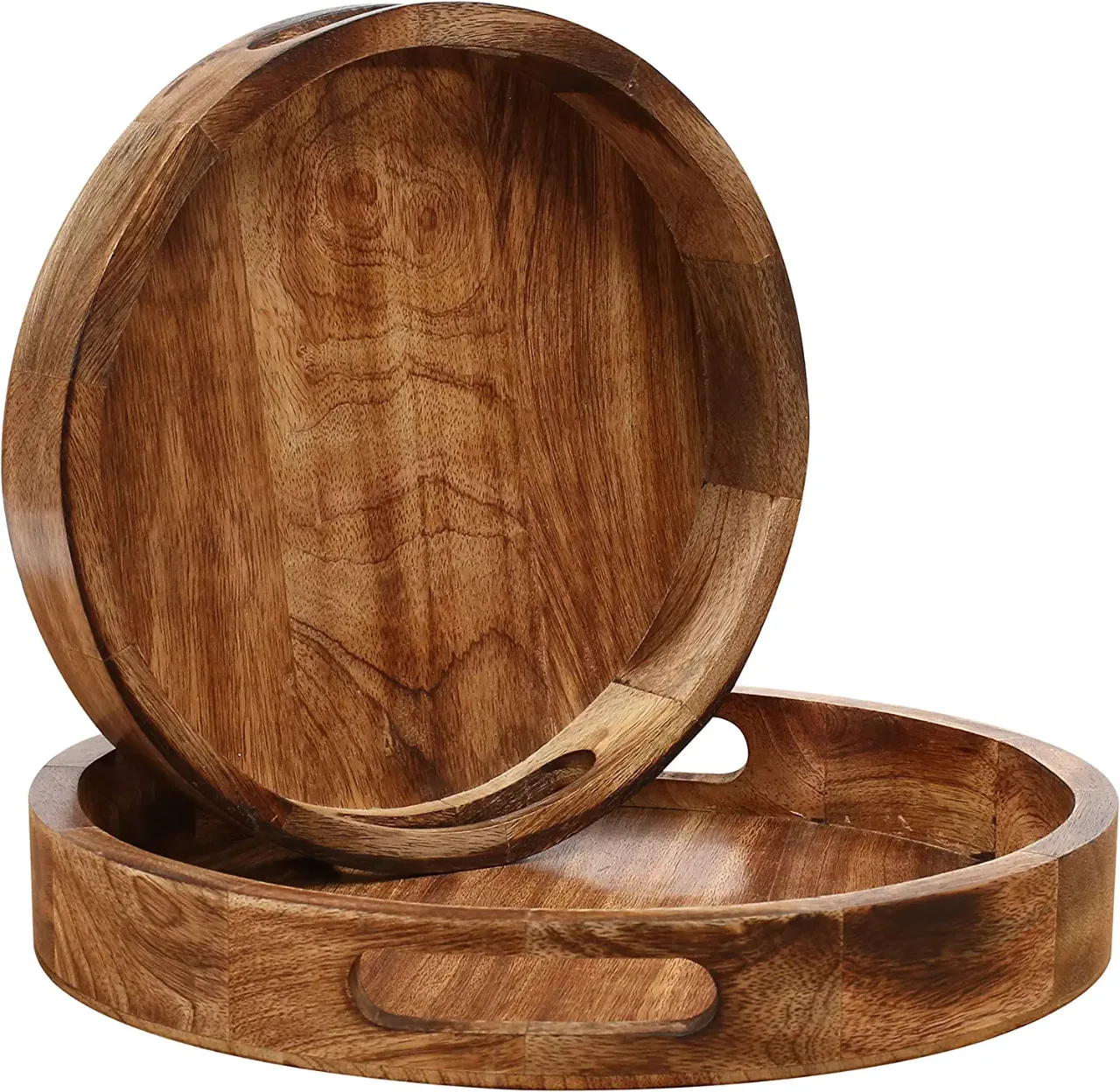
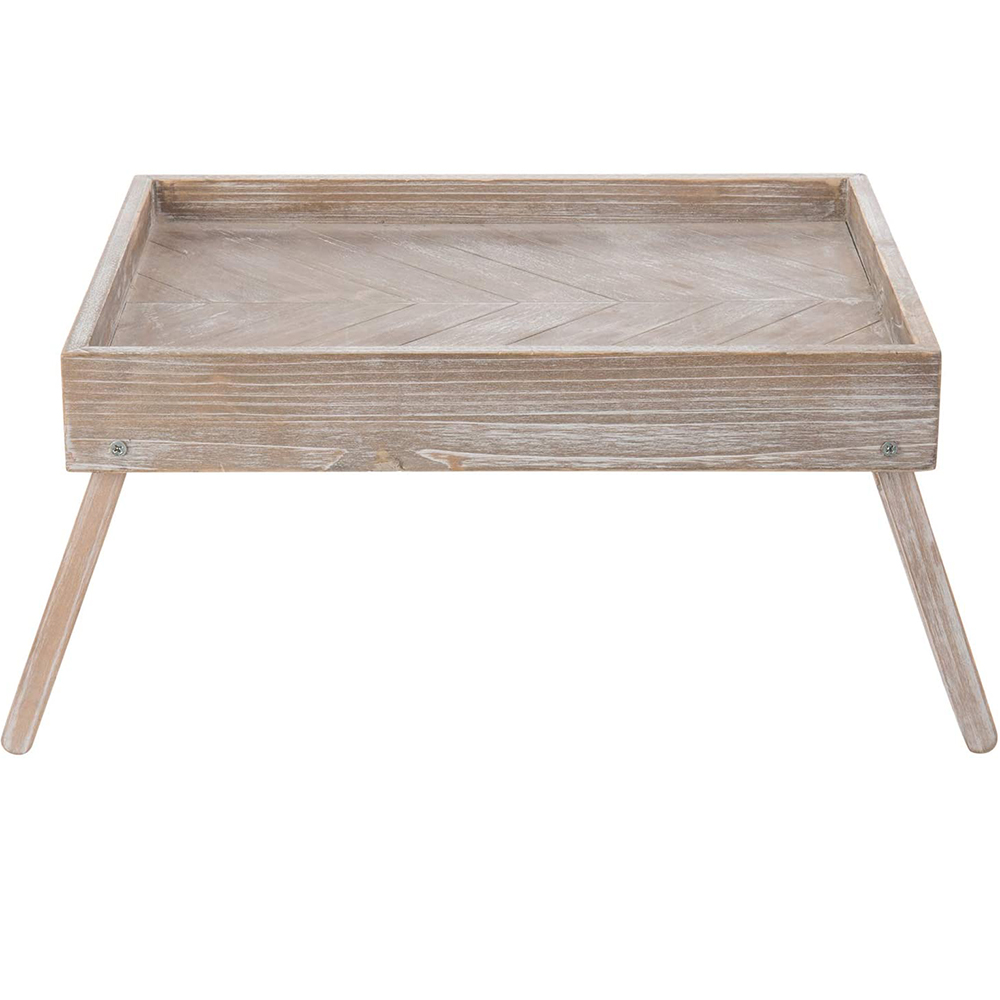
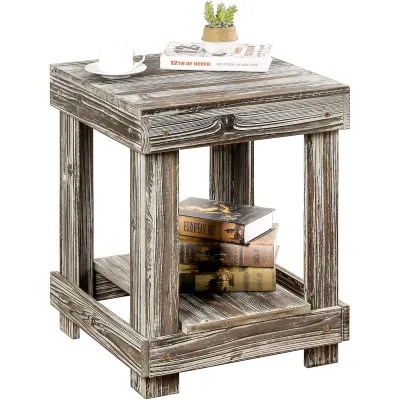
Solid Wood Country Style Solid Wood Tray
$10.45 - $11.44
Caoxian Zhecheng Wood Industry Co.,ltd
- Verified by SGS Group
- Manufacturer, Trading Company
- Lead time20 days
- Avg. response≤ 2h
Main productsWooden box, Wooden tray, Wooden shelf, Wooden crate
Main marketsNorth America(50%), Western Europe(30%), Mid East(10%)
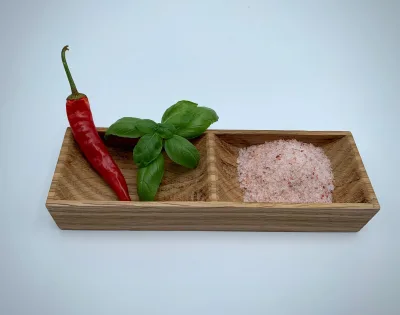
$5.1381 - $5.9575
MOQ: 200 pieces
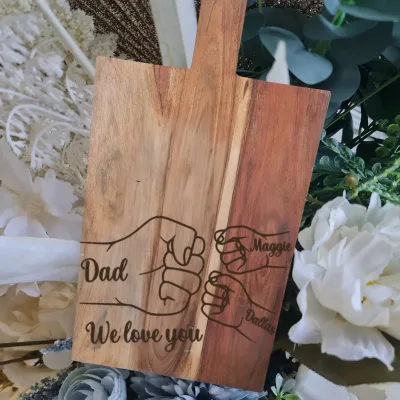
$7.3312 - $7.9469
MOQ: 200 pieces
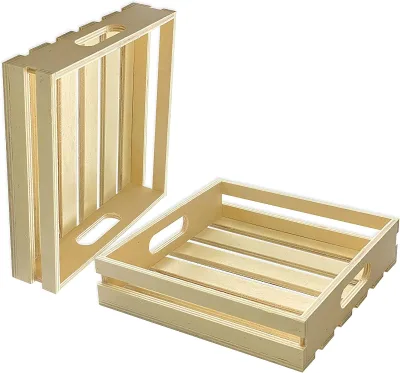
Fujian Bamboo Element Industry And Trade Co., Ltd.
- Trading Company
- Fujian, China
- Lead time35 days
- Avg. response≤ 7h
Main productsBamboo And Wood Organization,Kitchenware accessories,Bamboo plate&dish,Bathroom products,Bamboo cutting board
Main marketsSouth America(70.00%), Western Europe(10.00%), Eastern Europe(10.00%), Oceania(5.00%)
Heze Longyipan Crafts Co., Ltd.
- Manufacturer, Trading Company
- Shandong, China
- Lead time45 days
- Avg. response≤ 2h
Main productsKitchenware, Pet Supplies, Storage Box, Wooden Storage Shelf
Main marketsNorth America(40.00%), Northern Europe(25.00%), South America(15.00%), Southeast Asia(10.00%), South Asia(5.00%), Oceania(5.00%)

Shaowu Han Well Import and Export Trade Co., Ltd.
- Trading Company
- China Fujian
- Lead time23 days
- Avg. response≤ 9h
Main productsChopping Boards, Serving Boards, Bamboo Skewer, Bamboo Stick, Tray, Cutting Board, Box, Utensil Tool, Bamboo Chopsticks, Coffee Stirrers
Main marketsEast Asia(Japan/ South Korea),Europe,Australia,North America


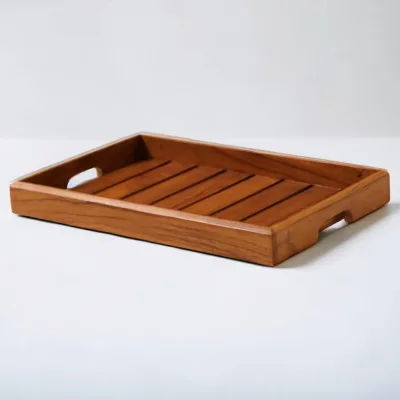







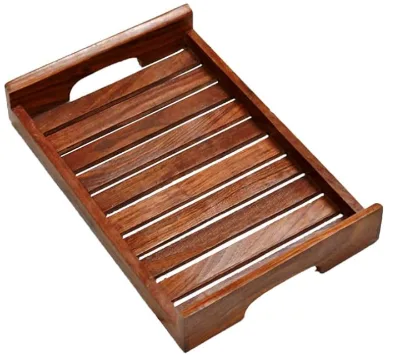
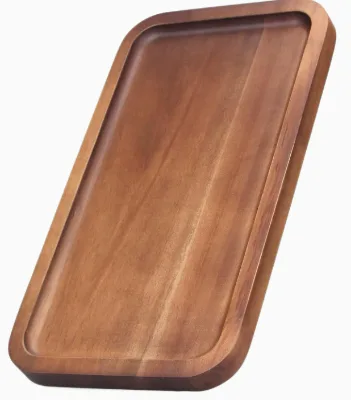
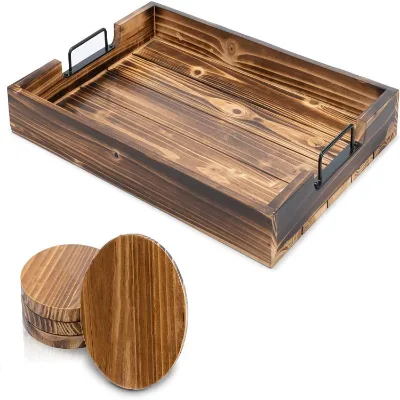
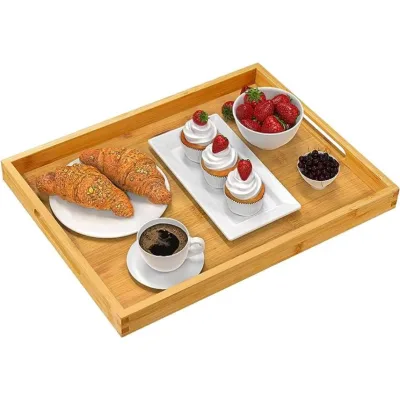


Comprehensive Sourcing Guide
Classic Disposable Wooden Storage Tray Supplier Concentration and Factory Types
When evaluating suppliers for classic disposable wooden storage trays, buyers must first understand the structural composition of the available manufacturing base. The current market data indicates a significant presence of trading companies alongside direct manufacturers, particularly within specific geographic clusters. For instance, one observed supplier is located in China Yunnan and operates primarily as a trading company, while another entity functions as both a manufacturer and a trading company. This dual nature is critical for procurement strategies, as trading companies often aggregate products from multiple smaller workshops, whereas manufacturers control the entire production line. The main products listed for these entities frequently include bamboo products, crafts, chopsticks, and various storage solutions, suggesting that many factories possess the machinery and expertise to produce wooden trays as part of a broader portfolio rather than as a specialized niche.
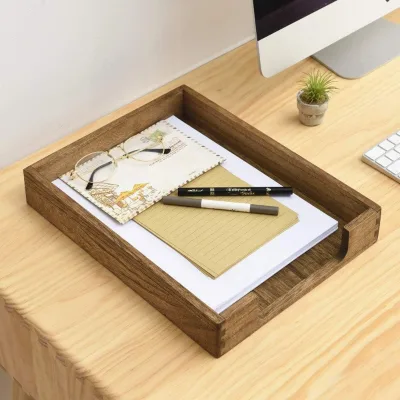
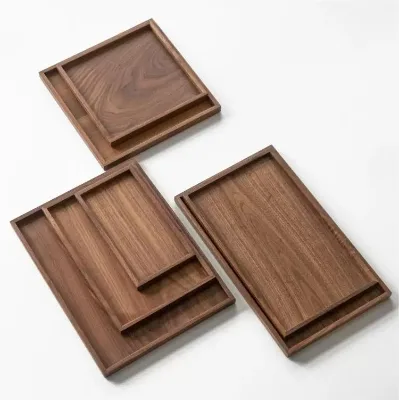
Understanding this distinction helps buyers assess reliability and flexibility. A supplier identified as a trading company may offer a wider variety of designs and faster access to stock items, such as the minimalist solid wood desktop storage trays or rustic tiered trays observed in the results. However, they may have less direct control over raw material sourcing and production scheduling. Conversely, manufacturers, such as those producing classic eco-friendly wooden Christmas tree dessert trays, might offer better customization options for materials and processes, such as pulp molding or specific wood treatments. Buyers should verify the company type through platform verification badges, such as SGS, which can provide an additional layer of confidence regarding the supplier’s operational legitimacy. It is essential to determine whether the supplier is the actual producer or an intermediary, as this impacts communication efficiency, quality control protocols, and the ability to handle complex custom orders for disposable wooden storage solutions.
How to Verify Classic Disposable Wooden Storage Tray Suppliers
Verification is the cornerstone of mitigating risk when sourcing classic disposable wooden storage trays from international markets. Buyers should prioritize suppliers who display third-party verification badges, such as SGS, which indicates that an independent agency has audited the company’s business license and operational capabilities. In the current results, one supplier is explicitly marked as SGS verified, providing a tangible metric for trustworthiness. Beyond verification badges, buyers must scrutinize the supplier’s response time, which serves as an indicator of operational efficiency and customer service quality. A response time of approximately 2.96 hours or 2 hours, as seen in the data, suggests a responsive team capable of addressing urgent inquiries or custom specification changes. Slow response times can signal potential bottlenecks in communication, which may lead to delays in sample approval or order processing.
Additionally, buyers should examine the supplier’s product evidence to ensure alignment with their specific needs for disposable wooden storage trays. This involves checking product attributes such as material composition, customization availability, and process types. For example, some products are listed with attributes like "Disposable: Non-Disposable" or "Process: Handmade/Other," which helps clarify whether the supplier can meet the specific functional requirements of a classic disposable tray. Buyers should also look for detailed product keywords and descriptions that mention eco-friendly features, pulp molding, or specific wood types, as these details often reflect the supplier’s technical expertise. It is crucial to verify that the supplier’s stated capabilities match the actual product listings, ensuring that they can deliver the quality and consistency required for commercial use. By combining verification badges, response metrics, and detailed product evidence, buyers can build a comprehensive profile of each potential supplier’s reliability and suitability.
What to Compare Across Classic Disposable Wooden Storage Tray Suppliers
When comparing suppliers for classic disposable wooden storage trays, several key dimensions must be evaluated to determine the best fit for a buyer’s operational needs. Lead time is a critical factor, with some suppliers indicating a standard lead time of 23 days, while others provide seasonal variations, such as 9 days during peak and off-peak seasons for orders under 159 units, with larger orders requiring negotiation. This variability highlights the importance of aligning order volumes with supplier capacity and production schedules. Minimum Order Quantity (MOQ) is another significant differentiator, ranging from as low as 159 pieces for certain classic designs to 1000 or 5000 pieces for other products. Buyers with smaller volume requirements may find suppliers with lower MOQs more suitable, while those seeking economies of scale should target suppliers with higher volume thresholds.
Price and customization options also play a vital role in the comparison process. Prices for wooden trays can vary significantly, from as low as $0.028 per unit for disposable chopsticks to over $9.98 for specialized serving trays, reflecting differences in material, complexity, and intended use. Buyers should compare unit prices against the specified MOQ to calculate total landed costs accurately. Furthermore, the availability of customization, including design, color, and packaging, should be assessed. Some suppliers offer fully customizable products, allowing for brand-specific branding and unique design elements, while others may only offer stock items. Response time, ranging from 2 to 2.96 hours, should also be factored into the decision, as faster responses can facilitate quicker sample approvals and issue resolution. By systematically comparing lead times, MOQs, prices, and customization capabilities, buyers can identify suppliers that offer the best balance of cost, speed, and flexibility for their Classic Disposable Wooden Storage Tray requirements.
Common Classic Disposable Wooden Storage Tray Sourcing Risks
Sourcing classic disposable wooden storage trays involves several inherent risks that buyers must proactively manage to ensure successful procurement. One significant risk is the discrepancy between sample quality and bulk production output. Suppliers may provide high-quality samples, such as the premium rectangular bamboo serving trays or rustic wooden tiered trays, but fail to maintain the same standards during mass production. This risk is exacerbated when dealing with trading companies that may source from multiple subcontractors, leading to inconsistencies in material quality, finish, and durability. Buyers should mitigate this by requesting pre-shipment inspections and establishing clear quality control criteria in their contracts, including specific tolerances for dimensions, weight, and aesthetic defects.
Another common risk is the misalignment of lead times with market demand. As observed, lead times can vary based on order size and seasonality, with some suppliers requiring negotiation for larger orders. Delays in production can disrupt supply chains, leading to stockouts and lost sales opportunities. Buyers should maintain open communication with suppliers regarding production schedules and request regular updates on order progress. Additionally, there is a risk associated with customization errors, particularly when suppliers offer extensive customization options for design, color, and packaging. Miscommunication in specifications can result in products that do not meet brand requirements or regulatory standards. To address this, buyers should provide detailed technical drawings and specifications, and request digital proofs or physical samples before authorizing full production. By anticipating these risks and implementing robust verification and communication protocols, buyers can minimize disruptions and ensure the delivery of high-quality classic disposable wooden storage trays.
Classic Disposable Wooden Storage Tray Regional Sourcing and Logistics
Regional sourcing plays a pivotal role in determining the cost structure and logistical efficiency of Classic Disposable Wooden Storage Tray procurement. The current data highlights China as a primary sourcing hub, with specific mentions of locations such as Yunnan and Shandong. Suppliers in these regions often benefit from established supply chains for raw materials like bamboo and wood, as well as mature manufacturing infrastructure. For instance, one supplier is located in Shandong, China, and produces wooden charger plates and serving trays, leveraging local resources and expertise. Another supplier in Yunnan focuses on bamboo products, indicating a regional specialization in specific materials. Buyers should consider the geographic proximity of suppliers to major shipping ports, as this can impact freight costs and transit times.
Logistics planning must also account for the weight and volume of wooden trays, which can be substantial due to the density of wood and bamboo materials. Suppliers often use carton or palletizing for packaging, as noted in the product attributes, which affects container loading efficiency. Buyers should collaborate with suppliers to optimize packaging designs to maximize container space and reduce shipping costs. Additionally, international trade regulations and import duties vary by destination country, so buyers must ensure compliance with local standards for wooden products, such as phytosanitary certificates or fumigation requirements. Understanding the regional strengths of suppliers, such as Yunnan’s bamboo expertise or Shandong’s wood processing capabilities, allows buyers to select partners who can deliver high-quality products efficiently. By integrating regional insights into their sourcing strategy, buyers can streamline logistics, reduce costs, and enhance the overall reliability of their supply chain for classic disposable wooden storage trays.
Classic Disposable Wooden Storage Tray Commercial Terms and Order Planning
Effective order planning for classic disposable wooden storage trays requires a thorough understanding of commercial terms and financial structures. Payment terms, such as escrow services, provide a layer of security for buyers by holding funds until the goods are received and verified. While specific escrow details are not explicitly provided in the current data, buyers should inquire about available payment options and ensure that transactions are protected through platform guarantees. Pricing structures also vary, with some suppliers offering fixed prices for stock items, such as $0.32 for minimalist solid wood trays, while others may require negotiation for custom orders. Buyers should request detailed quotations that include unit prices, MOQs, and any additional costs for customization, packaging, or shipping.
Order planning must also consider the supplier’s production capacity and lead times to avoid bottlenecks. For example, suppliers with a lead time of 23 days or seasonal variations of 9 days require careful scheduling to align with market demand. Buyers should establish a clear order timeline, including sample approval, production start, and delivery dates, and communicate this timeline to the supplier to ensure alignment. Additionally, buyers should plan for potential contingencies, such as production delays or quality issues, by maintaining a buffer stock or identifying alternative suppliers. By integrating commercial terms, pricing structures, and production schedules into a comprehensive order plan, buyers can optimize their procurement process, reduce costs, and ensure the timely delivery of classic disposable wooden storage trays. This strategic approach enhances supply chain resilience and supports long-term business growth.
FAQs
What is the price range for classic wooden trays?
Prices vary by product type and customization. Disposable chopsticks start at $0.028 per unit, while solid wood desktop trays cost around $0.32. Premium serving trays range from $1.33 to $9.98. Buyers should check specific product listings for exact pricing based on material and design requirements.
What is the minimum order quantity for these items?
MOQs depend on the specific product selected. Disposable chopsticks require a minimum of 1,000 units. Bamboo cutlery trays have an MOQ of 5,000 pieces. Classic eco-friendly dessert trays start at 159 units. Rustic wooden tiered trays require a minimum of 500 pieces. Always verify the MOQ on the product page.
How long does production take for orders?
Standard lead times are approximately 23 days for general orders. For specific items like classic wooden dessert trays, production takes 9 days for orders under 159 units. Larger orders exceeding 159 units require negotiation for lead times. Buyers should confirm current production schedules with suppliers before placing orders.
Are these trays made from bamboo or wood?
Suppliers offer both bamboo and wood materials. Products include bamboo chopsticks, bamboo weaving trays, and solid wood desktop organizers. Some items combine bamboo and wood materials. Classic wooden trays are often made from solid wood or charred wood. Buyers can select materials based on their specific aesthetic and functional needs.
Can I customize the design and packaging?
Customization is available for most products. Buyers can customize design, color, and packaging for bamboo chopsticks and wooden trays. Models are often customizable to meet specific requirements. Packaging options include carton or palletizing. Suppliers accept customized logos and colors for many items, allowing for brand-specific solutions.
Where are these suppliers located?
Suppliers are primarily located in China. Specific locations include Yunnan and Shandong. Yunnan suppliers focus on bamboo products and crafts. Shandong suppliers offer wooden trays and dinnerware. Buyers can filter results by location to find suppliers closer to their shipping preferences or logistics hubs.
What is the supplier response time?
Response times vary among suppliers. Some suppliers respond within 2.96 hours, while others respond within 2 hours. Faster response times indicate active customer service teams. Buyers should prioritize suppliers with quick response times for efficient communication regarding quotes, samples, and order details.